The Burmese Calendar is a luni-solar-socio-religious calendar.
The Burmese New Year falls on or around April 16. The three (or sometimes four) days preceding the New Year is celebrated as Thingyan (similar to Songkran festival in Thailand).
It is a lunar calendar with 12 lunar months in most years. An intercalary month called “Second Waso” is added every three years. There are 12 religious and/or social festivals (one for each Burmese month).
Most religious festivals are celebrated on the Full Moon Day.
The following is a brief description of the 12 Burmese months and the associated festivals.
1. Month of Tagu
Name of the auspicious event: Ushering in the Burmese New Year by the Buddhists
Associated festival: A Ta Thingyan Water Festival (generally held from April 13 – 15 or 16)
Details for the celebration: (a) Invite guests for special treat. (b) Take eight precepts and practice Sila (morality). (c) Listen attentively to the “38 Blessings” by the sangha. (d) Chant Paritta (protective verses) and Pathana (“relations”) (e) Pay homage to the elderly people as if they were one’s own parents (f) All the above are performed (by the Burmese Buddhist) to accumulate kusala (wholesome deeds) (g) Most younger people usher in the Burmese New Year by throwing water (h) Thingyan festival is the most prominent among the 12 (monthly) festivals.
Objectives: To cleanse akusala (unwholesome deeds) from the past year (a) symbolically by throwing water (b) practically by performing meritorious deeds such as dana (charity), sila (mrality), and bhavana (meditation)
2. Full Moon Day of Kason
Name of the auspicious event: Buddha’s Day. It is the most prominent day for the (Theravada) Buddhists celebrating four milestones (a) the proclamation that the Bodhisatta Sumeda would become Buddha in four incalculables and 100,000 worlds (b) birth of the Boddhisatta Sidartha (c) enlightenment of Gautama Buddha (d) Mahaparinibbna (final passing away of Buddha)
Associated festival: Kason Nyaung Ye Thun Pwe (pouring water on the Bodhi tree)
Details for the celebration: (a) Invite guests for special treat. (b) Invite sangha and offer requisites (c) Take (five or eight) precepts and practice Sila (morality) (d) Listen to the dhamma talks (e) Practice metta (loving kindness meditation) (f) Share merits (g) Pour water on the Bodhi tree
Objectives: (a) To acknowledge the practice of parami (perfection) for four incalculables in order to become a Buddha (b) To realize that Buddha’s teachings are for our own good (c) To make a determination that we should practice Buddha’s teachings to the fullest extent
3. Full Moon Day of Nayone
Name of the auspicious event: Mahasamaya (“Great Occasion”) A Kha Daw Nay (a) Commemorating truce between Kapilavutta and Koliya countries (b) Assembly of devas, brahmas, galons, nagas, and sanghas expressing their metta (unbounded love) (c) Ordination of 500 princes from the Sakya clan (d) In sum, distinguished and outstanding day of love and peace
Associated festival: Recitation of Mahasamaya Sutta
Details for the celebration: (a) Invite guests for special treat. (b) Invite sangha and offer requisites (c) Take (five or eight) precepts and practice Sila (morality) (d) Listen to the dhamma talks (e) Recite Mahasamaya Sutta (f) Practice metta (loving kindness meditation) (g) Share merits
Objectives: (a) To advocate love and peace among nations with diverse cultures and beliefs (b) To practice metta (unbounded love) not only for humans but for all beings
4. Month of Waso
Name of the auspicious event: (a) Offering of Waso robes (b) Recitation of Dhammacakkapavutna Sutta (“Turning the Wheel of Dhamma”)
Associated festival: There is no specific date for the offering of Waso robes to the sangha. Full Moon Day of Waso is a prominent day for (Theravada) Buddhists celebrating three milestones (a) the day when Boddhisatta was conceived in the womb of Queen Mahamaya (b) the day when Prince Sidharta renounced his worldly pleasures (c) the day when the First Sermon Dhammacakkapavutna Sutta was delivered to his five disciples
Details for the celebration: (a) Invite guests for special treat. (b) Invite sangha and offer requisites (c) Take (five or eight) precepts and practice Sila (morality) (d) Listen to the dhamma talks about Magga (Noble Eight-fold Path) (e) Collectively recite Dhammacakkapavutna Sutta (f) Practice metta (loving kindness meditation) (g) Share merits
Objectives: (a) To avoid the two extremes of sensual pleasure and self-mortification (b) To practice the Noble Eight-fold Path
5. Full Moon Day of Wa Khaung
Name of the auspicious event: Metta (“Unbounded Love”) A Kha Daw Nay 500 monks who were practicing meditation in the forest were intimidated by nats (guardian spirits) and returned to Buddha’s monastery. Buddha preached them Metta Sutta and exhorted them to practice loving kindness meditation to the nats before meditating. The monks returned to the forest and practiced per Buddha’s exhortation. The nats no longer obstructed the practice of the monks, thereby allowing them to progress and get enlightened. Thus, Metta A Kha Daw Nay came into being.
Associated festival: Recitation of Metta Sutta & Sar Ye Tan Mei (deciding the donation to a monk based on a “raffle” [letter written on a stick, in ancient times]
Details for the celebration: (a) Invite guests for special treat. (b) Invite sangha and offer requisites (c) Take (five or eight) precepts and practice Sila (morality) (d) Collectively recite Metta Sutta (e) Offer requisites to the monks based on the Sar Ye Tan Mei “raffle” (f) Dhamma talk on metta and the virtues of practicing metta (g) Share merits
Objectives: To practice metta (unbounded love), karuna (compassion), mudita (altruistic joy), & uppekha (equinamity)
6. Full Moon Day of Tawthalin
Name of the auspicious event: Garudhamma (“Five precepts”) A Kha Daw Nay A brief history is as follows. Bodhisatta was (once) born in Kuru Taing (province), where the king and his people practiced Garudhamma. They refrain from (a) killing (b) stealing (c) sexual misconduct (d) lying (e) taking intoxicants. So, the weather was fine and wealth was amassed. Kawlinga Taing (province) suffered from (a) war (b) famine (c) disease. Many perished. The king and people of Kawlinga Taing decided to emulate the king and people of Kuru Taing. Soon, the weather became fine and wealth was amassed. The three sufferings disappeared. The Full Moon Day of Tawthalin, which is part of the rainy season, was named Garudhamma (“Five precepts”) A Kha Daw Nay.
Associated festival: Competition for reciting poems about the merits of taking five precepts.
Details for the celebration: Host competitions for reciting poems about the merits of taking five precepts.
Objectives: (a) To make people aware of the merits of taking five precepts (b) To have a peaceful community (c) To promote world peace
7. Full Moon Day of Thadinkyut
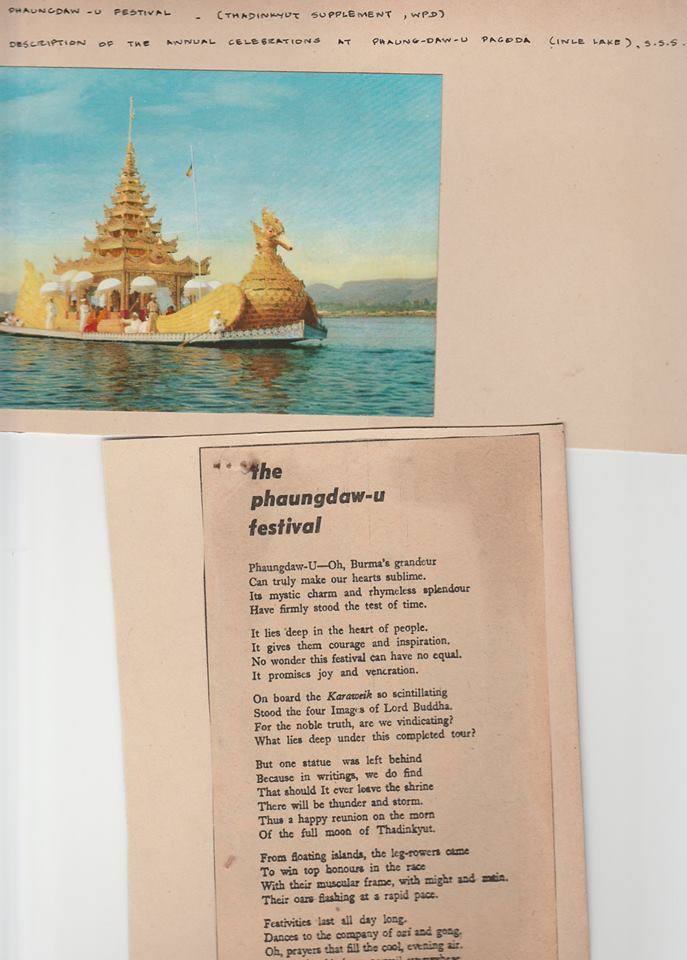
Phaungdaw-u Festival
Name of the auspicious event: Abhidhamma (“Ultimate Reality”) A Kha Daw Nay & Mahapavayana Nay Buddha taught Abhidhamma to the devas in Savateinsa (during the Buddhist Lent) and returned to earth on the Full Moon Day of Thadinkyut
Associated festival (1): Festival of Light
Details for the celebration: (a) Light candles (b) Light incandescent bulbs Objectives: Emulate the scene where the devas and the people paid homage with candles and lights to the Buddha upon his return from Savateinsa
Associated festival (2): Pavayana Pwe
Details for the celebration: (a) Monks assemble in a sima hall (b) Each monk invites other monks to give advice. He says, “If you have seen me commit a misdeed, you may reprimand me. If you hear that I have committed a misdeed, you may reprimand me. If you doubt me, you may reprimand me. I will try not to commit that misdeed in the future.” (c) Lay people might also invite their fellow people to give advice.
Objectives: (a) To practice Nivata Mangala — blessing where one displays humility (b) For monks to practice Sovacasatta Mangala — blessing where one takes constructive critism (c) For lay people to become good & wise people
8. Full Moon Day of Tazaungdaing
Name of the auspicious event: Samyannaphala (“Virtues of monkhood”) A Kha Daw Nay Buddha gave the sermon to King Ajjasathat on the Full Moon Day of Tazaungdaing
Associated festival: Tazaungdaing Festival
Details for the celebration: (a) Light candles (b) Take (eight) precepts and practice Sila (morality) (c) Dhamma talks based on Samyannaphala Sutta (d) Practice metta (loving kindness meditation) (e) Share merits
Objectives: (a) Make people aware of the virtues of monkhood and the qualities of sangha (b) If one has conducted misdeeds like King Ajjasathat, one should acknowledge the fact, but be determined to be good by doing meritorious deeds.
9. Full Moon Day of Nadaw
Name of the auspicious event: Dhamma Sarsodaw Myar Nay In Burmese History, Full Moon Day of Nadaw honors the literary giants (writers, poets). In modern days, the Department of Religious Affairs designated the day to honor writers for the dissemination of dhamma
Associated festival: Sar Pyan Pwe (Oral and written examination for the monks)
Details for the celebration: (a) Hold religious examinations (b) Written examination about Tipitaka (“Three Baskets”) : Vinaya (Monastic rules of conduct), Sutta (Discourses), Abhidhamma (Ultimate Reality) (c) Oral examination about Tipitaka (d) Lay people may visit libraries and borrow religious books (e) Lay people may hold discussions about dhamma
Objectives: (a) Preservation and propagation of Tipitaka (b) Encourage youths to be highly literate and have good moral character
10. Month of Pyatho
Name of the auspicious event: Shin Ta Htaung (1000 ascetics) A Kha Daw Nay During Buddha’s time, 1000 ascetics in Uruvela forest led by the Kassappa brothers renounced their wrong beliefs and become arahants.
Associated festival: Ordination of monks and novices
Details for the celebration: (a) Hold ceremonies for higher ordination of monks (b) Allow youths to become novices
Objectives: (a) To reinforce the importance of practicing morality (b) To familiarize people with religious ceremonies & the performing of meritorious deeds
11. Full Moon Day of Tabodwe
Name of the auspicious event: Ovada Patimauk (Buddha’s exhortation to avoid akusala, to perform kusala, and to purify one’s mind) A Kha Daw Nay
The Full Moon Day of Tabodwe is significant for several reasons. (a) Venerable Sariputta became an arahant (b) Both Venerable Sariputta and Venerable Mogallana were proclaimed by Buddha as the Best in their specialties (c) Without any explicit notice, Ehi Bhikkhu Calabinna Patisambidapatta arahants (elite monks who do not need explicit ordination, who possess six divine powers, and who easily became enlightened) convened for the Ovada Patimauk ceremony.
Associated festival: Ovadaha Partimauk & Htamane Pwe (Sticky rice) festival
Details for the celebration: (a) Collectively prepare Htamane (b) Offer htamane to monks and devotees (c) Listen to dhamma talks
Objectives: (a) Emphasize the strength of unity (b) Perform meritorious deeds collectively (c) Understand Buddha’s exhortation to avoid akusala, to perform kusala, and to purify one’s mind & practice accordingly
12. Full Moon Day of Tabaung
Name of the auspicious event: Myat Buddha Pyi Daw Win A Kha Daw Nay At the request of his father’s emissary Kaludayi, Buddha accompanied by 20000 arahants returned to Kapilavutta from Rajagaha. The return trip commenced on the 1st waning day of Tabaung in year 103 of Mahatheikarit (calendar used in Buddha’s time)
Associated festival: Buddha Pujaniya Tabaung Festival (paying homage to Buddha)
Details for the celebration: (a) Invite as many sangha as possible (b) Offer requisites to the sangha
Objectives: To remember the Triple Gems: Buddha , Dhamma, and Sangha
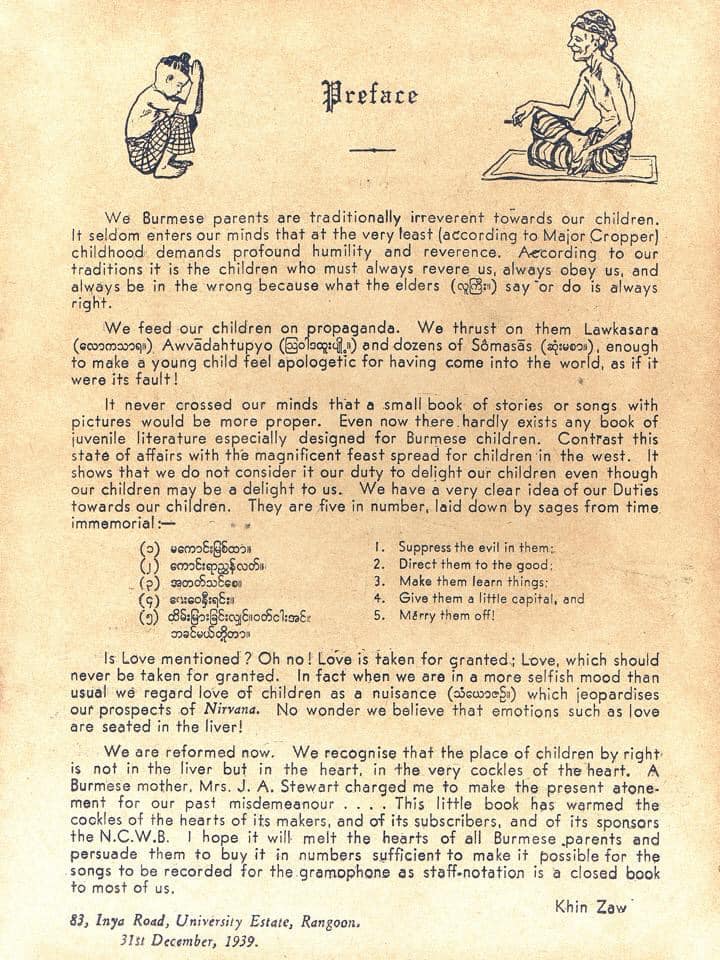
U Khin Zaw (“K”), Director, Burma Broadcasting Service
U Khin Zaw
Article written in 1958
What is Burmese music like? To ears accustomed only to Western music, ours may at first be a little disconcerting. It may seem more like a medley of spontaneous, unrelated sounds than a careful composition. And its rhythmic patterns may be hard to follow at first hearing. But I think that if you will listen to some of it a few times—and the Burmese Folk and Traditional Music record in the Ethnic Folkways Library offers a good sampling—you will discover that ours is actually a fully developed musical art. Historically, the traditions of Burmese music go back at least fifteen hundred years. For we know from a fascinating description in a Chinese chronicle of the year 802 A.D. that our musical instruments, and compositions for them, were already highly perfected at that time.
To begin with the fundamentals, let us first analyze our Burmese scale. It sounds as though it might have quarter tones and microtones, but actually it does not. It is the same as your European diatonic scale, but with this difference, that the fourth and seventh notes are both “neutral,” so that the succession of notes is different. The makers of our early instruments did not provide for the accidentals in an octave. Yet our music does modulate from the tonic to the dominant—say, from C major to G major—and frequently from the tonic to the subdominant — C major to F major, and back again. But we have no F sharp, or B flat. What we do is to put our F halfway between F natural and F sharp, and our B halfway between B flat and B natural.
Since we do not have the chromatic scale, our music may sound a bit flat to Westerners. Another basic point of difference is its essentially two-dimensional nature. The development of harmony has given Western music enormous depth. Because our instruments were not suitable for harmony, our music has instead developed a complexity of pure melodic patterns. You derive your musical satisfaction from marching in depth with chords. We have to get ours by going in the single file of notes, twisting and turning in graceful patterns. Even our drums play tunes. Thus our putt waing, a circle of tuned drums, is not merely for percussion, but plays a melody itself.
The rhythmic systems of Burmese music may have been determined by the nature of our language, which is not accentual but tonal. Rhythm in English depends largely on differences of emphasis on the syllables in the words and the words in the sentence. Burmese verse depends rather on the schematic arrangement of words with certain sounds recurring at fixed points. This means that timing and caesuras have great importance. In fact, in our singing the caesuras are even more important than the syllables or words in each measure. Often the singer keeps time with a pair of tiny bells and a small clapper in his hand.
The most usual time in our music is a simple duple or a simple quadruple beat. In the duple, the bells and the clapper go alternately. In the quadruple there is a rest on one or the other of the middle beats. No great importance is attached to the variation. In one and the same piece the quadruple may sometimes change into the duple, or become faster or slower. But never must a musician get out of rhythmic time. So far as I am aware, compound time has never been used in our music.
Turning to the instruments which are now most in use, we must give pride of place to the graceful, boat-shaped harp, the thirteen-stringed saung kauk (see Plate 23 in art section). The Burmese orchestra is called a saing. Its ensemble includes the picturesque putt waing, with the player seated in his circle of drums, a circle of gongs (the kyee waing), the big putt ma drum, cymbals, clappers, and wind instruments such as the hnè (like an oboe) and the palwé (a bamboo pipe). The saing accompanies our stage performances (zat pwès), our ritual dances (nat pwès), and others of the many festal occasions that enliven Burmese life.
Even though Buddhist doctrine has sometimes frowned on music as appealing to the senses, we Burmese must be one of the most music-loving peoples in the world. Folk music is very much alive in our villages, where several interesting kinds of drums are especially popular.
The bucolic dohpat (which can be heard on Side II, Band 4 of the Folkways record) presides over village roisterings and goes along with itinerant singers. The pot-shaped ozi, boon companion of the bamboo flute, may be trusted to go off on such a spree of tune and rapid rhythm as to make one’s limbs twitch to dance. The big bongyi (Side II, Band 3) is lord of the paddy fields, where its thundering rhythm eases the toil of those who are transplanting the rice. The byaw drum (Side I, Band 2) has its day in such home ceremonies as our almsgivings and shinpyu head-shavings.
Our classical music is far more elaborate than the instinctive rural drumming and singing, and scholars usually divide it into six main categories, most of which are represented on the Folkways record. But I must not risk tiring you with too many strange names and will say only that these classical compositions are usually songs, ranging in theme and tone from simple lyrics to courtly measures eulogizing the king or the royal city and solemn chants composed in adoration of Lord Buddha.
One of the most important events in the history of Burmese music—and all Burmese culture for that matter— was the second conquest of Siam by King Hsinbyushin in 1767. It is pleasant to think that although our wars with Siam were generally motivated by the Siamese king’s white elephants, we brought back something which was by no means a white elephant to us! Craftsmen, entertainers, musicians, dancers numbering many hundreds were imported from Siam to Burma, and they brought about a vast augmentation of our culture. New life and new forms were infused into our theater, our classical dance style is far closer to that of Siam than, say, to that of India, and a principal type of our classical song, the yodaya (Side I, Band 3 and Side II, Band 8), takes its name from Ayuthia, the old capital of Thailand.
In the years following this Thai “invasion,” there lived a remarkable man named U Sa, a veritable Leonardo da Vinci, who was poet, musician, playwright, soldier, diplomat, and statesman all combined. In a long lifetime, he was constantly creating and adapting new literary, dramatic, and musical forms, and over two hundred of our finest songs are attributed to him. Another important school of classical music comes down to us from the Mons; their beautiful songs were long ago enshrined in a collection called the Mahagita.
Finally, some of the purest and oldest forms of our traditional music are preserved in the propitiatory rituals of rural Nat worship. As Dr. Htin Aung explains in his essay, these spirits from the old animist cults have been welcomed into Buddhism, and the country folk still honor them with wayside shrines, or by hanging a coconut turbaned with a piece of red and white cloth from the king post of the house, to which offerings of fruit or cooked rice are made with music and dancing.
Now what has been happening to Burmese music since the radio and the cinema have vastly magnified the influence of Western music upon us? For my purist taste, far too much! But, to speak for the other side — and I fear they are numerous — let me bring in the views of my much admired and musically learned friend Ko Thant of Mandalay.
Ko Thant is scornful of our Burmese instruments because they lack the precision of the Western ones. But does he stop to consider that, in a sense, their very precision has made a slave of the instrumentalist? Our Burmese players attain extraordinary virtuosity with their crude instruments — making them the slaves — and achieve the most subtle shadings in moving from one note to the next. And because they do not read from a written score, but play entirely from memory, our musicians create the music anew at each playing, with full scope for the expression of personal art.
Ko Thant likes the strict discipline of the Western orchestra and condemns the free-for-all of the Burmese saing. He rails at Sein Beda for tuning a recalcitrant drum in the middle of a concert. Ile does not realize that this really does not matter, that Western music is a compound, whose object is harmonious coalescence, whereas ours is a mixture, the pleasure lying in the artful mixing of sounds. A European listens for the total effect of all, a Burmese for the individual effect of each voice in the orchestra.
In our music, accompaniment to singing does not mean a harmonic background to vocal melody, but a partnership in patterns. In and out of the framework of musical time and melodic direction provided by the instruments, the vocal part weaves another, related pattern and direction. So long as they keep to the framework, both singer and player may embellish and improvise. It is skill in weaving sounds, rather than voice production, which determines the quality of the singer.
Ko Thant maintains that music is an “international language” and that we should allow Western instruments and melodies to overwhelm us so that our musicians may speak the same musical tongue as the rest of the world. But does not this idea stem from a basic misconception of the nature of art? Is not the individual voice the really important thing? And will not the community of world culture be far richer and more stimulating if each regional culture seeks to develop its own traditions?
And since we already have improvisation in our music do we really need Western jazz and popular songs? But perhaps that question has already been answered: we have them. As long ago as 1940, Daw Than E wrote this little sketch on that subject:
An old-fashioned Burmese gentleman was visited by a radio salesman. He settled down expectantly as the set was hooked up; perhaps he would hear the soothing strains of a song from the Mahagita. But what came out shocked him; he looked puzzled. “That’s Johnny, the Burmese yodeller,” explained the salesman, “the public adores Johnny; the new trend in Burmese music, you know. Oh, you’ll hear wonderful things with this set. To give you an idea, there’s Good Morning Tin Tin singing Thama-wa-yama to the tune of John Brown’s Body and Eingyipa to a rumba called Mañana mañana. They have Bei mir bist du schoen and Isle of Capri with Burmese words and even the old favorites like Good King Wenceslas —-that’s a duck of a tune —and Come to the Savior, make no delay . . .” At this point the old Burmese gentleman became unconscious.
Yes, we have been flooded with Hawaiian guitars, hillbilly banjos, and Harlem saxophones. Where will it end? As director of broadcasting in Burma I am trying to fight the menace. There are good modern pieces in the Burmese vein still being produced, and a number of popular songs based on our own folk tunes have become hits. And to preserve our old music—since little of it has been written down—we have been making tapes of the best classical pieces and folk songs.
For certainly our Burmese music is worth preserving, just as Gujarat painting, Khmer architecture, Chinese porcelain, and Mayan sculpture are worth preserving. The tragedy in those cases is that the art of the craftsmen has been lost. We cannot let that happen. We must not hope vainly for the evolution of a style that will be neither Burmese nor Western. Rather, we must go back to the purest traditions of our own music—relearn them, safeguard them, and present them to the world in a way the world can understand. For there is a strange beauty in the remote flowering of Burmese music
Chose his name to be Aung San to rhyme with that of his elder brother Aung Than.
Aung San
Non-de-plume during the “Thirty Comrades” days was Bo Teza.
Editor of Oway Magazine published by RUSU (Rangoon University Student Union)
Aung San 2
Translated “Invictus”.
Translation
Was assassinated on July 19, 1947
Spouse : Daw Khin Kyi
Children : Aung San Oo, Aung San Lin (GBNF), Aung San Suu Kyi
Centennial in 2015
I wrote the following in 2015 for the Centennial Celebration ရာပြည့် of his birthday.
AUNG SAN (Feb 12, 1915 – July 19, 1947)
AUNG
A — Architect of Burma’s Independence; Signed the Aung San – Atlee Agreement. It led to the Nu — Atlee Agreement that gave Independence.
U — University Student Leader; Served as Chief Editor of the OwayMagazine. Refused to name the author of “Hell Hound Turned Loose”. Was expelled, resulting in the 1938 Universities Student Strike. Translated “Invictus”.
N — National Unity & Solidarity Proponent; Organized the Panlong Agreement / Pinlon Sar Choke Agreement was signed on February 12, 1947. February 12 is celebrated as Pyi Daung Su Nay / Union Day
G — Gone but not forgotten; General, who promised to step down after Independence. Gunned down at the tender age of 32.
SAN
S — Showed leadership & personal sacrifice; Wore torn uniforms. Ate Pebyoke ပဲပြုတ် and Nanbya နံပြား
A — Anti Fascist People’s Freedom League (AFPFL); ဖဆပလ Co-founder
N — National Planning Advocate; Displayed Nationalism and Patriotism by deeds and not words.
He had a checkered life with a a series of setbacks and victories. His life is brilliantly recounted by his son Dr. Thane Oke Kyaw Myint (Pediatrician).
Several readers have compared the accounts as befitting a romantic novel or historical episodes.
Connections
I first knew him as a dhamma friend of my parents. The two families helped build the Dat Poung Zon Aung Min Gaung Pagoda and supported Mon Sayadaw U Thilawuntha.
Two paternal uncles (who are Barristers) worked at his Law firm.
His son Dr. TOKM was my senior at SPHS. He became a saya of my beloved spouse at IM(1). He took care of my two young sons. When I published “Trivia” posts, he provided comments and details to several posts.
I learned more about his father, uncles and aunts first via his commentaries and now via his articles (e.g. the value of emotional intelligence and brotherhood, the indomitable spirit). He also covered notable events and people.
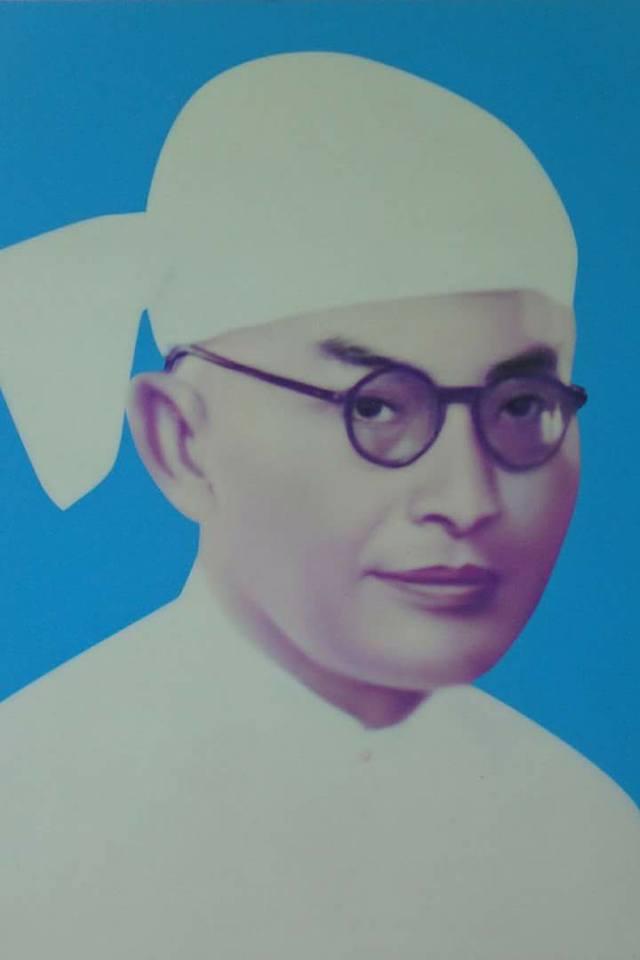
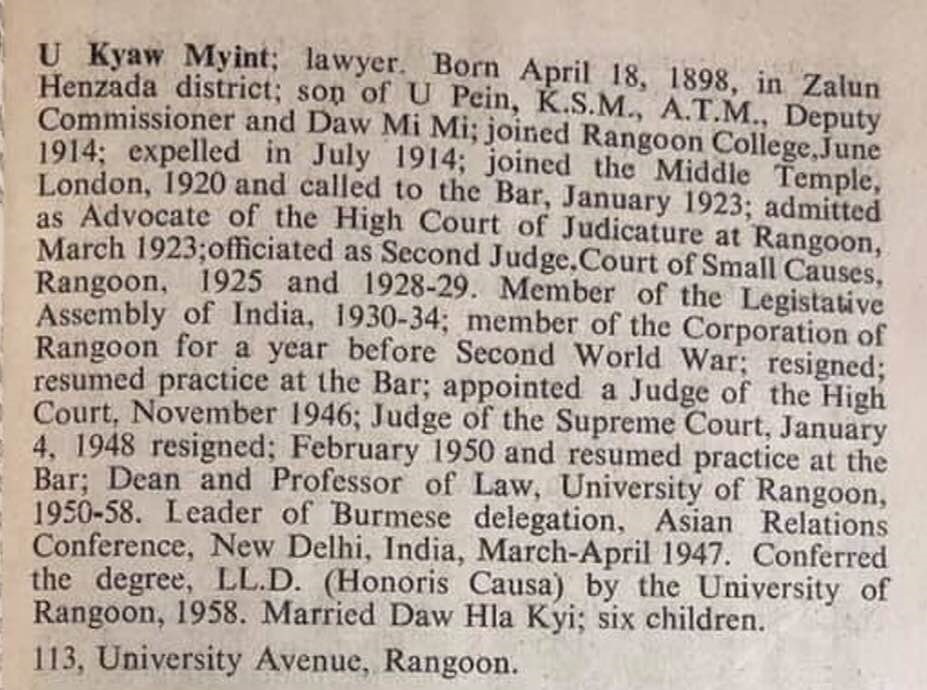
The Brief Biography of U Kyaw Myint appeared in “Who’s Who in Burma”.
U Kyaw Myint’s Brief Biography
He was born in April 18, 1898 in Zalun Henzada district. He is the second son of U Pein, K.S.M, A.T.M, Deputy Commissioner and Daw Mi Mi.
Seven Siblings / Outstanding Burmans
ICS U Tin Tut is known as a diplomat, journalist and for being a victim of the the political assassination. Details can be found in the post “The Empty Tomb” and related articles on the unsolved mysteries of Burma. He is the first Burmese ICS by invitation.
U Kyaw Myint His life is covered in this post. It was first published as a series of articles in Facebook.
U Myint Thein was Chief Justice of the Union of Burma. He was detained in the Coup d’etat on March 2, 1962. He was Ambassador to China. Pen name : MMT Spouse : Daw Phwa Mi (first Burmese Female Barrister)
Dr. Htin Aung Principal, Rangoon College First native Rector, Rangoon University Vice Chancellor, Rangoon University Diplomat, Ceylon Scholar : Oxford & Cambridge Author, Historian & Folklorist
Daw Khin Mya Mu Kyauk Sar Specialist Thamadi Myo Wun Spouse : Professor U E Maung
Daw Khin Saw Mu Early graduate of Burmese Department, RU Khit San Poet Spouse : ICS U Ba Tint Children : Daw Khin Saw Tint & Nay Oke Daw Khin Saw Tint wrote an article about her mom and aunts
Daw Tin Saw Mu Lecturer, English Department, RU
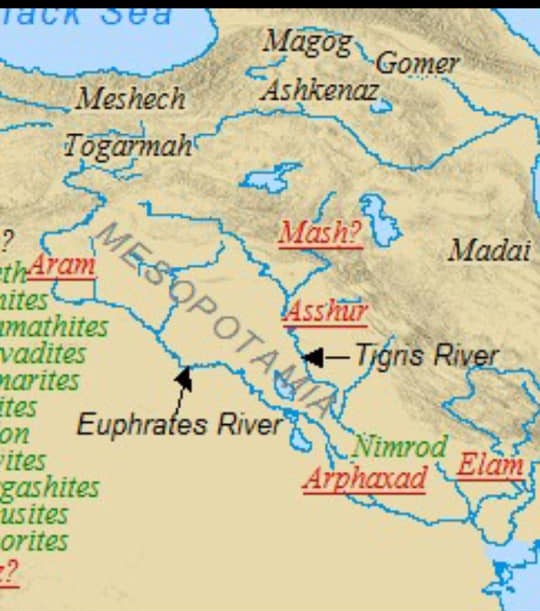
Mesopotamia (Action during WWI)
My Father
U Kyaw Myint
By Dr. Thane Oke Kyaw Myint (SPHS60)
My father had a very chequered life.
Early Life
Short stay at Rangoon College
He stood first in the Matriculation examination at the age of sixteen. He had distinction in all subjects including shorthand and typing. He got scholarship when he entered Rangoon College in June 1914 but was expelled from the College in July 1914.
There was going to be a scholarship exam to enter Calcutta University. The Principal of Rangoon College, Mr. Mathew Hunter had chosen two bright young men to take the exams to enter medical college in Calcutta. The two students for this exam were my father and Sayagyi U Ba Than. They were very close friends.
Just before the exams, my grandmother passed away in upper Burma where my grandfather was working. Father went to the Principal to give him leave to attend his mother’s funeral. But the dates would clash with the exams and Mr Hunter refused his permission. Father was told that if he went without the Principal’s agreement, he would be expelled on return.
My father went in time for the funeral but on return, as told to him earlier he was expelled from the College.
Self Support
My grandfather was very angry with my father being expelled. Father was told not to come back to the family.
Father supported himself by doing a unique job. He traveled from Pegu passing through small towns and villages. At that time, there were many Burmese women who had children by Englishmen, and were common law wives. The Englishmen had left Burma, but they did not money regularly.
On behalf of the women, father wrote letters in English to the men in England. He was offered food, small amounts of money, and a place to stay.
He continued doing this, going up the country till he reached Myitkyina some months later.
Bombay Burma Company
Due to father’s expertise in short hand and typing, a young English man from Bombay Burma Company gave father a job as a clerk and secretary. Father told me about the kindness of the English couple who let him stay with them.
Apart from Secretary work, he had to go with workers to the teak trees that had been cut down and later sent them down the Irrawaddy to Rangoon. Father had to supervise that the Bombay Burma Company seal was hammered deep at the end of the logs. The logs were floated down the Irrawaddy river. Logs with the seal were collected and exported to England.
Illness
A year later father had cerebral malaria and it was the young couple who looked after him during the illness.
Enlistment and Assignments
Father stayed on with the English couple till the end of 1916. By that time the war that was said to last only one year had to gone into its third year with no resolution. There were many casualties and new fronts for the conflict. The English government intensified their recruiting efforts.
The young Englishman and his wife returned to England. The husband joined the army.
Father did not want to continue working in Myitkyina. He also thought of enlisting for the war.
He first went to Pegu to reconcile with his father. Grand father was doing a job what would be equivalent to a District Commissioner (DC) but being Burmese was given the post as Extra Assistant Commissioner (EAC) but doing the same job.
Burmese doctors were appointed as Sub Assistant Surgeon (SAS). They had to work like surgeons and civil surgeons.
NB: the status of Burmese doctors before Independence can be read in the books by Dr. U Myint Swe.
In spite of my grandfather telling him not to enlist, father went ahead for enlistment.
The place for enlistment was the at the Cantonment (which was Burmanized as “Kan Daw Min” Park). It is the place with a small lake near the Shwe Dagon Pagoda.
At that time, no Burmese would be accepted. One must either be an Anglo-Burman or and Anglo-Indian.
When asked, father gave his name as “John Henry Wilson”. He could be taken for an Anglo because he was very fair with sharp facial features.
Next he was asked to go against the wall to measure his height. Father was only five foot two inches. When the sergeant cane to measure him, he stood up on his toes so that it would be five foot four (the required height for a soldier).
The sergeant asked him whether he really wanted to serve, and getting an affirmative, the sergeant write down on his enlistment as “John Henry Wilson, Anglo-Burman, five foot six”. Father became a soldier.
Note:
Since, the English keeps excellent records, there must be enlistment records for the regiment that above item written down above, would still be there in their archives.
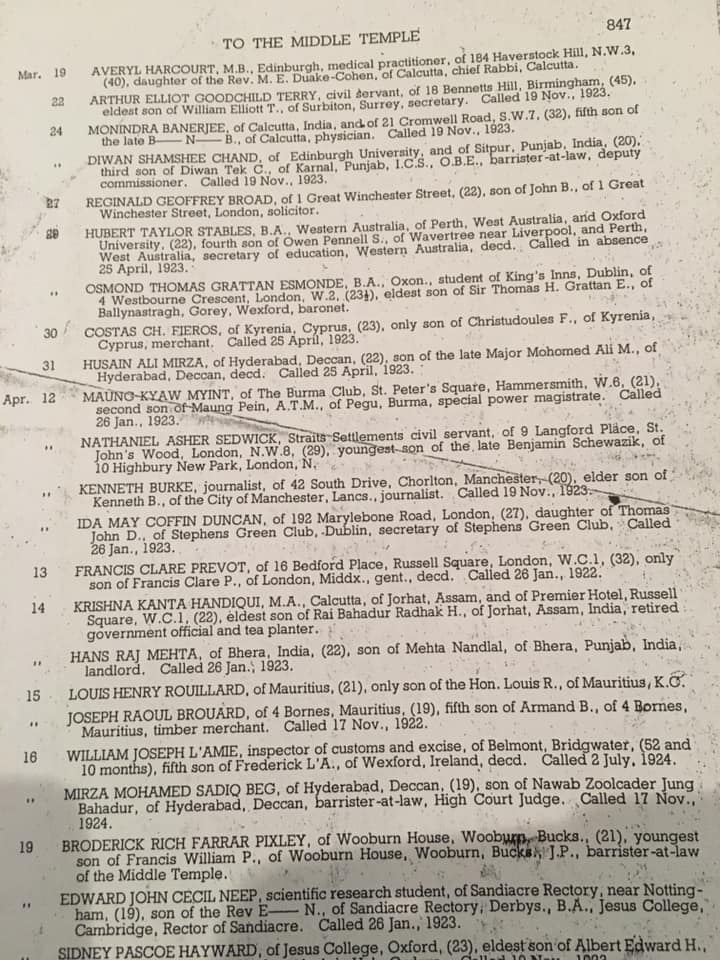
I visited the Middle Temple Inn in London, from where my father was called to the Bar. I wanted know about my father, the Librarian asked me for date of being called, went in, back in about 15 mins and gave me a copy of information of my father as recorded in their archives.Will write more about this in a later post “My father: the Barrister”
I tried to remember but still could not get the place in India where he was sent. I only remembered that it was in a cantonment not far from Dehli.
Father was sent to where the Gloucester Regiment, the 12th Battalion was billeted. He got his training, stayed there for some time rising to the rank of corporal.
Mesopotamia Campaign and “the war to end all wars”
At the start of the war, the British army and its allies thought that it would be a short war lasting for a year or so. But it didn’t as the allies were fighting on different fronts. When the Turkish Ottoman army joined the war, that opened a new front of the war: the “Mesopotamia Front / Campaign”. Father’s regiment was sent to that front.
Germany had sent a fleet of submarines to attack British ships carrying either troops or cargo.
Although not entirely, the British army and navy were depending on oil from Burma Oil Company in Yenangyaung. But when their ships sailing from Burma were being sunk, they looked for an alternative.
Apart from Burma, the oil fields from Mesopotamia were near to England and likely to have less loss during transport.
Just like Burma Oil Company (BOC), there was another company that could offer the required crude oil. Like BOC, the Anglo-Persian Oil Company (AOC) was owned by an Englishman. Both BOC and AOC were taken over by the British government for the war efforts.
The Mesopotamia Campaign happened mainly to save and have access to AOC refineries.
For some years now, whenever I heard about Iraq, Iran, Syria, two words often appeared: Basra and Mosul.
Mesopotamia was the area between the Tigris and the Euphrates rivers. It covered what would later become most of Iraq, parts of Northern Arabia, Eastern part of Syria and South East Turkey.
The oil rigs were in Basra and Mosul within Mesopotamia.
And that was where my father’s regiment was sent: to guard the oil fields from the Germans.
As the German army was engaged in other fronts, it was the Turkish (Ottaman) soldiers and Nomadic Arabs attacking these two areas.
It was mainly skirmishes and attacks mainly by the nomadic Arabs who were given arms by the Germans. The disciplined regiment could repel the poorly planned attacks and thus England still had access to the oil.
Armistice: 11-11-11 11AM
Father and did comrades stayed on in that area till Armistice, the end of the war at: “the 11th hour, of the 11th day of the 11th. month of the year”.
President Woodrow Wilson in his speech said, “the war to end all wars” had ended, using H.G. Wells’ words from the book “The War of the Worlds”. How ironic it was as only three decades later the Second World War happened.
Return Home
Not too long after that soldiers including my father were demobilized and could return to their home countries.
Father returned home to be with his family.
Study at Cambridge University
Since he was expelled from the College, he had never given up his hope to gain a good education. The demob and savings from his salary and other benefits on leaving the army, he now had enough money to go to England to get what he had wanted to do since 1914.
He applied to be admitted to Queens’ College Cambridge, where his elder brother [U Tin Tut] had attended gaining MA, LLB.
Father landed on the shores of England in the spring of 1919. He was twenty one years old.
After spending time in London for a week or so he got to Cambridge to seek admission. Father told me that it was a vibrant time to be as there were so many young men like him, veterans of the war, some who had left their studies and had left to fight the war as well as those like him who had come to be admitted for the first time. He wanted to study at Cambridge as this was where his elder brother studied for his BA (later MA) and LLB.
Both Oxford and Cambridge gave dispensation for veterans, so that they did not have to undergo a strict entrance exam but only had to take what was known as “the little go”.
Father went to the College with all that he had was his matriculation certificate from Burma. He had to go through an interview first to see whether he should be admitted. Father impressed the examiners that he was admitted without the need to take entrance exams.
Finally he thought he was going to get the education he had missed before. He had enough money to sustain him for the four years at the university.
During the two years he was in Cambridge, he actively participated in debates conducted by the Cambridge Union, where he sharpened not only his oratory but also would help him at the courts when he became a practising barrister in Burma. It also helped when he became a well known politician in Burma.
Two things happened that would affect his ambition to be a college graduate.
First when he was in the second year, U Tin Tut arrived. He was sent to Oxford to do his training for the Indian Civil Service (ICS). He was to be the very first Burmese to be admitted to the Service. And unlike the others who later joined, he was the only Burmese to be admitted by nomination and not by selection examinations.
On 29th December 1920, there was a nation wide students strike against the British government. Schools and the Rangoon University was closed down.
U Myint Thein was then studying in the junior BA class at the University. Not knowing when the university would be reopened, even without telling my father he traveled by ship to England. This he did without any funds for tuition fees. He arrived and requested my father to pay for his tuition and upkeep in Cambridge.
U Tin Tut gambled a lot on the races and he also was asking father to help pay some of his gambling debts.
Father decided to leave Cambridge so that he could support his younger brother. He searched for a job to sustain the three of them.
For the second time in his life, his education had to be postponed.
At that time, there was Burma Club. Many years later — at the time when Saya U Maung Nyo was studying in London — there would be the Britain Burma Club. And Prof. Woodruff, who was a visiting professor of tropical medicine in Rangoon, was a Patron.
The Burma Club was for the people who have served in Burma both before and during the war. Father got a job as the secretary of the Club. It enabled him to sustain the needs of his two brothers and allowed him to prepare for the barrister examinations.
I have titled this part of my post as “Cambridge — here I come”, but for father in 1920 was “Cambridge — here I leave”.
Yet again he was thwarted from gaining a university degree.
P.S. In spite of all the obstacles, in 1948, on gaining independence, my father, the college dropout, was appointed as one of the first three Supreme Court Justices of our country. And also later became the very first Dean of the Faculty of Law at the Rangoon University.
The Four Brothers and Inns of Court
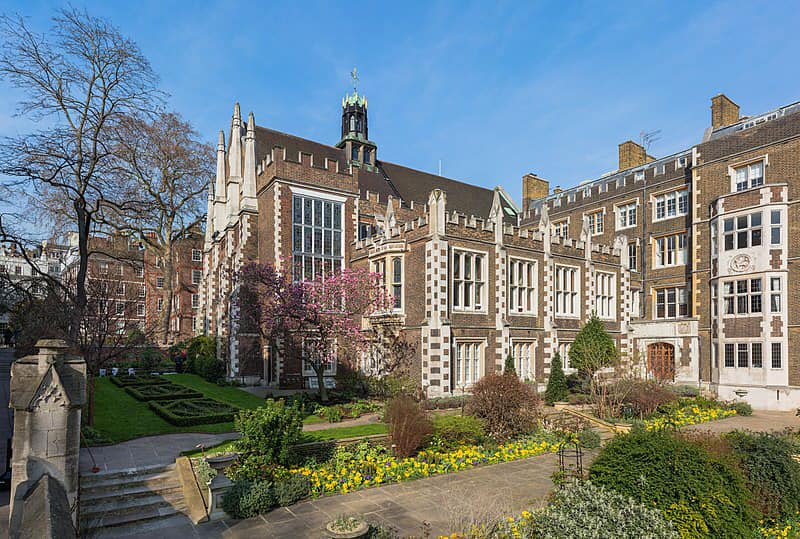
May I give some information about the Honorable Societies of Barristers: the four Inns of the Court of England and Wales. namely The Inner Temple, The Middle Temple, Grey’s Inn and Lincoln’s Inn.
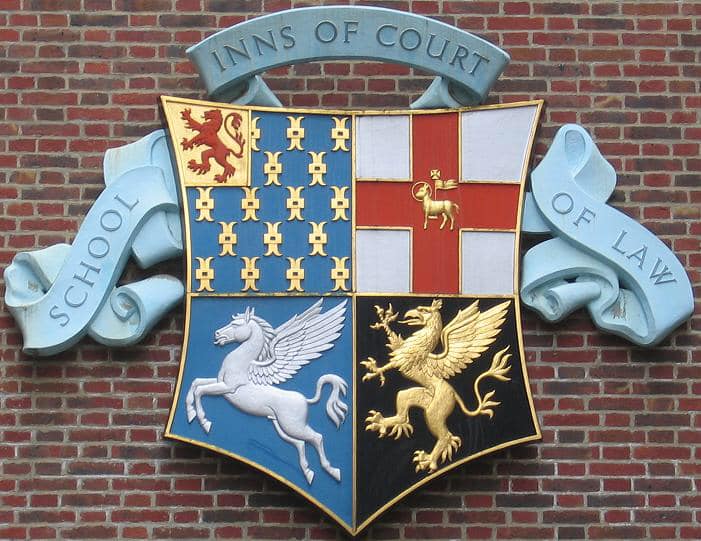
The first photo is the Temple and second is the current School of Law, under University of London, showing the shields of the four Inns: On top Lincoln’s Inn and Middle Temple. below Grey’s and Inner Temple.
The full name of the Temple was Solomon’s Temple.
Originally the temple was for a Catholic Military Order (Fellow Soldiers of Christ) and the members of the Order were known as Knight Templars. This order was to protect pilgrims going to the the holy land as well as to fight with Muslim armies trying to expand their territories.
This change must be made as seen in the photo as the four Honorable Societies do not give degrees, no scrolls, no diploma nor parchment. There was only entries of a person being called to the bar in the records of the four inns.
According to my uncles (U Myint Thein and Dr Htin Aung) the exams were tougher in the Inner and Middle Temple compared to Grey’s and Lincoln’s. They therefore chose to go to Lincoln’s Inn.
There were no formal lectures nor teaching. Candidates had to attend and listen to trials going on and listen to some tutorials given at the Temple by senior barristers. And mainly one studied on his own.
The way assessments were made was for each subject, written papers had to be submitted followed by “dinings”.
When a candidate felt that he was ready to be assessed, he would invite three senior barristers to actually dine with him in the dining hall. Over dinner, questions were asked and discussions were made. The candidate was told whether he had satisfied the senior barristers and could now go to the next subject i.e. next dining.
If unsuccessful, the candidate had to undergo another dining for that subject.
Father succeeded in at the first attempt of all subjects except on Roman Civil Law which was examined in Latin. Father could answer only one question as he had to learn Latin only on arriving in England. Father had been preparing himself for the bar exams while he was in Cambridge.
At his last dining, the senior most barrister said, “young man you had answered only one out of the four questions in Roman Civil Law. But you had written it like a brief by an experienced barrister. If need be, we hope that you will study more. We are satisfied with you and you need not come back for a second dining”.
Father, the College drop out, the ex- soldier, had finally been called to the Bar on 26 January 1923 at the age of 25 years.
He would then go on to be a Judge of Court of Small Causes at the age of 25 (after only ten months as a practicing barrister), a High Court Judge in 1946 and one of the first three Supreme Court Judges at independence in 1948. He resigned in 1950 in protest against the Prime Minister’s interference with the judiciary. (This will have to be told later).
He became the Professor and Dean of Law, Rangoon University and was conferred with a honorary doctorate (LL D in honoris causa) on his retirement.
…………………..
In 1972, when I was living and studying in London, I became a friend with South African (of Dutch descent) who was taken his bar exams at Middle Temple Inn. He had stayed on to do an academic degree in law.
Candidates were allowed to bring friends to dinner even when they were not being examined.
Each table was for four. My friend and I were joined by two senior barristers. It was such a pleasant evening.
There were two entrances to the dinning hall. Barrister had to go in one, where they were given barrister gowns to wear. Visitors in formal wear had to enter from another entrance. He took me through the visitors entrance, moved to the other entrance, donned the robe and came back to me to go to the dining tables.
There were tables on a stage. My friend told me that the tables were for for judges called the Benchers.
My friend told the senior barristers about my father. They wanted to know whether father was still practising. I told them about my father being a Supreme Court Judge but had retired and had resumed his legal practice.
On another day, my friend took me to the Temple Library where records of people who been called to the Bar from Middle Temple.
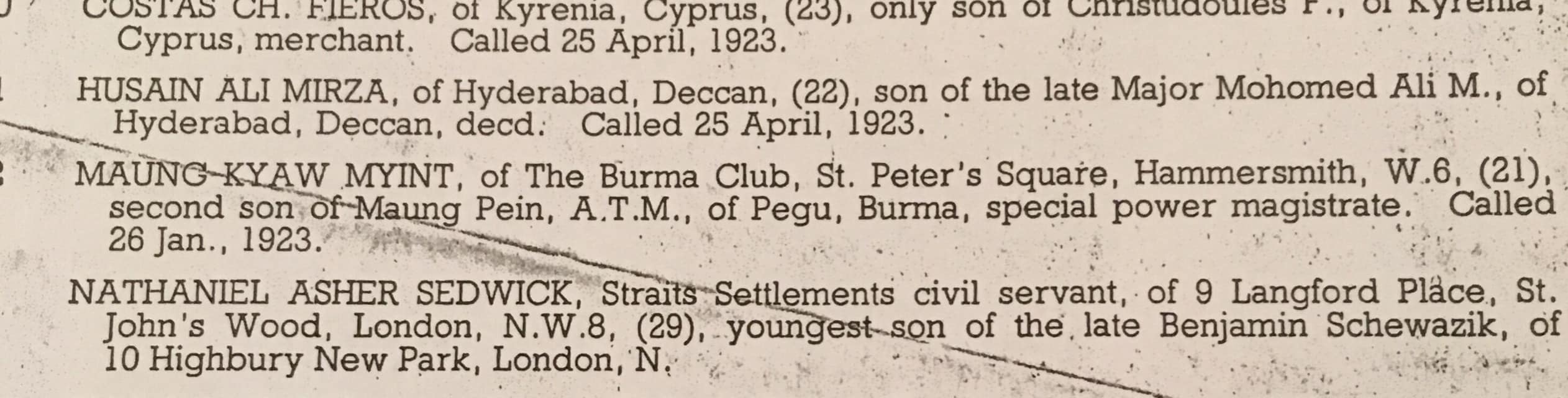
When I told the librarian that I only knew about my father being called in 1923, she went to look at the records for that year, found my father’s name and brought out the to me to show me the entry for my father.
It was a very brief entry:
“Maung Kyaw Myint, of the Burma Club, St. Peter’s Square, Hammersmith W.6. (21) second son of Maung Pein, A.T.M of Pegu, Burma, special power magistrate. Called 26 January 1923”.
Then she said, “would you like to have a copy of the entry? I said yes. I was given a xerox copy of that page.
P.S: U Tin Tut and U Kyaw Myint were called to the Bar from Middle Temple. U Myint Thein and Dr. Htin Aung from Lincoln’s Inn.
Daw Phwa Hmi, who would become the wife of U Myint Thein, was the first Burmese woman to be called to the bar from Inner Temple. There was a story behind this about U Myint Thein and Daw Phwa Hmi.
P. S. in case I might forget to write about my uncles, I want to add two amusing anecdotes of them.
Anecdote #1: U Myint Thein
When U Myint Thein was studying in school at Pegu, he and his friends had a fight with another group of young men. U Myint Thein hit a man from the other side with an iron rod and broke his head.
Both groups were arrested for fighting and disturbance of peace by the police and brought before the magistrate. It was my grandfather as the EAC had magisterial function. The young men had to appear before him. All meekly accepted the fines to be given but not for Maung Myint Thein.
When each of them were asked why and the fight started, and what should be their sentence. All accepted to pay the fine for bring public nuisance.
Except my uncle, who was being given a sentence more than others because of the assault with an iron rod. He was made to pay a fine and seven days custody at the police station.
He would not keep his mouth shut that it was not fair as what he said that what he did was according to the Buddhist literature.
His father asked him to explain why. He quoted a stanza of the Mingala Sutta:
He said that in the 20 stanza of the sutta, “Garavo ca Novato ca Suntutthi ca katannuta”
The Burmese pronounced the Pali words differently: the word “suntutthica” was pronounced as “than dote thi sa” and therefore he said he should not be given a punishment more than the others as he was doing what was mentioned in the scripture.
Grandfather was very angry with his insolence and sacrilege in using a Pali word to be equal to an iron rod, he had not only to pay to stay in custody for fourteen days for not only assault but also sacrilege.
And that was the my uncle Myint Thein the jailbird who would many years later became the Chief Justice of the Union.
Anecdote 2: Dr Htin Aung
Badwe was studying in Trinity College Dublin for his doctorate which he finished in nine months. To celebrate, he and some friends went on the town. Although he did not drink himself, he plied his college friends with as much alcoholic drinks that they could drink.
After some time, the group became very rowdy and disturbing to other people. They became such a nuisance that the bar tender called the police and all were arrested by the police.
The next morning they were brought in front of the magistrate accused of disturbance of peace in the community. The magistrate asked whether they were all inebriated at the time of arrest. The arresting policemen said yes except for one person who happened to be my uncle.
The magistrate gave a sentence of a fine of one pound for all his friends “disorderly while being drunk”.
My uncle was fined five pounds. The magistrate said while he did not partake in the drinking but was equally rowdy and disturbing people he was fined more because of “disorderly without being drunk”. Said he should have known better than other not to disturb people.
The Age of Barristocracy
Father came back to Burma in 1923 and started practicing as a barrister in Rangoon.
Ten months later he was appointed as a judge of the Court of Small Causes, similar to a magisterial Court. He was the youngest lawyer to be made a judge, not just in Burma but in India also.
How it came about was that the sitting English judge had to return to England. The Court clerk asked the then Chief Justice as to who should be appointed in that position.
The Chief Justice said “the very bright young barrister who had appeared in court. He knows the laws and is very impressive”. The court clerk explained that father had only been working as a barrister for only ten months. The Chief Justice nevertheless decided to give the post to my father.
Father was the youngest ever — at the age of twenty three — to be become a judge in colonial India and Burma.
Nationalism
But at that time, the political climate has begun to change. Nationalism had emerged in both India and Burma.
After two years as a judge, father at twenty five years of age resigned to return to practice as well as to enter the political arena.
He stood for and won the elections of the Members of the Legislative Assembly (MLA), which was equivalent for the lower house in Parliament. The Imperial Council was similar to the upper house but their members were appointed by the Governor General and was by nomination rather then by election.
Seeing the work of many well known barristers in Indian made father stand for election and winning the position from the Kyimindaing (Kemmendine) constituency in Rangoon where he served for two terms.
It was the senior barristers of India and Burma whom he wanted to emulate. While serving as a member of the Legislative Assembly, he got to know and learn from these barristers.
As most of the MLA were barristers and he got to know them well. It seemed as though one would have to be a barrister to become a politician that was why the term “barristocracy” came into being.
Eminent barristers and political leaders
The following eminent barristers in India and Burma were the political leaders at that time.
Mahatma Gandhi : Inner Temple
Pandit Nehru : Inner Temple
Mohamed Jinnah : Lincoln’s Inn, the youngest to be called to the bar at the age of nineteen
Solomon Bandaranaike : Inner Temple
Another activist barrister was Dr. Ambedkar, a dalit, from the scheduled caste, who entered the legislative assembly to fight for the Dalits and formed the “scheduled cast federation”. He was a highly educated and committed lawyer and activist.
Dr. Ambedkar studied at Columbia University and London School of Economics and he was called to the bar at Grey’s Inn. He attained following degrees: BA, MA, PhD, MSc, DSc, LL D, D Litt, Barrister at Law (Grey’s Inn).
He founded the Scheduled Caste Alliance. One tactic he used was to have the untouchable to change their religion from Hinduism where they were at the bottom of the ladder, to Buddhism which had no hierarchy.
Father was to become close to Nehru from India and Mr. Bandaranaike, who not only knew fellow barristers but also MLAs.
He visited Calcutta to meet with Dr. Ambedkar and also with Nataji (Subaru Chandra Bose).
Father also visited Mahatma Gandhi in his ashram, every time when he was in India when he and his disciples were doing “satyagraha” the nonviolence movement.
Nehru and Indira
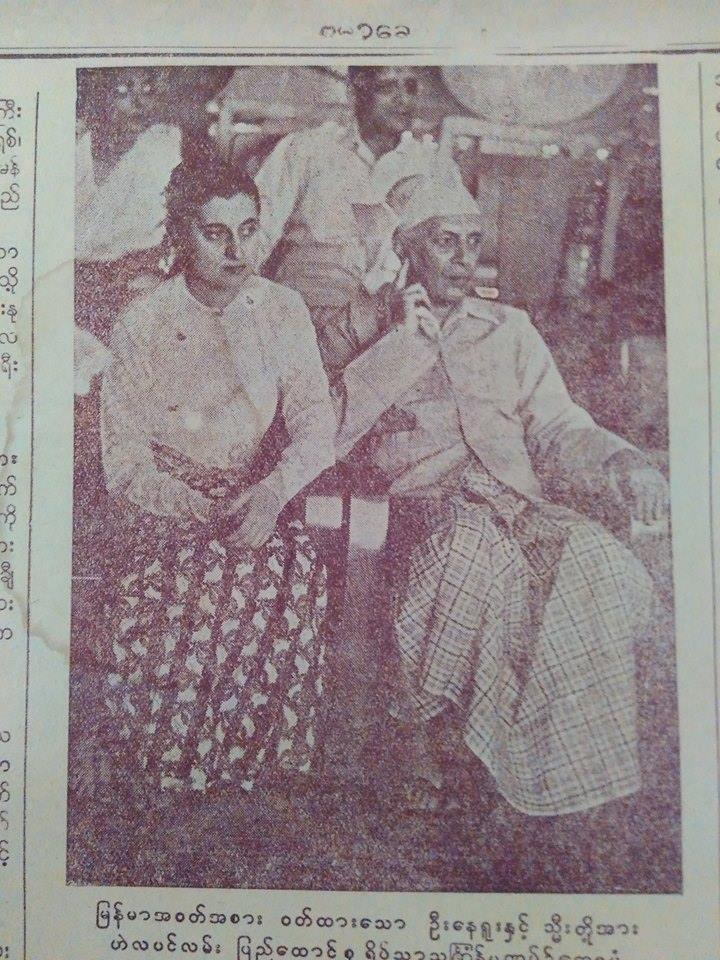
Nehru was arrested and put in prison. On being released, he and the young Indira came to visit Burma and stayed with my father for three weeks. Nehru gave copies of his books “Letters to a daughter” and “Glimpses of India”. The first book was signed by both the father and the daughter.
When U Myint Thein was arrested by Ne Win, the MI (Military Intelligence) people came, ransacked and took away many of my father’s books. We did not know why the Nehru books, books by Jung and Freud, a complete collection of Gandhi’ speeches, law books and even some books of fairy tales were taken.
Father was told that the books would be returned after some time but they never came back. May be most of them were illiterate and could not read them.
Father knew Nataji very well. Apart from members of the Indian community, my father visited him often in the Mandalay jail where he was imprisoned from 1924 to 1925. Later U Myint Thein also did the same.
In Burma not just the barrister but also eminent lawyers entered politics:
Dr. Ba Maw, MA Calcutta, LL D Bordeaux
U Pu, Barrister at Law
Dr Ba U, MA, LL D (Cambridge).
Non-separation versus Separation
During the separation movement, Dr. Ba Maw, Rambyae U Maung Maung and my father U Kyaw Myint founded a political party. They were for non-separation.
U Ba Pe (a journalist), Barrister U Pu and U Shein were for separation from India. U Ba Pe was the founder of the Burmese Newspaper: Thuriya (the Sun). Their stand was for separation from India.
During the campaigning, U Ba Pe called his faction as “Pe Pu Shein” the initials of the three leaders of their party. But he addressed my father’s party as “Maw Myint Byae” – the “byae” was a derogatory word meaning “disorderly”.
Due to standing for non-separation, father did not win in the next legislative assembly and returned to his practice as a barrister.
Deciding late for standing in the election, the Kemmendine constituency went to another candidate. Father was given the Kungyangone constituency where he lost mainly because of his non-partition stance.
The positive side of standing for election in Kungyangone was that he met my mother. And married her.
The Eligible Bachelor and a Man About Town
Father returned to his practice as a barrister and became very busy. As Burma had been annexed to India, the Burmese Courts were under the judicial system of India.
There were many Indians businessman in Burma who had kept some of their enterprises in India. Father was traveling from Burma to appear before the courts in India. For some cases, Burma not having a Supreme Court at that time, he had to travel to New Dehli from time to time.
Being an eligible bachelor had “dalliances” with young ladies but never serious except for a couple of them: Daw Yin May and Daw Khin Khin Gyi. As both my father as well as the two ladies had passed away, I think I could write a few sentences about my father’s love life!
One of the main reasons he stayed a bachelor was because of his three younger sisters, Daw Khin Mya Mu, Daw Khin Saw Mu and Daw Tin Saw Mu. Grandfather had remarried and the step mother was very unkind to father’s sisters. In spite of grandfather objections, father took them under his wings and they lived together in Lewis Street Rangoon.
Father and Daw Yin May did have a serious relationship. I was told by one of father’s previous staff that, father would as much as possible visit Daw Yin May in the evenings whenever she was less busy. She was then living in the house in the Dufferin Hospital compound.
Father had left his job as a judge to enter politics. According to my father, she asked father what would happen then. It was about the time when Nehru was in jail. He said there could a chance of being imprisoned.
Due to this uncertainty, Daw Yin broke her relationship with my father and eventually married Col. Min Sein.
When they were still favouring each other, father sent a bouquet of flower to Daw Yin May every day.
According to Prof. Daw Hla Kyi, Daw Yin May told her about receiving daily bouquets from father. She said that she also received flowers every day from the gardener of the hospital!
Prof. Daw Hla Kyi was from Pegu and her father worked under my grandfather in Pegu. She had many stories of my father and his three brothers.
Father also had a relationship with Daw Khin Khin Gyi but again he was looking after his sisters on top of being involved in politics.
Father told me that Daw Khin Khin Gyi asked him to give a pair of velvet slippers from Mandalay adorned with semiprecious stones. This he did get a pair (setting semiprecious stones into the slippers was not easy and they were more expensive).
She married lCS U Shwe Baw. Father told me that he was very happy that both of them got married to very good men.
Dr. Daw Yin Yin Nwe asked me when did my father got to become a life long friend the princes of Shan State.
And below is the answer.
At the time, Shan States were different in governance to the mainland Burma. The British allowed the Sawbwas to retain their status and administer and govern as before. But the British foresaw that it would be to the advantage of the Shans to be part of Burma even though the Shan rulers were more closer and related to the kings of Thailand.
Father was appointed as the legal (constitutional) adviser to the Shan rulers. He had to travel to the Shan States and explain why a constitution would be drafted even before getting independence. That a consultation and an agreement would be made (which would be the Pinlon conference).
Father was helping the Shan royalties to understand definitely how things would be or should not be when the time came.
It was a lengthy process as father was going to each of the Sawbwas and later as a group.
The Mongrai family was related to the Thai royalty and efforts were made so that they would stay in the Union of Burma, with state governance for the Shans.
During his visits he stayed with Nyaung Shwe Sawbwa and came very close to Sao Shwe Thaike. Similarly he became very close with the Sawbwas of Kengtung and Sipaw.
I would like to mention two ladies who had made their marks in not just in the history of the Shan States and the Sawbwas, bit also internationally.
They were:
Daw Mi Mi Khaing : educationalist/author
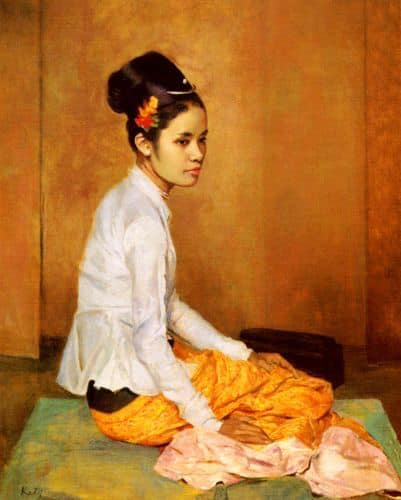
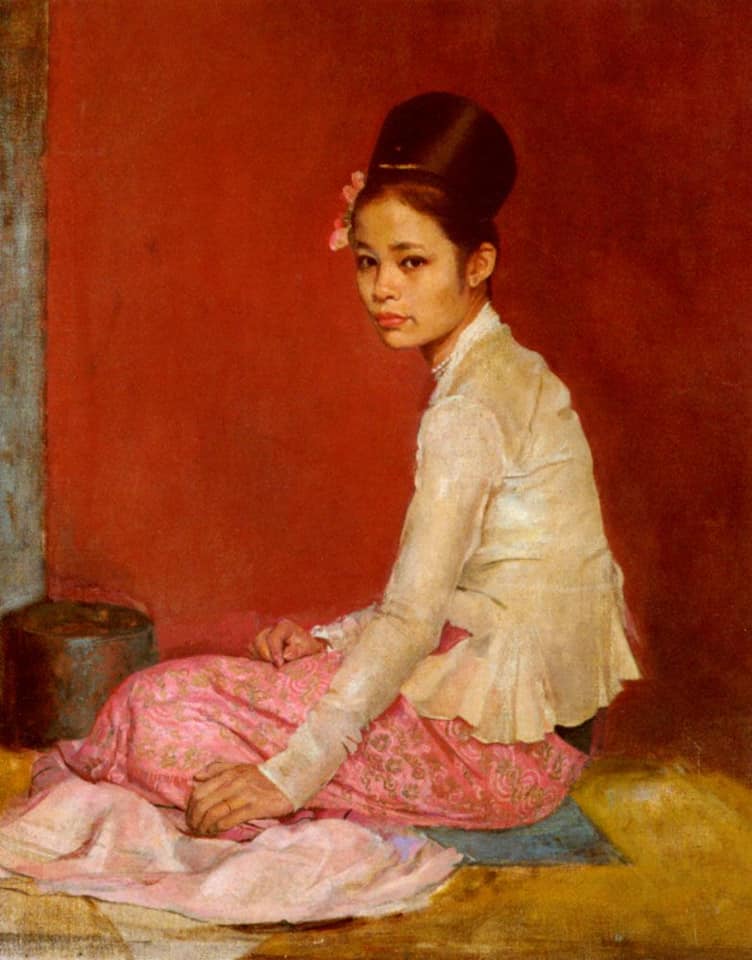
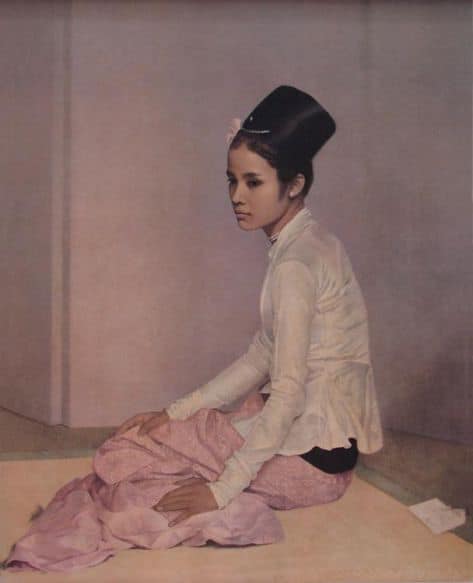
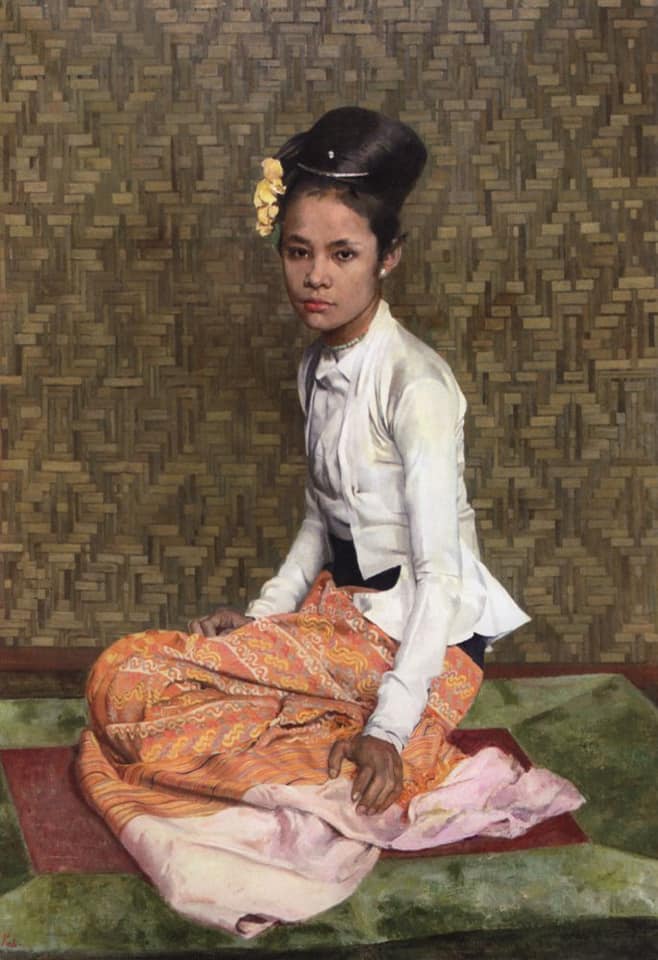
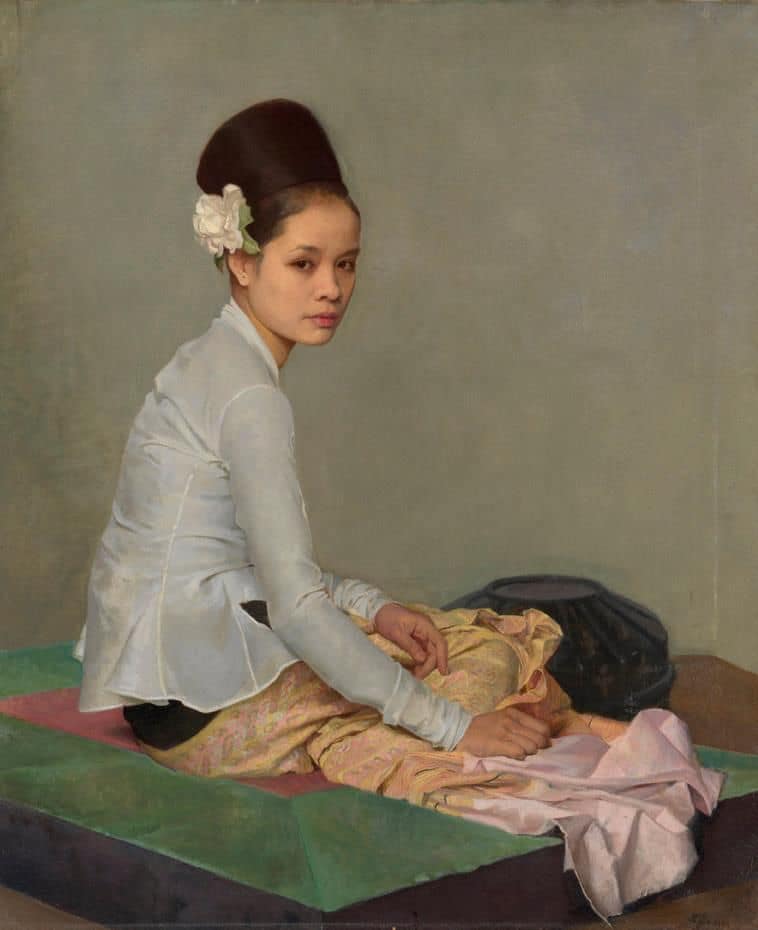
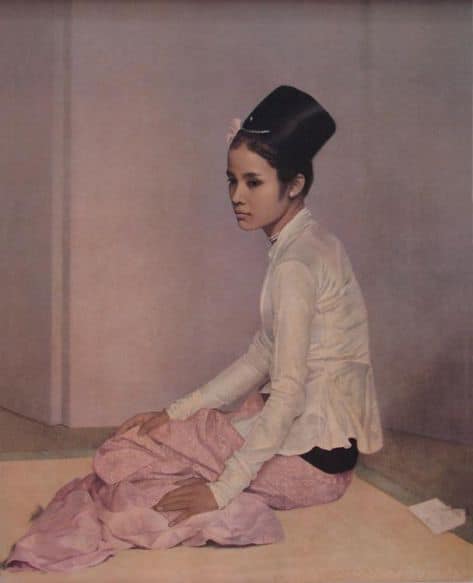
Sao Ohn Nyunt: paintings of her by Sir Gerald Kelly became international renowned, for her beauty and demeanor: I have put up only right of the paintings by Kelly.
The two photos in black and white are photos of Daw Mi Mi Khaing, again good friends with father.
Interludes
Interlude (1) : Daw Phwa Hmi
She was Burma’s first barrister at Law from Inner Temper Inn. She became my aunt when she married U Myint Thein. My uncle was an eligible young man, Cambridge graduate and barrister at Law (Lincoln’s Inn). They would be the first Burmese couple to be barristers. How did they meet?
While working at the Burma Club and studying to be called to the Bar, father had taken down very complete notes on various laws and on trials that he observed in courts. Father unlike me had a very fine and readable writing. Younger Burmese preparing for the Bar exams used his notes even when he went home.
One evening, U Myint Thein was at the Club to borrow the notebooks. He found that it was already taken by a lady. He got to know her by him telling her that he was the brother of the person who wrote the Notes. And gentlemanly let the books be taken by the lady. He also offered to come to wherever she was residing to collect the books and return them to the Club.
The “young lady” was no other than Daw Phwa Hmi. Letting her have the notes first, offering to collect them from her residence just my uncle’s ploy to get to know about this young lady!
In the pretext of studying together, he became very friendly with her. Both were called to the Bar about the same time. Ba Dwe wooed her and was accepted so that they were to get married on return.
Father was told about his engagement and was asked to prepare for the wedding. But on his way back by ship, father had just reached Aden he received an urgent telegram from his younger brother:
“HAVE MET EVA. STOP. MARRYING HER SOON. STOP. CAN YOU MARRY MA PHWA HMI IN MY PLACE. ENDS
Father was very upset and sent back the following telegram:
YR TELEGRAM RECEIVED. STOP. AM SUEING YOU FOR BREACH OF PROMISE. STOP. ON BEHALF OF MA PHWA HMI. ENDS.
At that time, if a gentleman after betrothal, would not marry the lady, he could be sued and would be usually ordered by the court to give substantive amount of cash to the lady. And gentlemen’s clubs could “black ball” him and would lose memberships of the clubs.
U Myint Thein knew that his elder brother would and could do as per the telegram. He came back and married Daw Phwa Hmi. Father was upset because his brother would not keep his promise to not only a fellow barrister but the country’s first woman barrister.
Sadly, they had not any children. My aunt got pregnant, difficult labour during which she had what must had been amniotic embolism that caused a stroke and she was left with paralysis on one side of her body. The baby did not survive.
P.S. Eva, the English lady whom my uncle would like to marry, kept in touchwith him. She died two years later of cancer. My aunt magnanimously allowed my uncle to put a framed photo of Eva on the mantelpiece in their dining room.
Interlude (2) : Daw Mi Mi Khaing
She was a prominent educator and writer.
During the British times, the Sawbwas were initially living on levies from their subjects and the income for mining of silver.
Their eyes were opened by seeing bright young men like U Kyaw Myint as well as how these Western educated young men were holding important jobs,, They wanted their sons to have similar education. As mining was important, few of the Shan princes were sent to University of Colorado to get degrees in Geology.
Saopha Kuang Kiao Intakeng, father of Sao Sai Mong Mangrai, decided to send his son Sao Sai Mong Mangrai for studies in the West. He studied at the University of London, Cornell University, University of Michigan. Cambridge. He became famous as historian, scholar, linguist, lexicographer of the Shan script and language. His most well known publication was “Shan States and British Annexation” published by Cornell.
Sai Saing Mong met and married Daw Mi Mi Khaing, the first Burmese lady to write about Burmese Culture and traditions in English.
Well known publications of Daw Mi Mi Khaing were:
Burmese Family: University of Indiana 1962
Cook and Entertain the Burmese way 1973, Karoma Publishers.
The World of Burmese Women 1984
People of the Golden Land
Burmese Characters and Customs 1958
Burmese Names and a guide 1955
And many more: the most well known of her books was “Burmese Family”.
And many more articles in various English magazines and periodicals.
Daw Mi Mi Khaing was also very well known for the Kanbawza College.
There was earlier a College in Taunggyi only for the son’s of the sawbwas.
Daw Mi Mi Khaing opened the first private college in Burma, in the Shan States, a school very much like the well known colleges of England. (My elder brother attended this college after he studied at the St. Joseph College in Darjeeling India).
I did not meet either of them but learn about both from my father telling me about the two famous intellectuals.
I only had the good fortune to meet and know of their brilliant daughter Dr. Yin Yin Nwe PhD (Cantab) doctorate in geology. Due to the connections between the Shan Lords and my father, I got to know members of the Mangrai family, and Yin became a “sister” to me.
The daughter took after both parents, worked for many years in UNICEF and currently a well sought adviser on development in many countries.
Most of what I knew was from my father and from my uncle U Myint Thein, who succeeded my father as the legal adviser to the Shan princes. When my father got appointed as a High Court Judge, his younger brother to take over his responsibilities in the Shan State.
POST SCRIPT:
1. My father became close friends with the families of the Sawbwas , Mahadevis, other consorts. And he was showered with gifts, mainly products of the Shan States. This included many silk cloths and other woven clothes for his “Gaung Paung” headdresses, shirts, jackets and long gyi.
All of these became very handy during the Japanese Occupation: mother told me that dress materials were very scant during this period. Most of the clothes that my mother, my sisters and other members of the family were by using these gifts given to father.
Other source was material from parachutes.
2. There was one episode told me without mentioning names. One of the wives of a Prince eloped with a member of the household staff. The Prince was so upset. My father was there at that time. He asked my father to get back his wife (also a close friend of father). Father said he gave his car, a driver and a bodyguard who was armed. He asked my father to persuade her to come back. Failing this the bodyguard was to shoot both of them.
Father caught up with them before they have reached May Myo. The lady told father about why she had left. Father stopped the body guard from harming them and the two left. He went back and told the prince that they must have left early and could not catch them in time.
I was very intrigued with what father told me.
Request for corrections
I have been jotting down what I remember about my father. He had led a very full life.
If there are mistakes in my writings please let me know and correct me. I will change or delete the affected parts as needed.
I do not want to hurt people’s feelings. My memory is not as good as before. I forget some names and events from the past.
Writing about my father and the family is in some way catharsis for me. It is also very poignant because memories about what happened on 2nd March 1962. The dark day in Burma left psychological scars on the family.
It was also sad to experience 8-8-88 and the aftermath. I had to resign from my job in 1990 and eventually leave our country.
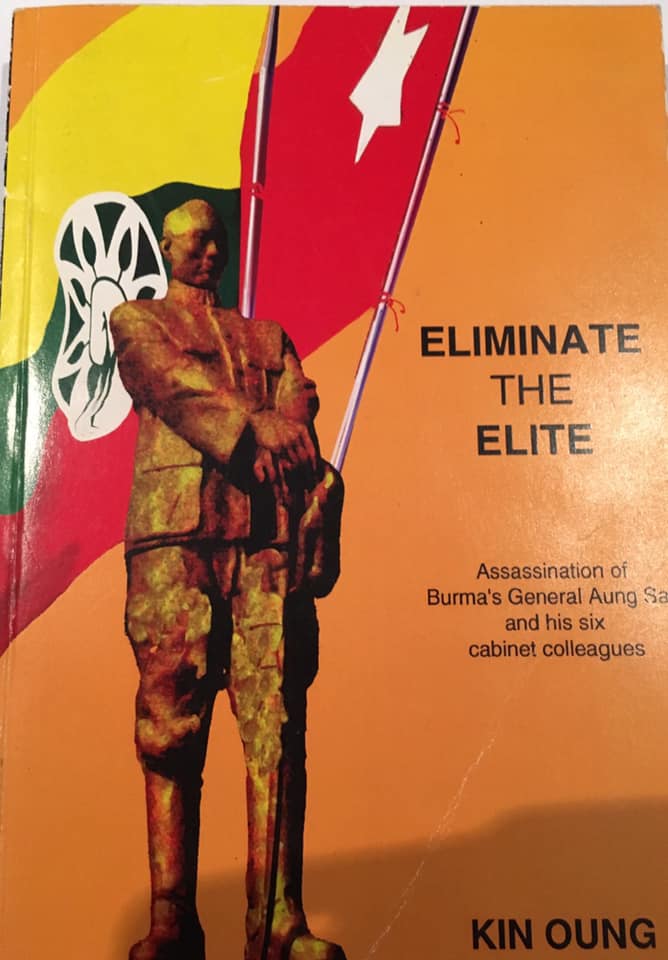
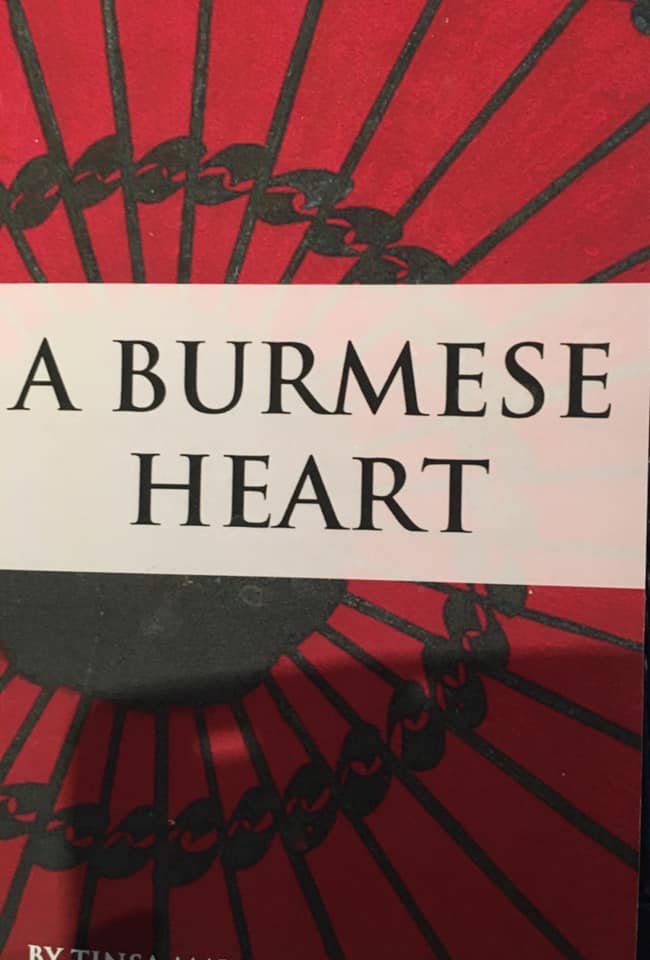
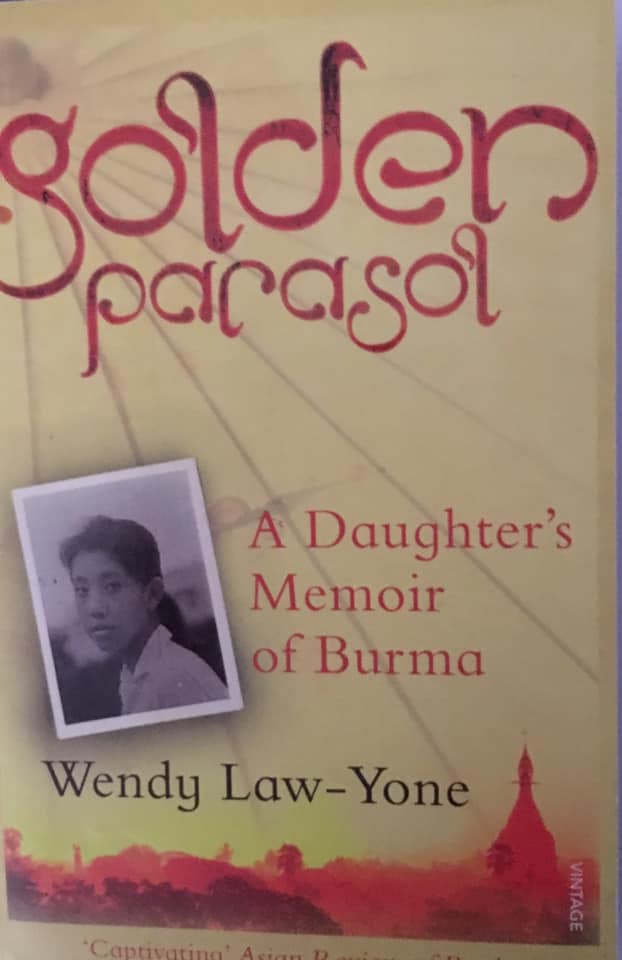
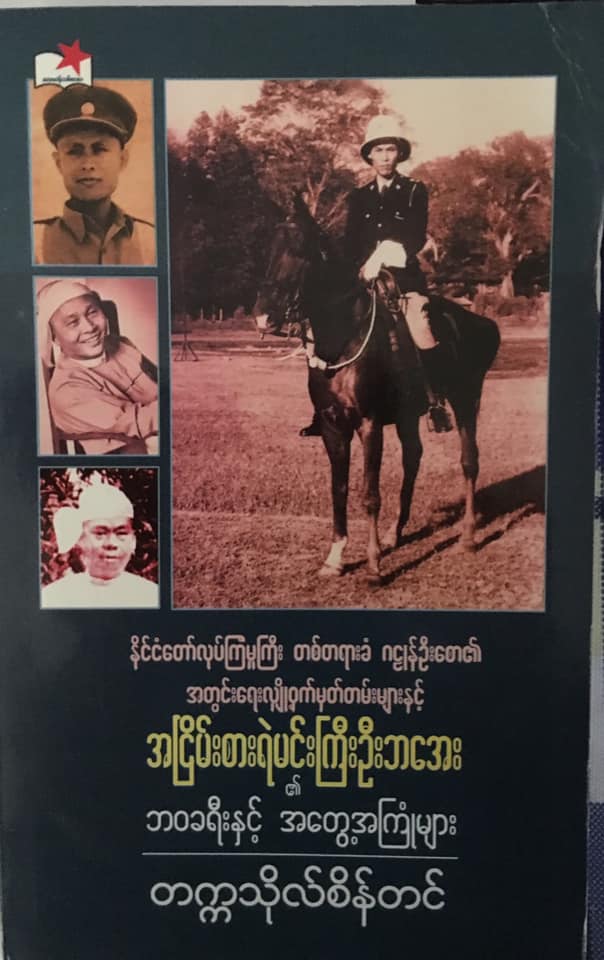
Before I write further, I reread the following books, as I would like write about
1. assassination of Aung San and associates, as my father was the Chairman of the Special Tribunal 2. assassination of U Tin Tut, my father’s elder brother 3. Why my father resigned from the Supreme court, in protest
The books are:
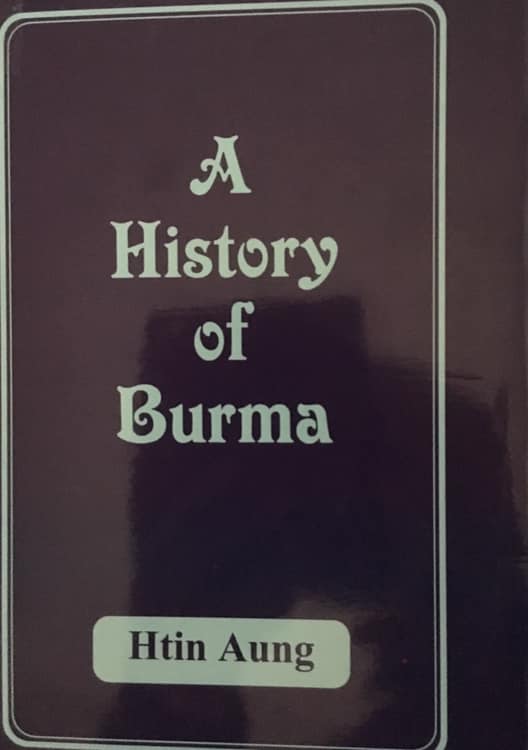
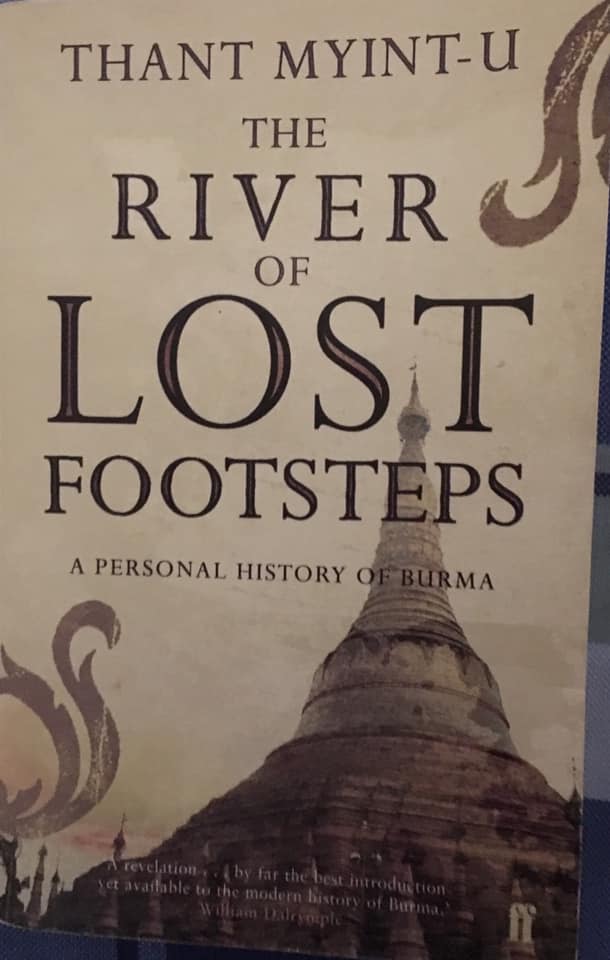
1. A History of Burma by Dr Htin Aung (my father’s younger brother) 2. The River of Lost Footsteps by Thant Myint U 3. Eliminate the Elite by U Kin Oung 4. A Burmese Heart by Daw Tinsar Maw Naing 5. Golden Parasol by Wendy Law-Yone 6. Biography of Commissioner of Police (Rest.) U Ba Aye. (In Burmese)
Born on February 13, 1915. February 13 is also known as “Khalay Mya Nay” (Childrens’ Day).
Zartar name : Htain Lin
Preferred name : Aung San rhymes with Aung Than (his elder brother).
Alternate names : Thakin Aung San, Bo Teza
Spouse : Daw Khin Kyi
Children : Aung San Oo, Aung San Lin (GBNF), Aung San Suu Kyi
Received Bachelor of Arts (BA)
Secretary, Rangoon University Students Union
Editor, Oway Magazine; Translated “Invictus”
Expelled from RU for refusing to disclose the author of “Hell Hound At Large”
Quit studying for Bachelor of Law (BL) to concentrate on politics
Architect of Burma’s Independence
Assassinated on July 19, 1947.
Public Mourning at Jubilee Hall
Laid to rest at Mausoleum near Shwe Dagon Pagoda
I wrote the following for Bogyoke Aung San’s Centennial Celebration in the San Francisco Bay Area.
AUNG SAN (Feb 13, 1915 – July 19, 1947)
AUNG
A — Architect of Burma’s Independence; He signed the Aung San – Atlee Agreement. It led to the Nu — Atlee Agreement that gave Independence.
U — University Student Leader; He served as Chief Editor of the Oway Magazine. He refused to name the author of “Hell Hound Turned Loose”. He was expelled, resulting in the 1938 Universities Student Strike. He translated “Invictus“.
N — National Unity & Solidarity Proponent; He organized the Panlong (Pinlon) Agreement. The agreement was signed on February 12, 1947.
G — Gone but not forgotten; He was a General, but he promised to step down after Independence. He was gunned down at the tender age of 32.
SAN
S — Showed leadership & personal sacrifice; He wore torn uniforms. He ate Pebyoke and Nanbya.
A — Anti Fascist People’s Freedom League (AFPFL); He was a Co-founder.
N — National Planning Advocate; He displayed Nationalism and Patriotism by deeds and not words.
(2) Some Firsts in the History of Burma
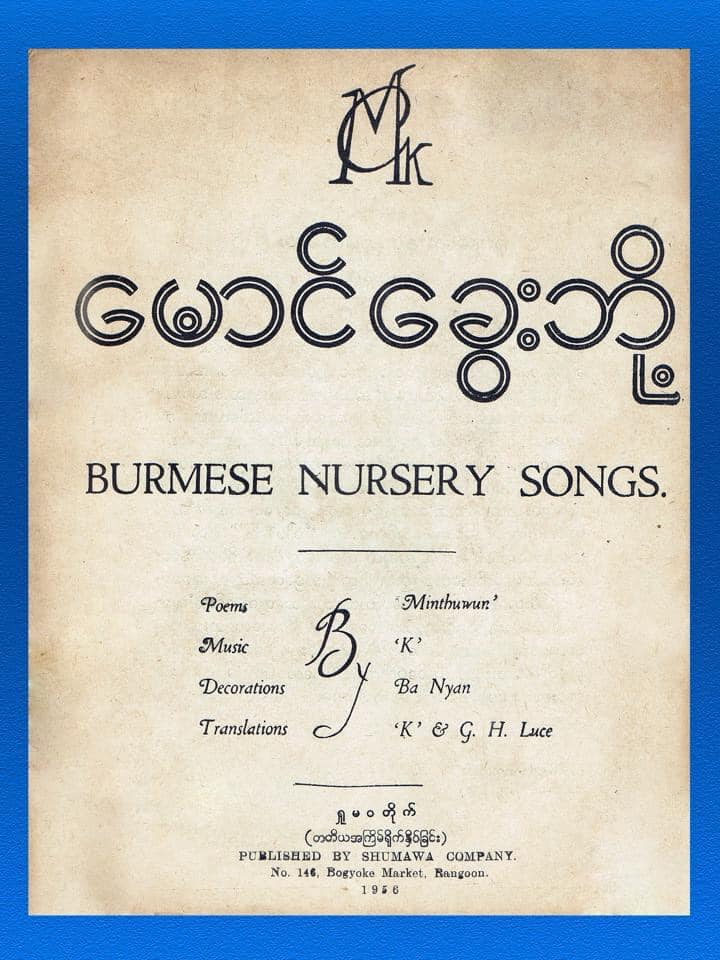
Based partly on the compilation of Sayagyi Minthuwun
(1) Sao Shwe Thaik served as the first President of the Union of Burma. Burma gained Independence on January 4, 1948. He was succeeded by Dr. Ba U and Mahn Win Maung. Coup d’etat took place before Sama Duwa Sinwa Naung could take office. Sao Shwe Thaik’s son passed away during the Coup.
(2) U Nu served as the first Prime Minister of the Union of Burma. He was also the last Prime Minister before the fateful Coup d’etat on March 2, 1962.
Dawei U Ba Swe was Prime Minister for some time when U Nu took a break.
(3) Dr. Shaw Loo was the first doctor to study medicine in the West.
(4) Mekkhaya Mintha (Prince) & Mr. Lane translated Dr. Samuel Johnson’s Dictionary into Burmese.
(5) Yaw Mingyi U Pho Hlaing was the first Burmese author to write about Science and Technology.
(6) Arzani U Razak was one of the first to graduate from Ah Myo Tha Kaw Leik (National College). He served as Principal of the National School in Mandalay. He was Minister of Education in Bogyoke Aung San’s Cabinet. He was assassinated on July 19, 1947.
(7) Phan Chet Wun U Shwe Oh was the first Burmese engineer.
(8) Sayadaw U Ottama was the first Political Prisoner in Burma. “U Ottama Pan Chan ဦးဥုတ္တမ ပန်းခြံ” is a park named in his honor.
SayadawU Wisara was another famous Political Prisoner. “U Wisara Kyauk Taing ဦးဝိစာရကျောက်တိုင်” was erected in his honor.
(9) Phwa Oo Zun (Mandalay native) was the first Burmese female to perform Social Service for the public. She established the Home for the Aged. Details can be found in Ludu Daw Ah Mar’s book “Mandalay Thar & Mandalay Thu”.
(10) U Nyi Pu (brother of Daw Khin Myint, A1 U Tin Nwe, U Maung Maung Soe and A1 U Tin Maung) was the first leading male actor in a Burmese movie. The siblings and their extended families founded several film companies. U Nyi Pu founded Maha Weikzahto Film. The “Thamankyaw” movie was shot and produced at U Nyi Pu’s studio. The crew consisted of A1 Than Htut (Director), A1 Thein Htut (Cinematographer), Than Win (T70, Author), Toe Nyunt, Ko Myint (Min70), Sai Wunna, Win Hlaing, Myo Thant, Toe Chit, Bo Ba Ko, Min Naung & Nwe Nwe Mu.
(11) London Art U Ohn Maung founded a company to produce Burmese films and served as a Director.
(12) Kyaw Soe won the inaugural award for Best Male Actor.
Note: The awards are known as “Shwe Sin Yoke Su ရွှေစင်ရုပ်ဆု”. The winners prefix their names with “Academy”.
(13) Kyi Kyi Htay won the inaugural award for the Best Female Actor. She won the award several more times.
(14) Aung Tun Lay won the inaugural award for the Best Child Actor.
(15) U Kyauk Lone (U Aung Gyi) won the inaugural award for the Best Male Supporting Actor.
(16) Daw May Nwe won the inaugural award for the Best Female Supporting Actor.
(17) U Thu Kha won the inaugural award for the Best Director. He also wrote, acted and sang. My translation “Still So Young” of his short story was published in the Sunday Supplement of Working People’s Daily. I received K50 for the translation. U Thu Kha received an honorarium of K50 for his short story.
(18) Sein Beda was the first Saing Saya ဆိုင်းဆရာ to perform overseas.
(19) James Hla Kyaw wrote the first Burmese novel “Maung Yin Maung Ma Mae Ma မောင်ရင်မောင်မမယ်မ”.
(20) Independent Daw San was the first Burmese female Journalist.
(21) Dr. Ba Maw was the first Burmese lecturer at the Department of English at the University of Rangoon. He became Adhipati အဓိပတိ during the Japanese Occupation.
(22) Professor U Pe Maung Tin was the first Principal of the University of Rangoon. He was Professor of Oriental Studies (including Pali). He proposed to have a separate Department for Burmese. Three outstanding students — ICS U Sein Tin (Theikpan Maung Wa), U Thein Han (Zawgyi) and U Wun (Minthuwun) — founded the “Khit San Sar Pay ခေတ်စမ်းစာပေ” movement.
(23) Tekkatho Tun Naung (BDS, Luyechun) was the first vocalist of the Stereo Khit (Era). Others include Accordion Ohn Kyaw and Min Min Latt. Former performers of BBS Local Talent and Variety Show became professionals.
(24) Mee Bone Byan U Kyaw Yin was the first aerial acrobat to perform stunts from a Hot Air Balloon. He was featured in a text book that we studied in Middle School.
(25) U Kyi built the first robot.
(26) Great Po Sein founded the first Nei Hlei Zat Tha Bin (နယ်လှည့်ဇာတ်သဘင် roving troupe for performing plays). His sons Kenneth Sein and Thet Thet Sein also performed.
(27) Dr. / Sir Mya Bu, who studied in France and Germany, served as the first Burmese Chief Justice of High Court.
(28) U Ba Hli served as first native Dean of Engineering at Rangoon University.
(29) Dr. Tin Hlaing founded the Department of Atomic Energy and served as the first Director General.
(30) U Ba Galay (U Shwe Ta Lay) was the first Burmese Cartoonist.
(31) Sithu U Kaung served as the first President of Burmese History Commission. The History Commission was later merged with the Burmese Language Commission. He is the father of U Thaw Kaung, Dr. Daw Yee May Kaung and Daw Kyi May Kaung.
(32) Dr. Chit Swe is the Computer Pioneer in Burma. He founded the Universities’ Computer Center (UCC) with the help of Saya U Soe Paing, Saya U Myo Min and Saya U Ko Ko Lay (GBNF). He served as the Director of UCC in addition to the Maths Professorship. He established the academic and training courses at UCC with the help of Professor Dr. Harry D. Huskey (Past ACM President) and visiting professors from US, US and Europe. He enabled the academic courses at UCC to have degrees conferred by the Department of Mathematics at RASU. He became Rector of RASU. He never lost his passion about UCC and the dissemination of Computer Science and Applications.
(33) Dr. Tin Maung (son of Saya U Kar) succeeded Dr. Chit Swe as Director of UCC. During his tenure, DCS (Department of Computer Science) and ICST (Institute of Computer Science and Technology) were established. U Tun Aung Gyaw (EC69) and I were members of “Generation Zero” at UCC. We taught at UCC, DCS and ICST.
(34) U Raschid (also known as M. A. Raschid) served as the first President of Ba Ka Tha (ဗကသ All Burma Students’ Union). He was also President of Ta Ka Ta (တကသ RU Student Union). He served as a Minister in the AFPFL ဖဆပလ Government.
(35) Chit Oo Nyo, a prolific writer, wrote the first book to play “Kyar” (ကျား Checkers).
(36) Hajeema Pyinmana Daw Pu was the first female to win Lu Hmu Htoo Chun Su Pathama Sint (လူမှုထူးချွန်ပထမဆင့် First Class for Distinguished Social Service). She donated for the founding of some hospitals. She is the mother-in-law of Saya U Ba Than Haq (Retired Professor of Geology and Pro-Rector of RASU)
(37) Bohmu (Major) Daw Khin Ohn Mya (also known as writer Mya Marlar) was the first recipient of the Florence Nightingale Award for outstanding Nursing.
(38) U Win Myint (Mandalay) was the first Burmese to donate his body.
(39) U Thant succeeded Daj Hammerjold as UNSG (United Nations Secretary General). He was the Third UNSG and the first UNSG from Asia. He served two terms. “U Thant Ah Yay Ah Khin” is a sad event in the history of Burma.
(40) Daw Aung San Suu Kyi was the first Burmese to receive the prestigious Nobel Peace Prize.
MinthuwunMinthuwun and family
Saya Minthuwun (U Wun)
Retired Professor of Burmese at Rangoon University
Head of the Translation Department
Compiler of the Myanmar Abhidan (Burmese Dictionary)
Co-compiler of the Japanese-Burmese Dictionary
Visiting Professor of Burma at Osaka University at the invitation of Professor Harada (“Chit Mann Nwe ချစ်မန်းနွယ်”)
Co-founder of “Khit San Sar Pay”
Laureate Poet
Saya is the father of Edgar Wun (U Nyan Soe), Peter Wun (U Htin Kyaw, former President of Myanmar) and Rosalind Wun (Daw Htar Cho)
(3) Pioneers and/or record holders
Computer Ah Sa UCC Ga
I wrote 30+ posts on “Memories of UCC”. A summary was published in the Commemorative Magazine for the 30th Anniversary of the founding of ICST.
Sayagyi Dr. Chit Swe founded UCC (Universities’ Computer Center) with the help of Saya U Soe Paing, Saya U Myo Min, and Saya U Ko Ko Lay (GBNF). They also led TOSS (Team Of System Specialists), which helped the computerization of various government departments and organizations.
Dr. Tin Maung (GBNF) succeeded Dr. Chit Swee as Director of UCC. During his tenure, DCS (Department of Computer Science) and ICST (Institute of Computer Science and Technology) were opened. He served as the Rector of ICST.
U Soe Paing wrote “Computer Ah Sa UCC Ga” in a computer magazine in Myanmar. It was re-posted in “Mandalay Gazette”, a publication based in Los Angeles.
Burmese Movies
A1 U Tin Nwe is the eldest of the four brothers. He and his youngest brother U Tin Maung founded A1 Film. Several of his descendents are Directors and Actors. His grandchildren include A1 Than Htut, A1 Thein Htut, Thamankyar Ko Myint (Min71) and Sai Wunna.
U Nyi Pu, the second brother, founded his own film company called ” Maha Weikkzado Films”.
U Maung Maung Soe (U Tin Pe), the third brother, founded “Maung Maung Soe Film”. He is the grand father of Ma Pyi Aye (Rosalind, A66) and Ma Khin Than Nu (Glory, EC70).
U Kyaw Zaw (PPBRS) and U Nay Win (British Burma) studied cinematography in US.
U Tin Yu is the son of Daw Khin Myint (eldest daughter of Myanmar Ah Swe founders). For the Yoke Shin Centennial, he gave interviews about his uncles (notably A1 U Tin Maung) and his career (as a cinematographer, assistant director and full-fledged director). Than Win (T70, son-in-law) wrote the novel for Thamankyar.
U Mya Maung (brother in law of U Tin Yu) founded Mya Zaw Films. His children include Peggy Mya Maung, Winnie / Win Mar (Academy winner), Ted / Toe Nyunt (Shwe Gaung Byaung), Rosebelle / Sandar (Academy winner) and Mya Zaw.
Tipitaka Sayadaw
Sayadaw U Vicittacara is the first Burmese to appear in the “Guiness Book of World Records” for his phenomenal memory. Sayadaw recited 8000+ pages of Tipitaka : Vinaya (Monastic rules of conduct), Sutta (Discourses), and Abhidhamma (Ultimate Reality) at the Sixth Buddhist Council held at KabaAye from 1954 – 56.
Lexicographers
Reverend Judson and his team
U Tun Nyein
Dr. Ba Han
U Ohn Pe (Tet Toe)
U Hoke Sein (Pali, English, Burmese)
Minthuwun (Burmese, Japanes)
Sixth Buddhist Council Team (e.g. Sayadaw U Silananda)
Medical Research
BMRI (Burma Medical Research Institute) was founded by Dr. Mya Tu.
It later became DMR (Directorate of Medical Research)
His successors include Dr. Aung Than Ba Tu, Dr. Khin Maung Tin and Dr. Daw May May Yi.
Details of the early and/or prominent doctors/educators have been written by Saya Dr. Thane Oke Kyaw Myint (SPHS60) and Dr. Nyunt Wai (Victor, SPHS63).
U Ba Hi and his son Dr. Freddie Ba Hli
Sayagyi U Ba Hli was the first native Dean of the Faculty of Engineering, Rangoon University. He also taught Civil Engineering courses. He was the driving force (with the support of Professor Horwood of MIT) behind the “Twinning Program” with prestigious universities in US and UK.
Dr. Freddie Ba Hli (Sc.D from MIT) was the first Director General of UBARI (Union of Burma Applied Research Institute). He also taught part-time at the Electrical Engineering Department. Heblater served as a Board Member for UCC.
UN Delegation
Before becoming the 3rd Secretary General of United Nations, U Thant was the Permanent Representative of the Burmese Mission to the UN. He was preceded and succeeded by Mr. James Barrington (ICS and RUBC Gold).
U Thant was the unanimous choice following the Soviet Union’s veto of Dr. Ralph Bunche (prominent Black diplomat), and the USA’s veto of the “Trioka” (proposed by USSR). Burma was a co-founder of the “Non Aligned Movement” to balance the USSR and USA Blocs.
The Permanent Secretary post was later renamed as Ambassador to the United Nations.
Early NativeProfessors
Dr. Maung Maung Kha (Physics), Dr. Hla Myint (Economics) and Dr. Tha Hla (Geology) did their doctorates in the UK. Upon their return to Burma, they helped replace the non-Burmese (mostly British and some Indian) professors from Rangoon University. They also served as Rector of Rangoon University.
Cartoonists
Prominent cartoonists include U Ba Gyan, U Heng Soon, U Pe Thein, U Aung Shein, U Kyaw San, U Sein, and U Ba Htwe.
RIT Cartoon Box was established by U Myint Pe (M72) under the Patronage of Saya U Khin Maung Phone Ko (C64), Saya U Aung Myint (Pet69, GBNF). Four generations maintained the RIT Cartoon Box.
Cartoons were displayed along U Ba Gyan Street during the Tazaungdaing Festival.
Translation & Adaptation
There have been adaptations as well as “direct translation” of works from English to Burmese.
James Hla Kyaw’s novel was based on the Count of Monte Cristo.
Shwe Oo Daung’s U San Shar and U Thein Maung are the Burmese counterparts of Sherlock Holmes & Dr. Watson.
Mya Than Tint (BA, BL) & Thakin Ba Thaung are distinguished translators.
Sports
U Zaw Weik was the first Burmese to compete in Olympics as a member of the British Empire team (governing India and Burma). He co-founded the Burma Olympic Council.
U Aung Gyi (flyweight) was the first Burmese weight lifter to set/break an Olympic record.
Some Burmese Champions who competed in the Olympics include Maung Maung Lwin (Yatching), Tin Maung Ni (Swimming), Myee Tone Naw (Track and Field), Thein Myint (Boxing) and 1972 Munich Olympics Soccer Team.
Several students of Rangoon University represented Burma in the First SEAP Games in Bangkok in 1959, and the Second SEAP Games held in Rangoon in December 1961. I have posted a photo provided by Dr. Richard Yu Khin (MEHS61, GBNF) who won a Gold Medal in Yachting.
Tun Mra (4×100 meters relay), Kyaw Mra (hurdles, GBNF) and Soe Mra (Pole vault) won medals at the 2nd SEAP Games. Their younger brothers Win Mra, Maung Maung Mra and Aung Mra also also excellent Pole Vaulters. Kyaw Mra became National Coach for Track and Field.
Education
There have been several “New” Education Systems.
When the Universities which were forced to close following the Anniversary Celebrations in July 1963, the higher authorities decided to reorganize the Rangoon University as a number of autonomous Institutes.
The Faculty of Engineering underwent two name changes: first to BIT (Burma Institute of Technology) in 1961 and then to RIT (Rangoon Institute of Technology) in November 1964. The degrees conferred became B.E. and B.Arch under the then new Education System. U Yone Mo became the first Rector of RIT. U Soe Thein became the Registrar.
World wide Saya Pu Zaw Pwe
The first RIT Grand Reunion and Saya Pu Zaw Pwe was held in San Francisco, California, USA in October of 2000. I am honored to be a member of the RIT Alumni International that hosted SPZP-2000.
I founded the RIT Alumni International Newsletter and have served as its Editor and Content Provider for 26 years. I have repaid the metta and cetana of my mentors.
There have been seven RIT Grand Reunion and SPZPs (also known as World Wide SPZPs). They are
SPZP-2000 : USA in October 2000
SPZP-2002 : Singapore in December 2002
SPZP-2004 : Yangon in December 2004
SPZP-2007 : Singapore in April 2007
SPZP-2010 : Singapore in December 2010
SPZP-2012 : Yangon at the Gyogone Campus in December 2012 (True Home Coming). The Reunion dinner was held at MICT Park
SPZP-2016 : Yangon in December 2016. A free All Day Event at the Gyogone Campus with exhibitions, and two stages.
Note : SPZP-2020 was cancelled due to the COVID-19 pandemic.
For SPPZ-2000, I served as Chief Editor for the commemorative issue of “RIT Alumni International Newsletter”.
For SPZP-2002, SPZP-2007 and SPZP-2010, Saya U Moe Aung (Tekkatho Moe War) served as Chief Editor of the commemorative issue of “Swel Daw Yeik Sar Saung”. He also served as Chief Editor of the commemorative issue of “Swel Daw Yeik Magazine” for Shwe YaDu 2014 and SPZP-2016.
U Saw Lin (C71, GBNF) served as Chief Editor of “Swel Daw Yeik Magazine” for SPZP-2012.
Other special publications for SPZP-2012 are
HMEE-2012 (History of Myanmar Engineering Education) by Saya U Aung Hla Tun and team. I was a member. U Ohn Khine and I compiled a CD supplement for the book.
Selected RIT Cartoons by U Myint Pe (M72) and fellow cartoonists
Associations
The Student Unions and most associations were not allowed to function for five or so decades.
With the Pwint Linn Era, some progress was made.
Swel Daw Yeik Foundation
Swel Daw Yeik Foundation (SDYF) was founded in 2013 to help the sayas and students — past, present and future — of our beloved alma mater. U Khin Maung Tun is the President and main donor.
SDYF has provided
Annual Medical Check up of eligible sayas and sayamas
Limited financial assistance for sayas and sayamas needing (a) hospitalization (b) frequent visits to clinics (c) long term care
SDYF helped with Shwe YaDu Celebrations in December 2014.
RITAA
RIT-YIT-YTU Alumni Association (RITAA) was founded on March 13, 2016. Since there was a length limitation for naming, BIT (which was technically a renaming of the “Faculty of Engineering” of the University of Rangoon) was left out of the Association’s name.
RITAA became a major sponsor for SPZP-2016.
RITAA is a major force in the implementation of “YTU Library Modernization” Project.
U Myo Aye is the current President. U Tin Latt, who led the Association before the first AGM (Annual General Meeting), is the Vice President.
(4) Burmese Female Scholars
The list is partly based on a special broadcast by BBC, which covered the early Burmese female scholars that studied for their Masters and Doctorates (mostly in the UK and the US). Additional details are provided by friends and relatives (including Dr. Thane Oke Kyaw Myint, Dr. Yan Naing Lwin, Dr. Kyaw Tint, Dr. Richard Yu Khin and Uncle U Thein Han).
Masters
Daw Mya Sein (History)
Daw Ma Ma Khin (Nutrition)
Daw Khin Khin Gyi (Education)
Arts
Dr. Thinn Kyi (Geography) — aunt of Ko Theikdi
Dr. Thaung Blackmore (History) — aunt of Dr. Richard Yu Khin
Dr. Yi Yi (History)
Dr. Khin Hla Han (History) — daughter of Saya U Thein Han (Zawgyi)
Education
Dr. Khin Mya (Education)
Dr. Saw Yi (Education)
Dr. K Mya Yi (Education)
Social Science
Dr. Khin Nyo Nyo (Eco/Commerce)
Dr. Khin Ohn Thant (Eco/Commerce)
Dr. Yi Yi Chit Maung (Commerce) — sister of Saya U Tin Htut
Dr. Kyi May Kaung (Political Economics) — daughter of Sithu U Kaung
Dr. Khin San Yi (Eco/Commerce)
Political Science, Literature, Library Science & Journalism
Dr. Emma Ba Yoke Nyunt Han (Political Science)
Dr. Khin Mya Kyu (Literature)
Dr. Khin Lay Myint (Literature, French) — daughter of Journal Gyaw Ma Ma Lay
Dr. Khin Thet Htar (Library Science) — compiled magnum opus of Health Professionals in Burma (with her spouse Saya Dr. Mya Tu)
Dr. Marjarie Tin Nyo (Journalism) — daughter of Nation U Law Yone
Science
Dr. Linsday (Zoology)
Dr. Yi Yi (Botany)
Dr. Mya Mya Nu (Zoology, Ornithology)
Dr. Yin Yin Nwe (Geology, Earth Science)
Dr. Hla Hla Sein (Mathematics)
Dr. Mya Mya Than (Botany)
Dr. Khin Mya Mya (Physics)
Dr. Khin Sein (Botany)
Medicine
Dr. Khin Khin Kyi (1) (Pharmacology)
Dr. Khin Khin Kyi (2) (Microbiology)
Dr. Khin Ma Gyi (Pharmacology)
Dr. San Yi (Physiology)
Dr. Marlar Maung (Microbiology)
Some countries offer C.Sc. (Candidate of Science).
Dr. Thane Oke Kyaw Myint added :
Although not doctorates, first in their fields:
Dr. Daw Saw Hsa, FRCS, surgery Dr. Daw Yin May, FRCS, FRCOG, FRCP (only Burmese Doctor to be conferred fellowships from three different colleges).
Fields of study of medicine:
Dr. Daw Khin Kyi Kyi (pharmacology) Dr. Daw Khin Kyi Kyi 2 (microbiology) Dr. Khin Ma Gyi (pharmacology)
Dr. Daw San Yi (physiology)
Dr. Daw Marlar Maung (microbiology) younger sister of Alumnus Khin Maung Maung (Burma Navy) (SPHS 1960)
Prof. Daw Phae (Mrs. Yu Khin) microbiology
Prof. Daw Myint Myint Khin, BA English, FRCP Edin: Professor of Medicine writer and poet, Medical educationalist
Prof. Daw Hla Kyi, FRCOG, MMSA. She was the only OB-GYN with Master of Midwifery of the Society of Apothecaries.
Dr. Yan Naing Lwin wrote :
Daw Hla Hla Sein — who taught Mathematics at RIT and is a sister of Daw Myint Myint Sein (M70) — received M.A in math from University of Indiana, Bloomington, Ind . and Ph.D. in mathematics from University of Illinois , U-C. She passed away about 2 years ago in Pasadena, Ca.
Mimi Aung – received her BS & MS degrees in EE from University of Illinois, U-C. She has been the program manager for NASA Mars helicopter project at JPL – Pasadena.
Doris Chan – received her BS , MS & Ph.D. degrees in EE from University of Illinois, U-C. Currently at BAE systems.
Angel Chan – received her BS in Chemistry & Biology from Western Illinois University Ph.D. in Material Science & MD degrees from University of Illinois, U-C Currently at John Hopkins University
Dr. Kyaw Tint wrote :
Daw May Su, received Master of Science in Nuclear Physics. Based on my conversation with her, I noticed her University was in London, but could not recall the name. She passed away in Northern California several years ago.
There is also another lady named Dr. Khin Mya Mya, PhD in Physics, I think from Australia in 1970s.
Dr. Daw Khin Sein of Botany was my English teacher of proficiency course at IFL. Her high school was in Darjeeling and the PhD was most likely from Britain.
U Thein Han wrote :
Professor Daw Kyu Kyu Swe, MBBS, MRCOG, Mandalay Medical College (spouse of Professor Dr. Pe Thein).
(5) Dr. Chit Swe
Dr. Chit SweSaya Chit in 2006
Saya passed away in Sydney, Australia in 2019.
The following is one of several articles I wrote about Saya.
Still So Young And Passionate: Saya Chit
Saya Chit (Dr. Chit Swe) is 88 years young, but he still has an active mind and has a desire to payback to Myanmar.
Until a few years back, Saya was supervising Burmese students in Australia with their research and theses.
Saya studied at Mandalay University. His contemporaries include Saya Di (Dr. Maung Di) and Tekkatho Phone Naing (U Khin Maung Tint, who supposedly based his characters on his friends).
Saya did his studies at Imperial College (University of London) and the University of Liverpool in the UK.
During his studies at Imperial College, Saya U Ba Than (Retired Professor of Mechanical Engineering, RIT) was his room mate.
Saya was Head of Mathematics Department at the Institute of Economics when he proposed to the Ministry of Education to acquire a computer for research and teaching. Saya Nyi Nyi requested Saya Chit to extend the scope of his proposal to cover selected universities and institutes. The UCC project was born.
It would take several years before UNDP would approve to fund the UCC project. UNESCO would act as the Executing Agency.
Mandalay Hall
Saya Chit succeeded Saya U Ba Toke as Professor of Mathematics Department at RASU. Saya recruited volunteers to help plan for the implementation of UCC. Saya received permission to use Mandalay Hall as the temporary home for UCC.
Saya Chit, Saya Paing (U Soe Paing), Saya Myo (U Myo Min), Saya Lay (U Ko Ko Lay, GBNF) and several others conducted courses on Computer Fundamentals & Programming, Systems Analysis and Design, and Numerical Methods.
Thamaing College Campus
UCC moved over to Thamaing College Campus as a neighbor to RC2 (Regional College Two). Saya Chit became the Founder and Director of UCC. Saya Paing, Saya Myo and Saya Lay became Managers in charge of Systems Division, Applications Division, and Operations Division.
Note : After reorganization, Applications Division was split into Business Applications Division and Scientific Applications Division.
Saya’s Vision
Saya was a pioneer and an advocate of “Technology Transfer”, “Leapfrogging Technology”, “Knowledge Sharing”, and TOSS (Team of System Specialists).
Saya is modest. During a trip to Chauk Htat Yone (Six Storey Office), the admin would “ignore” Saya Chit and would pay respect to U Myint Oo (his student and volunteer assistant), who was well dressed and was carrying a suitcase.
Saya insisted a Component in the UCC Project Plan to invite the elite Computer Scientists and Practitioners including
(a) two Past Presidents of the prestigious ACM (Association of Computing Machinery) : Professor Harry Huskey (UCSC) and Professor Anthony Ralston (SUNY Buffalo),
(b) a future ACM Turing Award Winner (considered as the Nobel Prize for Computing) : Professor Michael Stonebraker (UCB) to UCC and jump start courses in Computer Science and Applications.
Misconception
Saya thought that I had served as an Editor for a newspaper. I had written articles, poems and translations for Guardian, WPD (Working People’s Daily) newspapers and Forward Magazine.
Upon learning that I was an RIT graduate volunteering for the UCC Project Maung Thaw Ka (Bohmu Ba Thaw, Chief Editor of Forward Magazine, GBNF) suggested that I should join his staff.
In my 3rd BE, editors from NAB (News Agency Burma) headed by Tet Toe (U Ohn Pe, Chief Editor) invited me to join their staff.
My parents supported my hobbies, but they wanted to make sure that I have a good education and a decent job.
I became a writer for Saya’s projects:
High School Mathematics Curriculum Development
Children’s Treasury of Knowledge (CTK)
Planning for computerization of Government Departments
Team of System Specialists (TOSS).
Saya believed in me and gave the opportunity to take challenges.
Life After UCC
After UCC, Saya served as Rector of RASU, but his passion for his “Dream Child” and his care for his former students never diminished.
After retirement, Saya taught at Assumption University — formerly known as ABAC (Assumption Business and Accounting College) — in Bangkok, Thailand.
Saya later relocated to Sydney, Australia. Several Burmese there completed their doctorates under his supervision.
Reunion With Saya In Australia
In June 2006, I visited Sydney, Australia to attend several gatherings:
RIT alumni gathering headed by Saya U Hla Myint (Charlie, M65) and Saya U Myo Win (Melvin, M65, GBNF)
UCC alumni gathering at Saya Zaw’s house where we paid homage to Saya Chit and Saya Dr. Freddie Ba Hli (National Planning Adviser & Board Member of UCC)
Old Paulians gathering at Olympic Park organized by Dr. Thann Naing (Bonnie Kywe, SPHS66, Geology70)
Saya’s Present
Saya asked me to give a lecture or seminar to interested young people in Sydney. He then presented me with his hat. I hope that Saya’s hat can “transfer” his brilliant thinking into my head.
Visits
In the past years, Saya visited Singapore and Myanmar and shared his wisdom, knowledge and experience.
He has minor health problems, but his mind is sharp as ever.
(6) U Tin Tut & his siblings
U Tin TutU Kyaw MyintDr. Htin Aung
Many know about the accomplishments of the four brothers :
ICS U Tin Tut (First ICS by invitation, former Foreign Minister, Brigadier General of Reserve Army, Journalist)
U Kyaw Myint (Barrister, former Judge & Dean of the Faculty of Law, Chair of the Tribunal that tried Galon U Saw)
U Myint Thein (Former Chief Justice of the Union of Burma, former Ambassador to China, author and translator)
Dr. Htin Aung (former Chancellor of Rangoon University, prolific writer)
Their three sisters had accomplishments of their own.
Daw Khin Mya Mu (Lecturer in Burmese, family court judge and decipher of stone inscriptions, spouse of Burmese Prof U E Maung)
Daw Khin Saw Mu (Poet, mother of Sayama Daw Khin Saw Tint & U Nay Oke Tint, featured in TEDx talk by U Nay Oke)
Daw Tin Saw Mu (Lecturer in English)
Sayama Daw Khin Saw Tint (bi-lingual author) wrote an article about her mother Daw Khin Saw Mu and her aunts.
Dr. Thane Oke Kyaw Myint wrote :
Before independence, Burma had only a High Court and the Supreme Court was in New Delhi. After independence, there was Supreme Court in Burma. My father was High Court Judge during the British rule but became one of the first Supreme Court Judges. Just as the Chief Justice of the Union is considered as equal to the Prime Minister, Supreme Court Judges were equal to cabinet ministers. Both my father and his brother had the Burmese flag on their cars, opened only when they are in the car. All Supreme Court judges and Chief Justice had “Honorable” in front of their names just like with cabinet ministers.
Dr. Htin Aung was the first Burmese to be appointed as Head of Rangoon College. When the College was changed to become a university he became the first Rector of Rangoon University.
U Tin Tut became the first ICS by nomination. After him, candidates had to take an exam to be eligible for ICS training in UK.
A list of ICS appears in the autobiography of U Ba Htay ICS.
(7) U Thant
U Thant succeeded Daj Hammerjold as the Secretary General of the United Nations.
At the Centennial Birthday Celebration for U Thant held in the San Francisco Bay Area, I was a guest speaker.
Ko Tin Maung Thant, U Thant’s son, was a couple of years senior at the Private Primary Boundary Road School. He left the school to join his father (then Permanent Secretary of the Burmese Delegation to the United Nations). Sadly, he passed away unexpectedly during his visit to Burma. His funeral service was grander than that of Commodore Than Pe (Minister of Health and Education), the first member of the Revolutionary Council.
U Thant’s mother told U Thant to study only for two years at the University of Rangoon and then come back and work. He became a Saya at the Pantanaw National School. For accreditation requirements of the school, he asked U Nu to be the Principal. Later, U Nu (leader of AFPFL and Prime Minister) asked U Thant to help the party and the government in various capacities.
U Thant won essay and translation competitions in his youth. He had excellent communication skills (reading, writing, speaking).
In finding a successor to Hammerjold, the two big powers USA and USSR could not agree. USSR refused to accept USA’s candidate. USA refused to accept USSR’s proposal of Troika.
As a compromise, they agreed to have U Thant (who hailed from Burma, a co-founder of the Non-Aligned Movement) as the Interim UNSG. The General Assembly later ratified him as the Third UNSG.
Sad for Burma, only U Aung Tun, Deputy Minister of Education, was at the Mingaladon airport to pay respect to U Thant’s body. He was dismissed.
What followed is another Dark Moment in the History of Burma.
(8) U Ba Kyi
He is an internationally renowned artist. He was a saya at the Institute of Education.
His painting was displayed on the then new Mingalardon International Airport.
He spent 49 days in Sabbath before drawing paintings for “Illustrated History of Buddhism” written by Mahagandayone Sayadaw Ashin Janakabhivamsa.
The book was published by YMBA (Young Men’s Buddhist Association). The English translation was published as a Supplement.
With permission from YMBA, Sayadaw U Silanandabhivamsa and his devotees (mostly from the Theravada Buddhist Society of America) printed the book with the contents in both Burmese and English.
An Arts Professor from Standford University wanted to use the book in his course, but unfortunately the book was published for Dhamma Dana (free distribution) and did not have an ISBN.
Saya’s talent was to translate selected Burmese songs into English such that the English version can be sung to the original tune.
He translated and sang “Hne Yauk Hte Nay Chin De နှစ်ယောက်ထဲနေချင်တယ်” composed by Saya Myoma Nyein and made famous by Mar Mar Aye) to the accompaniment on the violin by Saya Dr. Maung Maung Kha.
Saya also translated “Kaba Ma Kyei” (National Anthem of the Union of Burma).
Saya translated precisely the chorus of a famous song “Hna yauk hte nay gin de”.
Darling Only two we will live dear On the high crest Of the Mount Everest And the Sahara Desert Driest without water To the North Pole May be freezing cold Where the sun will never never grow With all my heart and soul Only two darling We will go
He translated the verse while was invigilating.
Dr. Maung Maung Kha used to accompany U Ba Kyi’s vocals with his violin at the functions (mostly at Rangoon University Ah Nu Pyinnya Ah Thin”).
(9) U Thittila
Sayadaw U Thittila (1896 – 1997) was Ovadacariyato Sangha Maya Nayaka, trustees of renowned pagodas.
He is an Outstanding teacher and writer.
He played an important role in reviving Buddhism in India and propagating the study of Abhidhamma.
He was very modest. He rarely talked about his many achievements.
Achievements
He was Patamagyaw scholar of all Burma in 1918. He stood first among the 5000+ candidates.
He was Panyattisasanahita in 1923. He was among the 4 out of 150 entrants who passed the toughest monastic exam.
He studied Sanskrit in India. He studied English in India and England.
He lectured in 25+ countries including US, UK, and France.
Translation
He translated Vibhanga (second of the seven Adbhidhamma texts) from Pali to English. It was published by the Pali Text Society (PTS) in 1969 with the title “The Book of Analysis”.
Essential Themes of Buddhist Lectures
Collection of unconnected individual talks given between 1938 and 1983.
Part 1 : Introductory articles or Talks of Buddhism (10 lectures)
Part 2 : Talks involving Sila in particular (5 lectures)
Part 3 : Talks involving Samadhi in particular (12 lectures)
Part 4 : Talks involving Panna in particular (4 lectures)
Part 5 : Talks dealing with Buddhism in general (12 lectures)
(10) Family of First in Burma in Matriculation
Three generations stood First in Burma in Matriculation.
U Hoke Sein : Compiler of the Pali-English-Burmese Dictionary
U Saw Hlaing : Son of U Hoke Sein
Dr. Cherry Hlaing (Than Than Tin) : Daughter of U Saw Hlaing; She and Dr. Lyn Aung Thet had Joint Highest Marks in the Matriculation exam in 1964.
Reunion of Final Year Engineering Students 1948 & 1949
Date : January 13th, 1980 Place : Inya Lake Hotel Photo : provided by Mrs. Gyim Kho and U Myo Myint (EC67, RUBC Gold, Nephew of U Gyim Kho).
First Row :
U Than Myint
U Maung Maung Myint
U Aye Kha
U Boon Pin Deputy Chief Engineer, Burma Railways Son : U San Lin / Robert (EC73) Passed away a few years back in Taiwan
U Min Han Son : U Nyein Min / Johnny (C79)
Second Row :
U Soe Aung Chief Engineer, PWD Children : Daw Thynn Thynn Khaing / Janet (EP70) and U Nyunt Aung (C73)
U Khai Waing
U Po Han Deputy Minister of Construction
U Kyaw Tun Saya of our Sayas (including Professor U Sein Hlaing) Taught at BOC College of Engineering Retired Lecturer of Electrical Engineering, RIT Children : Dr. Daw Tin Nu (Elizabeth, English), Dorothy (ex-RIT) Passed away in Burma after visiting Dorothy and family in Australia
U Saw Taik Kyi
U Gyim Kho Spouse gave a copy of the photo for use by HMEE-2012 Nephew : U Myo Myint (EC67, RUBC Gold)
U Mya Than
U Tin Oo
Third Row :
U Kyi
U Aung Kyi Retired from GE. Worked as a Private Contractor
U Kyaw Myint
U Tha Nyunt
U U Gyaw
U Khin Maung
U Lal Bik
Comments
U Aye (M62) provided information about U Saw Taik Kyi and U Aung Kyi