Category: Buddhism

Sayadaws, Suttas, Terms

  • Buddhist Councils

    Buddhist Councils

    by Hla Min

    Updated : June 2025

    U Silananda

    Tipitaka

    • It is a Pali term. It is commonly rendered as “Three Baskets” :
    • Vinaya (Monastic rules of conduct)
    • Sutta (Discourses)
    • Abhidhamma (Ultimate reality)

    Buddhist Councils

    • According to the Theravada tradition, there are six Buddhist Councils.
    • The First, Second and Third Councils were held in India.
    • The Fourth Council (which recorded the teachings on palm leaves) was held in Ceylon.
    • The Fifth Council was held in Mandalay, Burma. U Khanti inscribed the Tipitaka on marble slabs. It was featured as the World’s Largest Book in Ripley’s “Believe it or not”.
    • The Sixth Council was held in Rangoon, Burma. Tipitaka was reconfirmed and published as printed texts. Selected Pali texts were also translated into Burmese.

    First Buddhist Council

    Source : U Silananda

    • Date : 3 months and 5 days (Sasana Era)
    • Place : Rajagaha (India)
    • King : Ajasattha
    • Leader : Mahakassapa Thera
    • Number of Monks : 500
    • Duration : 7 months
    • Accomplishment :
      Collected, examined, classified, and recorded orally the Buddha’s Teachings
    • Ashin Maha Kassapa acted as the Chief Questioner.
    • Ashin Upali recited Vinaya.
    • Ashin Ananda recited Sutta and Abhidhamma.
    • 500 Arahants confirmed Buddha’s teachings.

    References :

    • Culavagga-Pali pp. 479 – 490
    • Dipavamsa 1.24; 5.4
    • Mahavamsa 3.26 – 41
    • Vinaya Atthakatha I 2 – 25
    • Digha-Attahakatha I 3-26

    Second Buddhist Council

    Source : U Silananda

    • Date : 100 (Sasana Era)
    • Place : Vesali (India)
    • King : Kalasoka
    • Leader : Yasa Thera (Vinaya Athakatths)
      Revata Thera (Mahavamsa)
    • Number of Monks : 700
    • Duration : 8 months
    • Accomplishment :
      Reaffirmed the Texts accepted at the 1st Council after a group of monks tried to relax the rules of discipline (oral)

    References :

    • Culavagga-Pali pp. 490 – 508
    • Dipavamsa 5.30
    • Mahavamsa 4.9 – 64
    • Vinaya Atthakatha I 25 – 29

    Third Buddhist Council

    Source : U Silananda

    • Date : 234 (Sasana Era)
      310 BC
    • Place : Pataliputta (India)
    • King : Asoka
    • Leader : Mogallaputta-Tissa Thera
    • Number of Monks : 1000
    • Duration : 9 months
    • Accomplishment :
      Reaffirmed the Texts accepted at the previous Councils. The Kattavatthu (5th book of Abdhidhamma) is added (oral)

    References :

    • Dipavamsa 7.34-43, 44-59
    • Mahavamsa 5.228-279
    • Vinaya Atthakatha I 29 – 78

    Fourth Buddhist Council

    Source : U Silananda

    • Date : 450 (Sasana Era)
      94 BC
    • Place : Alokavihara (Sri Lanka)
    • King : Vattagamani Abhaya
    • Number of Monks : 500
    • Accomplishment :
      Wrote the Buddha’s Teachings together with the Commentaries on palm leaves

    References :

    • Vajirabuddhitika 543
    • Mahavamsa 33.100-101

    Fifth Buddhist Council

    Source : U Silananda

    • Date : April 5, 1871 (*)
    • Place : Mandalay (Burma)
    • King : Mindon
    • Leader : Jagara Thera
    • Number of Monks : 2400
    • Duration : 5 months (recitation)
      Began on April 14, 1871
      Ended on September 9, 1871
    • Accomplishment :
      Reaffirmed the Texts accepted at the previous Councils and wrote them on 729 marble slabs.

    References :

    • Burmese Chronicles

    (*) 1853 – 59 Writing on palm leaves in gold-color ink, ink and stylus – over 200 volumes.

    Began writing on marble slabs on October 26, 1859. Ended writing on marble slabs on May 4, 1868. Took 7 years, 6 months and 19 days.

    Seven books of Abidhamma on 208 slabs.

    Slab size : 5 feet high, 3 feet across, 5 inches thick and about 90 lines long

    Ripley’s “Believe It or Not” named it the “Largest Book in the World”.

    Sixth Buddhist Council

    Source : U Silananda

    • Date : May 1954 – 56
    • Place : Rangoon (Burma)
    • Prime Minister : U Nu
    • Leader : Revata Thera
    • Number of Monks : 2500
    • Duration : Two years for the Pali Texts
    • Accomplishment :
      Reaffirmed the Texts accepted at the previous Councils.
      Editions of Pali Texts, Commentaries and Sub-commentaries.

    References :

    • Sangayana Album

    Editor’s Notes :

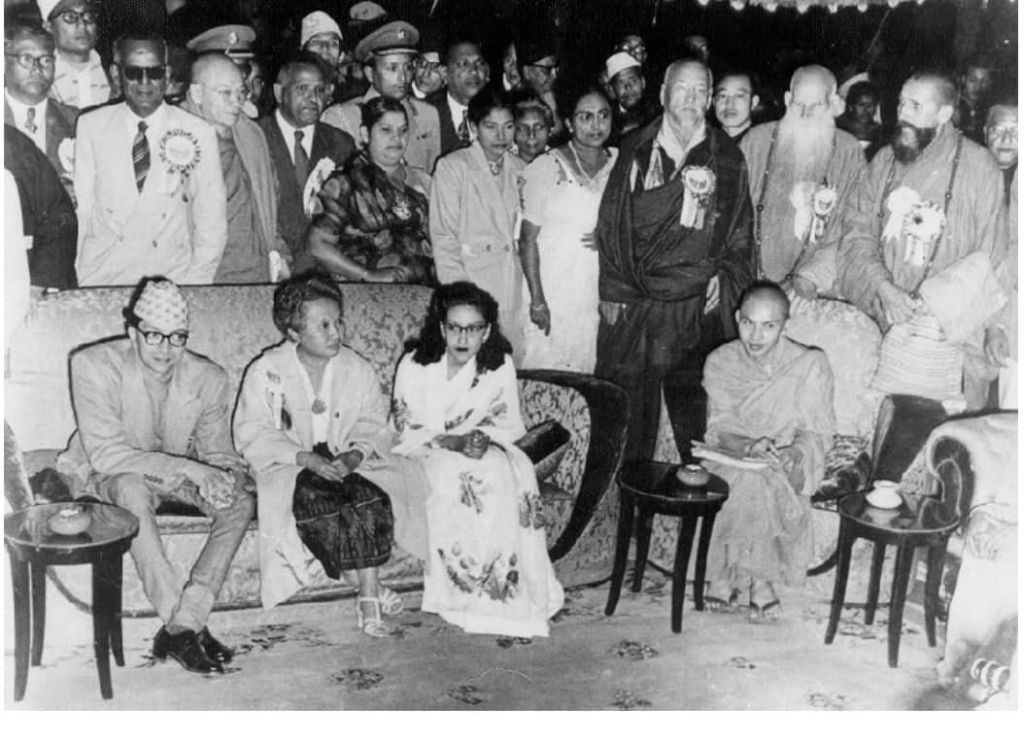
    • The Sixth Buddhist Council was held in Kaba Aye Pagaoda, Rangoon.
    • 2500 Sayadaws from Burma and neighboring Theravada Buddhist nations re-confirmed Buddha’s teachings.
    • Mahasi Sayadaw U Sobhana acted as the Chief Questioner.
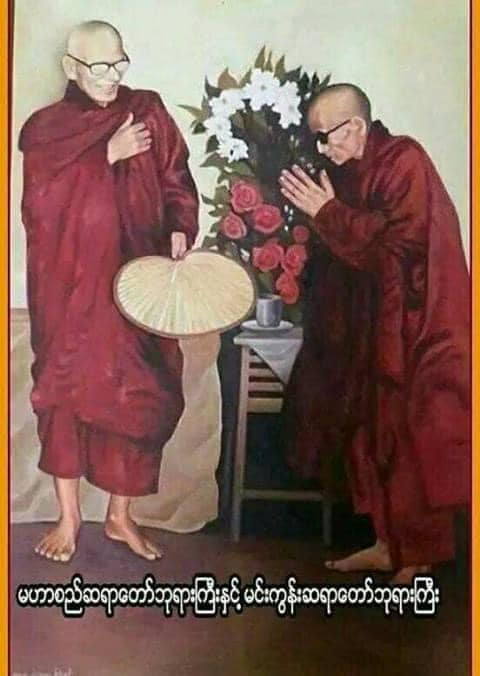
    Mahasi & Mingun
    • Mingun Sayadaw Ashin Vicittacarabhimvamsa acted as the Chief Reciter.
    • Mingun Sayadaw’s memory feat was recognized in the Guinness Book of World Records (in the mid-50s).

    Tipitaka Examination

    Background

    • Burma wanted to host the Sixth Buddhist Council.
    • The Sayadaws visited neighboring Theravada countries to seek advice and to solicit participation in the Council to celebrate 2500 years of Sasana.
    • The Theravada Sayadaws expressed the need for a Tipitaka Sayadaw.

    Burma invited interested Sayadawa to sit for Oral and Written Examination over four years (or more)

    • Vinaya
    • Sutta
    • Abhidhamma (Part One)
    • Abhidhamma (Part Two)

    Mingun Tipitaka Sayadaw U Vicittacara
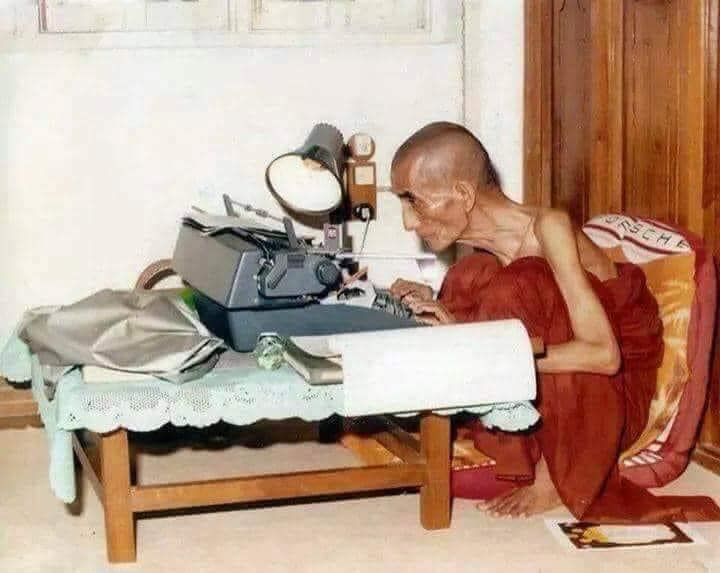
    Mingun Sayadaw
    • He served as an Examiner for the first Tipitaka examination.
    • One Sayadaw passed the Vinaya, but said that he would not take further examinations to concentrate on his Practice of the Dhamma.
    • Sir U Thwin requested Mingun Sayadaw to take the Tipitaka examination as preparation for the Sixth Buddhist Council.
    • Mingun Sayadaw passed with Distinction in all subjects, and was awarded “Tipitakadara Bandakarika”.
  • TMC

    Sayadaw U Silanandabhivamsa gave a talk “The ten meanings of Tatagatha” at the Tathagata Meditation Center (TMC) at 1215, Lucretia Street, San Jose.

    U Silananda

    History and Activities

    For the history and activities of the meditation center, please visit

    http://www.tathagata.org/

    TMC Dining Hall

    • In the dining hall, there is an album about Sayadaw U Silanandabhivamsa’s early years in the US (e.g. meditation retreat at a church, dhamma classes at a Zen Buddhism Temple).
    • There are also photos about the Summer Camp for children and young adults.
    • There are two cabinets of books: one for dhamma dana distribution, and another for sale.

    Newsletter

    • The “Dhamma Bell Newsletter” was edited by volunteers (U Theikdi & Maureen O’Brien).
    • It was published quarterly.
    • It featured dhamma talks given at TMC and also recipes (e.g. vegetarian spring rolls).
  • Neikban

    Neikban

    by Hla Min

    Updated : May 2025

    Neikban Zaw

    Neikban

    • It is the Burmese term for Nibanna (in Pali) and Nirvana (in Sanscrit).
    • It is translated as “Liberation” or “Enlightenment”.
    • Some associations for Dhamma activities are known as “Neikban Zaw Ah Phwe”.
      The volunteers for Dhamma activities often call themselves “Neikban Zaw”.

    Neikban Zaw

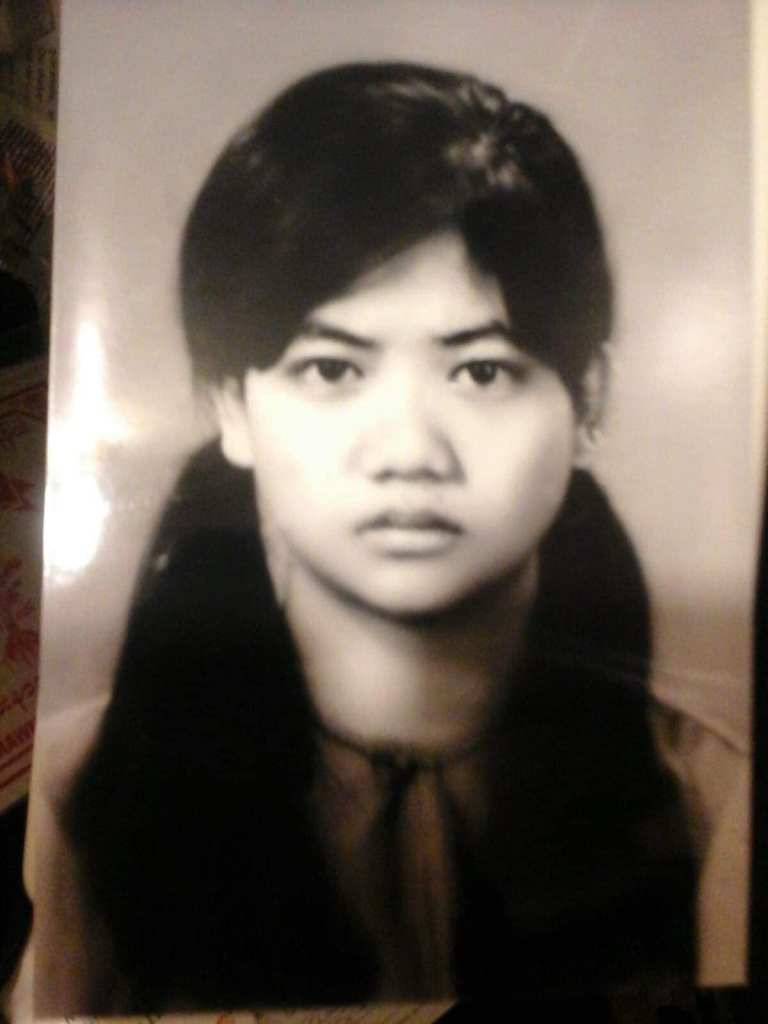
    It is the pen name of my beloved spouse. She wrote articles for Dhammananda Newsletter.

    • A Question and an Answer
    • Ko Seik Kyan Mar Yay
    • Wut Hmar Ah Myair Nga Yair Ah Pa
    • Doctor turned patient
    Article by Neikban Zaw
    Article by Neikban Zaw
  • Mote Seik Phone Gyi

    Mote Seik Phone Gyi

    by Hla Min

    Updated : May 2025

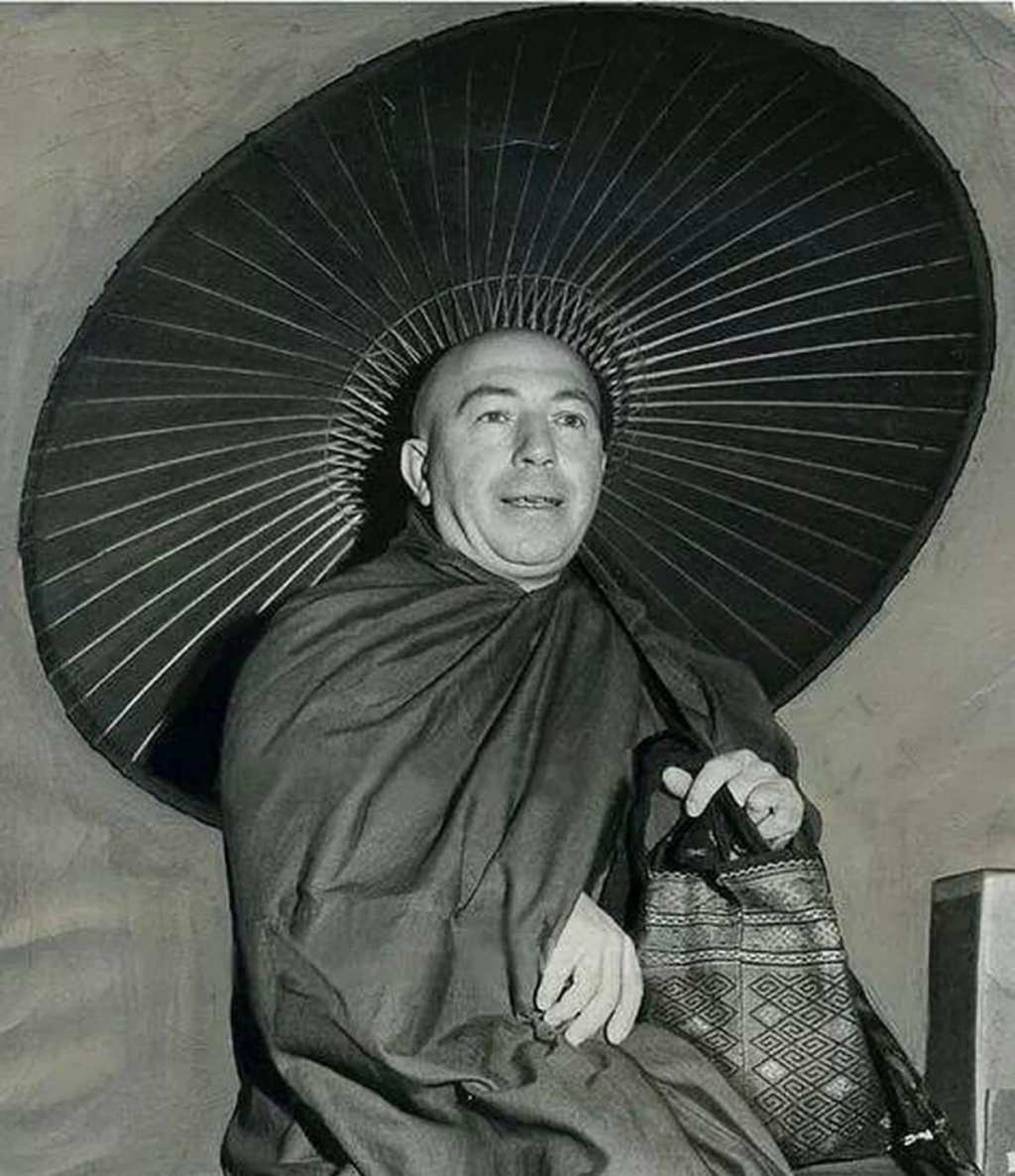
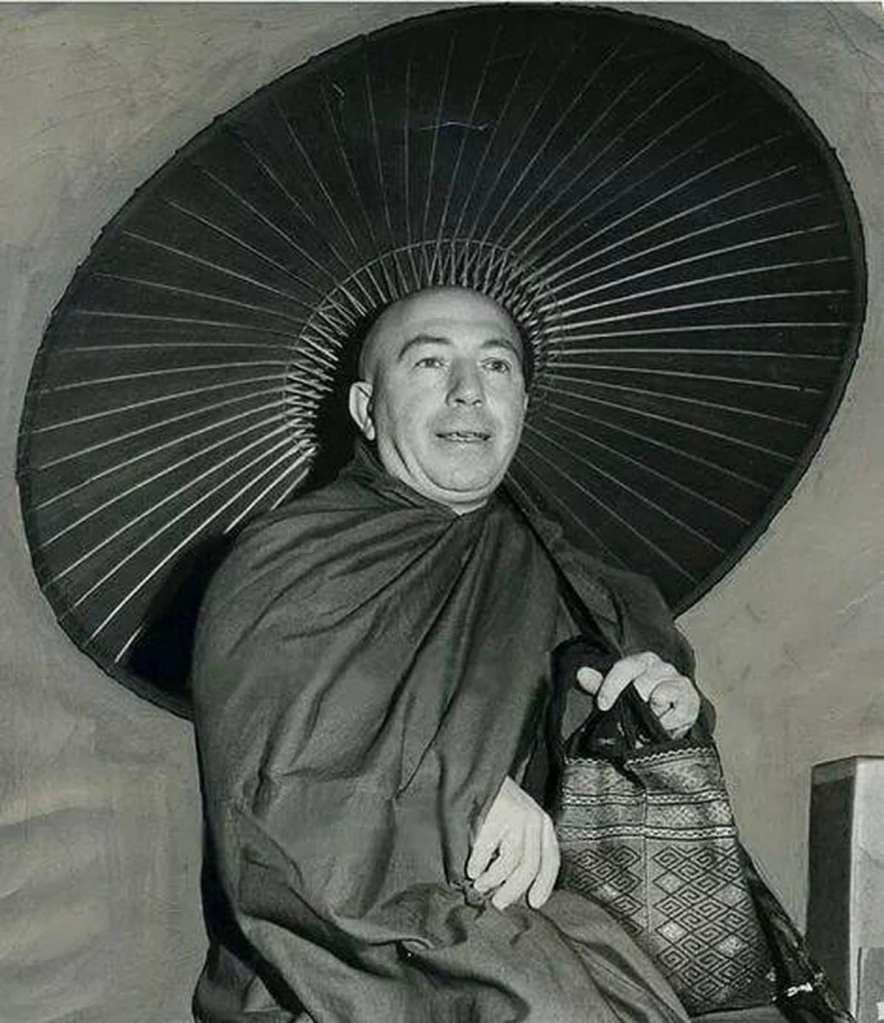
    Reverend Friedrich Lustig
    Estonian Buddhist monk

    • He was born on 26 April 1912 in Narva, Estonia.
    • He passed away on 4 April 1989 in Rangoon, Myanmar.
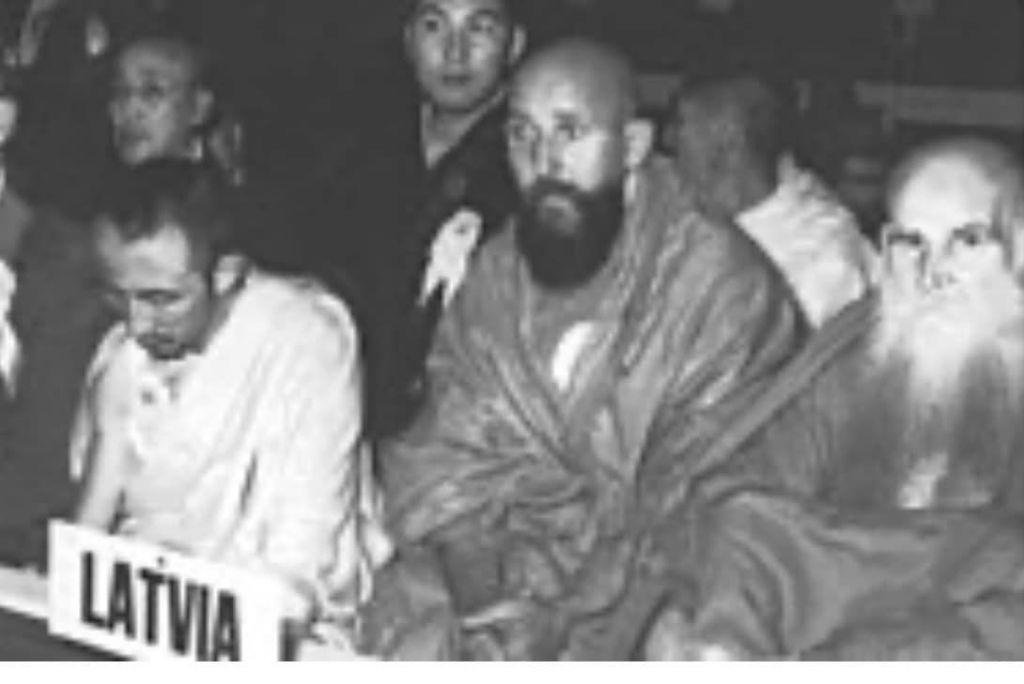
    • He and his mentor Karlis Tennisons (Buddhist Archbishop of Latvia and Sangharja for Estonia and Lithuania) lived for many years in a monastery on “A Le Pyit Sa Yan” အလယ် ပစ္စယံ of Shwe Dagon Pagoda.
    • He went for alms round every day, and was fondly known as “Mote Seik Phone Gyi” (named after his beard).
    • After his mentor’s demise, he inherited his master’s titles. He shaved his beard and became ordained as a Theravada monk with the name “Ashin Ananda”.
    • He was a Poet Laureate. He wrote poems in English. He also translated Burmese poems (including Anandathuriya’s kabyar) into English.
    • He would review my poems.
    Mote Seik 1
    Mote Seik 2
  • Samvega

    Samvega

    by Hla Min

    Updated : May 2025

    Urgency

    • It is a Pali word meaning “Sense of urgency”. We’ve heard it many times especially when we attended the last journey of our loved ones.
    • We feel the pain even when the dearly departed are in their 80s. The pain grows when we learn that someone young (not so old) had passed away.
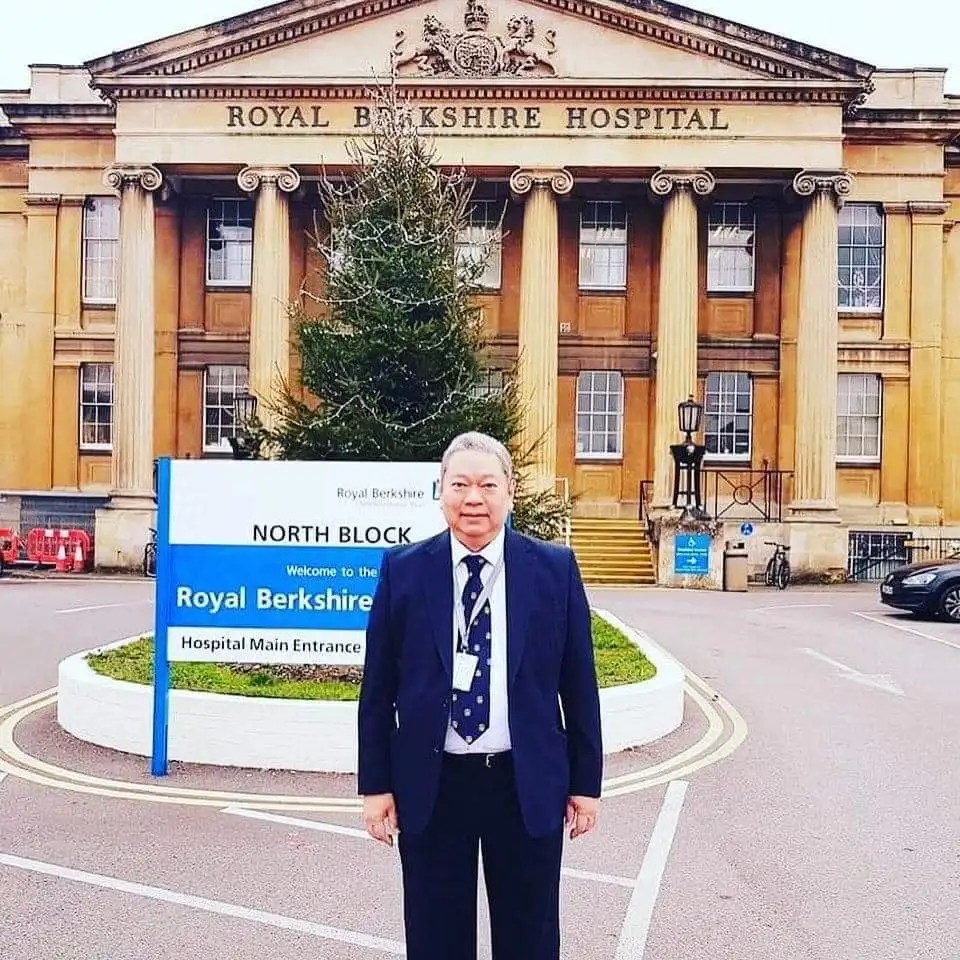
    • We feel shocked and upset when we hear about the untimely demise. My cousin nephew Dr. Peter Tun warned about lack of PPE, but he succumbed to Covid.

    Gone But Not Forgotten (GBNF)

    • The list of GBNF for RIT 69ers is now 128. About 40% of our classmates are no longer with us. Covid claimed about 20.
    • U Sein Win (Win Kyaw, C69) was an expert in Palmistry. His spouse is a professional Palmist. Not sure whether he knew his life span, but he is GBNF.
    • U Myint Sein was a former classmate at PPBRS. He was Principal of BARB. He later founded Idea Astrology. Not sure whether he informed his spouse and son about his life span or his sudden demise, but he is also GBNF.
    • My uncle was sent as a state scholar to Japan during the Second World War. He was in Hiroshima & Nagasaki before both cities were ravaged by the Atomic Bombs. He was lucky. His luck ran out when he was sentenced to seven years by a kangaroo court during the Adhamma Era. The UN Human Rights Rapporteur pleaded with the government to release him. Sadly, he passed away early (because of the harsh environment & treatment). His siblings all lived to be 80+ years. The eldest sister lived to be 94.

    Dr. Khin Tun (Peter)

    Dr. Peter Tun
    • He is the elder son of my cousin U Tin U. He became one of the early doctors in UK to fall victim to COVID-19. He is an MRCP and a former Associate Dean of Oxford University. He at the Royal Berkshire Hospital. His ward needed PPE, but he was told that they would be supplied when there is a case. He replied, “It would be too late”. Sad to say, he passed away on April 12, 2020. Could his life been saved?
    • The news shocked not just his immediately family, but many around the world. BBC and the newspapers in UK have reported several heroes who died in the battle fighting COVID-19.
    • Should Samvega sink in?
  • A Book Changed His Life

    A Book Changed His Life

    by Hla Min

    Updated : May 2025

    U Lokanatha
    • It amazes us that books (and even a book chapter) can change a person’s life.
    • Salvatore Cioffi was working as a Chemist in the USA.
    • He was from a devout Catholic family, and his elder brother was a Priest.
    • He received a book present from his supervisor for Christmas.
    • One of the chapters was “Dhammapada“. After reading the chapter, Samvegha crept in. He quit his job and then went on pilgrimage to the places sacred to Buddhism.
    • In 1925, he was ordained in Burma as a Buddhist monk named “U Lokanatha“.
    • He published a booklet, “Why I became a Buddhist.” He wrote, “I became a Buddhist. My supervisor remained a Christian.”
    • My maternal grand mother offered a monastery for U Lokanatha in Bawdigone (Windermere, Rangoon).
    • U Lokanatha practiced Dhutanga.
    • He also preached and had Dhamma Dhuta missions to India and Ceylon.
    • Sayadaw gave dhamma talks in Mandalay and Maymyo.
      Dr. Soni was a principal supporter.
    • He paid respect to Myingyan Sun Lun Gu Kyaung Sayadaw.
      The event is described in “Sun Lun Sayadaw’s Biography“.
    • He corresponded with B. R. Ambedkar, the Indian Dalit (“untouchables”) leader.
    • Sayadaw passed away in Maymyo on May 25, 1966.
  • Sixth Buddhist Council

    by U Silananda

    Updated : May 2025

    • Date : May 1954 – 56
    • Place : Rangoon (Burma)
    • Prime Minister : U Nu
    • Leader : Revata Thera
    • Number of Monks : 2500
    • Duration : Two years for the Pali Texts
    • Accomplishment :
      Reaffirmed the Texts accepted at the previous Councils.
      Editions of Pali Texts, Commentaries and Sub-commentaries

    References :

    • Sangayana Album

    Editor’s Notes

    • Mahasi Sayadaw U Sobhana acted as the Chief Questioner.
    Mahasi & Mingun Sayadaws
    • Migun Tipitaka Sayadaw U Vicittacarabhivamsa acted as the Chief Reciter.
    Mingun Sayadaw
    • The Guinness Book of World Records honored Mingun Sayadaw’s Memory.
  • Neikban & Neikban Zaw

    Neikban & Neikban Zaw

    by Hla Min

    Updated : May 2025

    Neikban

    • Neikban is the Burmese term for Nibanna (in Pali) and Nirvana (in Sanscrit).
    • It is rendered as “Liberation” or “Enlightenment”.

    Neikban Zaw

    Neikban Zaw
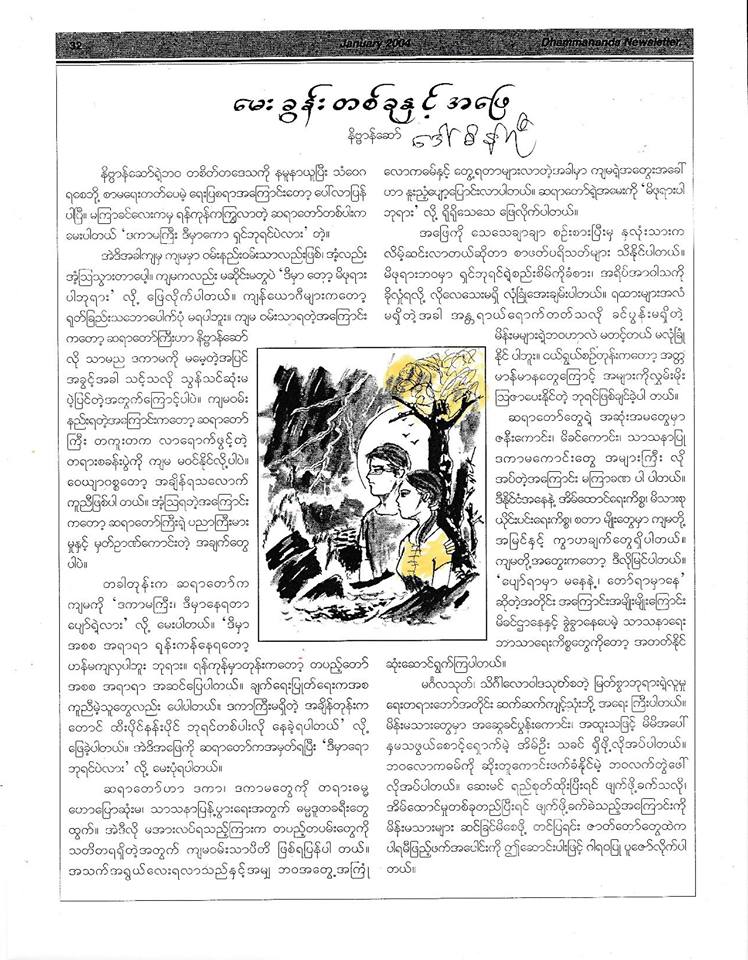
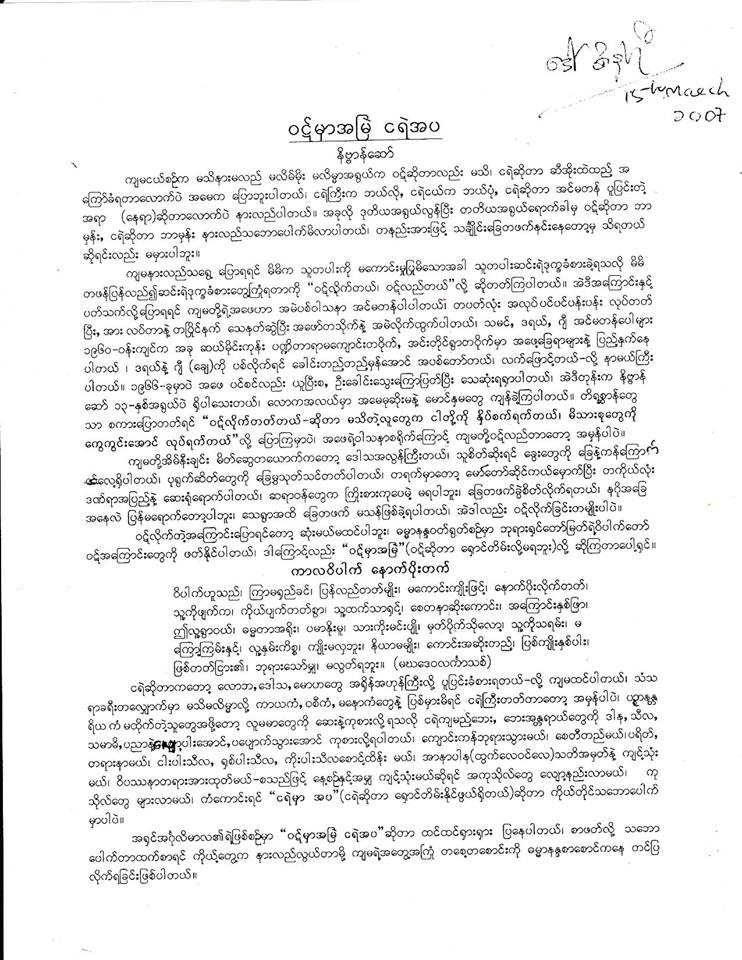
    • It is the pen name of my beloved spouse. She wrote articles for the Dhammananda Newsletter. I have re-posted some of them.
    • Some volunteers for Dhamma activities also call themselves “Neikban Zaw”.
    • Some associations for Dhamma activities may be called “Neikban Zaw Ah Phwe”.
  • U Lokanatha

    U Lokanatha

    by Hla Min

    Updated : May 2025

    U Lokanatha
    • It amazes us that books (and even a book chapter) can change a person’s life.
    • Salvatore Cioffi was working as a Chemist in the USA.
    • He was from a devout Catholic family, and his elder brother was a Priest.
    • He received a book present from his supervisor for Christmas.
    • One of the chapters was “Dhammapada“. After reading the chapter, Samvegha crept in. He quit his job and then went on pilgrimage to the places sacred to Buddhism.
    • In 1925, he was ordained in Burma as a Buddhist monk named “U Lokanatha“.
    • He published a booklet, “Why I became a Buddhist.”
      He wrote, “I became a Buddhist. My supervisor remained a Christian.”
    • My maternal grand mother offered a monastery for U Lokanatha in Bawdigone (Windermere, Rangoon).
    • U Lokanatha practiced Dhutanga.
    • He also preached and had Dhamma Dhuta missions to India and Ceylon
    • He gave dhamma talks in Mandalay and Maymyo. Dr. Soni was a principal supporter.
    • He paid respect to Myingyan Sun Lun Gu Kyaung Sayadaw.
      The event is described in “Sun Lun Sayadaw’s Biography“.
    • He corresponded with B. R. Ambedkar, the Indian Dalit (“untouchables”) leader.
    • He passed away in Maymyo on May 25, 1966.
  • Vipassana Q & A

    Excerpts from
    “Introduction to Vipassana Meditation”
    by Venerable U Silananda


    Where does the practice of Vipassana come from?

    Vipassana meditation chiefly comes from the tradition of Theravada Buddhism. There are two major divisions of Buddhism in the world today – Mahayana and Theravada. Mahayana tradition developed as Buddhism spread to the Northern Asian countries of Tibet, China, Japan, etc. Theravada tradition stay in Southern Asia and spread to Sri Lanka, Burma (Myanmar), Thailand, Cambodia and Laos.

    What does Vipassana mean?

    The word Vipassana is composed of two parts — vi which means “in various ways” and passana which means “seeing”. So, Vipassana means seeing in various ways.

    What can Vipassana meditation do for me?

    The ultimate purpose of Vipassana is to eradicate mental impurities from your mind altogether. Before that stage, there are the benefits of tranquility, peace of mind and the ability to accept things as they come. Vipassana helps you to see things as they truly are, not as they appear to be. Things appear to be permanent, desirable and substantial, but actually they are not. When you practice Vipassana meditation, you will see for yourself the arising and disappearing of mental and physical phenomena. And you will have clearer comprehension of what is going on in your mind and body. You will be able to accept things as they come to you with less agitation and deal with situations in a more positive way.

    Can Vipassana be applied to daily life?

    You can have awareness of whatever you do whether you are working, walking, doing, etc. It will not be as intense as in a meditation or during a retreat, but a more general awareness. And when you apply mindfulness to problems in your life, you will be able to deal with them more effectively.

    Why should I go to a meditation retreat?

    The intensive practice of a retreat is very beneficial for developing good concentration and quieting the mind. Since concentration is essential for penetrative wisdom to arise, a meditation retreat gives you the best possible opportunity to be able to experience for yourself the true nature of reality.