Category: Buddhism

Sayadaws, Suttas, Terms

  • Patthana

    It is the 7th text in Abhidhamma

    Book of Conditional Relations

    1. Root Condition
    2. Object Condition
    3. Predominance Condition
    4. Proximity Condition
    5. Contiguity Condition
    6. Co-nascence Condition
    7. Mutuality Condition
    8. Dependence Condition
    9. Strong-Dependence Condition
    10. Pre-nascence Condition
    11. Post-nascence Condition
    12. Repetition Condition
    13. Kamma Condition
    14. Resultant Condition
    15. Nutriment Condition
    16. Faculty Condition
    17. Jhana Condition
    18. Path Condition
    19. Association Condition
    20. Disassociation Condition
    21. Presence Condition
    22. Absence Condition
    23. Disappearance Condition
    24. Non-Disappearance Condition

    Patthana in Daily Life

    Subtitle : An introduction to the Law of Conditionality
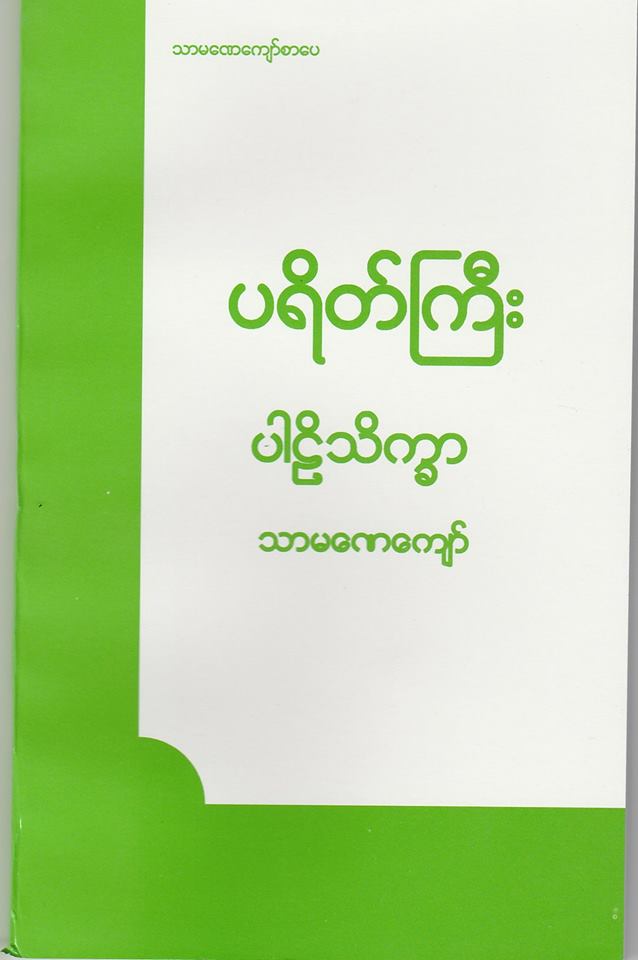
    Author : U Hla Myint
    Publisher : Tathagata Meditation Center, 2010

    CONTENTS

    Introduction

    Root condition : Hetu-paccayo
    Fascination (Sense-object) condition : Arammana-paccayo
    Predominance condition : Adhipati-paccayo (sahajata, arammana)
    Continuity condition : Ananatara-paccayo
    Contiguity condition : Samanantara-paccayo
    Co-nascence condition : Sahajata-paccayo
    Mutuality condition : Annamanna-paccayo
    Dependence condition : Nissaya-paccayo (shajata, purejata)
    Strong-dependence condition : Upanissaya-paccayo (aramana, anantara, pakatupa)
    Pre-nascence condition : Purejata-paccayo (vatthu, araammana)
    Post-nascence condition : Pacchajata-paccayo
    Repetition condition : Asevana-paccayo
    Kamma condition : Kamma-paccayo (shahajata, mamakkhanika)
    Resultant condition : Vipaka-paccayo
    Nutriment condition : Ahara-paccayo (sahajarta, kabalikara)
    Faculty condition : Indriya-paccayo (shajata, rupajivita, vatthu-purejata)
    Jhana condition : Jhana-paccayo
    Path condition : Magga paccayo
    Association condition : Samapyutta-paccayo
    Disassociation condition : Vipayutta-apccayo (sahajata, pacchajata, vatthupurejata)
    Presence condition : Atthi-apccayo (sahajata, pacchajata, vatthupurejata)
    Non-disappearance condition : Avigata-paccayo
    Absence condition : Natthi-paccayo
    Disappearance condition : Vigata-apccayo

    Conclusion

    Resources

    • Patthana Theikpan (College)
    • Basic, Intermediate, and Advanced Courses on Patthana
    • A Manual of Abhidhamma
    • Charts, illustrations, mnemonics
    • Computer programs to study Patthana
    • Tri-lingual book (in Pali, Myanmar, and English)
  • Buddhist Association

    • Saya Dr. Thein Hlyne
    Dr. Thein Hlyne (Center)
    • Saya U Lin (M66)
    U Lin (2nd from Right)
    • Saya U Tin Shwe (EP66, GBNF)
    U Tin Shwe
    • Saya U Soe Myint (Min83)
    • U Kyi Twe (A70)
    • U Maung Maung Lay
    • U Myint Soe (M79)
    • U Sein Win (C80)
    • U Maung Maung Lay

    The Association’s activities include

    • Kathein robe offering
    • Library of books on Buddhism
    • Ovada of sayas and sayamas
      attending SPZP-2012
      attending SPZP-2016
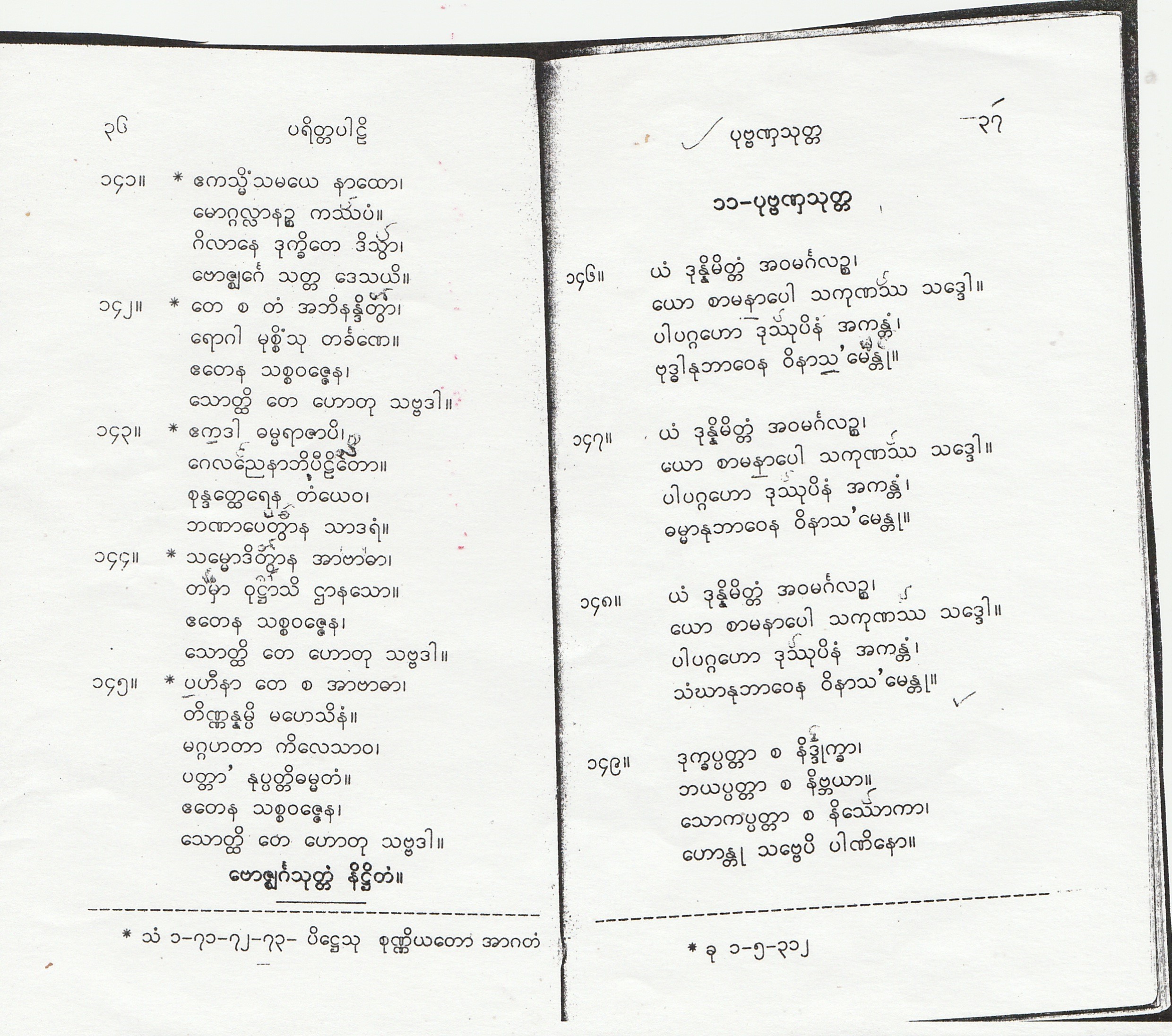
  • Pubbhana Sutta

    Paritta
    U Silananda
    Pa Yeik Kyee

    No need to wait for lucky stars

    • 11th Sutta in “Paritta Pali
    • For protection against bad omens, etc. and gaining happiness

    Four verses from the Scriptures
    Verse numbering per Sayadaw U Silanandabhivamsa

    • Verse 153 (of “Paritta Pali”)
      Assertion of truth about the “Accomplished One”
    • Verse 162 (of “Paritta Pali”)
      “every day can be auspicious day”
      On the day meritorious deeds are performed, the stars are auspicious, blessings are suspicious, … , the time is auspicious. Offerings made to the holy ones on such a day are well-offered.
    • Verse 163 (of “Paritta Pali”)
      three kinds of felicitous actions : bodily, verbal, mental
    • Verse 164 (of “Paritta Pali”)
      Good deeds
      Good results
      (a) Growth in the Dispensation of Buddha
      (b) have bliss
      (c) free from diseases
      (d) happy together with your relatives
    • The rest composed by compilers

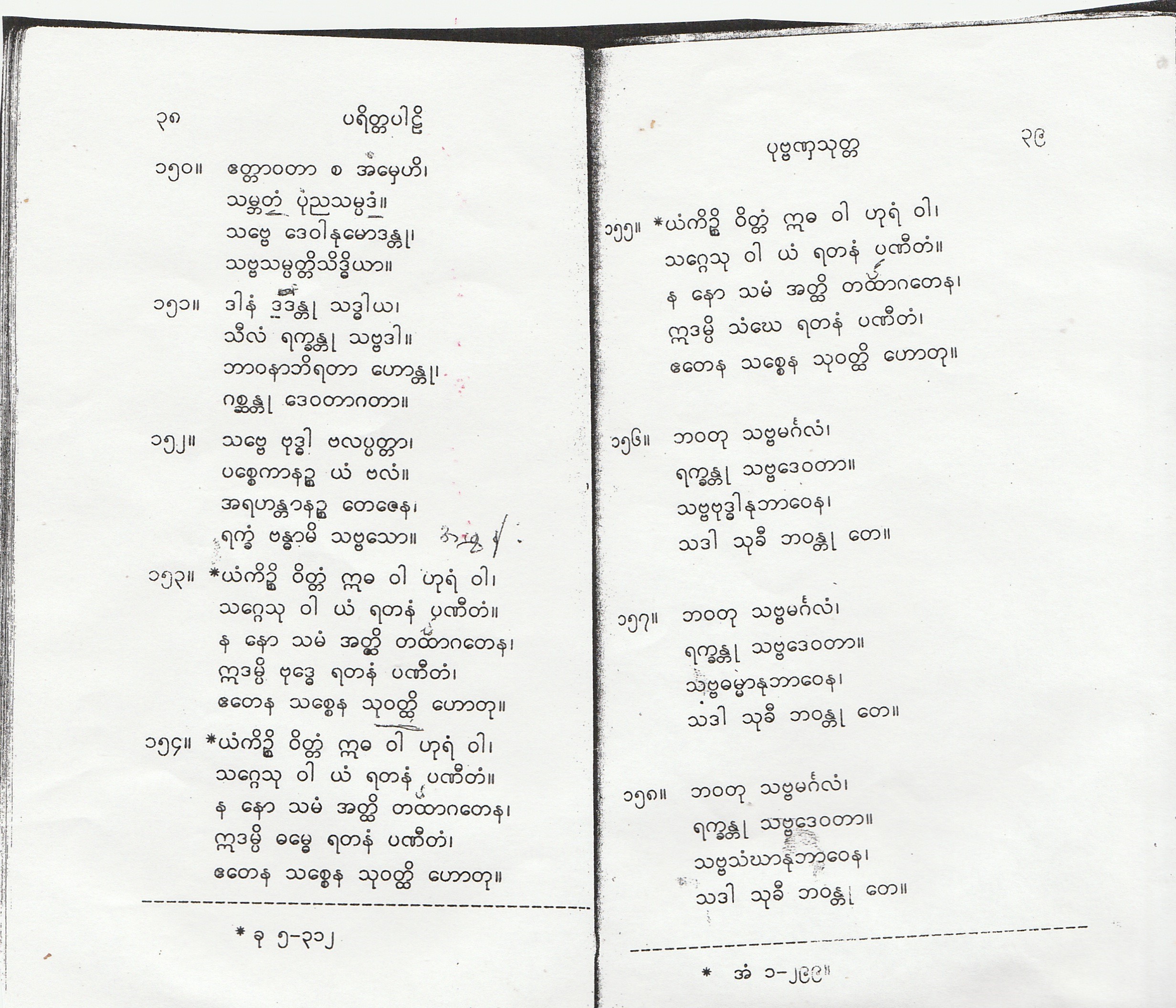
    Pali (in Burmese Script)
    This image has an empty alt attribute; its file name is pp-36-37-1.jpg
    This image has an empty alt attribute; its file name is pp-38-39.jpg
    This image has an empty alt attribute; its file name is pp-40-41.jpg
  • Metta

    by Hla Min

    Updated : May 2025

    Four Byamaso Taya

    • Metta
      Unbounded Love / Loving Kindness
    • Karuna
      Compassion
    • Mudita
      Altruistic Joy or Sympathetic Joy
    • Uppekkha
      Equanimity

    Metta

    • Pali term
      Written in Burmese as Myitta
    • Rendered as
      Unbounded Love
      Loving Kindness
    • One of the four Bhamaso Taya or Bhama Vihara (along with Karuna, Mudita, and Uppekha)

    Practice

    • Practiced as a form of meditation
    • U Silananda‘s book on Protective Verses has a section on how to practice Loving Kindness Meditation.
    U Silananda
    Paritta
    • Tipitaka Mingun Sayadawgyi recited the Two Methods of sending Metta.
      As mentioned in Metta Sutta
      Alternative: 528 “Metta” (13 x 4 x 12)
      They can be found on YouTube and CDs.
    Tipitaka Mingun Sayadaw
    • Metta Sutta” is one of the eleven Suttas in “Paritta Pali” (Protective Verses).
      Also known as Karaniya Metta Sutta
      Chanted at most Buddhist ceremonies.

    Books

    • Myitta is covered along with Thitsar (Truth) in Dr. Min Tin Mon‘s book “Myitta and Thitsar
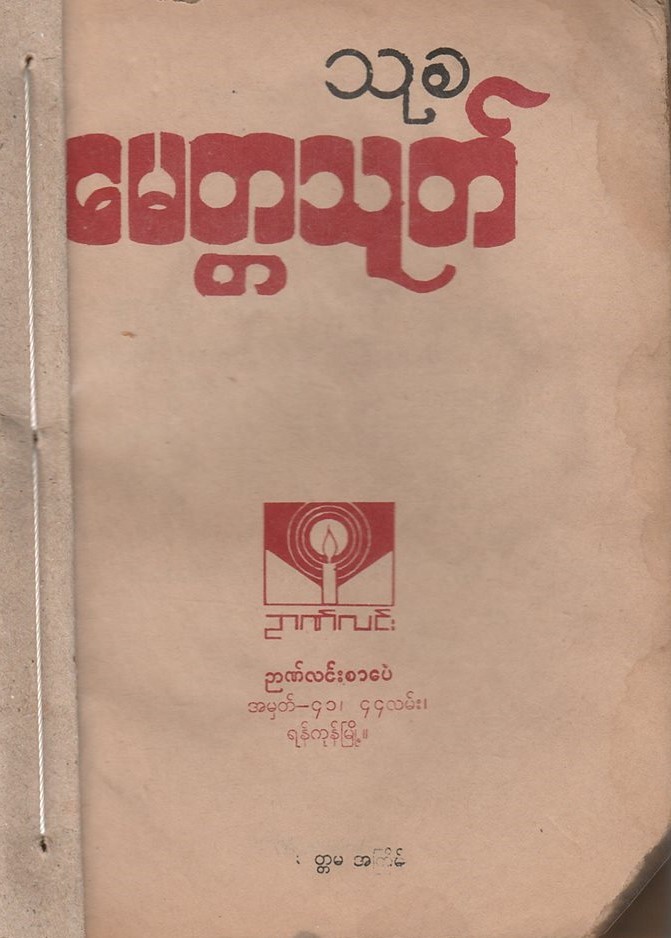
    • U Thu Kha wrote a book on Metta Sutta.
    This image has an empty alt attribute; its file name is metta-sutta-1.jpg
    Thu Kha’s book
    • U Jotalankara‘s book explains the 528 Metta.

    General

    • A Physics teacher said, “Myitta So Dar Ah Hlyar Ah Nan Ma Shee Bay Mei Ah Thwar Ah Pyan Shee Bar Thay Dae.”
    • Metta is also used as a name or part of a name.
    • Metta is a Myanmar comedian.
    • Mettananda Vihara is a monastery in Northern California. Moved from Fremont to Castro Valley, and later to Oakland.
    • Metta Vihari is an association that performs Chanting, and also offers food dana at selected gatherings.

    Practicing Metta

    By Way of LOCATION:

    • May I be well, happy and peaceful.
    • May all beings in this house be well, happy and peaceful.
    • May all beings in this area be well, happy and peaceful.
    • May all beings in this city be well, happy and peaceful.
    • May all beings in this country be well, happy and peaceful.
    • May all beings in this world be well, happy and peaceful.
    • May all beings in this universe be well, happy and peaceful.
    • May all beings be well, happy and peaceful.

    By Way of PERSONS:

    • May I be well, happy and peaceful.
    • May my teachers be well, happy and peaceful.
    • May my parents be well, happy and peaceful.
    • May my relatives be well, happy and peaceful.
    • May my friends be well, happy and peaceful.
    • May the indifferent persons be well, happy and peaceful.
    • May the unfriendly persons be well, happy and peaceful.
    • May all meditators be well, happy and peaceful.
    • May all beings be well, happy and peaceful.
  • Angulima Sutta

    Angulima Sutta

    by Hla Min

    Updated : May 2025

    Paritta Pali
    • Sayadaw U Silananda recorded the Protective Suttas in Pali and English.
    • The book was published for Sayadaw’s birthday by a Thai Devotee.
    Pa Yeik Kyee
    • Sayadaw U Dhammika (Thamanay Kyaw) wrote a booklet to study the Protective Verses.
    • Theik Kha stands for Training / Practice.

    Angulimala Sutta

    • 9th Sutta in “Paritta Pali”
    • Short but effective
    • Asseveration of truth by an Arahant (formerly notorious or his “garland of [human] fingers”)
    • For easy delivery of expectant mothers
    • Contents: “Oh, sister! Ever since I was reborn in this Noble Birth, I do not remember intentionally taking the life of a being. By this utterance of truth, may there be comfort to you and to the child in your womb.”

    Pali (in Burmese Script)
    This image has an empty alt attribute; its file name is pp-32-33-1.jpg
  • Atanatiya Sutta

    Atanatiya Sutta

    by Hla Min

    Updated : May 2025

    Paritta Pali
    • Sayadaw U Silananda recorded the Protective Suttas in Pali and English
    • The book was published for Sayadaw’s birthday by a Thai Devotee.
    Pa Yeik Kyee
    • Sayadaw U Dhammika (Thamanay Kyaw) wrote a booklet to study the Protective Verses.
    • Theik Kha stands for Training / Practice.

    Atanatiya Sutta

    • 8th Sutta in “Paritta Pali”
    • For protection against evil spirits, and gaining health and happiness

    Homage to seven Buddhas

    • Vipassi
    • Sikhi
    • Vessabhu
    • Kakausandha
    • Konagamana
    • Kassapa
    • Gautama

    Ask four Deities for protection

    • Dharatha (Lord of Gandhabhas)
    • Virulaka (Lord of Kumbhandas)
    • Virupakkha (Lord of Nagas, or divine serpents)
    • Kuvera (Lord of Yakkhas)

    Ask other Deities for protection

    • in the sky
    • on the earth
    • living in the Dispensation / Sasana

    The unabridged version from the Digha Nikhaya is chanted by some Sayadaws in their “Paritta” tapes/CDs.

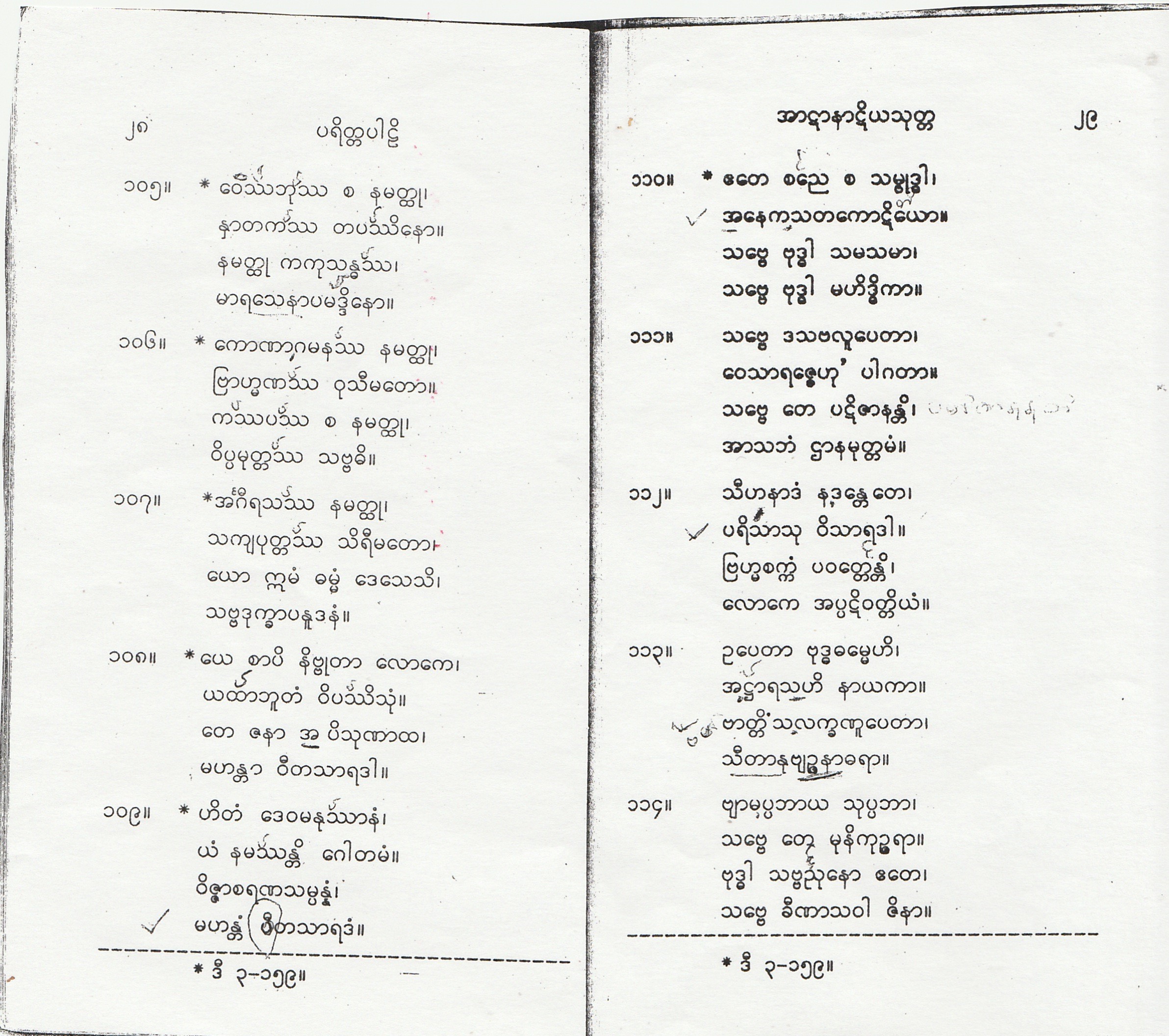
    Pali (in Burmese Script)

    This image has an empty alt attribute; its file name is pp-26-27-1.jpg
    This image has an empty alt attribute; its file name is pp-28-29.jpg
    This image has an empty alt attribute; its file name is pp-30-31.jpg
    This image has an empty alt attribute; its file name is pp-32-33.jpg
  • U Pandita

    U Pandita

    by Hla Min

    Updated : May 2025

    U Pandita
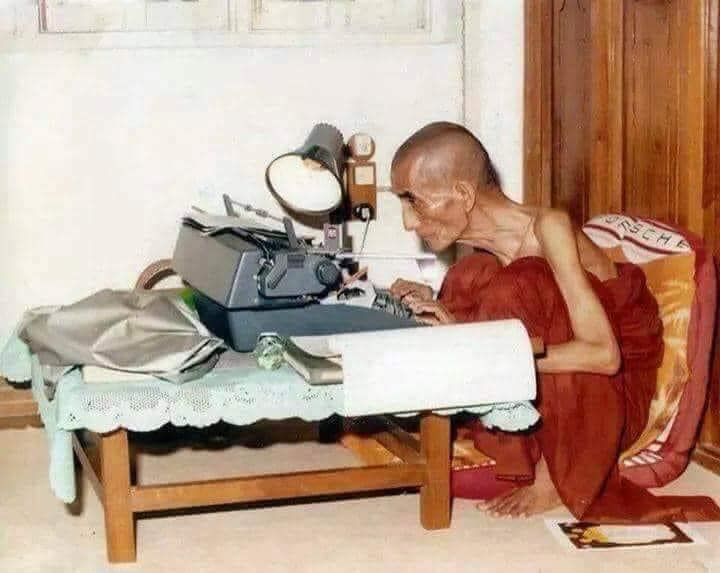
    • Senior disciple of Mahasi Sayadaw U Sobhana (Vipassana Teacher & Chief Questioner at the Sixth Buddhist Council).
    • Succeeded U Sobana as 2nd Mahasi Sayadaw.
    • Founded Panditarama monastery. Several monasteries and meditation centers around the world that are affiliated with Panditarama.
    • Tathagata Meditation Center (TMC) in San Jose had resident monks from selected Panditarama monasteries. Sayadaw conducted several meditation retreats at TMC.
    • Books by and about Sayadaw
      e.g. In This Very Life
    • Sayadaw passed away in Bangkok in April 2016.
  • Ovada

    RIT Buddhist Association

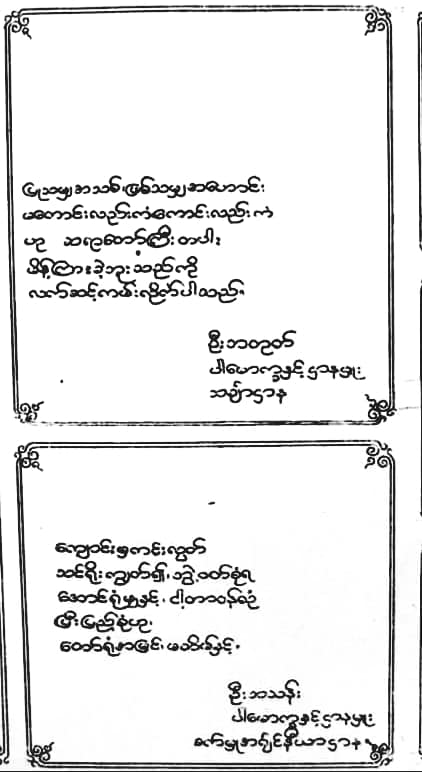
    The Association collected Ovada (Exhortation) from selected sayas and sayamas and published them in a booklet (as shown below) or in a book (for SPZP-2012 and SPZP-2016).

    Ovada 1
    Ovada 2
    Ovada 3
    Ovada 4
    Ovada 5
    Ovada 6
  • Pa Auk

    Books

    Pa Auk 1
    Pa Auk 2
    • Pa Auk Tawya Sayadaw wrote many books on dhamma.
    • Several book are available in English.
    • Uzin Myo Tun (Ashin Pannagavesaka, Bobby, A69) was a Translator and Editor. He served as Dhamma Librarian at Moulmein Pa Auk monastery.
    Uzin Bobby
  • Dhammaberi Sayadaw

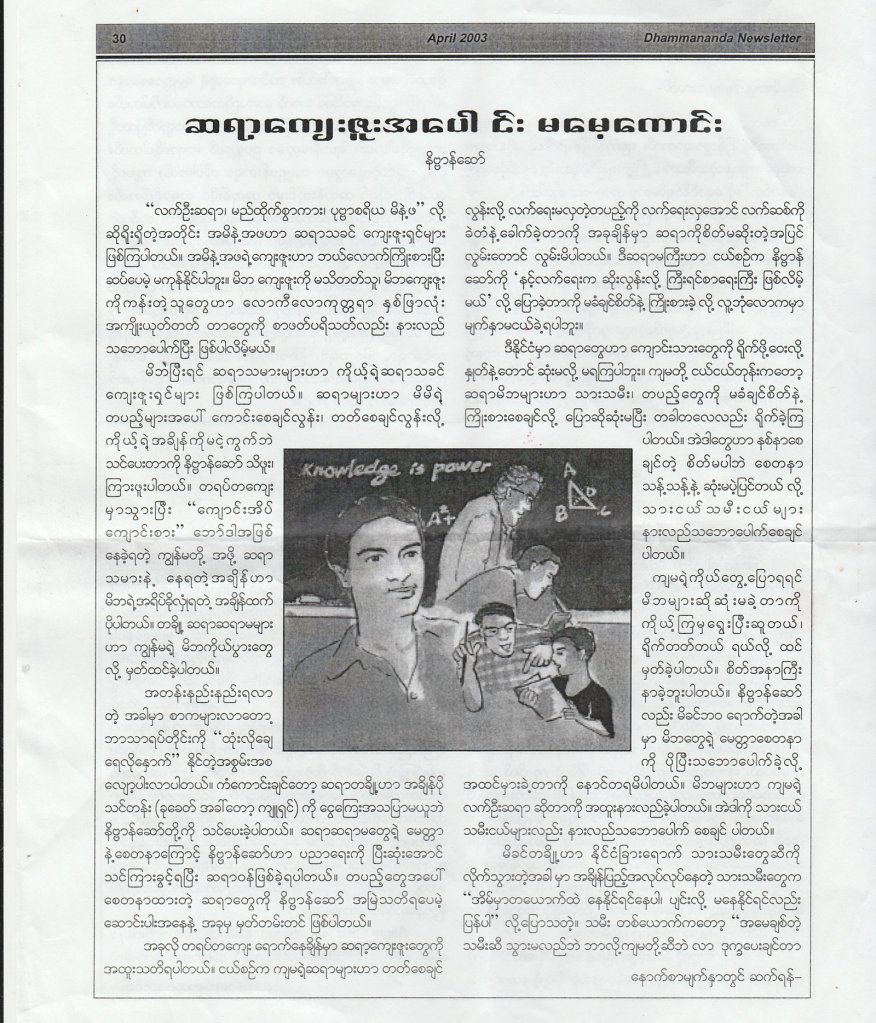
    I was touched by Dhamma Bheri Sayadaw’s recollection of the virtues of his beloved mother.

    My translation was posted by U Maung Maung Win (Maung Yit, EC 92) in the English section of Moemaka.

    I have re-posted my translation in the FB pages.