Category: RIT Saya

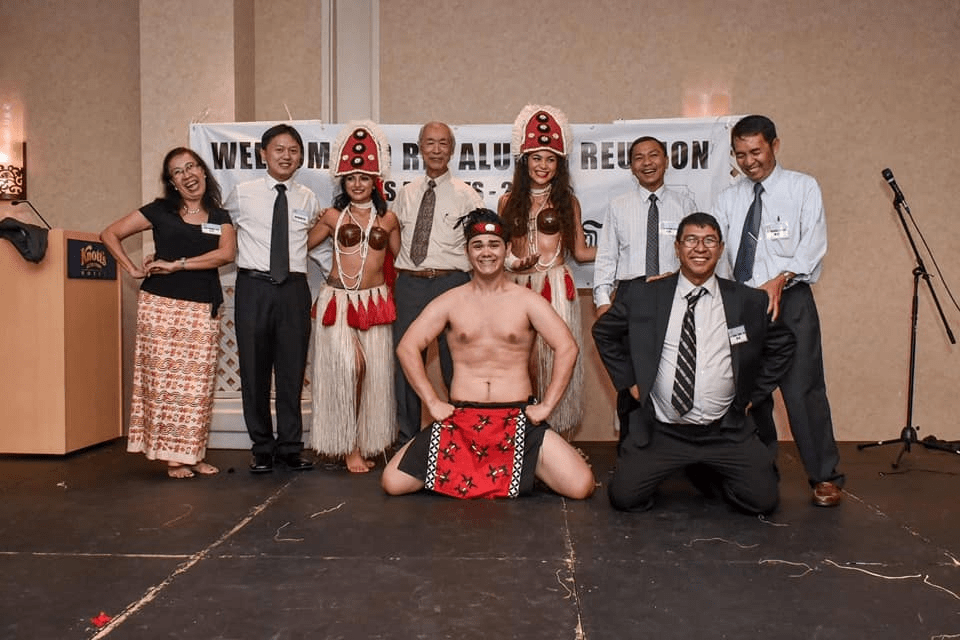
  • Myo Khin

    by Hla Min

    Update : May 2026

    Highlights

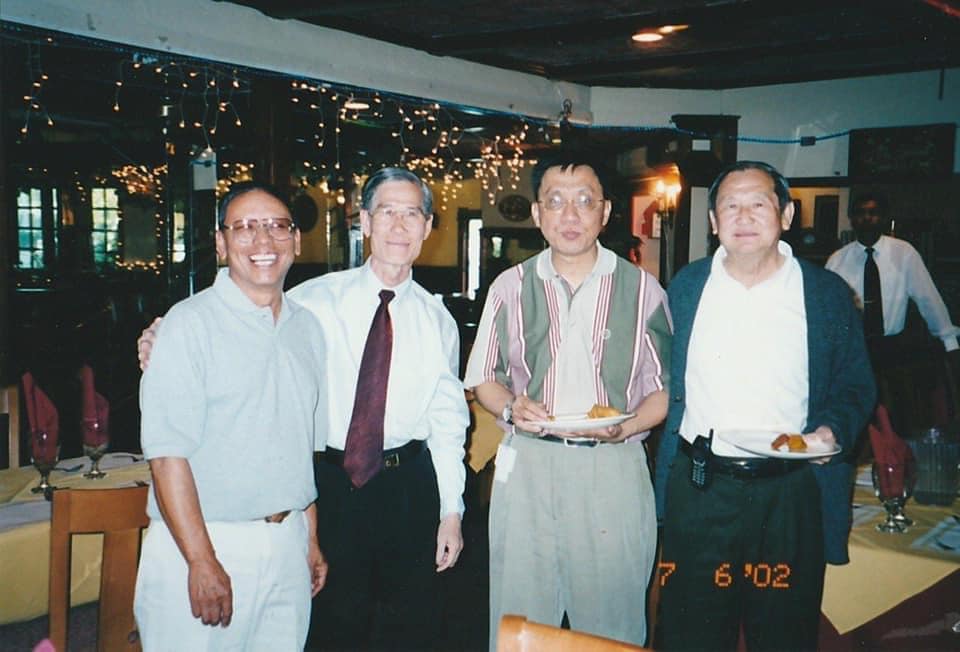
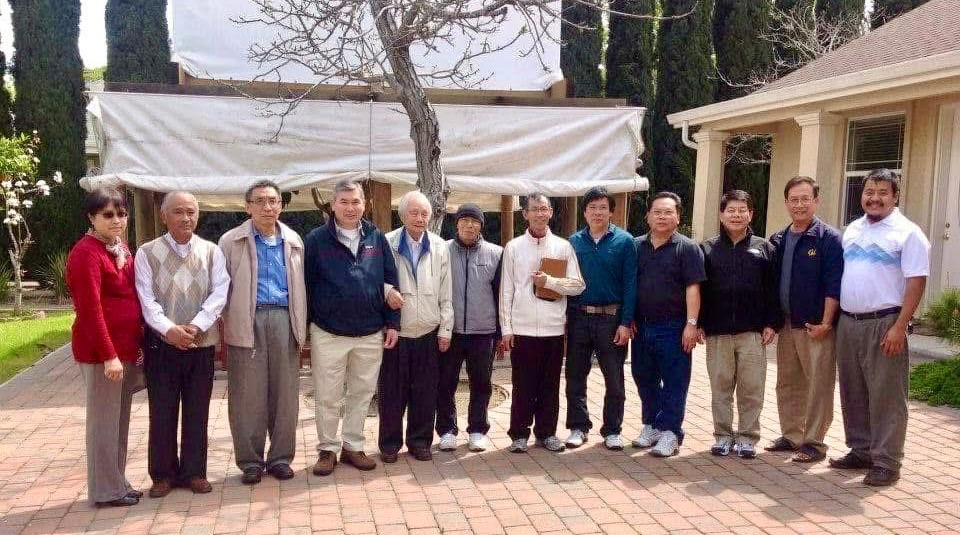
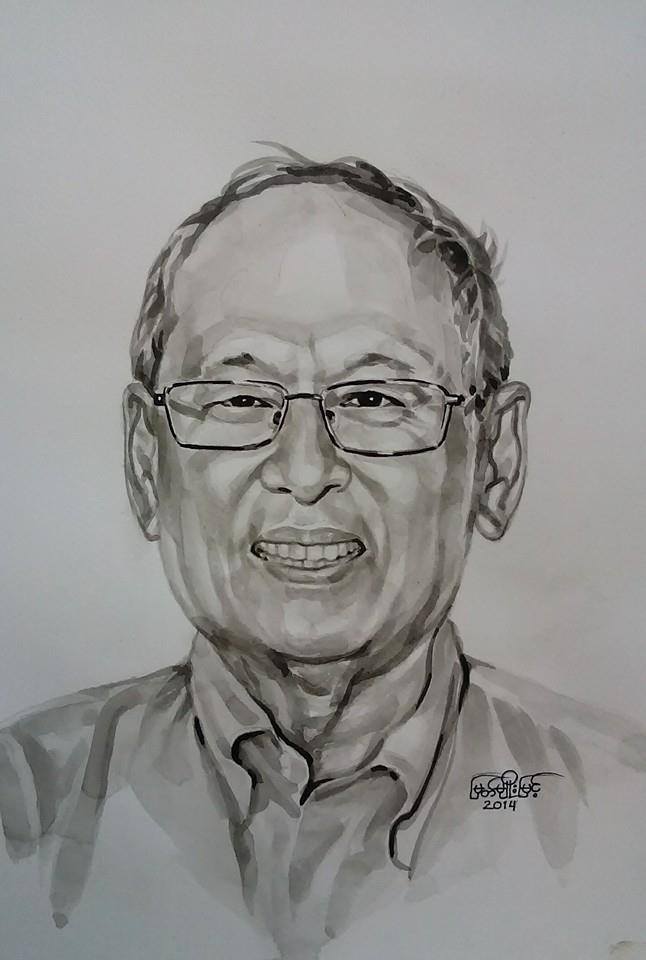
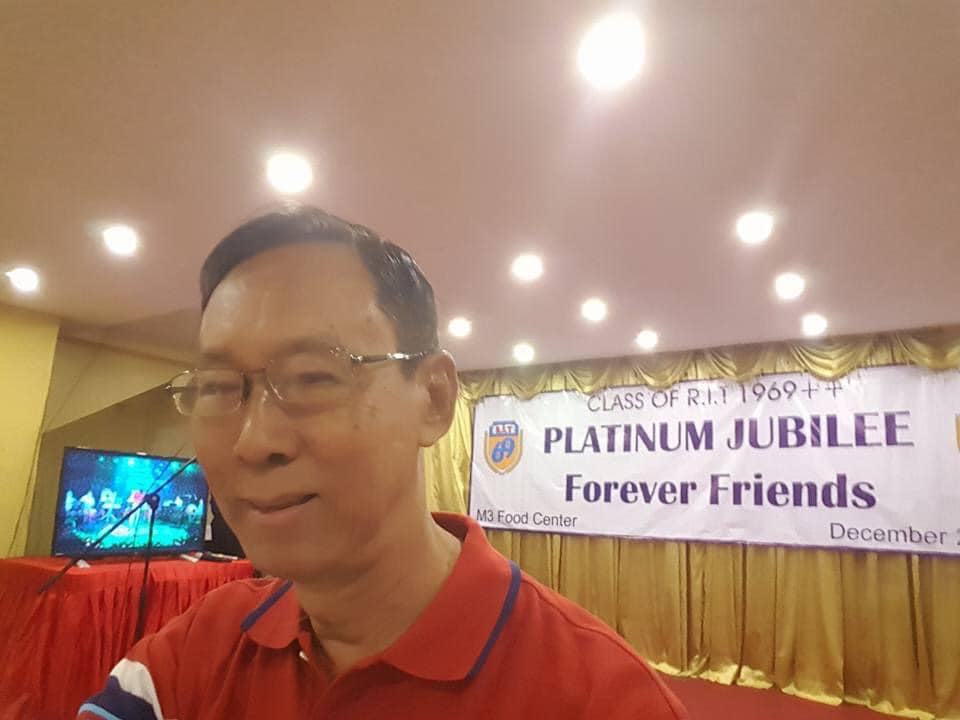
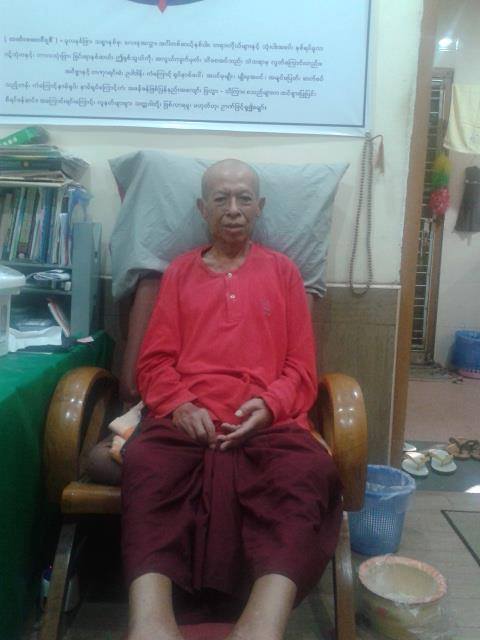
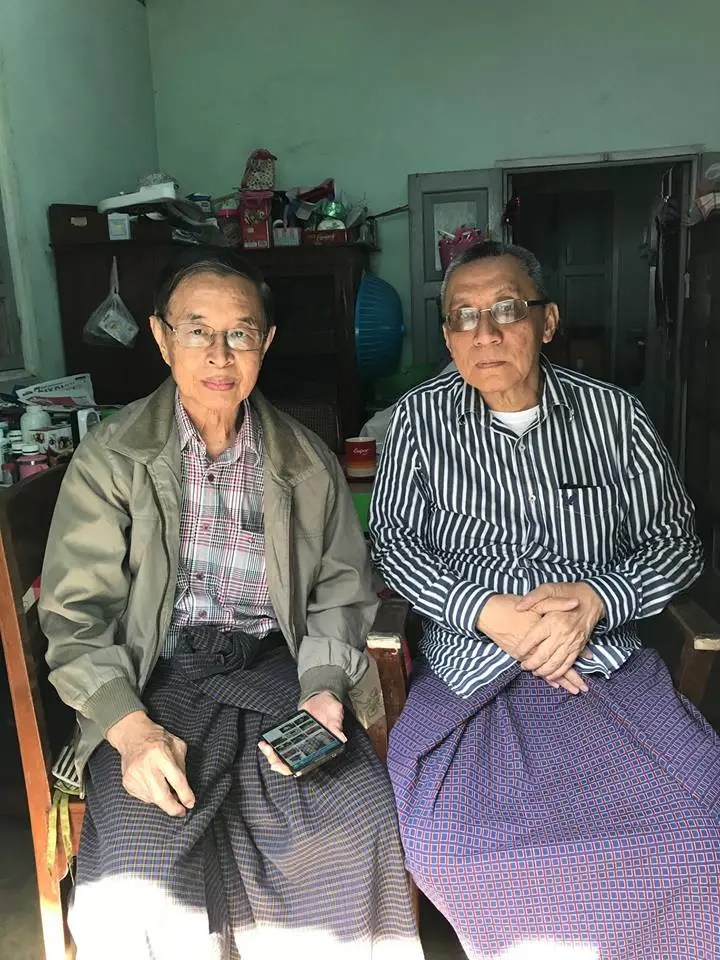
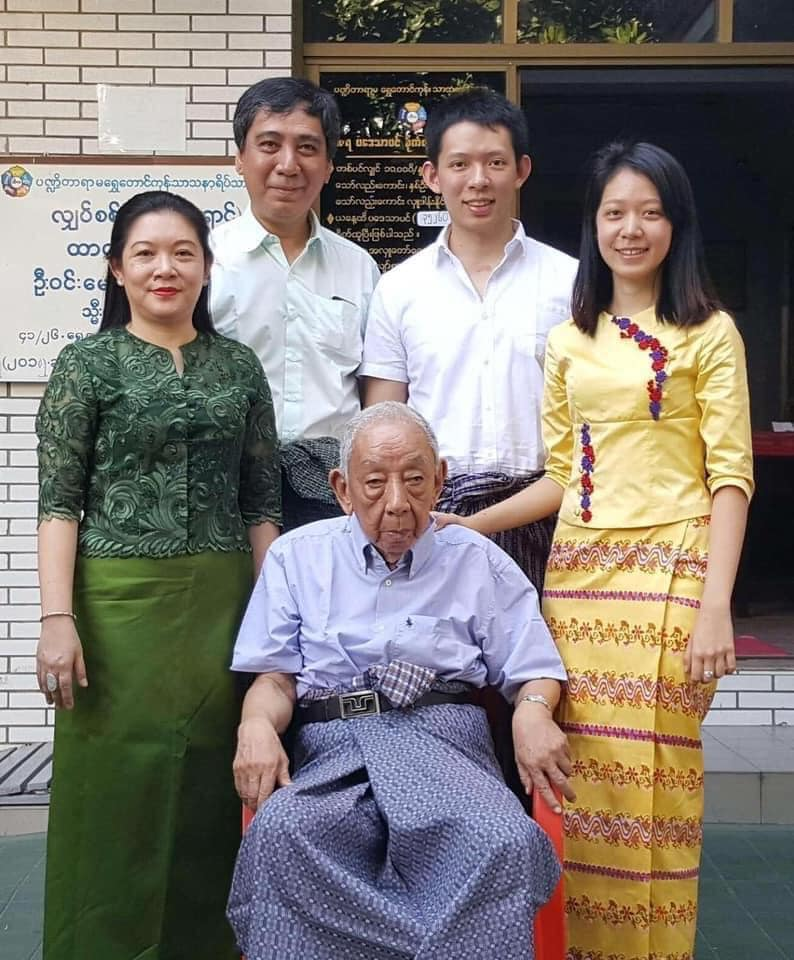
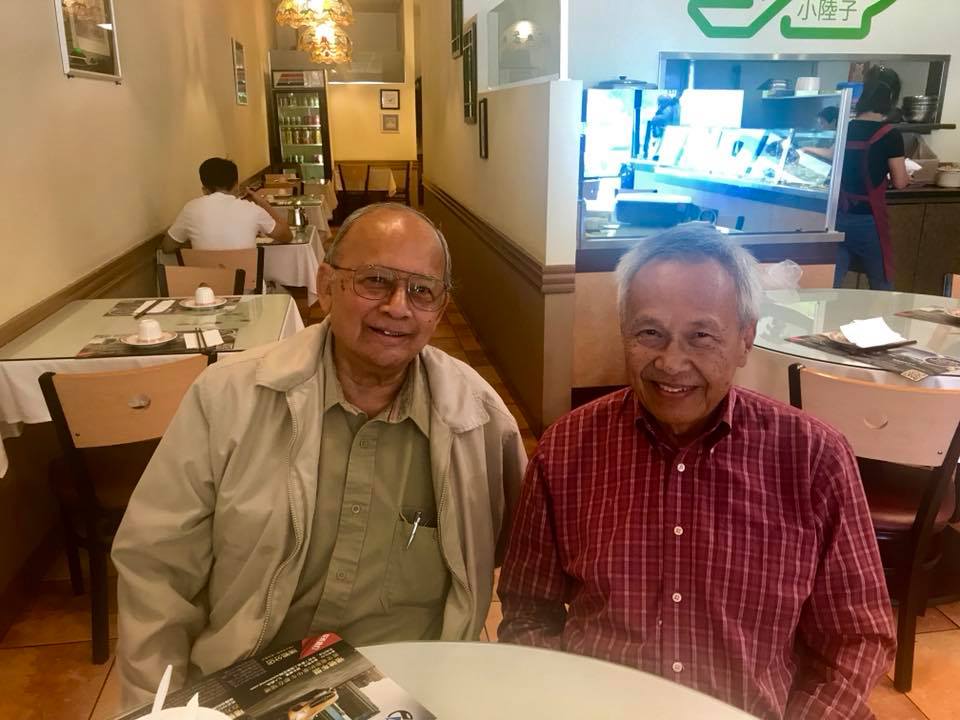
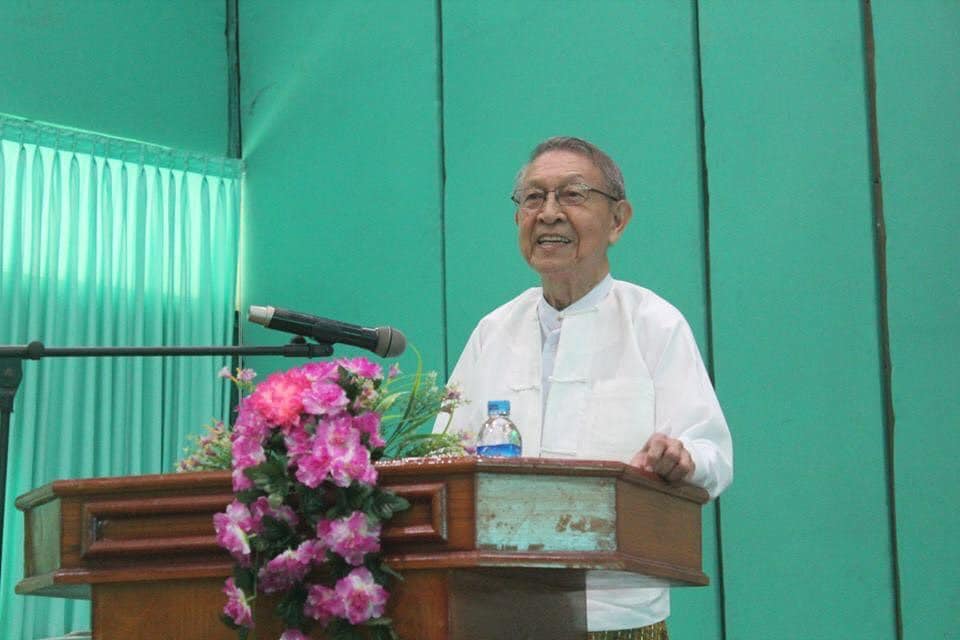
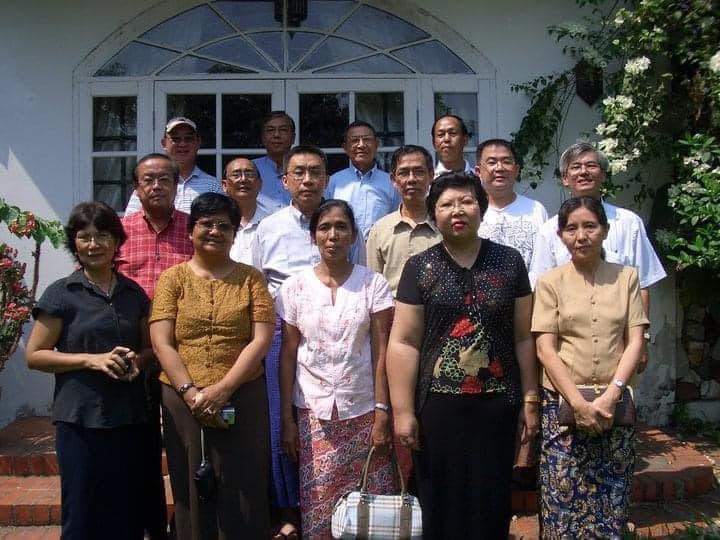
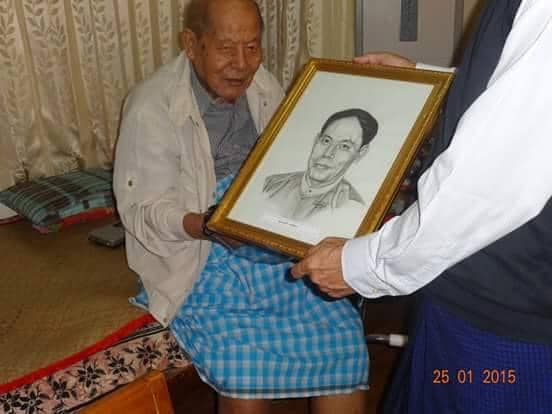
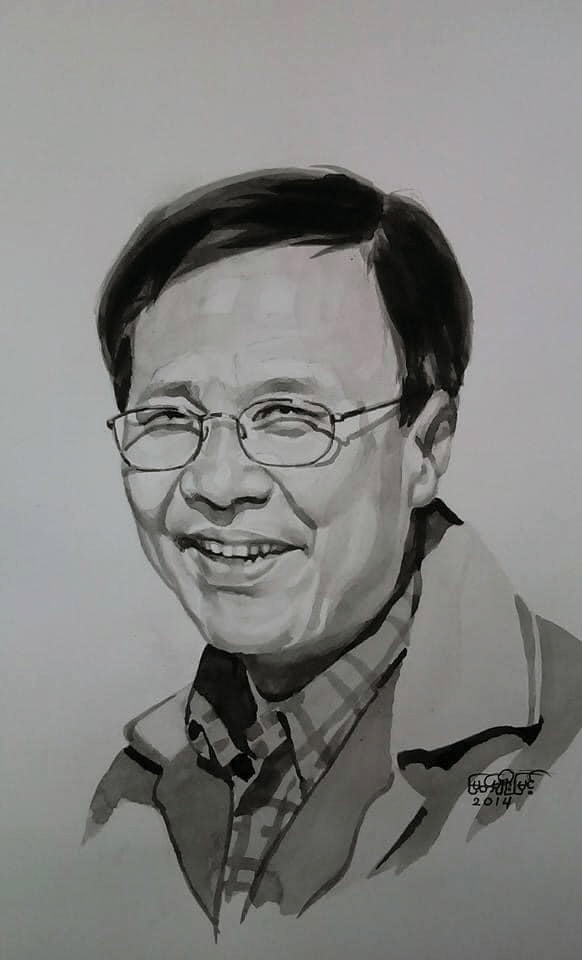
    Dr. Myo Khin 1
    • Paulian
    • Past Secretary, RIT Civil Engineering Association
    Past Secy of RIT Civil
    • Graduated from RIT in 1970 with Civil Engineering
    • Received Masters and Doctorate from Japan
    • Retired as Professor from a Japanese University.
    • Consultant for selected Japanese companies.
    • Helped Civil Engg grads from Myanmar get internship and/or job in Japan
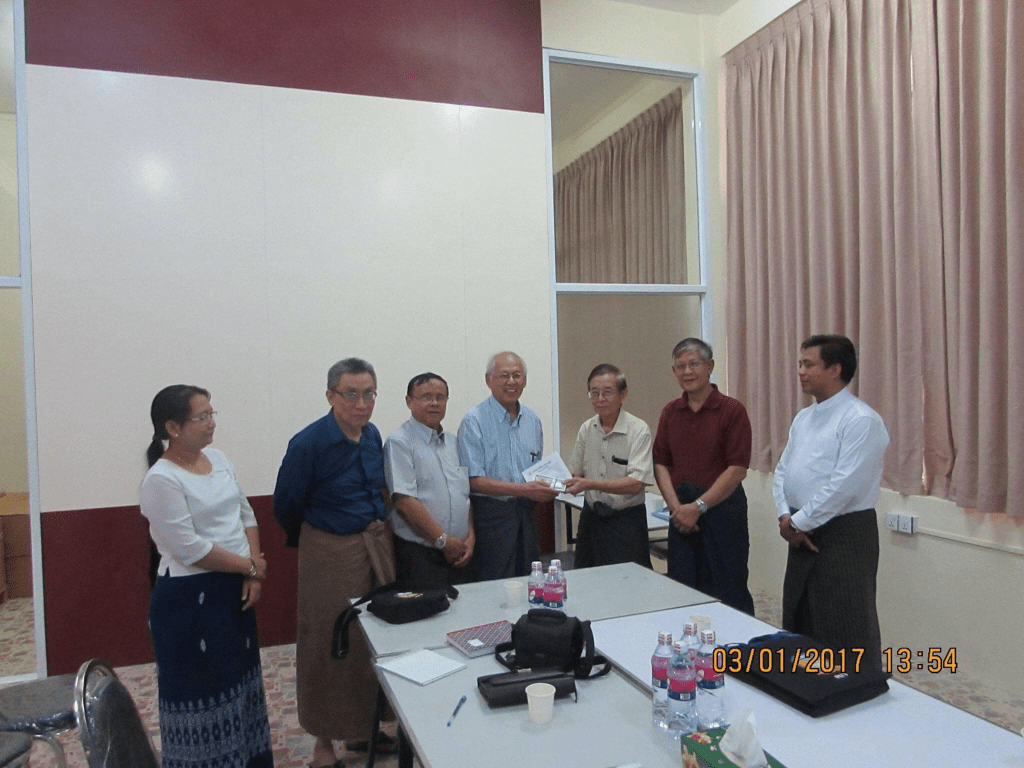
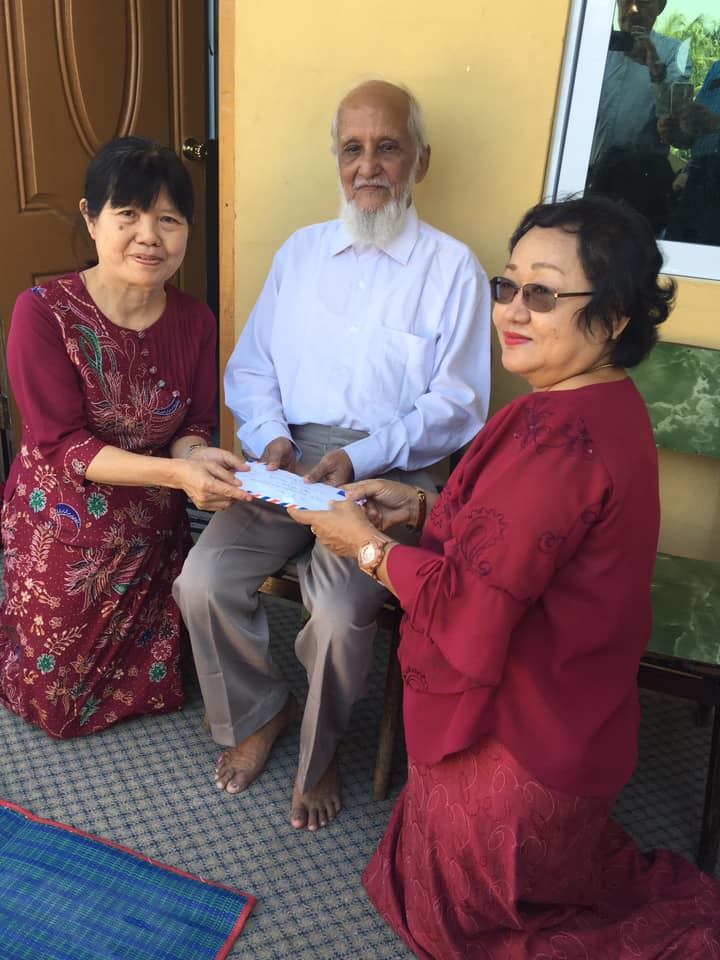
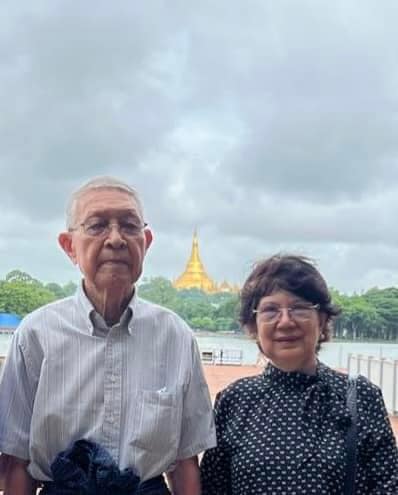
    • In 2017, Saya and Daw Mya Nwe (Winsome, C73) donated K100 Lakhs to the YTU Modernization Project.
    Donation
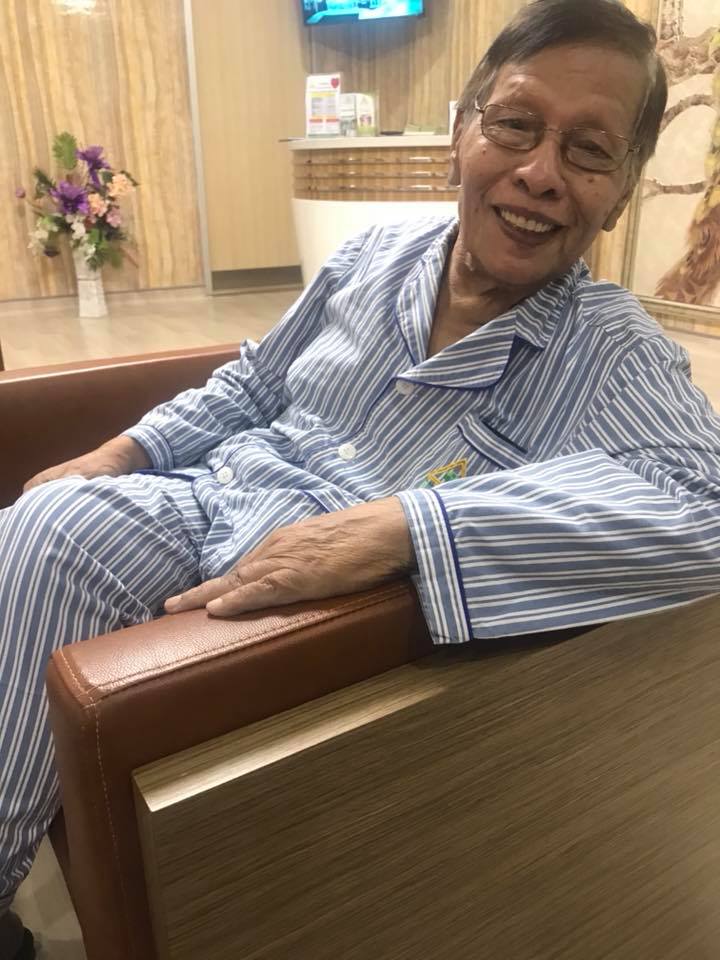
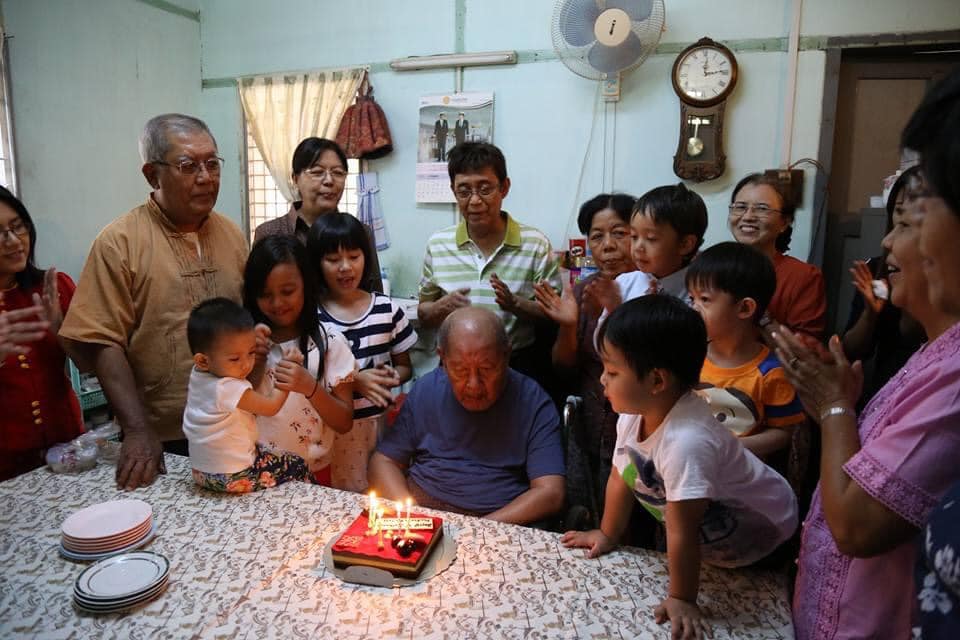
    • He had a Stroke.
    • Praying for a speedy recovery.

    Dr. Myo Khin wrote :

    Dear U Hla Min, Thank you very much for your kind and favorable phrases for my donation to the RIT library. This is the token of my feeling to my home university. Up till now I have helped around 50 grads from RIT and other TUs in Myanmar with respectable engineering jobs in Japan. Moreover this is totally free of any charges or obligations. Only one request I made is “please try hard and prove yourself” and this will lead to the next recruitment for your juniors back in Myanmar.

    Updates

    • After treatment & rehab, he recovered from the Stroke reported in the post.
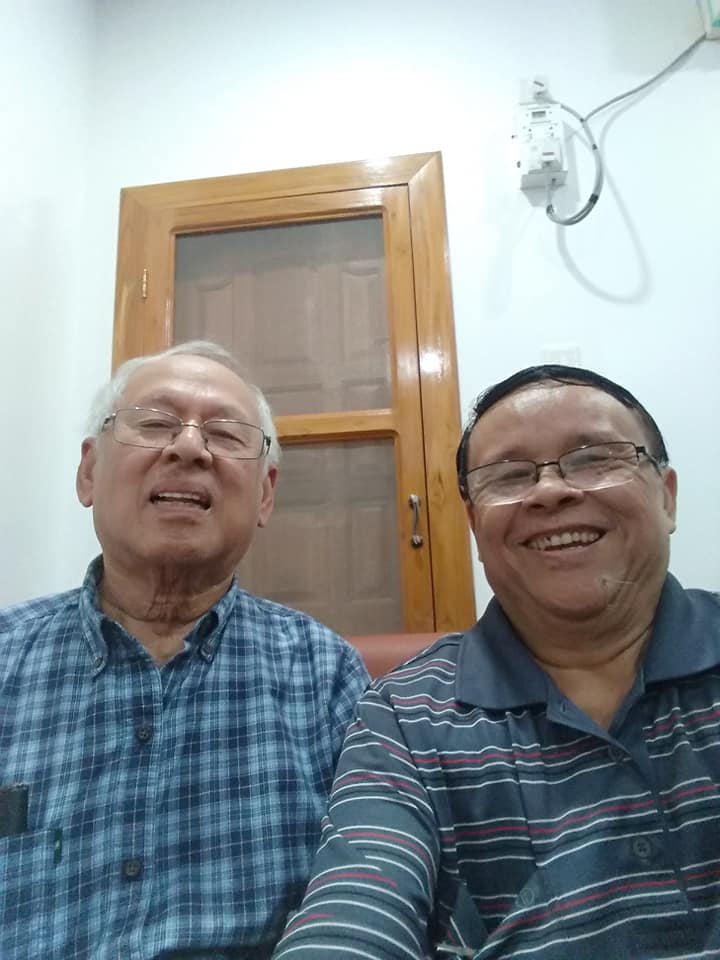
    • We had frequent conversation.
    • He had another Stroke.
    • He is happy to become a father-in-law.
    Pon Tu by Bagyee Myat Myo Myint
  • Electrical Engineering Sayas

    by Hla Min & U Myo Kyi

    Updated : May 2026

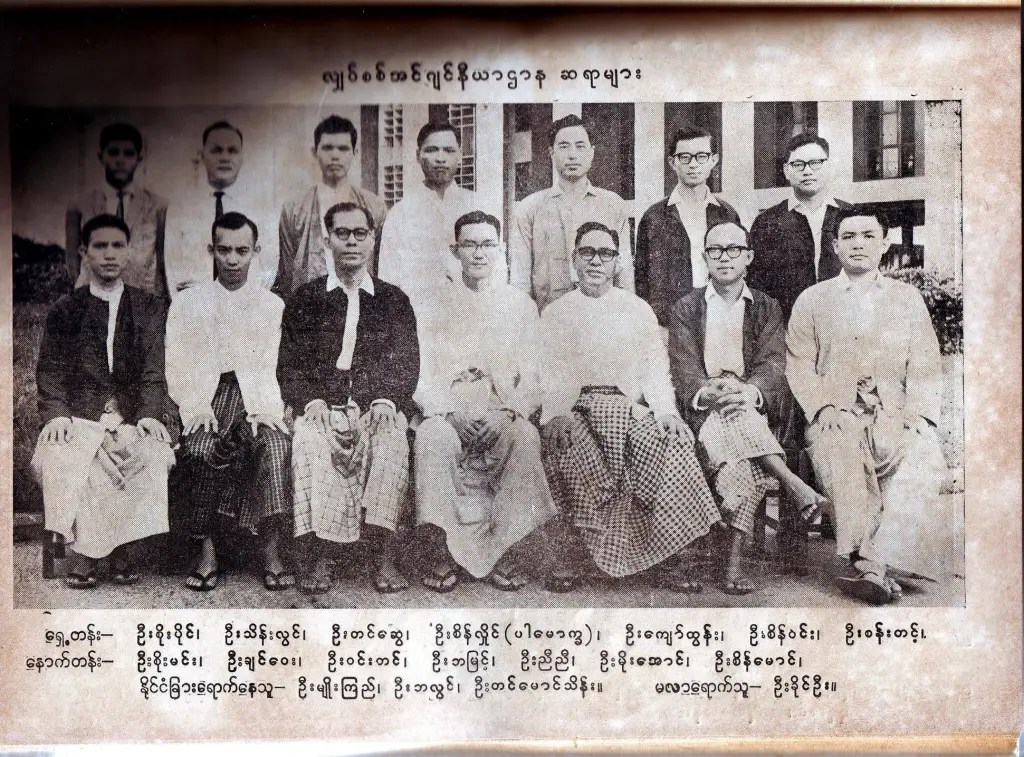
    1965 – 66

    EE Sayas

    Seated : U Soe Paing, U Thein Lwin (GBNF), U Tin Swe (GBNF), U Sein Hlaing (Professor, GBNF), U Kyaw Tun (GBNF), U Sein Win (GBNF), U San Tint (GBNF)

    Standing : U Soe Min (GBNF), U Chin Way (GBNF), U Win Tin, U Ba Myint, U Nyi Nyi (GBNF), U Moe Aung, U Sein Maung

    Studying abroad : U Myo Kyi, U Ba Lwin, U Tin Maung Thein

    Absentee: U Khine Oo

    U Myo Kyi
    U Ba Lwin
    U Tin Mg Thein

    Associated Article

    I wrote “A short and sad clip : EE Sayas” for the commemorative issue of Swel Daw Yeik Sar Saung for SPZP-2010. Saya U Moe Aung suggested the title of my article.

    Sayagyis & senior sayas

    Source : Saya U Myo Kyi (EE59)

    U Moe Aung
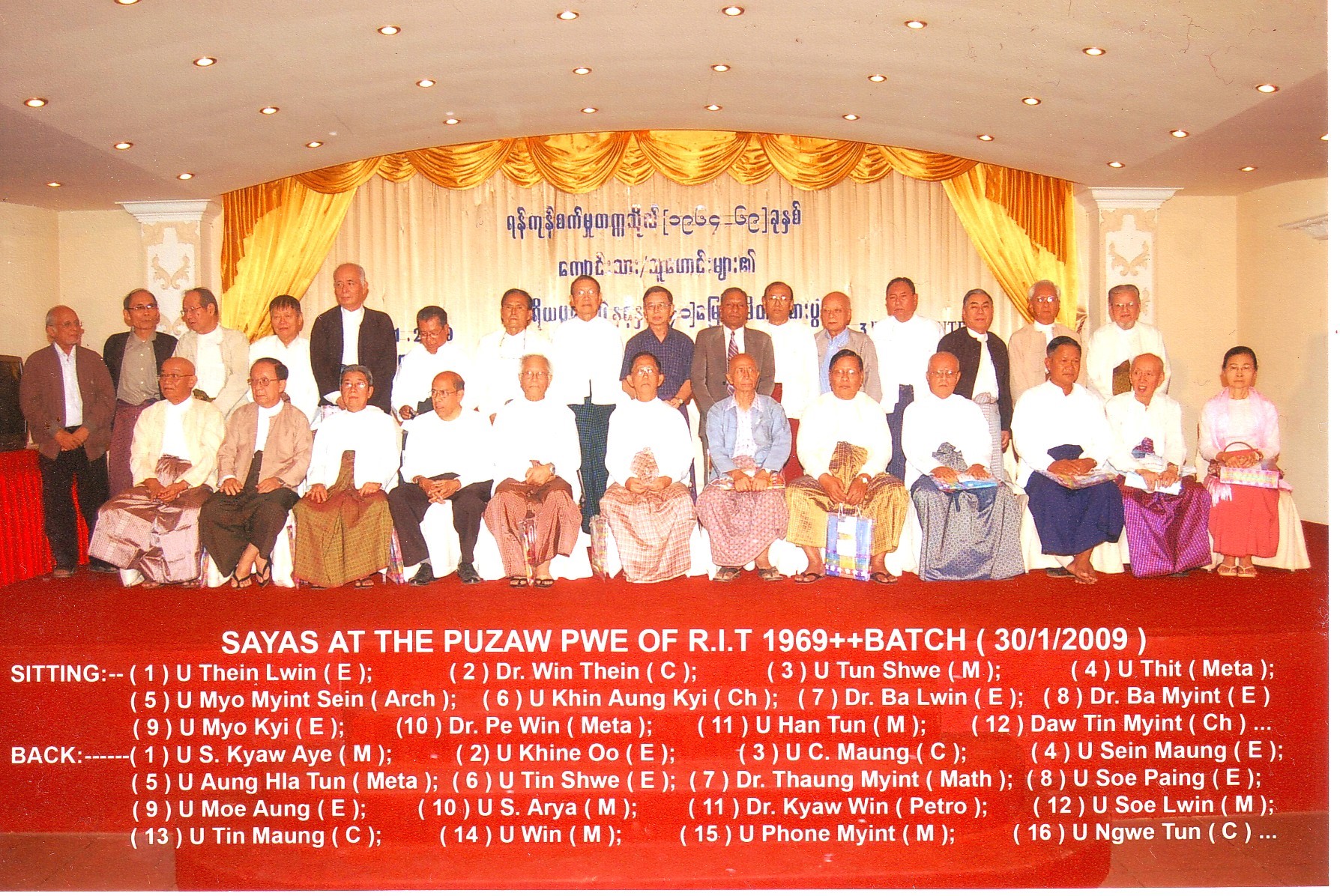
    SPZP

    1. U Kyaw Tun 1950 – 1971 (started teaching at BOC College)

    C Ping Lee


    2. U C Ping Lee 1950 – 1952
    3. U Sein Hlaing 1954 – 1986
    4. U Tin Swe 1954 – 1998
    5. Dr. Freddie Ba Hli (Part time) 1959
    6. U Htin Paw 1958 – 1959
    7. U Ba Nyunt 1958 – 1959
    8. Dr. A. E. Guile (Colombo Plan) 1959 – 1960
    9. U Myo Kyi 1959 – 2002
    10. Dr. Ba Lwin 1959 – 1994
    11. U L. Tin Htun 1959 – 1960
    12. Teoh Chin Koon 1959 – 1960
    13. U Sein Win 1960 – 1994
    14. Dr. San Tint 1961 – 2002
    15. Mr. Zagarosky (Russian) 1962 – 1963
    16. Dr. Ba Myint 1963 – 2000
    17. U Sein Maung 1963 – 1994
    18. U Khine Oo 1963 – 1996
    19. Dr. Win Tin 1963 – 1990
    20. U Moe Aung 1963 – 1990
    21. U Chin Way 1963 – 1968
    22. U Soe Min 1963 – 1965
    23. U Nyi Nyi 1963 – 1965
    24. U Thein Lwin 1964 – 1972
    25. U Soe Paing 1964 – 1971
    26. U Tin Maung Thein 1965 – 1990
    27. U Tin Shwe (Ashin Wi thu ta) 1966 – 1996
    28. Daw Mya Mya Than 1968 – 2003
    29. U Than Lwin 1970 – 1994
    30. U Kyaw Lwin 1970 – 1991
    31. U Tin Win 1972 – 1980
    32. U Thein Dan 1973 – 1997
    33. U Khin Soe 1973 – 1982
    34. Daw Khin Aye Win 1973 – 2009
    35. Daw Nyunt Nyunt Yee 1973 – 2000
    36. U Kyaw Aung (U Kyin Phyuu) 1973 –
    37. U Aung Than (U Ah Chun) 1973 – 2004
    38. Daw Khin Swe Oo 1974 – 2002
    39. U Clement Sadhana 1976 – 2010
    40. Daw Than Than Win 1976 – 2012
    41. Daw Khin Tint 1981 – 2008
    42. U Myint Oo 1982 – 1990
    43. Daw Khin Ma Ma Soe 1982 – 2008

    U Sein Maung
    U Ba Myint
    U Khine Oo
    U Soe Paing
    Daw Mya Mya Than
    U Thein Dan
    U Tin Win
    U Ko Ko Kyi
    Daw Khin Aye Win

    Editor’s Notes

    • U Kyaw Naing (Sin Gwan, EC70) is GBNF.
    • U Ko Ko Kyi (EC72) later worked in Malaysia and Canada.

    More EE Sayas (Electronics and Power)

    • U Win Khaing Moe
    • U Maung Maung Latt
    • Daw Lei Lei Yee
    • Daw Khin Sandar Tun
    • Daw Khin Lay Wai
    • Daw Zin Mar Oo
    • Daw Khaing Khaing Kyaw
    • Daw Thazin Phyu
    • Daw Myint Myint Lwin
    • Daw Lei Lei Win
    • Daw Thidar Than (1)
    • Daw Mya Mya Aye
    • Daw Myint Myint Than
    • Daw Tin Tin Naing
    • Daw Sint Sint Win
    • Daw Thandar Naing
    • Daw Khin Swe Lwin
    • Daw Myint Myint Mon
    • Daw Nilar Aung
    • U Zaw Min Naing
    • Daw Moe Nilar
    • Daw Khin Moe Yee
    • Daw Kaythi Khaing
    • Daw Ah Tar Mon
    • Daw Ni Ni Thein Htay Pe
    • Daw Thidar Than (2)
    • U Thein Htay
    • U Tun Oo
    • Daw Aye Aye Mar
    • Daw Ni Ni Win
    • Daw San Myint Yee
    • U Aung Naing
    • Daw Naing Naing Maw
    • U Ananda
    • Daw Lei Lei Sein
    • Daw Min Min Myat
    • Daw Thi Thi Soe
    • Daw Mar Mar Lwin
    • Daw Su Myat Htut
    • Daw Win Lein Aye
    • Daw Han Thu Lwin
    • Daw Yin Yin Htwe
    • Daw Naing Naing Win
    • Daw Khin Kyu Kyu Win
    • Daw Cho Cho Aung
    • Daw Tin Tin Aye
    • Daw Ni Mar Nwe Aung
    • Daw Ei Ei Khin
    • Daw Kyaaw Khin
    • U Zaw Min Aung
    • Daw Aye Thinn Naing
    • Daw Nwe Ni Aye
    • U Soe Naing
    • Daw Phyu Phyu Moe
    • Daw Marlar Kyaw
    • Daw Aye Aye Thinn

    EE Association (1965 – 66)

    This image has an empty alt attribute; its file name is ee-association-2.jpg
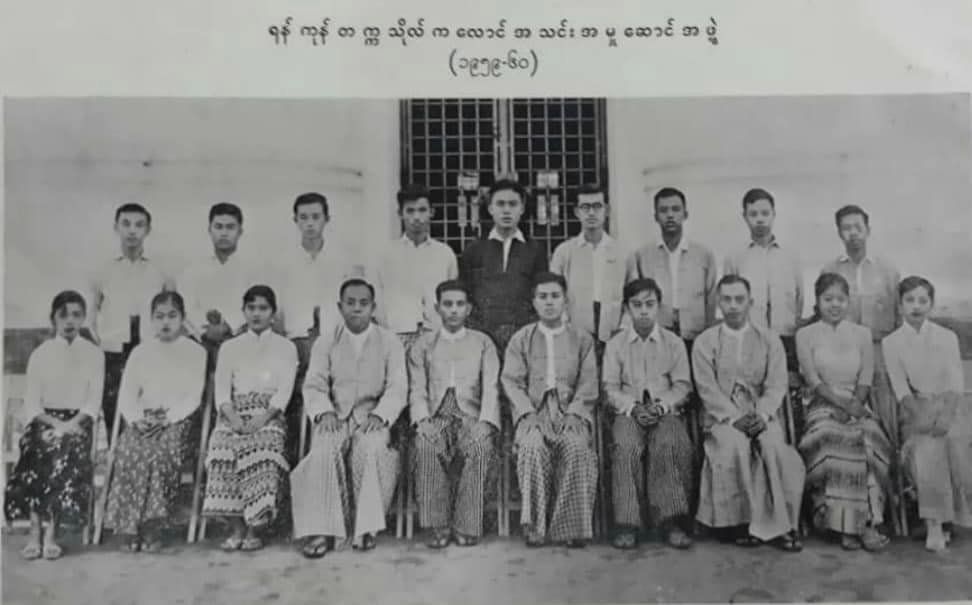
    EE Association for 1965-66

    Seated : Ma Pwint Than, Ma Yi Yi Aung, U Sein Win (Vice President), U Kyaw Tun (President), Ko Shwe Win (Secretary), Ma Mya Mya Than, Ma Mo Mo Yi

    Middle row : Ko Thein Swe, Ko Soe Than, U Sein Maung (Auditor), U Soe Paing, U San Tint, U Moe Aung (Treasurer), U Thein Lwin, U Soe Min

    Last row : Ko Nyunt Pe, Ko Ye Win, Mehm Ye Win, Ko Kyaw Swe Win, Ko Hla Min, Ko Myo Myint, Ko Hla Thaung, Ko Aung Khin, Ko Soe Win, Ko Tin Than

    I served as a EC member.

    Hlyat Sit Sar Saung (1965 – 66)

    This image has an empty alt attribute; its file name is ee-magazine-1.jpg

    Seated : Ma Mo Mo Yi, Ma Than Yi (Associate Editor), U Moe Aung (Chief Editor), U Kyaw Tun (Patron), Ko Ye Win (Secretary), Ma Yi Yi Aung

    Standing : Ko Sann Oo (Associate Editor), Ko Thein Tun, Ko Hla Min, Ko Myo Myint (Associate Editor), Ko Soe Tha, Ko Soe Win, Mehm Ye Win

    I served as a member.

    Saya U Sein Win (GBNF)

    • Younger brother of Dr. Tin U (Medical Superintendent, Rangoon Children’s Hospital) and Dr. Saw Lwin.
    • Top student at the University of Michigan.
    • His friends called him “Khone Swa Khone Swa” referring to his brisk walking style.
    • Lecturer in the Department of Electrical Engineering.
    • When EE Department was reorganized, he served as Professor of EP.
    • Saya is an absent minded Professor. He married late. One day, he drove Sayagadaw to Bogyoke Market. He taught (or discussed with) his students for quite some time and almost forgot to pick up Sayagadaw. There are variations on this anecdote regarding the place (e.g. Hledan Zay).
    • He served as Technical Advisor for UCC. He worked closely with U Win Htein (Purdue University, EE at PWD, GBNF) for the design & maintenance of the Electrical Systems (including Motor Alternator, Diesel Generator, Air conditioning) at UCC.
    • Line Judge at the RUBC (Rangoon University Boat Club) Regattas.
    • President, RIT Swimming Association; He stays fit by swimming regularly (even when he was visiting Singapore on a business trip).
    • He has a vast knowledge. Saya Dr. San Hla Aung (C58) remembers Saya U Sein Win discussing about Civil Engineering and other subjects.

    Updates

    • Several senior sayas — U Kyaw Tun, C Ping Lee, U Sein Hlaing, U Tin Swe, U Sein Win, U Thein Lwin, Dr. San Tint, U Soe Min, U Chin Way, U Nyi Nyi, U Tin Shwe, Daw Mya Mya Than, U Kyaw Naing, U Kyaw Lwin, Daw Nyunt Nyunt Yee, U Khin Soe — are GBNF.
    • Some — U Moe Aung, U Tin Win, U Thein Dan — have medical problems.
  • Good Teacher

    by Myo Myint Sein

    Updated : May 2025

    U Myo Myint Sein

    I believe in that to be a good teacher one needs to equip oneself to the utmost and to keep ahead of the profession that he loves and adores. Conversation with a number of people outside the teaching profession adheres to the uncommon knowledge that a teacher only needs to prepare his teaching script once only and repeat that throughout his life time! That is a ‘fallacy’, and I have seen many that came into the teaching profession with that kind of an attitude!

    Incidentally, I did not join the teaching profession by accident. My freshman year at the Mandalay University, being let loose after a sojourn with the ‘brothers’, at the Catholic School, my freshman class at college appears paradise with beautifully, posh dressed up girls always in the front rows, enticed us to became a little boisterous, whistling and throwing paper ‘rockets’. It was in the chemistry lecture theater that got Dr. Mitra’s attention. He looked up at our group and mumbled a few words and stopped staring at the class. The hall went silent! He then started, “I think a group of boys are not paying attention, I’m sorry to say that I have ‘failed’, please tell me, is it boring?, is it not understandable of what I’m trying say or do you all think that it is just non-sense? Every night I work very hard, to know each of you and think of how I’m going to perform my lecture with the help of the apparatus right here in front of me so that you should not forget what I’m trying to teach you and make you all happy and I repeated to myself that this will be my best lecture!” His last words became very emotional, Head down he began to sob, silently and then he let out “I’m sorry please forgive me, this should not have happened and this will not happen again!”. And he continued with a very, very silent class. Immediately after the class we went to his office and apologized to him of our behavior, of not out of disrespect, just hoping to accrue some pleasure and that we respected him very much and we will never ever do this sort of a thing anymore anywhere. He was happy that we came to see him. In my thoughts ‘I think I want to be a teacher like him’. In the next chemistry class we wrote an apology note to the class, Dr. Mitra glanced at it, cleaned the board, smiled and said thank you.

    In ‘Teaching Architecture’, I believe in two things, first equip yourself, next plan a creative highway path for the students to proceed and guide them along to their destinations.

    UNDER MY WATCH 1963-1980:

    I took over the Department of Architecture in September of 1963. I was shown to my office on the second floor of the main RIT building on the west wing. My office is facing east, located in the center of the west wing, along the corridor. I was introduced to my Department of Architecture by the registrar U Sein Hla, “that’s your Department…!” absent with students at that time and no sign of visible teaching staff per se! Is the Department of Architecture in ‘shambles’? Where is everyone? Almost in the state of disintegration! Disheartened? Not at all, I took it as a great challenge!

    It appears that most of the RIT faculty and the registrar himself was aware that I would be joining the RIT Faculty. The TIME magazine’s cover story about my boss MINORU YAMASAKI mentioned that a Burmese architect working on high profile buildings with him. Also in September a write up and a photo of us my boss Yamasaki and I appeared on the front pages of the Yangon news papers. It also mentioned that I will be joining the RIT faculty. I believe they were also very curious of why I came back!

    I started to get busy, very busy with the lectures, curriculum, and trying to organize the ‘department!’. Yes there were students, 1st. yr., 2nd.yr and 3rd.yr. Architectural staff?, one Russian lecturer who appears to be conducting the studio courses. Other cognate courses were taught by the Civil, Electrical and Mechanical engineering departments. The other Russian lecturer had left after completing his assignment and we await his replacement while the students are left unattended. I was young and very enthusiastic and accepted the challenge with pride.

    As I took on the challenge, ignorant of the political situation of the country and also the administrative challenges, I started to work on refining the curriculum and looking out for recruiting the most important architectural faculty. No one was interested or available locally. Soviet faculty was available on a two year contract, therefore I requested three more to fill the gap. I contacted my good friend Bilal Raschid and he was very willing to help me out as a Part time lecturer. Incidentally after a year I received a letter from my friend in Israel, Hubert Law Yone, a graduate in electrical engineering from Stanford and went to Israel and completed the graduate studies in architecture and working in Tel a Aviv. He wants to join my faculty. I got so excited of having a faculty with diverse knowledge and experience that I straight away requested the ministry to recruit my friend. Nothing happenned for a while and when I put in my queries I was politely told about the “situation’. So I got the message! Don’t rush, study the situation first!.

    REFINING & UPGRADING THE CURRICULUM:
    The Concept of Architectural Education.

    The Architecture encompasses many factors. Including: A very creative patronized Art Form combined with Science, Technology, Engineering and the Environment! Therefore in order to meet these basic requirements, a curriculum must be designed to fulfill the demands.

    The basic thought on the Architectural studies is to teach and guide the students the subjects of Science, Technology, Engineering and the Environment, and in the Patronized Art Form, mostly guide the students to think and themselves be in control of what their thoughts are on Spaces and Forms, based on the patrons’/clients’ requirements.

    Therefore the Curriculum is grouped into courses: a) Sciences, Engineering and Technology. These courses to be catered by our allied Science and Engineering Departments. b) Environment, Creative Art Form. These courses will be conducted by the Architectural Department plus specialized experts from numerous government/private departments, in the form of lectures, seminars, workshops, studios/lab work and field work.

    In our Department of Architecture like in most schools of architecture, final year students must prepare a Thesis and defend his work to the Thesis Jury at the end of the term. This is good and preferred by all students of Architecture and planning all over the world. We all have no doubts that this method for us was very good.

    The concept of ‘motivational teaching’, comes into play of how to get students involved in their own learning and making things happen. I revised and changed the curriculum on Theoretical and Planning courses with terminal examination into eliminating the examination system and introduced the seminar/workshop system with a ‘Term Paper’ to be submitted at the mid/end of the course. The whole idea behind this is for the students to understand and perceive the reality of ‘learning’, searching, ‘thinking’, analyzing, ‘using’, and ‘making it happen’. After a few lectures/seminars when the students become acquainted with the course work he/she will submit his/her choice of three topics (in consultation with outside departments) and brief the outline to his/her lecturer. After the approval of the selected topic the student will research/study/analyzed and present the term paper outline, chapter by chapter for interaction with the lecturer and the class. At the end of the term it will be finalized and presented as a final Term Paper. This was a big change and a very successful change! It also keeps the faculty to be updating on all aspects.

    THE SIX YEAR CURRICULUM:

    The first two years were grouped into two categories. 1. Refinement of language Burmese/English, Basic Science and Elementary Engineering, Lab and Workshop. 2. Tools to be used in the development of Spaces and Forms. That is Sketches, Drawing and Drafting, and Delineation etc.

    The mid two years are very crucial years where the student is introduced to be creative and encouraged to develop basic Spaces and Forms based on the two years of their learning. Emphasis is put on applied engineering and technological aspects on simple Forms and Spaces.

    The final two years are very important. Basically this will be the final assault to proceed on to the real world of architecture. Forty percent of the fifth year is devoted to completion of all engineering requirements and sixty percent of the time is devoted to studio projects and seminars which are mostly related to each other. In the final year the first term forty percent is devoted Planning and Specifications and sixty percent is devoted to studio projects.

    Studio courses: The studios are opened twenty four hours, seven days a week and the students are encouraged to work in the studio as much as possible. This is where the interaction between the faculty and students and students to students plus visiting mentors interact. This inter action is driven by virtue of immense ‘desire’ into acquiring and sharing ideas, thoughts, knowledge and experiences which is most beneficial to all students and the staff.

    This is the concept for the six year Architectural curriculum. The details are flexible and are geared towards achieving the best goals.

    THE FACULTY:

    Under my watch there were five Soviet senior lecturers: Mr. Orzegov, Mr. Dorofeiev, Mr. Rodionov, Mr. Ushakov and Mr. Karakovtsky. All of them were able to communicate in English. They all conducted the studio work, drawing, drafting, delineation and project design. Later on Mr. Bilal Raschid joined our faculty and took over senior students’ studio projects. In the mid sixties I recruited U Kyaw, U Lwin Aung and U Hla Myint, followed by U Kyaw Thein, U Koung Nyunt and U Sai Yee Leik. U San Tun Aung took care of the planning courses & the Artist U Aung Soe took care of the life drawing and the allied art courses as part time lecturers. Later in the early seventies we recruited U Hla Than and Daw Min Thet Mun, followed by U Kyaw Win.
    This took care of our six year courses for the time being. However there was an urgent need to upgrade the qualifications and knowledge of our local faculty to re place the Soviet staff.
    Due to financial problems State Scholarships was unavailable and foreign scholarship was hard to come by. However we were able to send U Kyaw to Poland, & U Lwin Aung to Russia for Doctoral programs in planning. U Hla Myint to Australia for Architectural Engineering, U Kyaw Thein design & U Koung Nyunt Landscape to Japan. We were offered a nine months training program from England and Japan in lieu of our requested scholarship for an advanced degree program. We had no choice at that time, so we sent Daw Min Thet Mun for interior design to England and U Kyaw Win woodworking technology to Japan. In the mean time I had recruited U Thein Myint a physics graduate as a Lab Assistant with an inclination to coach him to become an acoustics lecturer. He was sent to England to be trained in acoustical studies and on his return he assisted in teaching acoustical courses.

    Later in the mid seventies we recruited U Shwe, U Than Tin Aung followed by U Tin Kyi Hlaing. By the mid seventies all the Soviet Staff have return to their Institutions and our faculty members were back with their Ph. D.s and Masters degrees and we were full ahead with our programs manned by our own scholars.

    LIBRARY:

    Another basic tool are the books and examples of works by other great architects. It should be readily available in need of time when working in the studio. We organized an architectural library with our volunteer staff and students and set up a library next to the studios. In co-operation with our librarian Daw Myint Myint Khin I signed out all the architectural books for our Arch. library. The honor, respect and credit go to our student librarian Ko Win Myint, he ran the library like a professional gaining great respect from our RIT librarian, staff and students alike. We also had a good collection of color slides of American, European and Soviet modern architectural works. The slides were so good that the Soviet lecturers when returning back on home leave, would borrow the slides to present it in their lectures at their Institutes. I donated many slides and two slide projectors to the library.
    PRINTING/PHOTOGRAPHIC/LAB/WOODWORK SHOP:

    Printing Lab: We inherited a very old blue printing machine, probably seen the BOC Engineering years. However it is in working order and Mr. Darwood the estate draftsman taught U Kyaw Thoung to operate the machine! Later on we bought a new ozalid printing machine and U Kyaw Thoung became an expert on printing.

    Photographic Lab: Mr. Orzegov started the dark room in his house for his personal research work and later on with the Soviet Embassy’s donation a photo lab was created in our department together with printers, enlargers and chemicals all set up with a dark room. This lab became very useful to our students for their term paper and thesis report work. Credit goes to U Koung Nyunt for organizing and running the Lab. Again U Kyaw Thoung became an expert in helping the students in preparation for their term paper and thesis reports.

    Woodwork shop: Related to the community college program under the ministry of education, our department was responsible for Arts & Crafts and Woodworking Technology courses to be set up in some of the community colleges where teak wood is abundant. The Japanese Government provided the equipment which was set up at the original canteen building opposite our Department building. It would have been an ideal shop for staff and students to make architectural models. However, service staff was not provided by our ministry therefore we were not able to allow students or staff to operate the machines as it can be very hazardous if not handled appropriately. This project was not successful.

    Our Lab Staff: We had a good Lab staff that benefited the students and the staff. They assisted the students in the studio work, in preparation of their term papers, reports and theses, including formatting, typing, printing and binding etc. Without our Lab staff field work would not have been as successful as it was. It became a mobile academic entity planned and organized the transportation including lodging, messing and the learning center on site at the field. Credit goes to our lab staff, led by U Thein Myint, U Kyaw Thoung, Naw Ar Mu Cho, Saw Donald, U Nyi Bu and Saw Yaw Tha.

    FIELD WORK:

    ,Field work is very important for the benefit of the profession. Architecture is dynamic entity, always in motion! As sciences and technology advances architectural design concepts virtually becomes more flexible, adaptable and convertible. Therefore field work and surveys of buildings are the essential part of the profession. The Department of Architecture emphasizes on the importance of field work in the three most crucial areas. (1) The Architectural culture, traditional Spaces and Forms, lifestyles and the arts. (2) Survey and measured drawings of classical buildings. Study/research of their architectural values, needs and usages. Analysis of their work and summary of findings. (3) Exploratory mission, prior to working on a term paper or a thesis project a student embarks on this mission to gather all the crucial aspects of his or her interest in the project.
    Almost all the studies/research, reports and projects performed by the department of architecture are linked to the work performed in the field.

    FACULTY PRACTICE:

    Internationally most architectural faculty members are encouraged to practice professionally in their profession. This is to acquaint the students linked to the real world of the profession! In the USA I would estimate 50% of the faculty would obtain a license to practice the profession and would have a limited practice. The others who are not interested in the architectural practice would perform studies/research analysis and publication. The faculty is encouraged to at least engage oneself on an allied work. At one time it was publish or perish!
    I was on the verge of discussing/encouraging our staff, on the topic of engaging oneself on an allied work or private practice when one day I had a knock on my door. It was the Counselor from the Indonesian Embassy. I was surprised to see a foreigner, an Embassy staff at my door! I was trying to explain to him that we were not permitted to see. Suddenly he smiled and said ‘I have been introduced to you by your Ministry and with their blessing I’m here to request your help!’. I verified. The ministry permitted me to help the Embassy for their projects and allows me to personally accept any remuneration according to international standards. That was my first project, followed by the Australian Embassy and the US AID projects. Since I was permitted to practice, I told my staff that they are welcome to practice as long as they do not neglect their responsibilities. It was a good thing for the students and staff.

    ARCHITECTURE DEPARTMENT PUBLICATIONS AND PROJECTS:

    After a few months at the department I was requested by the education ministry, to submit a conceptual proposal for the Rangoon University Student’ Union at its original site. I submitted a model of the building. The discussion was not what I had expected. Security reasons were given not to go ahead. Architecturally, too western! I was too embedded with American thinking that I had forgotten all about ‘Tradition & Architecture’ that I had been working on. That was a good lesson learned!
    Immediately I embarked on the study/research program on the cultural and architectural background of the country. The study/research by the department was performed by the faculty and most of the times the students were involved. Field work includes, Pyu, Bagan, Mandalay, Mrauk-U. Inlay etc., assisted by the Archeology Department. Measured drawings on Bagan was printed and published. Research papers were read at the Burma Research Conference. ‘The Monastic Institutions of Later Kon-Boung Period’ and The Classical Houses of Myanmar’ were published in the seventies. The Archeology Department provided funds and two monasteries were repaired. Many projects were performed by the Department of Architecture and is listed in the appendix section of this story. However, I should mention three most important projects. 1. The conceptual proposal for The Master Plan of The Legislative Center & The Peoples Park, Yangon. This was a very important project as the Prime Minister U Sein Win, requested that I personally present this project to U Ne Win, Chairman of the Government. It was a very enriching discussion lasted many hours. The next day I was informed that it was approved for construction. 2. The conceptual proposal for the Ministry of Health, Sports Center for Yangon. 3. The Ministry of Education, Extension Education Center Head Office, Yangon. This projects includes: design, construction and turn over to the Rector.

    EXTRA CURRICULAR ACTIVITIES:

    In any of the extracurricular activities involving architects, the topic always leads to the exchange of thoughts, be it design or culture. The major event of the year would be the annual dinner. Since our student population was not that much we had organized the dinner and entertainment on the lawn of my house. The students organized everything and the whole department, the friends of the students, mentors and friends of the department were mostly invited. In one of the events U Khin Maung Yin, the architect/artist/movie maker volunteered to show his movie ‘Hna-Ma-Let-Shaut_Nay -Lay_Dawt’, a very arty movie. However, in one of the scenes: early misty very quiet morning village scene the pae-byoke the’ with the basket on her head screaming pae-byoke…pae-byoke…pae-byoke the street with the background of huts came into focus and suddenly the background music of Beethoven’s fifth symphony came out with a bang and the music overpowered the whole audience! The audience went silent and a second later a sarcastic laughter and clapping, with a question “what is this”. It was a great lesson for the students, staff and the visitors! Conflict of cultures: scenes of images and sound, lack of coordination, harmony, rhythm and movements. It shows the sensitivities of the students.
    Every year the students would have a saya puzaw pwe, all together or class by class. It was an occasion that the students will never pass and surprisingly non Buddhist students also took part in the celebration. Association of Student Architects. Chaired by the Head of the Department and run by the student body. ASA was involved in all occasions. One thing that was very beneficial and useful for the senior students mostly fifth and sixth years who took part in the “bull sessions” I use to have in my house. The students and staff would get together one evening in a year and talk about architecture, design, planning and technology! I was surprised that in the late eighties one of the students reminded me of the ‘bull sessions’ we had at RIT. He says that he could never forget how valuable it was for them all along.

    SUMMARY:

    This is a story of the Architectural education 1963-1980 in a nutshell. I’m sure that there must have been many important episodes that went unnoticed. Also there must have been many many ‘the good & the bad’. However it must have been miniscule.

    I’m glad and proud that I took up the challenge and stayed on at RIT for seventeen years!, and I’m proud of our students with numerous divergent interest: student affairs, politics, business, arts & culture, etc., Now most of them are now leaders and have contributed towards the development of the country in planning cities, neighborhoods, communities, estates, buildings, factories, bridges, dams and most important of all is being involved. Some are even in politics as advisors to the government and also to the opposition party. They have made history and we are proud of them. They are teachers, mentors a motivational entity to the next generation of RIT/YTU/MTU/? alumnus. This is the success of the Department of Architecture. Gone but not forgotten are our devoted staff, Dr. Maung Kyaw, U Hla Myint, U Kyaw Thein, U Sai Yee Leik, U Thein Myint and U Kyaw Thoung. As RIT is always in our minds so also will they be.

    I was permitted to resign after paying the government K50,000 to the Union Bank Myanmar. I physically left RIT grounds on the 10th of January 1981. Sad to go but still attached to RIT.

  • U Soe Paing

    by Hla Min

    Updated : May 2026

    U Soe Paing
    U Soe Paing & Daw Saw Yu Tint
    U Soe Paing, U & Mrs. Hla Min

    Name: U Soe Paing

    Qualification: BS (Stanford), MS (Stanford), MSc. Computer Science (Southampton)

    Department: Electrical Communications
    Position: Assistant Lecturer, (Jan 1964 to March 1971)
    Reason for Leaving: Joined Universities’ Computer Center in April 1971.

    Engineering Alumni: Attended First Year Faculty of Engineering, Rangoon University from June to December, 1958.
    Reason for Leaving: Awarded State Scholarship to study in USA.

    Occupation: Data Processing Adviser (Retired)

    Organization: United Nations

    Updates

    • Saya was my mentor at RIT and UCC.
    • He offered me and Saya U Aung Zaw (UCC, GBNF) to be his co-authors. We wrote programming texts, manuals and guides.
    • Saya was a prime mover to get the “RIT Alumni International Newsletters” and http://www-ex-rit.org started.
    • Saya would mention that I am a “Shay Hmi; Nauk Hmi. ရှေ့မှီ၊ နောက်မှီ”
    • Sayagadaw added: “Bay Hmi ဘေးမှီ as well’.
    • Saya wrote articles for the RIT Newsletter and selected journals & magazines. They can be accessed via SCRIB-D
    • He also gave an interview for MASTAA
    SP 2
    SP 3
    SP 4
    SP 5
    SP 6
    SP 7
    SP 8
    SP 9
    SP 10
    SP 11
  • October 2017

    by Hla Min

    Update : May 2026

    69ers

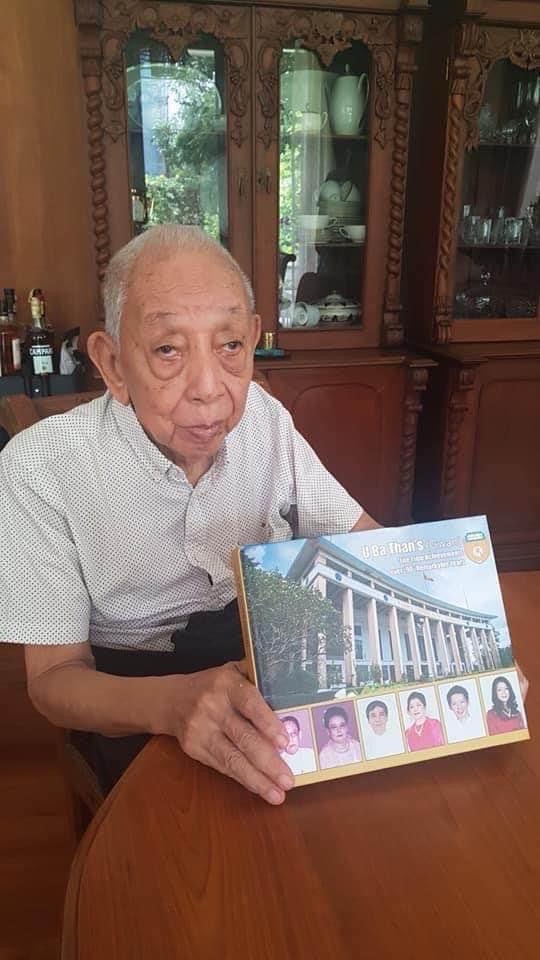
    The Class of 69 (mostly M69) paid respect to Sayagyi U Ba Than on October 1, 2017. U Aung Min organized the visit.

    Sayagyi’s birthday is October 2.

    U Ba Than

    The group attended the birthday celebration ceremony and received blessing from sayargyi. The group handed over garawa birthday gifts that they had collected before and on the monthly breakfast gathering held earlier that day.

    Sayagyi U Ba Than

    Sayagyi usually performs dana with the Garawa money he received for his birthday and for attending the SPZPs and mini-SPZPs.

    Sayagyi has supported various charitable associations for the needy, the sick, the blind, the deaf and dumb, old people and “Nar Ye” . They include

    • Little Sisters for the Poor
    • U Hla Tun Foundation
    • Jivitadana ဇီဝိတဒါန
    • Hnin Si Gone Bo Bwa Yeik Tha နှင်းဆီကုန်းဘိုးဘွားရိပ်သာ
    • Mary Chapman
    • Kyaw Thu Nar Ye (နာရေး အဖွဲ့)
    • Medical Clinics

    On his Birthday every year, Sayagyi offers “soon kwyay” ဆွမ်းကျွေး at Yaw Sayadaw’s monastery.

    The Soon kwyay held on October 2, 2017 was attended by sayas, alumni, relatives and friends.

    Updates

    • During the pandemic, physical gatherings were put on hold. Celebrations were done virtually, e.g via Zoom
    • U Tin Htoon compiled a Photo Album for Sayagyi’s 90th birthday in 2020.
    U Ba Than
    • Sayagyi passed away peacefully after his 94th birthday.

    Posts

    • B (Names)
    • Dana
    • Engineering Library
    • Garawa
    • HMEE
    • Mechanical Engineering
  • U Tin Htut

    by Hla Min

    Updated : May 2026

    Highlights

    U Tin Htut
    • Matriculated from SPHS in 1953.
    • Won Senior Novices at the RUBC Regatta in 1953.
    • Coxed the Old Paulian crew which won Senior Novices at the RUBC Regatta in 1954. The crew members : U Tun Shein (Willie Saing, Stroke), M Hla Min (Moosaji, No. 3), Dr. Than Nyunt (George, No. 2) and Sao Hso Holm (Sawbwa Lay, Box).
      He and three crew members later became RUBC Gold.
    • Served as Captain of RUBC.
      Due to heavy involvement in RUBC, he decided to take a sabbatical.
    RUBC Captain

    Engineering

    • Attended 1st Year Engineering at BOC College in 1955.
    • Graduated B.Sc (Mechanical Engineering), University of Rangoon in March 1960.
    • Joined the Faculty of Engineering, University of Rangoon (Leik-Khone) as Assistant Lecturer in Mechanical Engineering in May 1960.
    • Attended Technische Hochschule Darmstadt, W. Germany in 1961/62 as a state scholar.
    • Worked as a Manager in Rangoon Textile Mills Co. Ltd. from 1962 – 65.
    • Rejoined the Dept. of Mechanical Engineering, RIT in September 1965.
    • Studied Engineering Production at the University of Birmingham, UK in 1968/69.
    • On return to RIT, lectured Industrial Management to 5th and Final Year students.

    USA

    • Immigrated to the USA in May 1978.
    • Worked in the Aircraft Division, Northrop Corporation, Hawthorne, CA in August 1978.
    • With Leave of Absence from Northrop, worked as UNIDO Project Management Adviser in Khartoum, Sudan in 1981/82.
    • Retired early from Northrop in September 1992.

    Family

    Wife: Irene

    Children: Saynne Tin Htut and Aung Aye Htut.

    Grand children : Three

    Editor’s Notes

    His parents were entrepreneurs in the Textile industry (e.g. Khit Ah Kyaik ခေတ်အကြိုက် Nylon), production & distribution of movies (e.g. Ah Myotha Yoke Shin, အမျိုူသားရုပ်ရှင် Carlton Cinema)

    Served as Captain of RUBC as a student, and later as a Saya Administrator.

    Organizer of RUBC Jubilee and Anniversary regattas.

    Despite having a bypass heart surgery, he was actively involved in BASES, which he co-founded with U Tin Htway (M59) and U Tun Tin (David, GBNF).

    Member of the Steering Committee for SPZP-2000.

    SPZP-2000

    Ccontributed not only to the Saya Pu Zaw Pwe fund, but also to the special fund for inviting Sayagyi U Ba Toke from Myanmar.

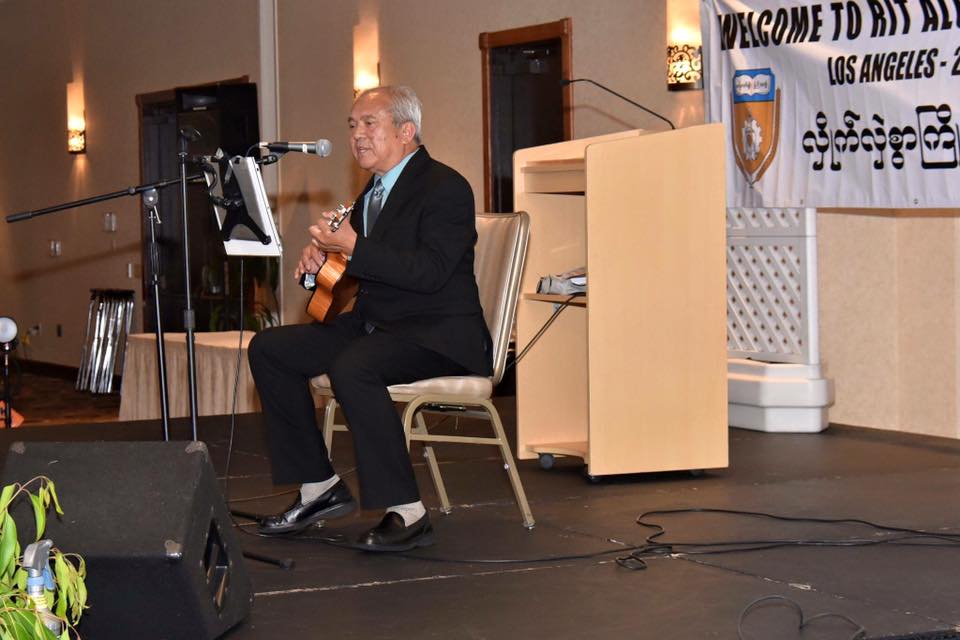
    Financial Controller for the 2015 RIT Alumni Reunion in Los Angeles

    Ma Irene was Maurice’s teacher in Methodist English High School. Saya was Maurice’s lecturer in the 5th B.E. “Industrial Management” course. All the skills learnt were used effectively by Maurice, Financial Controller for the “Reunion & Saya Pu Zaw Pwe” and aPublisher of the “RIT Alumni Newsletter” Special Issue.

    Donation

    Saya’s donations include

    • K10 Lakhs to Swel Daw Yeik Foundation
    • K100 to YTU Library Project
    • All Mechanical Gathering
    • RUBC Gathering
  • Metallurgy Education in Myanmar

    By U Thit
    (Melbourne, Australia)

    Updated : May 2026

    U Thit

    The Metallurgy Department was established in 1954 with the assistance of contract staff from India. Mr. H.S. Shastri was the first head of department and Mr. A.C. Agrawal was an assistant lecturer.

    I was awarded a government scholarship to study Metallurgy at Lehigh University in 1954, when I was a second year student of Civil Engineering in Rangoon. (Incidentally, it was at Lehigh that I first met Sayas U Aung Khin and U Pu.), I returned home in 1957 after completing my bachelor’s degree and joined the department as assistant lecturer. Saya U Saw Pru joined the department as an assistant lecturer in 1958.

    I was awarded a Colombo Plan Fellowship in 1959 for further studies at the University or Queensland, Australia, and came back in 1961 after finishing my master’s degree. I was promoted to lectureship in 1962,

    Saya U Than Tin joined the department in 1960 and left for U.S. after a few years. There were visiting lecturers from U.S.S.R., namely, Mr. Charlichev from 1961 to 1963 and Mr. Chalpanov from 1963 to 1965.

    Sayas U Aung Hla Tun, U Pe Win and Dr. Khin Maung Win joined the department in 1965, 1966 and 1967 respectively. There were also part-time teaching staff from time to time from UBARI, such as U Khin Maung and U Nyunt.

    I left the department in 1968 to go to Australia.

    The continuing history of the Metallurgy Department after 1968 can best be written by Saya U Aung Hla Tun,

    Notes (by Hla Min)

    • Saya taught “Materials and Processes” in our 2nd BE class in 1964. He attended some SPZPs & Metallury gatherings in Myanmar. He moved to Melbourne, Australia.
    • Saya’s successors include Dr. Saw Pru (GBNF), U Than Tin & Saya Dr. Khin Maung Win (GBNF).
    Pon Tu of Dr. Khin Maung Win

    Updates (by Hla Min)

    • Saya U Aung Hla Tun (GBNF) was the lead author for HMEE projects.
    U Aung Hla Tun
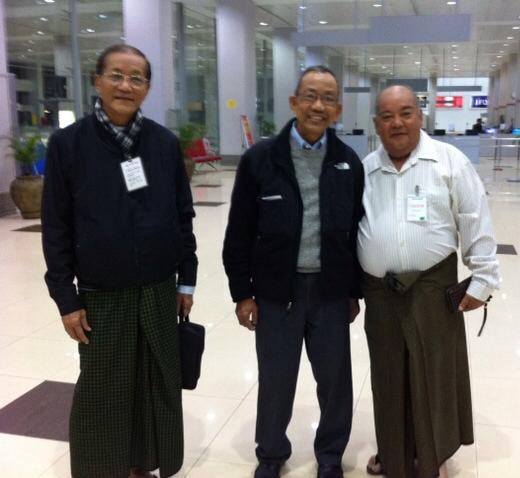
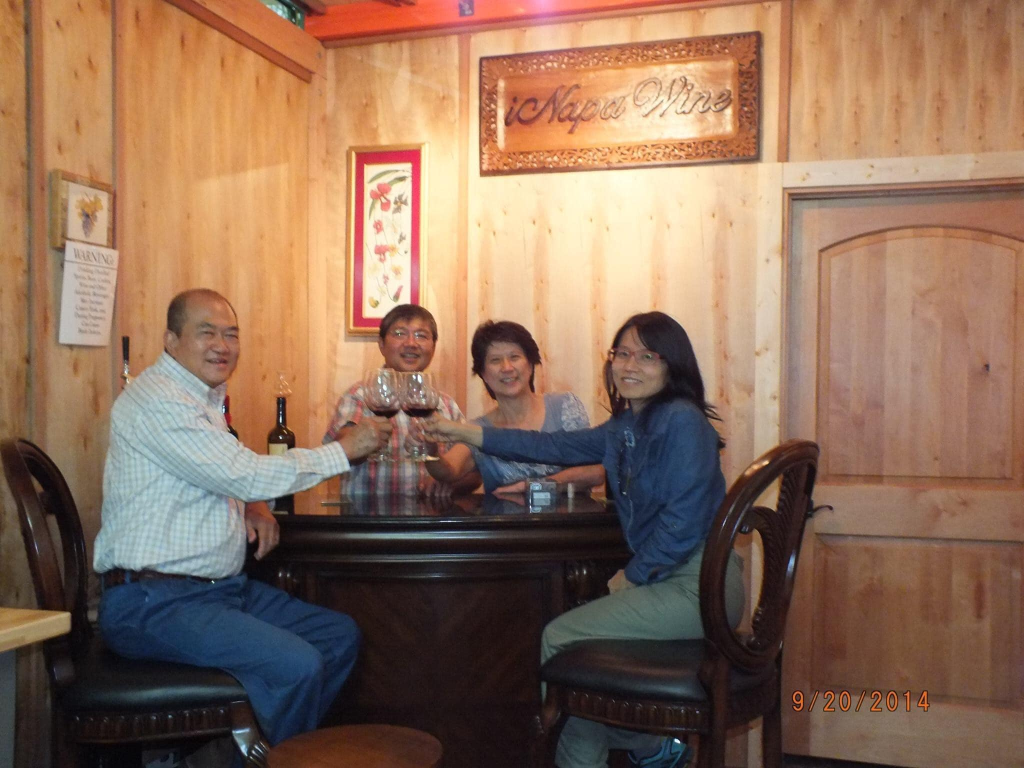
    • Sayas U Win Kyaw (Met71, RUBC), U Thein Aung (Met72, Mr. RIT68) & U Nyunt Htay (Met73, Poet/Editor) had a micro-reunion in 2015 Alumni Reunion in Los Angeles and at the iNapa Winery in Northern California.
    iNapa Winery
    • Metallurgy is taught as “Materials Science” in the US.

    Posts

    • Education Systems
    • Gatherings
    • HMEE
    • Metallurgical Engineering
    • RIT Sayas
  • New Jersey Reunion

    by Hla Min

    Updated : May 2026

    Hosted by Ivan Lee

    • Ivan Lee (Khin Maung Oo, M69, New Jersey) hosted an annual get-together for RIT and UCC alumni for more than a decade.
    • The date is chosen so that Saya Dr. Aung Gyi (Former Rector) and Saya U Soe Paing (EE, UCC) can attend.

    Reunion in 2015

    69ers

    69ers in New Jersey
    • Fred Thetgyi (M69)
    • Tun Aung Gyaw (EC69)
    • Hla Min (EC69)
    • Saw Yu Tint (Alice, T69)
    • Mg Toung (Tom, EC69)
    • Ivan Lee (Khin Maung Oo, M69)
    Reunion in 2015
    • Sayas Dr. Aung Gyi & U Soe Paing
    Ivan, DAG & HM
    • RIT Alumni — U Than Se (Richard, ChE62), U Sein Myint (EC76)
    • UCC Alumni — U Tun Aung Gyaw, U Hla Min, U Sein Myint, Daw Sao Mon Sint, U Soe Myint
    • Spouses & Relatives

    Reunion in 2018

    • In June 2018, seven RIT sayas attended the NJ Reunion.
    1. Dr. Aung Gyi (Former Rector)
    2. Dr. San Hla Aung (C58)
    3. Saya U Soe Paing (EE, UCC)
    4. Dr. Tin Win (M62)
    5. Dr. Ohn Myint (C64)
    6. U Htun Aung Kyaw (ChE67)
    7. U Aung Myint (M69)

    MASTAA

    • At a later Reunion, some sayas and alumni suggested to form MASTAA (Myanmar American Science and Technology Alumni Association).
    • Ivan served as the inaugural CEO. U Soe Myint (UCC) served as President. U Sein Myint (EC76, UCC) served as Vice President.

    Posts

    • Associations
    • Gatherings
    • Memories of RIT
    • Memories of UCC
    • Visits
  • Koung Nyunt

    by Hla Min & Kogyi Koung

    Update : May 2026

    Highlights

    Dr. Koung Nyunt
    • A67
    • Secretary, RIT Photography Association
    • Pen name : Kogyi Koung
    • Doctorate from Japan. Found his love life “Moe Moe”.
    • Due to immigration laws in Myanmar & Japan, the family decided to move to Auckland, New Zealand.
    • Organizer for RIT events in New Zealand.
    • Wrote articles for RIT Alumni International Newsletter

    Articles

    • Two Forgotten Songs from RIT. One is a favorite of Saya U Tha Tun (Head of Department).
      Another is about Ma Ma Q & her fans (sayas and alumni).
    • Photo essay on Kyaik Hti Yo Development. Saya U Min Wun wrote a supplement article for the Project.
    • Letter to Thagyar Min to second his favorable opinion on Naw Louisa Benson (Miss Burma & movie actress).
    • About some paintings
    • Quoted Reverend F Lutvig (Ashin Ananda, Laureate Poet) in his articles.

    Contact

    • He passed away, but Moe Moe kept contact with Daw Phyu Phyu Latt (Christine, A70) and other alumni in Australia.

    (1) Forgotten Songs of RIT

    by Kogyi Koung

    First Song

    It was one afternoon in the early May of 1963. Someone was singing a prewar semi-classic song from the second floor of RIT main building. In 1963, RIT buildings were relatively new and that semi-classic song caused a little bit of discomfort for the freshmen [equivalent to 3rd BE] located on the first floor. The song continued as,
    (. hmain: njou. njou. sain: lou. je . njou pja ji hmaung che . to: dan: kalei: nanbei: ga swe . e:di jwa be: kwe…)

    The meaning is: Dull and gloomy cloud override at the horizon; Indistinct brown and dim bluish vision of a wood jetting out from that end is my village … *Note: The title of the song is ‘Htamin: mjein mjein sa: me’ i.e., “ထမင်းမြိန်မြိန်စားမယ် Enjoying the meal with relish”. The duet song was first performed by prewar famous singers Ou’ O: Ba Thaung and Sein Party. Later many other singers have rendered their own versions of the song.

    We saw an old man singing the song while he was painting watercolor on a huge art paper. He was painting the landscape described in the song. Amazingly the picture was full of life and the song was telling the story. Everybody stopped in front of his office on the second floor and looking with wonder and singing with him.

    After a while we asked him, “Sayagyi, who are you and which department do you belong to?”
    He replied, “I am U Tha Tun, Head of the Department of Architecture”. Oh, my God! How stupid that we, the freshmen of Architecture, don’t even know the head of our department. As time passed, we learned more about ‘The Great U Tha Tun’.

    When we became senior students, U Tha Tun’s health deteriorated so much that Saya U Myo Myint Sein (Raymond, A58) stepped up as a ‘Kagemusha’ [Japanese for “shadow-warrior”]. UMMS, as acting head, took care of everything about the department. Young and energetic Saya UMMS found that it was not easy to steer the department as Captain of Architecture’s Flag Ship. There were lots of problems for a relatively young department in RIT.

    One such problem occurred during our final year. Two of the most experienced Sayas of architecture left the department and went abroad [for enhancing their careers]. They were (a) Saya U Sein Maung (with elegant moustache) has long experience in Rangoon City Development Corporation. He taught each and every detail of the development of Rangoon. (b) Saya M.B. Raschid (son of U Raschid, minister of many affairs under Prime Minister U Nu). He taught with all his professional experience and perfect pronunciation of King’s Burmese with ‘zagaboun စကားပုံ’ proverbs. Sometimes he corrected our broken Burmese.

    Saya UMMS, Head of the department, not only had lost his right and left hand men, but also there was a danger that the notorious Koung Nyunt and Kyaw Thein (both A67) might not finish their Architecture degrees.

    After a long struggle, Saya UMMS stabilized the flagship of Architecture and its direction. A pioneer of the Architecture of RIT, Professor U Myo Myint Sein handed over the headship to Dr. Maung Kyaw in early 80’s. In the late 80’s Dr. Lwin Aung (A59) took over.

    Second Song

    For creative and original works, Architects cannot design during the office hours. It is also true [to a lesser degree] for the students of architecture. During the lectures and tutorial hours we [as students] have to follow what they have taught. After school hours [mostly after 4 or 5 pm], we start to create and test our design ideas. Note that for other students and staff of RIT, such periods are the pleasure and relaxation time.

    There were only a few girls in Architecture, but the one in our studio is especially alluring beauty and glamorous face. She was so popular that she became known as the queen of the student-architects. We called her Ma Ma Q.

    Most of the evenings many senior students and young eligible bachelors and/or sayas visit our studio. Some stay late into the evenings. At that time we sang a song named ‘Saga: ta’ kathou’ i.e., Language University, by Khin Yu May.

    Because in the song, one part said ‘dage lar te. Ko Ko. kwe ja hmar ba lou lou’ i.e., really coming Ko Ko, out of sight he is sth in the air.

    Ma Ma Q didn’t know the meaning, but the visiting Ko Kos were annoyed by our song. They politely requested us to stop singing. At that time the notorious KN and KT asked ‘hse’ kjei:’ i.e., extortion money about 2-3 kyats from the Ko Kos and went to U Chit tea shop. This continued for days and weeks.

    When the Ko Kos are not visiting our studio, we sang the following song, instead of Ma Ma Q. i.e., Third Song. (Note. Extract from Shwe Kyi: nyo song by Daw Ngwe Myaing)
    ‘Diga nei. nya hpjin. lar ma te. so: joun ya hmar lar: akou Kja.ma ne. ne: te. Shwe kyi: nyo Shwe kyi: nyo Shwe kyi: nyo’
    “To-night coming you said so, may I believe Ako.. Near the blessed golden crow, golden crow, golden crow…”

    (2) Article (Sept/Nov 2000)

    With all of those excellent works and flying colours for Saya Pu Zaw Pwe, your organizing committee is a living history of RIT. Our Sayas, Sayamas and Saya-Gyis have contributed their unlimited knowledge to affect and benefit our lives. Many of our Sayas and colleagues have sent their thanksgiving letters to your web site.
    I feel guilty in staying quietly at a corner of the Southern Hemisphere. Actually I am busy, because of my article ‘Wanna Migrate to New Zealand, 3/15/00’ that you published on the ex-rit web site. After that article, I got many inquires/contacts by e-mail and direct phone calls, especially from SE Asia. In July there are 133 migrants and in September 28 migrants are now in Auckland, and expecting another over 50 in November 2000. All speak the common language “Burmese” with their own native accents. Now I know our Sayas and colleagues speak “King’s Burmese” in RIT.

    I would like to honor my Sayas with a poem from our forefathers-cum-engineers how they had built a city.


    Title: ‘SHWE PYI GYI’ (Golden Capital City)

    Sweet sound of drums and silver bells
    Coming from the Palace
    Can be heard reverberating in the air
    And I can see the palace roofs,
    The graduated turrets and buildings
    Encompassed by haze.
    And, my dear girl, I can still faintly see
    The silhouettes of a high pagoda
    Reaching nearly to the clouds
    And of super-imposed roofs (i.e., pyathat)
    Oh my dear, don’t you hear
    A melodious sound of small bells
    Coming from the golden monastery?
    Our golden capital city must be near.
    (By U Ku: 1827-1895 Translated by Rev. Friedrich V. Lustig)

    Dear Sayas and colleagues,

    We see not only the Panoramic Photo of golden capital city of our ancient time, but can hear the sound-scape with audio-visual scene. Silhouettes effect of high pagoda in the haze has shown the air perspective of city skyline. We try to sketch the imaginary scene of ancient city in the architectural studios of RIT in the middle of 60’s. The discussion topic of ‘Ancient City Skyline’ is not only interested by the architectural students, but also from various students of other departments from RIT.

    This is the starting point to form the ‘RIT Photographic Club’. According to my diary, first general meeting was chaired by Saya U Myo Myint Sein on Saturday, 1 May 1965 at the Department of Architecture. The general meeting selected Professor U Myo Myint Sein as President of RIT Photographic Club and the author as the secretary.

    After forming the executive committee, the club took part in various activities and many outstanding photographers from the club took major prizes from Burma Photographic Society and Myawadi Magazine. e.g., Ko San Aung, M74 is the owner of the famous ‘Photo Lab USA’, (i.e., initials for U San Aung) in Yangon is originally from this club. Kjei: zu: tin: bar-de, many thanks for my Sayas and colleagues

    Koung Nyunt (Auckland, New Zealand).

    (3) Letter to Tha-gyar-min

    by Kogyi Koung

    Date: Thursday, 14 April 2011 (3:40pm. Thin-gyan Akya-ne.)
    P.O. Box; Top of the never used RIT water tower
    Ashe. Jo. Koun (East Gyogone): RIT Compound, Insein, Rangoon, Burma

    Dear Your Majesty the Sovereign of Tawadein dha တာဝတိံသာ

    As from the beginning of 1960’s our RIT is like the last paradise on earth, with all enjoyments, teachings, preaching, learning, playing sports and friendship never sails away. Kogyi Koung recollects the stories at the time of 60’s RIT and retold the fairy-tales to our Bushido-Burmans at gatherings in Auckland, NZ. However, the young generations of Maha Bandoola do not believe the stories, and they whispered by themselves that Kogyi Koung is now ‘Yin yin galay Yuu-nay-pyi-de’ ယဉ်ယဉ်ကလေး ရူးနေ ပြီတဲ့

    Your Majesty the Tha-gyar-min-gyi please take this message to Tawadein dha and explain to my late Sayas and colleagues there, that my stories are not fabricated.

    I have the evidences. For example, I have sent a message to RIT alumni update (February 6, 2010) as follows,

    Dear U Hla Min,

    It is sad news for our elder brothers at RIT, especially those who reside at E and F block during the beginning of 60’s.

    A term called “Ma-pyo: mashi.ja ne he.” မပြောမရှိကြနဲ့ဟေ့ was coined at that time. When I visited my elder brother [U Than Soe, M63] at E block (when I was at Leik-khone I.Sc). I heard somebody shout “Ma-pyo: mashi.ja ne he.” Then I looked outside. Everybody lined up at corridor and they were looking at a far side on top of the entrance hall that is attached to a two story house.

    I could not believe my eyes. She was a beauty queen, who had Miss Burma two times excising physical training on the porch. I noted down in my diary and the rallying cry “Ma-pyo: mashi.ja ne he.” She is Naw Louisa Benson Craig. Now she has left our brothers’ heart at age 69.

    Yours etc. (“Ma-pyo: mashi.ja ne he.”)

    When I retold that story here at Auckland, everybody laughed like ‘Wa:lone kwe:aung ye kya de”. I said it is not a joke. I have evidence.

    Also, Kogyi Koung explained about the following, written by Maung Maung Hla, a Karen pastor in Rangoon who was close to Naw Louisa during her youth, remembered her aloud : “She had a little mole on her cheek and she had a kind heart. She was also a very good singer.”

    This statement has no evidence.

    However, Tha-gyar-min-gyi if you find Naw Louisa at Tawadein dha, please ask if what I wrote is true?

    (4) Architecture Students and Staff

    I have an old group photo taken about the end of 1963, and all the known information are printed. Inside the brackets are where about of the person [at the time of the post].

    Top of the photo:

    Department of Architecture
    Rangoon Institute of Technology
    1963 ~ 64

    Bottom of the photo:

    Front row, L to R

    • Jim Lim (3rd. Year) [?]
    • Ma Khin Khin Kyu (Ann, 1st.Year) [San Francisco, California, US]
    • U Myo Myint Sein B.Arch (Rgn) M. Arch (Mch) [Los Angeles, California, US]
    • U Tha Tun B.Sc, F.R.I.B.A. (Fellowship of Royal Institute of British Architects), A.A. Dip (Lond.), A.M.T.P.I.(Associate Member of Town Planning Institute), F.I.B.A., Head of Department [Deceased on 13 September 1974]
    • U Yone Mo B.Sc (Hon) Rgn, B.Sc (Engg)Lond, A.C.G.I, A.M.I. Mech.E, A.M.I.Loco.E, Principal [Deceased]
    • Mr. S. Ozhegov, Cand. Of Arch, Master of Fine Arts, UZBEK, U.S.S.R [Moscow]
    • Miss Rosalind Maung (Ma Pyi Aye, 2nd Year) [Rangoon]
    • Htin Myaing (Ben, 2nd Year) [New York, US]

    2nd. Row, L to R

    • Tun Thein (1st Year) [Los Angeles, California, US]
    • Tin Aung (2nd Year) [Melbourne, Australia]
    • Yaco B.E. Mayet (3rd Year) [?]
    • Than Tun (3rd Year) [Rangoon]
    • Sonny Chin (2nd Year) [?]
    • Hla Thein (1st Year) [New York, US]
    • E. I. Jeewa (3rd Year) [?]
    • Aung Pa Win (1st Year) [Chicago, Illinois, US]

    Back Row, L to R

    • Aung Kyaw Min (3rd Year) [Rangoon]
    • M. (Ku?) hlgh (2nd Year) [?]
    • Than Htike (3rd Year) [Warsaw, Poland]
    • William Chen (2nd Year) [?]
    • C. E. Munnee (1st Year) [?]
    • Koung Nyunt (1st Year) [Auckland, New Zealand, GBNF]
    • Kyaw Thein (1st Year) [Deceased 22 April 2001]

    Absentees:

    • Win Myint (1st Year) [Rangoon]
    • Win Naing (1st Year) [?]

    Note:

    1st Year B. Arch, 10 students (8 passed and 2 failed)
    2nd Year B. Arch, 5 students (3 passed and 2 failed)
    3rd Year B. Arch, 6 students (3 passed and 3 failed)
    Several Architecture students failed in of a subject from other departments. There was no moderation. If one gets 49% or less of the grade, the student has to repeat all subjects next year.

    Editor’s Note

    I cannot find the photo mentioned by Kogyi Koung.

    The early sayas and sayamas of the Architecture Department include :

    • U Thar Tun (GBNF)
    • Pi-thu-kar Kyaw Min (GBNF)
    • U Myo Myint Sein (USA)
    • U Bilal Raschid (USA)
    • Dr. Maung Kyaw (GBNF)
    • Dr. Lwin Aung (Retired as Pro-Rector)
    • Artist/Bagyee Aung Soe
    • U Maung Maung
    • U Sein Maung (Stanley Ba Pe)
    • U Maung Maung Phone Myint
    • Dr. Koung Nyunt (GBNF)
    • U Hla Than (Retired as Rector)
    • Daw Min Thet Mon (Pamela Myo Min, Retired Professor)
    • Daw Swe Swe Aye
    • U Maung Hlaing
    • Sai Yee Leik (GBNF)

    Posts

    • Architecture
    • By Saya U Myo Myint Sein
    • By U Tin Htoon
    • By U Thet Win
    • U Bo Gyi
    • U Kin Maung Yin
  • U Tin Htut

    by Hla Min

    Updated : Apr 2026

    Brief Bio

    • Alumnus of SPHS, RU Faculty of Engineering, Birmingham University & German University
    • Joined Mechanical Engineering Department as Assistant Lecturer after graduating in 1960
    • His parents needed help to run their business. He complied. Three family members — his father U Chit Maung, his eldest brother U Sein Tin and saya — were taken into custody for several months.
    • After completing his Waso at Insein, he rejoined Mechanical Engineering Department as Assistant Lecturer. New Sayas had to join as Instructors.
    • Taught Industrial Management. Earlier, the subject was taught by Visiting Lecturers from Faculty of Social Science & Institute of Economics.

    Rowing

    • Past Captain & Gold of RUBC
    • Won Senior Novices twice : as Rower and as Cox of the All Paulian Crew with Tun Shein (Willie), Than Nyun (George), M Hla Min (Moosajee) & Sao Hso Holm (Sawbwa Lay)
    • Served as Administrator of YUBC for several years

    USA

    • Joined Northrop and also helped several alumni to join the company
    • Took Sabbatical to work for UN
    • Founded BASES with U Tin Htway (M59) and U Tun Tin (David, GBNF). He is a Past President.
    • Financial Controller for 2015 RIT Alumni Reunion in Los Angeles.
    • Helped with SPZP-2000 held in San Francisco.
    • Came to SF Bay Area to attend RIT gatherings and to have family reunion with his sisters.
    • Hosted me at his new house. Took me to BASES Dinner and La Puente Monastery the following day (where there was a Soon Kwyay followed by Literary Talks).

    Donations

    • K100 lakhs to YTU Library Modernization Project
    • K10 lakhs to SDYF (Swel Daw Yeik Foundation)
    • Donated to All Mechanical Gathering

    Memories

    • SPZP-2000
    SPZP-2000
    • 2015 RIT Alumni Reunion in Los Angeles
    2015 Reunion in Los Angeles
    2015 Reunion in Los Angeles
    • Donations
    Donation
    U Tin Htut and U Wynn Htain Oo
    U Tin Htut
    • Singapore
    U Tin Htut, U Mg Mg Win, Dr. Tin Win & U Aung Myint
    U Tin Htut in Singapore
    U Tin Htut in Singapore
    • New Zealand
    U Tin Htut in NZ
    • SF Bay Area
    U Tin Htut in SF Bay Area
    • RUBC Golds
    RUBC Past Captains and/or Gold

    Posts

    • BASES
    • RIT Sayas
    • RUBC
    • SPZP