Wrote about the SPZP-2000 experience in the Post Reunion series.
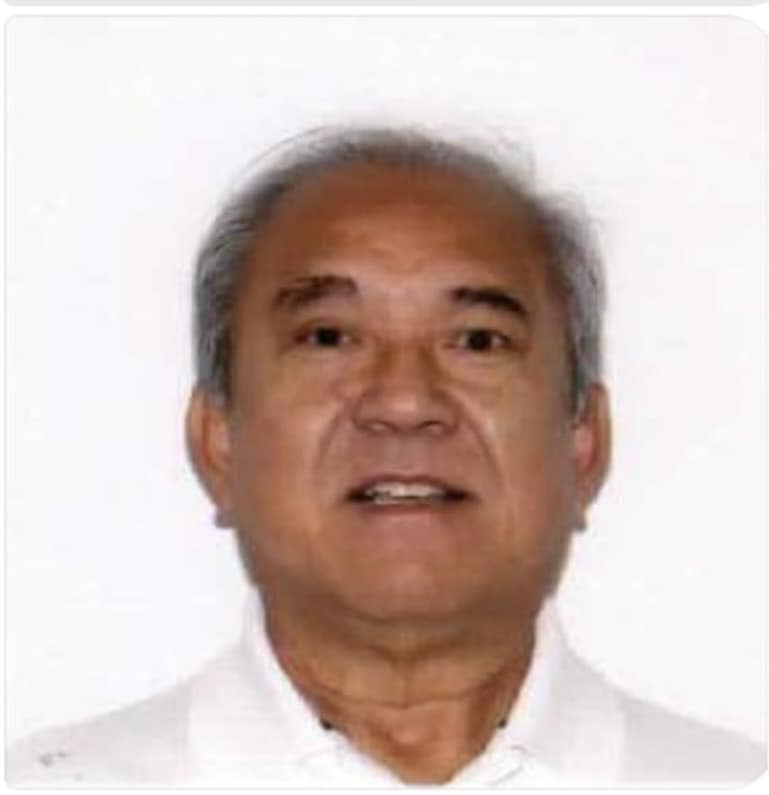
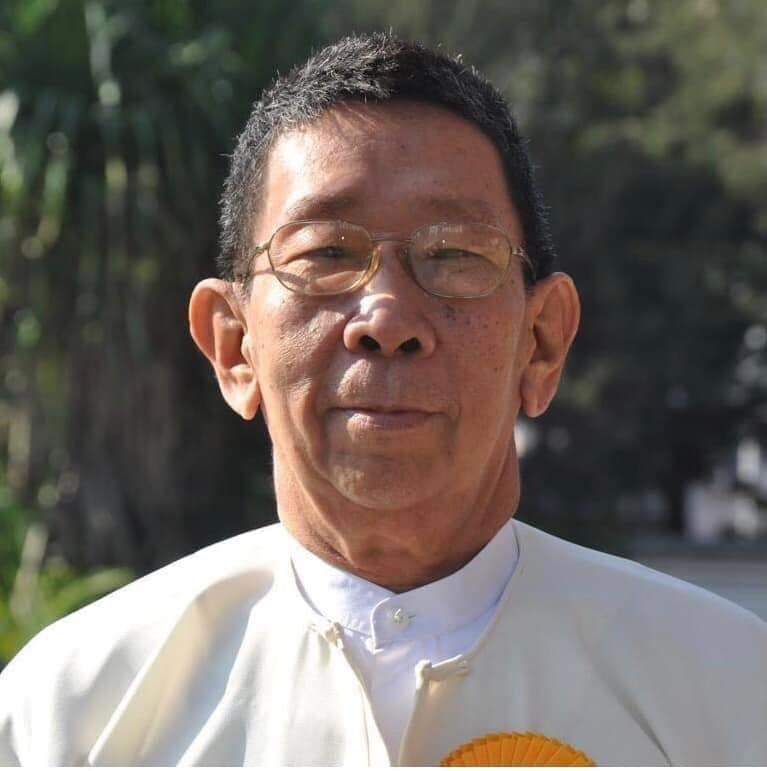
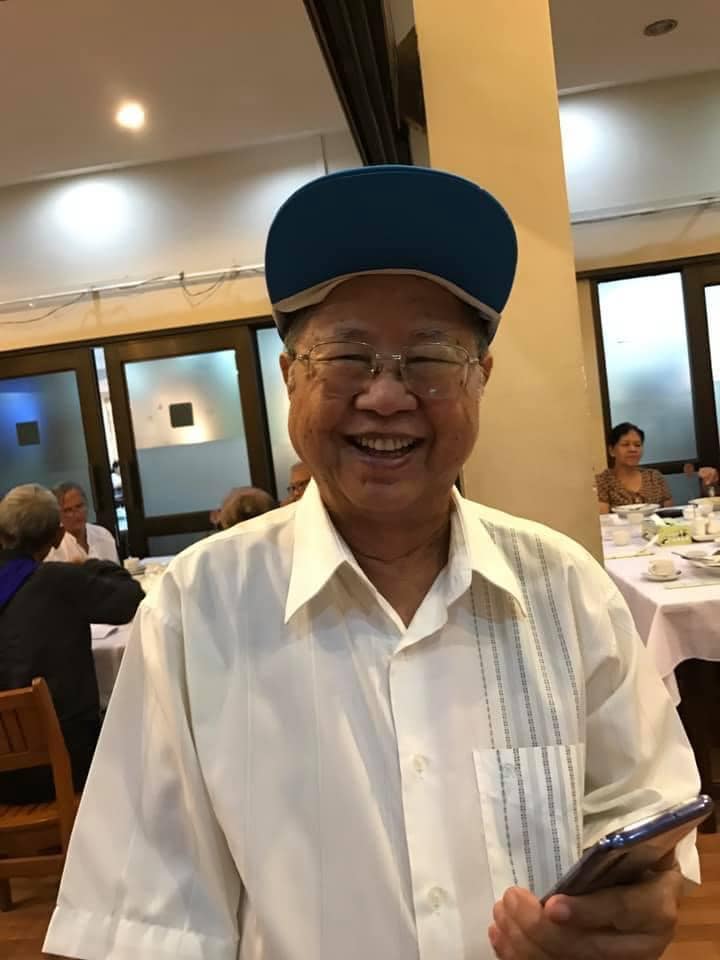
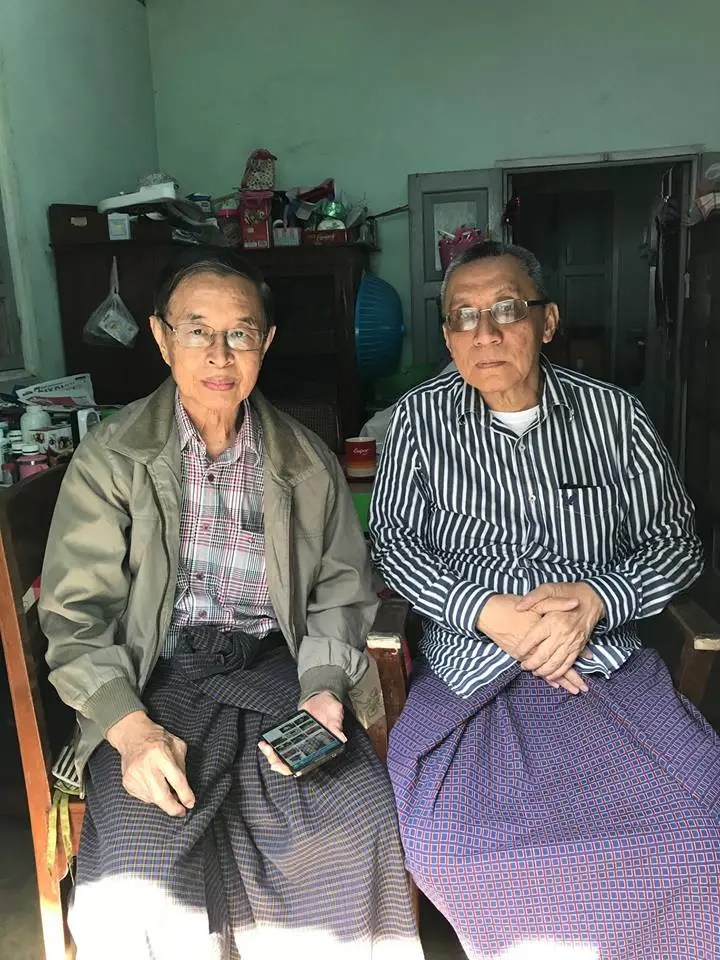
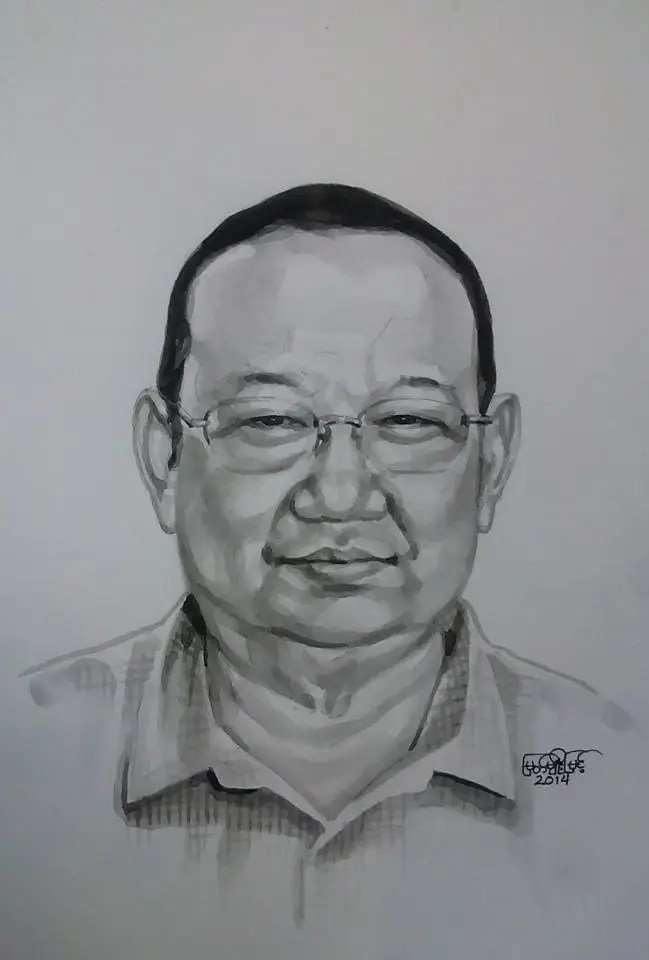
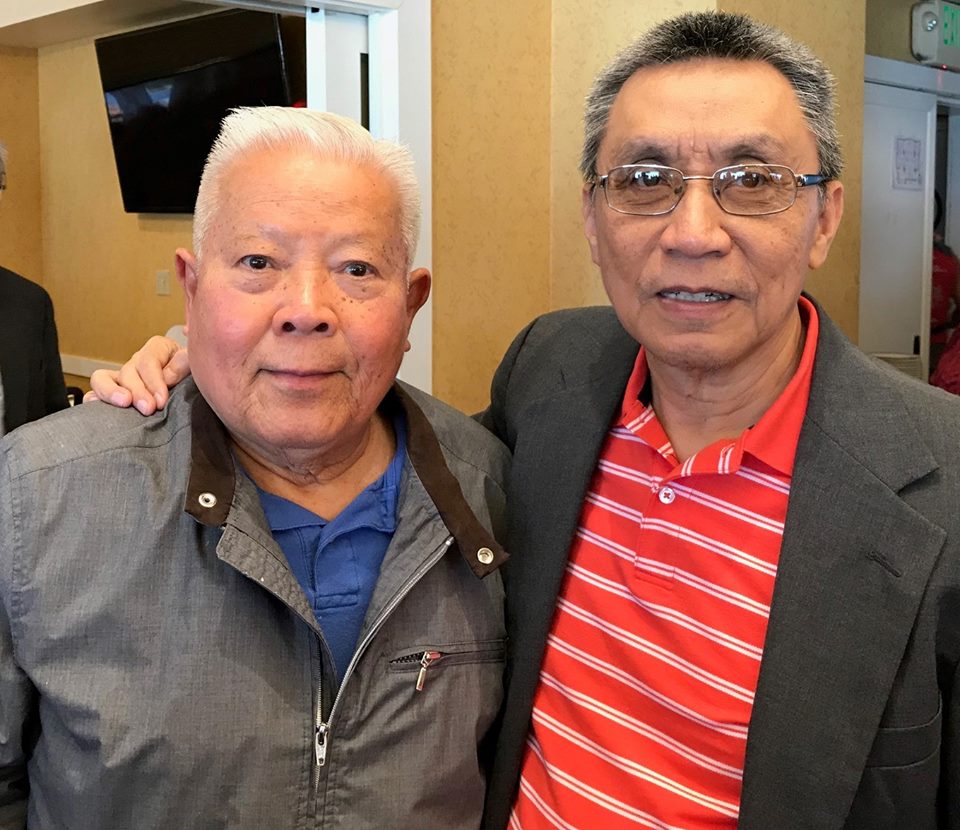
U Myat Htoo (Right)NorCal RITAA
Founding member of NorCal RITAA.
Chair of BOD (Board of Directors).
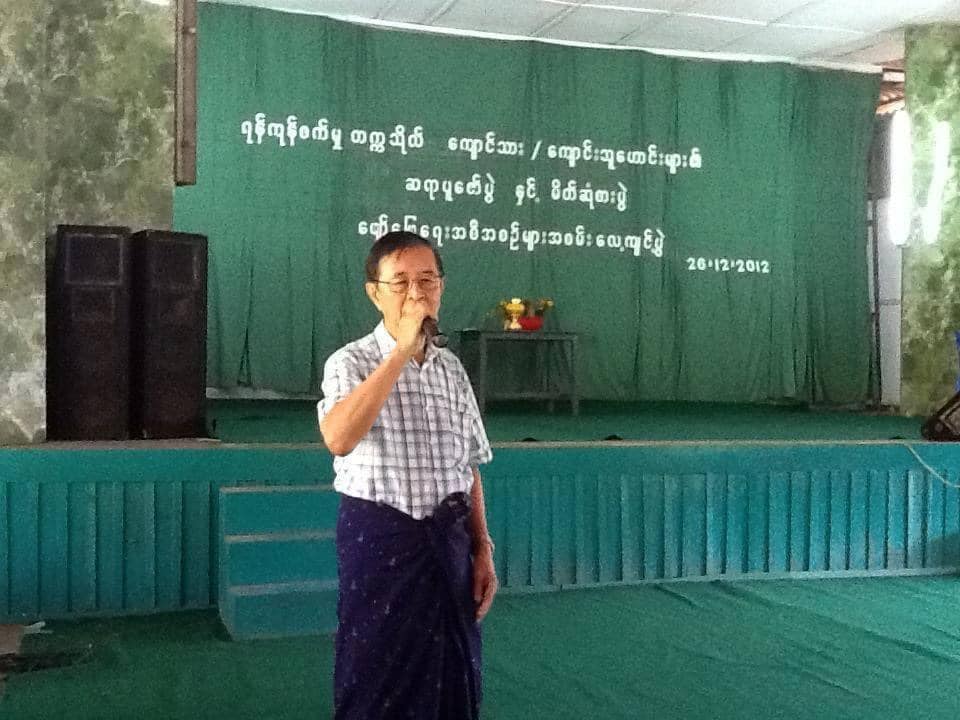
One of the hosts for NorCal RITAA meetings. He would invite the attendees to take a boat ride on the nearby man-made lake. Would also arrange a karaoke session.
Past President of Burmese American Democratic Alliance (BADA)
President of Theravada Buddhist Society of America (TBSA) for a decade. Led the procession for the scattering of ashes of Sayadaw U Silananda into the San Francisco Bay near the Golden Gate Bridge.
Lost Neikan RIT
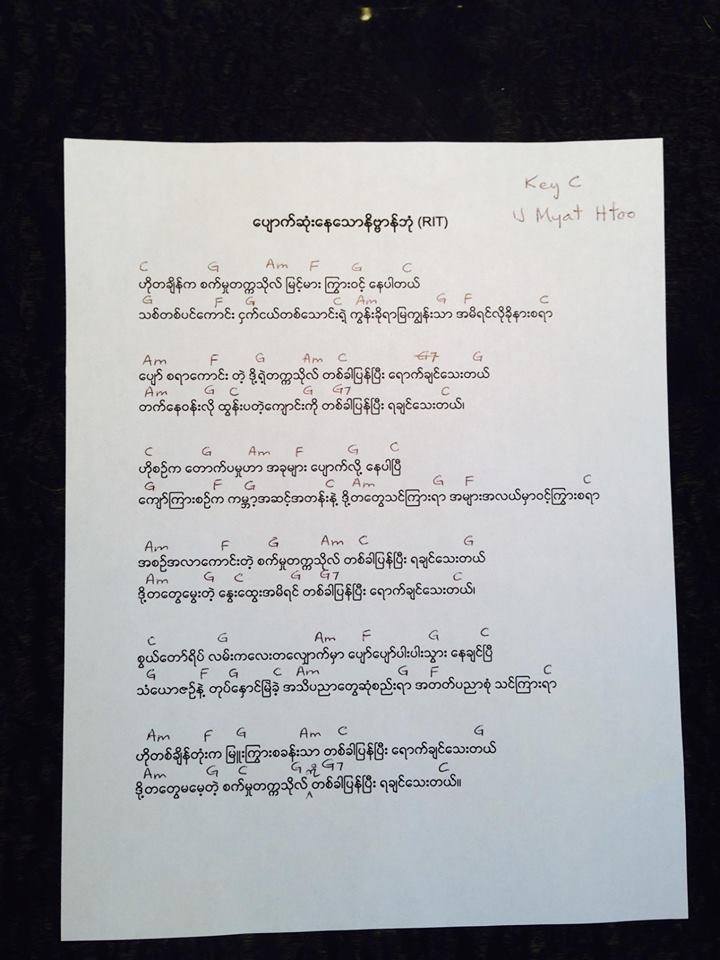
Wrote a parody on “Pyauk Sone Nay Thaw Neikban Bon” (the song by Sai Kham Leik and Sai Htee Saing).
LA Reunion
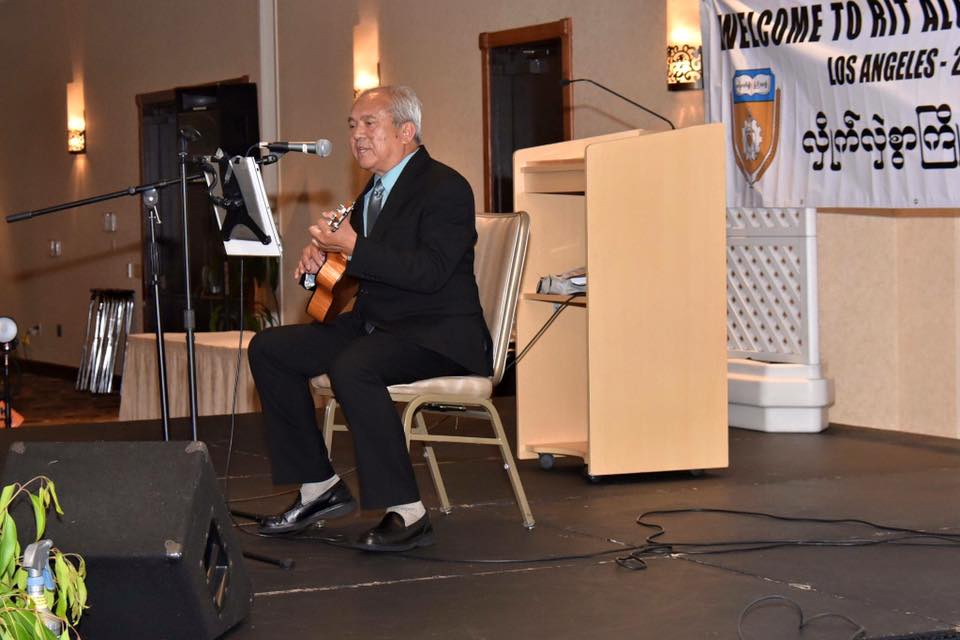
Played the Ukelele and sang the song described above at the 2015 Alumni Reunion in Los Angeles.
Ukelele
Donation
Donated Life Vests to 20 teachers in the town of Paletwa in Chin Special Division, Myanmar.
The teachers risked their lives daily crossing Kaladan river to teach children on the other side of the town.
One teacher was killed in a boat mishap in surging waters during heavy rains. A life jacket would have saved her life.
Golden Jubilee
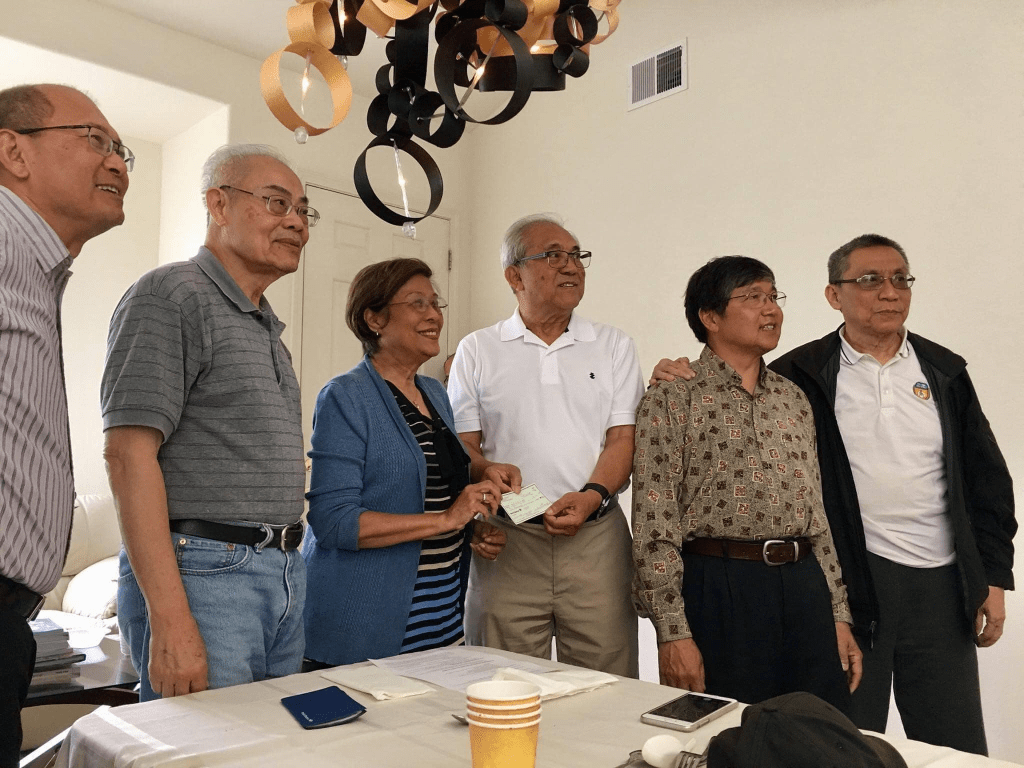
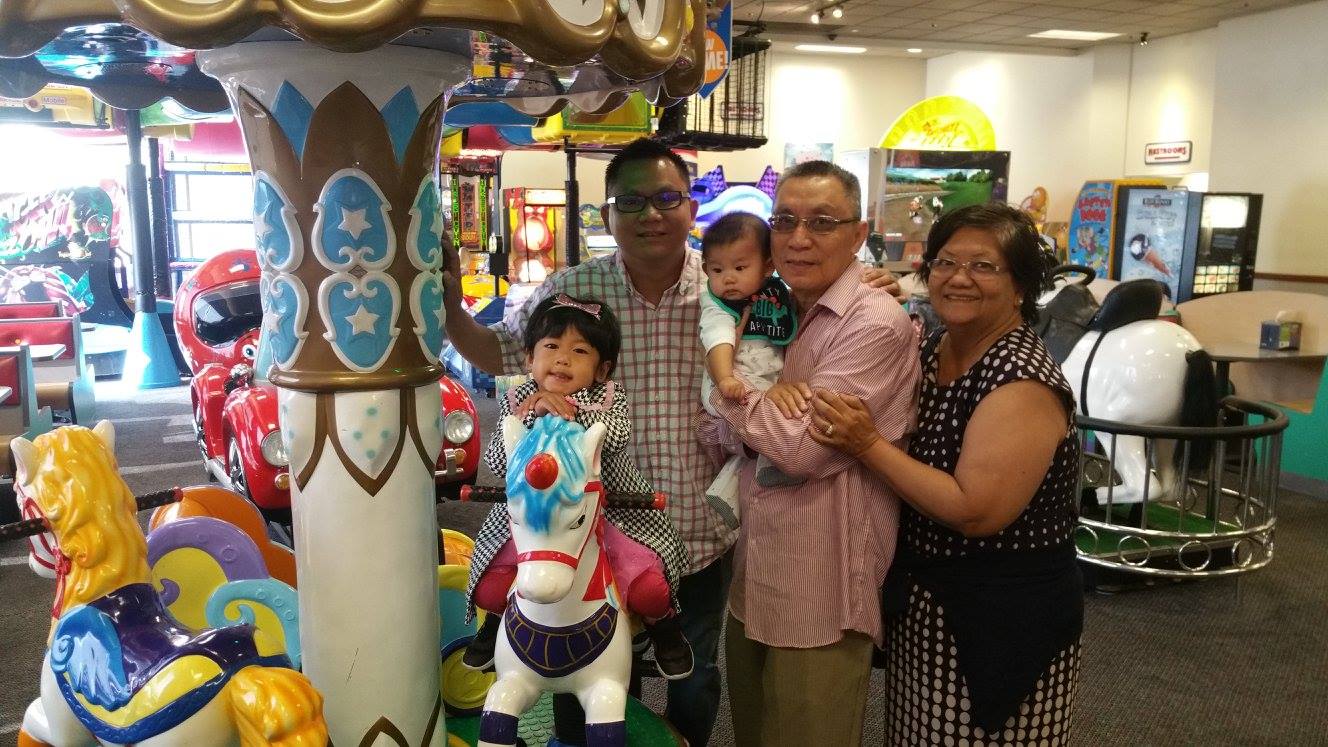
On May 20, 2018, the BOD (Board of Directors) and EC (Executive Committee) members of NorCal RITAA threw a surprise party to celebrate the Golden Jubilee of U Myat Htoo (C68, Chair of BOD) and Daw Hnin Maung Maung (Ma Ku, “Nyima Lay”).
According to Saya, he was the youngest in his family and wanted a younger sibling (preferably a sister).
He found an innocent 9 year old neighbor (and family friend).
Ten years later, they tied the knot.
Memories
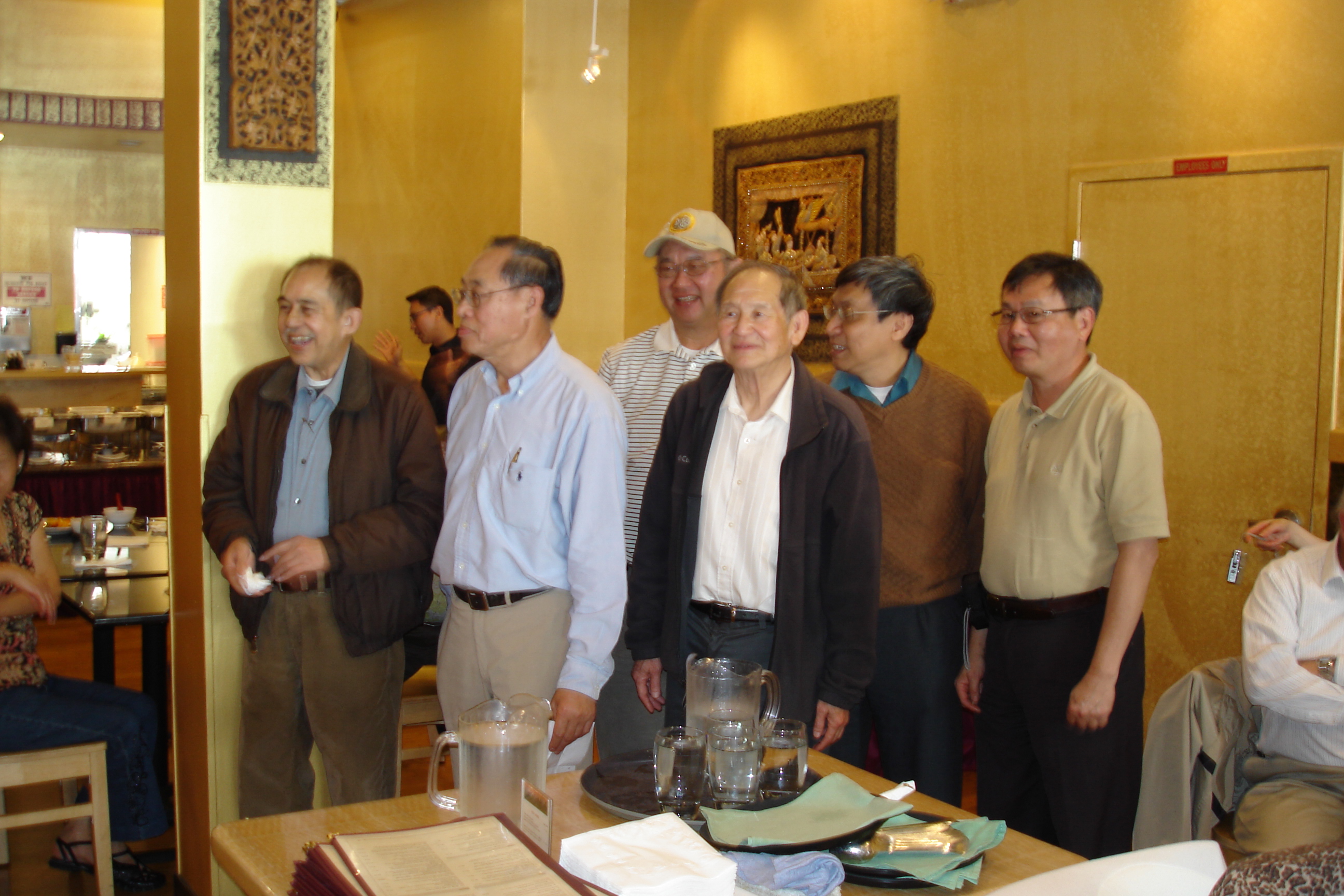
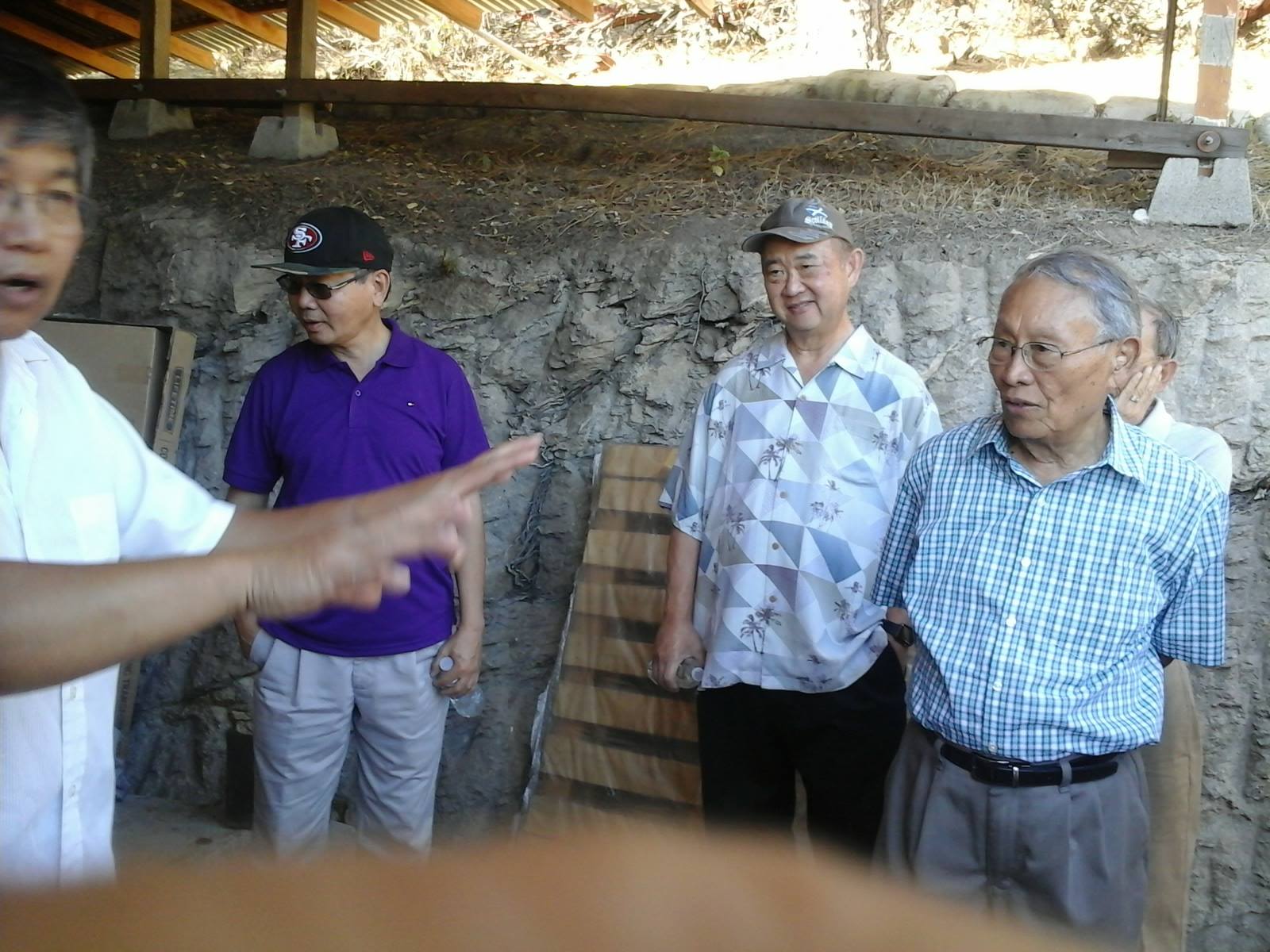
With Saya DAG MeetingPon TuGathering Lunch meetingLibrary
Offered me rides during my visits to Yangon especially to attend meetings for SPZP-2012, SPZP-2016, HMEE-2012, and to selected 69er Breakfast Gatherings.
Spouse is Sayama Daw Khin Swe Aye (Winnie, ChE70)
Younger sister is Sayama Dr. Khin Swe Myint (Physics).
Other Names : Ohn Gaing & Gaing Gyi
Matriculated in 1964 from St. Peter’s High School, Mandalay.
Admitted to 1st BE in November 1964.
Graduated with Mechanical Engineering in 1970.
Founder & moderator of the Google Group “Combined 1st BE Intake of 64 and 65”.
Maintains the GBNF list for the Class of 70.
Joined HIC (Heavy Industries Corporation).
Volunteer for SPZP-2012, SPZP-2016, SDYF, Shwe YaDu & HMEE, Reunion &Acariya Pu Zaw Pwe for the Combined 1st BE Intake of 64 and 65
Publication
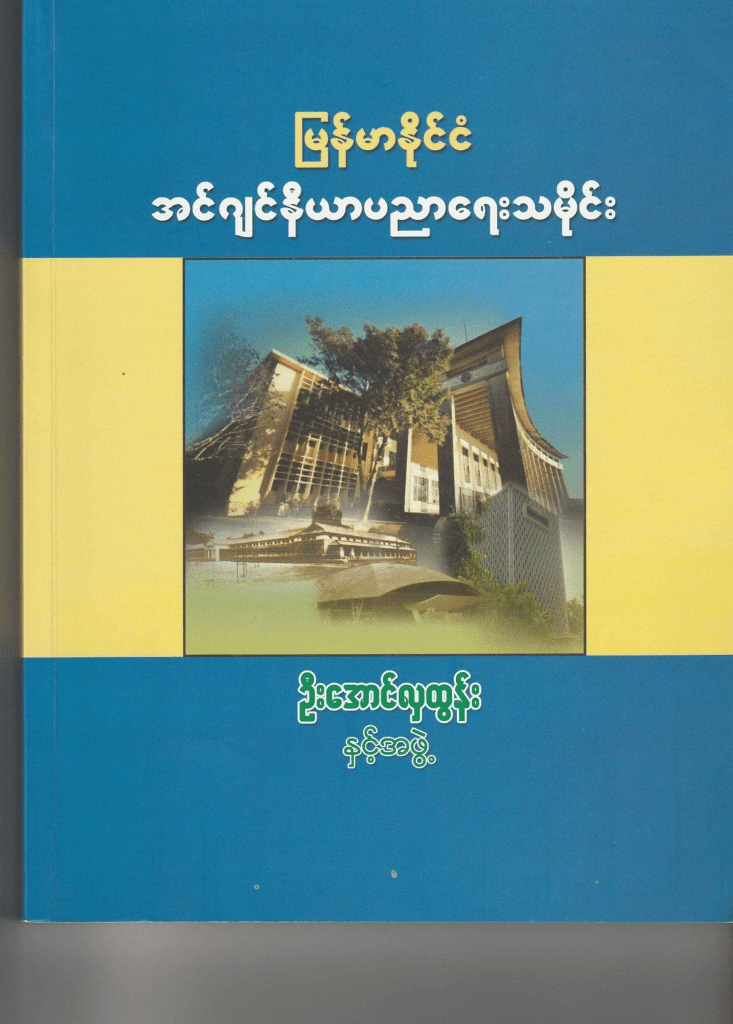
U Ohn Khine and I compiled the CD Supplement for HMEE-2012.
Translated Section One of HMEE-2012 into English.
Summarized Section Two of HMEE-2012.
Co-authored “RIT Days” article with U Zaw Min Nawaday (EP70).
I edited their joint long article and published in “RIT Alumni International Newsletter”.
It was also reprinted in the Golden Jubilee magazine by the Combined 1st BE Intake of 64 and 65.
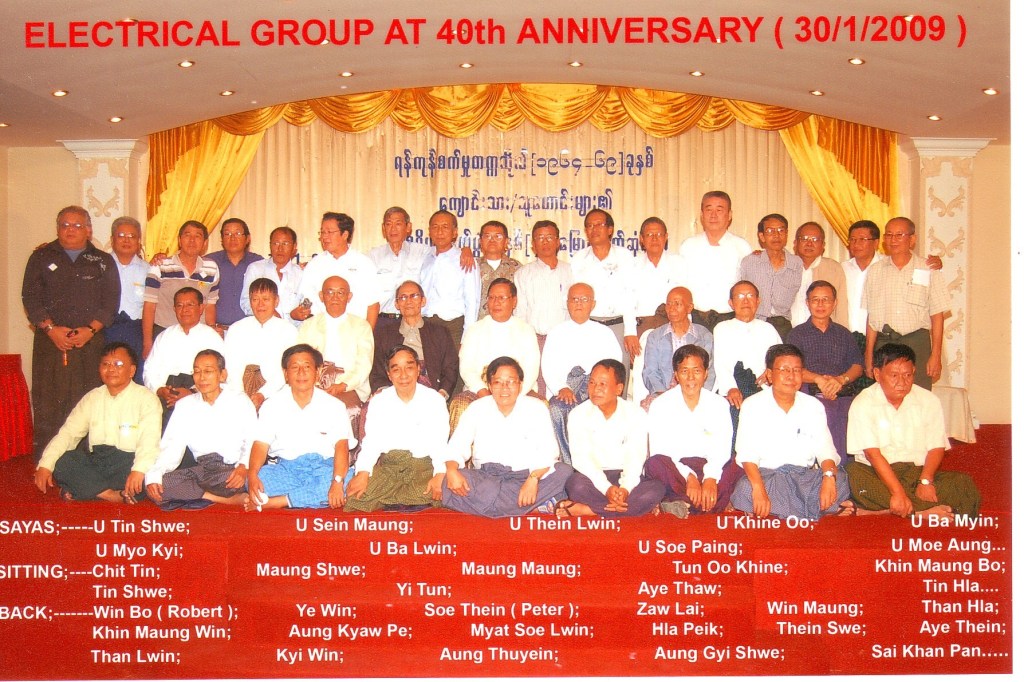
Souvenirs from SPZPSPZP-2000 OrganizersSPZP-2000 SayasSPZP-2000 EE Sayas and Alumni
PZP ပူဇော်ပွဲ
Pu Zaw Pwe is a Noble Tradition that is practiced in Burma.
Thet Kyee PZP is for paying respect to the Elders. The age requirements vary.
Saya PZP is for paying respect to the sayas and sayamas. Some use the term Acariya PZP.
Thet Kyee PZP သက်ကြီးပူဇော်ပွဲ
In some places, a Senior Day is held. Transportation, Food, Entertainment and Photo-shoot are provided for Old people of all races and creeds.
Thet Kyee PZP may be held in conjunction with a Festival, e.g Thingyan or Thadinkyut. Buddhists may also pay respect physically to the Elders.
MES organized Thet Kyee PZP for Senior Engineers and Architects.
The All-Mechanical Gathering also had a program to pay respect to Thet Kyee Mechanical Engineers.
Acariya PZP အာစရိယပူဇော်ပွဲ
Examples :
Combined 1st BE Intake of 64 and 65
M72 (and some other Disciplines)
ICST/UCSY
Saya PZP ဆရာပူဇော်ပွဲ
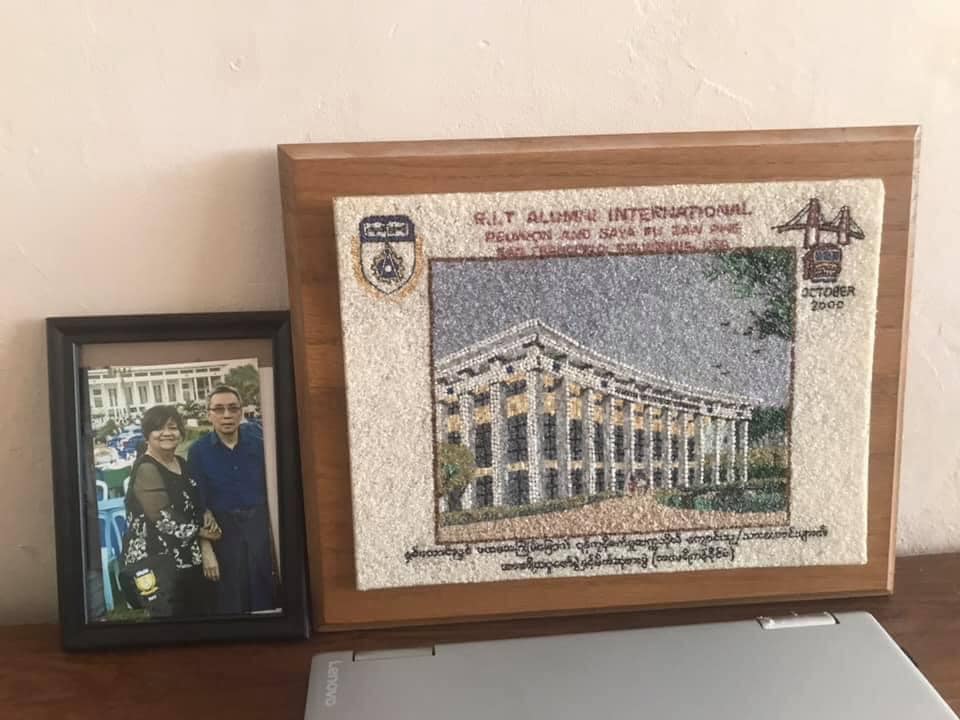
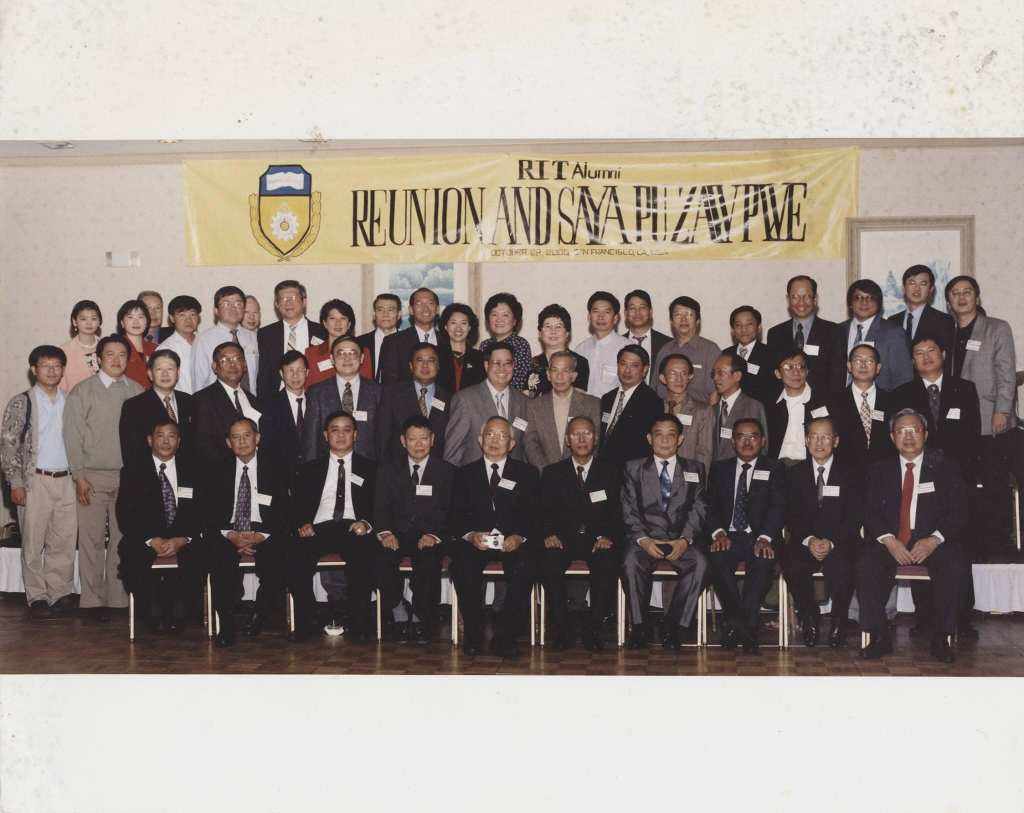
RIT Alumni International hosted the First RIT Grand Reunion and SPZP in San Francisco, California in October 2000. The term SPZP was chosen over Saya Ga Dawt Pwe so that Alumni of different Faith can pay back the Metta and Cetana of their mentors. I am honored to be a Core Organizer of SPZP-2000. I wrote the poem “SAYA PU ZAW PWE”. It was published in the RIT website and the Commemorative Issue of the RIT Alumni Newsletter for SPZP-2000.
Singapore hosted SPZP-2002, SPZP-2007 and SPZP-2010. Saya U Moe Aung (Tekkatho Moe War) and team published Commemorative Issue of Swel Daw Yeik Sar Saung for the SPZPs. My poem was reprinted on the Back Cover of SDYSS-2002. I wrote a poem “SWE DAW YEIK” for SDYSS-2007. I wrote an article “EE Sayas : A Sad and Short Clip” for SDYSS-2010.
Yangon hosted SPZP-2004, SPZP-2012 and SPZP-2016. Commemorative Issue of Swel Daw Yeik Magazine was published for SPZP-2012 and SPZP-2016. U Saw Lin (GBNF) was Chief Editor of SDYM-2012. Saya U Moe Aung was Chief Editor of SPZP-2016. Several Distinguished Authors (e.g Ma Sandar, Maung Sein Win — Padeegone, N Jar Thaing, Aw Pi Kye) also served as Editors.
Due to the pandemic, SPZP-2020 was canceled.
Some of the Organizers and Volunteers of the SPZPs are GBNF. They include Saya Allen Htay, Ko Saw Lin, Ko Aung Moung, Ko Than Sin Myint and Ko Robin.
Several Sayas are GBNF. They include U Ba Toke, H Num Kok, U Soe Khaw, U Khin Aung Kyi, U Thit, Dr. Mg Mg Win, S Arya, S Kyaw Aye, U Soe Lwin.
Sayas U Ba Than, U Aung Khin, Dr. Aung Gyi and U Min Win are 90+ years young. Many of our sayas are 80+ years young.
We hope to see SPZPs in the not so distant future (after the Calamities have ended).
When 69ers compiled the Contact List in 1999, he was inadvertently listed as GBNF. The compilers were unaware that he had been sentenced by a Kangaroo Court to 20 years.
He was released after 17 years, but he lost his family.
Did not lose heart စိတ်ဓာတ်မကျ
Active in 69er Gatherings as a photographer
Happy testing Special Effects on his camera
Photographer
Leader in Latha Township
Latha Ah Pho Gyi
Byadi & Marana ဗျာဓိ မရဏ
Covid partly caused his demise.
Condolences
Tin Aung Win wrote
We miss you, Mr. Photographer.
David Myint Thein wrote
Gone But Not Forgotten, may his soul rest in peace !
Matriculated from St. John’s Diocesan Boys High School.
Attended Rangoon University.
EC member of the Rangoon University Writers Club in 1959 – 60.
Editor of the RUESU (Rangoon University Engineering Students Union) Annual Magazine.
RU Literary Writers
Graduated with Electrical Engineering in 1963
Joined the Faculty at RIT (Rangoon Institute of Technology).
Chief Editor of RIT Annual Magazine
Chief Editor of the Hlyat Sit Sar Saung published by the RIT Electrical Engineering Association
Wrote poems and articles for various magazines & journals
Authored or co-authored five books
Worked in Singapore and chaired two Saya Pu Zaw Pwes — SPZP-2002 and SPZP-2010 — in Singapore.
He and his team published Commemorative Issues of Swel Daw Yeik Sar Saung for three Saya Pu Zaw Pwes — SPZP-2002, SPZP-2007 and SPZP-2010 — in Singapore.
After retirement, moved back to Yangon.
Helped published Commemorative Issues of Swel Daw Yeik Magazine for SPZP-2012, Shwe YaDu (in 2014) and SPZP-2016
Founding member and Patron of SDYF (Swel Daw Yeik Foundation).
Still writes poems and articles.
U Moe Aung
Literary Work
Pen name : Tekkatho Moe War
Mentor : Daung Nwe Swe
Composed hundreds of Kabyars (poems). Some (e.g. Shwe YaDu Lann) took four days of contemplation. Composed some Kabyars “Let Tann” (extemporaneously)
Published several books. Some are compilation of articles and poems.
Editor for RUESU Magazine
Chief Editor of the RIT Annual Magazines, Swel Daw Yeik Sar Saung, Swel Daw Yeik Magazine, Hlyat Sit Sar Saung
Columnist for Weekly Eleven Journal
I translated some of saya’s poems and articles:
Search for beauty posted in “Poetic Art Series”
Bagan Heritage in honor of recognition by UNESCO
Shwe YaDu Lann for the RIT Golden Jubilee
To the Shwe Duo in memory of Saya U Tin Shwe (EP66) and Saya U Hla Shwe (T69)
Kabyar Let Saung A precious gift
Computer in my heart
…
Sea of Men
Kabyar Let Saung
by Saya U Moe Aung (Tekkatho Moe War) Translated by Hla Min
String of attachment — then in its infancy grew beyond proportion — on her birthday to express my deepest feelings — while courting her I gave “Sho Whet The Pho” (Mystery/Thriller) Magazine as a birthday gift to my beloved.
We shared our metta with true devotion
I presented a golden ring to my yee-sar as a birthday gift.
Hand in hand we entered the “married” land on her birthday past the Honeymoon I presented Goya fragrance as a birthday gift
Traveling together Often facing dark nights Yonder looked thick and rough
Goal seemed distant [and not straight] [Tired and] weary [Often] look but could not see
Struggle just to keep alive Despite the challenges I feel I owe my beloved a nice birthday gift
But … Precious jewels are out of reach I can only offer a gift from my heart
Kabyar inexpensive — not meaning to underrate her love
Will she accept as a priceless treasure?
___________________________________
RUESU
Dear Ko Hla Min,
Thanks to Saya U Soe Paing for his great endeavour in visiting the UCL (Universities’ Central Library) numerous times [in January 2012] to gather and record invaluable information relating to RIT (and BOC college of Engineering as well). And thanks to you for archiving all through your emails and keeping all RITians gelled together.
Only when did Saya U Soe Paing mention Engineering Students’ Magazines, that I happen to recall one Engineering Students’ Magazine in which I was part of it. That was in Academic Year 1960-1961. I was still an Electrical Engineering Student at that time (2nd year, or, by the present calling, 4th year). At Rangoon University (Main University) they had a University Students’ Union (in Burmese, Thud Meg-ga is translated as Union), and we had correspondingly an Engineering Students’ Union as well at our Faculty of Engineering at Leik-Khone (Dome), Prome Road.
At that time I met one Ko Hla Tin (Civil) who was my senior and several years older than me, staying at Prome Hall which was adjacent to Leik Khone, only separated by a fence. He was an avid poet (pen name Kay-tu Win Tint, from Taunggoo) and I used to visit his room at Prome Hall to talk about poems and literature during lunch or break times. I also met one senior (can’t recall his name, I think Ko Sein Hlaing) who was the Secretary of the Students’ Union. After some lively discussions, we decided to issue an Engineering Students’ Union Annual Magazine and they made me the Chief Editor. The Magazine consisted of two sections, Burmese and English, of which Saya U Aung Khin (Mech) was the English Editor.
I still have the 1960-61 issue neatly tucked in a cupboard in Yangon.
Now I remember that Ko Sein Hlaing (EE?) is still in Yangon, helping to look after his grand children, but not in good health. Ko Sein Hlaing’s daughter was my daughter’s very close friend since their childhood days. We met once in Singapore about 12 years back.
Dear Ko Hla Min, this is the time to reminisce and be happy about the good old days and try to fly back with whatever time machine we could get hold of. Time really flies and we should realize that our days are numbered.
SHWE duo Blossom in unison Disappear together Free from complaint Even with thin breath Showed mark [of courage and wisdom] Never wavered … Pressed by burden At the awaited turn [of journey’s end] Body — inheritance [from previous lives] Succumbs [to failing health] Yet, “Wei-nyin” is fresh, alive and hovering.
Translated by Hla Min
___________________________________
Shwe YaDu Lann
Shwe YaDu Lann
Shwe YaDu Lann
Poem by Tekkatho Moe War Translation by Hla Min
Shwe YaDu Lann Let it be rough [but it’s tough]. Flowers are blossoming again. Fear not the summer Care not the rain [drops] or the thick fogs & darkness or if winter’s not true to its form
Shwe YaDu Lann Let it be rough. No gentle stream flowing Fear not high winds Care not dense clouds Topsy turvy [come what may] Can paddle upstream With strong mind & conviction Place where heroes [Thu Ye Kaungs] are produced.
Swel Daw Myaing Dann Shwe YaDu Lann is a start [of a journey] To raise the Banner loftily to the skies, to the Zenith displaying our thitsar (vow of truth and integrity)
HLA MIN (Editor, Newsletter Updates, USA)
___________________________________
The (Hidden) Power of Kabyar
Kabyar is animate But [it’s life is] not just a [fleeting] morn
Kabyar is a weapon But not for destroying the world
Kabyar is key For liberation and independence But not devoid of principles [and morals]
Kabyar has power Hidden but efficient & effective Like sharp-pointed spear-head Can thrust into [the heart of] a power-maniac Cause trembling, shivering, throbbing & anguished pain
Poem in Burmese by Tekkatho Moe War (Saya U Moe Aung) Translated by Hla Min
Has the largest number of alumni. Many worked in Myanmar. Some worked overseas, but returned to Myanmar after retirement.
During the Adhamma Era, there was no Alumni Association in Myanmar. The Alumni in the US & Singapore set up Alumni Associations and hosted Reunion and Saya Pu Zaw Pwes in 2000 (USA) & 2002 (Singapore).
Yangon hosted SPZP-2004 in December 2004 as a piggy-back to the ASEAN Engineering Conference. The mild earth quake did not deter the attendees.
There were hopes that Yangon could continue to hold SPZP in 2006 and beyond. The change in the political climate in Myanmar dashed the hopes. Singapore Alumni hosted SPZPs in April 2007 & December 2010. The two year interval between the SPZPs went up to two and a half years.
U Aye Myint (EP72) never forgot his roots and his alma mater. Requested help from the sayas and alumni to help our beloved alma mater to former glory. Initiated the process to have engineering classes reopen at the Gyogone Campus and also to make a true Home Coming for the attendees of SPZP-2012. There were tears of joy from the alumni. The Garawa ceremony was held at the Gyogone Campus. The Reunion Dinner and Entertainment Program was held at MICT Park.
SPZP-2012
Around SPZP-2012, Sayagyi U Aung Khin and Sayagyi U Ba Than served as Patrons of the newly formed Mechanical Engineers Association.
All Mech Gathering
Saya U Moe Aung (Tekkatho Moe War) and team had discussions before, during and after SPZP-2012 to form Swel Daw Yeik Foundation with the objective of helping eligible sayas. SDYF was established in 2013.
SDYF
Shwe YaDu celebrations were held in 2014 with the planting of 50 Swel Daw Bins. Shwe YaDu benches were donated by alumni in Myanmar and overseas.
Shwe YaDu
RITAA helped host SPZP-2016. It was an All-Day Event at the Gyogone Campus. There was free food (for Breakfast, Lunch & Dinner) and entertainment.
SPZP-2016
In early 2016, the bye-laws of RITAA (RIT-YIT-YTU Alumni Association) were developed and approved by core volunteers. The Association was registered. A Working Committee with U Tin Latt as President was formed to help short term projects. Annual Membership costs K12000. Life Membership costs K60000.
Fund raising was led by U Wynn Htain Oo and Daw Nan Khin Nwe.
RITAA
In 2018, the first Annual General Meeting of RITAA elected Executive Committee members for the 2018 – 2020 term with U Myo Aye as President. He succeeded U Tin Latt, who served as Interim President before the AGM was called.
RITAA is a true Alumni Association. Although sayas and alums served as President and Executive Committee members in Myanmar Engineering Society (MES), MES is not an Alumni Association. MES is not even an NGO. It is simply an NPO.
Singapore
Has the largest alums outside of Myanmar. The RIT Alumni in Singapore helped organize three SPZPs in December 2002, April 2007, and December 2010.
SPZP-2002
Saya U Moe Aung (Tekkatho Moe War, EE63) chaired SPZP-2002 and SPZP-2010. He and his team published the commemorative issues of “Swel Daw Yeik Sar Saung” for SPZP-2002, SPZP-2007, and SPZP-2010. After retirement, Saya moved back to Myanmar. He is Patron of SDYF & RITAA.
U Nyan Win Shwe (William, M72) chaired SPZP-2007.
Organizers for the SPZPs include Saya Dr. Tin Hlaing (M63), Saya U Tin Hlaing (ChE65, GBNF), U Tint Lwin (Daniel, M69), Sayama Daw Tin Tin Myint (ChE70), Saya U Aung (C70), Saya U Tin Lin (ChE72), Saya Dr. Soe Thein (C75), U Moe Myint (M76), and Ko Maung Aunt (M).
The Singapore Alumni lent helping hand for the SPZPs in Yangon. Ko Zaw Tun Naing (Aero95) was the point of contact in Singapore for SPZP-2012.
There used to be Civil and Electrical Engineering web sites for the Singapore RIT Alumni.
Dr. Soe Thein volunteered as Web Master for the SPZP-2007 web site and the Singapore Civil web site. He moved back to Myanmar.
Thailand
There is no Alumni Association in Thailand.
Several sayas including U Ba Toke and U Khin Aung Kyi taught in Thailand. Dr. Win Tin served as Associate Dean at Assumption University. U Sein Maung (EE63), U Tin Shwe (EP66, GBNF) and many others taught at Assumption University & Rengsit University.
Some alumni such as U Win Hlaing (C68) also taught in Thailand.
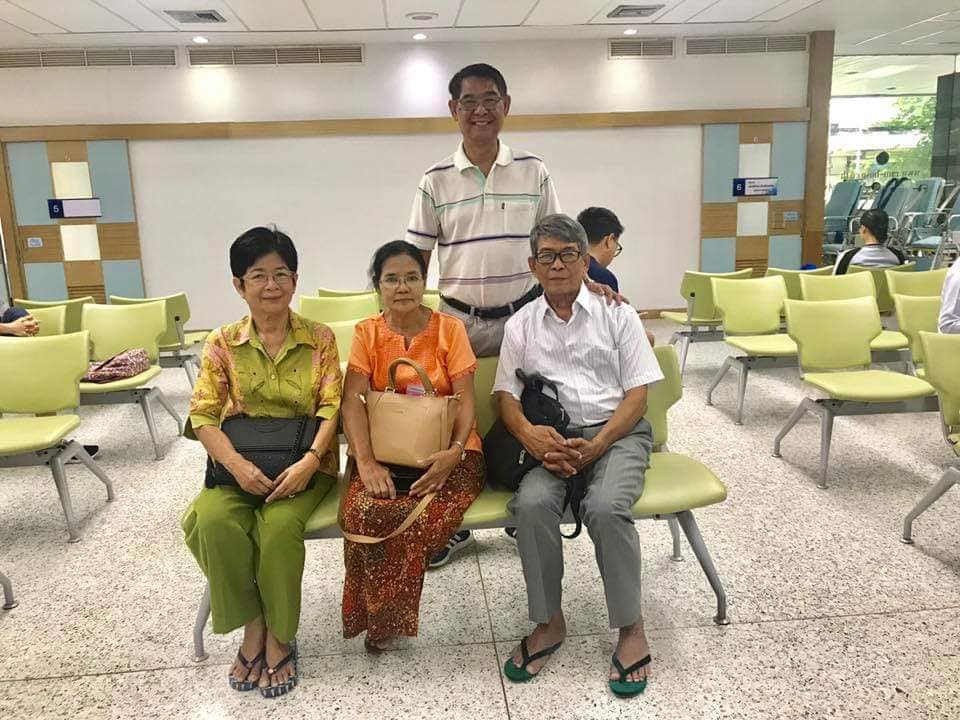
Saya U Aung Myaing (ChE72) & Daw Gyn Yu (ChE72) hosted micro-gatherings for the sayas and alumni visiting Bangkok especially for medical check up and treatment.
Ko Aung Myaing, Ma Gyn Yu, Bagyee Myat Myo Myint
Australia
There is no formal RIT Alumni Association in Australia.
The alumni participate in Myanmar Engineering Association of Australia (MEAA). U Thet Tun (M75) and U Sein Win (C80) are Past Presidents of MEAA.
Sydney 2006
The alumni in Sydney used to have a picnic and a dinner every year.
Sayas in Australia
U Thit (Met, GBNF)
U Myo Win (M, GBNF)
U Hla Myint (Charlie, M)
U Maung Maung Win (M)
Daw Yin Yin Mya (English)
Alumni in Australia
Win Boh (Robert, EC69)
Surinder Singh (EP)
Htay Aung (Victor, EC80)
Sein Tin (Johnny, EC75)
Sai Aung Thurein (EC74, GBNF) and Khin Swe Oo (EP74)
Phyu Phyu Latt (Christine, A70) and Aye Win Hlaing (La La, Abel, EP)
Sein Win (C80) and spouse
Thet Tun (Henry, M75)
Htun Aung Kyaw (EC73)
Tha Hlaing (EC83)
George Peters (C73)
Tin Aung Win & Dorothy Kyaw Tun
Wint Khin Zaw (A79)
New Zealand
Saya Dr. Koung Nyunt (A67, GBNF), Stanley Saw (Myo Lwin, M71), & Dennis Mackey (Kyaw Thu, C73, now in Canada) used to report RIT Alumni Activities in New Zealand.
Kogyi Koung
Saya U Aung Myint (M69) lives in Singapore & New Zealand.
Patrick Saw & his spouse are alumni.
Japan
Taing Oke
U Thein Ngwe (Ko Thein Tokyo, ChE76) founded RITAJ (RIT Alumni in Japan). He was helped by U Win Myint (EC83) for some time. He mentioned that there are younger alumni in Japan, but they are not active in RITAJ.
Saya Dr. Taing Oke (ChE69) is still teaching in Japan.
After retirement, Saya Dr. Myo Khin (C70) consulted three Japanese companies. He traveled several times to Myanmar on business trip. He helped find jobs for young engineers. He is undergoing rehab to treat Stroke. Spouse : Daw Winsome (Mya Nwe, C73)
U Win Myint (EC83)
Myo KhinWinsome & Myo Khin
Canada
U Tha Aung & Daw Kinsa Maw Naing organized alumni gatherings in Canada. They later worked on projects in Myanmar.
Sayas in Canada
Dr. Aung Gyi (Rector)
Dr. Aung Gyi
U Aung Khin (M)
U Aung Khin
U Kyaw Myint (T)
Des Rodgers (English)
U Ko Ko Kyi (EC72)
Alumni in Canada
U Kyaw Thu (Dennis Mackey, C73)
U Htay Aung (C69)
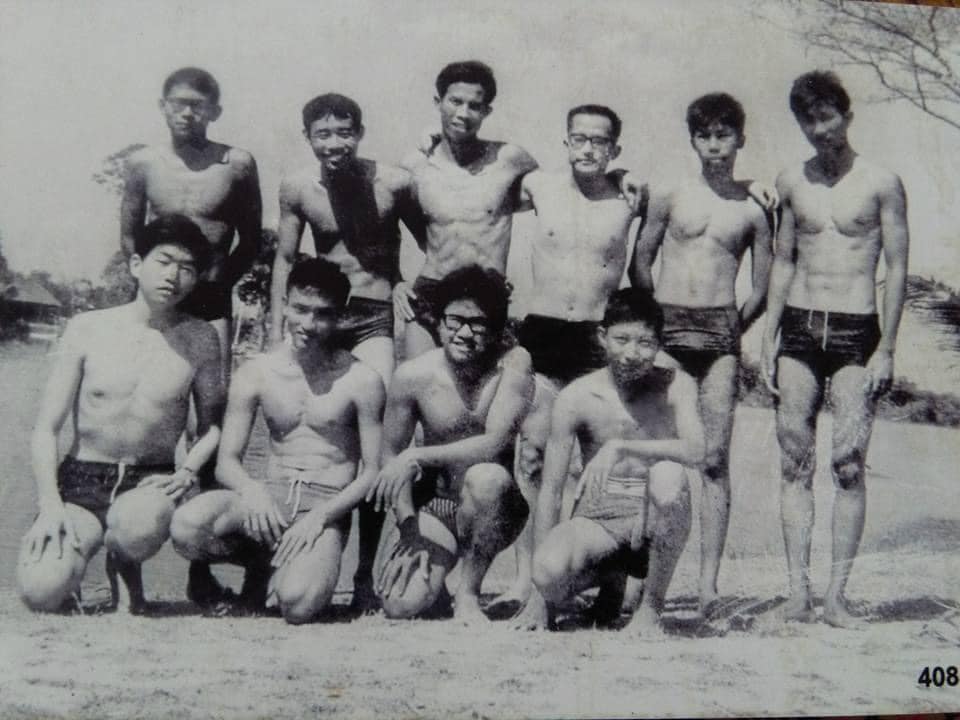
U Htein Win (Chauk Pay, M70, RIT swimming, water polo & rowing)
U Aung Lwin (Jasper Wu, C70, RIT rowing)
U Aung Myint Thwin (C76, GBNF)
U Tha Aung (M79)
Daw Kinsa Maw-Naing (ChE79)
U Zaw Oo (M)
UK
U Nyi Nyi (EE63, Saya, GBNF)
U Myint Khine (Norman, C63)
Daw Tin Tin Win (Yvonne)
Daw Khin May Than (ChE72)
Khin May Than
Dr. Aung Shein (C72, Saya)
U Nyunt Aung (C73)
Daw Sandar Bo (C73)
Daw Aye Aye Than (Pauk Pauk)
Daw Saw Yu Tint (Alice) often visits UK to see her daughter and grandchild.
Taiwan
Saya U Khin (Lucien Chen, RIT English)
Saya Dr. Nyo Win (K H Chen, M65) worked in the USA and Taiwan. He travels regularly to Taiwan.
Two siblings of Roland Chen (U Kyi Aung, ChE73, USA) are in Taiwan. The three siblings donated Shwe YaDu benches.
Benedict Sia (U Myat Swe, M75) — Donated K2 Lakhs for YTU Library Modernization project. Life member of ARITA.
Benedict
USA
RIT Alumni International
SF Bay Area Alumni
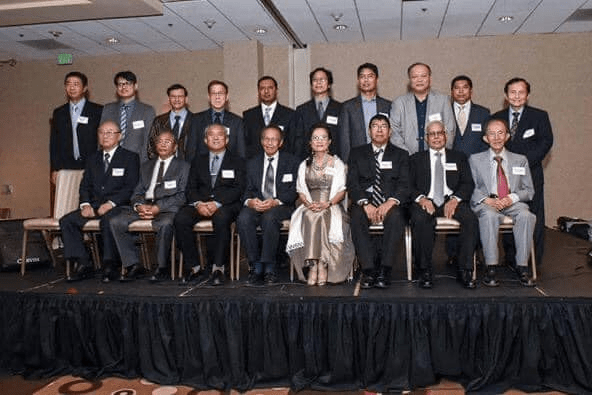
Alumni in the USA formed “RIT Alumni International” with the main objective of hosting SPZP-2000.
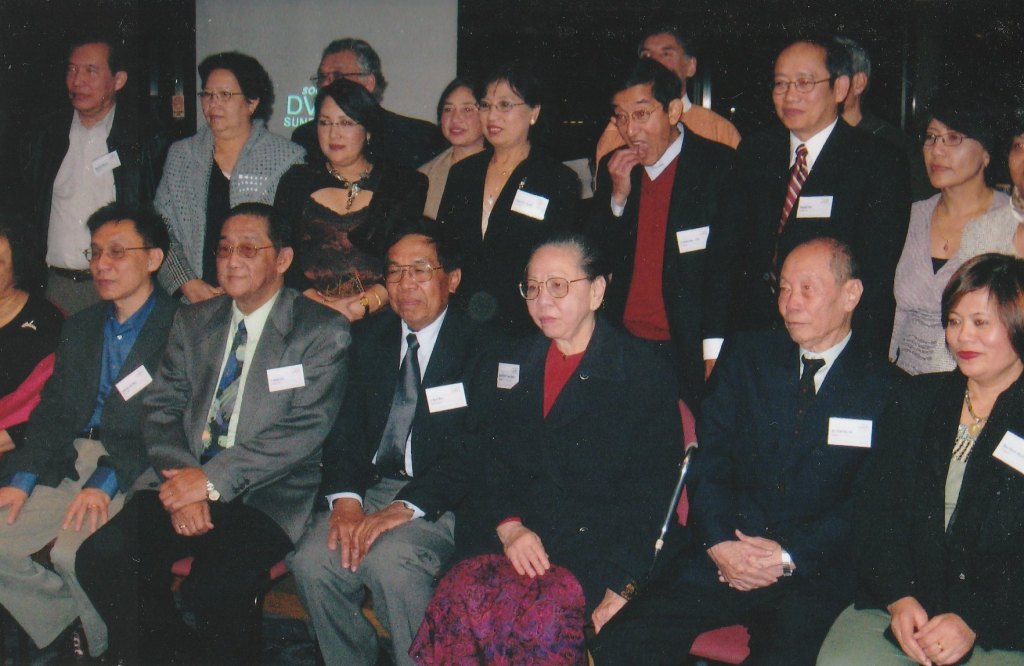
SPZP-2000
Founder/members include
Saya Allen Htay (C58, GBNF)
Saya U San Tun (M59)
Saya K C Chiu (ChE63)
U Myint Lwin (Henry, C63, GBNF)
Saya U Nyo Win (M65)
Saya U Maung Maung (George, ChE66)
Saya U Myat Htoo (C68)
U Hla Min (EC69)
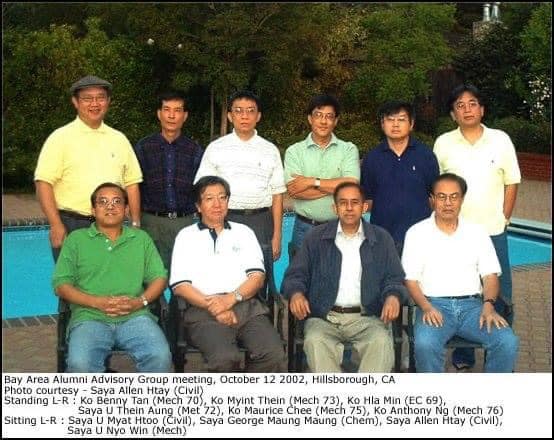
Benny Tan (M70)
Saya U Thein Aung (James, Met 72)
Maurice Chee (M75)
U Khin Maung Zaw (KMZ, EC76)
Gordon Kaung (M83)
But, it was dormant for some time.
NorCal RITAA
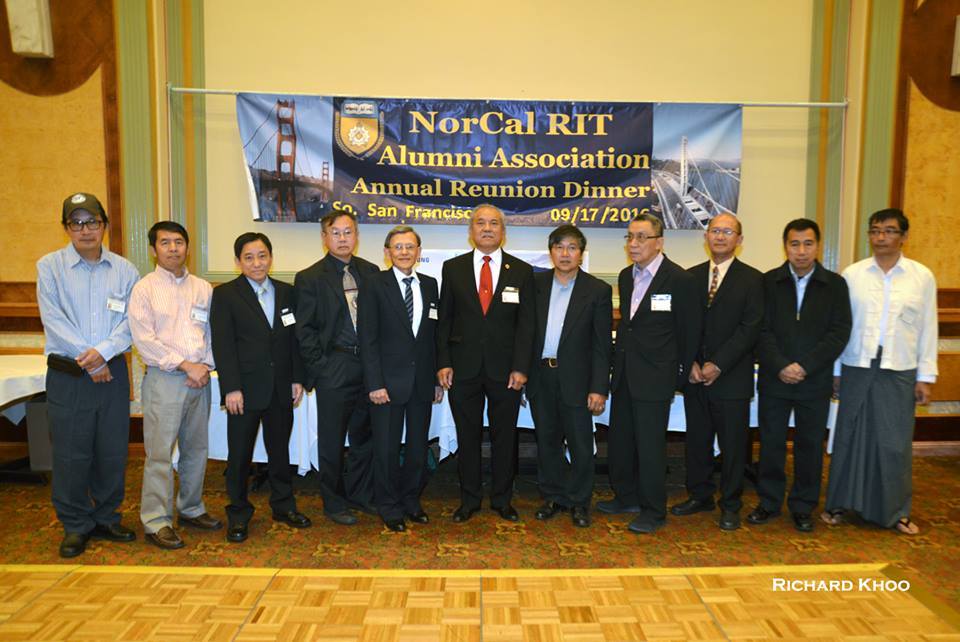
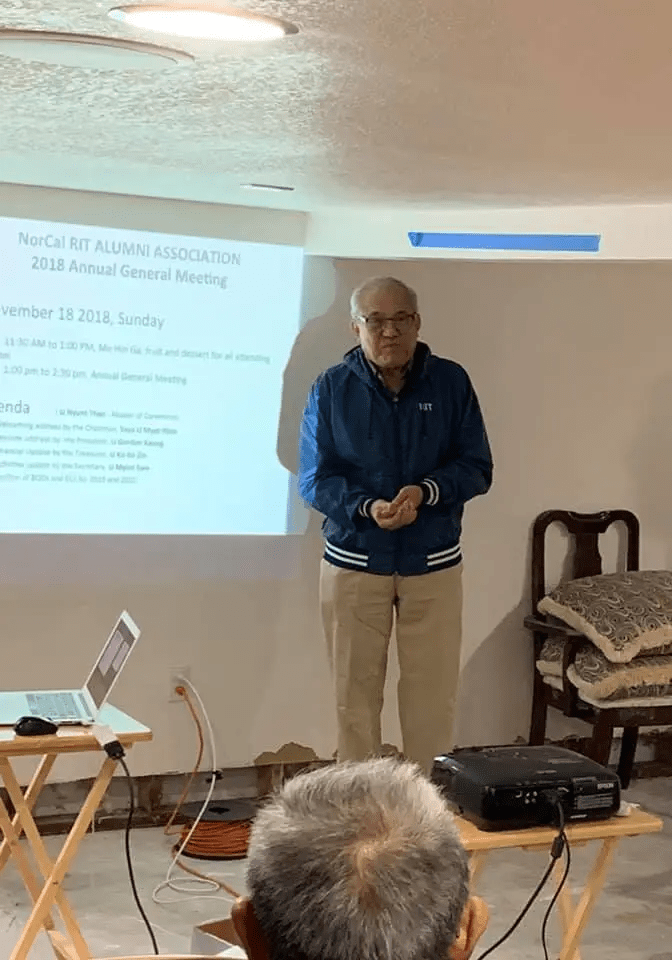
Northern California RIT Alumni Association was formed over a decade ago
Saya U Maung Maung (George, ChE66) served as President. Successors : Gordon Kaung (M83), U Aung Myint Oo (EC84) and U Tin Maung Win (C76).
Stan Liou(M67)served as Chair of the Board of Directors (BOD). Succesor : Saya U Myat Htoo.
Alumniin Northern California
Some may have relocated.
There are varying degrees of activity.
Some were active as members of EC (Executive Committee) and BOD (Board of Directors), but then they decided to take a break.
Some donated money, but due to schedule conflicts, they might not make it to the AGM (Annual General Meeting), Dinner, Picnic and ah hoc gatherings (e.g. welcoming visiting sayas and alumni).
Some might have dropped in once or twice out of curiosity or because of “Ah Nar Dei” attitude.
Alex Khoo (Aung Kyaw, C80) : Younger brother of Henry Khoo (EC67). Attends most gatherings and also provide food dana.
Alfred Yaung (Sein Yaung, M67) : Attends some gatherings. Make donations to NorCal RITAA. He felt sad when his beloved spouse Daw Pa Pa — sister of U Nyunt Tin (M70) — passed away. U Nyunt Tin introduced him to a Dhamma friend. They ended up being soul mates & partners in Vipassana Meditation.
Aik Kyu (Steven Wang) : Attended some gatherings, but does have time to commit to be an EC or BOD. Invited NorCal RITAA members to meet his mother, who was visiting her children. He & his siblings donated a Dhamma Room at Mudita Shwe Kyaung in memory of their parents.
* Saya Allen Htay (C58, GBNF) is a founding member & President of RIT Alumni International. I have written several posts about his life & legacy. His article, “Brother, can you spare US $500?” is a classic for SPZP-2000. In Saya’s memory, Daw Mu Mu Kin donated Saya’s books to YTU Library. She also provided Scholarships for eligible YTU students.
Saya Allen Htay (GBNF)
Anthony Ng (Aye Tun, M76) : Top fund raiser for several social & religious organizations in the SF Bay Area. Jokingly said that he had to buy a lot of raffle & dinner tickets from other organizations. Took part in the monthly luncheon for the Retirees in the Bay Area.
Audrey Wong (Yi Yi Khaing, C84) : Volunteered her culinary expertise for the Picnic (second day optional event) at SPZP-2000. Donated $300 per year to NorCal RITAA for the past two years. Organizer for the retreats at Norfolk, California
Aung Htet Naing (Aaron) : Inactive
Aung Kyin : Inactive.
Aung Myint Oo (EC84) : President of NorCal RITAA.
Aung Zaw Maung (Pet78) : was EC & BOD of Theravada Buddhist Society of America (TBSA). Was Editor of Dhammananda Newsletter and Web Master of TBSA web site.
Aye Aye Myint : cousin of Audrey. Attends some gatherings. Her daughter won scholarship provided by NorCal RITAA.
* Benny Tan (Yu Beng, M70) : Founding member of RIT Alumni International. Hosted several meetings at his house. Chaired Working Committee of SPZP-2000. Designed Banner. Negotiated with Embassy Suites for the gathering and his suppliers for the mementos (Mug, Calendar/Clock, Tee shirt). Multiple Golden Sponsor for the SPZPs. Major donor for the activities of the Combined 1st BE Intake of 64 and 65. Past President of BAPS. Now taking a break to have quality time with his six grand children. Took part in the monthly luncheon for the Retirees in the Bay Area.
Benny (Right)
Bony (C02) : Joint Secretary, NorCal RITAA
Charlie Tseng (EC70) & spouse Diana Tseng (ChE71) : Attended gatherings. Took part in the monthly luncheon for the Retirees in the Bay Area.
Darren Lee (M62, GBNF) : passed away on December 21, 2108. Attended 2018 Summer Picnic hosted by NorCal RITAA.
David Ko (Tin Myint, M67, GBNF) : was Golden Sponsor for SPZP-2000. Donated $3000 for SPZP-2012. Hosted a table at 2015 NorCal RITAA Dinner to invite sayas & guests from Southern California. Donated to selected monasteries in the SF Bay Area. Employed several Burmese for his company (which he has sold).
Dennis Chee (Thein Tun Aung, EP75) : EC member of NorCal RITAA. Visited Yangon and gave talks on “Traffic Signals and Control”.
Dennis S. Lin (San Naing, M83) : Some gatherings were held at “Burma Kitchen” run by Dennis and his spouse.
Diana Tseng (ChE71) :,She and Charlie ordered two Birthday Cakes for me at the Soon Kway Gathering at Dhammananda Vihara (Half Moon Bay, California) in August 2016 hosted by Maurice Chee.
Edward Saw (Yu Ket, EC85) : Treasurer / Auditor of NorCal RITAA. Runs the MailChimp to inform alumni in the SF Bay Area. Gave me rides (e.g to Southern California to attend the BASES Dinner, a Kathein and a Literary Talk).
George Chan (Maung Maung, ChE66)
* George Chan (Maung Maung, ChE66) : Founding member of RIT Alumni International. Founder & Past President of NorCal RITAA. Provided $500 as seed money for the “Training Component” of the YTU Library Modernization Project. He is classmate & brother-in-law of Saya U Myat Thwin.
Gordon Kaung (M83)
* Gordon Kaung (Kaung Kaung Oo, M83) : Youngest founding members of RIT Alumni International. Founded Mechanical Solutions. He & spouse Lillian (EC83) founded iNapa Winery. Hosted several gatherings at their winery. Provided tour to visiting sayas (including Sayagyi Dr. Aung Gyi, U Tin Myint, U Win Kyaw, U Nyunt Htay). Completed two terms as President of NorCal RITAA, but stayed on as BOD. During the Napa wild fires in 2017, they had to move out for three weeks. Luckily, there was no damage. They had another scare in 2019. There were some damages.
Han Win Chou : Inactive
Hein Hein : Inactive
Henry Chee (Myint Lwin, C63, GBNF) : good vocalist. Had to take care of his spouse and son who had medical problems.
Hin Lok Kung (Win Myint, RIT Table Tennis) and his team mates “Sin Gyi”, Stan Liou & Myat Lwin won the Inter-Institute Championship. Their coach was Saya Mao Toon Siong, former National Champion for Singles and Doubles.
Hla Kyi (C) : founding member of a non-profit to provide health care in Myanmar.
Hla Kyi (EC77) : EC member for NorCal RITAA. Volunteered to distribute fruits from his neighbors.
Hla Min
* Hla Min (EC69) : Jack of all trades and Master of some. Founding member of RIT Alumni International & NorCal RITAA. Chief Editor of RIT Alumni International Newsletter for 26 years. Has a website hlamin.com
Hla Tin : He & his spouse were active in the first term of NorCal RITAA.
*!James Wu (Thein Aung, Met72, Mr. RIT68) : co-emcee of SPZP-2000. Associate Editor for the commemorative issue of “RIT Alumni International Newsletter” for SPZP-2000.
Joe Chow (Thein Zaw, Ah Yoke, EC68, GBNF) : Good vocalist & dancer. Spouse is a niece of U San Tun. He is a cousin of U Num Kok’s spouse.
John T Lee (Tin Myint, M69, RIT Table Tennis, GBNF) : His friends call him “Tan Choy”. Luyechun in 4th BE.
John Yeo (Aung Thein, M71, GBNF) : attended the lunch gathering for Retirees. Cancer survivor.
* K C Chiu (Dr. Tin Aung, ChE63, moved to Southern California) : Past President of BEA, which merged with BASTS into BAPS.
Kenneth Kay : Took videos of some Gatherings
Khin Hnin Yee : attended some gatherings, but was not active in the Alumni organizations.
Khong Him Chan (Win Maung, T70) : attended some gatherings, but was not active in the Alumni organizations.
* Kim Hong Chen (Dr. Nyo Win, M65) : founding member of RIT Alumni International & NorCal RITAA. Organizer for SPZP-2000. BOD of NorCal RITAA
Ko Ko Zin (M84) : founding member of NorCal RITAA. Treasurer of NorCal RITAA for two terms. Now Auditor. Spouse : Thida Kaung (sister of Gordon)
Kyaw Myint (M83) : founding member of NorCal RITAA. He was Auditor of NorCal RITAA.
Kyaw Paw Oo : Younger brother of U Kyaw Teza (Terrence). He is inactive.
Kyaw Than (Maung Maung, EC85) : Inactive
Kyaw Win : Inactive
Kyi Kong Tham (U Kyi, C63) : attended some gatherings.
Kyi Shane (M83) : volunteered for selected monasteries in the Bay Area. Attended & helped most Nar Yay.
Kyu Kyu Lin (T75, Bawlone, Volleyball) : donated to NorCal RITAA.
Leigh K Lin (Wah Wah, EC83) : spouse of Dennis. They own “Burma Kitchen”.
Lilian Kaung (EC83) : spouse of Gordon. They own iNapa Winery. She is also an IT Professional.
Linda Shieh (Yee Yee) : an agent for an Insurance & Financial Company. She donated to NorCal RITAA.
Mabel Lee (Lyo Kyin Sein, T69, Basketball) : spouse of John T Lee (GBNF). They attended some gatherings.
Mao Toon Siong (M62, Burma Table Tennis Champion and Coach) : competed in the World Championship for Table Tennis in Peking.
* Maurice Chee (Hla Myint Thein, M75) : founding member of RIT Alumni International & NorCal RITAA. Co-chair of the Working Committee for SPZP-2000. Financial Controller, Logistics Manager & Publisher of the commemorative issue of RIT Alumni International Newsletter for SPZP-2000. Past President of BAPS. Treasurer of RIT Alumni International. Past Vice President of NorCal RITAA. Organizer of monthly lunch gathering for Retirees in the Bay Area. He occasionally provided Dan Bauk (Chicken or Beef) to the Retirees.
Maung Maung Shwe : Inactive
Maung Yit (Maung Maung Win, Moe Ma Ka, EC93) : helped with the FB and web site.
May Than Htay (ChE92) : spouse of Maung Yit. They donated $1500 for the YTU Scholarship offered by NorCal RITAA.
Moon Lee : Inactive
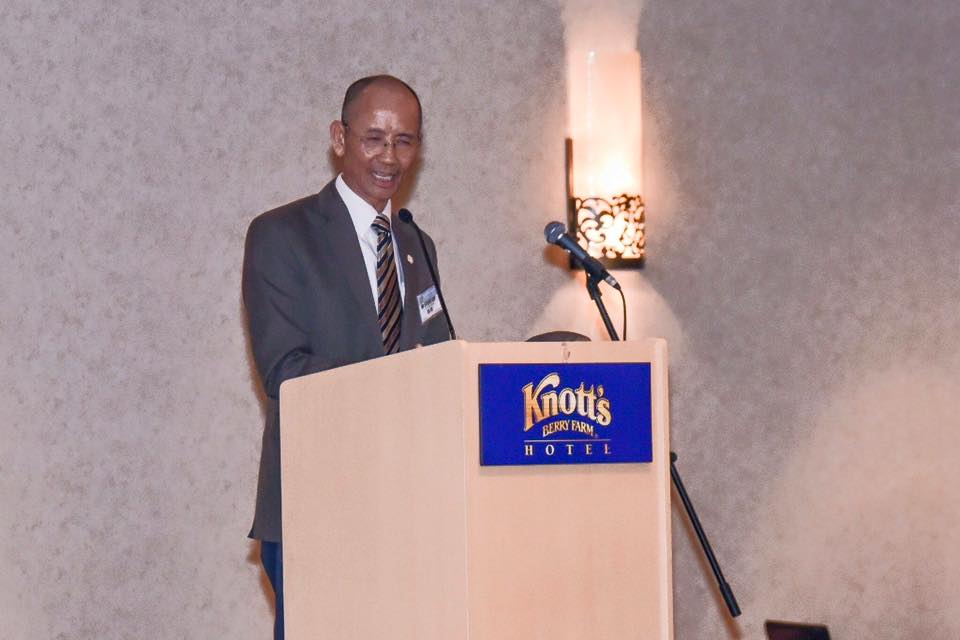
* Myat Htoo (C68) : founding member of RIT Alumni International & NorCal RITAA. Co-emcee for SPZP-2000. Chair of BOD at NorCal RITAA. Past President of TBSA, where he served for a decade. Past President of BADA. Played ukelele and sang his parody “Lost Neik Ban (RIT version)”.
Myint Myint Thein (C74) : volunteered at several monasteries in the Bay Area and beyond. Leader of the Chanting Group. Donated to her class.
Myint Myint Yee (ChE73) : volunteered at several monasteries in the Bay Area. Spouse : U Tun Shwe. They donate food at selected events. They moved to Virginia.
Myint Soe (M79) : attended gatherings; donated to NorCal RITAA.
Myint Swe (EP74) : Secretary of NorCal RITAA for two terms. Current Vice President. He and spouse San San donated to the YTU Scholarship Fund of NorCal RITAA.
Myint Thein (Ba Thein Atlanta, M73) : His writings are fun to read.
Myint Wai (Met74) : was active in American Burmese Cab Drivers Association. Has relocated.
Ni Ni Sein (EC83) : donated $1000 for the Scholarship Fund.
Nilar Myint : Inactive
Nyunt Than (M86) : founding member of NorCal RITAA. Past Associate Secretary. Past President of BADA.
Patrick Chin (Patrick Fong, C70) : attended some gatherings (e.g. welcoming Sayagyi Dr. Aung Gyi). Younger brother of Henry (U Nyan Shein), who was a Patron for TDS.
Patrick Ho (EE72) : brother of Diana.
Philip Thwin (Mya Thwin, EP75) : attended some gatherings.
Pyone Wynn : Inactive
Raymond Shia : Inactive
Robert Thein (M72) : Past President of Kusalakari Association. Visited YTU and donated some equipment.
Roland Chen (Kyi Aung, ChE73) : Provided class photos to the RIT web site. Donated to NorCal RITAA
Ronald K Lwee (Lin Kyi, C74) : Inactive
Saya U San Tun
Sain Fone Wong (San Tun, M59) : Head of Automobile Engineering (sub-department of Mechanical). Worked for Bectel Corporation until he retired. Past President of BEA. Close to Saya U Aung Khin. They traveled to China at the time when Saya U Kyaw Myint was working for UN.
San Lin (Maung Lu Pay, M87) : founding member of NorCal RITAA. Auditor. Blogger.
San San Swe (EC74) : founding member of NorCal RITAA. Displays her culinary expertise at the gatherings (especially Face-to-face meetings at their home).
Sandy Ma (C80) : Inactive
Shark Moon Lam (C67, GBNF) : attended some gatherings. He rowed for RIT.
Shin Hwa Ho (Hla Kyaing, M69, RIT Swimming & Water Polo). Met him at the welcome lunch for Dicky Tan (Win Naing, GBNF)
Stan Liou (M67, RIT Table Tennis) : founding member of NorCal RITAA. Past Chair of BOD. Active with his other Alumni Association. He, Ko Win Myint, “Sin Gyi” and Myat Lwin (GBNF) won the Inter-Institute Championship. Saya Mao Toon Siong, Burma Selected & National Coach, managed the RIT team.
Susan Tan Luo : Inactive
Win Myint, Stan & Hla Min
Than Shwe : Inactive
Than Soe (M63) : RUBC Gold; Elder brother of Saya Dr. Koung Nyunt (A67, GBNF)
Thein Shwe : Inactive
Thanda Aye : helped the Fund raising team. Now busy with work and child.
Thaung Nyunt (M86) : founding member of NorCal RITAA. Past Secretary & VP.
Thin Thin Naing : Inactive
Tin Kyaw : attended some gatherings.
U Tin Maung Nyunt
Tin Maung Nyunt (M60) : donated $500 for “Training Component” of the YTU Library Modernization Project.
Tin Shwe (C) : Inactive
Tint Lwin Oo : Inactive
Trixie Tan : Met her at the Soon Kyway by Ko Aung Myaing & Ma Gyn Yu
Tun Shwe (ChE72) : Volunteer for selected monasteries in the Bay Area. He & spouse Myint Myint Yee were food donors. Excellent videographer. Moved to Virginia.
Tun Shwe (Standing Rightmost)
Victor Win (Ne Win Myint, ChE66, GBNF) : Past President of BADA. Member of Complete Count Committee at 2010 US Census.
Victor (C), George (R)
Walter Tan (M70) : founding member of NorCal RITAA. Past BOD.
Walter Thein-yu Tham : Inactive
William Hsiao : Inactive
Willy Chow (Wai Lin) : Inactive
Win Htut : I met him last at the SF Bay Area Talk. Took picture together with Aw Pi Kye.
Yo Shu (Yee Yee Win, EC74) : classmate of Myint Swe & San San Swe. Attended some gatherings & made donations.
Zaw Lwin (Andrew, M87) : EC member in TDS. Classmate of Eng Shwe & San Lin. They have gatherings to welcome their classmates visiting the SF Bay Area.
Zaw Min (EP70, moved to Nevada) : Wrote a long article covering 1st BE to Final Year. The missing pieces were filled by Ohn Khine.
BAPS, BASES, East Coast Gathering, NJ Reunions
Some alumni participate in BAPS (in Northern California) and BASES (in Southern California).
Saya Dr. Nyo Win, Benny Tan and Maurice Chee are Past Presidents of BAPS.
Saya U Tin Htut and U Tin Htway are co-founders & Past Presidents of BASES. U Tun Aung (Jeffrey), Saya Dr. Chris Lee (L. Tin Tun), Saya Dr. Tin Win, U Khin Maung Lay (Henry) U Thura Thant Zin and U Tin Nwe (Milton) are Past Presidents.
Los Angeles hosted the 2015 Alumni Gathering. Steeve Kay (EC70, Chair of KFF) was the matching sponsor for US $30,000. Saya Dr. Tin Win, Saya U Tin Htut, U Khin Maung Lay and U Thura Thant Zin were core Organizers. U Htaik San (Henry) helped with interviews.
Two mini-gatherings (one in DC area, and another near Niagara Falls) were held for the RIT Alums in East Coast.
Ivan Lee (Khin Maung Oo) has hosted RIT-UCC gatherings for several years. The last gathering was on June 30, 2018. Ivan co-founded MASTAA,
Other Countries
Some alumni are known to have worked or resided in other countries :
Botswana : Aung Khin (A69) & Tin Tin Hla (A70) worked there. They moved to Seattle.
Brunei : Ye Lin Oo
Cambodia : Chit Po Po’s spouse (Dr. Daisy Saw) worked there
China : Saya U Kyaw Myint (M/Auto)
Germany : Nyunt Nyunt Wai, Phyo
Iran : Oscar Sharazee & Aye Win Hlaing worked there
Jamaica
Kuwait : Saya U Soe Paing was UN Advisor
Malaysia : Dr. Kyaw Sein, Dr. Khin Maung Win, U Ko Ko Kyi
Qatar : Tin Maung Lay
Russia : Phyo, Tin Maung Lay
Saudi Arabia : Khin Maung (Hasan)
Updates
Sayagyis
U Aung Khin, Dr. Aung Gyi, U Myo Myint Sein are some Sayagyis who are 90+ years young.
GBNF
Several sayas and alumni are GBNF.
Ko Aung Min (M69) & team maintain the GBNF list for 69ers
Ko Ohn Khine (M70) & team maintain the GBNF list for 1st BE Intake of 64
Occasionally receive Sad News / Obituary.
Due to Privacy concerns, we may not receive Sad News in a timely fashion. In some cases, we receive Confirmation after a few months.
Residency
Some sayas and alumni may have relocated (especially after retirement).
Saya U Soe Khaw (Min) and Saya U Tin Maung Nyunt (Mech) at TMC, San Jose, California
BS from University of California Berkeley
MS from Minnesota School of Mining
Upon his return from USA, he was assigned to the Department of Mining Engineering at BOC College to teach part-time and to act as Head of the Department.
He was succeeded by Saya U Soon Sein as full-time saya and Head.
U Soe Khaw worked at the Ministry of Mines.
After retirement, he worked for UN assignments overseas.
He then migrated to the USA.
He was a Patron of selected monasteries in the San Francisco Bay Area.
He was healthy even in his early 90s.
When his spouse passed away, he offered Soon at TMC. The group photo shows Dhamma friends.
Soon Kyway for Mrs. Soe Khaw
Last Journey
Saya U Tin Maung Nyunt (M60) wrote :
U Soe Khaw, (RIT Part-time Lecturer – Mining), passed away peacefully on February 14, 2018 at 4:45 pm per Michael Khaw, his son.
Ph 408-737-0238. 1082 Noriega Ave, Sunnyvale, Ca 94086
Memorial Service
Date : February 24, 2018 (Sunday) Time : 10:30 AM Place : Tathagata Meditation Center (TMC) 1215 Lucretia Avenue San Jose, CA 95122 Contact : 1 (408) 977 0300 or 1(408) 294 4536
Soon offering : 11:15 AM Lunch for guests : 11:30 AM Dhamma talk : 12:30 PM
Worked for Joint Venture Corporation (JVC) formed by relatives
Found an advertisement in a newspaper to apply for a Government Scholarship.
Selected to study Agricultural Engineering in USA
Received Masters from Virginia Tech
Came back to Burma on an Ocean Liner with Saya Allen Htay (GBNF), Saya U Soe Paing, Saya U Ko Ko Lay (GBNF) & U Than Pe. They became close friends on the two-month long journey.
M/Agri Saya at RIT
Upon his return, he was assigned to Agricultural Institute in Yezin. Before reporting for duty, he visited RIT.
Sayagyi U Ba Than asked if he would like to join Agri Sub-Department of Mechanical Engineering. Sayagyi said that some students were not at ease following lectures given by visiting Soviet lecturers via interpreters.
President, RIT Thaing
Played Defender on RIT Saya Soccer team
Life after RIT
Worked in Thailand & USA
USA
Attended RIT Alumni Gatherings
Donated $500 for the Training Component of YTU Library Modernization project.
U Tin Maung Nyunt’s Donation
He is a day older than Saya Allen. Their birthdays are December 30 & 31.
Monthly Breakfast Gathering with Saya Allen, U Ko Ko Aye, Ko Thein Naing (Patrick) and me. Saya Allen & U Ko Ko Aye are now GBNF.
U Tin Maung Nyunt & Saya Allen
Saya U Soe Paing visited him in Milpitas, California. We had a lunch gathering at a restaurant.
U Tin Maung Nyunt 2
He enjoyed Hiking & Tennis, but had to suspend due to Jara and Byadi
Volunteer for establishing Taungpulu Kaba Aye Monastery in Northern California.
Update
He had operations (one quite early and another a few years back).
Ko Tin Hla (EP 69) passed away on 10th January 2012 of cancer, which has spread over most of his organs, originally started on his lungs. He was suffering from cancer and was operated four months ago.
His funeral will be on the 12th January 2012 at Yae Wai (13.00 hr).
He is the No. 59 on GBNF (Gone But Not Forgotten) list.
Ko Shwe, Myint Maung. Win Maung, Aung Gyi Shwe, Myint Thein Kabar, and I went and met his family yesterday.
May I remind you to take care of your health.
With Metta and best regards. Aung Min (M 69)
From Ivan Lee (M69)
It is sad news. I was very close with him at the RIT second and third years. I named him Tommy, resident from Myoung-Mya. I met him at the Bassein college first year. He had a younger brother. When his father passed away in Rangoon, I remembered he and I seated together at the front, next to the driver of the funeral car at Rangoon Chinatown. At my RIT 69er welcome party in Yangon in Nov. 2006, that was the last time I saw him.
I am sending my deepest condolence to his family, and wish him be merry whatever he is going to be.
Again, it is an universal rule, we can keep going to lose one after another, will never ever to add any single one more into our network, regardless what, we must regard [and help] one another. And take care of our health, not others assistance, but ourselves desirability.
God bless all of our beloved classmates , alumni, respectful Sayas.
Best regards Ivan Lee USA
From U Aung Kyaw Pe (EP69)
Dear all,
Very sad to hear the demise of him.
Aung K P
From U Sein Myint (EP69)
Dear All,
Very sad to hear from Aung Min regarding Ko Tin Hla from Myoung-Mya.
He is very near to Myint Mg (Bu Gyi). We were very near when doing this and that. Kristian Lal also together with him.
Sein Myint (K K Wong)
From U Thein Swe (EP69)
Dear Ko A Min and all,
Well done! Thanks for your annual and, occasional reports [about the ’69er Health Care Fund]. Once a friend is forever the friend. The older we become the more we should recognize our classmates no matter whether alive or deceased, in high or low profile. Please extend my words of thanks to Ko Shwe, Moe Hein, Myo Nyunt, Myint Sein, Kyaw Zin, Myint Thein, etc for their activities regardless of old age.
There are some outstanding classmates of the year 2011 viz: Ivan Lee @ Khin Maung Oo (USA, Kyaukme, M), unnamed classmate from USA,. Nyunt Nyunt Wai (Tx, Germany).
With metta Thein Swe
From U Sein Tin (M69)
Dear Ko Aung Min and the rest,
Thank you for your annual report of Health Care Fund and activities. You are right. We are at the sun set time. We need both physical and mental support to each other.
You have done well. I support you.
With regards, Sein Tin [Omega]
Updates
At one time, the Class of 69 had median age of 69 and the GBNF list was 69.
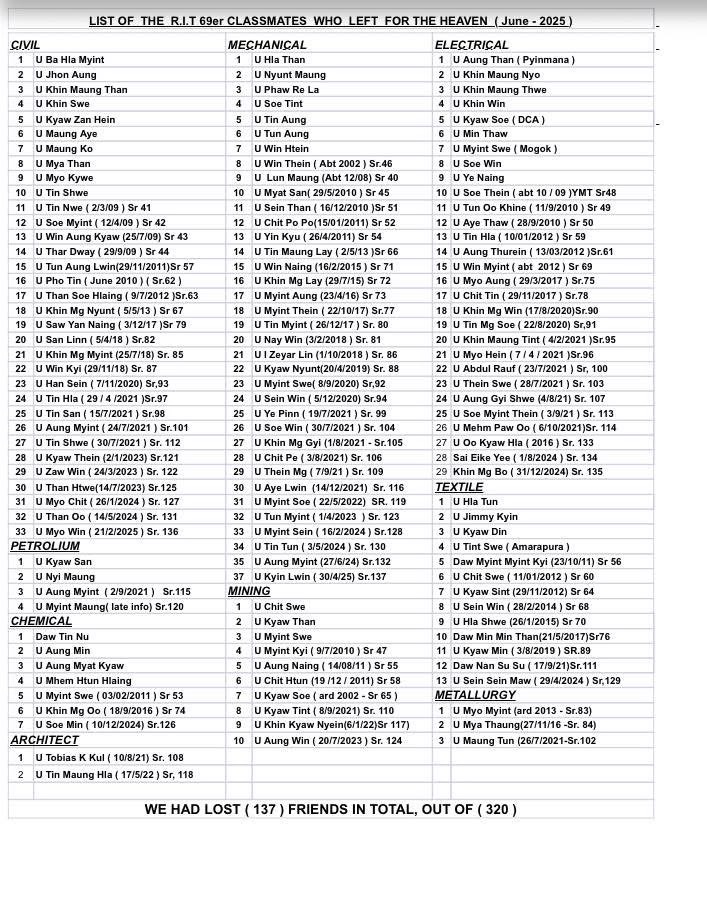
At present the Class of 69 has a median age of 78 / 79 and the GBNF list is 138.
Note that several people in the post — Aung Gyi Shwe, “Kabar” Myint Thein and Thein Swe — are now GBNF.
Ma Tin Tin (Anne, EC69) donated $300 to the 69er Health Care Fund. Per her request, she was listed as a “classmate in the US”. She is the lone female EE graduate in 1969. She migrated to the US. She earlier told the 69ers of her volunteer work for immigrants and/or seniors. She attended the Golden Jubilee Celebration in 2019 and donated $1000.
Ko Soe Win (EC70, UCC, PTC) passed away in Yangon.
GBNF #151 : Intake of 64
Soe Win (Left)
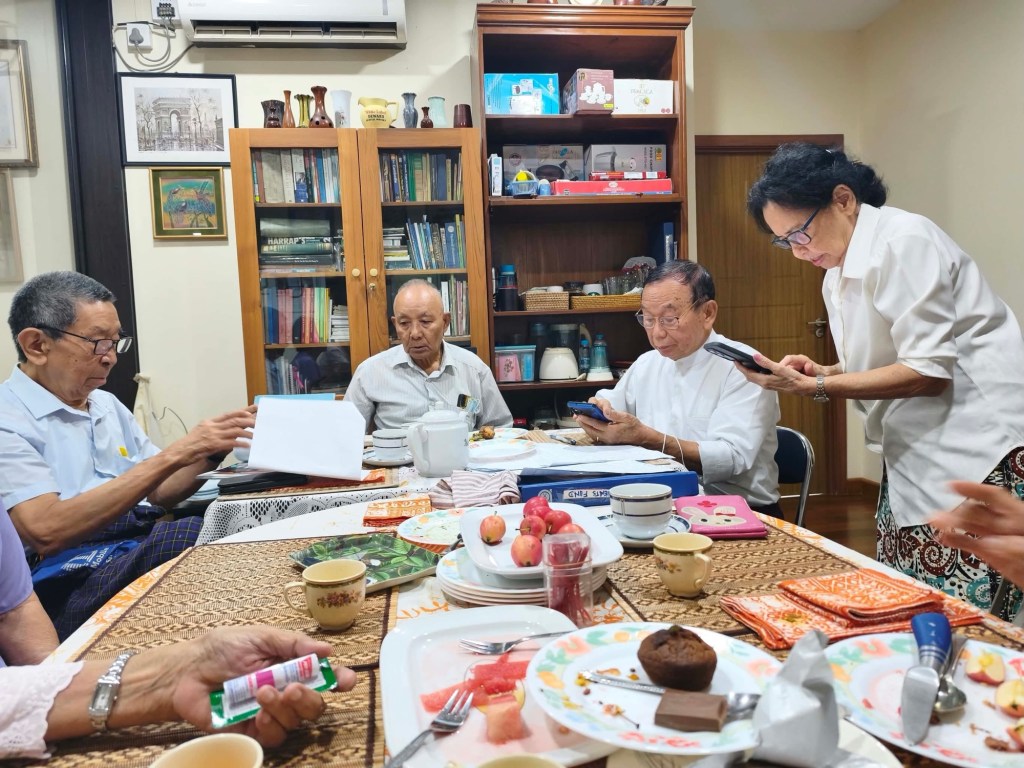
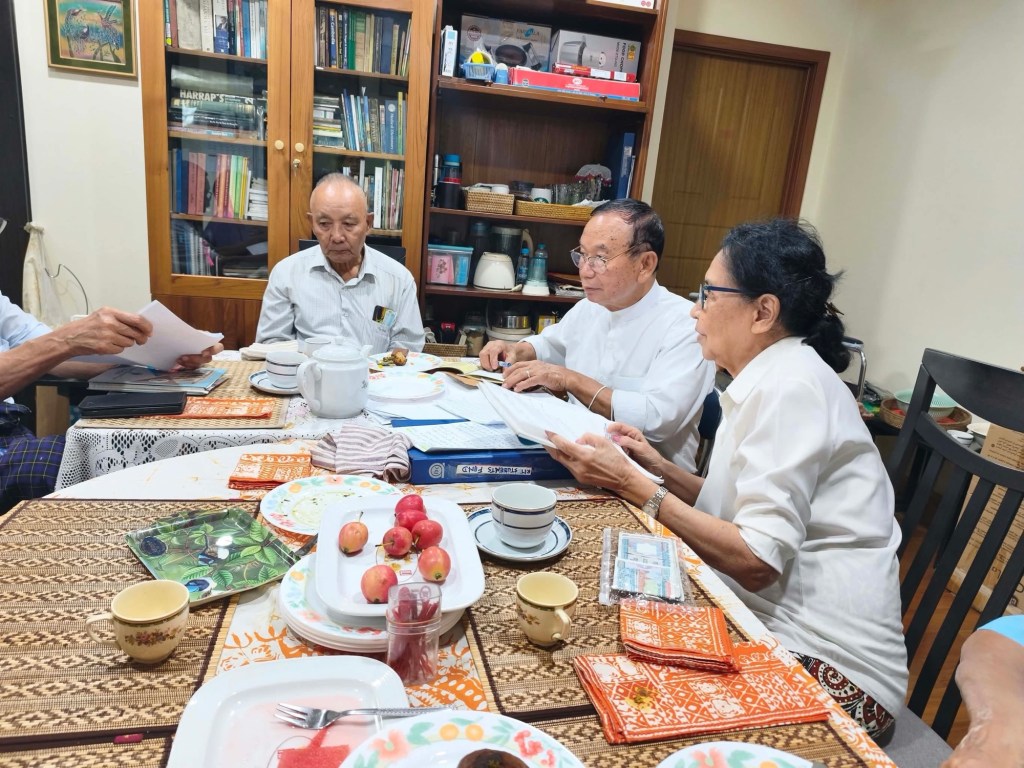
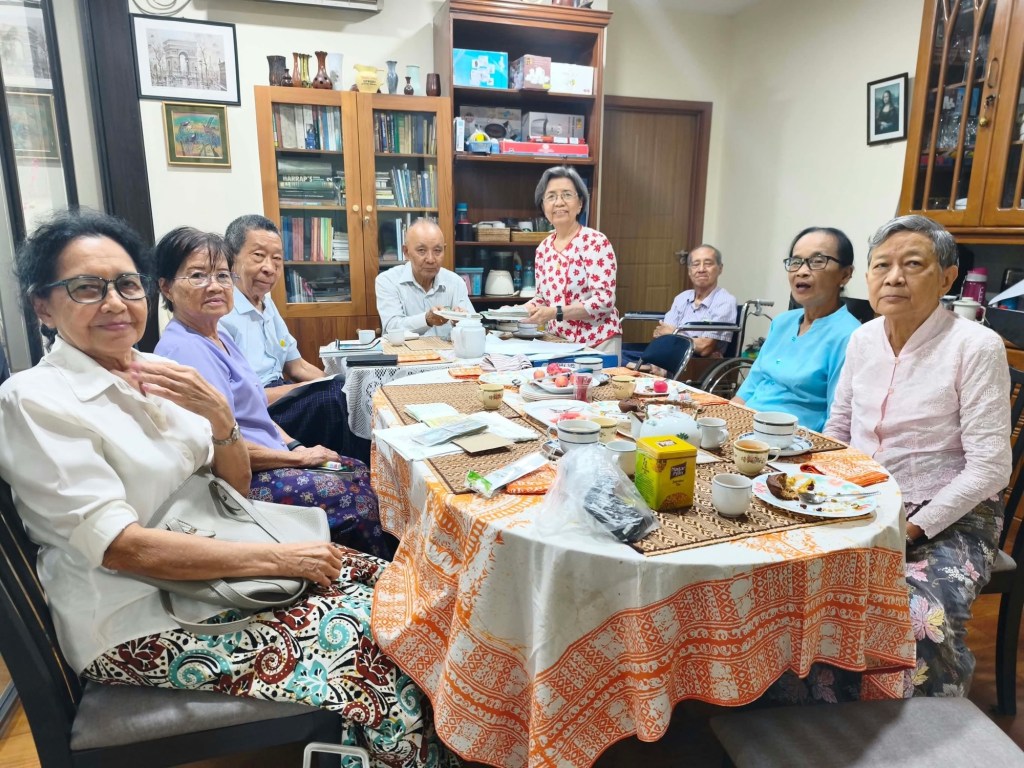
Meeting in Sept 2026
Hosts : Ko Khin Maung Myint (ChE71) and Rosie Mai Khin Nyunt (ChE71)
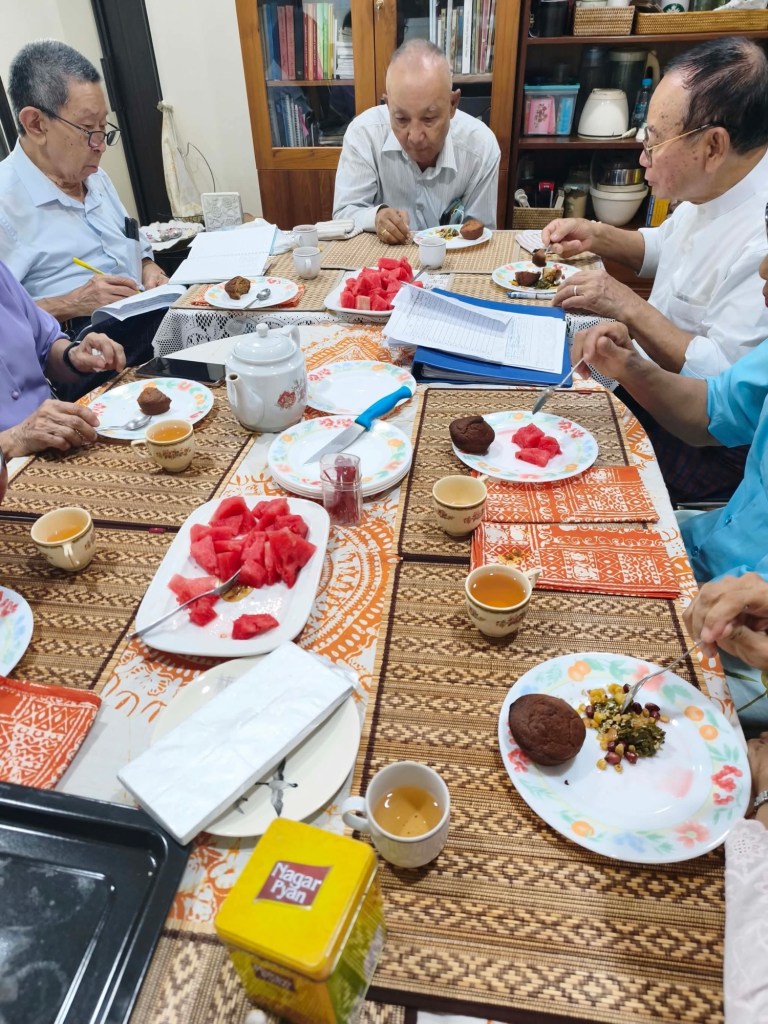
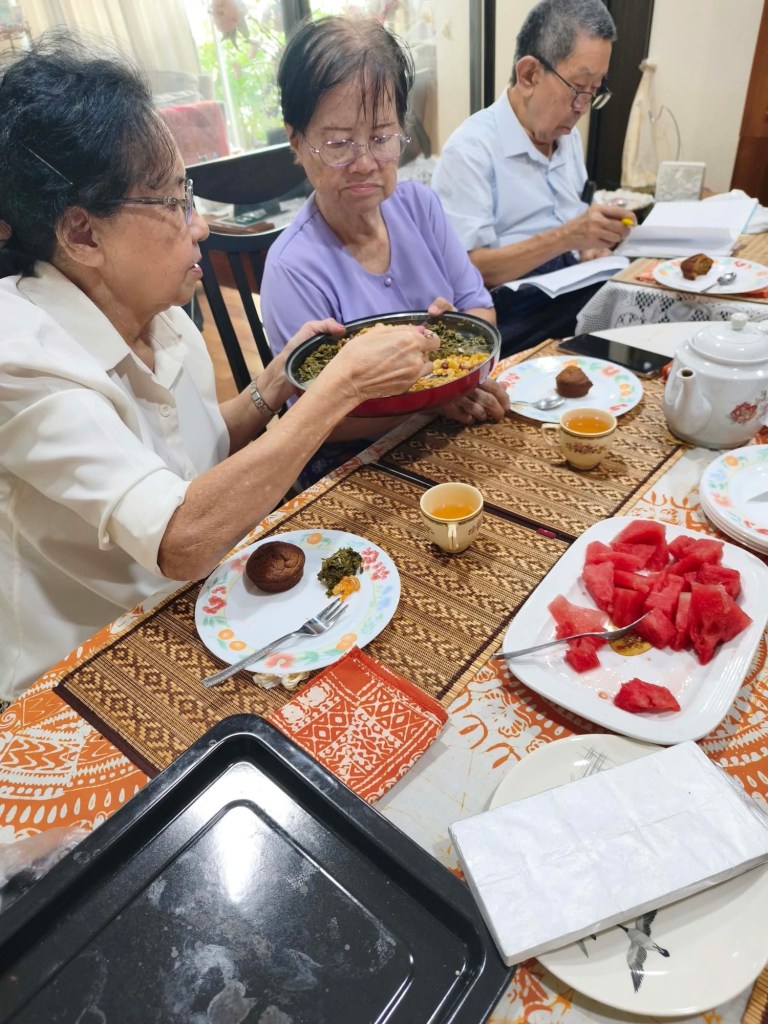
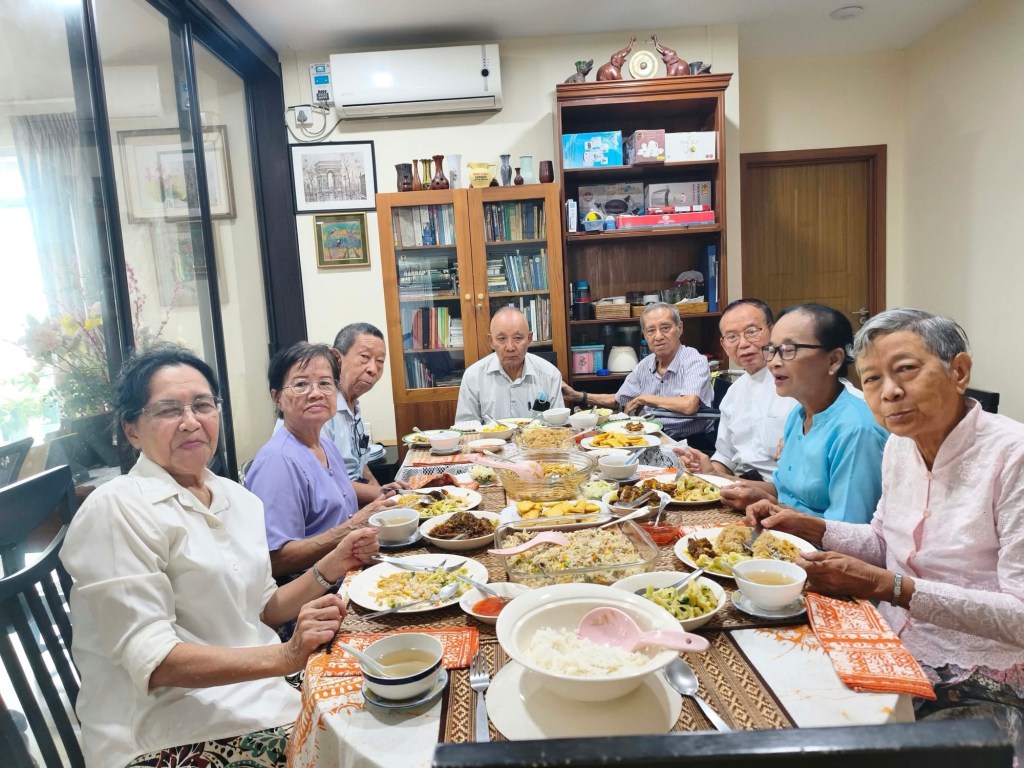
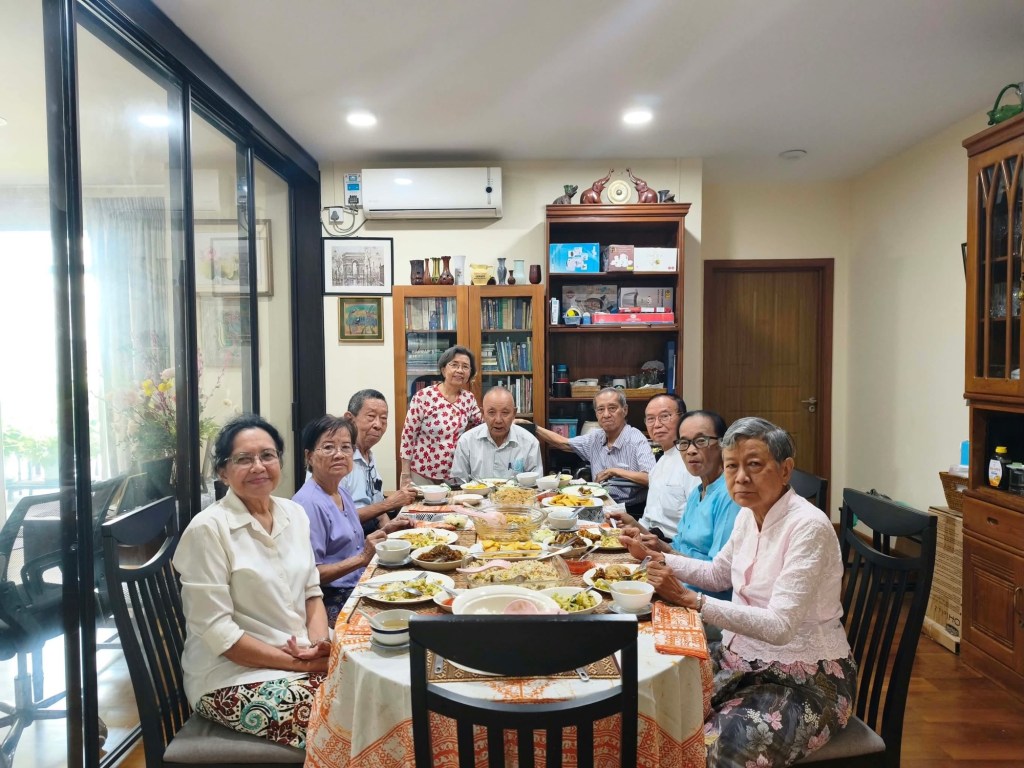
Preparation for forthcoming Acariya Pu Zaw
RG 1RG 2RG 3RG 4RG 5RG 6RG 7RG 8
Earlier Meeting
Cho Aye (Standing rightmost)
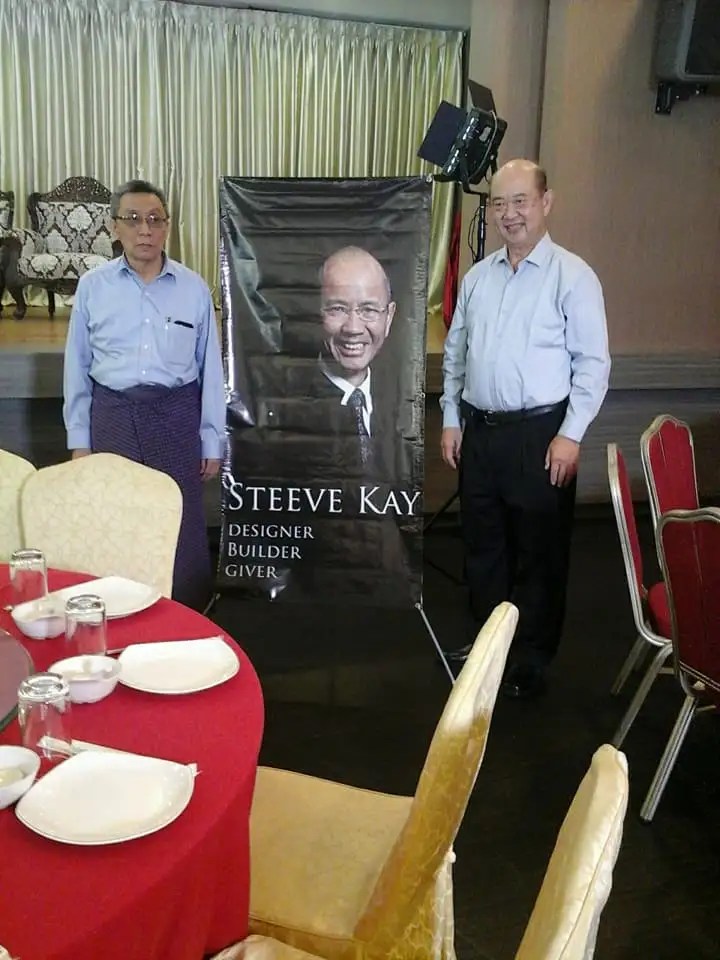
Steeve Kay
Roll No 8 in 1st BE
BE (EC) in 1970
MS from Stanford University
MBA from Pepperdine University
Entrepreneur
Philanthropist
Chair, Kay Family Foundation
Donated $200000+ to RIT-related activities
Multiple Golden Sponsor, SPZP
Passed away in Southern California
Thaung Sein (Steeve Kay) at 2015 RIT Alumni Reunion in Los AngelesSteeve and Benny
Benny
BE (Mech) in 1970
MS from UC Berkeley
Entrepreneur
Philanthropist
Founding member, RIT Alumni International
Co-chair, SPZP-2000
Past President, BAPS
Retiree in SF Bay Area
BennyBenny
RIT Days (1964 – 70)
Authors : Zaw Min (EP70) and Ohn Khine (M70)
Editor : Hla Min (EC69)
Zaw Min
Matriculated from St. Albert’s High School in 1964.
Admitted as Roll No to 1st BE. He was followed by Tommy Shwe (GBNF), Cho Aye (GBNF) and Peter Pe (GBNF)
Luyechun for Inlay Khaung Daing Camp in the Summer of 1965
BE (EP) in 1970
Worked for HIC (briefly) and Ceramics corporation
Moved to USA
Added Nawaday to his name
Studied Electronics and Management
Worked in East Coast and California.
Hosted Sayagyi U Ba Toke and Ko Ye Myint during their visit to attend SPZP-2000
Retiree in Las Vegas
Zaw Min (standing 2nd from left)
Ohn Khine
Matriculated from St. Peter’s High School in 1964
BE (Mech) in 1970
HIC Alumnus
Member, HMEE Project; Compiled CD Supplement for ths HMEE book (with Ko Hla Min); Translated Section 1 and Summarized Section (revised by Saya U Soe Paing)
Moderator, Google Group; maintains GBNF list
Gave me rides to attend meetings for HMEE and SPZP