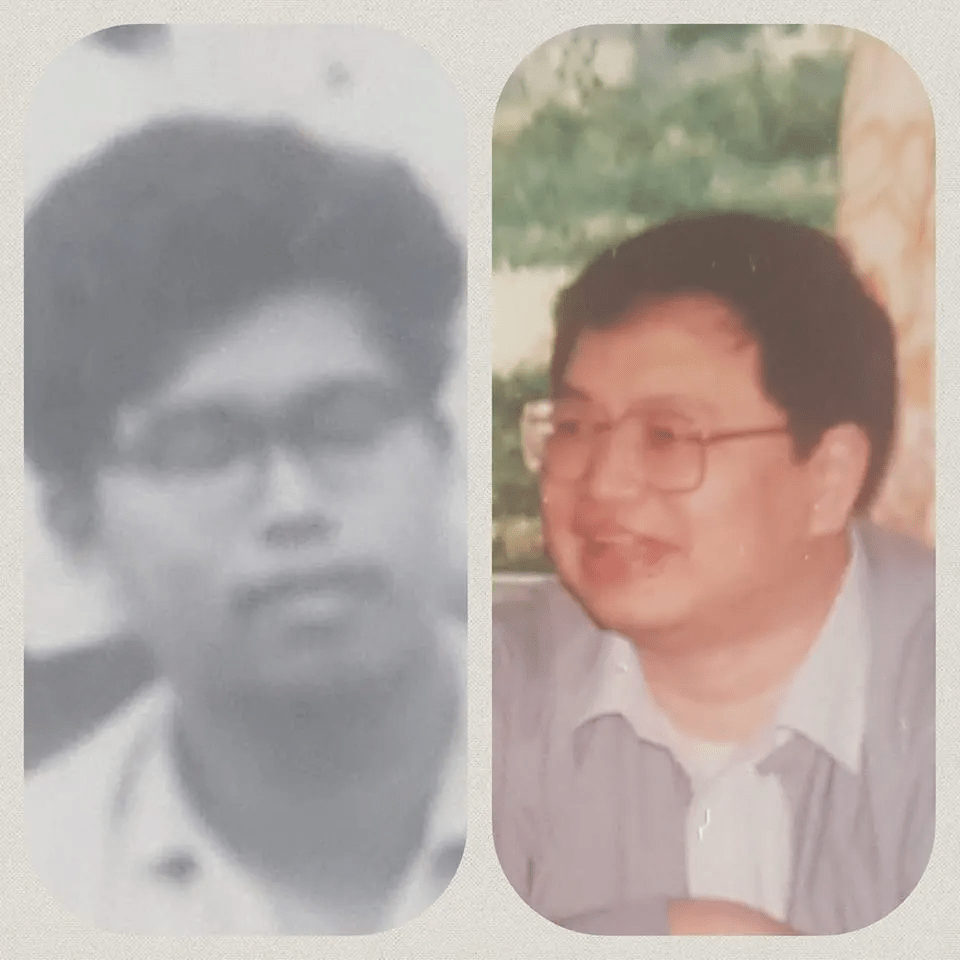
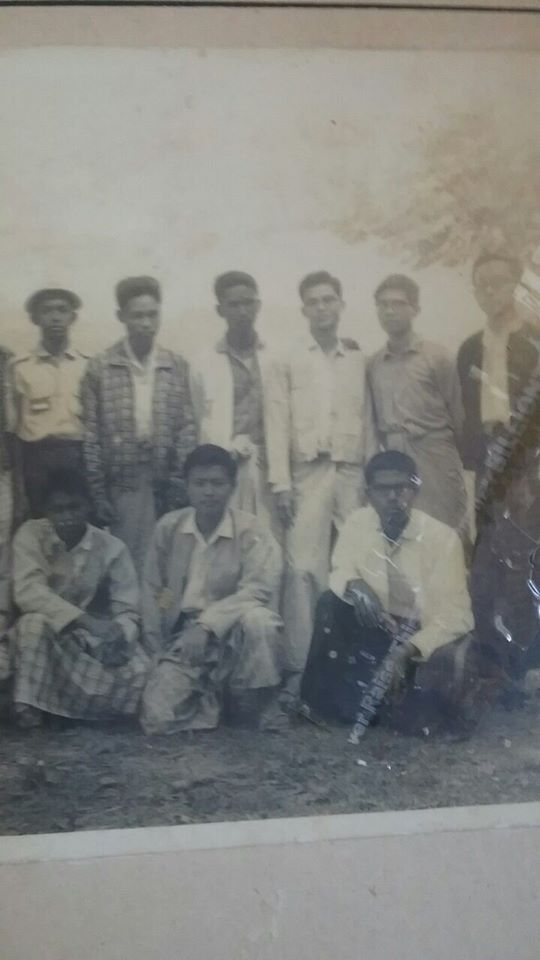
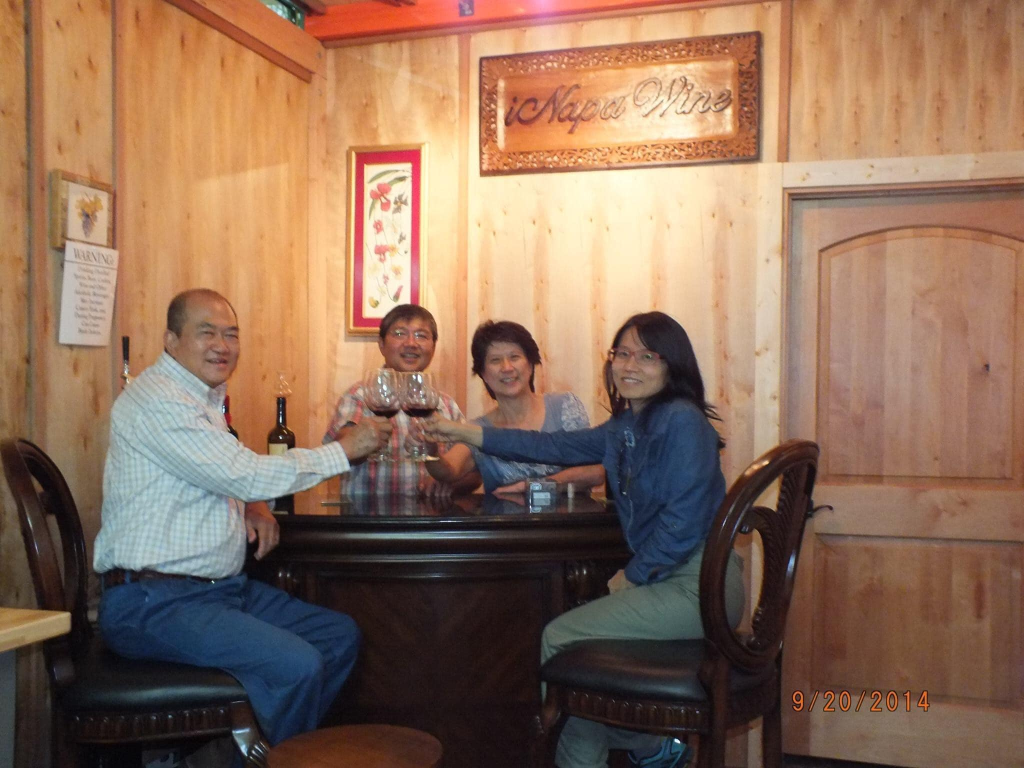
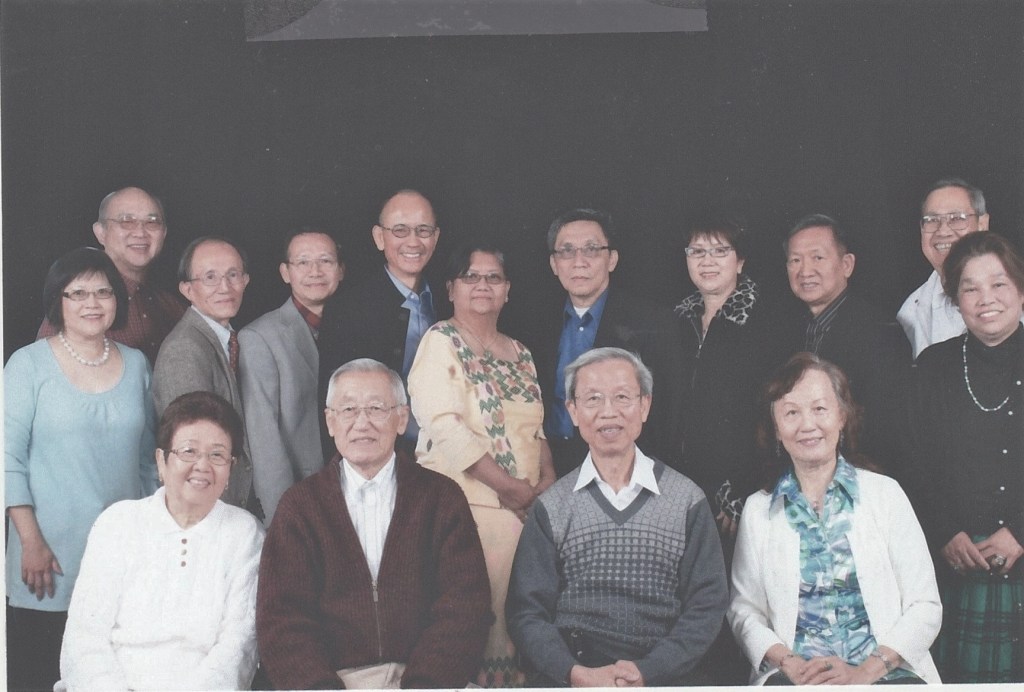
Most took Engineering courses after passing I.Sc.(B) in 1963 & graduated with BE in 1967.
Electrical
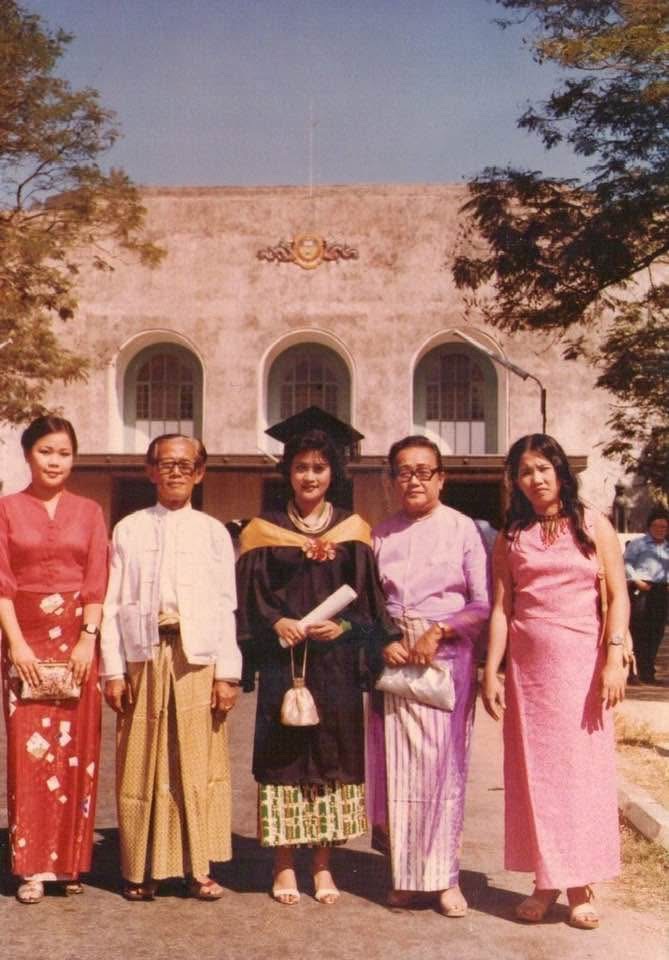
U Myo Myint (EC)
RUBC Gold
Member of Engineering Crew that won Inter-Institute Eights.
Retired from PPIC
Vice Chair of the Magazine Committee for RUBC 90th Anniversary Issue
Submitted Photos for HMEE Project
U Win Myint (EC)
Member of RIT Table Tennis team that won the Inter-Institute Trophy
Moved to California, USA
Daw Yi Yi Aung (EC)
RIT EE Association
Spouse : U Win Kyaing (M, GBNF)
Nancy Hla Aung (EC, GBNF)
Director, Ya Tha Cho
Attended 2015 RIT Alumni Reunion in Los Angeles
Maywaddy Tun Tun (EP)
Spouse : U Sein Shwe (M67)
Chein Hoke (EC)
Also known as Kyaw Naing
U Soe Tha (EC)
RIT Tennis
RIT EE Association
PTC
Minister
Dr. Sann Oo (EP)
Editor, Hlyat Sit Sar Saung
EPC
Owner, East and West Parami Hospital
Dr. Thein Tun (EP)
Old Paulian
EPC
U Ye Win (EP, GBNF)
Secretary, Hlyat Sit Sar Saung Publication
EE67
Photo : U Myo Myint (EC67)
Aung Than
Henry Khoo
Hla Aung
Khin Naing / Cheng Hoke
Ko Ko Gyi
Kyaw Win
Maung Maung
Myint Kyaw (GBNF)
Myint Myint Than / Nancy Hla Aung (GBNF)
Myo Myint
San Oo, Dr.
Soe Tha
Thein Tun, Dr.
Win Myint
Yi Yi Aung
Mechanical
U Win Thein (M, GBNF)
Founded Set Hmu Thadin Zin.
VP, RIT Mechanical Association
Co-founded Mechanical Magazine
Helped organize gatherings & trips (e.g for Ah Nu Pyinnya Shin).
Founder : Ya Tha Cho
U Than Htut (M)
Than Htut
RUBC Gold
Treasurer / Secretary at RUBC
Member of Engineering Crew that won Inter-Institute Eights
Retired from HIC
Provided a list of M67
Stan Liou (M)
Stan
Member of RIT Table Tennis team that won the Inter-Institute Trophy.
Moved to California, USA
Founding member, NorCal RITAA. Served as Chair, BOD
U Kyaw Oo (M, GBNF)
Pianist
Rowing
Moved to USA
U Win Kyaing (M, GBNF)
Rowing
Spouse : Daw Yi Yi Aung (EC67)
U Sein Shwe (M)
Sein Shwe (Standing 3rd from Right)
Old Paulian
RIT Luyechun in Summer 1965
Spouse : Maywaddy Tun Tun (EP67)
U Tun Kyi (M, GBNF)
RIT Tennis : Doubles with U Soe Tha (EC)
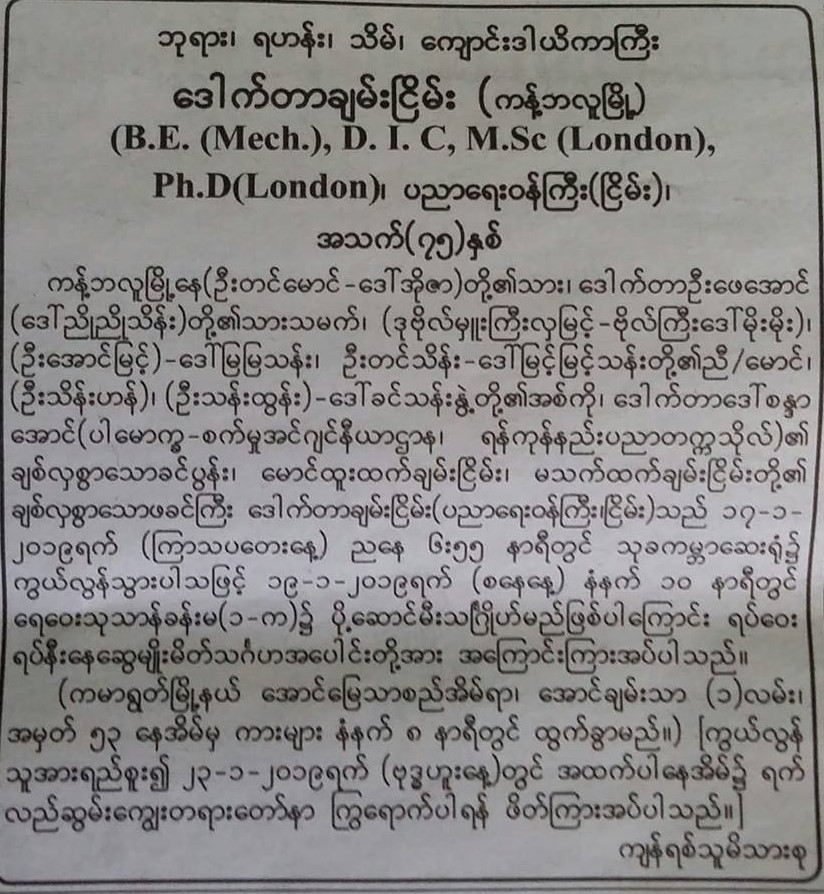
Dr. Chan Nyein (M, GBNF)
Obituary
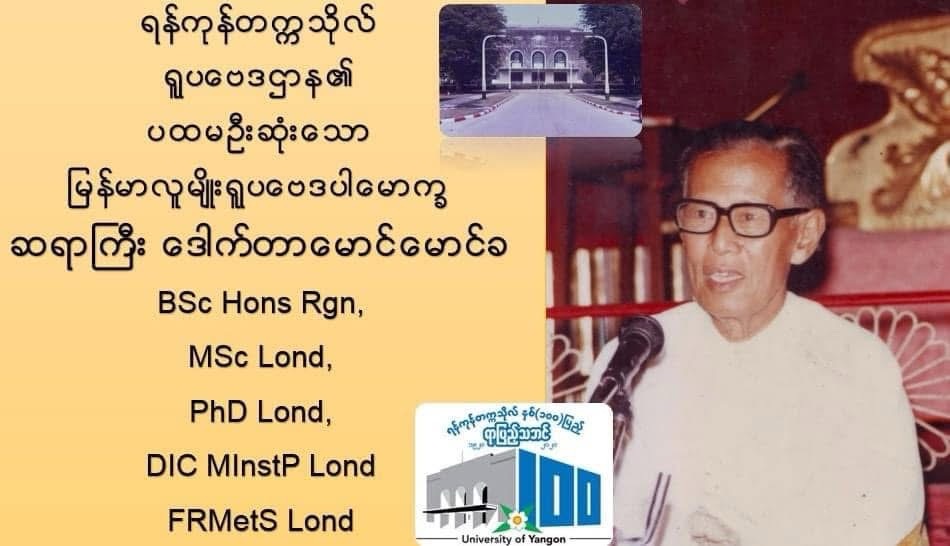
Saya
Doctorate from Imperial College, London University
Minister
U Tin Myint (M, GBNF)
David
David Ko
Sittang Paper Mill
Moved to California, USA
Entrepreneur
Golden Sponsor of SPZP-2000
Sponsor for SPZP-2012
U Tin Maung Oo (M, GBNF)
Tin Mg Oo (Right)
Saya
Assistant Workshop Superintendent
Moved to California, USA
U Aung Myint (M, GBNF)
Helped U Win Thein with “Set Hmu Thadin Zin” & Mechanical Engineering Magazine.
Worked for UNICEF before moving to USA.
Passed away in November, 2017.
“Ah Yone Soon” in his memory was offered by the family members, relatives & friends to resident monks at Mudita Shwe Kyaung, Hayward, California on December 3, 2017.
U Sein Yaung (M)
Moved to California
Architecture
Dr. Koung Nyunt (A, GBNF)
Saya
Doctorate from Japan
Secretary, RIT Photography Association
Pen name: Kogyi Koung
Wrote articles for RIT Alumni Newsletter
Organizer, RIT Alumni in New Zealand
Daw Khin Khin Kyu (Ann, A)
Moved to California, USA
Brother : U Thein Han (Maths, Burma Selected in Basketball)
U Tun Thein (A)
Moved to California, USA
Brother : U Htin Paw (EE58, GBNF)
U Kyaw Thein (A)
Saya
U Win Myint (A)
Spouse: Daw Pyi Aye, A66)
Chemical
U Htun Aung Kyaw (ChE)
Old Paulian
Saya
Moved to Thailand & East Coast of USA
Provided ChE Class Photos
U Myat Lwin (ChE, GBNF)
Member of RIT Table Trnnis team that won the Inter-Institute Trophy
Civil
U Maung Maung (C)
Member of RIT Table Tennis team that won the Inter-Institute Trophy
I matriculated in 1949 and entered the University of Rangoon and stayed in Ava Hall and took the Intermediate of Science (ISc) courses. The courses were: English, Burmese, Physics, Chemistry, and Mathematics (Pure and Applied Maths). We needed to take these courses for two years in order to go to the engineering studies. I remember having a great time in the first year as we did not have to take the examination at the end of the first year for some unknown reason. But we had to take the examination at the end of the second year for all the subject matters that were taught to us for the whole two years. It was a tough examination at the end of the second year as we had to study a lot. We had physics and chemistry examination papers, two mathematics papers, English and Burmese papers, physics lab practical exam and chemistry lab practical exam within a period of 15 to 20 days in the hot month of March. Only about 60% of the students passed through the first time. The passing grade for each subject was 40%. Fortunately the University authorities in those days were understanding and kind enough to give the failed students what they called compartmental examination again in May/June for the failed subjects. Given a second chance like that, a lot of students passed the examination this time around. The Faculty of Engineering admitted the students, including the students who passed the ISc exam. under the compartmental system, with a passing grade of at least 40% for each of ISc subjects and the average passing grade for all the subjects combined of 50%.
I was quite fortunate to have good teachers in my ISc days. I remember that Saya U Than Tin gave good lectures in physics. Saya U Thein Nyunt was good as well in teaching us chemistry. Needless to say the experiments that I had to do in physics and chemistry labs were interesting as they were all new to me.The maths teachers I remember were Professor U Aung Hla, Sayagyi U Kar, Sayagyi U Ba Toke, two Indian lecturers with the same last name Chowdhury. I forgot their first names. One Chowdhury was bald headed and the other had a lot of hair.They were teaching, I think, under contract with the Rangoon University. These very good teachers, I had to say, gave me a good foundation in mathematics. The English teachers were very good too. They were Saya U Kan Gyi and Sayama E. Kan Gyi. The only Burmese teacher I remember was Saya U Hla Maung who could make a boring topic into an interesting lecture. I owe a lot of gratitude to these wonderful teachers.
I joined the first year engineering class in 1951-1952 academic year, having satisfied the entrance requirements of the Faculty of Engineering mentioned above. The academic year , I think was from June to February with about one month break in October. So far as I know there was a “new course engineering” at the Faculty of engineering right after the World War ll. I do not know what the entrance requirement for this new course was.
I stayed in Prome Hall like most of the other engineering students in those days, as it was situated close to the B.O.C. College of Engineering building where we had classrooms, laboratories, and workshop for our engineering courses. A few engineering students however stayed in Tagaung Hall which was in the same Prome road campus of the Rangoon University as Prome Hall. Both of these hostels were timber buildings and they could easily get burnt down; but I was happy to see that they are still standing there when I visited Yangon in 2010. These two Halls gave accommodations to all engineering students, even to some students from Rangoon at that time, as there were vacancies and as the total engineering student population was not that big. If my guess is correct, I think there were about 350 to 400 students for 4 years of all engineering disciplines, out of which there were about 75 1st year engineering students. The system in place at that time was in such a way that the students had to take common courses in the first 2 years and branched out into different disciplines of choice, starting from 3rd year.
I remember that as first year engineering students, we still had to take mathematics classes from 7:00 am to 9:00 am at the main campus where we had taken the Intermediate of Science courses. I remember getting up early in the morning in Prome Hall ,and taking a walk along the road, what we called as “Padaukpin lane” or “Thaton lane”, and through Thaton Hall and Ava Hall , for the mathematics classes at the main campus. All of us then rushed back to B.O.C. College of Engineering from the main campus after 9:00 am to take theengineering classes, which included lectures, practical laboratory work, workshop practice, and drawing classes, starting from 10:00 am. We normally finished our classes around 4:00 pm. The total contact hours of learning for engineering students were about 30 hours per week. If my memory is correct, it was difficult to get an engineering degree in 6 years after matriculation. Somewhere along the way some of us failed for one reason or the other, and had to repeat a class.The passing grade for each subject, which included workshop training at the Engineering Faculty was 40% and the average passing grade for all the subjects combined was 50%. When I passed my 1st year engineering in April/May 1952 I noticed that about 15% of my classmates were left behind to repeat the 1st year engineering.
I do not remember all of my teachers at that time. I can only recall that Saya Num Kock was in charge of 1st year engineering drawing, Saya Jaidka taught us ” building materials and construction”, Saya Ketrepal gave lectures and practical laboratory training in “heat engines”, Sayagyi U Kyaw Tun / Saya C. Ping Lee taught us “electrotechnology” in the classroom and in the laboratory. In addition to the lectures, laboratory work and drawing, all of us had to take workshop training in carpentry, blacksmith, welding, and in machine shop. The medium of teaching was English. We were also encouraged to take some practical training with some engineering organization during the summer vacation. I am not quite sure , but I think Ko Chit was an assistant at the blacksmith shop, and U Ba Sein was an assistant in the electrical lab. I think Mr P. Davis was the workshop superintendent. The classrooms , laboratory facilities, the workshop facilities that I had attended were good and adequate. The library I visited some time was full of good engineering books, magazines and journals. I could imagine that with its qualified teaching staff and good teaching facilities, the Faculty of Engineering was producing the qualified engineers needed by the country at that time.
I do not know what was the total number of teachers we had at the Faculty of Engineering at that time. I could guess that the student/teaching staff ratio was about 20:1 from the number of teachers and from the number of students I had seen. I noticed that there were few Burmese nationals teaching staff at the Faculty, and most of the teachers were from India and UK. It seems that, right after the World War II, there was shortage of qualified teaching staff from Burma at higher education/University level as a whole. Sayagyi Professor U Ba Hli was Dean of the Faculty of Engineering, and I believe he received his post graduate degree from a British University. He was quite far-sighted and tried to broaden and improve the engineering education by having some kind of twinning arrangements with not only a British University but also with Massachusetts Institute of Technology, USA (M.I.T). I remember as a student that there was a visiting Professor called Professor Horwood from M.I.T at the Faculty; and I think he gave us lectures on sanitary engineering. Sayagyi U Ba Hli must have planned to increase the number of engineering disciplines that were given at the Faculty from civil, mechanical and electrical engineering to other disciplines as well, such as Mining, Chemical, Metallurgy, Textile engineering and Architecture. I understood this plan came into fruition in 1954/1955. He must have also planned to send the Burmese nationals to UK, USA and as qualified teaching staff at the Faculty at a later date. I therefore take this opportunity to put on record that a big credit is due to the late Sayagyi U Ba Hli for his contribution to the improvement of engineering education in Myanmar.
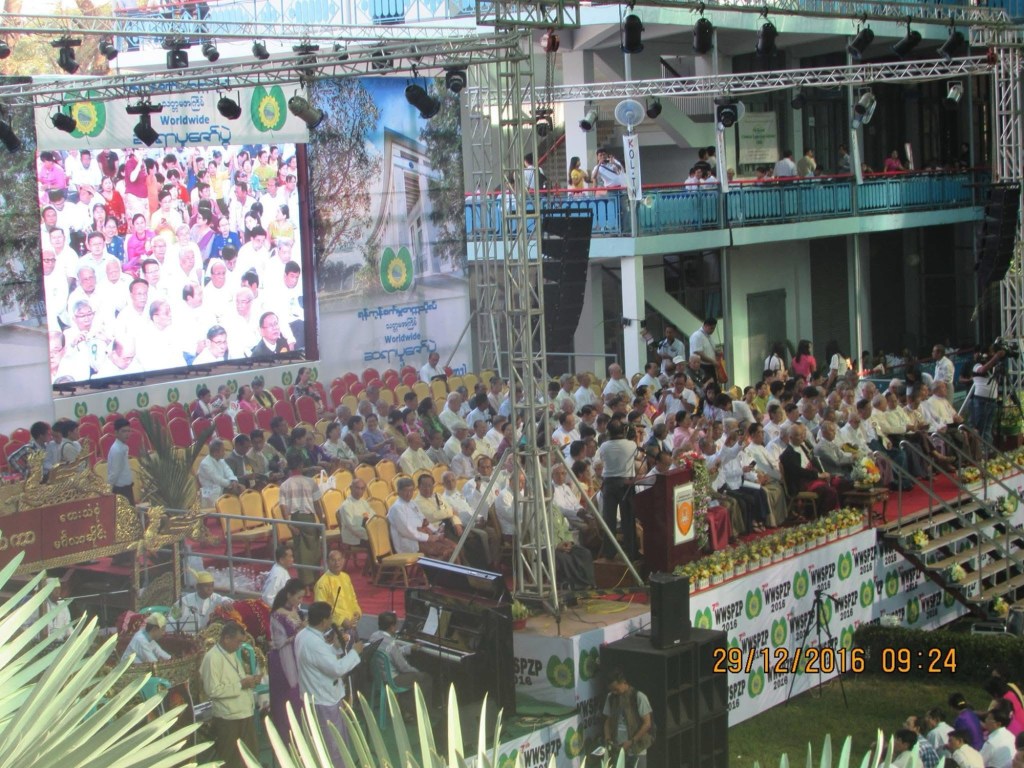
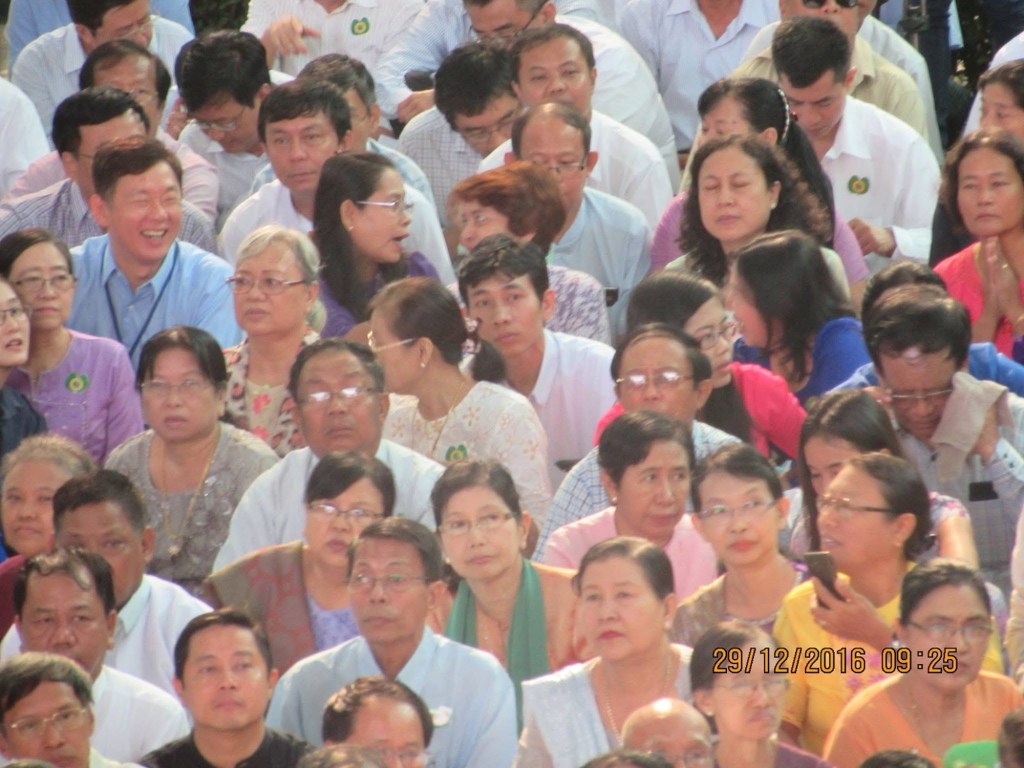
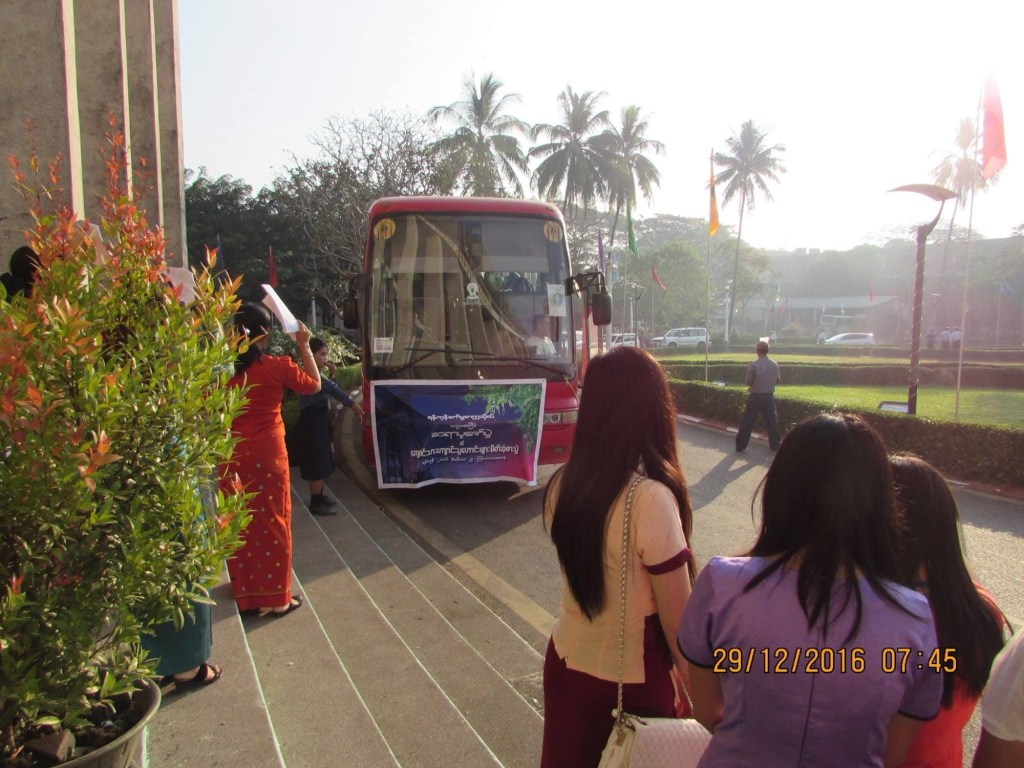
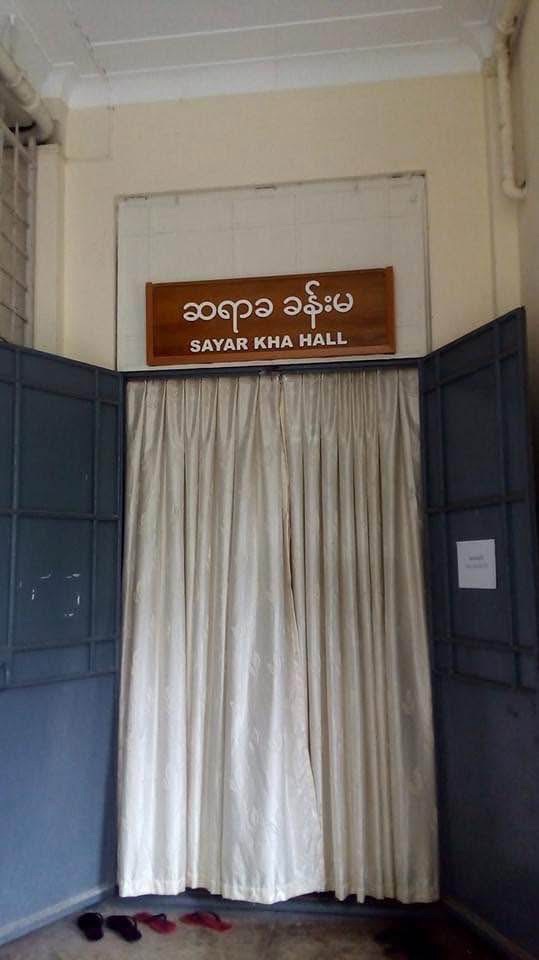
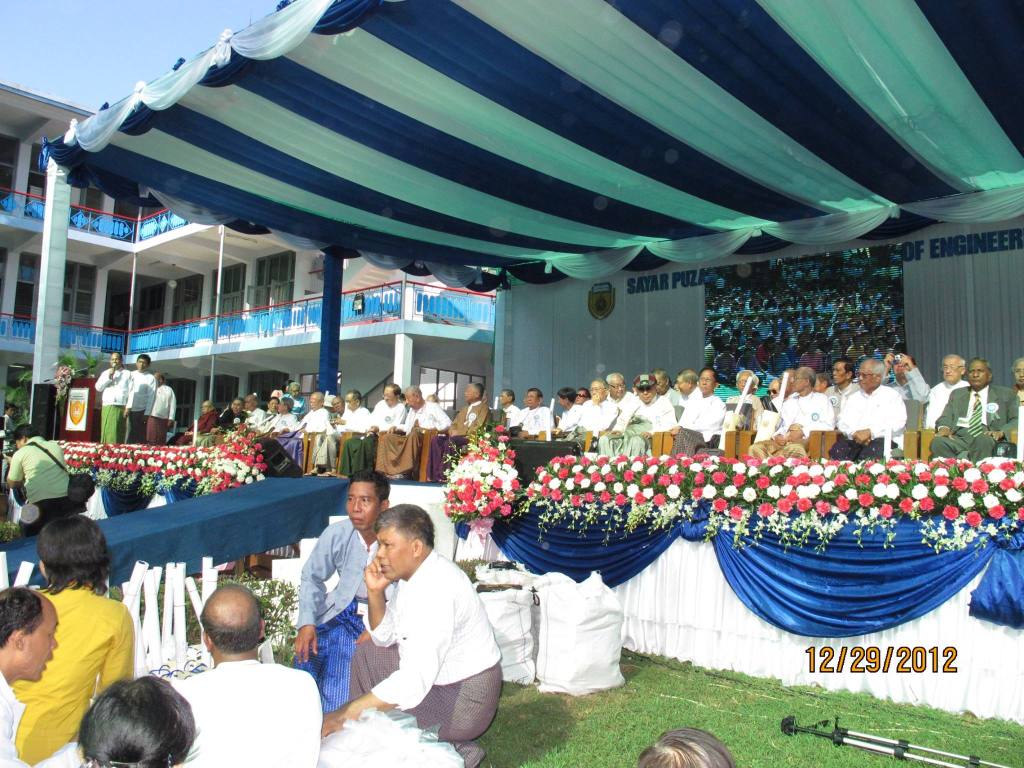
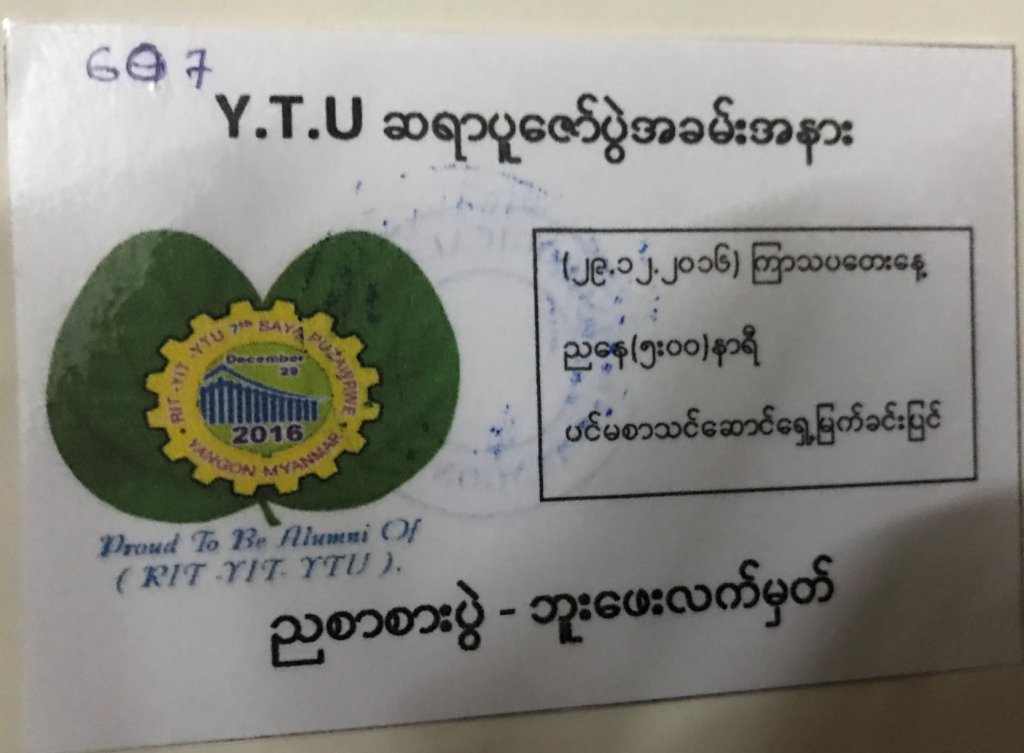
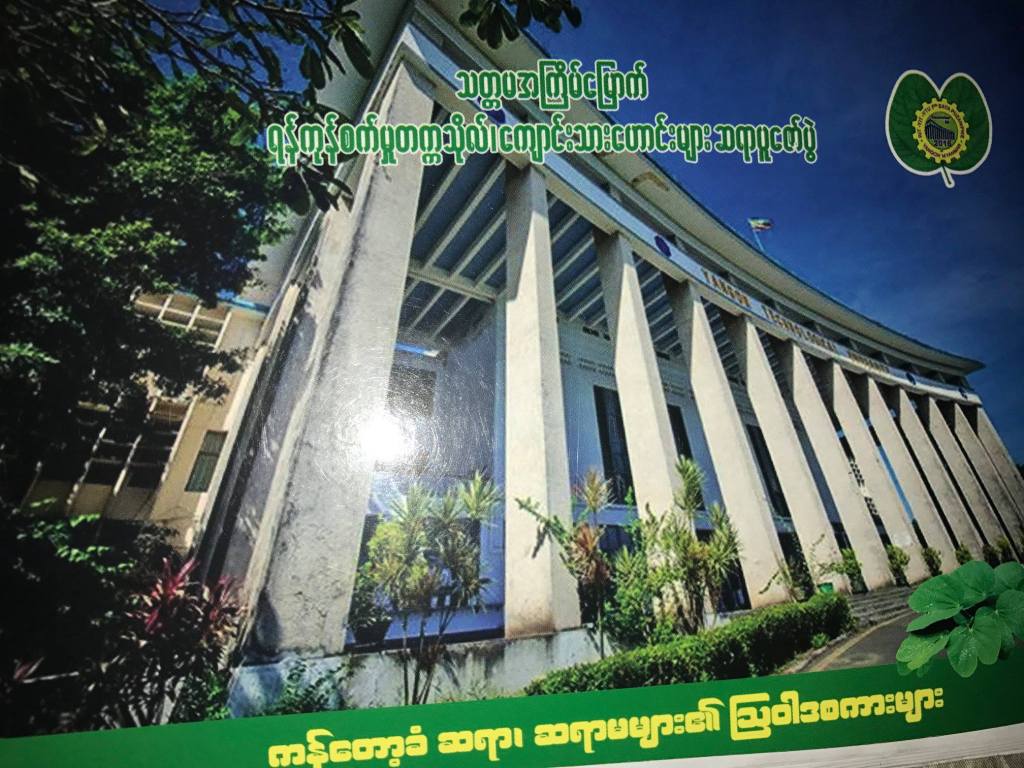
The Seventh Worldwide Saya Pu Zaw Pwe was held at the Gyogone Campus in December 2016.
There was free food for Breakfast, Lunch and Dinner.
SPZP 1SPZP 2SPZP 3SPZP 4
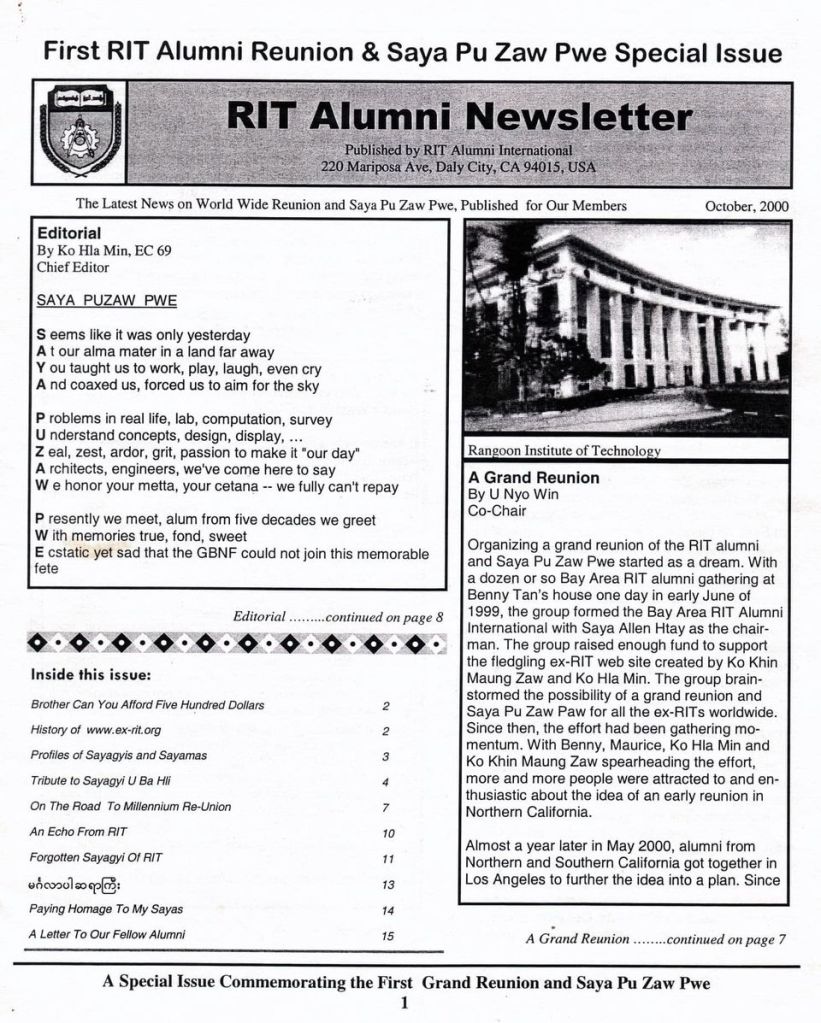
SPZP-2000
Newsletter
Newsletter — frontNewsletter — back
Kyauk Si Bagyee
Bagyee
Organizers
Organizers
Sayas & Sayama
Sayas
EE Sayas & Alumni
EE Group
PZP
Pu Zaw Pwe is a Noble Tradition that is practiced in Burma.
Thet Kyee PZP is for paying respect to the Elders. The age requirements vary.
Saya PZP is for paying respect to the sayas and sayamas. Some use the term Acariya PZP.
Thet Kyee PZP
In some places, a Senior Day is held. Transportation, Food, Entertainment and Photo-shoot are provided for Old people of all races and creeds.
Thet Kyee PZP may be held in conjunction with a Festival, e.g Thingyan or Thadinkyut. Buddhists may also pay respect physically to the Elders.
MES organized Thet Kyee PZP for Senior Engineers and Architects.
The All-Mechanical Gathering also had a program to pay respect to Thet Kyee Mechanical Engineers.
Acariya PZP
Examples :
Combined 1st BE Intake of 64 and 65
M72 (and some other Disciplines)
ICST/UCSY
Saya PZP
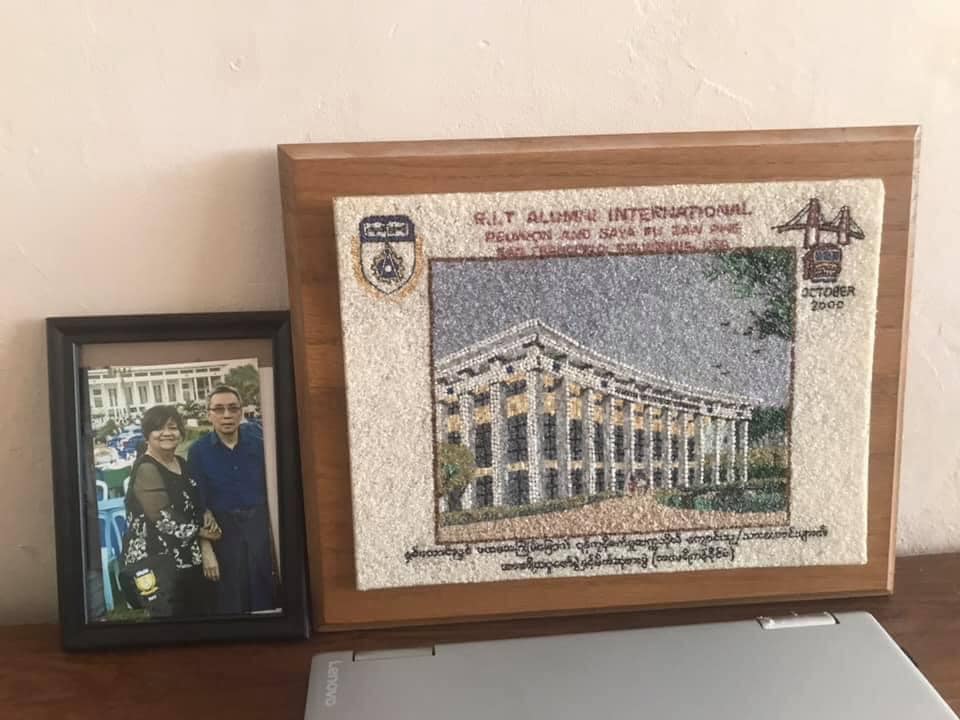
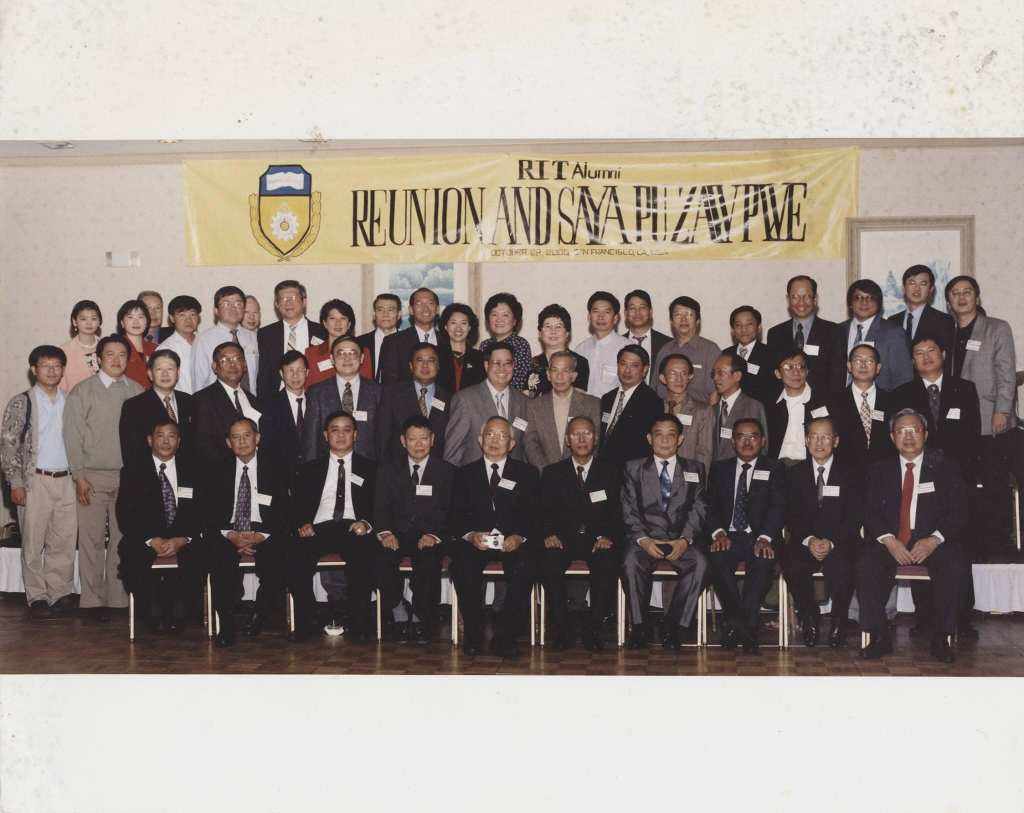
RIT Alumni International hosted the First RIT Grand Reunion and SPZP in San Francisco, California in October 2000. The term SPZP was chosen over Saya Ga Dawt Pwe so that Alumni of different Faith can pay back the Metta and Cetana of their mentors. I am honored to be a Core Organizer of SPZP-2000. I wrote the poem “SAYA PU ZAW PWE”. It was published in the RIT website and the Commemorative Issue of the RIT Alumni Newsletter for SPZP-2000.
Singapore hosted SPZP-2002, SPZP-2007 and SPZP-2010. Saya U Moe Aung (Tekkatho Moe War) and team published Commemorative Issue of Swel Daw Yeik Sar Saung for the SPZPs. My poem was reprinted on the Back Cover of SDYSS-2002. I wrote a poem “SWE DAW YEIK” for SDYSS-2007. I wrote an article “EE Sayas : A Sad and Short Clip” for SDYSS-2010.
Yangon hosted SPZP-2004, SPZP-2012 and SPZP-2016. Commemorative Issue of Swel Daw Yeik Magazine was published for SPZP-2012 and SPZP-2016. U Saw Lin (GBNF) was Chief Editor of SDYM-2012. Saya U Moe Aung was Chief Editor of SPZP-2016. Several Distinguished Authors (e.g Ma Sandar, Maung Sein Win — Padeegone, N Jar Thaing, Aw Pi Kye) also served as Editors.
Due to the pandemic, SPZP-2020 was canceled.
Some of the Organizers and Volunteers of the SPZPs are GBNF. They include Saya Allen Htay, Ko Saw Lin, Ko Aung Moung, Ko Than Sin Myint and Ko Robin.
Several Sayas are GBNF. They include U Ba Toke, H Num Kok, U Soe Khaw, U Khin Aung Kyi, U Thit, Dr. Mg Mg Win, S Arya, S Kyaw Aye, U Soe Lwin.
Sayas U Ba Than, U Aung Khin, Dr. Aung Gyi and U Min Win are 90+ years young. Many of our sayas are 80+ years young.
We hope to see SPZPs in the not so distant future (after the Calamities have ended).
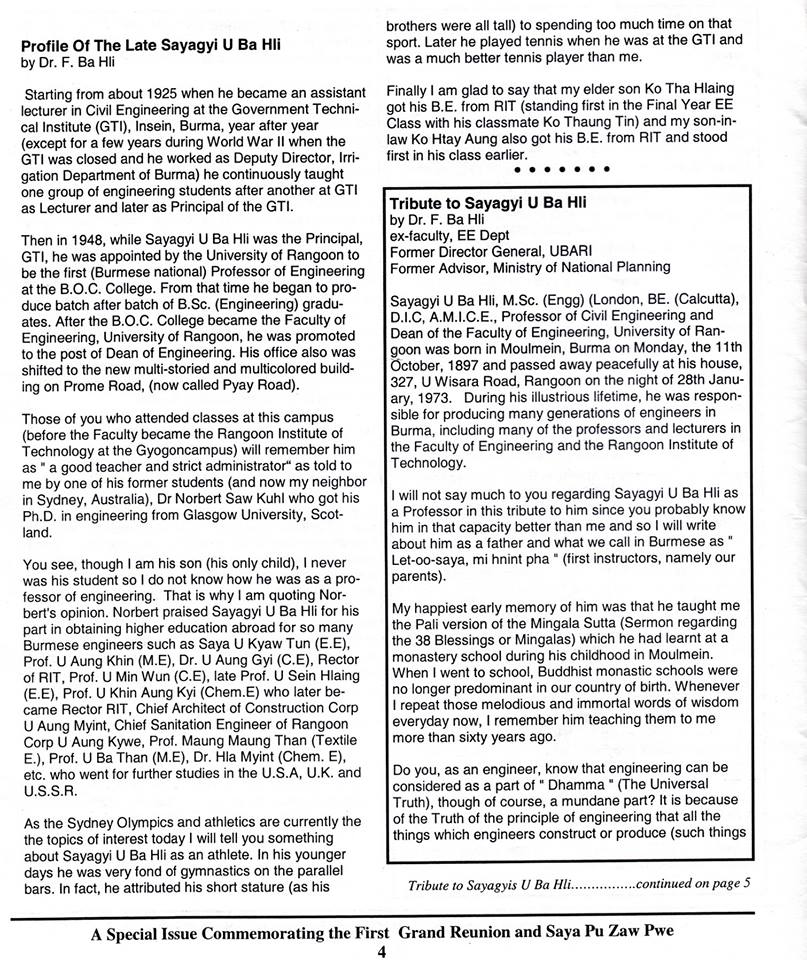
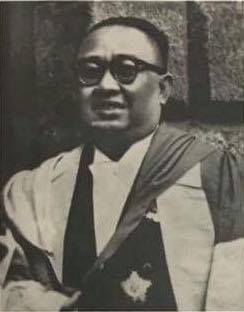
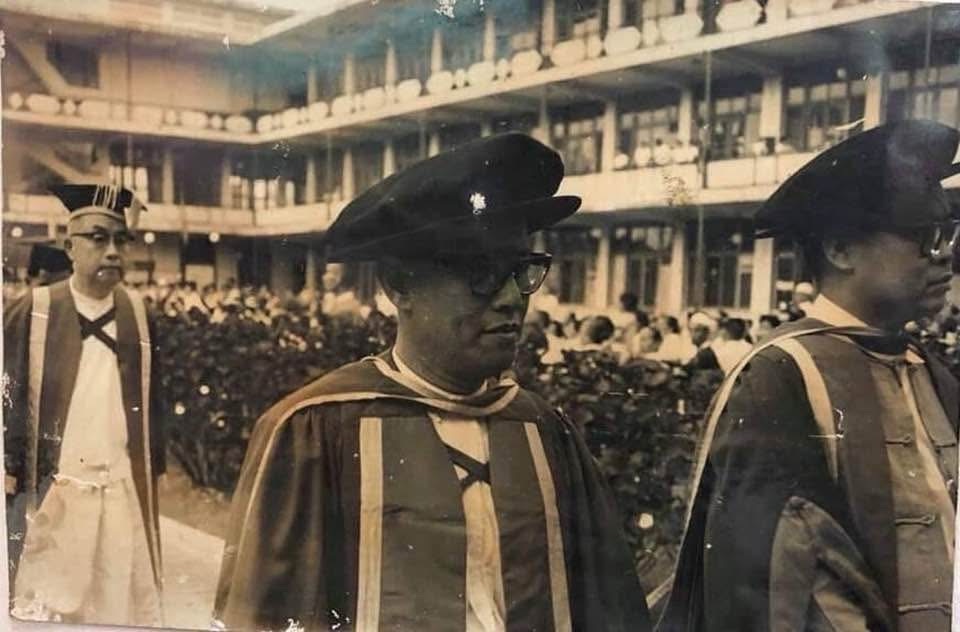
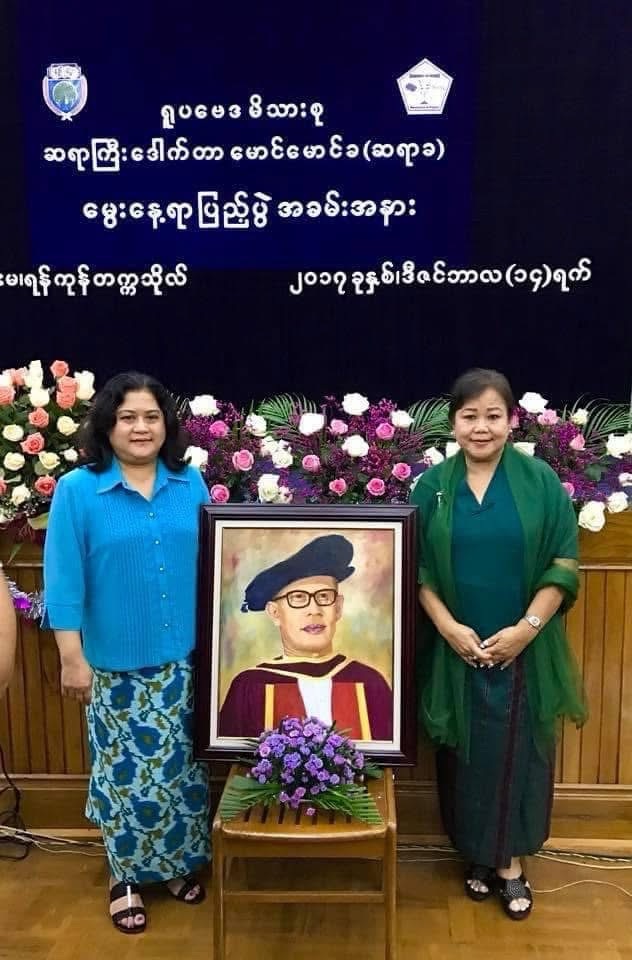
First native Dean to head the Faculty of Engineering of Rangoon University
Transferred to the Faculty of Engineering, RU from GTI (Government Technical Institute) where he was Principal and Professor of Civil Engineering
Credited for the “Twinning Program” between the Faculty of Engineering, RU and the prestigious universities in the USA
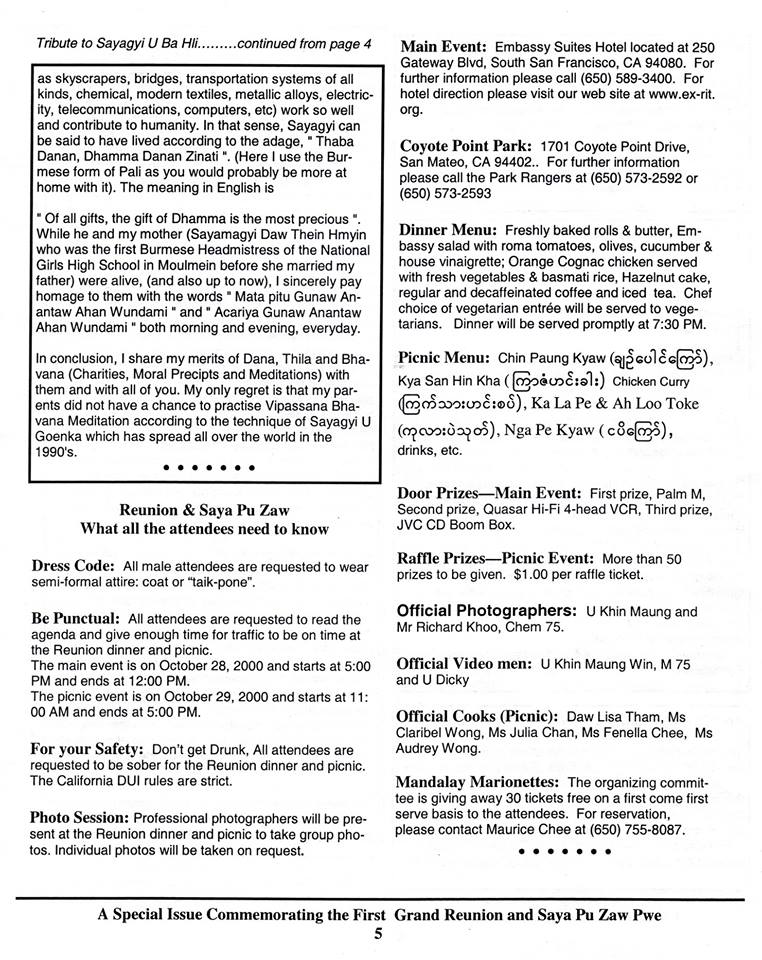
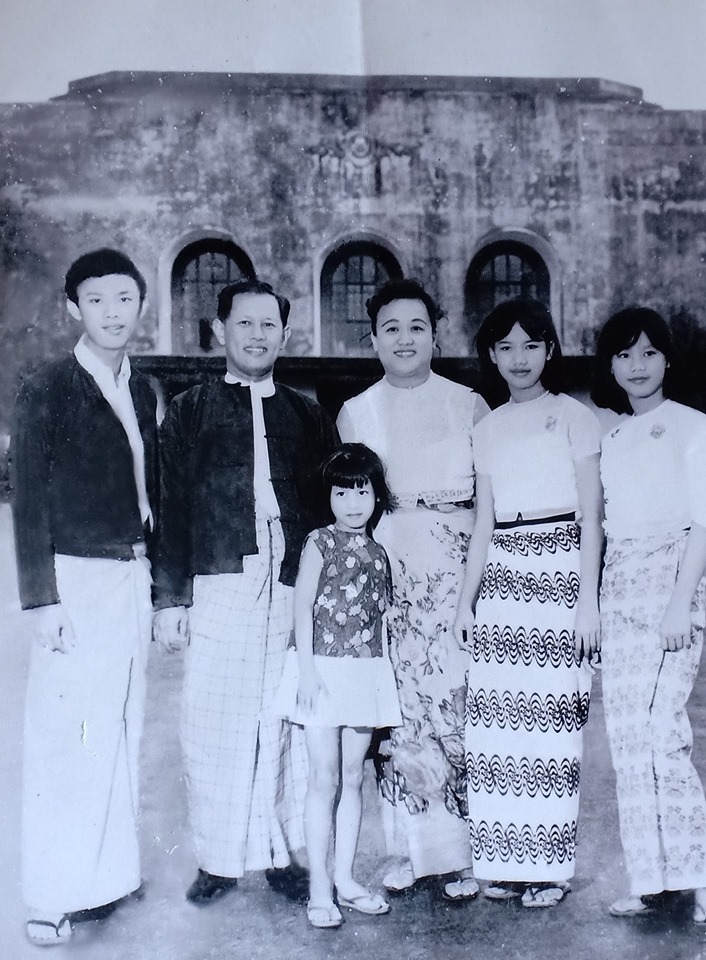
Per request from U Aung Khin (retired Professor & Head of Mechanical Engineering), Dr. Freddie Ba Hli (EE) — the only son — wrote about his beloved father for the commemorative issue of “RIT Alumni International Newsletter” for SPZP-2000. It has been re-posted in the newsletter updates and in the RIT Alumni Facebook Pages. Sayagyi passed away in his house on U Wisara Road in Rangoon.
Doctorate in Meteorological Physics from Imperial College, London University
Professor & Head of Physics Department at Rangoon University
Interim Dean of the Faculty of Engineering, Rangoon University
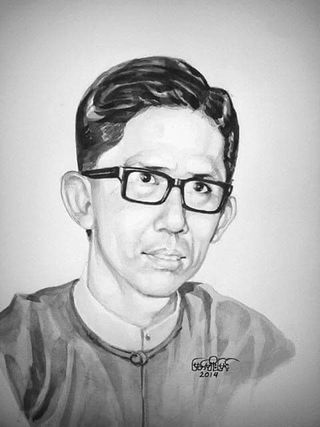
Longest tenured Rector
Rector of Rangoon University
Rector of RASU
Rector of University of Distance Learning
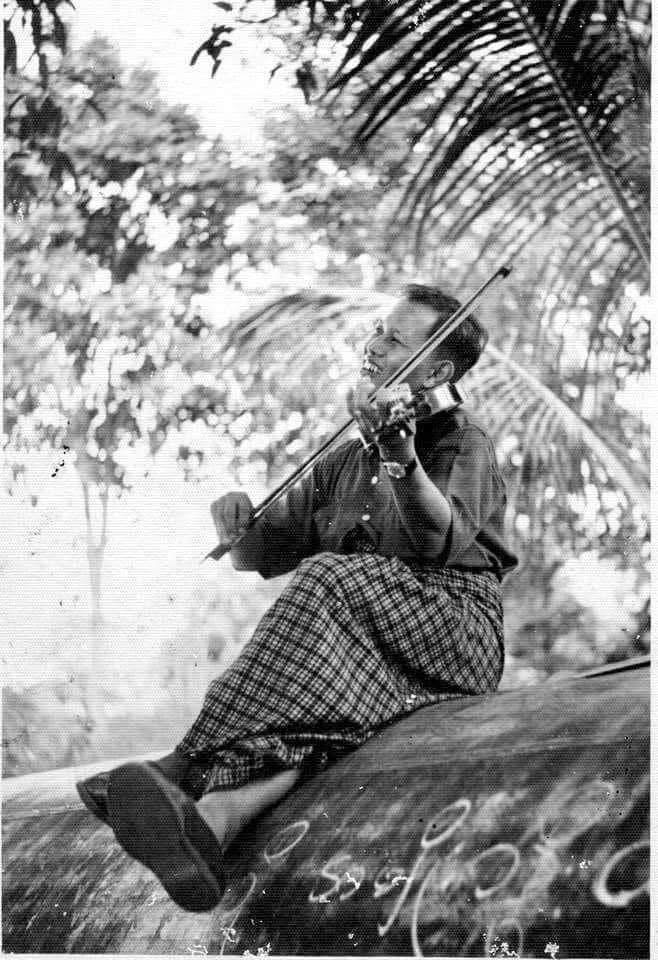
Plays the violin well
Accompanied U Ba Kyi (Artist, translator/composer of songs”) singing “Hne Yauk Hte Nay Chin De” in Burmese and English
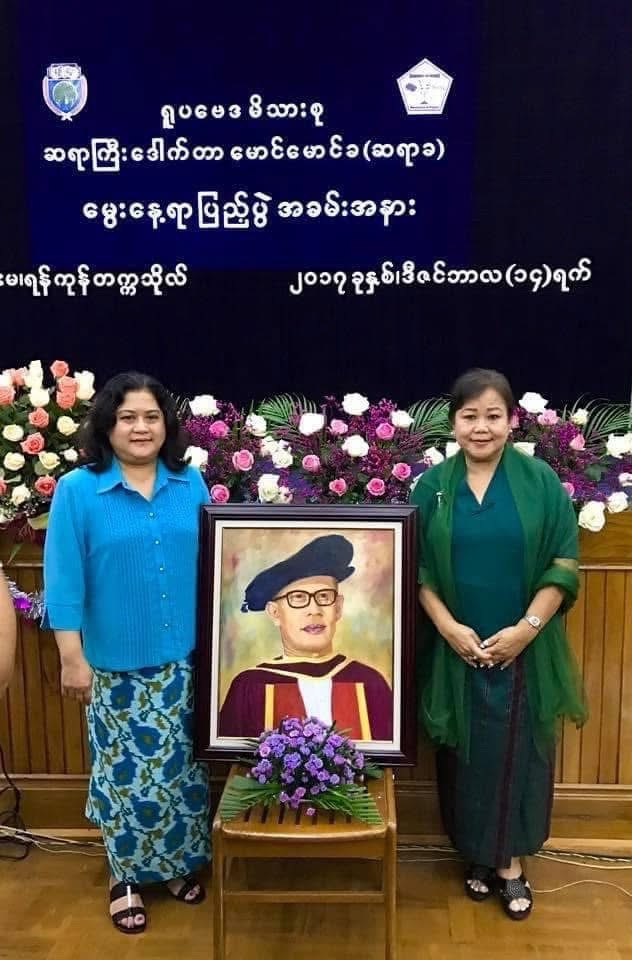
Passed away in Yangon in 2005.
Centennial celebrations for his birthday were held in 2015.
Early Rectors
Dr. Htin Aung (RU)
Dr. Hla Myint (RU)
Dr. Tha Hla (RU)
U Kar (RU)
Dr. Maung Maung Kha (RU, RASU)
U Yone Mo (RIT)
Dr. Aung Gyi (RIT)
U Khin Aung Kyi (RIT)
U Maung Maung Than (RIT)
U Yone Mo
U Yone Mo
Retired Chief Engineer, Burma Railways
In 1961, the Faculty of Engineering, Rangoon University moved to Gyogone and had a new name Burma Institute of Technology (BIT).
Appointed Dean of Engineering at the BIT Gyogone Campus
Under the new Education System, BIT became an autonomous Institute with the name Rangoon Institute of Technology (RIT). He became the Rector.
Proponent of taking power naps
U Wynn Htain Oo (M72) remembers how his friends were having fun with the “Ye Punn ရေပန်း” (Water Foundation). Saya saw them, but did not scold them. He said with a smile, “Young men, you can go to the University Swimming Pool or to the Inya Kan ကန် (Lake)”.
Established the weekly “Yoke Shin ရုပ်ရှင်” at the Assembly Hall.
Dr. Aung Gyi (Professor of Civil Engineering) remembered seeing a letter from U Yone Mo (Rector) sent to U Yone Mo (Parent of a son who happened to visit his gambling friends at the hostel). Dr. Aung Gyi told the Admin to stow away the letter.
Ko Zaw Min Nawaday knows Sayagyi & his spouse (Daw Elizabeth Yone Mo, High Ranking Nurse at RGH and a close friend of Daw Khin May Than) very well. Sayagyi and Dr. Aung Gyi were in May Myo during one summer. Sayagyi asked Dr. Aung Gyi and Ko Zaw Min to accompany him. They ate Khauk Swe. Sayagyi reminded them not to tell about his “Khauk Swe” appetite to Sayagadaw.
Dr. Aung Gyi
Dr. Aung Gyi
Succeeded U Yone Mo as Rector
Rector (1971 – 1977)
See Posts
Memories of Dr. Aung Gyi
Speech at SPZP-2000
Coconut Episode
U Khin Aung Kyi
U Khin Aung Kyi
Stood 7th in Burma in the Matriculation of 1949
He did his B S and M S at MIT
Professor of Chemical Engineering at RIT
Succeeded Dr. Aung Gyi as Rector
Taught at Rengsit University in Bangkok, Thailand
Provided interview for HMEE-2012 Project
U Maung Maung Than
U Maung Maung Than
BS in Textile Engineering from Clemson University and MS from Lowell University
Professor & Head of Textile Engineering Department, RIT
Rector, YIT
DG, DHE
Chair, RIT Sports Council
Hobbies : Chinlon, Music
Helped establish Engineering at Defense Services Academy
Dr. Henry Cho Tun (Myint Tun) wrote:
I’m going to add a few things about Saya U Mg Mg Than. I’m very close to him and the family and the son is my student. We are all golfers and both of them are very good. Saya MM Than is as good as Saya Soe Paing and plays with clubs that are custom made for him. Hope the following would be useful additions. Thank you
He did his B S at Clemson and M S at Lowell.
He joined BIT in 1957 as lecturer -Head of Textile Engineering Department at BOC college
1964 was appointed Professor at RIT
Served as Rector, 1990-1992
Director General of The Department of Higher Education 1992-1994 and retired
Served as Director of Studies at DSTA (Defense Services Technical Academy)
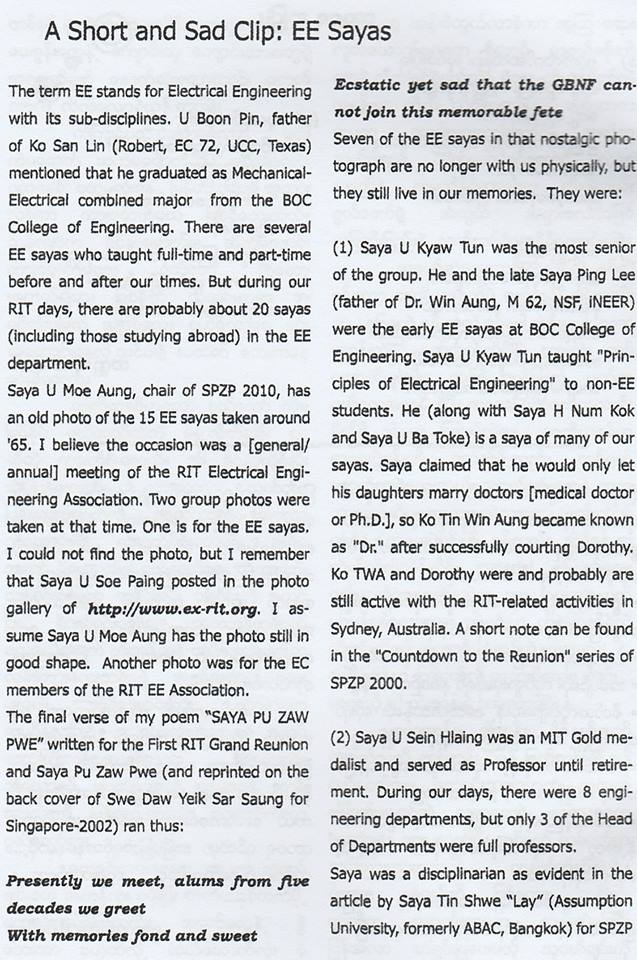
I wrote an article for the Commemorative Issue of “Swel Daw Yeik Sar Saung” for SPZP-2010 held in Singapore.
Tekkatho Moe War (Saya U Moe Aung) was Chief Editor & Publisher of the Sar Saung. He suggested the title “A Short and Sad Clip : EE Sayas”.
GBNF
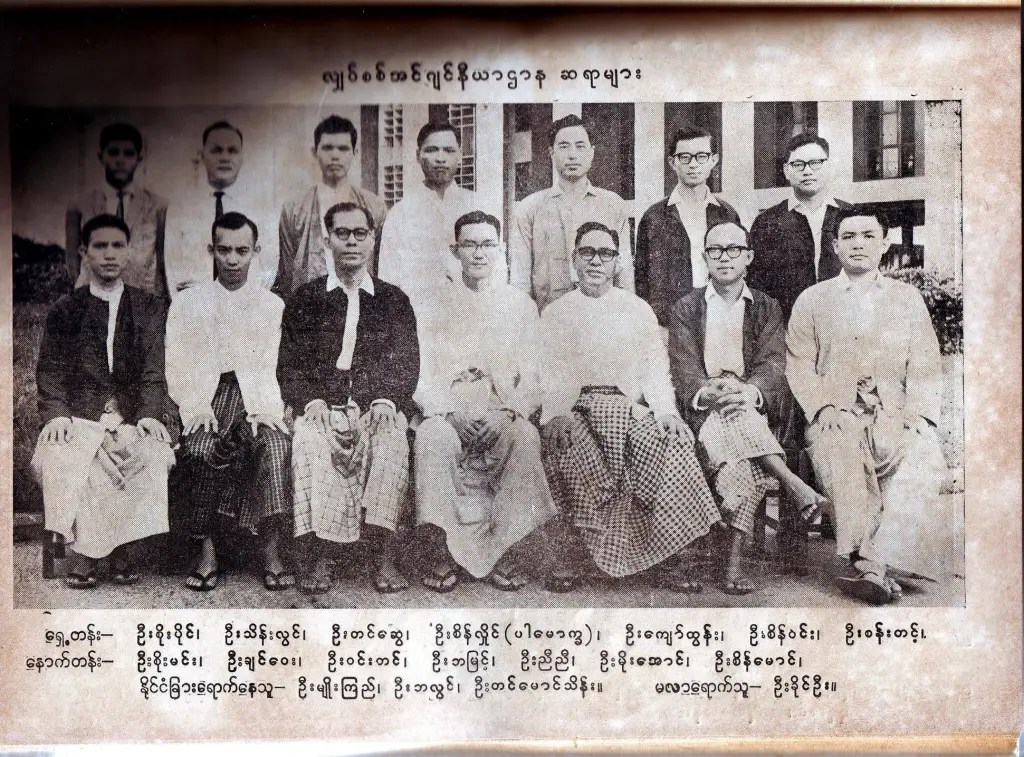
In 2010, seven sayas — U Kyaw Tun, U Sein Hlaing, U Tin Swe, U Sein Win, U San Tint, U Soe Min & U Chin Way in the EE Group photo — had passed away.
Two more — U Thein Lwin & U Nyi Nyi — are now GBNF.
Not in picture
U Myo Kyi, U Ba Lwin & U Tin Maung Thein were on Deputation
U Khine Oo missed the photo shoot
U Kyaw Tun graduated in 1948-49 and joined the EE Department. He is the most senior among the EE Sayas.
U Kyaw Tun recruited C Ping Lee, father of Dr. Win Aung (M62), to join the EE Department. Per request from H.E. U Than Aung, father of Saya U Aung, C Ping Lee transferred to head the Directorate of Technical Education and Vocational Training.
U Sein Hlaing matriculated in 1946 and finished Top in his class of 52. He joined the EE Department as Assistant Lecturer. He studied MS at MIT. Upon his return, he was promoted to Lecturer & Head of the EE Department. He served as Professor until his retirement.
U Tin Swe matriculated in 1947. He was a member of the Prome Hall Soccer team which won the Inter-Hall Trophy for three consecutive years. He joined the EE Department in 1953 as Assistant Lecturer. He studied MS at the University of Michigan. Upon his return, he was promoted to Lecturer. He played good tennis. He was an early Power User at the Universities’ Computer Center (UCC).
U Sein Win studied his BSEE and MSEE at the University of Michigan. He served as President of RIT Swimming Club, President of RIT Rowing Club, Line Judge at RUBC Regattas, and Technical Advisor for UCC. He retired as Professor of EP Department at YTU.
Dr. San Tint joined the EE Faculty in 1961. He played soccer for the RIT Saya team. He served as External Examiner for UCC. Hevretired as Professor of EC Department at YTU. His former students performed Pyinnya Dana in Saya’s memory.
U Chin Way was active in SPARK. He migrated to the USA.
U Soe Min transferred to DCA.
U Thein Lwin retired from Singapore Polytechnic, but he was active helping students desiring to study in Singapore. He was President of the RIT Badminton Club. He managed the RIT team comprising of Sai Kham Pan (EP69), which won the Inter-Institute Trophy. He and Sayagadaw Daw May Than Nwe (RIT Physics) are now GBNF.
U Soe Paing was my mentor at RIT & UCC. He retired from UN after managing IT projects at various countries. He wrote about his experiences as a States Scholar, as Systems Manager at UCC and as UN Technical Advisor. He spends his retirement visiting UK and USA, playing golf and practicing vipassana meditation at Kaba Aye Sunlun Gu Kyaung where his younger brother U Wara (U Win Paing, ChE70) is the Sayadaw. Saya had some operations for his heart and his back problems, but he is still active.
Dr. Win Tin was active in SPARK and as entrepreneur. He served as Associate Dean of Engineering at Assumption University.
Note: Scan of Page 23 is missing in the post.
U Ba Myint retired as Pro-Rector of YTU.
U Sein Maung taught at Assumption University. He attended SPZP-2000 at the invitation of Daw Lily Win (T72, spouse of Saya Dr. Tin Win M62).
U Myo Kyi (EE59) & Dr. Ba Lwin (EE59) are the two most seniors among the EE sayas. I met U Myo Kyi at the meetings (Alumni Association, SPZP, MES). I met Dr. Ba Lwin during his visit to the USA to see his daughter Thiri Lwin.
U Moe Aung chaired SPZP-2002 and SPZP-2010. He and his team published the commemorative issue of “Swel Daw Yeik Sar Saung” for SPZP-2002, SPZP-2007 and SPZP-2010. After retirement, hevmoved back to Yangon. He is Patron of SDYF and several RIT-related activities. He is a Laureate Poet. He is active writing poems (often “Let Tann”) and articles (mostly on EE). Hevpublished two books and co-authored several books.
U Khine Oo was absent in the group photo taken around mid-1966. He took some computer courses before going abroad as states scholar.
U Nyi Nyi moved to UK. He is now GBNF.
U Tin Maung Thein was studying in the UK. He later taught in Thailand.
U Tin Shwe (EP66) joined EE Department after graduation. He taught and RIT and ABAC. He wrote an article about his final year days in the commemorative issue of “Swel Daw Yeik Sar Saung” for SPZP-2010. He became a monk, and served as Dhamma Librarian. Sady, he passed away.
U Moe Aung wrote “To the Shwe Duo” in the memory of U Tin Shwe and U Hla Shwe (T69). I translated the poem and published in my RIT Alumni International Newsletter and Updates.
During one of visits to Yangon, U Myo Kyi provided two lists of EE sayas. One lists the senior sayas and the other lists the junior sayas.
EE 68 – 74
Daw Mya Mya Than (EP68) is now GBNF.
U Than Lwin (Henry, EC69) was my classmate. He became an EE saya.
U Kyaw Naing (EC70, GBNF), U Tin Win (EC71), U Ko Ko Kyi (EC72), Daw Nyunt Nyunt Yee (EP72, GBNF) & Daw Khin Swe Oo (EC74) are some of my juniors. They became EE sayas.
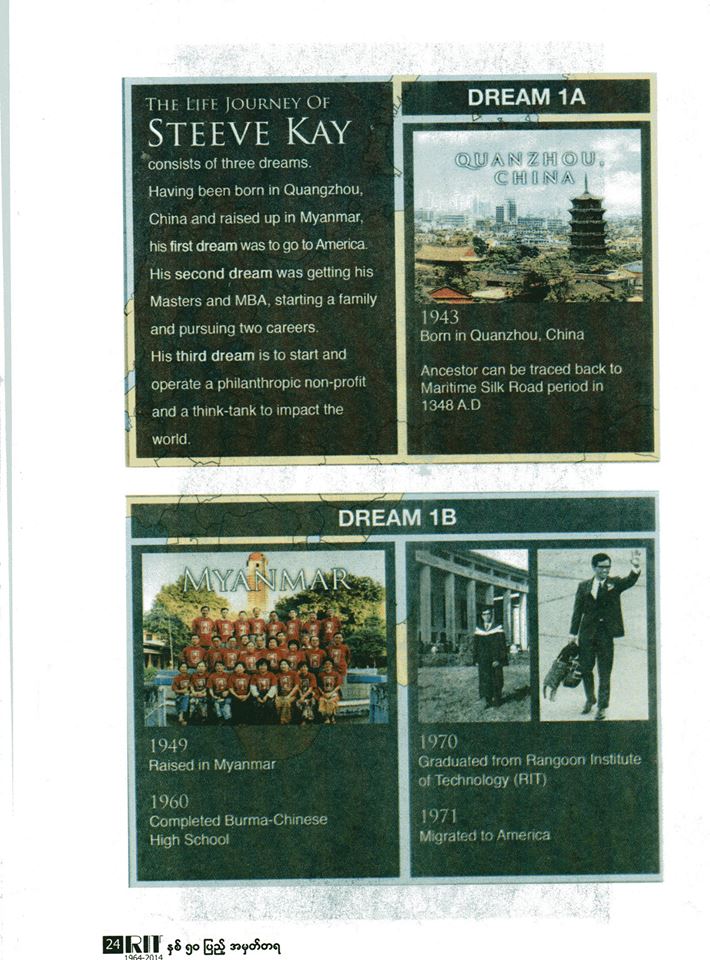
Attended Hwa Kyone. Sponsored publication of Hwa Kyone Centennial Magazine
Attended GTI briefly
Took Language Courses
Matriculated with Distinctions in Maths, Physics & Chemistry.
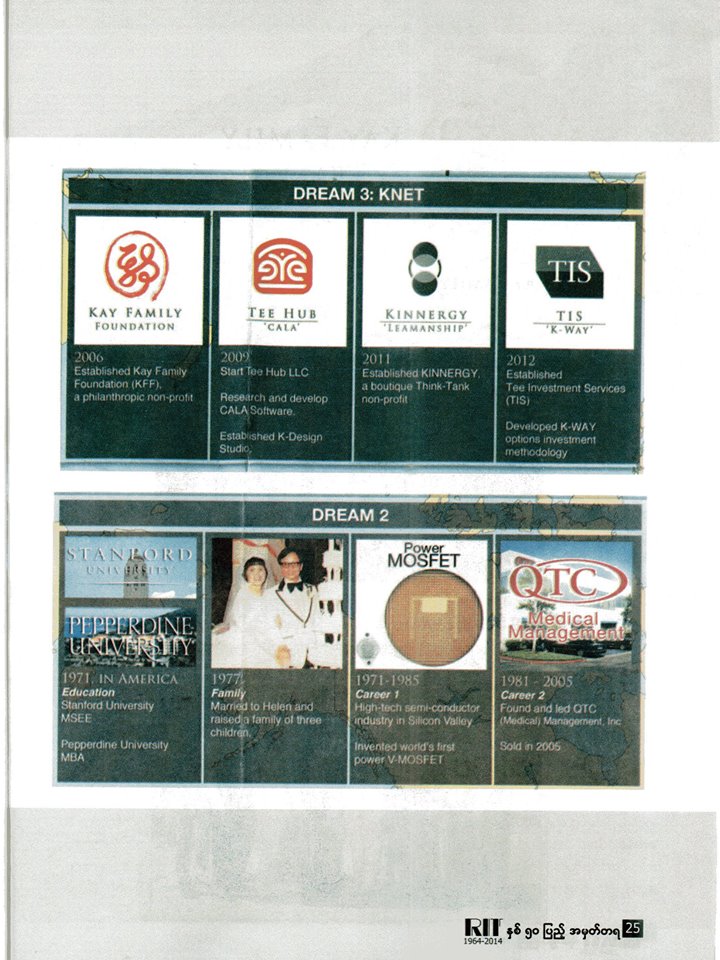
Admitted to 1st BE in Nov 1964 with Roll No. 8
Graduated with Electrical Communications in 1970
Moved to USA
Successful careers as IC Designer, CEO of QTC, Entrepreneur, Philanthropist
Never forgot his Roots, Alma Mater, Mentors & Motherland. He sang “Shwe Mi” at 2015 RIT Alumni Reunion in Los Angeles.
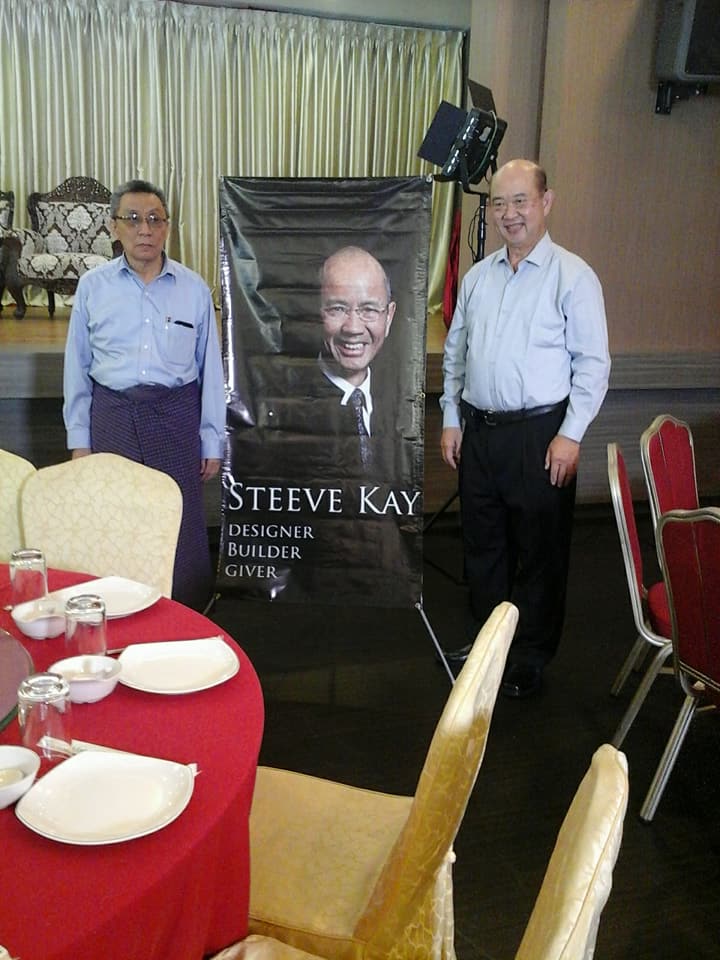
Special Name
An administrator entered the name as Steeve (instead of Steve). He appreciated the name for being special.
Education
MS from Stanford University
MBA from Pepperdine University
Work & Experience
S 1S 2S 3S 4
Electronics Engineer : Designer of Power IC Chip
Co-founder & CEO, QTC Management : His sister Dr. Lay Kay had patents for processing disability claims & requested Steeve to found QTC.
After private investors showed interest in his company, he retired but continued to lead a multiple-purpose career
Visiting places of the world’s leading religions
Incubating projects of young professionals
Supporting education (e.g. as trustee of UC Irvine & selected Colleges)
Maintaining diverse business portfolio
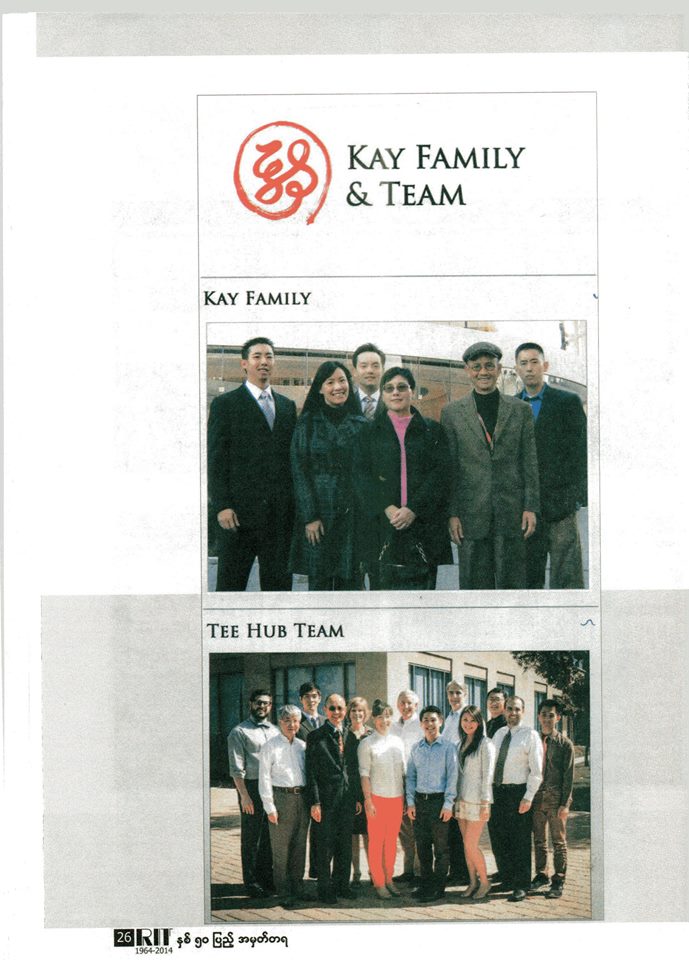
Helping those in need (via Kay Family Foundation & CABA)
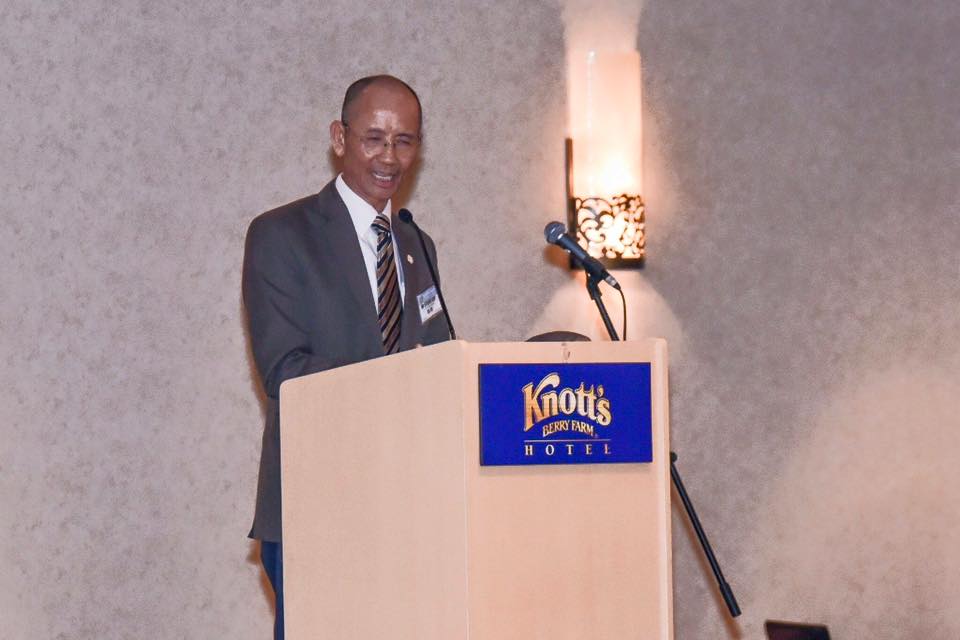
Continue paying back the metta & cetana of his mentors as Golden Sponsor of RIT Reunion & Saya Pu Zaw Pwes, Helen and Steeve Kay Health Care Fund for the RIT Sayas and Sayamas.
From the SPZP-2000 Archives
RIT Poet Laureate Ko Hla Min:
I must admit that I was suffering from a Monday morning “hangover”, having been intoxicated with emotional overdose over the reunion weekend [in October 2000].
Judging from the post-reunion emails I read, I am not alone. What a reunion!
By all measures, it was a success and did satisfy the alumni’s tremendous pent-up desire to reconnect with each other after many decades of separation. The dedication of the members of the organizing committee is second to none.
With the assistance of his lovely wife, Benny Tan devoted practically full-time to this project for several months. I had a first-hand experience to see how meticulous he was when he was designing the RIT T-shirt. It came out a winner!
I do appreciate the sensitivity the organizing committee displayed in making this event non-religious and non-political. Otherwise, it would have been very difficult for me to attend. The only regret is that I failed to locate the whereabouts of my buddy Ko Aung Min of Taunggyi (ME 70). I heard he went to Singapore, but so far my search has ended in “no find”.
Now that the grand reunion is over, everybody is slowly recovering from the “hangover”. The big question is who would go to Singapore in 2002, and how do we go about doing it?
With best regards, Steeve Kay (Ko Thaung Sein)
Sponsor / Host of Gatherings
Steeve (Center) at Benny’s houseSPZP-2012Steeve (Center) in Yangon
SPZPs (starting with SPZP-2000 in US)
40th Anniversary of “Arrival in US”
Celebrating 40th Anniversary of Arrival in USA
Celebrating the Success of QTC
Acariya Pu Zaw Pwe(s) for the Combined 1st BE Intake of 64
2015 RIT Alumni Reunion in Los Angeles
2015
Special PZP and Reunion in Yangon (after doctors advised against Long Trips)
USA hosted the FirstRIT Grand Reunion and Saya Pu Zaw Pwe in October 2000.
The Celebrations kicked off with an Informal “Welcome” Dinner / Gathering” at a Sea Food Restaurant. The Main event was the Reunion and SPZP at Embassy Suites Hotel near San Francisco International Airport. The Family event was the “Farewell” Lunch / Gathering at a High School.
Donors
Saya Allen Htay‘s article, “Can you spare US$500 and more?” was a major factor for having Donors — large and small — for SPZP-2000.
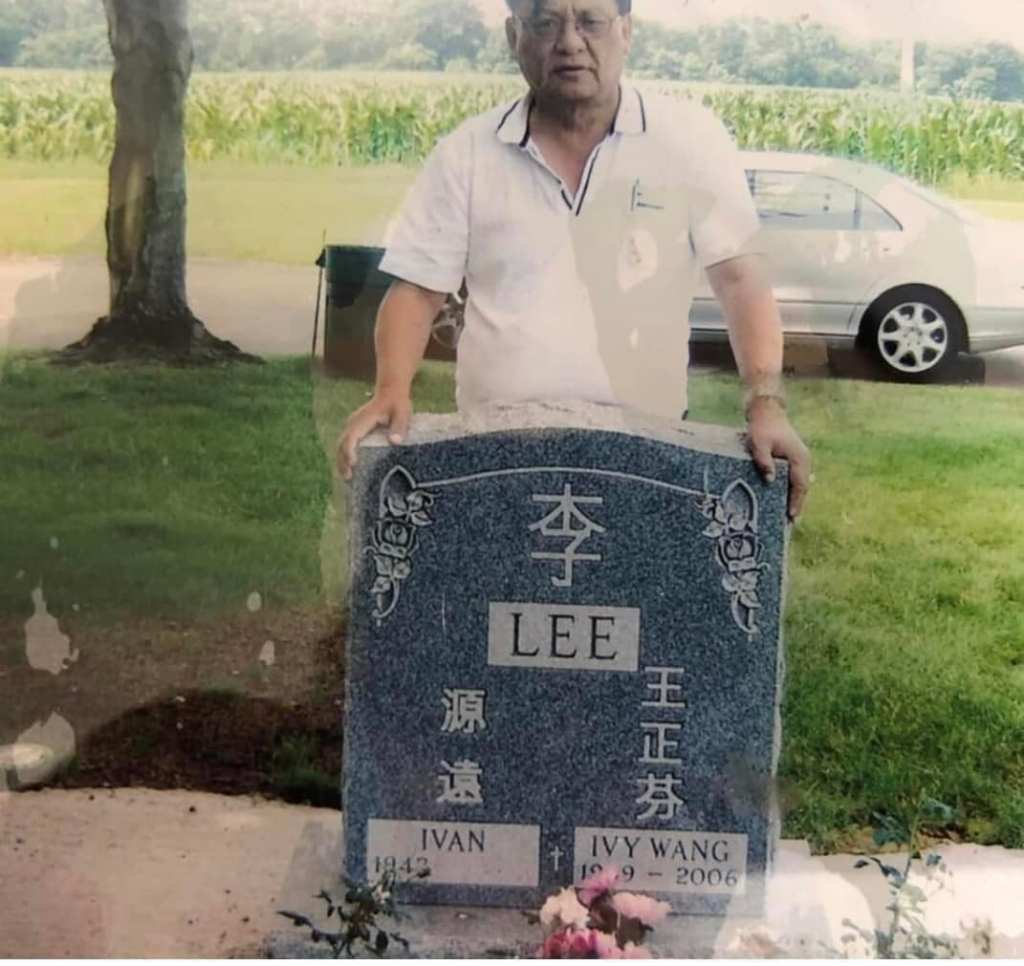
There were Five Golden Sponsors. Steeve Kay (U Thaung Sein, EC70, Southern California) Benny Tan (Tan Yu Beng, M70, Northern California) Ivan Lee (U Khin Maung Oo, M69, New Jersey) David Ko (U Tin Myint, GBNF, M67, Northern California) U Maung Maung Than (M79, Texas)
SPZP-2000 Organizers
U Khin Maung Zaw (KMZ, EC76, web master) copied the names/tags from the very first posting from his album.
Sitting L-R: Saya U Mya Htoo (Civil 68), U Benny Tan (Yu Beng, Mech 70), Saya KC Chiu (Dr. Tin Aung, Chem 63), U Hla Min (EC 69) Editor Extraordinaire, Saya U Allen Htay (GBNF, Civil 58), Saya U Nyo Win (Dr. K H Chen, Mech 65), Saya U Tin Htut (Mech 60), Saya U Maung Maung (George, Chem 66), Daw San San Nyunt (Sandra, Mrs. Thein Aung, Mech 76)
Standing L-R: U Soe Aung (Mech 75), U Gordan Kaung (Kaung Kaung Oo, Mech 83), U Myint Swe (EP 74), U Anthony Ng (Aye Tun, Mech 76), U Mya Thwin (Phillip, EP 75), U Maurice Chee (Hla Myint Thein, Mech 75), U Thura Thant Zin (Mech 76), Sayalay U Thein Aung (James, Met 72), U Myint Lwin (Henry Chee, GBNF, Civil 63), U Khin Maung Zaw (KMZ, EC76), Daw Yi Yi Khaing (Audrey Wong, Civil 84), Daw San SanSwe (Mrs Myint Swe, EC74)
All of them, except KMZ, live in various cities across Northern and Southern California. KMZ lives in a city near Seattle, Washington State.
Publications
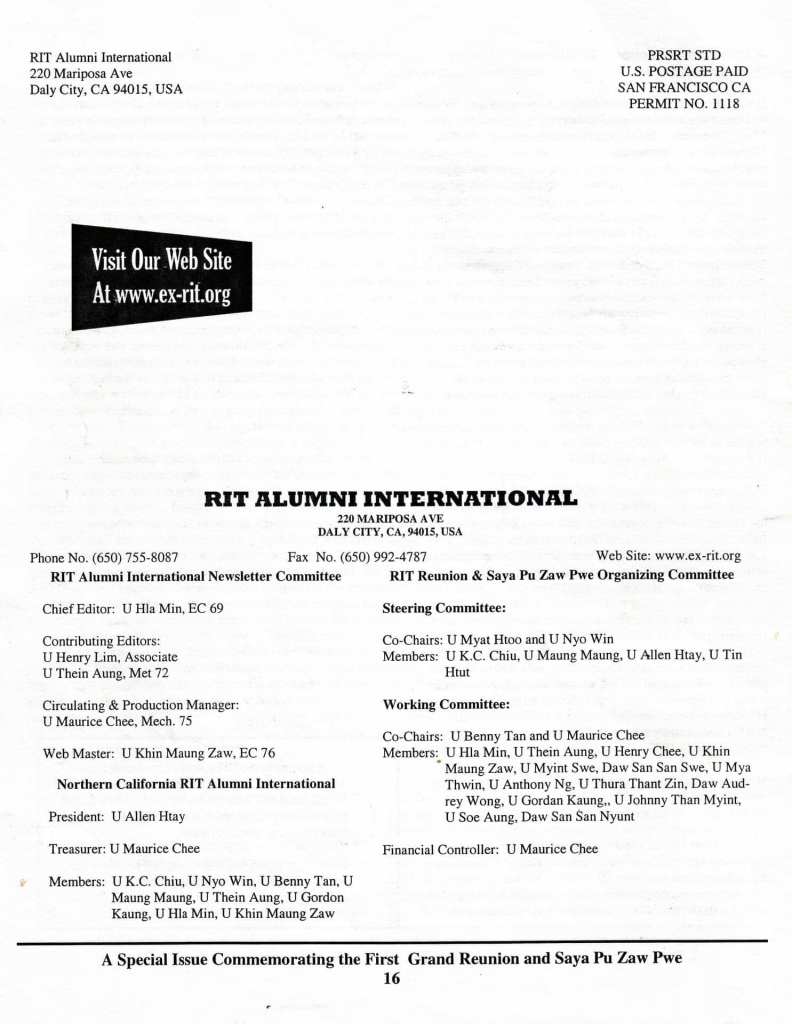
The Commemorative Issue of “RIT Alumni International Newsletter” was published for SPZP-2000. I served as Chief Editor. Henry Lim (U Aung Myint, BAPS) and U Thein Aung (Met72) volunteered as Associate Editors. Maurice Chee (M75) served as Publisher (in addition to being Co-Chair, Working Committee; Financial Controller; Logistics Head)
It featured articles by Sayas and Alumni.
My poem “SAYA PU ZAW PWE” was published in the Newsletter as well as in the ex-RIT website (designed and implemented by U Khin Maung Zaw). Several sayas and alumni contributed to the two series : 64 “Countdown to the Reunion” articles and 36 “Post-Reunion” articles
SAYA PUZAW PWE Poem by Hla Min
S eems like it was only yesterday A t our alma mater in a land far away Y ou taught us to work, play, laugh, even cry A nd coaxed us, forced us to aim for the sky
P roblems in real life, lab, computation, survey U nderstand concepts, design, display, … Z eal, zest, ardor, grit, passion to make it “our day” A rchitects, engineers, we’ve come here to say W e honor your metta, your cetana — we fully can’t repay
P resently we meet, alum from five decades we greet W ith memories true, fond, sweet E cstatic yet sad that the GBNF could not join this memorable fete
Notes
The term “SAYA GADAW PWE” has religious connotations.
Since the SPZP-2000 organizers and attendees profess different religions, the term SAYA PUZAW PWE (meaning honoring the mentors and paying respect to them for their metta and cetana) was chosen.
GBNF means “Gone But Not Forgotten“.
As of March 1, 2024. the GBNF list for the Class of 69 is 128 (about 40%).
Of the 20 (or so) EE sayas of our RIT days, almost half are GBNF.
Singapore SPZPs
Singapore hosted SPZPs in December 2002, April 2007 and December 2010.
Saya U Moe Aung was Chair of SPZP-2002 and SPZP-2010.
U Nyan Win Shwe (William, M72) chaired SPZP-2007.
Commemorative Issue of “Swel Daw Yeik Sar Saung” was published for each SPZP. Saya U Moe Aung (Tekkatho Moe War) served as Chief Editor.
My poem “SAYA PU ZAW PWE” was reprinted on the Back Cover of SPZP-2002 Sar Saung.
My poem “SWE DAW YEIK” was printed in SPZP-2007 Sar Saung. In my later writings, I use SWEL DAW (following Saya’s usage) instead of SWE DAW.
My article “A Sad and Short Clip : EE Sayas” was published in SPZP-2010 Sar Saung”.
Yangon SPZPs
Yangon hosted SPZPs in December 2004, December 2012 and December 2016.
There was a slight earthquake on the day of SPZP-2004.
A follow-up SPZP was scheduled for Yangon in December 2006, but changes in Political Climate dictated the SPZP to be rescheduled for Singapore in April 2007 (around Thingyan).
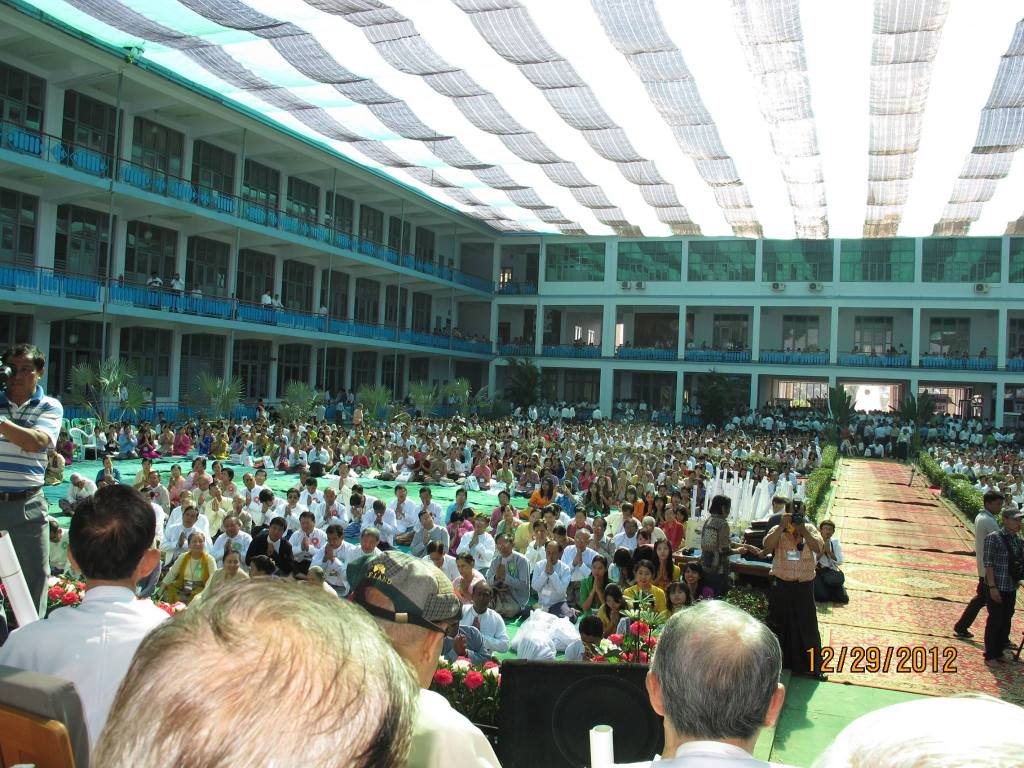
SPZP-2012 was the first to be held at the Gyogone Campus.
Thanks to H.E. U Aye Myint (EP72) for his initiative to bring back glory to our beloved alma mater, and to the sayas, sayamas, and alumni who made the “Home Coming Reunion” possible.
There were tears of joys.
On a sad note, the higher authorities transferred U Aye Myint to another Ministry before he could help the alma mater to the fullest extent.
SPZP-2012 led to the founding of Swel Daw Yeik Foundation (SDYF), the Shwe YaDu Celebrations (with the planting of 50 Swel Daw Bins), and the RIT-YIT-YTU Alumni Association (ARITA) — to name a few.
SPZP-2016 was a FREE All Day (Breakfast, Lunch and Dinner) at the Gyogone Campus.
Due to the pandemic, SPZP-2000 was cancelled.
Not sure if there will be a SPZP (as comprehensive as SPZP-2016) in a foreseeable future.
Jara, Byadi and Marana have hit many sayas and alumni.
Steeve, Benny, Ohn Khine, Hla MinNews CoverageSPZP-2012SPZP-2012SPZP-2016U Lin Ovada
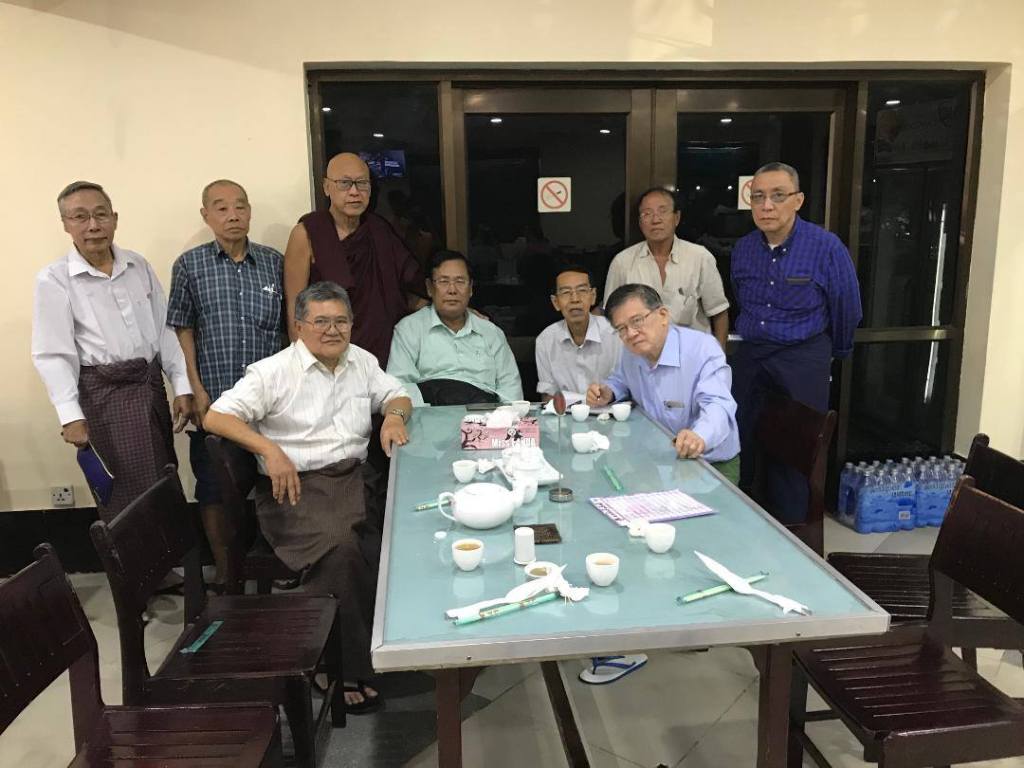
There were several gatherings during my visit to Yangon in January, 2018.
Mini-gathering hosted by me
69er Monthly Gathering
UCC gathering hosted by the Myints
5th Acariya Pu Zaw Pwe of ICST and UCSY
Lunch gathering hosted by MARB sayas
Mini-gathering hosted by me
Host : Me
During my visits to Myanamar, several friends gave me rides.
U Win Maung (Lake) gave a ride to three alumni:
U Myint Maung (Bu, Volleyball)
Ashin Okkantha (Uzin Aung Chaw, Victor) who came down from Sagaing Hills
Yours truly
Since it was short notice, some former classmates could not show up.
A notable exception was U Win Thein Zaw (“Wai Lu”) who came down from Nay Pyi Taw at the breakfast gathering. His spouse is a cousin of U Win Boh (Robert).
Standing:
U Shwe (Treasurer of the 69er HCF and EE 69er HCF)
U Sein Myint (Major donor of the HCFs, RIT Selected for Rowing, Swimming and Water Polo)
Ashin Okkantha (Uzin Aung Chaw, Sagaing Hills)
U Win Maung (Lake, RIT Selected for Swimming and Water Polo)
U Hla Min (Host, also donated to the HCFs)
Seated :
U Myat Soe Lwin (Sai Hwet, Survived a fall from the ceiling)
U Win Thein Zaw (Member of Pyithu Hluttaw in Nay Pyi Taw)
U Kyi Win (Kyaw Gyi, former sea farer, yogi)
U Myint Maung (Selected for EE Volleyball, One of the youngest 69er, Eligible bachelor)
Sharing Merits
I hosted the mini-gathering.
I also donated to the 69er HCF (Health Care Fund) and the EE69ers HCF.