Category: Buddhism

Sayadaws, Suttas, Terms

  • Meditation

    Meditation

    by Hla Min

    Update : 4th November 2026

    Types of Meditation

    The Scriptures describe 40 kinds of Meditation.

    The methods generally fall into

    • Samatha (Concentration Meditation)
    • Vipassana (Insight Meditation)

    Samatha သမထ

    In Samatha, one chooses a “Meditation Object”. In the early days, some practitioners chose a white or colored disk (Kasina) as a Meditation Object. By fixing one’s eyes and thoughts on the Meditation Object, one can develop Concentration.

    Some practitioners chose “Ana Pana” (Out-breath and In-breath). For example, one can note the direction, direction and hardness/softness of the breath.

    One may attain one level of more Jhana (Absorption).

    Vipassana ဝိပဿနာ

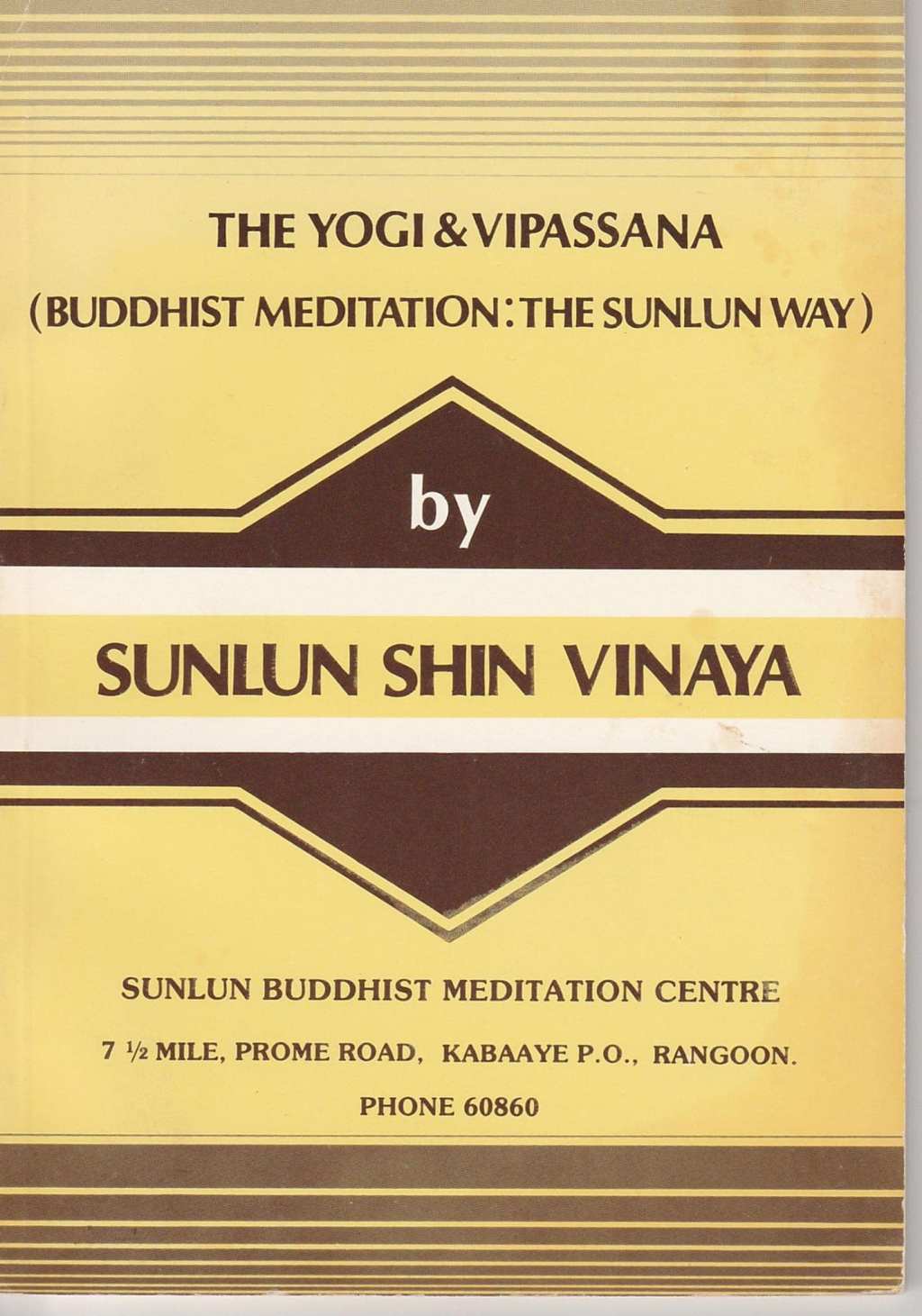
    Vipassana book

    Vipassana means

    • various ways of seeing
    • seeing things as they truly are.

    A practitioner may choose a Primary Object for the meditation session. Depending on the tradition of the Mediation Master, the Primary Object can be a nostril, nge dait (part of the head), abdomen, or the body (e.g. touching the mat or floor).

    Then, one practices one of the “Four Foundations of Mindfulness” by being aware of the Kaya (Physicality), Vedana (Feelings), Citta (Mind) and Dhamma (General artifacts for meditation).

    One may practice Meditation using one of four postures.

    One may be able to experience

    • Nama နာမ and Rupa ရူပ
    • Anicca အနိစ္စ Dukkha ဒုက္ခ Anatta အနတ္တ
    • Stages of development ultimately leading to Liberation.

    In the West, some people try Meditation

    • to experience relaxation and tranquility
    • as an alternative medical treatment (allowed by some Health Insurance).
  • U Pandita

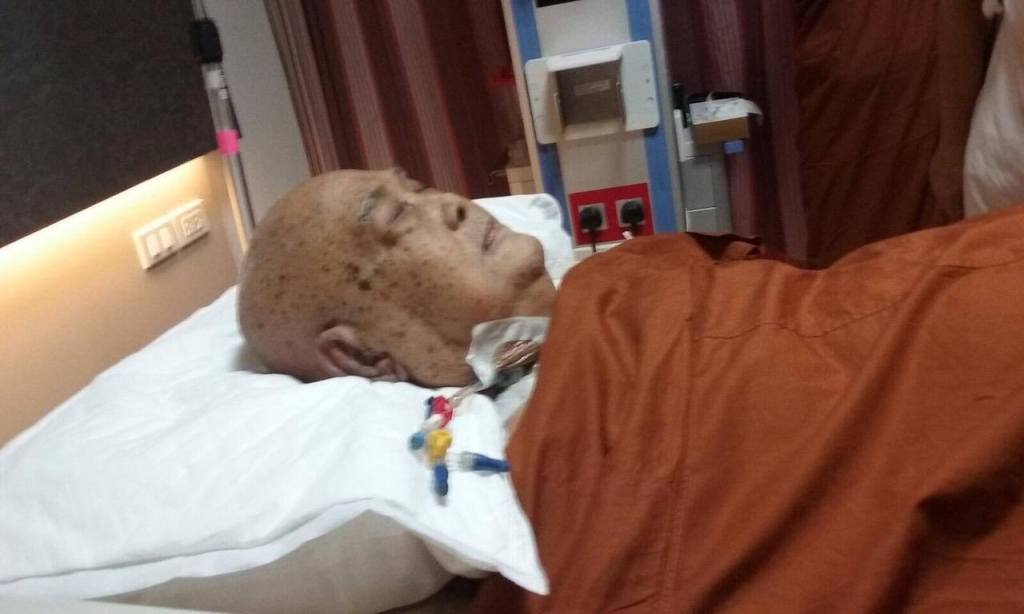
    U Pandita

    by Hla Min

    Update : 4th November 2026

    U Pandita
    • Senior disciple of Mahasi Sayadaw U Sobhana (Vipassana Teacher & Chief Questioner at the Sixth Buddhist Council).
    • Succeeded U Sobana as 2nd Mahasi Sayadaw.
    • Founded Panditarama monastery. Several monasteries and meditation centers around the world that are affiliated with Panditarama.
    • Tathagata Meditation Center (TMC) in San Jose had resident monks from selected Panditarama monasteries. Sayadaw conducted several meditation retreats at TMC.
    • Books by and about Sayadaw
      e.g. In This Very Life
    • Sayadaw passed away in Bangkok in April 2016.
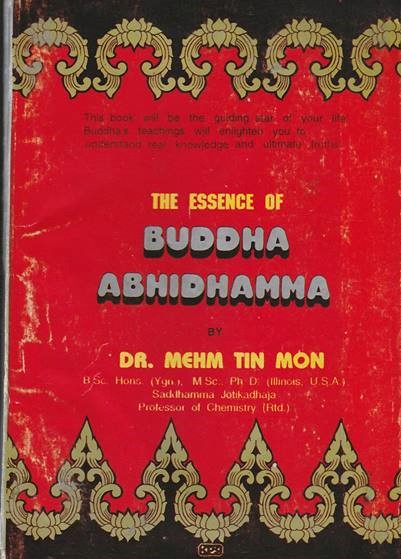
  • The Essence of Buddha Abhidhamma

    The Essence of Buddha Abhidhamma

    by Hla Min

    Update : 4th November 2026

    Book

    Mehm Tin Mon

    Author : Dr. Mehm Tin Mon

    First Printing, April 1995

    Publisher : Mehm Tay Zar Mon Yadana Min Literature

    Foreword : Sao Htun Hmat Win

    Preface

    Buddha’s Teachings

    The significance of Abhidhamma

    What is the mind?

    An intellectual treat

    The Essence of Buddha Abhidhamma

    Introduction

    Chapters

    1. Citta (Consciousness)

    2. Ctasikas (Mental Factors)

    3. Pakinannaka (Miscellaneous Section)

    4. Vithi (Process of Consciousness)

    5. Vithimut or Bhumi (Planes of Existence)

    6. Rupa (Matter)

    7. Samuccaya (Compendium of Ultimate Realities)

    8. Paccaya (Cause or Condition)

    9. Kammatthana (Subjects of Meditation)

    Conclusion

    References

    Index

    Abhidhamma Charts

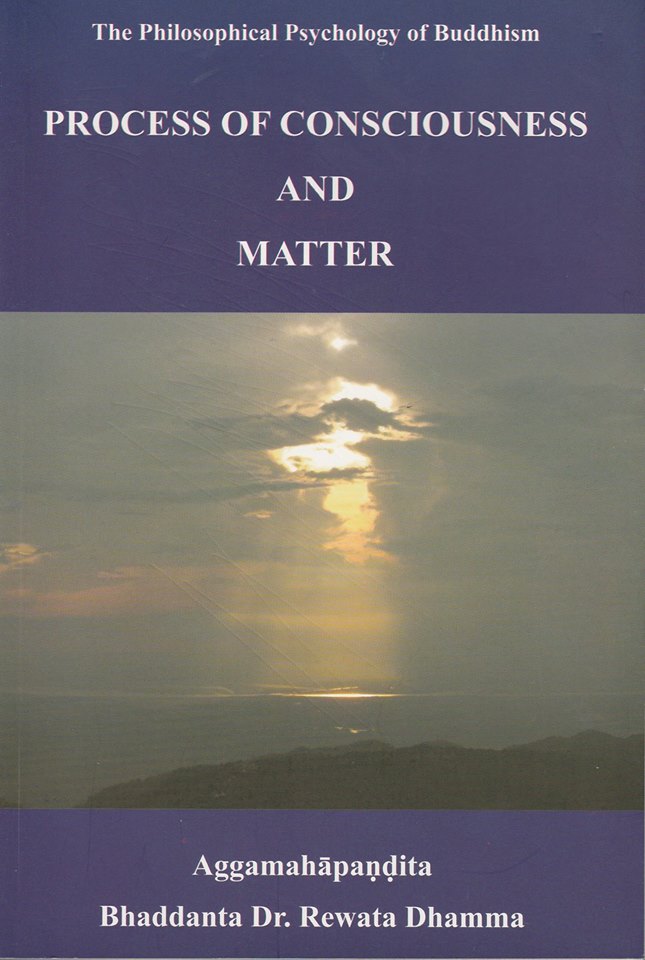
  • Process of Consciousness and Matter

    Process of Consciousness and Matter

    by Hla Min

    Update : 31st October 2026

    Book by Dr. Rewata Dhamma

    Dr. Rewata Dhamma

    • Sayadaw was Chief Resident Monk of Birmingham Vihara, UK
    • He wrote several Dhamma Books.

    Book

    Subtitle : The Philosophical Psychology of Buddhism

    By Sayadaw Rewata Dhamma

    Completed : 2004

    Last book by Sayadaw

    Publisher: Triple Gems Publication

    The book is intended for all serious students of the Abhidhamma.

    It serves as supplement to Bhikkhu Bodhi’s book “A Comprehensive Manual of Abhidhamma”, and treats various important aspect in more detail – in articular the process of consciousness and matter.

    Preface by Sayadaw U Silanandabhivama, Rector of the International Theravada Buddhist Missionary University, Yangon

    Acknowledgement by Sayadaw Dr. Ottaranyana, Birmingham Buddhist Vihara, UK

    Introduction

    Chapter I : CONSCIOUSNESS AND ITS FACTORS

    CHAPTER II : PROCESS CONSIOUSNESS (CITTA VITHI)

    CHAPTER III : MIND-DOOR COGNITIVE PROCESS (MANODVARA VITHI)

    CHAPTER IV : ABSORPTION JAVANA IN THE MIND-DOOR PROCESS (APPANA JAVANAVARA MANODVARA VITHI)

    CHAPTER V : PROCESS OF MATTER

  • Memories of U Silananda

    Memories of U Silananda

    by Hla Min

    Update : 22nd October 2026

    U Silananda
    • Inaugural Rector of ITBMU (International Theravada Buddhist Missionary University)
    • Passed away on August 13, 2005
    • I served as Master of Ceremony at the Service
    • I carried the Box of his Ashes and accompanied Saya U Myat Htoo (C68, President of TBSA) for the Scattering of the Ashes near Golden Gate Bridge, San Francisco

    Publication

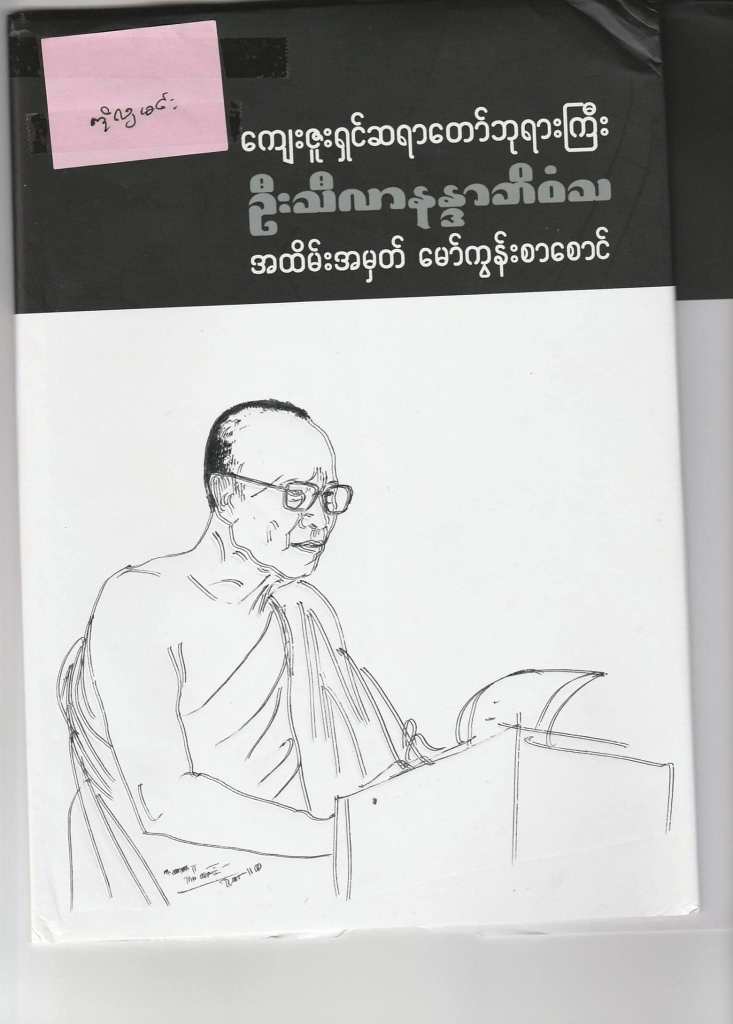
    • Book in memory of U Silananda
    • I was a member of the Committee & Contributing Editor
    Book

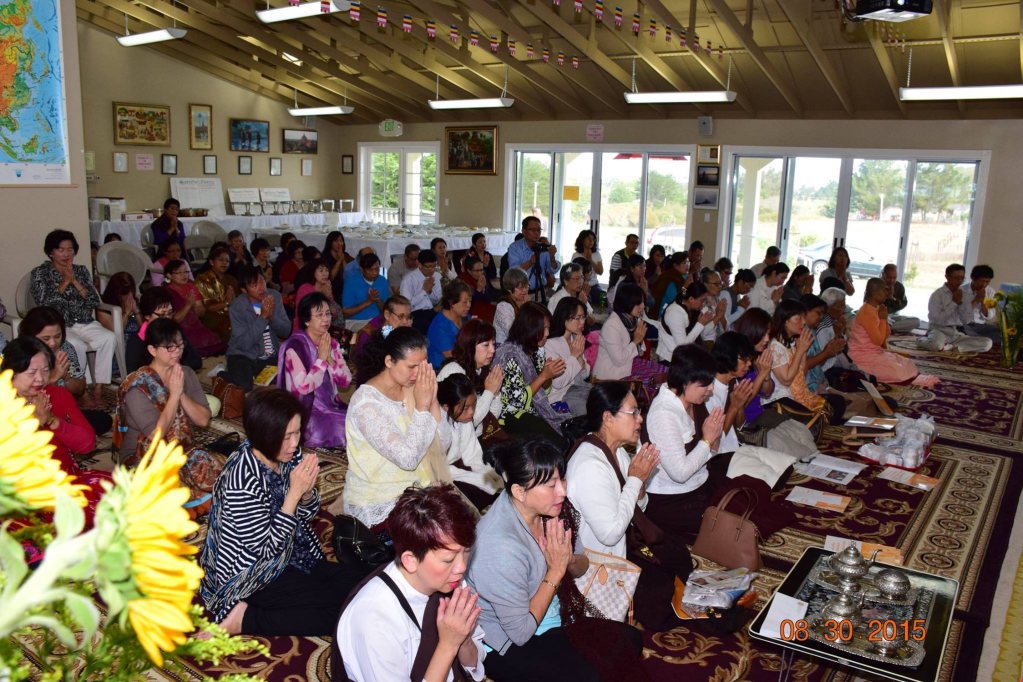
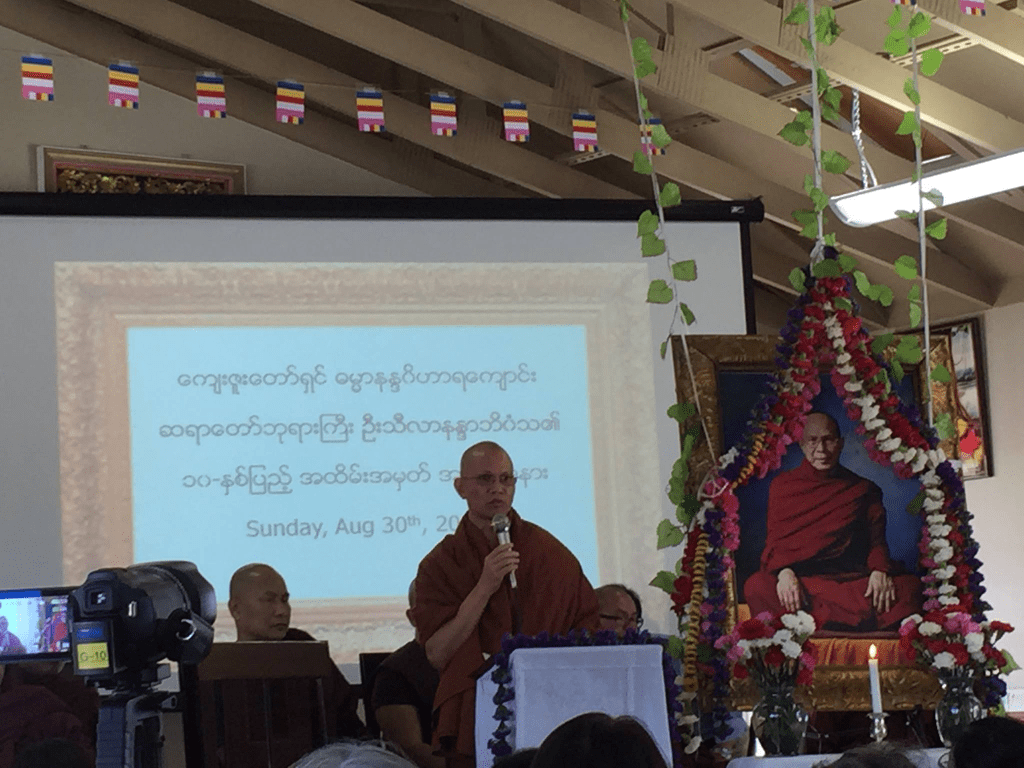
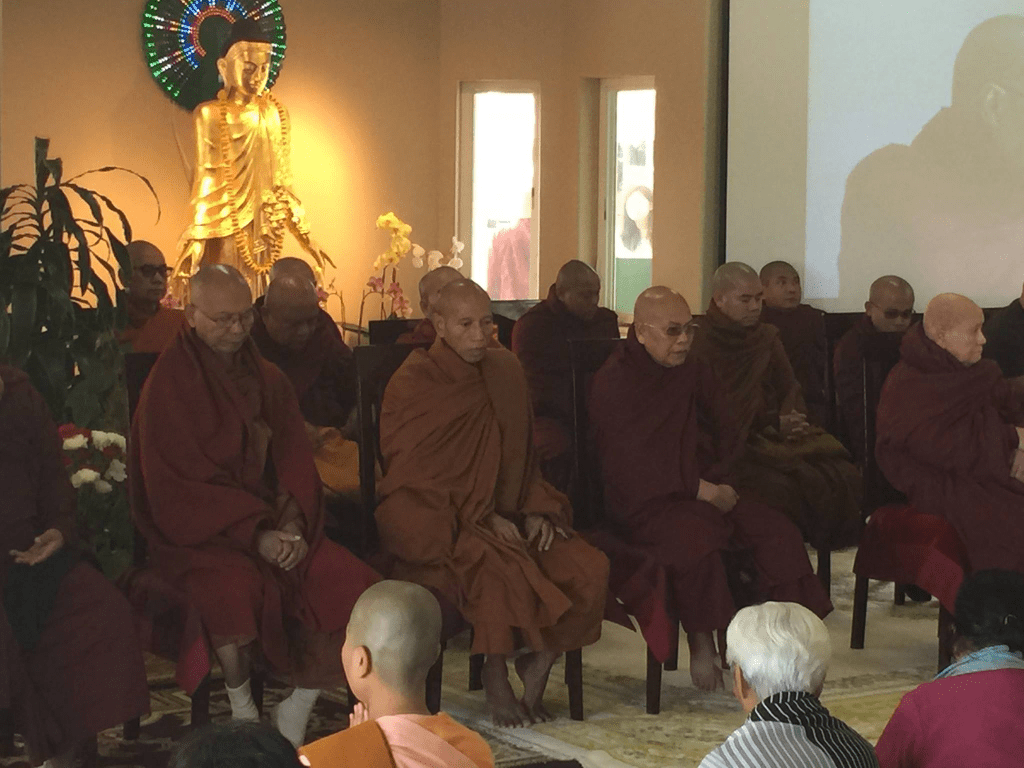
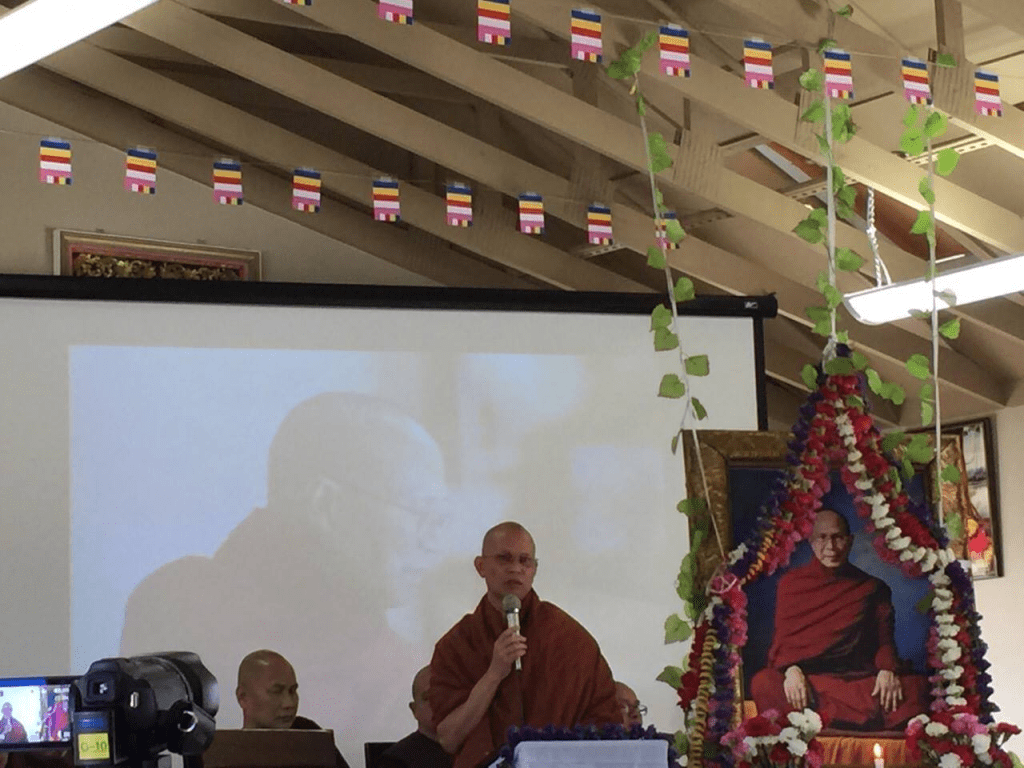
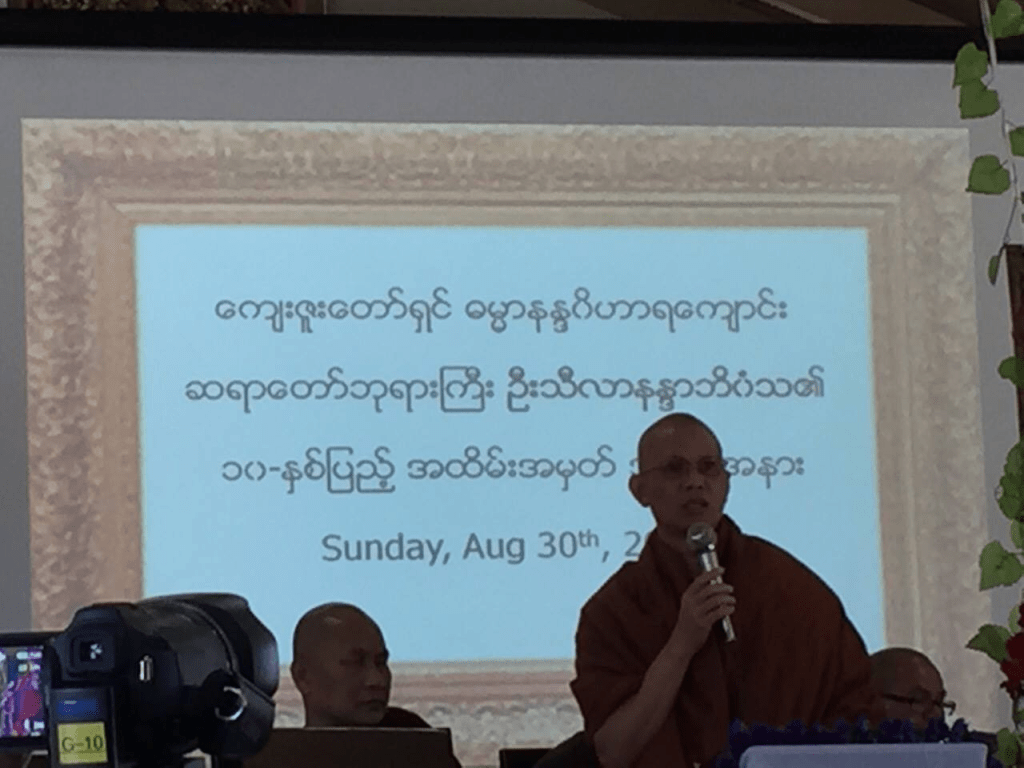
    August 30, 2015

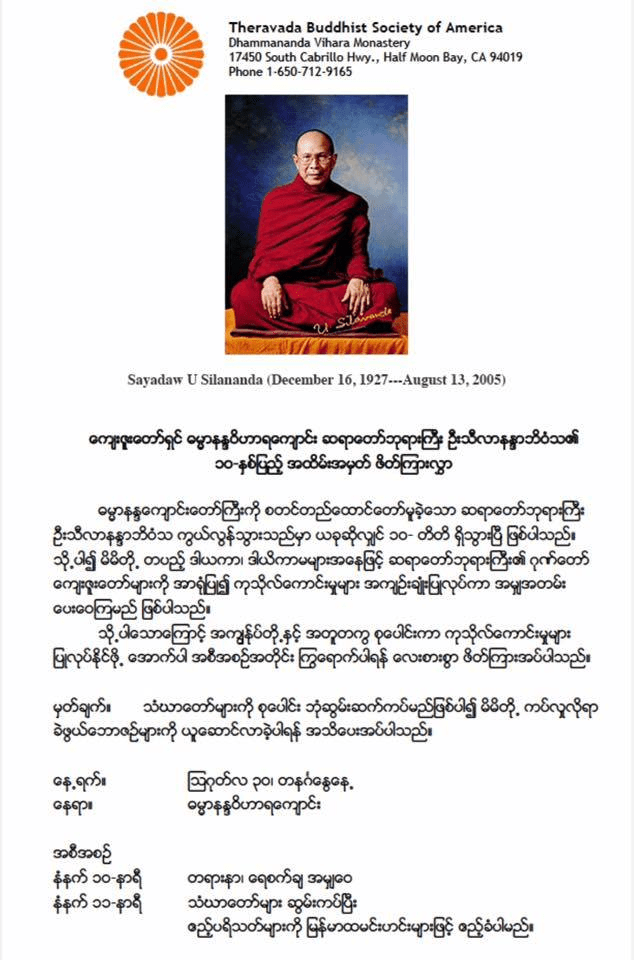
    • Attended 10th Anniversary of Sayadaw U Silananda’s demise
    • Dhammanda Vihara, Half Moon Bay
    Invitation

    Ceremony

    C 1
    C 2
    C 3
    C 4
    C 5
    C6
    C 7
    C 8
    C 9
    C 10

    Posts

    • Abhidhamma
    • Dhamma Publications
    • Sayadaws
    • Trail blazers
    • TBSA
  • Mote Seik Phone Gyi မုတ်ဆိပ်ဘုန်းကြီး

    Mote Seik Phone Gyi မုတ်ဆိပ်ဘုန်းကြီး

    by Hla Min

    Update : 14th October 2026

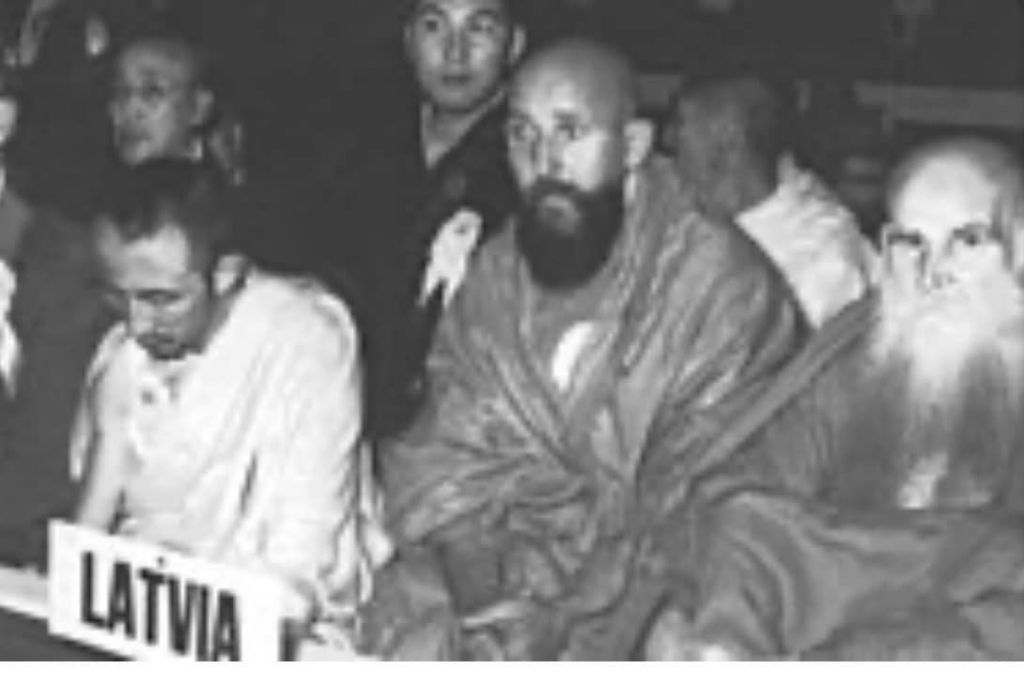
    Reverend Friedrich Lustig
    Estonian Buddhist monk

    • He was born on 26 April 1912 in Narva, Estonia.
    • He passed away on 4 April 1989 in Rangoon, Myanmar.
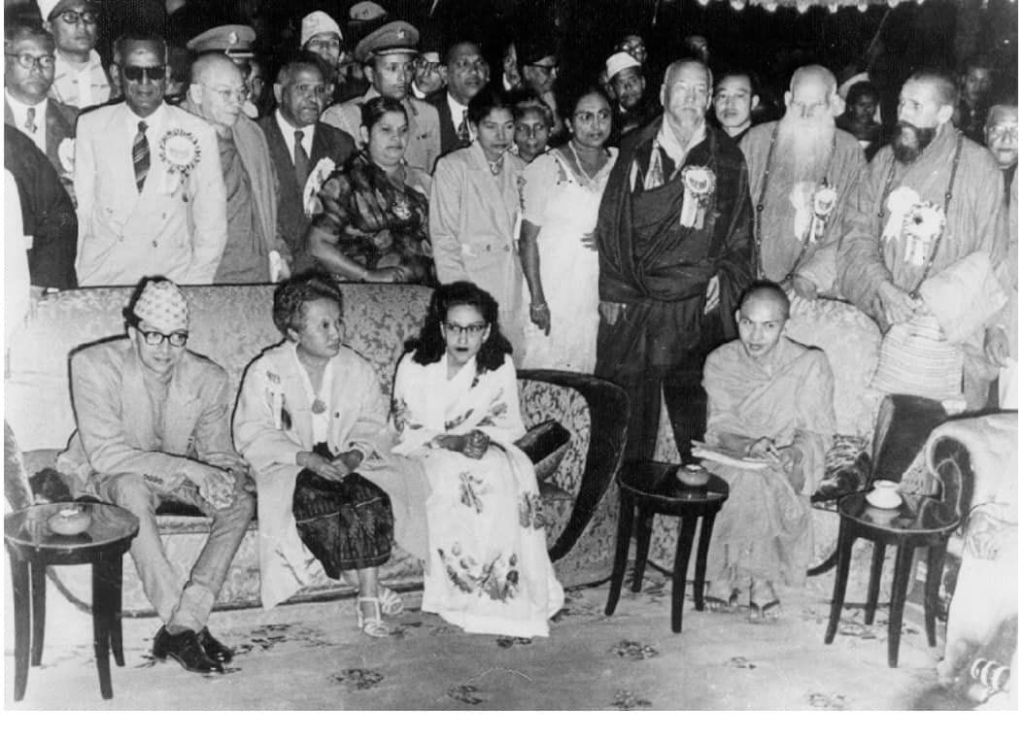
    • He and his mentor Karlis Tennisons (Buddhist Archbishop of Latvia and Sangharja for Estonia and Lithuania) lived for many years in a monastery on “A Le Pyit Sa Yan” အလယ် ပစ္စယံ of Shwe Dagon Pagoda.
    • He went for alms round every day, and was fondly known as “Mote Seik Phone Gyi” (named after his beard).
    • After his mentor’s demise, he inherited his master’s titles. He shaved his beard and became ordained as a Theravada monk with the name “Ashin Ananda”.
    • He was a Poet Laureate. He wrote poems in English. He also translated Burmese poems (including Anandathuriya’s kabyar) into English.
    • He would review my poems.
    Mote Seik 1
    Mote Seik 2
  • Buddhist Councils in Burma သံဂါယနာ

    Buddhist Councils in Burma သံဂါယနာ

    by Hla Min

    Update : 11th October 2026

    According to the Theravada Buddhist tradition, there are six Buddhist Councils. The last two were held in Burma.

    Mandalay မန္တလေး

    Ripley’s “Believe it or not” named U Khanti Kyauksar (inscriptions) of the Fifth ပဥ္စမ Buddhist Council (Synod) held in Mandalay as the “Largest Book” in the world.

    The Council was held to celebrate the 2400th Year in Sasana Era.

    King Mindon was the Sponsor.

    Kaba Aye ကမ္ဘာအေး

    U Nu & Sir U Thwin were prime movers for the Sixth ဆဌ Buddhist Council, which was held to celebrate the 2500th Year in Sasana Era.

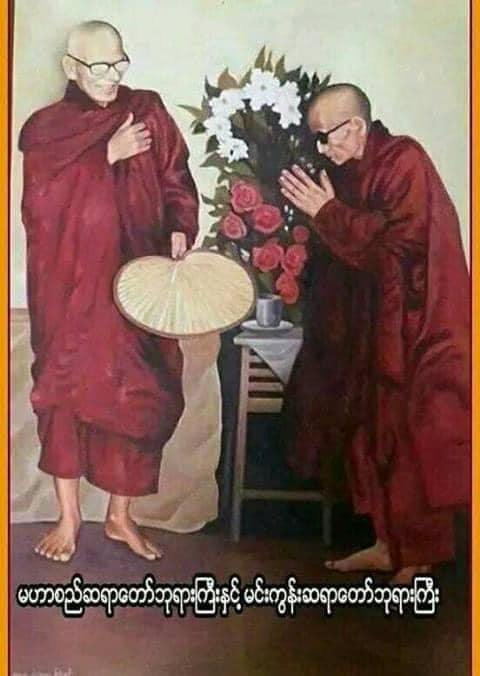
    Mahasi Sayadaw မဟာစည်ဆရာတော် acted as the Questioner.

    Mingun Sayadaw မင်းကွန်းတရာတော် acted as the Reciter & Responder.

    Mahasi & Mingun Sayadaws

    The Guinness Book of World Records listed Tipialkadara Sayadaw Ashin Vicittathara as having an outstanding memory — the best at that time [in 1954]. Sayadaw served as the Chief Reciter (a la Ashin Upali and Ashin Ananda at the First Buddhist Council) at the Sixth Buddhist Council held at KabaAye (World Peace) Pagoda in Rangoon, Burma from 1954 – 1956.

    Sayadaw could memorize, recall, and give exposition on 8027 pages of the Buddhist Scriptures known as Tipitaka / “Three Baskets” :

    • Vinaya – ဝိနည်း Rules of monastic conduct
    • Sutta – သုတ္တန် Buddha’s discourses
    • Abhidhamma – အဘိဓမ္မာ Ultimate reality)

    He took the 2nd – 5th Tipitakadara examinations and passed with distinction in both oral and written parts. Sayadaw served as an examiner for the first Tipikadara examination. Sir U Thwin requested him to take the examination. The rest is history.

  • Mon Sayadaw မွန်ဆရာတော်

    Mon Sayadaw မွန်ဆရာတော်

    by Hla Min

    Updated : 10th October 2026

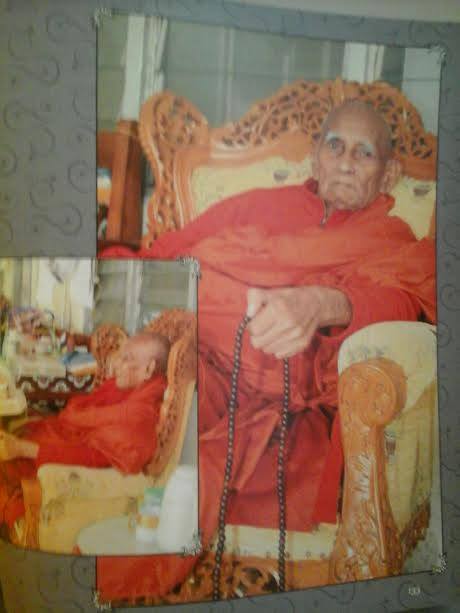
    U Thilawunta (1912 – 2011) ဦးသီလဝန္တ

    Mon Sayadaw
    • Known fondly as “Mon Sayadaw မွန်ဆရာတော်”
    • Dat Paung Zon Sayadaw ဓာတ်ပေါင်းစုံ ဆရာတော် from 1949

    Dat Poung Zon Pagoda

    • In 1948, my father, his siblings and dhamma friends (e.g U Kyaw Myint) built the Dat Paung Zon Pagoda and Monastery.
    My parents
    • My elder brother was ordained as a novice. He volunteered as a Construction Helper.

    DPZ Sayadaw

    • He served as the Chief Abbot of the Dat Paung p Aung Min Gaung monastery on Windermere Road, Rangoon, Burma from 1949.

    Trip to USA

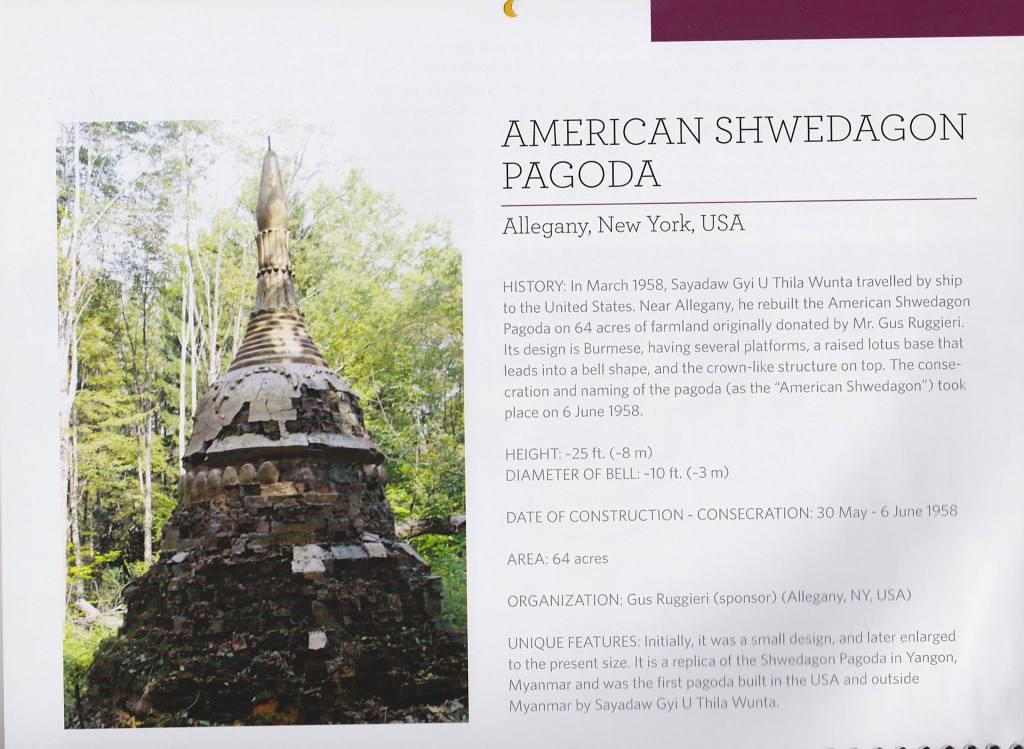
    Pagoda in Allegheny
    • At the invitation of U Thant, Sayadaw traveled to the US (via the ocean liner – predating the days of air travel) and built a pagoda on the Allegheny Mountains.

    Ananda Bodhi

    • In 1958, Leslie Dawson, Canadian of Irish and Scottish descent, asked Mon Sayadaw to be his mentor.
    • Dawson traveled to Bodh Gaya, India to rejoin the Sayadaw and received ordination as a samanera (novice monk).
    • He continued on to Burma where he was ordained as Anandabodhi bhikkhu at the Shwedagon temple, Rangoon (21 Dec 1958).
    • Ananda Bodhi had followers in Canada and New Zealand, most of whom have visited Sayadaw and the Dat Paung Zon pagoda. Two of them also ordained as Buddhist monks with Mon Sayadaw as preceptor.
    • Ananda Bodhi became a Tibetan Master with the name Namgyal Rinpoche in 1971, but continued to preach dhamma from Theravada, …

    Pagodas around the world

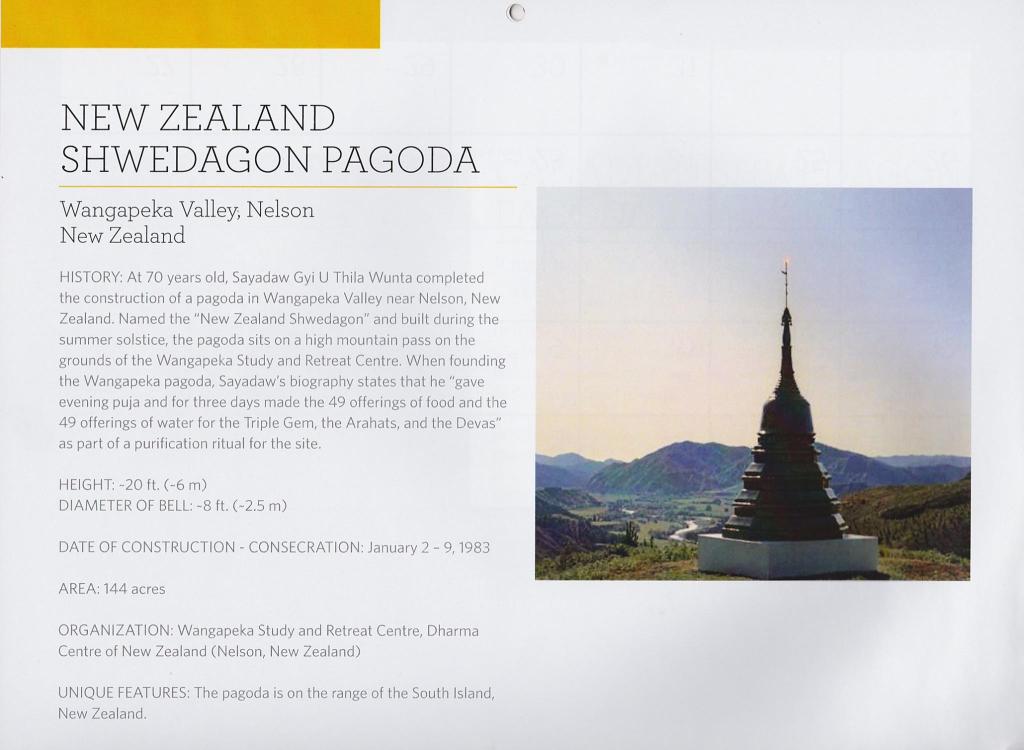
    Mon Sayadaw built pagodas in the several countries including USA, Canada, New Zealand, and South Africa.

    DPZ 1
    DPZ 2
    DPZ 3
    DPZ 4
    DPZ 5
    DPZ 6

    Suggested Reading

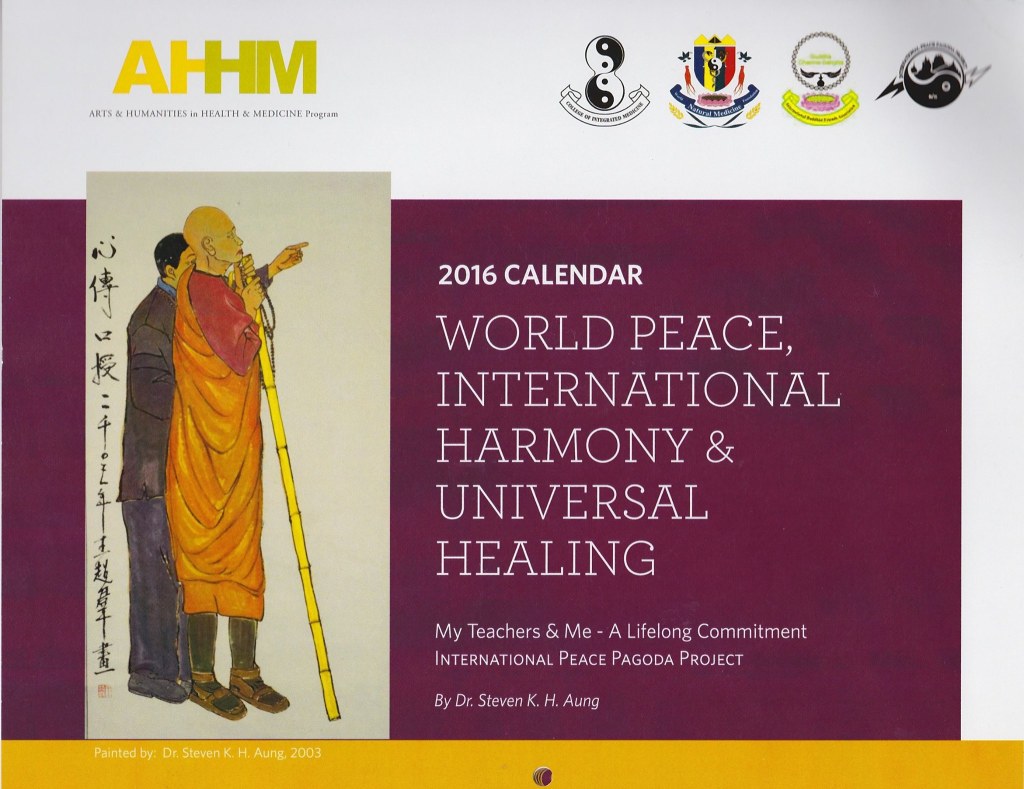
    Details of Sayadaw’s dhamma duta missions can be found in the official biography (in Burmese and English) and the web pages of his disciples (e.g Dr. Steven K H Aung).

  • Dr. Nandamalabhivamsa ဒေါက်တာနန္ဒမာလာဘိဝံသ

    Dr. Nandamalabhivamsa ဒေါက်တာနန္ဒမာလာဘိဝံသ

    by Hla Min

    Updated : 10th October 2026

    Dr. Nandamalabhivansa
    • Succeeded Sayadaw U Silanandabhivamsa as Rector of ITBMU (International Theravada Buddhist Missionary University).
    • He represented ITBMU at the Last Journey of Sayadaw U Silanandabhivamsa.
    • Gave courses and sermons.
      Many are available as MP3.
    • Taught Abhidhamma in Myanmar and beyond.
    • Fundamental Abhidhamma Part I was first taught in 1997 at Maryland, USA. The book was edited by Dr. Khin Maung U (First in Burma in the Matric exam of 1963). The second edition was published by the Center of Buddhist Studies (CBS), Sagaing Hills in 2005.
    • Fundamental Abhidhamma Part II was published by the Center of Buddhist Studies (CBS), Sagaing Hills in 2007.

    Fundamental Abhidhamma Part I

    • By Dr. Nandamalabhivamsa
    • First edition : June 1997
    • Editor : Dr. Khin Maung U
    • Myanmar-Buddhist Meditation Society, Baltimore, Maryland, USA
    • Second, extended edition : January 2005
    • revised : November 2005
    • Center for Buddhist Studies (CBS), Sagaing Hills, Sagaing, Myanmar

    Contents

    The History of Abhidhamma

    (1) Why is it called Abhidhamma?
    (2) Who is the author?
    …
    (8) The role of Abhidhammattha sangaha
    (9) The role of Vibhavani
    (10) Ledi Sayadaw
    (11) Paramatthadipani, the critic of Vibhavani

    Abhidhamma Part I

    The Fundamental of Abhidhamma

    Chapter 1 : Citta
    Chapter 2 : Cetasika
    Chapter 3 : Rup (Matter)
    Chapter 4 : Pikinnaka (Miscellaneous)
    Chapter 5 : Vithi : Mental Process

    Fundamental Abhidhamma Part II

    This image has an empty alt attribute; its file name is abhidhmma-2.jpg
    Part Two
    • By Dr. Nandamalabhivamsa
    • Version Dec 2007
    • Center for Buddhist Studies (CBS)
    • Mahadubodhayon Monastery, Sagaing Hills, Sagaing, Myanmar

    Contents

    • Chapter 5 : Vithi
      Mental Process
    • Chapter 6 : Vithimutta
      Passive Mental Process
    • Chapter 7 : Paccayasangaha
      Compendium of Causality
    • Chapter 8 : Kammatthana Sangaha
      Meditation Subject

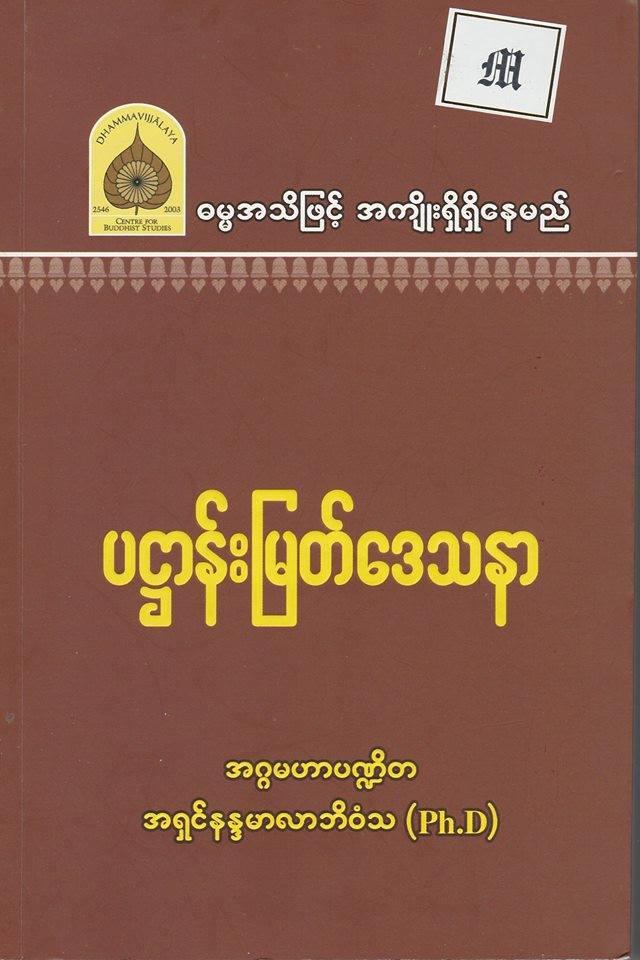
    Pathan Myat Dethana

    This image has an empty alt attribute; its file name is book-4.jpg
    Pathan
    • “Pathan Myat Dethana” by Dr. Nandamalabhivamsa (Rector of ITBMU).
    • U Ye Sint (TBSA) gave me the book as Dhamma Dana.
  • Dhajagga Sutta ဓဇဂ်သုတ်

    Dhajagga Sutta ဓဇဂ်သုတ်

    by Hla Min

    Updated : 10th October 2026

    Paritta

    Dhajagga ဓဇဂ္ဂ

    Dhajagga stands for Banner / “Ta Gun”

    Dhajagga Sutta ဓဇဂ်သုတ်

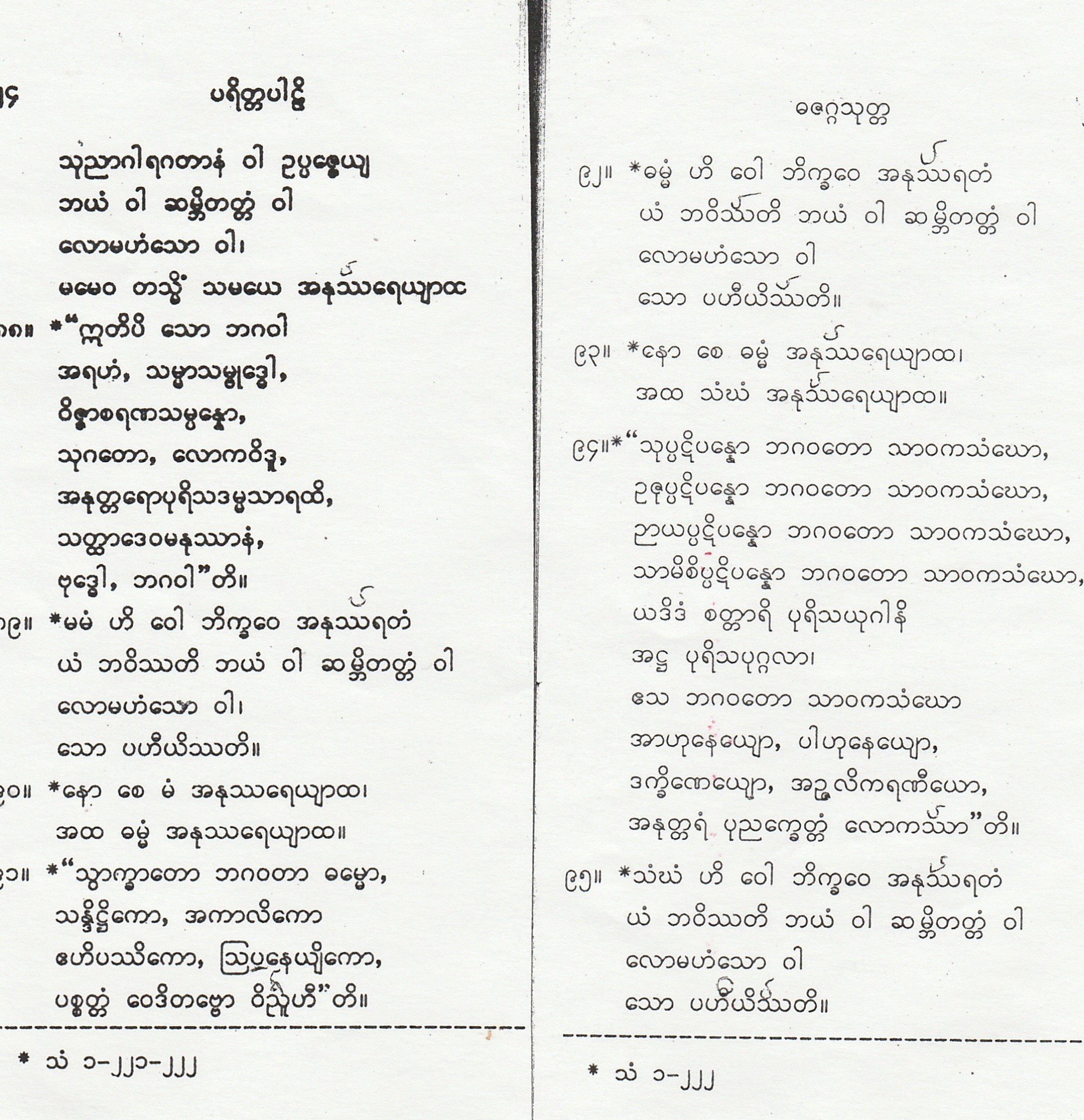
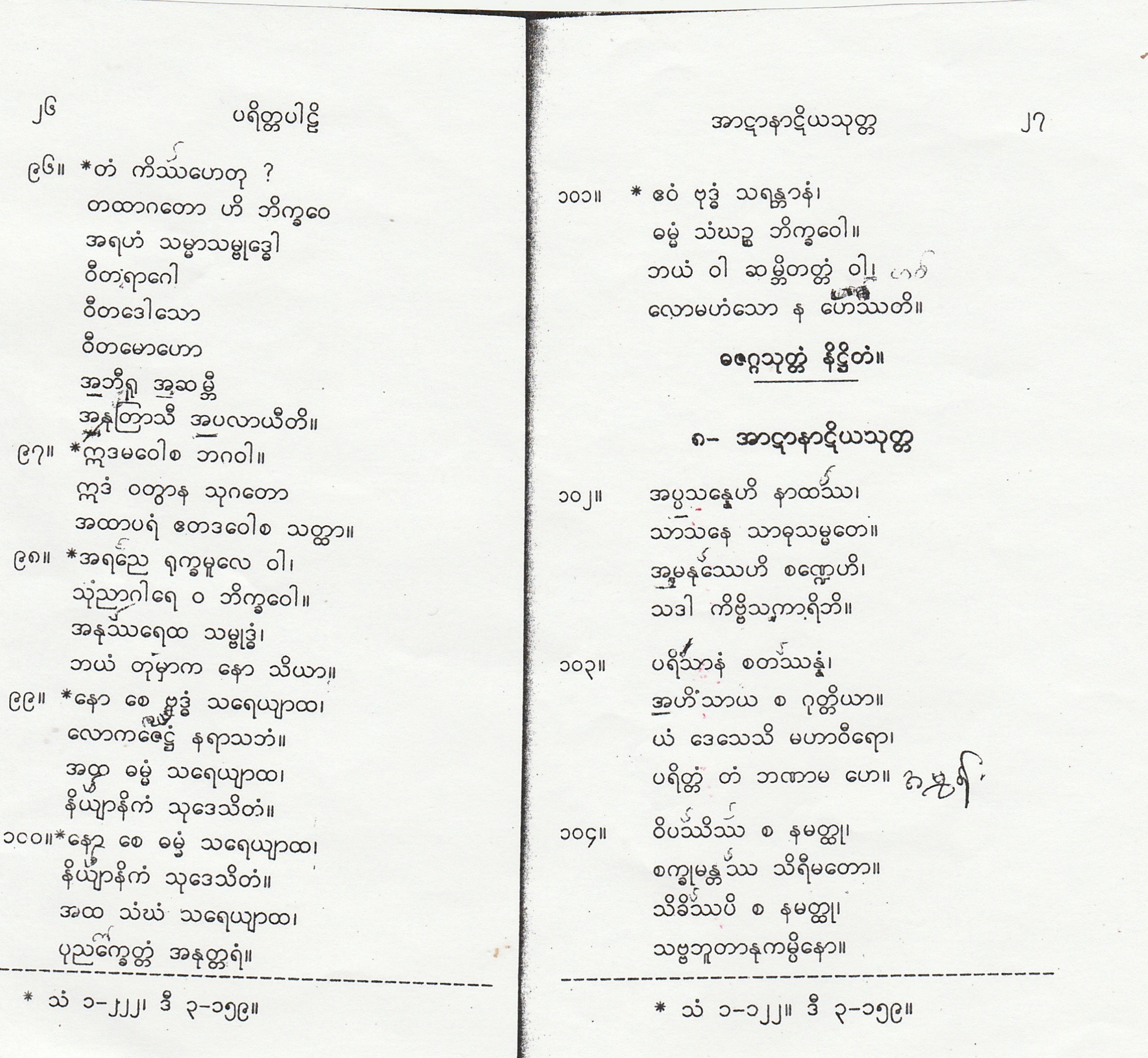
    • 7th Sutta in Paritta Pali (Protective Verses)
    • Exhortation from Cakka (“Thakyar Min” သိကြားမင်း) to his soldiers preparing for the battle with the Asuras အသူရာ
      “If you have fear or trepidation, try to catch the sight of my banner (if that’s possible) or that of the other Deva-Kings: Pajapati, Varuna, and Isana. For when you have caught sight of the banners, whatever fear, or trepidation there is will disappear.”
    • Buddha ဗုဒ္ဓ said,
      “Because of the Lobha လောဘ Dosa ဒေါသ and Moha မောဟ in the Deva-Kings, fear or trepidation may not disappear. So, monks, if you feel fear and trepidation in the wilderness, … or an empty building, you should recollect the following: Nine qualities of the Buddha, Six qualities of the Dhamma, Nine qualities of the Sangha

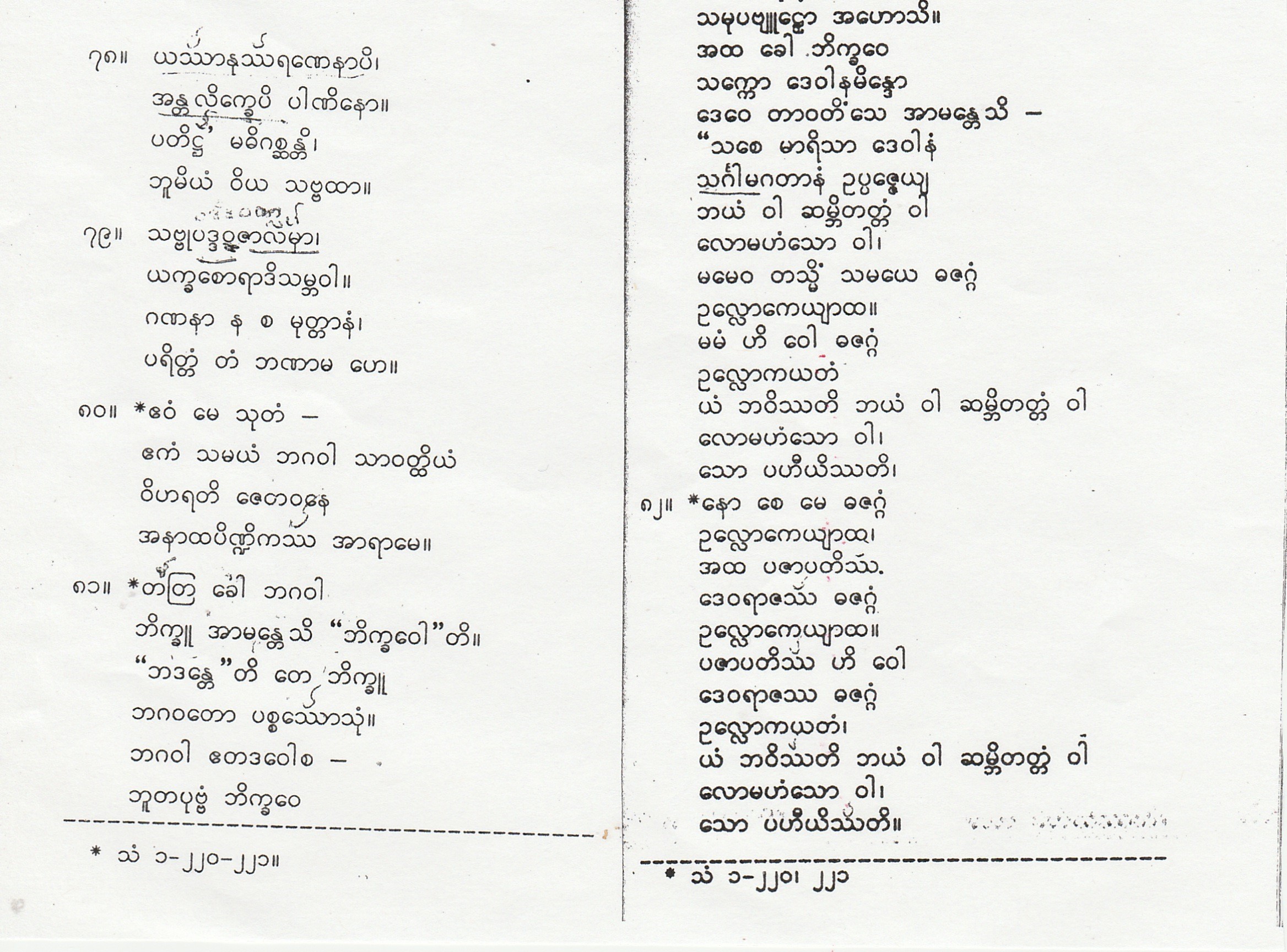
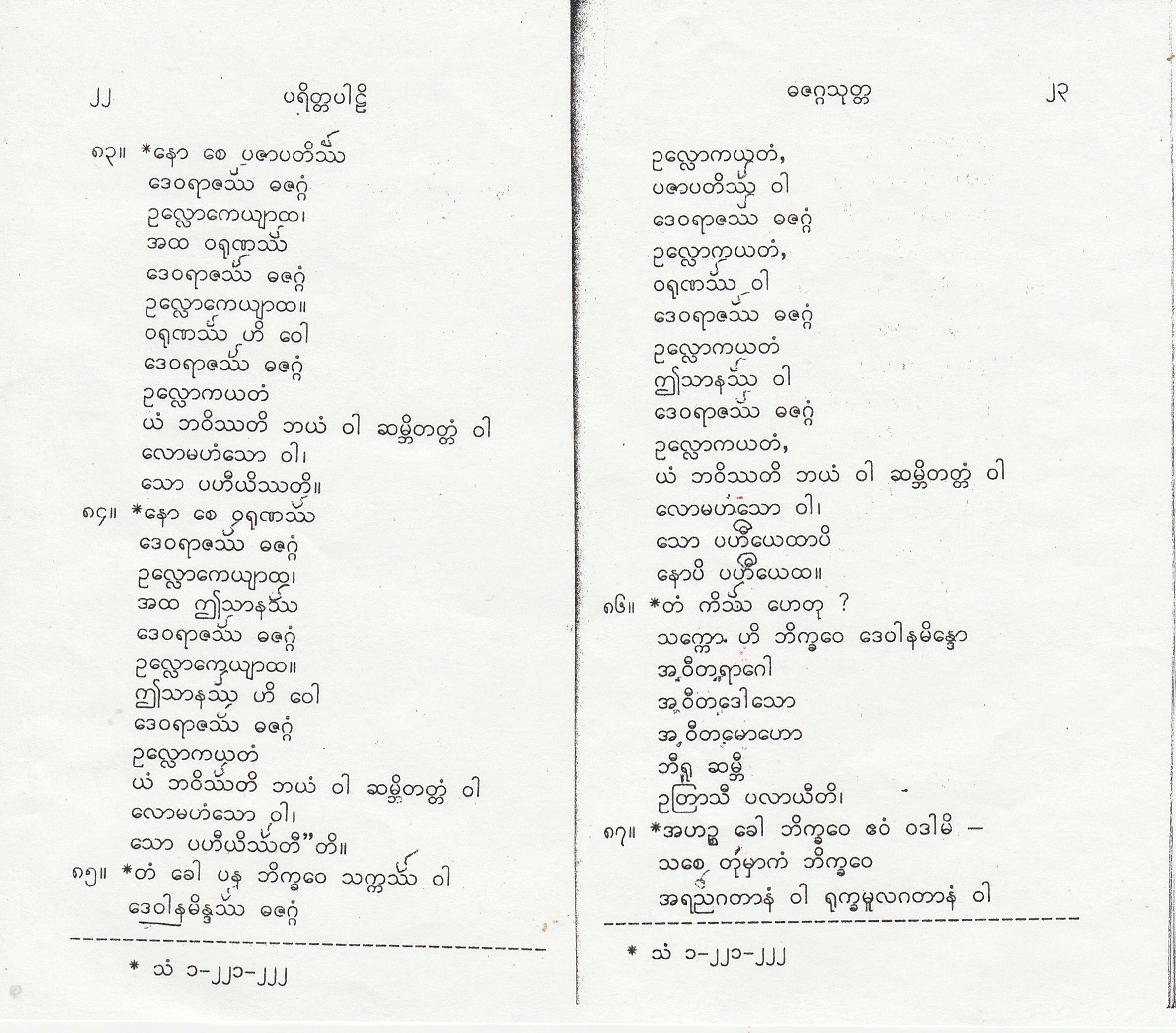
    Pali (in Burmese Script)

    This image has an empty alt attribute; its file name is pp-20-21.jpg
    Script 1
    This image has an empty alt attribute; its file name is pp-22-23.jpg
    Script 2
    This image has an empty alt attribute; its file name is pp-24-25.jpg
    Script 3
    This image has an empty alt attribute; its file name is pp-26-27.jpg
    Script 4