by Hla Min
Updated : Mar 2026
Naing
- Naing Myanmar : Composer
- Naing Naing Aung, Dr. — Sayama; Metallurgy
- Naing Than — MRTV
- Naing Tint San, Dr. (Peter) — Staff doctor at Inlay Luyechun Camp in 1965
- Naing Win (Tommy, SPHS63) — Father: Widura Thakhin Chit Maung
- Naing Win (M70, GBNF) — Spouse: Polly Ba San (Swimming)
Nan
- Nan — Prefix of name
- Nanda
- Nanda Kyaw Swar : Swimming
- Nandamalabhivansa : Former Rector, ITMBU

- Nanda Thein Zan : Professor, Author
- Nan Su Su : T69, GBNF

- Nan Nyunt Swe — Writer
- Nan Wai — Artist; Brother: U Tin Swe (EE53)
- Nant — Prefix of name
Nay
- Nay — See Post
- Nay Aung — Actor
- Nay Myo Aung — ICST
- Nay Myo Aung — PSA
- Nay Myo San — Hinthada; Father : U Aung San
Nay Win
- Nay Win, Collegian — Born in Hinthada.; Joined Navy; After matriculation, he joined Rangoon University; RU and Burma Selected football player; Aliases; Pa Pu, Nay Dun; His coach Saya Nyein recommended him to the producers of “Kaw Leik Gin” (Collegian).; Liked “Say Leik Toh” (Tin Moe’s poem) and wanted it as his epitaph; Spouse : Daw Khin Mar Lar
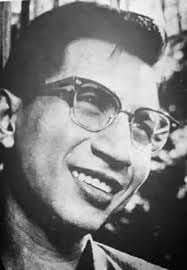
- Nay Win, Dr. (Hardy Meah) — Medical Superintendent, Psychiatric Hospital; Spouse : Dr. Daw Khin Si
- Nay Win, Tekkatho — Bo Tun Hla; Personal Staff Officer of Bogyoke Aung San; Actor; Lecturer; Writer
- Nay Win (M69, GBNF) — PPBRS; MEHS; Taught Marine Technology at a polytechnic in Singapore
- Nay Win, British Burma — Studied Cinematography in the USA; Spouse : Ni Ni (Kathleen)
Ne Win
- Ne Win, Bogyoke — Shu Maung; During his reign, any article containing “Sun” was censored; Taboo to reference Dhammata (by Ananda Thuriya); Using “Ta” instead of “Tit” caused ten pyas fine each time
- Ne Win Myint (Victor Win, ChE66, GBNF) — BADA; Spouse : Jean Gale
- Ne Win Myint — Speaker
- Ne Win Myint — Golf
Nge
- Nge (SPHS) — Saya
- Nge (GBNF) — U Win Maung
- Nge — U Aung; Alphonso
- Nge Ma Ma Than, Daw (GBNF) — UCC; ICST; Spouse: U Myint Swe; Father: U Aung Than
- Nge Nge
Ngwe
- Ngwe Moung — BBS
- Ngwe Myint
- Ngwe Pale — Silvery Pearl; Dairy Farm owned by Tin Win (T70) and Khin Than Win (T70)
- Ngwe Sein
- Ngwe Soe (Walter, M69) — UTC, Guitarist
- Ngwe Soe — UBA/BAC pilot; Parents: U Ne Win and Daw Tin Tin
- Ngwe Soe (Silver, UCC) — Moved to Singapore; Spouse : Daw Nu Nu Yee
- Ngwe Thein (Geology) — Saya
- Ngwe Tin, Daw (UCC)
- Ngwe Tun (Civil, GBNF) — Saya; Owned a book shop

- Ngwe Tun (SPHS63, C69) –Hosts 69er Monthly Gathering for his birthday
- Ngwe Zoe (Peter, St. Patrick, SPHS57, Medical Technologist, GBNF) — First batch Para-Medical Studies
Ni
- Ni — Koyingyi at Popa Taung Kalutt
- Ni Ni, Daw
- Ni Ni Sein, Daw
- Ni Ni Thaw, Daw
- Ni Ni Zaw Win — Ni Ni Nay Win
- Ni Ni Win Shwe, Daw — Vocalist
- Nita Pe (Saya) — Brother: Peter Pe (RIT Swimming, GBNF)
Nyan
- Nyan Htein, Dr. (MOGE)
- Nyan Lin, Bogoyoke
- Nyan Lin (Statistics) — Saya
- Nyan Mor (UCC)
- Nyan Soe
- Nyan Taw, Dr. — Dicky Taw, Marine Biologist, RUBC Gold, Hiking & Moutaineering
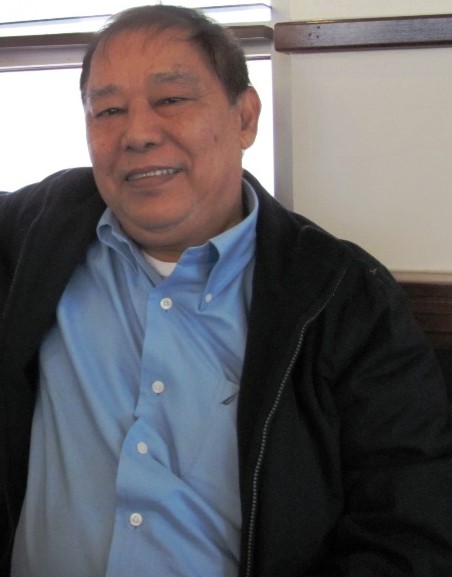
- Nyan Tun — Father of Sayama Dr. Khin Sandar Tun
- Nyan Tun Oo — Retired Minister
- Nyan Win (BARB)
- Nyan Win, Dr. (SPHS)
- Nyan Win, Dr. (Sanjay)
Nyi
- Nyi — Elec Engg
- Nyi Nyi, Dr. (Geology) — Former Minister; Retired from the UN.
- Nyi Nyi — DSP; Children : U Khin Maung Htun, U Khin Maung Lay, U Khin Maung Aye …
- Nyi Nyi — EE Saya
- Nyi Nyi — BBS; Brother : U Myint Soe ; Shamrock Boys” for the Local Talent Show
- Nyi Nyi Sein
- Nyi Nyi Than
- Nyi Pu — First Burmese movie actor; Maha Weikazhto; Brother : A1 U Tin Nwe, U Tin Pe (Maung Maung Soe), A1 U Tin Maung
Nyo
- Nyo — Philanthropist; Donated several buildings (RU Students Union, RUBC Club House) for Rangoon University Estate; U Nyo Challenge Cup for Inter-Club Coxed Eights (RUBC)
- Nyo Kyi — Former seafarer
- Nyo Mya, Oway — Journalist; His article “Hell Hound at large” was partly responsible for the expulsion of Bogyoke Aung San from Rangoon University in 1938.
- Nyo Nyo, Daw
- Nyo Nyo Sein, Dr. (IM1 79er) — Spouse : Dr. Shwe Zin Tun (IM1 79er)
- Nyo Nyo Win, Daw (T73)
- Nyo Win, Dr. (M65) — Saya; Founding member of RIT Alumni International; Organizer for SPZP-2000;
Worked for Tech companies in USA and Taiwan
Nyunt
- Nyunt — See Post
- Nyunt Aung (C73, UK) — Father : U Soe Aung (PWD)

- Nyunt Htay (Met73) — Saya; Pen name: Maung Nyunt Htay Ah Htet Min Hla
- Nyunt Khin — Vocalist
- Nyunt Lwin — Entrepreneur
- Nyunt Maung (SPHS) — Saya
- Nyunt Maung — Deputy Minister; National Planning and Finance
- Nyunt Maung San (C70) — Organizer for the Combined 1st BE Intake of 64 and 65)
- Nyunt May, Daw
- Nyunt Nyunt, Daw
- Nyunt Nyunt Tin, Daw (UCC, UN)
- Nyunt Nyunt Wai, Daw (Millie Hoe, T69) –Germany; Major donor to the 69er Health Care Fund
- Nyunt Nyunt Win, Daw (Physics) — Sayama; Registrar of RASU; Spouse : G Ko Lay (WPD, RUBC Gold)
- Nyunt Nyunt Zaw : T68
- Nyunt Ohn
- Nyunt Oo
- Nyunt Pe
- Nyunt Sein
- Nyunt Shein
- Nyunt Shwe : PPBRS
- Nyunt Shwe : သံတခါး
- Nyunt Soe : Swimming Coach
- Nyunt Swe
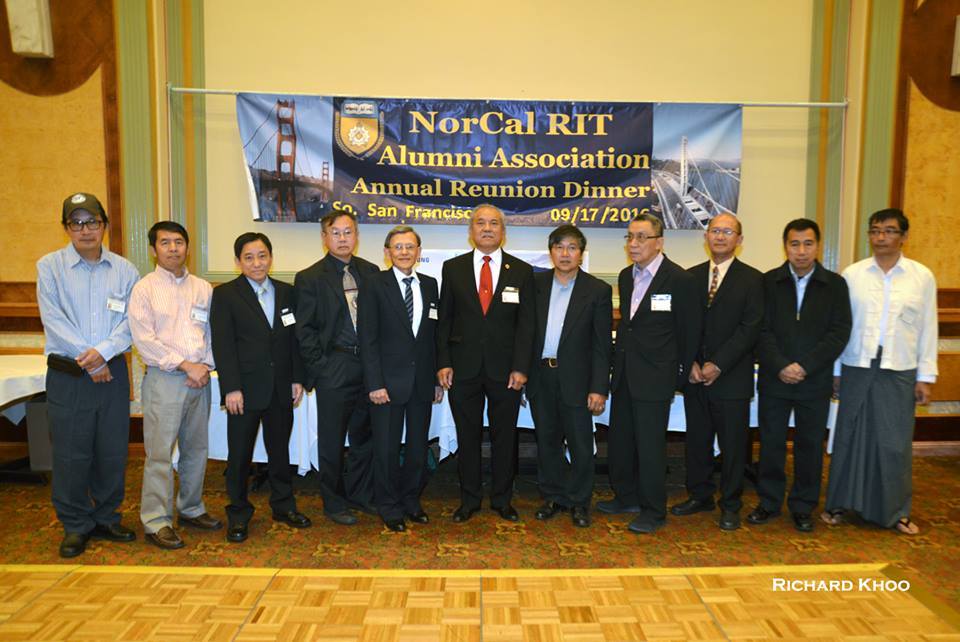
- Nyunt Than (M86) — Past President of BADA; Founding Member and VP of NorCal RITAA
- Nyunt Thaung : NorCal RITAA
- Nyunt Thein : Doctor
- Nyunt Thwin : Doctor
- Nyunt Tin, Dr. (SPHS52) — First in Burma in the Matriculation of 1952; Elder son of Sithu U Tin (RUBC President)
- Nyunt Tin (M70) — Played Table Tennis for RIT
- Nyunt Tin — SPHS64
- Nyunt Tin — Wrote Chemistry book in Burmese
- Nyunt Wai, Dr. (Victor, SPHS63) — Fourth in Matric of 1963; Retired Professor of Physiology; Taught at IM and Malaysia; Hobbies include painting, poetry and writing articles

- Nyunt We — MPA; Executive Committee member of NLD; Daughter : Thiri Nyunt We
- Nyunt Win, Dr. (Eddie Tha Win) — Passed away in Australia; Father: U Tha Win; Spouse : Dr. Marie Yu Khin
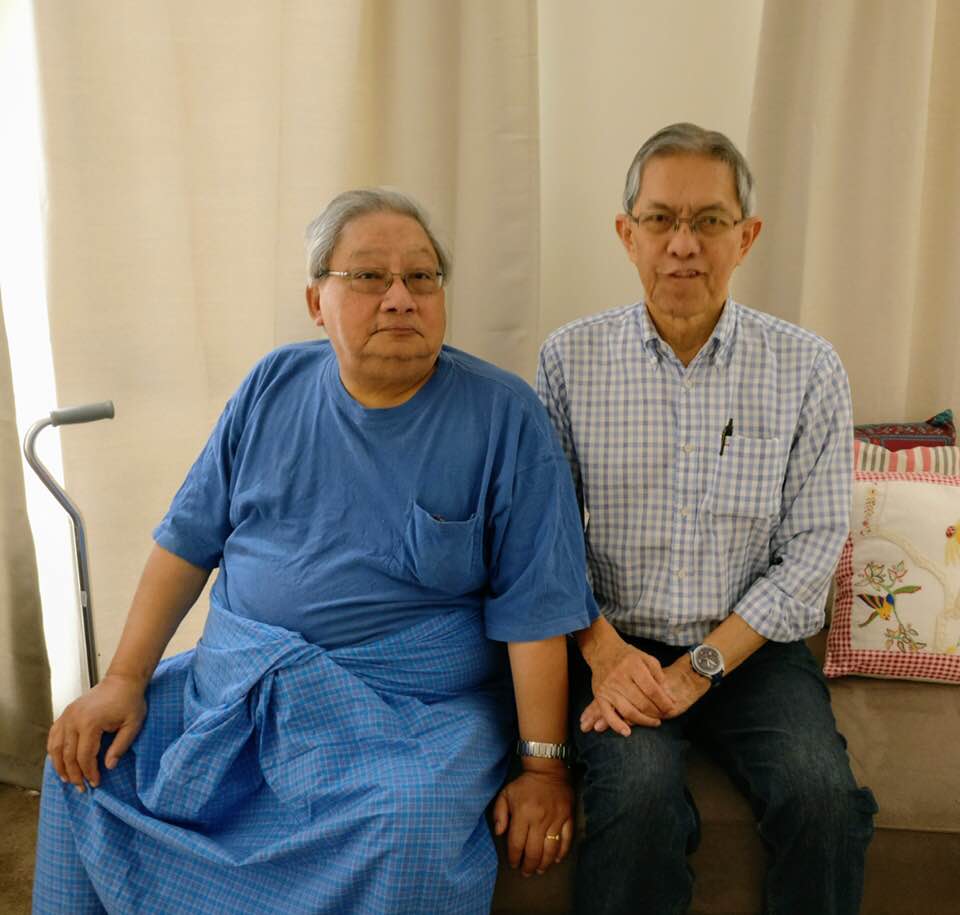
- Nyunt Win — Actor; Father : Shwe Mann Tin Maung
- Nyunt Win (Chemistry) — Saya; Brother: Dr. Ohn Kyaw
- Nyunt Yin : Physics
Other Names
- Nancy
- Nanette
- Neil
- Noel
- Norman























 HlaMin