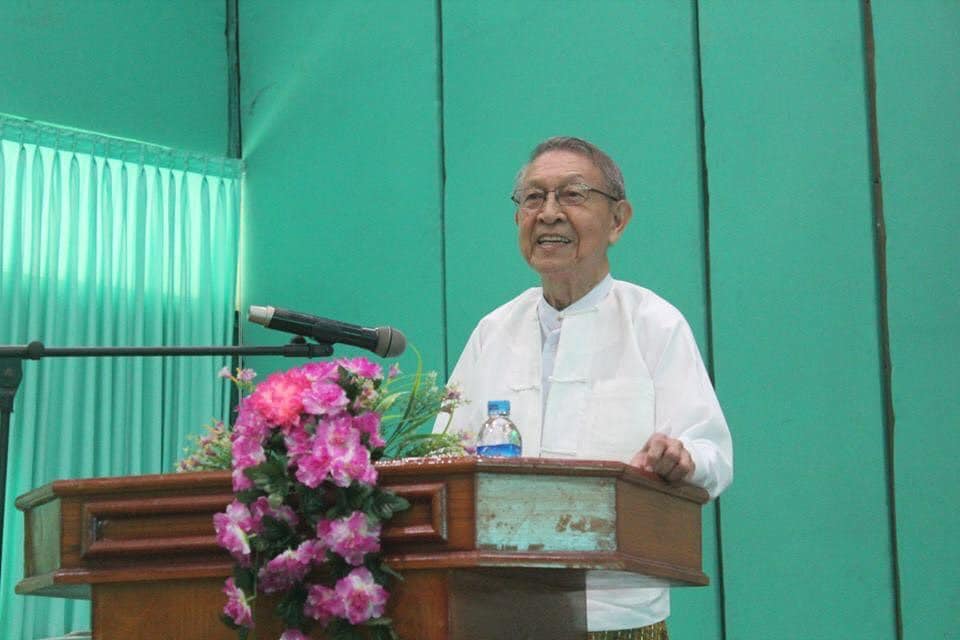
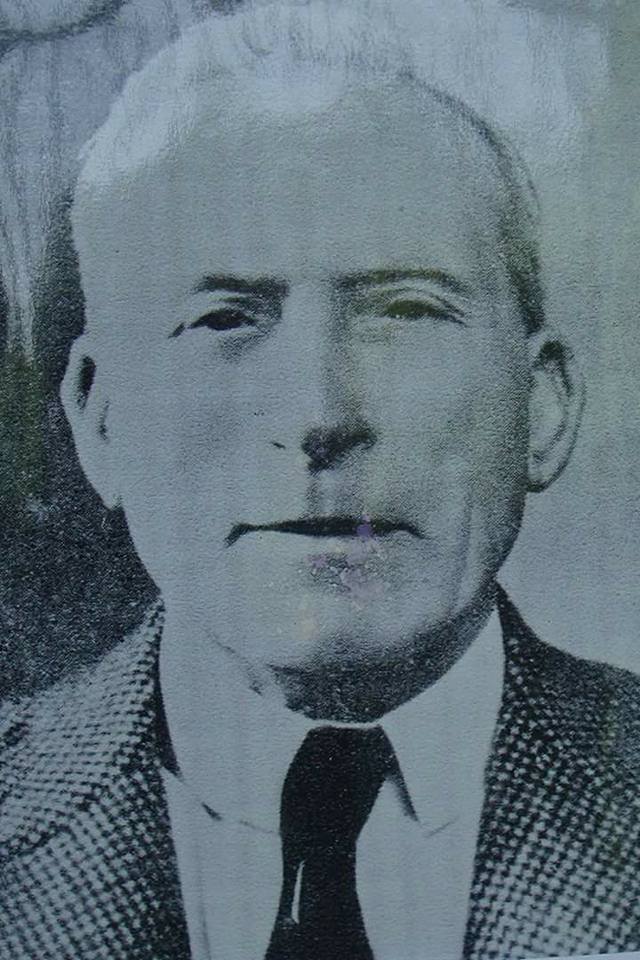
Son of Saya Kar (Education Minister in the Care Taker Government; RU Rector)
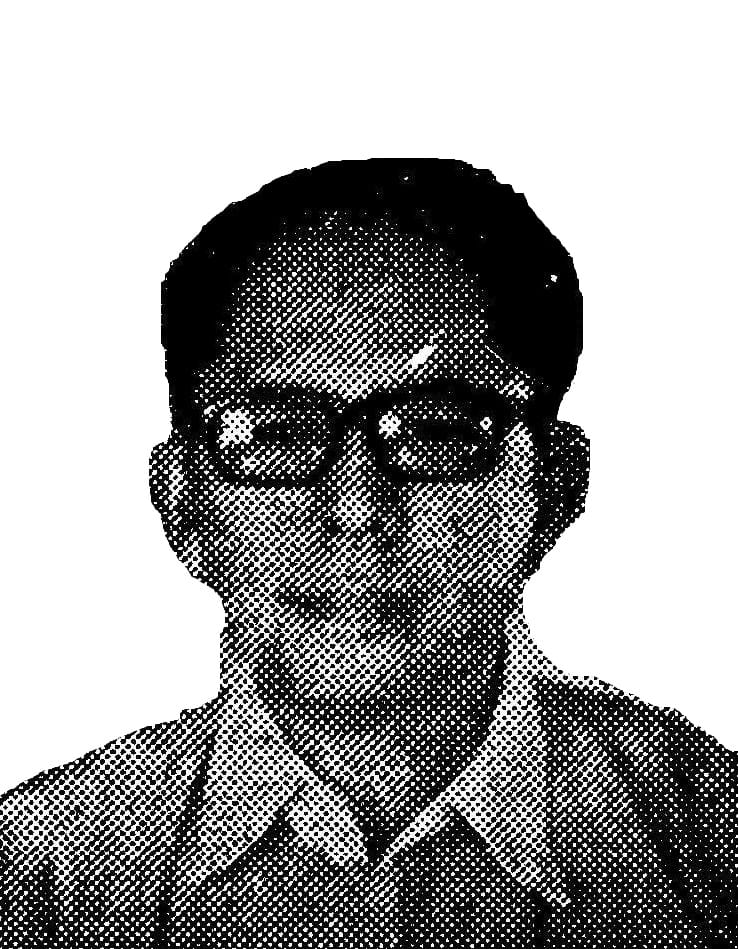
Joined Maths Department as Tutor
Went for further studies in UK.
Upon his return, he was promoted to Lecturer.
Later received doctorate from Queen Mary’s College.
Succeeded Dr. Chit Swe as Director of UCC.
During his tenure, DCS (Department of Computer Science) was established. U Ko Ko Lay (GBNF) served as Professor. U Tun Aung Gyaw served as Associate Professor. I was Senior Lecturer.
ICST
In 1987, ICST (Institute of Computer Science and Technology) was established with Dr. Tin Maung as Rector.
There were four Departments : Information Technology (with U Ko Ko Lay as Professor & Head) Hardware Technology (with U Tun Aung Gyaw as Associate Professor & Head) Software Technology (with U Hla Min as Associate Professor & Head) Computational Mathematics (to be taught by sayas from UCC and RU Maths)
Bachelor degree courses in CS and CT were given.
In the first batch, there were 30 CS and 15 CT students. Two later became Rectors.
Events
40th Anniversary of UCC was celebrated at MICT Park in 2011. Saya Dr. Tin Maung’s spouse and daughter attended the gathering. Saya is GBNF.
Due to resources, Acariya Pu Zaw Pwes were not held annually.
The 4th Acariya Pu Zaw Pwe took place in 2011.
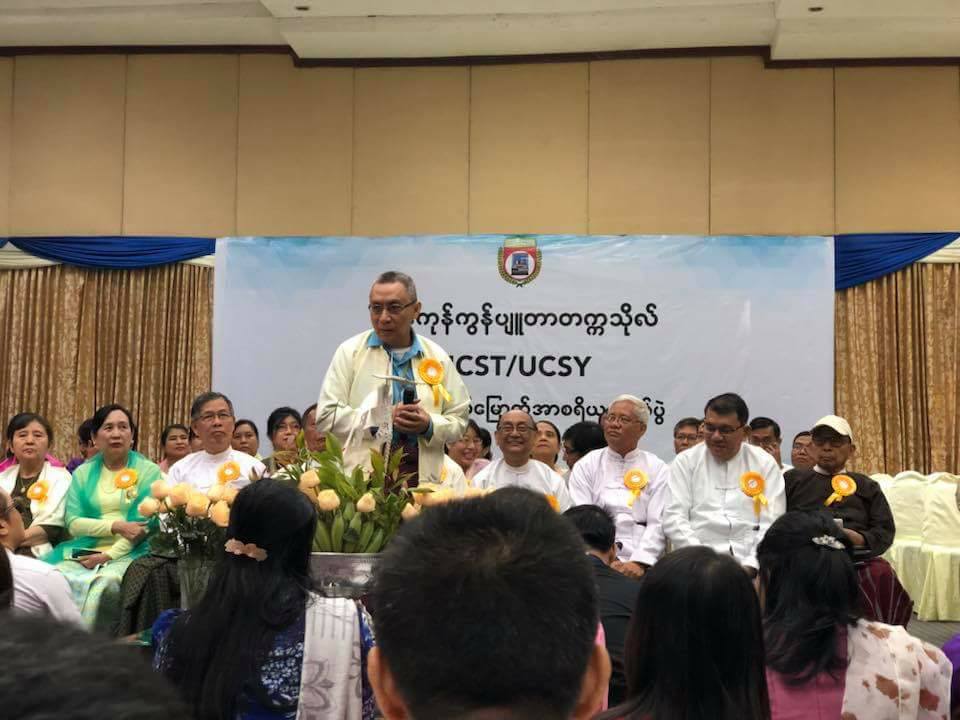
26 batches (from ICST and UCSY) hosted the 5th Acariya Pu Zaw Pwe on January 14, 2018. Saw Yaing Naing gave me a ride.
ICST PZP
The 6th Acariya Pu Zaw Pwe took place in December 2019. Daw Mar Mar Soe gave me a ride.
I graduated from the University of Rangoon with a Bachelor’s degree in Civil Engineering in March 1954. The few years I spent at the University of Rangoon, particularly at Engineering, were one of the happiest and most rewarding times of my life.
The BOC College of Engineering was actually the School of Engineering in the late 1940’s and early 1950’s. It was funded by BOC (British Oil Company). It was then understandably heavily mechanically and electrically oriented. In my first two years, about half of the faculty members were Britons and the Dean of the Engineering Faculty was Professor Davies. We had very excellent lecturers who were of diverse ethnic background – Indians, Chinese and Burmese – but they and us the students were all Burmese citizens. I spent four years at Civil Engineering (CE). We the civil engineering students were required to take some basic mechanical and electrical courses and workshops also, while the mechanical and electrical students were not required to take any civil engineering courses. Since these courses were mandated or compulsory for civil engineering students, I could not avoid them. I did pass those subjects but not very proud of it because they were not my major interests.
Professor Davies and all the Britons left Rangoon around 1950. U Ba Hli took over the engineering faculty as Dean. To his credit, U Ba Hli ran the school very professionally. He recommended and managed to get many of his students and graduates to go abroad for graduate studies. These student-graduates of his came back to Myanmar with master’s degrees and doctorates from England and USA to teach under his deanship. U Ba Hli also initiated an education exchange program with the Massachusetts Institute of Technology (MIT, located in Cambridge, Massachusetts, USA) during the period beginning, I think, in 1951 and ending in 1954. The program brought 3 to 4 civil, mechanical and electrical professors from MIT to Rangoon University. The R.U. Engineering Faculty made a very impressive and quick progress in its worldwide reputation and was duly recognized and accredited internationally. I am proud to say that we Burmese students, including myself, did exceedingly well at the foreign universities in England and the U.S. This shows that, given the opportunity and the tools, we the Burmese students were as good, if not better than, as any other in the world. I went to MIT for graduate studies, came back to Myanmar with a Master’s degree in 1957 and served the Myanmar government in the National Housing and Town and Country Development Board for a number of years. Many of my fellow students from R.U. Engineering went to and graduated from MIT, Harvard, Cornell, Michigan, UCLA, Columbia and other big-name American universities.
In my first year at RU Engineering I stayed at Prome Hall for a semester. The Prome Hall Football (soccer) Team was the best, the champion team of all the university teams all the time, winning the university championship trophy for years in a row. You know, we the engineering students were very close; we were like a family. We never thought of ourselves as Burmese, Indians or Chinese. We loved each other, helped each other, and took care of each other like brothers (there were no female students in engineering during my time). In fact, all engineering students were very united as one family. Our classes at that time had only 12 to 14 students each. Even the professors treated us like they were our older brothers, but of course we addressed them as Sayas with deep respect. As far as I can recall, no one from my class or any other class failed in any subjects or to graduate from RU. I learned a lot from RU Engineering and enjoyed every courses, including the Surveying Class in a summer. I must confess that although we appreciated the Geology course at the Geology Department, which was located like miles away from the Engineering school, this was the least liked by my entire class of students and we all scored a “C” or “C-” at best. The geology professor didn’t like us either because we were usually late arriving for his class lectures. But we couldn’t help being late, considering the distance we had to walk or bike from Engineering to the Geology Department. I hope for the present engineering students, some arrangement could be made for a geology professor to walk or bike from his department to Engineering, instead of having so many students getting late to his class. Although I wouldn’t consider myself as a top-notch or extremely bright student, somehow even with a “C” for geology, to my and my fellow students’ great astonishment I was placed second in my final year exams.
I fondly remember the little Indian restaurant by Prome Hall where I and my many friends used to have lunch, paratas and keema paratas. I also enjoyed boating at the Inya Lake when we occasionally skipped classes.
Update
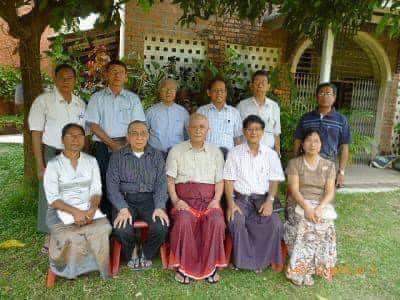
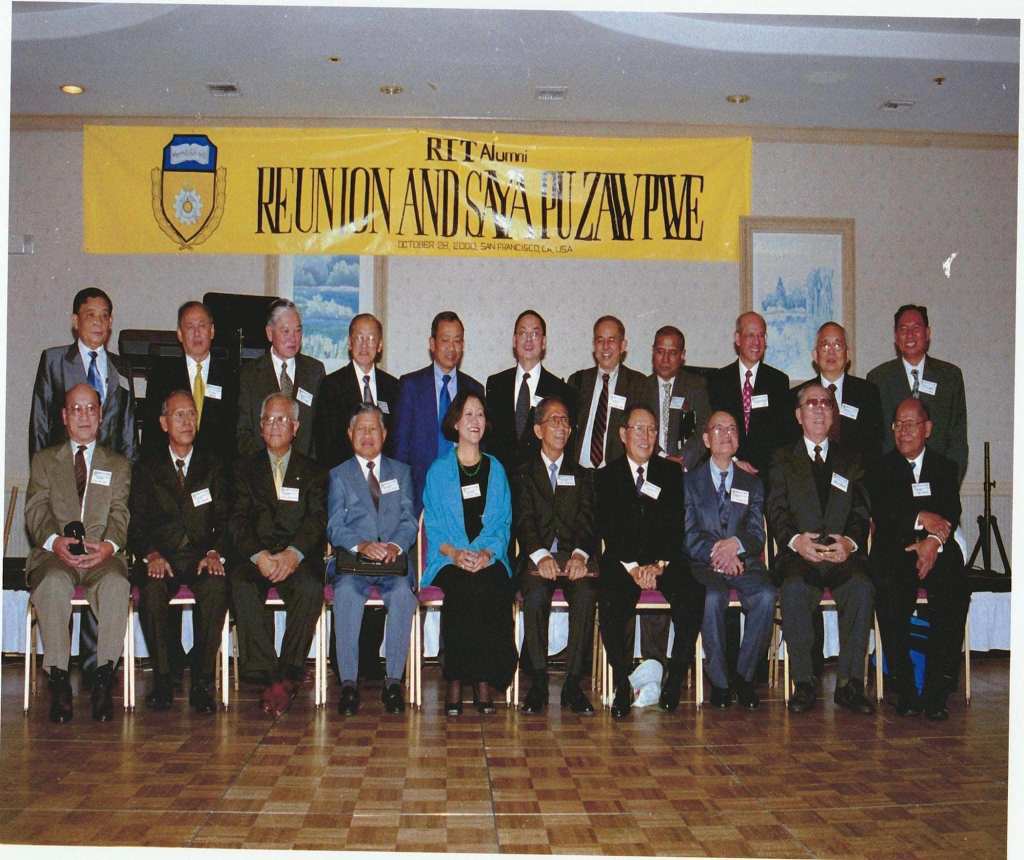
He attended SPZP-2000. He requested to be seated with the Sayagyis (his contemporaries at RU)
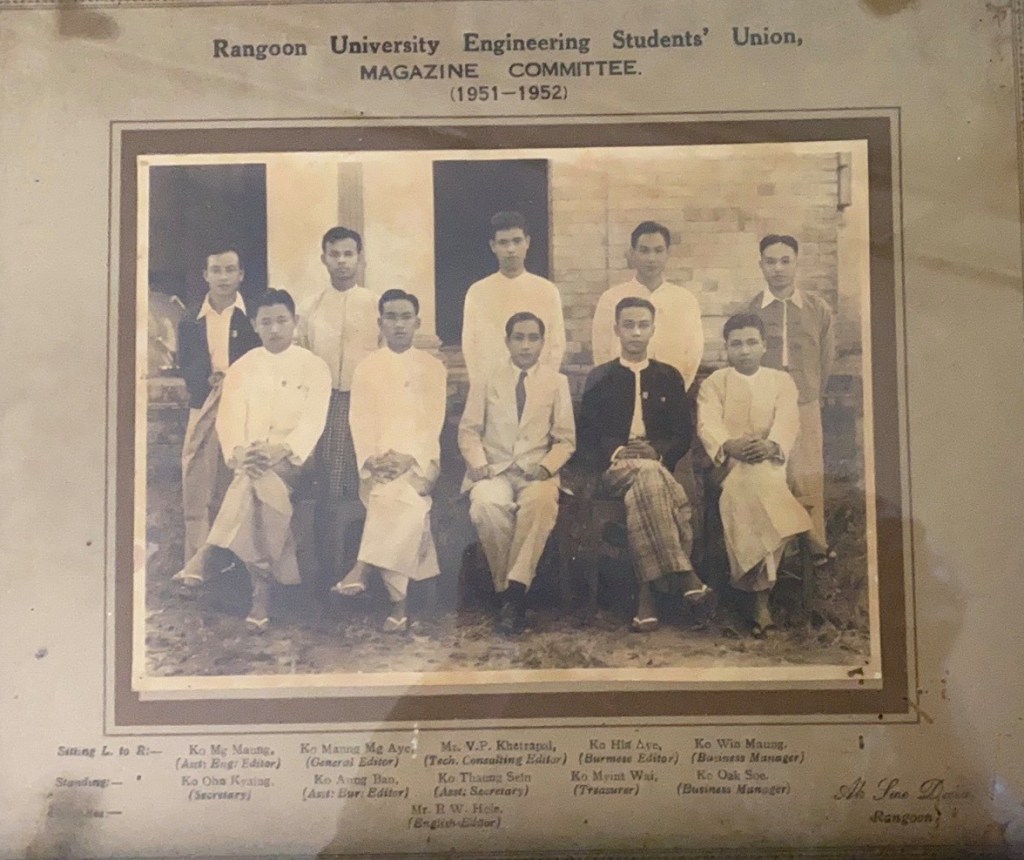
He was active with RUESU.
He served as Business Manager for an Annual Magazine of RUESU.
In 2017, I was listed in the “Hall of Fame” of Toastmasters International District 101 for (a) Distinguished Toastmaster (b) Triple Crown (c) Leadership Excellence (d) Advanced Leader Silver
Hall of Fame 1
Joined District 4 (an early District) of Toastmasters International. It grew too big and was reorganized as District 4 and District 101 (for clubs that are mostly located near Highway 101).
Hall of Fame
Received the Distinguished Toastmaster (DTM) award.
DTM 1DTM 2
Won the “Triple Crown” for completing three awards between May and November of 2017.
Halin
Halin
Visited Halin (inhabited by the Pyu) near Shwe Bo.
Halin was declared as UN Heritage Site.
Not easy to go to Halin by the supposedly “short cut route” especially with ongoing repairs to the narrow road.
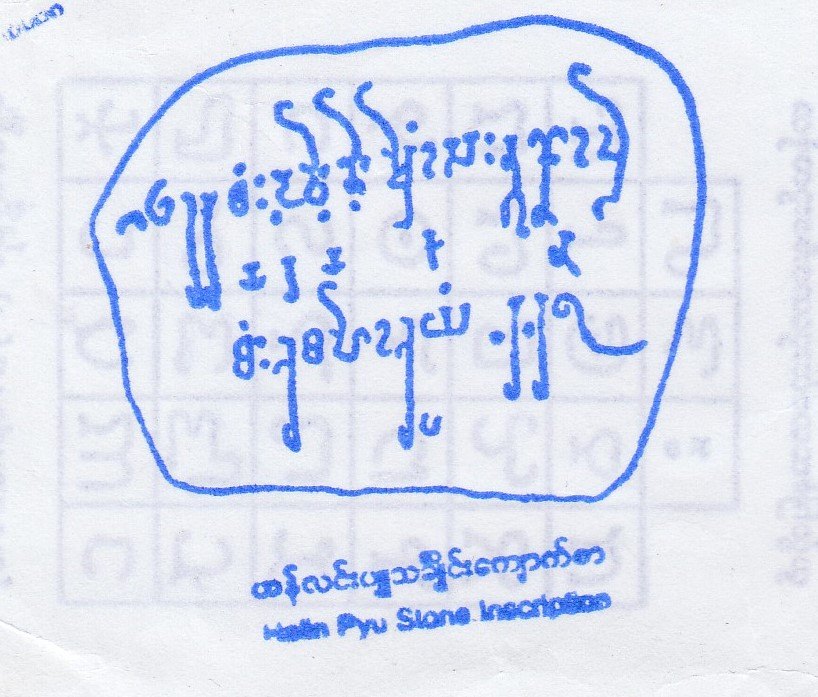
The Museum provided pamphlets with Pyu alphabet & Halin Pyu Stone Inscription
Hell-Hound At Large
Hell Hound At Large
Ko Aung San (Editor of Oway Magazine) was expelled for not disclosing the author of the satirical article “The Hell-Hound At Large”.
Ko Aung San
The authorities knew that Oway U Mya was the author, but they wanted to take action against Ko Aung San.
HMEE
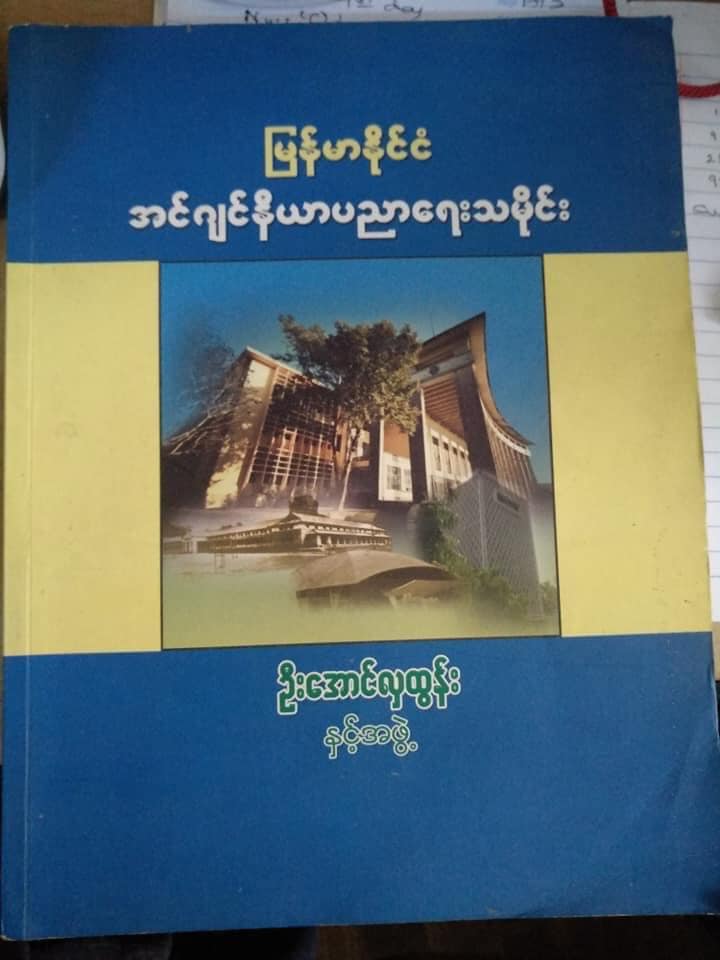
HMEE Book
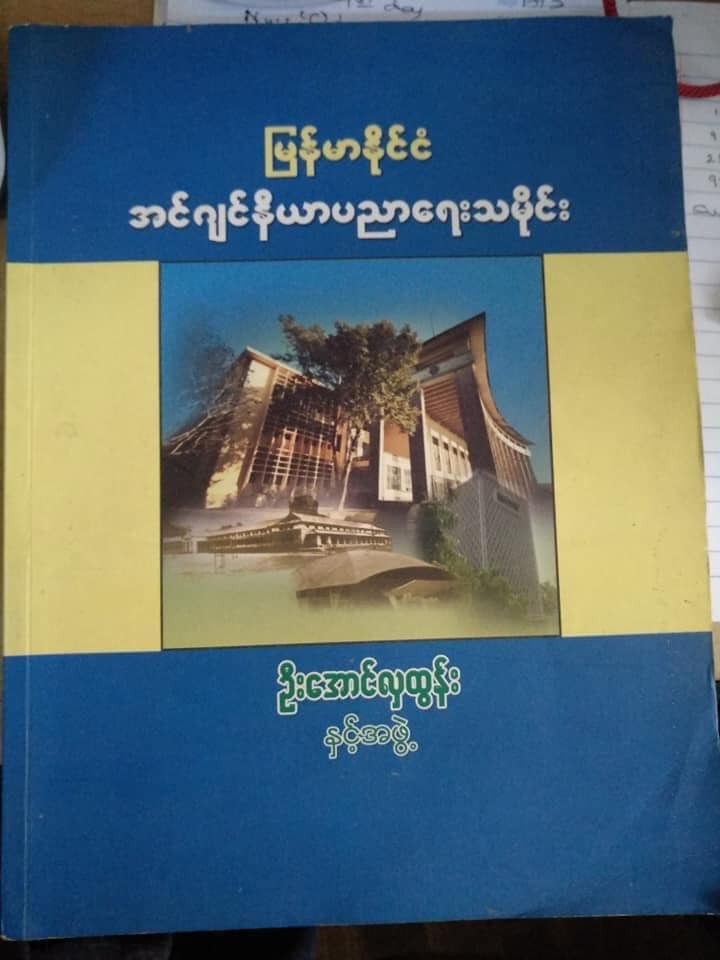
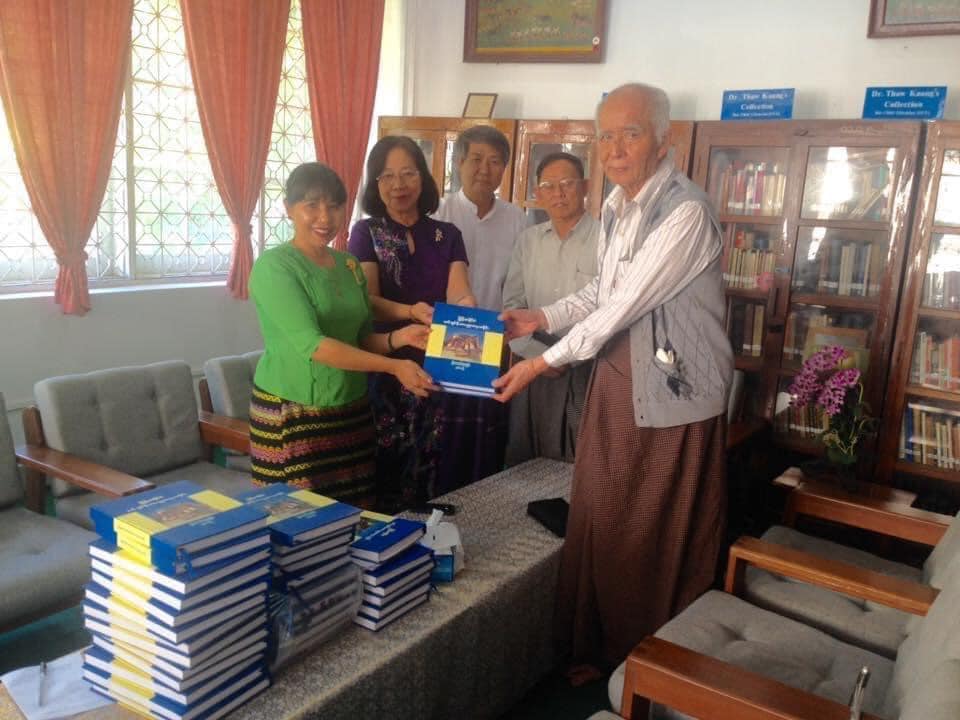
The History of Myanmar Engineering Education book was published in 2012.
Saya U Aung Hla Tun (National Literary Award Winner) was the Lead Author of the Project.
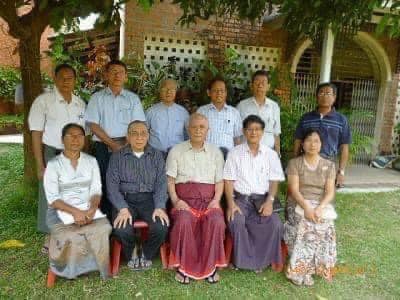
HMEE Team
The early supporters of the Project include U Ba Than (Retired Professor of Mechanical Engineering), U Soe Paing (My mentor at RIT and UCC) and U Thaw Kaung (Retired Chief Librarian of Universities’ Central Library).
U Ba ThanU Soe PaingU Thaw Kaung
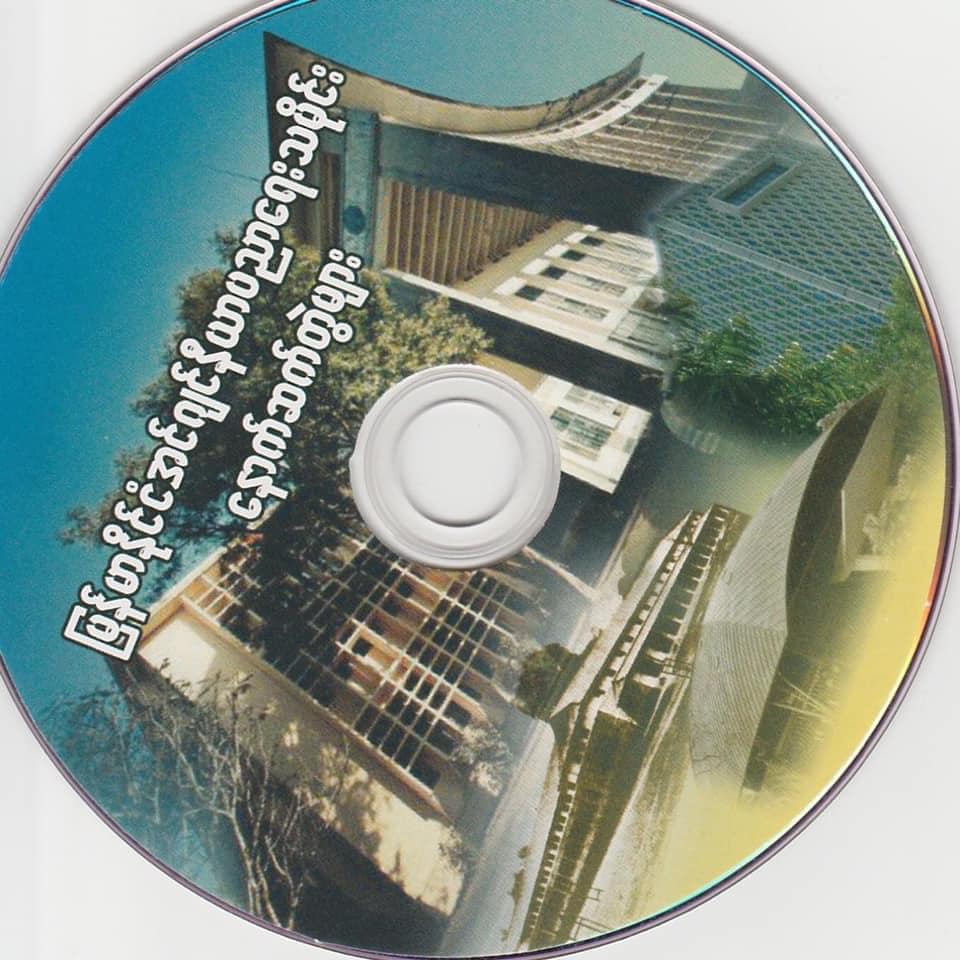
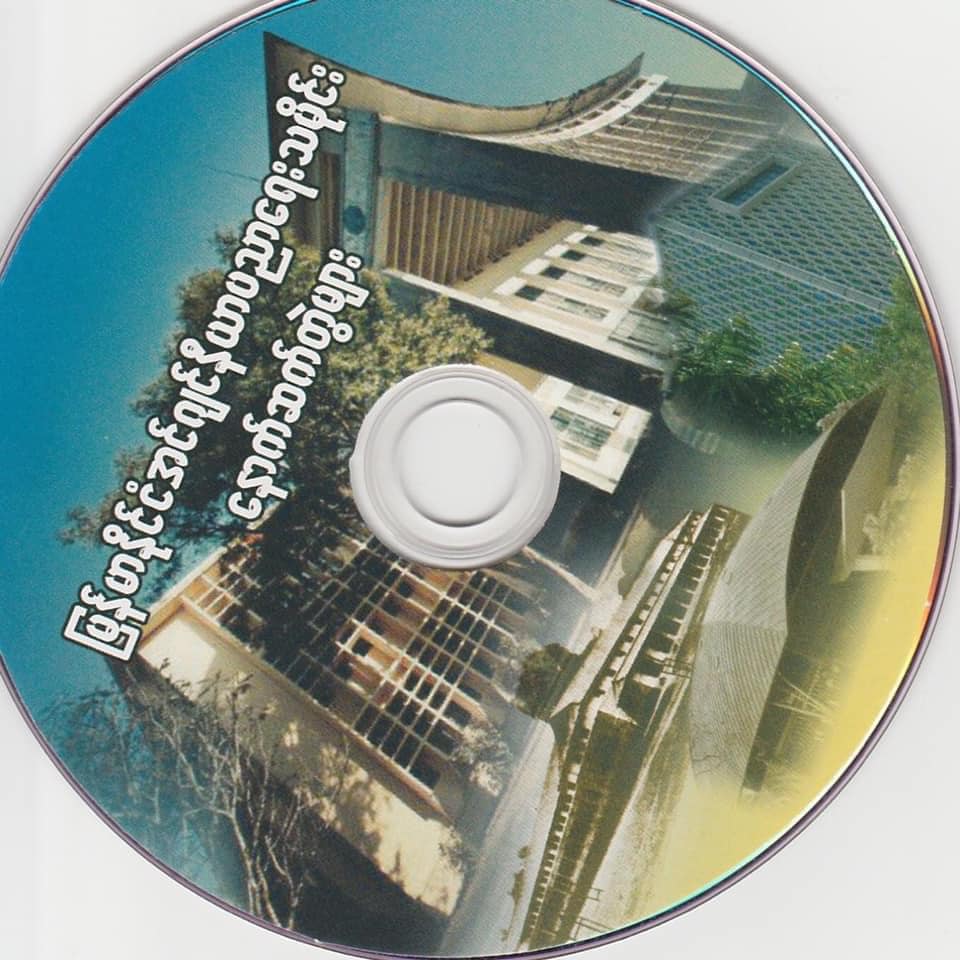
U Ohn Khine (M70) and I compiled the CD Supplement for the Book.
U Ohn KhineU Hla MinCD Supplement
U Soe Paing & U Ohn Khine translated Section One and summarized Section Two of the Book.
Htee Yein
Htee 1Htee 2Htee 3
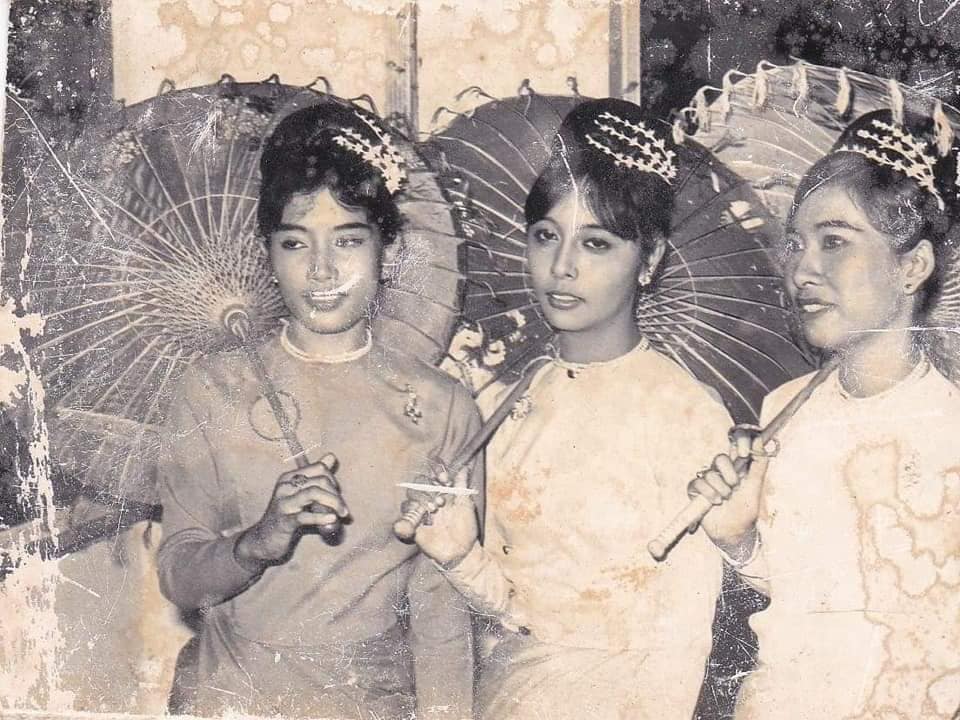
In 1970, RIT took part in the “Entertainment Program” for the Rangoon University Shwe YaDu (ရွှေရတု Golden Jubilee).
Htee Yein ထီးယိမ်း was a hit at the Shwe YaDu Celebrations.
Swel Daw Yeik Ah Nyeint စွယ်တော်ရိပ်အငြိမ့် was also a feature.
The terms “Swel Daw” and “Swel Daw Yeik” became known as synonyms for RIT in general and the Engineering Institutions in Burma in particular.
Won most of Free Style events (100m, 200m, 400m, 800m, 1500m) and Cross Lake at RIT and All Institute Competitions
Was Secretary of the RIT Swimming Association
Represented Burma in Water Polo at the Fifth SEAP Games in 1969
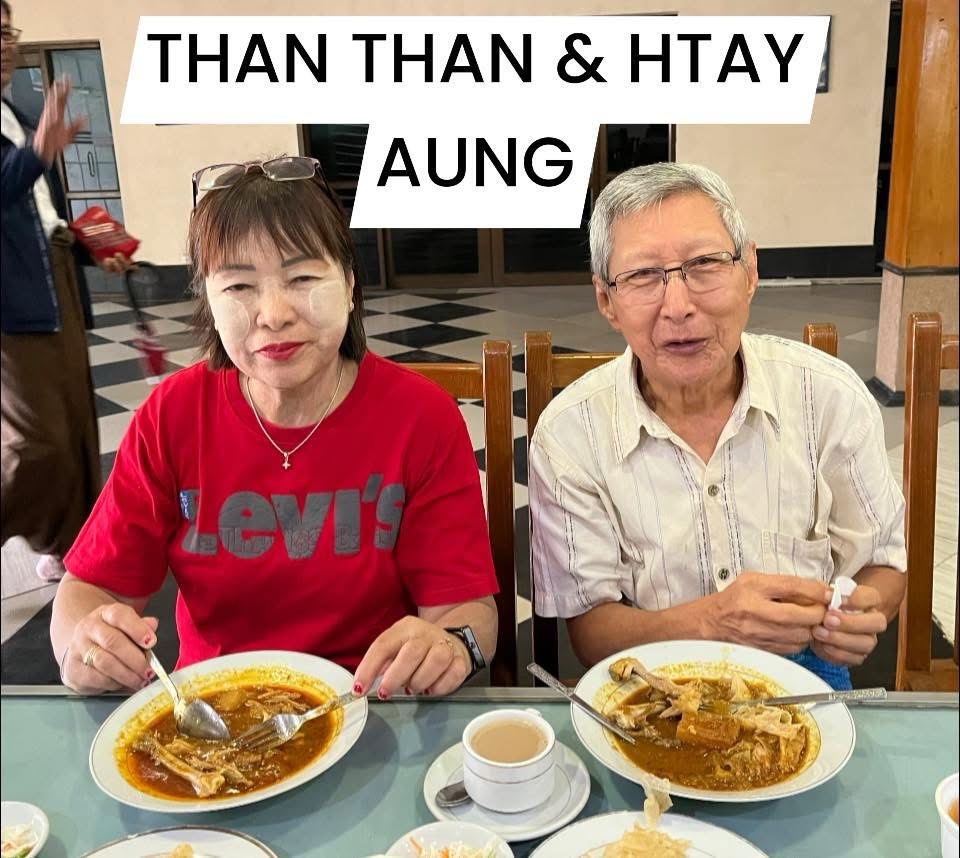
Spouse : Than Than (Burma, SEAP & Asian Games Champion Sprinter)
Regular attendee at RIT 69er Monthly Breakfast Gatherings at Taw Win Hnin Si (Royal Rose) Restaurant.
Aging (notably hard of hearing) has caught up with the former Swimming Champ.
Htin Aung, Dr. (C69)
Htin Aung 1Htin Aung 2
Retired as Professor of Civil Engineering from YIT / YTU.
Represented RIT in Chinlon.
Badminton & Soccer player.
Several Dr. Htin Aung including the first native Rector of Rangoon University, and a Physics Professor (Sacred Heart 1957).
Htin Lin
Htin Lin
Pen name of U Thein Maung.
National Literary Award Winner
Gave English Tuition with U Khin Maung Latt
Eldest son : Soe Myint (GBNF) graduated with Triple Maths, but chose journalism. He was Chief Editor of the Guardian. He published my poems and Computer articles.
Younger sons : Soe Win (EC70, UCC, PTC), Kyaw Zaw (EC72, High School Luyechun, DCA, GBNF) and Khin Zaw (UCC).
His great grand son (son of U Khin Maung Zaw & Dr. Daw Khin Khin Latt) is named Htin Lin.
Sayagyi U Tha Tun served as Head of Architecture Department at BIT.
Dr. Koung Nyunt and U Than Tun wrote about their mentor for RIT Alumni Newsletter.
Dr. Koung Nyunt
Compiled by his disciple U Than Tun (Arch 65)
The biography was read in commemoration of his 100th birthday (held in Kemmendine).
Sayagyi U Tha Tun was born on 4 October 1899.
He received
B.Sc. degree from Yangon University in 1921
A.A. dip. from London in 1926
F.R.I.B.A. (Fellowship of Institute of British Architects) and A.M.T.P.I. (Associate Member of Town Planning Institute) in 1936
He is the only person who got F.R.I.B.A. as a Myanmar citizen up to date (in 1999). So his degree in full is : B.Sc., A.A.Dip.(London), F.R.I.B.A., A.M.T.P.I.
Back in Myanmar he worked as Executive Engineer (Planning) in National Housing Board and Town & City Development Trust.
From 1941-1945, he worked as City Architect and Government Architect in Public Works Department.
From 1954-58, he taught “History Of Architecture” at the Rangoon University Engineering department.
From 1960-1963, he was Head of Department of Architecture in BIT/RIT.
His works in Yangon include
Medical College 1 in Yangon.
Inya Hall, Thiri Hall,
Many other private houses
[Contributed his labor in] many religious buildings all over Myanmar.
He also won first prize in design competition for the renovation of Shwe Maw Daw Pagoda (Pegu) which was destroyed by an earthquake.
He lived for 75 years and passed away on 13th Sept. 1974 in Yangon.
Whenever he was invited to a meeting or a gathering of Architects, he always tried to attend and used to say his favorite words: “A THING OF BEAUTY IS A JOY FOREVER”
Before he died, he sent a message to a meeting of S.S.A. and the following are the excerpts from his message.
” THE ART AND CULTURE REST ON THE FUTURE OF SOCIETY OF STUDENTS ARCHITECTS. I EXHORT TO THE SPIRIT OF S.S.A. TO CREATE A HISTORY AND I RENDER A HEARTFELT CONGRATULATIONS FOR PROMOTION OF ARCHITECTS IN BURMA”
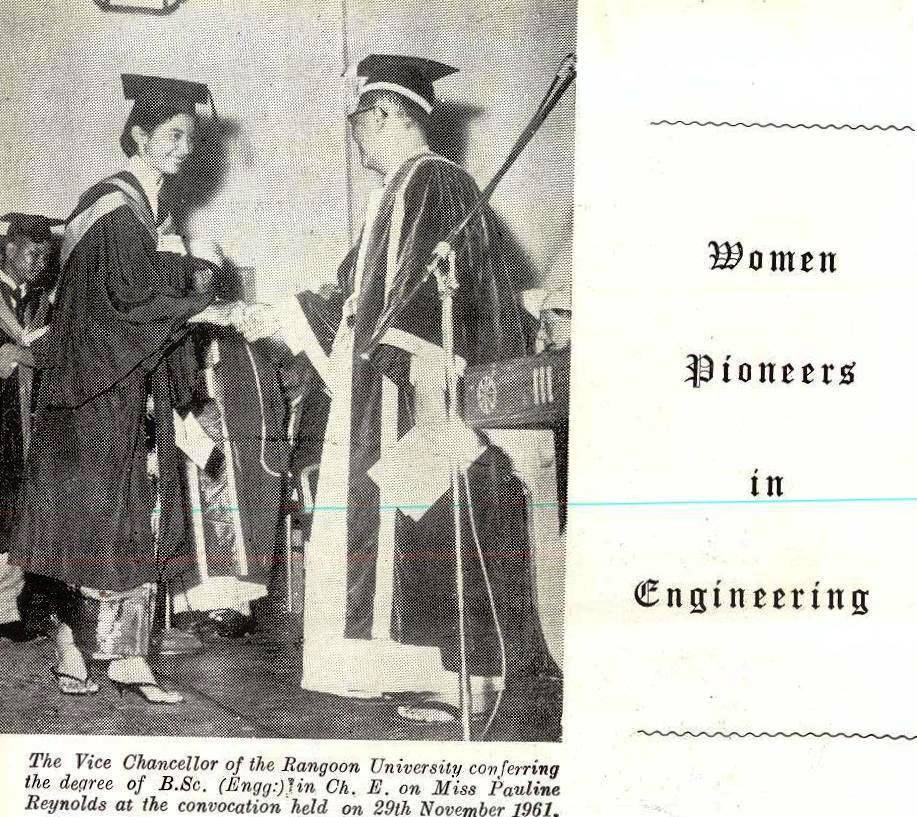
In the old Education System, there were only a handful of female Engineering students
The first batch of five female students graduated in 1961. Four were from Textile : Tin Tin Ohn (Amy Thwin), Julie Han (later Dr.), Yin Yin Kyi and Mi Mi Lay. Pauline Reynolds was the first female Chemical Engineering graduate.
Julie Han Pauline Reynolds
In 1962, Khin Than Nwe (Margaret, Tex) was the lone female engineering graduate.
Khin Than Nwe
Ma Ni Ni Thwin, Ma Khin Thein Yi, Ma Tin Myint, Ma Pyi Aye, Ma Khin Khin Kyu, Nancy Hla Aung, Maywaddy Tun Tun, Ma Yi Yi Aung, Ma Mya Mya Than, Ma Nyunt Nyunt Zaw, Ma Cho are grads from 1963 – 68.
Nancy & Yi Yi Aung
The new Education System saw more female students.
There were about 45 female students in the 1st BE intake in 1964, and about 30 female students in the 2nd BE intake in 1964. G-Hall accepted most female students.
There were more in the 1st BE intake in 1965.
Archi
Ushers at RIT Graduation
Annotation : Daw Mae Khin Nyunt (Rosie, ChE71) Editor for “Swel Daw Yeik Magazine” Organizer for Combined 1st BE Intake of 64 and 65
We all served as ushers at the Graduation Dinner in late 1966.
Graduation took place at RIT as well as the Dinner, at “aw bar lan” area.
Ushers
Right to Left
Sandi Hlaing — Ch 66 intake
Mai Khin Nyunt (Rosie Gyi) — Ch 65 intake
Nila Mya Aung — M 64 intake
Jessie Htwe — M 66 intake
Annie Ba Htaw — Tex65 intake
Aye Aye Than (Pauk Pauk) Ch 66 intake (UK)
Tin Tin Myint (Emma Myint) — Ch 64 intake (Singapore)
Than Than Yi (GBNF) Tex 65 intake (my best friend who passed away in Sept 2013, USA)
Photo provided by Daw Tin Aye (C73). Initially took Mechanical Engineering and helped with “Set Hmu Thadin Zin” (founded by U Win Thein). Played Volley for Civil Engineering Volunteered for SPZP-2012 and SPZP-2016
Annotation : Daw Mae Khin Nyunt (Rosie, ChE71)
Right to Left
Aye Aye Than (Pauk Pauk, Ch 66-72, UK)
Tin Tin Myint (Emma Myint, Ch 64-70, Singapore)
Hla Hla Aye (She was as a cover girl at one of the “Shay Tho Sar Saung”, and inside the Sar Saung had an article about RIT activities with photos. I kept that Sar Saung, but unfortunately (after so many years) now I only have a page left with a photo taken at the Chemistry lab, which included Ma Khin Myat Swe (spouse of Saya U Moe Aung), Henry Koe, my spouse Ko Khin Mg Miynt and myself).
Tin Aye (C )
Nelly Khin Myo Win (GBNF) (Ch 65-71, Mandalay)
Could be Margaret Yi (Ch 65)
All are from G -Hall at one of the Tha Din Gyut or Da Saung Taing Pwe at Shwe Dagon Pagoda, organized by G -Hall.
Reunions
Daw Pwint Than
Daw Pwint Than and Daw Cho Cho Tin
Selected High School Luyechun from Loikaw twice : Ngapali Camp in the Summer of 1964 and Inlay Camp in the Summer of 1965.
Compiled for the HMEE Book with အုန်းခိုင် (M70) Ohn Khine
CD
HMEE စာအုပ် ကို RU စာကြည့်တိုက် မှာလှူ Donated HMEE book to Universities Central Library & YTU Library
Book Donation
Highlights
1964 မှာ 2nd BE တက်ခဲ့ Admitted to 2nd BE as Top student (Roll Number One)
2nd BE
လူရည်ချွန် — 1965 Summer (အင်းလေး) Selected Luyechun (Outstanding Student) to the Inlay Khaung Daing Camp in the Summer of 1965
Luyechun
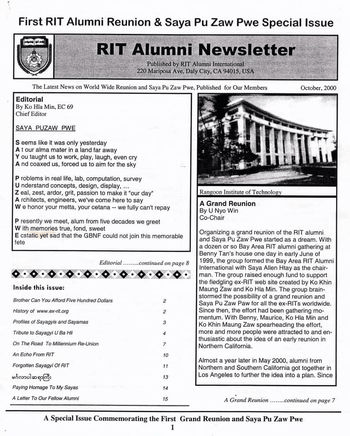
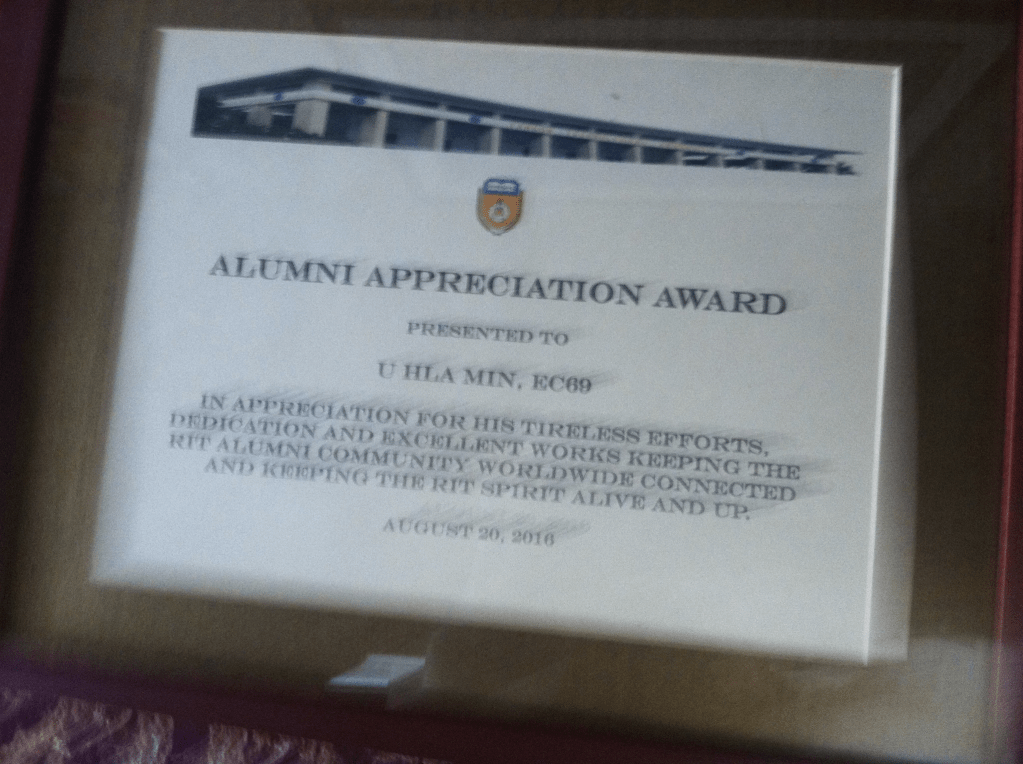
Organizer, SPZP-2000 First RIT Grand Reunion and Saya Pu Zaw Pwe Received “Alumni Appreciation Award”
SPZP-2000 Organizers
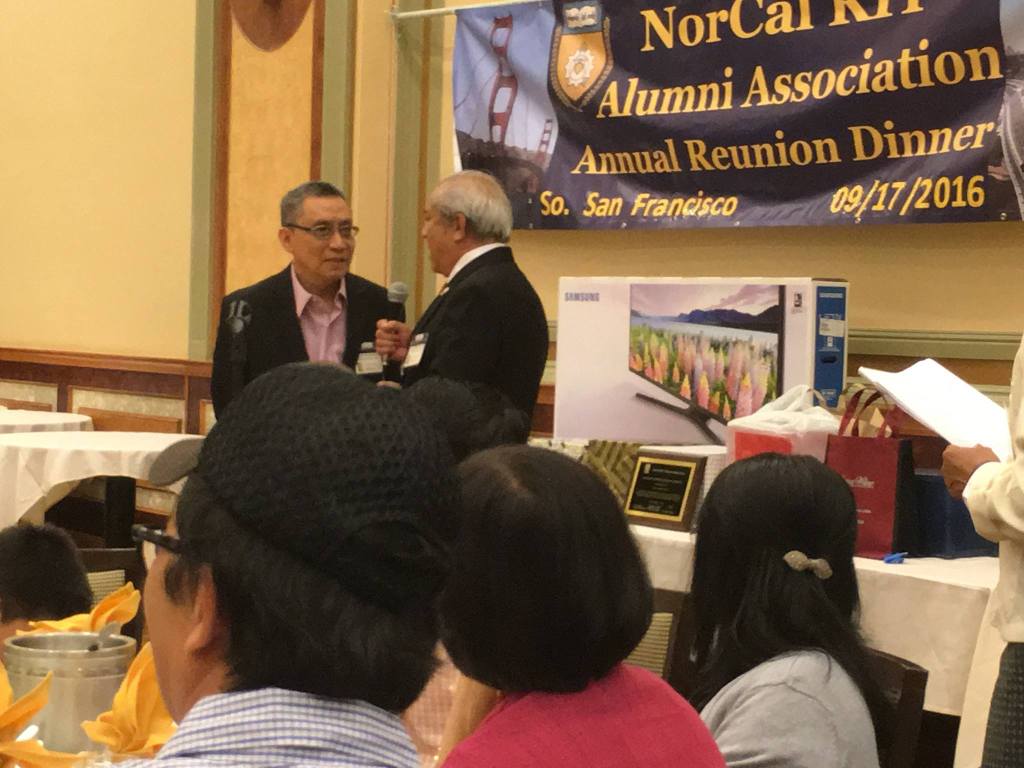
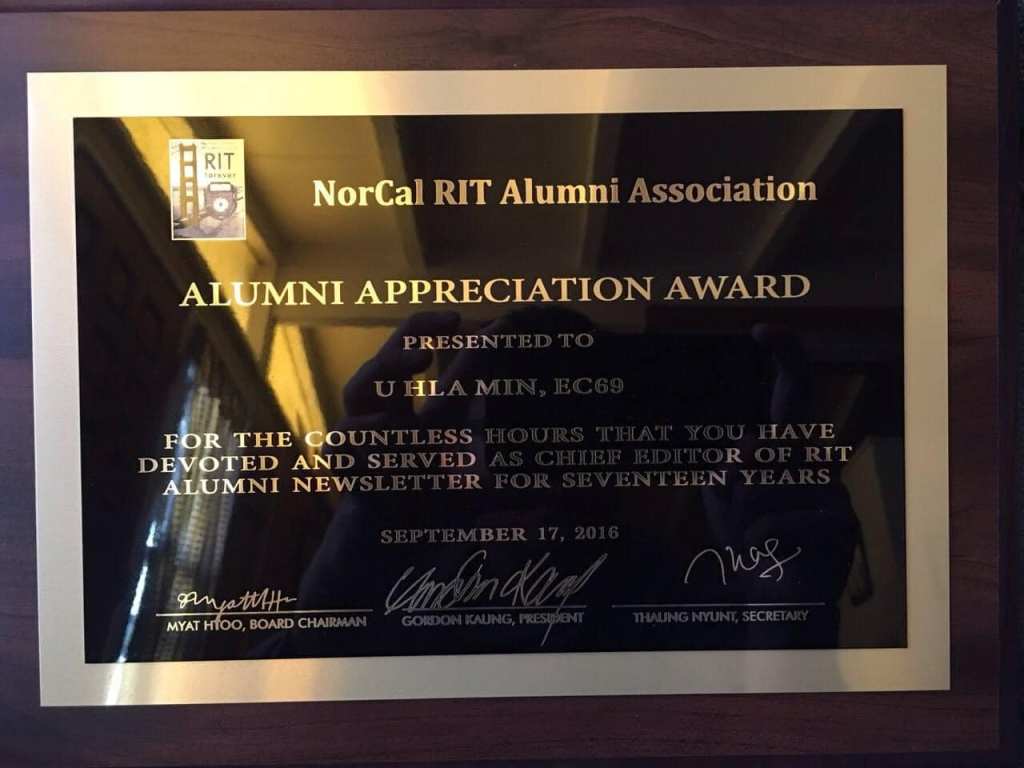
Received three Alumni Appreciation Awards (a) at SPZP-2000 (b) from worldwide alumni in Aug 2016 (c) from Northern California RIT Alumni Association in Sep 2016
In our younger days, Opal was a decent car. But, when one jokingly calls someone “Opal” (or “O Pei အို ပယ်” then one is obsolete (good to be ignored for getting old).
T. O
Technical Obsolescence
Some artifacts can be found only in museums, antique fairs (by die-hard collectors).
Some technologies are disruptive.
Many automobile workers lost their jobs when robotics gradually displaced them. Those, who did not have alternate skills, were hit hard.
Secretaries (experts in shorthand and typing) found that their skills have been marginalized by the word processors, voice-activated systems and similar advanced tools.
Thoughts
On the flip side, I might not have a good memory and a hobby of “connecting the dots” of seemingly diverse topics if I had early access to the wonderful world of Internet, AI, and Gaming.
Slate, Chalk & Talk, Log Table, Slide rule, Multiplication tables (up to 16), Grammar books, Pronouncing Dictionaries, and now hard-to-find artifacts trained us to remember (not rote learning per se, but using visualization and tricks).
Some people thought that I am either “brain damaged” or have an “unusual brain”.
One said, “You can write backwards faster than most of us can write forward”.
A few were not impressed.
A professor said, “You cannot earn money by being an expert in History in general, and History of Computing in particular.”
A manager said, “What is the use of knowing the Trivia (e.g. hobbies, awards) of your fellow workers?”
T.O. required me to unlearn some old skills, and to learn new “latest and the greatest” skills.
Encyclopedia
For me, it’s easy to remember and too hard to forget. I know thousands of names.
After procrastinating for decades, I had a wake up call to dump my Trivia.
I have posted 2500+ articles and 220+ videos in the past few years.
Ripley’s “Believe it or not” named U Khanti Kyauksar (inscriptions) of the Fifth Buddhist Council (Synod) held in Mandalay as the “Largest Book” in the world.
Guinness Bookof World Records
Mingun Sayadaw
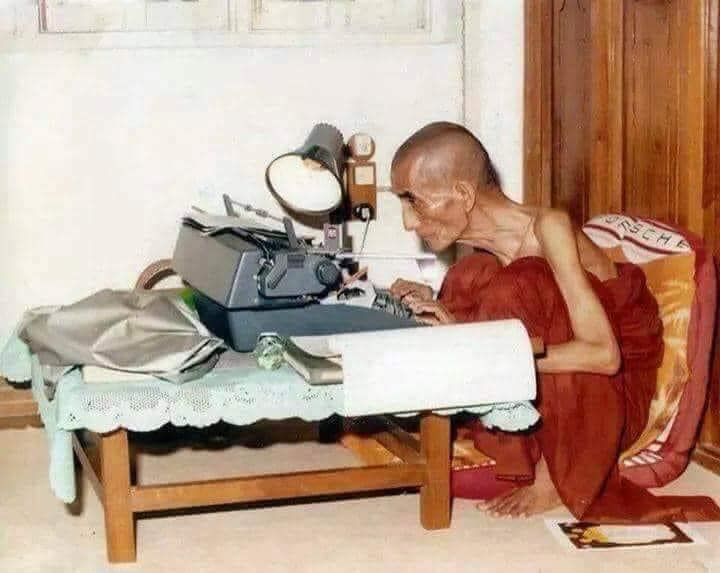
The Guinness Book of World Records listed Tipitakadara Sayadaw Ashin Vicittathara as having a phenomenal — the best at that time in 1954.
In the First Buddhist Council, Ashin Upali served as the Reciter of Vinaya (Rules of monastic conduct). Ashin Ananda served as the Reciter of Sutta (Buddha’s Discourses) and Abhidhamma (Ultimate Reality).
In the Sixth Buddhist Council held at KabaAye (World Peace) Pagoda in Rangoon, Burma from 1954 – 1956 Ashin Vicittathara served as the Reciter of Vinaya, Sutta and Abhidhamma. He also recited the selected Commentaries.
Sayadaw could memorize, recall, and give exposition on 8000+ pages of the Buddhist Scriptures known as Tipitaka [“Three Baskets”] : Vinaya, Sutta and Abhidhamma at the second to fifth Tipitakadara examinations. He passed with distinction in both oral and written parts.
Sayadaw served as an examiner for the first Tipikadara examination. Sir U Thwin requested him to take the examination. The rest is history.