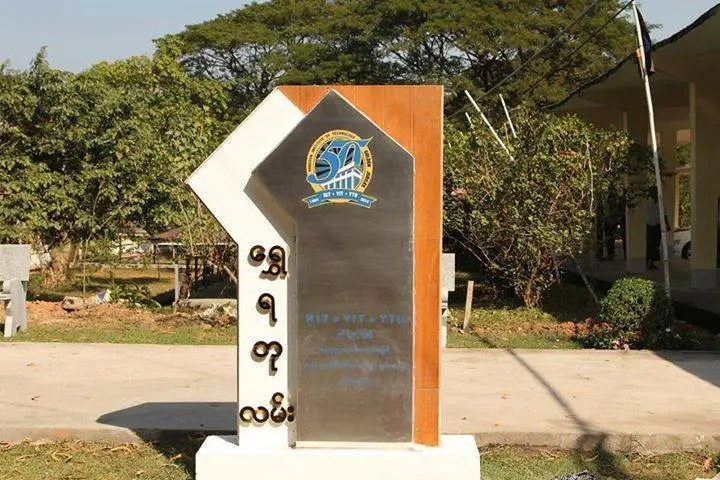
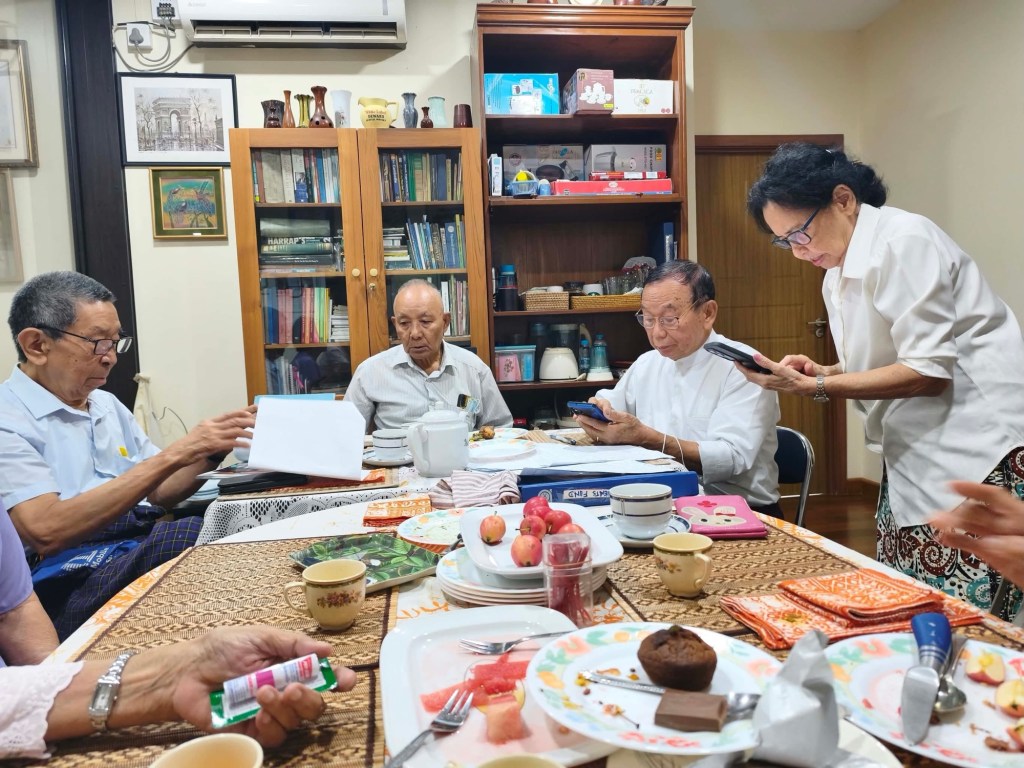
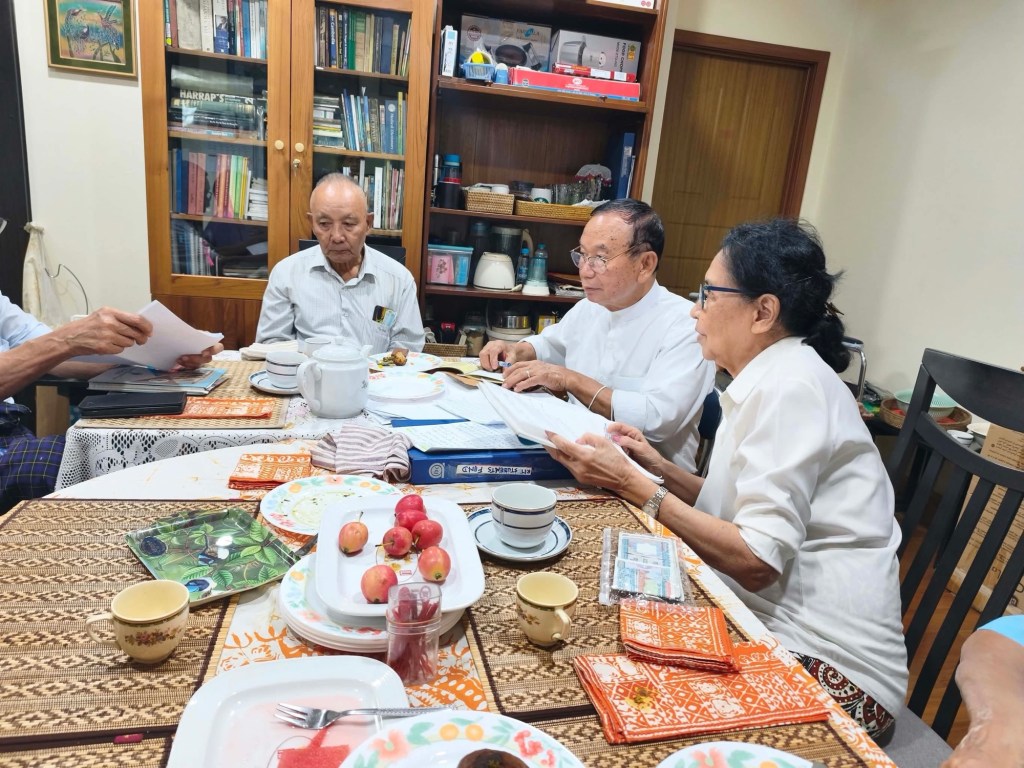
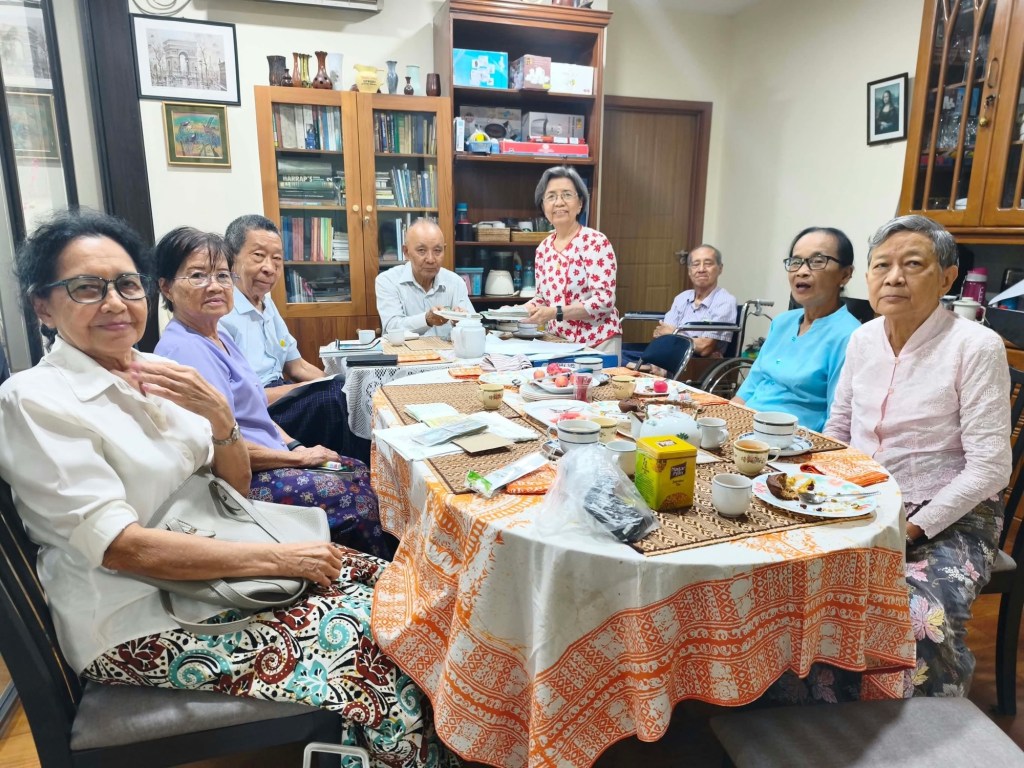
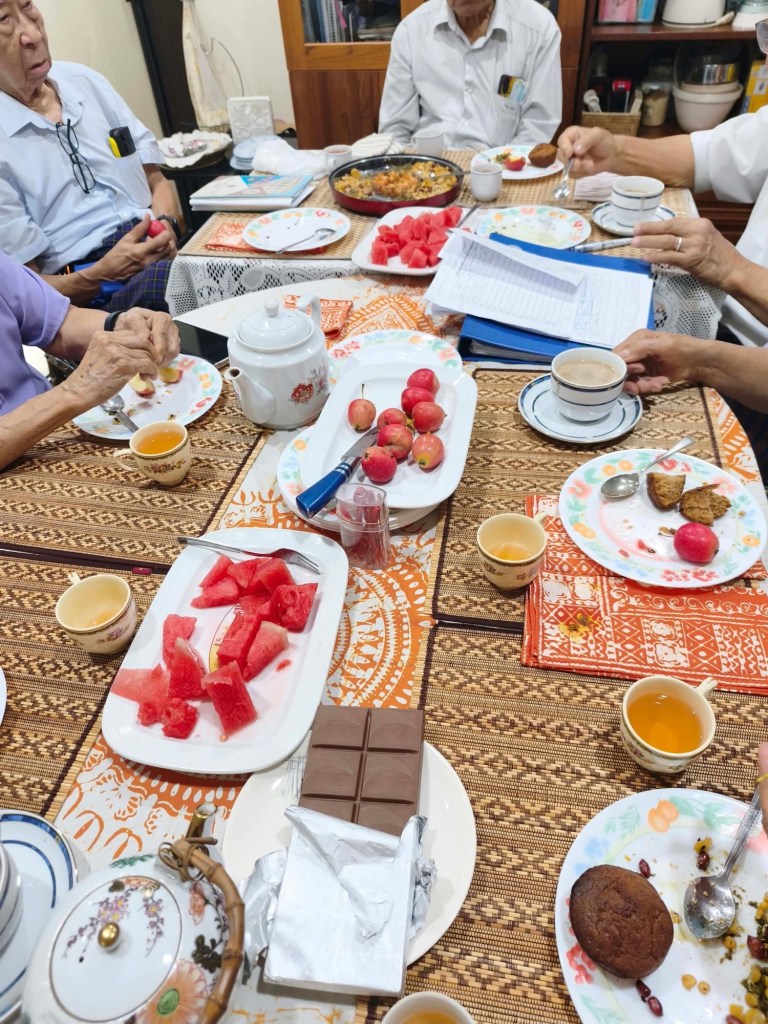
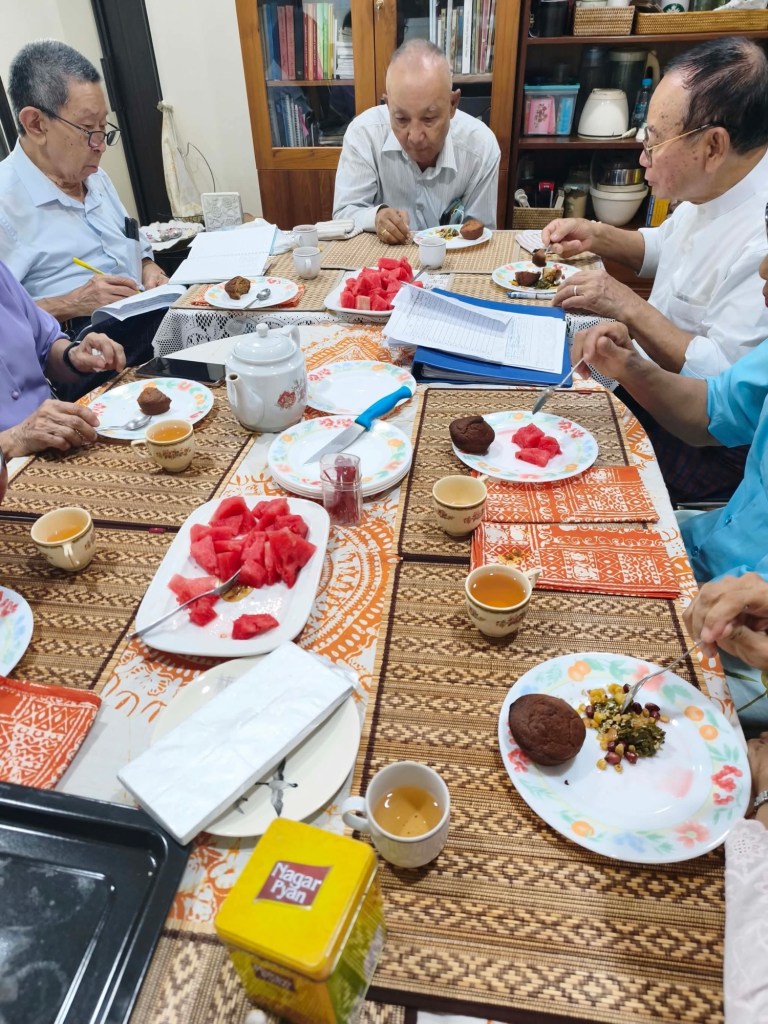
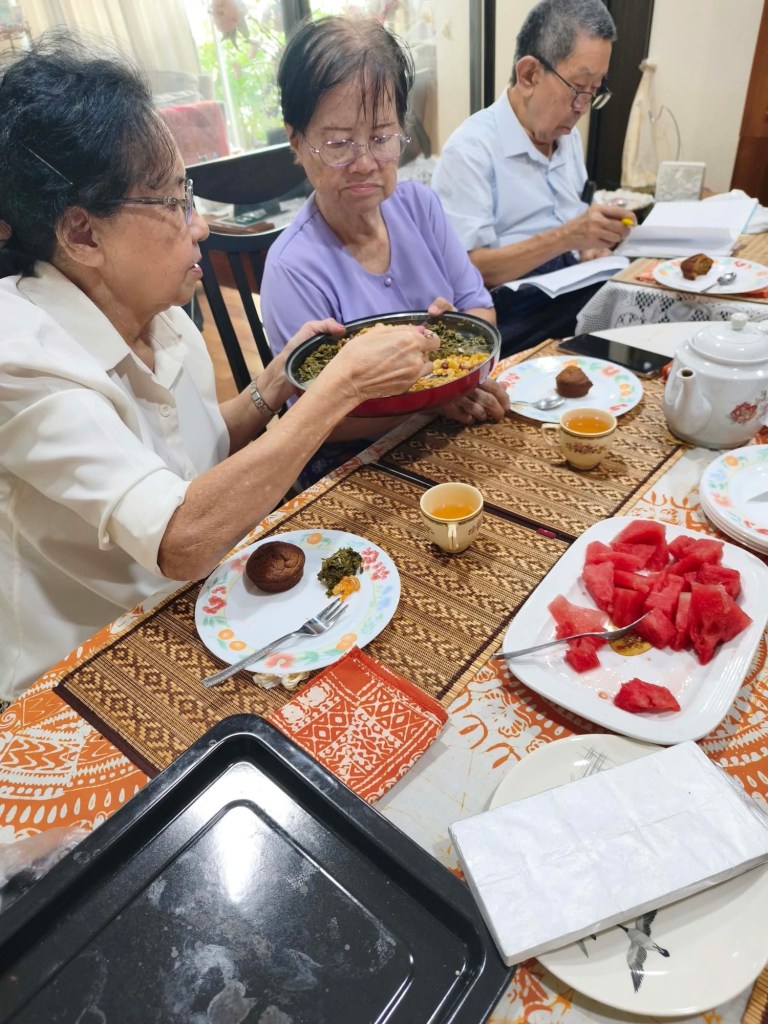
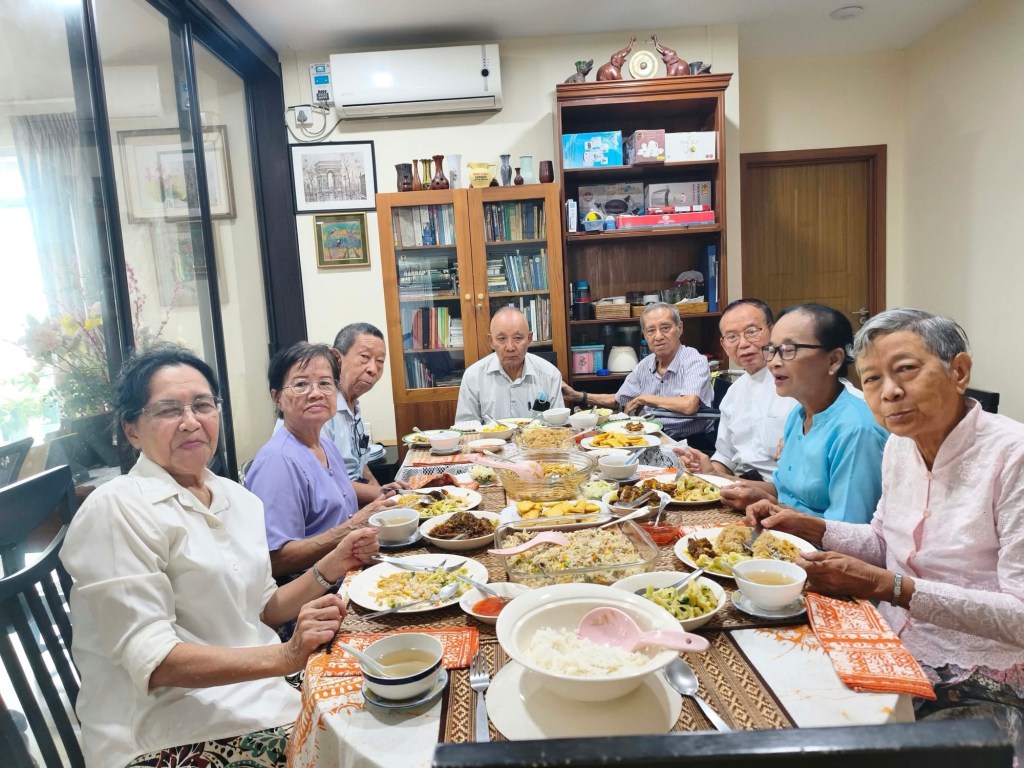
To coordinate with SPZP-2012 organizers, I visited Yangon in March & December.
March 2012
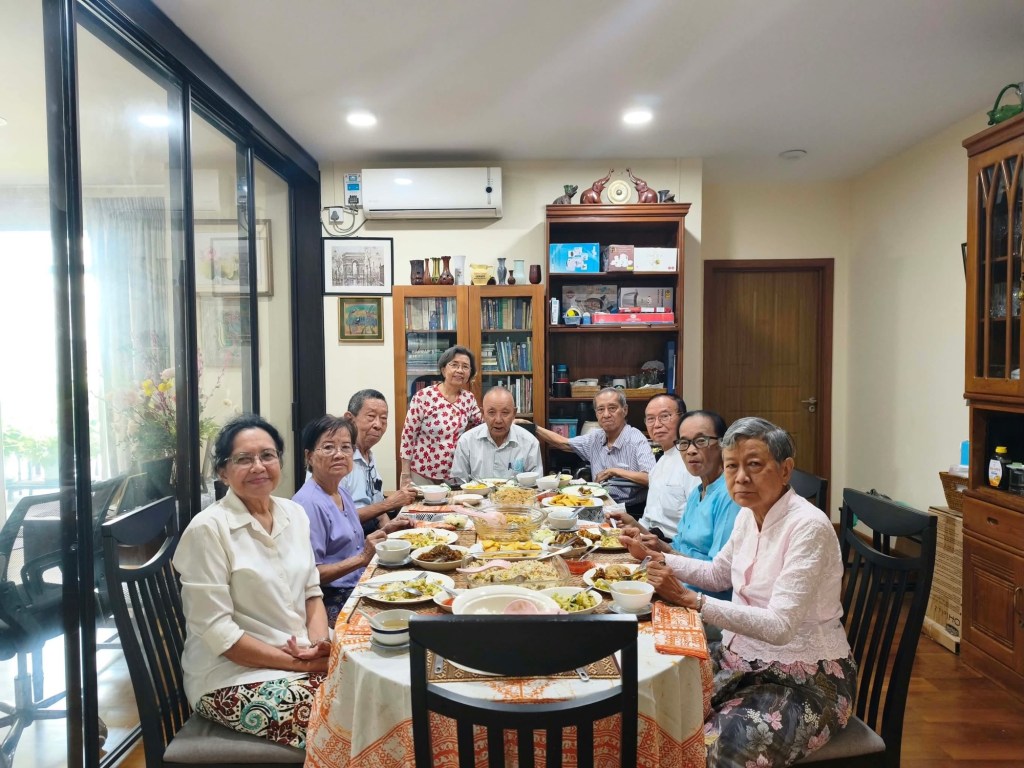
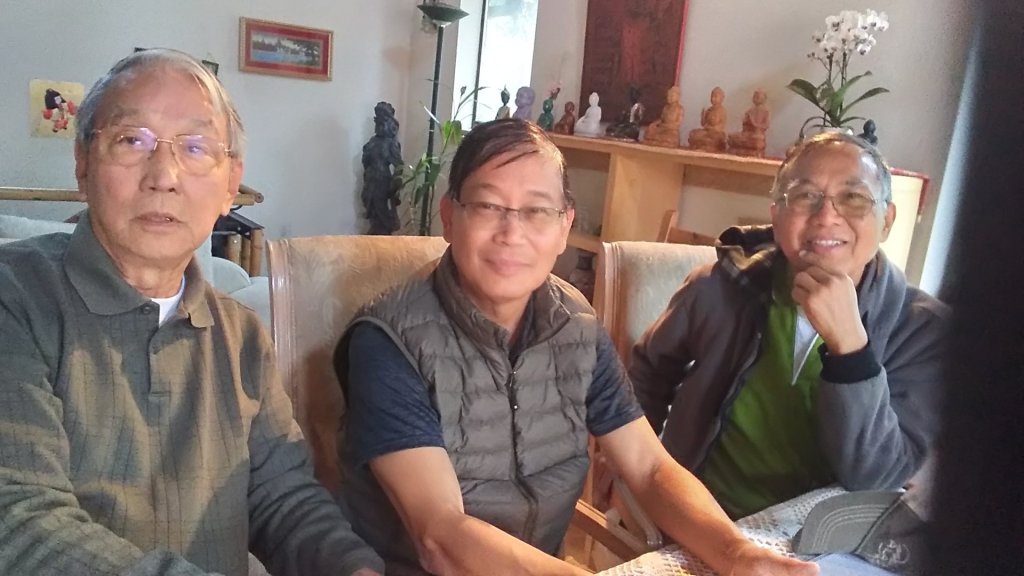
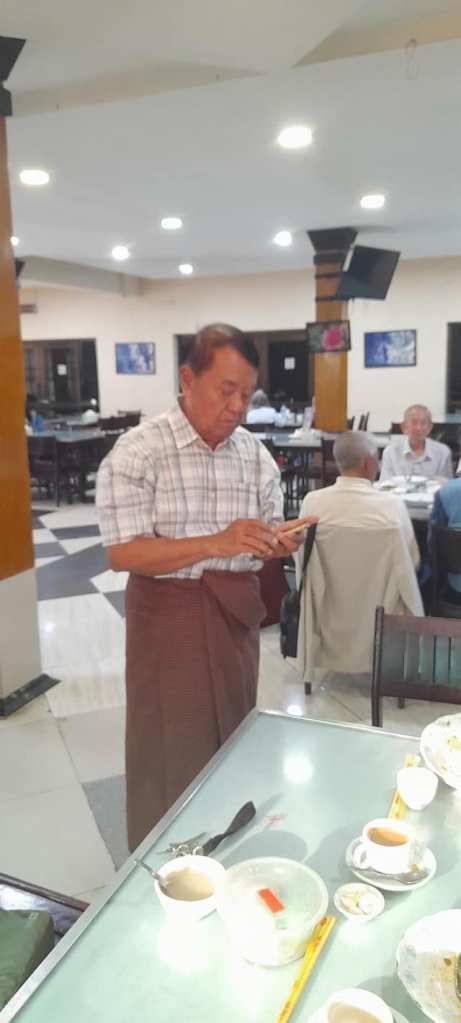
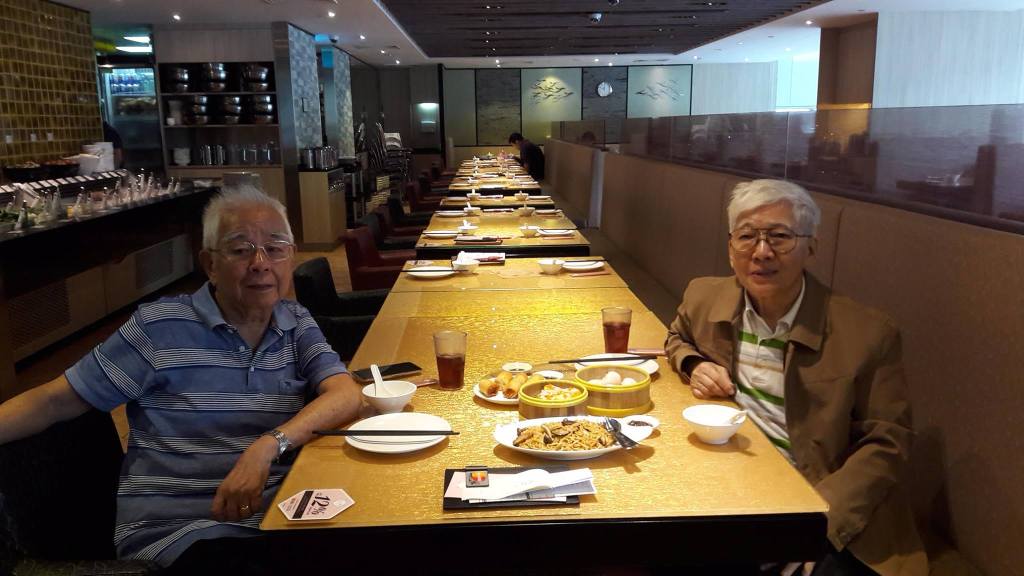
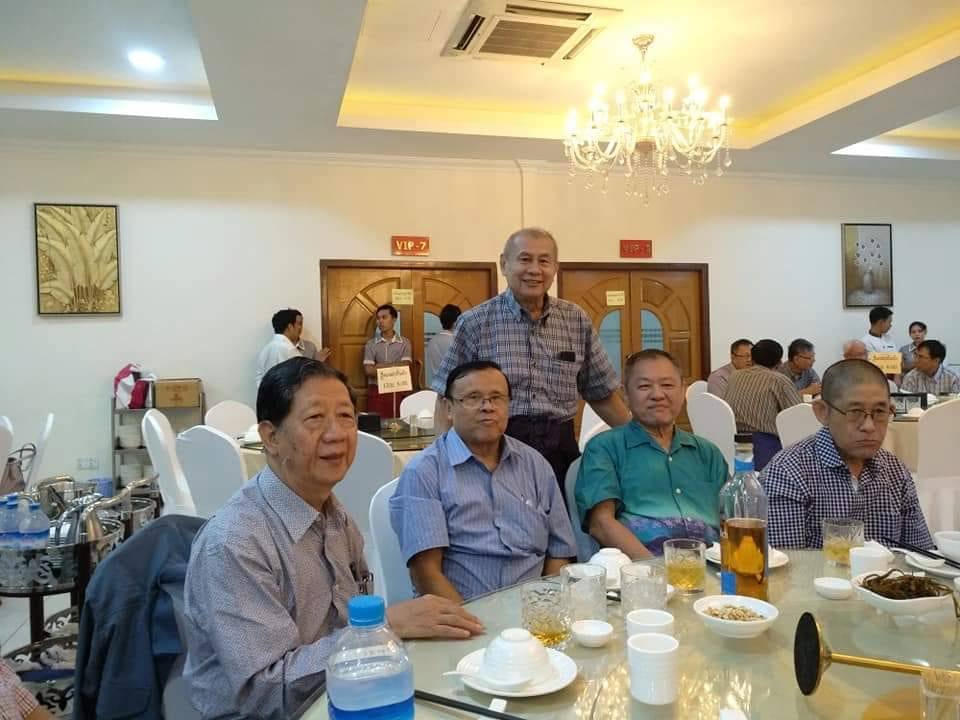
Host / Transportation : U Ohn Khine (M70) & U Saw Lin (C71, GBNF); Met U Aung (C70), Daw Mai Khin Nyunt (Rosie, ChE71), U Khin Maung Myint (ChE71)
Dinner by U Saw Lin
Preparations for HMEE and SPZP-2012
Received preview copy of RIT Selected Cartoons fom U Saw Lin
Mini-gathering at U Zau Lai (EP69)’s house; Last meeting with U Aung Thu Yein (EC69, GBNF)
Aung Thu Yein
Monthly 69er gathering at Taw Win Hnin Si
Temporary monk at Kaba Aye Sun Lun Gu Kyaung
December2012
SPZP-2012
True “Home Coming” at Gyogone Campus; Thanks to HE U Aye Myint; SPZP-2012
Dinner & Entertainment at MICT Park
Swel Daw Yeik Magazine for SPZP-2012
Limited reprint of 23 RIT Annual Magazines
History of Myanmar Engineering Education : HMEE Book & CD Supplement
Selected RIT Cartoons
Exhibits : Cartoon Box, Photos and Paintings
Guest : M72 Gathering; C75 Gathering; Old Paulians’ Gathering
2015
Trip to East Coast (USA) and Canada; See “July 2015” post
Windsor, Canada
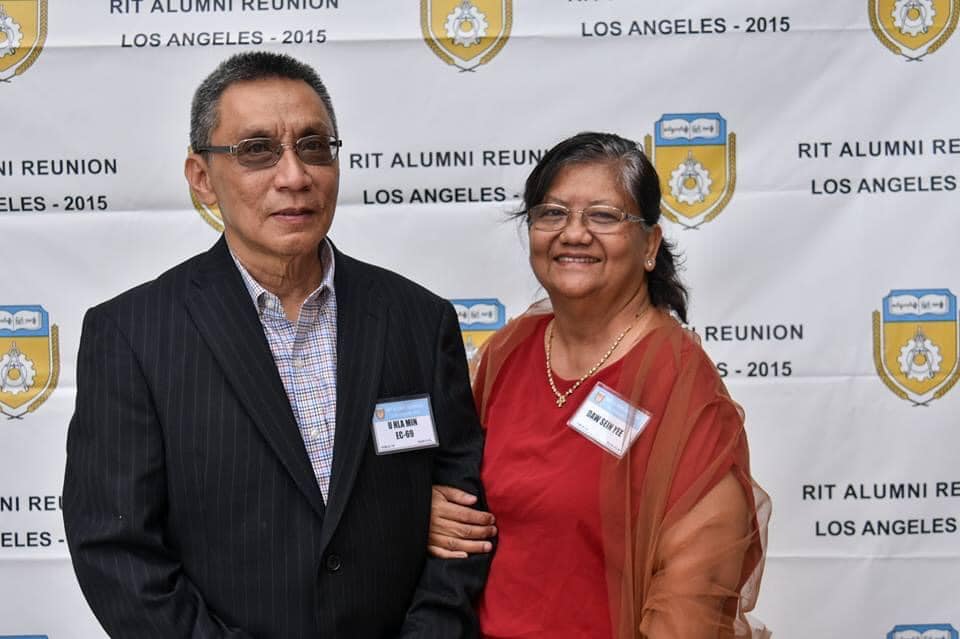
RIT Alumni Reunion in Los Angeles; Thanks to Aung Myint Oo (EC84, ex-UCC) & Thida Khin (ex-UCC) for arranging the trip
LA Reunion
2016
All-day SPZP-2016 at Gyogone Campus
Free food : Breakfast, Lunch and Dinner
Entertainment : Two Stages
Cartoon Pamphlet
Bagyee U Myo Myint donated proceeds from the sale of his Paintings
Bagyee Exhibit
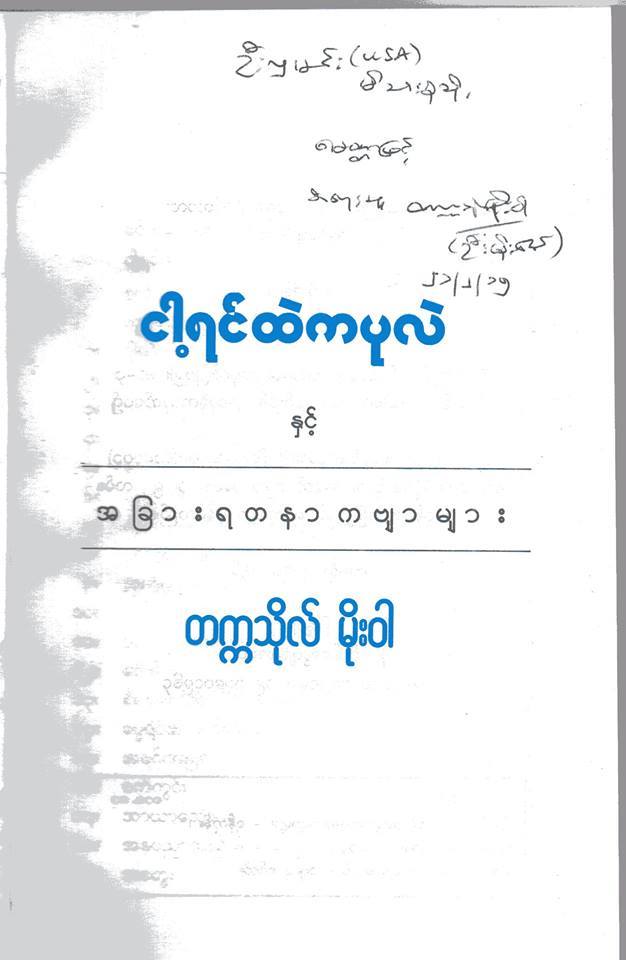
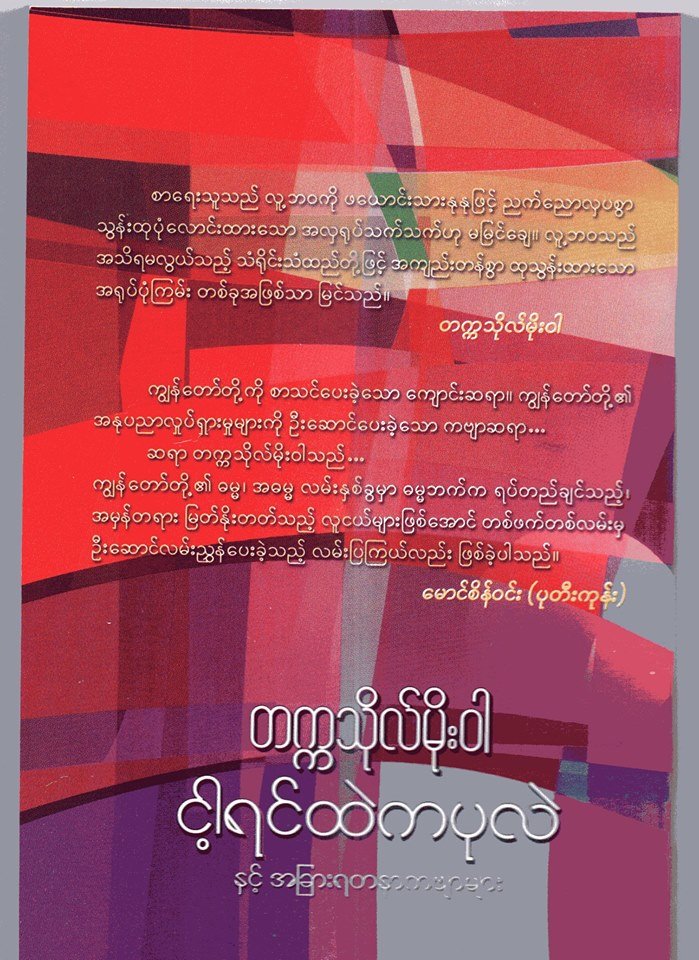
Received “Collection of Swel Daw Kabyars” by Saya U Moe Aung, Saya U Aung Myaing, Saya U Nyunt Htay, U Win Myint, U Toe Aung
Book of Poems
2017
Trip to England and Wales : Dr. Khin Tun & spouse Winmar showed us around; They took us to Ogmore-by-the-sea to see my childhood friend Maung Maung Kyi.
2018
ICST/UCSY Acariya Pu Zaw Pwe : Transportation by Saw Yan Naing
Posted “Memories of UCC” series
Trip to Bagan : Phyu Phyu Kyaw sponsored the trip
2019
Sojourn in Singapore & Malaysia : Thanks to Ko Zaw Tun & Ma Kyu, Silver & Ma Nu, Ko Ye & Pale, and alumni of UCC & ICST
Gatherings : 69ers, Class of M73, UCC
Fifth Irrawaddy Literary Festival in Mandalay : Thanks to KK
RUBC/YUBC Annual Regatta
Golden Jubilee of Graduation of the 69ers : Organized by the Great Aung Min & team
ICST/UCSY Acariya Pu Zaw Pwe : Transportation by Mar Mar Soe
Gatherings : UCC, Paulians, Veda
Guest : Class of 72 Gatherings
2020
PSA (Professional Speakers’ Association)
Guest : 2020 PSA Tour to Upper Myanmar
Restriction : Stay at home
Virtual : RU Centennial
Updates
Several — Dr. Khin Tun, U Maung Maung Kyi, U Aung Myint, Dr. Kyaw Thein — are GBNF.
Due to pandemic, there were restrictions (e.g proof of vaccination & travel insurance in some countries). 18 former classmates — including Han Sein, Yi Pinn, Khin Maung Gyi, Tobias — succumbed to Covid.
“Chamber’s Cyclopaedia” was one of the earliest encyclopedias. It covered 40+ subjects.
In our younger days, we had “Pear’s Soap” and “Pear’s Cyclopaedia”. The company was probably building its brand name by supporting the publication of an encyclopedia.
Encyclopedia Britannica
My uncle had a set of “Encyclopedia Britannica”. It covers many topics written by SME (Subject Matter Experts). Yearly supplements were published. The final supplement came out a couple of years ago. There will no longer be printed editions. There will only be on-line subscription.
Wikipedia
Wikipedia is a collection of encyclopedias in multiple languages.
The English edition of the Wikipedia is the largest.
The accuracy of the Wikipedia is comparable to that of the “Encyclopedia” thanks to the countless volunteer contributors and editors.
I was a volunteer to correct discrepancies (mostly entries on Burmese/Myanmar). For example, a young author wrote that St. Paul’s High School was the first among the De La Salle Schools in Burma. He was unaware that St. Patrick’s High School in Mawlamyaing was the first (and was established a few months earlier than St. Paul’s).
No Absolute Perfection
There is a slight chance that there are errors in an encyclopedia (or an equivalent “book of knowledge”). One author was unaware that Rajiv Gandhi was the elder son of Indira Gandhi. He was a pilot and entered politics only when his younger brother Sanjay Gandhi (touted as Indira’s confidante and successor) died in a plane crash.
Collaboration
The advent of Internet and the rise of “Collaborative Work” have lowered the time and cost to maintain encyclopedias.
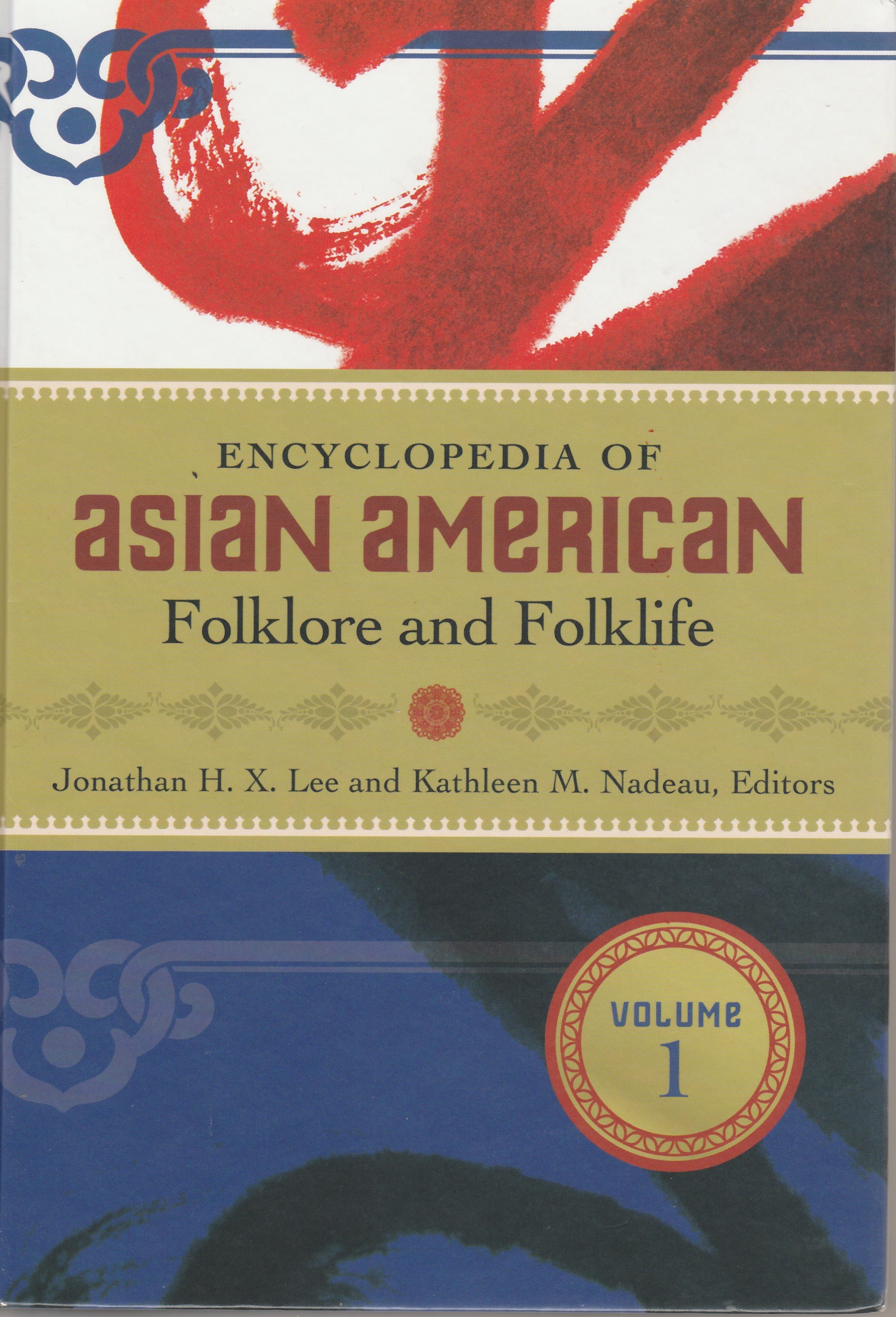
A few years back, I received a call to submit entries to “Encyclopedia of Asian American Folklore and Folklife”. I emailed to the editors that I was willing to help them on the Burmese section. They sent me four samples and asked me to send back one short article (not exceeding 500 words and with two or more references) on a chosen Head Word (e.g. Burmese American Festivals). They reviewed my article and accepted me. The remuneration was $10. I replied that I would like to have a copy of the 2-volume encyclopedia. A deal was struck. They would give me the encyclopedia if I submit at least 8 articles. Nine articles were accepted. Two articles were merged with the work of other authors. One author was a Burmese College Professor. Another was probably a graduate student, who inserted the wrong date for Martyr’s Day. The Editors promised to correct his error in another edition. I received a 3-volume encyclopedia (initially projected to be 2-volume) and an additional $10.
Google Books
Some are not aware of “Google Books”.
If one goes to “Google Books” and search for my name, one can find the nine articles.
Burmese Encyclopedia
In my younger days, my parents bought me “Myanmar Swel Sone Kyan” (Burmese Encyclopedia).
I heard that the “Myanmar Swel Sone Kyan” is under re-development with the help of SME (Subject Matter Experts).
Ko Tin Hla (EP 69) passed away on 10th January 2012 of cancer, which has spread over most of his organs, originally started on his lungs. He was suffering from cancer and was operated four months ago.
His funeral will be on the 12th January 2012 at Yae Wai (13.00 hr).
He is the No. 59 on GBNF (Gone But Not Forgotten) list.
Ko Shwe, Myint Maung. Win Maung, Aung Gyi Shwe, Myint Thein Kabar, and I went and met his family yesterday.
May I remind you to take care of your health.
With Metta and best regards. Aung Min (M 69)
From Ivan Lee (M69)
It is sad news. I was very close with him at the RIT second and third years. I named him Tommy, resident from Myoung-Mya. I met him at the Bassein college first year. He had a younger brother. When his father passed away in Rangoon, I remembered he and I seated together at the front, next to the driver of the funeral car at Rangoon Chinatown. At my RIT 69er welcome party in Yangon in Nov. 2006, that was the last time I saw him.
I am sending my deepest condolence to his family, and wish him be merry whatever he is going to be.
Again, it is an universal rule, we can keep going to lose one after another, will never ever to add any single one more into our network, regardless what, we must regard [and help] one another. And take care of our health, not others assistance, but ourselves desirability.
God bless all of our beloved classmates , alumni, respectful Sayas.
Best regards Ivan Lee USA
From U Aung Kyaw Pe (EP69)
Dear all,
Very sad to hear the demise of him.
Aung K P
From U Sein Myint (EP69)
Dear All,
Very sad to hear from Aung Min regarding Ko Tin Hla from Myoung-Mya.
He is very near to Myint Mg (Bu Gyi). We were very near when doing this and that. Kristian Lal also together with him.
Sein Myint (K K Wong)
From U Thein Swe (EP69)
Dear Ko A Min and all,
Well done! Thanks for your annual and, occasional reports [about the ’69er Health Care Fund]. Once a friend is forever the friend. The older we become the more we should recognize our classmates no matter whether alive or deceased, in high or low profile. Please extend my words of thanks to Ko Shwe, Moe Hein, Myo Nyunt, Myint Sein, Kyaw Zin, Myint Thein, etc for their activities regardless of old age.
There are some outstanding classmates of the year 2011 viz: Ivan Lee @ Khin Maung Oo (USA, Kyaukme, M), unnamed classmate from USA,. Nyunt Nyunt Wai (Tx, Germany).
With metta Thein Swe
From U Sein Tin (M69)
Dear Ko Aung Min and the rest,
Thank you for your annual report of Health Care Fund and activities. You are right. We are at the sun set time. We need both physical and mental support to each other.
You have done well. I support you.
With regards, Sein Tin [Omega]
Updates
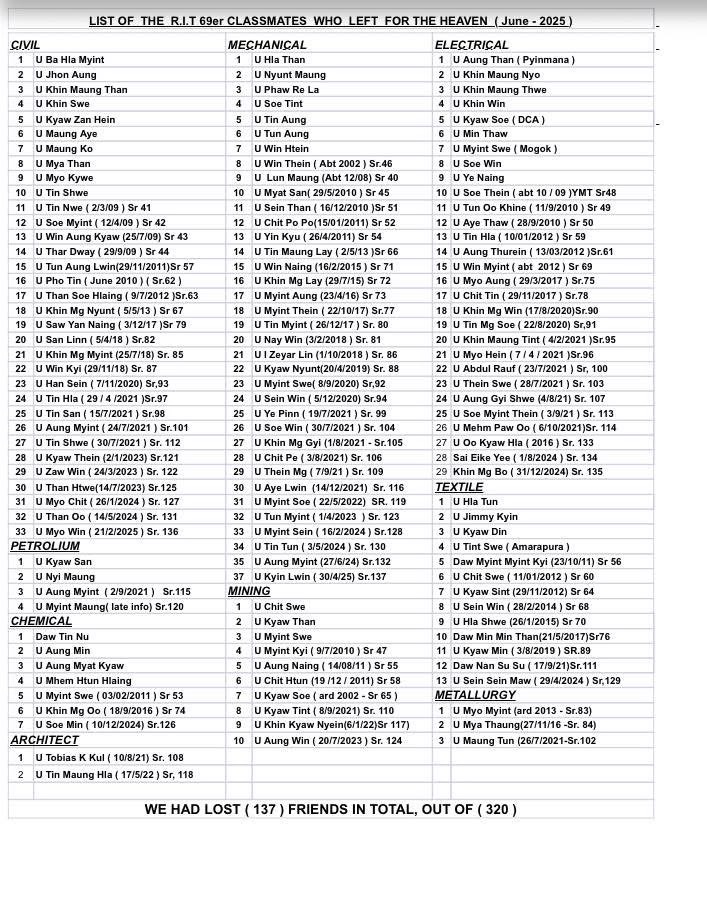
At one time, the Class of 69 had median age of 69 and the GBNF list was 69.
At present the Class of 69 has a median age of 78 / 79 and the GBNF list is 138.
Note that several people in the post — Aung Gyi Shwe, “Kabar” Myint Thein and Thein Swe — are now GBNF.
Ma Tin Tin (Anne, EC69) donated $300 to the 69er Health Care Fund. Per her request, she was listed as a “classmate in the US”. She is the lone female EE graduate in 1969. She migrated to the US. She earlier told the 69ers of her volunteer work for immigrants and/or seniors. She attended the Golden Jubilee Celebration in 2019 and donated $1000.
Thanks to Saya U Soe Paing for his great endeavour in visiting the UCL (Universities’ Central Library) numerous times [in January 2012] to gather and record invaluable information relating to RIT (and BOC college of Engineering as well). And thanks to you for archiving all through your emails and keeping all RITians gelled together.
Only when did Saya U Soe Paing mention Engineering Students’ Magazines, that I happen to recall one Engineering Students’ Magazine in which I was part of it. That was in Academic Year 1960-1961. I was still an Electrical Engineering Student at that time (2nd year, or, by the present calling, 4th year). At Rangoon University (Main University) they had a University Students’ Union (in Burmese, Thud Meg-ga is translated as Union), and we had correspondingly an Engineering Students’ Union as well at our Faculty of Engineering at Leik-Khone (Dome), Prome Road.
At that time I met one Ko Hla Tin (Civil) who was my senior and several years older than me, staying at Prome Hall which was adjacent to Leik Khone, only separated by a fence. He was an avid poet (pen name Kay-tu Win Tint, from Taunggoo) and I used to visit his room at Prome Hall to talk about poems and literature during lunch or break times. I also met one senior (can’t recall his name, I think Ko Sein Hlaing) who was the Secretary of the Students’ Union. After some lively discussions, we decided to issue an Engineering Students’ Union Annual Magazine and they made me the Chief Editor. The Magazine consisted of two sections, Burmese and English, of which Saya U Aung Khin (Mech) was the English Editor.
I still have the 1960-61 issue neatly tucked in a cupboard in Yangon.
Now I remember that Ko Sein Hlaing (EE?) is still in Yangon, helping to look after his grand children, but not in good health. Ko Sein Hlaing’s daughter was my daughter’s very close friend since their childhood days. We met once in Singapore about 12 years back.
Dear Ko Hla Min, this is the time to reminisce and be happy about the good old days and try to fly back with whatever time machine we could get hold of. Time really flies and we should realize that our days are numbered.
Publications
Saya published “Collection of Poems” : some books by himself (e.g. Pearl in My Heart) and some with collaborators (e.g. Swel Daw Poems).
He also published a collection of articles (e.g. Sea of Men & selected articles)
During one of my visits to Rangoon, he gave me an autographed copy of his book.
Autographed copyCoverMusings by Tekkatho Moe War and Maung Sein Win (Padeegone)
Shwe YaDu Lann (Poem and Translation) Tekkatho Moe War (Saya U Moe Aung) wrote a poem for the RIT Shwe YaDu (Golden Jubilee). I translated the poem into English.
Encyclopedia of Asian American Folklore and Folklife (Article) Nine of my articles were published in Volume One of the Encyclopedia. 23 Asian American Groups were featured in the three-volume Encyclopedia.
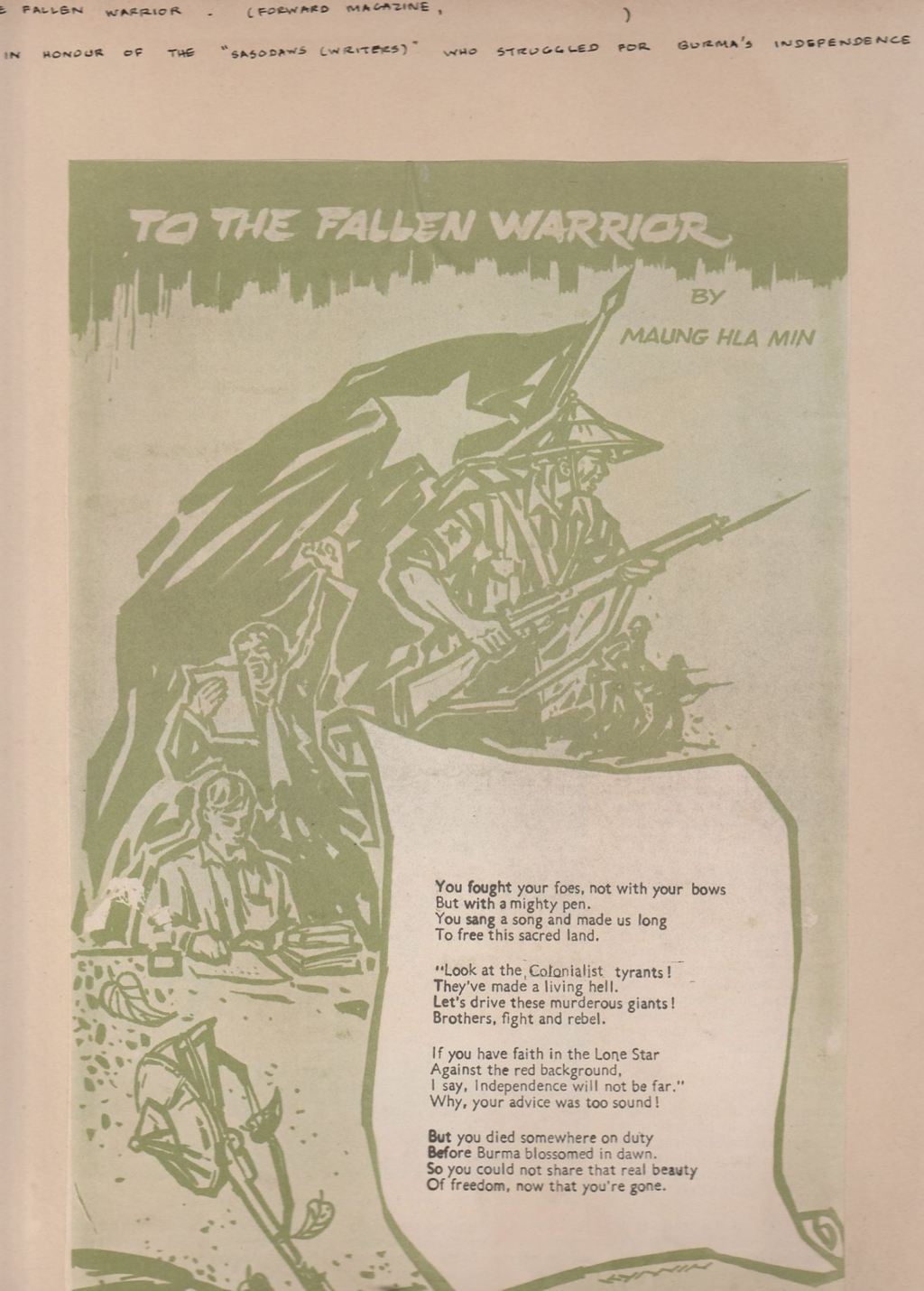
The (Hidden) Power of Kabyar (Poem and Translation) Tekkatho Moe War (Saya U Moe Aung) wrote a poem for “Kabyar Nay” (Poem Day). I translated the poem into English.
To the Shwe Duo (Poem and Translation) Tekkatho Moe War (Saya U Moe Aung) wrote a poem in memory of Saya U Tin Shwe (EP66) and Saya U Hla Shwe (T69), who passed away within a few months of each other. I translated the poem into English.
To ease Nostalgia / “Lwann Pyay Aung (Poem and Translation) Saya U Nyunt Htay (Met73) composed an excellent poem for SPZP-2012. I translated the poem into English.
Names (Article) I have presented several speeches on Names at “Toastmasters International”. I have also written articles on naming conventions, common names, pen names and meaning of names.
Shwe YaDu Lann
Translation by U Hla Min
Shwe YaDu Lann Let it be rough [but it’s tough]. Flowers are blossoming again. Fear not the summer Care not the rain [drops] or the thick fogs & darkness or if winter’s not true to its form
Shwe YaDu Lann Let it be rough. No gentle stream flowing Fear not high winds Care not dense clouds Topsy turvy [come what may] Can paddle upstream With strong mind & conviction Place where heroes [Thu Ye Kaungs] are produced.
Swel Daw Myaing Dann Shwe YaDu Lann is a start [of a journey] To raise the Banner loftily to the skies, to the Zenith displaying our thitsar (vow of truth and integrity)
HLA MIN (Editor, Newsletter Updates, USA)
Encyclopedia of Asian American Folklore and Folklife
Nine of my articles appear in the Encyclopedia ofAsian American Folklore and Folklife (AAFF).
The three-volume book was published by ABC-CLIO in 2011. At the beginning, the book was sold for $275.
I received a book (for completing eight articles according to the agreement) and $10 (for the additional article).
Burmese Americans are covered in Pages 127 to 178 of Volume One.
The Editors decided to merge two of my articles with other authors.
Unfortunately, an error introduced by my co-author. On page 150, he mentioned July 22 (instead of July 19) as Martyrs’ Day. The merged article unfortunately was not sent to me for review. The Editors promise to correct the error in subsequent editions.
Folk tales (as told by Saya Dr. Htin Aung and Ludu U Hla) are part of the Folklore.
To read my articles on-line, you should go to “Google Books” and then search “Hla Min“.
The (Hidden) Power of Kabyar
Translation by U Hla Min
Kabyar is animate But [it’s life is] not just a [fleeting] morn
Kabyar is a weapon But not for destroying the world
Kabyar is key For liberation and independence But not devoid of principles [and morals]
Kabyar has power Hidden but efficient & effective Like sharp-pointed spear-head Can thrust into [the heart of] a power-maniac Cause trembling, shivering, throbbing & anguished pain
Poem in Burmese by Tekkatho Moe War (Saya U Moe Aung)
To the Shwe Duo
Translation by U Hla Min
in memory of “Shwe Duo” : Saya U Tin Shwe (EP66) and Saya U Hla Shwe (T69)
“TO THE SHWE DUO” by Tekkatho Moe War
SHWE duo Blossom in unison Disappear together Free from complaint Even with thin breath Showed mark [of courage and wisdom] Never wavered … Pressed by burden At the awaited turn [of journey’s end] Body — inheritance [from previous lives] Succumbs [to failing health] Yet, “Wei-nyin” is fresh, alive and hovering.
To ease Nostalgia
Poem by U Nyunt Htay
Saya U Nyunt Htay (Met73) is a distinguished poet. He is Chief Editor and/or Publisher of Myanmar Mudita. He composed an excellent poem for SPZP-2012.
Translation by U Hla Min
One cannot forget the history and sweet memories of one’s alma mater, and one feels that most alumni — near and far — still yearn for the good old days.
In front of A Hall, B Hall [C, D, E, F, Halls] friends would tease and prank, yet do no harm. They do not care to find weaknesses in others, and will remain loyal friends. In front of Uttra (North or G) Hall — usually in the evenings — aspiring Ah Nu Pyinnya Shins serenade with love songs aided by guitars, harmonicas and violins.
Hear the bells in Building One, Two [Three] ringing once more. Many rush to the classrooms [some spend time on the corridors to enjoy the belles go by]. At night, some “count the numbers” (perhaps playing cards, or actually studying and doing home work).
RIT students do not feel outnumbered by RASU [with Burma selected] or Eco at any kind of sports [soccer, volleyball, basketball, swimming, water polo …]. RIT has staunch loud-voiced fans [like “Ajala” Moe Hein].
Assembly Hall hosted not just presentations and debates. It also is the home of Geeta See Sar [Musical Evening Extravaganza] with outstanding musicians, composers, vocalists and dancers. Swel Daw Yeik Troupe and Ah Nyeint, Pyazat, … melt our hearts.
Cartoon Box [former telephone kiosk] nurtured many cartoonists to share their humor, satire and ideas with the readers searching for Sacca (Truth).
Aw Bar Lann (precious memories to the graduates attending the graduation ceremony) is known not also for applause but also for the tongue-in-cheek comments and unruly claps and shouts to the unwary treading the Lann.
As the examinations near, most try their best [by borrowing books and notes from their friends, by attending crash sessions] to pass the hurdle. On the desks are notes [not neat and tidy] scattered all over. Times and systems change, but most RITians are able to decide the essentials (“Ah Hnit”) from the inessentials (“Ah Kar”).
Swel Daw Yeik
One can never forget the history and [priceless] memories.
Names
Overview
Before the advent of MRI and Ultra Sound, some people prepare a set of 14 names for the forthcoming : 7 names for a boy (one for each day of the week) and 7 names for a girl (ditto).
Some prefer to have a formal naming ceremony a specified number of days after the birth of a child.
Names may have meaning and/or a historical background.
For example, “Pyke Tin” means “left on a net”. The mother of Saya Dr. Pyke Tin presumably had problems (e.g. miscarriage), so she performed a “Yadana” to catch Saya with a net.
I have a cousin aunt named “Pyke Mi” meaning “caught on a net”.
Ko Ko, Nyi Nyi, Maung Maung, Maung Gyi, Maung Lay, Ma Gyi, Ma Nge are some names based on the order of birth.
There may be name changes. For example, Bogyoke Aung San was named “Htain Lin”, but he changed him name to “Aung San” to rhyme with “Aung Than” (his elder brother).
A new name is given in some social (e.g. Coronation of a King or Queen) and religious (e.g. Higher Ordination) events.
Burma/Myanmar has a sizable number of race and ethnicity.
The following are some prefixes of my sayas, sayamas and friends.
Sao (e.g. Saya Sao Kan Gyi, descendant of Keng Tung Sawbwa)
Sai (e.g. Sai Kyaw Aye, broadcaster for the BBS Shan Language Program)
Saw (e.g. Saw Edison, Karen, RIT Volleyball)
Sa (e.g. Sa Maung Maung, Joint Treasurer, EE69er HCF)
Duwa (e.g. Duwa Zau Lai, Myitkyina)
Nan (e.g. Nan Khin Nwe, young and energetic fund raiser)
Nang (e.g. Nang Khaming, RIT Track and Field)
Naw (e.g. Naw Mu Mu Aye, Professor, Textile)
Salai (e.g. Saya Salai Tun Than, Professor, Yezin)
In most countries, the Father’s lineage is used for the Family Name. Long ago, in some Matriarchal society, the Mother’s lineage is used for the Family Name.
John Fitzgerald Kennedy (or John F. Kennedy) is the US President who proposed the Space Program to send Men to the Moon and bring them back safely to earth. His first name (or personal name) is John. His last name (or family name) is Kennedy. The middle name is Fitzgerald. The middle initial is F. Fitz means “son of”.
President Harry Truman has no middle name. His middle initial is S.
I have no middle name. So at one company, I was registered as Hla X Min (where X is a filler).
My name has only six letters, but it has been misspelled and mispronounced in six (or more) ways.
Prefix
A name may have a prefix.
Prefixes for
a male Burmese name include Maung, Ko, U, and Pho.
a female Burmese name include Ma, Daw, and Phwa.
a Burmese monk name include Ashin, Sayadaw, Venerable and U.
Shan names include Sao, Sai, and Nan.
Mon names include Mehm, Min, Nai, and Mi.
Karen (Kayin) names include Saw, Sa, Pado, and Naw.
Kachin names include Duwa.
Chin names include Salai.
Old Burmese passports were issued with the prefix included. This created confusion when matching names from other documents (e.g. birth certificate).
Dr. U Win was called “Hey, U (pronounced as You)” by his friends, who did not realize that “U” (pronounced as Oo) is a prefix for a Burmese name.
Suffix
A name may have a suffix.
Suffixes include
Sr. (Senior for the father)
Jr. (Junior for one of the sons)
Generation number, e.g. Bill Gates is named William Gates IV
Esq. (Esquire, used earlier in Britain)
Degree, e.g. Freddie Ba Hli, Sc.D.
Fellowship or Membership
Monk names
Some monks names may have “abhivamsa” or “alankara” as suffixes.
Sayadaw U Silananda the prestigious monk examination (conducted in Mandalay) before the age of 27. So, he is often referred to as U Silanandabhivamsa.
There are several distinguished Sayadaws named Ashin Janakabhivamsa.
U Neimeinda and U Siri (Thiri) passed the “Lankara” religious examinations as novices. They may suffix their names with “alankara”.
Prefix for Monk Names
Bhikkhu
Ashin
Baddhanta
Sayadaw
Upazin or Uzin
U
Thera
Maha Thera
Venerable (in English)
Tipitaka Dara (one who completed “Vinaya”, “Sutta”, and “Abhidhamma” exams)
Dwee Pitaka Dara (one who completed “Vinaya” and “Sutta” examinations)
Suffix for Monk Names
Monk names may be suffixed with one or more of the following:
Lankara (one who had passed that dhamma exam as a novice)
[A]bhivamsa (one who had passed the “Set kyar thi ha Dhammacariya” exam before the age of 26)
Wun tha ka (one who stood first in the special examination)
Pa hta ma gyaw (one who stood first in the Pa hta ma pyan exam)
Thi ro ma ni (one who finished 9 “kyans” in a single year)
Ko Soe Win (EC70, UCC, PTC) passed away in Yangon.
GBNF #151 : Intake of 64
Soe Win (Left)
Meeting in Sept 2026
Hosts : Ko Khin Maung Myint (ChE71) and Rosie Mai Khin Nyunt (ChE71)
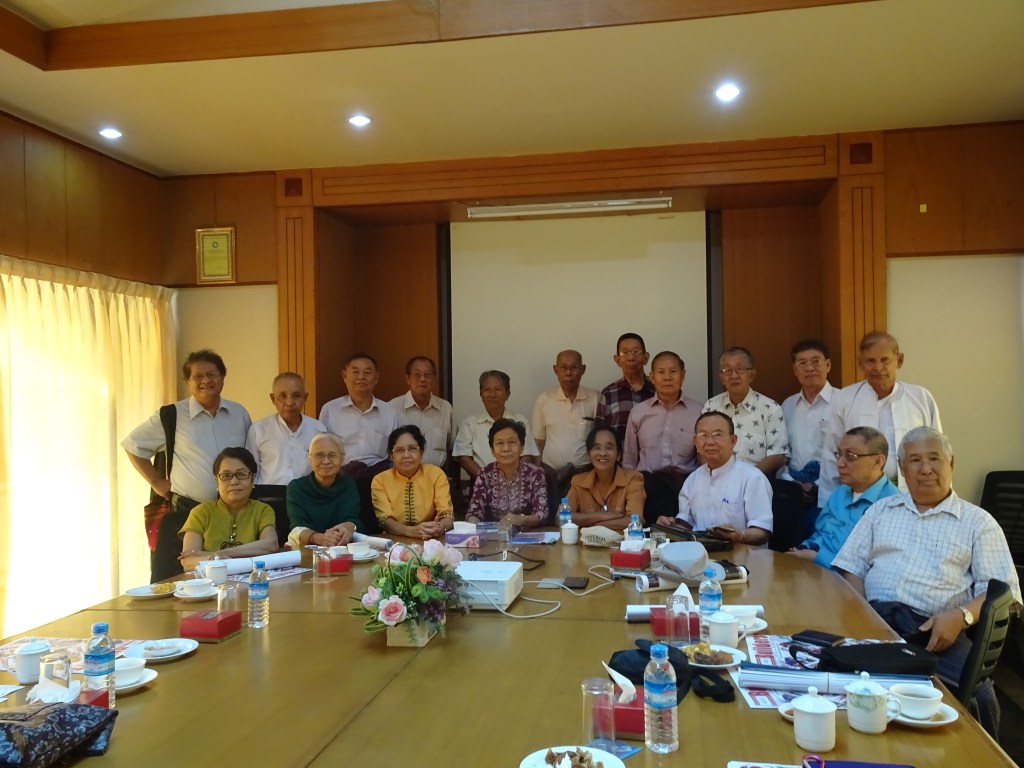
Preparation for forthcoming Acariya Pu Zaw
RG 1RG 2RG 3RG 4RG 5RG 6RG 7RG 8
Earlier Meeting
Cho Aye (Standing rightmost)
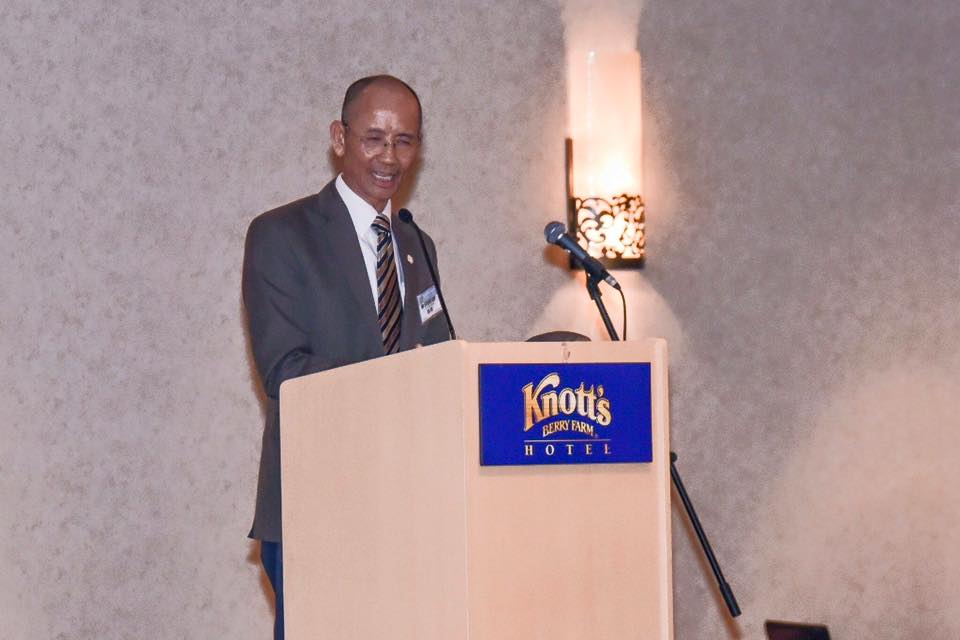
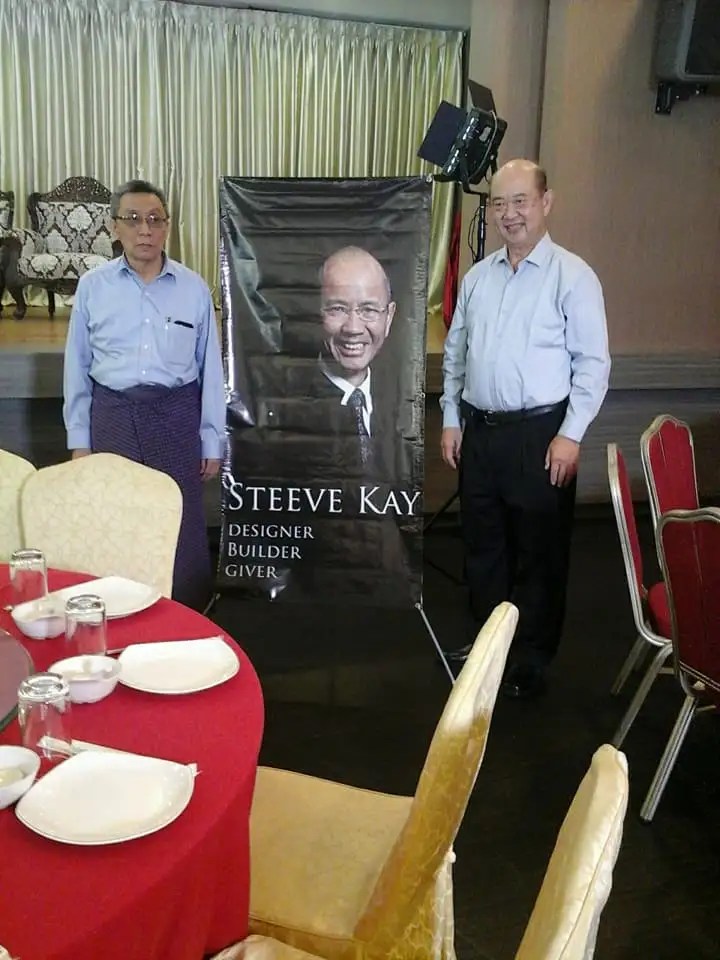
Steeve Kay
Roll No 8 in 1st BE
BE (EC) in 1970
MS from Stanford University
MBA from Pepperdine University
Entrepreneur
Philanthropist
Chair, Kay Family Foundation
Donated $200000+ to RIT-related activities
Multiple Golden Sponsor, SPZP
Passed away in Southern California
Thaung Sein (Steeve Kay) at 2015 RIT Alumni Reunion in Los AngelesSteeve and Benny
Benny
BE (Mech) in 1970
MS from UC Berkeley
Entrepreneur
Philanthropist
Founding member, RIT Alumni International
Co-chair, SPZP-2000
Past President, BAPS
Retiree in SF Bay Area
BennyBenny
RIT Days (1964 – 70)
Authors : Zaw Min (EP70) and Ohn Khine (M70)
Editor : Hla Min (EC69)
Zaw Min
Matriculated from St. Albert’s High School in 1964.
Admitted as Roll No to 1st BE. He was followed by Tommy Shwe (GBNF), Cho Aye (GBNF) and Peter Pe (GBNF)
Luyechun for Inlay Khaung Daing Camp in the Summer of 1965
BE (EP) in 1970
Worked for HIC (briefly) and Ceramics corporation
Moved to USA
Added Nawaday to his name
Studied Electronics and Management
Worked in East Coast and California.
Hosted Sayagyi U Ba Toke and Ko Ye Myint during their visit to attend SPZP-2000
Retiree in Las Vegas
Zaw Min (standing 2nd from left)
Ohn Khine
Matriculated from St. Peter’s High School in 1964
BE (Mech) in 1970
HIC Alumnus
Member, HMEE Project; Compiled CD Supplement for ths HMEE book (with Ko Hla Min); Translated Section 1 and Summarized Section (revised by Saya U Soe Paing)
Moderator, Google Group; maintains GBNF list
Gave me rides to attend meetings for HMEE and SPZP
In the early 70s, New Zealand had an intensive technical training program with the Burmese government, namely the NZ Polytechnic sector and our GTI. One direct, international flight to Myitkyina with staff, teaching equipment and machinery was even made accessible to the NZ government. There is no such program that we know of at University level. However, there have been several at professional level with visits by Myanmar engineers and geologists in the Energy (Oil and Gas, Electricity) sector.
Graduate engineers from Myanmar also arrived in New Zealand in the early-to-mid 1970s. Almost all have settled in the North Island, particularly in Auckland, the City of Sails, which is also known as the gateway to NZ, where it is easier to secure jobs and the weather is relatively warmer. Currently, there are 27 alumni; 4 are architects and the rest, engineers. The most senior member graduated in 1967 and the youngest in 2003. Six are female and notably, two of them (both single) who used to live in Auckland are now working in Australia; one is in Perth, Western Australia working in the mining sector. Just as we are particularly proud of these two remarkably enterprising female alumni, we also take pride in our younger members who are pursuing post-graduate studies in their related fields in NZ.
In terms of Myanmar community functions, we are abreast with our counterparts in Australia, North America (USA) and SE Asia (Singapore). It is our engineering alumni who have, for the past 20 years, spearheaded the annual Thingyan celebrations in Auckland, and more recently, championed other socio-cultural events at our Buddhist monasteries. Although we do not have a formal engineering association per se, we have organized and enjoyed several summer get-together picnics in Auckland. On more than one occasion, our members have attended Myanmar Engineers’ gatherings in Sydney, Australia. In February this year, we successfully organized and celebrated our first “Get Together Auckland 2012” for Myanmar Engineers and Professionals. Of the 44 who attended, 4 were from Australia and 2 from Singapore. We envisage and sincerely hope that more RIT alumni will be able to join us in our future get-together.
Dennis (2nd from Left)
Editor’s Notes
Dr. Koung Nyunt (A67, GBNF) and Ko Myo Lwin / Stanley Saw (M71) were active RIT Alumni in New Zealand. They also attended SPZP-2000 in California and later SPZPs in Singapore and Yangon
He visited Yangon to see his mother, elder sisters and Old Paulians.
His eldest sister, who was taking care of the mother, passed away unexpectedly. The mother followed soon.
U Khin Maung Zaw (“KMZ”, SPHS70, EC76)
KMZ (Right)
Attended St. Paul’s High School
Matriculated in 1970 from No. (6) Botahtaung SHS State High School (name of SPHS after nationalization in 1965)
Due to disturbances, the convocation for KMZ’s class took place in March 1977. For simplicity & consistency), we call his class as “Class of 76”.
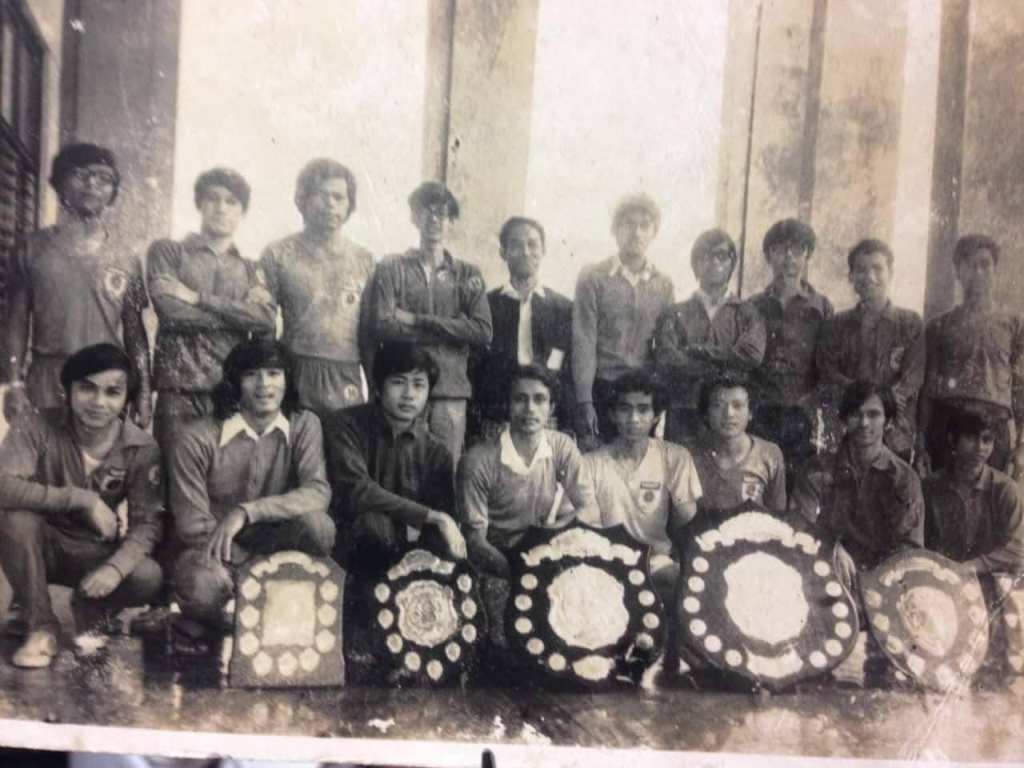
Represented All Universities in Hockey and RIT in Rowing.
Hockey
Played as the last defender in the RIT Hockey Team. Many played for the University & All-Institutes Team. He coached Thura Thant Zin (goalkeeper). At RUBC, Thura coached KMZ.
Helped Maung Maung Hnyut & brothers (major players for the Graduation Photos).
Volunteered at UCC. He usually brought an empty lunch box and a spoon. Several friends and some “ah ma gyis” would provide him lunch.
Took courses at UCC, but he refused to do COBOL assignments.
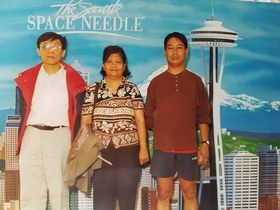
Worked in Singapore and then migrated to US. He has been in the Washington State (Seattle and Kirkland) since his arrival in the US.
KMZ in Seattle
When my company subsidized my vacation trip (for the successful completion of a project), we visited KMZ at his old house. He showed us around (including a day trip to Vancouver, Canada). He showed me his wine cellar. Since I do not drink, I ended up with his concoction (“ginger beer (or similar) with ice cream”).
Founding member of RIT Alumni International
We were lucky when we were planning for SPZP-2000. He was working four 10-hour week with the Technology and Architecture Group of Nordstrom (where he had time & luxury to play with several computer systems).
Accepted the call of Saya U Soe Paing (our mentor at UCC) and me to set up a web site for RIT sayas and alumni.
Designed and implemented the first RIT web site. He was then an eligible bachelor and had a three day weekend. He burned the midnight oil preparing for the SPZP-2000.
Promised SPZP-2000 attendees that he would work on Version 2.0 of the web site. Things changed. Had a wonderful job at Microsoft and also started a wonderful family. A busy schedule at work and at home meant that maintaining and extending the web site would no longer have the top priority. He longer had time for RIT Updates.
Visited SF Bay Area in March 2018 to attend the retirement soon kyway of Maurce Chee (M75). There was a pre-soon kwyay gathering at a Sea Food Restaurant in San Mateo.
Mailed me two books that he bought in Myanmar. One is “U Thant Ah Ye Ah Khin” by Htein Win (Photo). The other is a “tran-composition” of Saya Zaw Gyi’s poems about Pagan by Ah May Thar.
After retirement from Microsoft, he is doing forensics on his old desktops and PCs to recover albums, and articles.
Has provided tags and comments for my postings.
KMZ’s visit to SF Bay Area
U Khin Maung Zaw (SPHS71, EE77)
Per KMZ, the “other Khin Maung Zaw” is also from SPHS, 71 batch. He’s an active member & instigator of OPA (Old Paulians Association) as well as RIT Electrical 1971-77 group.
EE77 group donated Kyat 77 Lakhs collected mainly from the group towards the flood victims through Daw Khin Kyi foundation. Amazingly he was able to cajole exactly Kyat 77L to commemorate 1977 batch folks. Sadhu! Sadhu Sadhu!
Interesting enough he and KMZ overlap in several areas, SPHS, RIT including Hockey and Rowing at RIT,
He is an indefatigable Organizer from the RIT Class of 69.
Aung MinU Aung Min (M69)
We were in the same section in I.Sc (A) because Roll Numbers were based on Last Name. His Roll No. was B115. Mine was B116. B stands for Science Option. We did not choose the Bio Option (with the A prefix).
Chair, 69er Heath Care Fund
Super Organizer of 69er Activities
Called “Sein” Aung Min, “Platinum” Aung Min & “Rare Earth” Aung Min because he is extremely precious.
Aung Min (EC66)
Aung Min (EC66)
He had a micro-reunion in Singapore with his former classmate U Thaung Lwin.
Aung Min (Pet73)
Passed away in April 2019
Had medical treatment in Thailand & in an ICU in Yangon.
He was a donor to RIT-related activities.
Aung Min (Pet)
Aung Min (Phy)
Saya of our I.Sc(A) class in 1963
Aung Min (Thakin)
Went underground with his spouse
Returned & practiced indigenous medicine.
Spouse stayed behind.
Sein Aung Min
Zat Min Tha ဇာတ်မင်းသား
Aung Min Gaung
Street အောင်မင်းခေါင်လမ်း
Pagoda in Windermere ဓာတ်ပေါင်းစုံအောင်မင်းခေါင်စေတီ