Blog

  • Journey to Wa State

    By Dr. Nyan Taw (Dicky)

    Many years ago, senior Officials made the journey to mark border between Wa State, Burma and China.

    I was fortunate to go along with my parents on the wonderful trip (which also included a brief stay in Lashio).

    Wa area at the time was not yet developed as such had to travel on horseback and used human powered raft to cross Salween river.

    Team

    The team was lead by Hsenwi Sawbwa Sao Hom Hpa (who was stationed in Lashio), Colonel Chit Myaing (Brigade Commander of the Burma Army) and U Hla Taw (UMP -Union Military Police).

    • Sawbwa brought along his spouse Nang Mo Kham and son John
    • Col Chit Myaing brought his assistant U Than Hlaing.
    • U Hla Taw was accompanied by his spouse Daw Marie and sons Herman Taw and Nyan Taw (Dicky).
    • The group had a medical doctor.

    Standing (L to R) : Col Chit Myaing, U Hla Taw, Doctor, Sawbwa Sao Hom Hpa, Daw Marie Hla Taw, Nang Mo Kham and possibly U Van Kulh (because the face is not visible in the photo).

    Front : U Than Hlaing, Nyan Taw

    Horse back

    John (Sawbwa’s son) and Nyan Taw enjoying the horse ride.

    On simple raft crossing Salween river

    Two families – Shan Sawbwa and ours. My brother (Herman Taw) in check shirt standing holding a US M1 carbine

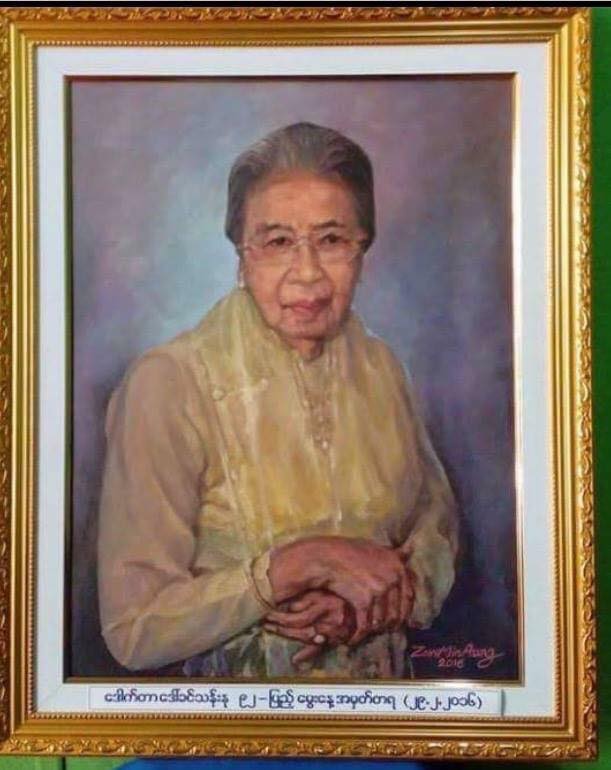
    [Lei Lei Myaing wrote] : Seated was aunty Nang Mo Kham, who passed away at age 100 in Lashio just two months ago.

    Wa girls dancing

    Wa State now

    Conclusion

    The most exciting experience I will never forget.

    Thanks to Lei Lei Myaing (Amy) for filling in the names and information.

  • မေတ္တာနဲ့ပျော်ချင်မိလို့

    ဒေါ်မိအောင် Daw Mi Aung

    တစ်မိုးအောက်ထဲမှာ တစ်ဦးနဲ့တစ်ဦး “အေးအတူ ပူအမျှ” ခံစားတတ်ကြသူတွေကိုမှ “မိသားစု” စစ်စစ်ပါလို့တွေးမိတယ်ဆိုတာတော့မှန်ကောင်းပါရဲ့။

    တချို့မိသားစုတွေကို ကိုယ့်မျက်စိရှေ့မှာတွေ့မြင်ရတာ ဘဝင်မကျမိလို့ပါ။ အားလုံးဟာကိုယ့်အကြောင်းနဲ့ကိုယ်ဆိုတာတော့ဟုတ်တာပေါ့လေ။ ကိုယ့်မှာတော့ “ကိုယ်ပိုင်မိသားစု”မရှိပါဘူး။ “အဖေတို့၊အမေတို့ရဲ့ မိသားစုအစိတ်အပိုင်းသာပါ။” ဒါပေမဲ့လို့ မိဘတွေမျက်ကွယ်ပြုသွားပြီဆိုပြန်တော့လဲ၊ ကျန်ရှိနေတဲ့ညီအစ်ကိုမောင်နှမ၊တူမတွေဟာ ကိုယ့်ရဲ့မိသားစုလို့ဘဲပြောရတော့မှာ။

    မိသားစုတစ်စုမှာ အလိုအပ်ဆုံးဟာ”မေတ္တာ”ပါဘဲ။ မေတ္တာချည်းသက်သက်အပြင် အရေးအကြီးဆုံးကတော့ “ပိုက်ဆံ”လို့ပြောရမှာပေါ့လေ။ “ထ္မင်းစားဖို့က ပိုက်ဆံရှိမှဖြစ်မှာကို။ ဒါပေမဲ့ စုစုရုံးရုံးနဲ့ တစ်ဦးကိုတစ်ဦး ညှာတာထောက်ထားတတ်ကြမယ်ဆိုရင်တော့ ဘယ်လိုလေးဘဲ၊ စားရသောက်ရသည်ဖြစ်စေမြိန်ရာဟင်းကောင်းပါဘဲ။” *တစ်ကိုယ်ကောင်းမဆန်ဖို့တော့လိုပါလိမ့်မယ်။*

    *တချို့အိမ်ထောင်စုတွေမှာ “ငါတို့ကတော့ ကိုယ်ရတာကိုယ်သုံးတယ်။ အိမ်စရိတ်ကိုတော့ဘယ်လောက်ဘဲထည့်ပြီးသုံးတယ် ဆိုတာမျိုးတွေမြင်တွေ့ရတော့ စိတ်ထဲမှာ မကြည်မသာဖြစ်မိပါတယ်။ ** အိမ်စရိတ်လေးထည့်ပေးလိုက်တာနဲ့ တာဝန်ကျေပြီလို့မထင်လိုက်ပါနဲ့။ အဲ့ဒီအိမ်စရိတ်လေးတွေကိုကိုင်ပြီး၊တစ်မိသားစုလုံး စားဖို့အတွက်လောက်ငှအောင် စီမံခန့်ခွဲရတာ၊ သိပ်ကိုခက်ခဲတာပါ။

    ခုခေတ်များဆိုရင် သောက်စရာရေကိုတောင်ဝယ်သုံးရတာ။ စားရေးသောက်ရေးအပြင်ဗာဟီရစရိတ်တွေနဲ့ အလျင်မှီအောင် မျက်လုံးပြူးပြီးသုံးနေကြရတာပါ။ (“ဂဂျီဂဂျောင်”နဲ့ ဒီဟင်းချည်းချက်နေတာဘဲလို့များ ပြောတတ်ကြရင် ပိုဆိုးသေးတယ်။ မီးဖိုချောင်ကလူက “အိုးလူးခွက်လူး”နဲ့ပြီးကြရတာမသိရှာကြတာပါလား။) **ငါတို့စားစရိတ်ပေးထားတာဘဲဆိုတဲ့ အတ္တစိတ်လေးတစ်ကိုယ်ကောင်းစိတ်လေးတွေရှိနေကြရှာတာ။ တကယ်ကိုသနားစရာပါလား။

    တကယ်ဆိုရင် ကိုယ်ထင်ရာကိုယ်စိုင်းချင်တတ်တာလေးတွေကို ဖျောက်ပြီး၊ “တို့တော့ ဒီလမှာလောက်ငှအောင်ဘယ်လိုသုံးကြမယ်။ အလုပ်သွားရတဲ့သူကလဲ လမ်းစရိတ်လေးတော့ ဘယ်လိုယူမယ်၊ လိုအပ်တာလေးတွေကိုလဲ အဆင်ပြေသလိုလေးတော့ ဝယ်ကြမယ်၊ လူမှုရေးအသုံးစရိတ်လေးဘာသုံးရမယ်” ဆိုတာမျိုးလေးကို မိသားစုတိုင်တိုင်ပင်ပင်လေးသာရှိကြရင် သာယာတဲ့မိသားစုလေးဖြစ်မှာပါ။

    တခါတလေများ ကျမတို့ညီအစ်မရဲ့လစာလေးနဲ့မောင်နှမ ၅ယောက်”မျှတစား”ခဲ့ရတဲ့ဘဝလေးကို အမြဲအမှတ်ရနေမိတာပါ။တကယ်ပျော်ခဲ့ရပါတယ်။လစာထုတ်လာရင် “ဝက်ပေါရေ၊ရော့” ဆိုပြီးပေးလိုက်တာဘဲ။ သူလဲသူ့လစာလေးကိုပါအတူထည့်သုံးပြီး၊သူ့ရုံးက အဝတ်အစားလေးတွေကိုလဲ မောင်နှမတွေအတွက် သင့်အောင်ဝယ်လာတတ်သေးတာ။ (ကိုယ့်ညီမလေး စည်းစနစ်ရှိလို့သာ ကျမတို့ မောင်နှမတွေ အဆင်ပြေကြရတာမို့ ကျေးဇူးတင်ရပါတယ်။)

    ကိုယ့်မျက်စိရှေ့မှာဘဲ အိမ်စရိတ်လောက်သာဘဲပေးသုံးတတ်တဲ့မိသားစုတစ်စုကိုမြင်ရတာ၊ သူတို့အစားအတော်စိတ်ညစ်မိပါတယ်။ လကုန်ခါနီးများဆို ပိုက်ဆံကိုင်သုံးရရှာတဲ့ သူတို့ရဲ့အမေကိုသနားမိတာပါ။မလောက်ငှလို့ရှာရဖွေရချေးငှားရရှာပြီ။ အော်၊ သူတို့ကတော့ ဒီလဘဏ်ထဲမှာဘယ်လောက်စုလိုက်တယ်ဆိုတာမျိုးလဲမြင်နေရတော့၊ “အော်၊ ဒါဟာ မိသားစုစိတ်ဓါတ်ကင်းမဲ့တဲ့တစ်ကိုယ်ကောင်းစိတ်ရှိတာပါလား” လို့သုံးသပ်မိပါတယ်။

    ကိုယ်လဲ ကိုယ့်တူမသားချင်းလေးတွေက ခုဆိုရင်သူတို့အလုပ်အကိုင်လေးတွေနဲ့ဖြစ်လာကြပြီမို့၊ ဆင်ဆင်ခြင်ခြင်နေတတ်ကြရအောင်လို့ပါ။ မုဆိုးမအမေကိုညှာတာတတ်ကြစေချင်တာကအဓိကပေါ့လေ။ အော်၊ သူတို့လဲ ကိုယ့်အတွေးနဲ့ထပ်တူဖြစ်မှာပါ။ #အတုမြင်အတတ်သင်ဆိုတာ ကောင်းသောနမူနာကိုယူရတာဘဲလေ။

    ကိုယ်မောင်နှမတွေကတော့ နံနက် အစောစာ စားကြရင်တောင် သူတစ်လူငါတစ်မင်း စိတ်ဓါတ်မရှိကြရအောင်၊မုန့်ဟင်းခါးဖြစ်စေ၊ခေါက်ဆွဲသုတ်ဖြစ်စေ နှစ်ပွဲဝယ်ပြီး၊မောင်နှမ ၅ ယောက်ထ္မင်းနဲ့စားကြရတာမို့၊ တစ်ဦးနဲ့တစ်ဦးညှာတာတတ်ကြတာပါ။ ** (“ညှာတာထောက်ထားစာနာတတ်ခြင်း” ဟာ မိသားစုထ္မင်းဝိုင်းလေးကစပြီး “သန္ဓေ” တည်တာမို့။)**

    ခုချိန်မှာတော့ ကိုယ်တွေစာသင်ပေးတဲ့နောင်လူကြီးဖြစ်လာမည့်ကလေးတွေကို ” စာနာထောက်ထားတတ်ဖို့၊ တစ်ကိုယ်ကောင်းမဆန်”ဖို့ကိုအဓိကထားပြီးသင်ပေးနေရပါတယ်။ #အဲ့ဒါမှ အနာဂတ်သာယာလှပအေးချမ်းမှာမို့ပါ။

    အေးချမ်းသာယာစေချင်ရင်တော့ “ငါတကောမကော” ကြဘဲ “မေတ္တာ” ပေးကြယုံပါဘဲ။ #ကြီးသူကိုရိုသေ#ရွယ်တူကိုလေးစား#ငယ်သူကိုသနား၊ ဆိုတဲ့ စိတ်လေးတွေနဲ့ “မေတ္တာ”ပေးပြီး၊ “မေတ္တာ”ယူလို့ ငြိမ်းချမ်းကြစေချင် – – -။ **မေတ္တာခြုံပြီး၊လုံကြရအောင်

  • လွမ်းလို့ပါအဖေရယ်

    ဒေါ်မိအောင် Daw Mi Aung

    ကျမတို့မောင်နှမတွေက အမေ့ကိုကြောက်ရပါတယ်။ အဖေကတော့ သားသ္မီးတွေကိုသူငယ်ချင်းလိုဘဲ။အမြဲတမ်း နောက်ပြောင်၊ကျီစယ်တတ်တာ။ ဘာလိုချင်ချင် အဖေ့ကိုဘဲပူဆာရဲကြပါတယ်။ဒါပေမဲ့ မလိုဘူးထင်တဲ့ပစ္စည်းမျိုးတော့ “နိုး”ပါဘဲ။ဗရမ်းဗတာ အလိုလိုက်ခြင်းတော့ မဟုတ်ပြန်ပါဘူး။

    တခါတုန်းကများ လေဟာပြင်စျေး(ဆေးရုံကြီးနားက၊ယ္ခုJunction City)မှာမိုးမကျခင်လေးဆိုတော့ မိုးကာအင်္ကျီတွေရောင်းနေတာ၊လိုချင်လို့ပူဆာတော့ ဝယ်မပေးပါဘူး။ကျမကစိတ်ကောက်တာပေါ့။အဖေ့ရဲ့”မူ”က အစားအသောက်သာပူဆာလို့ရှိရင်အလိုလိုက်မယ်။ပစ္စည်းမပူဆာနဲ့။ဆောရီးပါဘဲ။”မိဘဆိုတာ သားသ္မီးဘာလိုအပ်သလဲဆိုတာ အမြဲကြည့်နေတာ၊တတ်နိုင်တဲ့အချိန် သင့်တော်တာဆိုရင်အကုန်ဖြည့်ဆည်းပေးမှာပါ” တဲ့။

    အဖေက မိုးကြီးချုပ်မှပြန်ရောက်လာရင်လဲ အနည်းဆုံး ခေါက်ဆွဲကြော်နှစ်ထုပ်အမြဲပါလာတတ်တာ။တစ်ထုပ်ကကျမတို့အိမ်အတွက်၊တစ်ထုပ်က အမေကြီးအတွက်။အဲ့ဒီအချိန်က အမေကြီးက ငြိမ်းငြိမ်းတို့အိမ်မှာနေတာ။(အမေ့ညီမ ငြိမ်းငြိမ်းကလဲစကားဝါပင်လမ်းထဲမှာဘဲနေကြတာပါ။) ကျမတို့အိပ်နေတုန်းများနှိုးကျွေးရင် အမေကသိပ်စိတ်ဆိုးတာ။ အစာမကြေရင် အိပ်ယာထဲမှာရှူးပေါက်ချမှာစိုးလို့တဲ့။ မောင်လေးဝင်းမောင်ကငယ်ကထဲက ဆီးရောဂါရှိတယ်နဲ့တူပါတယ်။အိပ်ယာထဲအမြဲ ရှူးပေါက်တတ်တယ်။(အသက် ၃၉ နှစ်မှာသူဆုံးတော့လဲ ကျောက်ကပ်ရောဂါနဲ့ပါ။)

    မှတ်မိပါသေးတယ်။ ကျမတို့လမ်းထိပ်ဖက်မှာ အုန်းဖေလက်ဖက်ရည်ဆိုင်ရှိပါတယ်။ ရွှေကြည်နနွင်းမကင်း၊သာကူပြင်၊ပူတင်း အစုံကို တစ်မတ်ဖိုးဝယ်လို့ရပါတယ်။ကျမတို့မောင်နှမတွေကလဲ ဒါလေးစားရမှ အိပ်လို့ပျော်တတ်ကြတာ။ တစ်ညတော့ မီးမှိတ်ထားပြီး၊ အဖေကတိတ်တိတ်လေး မုန့်သွားဝယ်၊ပြန်လာတော့မှ ကျမတို့အကြီး လေးယောက်ကို အိမ်ရှေ့ တံခါးအကွယ်လေးကဖိနပ်ချွတ်နေရာမှာ ခွံ့ကျွေးနေတုန်း၊ အမေကတချွတ်ချွတ်နဲ့ ဘာသံပါလိမ့်လို့ထွက်ကြည့်တော့၊ ဟားဟား၊စားနေရင်းတန်းလန်းမိတာပေါ့။ ပွက်လောကိုရိုက်သွားတာဘဲ။အဖေ့ကိုဆူတာပါ။ (ကျမတို့မောင်နှမလေးယောက်က အဖေနဲ့အိပ်တာ။အငယ်ဆုံးဖိုးချိုလေးတစ်ယောက်ဘဲ နို့စို့ကလေးမို့၊အမေနဲ့အိပ်တာ။) အဖေက” မင်း သား သေးပေါက်လဲ ငါလျှော်မှာပါကွာ” တဲ့။ သနားပါတယ်။ နောက်တော့ပြောသေးတယ်။”သ္မီးတို့က တိတ်တိတ်လေးမနေတော့၊နင်တို့မိထွေးကဆူတာပေါ့၊ကောင်းတယ်” တဲ့။

    တစ်ရက်တော့ ကျမတို့အိပ်ပျော်နေမှ အဖေပြန်ရောက်လာပြီး၊ အင်္ကျီအသစ်လေးတွေဝတ်ပေးထားတာ၊ မနက်အိပ်ယာနိုးရင် သူ့သားသ္မီးတွေပျော်အောင်လို့ ဆိုပြီး၊ အထူးအဆန်းလေးလဲလုပ်တတ်သေးတာ။

    အဖေက တအားသဘောကောင်းပြီးအလိုလိုက်ပေမဲ့၊ တကယ်တမ်း ပြောဆိုဆုံးမပြီဆိုရင်တော့ အဖေ့ကိုပိုကြောက်ရသလိုဘဲ။တခါမှလဲမရိုက်ပေမဲ့ ကြောက်ရပါတယ်။ အမေ့ကိုတော့ ရိုက်တဲ့အချိန်မှာတအားကြောက်ရပါတယ်။ ဒါကြောင့်လဲအဖေ့ကိုပိုချစ်ပြီး၊အမေ့ကိုတော့ အဖေမရှိတဲ့နောက် ကျမတို့ကို လူလူသူသူဖြစ်အောင်ထားခဲ့တာ၊သူ့ကိုသူလဲထိန်းထိန်းသိမ်းသိမ်းနေတတ်တာတွေကြောင့် သနားလဲသနား၊ချစ်လဲချစ်ရပါတယ်။

    တကယ်တော့ လူဆိုတာ ပြောတိုင်း မလေးစားတတ်ဘူး၊ ဆိုခဲစေ မြဲစေ ဆိုသလိုနေတတ်ဖို့ အဖေ့ဆီကပညာရလိုက်ပါတယ်။ကျေးဇူးကြီးလှပါတယ်။

  • TTC

    Names

    • TTC stands for Teachers’ Training College.
    • In the early days, TTC had its own curriculum, which was different from those used in the
      [mostly all] English schools,
      [mostly all Burmese] Vernacular schools, and
      [mixed] Anglo-Vernacular Schools.
    • TTC had a Practicing School.
      Some refer to “TTC Practicing School” simply as TTC.
      U Kyaw Ngwe, Daw Mabel and Daw Tin Tin Aye served as Principals.

    Training Centers

    • During our younger days, Teachers’ Training for SAT (Senior Assistant Teacher) was done mostly at Kanbe.
    • There were regional centers for training JAT (Junior Assistant Teacher) and PAT (Primary Assistant Teacher).

    Alumni of TTC Praticing School

    • Dr. Myo Tint (TTC) stood 3rd in Burma in the Matriculation of 1952. Dr. Nyunt Tin (SPHS) stood first.
    • Dr. Tin Myo Than (TTC), stood 2nd in the Matriculation of 1954. Koon Yin Chu (Philip, SPHS stood first.
    • U Tin Htoon (A60) moved from TTC to SPHS.
    • U Phone Myint (Workshop Superintendent) is an alumnus of TTC.
    • Ko Win Aung (M70) was selected High School Luyechun. Represented RIT in Swimming and Water Polo.
      Served as Secretary of the RIT Swimming Association
    • Ko Soe Win (EC70), Ko Kyaw Zaw (EC72, GBNF) and Ko Khin Zaw are TTC alumni
    • Ko Kyaw Zaw was selected High School Luyechun. His spouse is a sayama at TTC.
    • My sons
    • Three nephews and two nieces
    • Ko Aung Kyaw Win
  • Y (Symbol)

    • 25th letter of the English Alphabet.
    • Pronounced as WYE
    • Alias for YMCA
    • YMCA — Young Men Christian Association
      It was founded in Britain and then spread to over many countries.
      Several YMCA’s in the US are credited with
      (a) the invention of Basketball
      (b) the invention of Volleyball
      (c) the promotion of Public Speaking by hiring Dale Carnegie
      (d) sowing the seeds of Toastmasters International (for Leadership and Public Speaking) via Dr. Ralph Smedley
    • YMBA — Young Men Buddhist Association
      It was involved in setting up monastic and/or Vernacular schools (predating the National Schools. It published the “History of Buddhism” by Mahagandayone Sayadaw with illustrations by Saya U Ba Kyi.
    • Y-junction — a junction type (e.g. two incoming roads merge into one outgoing road)
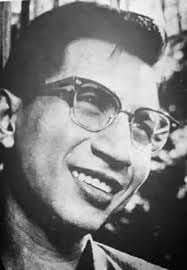
  • U Tin Swe

    He was wrongly called as U Tint Swe, U Tin Shwe and U Tin Shwe Gyi.

    He graduated in 1953. He joined EE Department as Assistant Lecturer.

    He received Masters from the University of Michigan, USA.

    Upon his return, he became a Lecturer.

    EE Sayas

    He was a member of the Prome Hall Soccer team which won the Inter-Hall Tournament for three consecutive years. He was a star player.

    Prome Hall Soccer

    He also played Tennis.

    He was a Power User at UCC. He supervised Ko Aung Kyaw Pe (EP69) for his Master’s thesis. He worked with Power Distribution & Analysis programs. He also collaborated with his former students including Dr. San Oo (EP67).

    In the early days, there were few Professorships. Hevpassed away before the creation of separate EC and EP Departments.

    U Khin Maung Zaw (KMZ, EC76) wrote :

    I believe Saya’s brother was U Nan Wai (a famous painter).

  • Calamities

    Calamities

    by Hla Min

    Updated : May 2025

    Classification

    One classification states that there are three kinds of calamities :

    • Due to scarcity of food / Famine
    • Due to deadly weapons / War
    • Due to diseases / Epidemic / Pandemic

    The degree of severity may vary with place and time.

    COVID-19

    The past few months saw the intrusion and destruction of an invisible enemy in many countries.

    An old soldier who survived the gunfire on D-Day (in June 1944) recently succumbed to COVID-19.

    The casualties in the USA has topped 100,000. A newspaper devoted the whole front page and several pages for 1000 representative obituaries from around the USA.

    The history / nature of the Pandemic is still not known fully.

    There are many unanswered questions:

    • In two neighboring countries, one has a high number of cases while another has very low number of cases. Why?
    • Trade off between loss of lives (by not following social distancing) and economic loss (e.g. due to lock down, shelter in place, circuit breaker)
    • There is a study of the effect of prayer (by practitioners of different religions / faiths) on the recovery of patients
    • A short time frame to come up with effective vaccine
  • EE Sayas

    GBNF

    • U Kyaw Tun
    • U Sein Hlaing
    • U Tin Swe
    • U Sein Win
    • U Thein Lwin
    • Dr. San Tint
    • U Soe Min
    • U Chin Way
    • U Nyi Nyi
    • U Tin Shwe
    • Daw Mya Mya Than

    Update

    The following sayas — from our days — are often seen at the Saya Pu Zaw Pwes:

    • U Myo Kyi
    • U Ba Lwin
    • U Soe Paing
    • U Moe Aung
    • U Tin Maung Thein
    • U Ba Myint
    • U Sein Maung
    • U Khine Oo
    • U Than Lwin (EC69) and U Tin Win (EC71) are seen at the SPZs of the junior batches.
    EE 1
    EE 2
    EE 4
  • Dr. Htay Lwin Nyo

    • He matriculated from SPHS in 1968.
    • He was admitted as Roll Number One to 1st BE.
    • He was selected RIT Luyechun.
    Luyechun
    • He graduated among the top of the EP74 class.
    • He studied Computer Science at UCC.
    • He received a Ph.D. in EE from Syaracuse University, New York.
    • He taught part-time at SJSU.
    • I had the honor to push the incinerator, and later to scatter the ashes in the ocean. I wrote about HLN’s Sea Burial for BAPS Newsletter and in the RIT Alumni International Newsletter and updates.
    • Khin Maung Zaw (KMZ, EC76) set up special web page for HLN. My poem “HTAY LWIN NYO” was also posted there.
    • There was no next-of-kin of HLN in the USA. KMZ remembered that Kyaw Swa Than (Jaws, UCC) was HLN’s cousin. The missing link was supplied by some alumni including Ko Ko Kyi (EC72).

    Ko Ko Kyi (EC72) wrote :

    Ko Hla Min, sad to read about Htay Lwin Nyo’s sea burial. I played a small part in notifying his first cousin Myo San Than in Toronto, when my brother called me from Birmingham, UK and informed me about HLN’s demise. Apparently, someone from California had contacted a friend of my brother’s and asked him to inform me, as he knew that HLN had a cousin living in Toronto. I informed HLN’s cousin Myo San Than, who called his elder brother living in Winnipeg, Canada. Subsequently, this cousin went to the US for HLN’s funeral. HLN was a good friend of mine, although he was two years my junior at RIT.


  • Trip down Memory Lane

    By Saya Des Rodgers

    My introduction to teaching at RIT began as a team member of the English Department. Besides Daw Yin Yin Mya (Head of the English and known to us as Terry), and Daw Sheila Saing (Asst. Head), there were 10 tutors including myself.

    In his own inimitable and affectionate way, Saya U Khin, also one of the new tutors, decided to spice up our group by giving us nicknames. I’m sure my former colleagues will forgive me for revealing these juicy tidbits as this generous gesture of U Khin’s served to bind and give our departmental community a semblance of togetherness. Daw Yin Yin Mya was complimented with the name Shwe Man Mé (in honor of her previous beauty pageant title of Miss Rangoon). I wouldn’t want to reveal Daw Sheila Saing’s. Despite its not being slanderous or derogatory, it was a typical humorous expression of what we Burmese immediately notice about anyone’s appearance. U Win Mra was known as Rakhine gyi, Saya Tony as Shan gyi (sadly gone, but he must be smiling down on us from his abode of eternal rest), Sayama Toni as Byaing ma gyi, Sayama Muriel – a name I don’t recall, but which I think reflected her sweet innocence and being the object of Saya U Khin’s “secret” admiration, Sayama Khin Saw Tint, ungallantly nicknamed Ahnaik té gyi, and Sayama Charity who was inexplicably called Shwe nga. For some strange reason, U Khin spared me, perhaps out of intimidation or deference for my scrabble prowess, as he often challenged but rarely ever beat me in games involving money bets. Both Saya Joe Ba Maung, and Saya Kyaw Lwin Hla, easy targets, were also excepted by U Khin, perhaps to portray a side of his that reminded him of having some good social graces. These intimate nicknames, characteristic of us Burmese helped with the bonding process more closely, and nobody took offence at their liberal use. It certainly seemed that despite our different ethnic backgrounds, we enjoyed a far greater measure of coexistence,cooperation, and friendship in our department than the Burmese government of the day did, in their efforts to co-opt and mould the various ethnic groups of the country into a unified whole.

    Those were halcyon days for us at RIT, teaching classes of20 to 25 respectful and committed students, who basically went along with what we decided was appropriate to teach, and in the manner we decided was best for them to learn. Saya U Khin and I usually had Sayama Terry’s ear, so to speak, and we got to make considerable input into the curriculum and test instruments. At exam time, I was given the duty of conducting the Listening tests over a loudspeaker system across a few wooden framed classrooms (not unlike large zayats), likely due to my previous stint as a radio entertainer with the Burma Broadcasting Service (BBS).

    I got to love my work and I became very attached to the students. In particular, I remember one student. In my classes, he was almost habitually slouched over his desk in the last row of the class, seemingly half asleep on one bent elbow with glasses barely supported on his nose, and seldom looking up or towards the front of the classroom. His seeming indifference belied a very active, bright,and absorbing mind, one which on facing a problem or engaging in conversation requiring close concentration manifested its ability to ably comprehend sophisticated concepts or language use. Usually indulging in his pastime of doodling, I’m sure he was immersed in day dreams of one day becoming an editor of a successful newspaper or a widely popular and eagerly-read newsletter. Hmmm!

    When I wasn’t teaching, I was either playing scrabble with Saya U Khin, Roland Thein, Sayama Anne, or Bobby MyoTun, now respectfully addressed as Bhikku Ashin Pannagavesaka, who undoubtedly must now be spending some time apart from his meditation in his monastery in Mawlamyine to reminisce on some of the earthly pleasures RIT once had to offer.

    Our teaching staff was a friendly bunch. We had a regular stream of students, and some members of other departments visiting with us either to exchange pleasantries or to “check out the scenery” from our vantage point on the 3rd floor. Regulars such as Roland Thein and the Rev. Bobby Myo Tun (no disrespect intended), were often joined by Johnny Hla Min, Kenny Wong, Robert Win Boh, La La, George Tun Pe, D.S.Saluja, Toby Kittim Ku, Zaw Min Nawaday, Walter Tan, Gregory Win Htut, Reggie Kyaw Nyunt, etc., and their delightful female counterparts viz., Christine Phyu Phyu Latt, Emma Myint (later an RIT sayama), and Pamela Myo Min (now Head of Architecture) etc.,. Others, one year junior were Merrylin Smith (now Mrs. Zaw Mon with a very successful career in the US government’s EPA), Than Than Yi (at whose house I played tennis a few doors from Daw Aung San Su Kyi’s residence on University Avenue), Amy Lei Lei Myaing (Tex), Rosie Gyi, Annie (?),and Merlin Vaz, etc.,

    Many of these students not only strolled into our “English Corner”, but unstintingly gave of their time to help me set up the RIT scrabble group, which later even involved the participation of Sayagyis Dr. Aung Gyi, U Min Wun, and perhaps Saya Bilal Raschid in competition games in the institute. The students’ help also extended to organizing the department’s debates and carol singing at Christmas time – an interesting seasonal Christian celebratory event, where racism and religious discrimination played no part in the thinking of our community. We were just happy to be one,and to do things and enjoy each other’s company in whatever manner we could, all in true Burmese fashion.

    On other fronts, I thoroughly enjoyed socializing and cultivating friendships with faculty members from other departments.Saya U Sein Shan (Math) was a consistently friendly and jovial presence, as were Saya U Maung Maung Win (Mech) with his flashing smile worthy of any CNN news anchor, Saya Maurice Kyaw Zaw, and Saya USoe Paing, whom I called “the involver and the motivator”. I had frequent stimulating conversations with Sayas Christopher, U Thein Dan, and U Allen Htay of the Civil department. And of course, I was not only very friendly with Saya Bilal Rachid of the Architecture Dept., but was, and will always continue to be deeply grateful to him for helping me get my Canadian visa. He did much to introduce me to the international diplomatic circuit where the foreign ambassadors often engaged in discussing topical issues, a pastime close to my heart. We now keep in close contact by email, and I plan to visit him and others in the Washington [D.C.] area in the near future.

    In the same way that I had learned to smoke from some RIT seniors in 1959, I also learned to drink from socializing and playing tennis with the Russian Architectural and Mining lecturers. Interestingly, Viktor, the head of the Russian group took me aside when I went on my rounds to wish my various colleagues “Good-bye”, and asked if I would mind keeping in touch with him as he wanted to immigrate to Canada. When asked, “Why Canada?” his answer was a simple, “They have excellent fishing there!” Despite my very cordial relations with Sayagyi U Yone Moe through my occasional visits to his office, there was one person in the administration who seemed to consider me anathema to the institution, with no apparent justifiable reason. Whenever I happened to see U Soe Thein the Registrar, which was practically everyday, he would always stare or glare at me with thinly disguised feelings of dislike.

    I know I’m fast forwarding a bit here, but I’d like to narrate an interesting and illuminating anecdote that happened towards the end of my teaching career at RIT. One day, a brilliant student of mine – who shall remain anonymous,returned from the government’s annual Lu Ye Chun summer camp for outstanding achievers. At the usual meeting of students, faculty and administration in the RIT Assembly Hall, instead of going along meekly with the official policy line of praising the programme to the skies, and using the occasion to encourage other students to strive for higher ideals within the government’s philosophical purview, he delivered a critical unflattering message labelling the programme as nothing less than an attempt to indoctrinate the students with questionable socialist ideals! We sat in stunned silence, not for one moment expecting such a tirade. I never quite got around to asking him what chastisement was meted out to him, but within an hour of his outburst, I was “requested” to see U Soe Thein in his office. There, I was pointedly accused of imbuing this student of mine with harmful western liberal thinking that was detrimental to the Burmese Way to Socialism. Despite my protests to the contrary, I was roundly castigated on the grounds that I was a natural suspect due to my westernized manner of dressing, my behaviour, and outlook. Well, so much for U Soe Thein – himself a suspected front man for the party, and his heavy-handed attitude. There was no love lost between us, but I very sadly had to conclude that after this, my first experience of discrimination in my life, and a few other misgivings about the systemic failure I was witnessing,including the plight of the working class people at large, I would sooner or later have to leave the land of my birth, as it was becoming extremely constricting and taxing for me to exist in such a stifling political system. I have since moved on, preferring to relegate the“U Soe Thein fiasco” to a footnote in my teaching career at RIT. And as for my student? I was left with an absolute sense of admiration for this young, conscientious, and courageous person who had had enough gumption to speak truth to power!