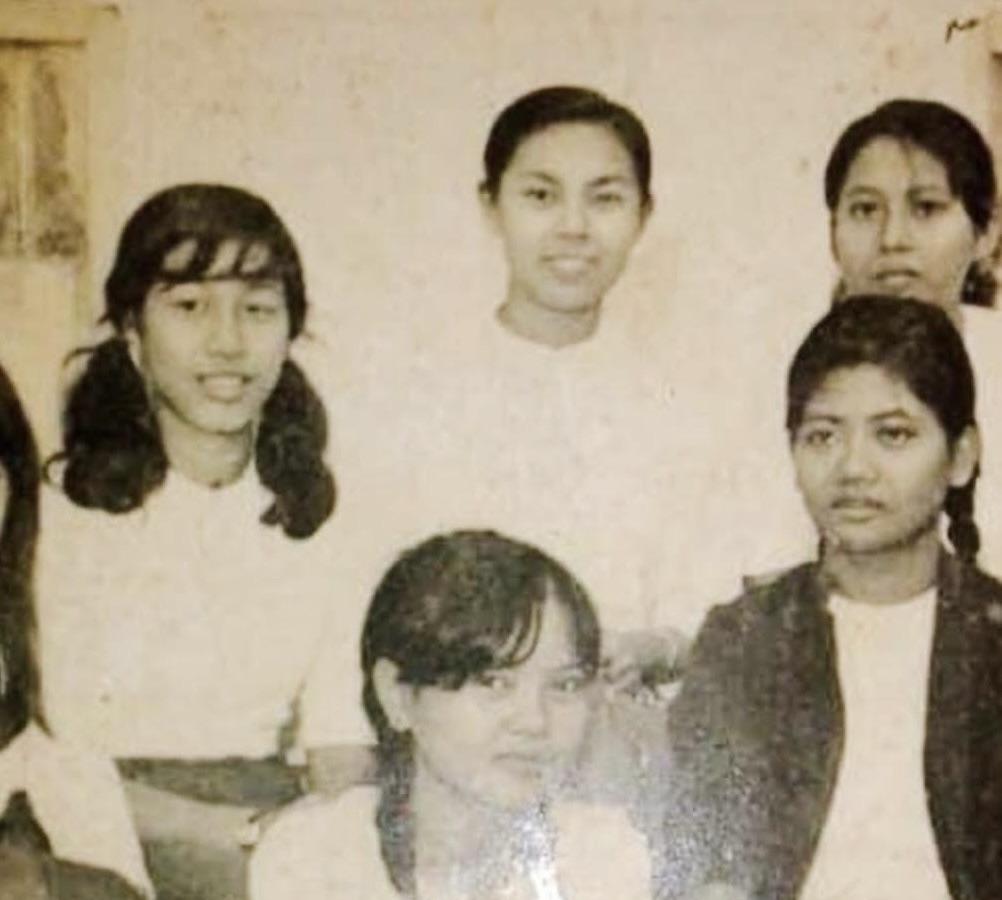
ဒေါ်မိအောင် Daw Mi Aung
“လူသာသေပါစေ၊နံမယ်မသေစေနဲ့” “ဂတိလဲတည်ပါစေ” လို့အမေအမြဲပြောတတ်တဲ့စကား၊ ဘာဖြစ်လို့များမကြာခဏ ပြောတတ်ပါလိမ့်။ အမေကလေ အလုပ်တစ်ခုကိုလုပ်ရင်းနဲ့၊ဘာထပ်လုပ်ရင်ပိုကောင်းမလဲလို့အမြဲတွေးတတ်သူပါ။ စျေးထဲမှာဆိုတော့လဲ၊အိမ်မှာနေတာထက်တော့ပိုပြီးအမြင်ကျယ်လာတာပေါ့လေ။အမေက သူများလုပ်တဲ့အလုပ်မျိုးကို နောက်ကလိုက်မလုပ်ချင်တဲ့လူမျိုး။ အပေးအကမ်းကလဲရက်ရောပါ့။ အမေကြီးကအမြဲပြောတတ်တယ်။ ရွာမှာအလှူအတန်းရှိလို့ကတော့ လက်ဝတ်လက်စားတွေအပြည့်ဝတ်သွားပြီး၊သူငယ်ချင်းတွေကိုပေးဝတ်တာ သူ့မှာဘာမှမကျန်အောင်ဘဲတဲ့။ အမေတို့အဖွါး ဒေါ်နှင်းမြိုင်ကအလှူရောက်လို့ သူ့မြေးဘာမှဝတ်မထားရင် အမေကြီးကိုမရိုက်ယုံတစ်မယ် ဆူတတ်တာလို့ပြောဘူးပါတယ်။ (ရှေးခေတ်က မိန်းမတွေက ယောက်ခမကိုရိုသေရတာထင်ပါရဲ့။)
R T B စျေးမှာတက်ထွန်တွေရောင်းတာမို့ အနယ်နယ်အရပ်ရပ်က စျေးရောင်းစျေးဝယ်တွေနဲ့ဆုံရတာ၊အမေ့အတွက် နောက်ထပ်ခြေလှမ်းသစ်စဖို့ပါဘဲ။ အကြွေးပေးလဲရက်စက်သူမို့၊ဦးလေးကိုလှစိန်က မကြာခဏစိတ်ဆိုးရတယ်။ (ဦးလေးကဝန်ထမ်းဘဝကနေ အမေ့အလုပ်ကိုကူပေးနေသူဆိုတော့၊ကြွေးဆုံးမှာအားကြီးကြောက်တတ်တာ။) နောက်တနေ့ ဆိုင်ကိုမလာတော့ရင်၊ “လှစိန်တော့ စိတ်ဆိုးသွားပြန်ပြီ၊သူ့မိန်းမ(မခင်ဆင့်)ကိုသွားခေါ်ချည်” ဆိုရင်တော့လဲပြီးသွားတတ်တာပါဘဲ။ အကြွေးပေးတာများ နေရပ်လိပ်စာမသိဘဲနဲ့ကိုပေးတတ်တာ။ နောက်ပြီး အမေကနေ့လည်ဖက် စကော့စျေးမှာ၁၀ပြား(ရေအိမ်)သွားရင်းနဲ့လဲ၊အဆင်ဆန်းအသားကောင်းတဲ့အထည်လေးများတွေ့ရင် အုပ်လိုက်ယူလာတတ်တာ။သားအမိ၊ယောင်းမကစလို့ ချုပ်ဝတ်ခိုင်းဖို့တဲ့။ ယ္ခင်ကစကော့စျေးလမ်းကြားထဲမှာ ဗန်းကလေးတွေထဲမှာပိတ်အုပ်လေးတွေကိုသရေပင်ကြိုးနဲ့စည်းပြီးရောင်းတဲ့ဆိုင်လေးတွေရှိပါတယ်။ မှောင်ခိုတန်းလို့ခေါ်ကြတယ်။ အဲ့ဒီလိုခေါ်တာကိုသိပ်မုန်းတာ။
မကြာခင်ဘဲ ဒေါ်ခင်မေတို့ခြေလှမ်းသစ်စပြီဆိုတော့၊အမေက ဝက်ပေါ၊မိမာ၊မခင်ဆင့်နဲ့မအုန်းမေတို့ကိုခေါ်ပြီး၊ မန္တလေးသွားကြပါတယ်။ မိမာတို့ကတော့ ဒူးရင်းသီးတွေစားပြီး၊ရထားပေါ်မှာပူလှချည်နဲ့ ဂျီထိုးလို့ ရထားတွဲကရေအိမ်မှာ နဲနဲငြိမ်အောင်ရေချိုးပေးရတယ်လို့ပြောပြီးရယ်ရသေးတယ်။ (အဲ့ဒီအခါက ရထားတွေကသန့်ပြန့်ပြီး၊အချိန်လဲမှန်ပါ့။ ရန်ကုန်ကမနက်၆နာရီထွက်ရင်မန္တလေးကိုညနေ၆နာရီတိတိရောက်တာ။ ကြိုပေးရတဲ့သူလဲ အဆင်ပြေတာပေါ့။) မောင်လေးနှစ်ယောက်နဲ့နေခဲ့ရတာတော့ကျမပါဘဲ။ဝက်ပေါကဥာဏ်လဲကောင်း၊ပါးရေနပ်ရေလဲရှိတော့ ၊သူ့ကိုအမေကအမြဲခေါ်သွားတတ်တာလေ။ ပိုးချည်တွေမန္တလေးမှာရောင်းဖို့ အမရပူရဖက်ကယက္ကန်းစင်တွေအထိသွားစပ်တာ။ မန္တလေးကအန်ကယ်ဦးမောင်မောင်ဝင်းတို့လျှပ်စစ်ဝင်းထဲကအိမ်မှာမှာတည်းကြရတယ်။အန်ကယ်ရဲ့သ္မီးShirley Win@အေးအေးဝင်းကSt.Philomena’s ကကျမရဲ့သူငယ်ချင်းပါ။
နောက်ထပ်ရောက်လာတဲ့သူတွေကတော့ဒေါ်ခိုင်ကျော်ဦး၊ဒေါ်မေနုဖြူ၊ဒေါ်လှနုဖြူစတဲ့နံမည်လှလှလေးတွေနဲ့ရခိုင်ကကုန်သည်တွေပါဘဲ။သူတို့ကပိုးချည်တွေလာရောင်းကြတာပါ။ သူတို့ပြန်ရင်တက်ထွန်၊ပါတိတ်လုံချည်၊ အချိုမှုန့်စတာတွေဝယ်ပြီးပြန်ကြတာပါ။ ပိုးချည်ကအန္ဒိယဖက်ကဝင်တာပါ။ ထားဝယ်သူဒေါ်ဟန်ကြည်ကတော့ အမေနဲ့ညီအစ်မအရင်းတမျှပါဘဲ။ သူ့ယောကျာ်းက အောင်မြင့်သိန်းစက်လှေကစက်ဆရာ ဦးစိုးပါ။ မြိတ်ကနေ ပါတိတ်လုံချည်၊အချိုမှုန့်၊ငပိငံပြာရည်စတာတွေကို စက်လှေနဲ့တင်ပေးပြီးတာနဲ့ အန်တီမဟန်ကြည်ကရန်ကုန်ကိုလေယာဥ်နဲ့လာတာ။ စက်လှေမဆိုက်မချင်းတော့ ကျမတို့ညီအစ်မတွေနဲ့ရုပ်ရှင်ကြည့်၊ဘုရားသွားပေါ့။ ဦးလေးကိုလဲကြောက်ရတော့၊လှေဆိုက်တာနဲ့ ရောင်းစရာဝယ်စရာတွေကလွဲရင် ပွဲလမ်းအကြောင်းမဟရဲတော့တာ။ လှေပြန်ထွက်ရင်တော့ ပုဆိုးကြမ်း၊ဆေးရွက်ကြီးစတဲ့ကုန်တွေပြန်တင်သွားကြပြန်ပါရော။ အန်တီပေါ့ကျမတို့ကိုအမြဲပြောတတ်တာ၊ “မိန်းကလေးဆိုတာမိုးလင်းတာနဲ့ရေမိုးချိုးထား၊ခေါ်တဲ့လူရှိရင်ချက်ချင်းထလိုက်သွားရုံ” ဘဲတဲ့။ပြောပုံများ၊ကျမတို့က အန်တီစကားကြီးကလဲဆိုတော့မှ “နင်တို့အမေကို ‘မမရယ်’ကလေးတွေနဲ့ရုပ်ရှင်သွားကြည့်မယ်နော်၊ လို့ ပြောပြီး ခွင့်ပြုချက်ရမှ ရေမိုးချိုး၊ပြင်ဆင်နေလို့ ကြာသွားရင် စိတ်ပြောင်းပြီး မသွားနဲ့တော့ဆိုရင်ဘယ်လိုလုပ်မလဲ” တဲ့လေ။ သူပြောတာလဲဟုတ်တာဘဲ။
မြစ်ကြီးနားကကုန်သည်တွေကတော့ ချည်ထုပ်(၂/၈၀၊ ၂/၆၄ စတဲ့ ချည်စစ် cotton)ကိုလာဝယ်ကြတာပါ။ သူတို့ကတော့ ကချင်လွယ်အိပ်၊ကချင်လုံချည်စတာတွေယက်ဖို့ပါဘဲ။ မန္တလေးကိုတော့ပိုးချည်တွေပို့ပေးရတာပေါ့။ ပိုးချိတ်၊ကြိုးကြီးချိတ်စတာတွေယက်ဖို့။ ခုထိ ကျမ အဖြေမထွက်သေးတာက ပိုးချည်ရော၊ချည်ထုပ်ရော “မှောင်ခို “တဲ့။ ဒါပေမဲ့ စကော့စျေးက ပိုးထည်ချည်ထည်ဆိုင်ကြီးတွေကတော့ ဟီးထနေတာကိုပါ။ အန်တီမဟန်ကြည်ဆိုလို့အဖေ့ကိုအမှတ်ရမိသွားပြန်ရော။ အန်တီကအဖေဆုံးတဲ့နေ့မနက်အစောလေယာဥ်နဲ့ပြန်မှာ၊ ကွင်းချိန်းက၅နာရီမို့အိပ်ယာကထပြီးပြင်ဆင်တော့ ကျမတို့နိုးမှာစိုးလို့ အတွင်းခန်းမီးကိုမဖွင့်ဘဲအိမ်ရှေ့အထွက်မှာ အမေက “သူခိုး”ဆိုပြီးလန့်အော်တာ။ အဲ့ဒီအချိန်ကထဲက အဖေလဲလန့်ပြီး သွေးတိုးသွားတာလေလား။ ကျမတို့မောင်နှမတွေက အိမ်ကိုလာတဲ့ကုန်သည်တွေနဲ့ဘဲအနေများခဲ့တာ။ သူတို့ဆုံးမတာတွေ၊ သူတို့ရဲအပြုအမူအနေထိုင်နဲ့သူတို့ရဲ့စရိုက်တွေကိုကြည့်ပြီး၊ ဆောင်သင့်ရှောင်သင့်တာတွေကိုဆောင်ခဲ့ရှောင်ခဲ့ပြီးကြီးပြင်းခဲ့ရပါတယ်။ ကျေးဇူးတင်ထိုက်သူတွေပါ။ သူတို့အားလုံးနဲ့ဆွေမျိုးရင်းခြာပမာ နေခဲ့ရတော့ ဘယ်တော့မှမကွဲဘူးလို့ထင်ခဲ့မိတာ။ ဘယ်ဟုတ်လိမ့်မလဲ ဆန်ဆုံစား၊ ကံကုန်သွား ဆိုသလိုဘဲ၊ ဘယ်ဆီဘယ်ဝယ်တွေရောက်ပြီး၊ ရှိကြလေသေးလား၊ မရှိကြတော့ဘူးလားဆိုတာကိုတောင်မသိရတော့တာပါ။
ပေါင်းတည် ကအမေဒေါ်ခင်မြင့်ကအမြဲပြောတတ်တယ်။ “ဆန်ဆုံစား၊ကံကုန်သွားတွေပါအေ၊သိပ်မတွယ်တာနဲ့” တဲ့။ မှန်လိုက်တာ။
ကံကြမ္မာဆိုတာ တရားသေတွက်ထားလို့မရတာတော့တကယ်ကိုပါဘဲ။ အချိန်ရှိခိုက် ရှာကြဖွေကြပေမဲ့၊မမြင်ရတဲ့ အကြောင်းကံလေးတွေကပေါ်လာပြီဆိုရင် ဘာမှလုပ်ကိုင်ခွင့်မရနိုင်တော့တာပါဘဲ။ ဦးသန့်အရေးအခင်းဖြစ်လို့ ဆိုင်ပိတ်လိုက်ရပြီဆိုကထဲက ဝင်ငွေကနတ္ထိ။အကြွေးတွေက လာပေးကြချင်ပေမဲ့ လမ်းခရီးကအစဥ်မပြေ။ အရေးအခင်းပြီးတော့RTBစျေးကဖျက်ရ။ ယ္ခု ဂျပန်ဆေးရုံနေရာမှာဆိုင်ခန်းလေး(တ-၁၀)ပြန်ရပါရဲ့။ ရောင်းဝယ်နေကြစျေးဝယ်တွေကဆိုင်ရှာမတွေ့၊ငွေရင်းကနဲ။ လူတွေအတော်ဒုက္ခရောက်ခဲ့ကြရတာ။ ဒါပေမဲ့ ဒေါ်ခင်မေရဲ့မူအတိုင်း “ဟိုကွေ့ရောက်ရင် ဟိုတက်နဲ့လှော်မယ်။ဒီကွေ့ရောက်ရင်ဒီတက်နဲ့လှော်မယ်” ဆိုပြီးပြန်လည်ရုန်းထခဲ့ကြပြန်ပါရော။ နံမည်ပျက်မရှိ၊ဂတိတည်ခဲ့လို့သာ ပြန်လည်ရပ်တည်နိုင်ခဲ့ကြတာပါ။
အလံမလှဲစတမ်း ပေါ့လေ။
 HlaMin