Category: UCC

  • Benefactors

    Benefactors

    by Hla Min

    Updated : Aug 2025

    Sayas ဆရာများ

    • I pay respect to သင်ဆရာThin Saya, မြင်ဆရာMyin Saya and ကြားဆရာ Kyar Saya.They taught me all I knew.
    • I would like to thank my mentors who directly or indirectly taught me Communication (Oral and Written) and Languages (English, Burmese, …)
    • Last but not the least, a million thanks to my “လက်ဦးဆရာများ Let Oo Sayas” (my beloved parents).
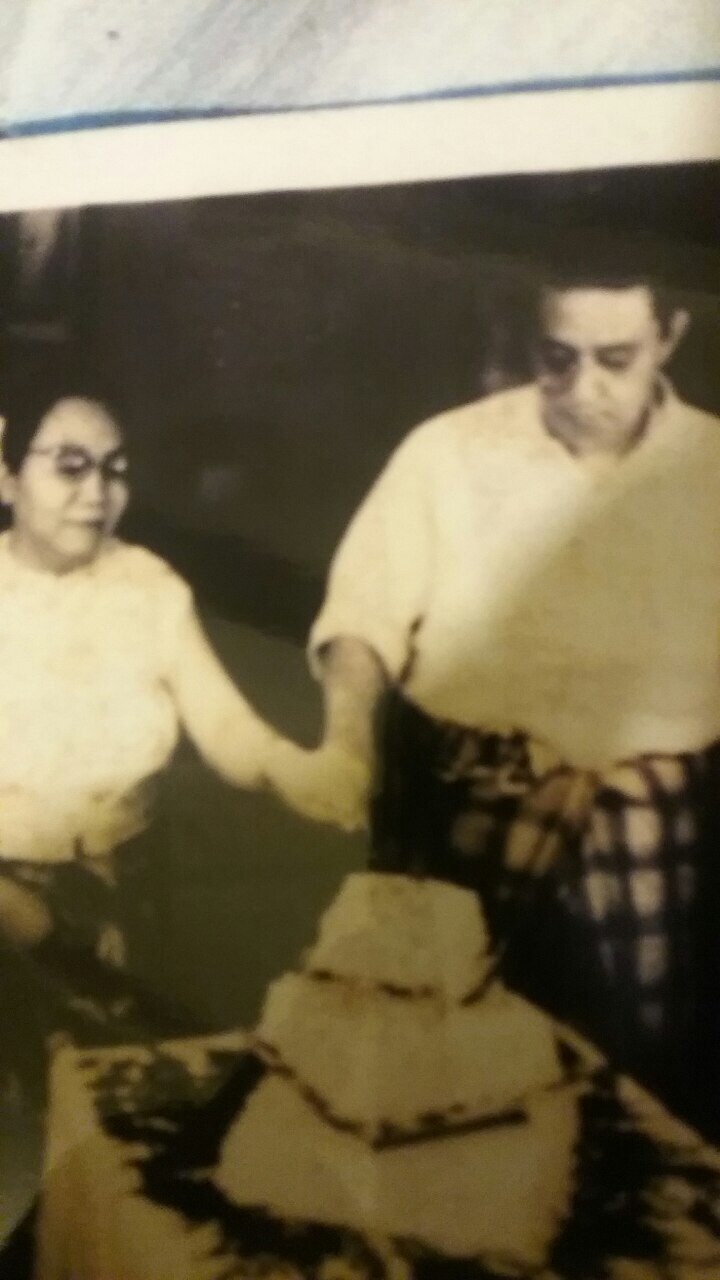
    This image has an empty alt attribute; its file name is parents-1.jpg
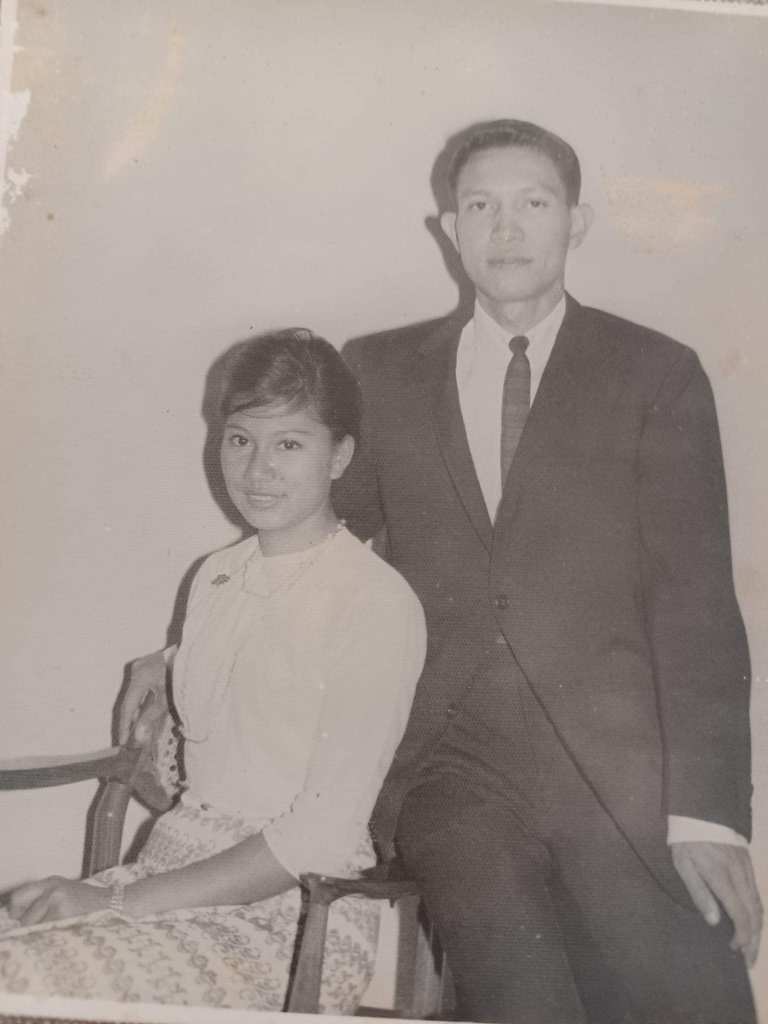
    My Parents

    Learning English

    I fondly remember the days that I had to study

    • Tom Thumb’s Essays
    • A Student’s Companion
    • Oxford English Dictionary (OED — various sizes and editions),
    • Chamber’s Dictionary (used in Scrabble tournaments)
    • Rhyming Dictionary
    • Word Power/Vocabulary in six weeks, 21 days, …
    • Idioms (present from my uncle)
    • They helped me improve my writing and communication skills.
    • Thanks to all the authors, who are my implicit teachers.
    • Still learning (especially during the “Shelter at Home” due to the COVID-19 Pandemic)
    • Listen to the daily offering by Blinkist.com
    • Listen to selected podcasts

    Dr. Chit Swe (GBNF) ဒေါက်တာချစ်ဆွေ

    • Sayagyi was my mentor at UCC.
    • He invited over renowned computer scientists led by Professor Harry D. Huskey, Pioneer in Computer Hardware, Software and Teaching and mathematicians (e.g. Professor Frank Harary, Expert in Graph Theory) to Rangoon to hold seminars and to design courses in computer science and applications.
      Michael Stonebraker (then at UC Berkeley) gave a short course on Ingres (an early Relational Data Base Management System) at UCC. A few years back, he won the prestigious “ACM Turing Award” (which is considered as the equivalent of Nobel Prize in Computing).
    • He taught us to use CPM/PERT (Critical Path Method / Programme Evaluation and Review Technique) for the various projects.
    • Saya asked me to assist in several of his projects : translator/ reviewer for CTK (Children’s Treasury of Knowledge), editor for “High School Mathematics”, and
      TOSS (Team Of System Specialists).
    • Saya passed away in November 2019, but his Legacy as Pioneer for Computer Systems, Application and Education in Burma will last forever.
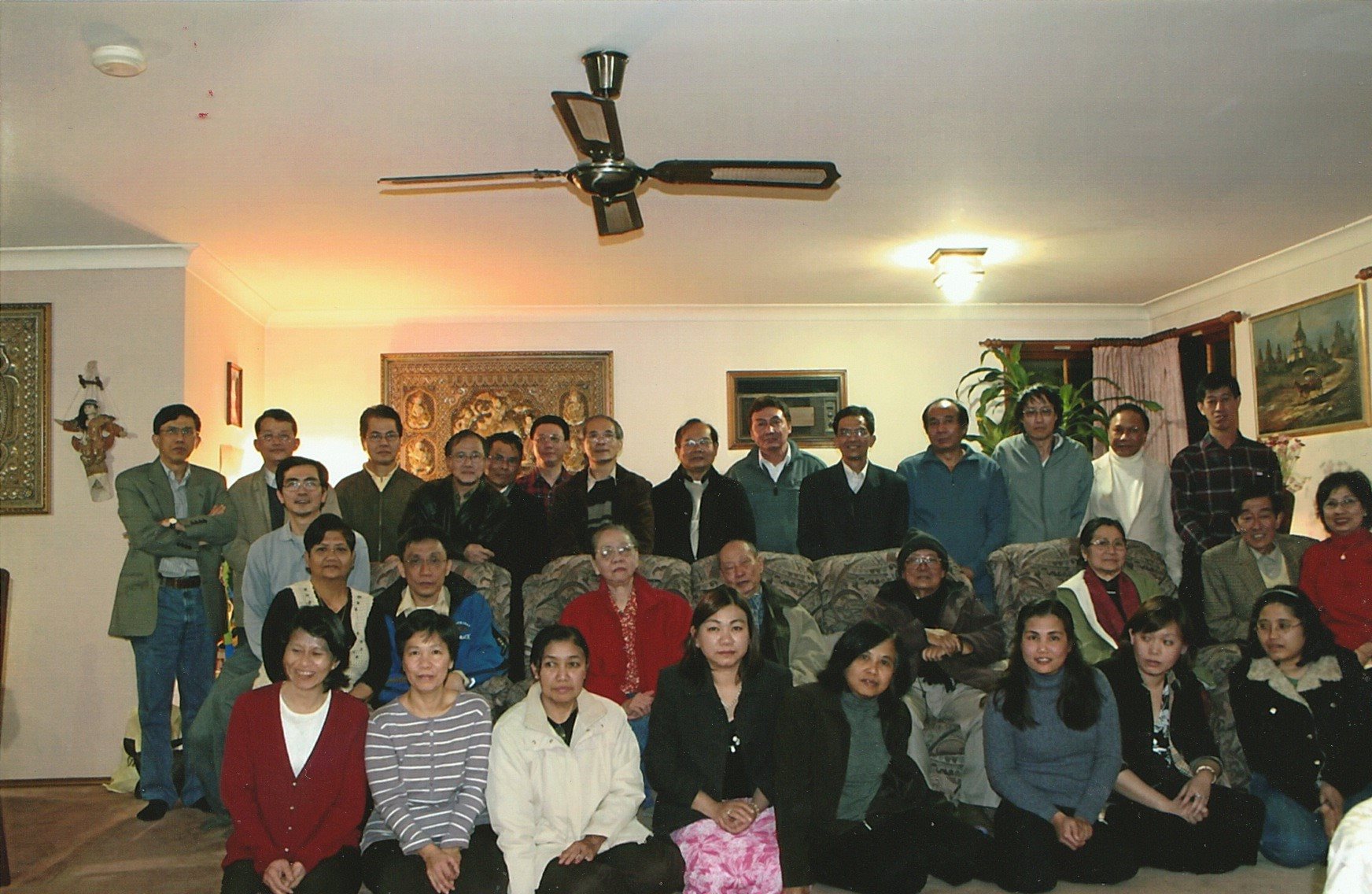
    This image has an empty alt attribute; its file name is sydney-2006-1.jpg
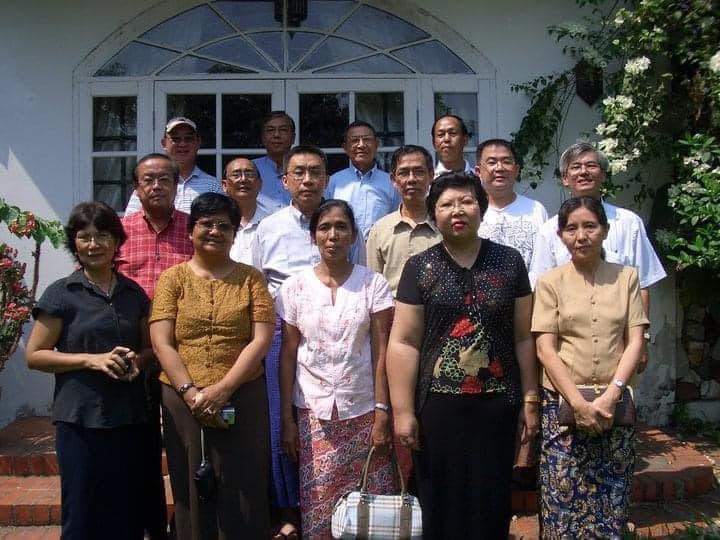
    Sydney 2006

    U Soe Paing (EE, UCC) ဦးစိုးပိုင်

    U Soe Paing
    • My mentor at RIT and UCC
    • He, Saya U Myo Min and Saya U Ko Ko Lay (GBNF) taught degree and diploma courses in computer science. They also conducted courses in computer programming, computer orientation, to name a few.
    • The sayas asked me to be their assistant.
    • Saya also allowed Saya U Aung Zaw (GBNF) and me to co-author texts, guides and manuals used at UCC.

    Publications

    SPZP-2000 Organizers
    • Guardian
      Thanks to U Soe Myint (Chief Editor)
    • Working People’s Daily (WPD)
      Thanks to U Ko Lay (Chief Editor) and Daw Khin Swe Hla (Editor)
    • Forward magazine
      Thanks to Bohmu Ba Thaw (Maung Thaw Ka, Chief Editor) and U Sein Hla (Editor)
    • Pan magazine
      Burmese publication
    • Veda magazine
      Published by BARB
    • Swel Daw Yeik Sar Saung
      Commemorative Issues for SPZP-2002, SPZP-2007 and SPZP-2010 in Singapore
      Thanks to Saya U Moe Aung (Tekkatho Moe War)
    • Swel Daw Yeik Magazine
      Commemorative Issues for SPZP-2012 and Shwe YaDu (2014)
      Thanks to Saya U Moe Aung (Tekkatho Moe War)
    • RUBC magazine
      Commemorate issue for 90th Anniversary of the founding of RUBC
    RUBC
    • BAPS Newsletter
      Contributing Editor
    • Dhammananda Newsletter
      Contributing Editor
    • Paying Homage to Sayadaw U Silananda
      Contributing Editor
    • Encyclopedia of Asian American Folklore and Folklife
      Contributor to the Burmese American section of the 3-volume encyclopedia
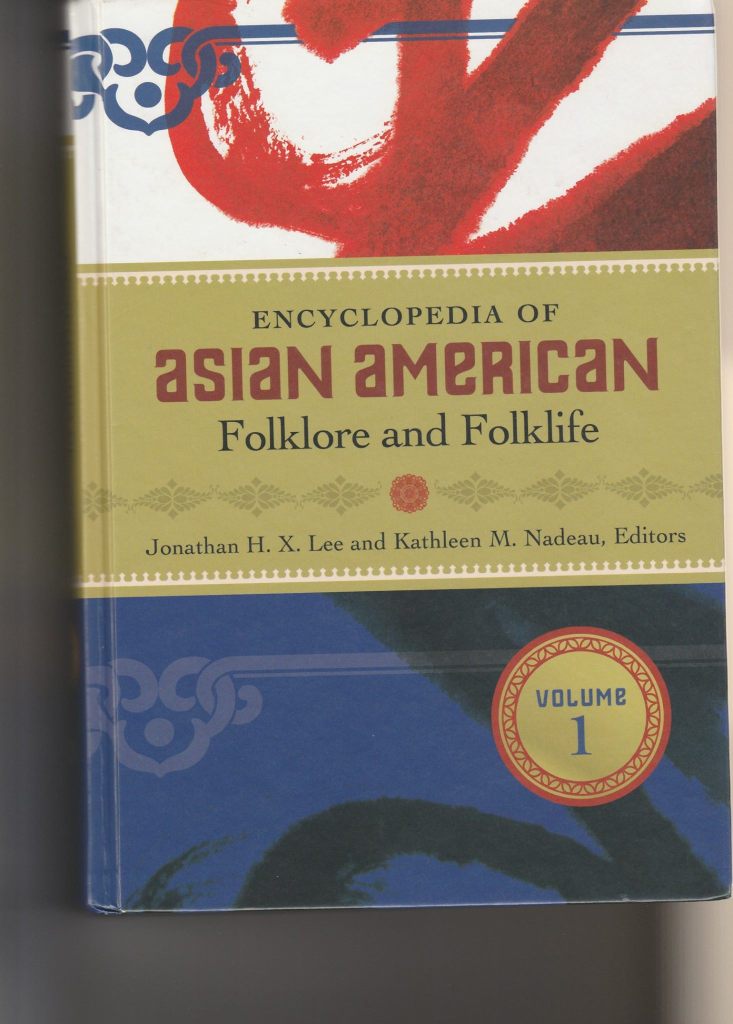
    Encyclopedia
    • National Foreign Languages Center
      Language Expert for the Burmese Language Project (Reading and Listening Comprehension)
    • RIT Alumni International Newsletter
      Contributing Editor for 26 years
    • hlamin.com
      3000+ articles
    • Facebook
      Owner, Admin or Moderator of selected Facebook Groups
    • Video Broadcasts
      Archived in Facebook and my You Tube Channel

    Volunteering

    I gained experience by volunteering as

    • Several organizations in Myanmar and USA
    • EC, Joint Secretary and Secretary of RIT EE Association
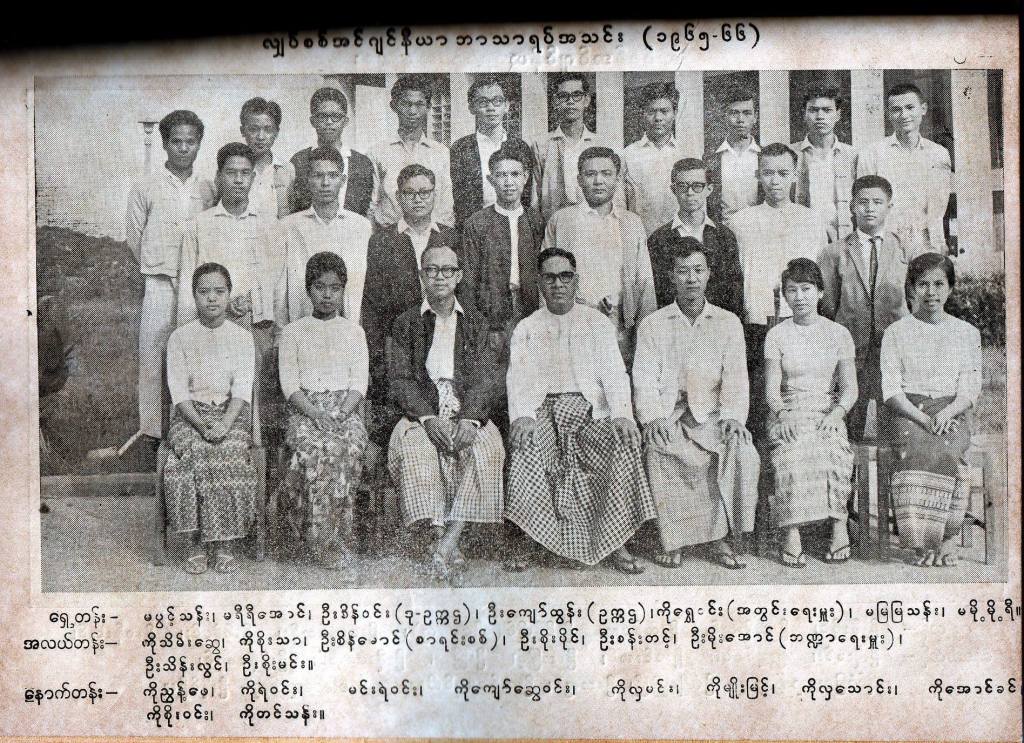
    RIT EE Association
    • Contributing Editor of RIT English Newsletter
    • Treasurer and Vice Captain of RUBC
    • Translator / Interpreter at Meditation Retreats
    • Organizer, SPZP-2000
    SPZP-2000
    • Coordinator, World wide SPZPs in Singapore and Myanmar
    • Docent at the Computer History Museum (at Mountain View, California
    • Contributing Editor of the materials taught at the Summer Dhamma Camp at Dhammananda Vihara (at Half Moon Bay
    • Area Governor, Club Coach, Contest Chair, Test Speaker, Club Ambassador at Toastmasters International
    • Editor of several publications by Sayadaws (e.g. U Jotalankara) and friends (e.g. U Aung Zaw)
    • Language expert at National Language Center
    • Administrator and/or Moderator of selected Facebook Pages
    • Owner and content creator of selected web sites (e.g. hlamin.com)

    Parents and Ancestors

    Parents

    Last but not the least, my heartfelt thanks to my beloved parents and their philanthropic forebears for instilling me the passion to help humanity in general and to my alma mater. They believed that “Any thing that’s worth doing is worth doing well.”

    Pay Back ကျေးဇူးဆပ်

    • My beloved spouse told me that I should pay back to my alma mater, mentors and my beloved land.
    • She reminded me that I should take care of my health to enjoy quality time with our Life Savers : Chit Sa Noe and Po Lone.
    • I had paid back to my alma mater RIT where I studied from 1964 – 1969 by volunteering as Messenger and Organizer for 26 years.
      e.g. For SPZP-2000, I wrote 64 “Countdown to the Reunion” and 36 “Post_Reunion”.
    • In 2018, I wrote “Memories of UCC”.
      I wrote a Summary for the magazine to commemorate the 30th anniversary of ICST.
    • To commemorate the 19th anniversary (in April 2018) for “RIT Alumni International Newsletter” and the 45th wedding anniversary (in June 2018), I wrote several hundred posts covering a variety of topics.
    • Since then, I have completed 2600+ posts.
      Revised most of them with feedback provided by my readers including Dr. Khin Maung U, Dr. Nyunt Wai (Victor), Dr. Thane Oke Kyaw Myint & U Khin Maung Zaw.
    • In April/May 2019, I celebrated 20th Anniversary as Founder-Editor of RIT Alumni International Newsletter
    • In November 2019, I was invited as a Panelist to the 5th ILF (Irrawaddy Literary Festival) held in Mandalay.
    • In December 2019, I attended the SPZP and Reunion Dinner of RIT 69er’s Golden Jubilee of graduation.
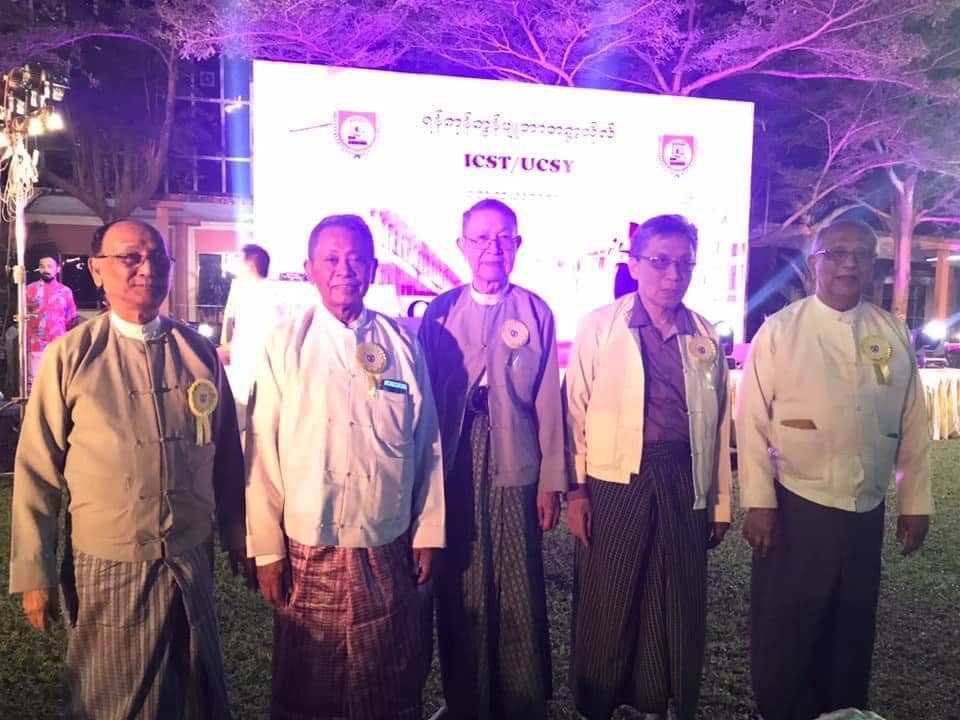
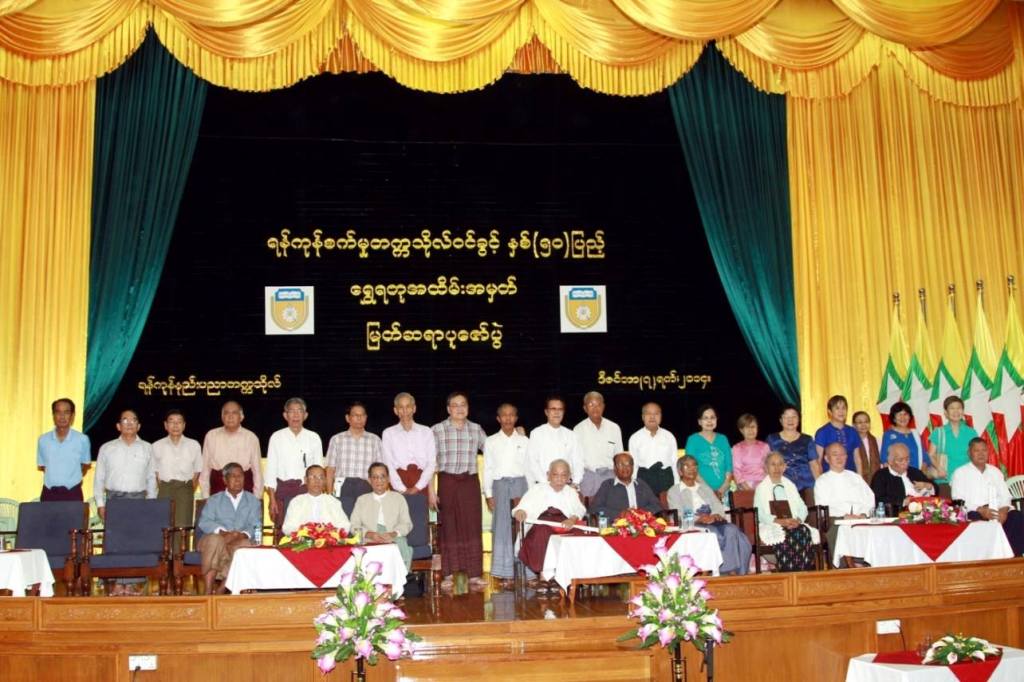
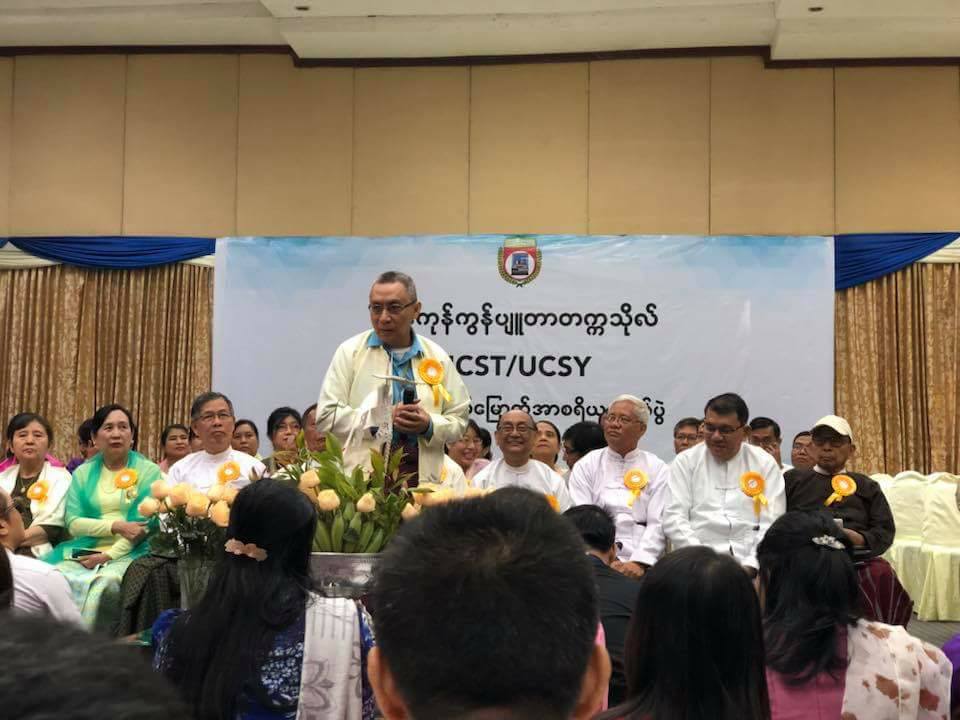
    • I was invited to attend the 6th Acariya Pu Zaw Pwe of ICST / UCSY and the Annual mini-gathering of UCC Alumni.
    • In January 2020, I was invited as a Special Guest for the 2020 PSA (Public Speakers’ Association) Tour to six cities in Upper Myanmar.
    • I am continuing with adding / revising posts for hlamin.com and share some of them via Facebook pages (e.g. Life Long Learning, RIT Updates, RU Centennial) and my You Tube Channel.
    • I am a Dreamer.
      I believe, “If one can dream, others will fulfill.”

    Updates

    • Several of those mentioned in the post are GBNF.
    • In 2024, NorCal RITAA celebrated the 60th Anniversary of RIT and the Centennial of Myanmar Engineering Education.
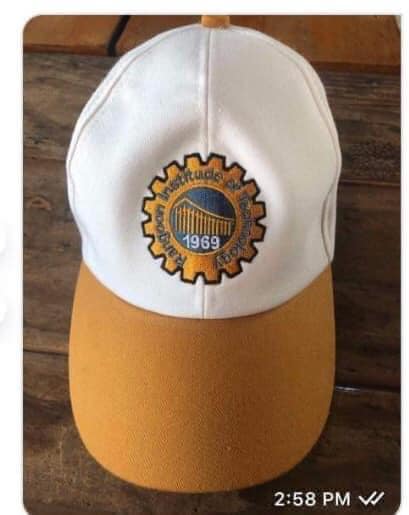
    69er Cap
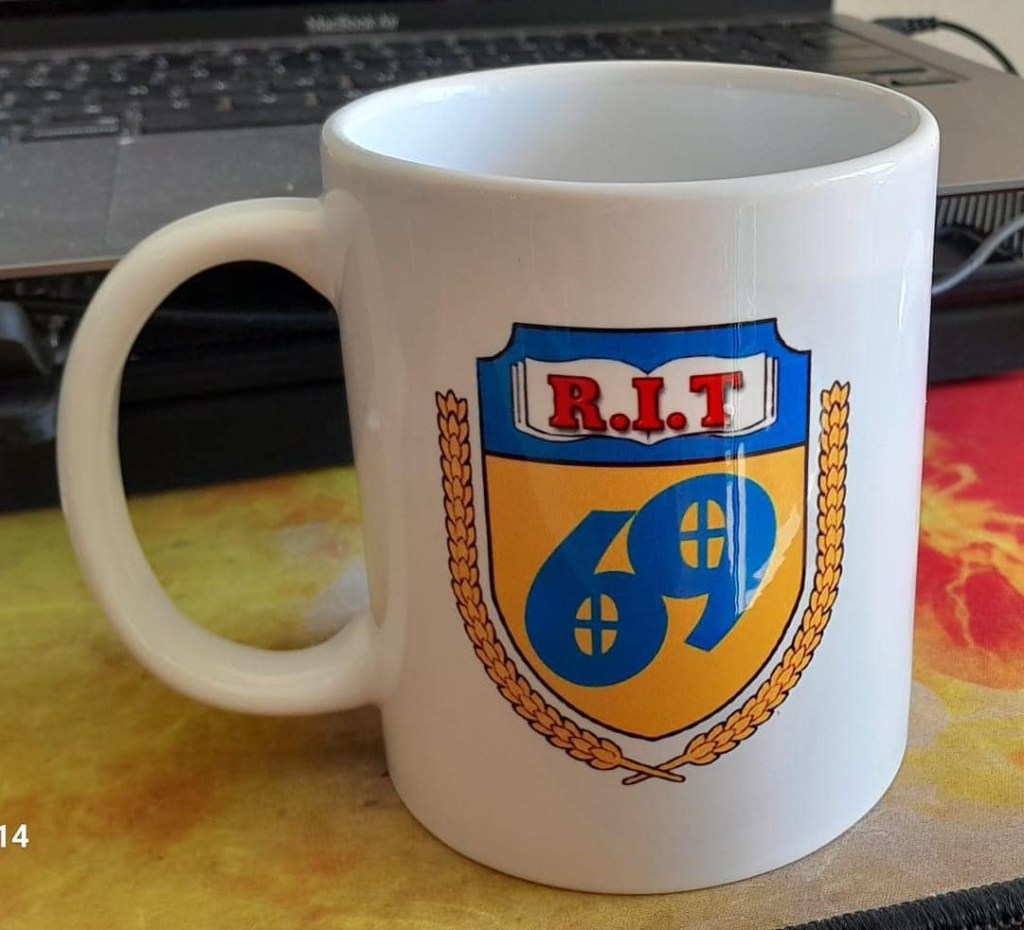
    69er Mug
  • Soe Paing

    Soe Paing

    by Hla Min

    Updated : Aug 2025

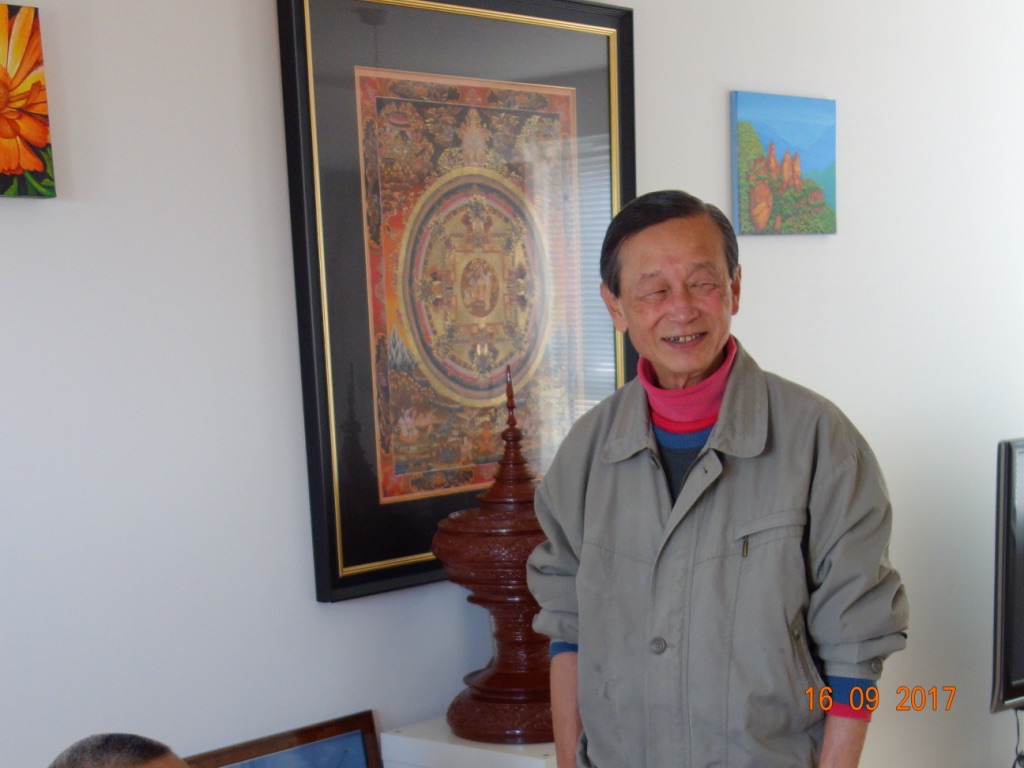
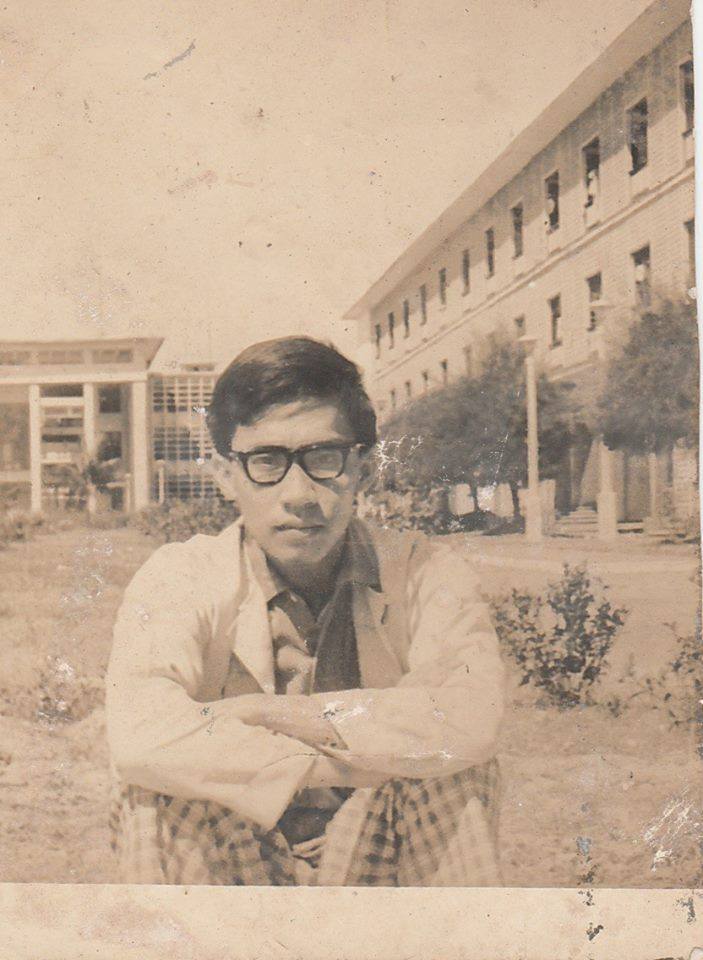
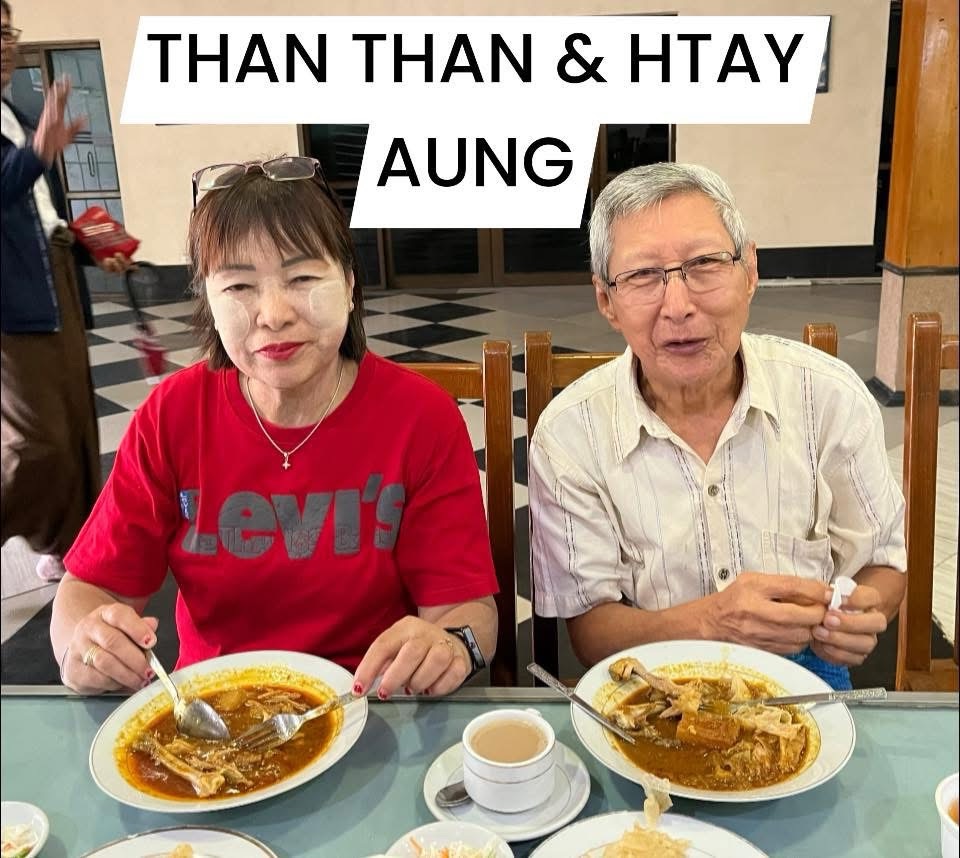
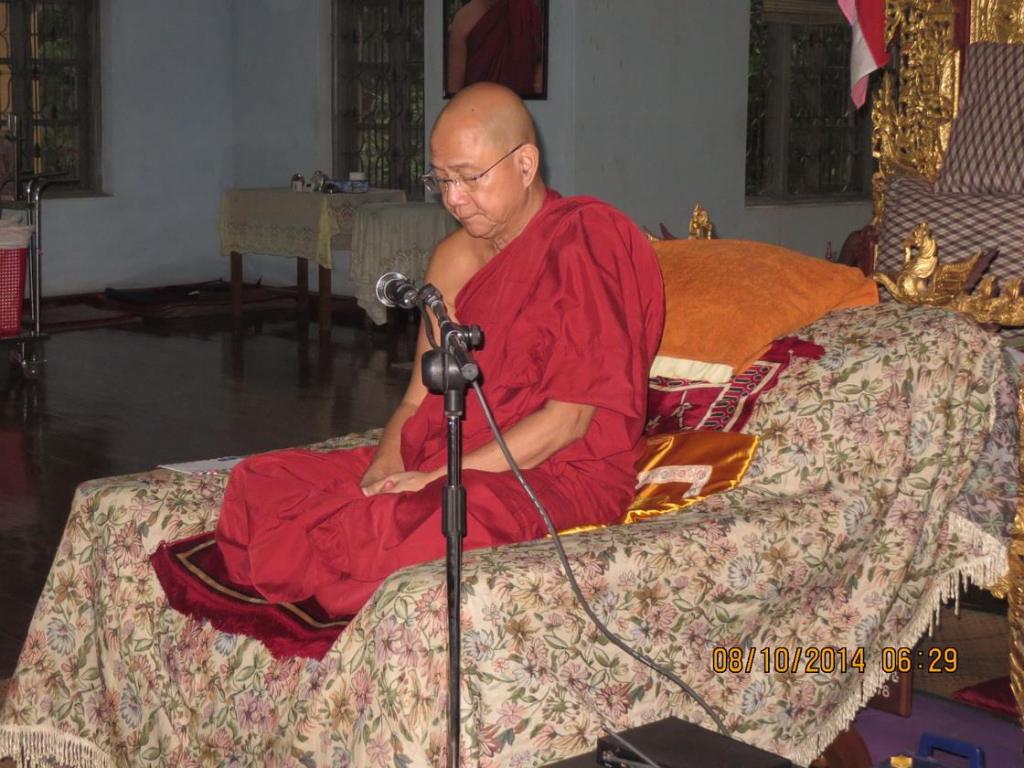
    U Soe Paing
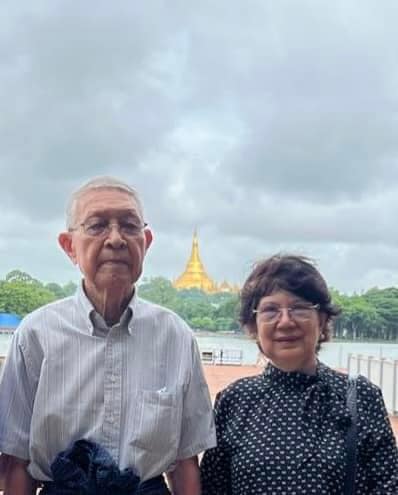
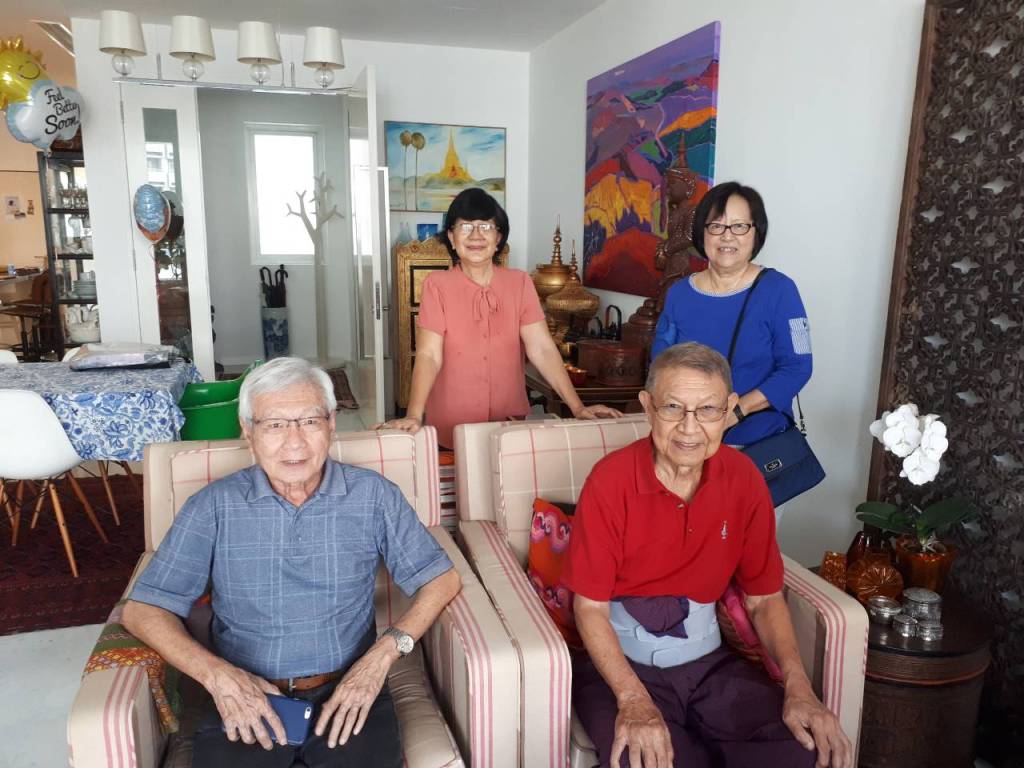
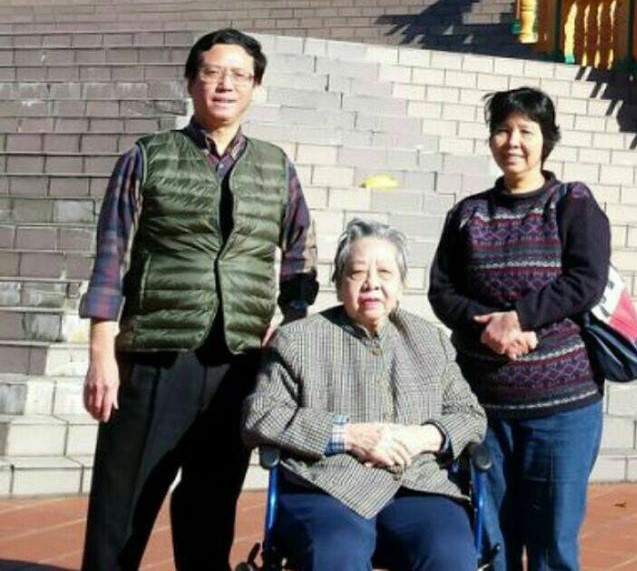
    U Soe Paing & Daw Saw Yu Tint
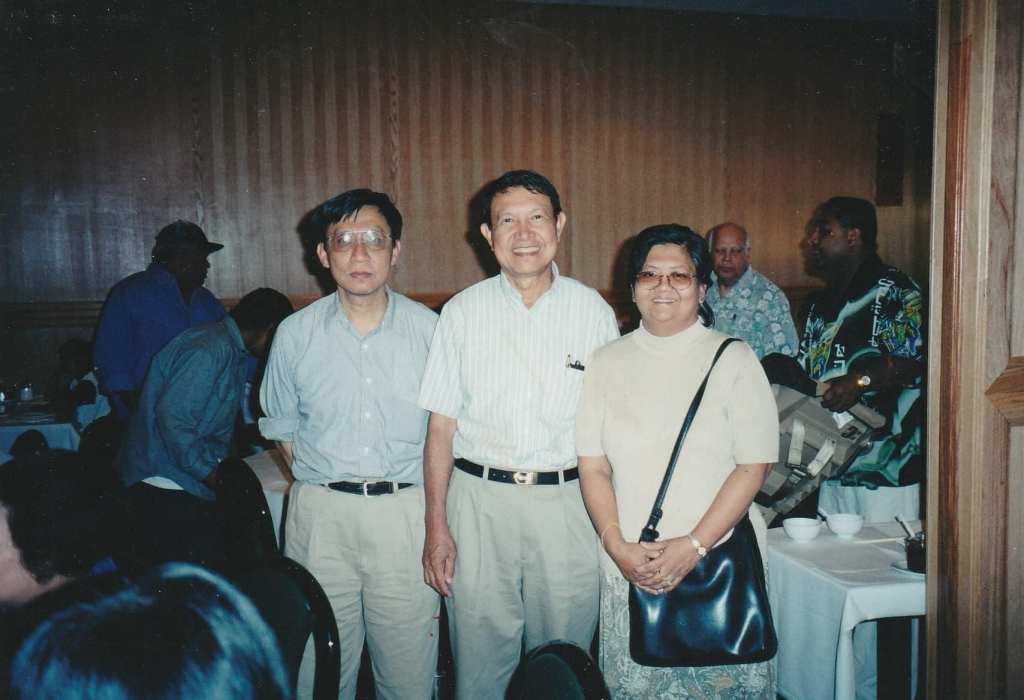
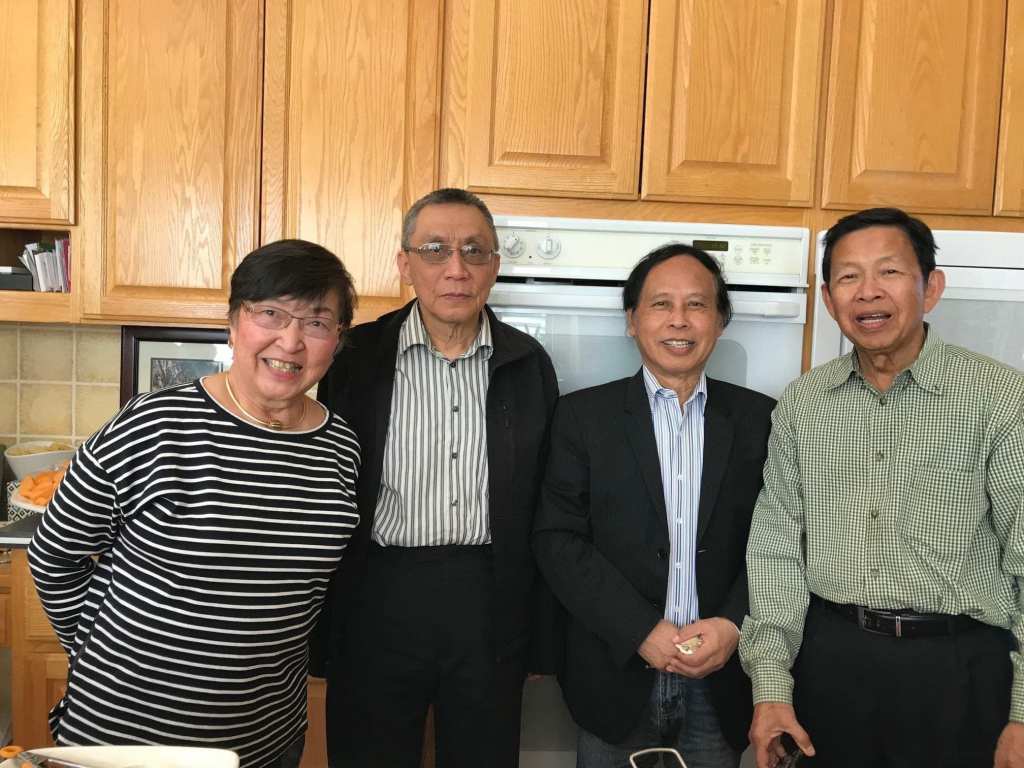
    U Soe Paing, U & Mrs. Hla Min

    Name: U Soe Paing

    Qualification: BS (Stanford), MS (Stanford), MSc. Computer Science (Southampton)

    Department: Electrical Communications
    Position: Assistant Lecturer, (Jan 1964 to March 1971)
    Reason for Leaving: Joined Universities’ Computer Center in April 1971.

    Engineering Alumni: Attended First Year Faculty of Engineering, Rangoon University from June to December, 1958.
    Reason for Leaving: Awarded State Scholarship to study in USA.

    Occupation: Data Processing Adviser (Retired)

    Organization: United Nations

    Updates

    • Saya was my mentor at RIT and UCC.
    • He offered me and Saya U Aung Zaw (UCC, GBNF) to be his co-authors. We wrote programming texts, manuals and guides.
    • Saya was a prime mover to get the “RIT Alumni International Newsletters” and http://www-ex-rit.org started.
    • Saya would mention that I am a “Shay Hmi; Nauk Hmi. ရှေ့မှီ၊ နောက်မှီ”
    • Sayagadaw added: “Bay Hmi ဘေးမှီ as well’.
    • Saya wrote articles for the RIT Newsletter and selected journals & magazines. They can be accessed via SCRIB-D
    • He also gave an interview for MASTAA
    SP 2
    SP 3
    SP 4
    SP 5
    SP 6
    SP 7
    SP 8
    SP 9
    SP 10
    SP 11
  • Rich Man’s Son

    Rich Man’s Son

    by Aung Zaw & Hla Min

    Updated : June 2025

    AZ 2

    Updates

    AZ
    • U Aung Zaw taught at UCC, Asssumption University and in Sydney.
    • He is now GBNF.
    • Published two books.
    Dhamma & Bawa

  • University Days (1963 – 69)

    University Days (1963 – 69)

    by Hla Min

    Update : July 2025

    Hla Min (Lifelong Learner)
    • 2500+ articles in my web site hlamin.com
    • Difficult to revise all articles
    • Events described here cover my journey as a University Student
    • Other events (e.g. 1946 to 1970s, Top Matriculates) are covered elsewhere

    1963

    • Took Matric Only exam in May
    • Most exams were held in March
    SPHS63
    Hla Min (7th Place)

    Collegiate Scholarship

    • Paulians had 5 in the Top Five, 7 in the Top Ten, and 10 in the Top Twenty
    • Khin Maung U (1st in Burma)
    • Min Oo (2nd)
    • Myo San (Freddie Ba San, 3rd, GBNF)
    • Nyunt Wai (Victor Nyunt, 4th)
    • Thein Wai (5th)
    • Hla Min (7th)
    • Johnny Maung Maung (Aung Kyaw Zaw, 9th)
    • Maung Maung Kyi (11th, GBNF)
    • Aung Thu Yein (Brownie Way, 13th, GBNF)
    • Frank Gale (Khin Maung Zaw, 17th)

    Leik Khone

    • Attended last ever I.Sc.(A) class at Leik Khone.
    • Following the “Anniversary of 7th July, 1962” events, most classes at Rangoon & Mandalay Universities were closed for an unspecified period.
    • Engineering & Medical Classes were spared at that time.
    • As a result, those who were a year senior in High School graduated 2.5 years ahead of us (Guinea Pigs of the Education Systems).

    RUBC

    • Joined Rangoon University Boat Club.
    • Paulian Crew was Runner-up for Senior Novices.
    • Maung Maung Kyi (Bow, GBNF)
    • Hla Min (2)
    • Kyaw Wynn (3)
    • Willie Soe Maung (Myint Soe, Stroke, GBNF)
    • Myint Thein (Cox, GBNF)
    • We were awarded Full Green.
    Maung Maung Kyi
    Kyaw Wynn (2nd from Left)

    40th Anniversary Gathering

    • President Sithu U Tin, VP U Po Zon & U Tin Htoon compiled Souvenir Magazine for the 40th Anniversary of the Founding of RUBC
    • Due to Security Concerns, the 40th Anniversary Annual Regatta was cancelled
    • Sithu U Tin & the Patrons decided to hold the “40th Anniversary Dinner of the founding of RUBC” at Orient Hotel in Kandawgyi
    RUBC 40th Anniversary

    Burma Institute of Technology

    • My elder brother and several sayas graduated from BIT in 1963.
    • They were from the second batch of BIT.
    • The degree conferred was B.Sc. (Engg).

    1964

    Education System

    • New Education System was implemented in November 1964.
    • Most Faculties of the Rangoon University became Institutes with their own Rectors.
    • Youth Affairs Department implemented Luyechun (လူရည်ချွန်) Program in the Summer of 1964. Eligible students from 7th, 8th, 9th & 10th Standards were chosen to attend Ngapali Shwe Wah Gyaing Camp in the Summer of 1964.

    Rangoon Institute of Technology

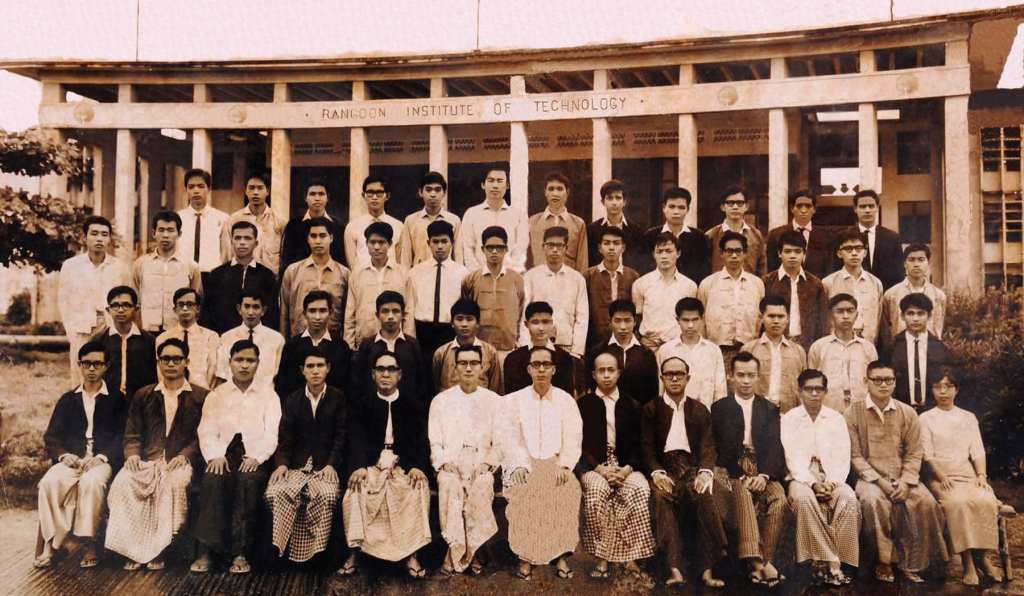
    RIT Student

    In November 1964, three batches of students entered RIT (Rangoon Institute of Technology).

    • 400+ were admitted to the first ever 1st BE using Intelligence Level Aggregate (ILA). Zaw Min was admitted as Roll Number One. Tommy Shwe (GBNF), Cho Aye (GBNF), Peter Pe (GBNF) & Thaung Sein (Steeve Kay, GBNF) were among the top students.
    • 300+ who had passed the last ever I.Sc.(A) exam were chosen by merit to attend the first ever 2nd BE. I was admitted as Roll Number One. Taing Oke, Kenny Wong, Tun Aung Gyaw, Tin Tun (GBNF) & Thein Swe (GBNF) were among the top students.
    • About 200 students who had passed the last ever I.Sc.(B) exam were admitted to the 3rd BE. Tun Aung (Jeffrey, GBNF) was a top student.

    RUBC

    • Elected Honorary Treasurer
    • Had to report to Professor William Paw (President)
    • Last Executive Committee member to be elected at the Annual General Meeting
    • Served as Vice Captain the following year
    • Higher authorities prevented me from becoming RUBC Captain by discarding the Bye Laws and using their ad-hoc rules (e.g. selecting instead of electing Captain)
    • My affection for Rowing & RUBC did not wither. I served as Contributing Editor for the RUBC 90th Anniversary Souvenir Magazine in 2013
    RUBC Souvenir Magazine

    Matriculation

    • Cherry Hlaing (Than Than Tin, St. John’s Convent) and Lyn Aung Thet (MEHS) had Joint Highest Marks.
    • Based on ILA, Cherry was admitted as Roll Number One to IM(1). Was selected Luyechun in summer of 1965. Grandfather U Hoke Sein & father U Saw Hlaing were First in Burma.
    • Lyn Aung Thet had four distinctions and joint Highest Marks. He had lower ILA than Cherry. Scholar Athlete who excelled in Swimming, Water Polo, Tennis & Chess. Was Luyechun in a later year.
    • Aung Win Chiong (SPHS64) has the next best raw score. Had perfect ILA score. Admitted to IM(2) as Roll Number One.
    • Maurice Hla Kyi (Min Lwin, SPHS64) had the 5th highest marks. Admitted to IM(2) as Roll Number Two.
    Maurice & Aung Win

    1965 – 1969

    Matriculation in 1965

    • Bernard Khaw (SPHS65) had four distinctions (with 80+ marks in English) and stood First in Burma. Due to the revised policy (e.g. 3 NRC requirement), he could not apply for professional courses.
      Majored in Chemistry before moving to USA. Retired as a Chemical Engineer & Pastor.
    Bernard (Center)
    • Maung Aye (SPHS65) had second best raw marks. He and his twin brother moved to USA
    • Winston Sein Maung (SPHS65, GBNF) had third best raw marks
    • Cherry Than Tin had fourth best raw marks. She was admitted as Roll No (1) to MC (2)
    • Yi Thwe (SPHS65, GBNF) had 5th best raw marks. Admitted as Roll No (1) to MC (1)
    • Paing Soe (Freddie, SPHS65) had same marks as Yi Thwe.
      Admitted as Roll No (2) to MC (1)
    • Forty four Paulians were admitted to MC in 1965. They are from the Last Batch of True Paulians.

    Nationalization

    Consequences of Coup d’etat include

    • End of Democracy
    • Nationalization of industry & schools
    • Indiscriminate demonetization
    • Increased censorship
    • With every turmoil (effecting “National Security”), the universities, institutes and schools were suspended.

    SPHS

    • The schools were nationalized on April 1, 1965.
    • St. Paul’s High School became No. (6) Botathaung State High School. Some Brothers left Burma. A few indigenous Brothers remained in Ady Road. Brother Joseph was ordained as Father Joseph.

    Luyechun

    • Program was extended to include Universitites & Institutes in Summer of 1965
    • I attended Inlay Khaung Daing Lu Ye Camp in the summer of 1965 along with Ko Sein Shwe, Khin Than Myint Tin and Zaw Min
    LYC 1
    LYC 2
    • MC(1) sent Cherry Hlaing, Khin Maung U, Anita Aye Pe and Kyaw Sein Koe (Victor, GBNF).

    RIT

    Eight engineering departments

    • Architecture
    • Chemical
    • Civil
    • Electrical
    • Mechanical
    • Metallurgical
    • Mining
    • Textile

    Most departments have associations. The RIT Mechanical Engineering Association was active. Ko Win Thein (M67, GBNF) was a Prime Mover. He co-founded Set Hmu Thadinzin & Mechanical Magazine. He organized activities.

    RIT Sports Council was headed by Saya U Maung Maung Than (GBNF). U Maung Maung (Burma Selected in soccer) was Sports Officer. The associations for the various sports were headed by sayas.

    Several RIT students were Burma Selected. They include Sai Kham Pan (Badminton) and Htay Aung (Water Polo).

    Htay Aung

    Saya Mao Toon Siong (former Burma Champion) was National Coach for Table Tennis. He also coached RIT team which won the Inter-Institute Championship.

    Saya Mao

    Electrical Sayas

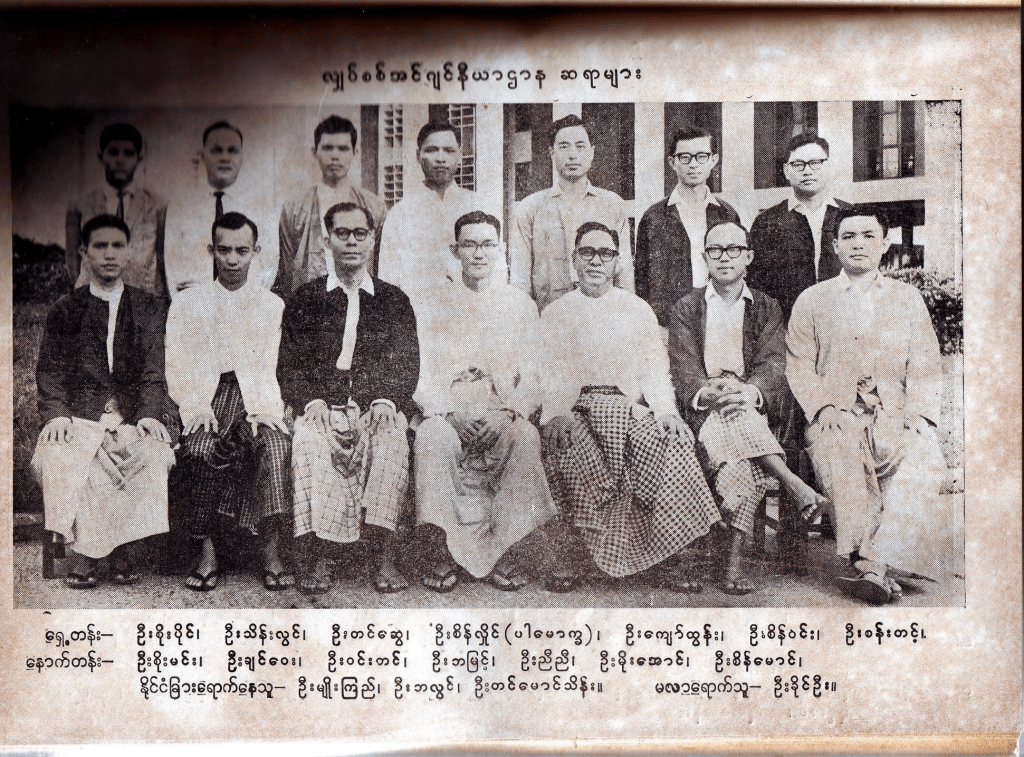
    EE Sayas
    • Electrical Engineering was headed by Saya U Sein Hlaing (Professor & Head).
    • Senior sayas included U Kyaw Tun (saya of our sayas), U Tin Swe & U Sein Win. All are now GBNF.
    • There were about 20 sayas. Five were on deputation for further studies abroad.
    • I wrote “A Sad and Short Clip : EE Sayas” for SPZP-2010. Sayas U Thein Lwin and U Nyi Nyi have since passed away.

    EC and EP

    There were two options : EC (Electrical Communications) and EP (Electrical Power). Per advice from the industry, only a quarter of students were accepted for EC.

    • 80+ EE students in 3rd BE.
    • 40+ EE students graduated in 1969
    EE69ers
    • EP students outnumbered EC students 3 by 1. Several bright students played safe by choosing EP (which provided a job guarantee).
    • We studied EC (Electrical Communications). Twelve of us graduated in 1969.
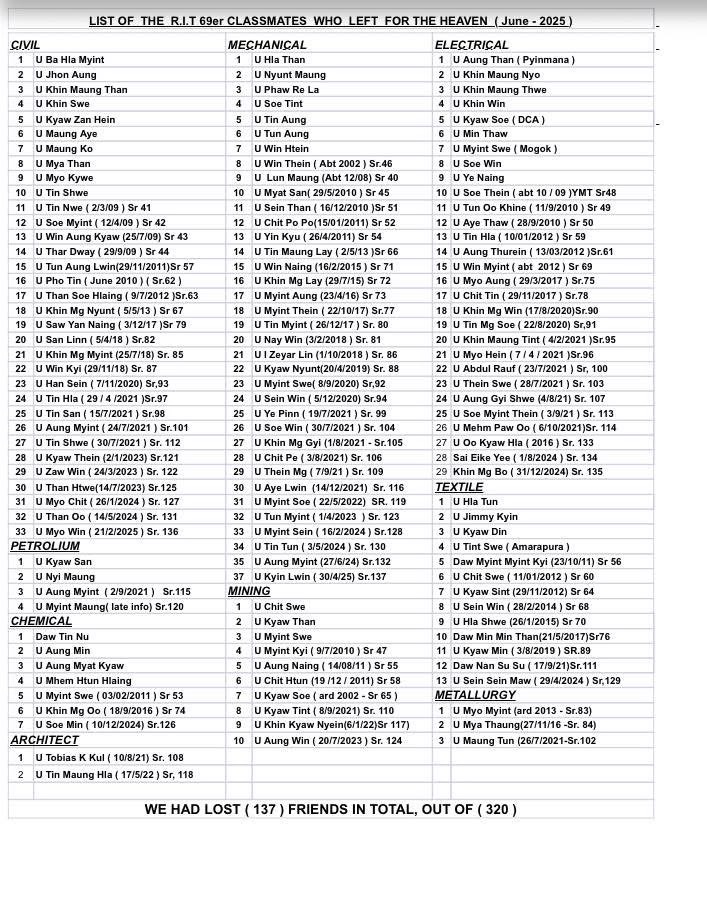
    • Five EC69ers — Kyaw Soe, Aung Thu Yein, Chit Tin, Oo Kyaw Hla & Sai Aik Yee — are now GBNF.
    • Several years later, EC became Electronics Engineering.
    • A few decades later, Electronics Engineering and Electrical Power became full-fledged departments.

    Khin Maung Zaw (KMZ, EC76) wrote :

    AFAIK, EC was the hardest and strictest discipline at the RIT in those days as we’ve been told. Some even asked us why we had to go there. Of course, I am not going to mention the easiest discipline there, but we joked like, “they had 109 students and 110 passed the exam”. I do not mean any disrespect to Sayas and friends from other majors!! At times, it made us wonder why were we there for god’s sake. CRAZY TIMES!!! Indeed.

    Volunteer

    I served as

    • Treasurer & Vice Captain of RUBC (Rangoon University Boat Club)
    • Class Representative, Joint Secretary & Secretary of RITEE (Rangoon Institute of Technology Electrical Engineering Association)
    • Member of Committee for “Hlyat Sit Sar Saung”
    • Editor of the Bulletin published by RIT English Association
    • Member of UTC, Rowing, Scrabble, and Chess Assocations / Clubs
    • Free lance writer (articles, poems, translations). My poem “Men on the Moon” was sent to NASA by USIS, and it was published in the Guardian newspaper in July 1969
    Men on the Moon

    Updates

    • Some joined the Faculty. Some worked in the Industry. A few worked for private or family business. Some moved overseas.
    • Danny suggested to have a Class Reunion. It was realized as 30th Anniversary of Graduation & Acariya Pu Zaw Pwe in 1999.
    • I started “RIT Alumni International Newsletter” in April 1999. It partially helped to have SPZP-2000.
    SPZP-2000 Orgsnizers
    • 69er Health Care Fund was established. Ko Aung Min is current Chair. He and his team maintain the finances & activities.
    GBNF List
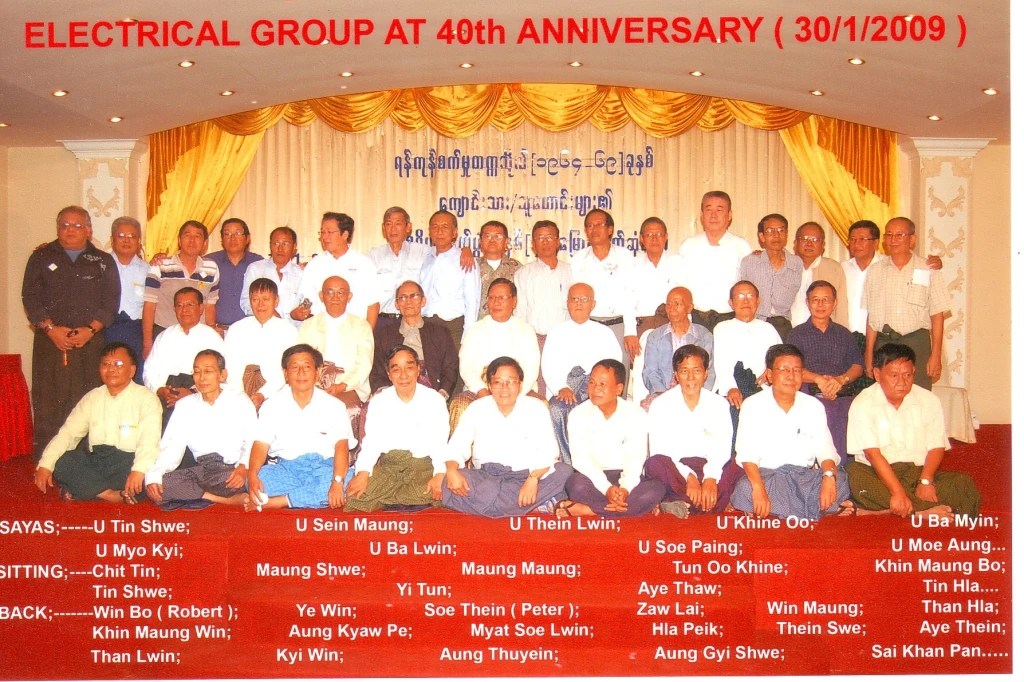
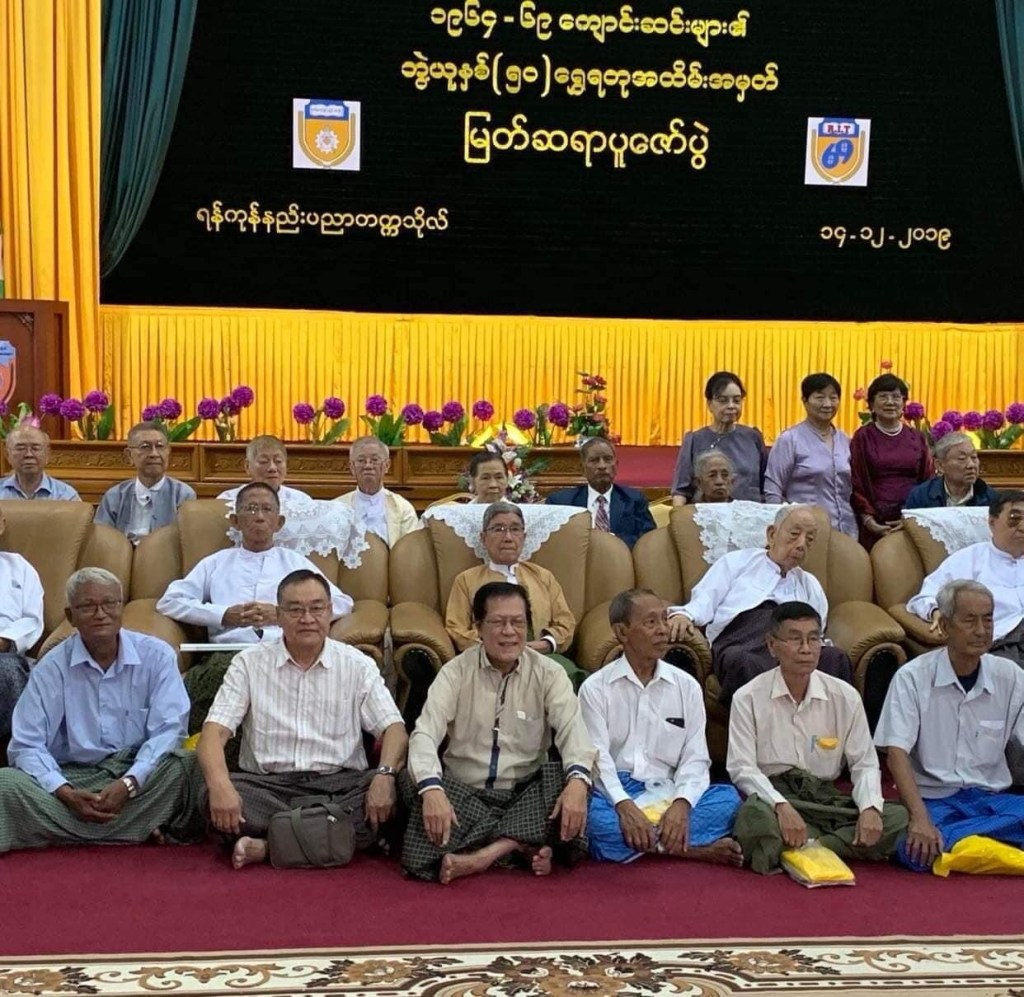
    • 69ers hold monthly Breakfast Gatherings (except during the pandemic). They have major Reunions in 1999, 2009, 2014 and 2019.
    40th Anniversary (2009)
    Golden Jubilee of Admission (2014)
    50th Anniversary (2019)

    Awards

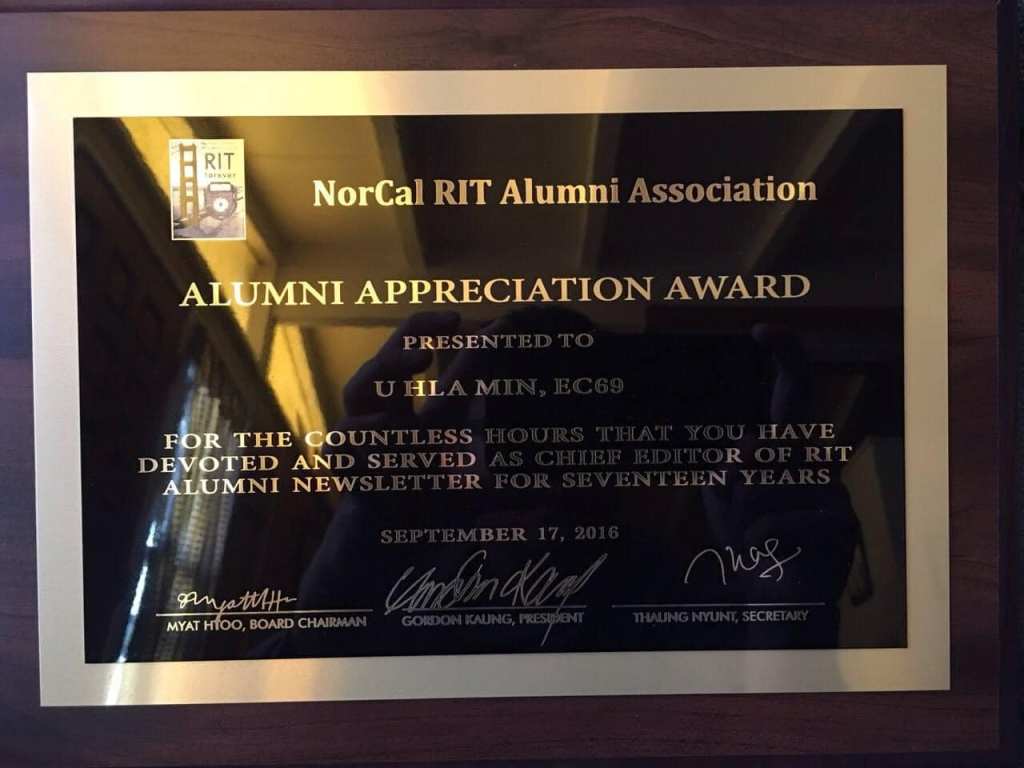
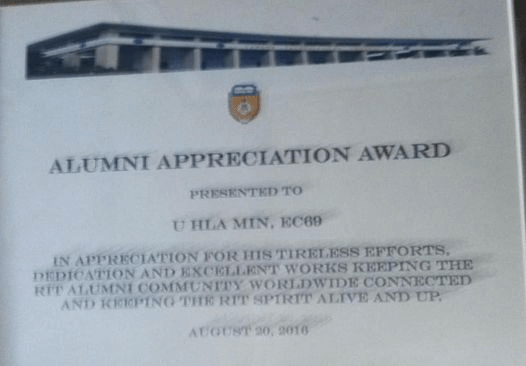
    • Received Alumni Appreciation Awards in October 2000, August 2016 and September 2016.
    • Received Distinguished Toastmaster in 2017
    Award 1
    Award 2
    DTM 1
    DTM 2
  • Soe Paing

    Soe Paing

    by Hla Min

    Update : July 2025

    Paing Brothers

    Family

    • Parents : ICS U Paing & Daw Oo Yin
    • Siblings : Dr. Myo Paing, U Win Paing (Sayadaw U Wara, GBNF), U Kyaw Paing
    • Spouse : Daw Saw Yu Tint (T69)
    • Children : Two sons & One daughter
    • Grandchildren : 3

    Education & Work

    • Mmatriculated from St. Paul’s High School in 1956. He stood 13th in Burma and won Collegiate Scholarship.
    • At the Convocation of 1958, he won two Gold Medals — one for Highest Total Marks in I.Sc.(A) and I.Sc.(B); and another for Joint Highest Marks in Maths for I.Sc.(A) and I.Sc.(B).
    • Received a States Scholarship to study BSEE and MSEE at Stanford University.
    • Joined the RIT Electrical Engineering Department as Assistant Lecturer.
    • Helped Sayagyi Dr. Chit Swe found Universities’ Computer Center.
    • Transferred to UCC as Manager for Systems Division. He later also managed Operations Division.
    • Received M.Sc.(Computer Science) from Southampton University in UK.
    • Worked for UNDP Projects in several countries.

    Mentor

    • My mentor at RIT & UCC.
    • Allowed U Aung Zaw & me to co-author Texts, User Guides and Manuals for use at UCC.

    HMEE

    • Early supporter of the HMEE project.
    • Prepared a draft for the HMEE book and handed it to Saya U Aung Hla Tun & team.
    • He and U Ohn Khine (M70) translated Section 1 of the HMEE Book and summarized Section 2.

    Posts

    Post from March 2011

    I went to the University Central Library and managed to get scanned photos from the Engg Student Annual Magazines 51-52, 52-53, 56-57 and 60-61. Photos include photos of Sayas, students of that year. From these when can know about the Sayas at that year. We can also identify the students at that year.

    U Sein Hlaing (Prof EE) was a final year student in 1951-52 and became an A/L starting 1952-53. Saya U Tin Swe was a student in 1951-52 and 52-53. He was a member of the Eng Student Union and the victorious Prome Hall football team. Ex-Burma Selected Footballer U Chan Tha (Chief Engineer, Roads, Rangoon Municipal) was the Captain. U Khin Si (husband of RIT Finance Officer Daw Yin Yin Htway and part time lecturer Textile) and U Tin Si (U Khin Si’s brother and tennis doubles partnership that won RU as well as national championships) were members of the Prome hall team.

    The 1956-57 magazine contains photos when the new Leik Khone Engineering Buildings were inaugurated in 1956 Nov by the Prime Minister at that time U Ba Swe.

    In the 1952-53 magazine I found out that Mr. Robert Hole (ex-EE, Highways, PWD, PWC, CC; uncle of Percy Maung Maung and uncle Bobby to me) was the English editor. I called Uncle Bobby and requested him to write something about his engineering student days, his teachers and fellow students. He agreed and asked for about three weeks time.

    I need to go back and to the UCL to get more info from the RIT handbook 1966-67 and photos from the Hlyat Sit Sar Saung.

    U Ba Than has donated some of his Engineering College photos to the MES library and I need to go there to check up on the photos.

    Post from May 2000

    The mention of RIT, BIT, and BOC college in the first newsletter bring back memories of our good old days in Rangoon University. Although we did not graduate from Rangoon University, we had a really great two and a half years there before we went for studies aroad under government scholarship.

    Our first year 1956-1957 was in Yankin College. Yankin was a campus of RU for first year science students. It is now Yankin State High School No. XX? Hteedan was for the 1st year arts students. Our second year I.Sc. was at the RU campus itself which we refer to as Main. The Arts students have classes at Judson. That time the new Social Science Building (now Institute of Economics) was completed. We had our second year ISc exams in that new building.

    Then it is our 1st year B.Sc. Engineering course at the new Faculty of Engineering in Prome Road (now Institute of Medicine I). We attended for six months till December 1958. That campus was designed and built especially for the Faculty of Engineering. Civil, Electrical, Mechanical Departments were there but Chemical, Textile, etc. were in the old BOC building at the back.

    The 1st year classes were from 7 to 9 a.m. for Mathematics. We then have a one hour break and we start the engineering courses at 10 a.m. We usually have a snack during the break at a small cafe between Tagaung and Prome Halls. Those halls were only for engineering students then. The mathematics (Pure & Applied) lecturers were from India hired under contract. We had three engineering courses: Building Materials taught by Mr. Tan Ba Hli (the Dean of Engineering himself). Heat Engines taught by U Aung Khin. Principles of Electrical Engineering taught by U Kyaw Tun. We had EE lab with Ko Htin Paw and Ko Ba Nyunt as lab instructors. We also had engineering drawing with Ko San Hla Aung and Allen Htay (for Chem, Tex, etc.) as instructors.

    Those were the days when Rangoon University was one of the best universities in SE Asia and Asia. It also had a really nice campus.

    RIT Saya Soccer Team

    Reading about communications from Richard Khoo (Dr. Aung Soe, C61) and seeing the list of Sayas in the 1966-67 Handbook brings back memories of our soccer team.

    As I remember it was from 1964 to 1968 or 1969. We played against (i) the senior students of different majors Civil, Mechanical, Electrical etc. (ii) the sayas at GTI and Natmauk Technical Institute (iii) the Burma Air Force officers.

    We also played in the annual tournament for RIT Staff. The staff teams are the Sayas, Workshop staff, Lab staff, Hostel staff and the youth team from the RIT compound.

    As I remember (other Sayas & graduates may correct me) these were the people in the team.

    Goalkeepers :

    • Richard Khoo (Civil)
    • Maurice Kyaw Zaw (Chemistry),
    • Sein Myint/Ah Sein (Petroleum)

    Defenders :

    • Ko Maung Maung Than (Textile)
    • Ko Aung Soe (Math)
    • Ko Aung Hla Tun (Met)
    • Ko Sann Tint (Elect)
    • Christopher Maung (Civil)
    • U Tin Swe (Elect)
    • Ko Tin Win (Mech)

    Midfielders :

    • Ko Tin Maung Nyunt (Agri)
    • Desmond Rogers (English)
    • Ko Khine Oo (Elect)
    • Ko Maung Maung Win (Mech)
    • Ko Tin Hlaing II (Mech)

    Forwards :

    • Ko Pike Htwe (Chemistry)
    • Ko Aung (Math)
    • Ko Tin Hlaing I (Agri)
    • Ko Soe Min (Elect)
    • Ko Kyin Soe (Auto)
    • myself (Elect)

    We rarely practiced but we enjoyed playing the games. We split games with the GTI sayas & the Air Force officers. We beat the Natmauk sayas and we won more than we lost in the RIT staff tournament. But I am sure we lost more than we won against the final year students. Would appreciate comments on this; especially on the names I missed in the team.

    Updates

    • Wrote articles about his experiences as a State Scholar, Saya, UCC Co-founder & UN Advisor. They can be read from SCRIB-D.
    • Gave an interview to MASTAA.
    • Had recovered after medical treatment.

    Posts

    • Computer Pioneers in Burma
    • EE Sayas
    • HMEE
    • Memories of UCC
    • Paing Family
  • Paing Family

    Paing Family

    by Hla Min

    Update : July 2025

    U Paing & Siblings

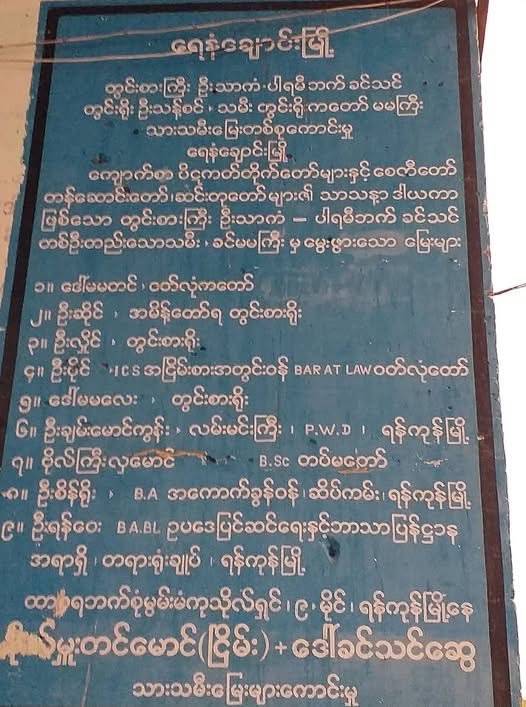
    ဦးပိုင် ညီအကိုမောင်နှမများ

    U Paing & Siblings
    • Daw Ma Ma Tin ဒေါ်မမတင်
    • U Saing ဦးဆိုင်
    • U Hlaing ဦးလှိုင်
    • U Paing ဦးပိုင်
    • Daw Ma Ma Lay ဒေါ်မမလေး
    • U Chan Maung Kun ဦးချမ်းမောင်ကွမ်း
    • Bogyi Hla Maung ဗိုလ်ကြီးလှမောင်
    • U Sein Yoe ဦးစိန်ရိုး
    • U Yan Way ဦးရန်ဝေး

    Family

    Father : ICS U Paing

    Mother : Daw Oo Yin (daughter of Sir Po Tha & Lady Tha)

    Sons : Myo Paing, Soe Paing, Win Paing, Kyaw Paing

    Dr. Myo Paing (SPHS54)

    • Medical doctor & researcher (at BMRI)
    • Early assignment was Malaria Campaign
    • Champion golfer.

    U Soe Paing (SPHS56)

    U Soe Paing
    • In the Matric exam of 1956, he stood 13th in Burma and won a Collegiate Scholarship.
    • In 1958, he received two Gold medals : one for Highest Total Marks for I.Sc (Combined) & another for Joint Highest Marks in Maths for I.Sc (Combined).
    • While attending Engineering classes at RU, he received State Scholarship to study Electrical Engineering at Stanford University in the USA.
    • Received BS and MS in EE (Electrical Engineering) from Stanford University.
    • Upon his return, he joined the EE Department at RIT as Assistant Lecturer. He helped Sayagyi Dr. Chit Swe with the UCC project.
    • Transferred to UCC as Manager of Systems Division.
    • After reorganization, he also managed the Operations Division.
    • Received M.Sc. in Computer Science from University of Southampton, UK.
    • Taught CS courses at UCC. He co-authored Programming Texts, Lecture Guides and Manuals with U Aung Zaw and me.
    • Worked for UN projects in several countries.
    • Wrote “Computer Ah Sa UCC Ga” and his experiences as a States Scholar and UN Advisor. They can be read from SCRIB-D
    • After retirement, Saya spent time playing golf & practicing vipassana meditation.
    • During his UCC days, he served as a Golf Correspondent. I helped him type about the competition at RGC (Rangoon Golf Club) and BGC (Burma Golf Club) and submit to the English newspapers.
    • Visited RUCL. Compiled material for HMEE Project & prepared a Draft. Translated Section 1 of the HMEE book and summarized Section 2.
    • Gave an interview to MASTAA

    U Win Paing (SPHS64)

    U Wara 1
    U Wara 2
    U Wara 3
    • Won Golf Championships with his younger brother U Kyaw Paing.
    • After finishing the finals for ChE (Chemical Engineering) exam in 1970, he became a monk.
    • Served as Taik Oke for about four decades before becoming Chief Resident Monk of Kaba Aye Sunlun Gu Kyaung Sayadaw.
    • Known as Sayadaw U Wara.
    • He is now GBNF.

    U Kyaw Paing (SPHS67)

    • Represented Burma in the Putra Cup.
    • Lawyer and entrepreneur.

    U Khin Maung Zaw (EC76) wrote :

    For number of years, I was the carrier-cum-postman to bring Saya U Soe Paing’s typed golf news to the WPD, Working Peoples’ Daily at Theingbyu Street! Just one of the chores I had in those days.

    I remember jokingly asked Sayadaw U Wara how he felt seeing the (18th??) hole over the fence from the Sunlun Kyaung’s “Thein”. The new golf course was built for VIPs inside Kabaaye, and that particular hole was seen from the “Thein” less than 40-50 yards, of course over the fence.

    Updates

    • Nyi Lynn Seck created a family tree for Sir Po Tha

    Posts

    • Medical Research
    • Priests & Sayadaws
    • SPHS
    • UCC Founders
  • Ma Nge

    Ma Nge

    by Hla Min

    Updated : June 2025

    Highlights

    Ma Nge
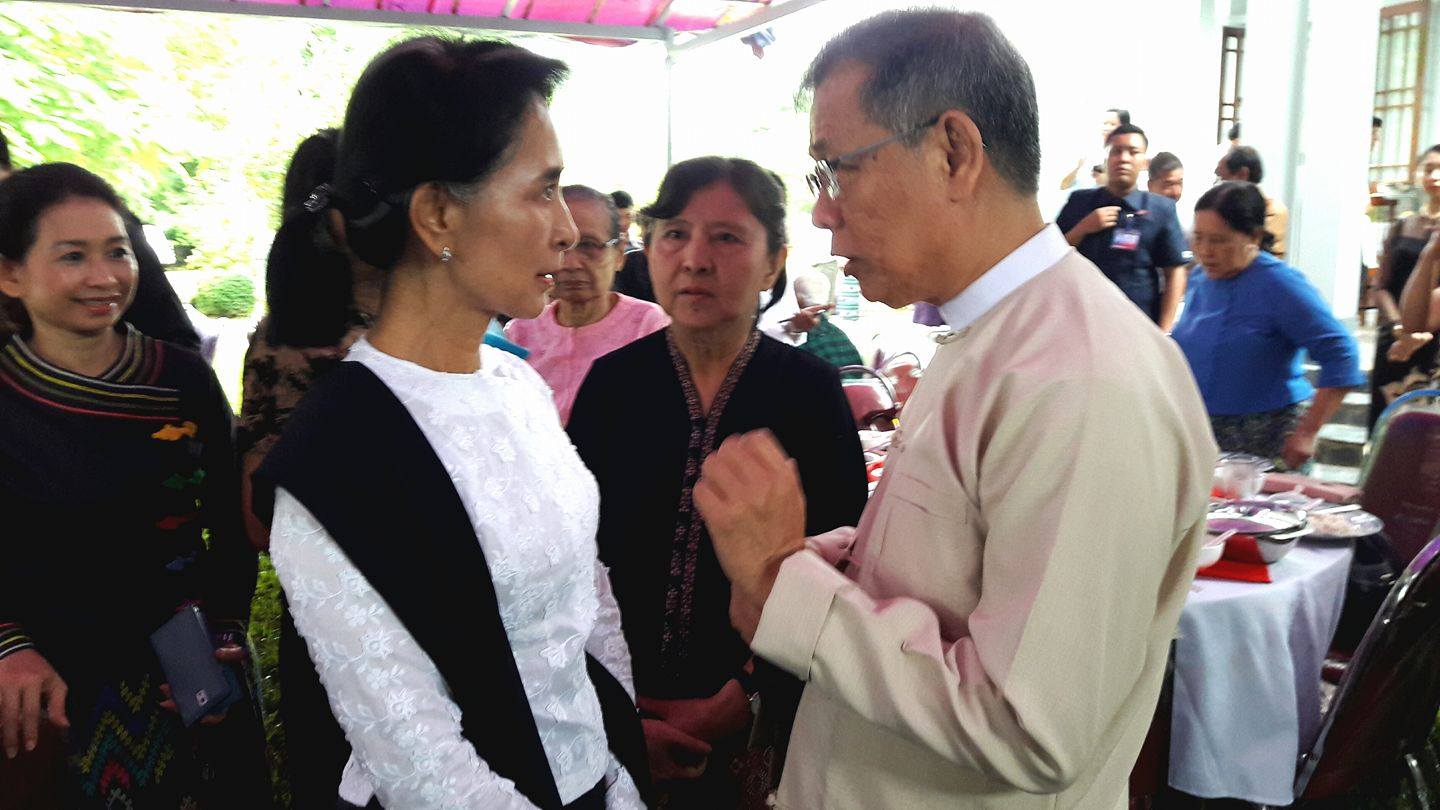
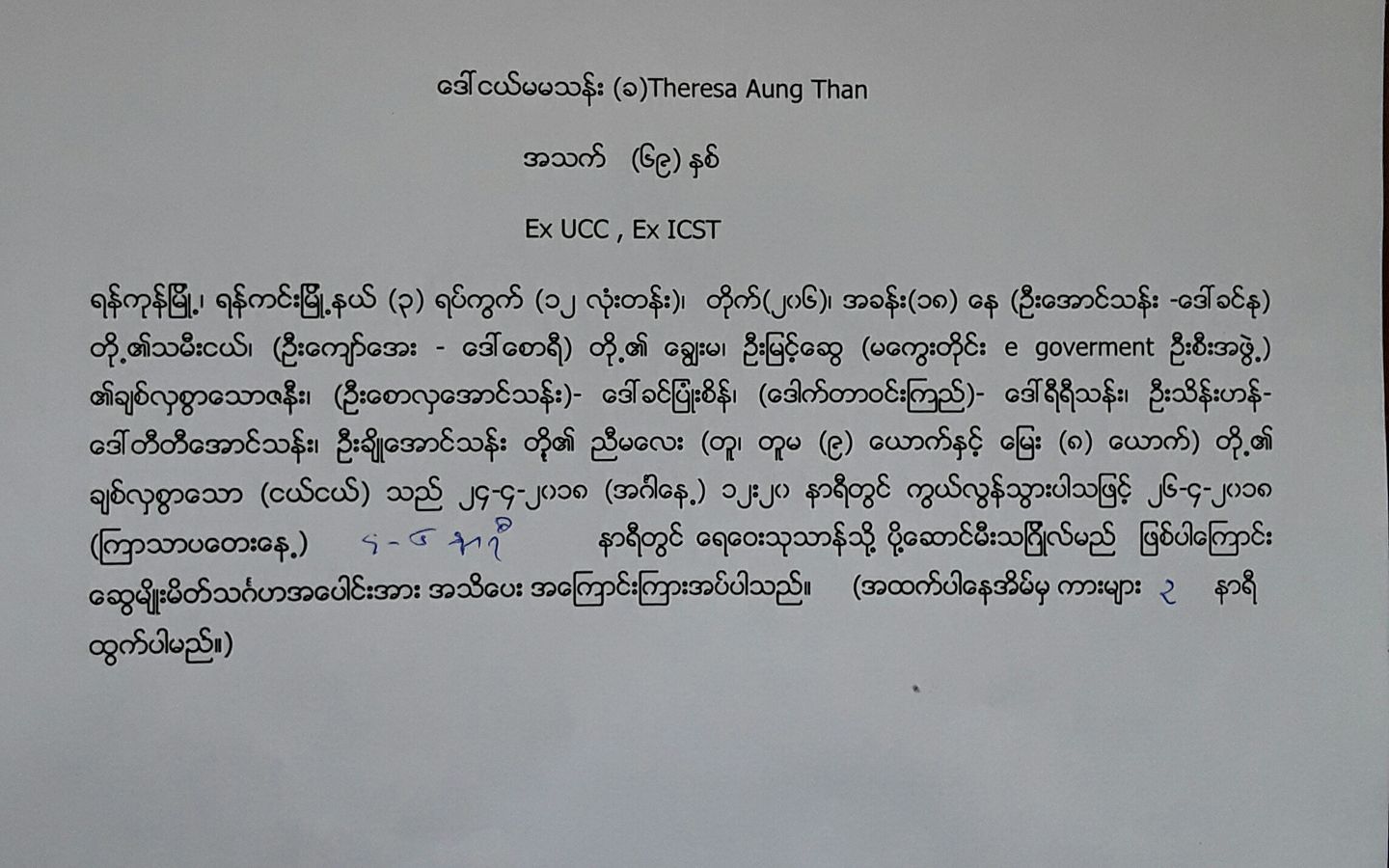
    • Nge Ma Ma Than (ငယ်မမသန်း), Theresa Aung Than
    • Youngest daughter of U Aung Than, elder brother of Bogyoke Aung San
    • Matriculated from MEHS (Methodist English High School).
    • Studied at RASU and UCC
    • Taught at UCC, DCS and ICST
    • Found her soul mate U Myint Swe at UCC
    Ma Nge, Ko Myint Swe & ASSK
    • In the Adhamma era, Ma Nge, Ko Myint Swe & her elder brother became “Prisoners of Conscience”.
    • They later supported former POCs and taught IT to the needy.
    • Her health deteriorated, but her strong spirit never declined. Even in her final days, she commiserated with her former political prisoners.
    Ma Nge 2
    • Passed away at Pinlon Hospital on April 24, 2018 at 12:20 PM
    Obituary

    Posts

    • Computer Science & Technology
    • Memories of UCC
    • Names
  • Dr. Freddie Ba Hli

    Dr. Freddie Ba Hli

    by Hla Min

    Updated : June 2025

    Highlights

    Dr. F Ba Hli
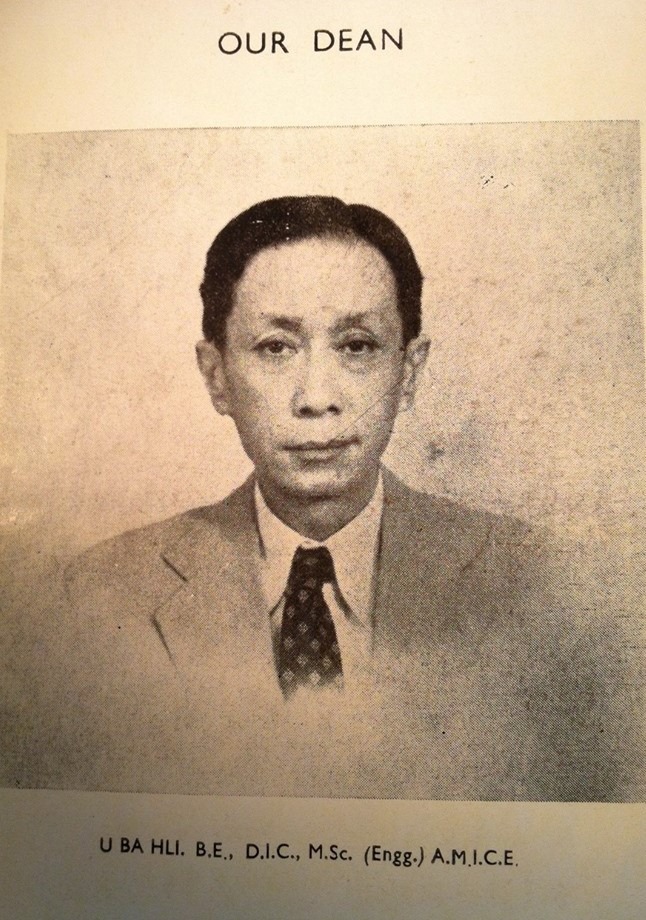
    • Only son of Sayagyi U Ba Hli, first native Dean of Engineering & Proponent of Twinning Program between Faculty of Engineering and prestigious US universities.
    U Ba Hli
    • Sc. D (Doctorate of Science) from MIT (Massachusetts Institute of Technology).
    • Helped Dr. Aung Gyi & U Min Wun, who were doing undergraduate studies at MIT under “Twinning Program”.
    • Spouse : Daw Myint Thwe (sister of U Tin U & U Ba Than)
    • Children : Tin Tin Hlaing (ex-UCC, Tha Hlaing (EC 83) & Min Thet Tun (GBNF)
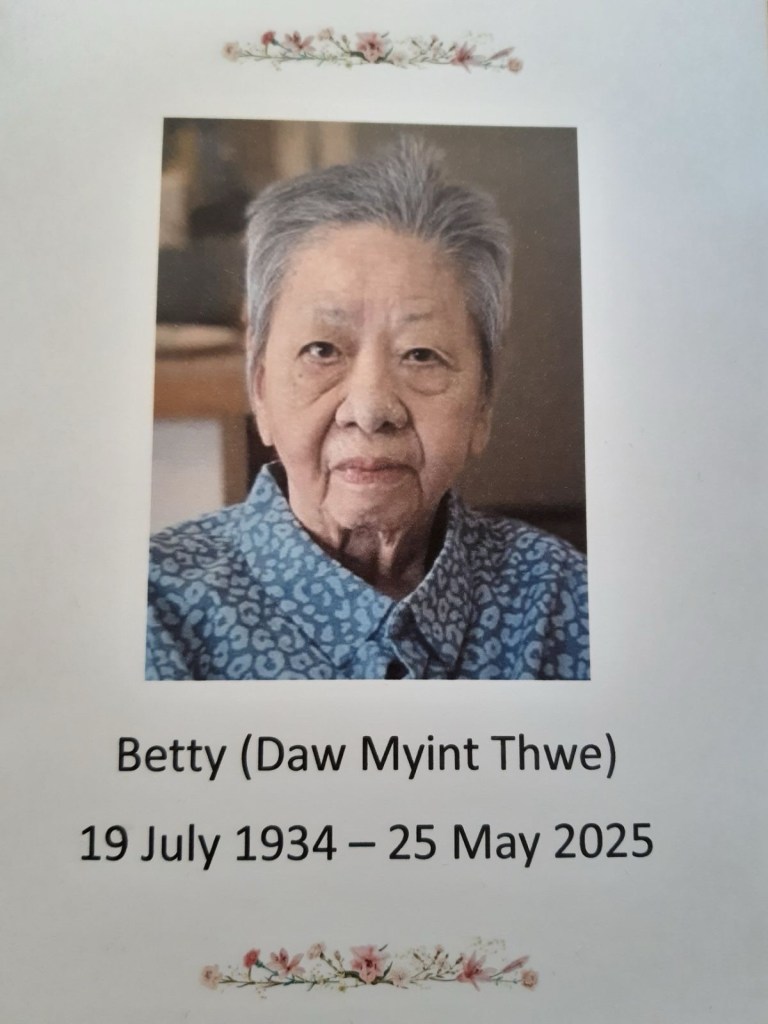
    Daw Myint Thwe and children
    • Per request from Saya U Aung Khin, he wrote an article about his beloved father in the RIT Alumni Newsletter for SPZP-02000,

    Service in Burma

    • Part-time Lecturer, Electrical Engineering Department
    • Acting Director, Burma Atomic Energy Commission
    • Director General, Union Of Burma Applied Research Institute (UBARI)
    • National Advisor, Ministry of National Planning
    • Member, UCC Board of Management
    • External Examiner, UCC

    Post-retirement in Australia

    • After retirement, he moved to Australia
    • Celebrated his 93rd birthday on June 28, 2015
    • Had a heart attack on June 30,2015 and was taken to West Mead Hospital.
    • Passed away at 3 AM (Australian Standard Time) On July 1, 2015.

    Messages of Condolence

    From Sayagyi Dr. Aung Gyi

    Ko Hla Min,

    I am very sad to know that Dr F. Ba Hli has passed away recently.

    As I have mentioned before in my contributing article to the History of Engineering Education in Myanmar, Dr Ba Hli was one of the nicest persons that I had the privilege of knowing in my life. He was helpful in every way to me and U Min Wun so that we were able to adapt successfully to our studies at MIT.

    I send my heartfelt condolences to his family.

    From Saya U Soe Paing

    Please convey our condolences to Daw Myint Thwe, Htay Aung, Tin Tin Hlaing and the family of Saya Freddie Ba Hli.

    Dr. Ba Hli was an active member of the UCC Board of Management

    From Association of Myanmar Engineers in Australia

    Funeral program details of Dr. F Ba Hli are as follow:

    • 6 July 2015 Monday
    • 3:00 pm
    • Castlebrook Memorial Park Cemetery, Windsor Rd, Rouse Hill NSW 2155, (02) 9629 1477

    As per family’s request: it would be greatly appreciated if you wish to contribute donations toward ‘Heart Foundation’ instead of memorial/sympathy flowers.

    Memories

    • Engg Dean U Ba Hli
    U Ba Hli 2
    U Ba Hli 3
    • Yahan Khan, Shin Pyu
    U Ba Hli & Dr. F Ba Hli
    • Family Gathering
    Dr. F Ba Hli
    • UCC Gathering
    Dr. F Ba Hli, Dr. Chit Swe
    • Daw Myint Thwe
    Daw Myint Thwe

    Posts

    • Deans & Rectors
    • RIT Alumni Newsletter (2000)
    • Sydney Gatherings (2006)
    • Three Generation of Engineers
    • UCC
  • UCC, DCS & ICST

    UCC, DCS & ICST

    by Hla Min

    Updated : June 2025

    Dr. Tin Maung

    Dr. Tin Maung
    • Son of Saya Kar (Education Minister in the Care Taker Government; RU Rector)
    • Joined Maths Department as Tutor
    • Went for further studies in UK.
    • Upon his return, he was promoted to Lecturer.
    • Later received doctorate from Queen Mary’s College.
    • Succeeded Dr. Chit Swe as Director of UCC.
    • During his tenure, DCS (Department of Computer Science) was established.
      U Ko Ko Lay (GBNF) served as Professor. U Tun Aung Gyaw served as Associate Professor. I was Senior Lecturer.

    ICST

    • In 1987, ICST (Institute of Computer Science and Technology) was established with Dr. Tin Maung as Rector.
    • There were four Departments :
      Information Technology (with U Ko Ko Lay as Professor & Head)
      Hardware Technology (with U Tun Aung Gyaw as Associate Professor & Head)
      Software Technology (with U Hla Min as Associate Professor & Head)
      Computational Mathematics (to be taught by sayas from UCC and RU Maths)
    • Bachelor degree courses in CS and CT were given.
    • In the first batch, there were 30 CS and 15 CT students.
      Two later became Rectors.

    Events

    • 40th Anniversary of UCC was celebrated at MICT Park in 2011. Saya Dr. Tin Maung’s spouse and daughter attended the gathering. Saya is GBNF.
    • Due to resources, Acariya Pu Zaw Pwes were not held annually.
    • The 4th Acariya Pu Zaw Pwe took place in 2011.
    • 26 batches (from ICST and UCSY) hosted the 5th Acariya Pu Zaw Pwe on January 14, 2018. Saw Yaing Naing gave me a ride.
    ICST PZP
    • The 6th Acariya Pu Zaw Pwe took place in December 2019. Daw Mar Mar Soe gave me a ride.
    ICST PZP
  • MASTAA Interview

    MASTAA Interview

    by Hla Min

    Updated : June 2025

    U Soe Paing
    U Soe Paing, U & Mrs. Hla Min

    U Soe Paing

    Note : Comments in italics are provided by Hla Min.

    • I have written many articles on the History of Computerization in Myanmar.
      ** Most can be read from SCRIB-D.
    • However many people have not read them. MASTAA has requested me do an interview.
      ** It is tentatively planned for July 19, 2020 (at 10 PM. EST). It will be morning in Yangon, Myanmar.
    • Facts are very important because there are some people who want to twist them to their advantage. Especially since the project was very successful in introducing computers and computer education in the country.
    • I was with the project right from its inception.
      ** Sad to report that Saya Dr. Chit Swe and U Ko Ko Lay have passed away.
    • I would like to go over the facts.

    When and how I got involved in UCC Computer project

    • Took programming and DP courses at Stanford University.
    • Around 1962, there was no CS Department or CS courses.
      ** Professor George Forsythe later founded and Chaired the CS Department at Standford.
    • Computer programming was given by Mathematics Department as part of Numerical Analysis
    • Introduction to Data Processing was given by Industrial Engineering Dept
    • Worked as part time computer operator for the Stanford Computation Center.
    • Joined Electrical Engineering Department, RIT as Assistant Lecturer in January 1964,
      RIT was closed.
      As part of the staff development program, I gave lectures to Elect Engg staff on computers and programming.
    • Ko Nyi Nyi (Instructor in Elect Eng Dept) told Dr Chit Swe, Head of Maths Dept at the Institute of Economics who was preparing to start a project with the assistance of the UN to install a computer.
    • Dr Chit Swe and U Hla Myint (Maths Dept) came to recruit me to assist them in the computer project.
    • Immediately agreed and joined the project preparation team.
    • Ko Nyi Nyi and Dr. Than Htaik (Chem Eng Dept) also joined the team.
    • At that time Unit Record Machines using punched cards (both IBM and ICL) were used in Burma by the Railways, Central Economics and Statistics Department (CSED), Records Office Burma Army.
    • At one point all the Unit Record Machines were centralized in one place (Burma Machines Corporation??) and then decentralized again.
      ** Per U Thein Han, IBM unit record machines were used in the first Demonatization. The machines were set up in Rangoon University (e.g. Convocation Hall).
    • Burma Railways wanted to replace their Unit Record Machines with a computer and was requesting funds from the government.
      ** However, the nationalization followed by tight control of foreign exchange caused the request to be denied.

    Preparation for the UCC project (1965 – 70)

    • The UNDP in Yangon and the Goverment agreed to explore the possibility of having a UNDP funded UNESCO executed project of installing a computer at the Institute of Economics.
    • In 1965 Dr Abou Taleb from Egypt visited Burma at the Institute of Economics for one month as a UNESCO consultant on the formulation of the project. He had discussions with the project team, the concerned persons at the Directorate of Higher Education and other government departments, UNDP personnel and managers of IBM (** U Aung Khin) and ICL (** U Kyaw Tha).
    • Dr Abou Taleb prepared a report that was submitted to the UNESCO and UNDP.
    • Around 1968 UNDP mission composed of Professor Owens of Columbia University and Mr Talbot of UNDP HQs came to Burma (Institute of Economics) to write a project proposal for the UNDP/UNESCO Computer Project.
      The mission had discussions with the project team, the concerned persons at Higher Education and other government departments, UNDP personnel and managers of IBM and ICL.
    • The report and the project proposal were submitted to UNDP, UNESCO and the Government.
    • It was agreed to implement the UNDP funded, UNESCO executed Computer project.
    • The project document for the UNDP/UNESCO Universities’ Computer Center Project was signed in 1970.

    Preparation for the establishment of UCC

    • In 1969 the project preparation team office moved to the Maths Department, RASU.
    • The Government decided to establish the Universities’ Computer Center directly under the Department of Higher Education.
    • A new building was to be constructed for the Center on the Hlaing Campus.
    • The project preparation team started to develop the organizational structure, budget, as well as the design for the building.
    • Ko Tun Aung Gyaw (UTAG) joined the project preparation team.
    • A temporary office / room was given to the project preparation team on the 3rd /top floor of the RASU Maths Dept.
      The Maths department still provided the logistics support.
      Saya U Maung Maung Tin of the RASU Maths Department was extremely helpful to the project preparation team.
    • The UCC organization structure consists of the Director at its head advised by the Board of Management.
      Under the Director are three technical divisions: Operations, Systems, Applications and an Administrative Support Section.
      One Manager heads each division.
    • Operations division consists of the Computer Operations section and the Data Preparation section.
    • Systems Division consists of the Systems Hardware section and the Systems Software section.
    • Applications Division consists of the Scientific Applications section and the Business Applications section.
    • The UCC organization structure was approved by the government and the Board of Management was formed.
    • Dr. Chit Swe was appointed Director of UCC in addition to his duties as Professor.
    • The Board of Management was formed with Dr Nyi Nyi, Deputy Minister, Ministry of Education as Chairman and Dr. Chit Swe as Secretary.
      The members include U Thet Tun, DG of CSED; U Win Pe, Research Dept, Planning; U Nyunt Maung, Dy Director, Finance; Dr Khin Maung Kyi, Inst of Economics, Dr Aung Gyi, RIT; etc
    • The UCC building on Hlaing Campus was to be designed and built by the Public Works Corporation.
      It was designed by the Chief Architect U Aung Myint. The team also met my high school and Stanford friend Ko Ko Lay who was a structural engineer there.
    • Ko Myo Min returned from the UK after studying as a Charted Accountant and working (** as Systems Analyst) at IBM UK.
    • Ko Ko Lay, Ko Myo Min and other volunteers joined the project preparation team.
      The volunteers are Ko Win Myint (Gyi) etc.
    • The three managers were recruited.
    • I transferred to UCC from RIT as Systems Engineer/Manager of the Systems Division of UCC on April 1971.
    • Ko Ko Lay transferred from Public Works/Construction Corporation as Manager of the UCC Operations Division.
    • Ko Myo Min joined as Manager of the Applications Division.
    • 1st April 1971 is considered as the start of UCC.
    • The first batch of other staff were recruited and appointed.
      UTAG and Johnny Hla Min joined as Maintenance Engineers.
    • UCC was given a temporary office on the third floor of the Mandalay Hall.
    • The project preparation team organized courses in computers, programming and applications for the staff of Universities and government departments.

    Choice of the computer

    • In October 1970, Dr Chit Swe went to UNESCO, Paris to participate in the selection of the computer for the project.
    • ICL 1900 series was chosen over IBM.
    • IBM was only willing to supply the IBM 360 and not the recently introduced IBM 370.
    • Dr Chit Swe then went on to London for discussions with ICL.
      ICL gave a more powerful version 1902S for the same price.

    Installation of the Computer and start of UCC

    • In 1972 UCC moved to its new building on Thamaing Campus.
    • The site preparation for the computer and environmental equipment started.
    • A firm from the UK was subcontracted by ICL to do the site preparation.
    • The ICL 1902S computer was delivered and moved into the computer room to start the installation process.
    • ICL resident Maintenance Engineer Gaber Khalef (Egypt) and the ICL resident Software Expert Ian Shearer (UK) arrived and took up their responsibilities.
    • Acceptance trials for the ICL 1902S started on 25 February 1973, and formally completed on 8 March.
    • Professor Huskey arrived on 4 March and took part in the acceptance of the ICL 1902S.
    • The original UCC organization was meant to be minimal and mainly for a one shift per day start.
    • However due to the Census and more than expected use, volunters were paid minimum salary wages (which can be authorized by the Director) used to do the required support work.

    Computer Use

    • The Board of Management decided to process the 1973 Population Census on the UCC computer.
    • Training of the Census Programmers conducted at UCC.
    • Alic Heinrici (UK, the ICL FILAN (ICL Census Tabulation system)) expert came from September to November to train Census and UCC Programmers in FILAN to be used in Census Tabulation.
    • The processing of the Burma Population Census started in May 1974.
    • The data entry was done in the Census Dept (old Rowe Co. Building) with over 100 rented keypunches from IBM.
    • The morning shift (8:00am – 4:00pm) was reserved for UCC.
      The evening shift (4:00pm – 12:00am) and night shift (12:00am-8:00am) were reserved for Census processing.
      At the start the Census processing did not take the two shifts.
    • Saturdays were reserved for Maintenance and the center was closed on Sundays.
    • ICL experts and UCC senior staff designed the Census Processing System containing Sequence and Completeness check (PLAN), Consistency checks (FORTRAN), Tabulation (FILAN).
    • UCC staff also supervised the processing.
    • Burma Railways, Central Economics and Statistics Department (CSED)/(CSO), Records Office Burma Army (ROBA) converted some of their Unit Record Machines applications on to the computer.
      Railways passenger and goods statistics; CSED Health and Trade Statistics; ROBA Miltary records.
    • RIT final year students implemented projects.
      Civil Engg: Structural Engineering, Astronomical Calculations,
      Electrical: Power System Analysis, Electronic Circuit Analysis.

    Computer Education

    • The project preparation team organized courses in computers, programming and applications for the staff of Universities and government departments. (1971)
    • Preparations start for the MSc Computer Science and Postgraduate Diploma in Automatic Computing (DAC) to be given under the Mathematics Department, RASU. (1973)
    • Start of the MSc Computer Science and DAC courses. (1974)
    • There were three options under the MSc course : Computer Systems, Computer Oriented Operations Research Techniques and Computational Mathematics.
      Coursework plus dissertation/thesis.
    • DAC course was 2 years part-time from 7:00 am to 9:00 am.
    • Entrance Aptitude Tests for all applicants meeting the University requirements for post graduate studies.
    • The six months part time course (the predecessor to the full time 4 months course ) was started for the staff of the government departments and universities in 1976.
      It consisted of Introduction to Programming with FORTRAN, Mathematics and Statistics, COBOL Programming, Systems Analysis & Design.
    • The UCC Staff and visiting experts taught most of the courses.
      However Maths sayas helped out in the MSc and DAC courses. U Hla Myint and Dr Kyaw Nyunt in Computational Mathematics; U Soe Nyunt and Dr Pike Tin in OR courses.
    • Paid and unpaid volunteers were expected to attend the courses according to their ability and wishes.

    Expert Services

    • The University of California at Santa Cruz(UCSC) was given the expert subcontract under the project.
      Professor Harry D. Huskey Chairman of the Department of Computer Science at UCSC and the well known pioneer in computers (in the development of the first electronic computer ENIAC at the University of Pennslyvania) was the coordinator of the contract.
      ** He co-authored the first Computer Handbook. His students include Nickaus Wirth (inventor of Pascal and Modula). He is a Past President of ACM and a Fellow of ACM, IEEE and CHM.
    • The UCSC expert subcontract was to provide four long term (4x12m) experts and a few short term (1m) experts, in addition to yearly visits by Professor Huskey.
    • Long Term Experts :
      Mr Sheldon Bachus (Systems Analysis & Design, 1973)
      Dr. Malcolm Atkinson (Computer Science Expert, 1974)
      Dr. Paul Keogh (Operations Research Expert, 1974)
      Mr. Bjorn Hustaad (Simulation, 1977)
    • Short Term Experts :
      World renowned people able to visit and give lectures for one month.
    • Professor Anthony Ralston Professor and Head of the Computer Science Department of the State University of New York (SUNY) in Buffalo, NY USA , and Past President of the Association for Computing Machinery (ACM) came as a one month short term expert in Computer Science. He introduced Structured Programming to UCC, Burma and even to the long term expert in Computer Science. (1975).
    • Professor Foreman Acton of Princeton University, Princeton NJ USA came as a one month short term expert in Numerical Analysis and conducted training courses .(1975)
    • Professor Peter Wegner of Brown University, Providence, Rhode Island came as a one month short term expert in Computer Science and conducted training courses in Automata Theory.(1975)
    • Professor Wilde of Stanford University, Operations Research (1976)
    • Professor Leon Lasdon of University of Michigan, Operations Research (1976).
    • Professor Michael Stonebraker, University of California (Berkeley), INGRES Relational Database, Database 1977)

    UN Experts

    • Dr. Shafeek Saleeb(Egypt) arrived to take up his assignment as Chief Technical Adviser of the UCC project. (1974)
    • Mr. Jan Rademaker (Netherlands) arrived to take up his assignment as an associate expert in Computer Applications under the UCC project. (1975)

    Further Development

    • More memory, 2 disk drives and card reader supplemented by the Census project.
    • For scientific and engineering applications a flat bed Calcomp plotter was acquired.
    • For teaching purposes Professor Huskey advised to get an on line time sharing mini computer system like most American Universities.
      A PDP-11/70 mini computer system was acquired.
    • Prof Huskey also lectured on micro processors and micro computers.
      UCC decided to get a microcomputer for trying out.
      Chose Cromemco (** System Three). Very good except for the 8” disk drive problems. A lot of experience gained.
    • Government relaxed on buying microcomputers for the govt departments. Many acquired Cromemco and started their applications on microcomputers.
    • Since UCC is to be used mainly for training the Board proposed the establishment of a National Computer Center for use by government departments.

    Updates

    MASAA recorded & broadcast interviews by

    • Dr. Aung Gyi
    • Dr. San Hla Aung
    • U Soe Paing

    Posts

    • Associations
    • Interviews
    • Memories of UCC
    • Paing Brothers