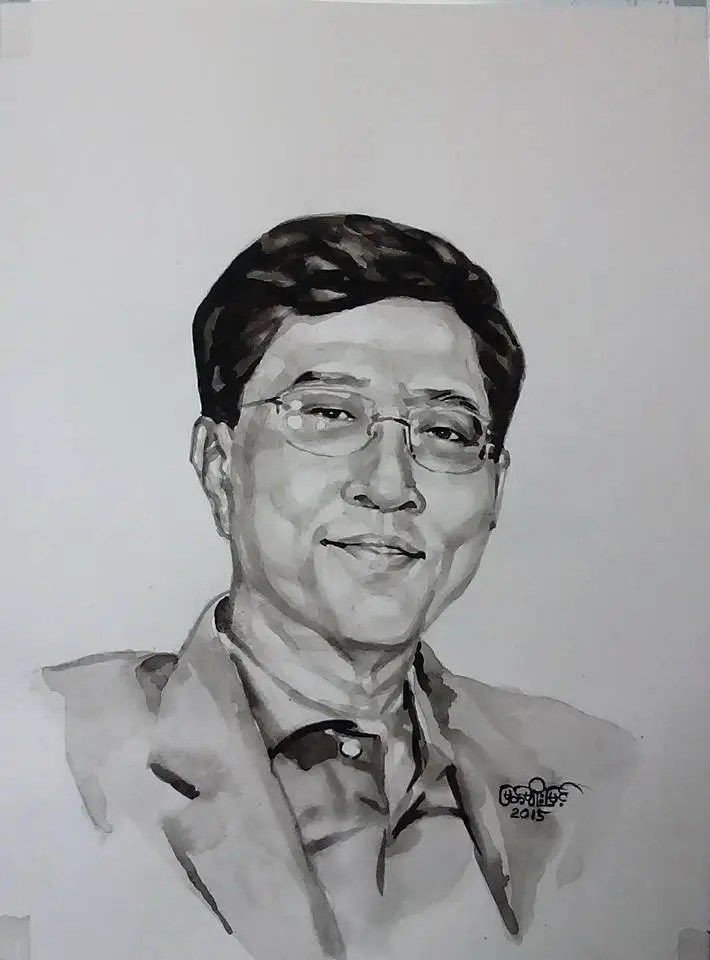
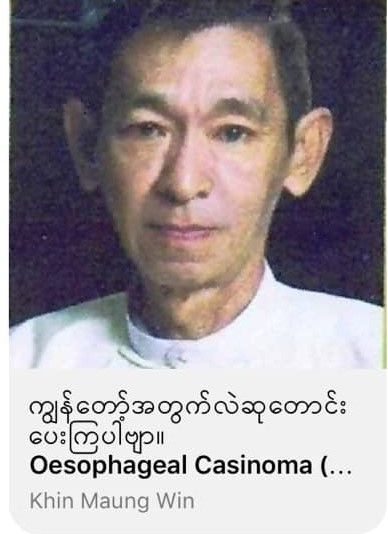
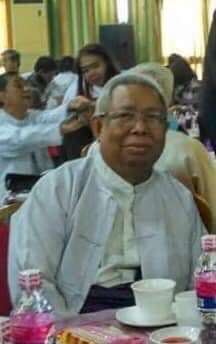
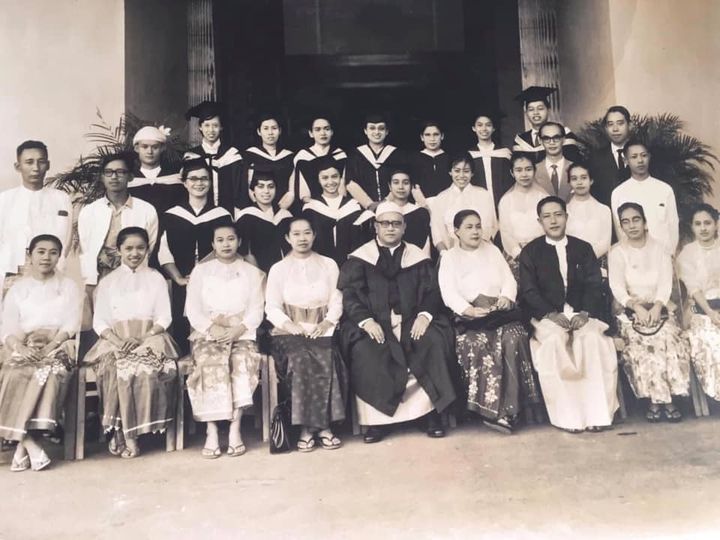
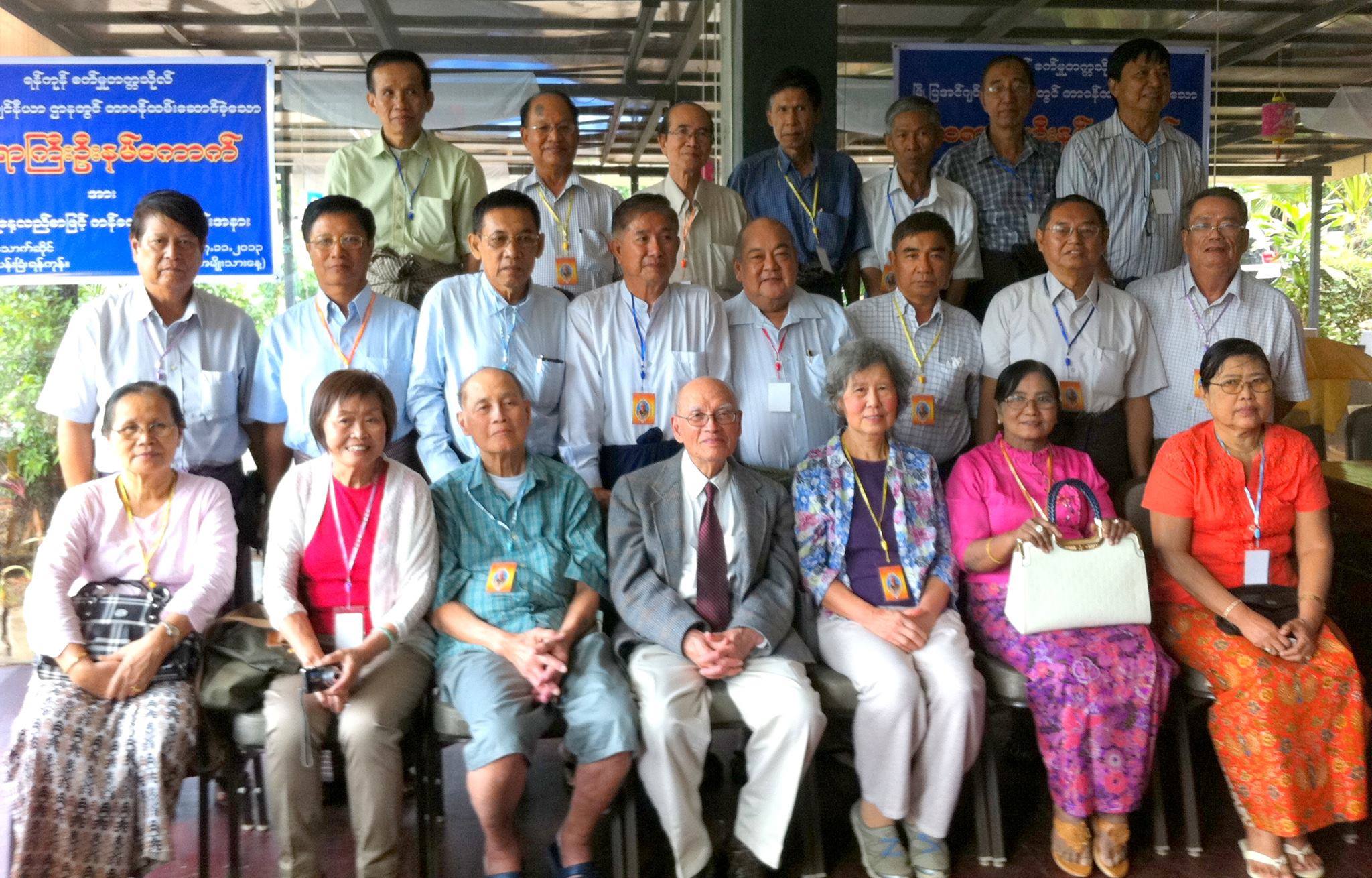
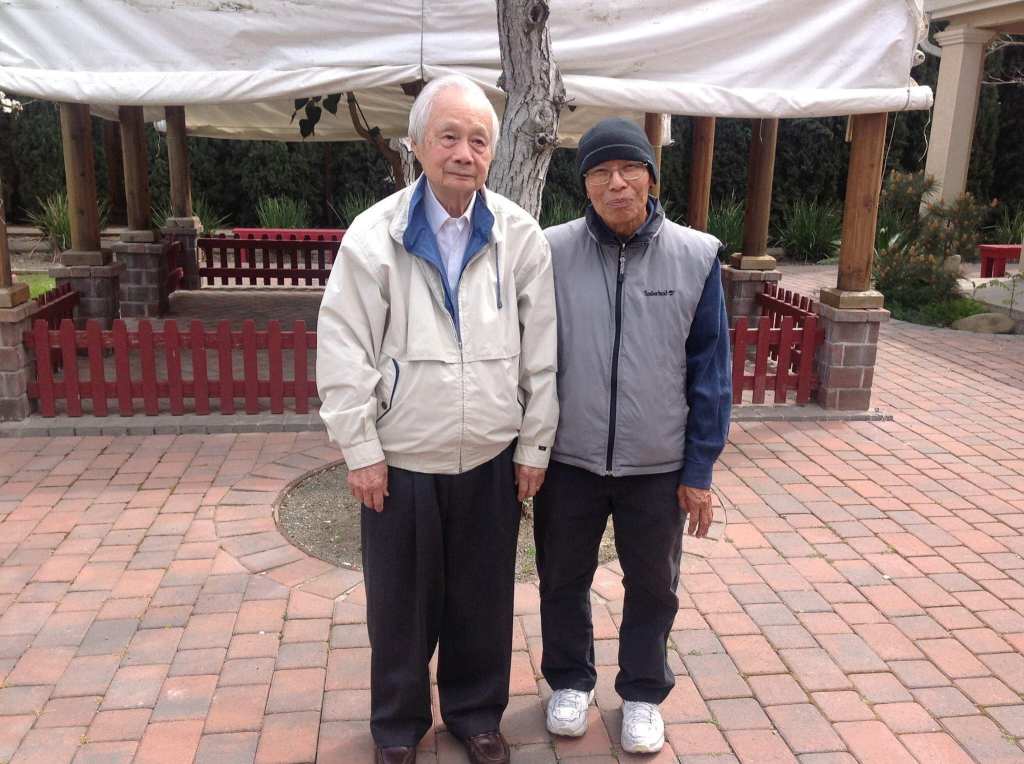
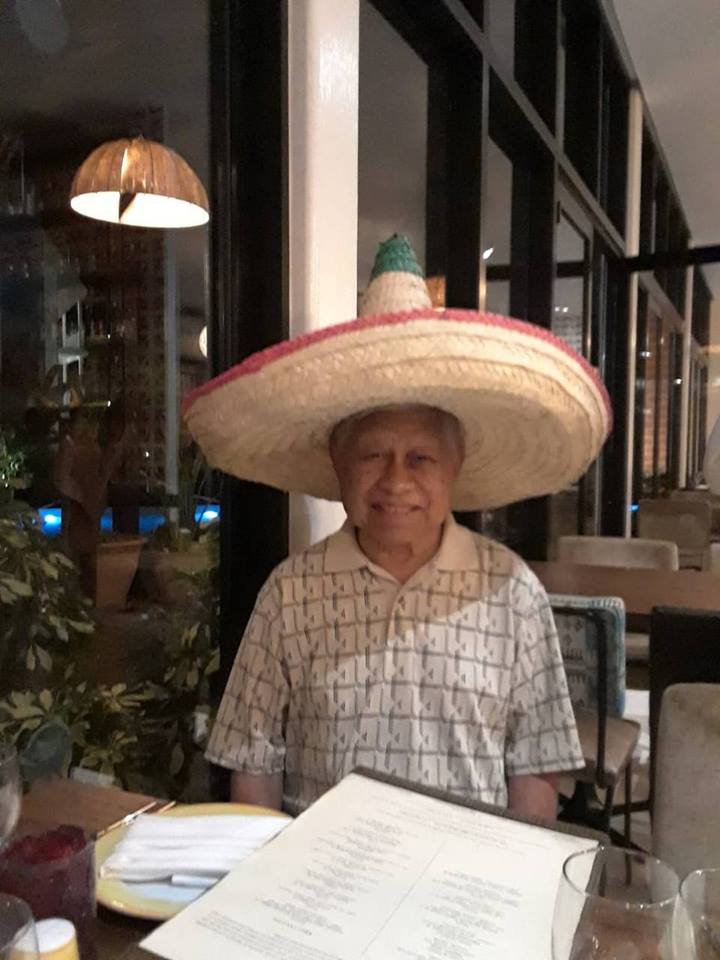
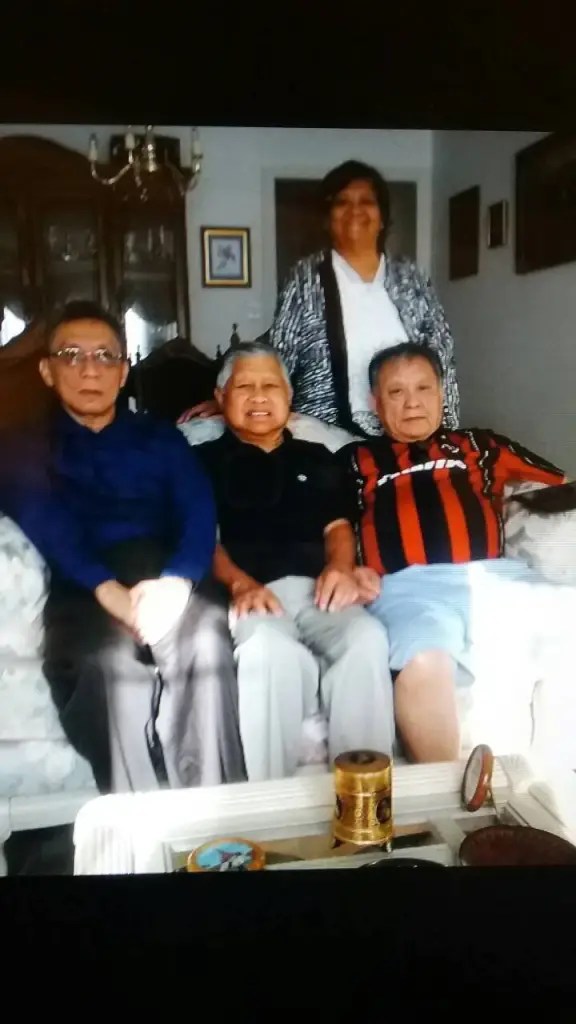
U Thein Aung (M72) presents the differentiation with U Thein Aung (Met72).
I am Set Hmu — Maung Thein Aung စက်မှု — မောင်သိန်းအောင် (I am Maung Thein Aung — Mechanical Engineer.)
He is Set Hmu Maung — Thein Aung စက်မှုမောင် — သိန်းအောင် (He is Thein Aung, who won Mr. RIT award and Sa Lwei Thaing in 1968).
Transformation
During his RIT days, U Thein Aung (Met72) was “Ba La Gyi ဗလကြီး “ full of strength and prowess).
Lately, he has become “Ba Lar Gyi ဗလာကြီး” nothing notable left). Luckily, he is not “Bar La Gyi ဗာလကြီး”
Sargalay စာကလေး
Sargalay
At a 69er gathering, Daw Saw Yu Tint (T69) greeted U Khin Maung Win (EP69, GBNF) as Sargalay (စာကလေး “sparrow”).
He replied, “I am no longer Sargalay. I have become a La Da (လဒ “vulture”).
Cartoon
Ko Kyant
Saya U Aung Myint (Pet69, Kyant Ba Hone, GBNF) drew a cartoon:
“Ah Ba, Kar Ku La Thin Char (ကာကုလသင်္ချာ Calculus) is fascinating. If you differentiate a La Da, you get a Sargalay. If you integrate a Sargalay, you get back a La Da.”
Palindrome
It reads the same when read forward or backward.
There are palindromes in languages, music and art.
The Pulitzer Prize winning book on Escher (Painter), Godel (Mathematician) and Bach (Composer) discusses threads that are common to Mathematics and Computer Science, Arts and Music. One such thread is a palindrome. For example, a musical composition (which is a palindrome) can be played from the front to back, and vice versa.
Palindrome #1
The earliest palindrome supposedly occurred in the Garden of Eden. MADAM I’M ADAM and the reply EVE
Palindrome #2
Napoleon Bonaparte is the first Corsican to attend the French Military Academy. He rose to be a young General, and then an Emperor. He supposedly lamented as follows: ABLE WAS I ERE I SAW ELBA .
Palindrome #3
There were two early Canals (Suez and Panama) to shorten the sea routes. The degree of difficulty was not the same. It took meticulous planning to build the Panama Canal. It gave rise to the palindrome : A MAN, A PLAN, PANAMA
Parent #1: My son’s only four and he can already spell his name backwards. Parent #2: Oh? And what’s his name? Parent #1: Otto.
Jokes
In our younger days, there were Newton jokes. Later, there were Einstein jokes. It is possible that someone created a joke about an absent minded professor and then attributed to a famous person.
Einstein Joke #1
It was raining. Einstein took off his hat and hid it in his coat. A student asked “Why?” The reply : “My hat is new and can be damaged. But my head cannot be damaged by the rain.”
Einstein Joke #2
A ticket inspector boarded a train. Einstein searched for his pockets. The inspector said, “You need not show me the ticket. You are Einstein.” The reply : “I do not know which stop I should get down.”
Einstein Joke #3
Einstein was carrying a stack of books. He collided with a lovely student. The books fell down. The student collected the books and returned them to Einstein. Einstein asked, “Which way was I going?” The student replied, “You were going towards the school.” Einstein felt relieved and said, “Then, I must had my lunch at home.
Some inventions are attributed to Serendipity. Three notable examples are
Discovery of X-rays X stands for “Unknown”. German scientist Wilhelm Rontgen discovered X-radiation (unknown type of radiation) on November 8, 1895. Other names include X-ray, Xray and Röntgen radiation.
Discovery of Penicillin Scottish scientist Alexander Fleming discovered Penicillin in 1928.
3M’s Post-it notes Dr. Spencer Silver, a scientist at 3M, accidentally discovered a weak glue in 1968. Arthur Fry obtained permission from 3M to develop “sticky notes” in 1974.
Kekule’s Dream
Friedrich August Kekulé, a German chemist, was searching for the structure of Benzene, which has six Carbon atoms and six Hydrogen atoms.
In 1865, he had a day-dream where a snake’s head tried to bite its tail. Was an “Aha” moment for him. Figured out the ring shape of the Benzene molecule.
Some use this example as the power of the subconscious mind in solving problems.
Saya Dr. Soe Win wrote :
The structure of benzene is indeed a significant discovery in the history of science.
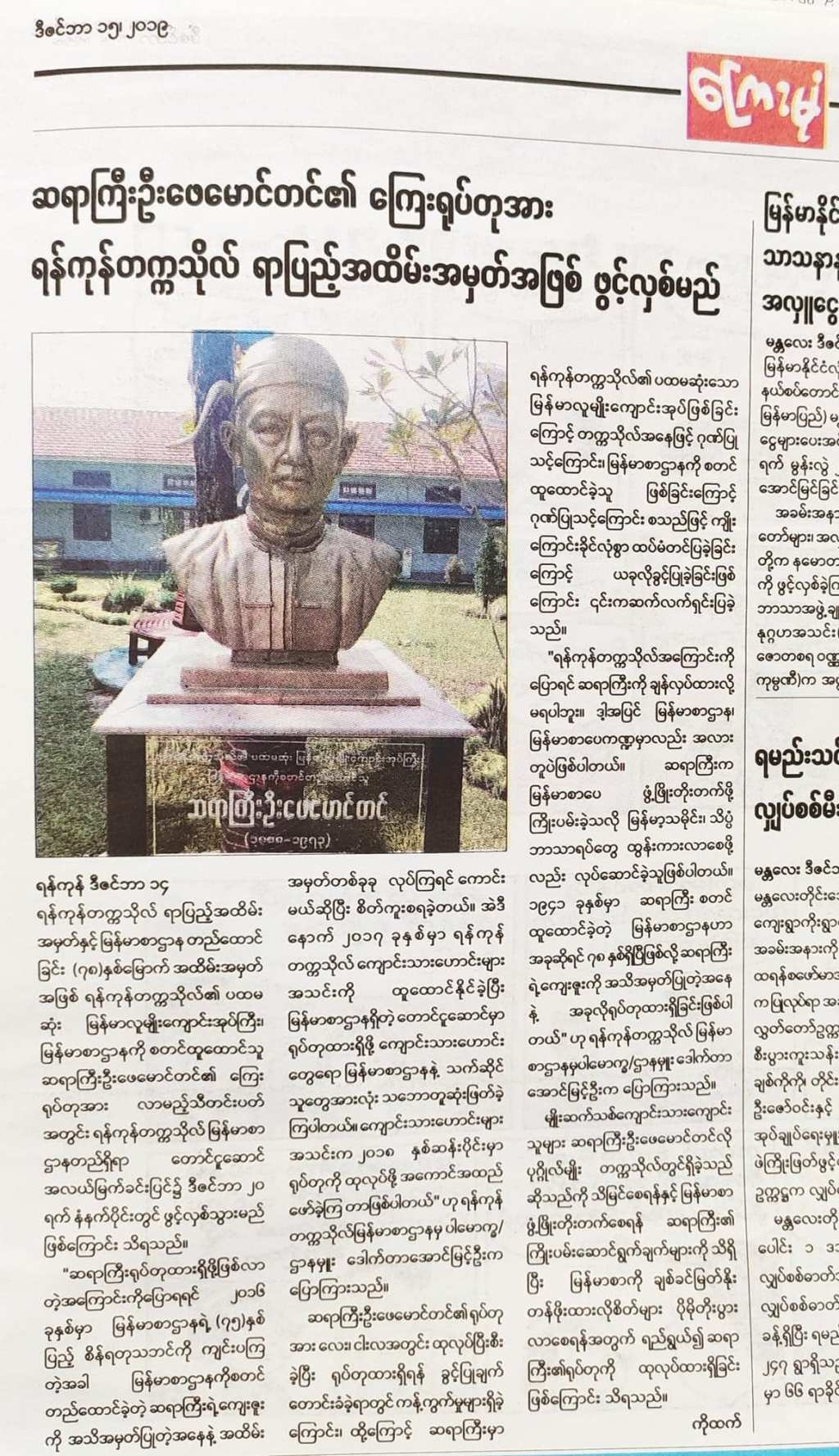
He is the first native Professor of Pali and Burmese. He successfully proposed the opening of the Burmese Department at Rangoon University.
His works include
Translation of Visuddhimagga
The Expositor (Atthasalai)
Burmese Grammar
Glass Palace Chronicle (co-author)
U Thitthila
U Thitthila
Sayadaw did missionary work in UK. He came back to Burma and taught at the Pali Department for several years before continuing his missionary work abroad.
Sayadaw also translated for Pali Text Society (PTS).
U Shwe Zan Aung
U Shwe Zan Aung
He translated a Buddhist text for Pali Text Society (PTS).
U Aung Than
He was Pali Professor. He was also Commander of the Rangoon University Training Corps.
U Tin Lwin
Pali Professor
Also taught at IMBTU.
Co-authored the translation of Maha Buddhavamsa (Life Story of the Buddha) by Tipitaka Sayadaw U Vicittasarabhivamsa).
U Silanandabhivamsa
U SilanandaProtective Suttas
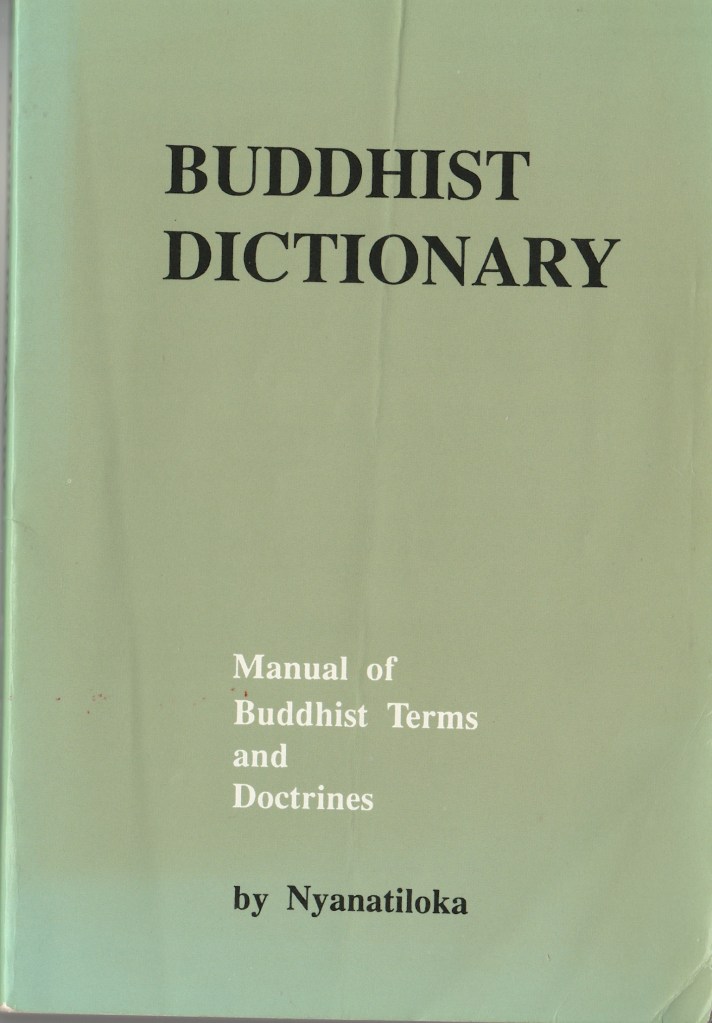
He served as Chief Compiler of the Tipitaka Pali-Myanmar Dictionary for the Sixth Buddhist Council.
Served as an external examiner for the Pali Department.
Chief Resident Monk of Dhammananda Vihara.
He wrote books in Burmese and English. “Paritta Pali & Protective Verses” was published by a Thai Devotee as a birthday present for Sayadaw.
First Rector of IMBTU
U Hoke Sein
Pali Burmese Dictionary
He spent over a decade to compile and refine the Pali-English-Burmese Dictionary. U Hoke Sein, son U Saw Hlaing, grand daughter Dr. Cherry Hlaing and two great grand children all stood first in their respective Matriculation examination.
Mr. Balwant Singh
He took Pali Honors.
He is RUBC Gold,
He was forced to retire as Commissioner of Pegu Division.
Joined the United Nations and served as a Security Expert.
There is a saying, “Speech is silver. Silence golden.”
It does not mean that we should stay silent all the time.
If one does not have meaningful things to say, it is better to remain silent rather than rambling or engaging in frivolous talk.
Hla Min (DTM) 1
Duration of speech
The length of a speech varies.
President Abraham Lincoln was requested to give a “few appropriate remarks” at Gettysburg. His address consisted of ten sentences. It was delivered in less than two minutes (which was not long enough for the official photographer to record the historic moment).
Typically, Elevator speeches last 30 – 45 seconds, Impromptu Speech (e.g. Table Topics) last 1 – 2 minutes, Prepared Speeches last 5 – 7 minutes, TED talks lastless than 18 minutes), Keynote speeches last 45 – 60 minutes with Q&A.
Message
It is usually more important than the messenger.
The speaker should provide a “take away” or an “action item”.
Training / Aids
I had a book of the 40+ speeches given by notable people (e.g. Winston Churchill).
Rotary Club, Kiwani’s Club and Toastmasters International provide guidance and training for communication (Public Speaking and Leadership).
I am a Distinguished Toastmaster (DTM).
Hla Min (DTM) 2Toastmaster 1 Toastmaster 2
Speeches
Inaugural address by Abraham Lincoln
John F Kennedy’s speech about Moon Mission
Carnegie Mellon University (CMU) is known for “The Last Lecture”, where a Professor presents to an audience (e.g. those present for his forthcoming Retirement). Randy Pausch, who was diagnosed with Cancer, gave an up-lifting “The Last Lecture”. It can be viewed on You Tube. It has also been made into a book.
Steve Jobs gave a Commencement Speech at Stanford University. It can be viewed on the Internet. In three parts, he connected the dots (e.g. taking a Calligraphy course to the aesthetic Font designs on Apple Computers.
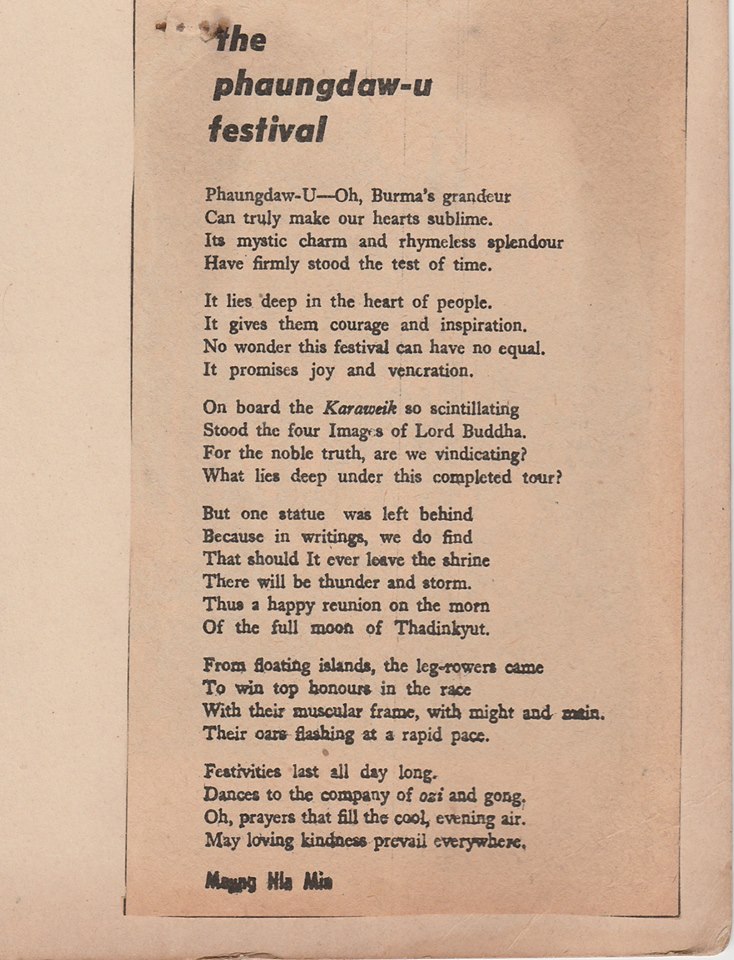
Shwe YaDu Lann (Poem and Translation) Tekkatho Moe War (Saya U Moe Aung) wrote a poem for the RIT Shwe YaDu (Golden Jubilee). I translated the poem into English.
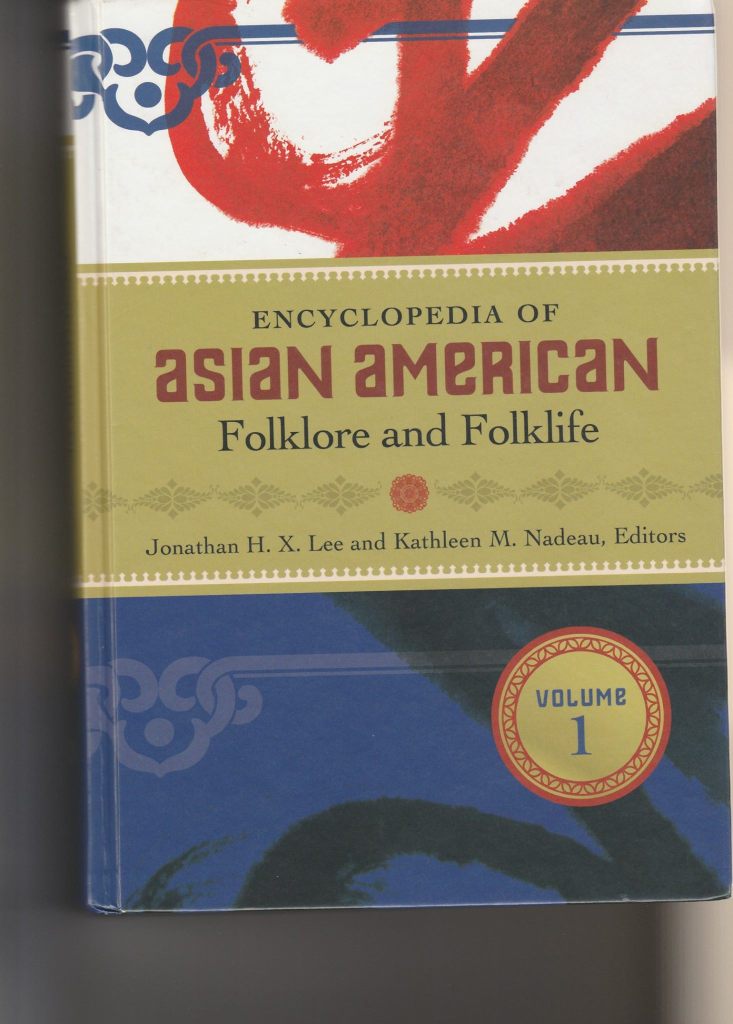
Encyclopedia of Asian American Folklore and Folklife (Article) Nine of my articles were published in Volume One of the Encyclopedia. 23 Asian American Groups were featured in the three-volume Encyclopedia.
The (Hidden) Power of Kabyar (Poem and Translation) Tekkatho Moe War (Saya U Moe Aung) wrote a poem for “Kabyar Nay” (Poem Day). I translated the poem into English.
To the Shwe Duo (Poem and Translation) Tekkatho Moe War (Saya U Moe Aung) wrote a poem in memory of Saya U Tin Shwe (EP66) and Saya U Hla Shwe (T69), who passed away within a few months of each other. I translated the poem into English.
To ease Nostalgia / “Lwann Pyay Aung (Poem and Translation) Saya U Nyunt Htay (Met73) composed an excellent poem for SPZP-2012. I translated the poem into English.
Names (Article) I have presented several speeches on Names at “Toastmasters International”. I have also written articles on naming conventions, common names, pen names and meaning of names.
Shwe YaDu Lann
Translation by U Hla Min
Shwe YaDu Lann Let it be rough [but it’s tough]. Flowers are blossoming again. Fear not the summer Care not the rain [drops] or the thick fogs & darkness or if winter’s not true to its form
Shwe YaDu Lann Let it be rough. No gentle stream flowing Fear not high winds Care not dense clouds Topsy turvy [come what may] Can paddle upstream With strong mind & conviction Place where heroes [Thu Ye Kaungs] are produced.
Swel Daw Myaing Dann Shwe YaDu Lann is a start [of a journey] To raise the Banner loftily to the skies, to the Zenith displaying our thitsar (vow of truth and integrity)
HLA MIN (Editor, Newsletter Updates, USA)
Encyclopedia of Asian American Folklore and Folklife
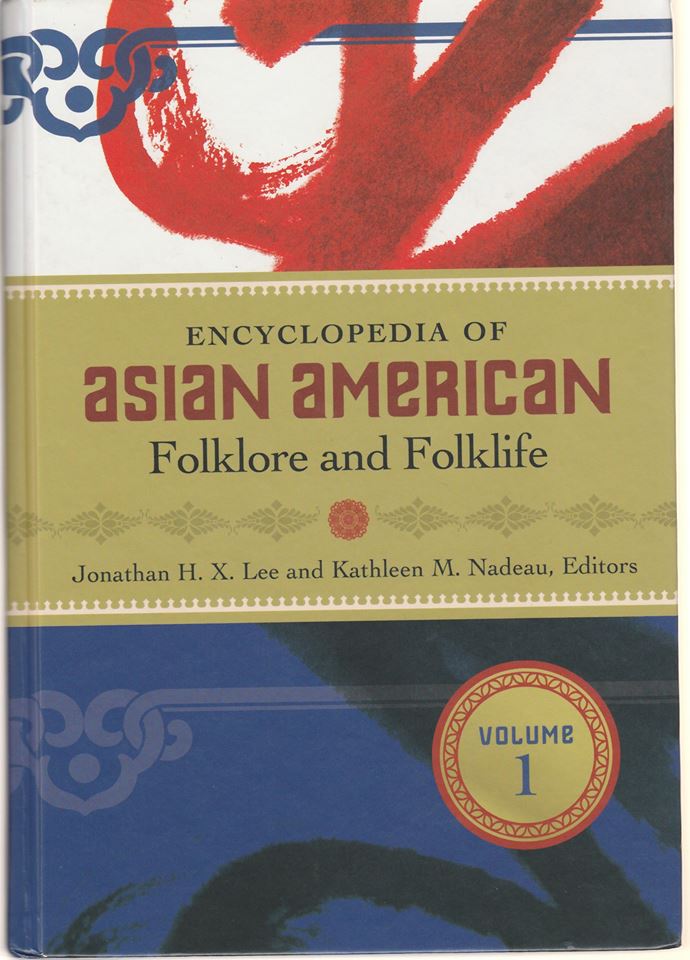
Nine of my articles appear in the Encyclopedia ofAsian American Folklore and Folklife (AAFF).
The three-volume book was published by ABC-CLIO in 2011. At the beginning, the book was sold for $275.
I received a book (for completing eight articles according to the agreement) and $10 (for the additional article).
Burmese Americans are covered in Pages 127 to 178 of Volume One.
The Editors decided to merge two of my articles with other authors.
Unfortunately, an error introduced by my co-author. On page 150, he mentioned July 22 (instead of July 19) as Martyrs’ Day. The merged article unfortunately was not sent to me for review. The Editors promise to correct the error in subsequent editions.
Folk tales (as told by Saya Dr. Htin Aung and Ludu U Hla) are part of the Folklore.
To read my articles on-line, you should go to “Google Books” and then search “Hla Min“.
The (Hidden) Power of Kabyar
Translation by U Hla Min
Kabyar is animate But [it’s life is] not just a [fleeting] morn
Kabyar is a weapon But not for destroying the world
Kabyar is key For liberation and independence But not devoid of principles [and morals]
Kabyar has power Hidden but efficient & effective Like sharp-pointed spear-head Can thrust into [the heart of] a power-maniac Cause trembling, shivering, throbbing & anguished pain
Poem in Burmese by Tekkatho Moe War (Saya U Moe Aung)
To the Shwe Duo
Translation by U Hla Min
in memory of “Shwe Duo” : Saya U Tin Shwe (EP66) and Saya U Hla Shwe (T69)
“TO THE SHWE DUO” by Tekkatho Moe War
SHWE duo Blossom in unison Disappear together Free from complaint Even with thin breath Showed mark [of courage and wisdom] Never wavered … Pressed by burden At the awaited turn [of journey’s end] Body — inheritance [from previous lives] Succumbs [to failing health] Yet, “Wei-nyin” is fresh, alive and hovering.
To ease Nostalgia
Poem by U Nyunt Htay
Saya U Nyunt Htay (Met73) is a distinguished poet. He is Chief Editor and/or Publisher of Myanmar Mudita. He composed an excellent poem for SPZP-2012.
Translation by U Hla Min
One cannot forget the history and sweet memories of one’s alma mater, and one feels that most alumni — near and far — still yearn for the good old days.
In front of A Hall, B Hall [C, D, E, F, Halls] friends would tease and prank, yet do no harm. They do not care to find weaknesses in others, and will remain loyal friends. In front of Uttra (North or G) Hall — usually in the evenings — aspiring Ah Nu Pyinnya Shins serenade with love songs aided by guitars, harmonicas and violins.
Hear the bells in Building One, Two [Three] ringing once more. Many rush to the classrooms [some spend time on the corridors to enjoy the belles go by]. At night, some “count the numbers” (perhaps playing cards, or actually studying and doing home work).
RIT students do not feel outnumbered by RASU [with Burma selected] or Eco at any kind of sports [soccer, volleyball, basketball, swimming, water polo …]. RIT has staunch loud-voiced fans [like “Ajala” Moe Hein].
Assembly Hall hosted not just presentations and debates. It also is the home of Geeta See Sar [Musical Evening Extravaganza] with outstanding musicians, composers, vocalists and dancers. Swel Daw Yeik Troupe and Ah Nyeint, Pyazat, … melt our hearts.
Cartoon Box [former telephone kiosk] nurtured many cartoonists to share their humor, satire and ideas with the readers searching for Sacca (Truth).
Aw Bar Lann (precious memories to the graduates attending the graduation ceremony) is known not also for applause but also for the tongue-in-cheek comments and unruly claps and shouts to the unwary treading the Lann.
As the examinations near, most try their best [by borrowing books and notes from their friends, by attending crash sessions] to pass the hurdle. On the desks are notes [not neat and tidy] scattered all over. Times and systems change, but most RITians are able to decide the essentials (“Ah Hnit”) from the inessentials (“Ah Kar”).
Swel Daw Yeik
One can never forget the history and [priceless] memories.
Names
Overview
Before the advent of MRI and Ultra Sound, some people prepare a set of 14 names for the forthcoming : 7 names for a boy (one for each day of the week) and 7 names for a girl (ditto).
Some prefer to have a formal naming ceremony a specified number of days after the birth of a child.
Names may have meaning and/or a historical background.
For example, “Pyke Tin” means “left on a net”. The mother of Saya Dr. Pyke Tin presumably had problems (e.g. miscarriage), so she performed a “Yadana” to catch Saya with a net.
I have a cousin aunt named “Pyke Mi” meaning “caught on a net”.
Ko Ko, Nyi Nyi, Maung Maung, Maung Gyi, Maung Lay, Ma Gyi, Ma Nge are some names based on the order of birth.
There may be name changes. For example, Bogyoke Aung San was named “Htain Lin”, but he changed him name to “Aung San” to rhyme with “Aung Than” (his elder brother).
A new name is given in some social (e.g. Coronation of a King or Queen) and religious (e.g. Higher Ordination) events.
Burma/Myanmar has a sizable number of race and ethnicity.
The following are some prefixes of my sayas, sayamas and friends.
Sao (e.g. Saya Sao Kan Gyi, descendant of Keng Tung Sawbwa)
Sai (e.g. Sai Kyaw Aye, broadcaster for the BBS Shan Language Program)
Saw (e.g. Saw Edison, Karen, RIT Volleyball)
Sa (e.g. Sa Maung Maung, Joint Treasurer, EE69er HCF)
Duwa (e.g. Duwa Zau Lai, Myitkyina)
Nan (e.g. Nan Khin Nwe, young and energetic fund raiser)
Nang (e.g. Nang Khaming, RIT Track and Field)
Naw (e.g. Naw Mu Mu Aye, Professor, Textile)
Salai (e.g. Saya Salai Tun Than, Professor, Yezin)
In most countries, the Father’s lineage is used for the Family Name. Long ago, in some Matriarchal society, the Mother’s lineage is used for the Family Name.
John Fitzgerald Kennedy (or John F. Kennedy) is the US President who proposed the Space Program to send Men to the Moon and bring them back safely to earth. His first name (or personal name) is John. His last name (or family name) is Kennedy. The middle name is Fitzgerald. The middle initial is F. Fitz means “son of”.
President Harry Truman has no middle name. His middle initial is S.
I have no middle name. So at one company, I was registered as Hla X Min (where X is a filler).
My name has only six letters, but it has been misspelled and mispronounced in six (or more) ways.
Prefix
A name may have a prefix.
Prefixes for
a male Burmese name include Maung, Ko, U, and Pho.
a female Burmese name include Ma, Daw, and Phwa.
a Burmese monk name include Ashin, Sayadaw, Venerable and U.
Shan names include Sao, Sai, and Nan.
Mon names include Mehm, Min, Nai, and Mi.
Karen (Kayin) names include Saw, Sa, Pado, and Naw.
Kachin names include Duwa.
Chin names include Salai.
Old Burmese passports were issued with the prefix included. This created confusion when matching names from other documents (e.g. birth certificate).
Dr. U Win was called “Hey, U (pronounced as You)” by his friends, who did not realize that “U” (pronounced as Oo) is a prefix for a Burmese name.
Suffix
A name may have a suffix.
Suffixes include
Sr. (Senior for the father)
Jr. (Junior for one of the sons)
Generation number, e.g. Bill Gates is named William Gates IV
Esq. (Esquire, used earlier in Britain)
Degree, e.g. Freddie Ba Hli, Sc.D.
Fellowship or Membership
Monk names
Some monks names may have “abhivamsa” or “alankara” as suffixes.
Sayadaw U Silananda the prestigious monk examination (conducted in Mandalay) before the age of 27. So, he is often referred to as U Silanandabhivamsa.
There are several distinguished Sayadaws named Ashin Janakabhivamsa.
U Neimeinda and U Siri (Thiri) passed the “Lankara” religious examinations as novices. They may suffix their names with “alankara”.
Prefix for Monk Names
Bhikkhu
Ashin
Baddhanta
Sayadaw
Upazin or Uzin
U
Thera
Maha Thera
Venerable (in English)
Tipitaka Dara (one who completed “Vinaya”, “Sutta”, and “Abhidhamma” exams)
Dwee Pitaka Dara (one who completed “Vinaya” and “Sutta” examinations)
Suffix for Monk Names
Monk names may be suffixed with one or more of the following:
Lankara (one who had passed that dhamma exam as a novice)
[A]bhivamsa (one who had passed the “Set kyar thi ha Dhammacariya” exam before the age of 26)
Wun tha ka (one who stood first in the special examination)
Pa hta ma gyaw (one who stood first in the Pa hta ma pyan exam)
Thi ro ma ni (one who finished 9 “kyans” in a single year)
There is a saying, “Speech is silver. Silence golden.”
It does not mean that we should stay silent all the time.
If one does not have meaningful things to say, it is better to remain silent rather than rambling or engaging in frivolous talk.
Duration of speech
The length of a speech varies.
President Abraham Lincoln was requested to give a “few appropriate remarks” at Gettysburg. His address consisted of ten sentences. It was delivered in less than two minutes (which was not long enough for the official photographer to record the historic moment).
Typically, Elevator speeches last 30 – 45 seconds, Impromptu Speech (e.g. Table Topics) last 1 – 2 minutes, Prepared Speeches last 5 – 7 minutes, TED talks lastless than 18 minutes), Keynote speeches last 45 – 60 minutes with Q&A.
Message
It is usually more important than the messenger.
The speaker should provide a “take away” or an “action item”.
Training / Aids
I had a book of the 40+ speeches given by notable people (e.g. Winston Churchill).
Rotary Club, Kiwani’s Club and Toastmasters International provide guidance and training for communication (Public Speaking and Leadership).
I am a Distinguished Toastmaster (DTM).
Hla Min (DTM) 2Toastmaster 1 Toastmaster 2
Speeches
Inaugural address by Abraham Lincoln
John F Kennedy’s speech about Moon Mission
Carnegie Mellon University (CMU) is known for “The Last Lecture”, where a Professor presents to an audience (e.g. those present for his forthcoming Retirement). Randy Pausch, who was diagnosed with Cancer, gave an up-lifting “The Last Lecture”. It can be viewed on You Tube. It has also been made into a book.
Steve Jobs gave a Commencement Speech at Stanford University. It can be viewed on the Internet. In three parts, he connected the dots (e.g. taking a Calligraphy course to the aesthetic Font designs on Apple Computers.
Dreams Jules Verne was a dreamer. Many of his dreams became reality.
Oral & Written History Several sayas have passed away. A few have memory loss. We should at least have Oral History.
Encyclopedia of Asian American Folklore and Folklife After submitting sample articles, I was accepted as a contributing author.
Blog It stands for a web log. There are platforms for posting blogs.
Contributors Several sayas, alumni & friends submitted news, photos and articles for my Newsletter and Website.
Dreams
Jules Verne
He dreamed of traveling
to the Moon and back
in a hot air balloon
in a submarine 20000 leagues under the sea
to the center of the earth
around the world in 80 days (a remarkable feat for his time)
He inspired people to transform most of his dreams into reality.
Book
Apollo
In his book, Jules Verne sent three men from a Cape in Florida to orbit the moon, return safely to earth. He used a powerful cannon to achieve the velocity to escape the earth’s atmosphere.
A century later — in December 1968 — Apollo 8 with Frank Borman, James Lovell and Bill Anders made Verne’s dream a reality. The space ship was launched from Cape Canaveral (later renamed Cape Kennedy), which is within striking distance of the spot chosen by Jules Verne.
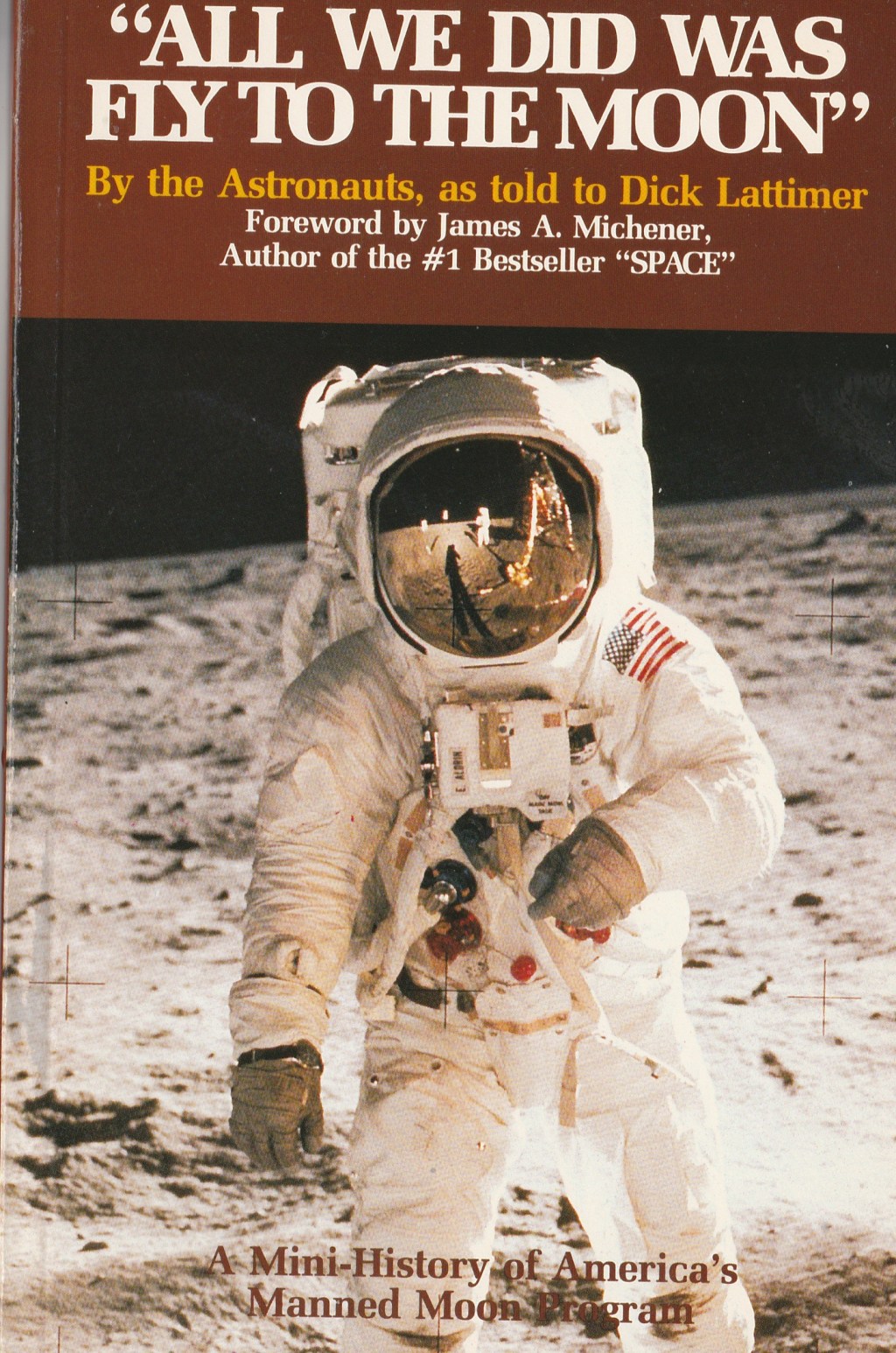
In July 1969, Apollo 11 with Neil Armstrong, Michael Collins and Buzz Aldrin landed in Tranquility Bay on the Moon.
When President John F. Kennedy proclaimed, “Before this decade is out, we will send men to the moon and then bring them back safely to earth”, there was no substantial plan to support his dream.
Verner von Braun, a German rocket scientist (who was captured by the Allied Forces as a Prisoner of War), and his team were given a “level of trust” to work on the NASA project.
It would need baby steps : Mercury, Gemini and Apollo projects to have one, two and three astronauts to man the space ships.
For the Apollo project, it was not clear how to implement the important phase of bringing the astronauts safely back to the earth. e.g. How can a direct hit to the moon cause a safe return to earth?
Folklore said that one engineer scribbled on his lunch bag a “spider” landing on the moon and returning. His dream resulted in the design of the “Lunar Module”. The rest is history.
Take away
If you can dream, others can fulfill [your dream].
My dream two decades ago
I dreamed that I would be able to get the sayas and alumni get reconnected electronically and physically.
In 1999, we established the RIT Alumni Newsletter and the RIT web site (with the expertise of U Khin Maung Zaw (KMZ, EC76, web master)).
In October 2000, with the help of sponsors and volunteers, the First RIT Grand Reunion and Saya Pu Zaw Pwe was held in San Francisco, California, USA.
SPZP-2000 Organizers
Seven SPZPs (Saya Pu Zaw Pwe’s) have been held : SPZP-2000 (in the US), SPZP-2002 (in Singapore), SPZP-2004 (in Yangon), SPZP-2007 and SPZP-2010 (in Singapore), SPZP-2012 and SPZP-2016 (in Yangon). Due to pandemic, SPZP-2000 was canceled.
My recent dream
My recent dream was to get as many contributors and volunteers to compile an informal story of
Our beloved land
Our ancestors
Our mentors
Pioneers and prime movers (e.g. those who helped build the “Rice Bowl of Asia”)
Laggards and culprits (e.g. those who dragged Burma into the Least Developing Country status)
Unsung heroes (e.g. who tried to overcome the “Adhamma Era” and rebuild the nation into former glory)
U Khin Maung Zaw (KMZ, EC76) wrote :
Dreaming and creating inspiration for others to be able to fulfill your dreams are two different animals, if you will, by themselves.
I, like many others, have dreams but we do not have your dedication. perseverance and drive to inspire others.
As I have said many times here, my hats off to you, I am very proud to be considered your friend, and informal pupil.
And to your significant other to take care of you/look after you and your sons while you would be deep into these projects. Please convey my regards to Ma Sein Yie.
Oral and Written History
There were some Sayas that were over 90. H Num Kok (C), U Soe Khaw (Mining), U Ba Toke (Maths), U Min Wun (C) and U Ba Than (M) have passed away.
The leading Thet Kyee sayas include U Tin U (C), U Aung Khin (M), Dr. Aung Gyi (Rector, C) and U Myo Myint Sein (A).
Many of our sayas are in their 80s.
While they still have high energy and keen memory, we need volunteers to either formally interview them or to record the conversations.
They can become the artifacts of the Oral History section of an engineering library (preferably the YTU Library).
There can also be a section to archive the Written History.
H Num Kok (GBNF)
Saya H Num Kok
He taught Engineering Drawing to Dr. Aung Gyi and U Min Wun.
He taught Soil Mechanics to the younger Sayas.
He served as President of the RIT Track & Field Association with U Khin Maung Lay (Henry, T68) as Secretary and U Myo Nyunt (C69) as Joint Secretary.
He served as Line Judge at the RUBC Regattas along with Saya U Sein Win (GBNF) and Saya Dr. San Hla Aung.
He was loved by his former students. They showed up at the Welcome Party in Yangon for Saya a few years ago. Saya took home the banner of the event to his home in Portland, Oregon, USA.
He worked full-time until he turned 80.
He was reasonably healthy in his early 90s.
He passed away at the age of 98.
U Soe Khaw (GBNF)
U Soe Khaw
He was Part-time Lecturer & Head of Mining Engineering at BOC College.
U Soon Sein succeeded him as full-time saya and Head of the Department.
He worked for the Ministry of Mining before heading out for overseas assignment.
After retirement from the United Nations, he migrated to the USA.
He was actively involved in selected monasteries in the San Francisco Bay Area.
Saya Allen Htay (C58, GBNF), Saya Dr. San Lin (C62) and I had a Lunch gathering with him. The gathering ended near to a Dinner gathering. The three sayas shared their memories.
He was healthy physically and mentally before his beloved spouse’s demise.
A few years later, he passed away.
He is a cousin of Dr. Htut Saing (Harry, Past Captain and Gold of RUBC, GBNF).
U Ba Toke (GBNF)
U Ba Toke
He is a Phwa Bet Taw of the University of Rangoon and the First RU Students’ Strike in December 1920.
Book
His life journey had been recorded and published by his former student Saya Dr. Khin Maung Swe (Maung Thin Char) with the help of Sayama Daw Myint Myint Khine (daughter of Arzani Mahn Ba Khine).
During my visits to Yangon, I paid respect to Saya. He gave me autographed copy of the book.
He was an athlete. He played soccer in his younger days. He headed the Burmese team to Tokyo Olympics.
He used to walk every weekend with his younger Dhamma friends to Shwe Dagon Pagoda.
At the subsequent visits, I found the decline of his health but not his mental acumen.
Saya passed away on December 2, 2020 the day after the RU Centennial, and several days short of his birthday on December 26.
U Tin U
U Tin U
He gave an interview for HMEE-2012 Project.
When the Rangoon University reopened in 1946 (after the war), he attended RU along with Dr. Pe Nyun & Dr. Pe Thein.
Most of his former classmates are GBNF.
He is the Oldest & Most Senior Past Captain of RUBC.
He represented RUBC in the 1948 Independence Day Regatta at Kandawgyi along with Dr. Pe Nyun, Dr. Pe Thein & U Khin Maung Wint.
He opened the RUBC Centennial Celebrations in December 2023.
He is Past Captain of Rangoon Golf Club. He played golf until his early 80s.
He still enjoys the evenings sitting in the lawn and enjoying Scotch Whiskey.
U Ba Than (GBNF)
U Ba Than
He passed away in early 2024.
His elder brother Saya U Tin U (96 years) is still strong and active.
Some thought that their longevity is due to their genes. Sadly, their father passed away in his 60s after raising nine successful sons and daughters.
Until a period before his demise, Saya remembered most of his former students well.
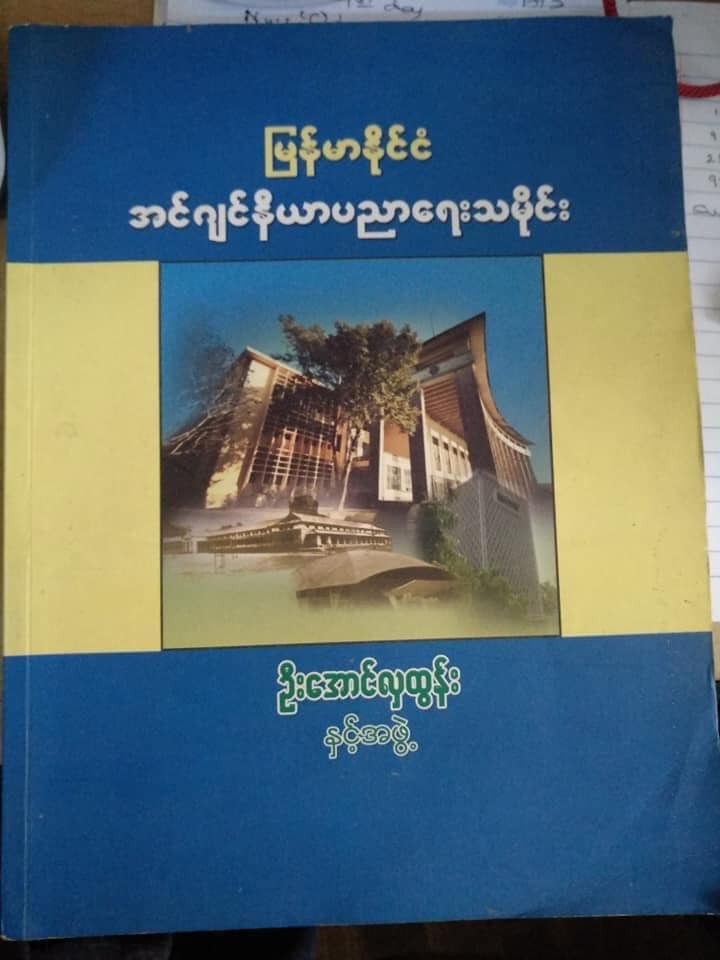
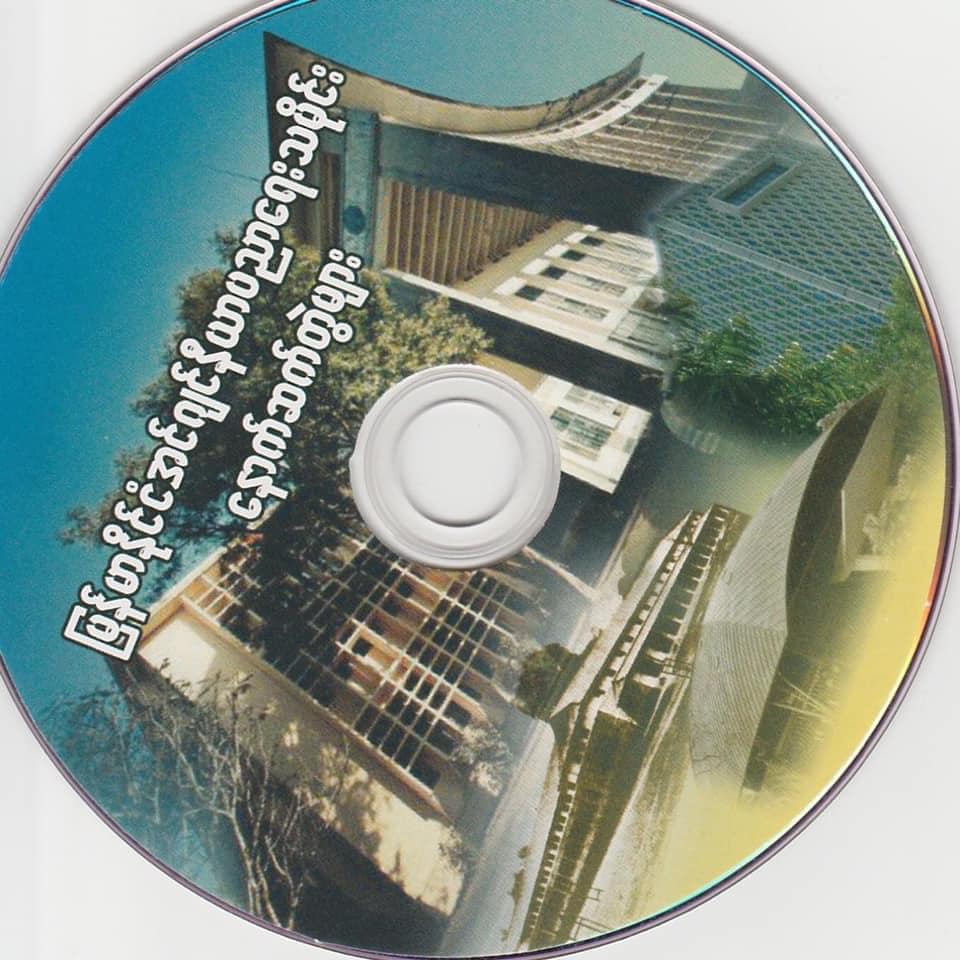
Several students have seen his photo albums. Many photos were given to MES for display and to HMEE (History of Myanmar Engineering Education) for display in the book and the supplemental CD.
He is a proud sponsor of the History project along with U Soe Paing (EE, UCC) and U Thaw Kaung (former Chief Librarian of the Rangoon University Central Library).
He donated almost all of the Garawa money that he received from the SPZPs and his former students.
U Aung Khin
U Aung Khin 1U Aung Khin 2
After retirement as Professor & Head of Mechanical Engineering, he moved to Canada.
He still plays Tennis & Golf.
He does not want to fly long distances.
He is spending quality time with his children and grand children.
Ivan Lee (M69) organized two trips to visit Windsor, Canada and pay respect to Saya.
Dr. Aung Gyi, U Min Wun & U Maung Maung Than
Saya U Min Wun & Saya Dr. Aung Gyi
Dr. Aung Gyi is healthy except for some hearing loss. He attended most SPZPs and Reunions held in the USA, Singapore and Myanmar. He wrote several articles for the RIT Alumni International Newsletter.
Dr. Aung Gyi, U Min Wun (GBNF) and U Maung Maung Than (GBNF) were the initial group of Engineering students sent to study at the prestigious Universities in the USA under the “Twinning Program”.
For some time, U Min Wun (GBNF) could not travel far as he has to take care of his beloved spouse with some health problems. His former students from Myanmar paid respect to Saya in Los Angeles. They also brought Garawa money from the various Civil gatherings in Myanmar. Sadly, he passed away a year ago.
U Maung Maung Than (GBNF) served as Chair of the RIT Sports Council during our days. He played Chinlon. He is also a musician.
HMEE Projects
For the HMEE-2012 Project, we requested the former Heads of the Engineering Departments to write about the history of their departments. The book was published in December 2012.
HMEE 1HMEE 2
The HMEE-2018 Project was established to revise the book published by HMEE-2012 and to provide additional material for the planned two-volume book. However, it did not run into completion partly because of the demise of Saya U Aung Hla Tun and partly because of the calamities.
Sense of urgency
Several sayas have passed away and some sayas have declining physical and mental heath.
We sense that the window for having a comprehensive Written History and Oral History is shrinking.
There is still some time to learn from our sayas and their contemporaries about the different facets of Myanmar Engineering Education.
Their stories can become gems for the Archives.
MEC, MES and RIT Alumni Association can help with the project.
Written History
Several sayas wrote articles and/or notes for
“RIT Alumni International Newsletter” & updates
Swel Daw Yeik Sar Sarsaung for SPZP-2002, SPZP-2007 & SPZP-2010
The articles can become artifacts of the Written History section of an engineering library (preferably the YTU Library).
Encyclopedia of Asian American Folklore and Folklife
Encyclopedia
Nine of my articles appear in the Encyclopedia.
The three-volume book was published by ABC-CLIO in 2011. The book was sold for $275.
I received a book for completing eight articles according to the agreement and $10 (for the additional article).
Burmese Americans are covered in Pages 127 to 178 of Volume One.
The Editors decided to merge two of my articles with other authors. Unfortunately, an error introduced by my co-author. On page 150, he mentioned July 22 (instead of July 19) as Martyrs’ Day. The merged article unfortunately was not sent to me for review. The Editors promise to correct the error in subsequent editions.
Folk tales (as told by Saya Dr. Htin Aung and Ludu U Hla) are part of the Folklore.
To read my articles on-line, you should go to “Google Books” and then search “Hla Min“.
Blog
Diary, journal, log, and blog (web log) are ways and means to record one’s experience and thoughts.
Blogging is fun. One can just write down one’s thoughts without caring for academic integrity or historical precision. One does not have to write comprehensive reports. Several readers (mostly SMEs or Subject Matter Experts) point out errors (typos, discrepancies).
Not all media and social media are created equal. Each has its advantages and disadvantages. For example, Facebook is a great way to get connected and reconnected (with long lost friends), but it requires time and energy to navigate the “rolling” and “revolving” posts.
I blog in my Facebook page and then share it with one or more FB pages (mainly “RIT Update”). As time and energy permit, I archive the posts along with the relevant feedback to
hlamin.com (my paid web site)
One does not need an account to read my posts on the web sites.
If you search “Hla Min” on the web, it will return (a) a former colonel (b) a former minister (c) an educator (d) some medical tests & results on HLA (e) some of my works
If you specify “RIT” or “TBSA”, the search engine will return my writings in the Newsletters.
If you go to “Google Books”, then you can find my articles for “Encyclopedia of Asian American Folklore and Folklife”.
On the long run, I hope to post “more complete treatment” of topics. As Dr. Nyunt Wai commented, it is a necessary, important and time consuming step to transform my raw materials into a form presentable as an e-book or printed book. I need volunteers to realize my dream and wishes (of an amateur historian, story teller and life long learner) before my reasonably good memory starts to fade away.