Category: Buddhism

Sayadaws, Suttas, Terms

  • Sayadaws

    Sayadaws

    by Hla Min

    Updated : Dec 2025

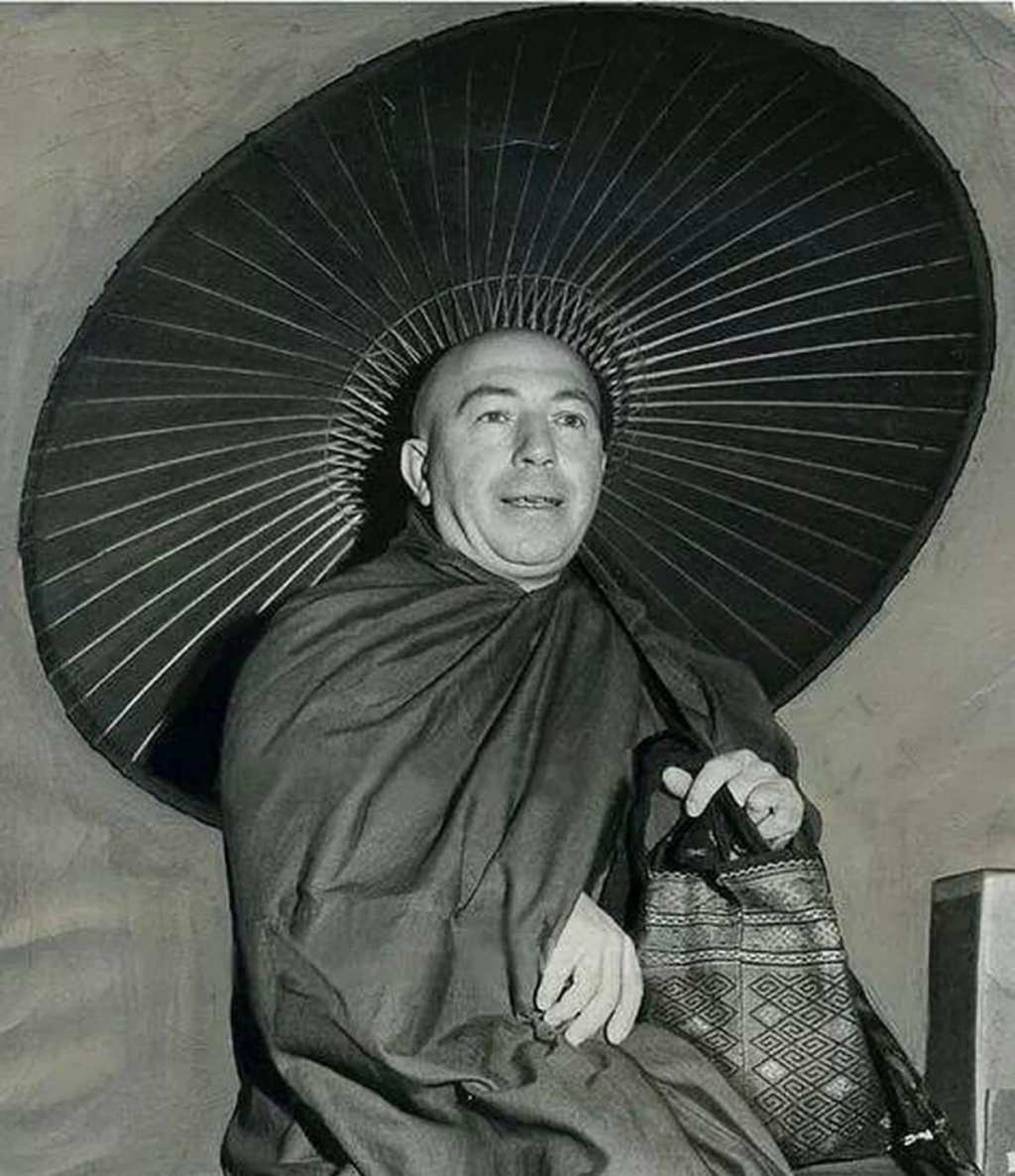
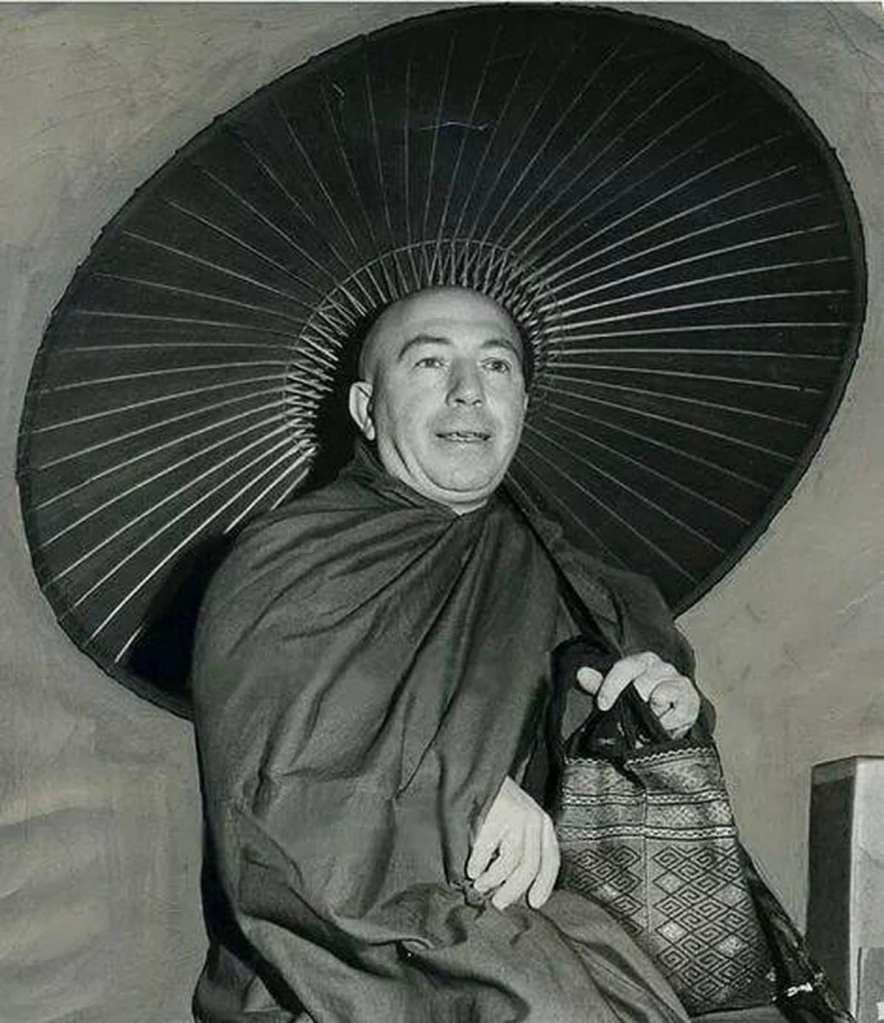
    U Lokanatha (ဦးလောကတနာထ) Italian Buddhist Monk

    U Lokanatha
    • Mr. Salvitore was working as a Chemist in the USA.
    • He a book present from his supervisor for Christmas. A chapter was “Dhammapada”.
      After reading it, Samvega (sense of urgency) crept in.
      He quit his job.
    • Left for Burma to be ordained as a Buddhist monk. Became “U Lokanatha”.
    • Wrote “I became a Buddhist. My supervisor remained a Christian.”
    • Was from a devout Catholic family. Elder brother was a Priest.
    • My paternal grand mother offered a monastery for U Lokanatha in Bawdigone (ဗောဓိကုန်း Windermere), Rangoon.
    • Sayadaw practiced Dhutanga (ဓူတင်ဆောင်) .
      Preached & took Dhamma Dhuta (ဓမ္မဒူတ) missions to India and Ceylon.
    • Passed away in Maymyo (မေမြို့) in 1966.

    Ashin Ananda

    (အရှင်အာနန္ဒာ)

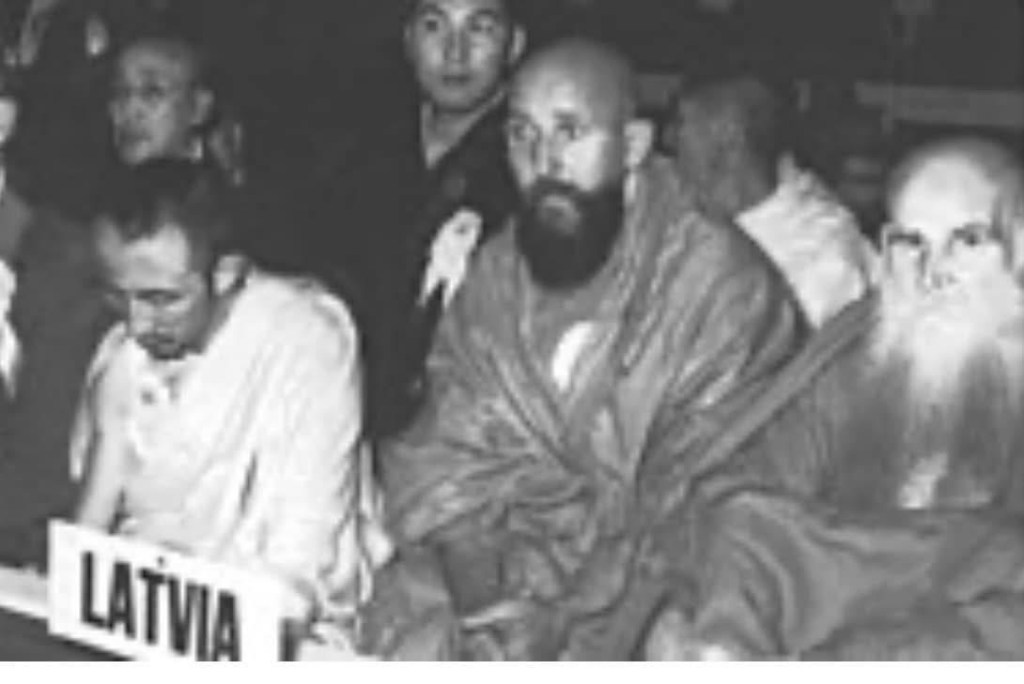
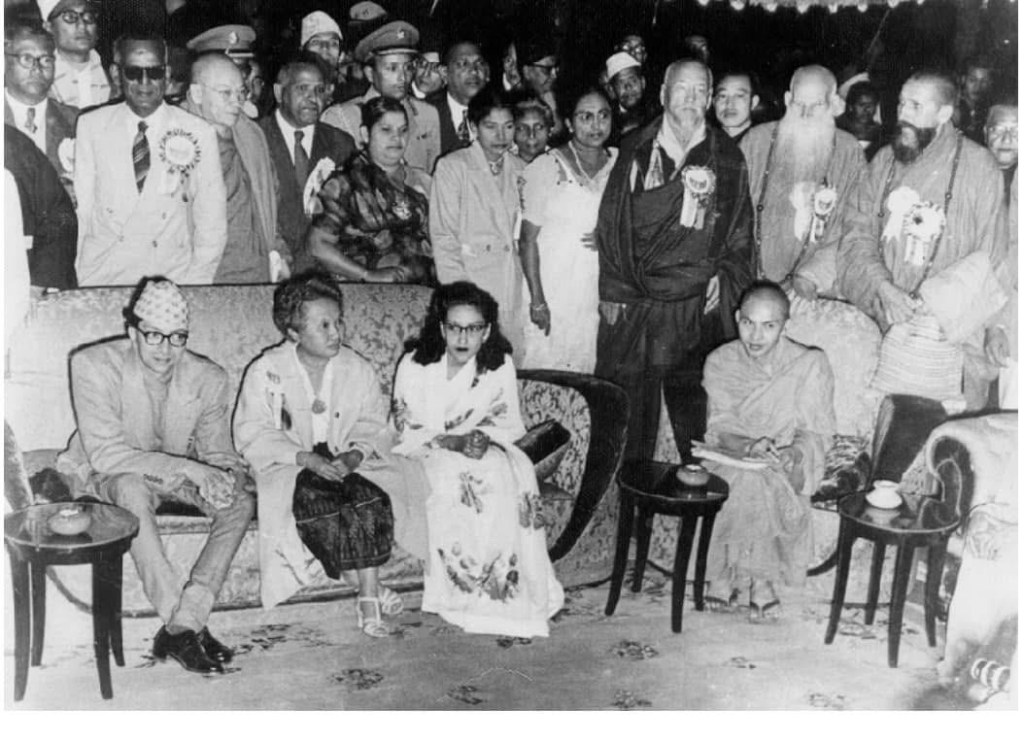
    Rev. Friedrich Lustig (Latvian monk)

    Rev Lustig 1
    Rev Lustig 2

    Fled Communist Rule

    • Rev. Friedrich V. Lustig’s mentor was the Buddhist Archbishop of Latvia and Lithuania. When the Communists invaded their country, they sought refuge in Burma. The government provided them a monastery in the “Ah Le Pyit Sa Yan” of Shwe Dagon Pagoda.

    Moke Seit မုတ်ဆိတ်

    • Known as “Moke Seit Phone Gyi” for his beard. Came to our parent’s house in Windermere Road for alms.
    • After his mentor’s demise, he became Buddhist Archbishop of Latvia and Lithuania.

    Ashin Ananda

    • Shaved his beard and was ordained as a Theravada monk with the title “Ashin Ananda”.
    • Laureate Poet and Translator.
      Wrote poems in English.
      Translated selected Burmese poems into English.
    • In July 1969, he gave my poem “Men on the Moon” to Mr. Hall (USIS) to be forwarded to Apollo 11 astronauts. Gave a copy to the Guardian newspaper for publication.
    Men on the Moon (Poem)

    U Thilawuntha

    (ဦးသီလဝန္တ)

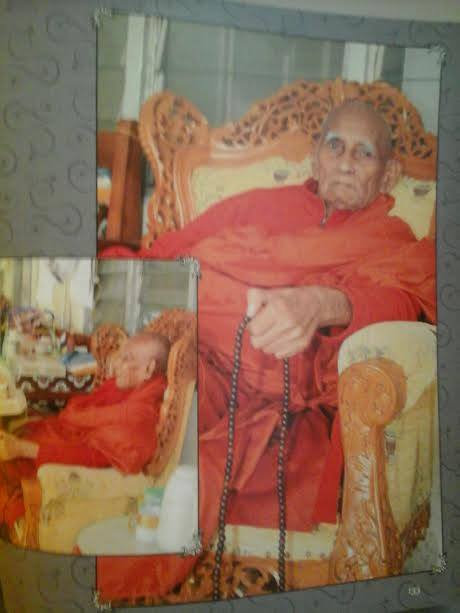
    Mon Sayadaw (မွန်ဆရာတော်)

    Dat Poung Zon Sayadaw
    Mon Sayada
    • Dat Paung Zon Aung Min Gaung Sayadaw ဓာတ်ပေါင်းစုံ အောင်မင်းခေါင်ဆရာတော် U Thilawunta (fondly known as “Mon Sayadaw”) built pagodas in Burma/Myanmar, USA, Canada, New Zealand, South Africa and several other countries.
    • In the ’50s, Sayadaw visited the United Nations and U Thant (ဦးသန်ု). He built the first Burmese pagoda in the Allegheny mountains near New York.
    • During his visit to California, Sayadaw would spend time with his devotees such as Russell Wolfe (Santa Cruz) and U Aung Myint (Donald, Milpitas).

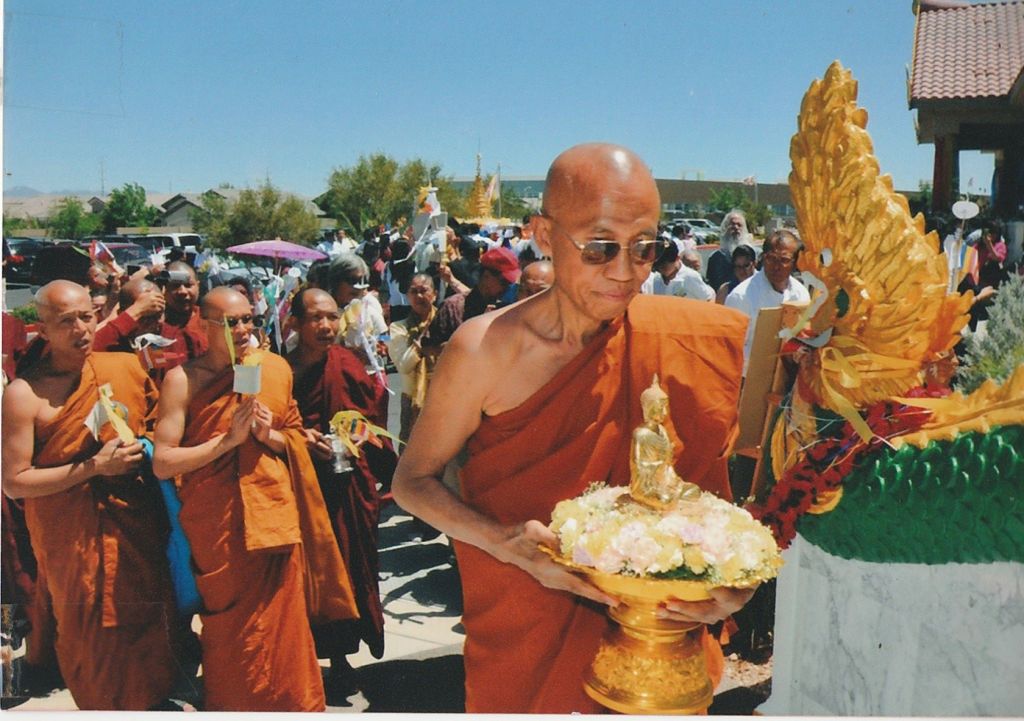
    Las Vegas Sayadaw U Zeya (ဦးဇေယျ)

    • Las Vegas has some monasteries including Thai monasteries supported by members of the Royal Family.
    • Sayadaw U Zeya resided at a Thai monastery and rose up in the ranks. Gave dhamma talks in Thai, English, and Burmese.
      Several devotees offered him a monastery.
    • In May 2013, several dhamma friends in the Bay Area rented a van to attend “Htee Tin Pwe” of the pagoda inside U Zeya’s monastery compound.
    • Donated for two Nagas at the Las Vegas Monastery in memory of our parents and in-laws.

    Engineers and Architects

    Dr. Lwin Aung (A59) ဒေါက်တာလွင်အောင်

    Uzin Dr. Lwin Aung
    • Entered monk-hood after retirement.
    • Served as Professor of Architecture and as Pro-Rector of YTU.
    • Volunteers as a Consulting Architect for the construction of dhamma buildings
    • Due to health, he left monk-hood.

    U Bo Gyi (A59) ဦးဘိုကြီး

    U Bo Gyi
    • Founded “Architect Incorporated” with U Tin Htoon (A60) and U Aung Kyee Myint (A60)
    • Later joined PWD along with his partners
    • Designed the Mausoleum for Daw Khin Kyi, and was shunned by the higher authorities.
    • Hobbies : music (piano) and modeling (sculpture)
    • He is now GBNF.

    U Han Nyo (Met60) ဦးဟန်ညို

    • He helped conduct meditation retreats in Southern California and Mexico.

    U Myo Tun (A69) ဦးမျိုးထွန်း

    U Myo Tun
    • Ashin Pannagavesaka
    • Won prizes for essays under the name “Errol Than Tun”.
    • Made dhamma duta mission to Vietnam
    • Was Dhamma Librarian for Moulmein Pa Auk Tawya Monastery.
    • Edited some of Pa Auk Sayadaw’s books.
    • Taught English to Dhammacariya Sayadaws

    U Aung Chaw (C69, SPHS63) ဦးအောင်ချော

    U Aung Chaw
    • Ashin Ukkamsa
    • Resided in Sagaing
    • Later moved to the Irrawaddy Delta region
    • Met him in 2018 when he came to Yangon. Attended some breakfast gatherings by the 69ers. Kyaw Win (SPHS63) offered soon to Sayadaw at Shwe Ba Htamin Saing, and also offered Nawakamma.

    U Wara (Win Paing, ChE70, SPHS64) ဦးဝရ / ဦးဝင်းပိုင်

    U Wara
    • Younger brother of Saya U Soe Paing (EE, UCC).
    • Entered monkhood after the Final Year exam.
    • Chief Resident Sayadaw, KabaAye Sun Lun Gu Kyaung
    • Was Taik Oke Sayadaw for Sayadaw U Vinaya.
    • He is now GBNF
    Paing Brothers

    U Jotika (EE73) ဦးဇောတိက

    U Jotika 1
    U Jotika 2
    • Prolific writer and an outstanding Dhamma Lecturer
    • Spent vasa at Taung Pu Lu Kaba Aye monastery in Boulder Creek
    • Revisited US about a decade ago
    • Frequently visited Singapore and other neighboring countries

    Ashin Pannobhasa (M91) ဦးပညောဘာသ

    • Met him in SF Bay Area with his mentor (Sayadaw from Myanmar).
    • He was born in April 1966 Thursday (2nd Waning day of Kason 1328 BE) in Pyapon, Irrawaddy Division.
    • After finishing his Mechanical Engineering degree from Yangon (Rangoon) Institute of Technology he received higher ordination as a Bhikkhu or a monk at the age of 24 in the Ordination Hall, Pyapon Mahasi Sasana Yeiktha under the preceptor of Venerable U Vannita, Pyapon Mahasi Sayadaw, Pyapon Mahasi Sasana Yeiktha on 27th July 1991.
    • Chief Resident Monk at a monastery in Seattle, Washington

    Ashin Kusala (ဦးကုသလ) Saya Beatson (SPHS)

    Passed away in his 90s

    Sayadaw Beatson
  • Patthana

    Patthana

    by Hla Min

    Updated : June 2025

    ပဌာန်း

    7th text in Abhidhamma အဘိဓမ္မာ

    Pathan 1

    Book of Conditional Relations

    1. Root Condition
    2. Object Condition
    3. Predominance Condition
    4. Proximity Condition
    5. Contiguity Condition
    6. Co-nascence Condition
    7. Mutuality Condition
    8. Dependence Condition
    9. Strong-Dependence Condition
    10. Pre-nascence Condition
    11. Post-nascence Condition
    12. Repetition Condition
    13. Kamma Condition
    14. Resultant Condition
    15. Nutriment Condition
    16. Faculty Condition
    17. Jhana Condition
    18. Path Condition
    19. Association Condition
    20. Disassociation Condition
    21. Presence Condition
    22. Absence Condition
    23. Disappearance Condition
    24. Non-Disappearance Condition

    Patthana in Daily Life

    Patthana in Daily Life

    Subtitle : An introduction to the Law of Conditionality
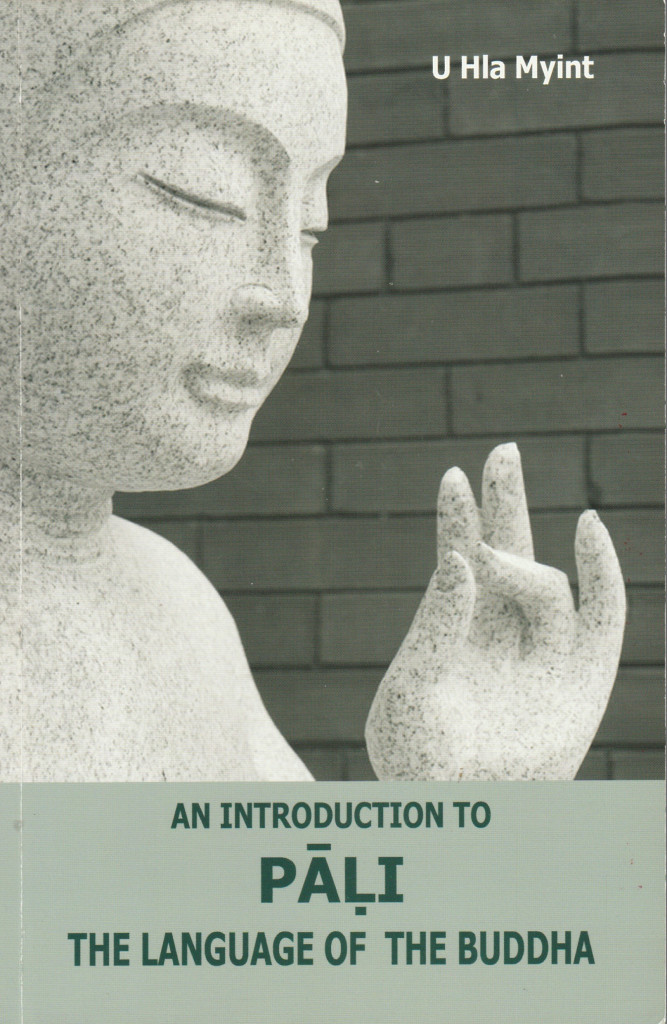
    Author : U Hla Myint
    Publisher : Tathagata Meditation Center, 2010

    CONTENTS

    Introduction

    Root condition : Hetu-paccayo
    Fascination (Sense-object) condition : Arammana-paccayo
    Predominance condition : Adhipati-paccayo (sahajata, arammana)
    Continuity condition : Ananatara-paccayo
    Contiguity condition : Samanantara-paccayo
    Co-nascence condition : Sahajata-paccayo
    Mutuality condition : Annamanna-paccayo
    Dependence condition : Nissaya-paccayo (shajata, purejata)
    Strong-dependence condition : Upanissaya-paccayo (aramana, anantara, pakatupa)
    Pre-nascence condition : Purejata-paccayo (vatthu, araammana)
    Post-nascence condition : Pacchajata-paccayo
    Repetition condition : Asevana-paccayo
    Kamma condition : Kamma-paccayo (shahajata, mamakkhanika)
    Resultant condition : Vipaka-paccayo
    Nutriment condition : Ahara-paccayo (sahajarta, kabalikara)
    Faculty condition : Indriya-paccayo (shajata, rupajivita, vatthu-purejata)
    Jhana condition : Jhana-paccayo
    Path condition : Magga paccayo
    Association condition : Samapyutta-paccayo
    Disassociation condition : Vipayutta-apccayo (sahajata, pacchajata, vatthupurejata)
    Presence condition : Atthi-apccayo (sahajata, pacchajata, vatthupurejata)
    Non-disappearance condition : Avigata-paccayo
    Absence condition : Natthi-paccayo
    Disappearance condition : Vigata-apccayo

    Conclusion

    Resources

    • Patthana Theikpan (College)
    • Basic, Intermediate, and Advanced Courses on Patthana
    • A Manual of Abhidhamma
    • Charts, illustrations, mnemonics
    • Computer programs to study Patthana
    • Tri-lingual book (in Pali, Myanmar, and English)
    Pathan 2
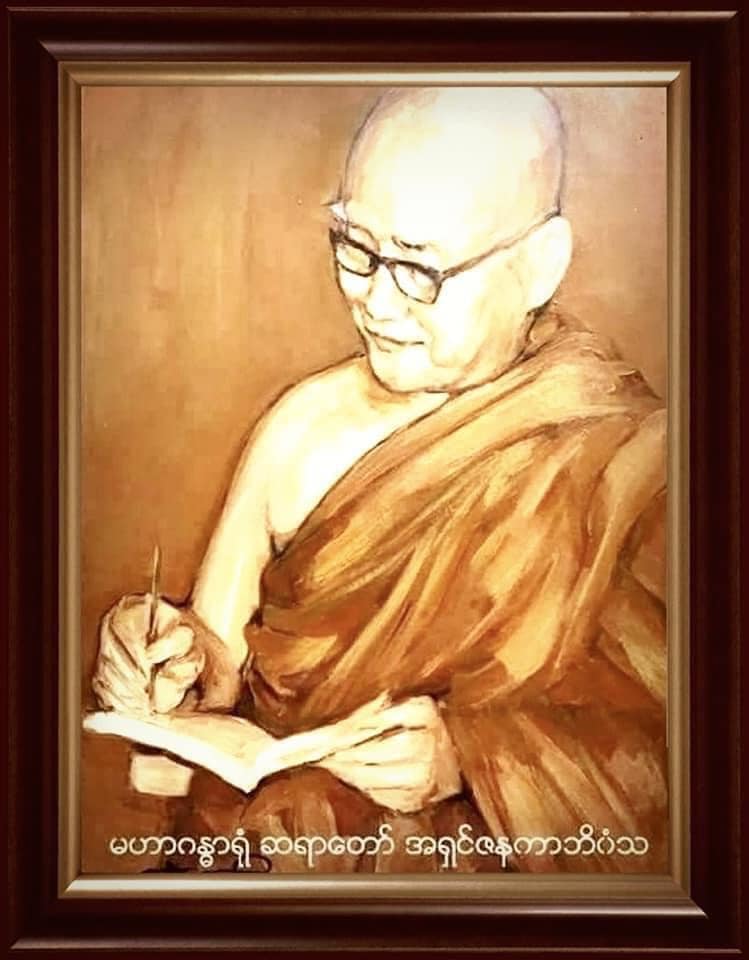
    Mahagandayone Sayadaw
    Pathana 3

    Posts

    • Abhidhamma
    • Dhamma Books
    • Sayadaws
    • Tipitaka
  • Patthana

    Patthana

    by Hla Min

    Updated : Sept 2025

    ပဌာန်း

    7th text in Abhidhamma အဘိဓမ္မာ

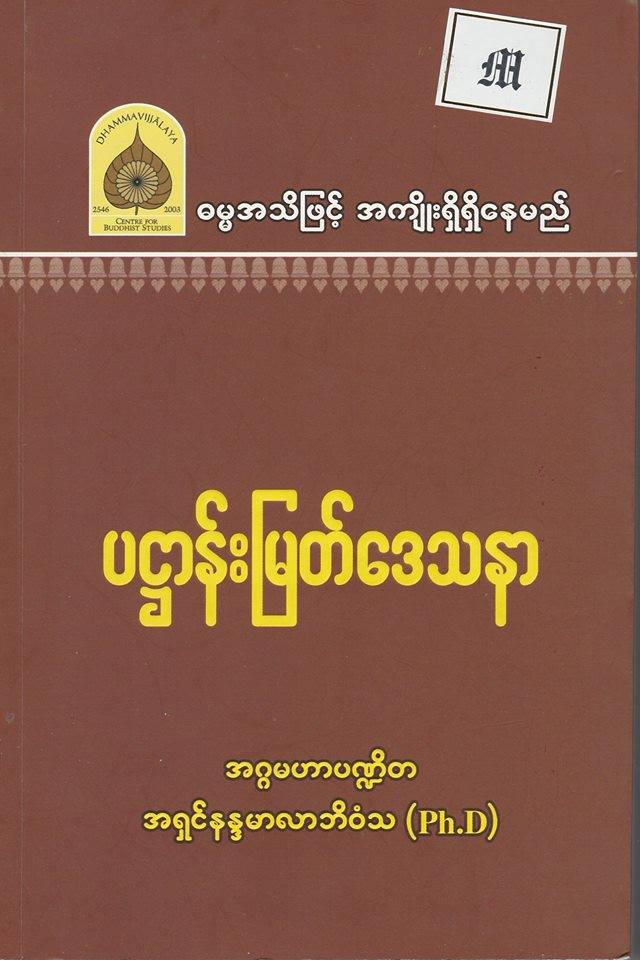
    Ashin Nandamalabhivansa

    Pathan 1

    Book of Conditional Relations

    1. Root Condition
    2. Object Condition
    3. Predominance Condition
    4. Proximity Condition
    5. Contiguity Condition
    6. Co-nascence Condition
    7. Mutuality Condition
    8. Dependence Condition
    9. Strong-Dependence Condition
    10. Pre-nascence Condition
    11. Post-nascence Condition
    12. Repetition Condition
    13. Kamma Condition
    14. Resultant Condition
    15. Nutriment Condition
    16. Faculty Condition
    17. Jhana Condition
    18. Path Condition
    19. Association Condition
    20. Disassociation Condition
    21. Presence Condition
    22. Absence Condition
    23. Disappearance Condition
    24. Non-Disappearance Condition

    Patthana in Daily Life

    Patthana in Daily Life

    Subtitle : An introduction to the Law of Conditionality
    Author : U Hla Myint
    Publisher : Tathagata Meditation Center, 2010

    CONTENTS

    Introduction

    Root condition : Hetu-paccayo
    Fascination (Sense-object) condition : Arammana-paccayo
    Predominance condition : Adhipati-paccayo (sahajata, arammana)
    Continuity condition : Ananatara-paccayo
    Contiguity condition : Samanantara-paccayo
    Co-nascence condition : Sahajata-paccayo
    Mutuality condition : Annamanna-paccayo
    Dependence condition : Nissaya-paccayo (shajata, purejata)
    Strong-dependence condition : Upanissaya-paccayo (aramana, anantara, pakatupa)
    Pre-nascence condition : Purejata-paccayo (vatthu, araammana)
    Post-nascence condition : Pacchajata-paccayo
    Repetition condition : Asevana-paccayo
    Kamma condition : Kamma-paccayo (shahajata, mamakkhanika)
    Resultant condition : Vipaka-paccayo
    Nutriment condition : Ahara-paccayo (sahajarta, kabalikara)
    Faculty condition : Indriya-paccayo (shajata, rupajivita, vatthu-purejata)
    Jhana condition : Jhana-paccayo
    Path condition : Magga paccayo
    Association condition : Samapyutta-paccayo
    Disassociation condition : Vipayutta-apccayo (sahajata, pacchajata, vatthupurejata)
    Presence condition : Atthi-apccayo (sahajata, pacchajata, vatthupurejata)
    Non-disappearance condition : Avigata-paccayo
    Absence condition : Natthi-paccayo
    Disappearance condition : Vigata-apccayo

    Conclusion

    Resources

    • Patthana Theikpan (College)
    • Basic, Intermediate, and Advanced Courses on Patthana
    • A Manual of Abhidhamma
    • Charts, illustrations, mnemonics
    • Computer programs to study Patthana
    • Tri-lingual book (in Pali, Myanmar, and English)

    TBSA Publication

    Pathan 2

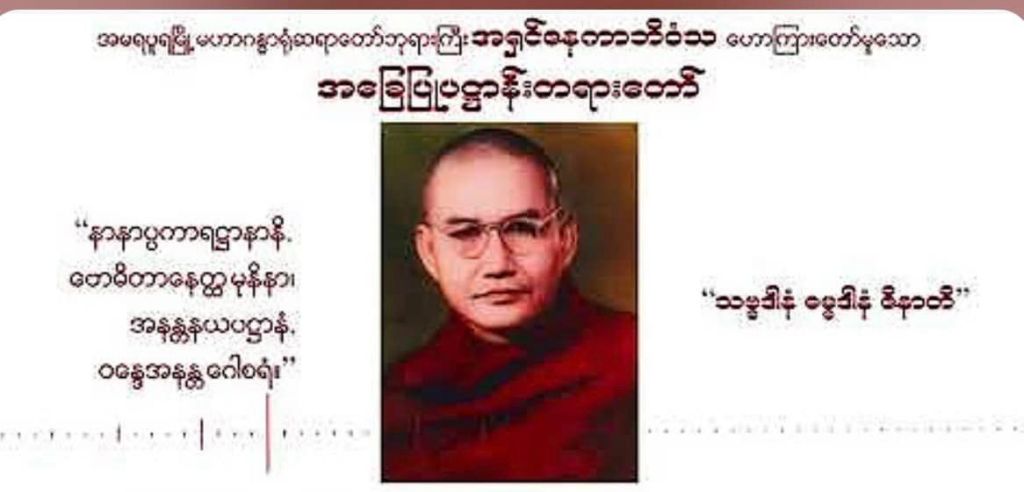
    Ashin Janakabhivsmsa

    Mahagandayone Sayadaw

    Mahagandayone Sayadaw
    Pathana 3

    U Ohn Kyaw (EP73)

    Pathan Lecturer

    U Ohn Kyaw 1
    U Ohn Kyaw 2

    Posts

    • Abhidhamma
    • Dhamma Books
    • Sayadaws
    • Tipitaka
  • Memories of Sagaing

    Memories of Sagaing

    by Hla Min

    Updated : Sept 2025

    Ma Ma Mi (Daw Khin Khin Latt) is from Sagaing. She wanted Saya Chit (Dr. ChitSwe) to be a Yahan at a monastery in Sagaing Hills. Some monastery compounds are named after the towns in Irrawaddy Delta.

    Ko Myint Oo and I offered to be temporary monks with Saya Chit.

    Ordination

    There are two phases to become a monk :

    (a) Novitiation (ရှင်ပြု Shin Pyu) or “Lower Ordination” to become a “Ko Yin” (ကိုရင် novice)

    (b) “Thane Wyn” or “Higher Ordination” in a Sima (သိမ် Thane) to become an Upazin ဥပဇင်း

    At least five monks are needed to conduct the “Higher Ordination”.

    In Yangon, the ceremony takes 15 – 30 minutes.

    The final part is an Exhortation by the Preceptor. As Mentor to the newly ordained monk, the Preceptor shares his knowledge and gives advice.

    When the Preceptor learned that Saya Chit is a renowned Professor and the Founder/Director of UCC, he gave “extra” attention by exhorting for “close to three hours”. Sayadaw enjoyed illuminating Saya Chit.

    Since I could barely squat, I was “offered” a pillow to rest my knees and I was allowed to “kneel down” on the pillow.

    Tourist Guide for a day

    After a week of monk hood, we returned to our lay life sans (without) our hair.

    Ko Myint Oo is a social animal. He knew two Guides from “Tourist Burma”. At least one of them was new. They had a reasonably tough assignment. They had to guide an American student (in his senior year at a New York University) trying to write a first-hand report about the Buddhist artifacts in Mandalay and Sagaing.

    The Guides requested help from Ko Myint Oo. Ko Myint Oo shunted and in a moment I became a volunteer tourist guide explaining (to the best of my knowledge) Buddhism & rites and rituals.
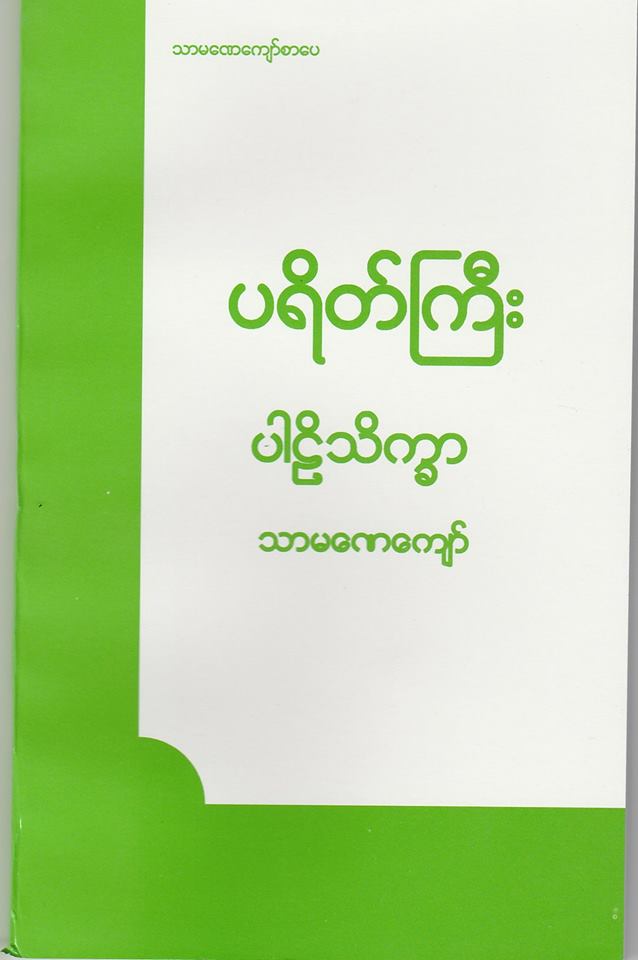
  • Payeik Kyee Pali Theik Kha

    Payeik Kyee Pali Theik Kha

    by Hla Min

    Updated : Sept 2025

    • Payeik Kyee aka Paritta Pali and Protective Verses
      Collection of eleven Protective Verses
      is recited in part or full by monks, novices, and lay people.
    • Pali
      Language of discourse in Theravada Buddhism
    • Theik Kha
      Practice
    • Thamane Kyaw : Pen name of Sayadaw U Dhammika, who won the prestigious award of Thamane Kyaw (Distinguished novice scholar) in his youth.
    • Payeik Kyee Pali Theik Kha
      The book discusses Pali terms, phrases & grammar.
    Payeik Kyee Pali Theik Kha
    • For a comprehensive treatment on Protective Verses, refer to the epic work by “Thabyekan Sayadaw”
      and a treatise by U Jotalankara (Dhammanda Vihara, Half Moon Bay, California, USA).
  • Monastic Exams & Awards

    Monastic Exams & Awards

    by Hla Min

    Updated : Sept 2025

    Exams taken by most monks and/or novices

    • Pathama Nge ပထမ ငယ် : Lower grade
    • Pathama Latt ပထမ လတ် : Middle grade
    • Pathama Gyi ပထမ ကြီး : Higher grade
    • Dhammacariya ဓမ္မာ စရိယ : Dhamma teacher (e.g. Sasanadhaja Dhammacariya)

    Awards & Titles

    • Pathama Kyaw ပထမ ကျော် : First in the Pathama pyan examination
    • Alankara အလင်္ကာရ : Completed the Lanakra examination as a novice
    • Thamane Kyaw သာမဏေ ကျော် : First in the Lankara examination
    • Abhivamsa အဘိဝံသ : Completed the Set Kyar Thiha Dhammacariya before the age of 26
    • Wunthaka ဝံ သ က: First in the Dhammacariya examination
    • Thiromani သိ ရော မ ဏိ : Passed all subjects for Dhammacariya in one stroke
    • Pali Paragu ပါ ဠိ ပါ ရ ဂူ : Answered the Dhammacariya examination in Pali

    Tipitaka Exams

    Vinaya

    • Vinaya (oral)
    • Vinya (written)

    Sutta

    • Sutta (oral)
    • Sutta (written)

    Abhidhamma

    • Abhidhamma Part I (oral)
    • Abhidhamma Part I (written)
    • Abhidhamma Part II (oral)
    • Abhidhamma Part II (written)

    Tipitaka Awards & Titles

    • Tipitakadhara တိပိဋကဓရ Bearer of the Tipitaka (‘recitation or oral’)
    • Tipitakadhara Tipitakakawida : တိပိဋကဓရ တိပိဋကကောဝိဓ Bearer of the Tipitaka (‘oral’ and written’)
    • Tipitakadhara Dhammabhandagarika : တိပိဋကဓရ ဓမ္မ ဘဏ္ဍာ ကာရိက Keeper of the Dhamma Treasure
    Tipitaka Sayadaw
  • Vinaya — Monastic rules

    Vinaya — Monastic rules

    by Hla Min

    Updated : Aug 2025

    Training Rules

    • The Viniya (monastic rules of conduct) describes 227 rules.
    • The offenses range from irremediable, heavy, to light.
    4 Parajika (Irremediable) Offenses

    They are heavy offenses for which there is no remedy.

    • Sexual act
    • Stealing
    • Killing any human being
    • False statement about supernormal attainment

    The penalty is ex-communication from the Sangha of monks.

    13 Samghadiesa (Heavy) Offenses

    • Heavy offense that must be dealt by Sangha meetings
    • Must undergo probation and penance imposed by the Sangha to receive rehabilitation

    Light Offenses

    2 Indefinite rules

    • No fixed penalties for the transgressions
    • However, there are procedures by which the Sangha may assess appropriate punishment

    30 rules entailing expiation with forfeiture

    • forfeit something as a penalty

    92 rules entailing expiation [without forfeiture]

    4 rules entailing confession

    75 monastic rules of discipline

    • minor precepts regulating the conduct of the novice or the monk
    • mode of dress, deportment, eating, …

    7 dispute-settlements

    Posts

    • Abhidhamma အဘိဓမ္မာ
    • Buddhist Council သံဂါယနာ
    • Sutta သုတ္တန်
    • Tipitaka တိပိဋက
    • Vinaya ဝိနည်း
  • Mental States

    Mental States

    by Hla Min

    Updated : Aug 2025

    Cetasika စေတသိက်

    • Mental states
    • All types of cetasikas are able to arise only be depending on Citta (စိတ် consciousness)
    • There are 52 types = 13 + 14 + 25
    • Classified into three groups

    First Group : 13 types

    • Annasamana : Common to others : 13 types = 7 + 6

    • Universal annasamana : associates with all cittas : 7 types
    • Contact, Feeling, Perception, Motivation, One-pointedness, Faculty of mental life, Attention

    • Particular annasmana : associates with some cittas : 6 types
    • Initial application, Sustained application, Decision, Effort, Joy, Wish to do

    Second Group : 14 types

    • Akusla : Immoral mental state : 14 types
    • Ignorance, Shamelessness, Fearlessness, Restlessness, Attachment, Wrong view, Hatred (fear), Envy, Stinginess, Remorse, Sloth, Torpor, Doubt

    Third Group : 25 types

    • Sobhana : mental state with virtue : 25 types = 19 + 3 + 2 + 1
    • Mental states that are common to all types of sobhana citta : 19 types
    • Faith, Mindfulness, Moral shame, Moral dread, Non-attachment, Non-hatred, Equanimity, Tranquility of mental factors, Tranquility of mind, Lightness of mental factors, Lightness of mind, Pliancy of mental factors, Pliancy of mind, Adaptability of mental factors, Adaptability of mind, Proficiency of mental factors, Proficiency of mind, Rectitude of mental factors, Rectitude of mind
    • Mental state that abstains from evil speech, action, and livelihood : 3 types
    • Right speech, Right action, Right livelihood
    • Mental state that has limitless objects on which one must be practiced : 2 types
    • Compassion, Sympathetic joy
    • Mental state that realizes an object : 1 type
    • Faculty of wisdom

    Books by

    • Dr. Nandamalabivamsa
    • Dr. Mehm Tin Mon
    Abhidhamma
  • Dhamma Books

    Dhamma Books

    by Hla Min

    Updated : Aug 2025

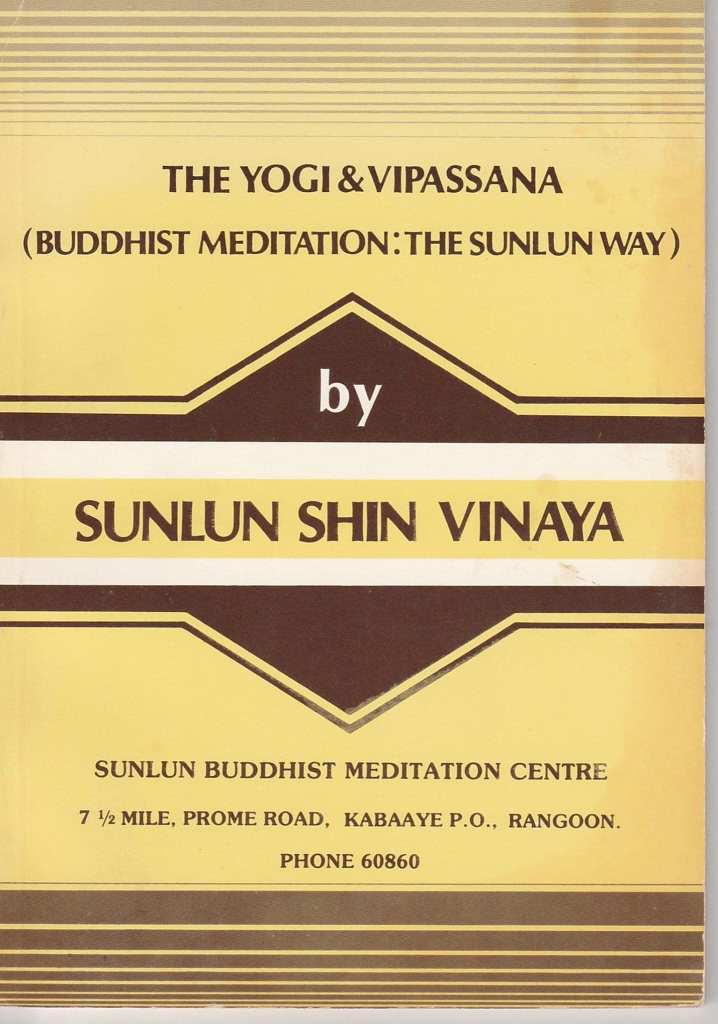
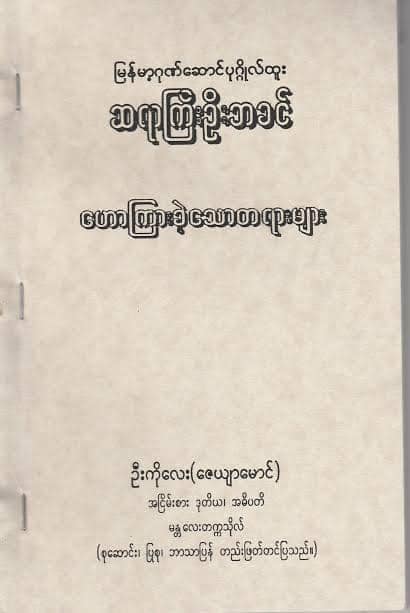
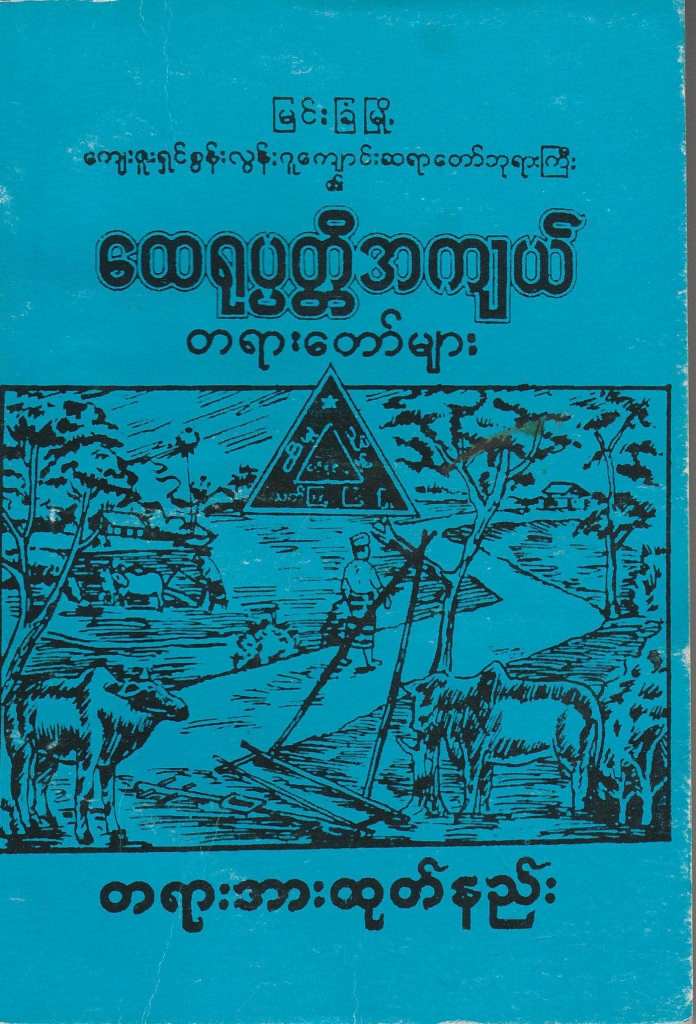
    စွန်းလွန်း ဝိပဿနာ
    Sunlun Vipassana

    • မြင်းခြံစွန်းလွန်းဆရာတော် ဦးကဝိ
      Myingyan Sunlun Sayadaw U Kavi
    • ကမ္ဘာအေးစွန်းလွန်းဆရာတော် ဦးဝိနယ
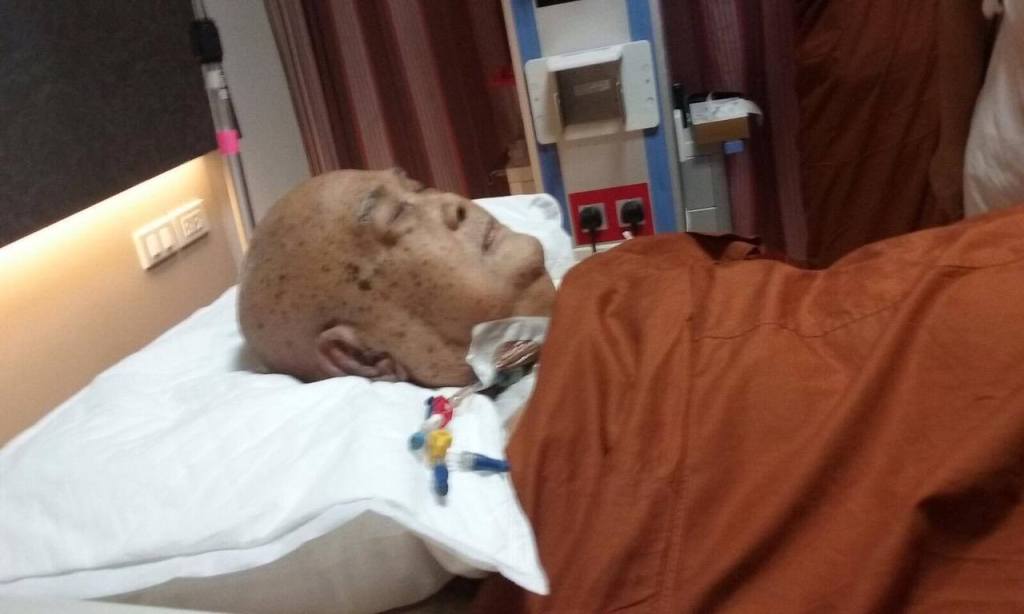
      Kaba Aye Sunlun Sayadaw U Vinaya

    လယ်တီ ဆရာတော်
    Dhamma Lineage of Ledi Sayadaw

    • ဆရာ သက်
      Saya Thet
    • ဆရာ ဦးဘခင်
      Saya U Ba Khin
    • S N ဂိုအင်ဂါ
      S N Goenka

    ပဏ္ဍိတရာမ ဆရာတော်
    Dhamma Lineage of Panditarama Sayadaw

    • Sayadaw U Pandita
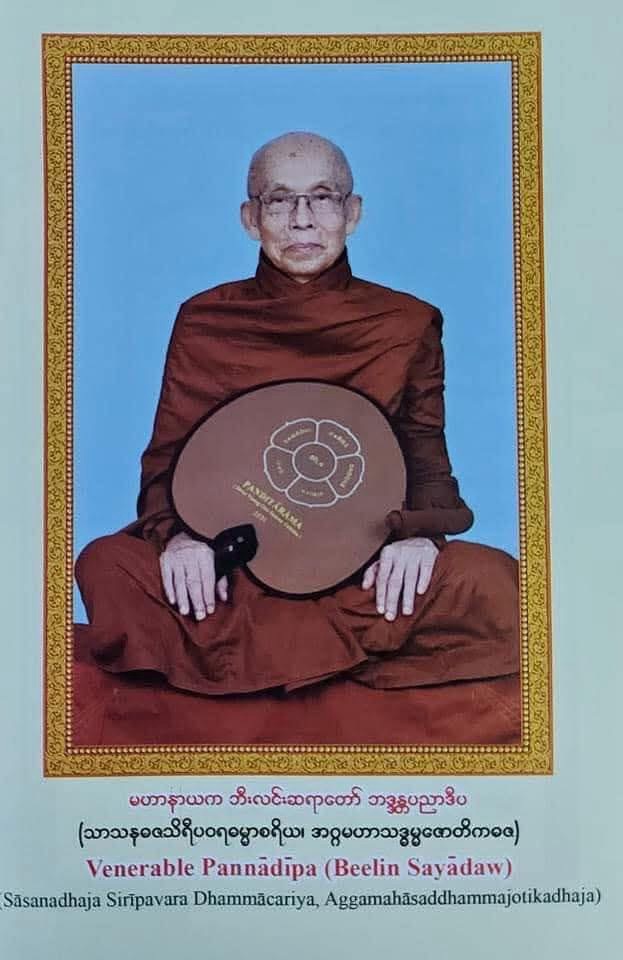
    • ဦးပညာဒီပ (ဘီးလင်း) — နာယက ဆရာတော်
      U Pannadipa (Beelin) – – Patron

    ဓမ္မဘေရီ အရှင်ဝီရိယ (တောင်စွန်း)
    Dhammaberi Ashin Viriya (Taung Soon)

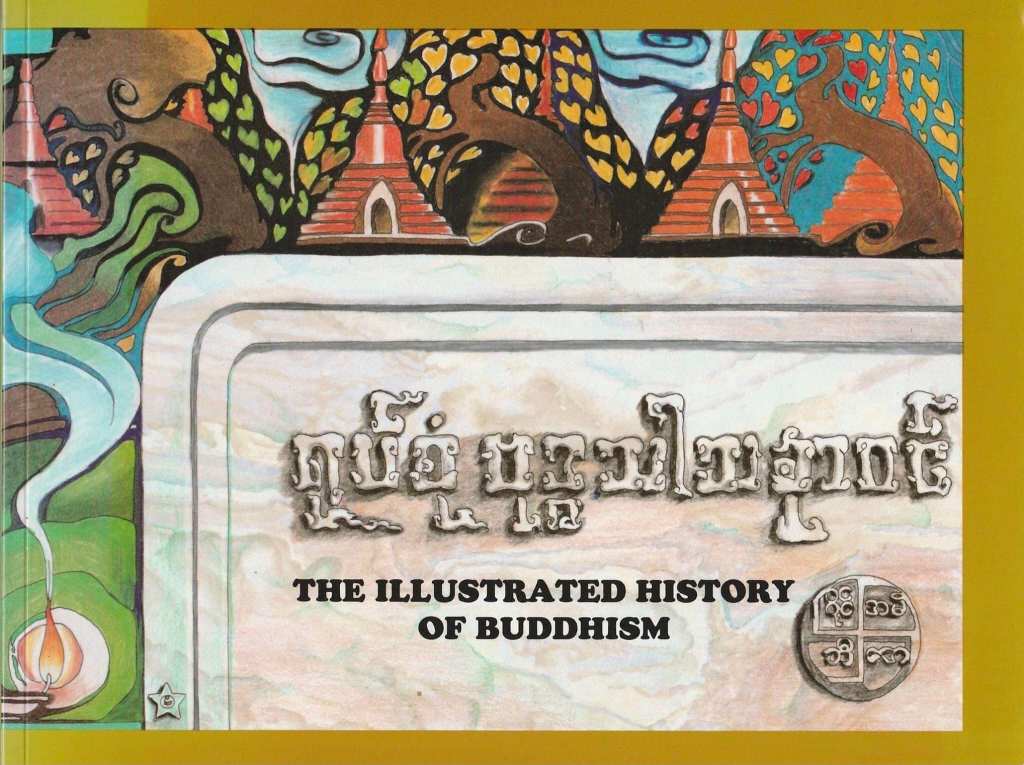
    ရုပ်စုံ ဗုဒ္ဓ သာသနာဝင်
    The Illustrated History of Buddhism

    • မဟာဂန္ဓာရုံဆရာတော် ဦးဇနကာဘိဝံသ
      Author : Mahagandayone Sayadaw U Janakabhivamsa
    • ပန်းချီဆရာ ဦးဗကြည်
      Illustrator : Saya U Ba Kyi
    • Reprint : ဦးသီလာနန္ဒာဘိဝံသ နဲ့ အလှူရှင်များ
      Reprint : Sayadaw U Silanandabhivamsa and Devotees / Donors

    Mahagandayone Sayadaw

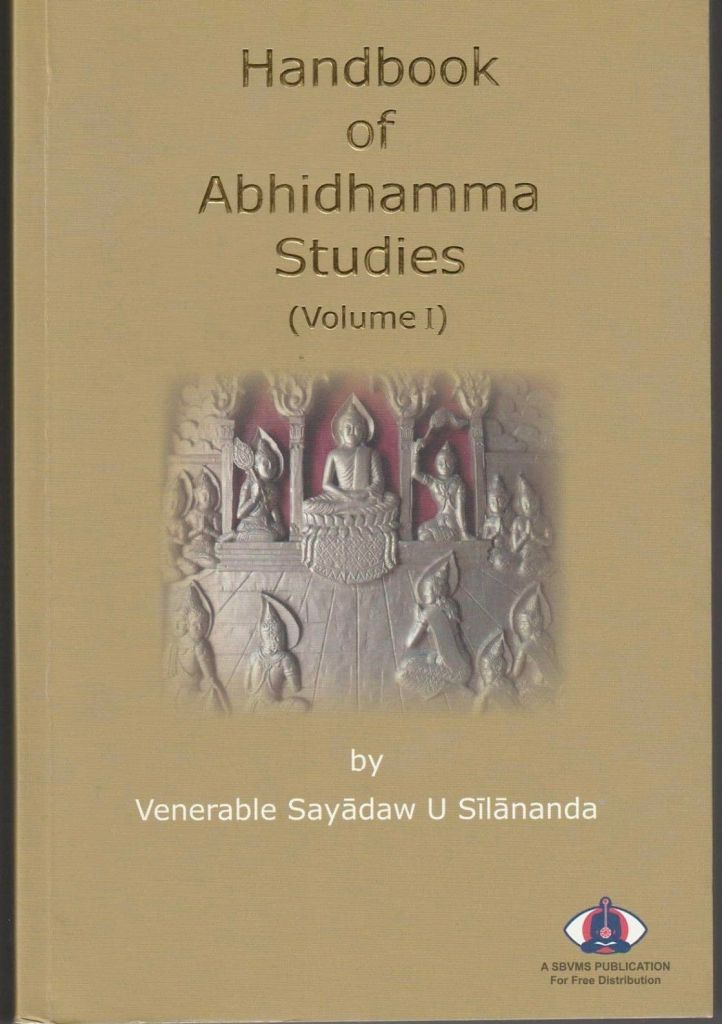
    U Silananda

    U Silananda
  • Talk — Metta

    by Hla Min

    Updated : Aug 2025

    Video Broadcast on January 10, 2021

    Four Byamaso Taya

    • Metta
      Unbounded Love / Loving Kindness
    • Karuna
      Compassion
    • Mudita
      Altruistic Joy or Sympathetic Joy
    • Uppekkha
      Equanimity
    This image has an empty alt attribute; its file name is metta-sutta-1.jpg
    Book by U Thu Kha

    Metta

    • Pali term
      Written in Burmese as Myitta
    • Rendered as
      Unbounded Love
      Loving Kindness
    • One of the four Bhamaso Taya or Bhama Vihara (along with Karuna, Mudita, and Uppekha)
    • Practiced as a form of meditation
    • U Silananda‘s book on Protective Verses has a section on how to practice Loving Kindness Meditation.
    • Tipitaka Mingun Sayadawgyi recited the Two Methods of sending Metta.
      As mentioned in Metta Sutta
      Alternative: 528 “Metta” (13 x 4 x 12)
      They can be found on YouTube and CDs.
    • Metta Sutta” is one of the eleven Suttas in “Paritta Pali” (Protective Verses).
      Also known as Karaniya Metta Sutta
      Chanted at most Buddhist ceremonies.
    • Myitta is covered along with Thitsar (Truth) in Dr. Min Tin Mon‘s book “Myitta and Thitsar
    • U Thu Kha wrote a book on Metta Sutta.
    • U Jotalankara‘s book explains the 528 Metta.
    • A Physics teacher said, “Myitta So Dar Ah Hlyar Ah Nan Ma Shee Bay Mei Ah Thwar Ah Pyan Shee Bar Thay Dae.”
    • Metta is also used as a name or part of a name.
    • Metta is a Myanmar comedian.
    • Mettananda Vihara is a monastery in Northern California.
      Moved from Central Avenue, Fremont to Castro Valley.
    • Metta Vihari is an association that performs Chanting, and also offers food dana at selected gatherings.

    Practicing Metta

    By Way of LOCATION:

    • May I be well, happy and peaceful.
    • May all beings in this house be well, happy and peaceful.
    • May all beings in this area be well, happy and peaceful.
    • May all beings in this city be well, happy and peaceful.
    • May all beings in this country be well, happy and peaceful.
    • May all beings in this world be well, happy and peaceful.
    • May all beings in this universe be well, happy and peaceful.
    • May all beings be well, happy and peaceful.

    By Way of PERSONS:

    • May I be well, happy and peaceful.
    • May my teachers be well, happy and peaceful.
    • May my parents be well, happy and peaceful.
    • May my relatives be well, happy and peaceful.
    • May my friends be well, happy and peaceful.
    • May the indifferent persons be well, happy and peaceful.
    • May the unfriendly persons be well, happy and peaceful.
    • May all meditators be well, happy and peaceful.
    • May all beings be well, happy and peaceful.

    Metta Sutta

    • Third sutta in “Paritta Pali”
    • also referred to as Karaniya Metta Sutta
    • Desirable qualities of a Practitioner
    • Loving Kindness Meditation
    • Formal
      Translation from Pali into Burmese/Myanmar and English
    • Informal
      Books by Saya U Thu Kha and Saya Dr. Mehm Tin Mon

    Chanting

    Two ways (as per Mingun Tipitaka Sayadawgyi)

    • Referred in Metta Sutta
    • 528 “Metta” (13 x 4 x 12)
    This image has an empty alt attribute; its file name is pp-12-13.jpg
    This image has an empty alt attribute; its file name is pp-14-15.jpg
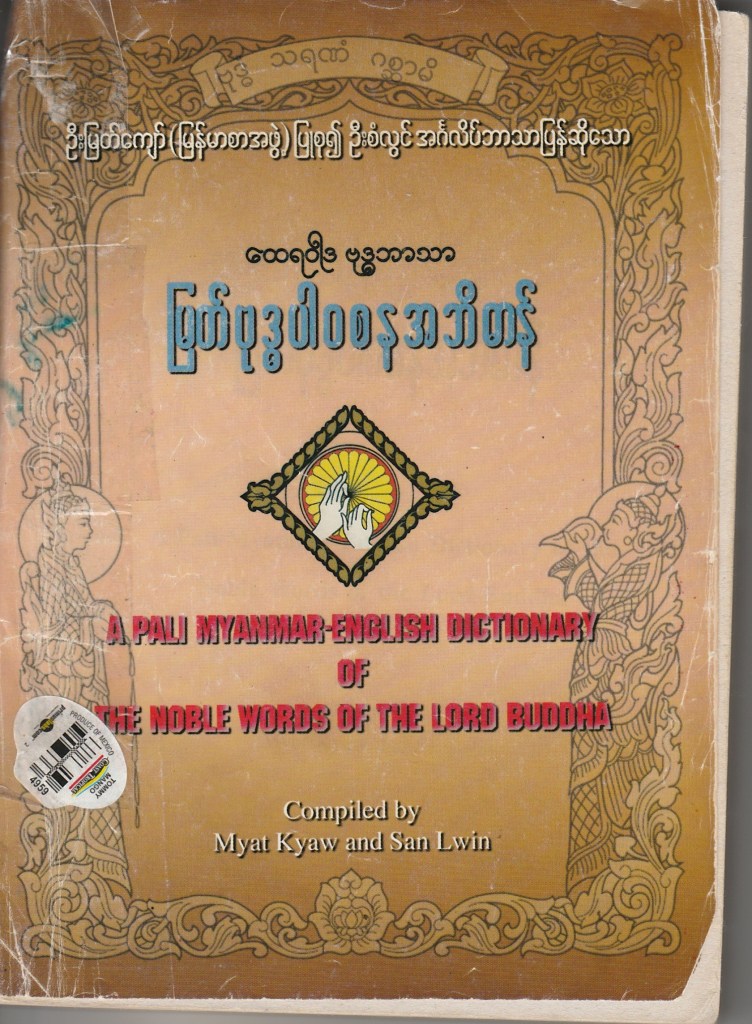
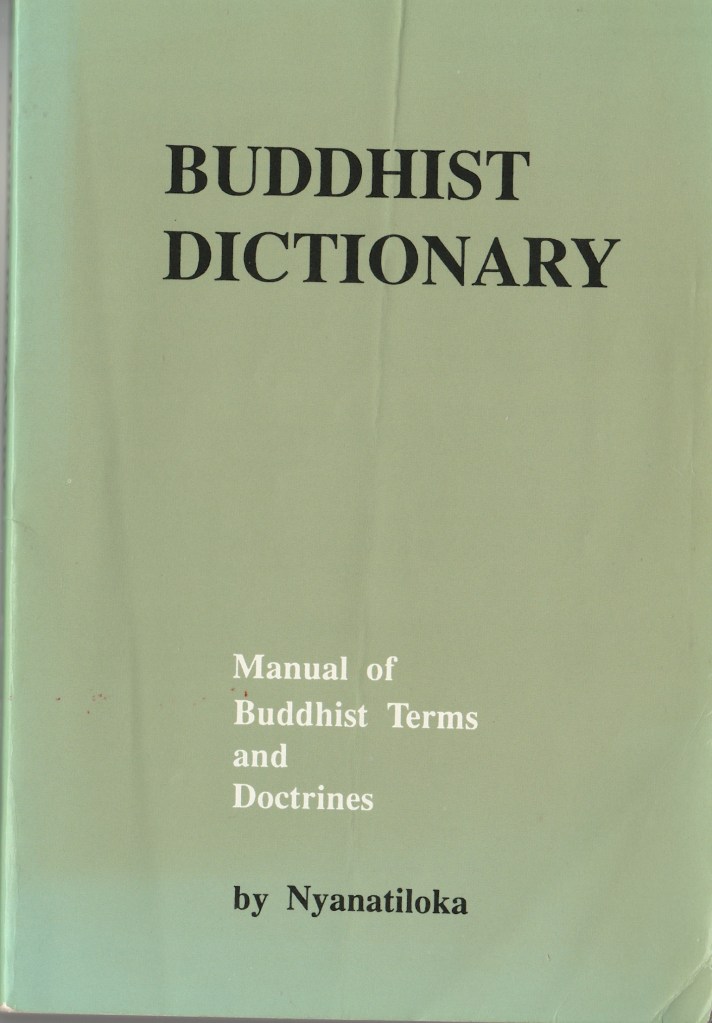
    Buddhist Dictionary