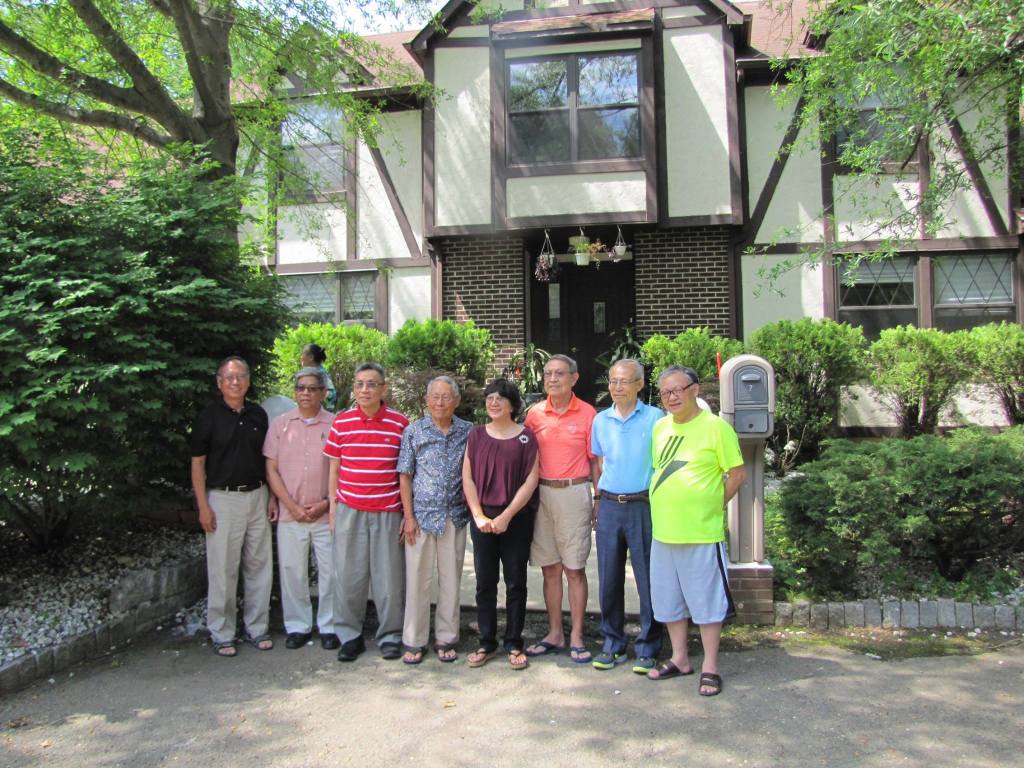
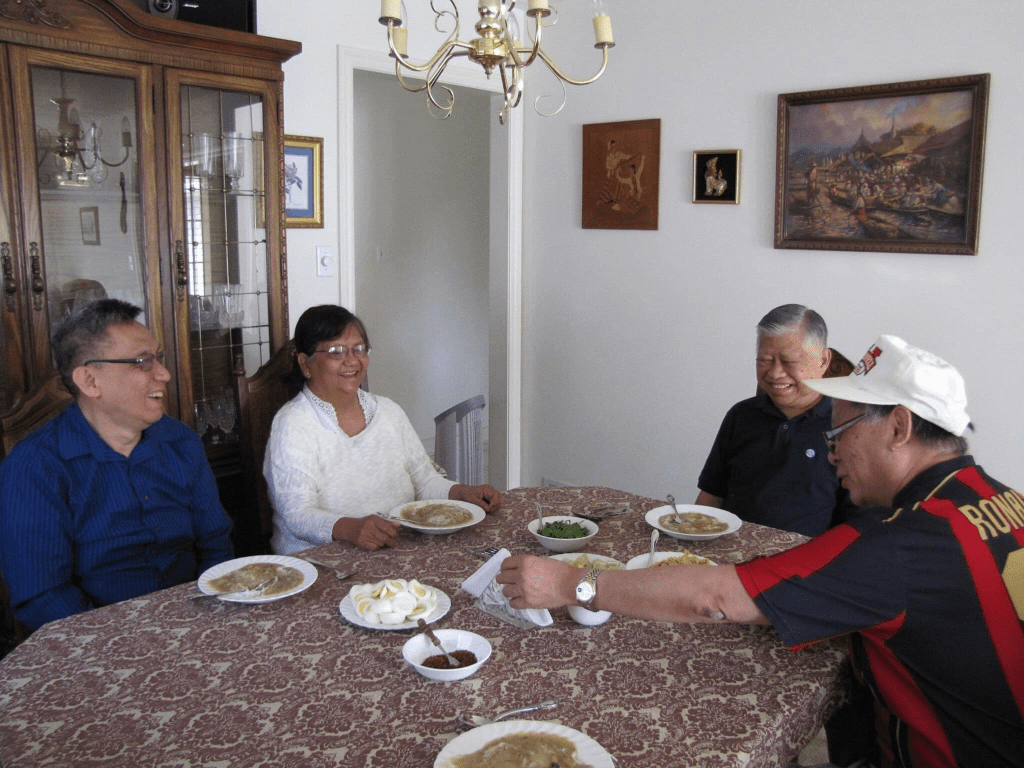
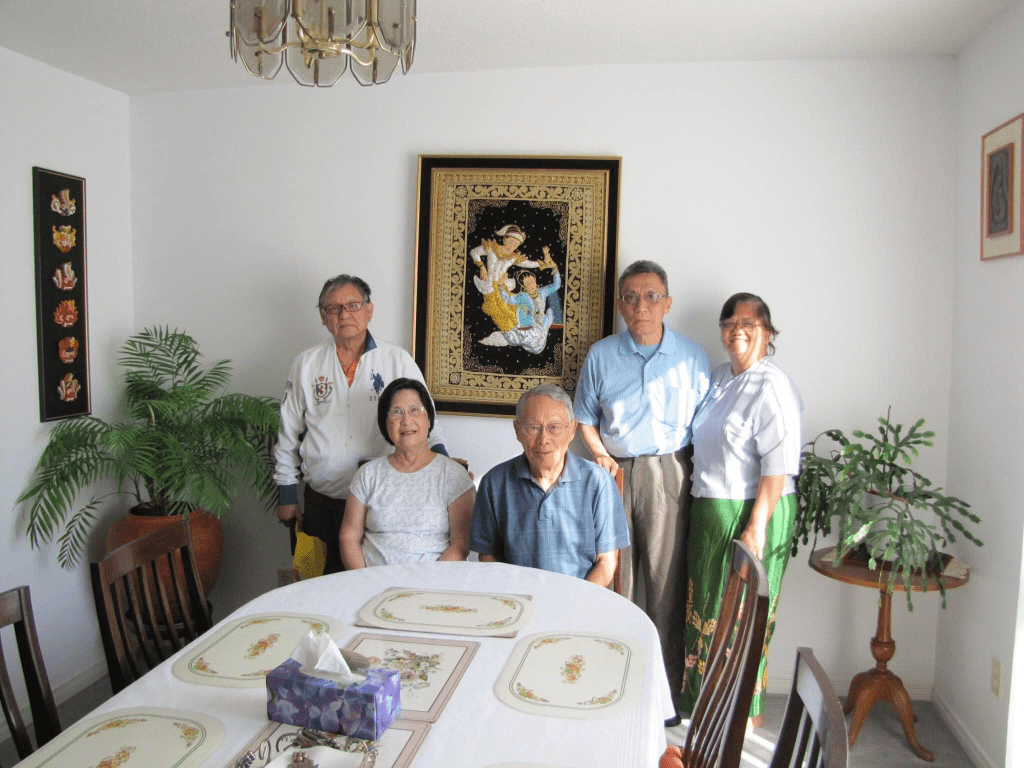
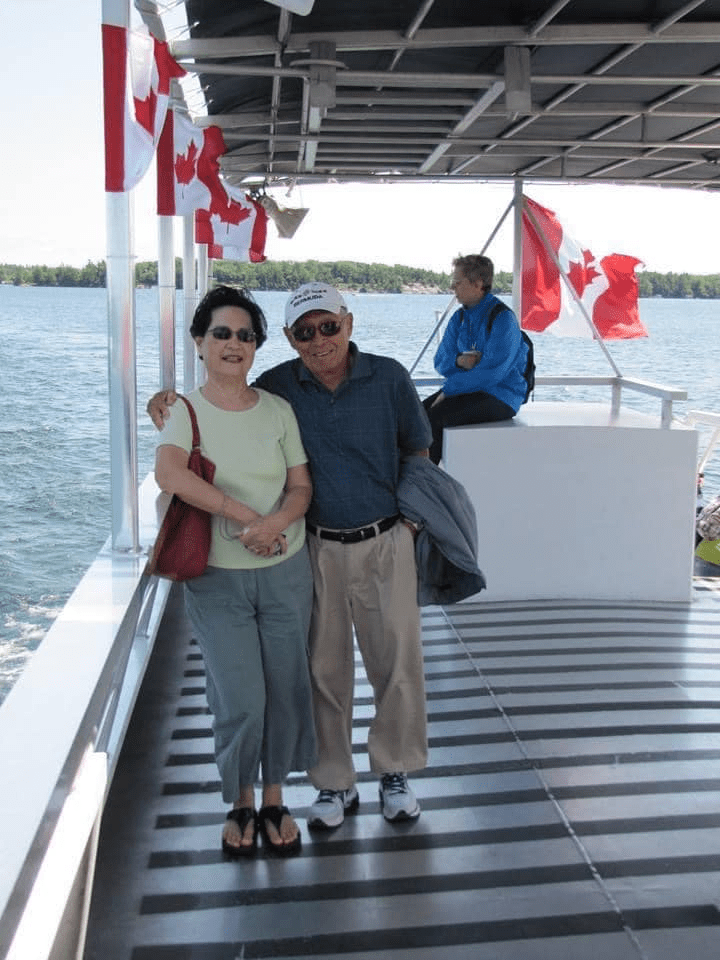
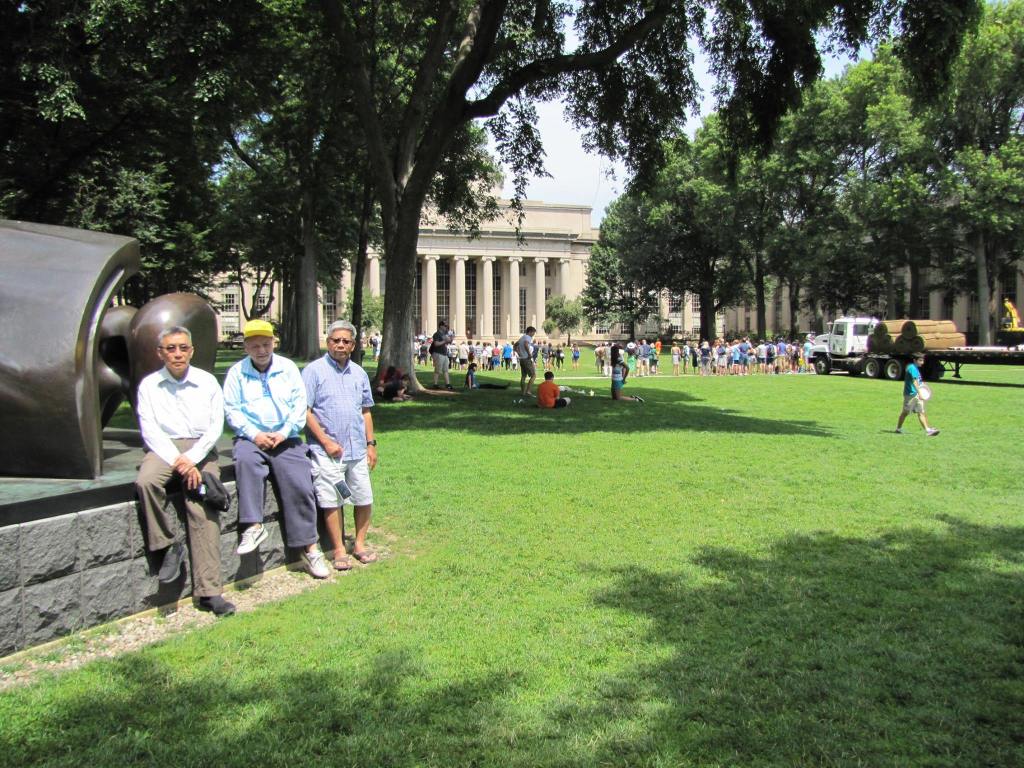
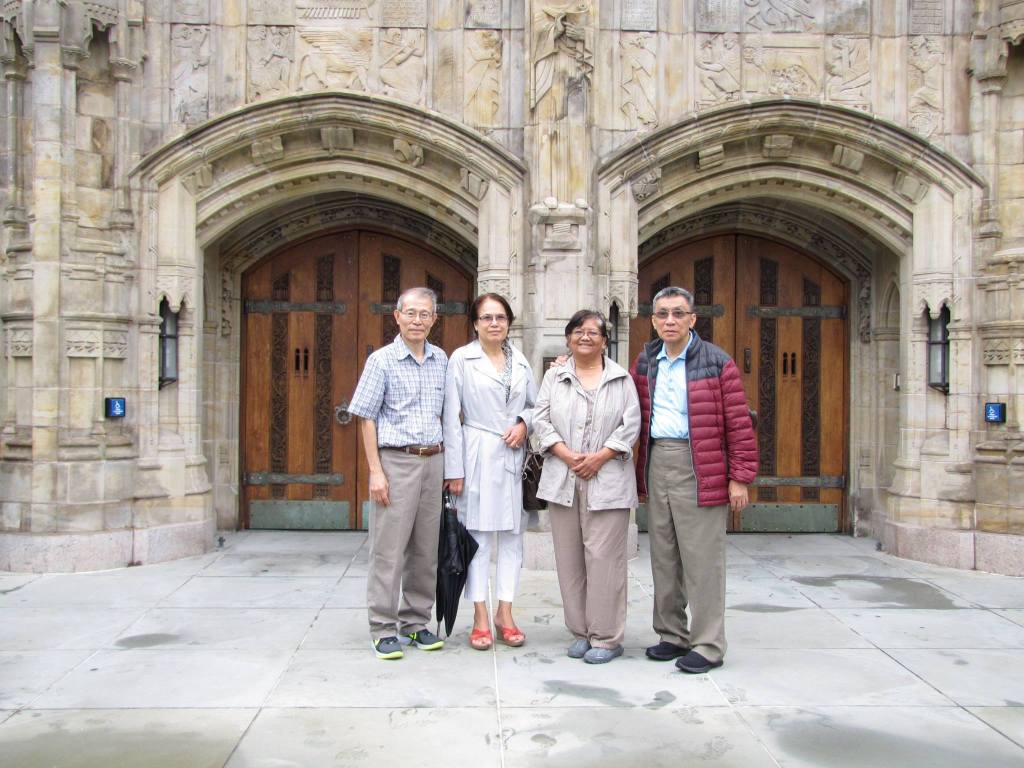
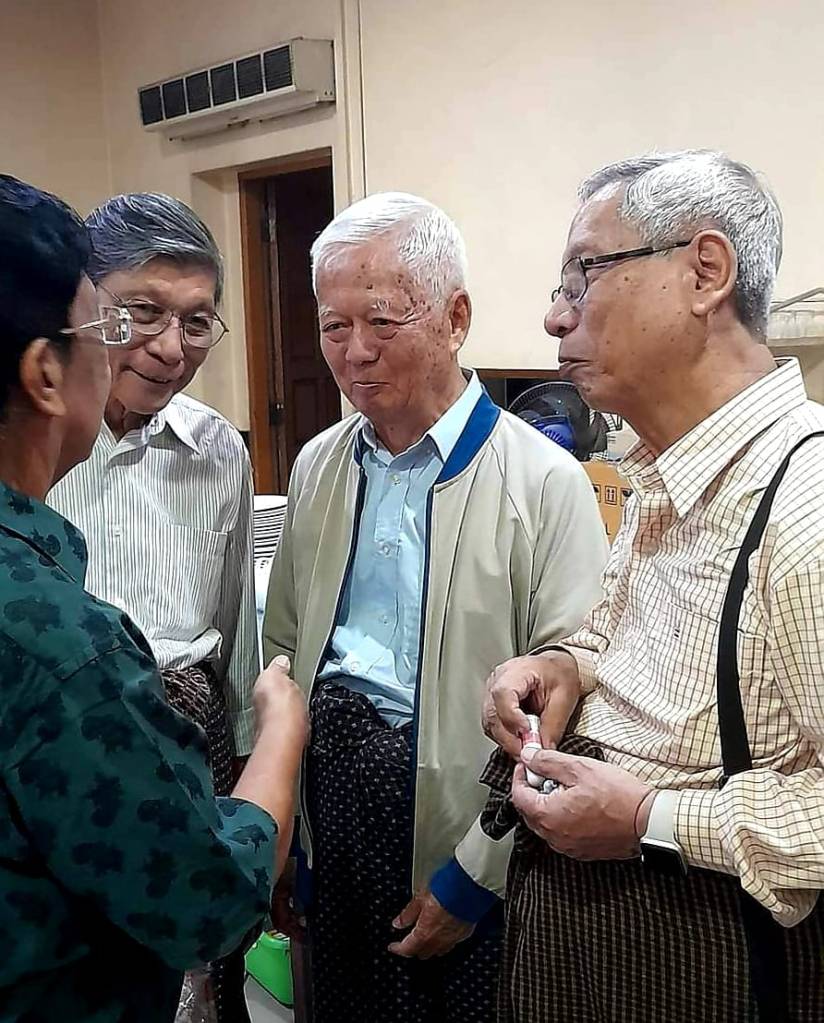
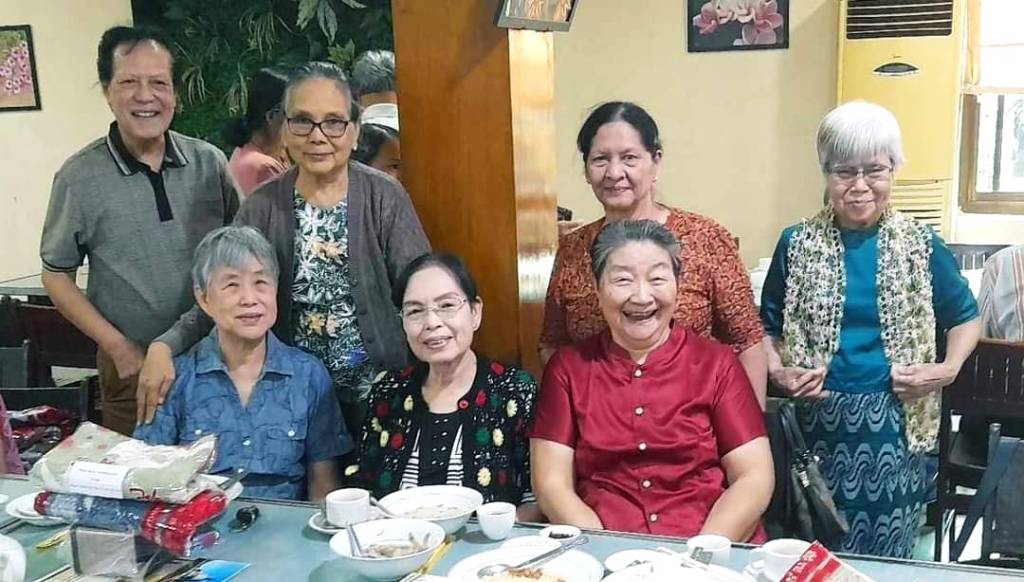
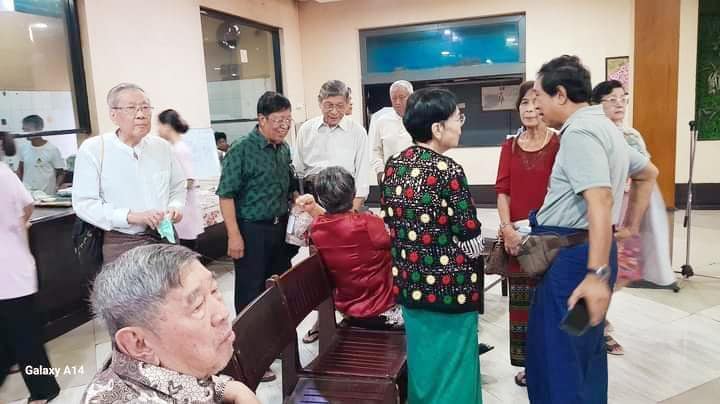
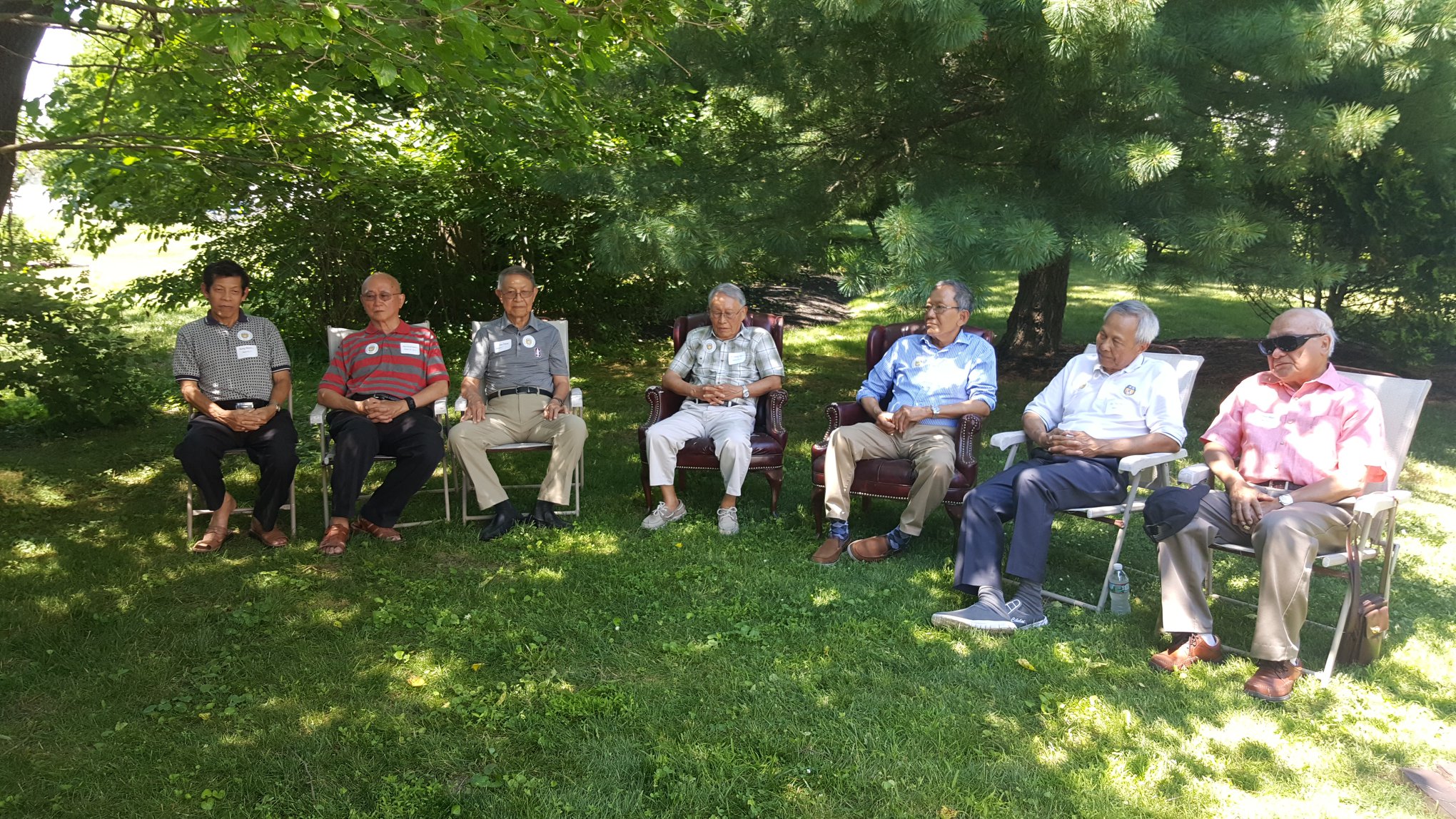
Visited former classmates, colleagues & students in Singapore
Hosts
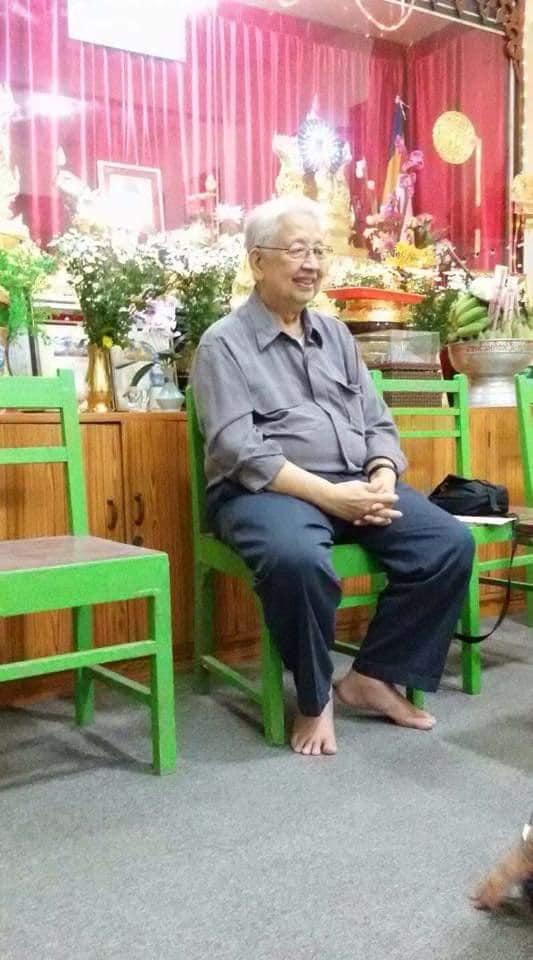
Ko Zaw Tun (UCC) & Ma Kyu were our main hosts
Ko Ngwe Soe (Silver, UCC) & Ma Nu hosted us at their second home in Jahore. Silver took us to Melecca. Earlier he took us to Sentosa which was about to bring down the Lion Statue. He also wanted to jolt my memory of the “Myo Putt Ya Htar မြို့ပတ်ရထား”.
Gatherings
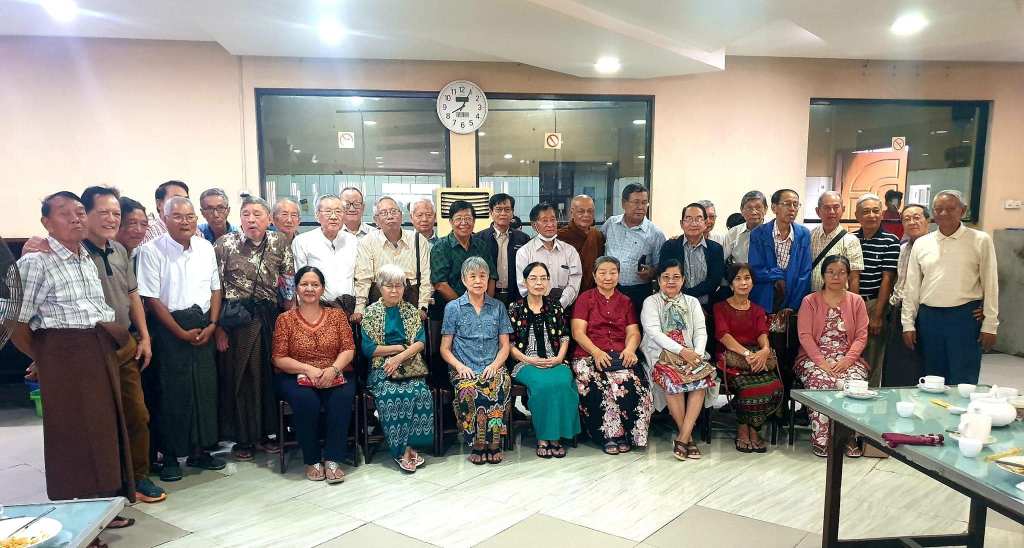
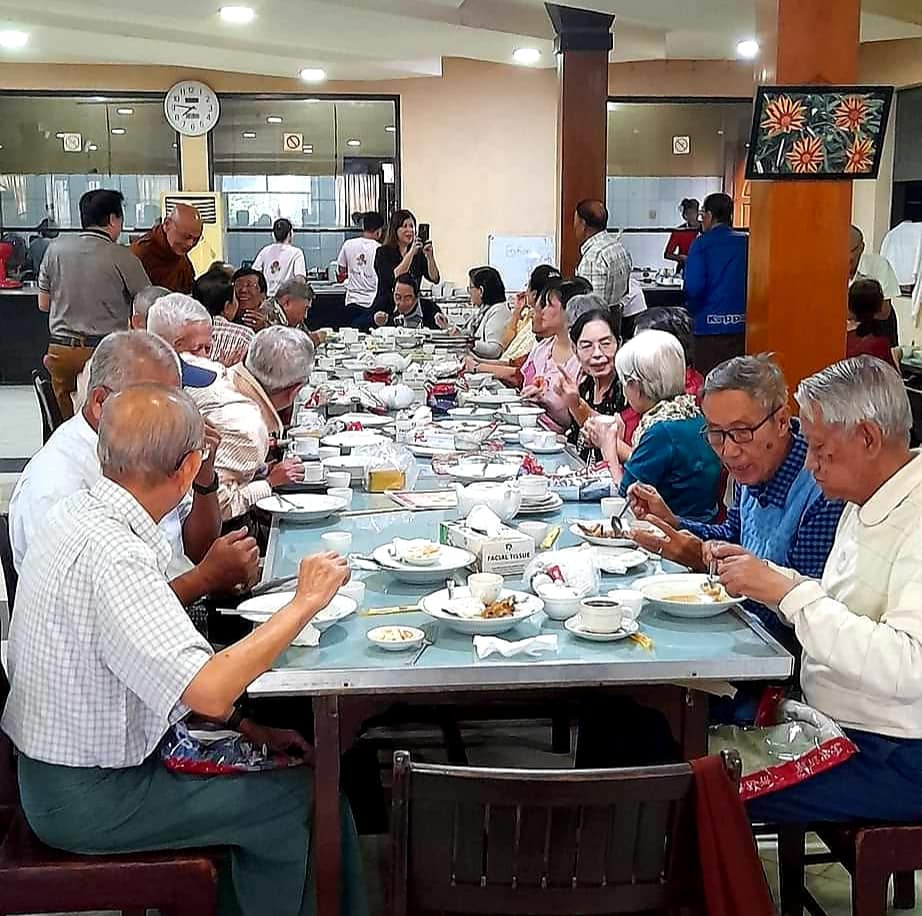
Mini gatherings
69ers
M73 group with their Saya U Tu Myint
ex-UCC & ex-ICST
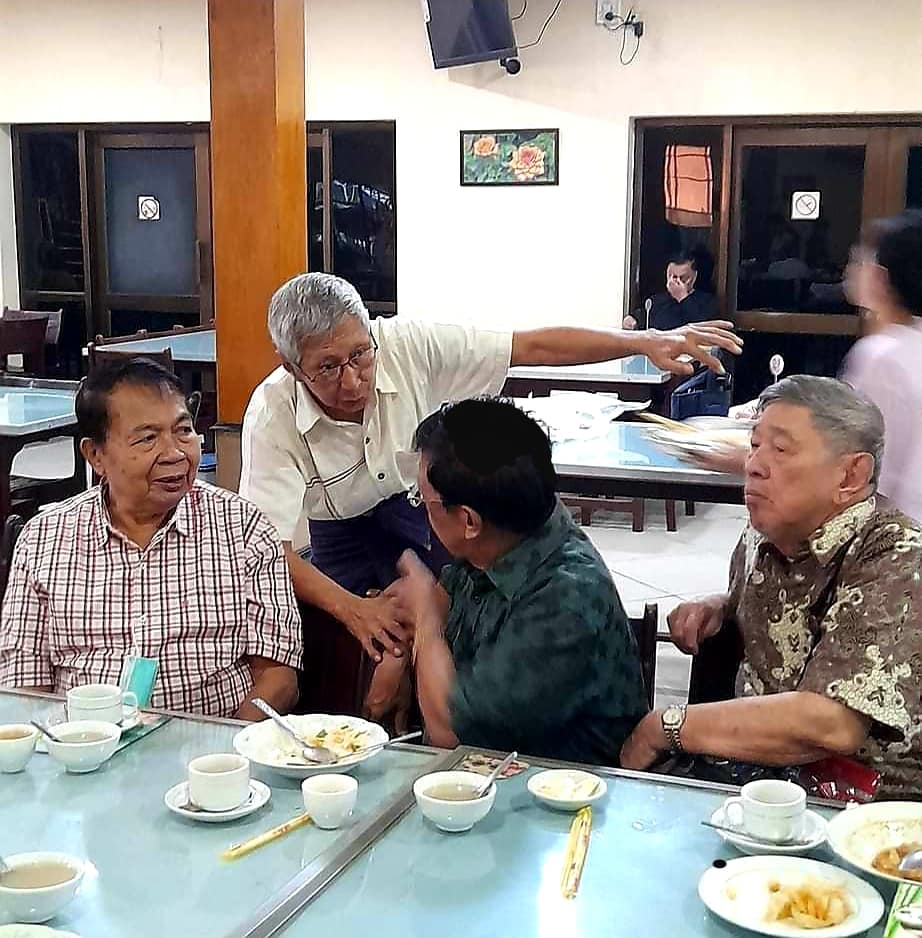
Micro gatherings
Boe & Ma Phyu
Ma Pale & Ko Ye
Ko Zaw Tun & Ma Kyu offered Soon at their house (in addition to the regular ones at the Singapore Chan Myay Monastery).
Early November
Continued our trip
KK picked me up at the Mingalardon air port and placed me at a hotel.
KK hosted two gatherings : mostly professional speakers and coaches.
ILF
Flew to Mandalay to attend the 5th Irrawaddy Literary Festival. I was a Panelist at two sessions : one on Education and another on Poetry.
Panelist
During a break, Ko Thein Htut (UCC) took me on a quick trip around Sagaing & Mandalay.
Did not meet Ko Kyaw Kyaw Soe. He had to take a trip to see his ailing son.
Received an autographed copy from Ko Htein Win (Dat Pon). He had to wait a long time before he could publish his photos and related articles about two Dark Moments in Burma : U Thant Ah Yay Ah Khin and 8-8-88.
Mid November to End of December
There were several gatherings back in Yangon in November and December, 2019.
RIT Gatherings
RIT 69er Monthly Breakfast Gathering
Golden Jubilee of 69ers (Main event at Gyogone Campus, Reunion Dinner organized by Ko Aung Min at his old office compound)
GJ of Graduation
Lunch hosted by Ko Tin Win (Min)
Guest of the Class of 72 (M72 Annual Gathering and PZP, additional : Indian Lunch, Chinese Dinner)
Guest at All Mechanical Gathering /Dinner
All Mech Gatherinng
Dinner by Ko Nyunt Htay
Ko Nyunt Htay
UCC / ICST Gatherings
Acariya Pu Zaw Pwe of UCSY/ICST
ICST PZP
Several ex-UCC gatherings (MICT, Sweetie’s apartment, Soon Kyway by Ko Soe Win & KZ, …)
Sweetie
SPHS Gatherings
Wedding of Eddie Shein’s daughter
Soon for Uzin Saya Beatson
With Sayadaw Beatson
RUBC
RUBC Annual Regatta
RUBC
Attendees include : U Tin U (Most Senior Past Captain), U Maung Maung Than Tun (Oldest Past Captain, GBNF), Dr. Myo Tint (Past Captain, GBNF), U Sein Htoon (Past Captain), U Myo Myint (Gold), U Tun Mra, U Tin Myint (GBNF), Dr. Thein Hlyne …
MARB
Veda
Visited the new Building
Thai Tarot Master donated Air Conditioners
Sun Lun
Some meditation sessions
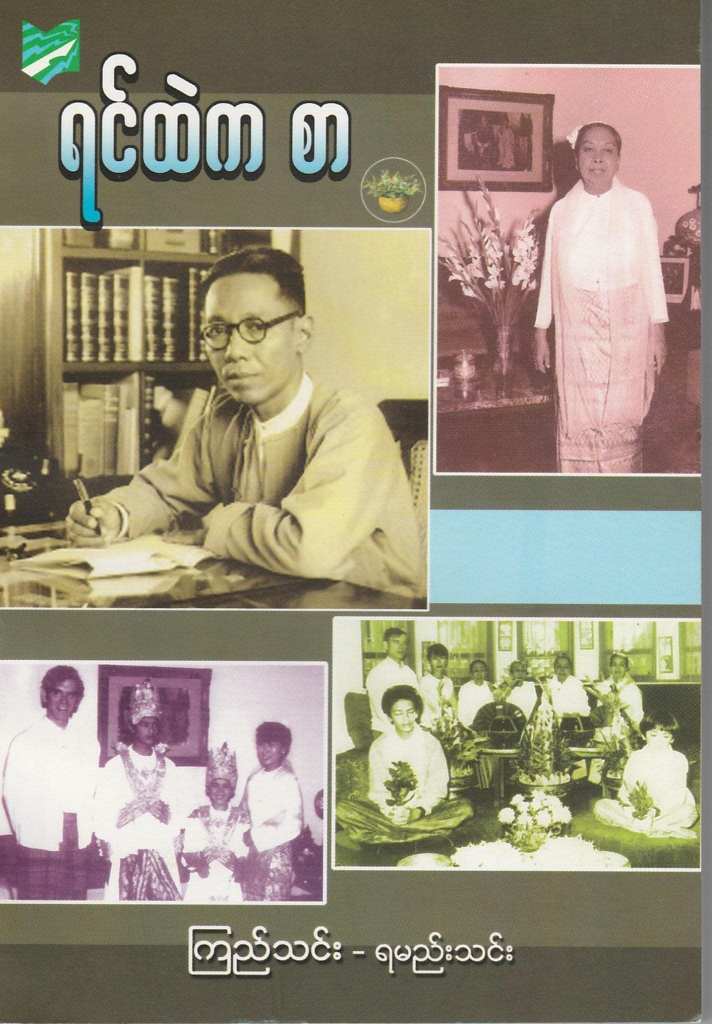
Received two books from Mi Mi Win (Junior Win) about her grand parents U Khin Maung Latt and Daw Khin Myo Chit
Miscellaneous
Birthday Lunch by Ko Myint Toe & Ma Nwe
49th Anniversary of Saya Dr. Soe Win and Sayama Daw May Saw Lwin
Thar Yay (Zeyar’s house warming …)
Nar Yay (Ma Cherry’s demise…)
Other gatherings : Ma Hazel, my friends, my spouse’s friends…
Thanks for the rides : Ko Ohn Khine, Ko Win Maung (Lake), Ko Tin Aung Win (Oscar), Ko Tin Win, Ko Ye Myint, Ko Aung Myin Bo, younger son of Y Patail …
Updates
There were restrictions (for Travel & Gatherings) during the pandemic.
Eighteen 69ers & several family members succumbed to Covid
Some ex-UCC — U Mg Mg Lay, U Mg Mg Gyi, U Aung Myint — are GBNF.
Specialization : Medical Astrology; Visiting Professor at တိုင်းရင်းဆေးပညာကျောင်း
Founder, IDEA Astrology
Now GBNF
Veda Programs
Requested me to develop programs for Veda calculations and predictions. Assigned Ko Win Latt and Ko Zaw Tun.
Ko Win Latt (UCC) developed Win Horo. He later founded a Computer Training School & SysMagic. Currently in Bangkok.
Win Latt
Ko Zaw Tun (UCC) developed a Prolog program for prediction. He later founded a Computer Training School. Moved to Singapore. Gawpaka at Singapore Chan Myei
Zaw Tun
Final Years
I visited U Myint Sein at his house. He showed me the text he had written for the School of Indigenous Medicine, where he was a Visiting Professor. He was fond of Medical Astrology. Several doctors would seek his advice for treating patients.
(Later) He passed away peacefully in his house while watching TV. He had earlier come back from Okkalapa where he had brunch.
Veda & Me
Shared my Veda knowledge to selected Computer Science students
Shared my Computing expertise to selected Veda sayas. Helped BARB sayas & students use programmable calculators and handheld computers.
Became acquainted with Veda sayas : U Khin Aung Bo, U Than Htay, U Myint Lwin, Bogyi Kyaw Zan Hla …
Wrote articles (with three pen names) for Jotisha Veda magazine.
U Myint Sein led discussion groups at selected houses (e.g. U Khin Maung San, Bohmu Thane Myint) over lunch.
Veda Sayas
U Myint Sein
He was Principal at BARB. He later founded IDEA Astrology.
U Than Htay
Zartar
He taught Ganita (ဂဏိတ). He also wrote articles, Lecture Guides & Books. He later co-founded MARB and served as VP. He had health problems. He is now GBNF.
U Myint Lwin
Taught Phalita ဖလိတ at BARB and MARB
Vice President, MARB
Helped compile and publish the Veda Calendar
Passed away several years back
U Khin Aung Bo
Taught Thanhita သံဟိတ at BARB and MARB
President, MARB
Passed away peacefully while praying on May 13, 2020 at the age of 80.
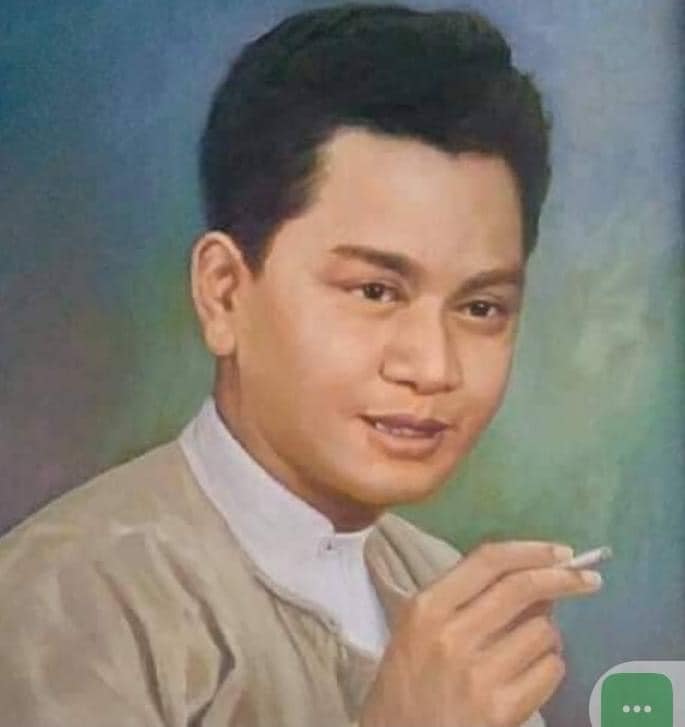
Was relatively strong and healthy despite his love of cigarettes
Graduated with Civil Engineering from RIT in 1970 and joined the Faculty
Developed programs for Astronomy and Astrology
Taught Astronomy at BARB and MARB
Passed away in Pwin Oo Lwin a few years back. Sadly, his son passed away unexpectedly a few days before his demise. It was a Double Tragedy for the family.
MARB (Myanmar Astro Research Bureau)
U Than Htay
Former BARB sayas (U Khin Aung Bo, U Myint Lwin, U Than Htay, U Hla Win, U Kyaw Myint …) founded MARB. U Khin Aung Bo was President. U Myint Lwin & U Than Htay were VP. U Kyaw Myint was Secy. U Hla Win headed the Research Program.
Other MARB sayas include U Thein Aung, U Soe Thein, Dr. Aung Myin Bo.
U Kyaw Myint (T72)
U Kyaw Myint & Dr. Kan Nyunt
Thin Char Luyechun in High School
Studied at BARB. Taught at BARB and MARB
Current President of MARB. Succeeded U Khin Aung Bo.
Also Expert on indigenous medicine.
Youngest of 13 siblings.
Four are alive and well. Saya Saw was good at writing Yee Zar Sar. He was reprimanded by his aunt for supposedly helping a friend to write Yee Zar Sar to give to his cousin. Bagyi Kan is a doctor and Patron of MARB. He translated several Veda texts. U Sein Tun and U Kyaw Myint would pay respect to Saya Saw and Bagyi Kan following the noble tradition.
U Kyaw Myint wrote a long letter to the parents of a classmate & belle presenting why is an invaluable suitor.
U Hla Win (M73)
Core Organizer of RIT Saya Pu Zaw Pwes and activities
Attended DAC
Studied at BARB. Taught at BARB and MARB.
Secretary and/or VP of MARB.
Member of Myanmar Pyeik Ka Dein Ah Phwe.
He used to send me his car and/or a Veda saya to pick me up to visit the old MARB office.
U Soe Thein & U Thein Aung
Studied at BARB
Taught at MARB
Dr. Aung Myin Bo
Not related to U Khin Aung Bo.
Studied Veda from distinguished sayas. Helped them (e.g doing research& writing / refining Veda programs).
Gave me a ride to visit the old and new MARB offices.
Veda Sayas
Updates
The founding members of BARB are now GBNF.
Several sayas from BARB and MARB — U Myint Sein, U Myint Lwin, U Khin Aung Bo and U Than Htay — are GBNF.
First HSF Only exam in 1962; Those from Rangoon had to take exams in March & August
Matric Only exam in 1963; My older brother entered Yankin College in 1957 after passing 9th Std (HSF & Matric) exam.
Attended last ever I.Sc(A)
Admitted to 2nd BE in Nov 1964
Graduated with BE (a few with BArch) in 1969
Long After Graduation
First major Reunion in 1999
Anniversary Reunions in 2009, 2014 and 2019
Except for pause during pandemic, Monthly Breakfast Gathering (usually at Taw Win Hnin Si)
Jara, Byadi & Marana
Over 40% are GBNF
Remaining 69ers try to be active physically, mentally & spiritually.
Two are Sayadaws: Ashin Ukkamsa & Ashin Pannagavesaka
Many hosted and/or attended Monthly Breakfast Gatherings.
One gathering had a record of nine hosts.
Gifts — 69er towel, 69er mug, 69er cap, 69er hat, 69er pen, medicine — are given at selected gatherings; Albert & company gave out towels; Millie was represented by her cousin; Kyaw Zin was represented by his elder daughter; Fred gave some gifts via 69ers that visited USA (e.g Kyaw Nyunt)
69er mug69er cap69er cap
Some donated and/ or joined virtually (via Zoom or Messenger).
Will go on Sharing & Charing
until the Last 69er
The following gives an account of 69ers & their gatherings.
Need input, feedback & suggestions to have a comprehensive album.
Donors & Volunteers
Aung Min (M) is Chair of 69er Health Care Fund. He & his team organized 69er events. They have updated Contact List several times.
Aung Min (Right)
Myint Myint, Ivan & Sein Myint are major donors. Others (e.g Mehm Aye Chan) make recurring and lump sum donations.
Myint MyintIvan (Right)Sein Myint (2nd from Right)
There are many unsung heros. Despite having limitations due to an injury at work, Ko Shwe drove long distance to collect donations.
Ko Shwe (3rd from Left)
Others visited 69ers in hospitals & homes (e.g to aid health care or offer Kutho donation).
1964 – 65
About 320 were admitted to 2nd BE in Nov 1964
Most graduated in 1969.
Luyechun program started in 1964 for high school & middle school. The program was expanded in 1965 for Universities & Institutes.
2nd BE (1964 – 65)LYC (Summer of 65)
See also
From BIT to YTU
Luyechun
Memories of a 69er
RIT Days
1966 – 69
Tennis
Inter-Institute Trophy winners
Kyaw Nyunt (M, GBNF)
Than Htay (EE)
…
RIT TennisKyaw Nyunt (2nd from Left)
Badminton
Inter-Institute Trophy winners
Sai Kham Pan (EP) : Burma Selected
Bishnu (EP, GBNF)
Myint Sein (M, GBNF)
…
RIT Badminton 1RIT Badminton 2Sai Kham Pan
Track & Field
Aung Gyi Shwe (EP, GBNF) : Secretary
Margaret (Khin Than Myint Tin)
Myo Nyunt (C) : Joint Secretary — for Henry Khin Maung Lay (T68)
…
Aung Gyi Shwe (Standing Left)Myo Nyunt
Swimming & Water Polo
Htay Aung (M) : Burma Selected; Fifth SEAP Games
Hla Kyaing (M)
Han Sein (C, GBNF)
Jimmy Kyin (T, GBNF)
Sein Myint (EP)
Swan Kong (?)
Win Maung (Lake)
Moe Hein (ChE)
…
Htay AungRIT Crosslake Swimmers
Rowing
Chit Po Po (M, GBNF)
Hla Min (EC) : Treasurer & Vice Captain of RUBC
Sein Myint (EP)
Win Maung (Lake)
Win Naing (Dicky, M, GBNF) : recruited David, Fred, Ohn Mg & Sein Tun
…
Chit Po PoWin Naing (Dicky)Sein Myint, Hla Min, Tin Myint
Table Tennis
Tin Myint (John, M, GBNF) : also Luyechun for 4th BE
Aung Myint (Pet) : Kyant Ba Hone (Cartoon); Tech & Edu Notes
Taing Oke : Yin Maung; National Literary Award
Tin Htut (Harry, M) : Mon Yu
Win Thein Zaw : Wai Lu
…
Kyant Wai Lu
69ers at Inya
Nay Win, Yee Pin, Khin Mg Gyi & Chit Po Po are GBNF
69ers at Inya
See also
Activities
Celebrations
Publications
RIT & Burma Selected
Sports
EE69
See post with annotations by Thein Swe (GBNF, Luyechun for 3rd BE) & me
EE69Ko Shwe (L), Thein Swe (R)
Graduates
Mostly Mech
Aung Thu Yein (E), Kyaw Than (Met?), Nay Win (M), Khin Maung Gyi (M) & Toby (A) are some of the GBNF
Most worked for government and industry. Some joined the Faculty. A few worked for private & family business. Some went overseas.
GradsA69
See also
69er — Memories
Then & Now
How Time Flies
1970 – 1998
There were no formal Reunions.
Most were busy with their work and family.
In the mid 1990s, Danny discussed with some friends about a 69er Reunion.
1999
30th Anniversary of Graduation; See Danny’s post about the event
I started “RIT Alumni Newsletter”; See my posts
Newsletter
2000
First RIT Alumni Reunion and Saya Pu Zaw Pwe (SPZP-2000) in the SF Bay Area : Oct 29 – 30, 2000 ; See posts about SPZP-2000
I was an Organizer & Chief Editor of the special issue of “RIT Alumni Newsletter”
(First) Alumni Appreciation Award received at SPZP-2000; Also given to KMZ (webmaster) & Maurice (core organizer)
Tint Lwin (Danny, M), Tin Myint (John, M), Lyo Kyin Sein (Mabel, T), Mg Toung (Tom, EC) & Myo Khin (C) attended SPZP-2000. Danny came from Singapore. John & Mabel live in Union City, California. Tom came from Connecticut. Myo Khin & Winsome (C73) came from Japan.
SPZP-2000 OrganizersSPZP-2000 attendees
2009
40th Anniversary of Graduation; See post for the event
Group photos : Electrical, Mechanical, Civil, Textile, Chemical
ElectricalMechCivilTextile & Chemical
2014
50th Anniversary of RIT; See post about the event
Pseudo Golden Jubilee for 69ers
GJ of Admission
2015
Myint Myint (C) hosted a Welcome Lunch Gathering at Western Park for Nyunt Nyunt Wai (Millie, T)
Welcome Millie in 2015
Six 69ers at Ivan’s house. Ivan hosted annual RIT-UCC gathering for over a decade. Eventually, MASTAA was established with Ivan as CEO.
2016
(Second) Alumni Appreciation Award at the Birthday Soon Kyway Gathering in August; Organized by Maurice Chee (M75); Most attendees from California
Award 1
(Third) Appreciation Award at NorCal RITAA Annual Dinner in September
Award 2
SPZP-2016
Gathering — Welcome Sein Myint & me; Farewell to Tint Lwin
Gathering
2017
Monthly Gatherings
Ad hoc Gatherings
Annual Gathering
BFG 1
2018
Monthly Gatherings
Ad hoc Gatherings
Annual Gatheting
BFG 2017BFG 2018
2019
Golden Jubilee of Graduation
Home coming for Tin Tin (Ann)
GJ
2020 – 2021
SPZP-2000 canceled due to Pandemic
Several 69ers & family members succumbed to Covid
Gatherings put on hold
2022
December
Tin Shwe
2023
August
September 2023
အလှူရှင်
ဦးငွေထွန်း၊
ဦးတင်ရှိန်၊
ဦးသန်းဝင်း၊
ဦးချမ်းငြိမ်း၊
ဒေါ်ခင်သန်းမြင့်တင်၊
ဦးစောမြင့်နိုင်၊
ဦးဖေဟန်ထွန်း
U Zaw Win (Thailand)
Albert Kyaw Min
Dear RIT 69++friends
ဖိတ်ကြားအပ်ပါတယ်
September breakfast gathering သို့ မပျက်မကွက် ကြွရောက်ကြပါခင်ဗျား။
After retirement, he and Tin Tin Hla (A70) moved to Seattle, Washington, USA to be near their daughters and grand children.
Attended 69er Golden Jubilee of Graduation on December 14, 2019 in Yangon.
Kyaw Kyaw
Member of elite group who married before graduation.
Myo Tun (Bobby)
Johnian
Studied in UK twice. During his high school days, he received BOC Scholarship to study in the UK, but the program discontinued around 1962.
Finished GCE. Had to take some subjects in Matric to attend Rangoon University.
Won essay contests as Errol Than Tun.
Assisted P Aung Khin (Guardian) with Supplement & Scrabble Tournament
Joined PWD
Received State Scholarship to pursue Masters in the UK.
After retirement, he became Ashin Pannagavesaka. He served as an editor of Pa Auk Sayadaw’s books and a dhamma librarian at the Mawlamyine Pa Auk Taw Ya. He later taught at selected monasteries. He went on dhamma dhuta missions (e.g. to Vietnam).
Tobias Kittim Ku & Uzin Bobby Myo Tun
Saw Tobias Kittim Ku (Tobi, GBNF)
Albertian
Sang “Kawthoolei” at RIT games
Attended 69er monthly breakfast gatherings.
Passed away due to Covid. His daughter also succumbed to Covid.
Thet Htun
Moved to Taiwan.
Thwin Thwin Aye Hmi (Olive)
Played chinlon with her A69 classmates
Spouse : U Han Zaw
Met them last at Lunch gathering at Crystal Jade in 2012
Tin Maung Hla (GBNF)
Expert in Abhidhamma studies.
Although his health was failing, he attended the monthly Breakfast Gathering to bid farewell to his former classmates.
Per his request, his family hosted the BFG after his demise.
Olympia was commissioned to produce typewriters for Burmese. It was not trivial to type Burmese and Pali characters. The red keys were used to type vowels; the carriage did not go forward. The black keys were used to type consonants. Back-spacing for half a step was necessary on the Standard Edition to type characters such as “tha gyee”. Manual dexterity was needed to type some “pa sint” characters. The Office edition had extra keys (e.g. tha gyee, common pa sint).
Producing Multiple Copies
Before the wide spread use of copiers (initiated by Xerox), special care is needed to print multiple copies. We miss the days when we had type perfectly or reasonably well on typewriters using messy carbons. Also, planning to cyclostyle double-sided printing (odd numbered pages first, then repeat with even-numbered pages).
Selectric
IBM produced Selectric typewriters. “Golf” ball-like character sets had to be installed/replaced.
Word Processing
Wang computers provided word processors for various languages. Ko Htay Aung (Victor, EC80) worked at Wang for a while on the Burmese language project.
Chinese characters are used by Chinese, Japanese, Korean. To input them to a computer, various techniques were used. They include (1) large tablets containing the most common characters (2) three corner method (based on the horizontal, vertical and diagonal strokes in the character (3) Romaji (mostly used by Japanese (4) human user to select if there are ambiguities (e.g. in the three corner method).
Transliteration
Burma Research Society (BRS) used transliteration for its journals. For example, “k-o-l” combination represents “ko”. The scheme was used inputting Burmese on Macintosh.
Universities’ Computer Center (UCC) had projects to do Burmese word processing. Saya U Myo Min supervised a project for Ma San Yu Hlaing for “collation” (needed for sorting). Saya U Tun Aung Gyaw and his team (Ko Htay Aung, Ko Soe Myint, …) worked on Cromenco System Three for printing and processing. U Soe Win and team worked on Calcomp graph plotter.
Difficulties imposed by Higher Authorities
Myanmar Sar Ah Phwe မြန်မာစာအဖွဲ့ Burmese Language Commission) bowed to higher authorities to revise the spelling at least two times.
Fines were imposed on authors and publishers spelling the established way. (e.g. “Ta” တ) instead of the preferred way (e.g. “Tit” တစ်) despite the scholars pointing out the old inscriptions at “Bo ta htaung ဗိုလ်တထောင်” not “Bo tit htaung” pagoda.
CTK (Children’s Treasury of Knowledge) project was delayed to correct the spellings.
It was not easy to write in those days without facing censorship. It was taboo to quote “Dhammata ဓမ္မတာ” poem (by Ananda Thuriya). It was a crime to mention the “setting sun နေ ဝင်”.
I believe in that to be a good teacher one needs to equip oneself to the utmost and to keep ahead of the profession that he loves and adores. Conversation with a number of people outside the teaching profession adheres to the uncommon knowledge that a teacher only needs to prepare his teaching script once only and repeat that throughout his life time! That is a ‘fallacy’, and I have seen many that came into the teaching profession with that kind of an attitude!
Incidentally, I did not join the teaching profession by accident. My freshman year at the Mandalay University, being let loose after a sojourn with the ‘brothers’, at the Catholic School, my freshman class at college appears paradise with beautifully, posh dressed up girls always in the front rows, enticed us to became a little boisterous, whistling and throwing paper ‘rockets’. It was in the chemistry lecture theater that got Dr. Mitra’s attention. He looked up at our group and mumbled a few words and stopped staring at the class. The hall went silent! He then started, “I think a group of boys are not paying attention, I’m sorry to say that I have ‘failed’, please tell me, is it boring?, is it not understandable of what I’m trying say or do you all think that it is just non-sense? Every night I work very hard, to know each of you and think of how I’m going to perform my lecture with the help of the apparatus right here in front of me so that you should not forget what I’m trying to teach you and make you all happy and I repeated to myself that this will be my best lecture!” His last words became very emotional, Head down he began to sob, silently and then he let out “I’m sorry please forgive me, this should not have happened and this will not happen again!”. And he continued with a very, very silent class. Immediately after the class we went to his office and apologized to him of our behavior, of not out of disrespect, just hoping to accrue some pleasure and that we respected him very much and we will never ever do this sort of a thing anymore anywhere. He was happy that we came to see him. In my thoughts ‘I think I want to be a teacher like him’. In the next chemistry class we wrote an apology note to the class, Dr. Mitra glanced at it, cleaned the board, smiled and said thank you.
In ‘Teaching Architecture’, I believe in two things, first equip yourself, next plan a creative highway path for the students to proceed and guide them along to their destinations.
UNDER MY WATCH 1963-1980:
I took over the Department of Architecture in September of 1963. I was shown to my office on the second floor of the main RIT building on the west wing. My office is facing east, located in the center of the west wing, along the corridor. I was introduced to my Department of Architecture by the registrar U Sein Hla, “that’s your Department…!” absent with students at that time and no sign of visible teaching staff per se! Is the Department of Architecture in ‘shambles’? Where is everyone? Almost in the state of disintegration! Disheartened? Not at all, I took it as a great challenge!
It appears that most of the RIT faculty and the registrar himself was aware that I would be joining the RIT Faculty. The TIME magazine’s cover story about my boss MINORU YAMASAKI mentioned that a Burmese architect working on high profile buildings with him. Also in September a write up and a photo of us my boss Yamasaki and I appeared on the front pages of the Yangon news papers. It also mentioned that I will be joining the RIT faculty. I believe they were also very curious of why I came back!
I started to get busy, very busy with the lectures, curriculum, and trying to organize the ‘department!’. Yes there were students, 1st. yr., 2nd.yr and 3rd.yr. Architectural staff?, one Russian lecturer who appears to be conducting the studio courses. Other cognate courses were taught by the Civil, Electrical and Mechanical engineering departments. The other Russian lecturer had left after completing his assignment and we await his replacement while the students are left unattended. I was young and very enthusiastic and accepted the challenge with pride.
As I took on the challenge, ignorant of the political situation of the country and also the administrative challenges, I started to work on refining the curriculum and looking out for recruiting the most important architectural faculty. No one was interested or available locally. Soviet faculty was available on a two year contract, therefore I requested three more to fill the gap. I contacted my good friend Bilal Raschid and he was very willing to help me out as a Part time lecturer. Incidentally after a year I received a letter from my friend in Israel, Hubert Law Yone, a graduate in electrical engineering from Stanford and went to Israel and completed the graduate studies in architecture and working in Tel a Aviv. He wants to join my faculty. I got so excited of having a faculty with diverse knowledge and experience that I straight away requested the ministry to recruit my friend. Nothing happenned for a while and when I put in my queries I was politely told about the “situation’. So I got the message! Don’t rush, study the situation first!.
REFINING & UPGRADING THE CURRICULUM: The Concept of Architectural Education.
The Architecture encompasses many factors. Including: A very creative patronized Art Form combined with Science, Technology, Engineering and the Environment! Therefore in order to meet these basic requirements, a curriculum must be designed to fulfill the demands.
The basic thought on the Architectural studies is to teach and guide the students the subjects of Science, Technology, Engineering and the Environment, and in the Patronized Art Form, mostly guide the students to think and themselves be in control of what their thoughts are on Spaces and Forms, based on the patrons’/clients’ requirements.
Therefore the Curriculum is grouped into courses: a) Sciences, Engineering and Technology. These courses to be catered by our allied Science and Engineering Departments. b) Environment, Creative Art Form. These courses will be conducted by the Architectural Department plus specialized experts from numerous government/private departments, in the form of lectures, seminars, workshops, studios/lab work and field work.
In our Department of Architecture like in most schools of architecture, final year students must prepare a Thesis and defend his work to the Thesis Jury at the end of the term. This is good and preferred by all students of Architecture and planning all over the world. We all have no doubts that this method for us was very good.
The concept of ‘motivational teaching’, comes into play of how to get students involved in their own learning and making things happen. I revised and changed the curriculum on Theoretical and Planning courses with terminal examination into eliminating the examination system and introduced the seminar/workshop system with a ‘Term Paper’ to be submitted at the mid/end of the course. The whole idea behind this is for the students to understand and perceive the reality of ‘learning’, searching, ‘thinking’, analyzing, ‘using’, and ‘making it happen’. After a few lectures/seminars when the students become acquainted with the course work he/she will submit his/her choice of three topics (in consultation with outside departments) and brief the outline to his/her lecturer. After the approval of the selected topic the student will research/study/analyzed and present the term paper outline, chapter by chapter for interaction with the lecturer and the class. At the end of the term it will be finalized and presented as a final Term Paper. This was a big change and a very successful change! It also keeps the faculty to be updating on all aspects.
THE SIX YEAR CURRICULUM:
The first two years were grouped into two categories. 1. Refinement of language Burmese/English, Basic Science and Elementary Engineering, Lab and Workshop. 2. Tools to be used in the development of Spaces and Forms. That is Sketches, Drawing and Drafting, and Delineation etc.
The mid two years are very crucial years where the student is introduced to be creative and encouraged to develop basic Spaces and Forms based on the two years of their learning. Emphasis is put on applied engineering and technological aspects on simple Forms and Spaces.
The final two years are very important. Basically this will be the final assault to proceed on to the real world of architecture. Forty percent of the fifth year is devoted to completion of all engineering requirements and sixty percent of the time is devoted to studio projects and seminars which are mostly related to each other. In the final year the first term forty percent is devoted Planning and Specifications and sixty percent is devoted to studio projects.
Studio courses: The studios are opened twenty four hours, seven days a week and the students are encouraged to work in the studio as much as possible. This is where the interaction between the faculty and students and students to students plus visiting mentors interact. This inter action is driven by virtue of immense ‘desire’ into acquiring and sharing ideas, thoughts, knowledge and experiences which is most beneficial to all students and the staff.
This is the concept for the six year Architectural curriculum. The details are flexible and are geared towards achieving the best goals.
THE FACULTY:
Under my watch there were five Soviet senior lecturers: Mr. Orzegov, Mr. Dorofeiev, Mr. Rodionov, Mr. Ushakov and Mr. Karakovtsky. All of them were able to communicate in English. They all conducted the studio work, drawing, drafting, delineation and project design. Later on Mr. Bilal Raschid joined our faculty and took over senior students’ studio projects. In the mid sixties I recruited U Kyaw, U Lwin Aung and U Hla Myint, followed by U Kyaw Thein, U Koung Nyunt and U Sai Yee Leik. U San Tun Aung took care of the planning courses & the Artist U Aung Soe took care of the life drawing and the allied art courses as part time lecturers. Later in the early seventies we recruited U Hla Than and Daw Min Thet Mun, followed by U Kyaw Win. This took care of our six year courses for the time being. However there was an urgent need to upgrade the qualifications and knowledge of our local faculty to re place the Soviet staff. Due to financial problems State Scholarships was unavailable and foreign scholarship was hard to come by. However we were able to send U Kyaw to Poland, & U Lwin Aung to Russia for Doctoral programs in planning. U Hla Myint to Australia for Architectural Engineering, U Kyaw Thein design & U Koung Nyunt Landscape to Japan. We were offered a nine months training program from England and Japan in lieu of our requested scholarship for an advanced degree program. We had no choice at that time, so we sent Daw Min Thet Mun for interior design to England and U Kyaw Win woodworking technology to Japan. In the mean time I had recruited U Thein Myint a physics graduate as a Lab Assistant with an inclination to coach him to become an acoustics lecturer. He was sent to England to be trained in acoustical studies and on his return he assisted in teaching acoustical courses.
Later in the mid seventies we recruited U Shwe, U Than Tin Aung followed by U Tin Kyi Hlaing. By the mid seventies all the Soviet Staff have return to their Institutions and our faculty members were back with their Ph. D.s and Masters degrees and we were full ahead with our programs manned by our own scholars.
LIBRARY:
Another basic tool are the books and examples of works by other great architects. It should be readily available in need of time when working in the studio. We organized an architectural library with our volunteer staff and students and set up a library next to the studios. In co-operation with our librarian Daw Myint Myint Khin I signed out all the architectural books for our Arch. library. The honor, respect and credit go to our student librarian Ko Win Myint, he ran the library like a professional gaining great respect from our RIT librarian, staff and students alike. We also had a good collection of color slides of American, European and Soviet modern architectural works. The slides were so good that the Soviet lecturers when returning back on home leave, would borrow the slides to present it in their lectures at their Institutes. I donated many slides and two slide projectors to the library.
PRINTING/PHOTOGRAPHIC/LAB/WOODWORK SHOP:
Printing Lab: We inherited a very old blue printing machine, probably seen the BOC Engineering years. However it is in working order and Mr. Darwood the estate draftsman taught U Kyaw Thoung to operate the machine! Later on we bought a new ozalid printing machine and U Kyaw Thoung became an expert on printing.
Photographic Lab: Mr. Orzegov started the dark room in his house for his personal research work and later on with the Soviet Embassy’s donation a photo lab was created in our department together with printers, enlargers and chemicals all set up with a dark room. This lab became very useful to our students for their term paper and thesis report work. Credit goes to U Koung Nyunt for organizing and running the Lab. Again U Kyaw Thoung became an expert in helping the students in preparation for their term paper and thesis reports.
Woodwork shop: Related to the community college program under the ministry of education, our department was responsible for Arts & Crafts and Woodworking Technology courses to be set up in some of the community colleges where teak wood is abundant. The Japanese Government provided the equipment which was set up at the original canteen building opposite our Department building. It would have been an ideal shop for staff and students to make architectural models. However, service staff was not provided by our ministry therefore we were not able to allow students or staff to operate the machines as it can be very hazardous if not handled appropriately. This project was not successful.
Our Lab Staff: We had a good Lab staff that benefited the students and the staff. They assisted the students in the studio work, in preparation of their term papers, reports and theses, including formatting, typing, printing and binding etc. Without our Lab staff field work would not have been as successful as it was. It became a mobile academic entity planned and organized the transportation including lodging, messing and the learning center on site at the field. Credit goes to our lab staff, led by U Thein Myint, U Kyaw Thoung, Naw Ar Mu Cho, Saw Donald, U Nyi Bu and Saw Yaw Tha.
FIELD WORK:
,Field work is very important for the benefit of the profession. Architecture is dynamic entity, always in motion! As sciences and technology advances architectural design concepts virtually becomes more flexible, adaptable and convertible. Therefore field work and surveys of buildings are the essential part of the profession. The Department of Architecture emphasizes on the importance of field work in the three most crucial areas. (1) The Architectural culture, traditional Spaces and Forms, lifestyles and the arts. (2) Survey and measured drawings of classical buildings. Study/research of their architectural values, needs and usages. Analysis of their work and summary of findings. (3) Exploratory mission, prior to working on a term paper or a thesis project a student embarks on this mission to gather all the crucial aspects of his or her interest in the project. Almost all the studies/research, reports and projects performed by the department of architecture are linked to the work performed in the field.
FACULTY PRACTICE:
Internationally most architectural faculty members are encouraged to practice professionally in their profession. This is to acquaint the students linked to the real world of the profession! In the USA I would estimate 50% of the faculty would obtain a license to practice the profession and would have a limited practice. The others who are not interested in the architectural practice would perform studies/research analysis and publication. The faculty is encouraged to at least engage oneself on an allied work. At one time it was publish or perish! I was on the verge of discussing/encouraging our staff, on the topic of engaging oneself on an allied work or private practice when one day I had a knock on my door. It was the Counselor from the Indonesian Embassy. I was surprised to see a foreigner, an Embassy staff at my door! I was trying to explain to him that we were not permitted to see. Suddenly he smiled and said ‘I have been introduced to you by your Ministry and with their blessing I’m here to request your help!’. I verified. The ministry permitted me to help the Embassy for their projects and allows me to personally accept any remuneration according to international standards. That was my first project, followed by the Australian Embassy and the US AID projects. Since I was permitted to practice, I told my staff that they are welcome to practice as long as they do not neglect their responsibilities. It was a good thing for the students and staff.
ARCHITECTURE DEPARTMENT PUBLICATIONS AND PROJECTS:
After a few months at the department I was requested by the education ministry, to submit a conceptual proposal for the Rangoon University Student’ Union at its original site. I submitted a model of the building. The discussion was not what I had expected. Security reasons were given not to go ahead. Architecturally, too western! I was too embedded with American thinking that I had forgotten all about ‘Tradition & Architecture’ that I had been working on. That was a good lesson learned! Immediately I embarked on the study/research program on the cultural and architectural background of the country. The study/research by the department was performed by the faculty and most of the times the students were involved. Field work includes, Pyu, Bagan, Mandalay, Mrauk-U. Inlay etc., assisted by the Archeology Department. Measured drawings on Bagan was printed and published. Research papers were read at the Burma Research Conference. ‘The Monastic Institutions of Later Kon-Boung Period’ and The Classical Houses of Myanmar’ were published in the seventies. The Archeology Department provided funds and two monasteries were repaired. Many projects were performed by the Department of Architecture and is listed in the appendix section of this story. However, I should mention three most important projects. 1. The conceptual proposal for The Master Plan of The Legislative Center & The Peoples Park, Yangon. This was a very important project as the Prime Minister U Sein Win, requested that I personally present this project to U Ne Win, Chairman of the Government. It was a very enriching discussion lasted many hours. The next day I was informed that it was approved for construction. 2. The conceptual proposal for the Ministry of Health, Sports Center for Yangon. 3. The Ministry of Education, Extension Education Center Head Office, Yangon. This projects includes: design, construction and turn over to the Rector.
EXTRA CURRICULAR ACTIVITIES:
In any of the extracurricular activities involving architects, the topic always leads to the exchange of thoughts, be it design or culture. The major event of the year would be the annual dinner. Since our student population was not that much we had organized the dinner and entertainment on the lawn of my house. The students organized everything and the whole department, the friends of the students, mentors and friends of the department were mostly invited. In one of the events U Khin Maung Yin, the architect/artist/movie maker volunteered to show his movie ‘Hna-Ma-Let-Shaut_Nay -Lay_Dawt’, a very arty movie. However, in one of the scenes: early misty very quiet morning village scene the pae-byoke the’ with the basket on her head screaming pae-byoke…pae-byoke…pae-byoke the street with the background of huts came into focus and suddenly the background music of Beethoven’s fifth symphony came out with a bang and the music overpowered the whole audience! The audience went silent and a second later a sarcastic laughter and clapping, with a question “what is this”. It was a great lesson for the students, staff and the visitors! Conflict of cultures: scenes of images and sound, lack of coordination, harmony, rhythm and movements. It shows the sensitivities of the students. Every year the students would have a saya puzaw pwe, all together or class by class. It was an occasion that the students will never pass and surprisingly non Buddhist students also took part in the celebration. Association of Student Architects. Chaired by the Head of the Department and run by the student body. ASA was involved in all occasions. One thing that was very beneficial and useful for the senior students mostly fifth and sixth years who took part in the “bull sessions” I use to have in my house. The students and staff would get together one evening in a year and talk about architecture, design, planning and technology! I was surprised that in the late eighties one of the students reminded me of the ‘bull sessions’ we had at RIT. He says that he could never forget how valuable it was for them all along.
SUMMARY:
This is a story of the Architectural education 1963-1980 in a nutshell. I’m sure that there must have been many important episodes that went unnoticed. Also there must have been many many ‘the good & the bad’. However it must have been miniscule.
I’m glad and proud that I took up the challenge and stayed on at RIT for seventeen years!, and I’m proud of our students with numerous divergent interest: student affairs, politics, business, arts & culture, etc., Now most of them are now leaders and have contributed towards the development of the country in planning cities, neighborhoods, communities, estates, buildings, factories, bridges, dams and most important of all is being involved. Some are even in politics as advisors to the government and also to the opposition party. They have made history and we are proud of them. They are teachers, mentors a motivational entity to the next generation of RIT/YTU/MTU/? alumnus. This is the success of the Department of Architecture. Gone but not forgotten are our devoted staff, Dr. Maung Kyaw, U Hla Myint, U Kyaw Thein, U Sai Yee Leik, U Thein Myint and U Kyaw Thoung. As RIT is always in our minds so also will they be.
I was permitted to resign after paying the government K50,000 to the Union Bank Myanmar. I physically left RIT grounds on the 10th of January 1981. Sad to go but still attached to RIT.
Dr. Khin Nyo Thet (GBNF) and FamilyMa Nyo and Thor
By Thor Win Aye
We’re coming to the end now. We’ve said our I love you’s and have started saying our goodbyes, or if you like, our farewells and until-next-times.
But while I have you, let me say thank you for all your love, attention, lessons learned and patience along the way. Thank you for fighting all these long years to stay alive.
Cancer three times in one life? It just doesn’t seem fair. And well it’s not.
You’re a good person who has spent her life in the service of others. A caretaker and healer of our youth, as a pediatrician. A dedicated, dutiful daughter who sacrificed to care for her mother, no matter the cost. A leader and the center of our Burmese community, helping recent immigrants find work, help, housing and most importantly a connection to their community. You were the mom on the block that gave all my friends hugs, kisses, meals, rides and love. Everybody loved you. And how could they not? We were so lucky to have you.
You’re the most important person in my life. I cannot imagine a world, my world without you. But in the same breath, I see how much pain and suffering you’ve already endured. I can see your energy draining and see that the things that once brought you happiness, are now belabored and joyless. I’ll miss your brutally honest feedback, your big warm hugs, your delicious cooking but more than anything, I’ll miss your Unconditional love. No matter what I did, where we were or how long we’d been apart, I knew you’d be thinking about me and missing me too. You’d always support and love me, with no strings attached. I’ve been so blessed to have you in my life.
But Mom, if you’re ready to go. I’m ready to let you. I’ll miss you every day for the rest of my life. Go in peace and with our love and blessings.
You’ll always be in my heart. I love you.
Notes
Ma Nyo(Dr. Khin Nyo Thet)
Sept. 17, 1946 – May 3, 2021
Matriculated from Methodist English High School (MEHS) in 1963
MBBS from Institute of Medicine (2) in 1970
MD, Pediatrician
Hobbies Tennis, Pickle Ball, Music, Dancing, Bridge, Mah Jong
Parents Professor Dr. Kyaw Thet and Sayama Daw Khin Khin Gyi (Pioneer History Teachers)
Siblings U Lyn Maung Thet (GBNF), Dr. Lyn Aung Thet (Athlete Scholar), Daw Khin Aye Thet (GBNF)
Spouse Dr. “Lyn” Swe Aye (Lynston Than Maung) Author, Translator, Editor, Musician, Athlete
Co-founder of “Aye Thet Scholarship” with spouse Awarded at TBSA “Summer Dhamma School” at Dhammananda Vihara
Children Mimi Thabye Aye, Thor Win Aye
Thor Win Aye was an early recipient of the Scholarship / Award. He wrote an article for the Dhammananda Newsletter. He also gave Guest Lectures at the TBSA Summer Dhamma School.
Messages
Alice and Ma Nyo
Dr. Khin Nyo Thet, My dear courageous friend who succumbed to cancer, I will miss you . You will always be in my prayers. I love you tha-nge-gyin. May you rest in peace. Saw Yu Tint (Alice)
Our heartfelt condolences for your loss. May she Rest In Peace in a higher abode. Khin Maung Htay (Tommy Htay), Than Than Htay and family.
Goodbye Dearest Friend Nyo Nyo, So glad to catch up last year. As the saying goes ” ရှေ့ကသွားလေတော့နောက်ကလိုက်ခဲ့မယ်”. We will be following you, the one who left ahead. Love you. Desiree
My dear cousin NyoNyo, May you rest in peace . My deep and heartfelt condolences to the bereaved family. Maureen Khin
I’m so sad to hear that Nyo has passed away. She was so strong and brave right till the end. My deepest condolences to Ko Swe Aye and family. Rest in Peace, Nyo, you are suffering no more. Toni Than
My beloved sister, you were my hero and my confidant. I will miss you so much. I admired you most for your caring nature towards family and friends, your extraordinary energy, amazing courage and strength. You will always be in my heart and my prayers. May you reside in a more peaceful and higher abode. Khin Mae Hla
Thank you for all your remembrances and condolences, Lyn Swe Aye, Mimi Thabyay and Thor
Given current size limitations on gatherings, a family-only service will be held at Skylawn Cemetery in San Mateo.
A memorial service may be held at a future date.
In lieu of flowers, donations may be made to the Theravada Buddhist Society of America (Aye-Thet Scholarship Fund), 17450 S. Cabrillo Hwy. Half Moon Bay, CA 94019.
Registrar, Rangoon University Helped the establishment of RC (Recreation Center)
Former Warden, Prome Hall known for excellent Soccer teams
Later moved to Bagan Road Residence
After retirement from RU, he was offered lucrative job as Consultant in several countries. He opted to stay in Burma and found IFL (Institute of Foreign Languages).
Spouse : Dr. Daw Phay who was close to Dr. Daw Yin May and helped deliver Dr. Thane Oke Kyaw Myint (Johnny Kyaw Myint), U Htin Kyaw (Peter Wun) and several others.
Children : Dr. Marie Yu Khin (Medical doctor in Australia, GBNF) Dr. Richard Yu Khin (Economist in USA, GBNF) …
Richard Yu Khin
Highlights
Matriculated from MEHS in 1961
Also passed GCE
Represented Rangoon University & Burma in 1961 SEAP Games held in Rangoon. Teamed up with U Maung Maung Lwin (Jamie, Commodore of Rangoon Sailing Club, Olympian weightlifter, Publisher) to win a Gold Medal in Yachting.
Left RU before graduation to pursue studies in the USA.
Doctorate in Economics from Yale University.
Lived in Dallas, Texas.
Had two Facebook pages : one for Personal, another for Sailing
Now GBNF
Contributions
Shared a photo of the Rangoon University Athletes who represented Burma in the Second SEAP Games held in Rangoon in December 1961.
Commented on my post on Swimming. A Japanese coach trained selected swimmers led by Tin Maung Ni and including Richard Yu Khin.
Commented on my post on Matriculates. Provided information about top MEHS matriculates.
Posted about former sayas and students of MEHS.
Posted a photo of Pagan and Sagaing Road residents. Children of U Yu Khin, U Wun (Minthuwun), U Thein Han (Zawgyi) and U Myo Min (English Professor) became Ph.Ds, medical doctors and professors.
Richard Yu Khin’s Post (in 2018)
If you have spare time visit “Hla Min” Facebook page which provides excellent & amazing historical information of my generation. I have for years been trying to find information about Ko Ba Min who kindly met me at the helicopter landing site when I arrived at Berkeley, California in August 1963. I was trying to decide whether to attend UC-Berkeley or Yale. I stayed a week in Berkeley, 4 days at the International House and 3 days at Ko Ba Min’s apartment because I became home-sick. Every one there told me to choose Yale. Ko Ba Min then was studying for a Master’s degree in Mathematics at UC-Berkeley. I have often wondered what happened to Ko Ba Min. On “Hla Min” website I found out Ko Ba Min returned to Burma to teach Mathematics and Astronomy and then resigned for medical reasons. Thank you for that information. During my teenage years Ko Ba Min and Peter Kyaw Sein would frequently visit Pagan Road to view the belles of our neighborhood.
____
At Berkeley I met Dr. U Myint (later Economic Advisor to President Thein Sein) who was preparing to defend his PhD dissertation and a Burma state scholar studying for PhD in physics or chemistry. Miss Cobb who is a friend of my aunt when she attended UC-Berkeley in 1950 took me on a tour of San Francisco. She told me to visit her cousin who was the Chaplain at Yale University. Reverend Coffin later became leader of the anti-Vietnam War movement in USA.
Comments
Oak Soe Kha wrote : Lived at Pagan Road as well, opposite Richard’s house. We are childhood friends, hanging out in the University campus. My father (Dr. Maung Maung Kha) and uncle Yu Khin worked close together. Apart from us, U Aung Khin (Chemistry), U Ba Nyunt (Chit Doke Kha, History) were residents of Pagan Road also. Professor U Myo Min (English) lived on Sagaing Road, as did Dr. Htin Aung (Rector) and not Pagan Road.
Ko Ba Min matriculated from St. Paul’s High School in 1956. He studied Maths and Astronomy at University of California at Berkeley. After returning from USA, he stayed with his brother in the Port Commissioner Quarters in Windermere Crescent (off Inya Road). Played records (such as Peter, Paul and Mary; Joan Baez) that he brought back from the USA. He taught at Rangoon University and Mandalay University. When he was transferred to Myitkyina College, he resigned citing his health. He ran a shop in Zay Cho. Japanese tourists were surprised and delighted to find out that Ko Ba Min studied with their professor at Berkeley. They took photos of Ko Ba Min to show to their professor.
U Kyaw Sein is an early graduate from Rangoon University (in 1928). He served as Chief Engineer of National Housing Board. Children : Peter Kyaw Sein (GBNF), Victor Kyaw Sein, Ruby Kyaw Sein …
Updates
Some RU Students who represented Burma at the 2nd SEAP Games are GBNF. They include Kyaw Mra and Richard Yu Khin.
Dr. Nyunt Win (Eddie, spouse of Marie) passed away in Australia.