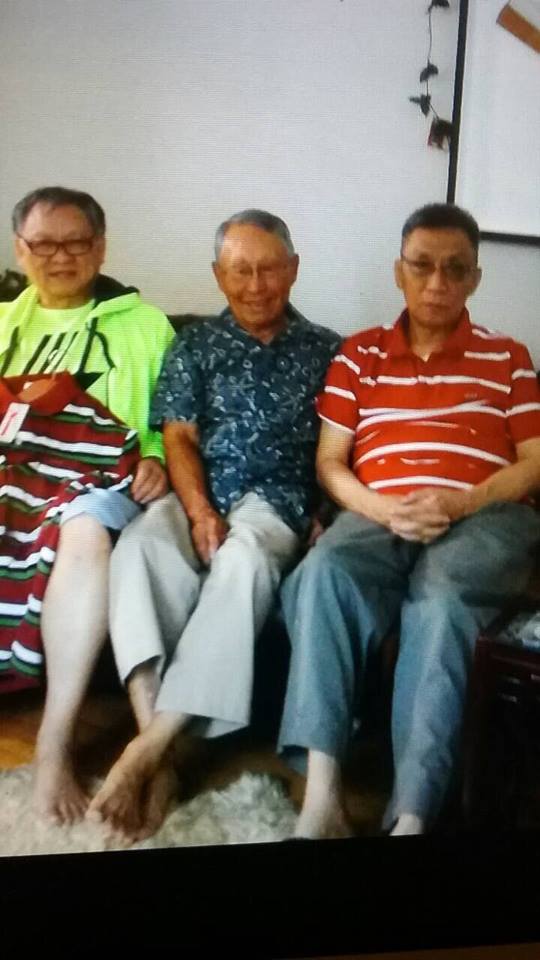
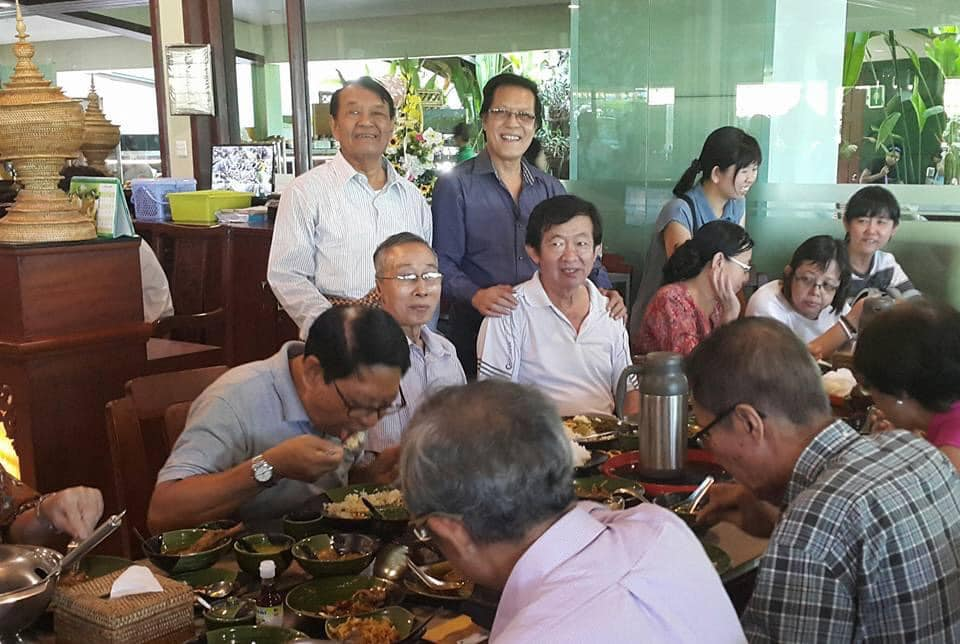
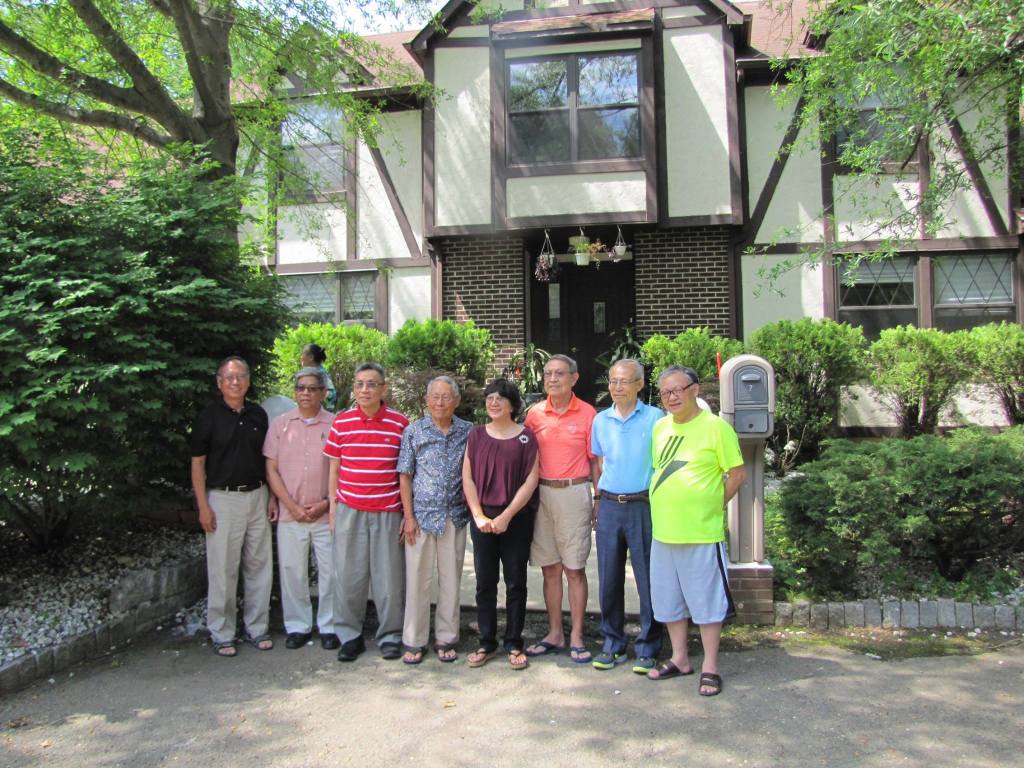
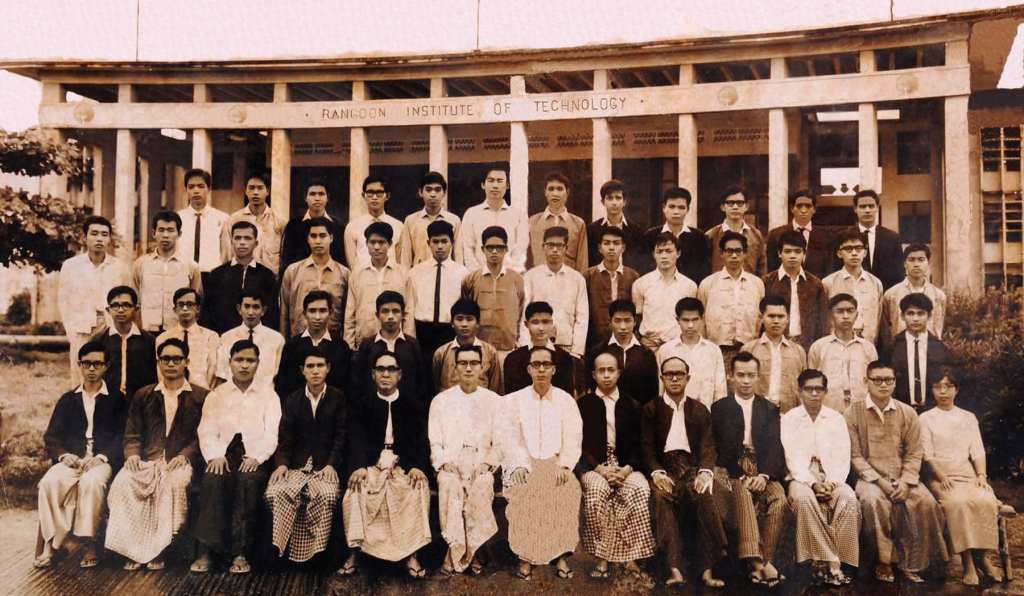
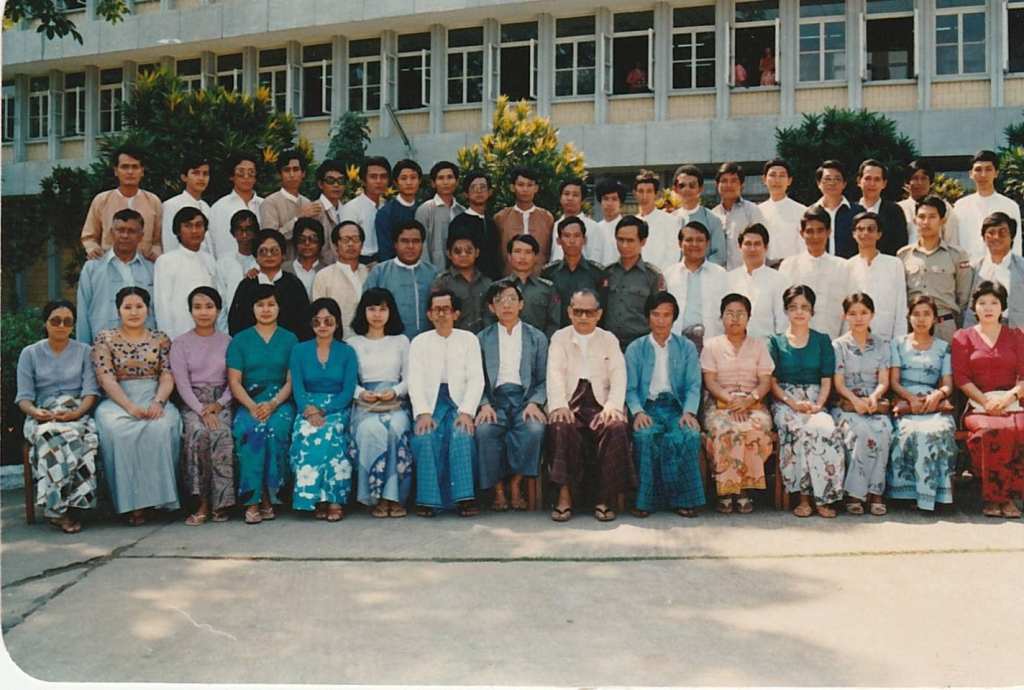
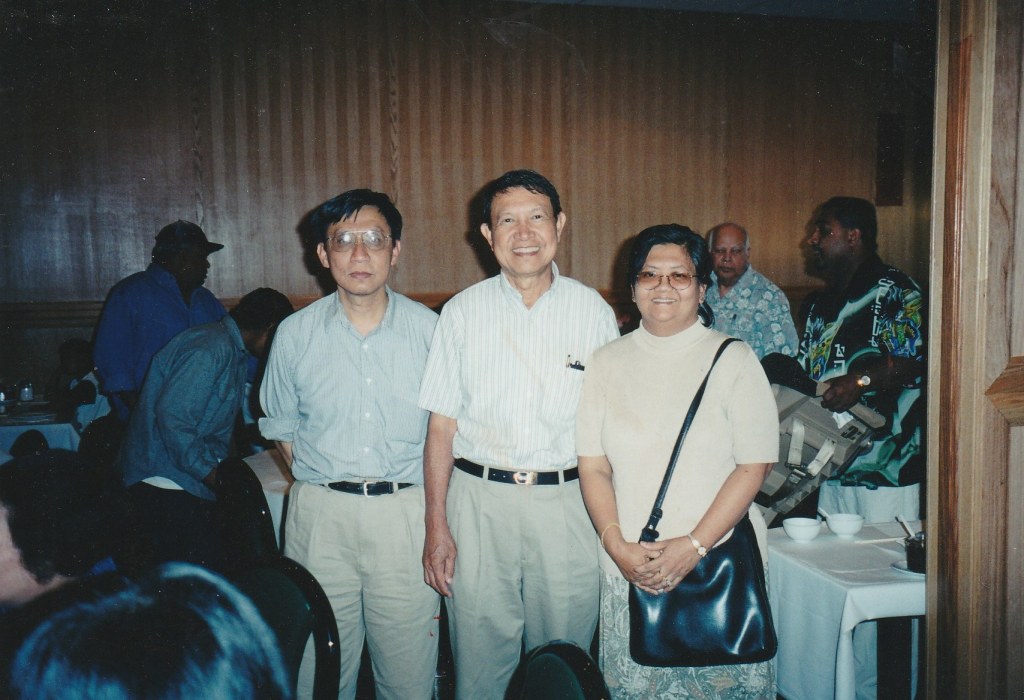
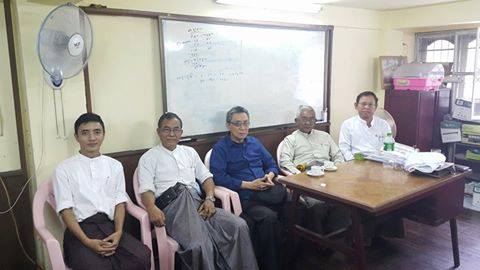
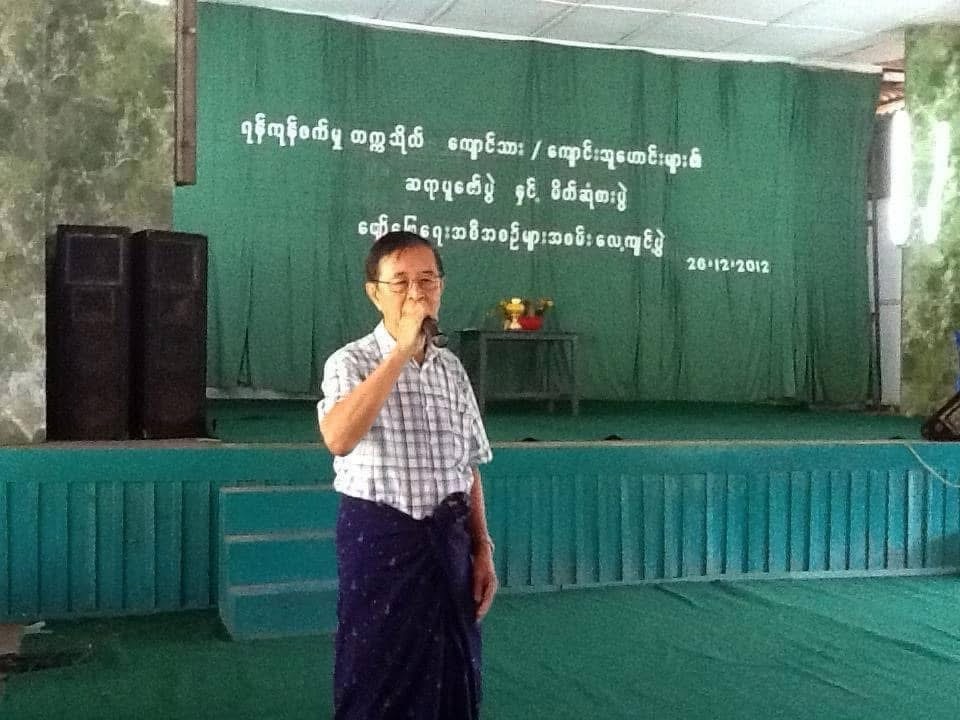
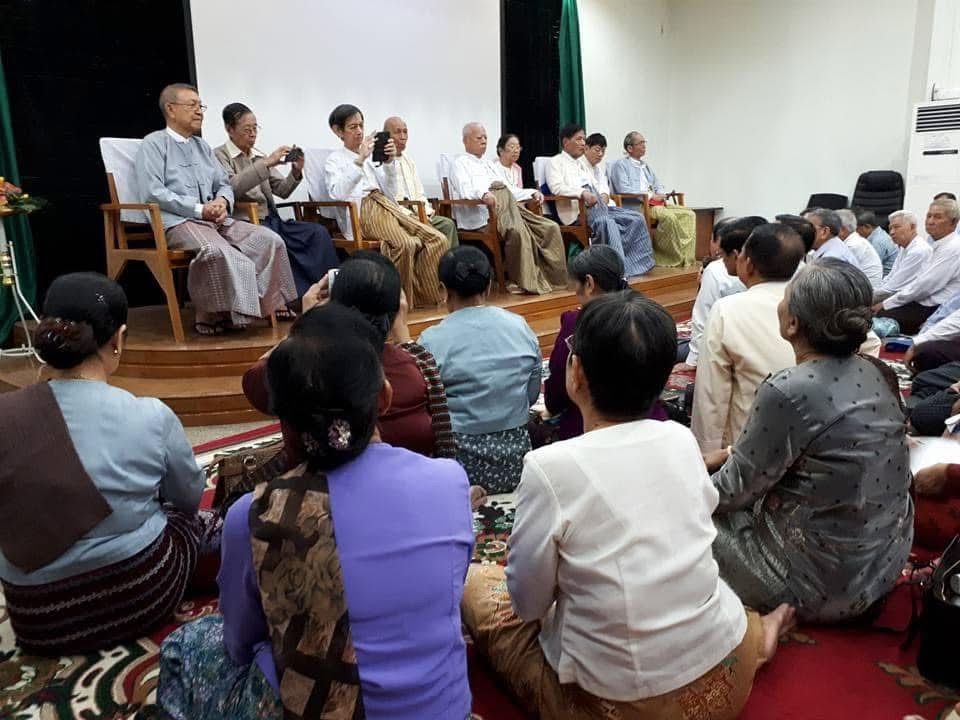
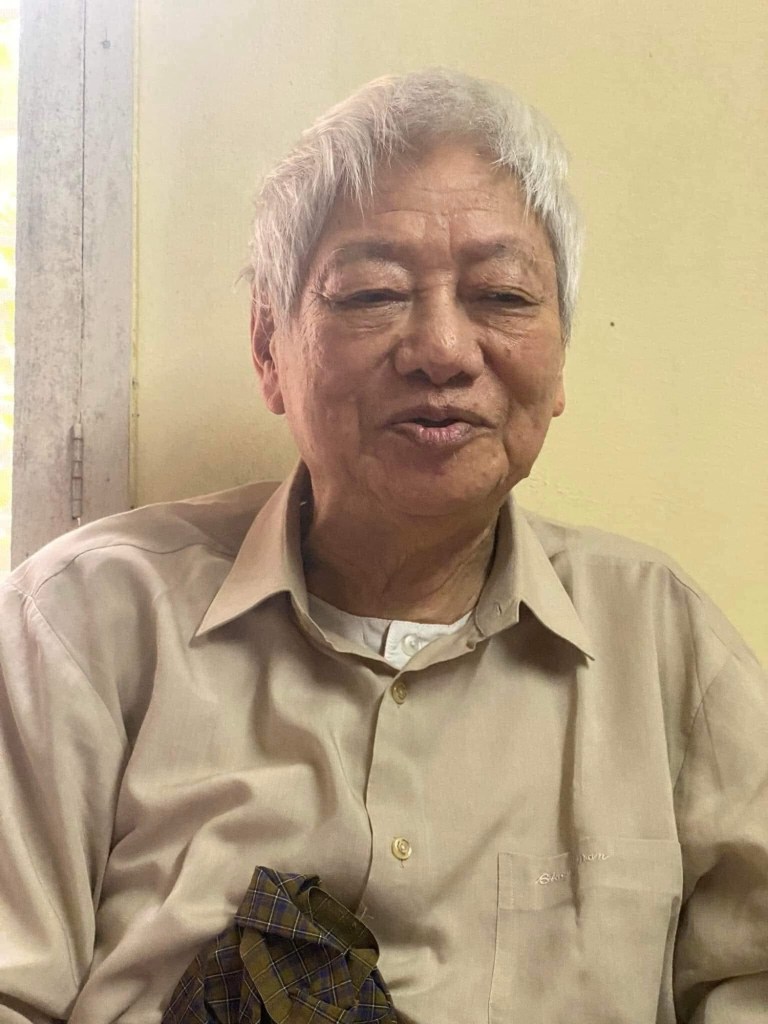
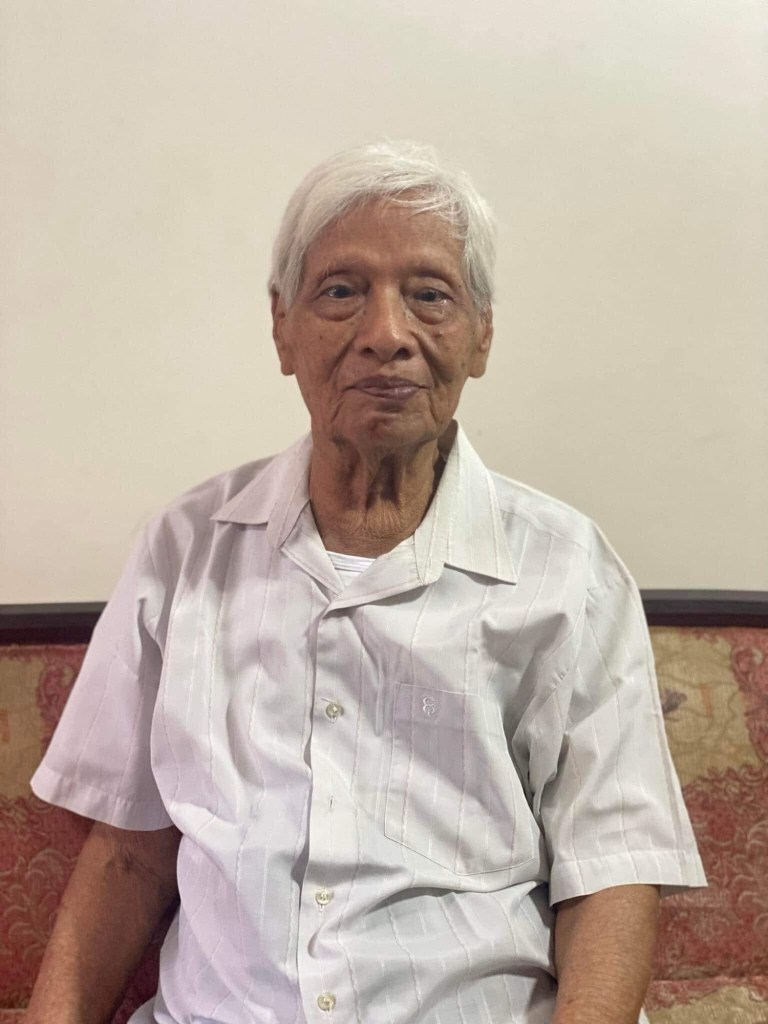
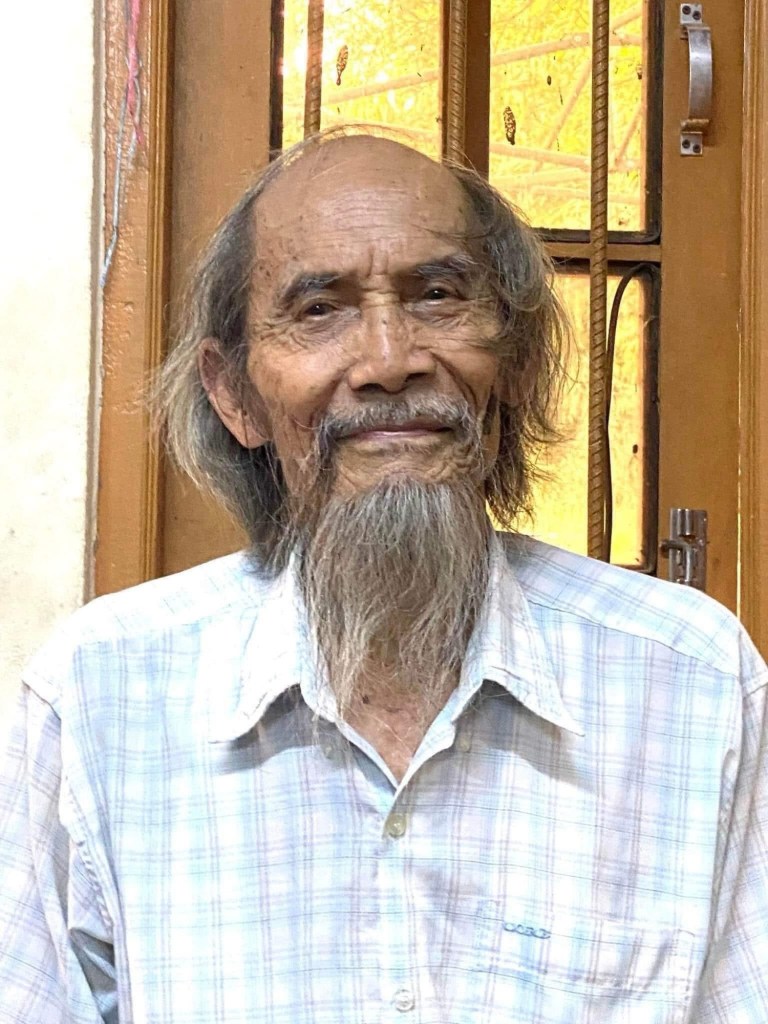
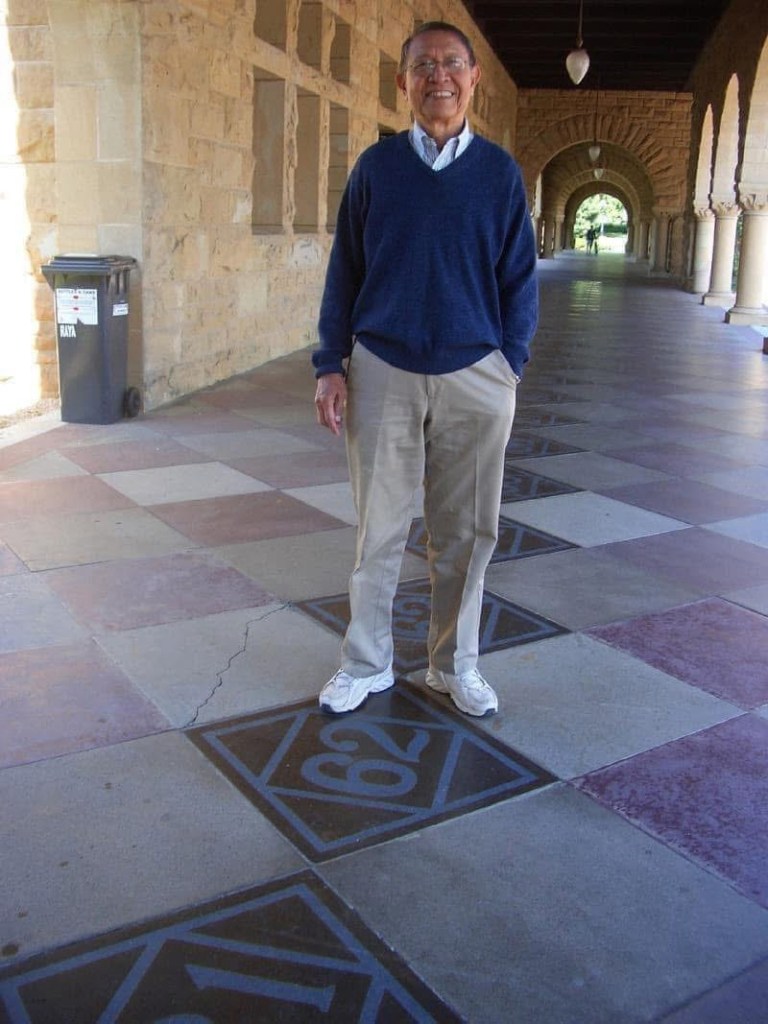
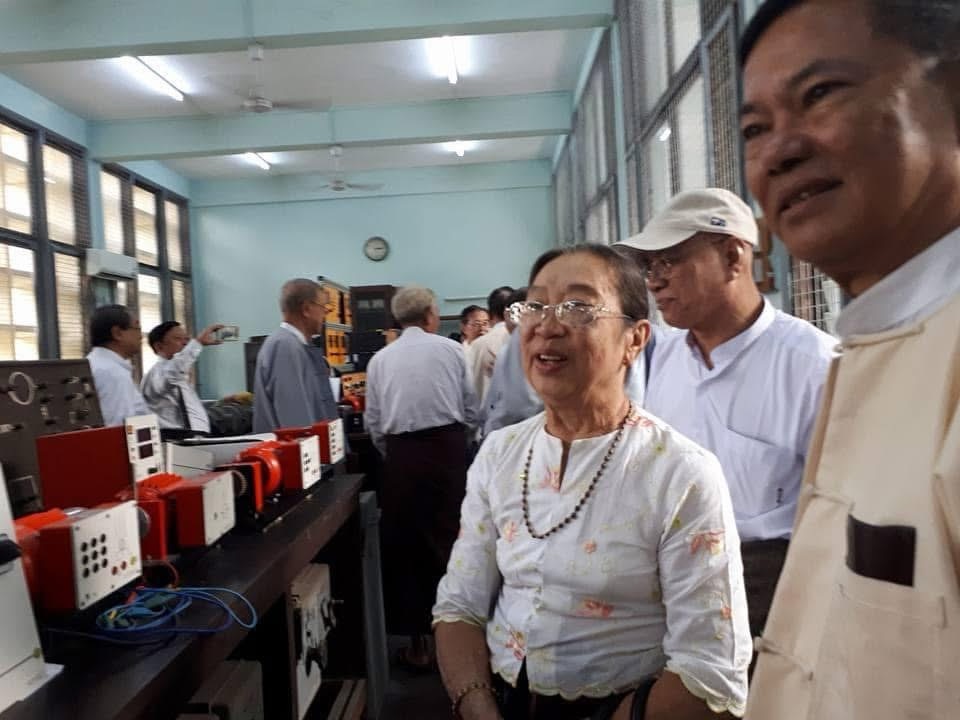
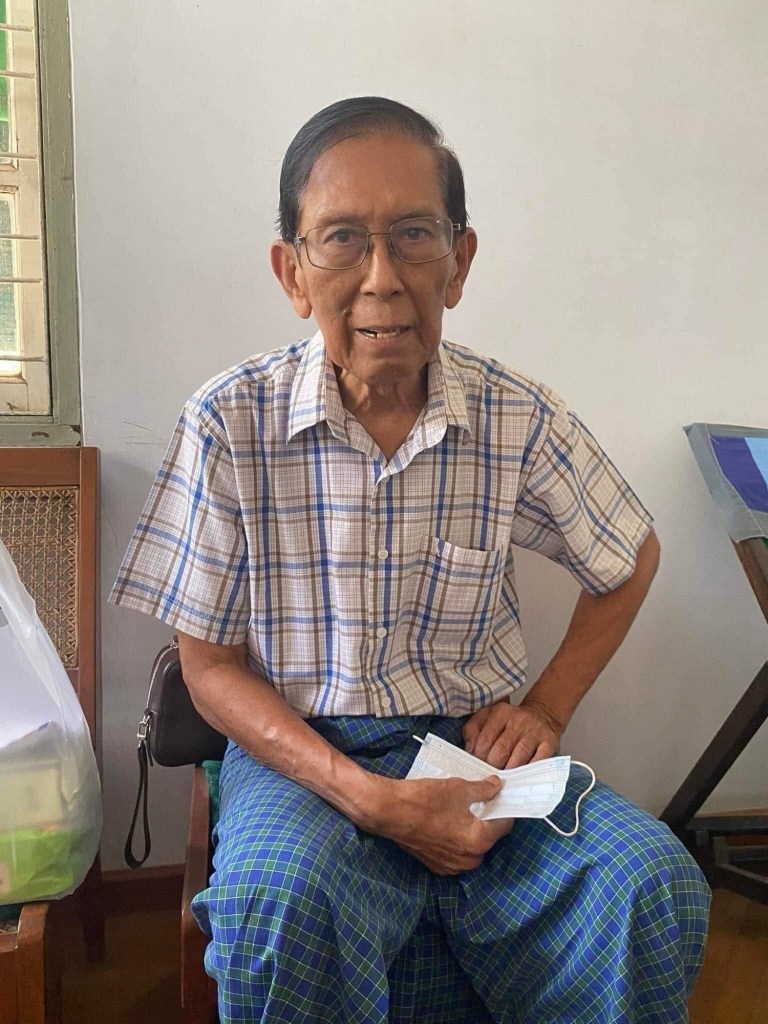
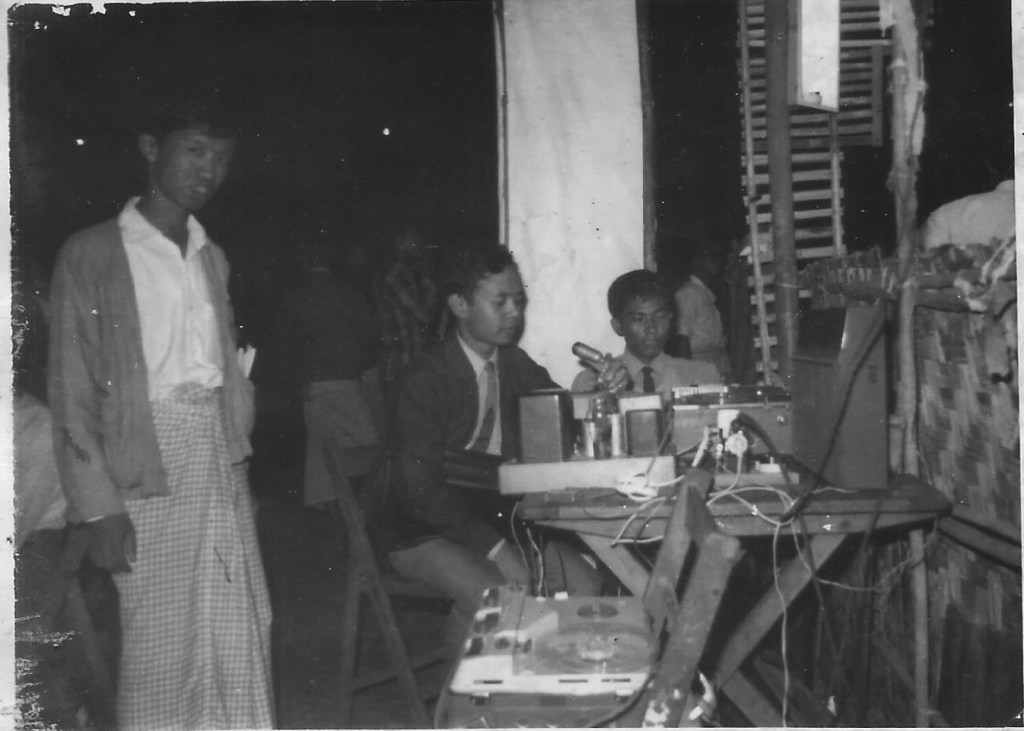
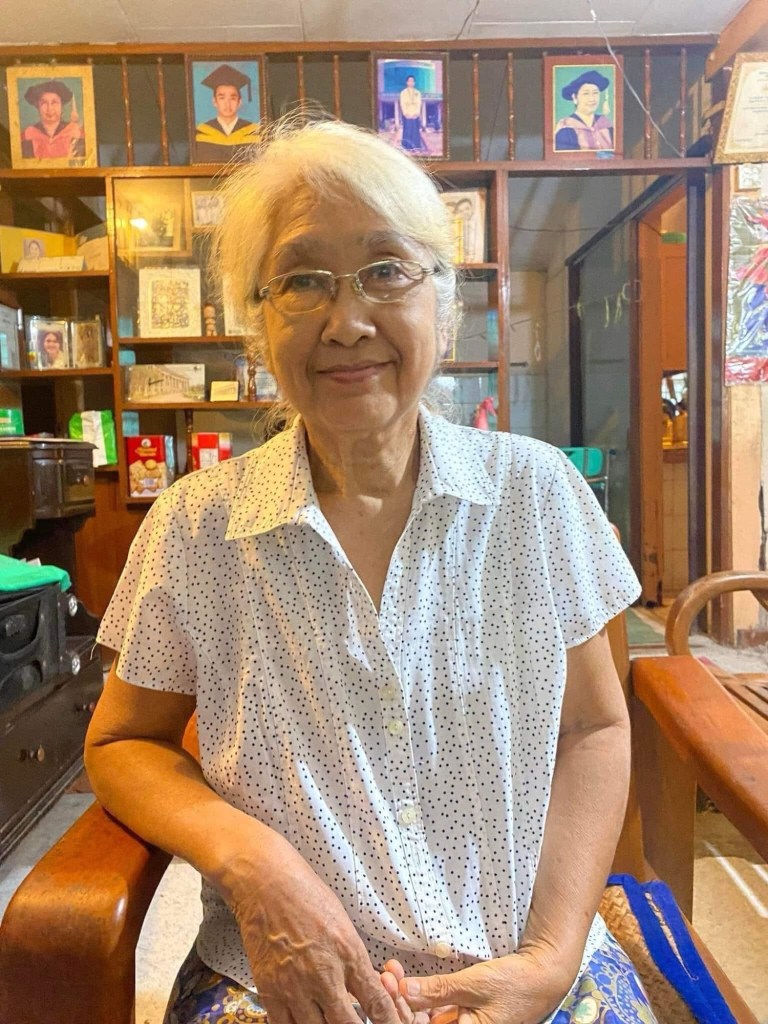
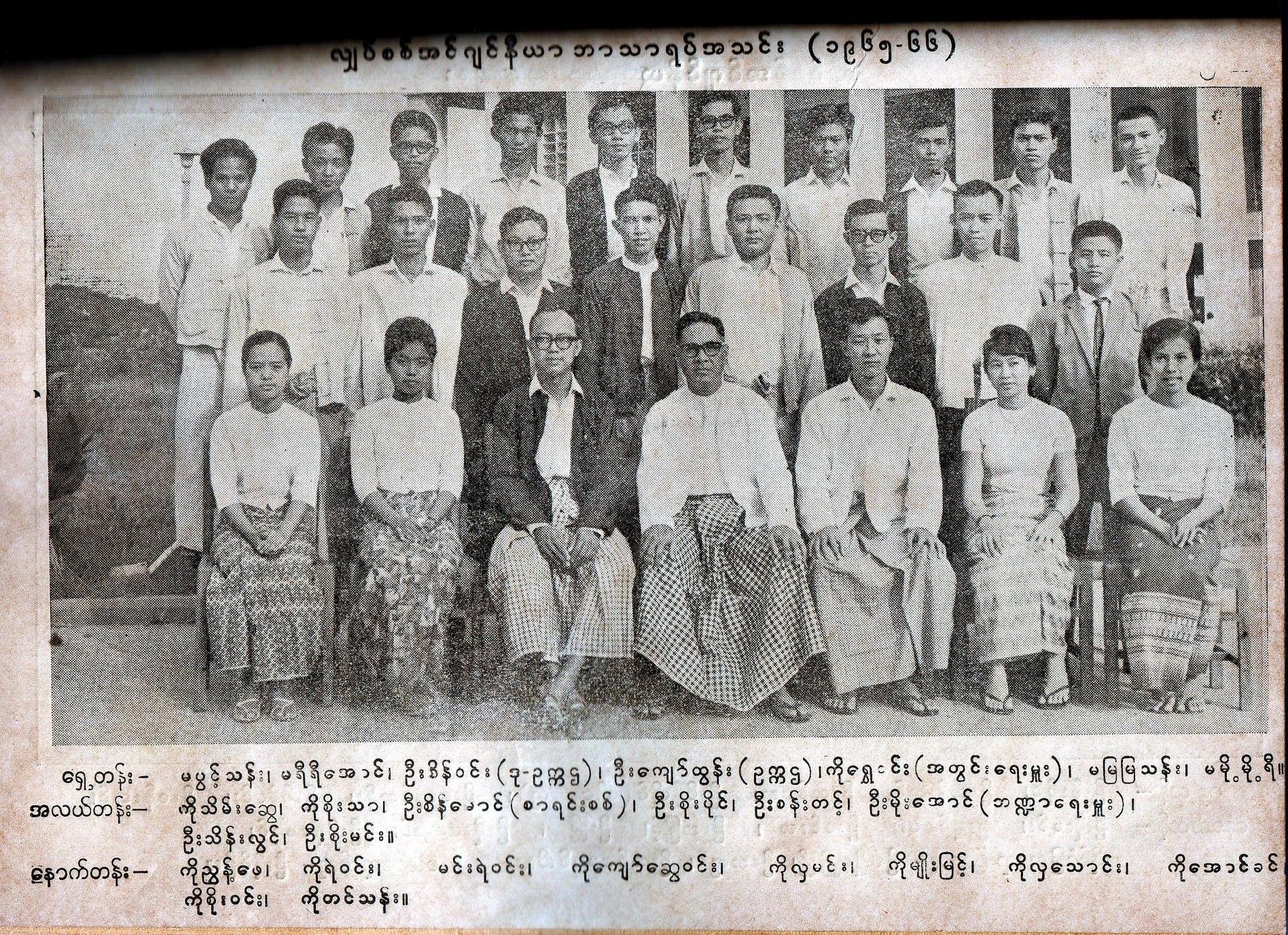
The account about the Association of Engineers in Burma after World War was told by Saya U Tin U and recorded by Saya U Ba Than.
The Association was re-instituted about 1955-56.
President : Sayagyi U Ba Hli (Dean of Engineering, University of Rangoon)
Honorary Secretary : Saya U Soon Sein (Professor, Mining)
Honorary Treasurer : Saya U Tin U (Part time Lecturer, Civil)
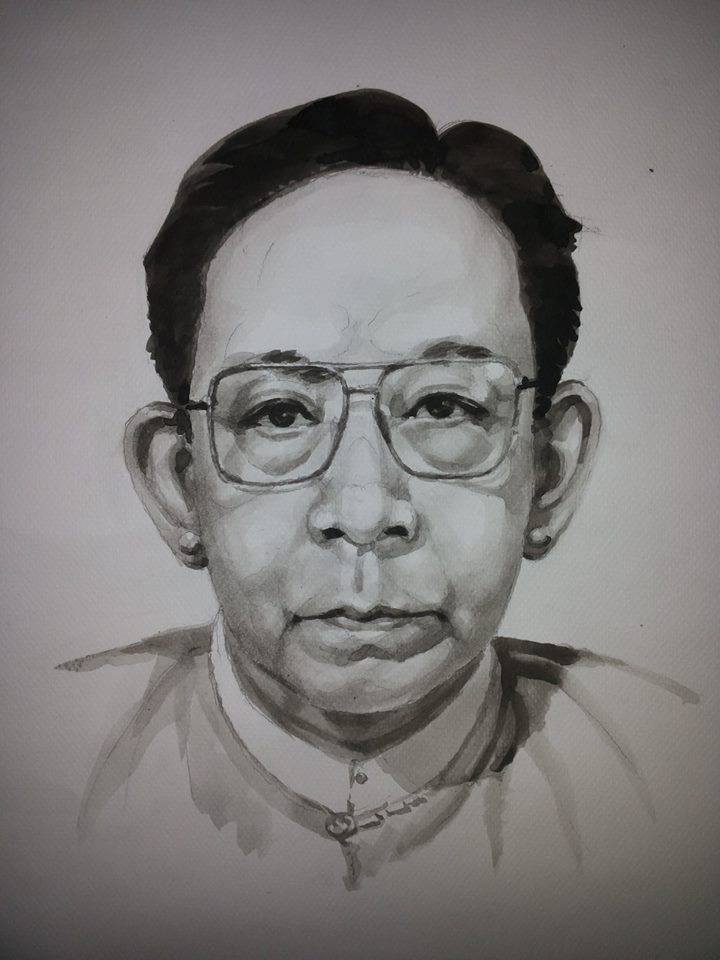
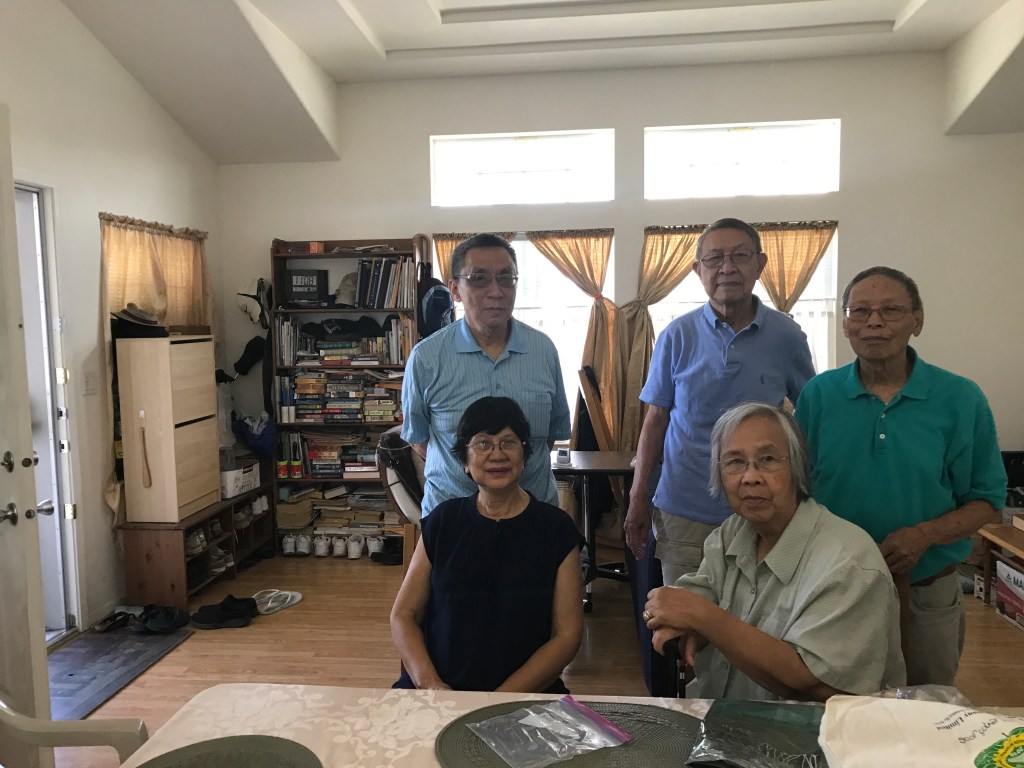
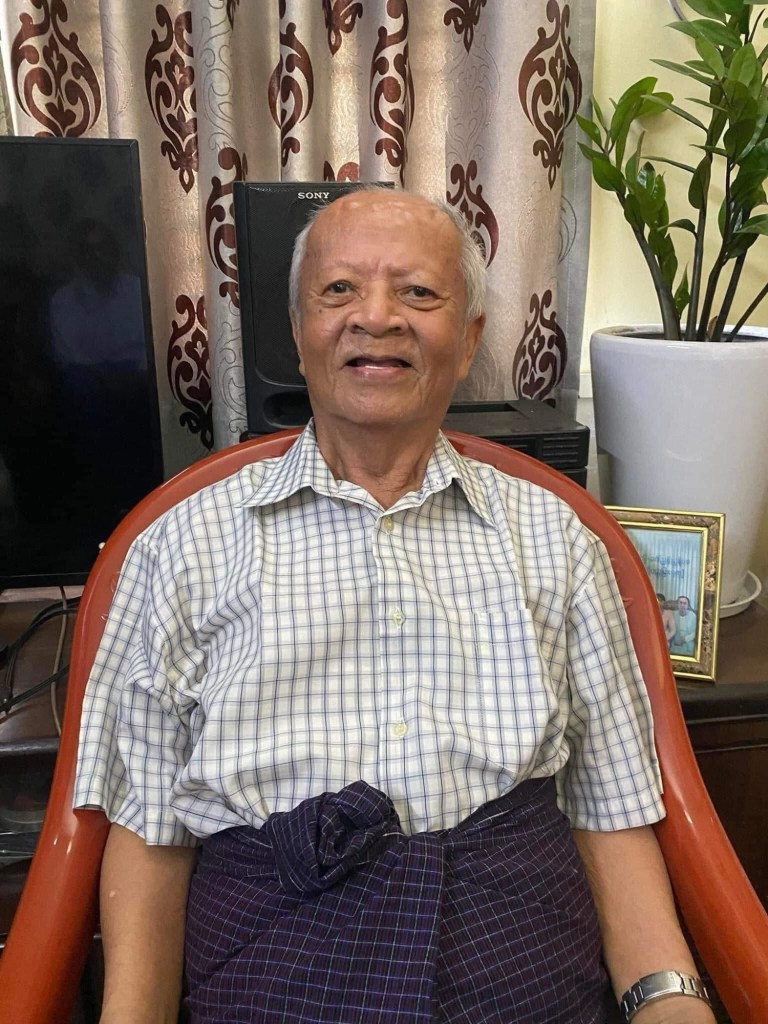
U Tin U
U Tin U
Matriculated from St. John’s Dio in 1946.
Attended Rangoon University before going for studies in the USA.
Captain & Gold of Rangoon University Boat Club in 1948. Represented RUBC in the Independence Day Regatta at Kandawgyi in 1948 along with Dr. Pe Nyun, Dr. Pe Thein and Khin Maung Wint (Bobby).
Received BCSE from the University of Oregon and MCSE from Yale University.
Upon his return to Burma, he worked in the industry and taught part-time at the Civil Engineering department.
Past Captain of Rangoon Golf Club
Oldest & Most Senior Past Captain of RUBC
Retired as Advisor of PWD Group.
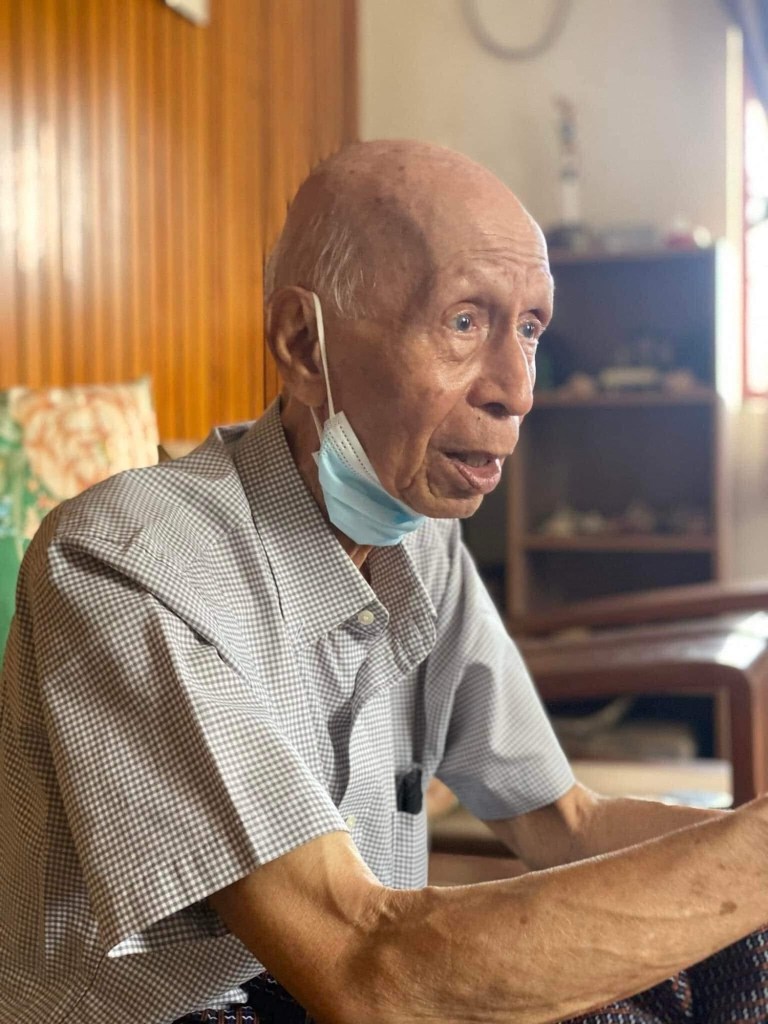
U Ba Than
U Ba Than
1947 : Matriculated from St. John’s Dio and won Collegiate Scholarship.
1949 : Gold Medal for scoring highest marks in the Intermediate of Science exam
RUBC Full Green
Studied Mechanical Engineering at Imperial College, London University
Joined Faculty of Engineering as Assistant Lecturer
As a requirement for promotion, he did his Masters at Imperial College
Retired as Professor of Mechanical Engineering
Early supporter of HMEE-2012 project. Donated his photo albums. Requested U Thaw Kaung to allow U Soe Paing & team to access the archives of Rangoon University Central Library.
Before the pandemic, he invited former colleagues and students to his Birthday Soon Kyaw at Yaw Sayadaw’s Monastery.
He donated back all of the Garawa Money to various social and religious associations.
He is now GBNF.
Updates
HMEE book was published in December 2012. Copies of the book were donated to Universities’ Central Library and YTU Library.
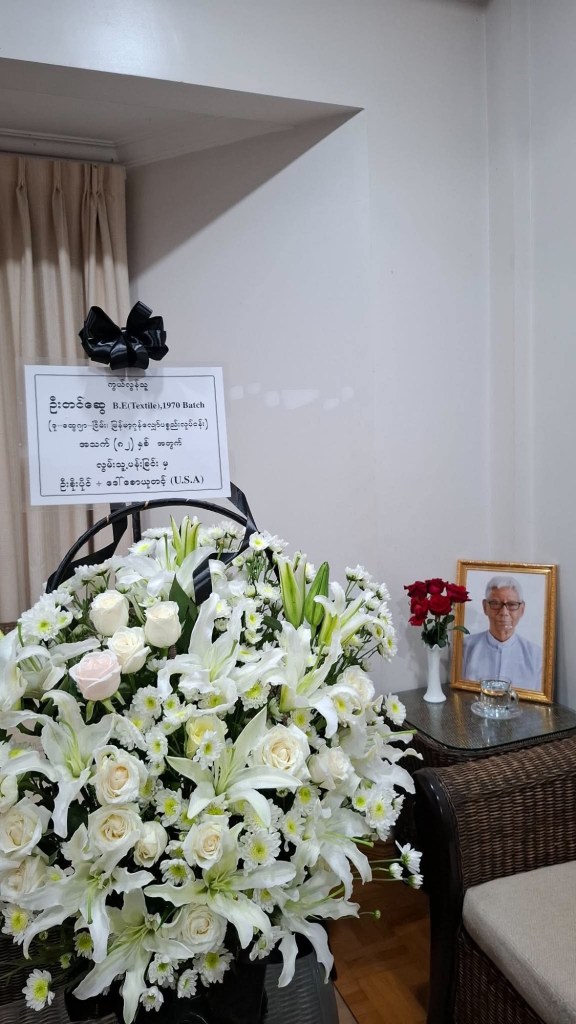
U Tin U lost his spouse Dr. Daw Khin Kyi Nyunt in November 2019, his elder son Dr. Peter Khin Tun in April 2020 and his son-in-law U Tin Tun in May 2030. He will celebrate his 96th birthday on August 3, 2025.
U Ba Than passed away after his 94th birthday in 2024.
There are now 280+ confirmed attendees (of which 250+ have paid and the rest saying that the “check is on the way”). The list is growing. Although we posted the invitations on the web, e-mailed to alumni that we know, and even sent invitation packages to several alumni by snail mail, almost every day, I get a message saying “I’ve just learnt that there is an ex-rit web site” or “I just got a fax from a friend about the Saya Pu Zaw Pwe and I’d like to know if there are any tickets left”.
There are some people who do not have Internet access. There are several who switch their ISPs and their e-mail addresses. There are a few people who do have computers but rarely open their e-mail box; if you send e-mail to them you’ll get “Mail Box Quota Exceeded”. For whatever reason, there are still people who are unaware that alumni from five decades will meet at the Embassy Suites hotel in Gateway Boulevard, South San Francisco on the evening of October 28, 2000. The family members will join the alumni in a picnic on October 29, 2000.
Our webmaster, KMZ, will come to the Bay Area on October 27, 2000. There will probably be lots of pre- and post- Reunion gatherings.
Will I be able to remember the 400 – 500 names (some alumni have 2 or even 3 names) of the attendees? Or as Myint Myint Sein (a) Diana (M70) says, “Will we be able to recognize our friends?” Our teachers used to say that they first recognize the best and the restless/energetic in the class. Then, gradually they focus on the quiet and the timid students.
It’s easier to remember people as a group. So, here we go:
CLASS OF 68
Ko Aung Khin (EP 68), formerly of EPC [spent most of his time at the Lawpita Hydro-electric Power Station], recently became a PE and a proud grandfather. He was known as the “LA Tha-gyee” (village head) since he knew a lot of people in the Los Angeles area. He was an EC member of the RIT Electrical Engineering Association, and a past Vice-President of BAPS.
His seating preference: We (Ko Aung Khin and Ma Win May) would like to sit together with our 1968 batch, Ko Tun Aung (a) Jeffrey (EC68) and his wife from LA, Ko Min Maung (EP68) and his wife from Seattle, and Saya U San Tint if it is possible.
Ko Tun Aung was EC1 [the roll numbers then were given in honor of merit]. His wife Ma Thuza was a well known movie actor.
When Saya U Chin Way (EE) first came to the US, Ko Tun Aung asked him to apply for a job at his department. As the story goes, the interviewer(s) asked if Saya knew anyone there. Saya said that he only knew Ko Tun Aung, who used to be student back home. The interview ended there and then.
Congratulations, Ko Tun Aung for paying back the metta and cetana of his saya(s). Sad to say, Saya U Chin Way had passed away.
Ko Myat Htoo (C68), co-chair, Steering Committee, wrote:
Thank you so much for sending me Krishna Rao’s phone no. I spoke with him in length yesterday and gave him my other classmates’ phone nos. He left Burma right after graduation in ’68. My last night’s phone call to him was our first contact in 32 years. I found out that he got divorced from his wife of 18 years recently and just had a heart bypass surgery a month ago and he is still recuperating.
Ko Myat Htoo (Civ 68) joined the Civil department upon graduation. He is now a Branch Chief with CalTrans (California Transportation). He is serving his second term as President of TBSA. He will be hosting Saya Dr. Aung Gyi and Saya Dr. San Hla Aung (C58).
CLASS OF 70
Ko Zaw Min Nawaday (EP 70) writes: Will it be possible to seat Ko Ye Myint (EP72) and spouse, Ko Myo Khin (C70) and spouse, with me and my wife?
Ko Zaw Min was Roll No. 1 for the ’64 intake of the first ever 1st BE and was a “Luyechun” (Outstanding Student). The “Luyechun” project started the year before for middle school and high school. It was extended to the University students in the Inlay Khaung Daing summer camp in 1965.
Ko Zaw Min was a top student in EP. Ko Thaung Sein (a) Steeve Kay and Charlie Tseng were the top of the EC class.
After relocating to the US, Ko Zaw Min switched to Electronics specializing in Component Design. He has relocated from New York to the Bay Area.
Ko Ye Myint is Saya U Ba Toke’s son. One of Ko Ye Myint’s sons is an EE working in Singapore. Another is expected to graduate from AU [formerly ABAC] also with a degree in EE.
Saya U Ba Toke retired from AU last year. He will be attending the Reunion and Saya Pu Zaw Pwe. His sponsors include Ko Zaw Min, Ko Maung Maung Than (M79), Ko Mya Thwin (Philip, EE75), Saya Allen Htay (C58) and Saya U Tin Htut (M60).
Ko Myo Khin (C70) and Ma Mya Mya Nwe (C73) will attend. They will be staying at the Embassy Suites. Ko Myo Khin, along with the late Ko Win Thein (M67), were among the top organizers at RIT. Ko Myo Khin joined the Civil department upon graduation. He later taught at the Japanese universities.
The following is a message forwarded by Ko Zaw Win (C70) who will not be able to attend the Reunion:
Dear Ko Myo Khin
How are you and your family? I think both of you must be counting your days for the trip to US for the Saya Pu Zaw Pwe. It’s a rare and a great occasion for all the graduates of RIT who were out of the mother country for different reasons to meet at this ‘Pwe” and for a reunion.
Unfortunately circumstances do not allow me to participate in the grand occasion. Please send my greetings to all our friends when you meet them.
At present in Sydney, Australia the whole town is bubbling with Olympic activities while I am trying to finish the three project reports which were due last month. Sometimes I really long for those old times where we can simply lay on our backs and enjoy the slow flow of events with ample of free time. I really now understand that “Life is a struggle” everywhere. Life is also short and enjoy it while you can, with metta towards others.
CLASS OF 74
Ma San San Swe (San San Nwe, EC 74) wrote:
Would there be any seating arrangements? Is it possible to ask for seating with a few of our friends in one table? They are :-
1. Yee Yee Win; San Francisco 2. Ko Tin Aung Win & Dorothy; Sydney, Australia 3. Suzie, husband [Saya U Myat Thwin] & son [Raymond]; Houston, Texas 4. Ko Myint Swe & San San; Cupertino
Thanks, Sansan
For the 1st BE intake of ’68 (mostly graduated in ’74), Ko Htay Lwin Nyo was No. 1 followed by Ma San San, Ko Ne Win Maw, Ko Myint Swe, Sai Aung Thurein in the top of the class.
An ode to Dr. Htay Lwin Nyo (part-time Professor, SJSU) can be found in the “HLN Memorial Pages”.
Ko Myint Swe (EP74) and Ma San San moved last Thanksgiving to the Bay Area. They have both volunteered for the Organizing Committee of the Reunion and Saya Pu Zaw Pwe. They hosted a lunch meeting some time back. Ko Myint Swe works for AMD and has to travel frequently to Austin, Texas, and elsewhere. He enjoys playing golf and tennis.
Ko Tin Aung Win is a brother-in-law of Saya U Myo Win (M65). He will be bringing a letter and photos from Saya U Myo Win. Dorothy is an RIT associate. She is the younger daughter of the late Sayagyi U Kyaw Tun (EE).
Daw Yee Yee Win was shocked when he learned about HLN’s untimely death. She was one of the donors to the HLN Memorial Fund along with the Swe(s) and Ma Suzie.
Ma Suzie Lin (formerly Suzie Yea) wrote that she could hear the laughing and talking in the RIT corridors as she browsed the ex-rit web site pages. Her letter to the Editor and Web Master is straight from the heart. Saya U Myat Thwin (Kuesan Lin, ChE66) won several scholastic awards from the US even when he was studying at RIT. Not wishing to miss the big Reunion — thanks in part to the phone call by Saya U Maung Maung7 (George, ChE66) — the Lin(s) decided to buy three tickets to bring along Raymond.
With metta, Hla Min
_____________________________________________ Countdown to the Reunion (2) _____________________________________________
Note : I posted 64 “Countdown to the Reunion” and 36 “Post-Reunion” for SPZP-2000. Countdown (2) was posted on September 19, 2000
Dear Sayas and Colleagues,
Since the alumni attending the Reunion and Saya Pu Zaw span five decades, we need help from representative(s) of each decade to highlight that era and to introduce the alumni. I’ll try my best to give an overall demographics of the alumni attending the first ever Grand Reunion and Saya Pu Zaw Pwe.
Saya H Num Kok
Saya H. Num Kok (Civil) and Saya U Ba Toke (Maths) are the most senior sayas [by age] among those attending the Saya Pu Zaw Pwe. They also taught most of the sayas and senior alumni. Two brothers of Saya U Num Kok are also alumni. H. Num Fatt has not registered for the Reunion, but H. Num Pon (a) Saya U Myint Lwin (C61) will be at the Reunion. For many years, Saya U Num Kok acted as line judge at the RUBC8 regattas. Saya U Myint Lwin rowed for the Faculty of Engineering.
Saya U Ba Toke
Saya U Ba Toke taught mathematics to the engineering students. Saya later served as Professor of Mathematics at the Rangoon University, Rector at MASU, and as Professor of Mathematics at RIT. He retired last year from Assumption University (formerly ABAC), Bangkok, Thailand. While at RIT, Saya U Ba Toke chaired numerous organizations including “Thu-khu-ma a-nu-pyin-nya” (Fine arts) and sports.
The sponsors of Saya U Ba Toke include Saya U Tin Htut (M60), Saya Allen Htay (C58), Ko Zaw Min Nawaday (EP70), Ko Maung Maung Than (M79), and Ko Mya Thwin (Philip, EE75).
E-mail I received earlier from Saya U Myint Lwin
Dear Hla Min:
Thank you for your e-mail and the invitation to the RIT Reunion. It should be a memorable event. I will put the date in my calendar. I taught at RIT as Assistant Lecturer in CE from June 1961 to October 1962.
I visited RIT and the Rangoon University Boat Club in March 1999. RIT was closed at that time, but I was able to visit with Rector of RIT and Head of Civil Engineering Department. I look forward to the event. Please let me know if there is anything I can do to help.
Have a great day!
Myint Lwin Structural Design Engineer FHWA
Engineer Athletes
The engineering students are known for their athletic prowess. Here is a sampling from the attendees of the Reunion:
Saya U Tin Htut (M60, Past RUBC Captain and Gold)
U Tin Htoon (A60, Past RUBC Captain and Gold) won numerous trophies at the RUBC regattas, the National Championships, FEARA (Far East Amateur Rowing Association) and ARAE (Amateur Rowing Association of the East) regattas — Venables Bowls for Coxless Pairs in Calcutta 1958, and Willingdon Trophy for Coxed Fours in Colombo 1960. He won a silver medal for sailing in the SEAP games.
Ko Htein Win (Richard Taw, “Chauk Pay”, M70) tended the shallow end goal for the RIT water polo team. He also represented RIT in rowing.
Ko Htaik San (Henry Kao, M81) and Ko Thura Thant Zin (M76) are RUBC Golds. They won gold medals at FEARA regattas.
Among those who represented RIT include Saya U Myint Lwin (C61), U Than Soe (RUBC Gold, M63), Ko Khin Maung Lay (T 68), Ko Khin Maung Zaw (EC76), …
Saya Dr. San Hla Aung served as timekeeper and/or starter at the RUBC regattas.
Ko Khin Maung Zaw (EC76) and Ko Thura Thant Zin (M76) played as last defender and goalie of the RIT Hockey team. KMZ served as TTZ’s coach in hockey. TTZ served as KMZ’s coach in rowing.
Ko Kyaw Sint (Edward Tai, T70) is a multi-discipline sportsman. He was the Junior National Champion in tennis, a Full Green in rowing, and University First Eleven in soccer.
Ko Jimmy Kyin (GBNF, T69), Ko Thein Aung (Met 72) and Ko Than Htike (M71) represented RIT in the weightlifting and bodybuilding contests. A picture of the youthful “Mr. University” can be seen in the “Photo Gallery”.
Ko Khin Maung Lay (T68) represented RIT in track and field, soccer and rowing. He was a member of the University [Second] Eleven.
Count down to SPZP-2012 (15) __________________________________________________
Saya U Moe Aung wrote :
Dear U Hla Min
This is with reference (Update Sept 5, 2012) to your emotional feelings about not being a Saya at RIT and people being not aware of you as a Post Master and an Editor.
It is very natural that with the generation gap growing wider and wider with each passing decade, the middle-aged or the younger people will definitely not- or not wish to- know who their preceding generations are and how they fared or are faring.
Only with the exception of a few who possess strong desires to master some language (e.g. English, Burmese) and to acquire in-depth knowledge and writing skills to become a writer or poet, I believe that not many wish to take up interest in these fields.
Please correct me if my viewpoint is wrong. Since we are living in a modern hi-tech world, especially in capitalist countries, most people tend to chase after monetary gains first and place others last.
But, people who know you will not hesitate to shower their praise on you, because they acknowledge that you have sacrificed a vast portion of your time and energy throughout the years to get RITians connected and feel at home. If I were sitting near or at the same dinner table as you, I am sure I would have done the same thing like Saya Dr Myo Khin and Saya Dr Soe Thein did.
Since I did not see you at the SPZP 2007 dinner night, I thought that it was my duty to call on you the next day and that was why I saw you off at the Airport with Ko Tin Aung Win at the wheel. I remembered that day because it was raining heavily and I was soaked.
For me, U Hla Min, you deserve to be deemed a writer and a poet, because you don’t need to write hundreds to become one. There were some instances of some famous poets who wrote only a few poems in their lifetime.
My memory doesn’t permit me to recall distinctly but only vaguely the ones you wrote. During that period I myself wrote some poems in English and they got published in “The Guardian” Magazine.
We all know you were a Saya at UCC, DCS and ICST. I would like to take this opportunity to mention that my brother-in-law Ko Hla Min (same name) was your former pupil. The last time when you visited Singapore, I heard Ko Hla Min went to meet you.
Well, U Hla Min, this is Life! and whatever will be, will be (Que Sera Sera).
But as you mentioned, let us share our memories of our beloved Swel Daw Yeik with never ending love and passion.
Let us embrace SPZP 2012 Yangon together!
Regards [Saya U] Moe Aung
Editor’s notes:
Thanks Saya for your kind words.
Saya’s mentors include the famed Sayagyi Daung Nwe Swe. In his student days and later as a faculty member, Saya not only served as the [Chief] Editor, but also supervised the printing of the Sar Saungs and Magazines. Saya has published poems in both Burmese and English. Saya’s recent contributions include Chair of SPZP-2002 and SPZP-2010, and the Chief Editor and/or Publisher of the commemorative issues of the “Swel Daw Yeik Sar Saung” and “Swel Daw Yeik Magazine”.
Sayagyi U Kyaw Tun, Saya U Myo Kyi, and Saya U Moe Aung are some EE sayas, who taught “Principles of Electrical Engineering” to non-EE students.
Countdown to SPZP-2012 (81) ____________________________________________
Attended the SPZP-2012 Main Committee Meeting presided by U Win Khaing.
To minimize traffic congestion and parking problems, attendees to SPZP-2012 are requested to car-pool, take buses or taxis.
3000 – 4000 attendees are expected for the morning event.
There will be four groups of sayas and sayamas for the “paying respect” ceremony.
2500 or more attendees are expected to attend the evening event. Tickets are available at K15000 per person. Dinner buffet and entertainment (by the famed Swel Daw Yeik Troupe) are provided.
Review of the Final Draft for the “History of University Engineering Education in Burma/Myanmar” has begun. The printing is scheduled on or around December 16, 2012.
Two Cartoon Boxes will be on display at SPZP-2012. Commemorative “RIT Cartoon Collection” will be on sale at K2000. Several RIT Cartoon Sayas have volunteered to demo their expertise.
The Swel Daw Yeik Magazine committee will have a meeting on or around December 16, 2012. The team is headed by U Saw Linn (C 71) and includes distinguished writers such as Ma Sandar, N. Jar Thaing, and Maung Sein Win (Padeegone).
Copies of 23 vintage “RIT Annual Magazines” will also be on sale. Each magazine costs K3000. The whole set is available at K65000.
Countdown to SPZP-2012 (82) ____________________________________________
Saya U Maung Maung (George, ChE66, President, NorCal RITAA)
Saya U Myat Htoo (C68, Vice President)
Saya Dr. Tin Aung (K. C. Chiu, ChE 63)
U Hla Min (EC69)
U Benny Tan (M70)
Saya U Thein Aung (James, Met72)
U Robert Hla Thein (M72)
Daw San San Nyunt (Sandra, M76)
U Nyunt Than (M86)
Saya U Maung Maung has requested U Win Khaing (M 75, Chair, SPZP-2012; President, MES) to have a meeting at 3:30 p on December 29, 2012.
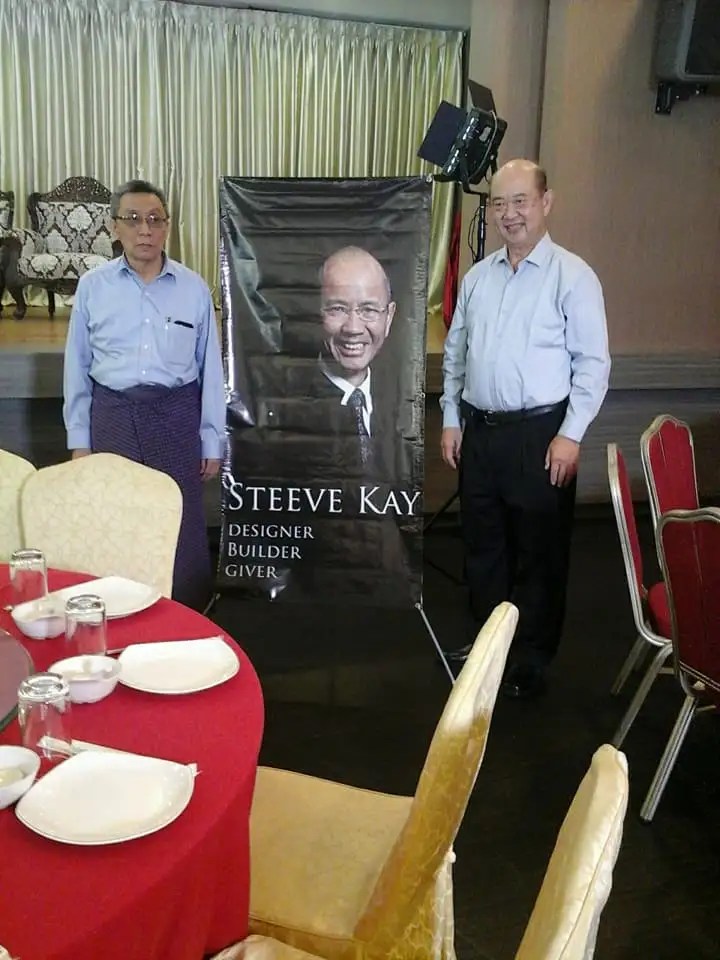
U Thaung Sein (Steeve Kay, EC70)
He is a Multiple SPZP Sponsor at the highest level).
He will give a 5-minute presentation/announcement at SPZP-2012.
He provided the “seed money” (US$3000+) for SPZP-2000.
He has pledged US$5000 for SPZP-2012.
His other charitable donations include “Relief for Cyclone Nargis victims” (via CABA), “Helen and Steeve Kay Health Care Fund for RIT Sayas and Sayamas”, Golden (and above) sponsorship for all the RIT Grand Reunion and Saya Pu Zaw Pwes,
U Yu Beng (Benny Tan, M70)
He is a Multiple SPZP Sponsor)
He will also attend SPZP-2012
He co-chaired the Working Committee with U Hla Myint Thein (Maurice Chee, M 75) for SPZP-2000.
He designed the SPZP Banner, and the commemorative T-shirt, mug for SPZP-2000.
He is currently enjoying his third career as a proud grandfather taking care of the grand kids.
Sayas and Sayamas
Most sayas and sayamas from overseas and out of town will converge to Yangon around December 26 – 28.
Some have accepted the two-night stay (for December 29 and 30) provided by the SPZP-2012 organizers/committees/sponsors.
Sayagyi U Aung Khin (M) and Saya U Tin Htut (M 60) will stay at Winner Inn. Sayagyi U Ba Than (M) will welcome them personally at the air port before taking them to Winner Inn
Main events
Main events for SPZP-2012 will be held on December 30, 2012.
Morning: Saya Pu Zaw Pwe (paying respect to four tiers/groups of sayas and sayamas) in the RIT/YIT/YTU Gyogone Campus
Lunch (probably Birayani/Danbauk and refreshments) will be provided to all attendees
Some souvenirs will be provided to the “registered” attendees
Exhibition booths: photos, cartoon boxes, vintage RIT magazines, list of sponsors/volunteers, ….
Items on sale:
“History of University Engineering Education in Burma/Myanmar” by Saya U Aung Hla Tun and Ah Phwe,
Commemorative issue of “SWEL DAW YEIK MAGAZINE” by U Saw Linn (C 71) and Ah Phwe,
RIT Cartoons by U Myint Pe (M 72) and Ah Phwe
Souvenirs (ball pens, key chains, calendars, …)
Evening:
Reunion Dinner at Convention Center on Min Dhamma Road
Ticket: K15000 per person
Buffet dinner
Group of 10 sayas/alums may request to be seated at the same table
Entertainment (include the famed SWEL DAW YEIK AH NYEINT, …)
Special request: Please “car-pool” or take public transportation to minimize traffic congestion and parking problems.
Volumes 1 – 3 of the RIT Annual Magazine were published during Sayagyi U Yone Moe’s tenure; Volumes 4 – 7 were published during Sayagyi Dr. Aung Gyi’s tenure; and Volumes 8 – 16 were published during Sayagyi U Khin Aung Kyi’s tenure.
Sayagyi Dr. Aung Gyi served as Chief Editor for the first three volumes. Saya U Aung Hla Tun served as Chief Editor for the next four volumes. Saya U Moe Aung (Tekkatho Moe War) served as Chief Editor for nine volumes.
Seven years would pass without the publication of RIT Magazine.
The name “SWEL DAW YEIK” first came into prominent use in 1970 as a synonym for RIT and the Engineering Colleges and Institutes. Rangoon University was established in 1920 and the Golden Jubilee was celebrated in 1970. I had a minor role as a volunteer on the “Zay Nay Yar Cha Htar Ye Committee”. Sayagyi Dr. Aung Gyi (then Professor of Civil Engineering) and Saya U Thet Lwin (then teaching Burmese at the Institute of Economics) had major roles on the Main/Preparation Committee. Later, they would rejoin forces as Rector and Registrar of RIT.
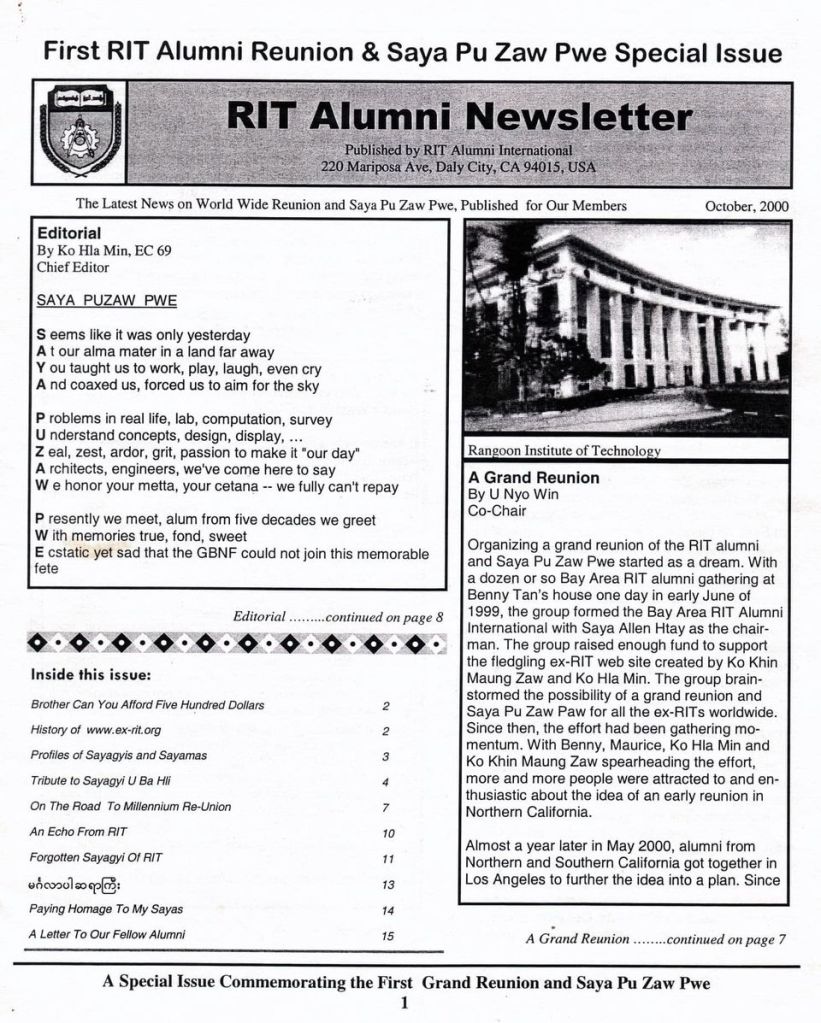
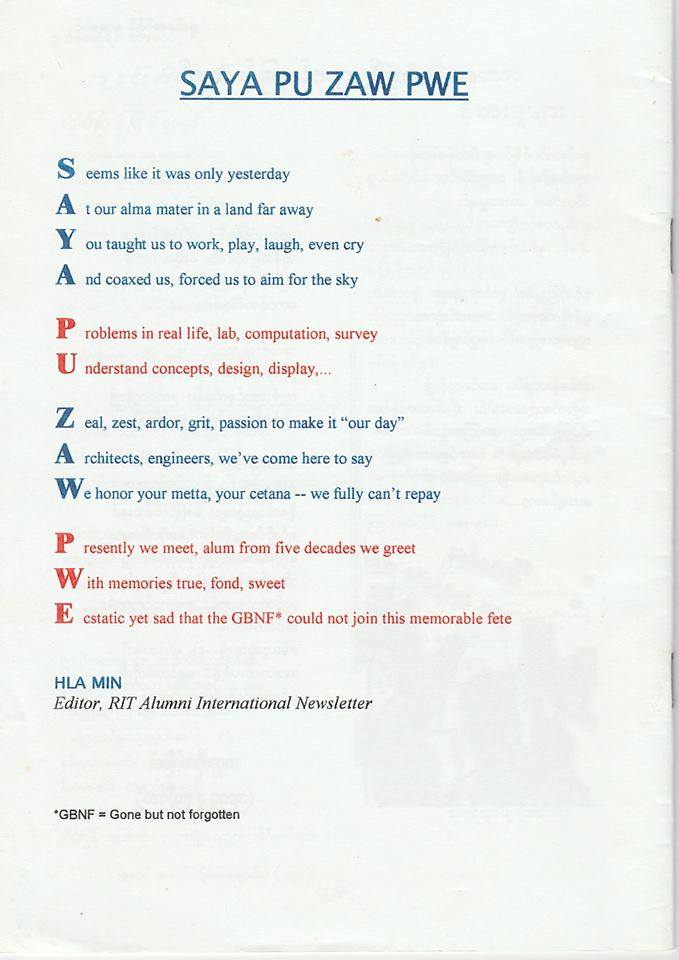
I was Editor of the Commemorative RIT Alumni International Newsletter for SPZP-2000. Saya U Moe Aung was Editor/Publisher of the Commemorative SWEL DAW YEIK SAR SAUNG for SPZP-2002, SPZP-2007, and SPZP-2010. Saya printed my poem “SAYA PU ZAW PWE” as the back cover for the 2002 Sar Saung and another poem “SWE DAW YEIK” for the 2007 Sar Saung. Saya also renamed my article about “A Short and Sad Clip : EE Sayas” and printed in the 2010 Sar Saung.
Saya suggested the name SWEL DAW YEIK MAGAZINE for SPZP-2012. The 400-page magazine should quench the literary thirst of the sayas, sayamas, and alums. Autographed copies of the magazines will be available on or before SPZP-2012.
Mark your calendars for December 30, 2012 for the grandest SPZP ever.
Countdown to SPZP-2012 (88) _________________________________________________
Volumes 1 – 3 of the RIT Annual Magazine were published during Sayagyi U Yone Moe’s tenure; Volumes 4 – 7 were published during Sayagyi Dr. Aung Gyi’s tenure; and Volumes 8 – 16 were published during Sayagyi U Khin Aung Kyi’s tenure.
Sayagyi Dr. Aung Gyi served as Chief Editor for the first three volumes. Saya U Aung Hla Tun served as Chief Editor for the next four volumes. Saya U Moe Aung (Tekkatho Moe War) served as Chief Editor for nine volumes.
Seven years would pass without the publication of RIT Magazine.
The name “SWEL DAW YEIK” first came into prominent use in 1970 as a synonym for RIT and the Engineering Colleges and Institutes. Rangoon University was established in 1920 and the Golden Jubilee was celebrated in 1970. I had a minor role as a volunteer on the “Zay Nay Yar Cha Htar Ye Committee”. Sayagyi Dr. Aung Gyi (then Professor of Civil Engineering) and Saya U Thet Lwin (then teaching Burmese at the Institute of Economics) had major roles on the Main/Preparation Committee. Later, they would rejoin forces as Rector and Registrar of RIT.
I was Editor of the Commemorative RIT Alumni International Newsletter for SPZP-2000. Saya U Moe Aung was Editor/Publisher of the Commemorative SWEL DAW YEIK SAR SAUNG for SPZP-2002, SPZP-2007, and SPZP-2010. Saya printed my poem “SAYA PU ZAW PWE” as the back cover for the 2002 Sar Saung and another poem “SWE DAW YEIK” for the 2007 Sar Saung. Saya also renamed my article about “A Short and Sad Clip : EE Sayas” and printed in the 2010 Sar Saung.
Saya suggested the name SWEL DAW YEIK MAGAZINE for SPZP-2012. The 400-page magazine should quench the literary thirst of the sayas, sayamas, and alums. Autographed copies of the magazines will be available on or before SPZP-2012.
Mark your calendars for December 30, 2012 for the grandest SPZP ever.
Swe Swe Kyaw Zin brought 69er Caps and 69er Hats to the 69er Breakfast Gathering. She presented her father’s gifts to the attendees.
The photo shows Ko Albert Kyaw Min, Ma Myint Myint, Swe Swe Kyaw Zin, Ma Myint Myint Aye, Ko Aung Min and Ko Tin Maung Aye.
69er BFG
A69
Aung Khin : worked in Botswana; moved to Seattle, Washington, USA to be near daughters and grand children; Attended Golden Jubilee on December 14, 2019 in Yangon
Kyaw Kyaw : belonged to an elite group who married early
Myo Tun (Bobby) : won essay contests as Errol Than Tun; retired from PWD; he became Ashin Pannagavesaka; was editor of Pa Auk Sayadaw’s books and dhamma librarian at the Mawlamyine Pa Auk Taw Ya; went on dhamma dhuta missions (e.g. to Vietnam).
Tobias K. Ku (Tobi, GBNF) : succumbed to Covid in 2021; daughter passed away earlier to Covid
Thet Htun : moved to Taiwan.
Thwin Thwin Aye Hmi (Olive) : played chinlon with her classmates; Spouse : U Han Zaw; Met them at the lunch gathering at Crystal Jade in 2012
Tin Maung Hla (GBNF) : sponsored Abhidhamma books & courses
ChE69
Aung Min Oo
Aung San
Aye Aye Kyu
Ceril Shair (USA)
Khan Za Lan
Khin Maung Win
Kyaw Minn (Ei Kun, Singapore)
Kyaw Min (Albert) : Guitarist, Vocalist
Moe Hein (Ajala) : Swimming, Water Polo
Myat Tun
Myint Ko
Myint Myint Aye
Myo Min, Mehm
Soe Win
Swe Swe Oo
Taing Oke, Dr. (Japan)
Yi Yi Khaing (Vilma, Singapore)
C69
Aung Chaw (Victor, Ashin Okkantha, GBNF)
Aung Kyaw Nyein (USA)
Aung Myint
Aung Than
Aung Win
Ba Than Chit (Saw Myint Naing)
Han Sein (GBNF) : Swimming. Water Polo, Diving, Basketball, Tone Kyaw
Hla Myint
Hla Myint Thein (Patrick Aye) : Saya; Secy of RIT Civil, Entrepreneur
Htay Aung (Canada)
Htay Myint
Htin Aung, Dr. (Chinlone) : Prof
Khin Aung (Taiwan)
Khin Maung
Khin Maung Aye
Khin Maung Myint
Khin Maung Tint : Saya; Entrepreneur
Khin Maung Win, Dr. (Donald Ba Pe) : Assoc. Prof; Taught in Malaysia
Kyaw Min Thein (Kenneth)
Kyaw Naing (Kyaw Thwin)
Kyaw Thein
Kyaw Tint
Li Li Wai (Lily?)
Maung Kyaw
Myint Aung
Myo Khin, Dr. (Retired Prof at Japanese University)
Myo Nyunt : Jt. Secy of T & F; Soccer
Myo Win
Myo Chit
Myint Myint : Major Donor to 69er HCF, Donated to Library & selected charities
Nyi Hla Nge : Retired Dy Minister
Ngwe Tun (Tun Tun)
Phone Kyaw (Mandalay)
Phor Daw Khan
Sam Nithang (Samuel, USA) : Saya
Saw Lwin
San Linn
Saw Yan Naing (GBNF)
Sein Tun
Soe Myint
Soe Tint
Than Htwe
Than Oo
Thaung Htay (GBNF)
Thaung Htwe
EE69
Abdul Rauf (GBNF)
Aung Gyi Shwe (GBNF) : Secy of T&F, Soccer, Weightlifting
Aung Kyaw Pe
Aung Than
Aung Thu Yein (GBNF)
Aye Thein : Volleyball
Ba Oak
Bishnu Shahi (GBNF) : Badminton; passed away in Nepal
Chit Tin (GBNF)
Dave Singh Saluja (Thailand)
Hla Min (USA) : Lifelong Learner
Hla Paik
Hla Tun
Khin Maung Hassan (Saudi Arabia)
Khin Maung Bo (Alan Saw Maung, GBNF)
Khin Maung Soe
Khin Maung Tint
Khin Maung Win (GBNF) : Sargalay turned Lada
Khin Maung Win (Roland Thein)
Krishnan Lal (Australia)
Kyaw Sein (Ashley Woo)
Kyaw Sein (Singapore)
Kyaw Soe (GBNF)
Kyaw Win
Kyaw Zin (Australia)
Kyi Shwin
Kyi Win (Kyaw Gyi)
Kyin Hwet
Maung Toung (Tom, USA)
Maung Kaung
Maung Ko
Maung Maung : Volleyball; Jt Treasurer, EE69er HCF
Maung Shwe : Treasurer, 69er HCF & EE69er HCF
Mehm Paw Oo
Mehm Aung Tin
Min Aung (Hla Thaung)
Min Lwin
Myat Soe Lwin (Sai Hwet)
Myint Maung (Bu)
Myo Aung
Myo Hein
Oo Kyaw Hla (GBNF) : passed away in Canada
Sai Aik Yee (GBNF)
Sai Kham Pan : Burma Selected in Badminton
Sai Kyaw Aye : Shan language broadcasting; No contact
Saw Aung
Saw Edison (Australia) : Volleyball
Saw Lwoi Lwin Thaw (?)
Sein Myint (K K Wong, USA) : Rowing, Swimming, Water Polo; Major Donor to 69er HCF and EE69er HCF
Soe Myint
Soe Myint Thein (GBNF)
Soe Thein (Peter Myint Maung)
Soe Win (GBNF) : Basketball
Tan Chaung Yin (USA)
Thar Kyaw
Than Hla (Cyril Ba Than)
Than Htay
Than Lwin (Henry) : Saya
Than Myint
Thein Swe (GBNF) : 3rd BE Luyechun
Thein Tun (Michael)
Thet Lwin
Tin Maung Soe (Tommy Ah Nein, GBNF) : Basketball
Tin Oo
Tin Shwe (Thar Min Kyi)
Tin Tin (Anne, USA) : Homecoming in 2019
Tun Aung Gyaw, Dr. (USA) : UCC, DCS, ICST; AI
Victor Lwin
Win Boh (Robert Gyi, Australia) : Guitarist, Vocalist
Win Maung (Thailand) : Rowing, Swimming, Water Polo
Ye Win, Mehm : Secy of RIT EE
Yi Tun
Zau Lai, Duwa : Myitkyina & Yangon
Several GBNF
M69
The list is not exhaustive
Aye Lwin (GBNF) : Secretary of RIT Mechanical Engineering Association; Secretary of RIT Annual Magazine; Attended 2015 RIT Alumni Reunion in Los Angeles
Aung Min : Chair, 69er HCF; Organizer of 69er Activities
Aung Myint : Joined Faculty after graduation; Taught at Singapore Poly; Lives in New Zealand and Singapore
Mehm Aye Chan (Ohn Maung) : Joined Faculty after graduation; Worked at sea before founding his own company
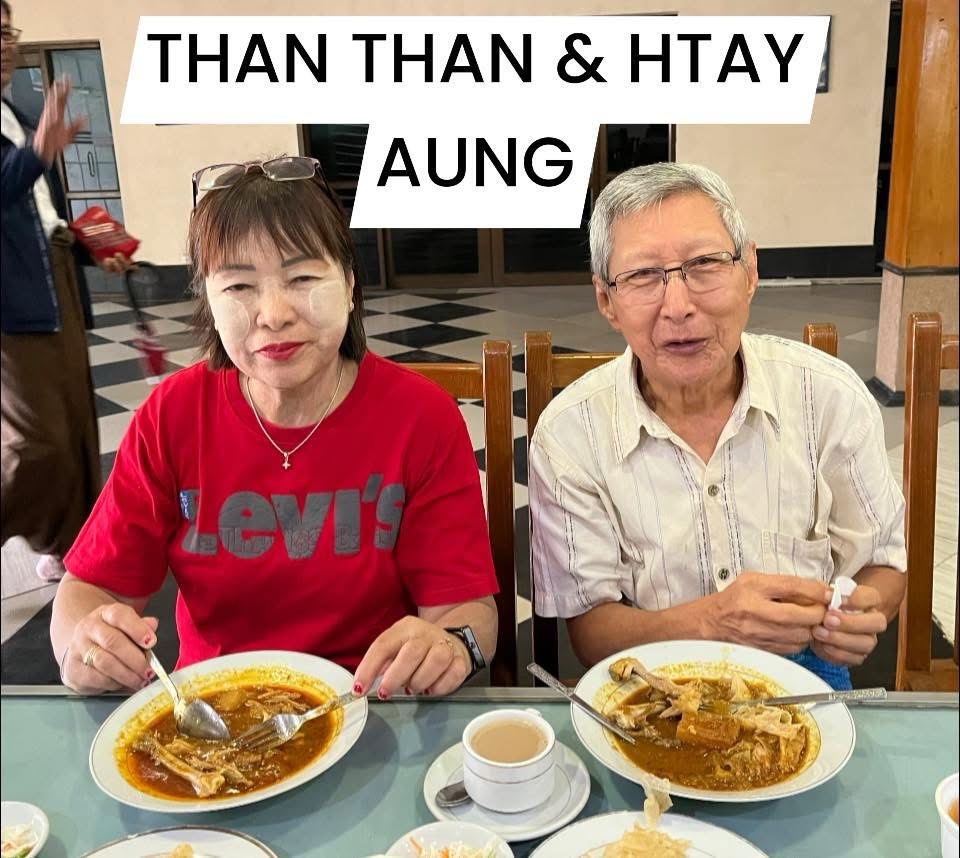
Htay Aung : Outstanding swimmer; Won 100m, 200m, 400m, 800m, 1500m and Cross-lake; Burma selected in water polo for 1969 SEAP Games; Spouse : Than Than (SEAP & Asian Games Champion)
TT & HA
Khin Maung Aye : Joined Defense Industries; Pen name : Maung Hmut
Khin Maung Tin : Joined Faculty after graduation; Taught at RIT & Marine Engineering Institute
Khin Maung Oo (Ivan Lee) : MS in USA; PE for New York & New Jersey; Golden Sponsor of SPZP-2000; Major donor to 69er Health Care Fund; Host for RIT-UCC Gathering in New Jersey for more than a decade; Founder & CEO of MASTAA
Ivan
Tint Lwin (Daniel) : MS from Canada; Retired as Associate Professor from NTU; Guitarist / Vocalist
Daniel
Met69
Myint Kyi
Maung Tun (GBNF) — Covid
Ohn Kyaw
Sai Aung Win (Mandalay)
Sai Kyaw Myint
Tin Aung
Min69
Aung Win
Khin Kyaw Nyein (GBNF)
Kyaw Tint (GBNF)
Khin Maung Gyi
Mya Win
Tin Maung
Tin Win (Hosted lunch gathering at Crystal Jade in 2012)
Ivan Lee (M69) invited several 69ers to get together at his house in New Jersey around June-July of 2015. U Aung Myint and U Sein Tin could not make it to the 2015 mini-reunion.
Fred Thetgyi (M69)
Phil 1Phil 2Phil 3Phil 4Phil 5Phil 6Phil 9
New Jersey
Main Host : Ivan
Other hosts : Saya U Soe Paing & Daw Saw Yu Tint
Ivan took us on a short trip to New York
Ivan showed us around New Jersey
For several years, Ivan had hosted the RIT-UCC Gathering with Saya Dr. Aung Gyi and Saya U Soe Paing as Guests of Honor.
Photo shows two Sayas and six 69ers — Fred, TAG, HM, Alice, Toung / Tom and Ivan
New Jersey
Frederick Thetgyi (M69)
Lives in Philadelphia
Joined the 2015 mini-reunion
Fred drove most of the 1800+ mile trip in Ivan’s Mercedes
Except when his batteries went out, he took pictures at the mini-reunion and the trip.
He would appear only in a fraction of the photos, when someone else (Ivan, a waiter, or a stranger) took the photo.
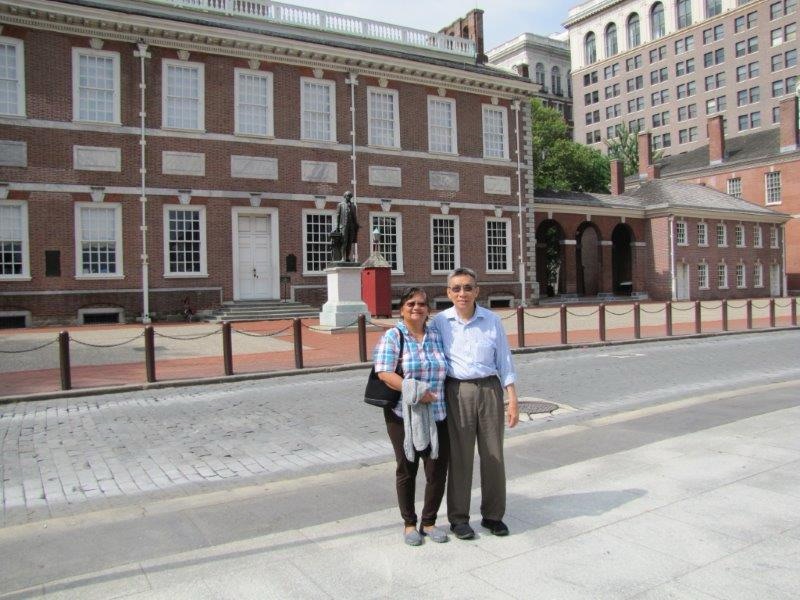
After the trip to Canada, Fred hosted us at his home in Philadelphia and showed us around. He also took us to Maryland to see my lone remaining uncle U Thein Han.
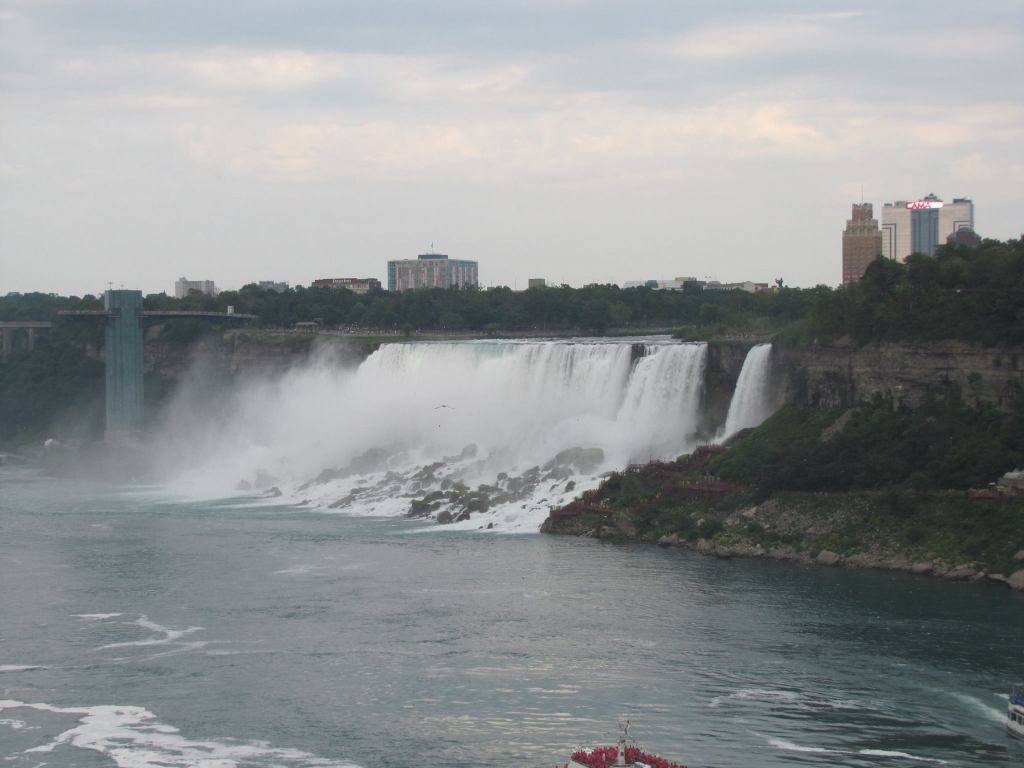
Niagara Falls
We stopped by on the way to Canada
Took photos of the Falls from the US side & the Canada side
Niagara Fall
Windsor, Canada
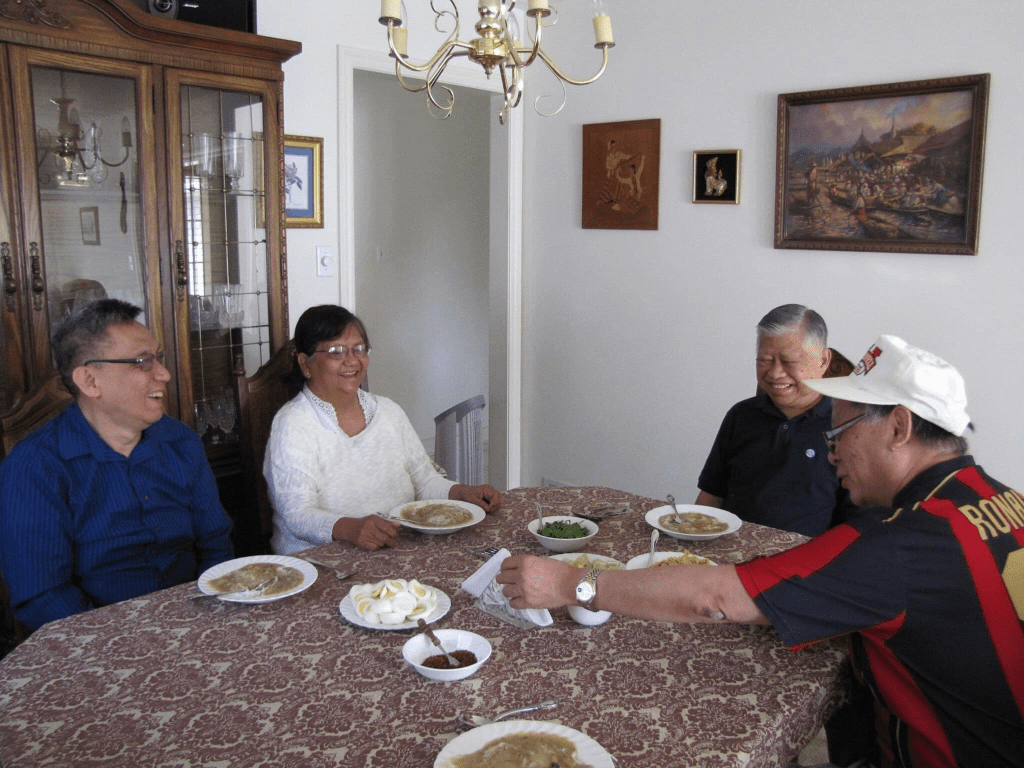
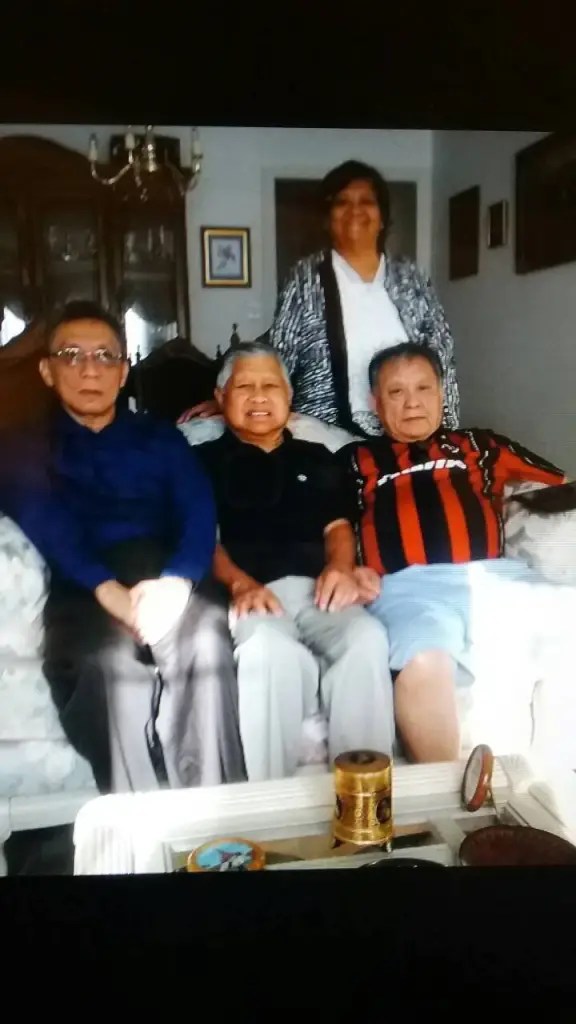
Host : Sayagyi U Aung Khin
Saya patiently waited for our arrival.
Saya let me and my spouse spend the night in his Guest room. Ivan and Fred stayed at a motel.
Saya prepared Mohinga and Ah Kyaw for breakfast.
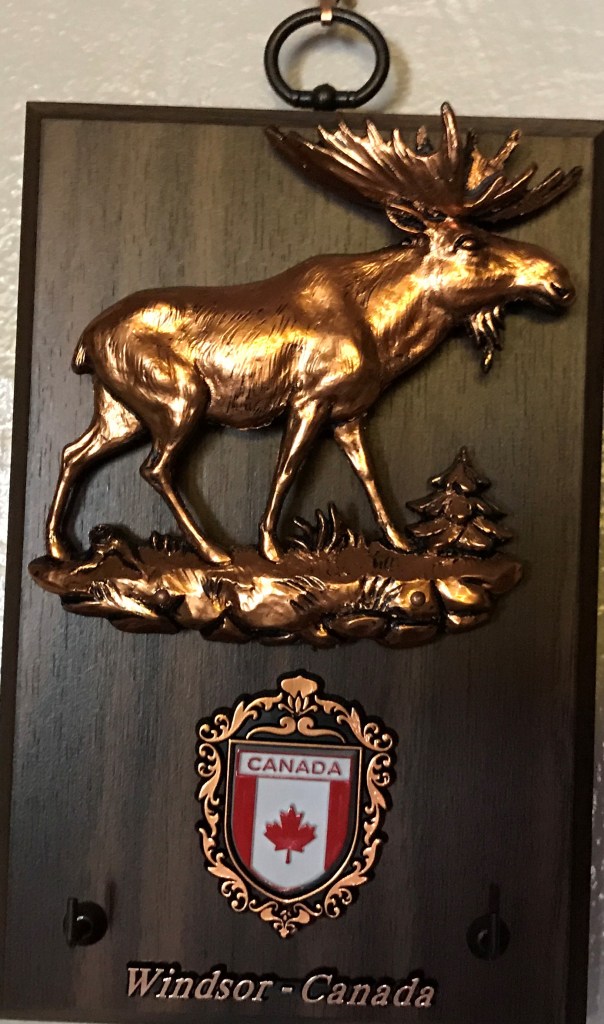
He gave us mementos.
U Aung KhinSaya U Aung Khin Memento
Toronto
Brief sight seeing
Saya Des Rodgers had earlier invited to drop by his house, but our schedule did not have slack time.
Napean, Canada
Host: Sayagyi Dr. Aung Gyi & Daw Emma
Saya drove us around Toronto
We spent two nights at Saya’s house.
Dr. Aung Gyi
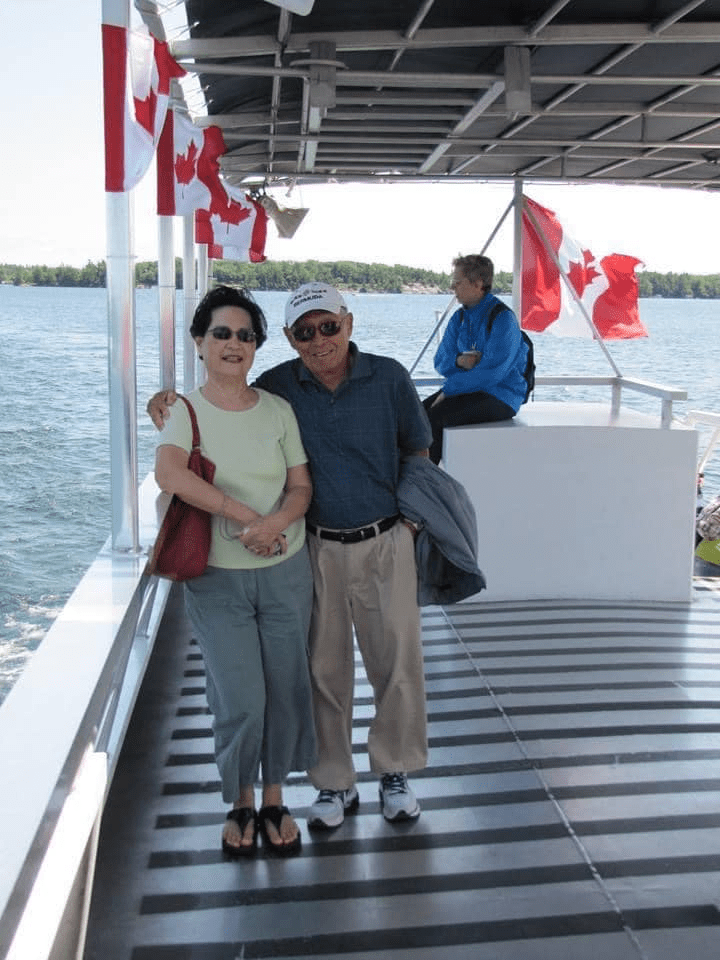
Took a quick trip to Thousand Islands. Ma Ma Emma bought a gift for my Myee
Thousand Islands
Shrewberry, Massachussetts
Hosts : Dr. Tun Aung Gyaw (EC69) & Daw Khin Maw Maw
Since they were renovating their home, U TAG hosted us at a hotel.
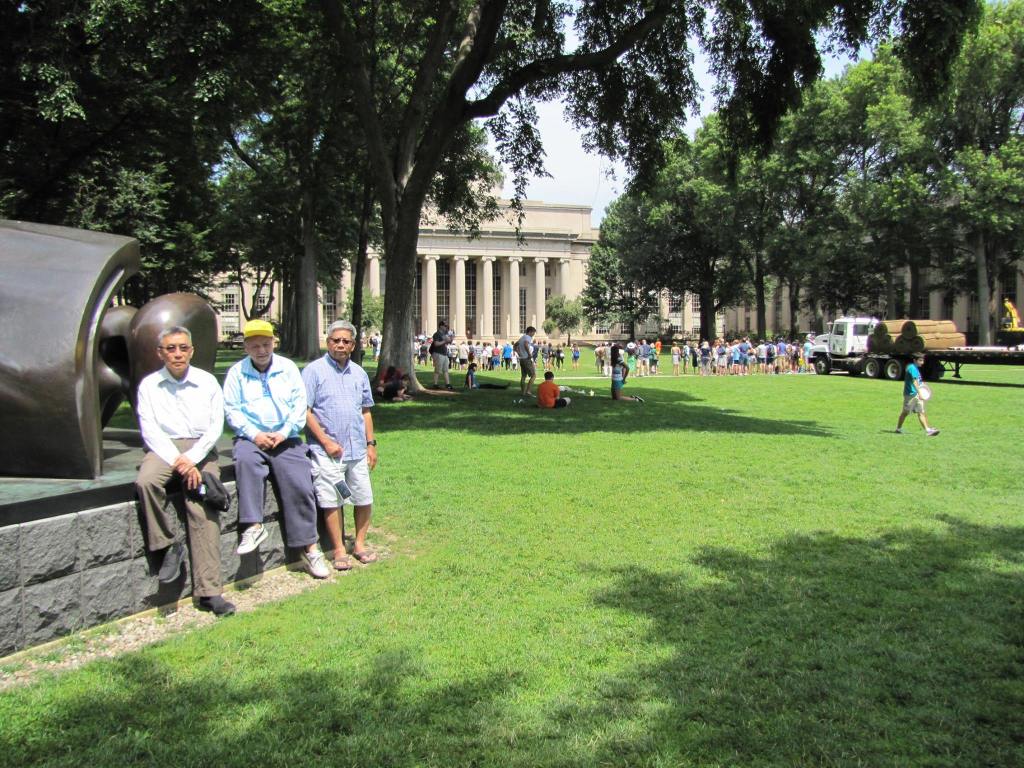
Visit MIT & Harvard University
U TAGDinner
Trumbull, Connecticut
Hosts : U Toung (Tom, EC69) and Daw Khin Myint
Visit Yale University
Visit Pizza place frequented by the young Bill Clinton
Ko ToungPlace frequented by young Bill Clinton
Philadelphia
Hosts : Fred Thetgyi (M69) & Euniceo
Dropped by to see Fred’s elder sister
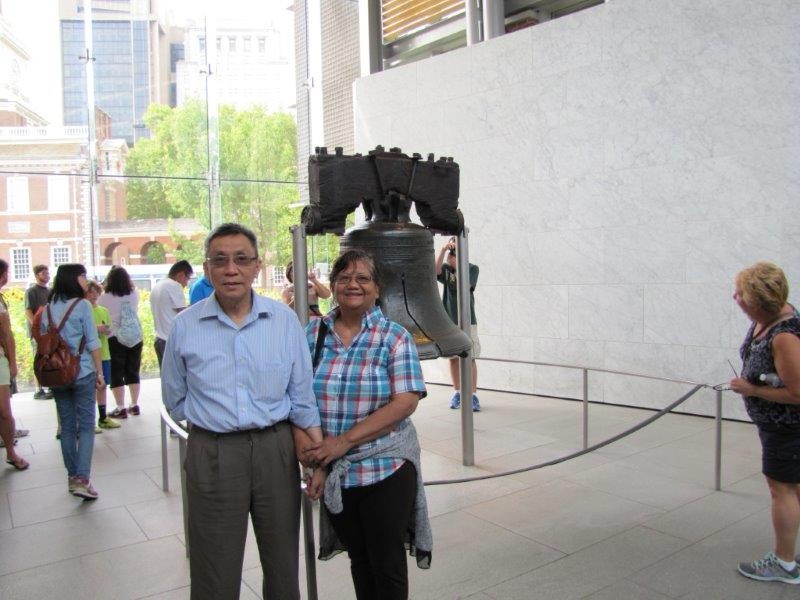
Visit Pake Forge and Liberty Bell
Visit my last remaining uncle U Thein Han in Maryland
Worked for Joint Venture Corporation (JVC) formed by relatives
Found an advertisement in a newspaper to apply for a Government Scholarship.
Selected to study Agricultural Engineering in USA
Received Masters from Virginia Tech
Came back to Burma on an Ocean Liner with Saya Allen Htay (GBNF), Saya U Soe Paing, Saya U Ko Ko Lay (GBNF) & U Than Pe. They became close friends on the two-month long journey.
M/Agri Saya at RIT
Upon his return, he was assigned to Agricultural Institute in Yezin. Before reporting for duty, he visited RIT.
Sayagyi U Ba Than (GBNF) asked if he would like to join Agri Sub-Department of Mechanical Engineering. Sayagyi said that some students were not at ease following lectures given by visiting Soviet lecturers via interpreters.
President, RIT Thaing
Played Defender on RIT Saya Soccer team
Life after RIT
Worked in Thailand & USA
Attended RIT Alumni Gatherings in USA
Donated $500 for the Training Component of YTU Library Modernization project.
U Tin Maung Nyunt’s Donation
He is a day older than Saya Allen Htay (GBNF). Their birthdays are December 30 & 31.
Monthly Breakfast Gathering with Saya Allen, U Ko Ko Aye (GBNF), Ko Thein Naing (Patrick) and me.
U Tin Maung Nyunt & Saya Allen
Saya U Soe Paing visited him in Milpitas, California. We had a lunch gathering at a restaurant.
U Tin Maung Nyunt 2
He enjoyed Hiking & Tennis, but had to suspend due to Jara and Byadi
Volunteer for establishing Taungpulu Kaba Aye Monastery in Northern California.
He had operations (one quite early and another a few years back).
Many events are covered in my posts & Newsletter Updates.
The following are some highlights for 1963 – 2026.
I spent five years studying at RIT.
I have spent 27 years paying back to my alma mater and my mentors.
Thanks to my family members for their support.
1963
Matric Exam
Took Matric Only exam in May
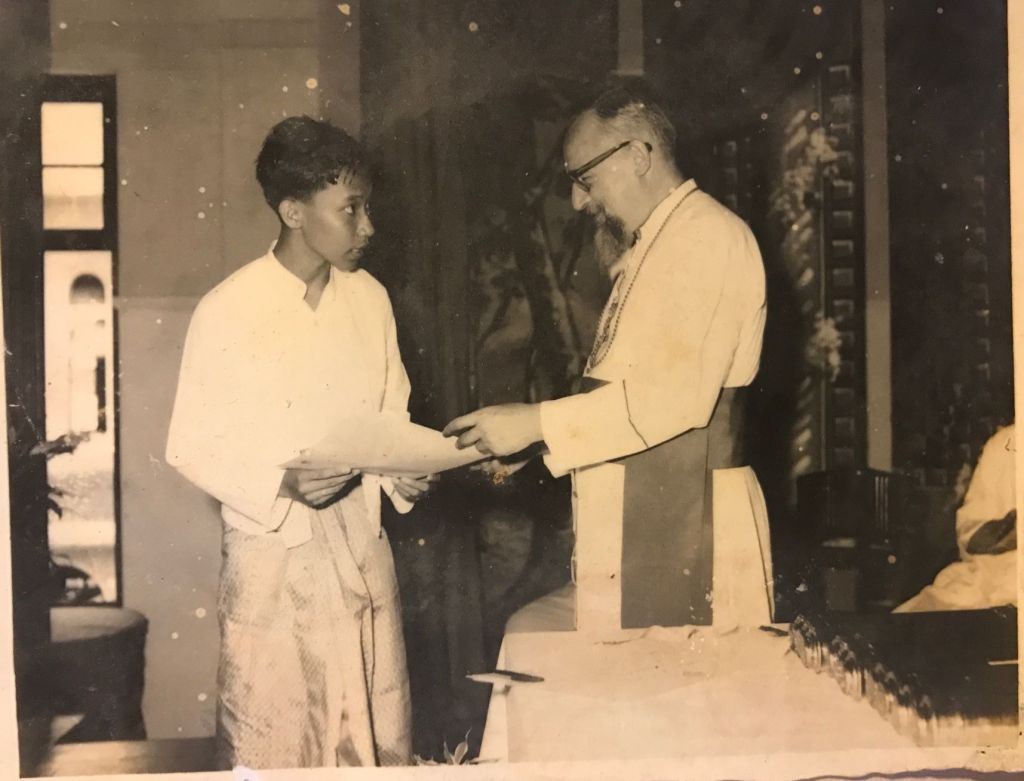
Stood 7th in the whole of Burma. Honored at a ceremony at St. Paul’s High School.
7th in Burma
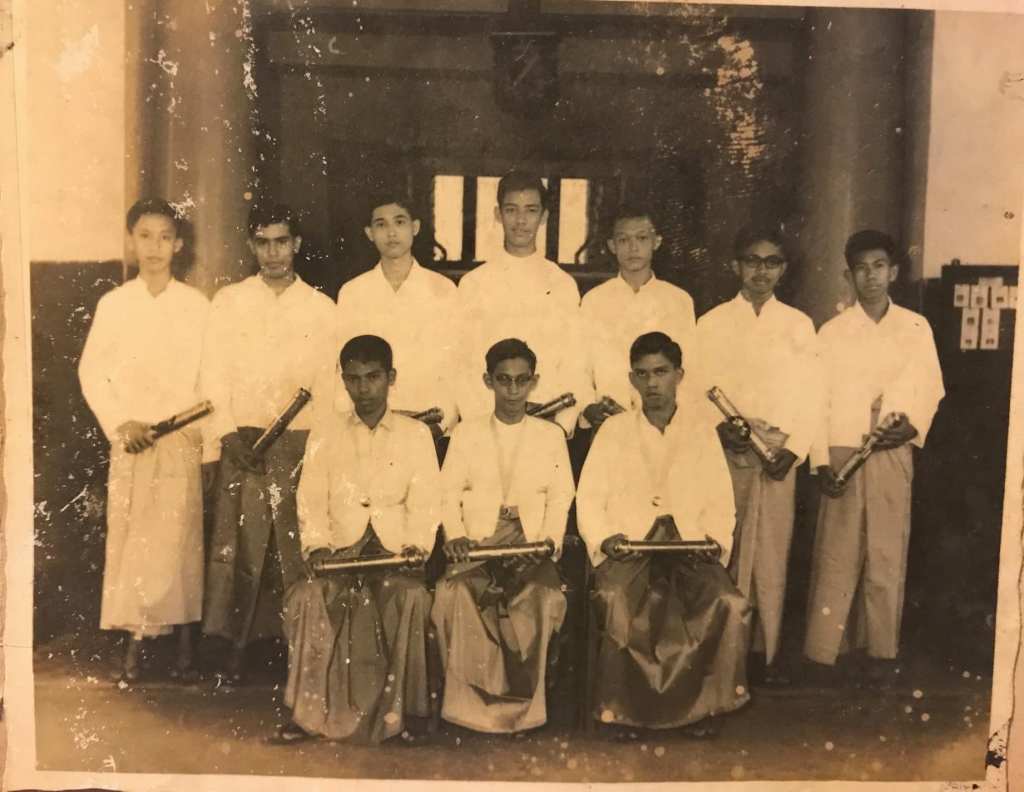
Won the Collegiate Scholarship of 75 kyats a month
Scholarship Winners
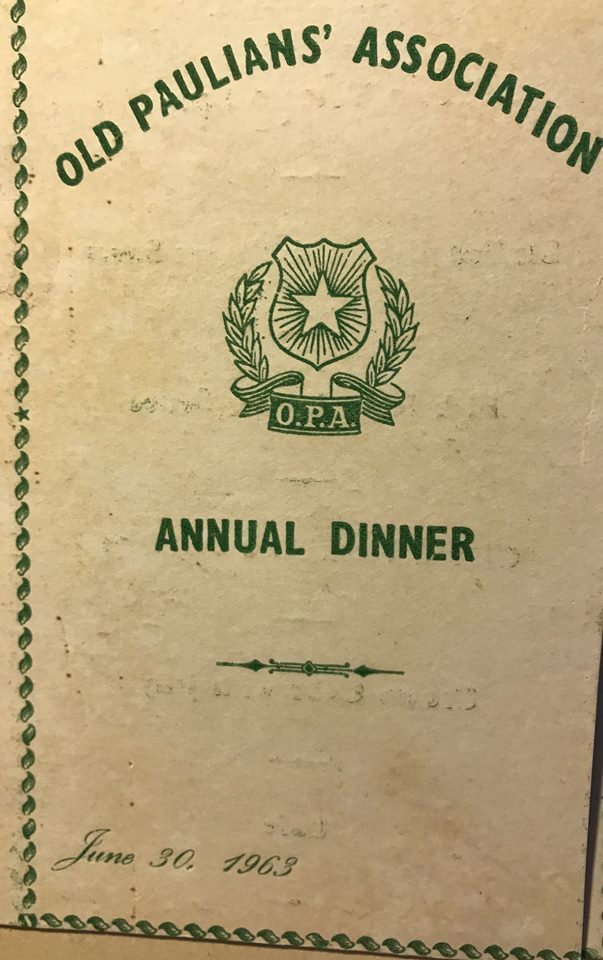
OPA invited us to the Annual Dinner on June 30.
OPA Dinner
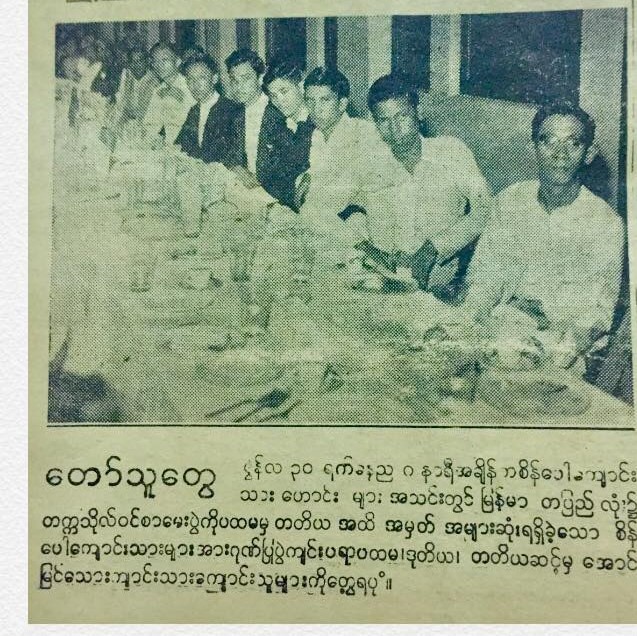
A newspaper clipping describing the Dinner is shown below. From R to L : Khin Maung U, Min Oo, Myo San, Nyunt Wai, Thein Wai, me & Maung Maung Kyi
SPHS had five in the Top Five, seven in the Top Ten and ten in the Top Twenty in the Matric exam of 1963. Myo San (Freddie, 3rd), Maung Maung Kyi (11th) and Aung Thu Yein (13th) are now GBNF.
Our SPHS teachers are GBNF. Saya Beatson, who became a monk, was the last saya to pass away.
Inter A
Attended the last ever I.Sc.(A) classes at Leik Khone.
Rowing
Joined Rangoon University Boat Club with fellow Paulians Maung Maung Kyi (GBNF), Kyaw Wynn and Willie Soe Maung (GBNF). Our crew was Runners up for the Senior Novices. We were awarded Full Green.
Citing Security Concerns, the RUBC 40th Anniversary Regatta was canceled. Following the 7th July Anniversary protests, the University courses except Medicine & Engineering were suspended. The hostel students were ordered to return to their homes.
Sithu U Tin (President, GBNF) decided not to cancel the RUBC 40th Anniversary Dinner at Orient Hotel in Kandawgyi. Several members are now GBNF.
1964 – 1969
The I.Sc(A) exam was held at the High Schools.
RIT
2nd BE
Attended first ever 2nd BE class at Rangoon Institute of Technology in November 1964.
I was admitted as the Top student based on the I.Sc(A) exam marks.
Luyechun
Luyechun
Selected Luyechun in 2nd BE. Attended the Inlay Khaung Daing Camp in the summer of 1965 along with Ko Sein Shwe, Ma Khin Than Myint Tin and Ko Zaw Min.
The Luyechun program was started in the summer of 1964 with students from 7th to 10th Standards. In 1965, the program also included students from Universities & Institutes.
Some Luyechuns — Kyaw Sein Koe (IM1), Khin Aye Than (Chemistry), Tun Naung (Dental), Than Sit (Sagaing) and Aung Kyaw Nyunt (Myingyan) — are now GBNF.
Associations
Served as Joint Secretary, Secretary & Magazine Committee member of the RIT EE Association
RIT EE Association
Served as the last ever officially elected Treasurer and Vice Captain of Rangoon University Boat Club. The higher authorities abolished the Bye laws and prevented me from becoming RUBC Captain.
Writing
Started free lance writing (article, poem, translation …)
Published the poem “Men on the Moon” in Guardian newspaper in July 1969. Mr. Hall (Information Officer, USIA) sent a copy of the poem to NASA and the astronauts.
Men on the Moon
Graduation
Graduated with B.E (EC).
Kyaw Soe, Aung Thu Yein, Chit Tin, Oo Kyaw Hla and Sai Aik Yee are now GBNF.
Hla Min, Tun Aung Gyaw, Ko Toung and Tin Tin are in USA. Win Boh is in Australia. Than Lwin, Ye Win and Maung Ko are in Myanmar.
EE69
1970 – 1998
Work
UK
Universities’ Computer Center (UCC) : Computer Engineer, Sr. Systems Programmer, Business Application Manager ko
UCC Course
Department of Computer Science (DCS) : Senior Lecturer
Institute of Computer Science and Technology (ICST) : Associate Professor
Tech Companies in the Silicon Valley : Member, Senior Member & Principal Member of Technical Staff
Publications & Projects
Articles & translations in Guardian, Working Peoples’ Daily (WPD), Forward Magazine, Veda ဝေဒ Magazine, and Pan ပန် Magazine.
Assisted Saya Dr. Chit Swe’s projects including High School Mathematics, Children’s Treasury of Knowledge (CTK), Team of System Specialists (TOSS)
Wrote Computer Science, Programming & Lecture guides and UCC manuals with Saya U Soe Paing and Saya U Aung Zaw (GBNF).
U Soe Paing
Per request from U Myint Sein (Principal, BARB, GBNF), I assigned Ko Win Latt and Ko Zaw Tun Veda projects and supervised them. Their programs are used by Veda sayas, students & practitioners.
With Veda Sayas
1999
Newsletter
Newsletter
Started “RIT Alumni International Newsletter”
It started with the news and photos of some gatherings back in Burma. (a) 30th Anniversary of the Graduation of the Class of 69 — reported by Ko Daniel Tint Lwin and Ma Saw Yu Tint (Alice) (b) Mini-gathering with Sayagyi Dr. Aung Gyi and other sayas and senior alumni — reported by Saya U Soe Paing
2000
SPZP-2000
SPZP-2000
First RIT Grand Reunion and SPZP in San Francisco, USA in October 2000
Commemorative web pages (thanks to KMZ)
Commemorative Issue of the RIT Alumni International Newsletter by me and team
My Poem
64 Countdown to the Reunion posts
36 Post-Reunion posts
2002
SPZP-2002
Second RIT Grand Reunion and SPZP in Singapore
Commemorative Issue of “Swel Daw Yeik Sar Saung”
by Saya U Moe Aung and team
Reprinted my “SAYA PUZAW PWE” poem as Back Cover
2004
SPZP-2004
Third RIT Grand Reunion and SPZP in Yangon
Mild earthquake did not rattle the attendees
2006
Three Gatherings in Sydney
Visited Sydney, Australia to attend three gatherings
RIT Alumni Dinner organized by Saya U Hla Myint, Saya U Myo Win (GBNF) & team
RIT Gathering
UCC Alumni Gathering hosted by Saya U Aung Zaw (GBNF) and Daw Kyawt
UCC Gathering
BOB Gathering at Olympic Park organized by Dr. Thann Naing (Bonnie Kywe)
2007
SPZP-2007
SPZP-2007
Fourth RIT Grand Reunion and SPZP in Singapore
Commemorative Issue of “Swel Daw Yeik Sar Saung” by Saya U Moe Aung and team
Contributed a poem “SWE DAW YEIK”
UCC Gathering
UCC gathering in Yangon hosted by Saya U Soe Paing& Daw Saw Yu Tint
Ko Soe Myint & Ma Nge are now GBNF.
UCC Gathering
2010
SPZP-2010
Fifth RIT Grand Reunion and SPZP in Singapore
Commemorative Issue of “Swel Daw Yeik Sar Saung” by Saya U Moe Aung and team
Contributed an article : Sad and short clip — EE sayas
2012
SPZP-2012
SPZP-2012
Sixth RIT Grand Reunion and SPZP in Yangon
True “Home Coming” in the Gyogone Campus
Special publication : History of University Engineering Education in Burma/Myanmar by Saya U Aung Hla Tun & team (Ko Ohn Khine & I compiled the CD supplement for the book)
Publication: Selected RIT Cartoons
Commemorative Issue of “Swel Daw Yeik Magazine” by U Saw Lin & team
Limited reprints of 23 RIT Annual Magazines
2013
SDYF
SDYF
Swel Daw Yeik Foundation
Contributions for various projects
Health care for the sayas and sayamas
Soon Kyway
For our Golden Jubilee
Gifts from Khin Maung Zaw (KMZ), Zaw Tun & Kyu Kyu
2014
RIT Shwe YaDu
GJ of Admission
50th Anniversary of the opening of RIT in 1964
Planted 50 Swel Daw Bins
Commemorative Issue of “Swel Daw Yeik Magazine” by Saya U Moe Aung & team (Contributed an article : “Recollections of a 69er”)
Paved Shwe YaDu lane and set up Swel Daw Yeik benches
Translated Saya U Moe Aung’s Shwe YaDu poem
2016
SPZP-2016
RIT/YIT/YTU Alumni Association
Seventh RIT Grand Reunion and SPZP in Yangon
10000+ attendees
Free food and fun (all day and all night long)
Platinum Jubilee for the Class of 69
Hosted by some 69ers for their friends (in their sunset)
Appreciation Awards
Soonkway at Half Moon Bay Monastery (organized by U Maurice Chee)
HMB
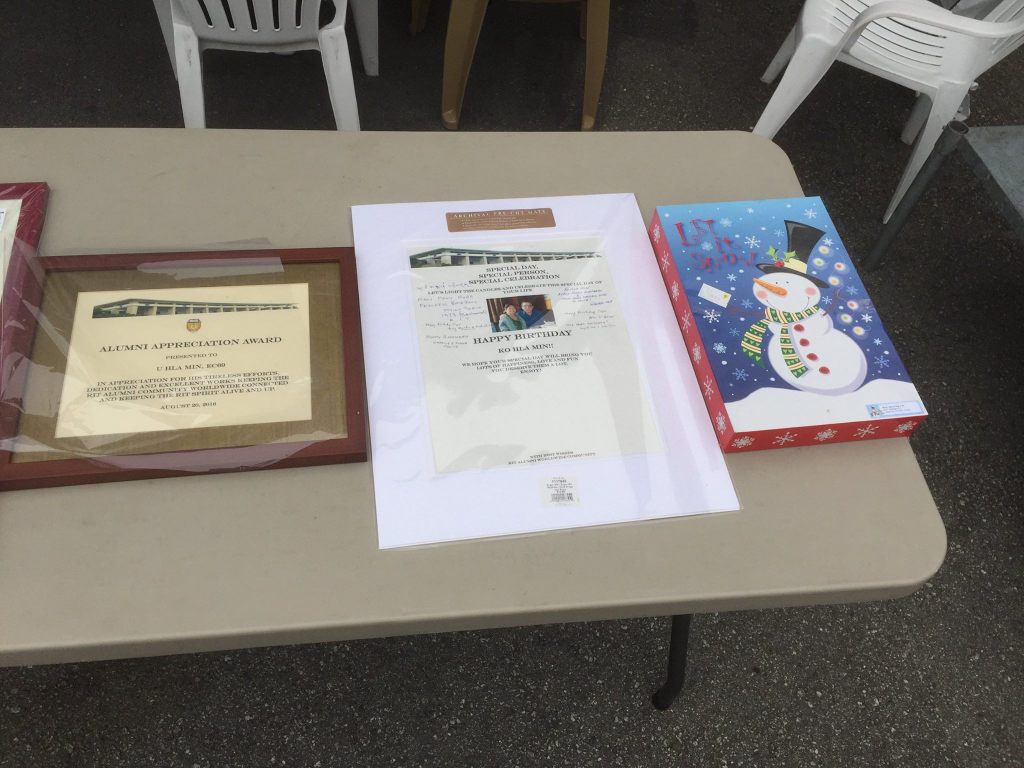
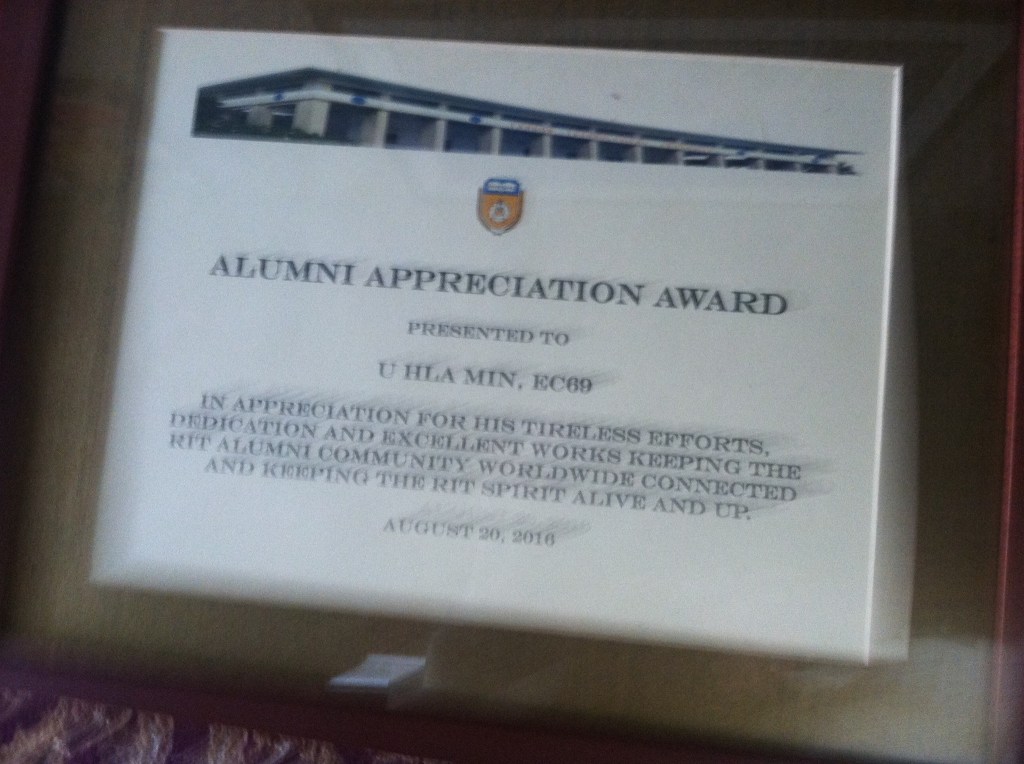
Received Alumni Appreciation Award from alumni worldwide
Award 1
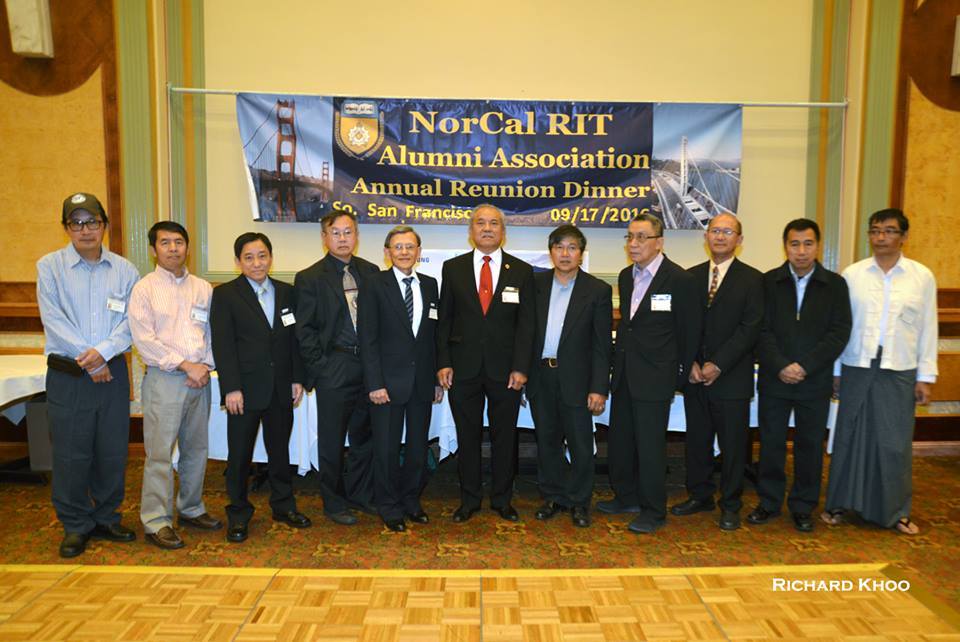
Annual Dinner by Northern California RIT Alumni Association
NorCal RITAA
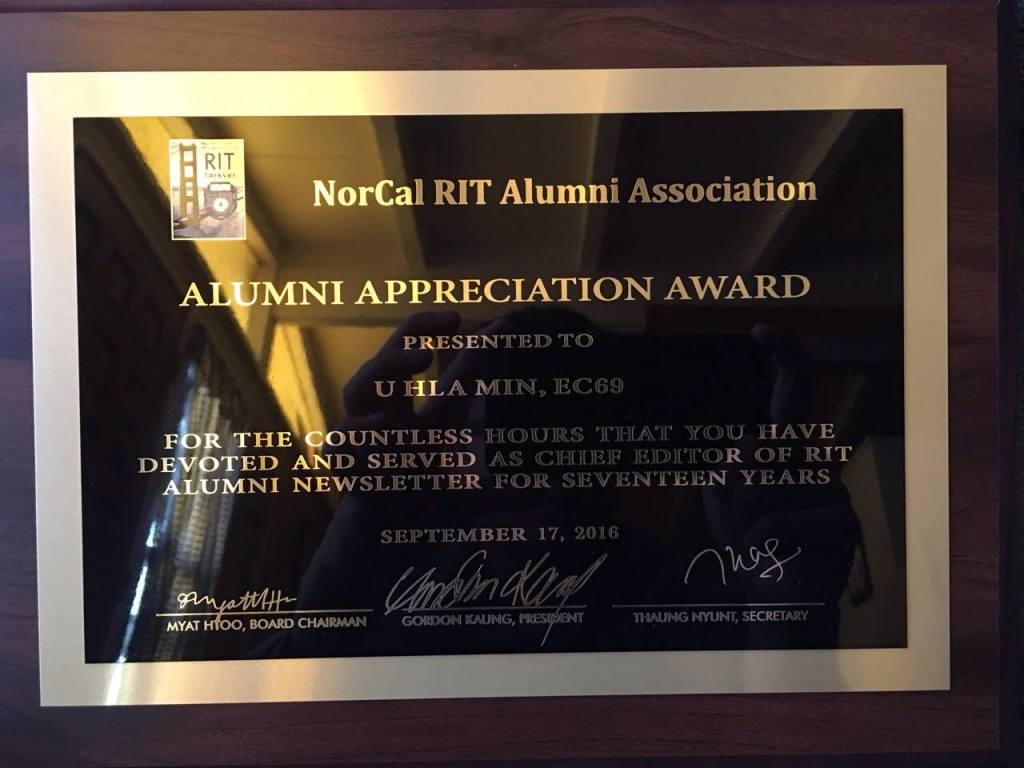
Received plaque signed by Saya U Myat Htoo (Chair, BOD, GBNF), U Kaung Kaung Oo (Gordon, President), and U Thaung Nyunt (Secretary)
Award 2
Gatherings
Attended SPZP-2016 and Platinum Jubilee of the Class of 69
SPZP-2016Ovada
2017
Post-SPZP
Attended Post-SPZP2016 Gatherings
DTM
Awards : Distinguished Toastmaster
2018
UCC & ICST
Attended 5th Acariya Pu Zaw Pwe of ICST/UCSY
Memories of UCC : 40+ posts
Trivia : 2000+ posts
Archived and revised posts in hlamin.com
2019
69er GJ
Golden Jubilee of Graduation of the Class of 69
ILF
Panelist, 5th Irrawaddy Literary Festival
2020
PSA Tour in Jan 2020
After announcement of pandemic in Feb 2020, many social activities were paused.
2021 – 2023
Visits
Short visits (e.g Singapore, Malaysia)
NorCal RITAA
Some social activities were resumed.
2024
Visits
Short visits to Thailand and Laos
Attended EE85 Reunion as Guest of Edward Saw (Yu Ket).
Celebrations
NorCal RITAA celebrated Centennial of Engineering Education in Burma & 60th Anniversary of RIT
Saya U Nyunt Htay, Mg Mar Ga & team organized the recording of video messages of some sayas & sayamas. They can be accessed from YouTube channel & website of NorCal RITAA.
2025 – 2026
Hla Min
Still have good physical & mental health.
Updating posts in my website
Posts for RIT Updates
Posts for Old Paulians
Posts for Old Burma Group
Thanks
My ancestors
My Beloved FatherMy beloved parentsMy parents & Mother-in-law
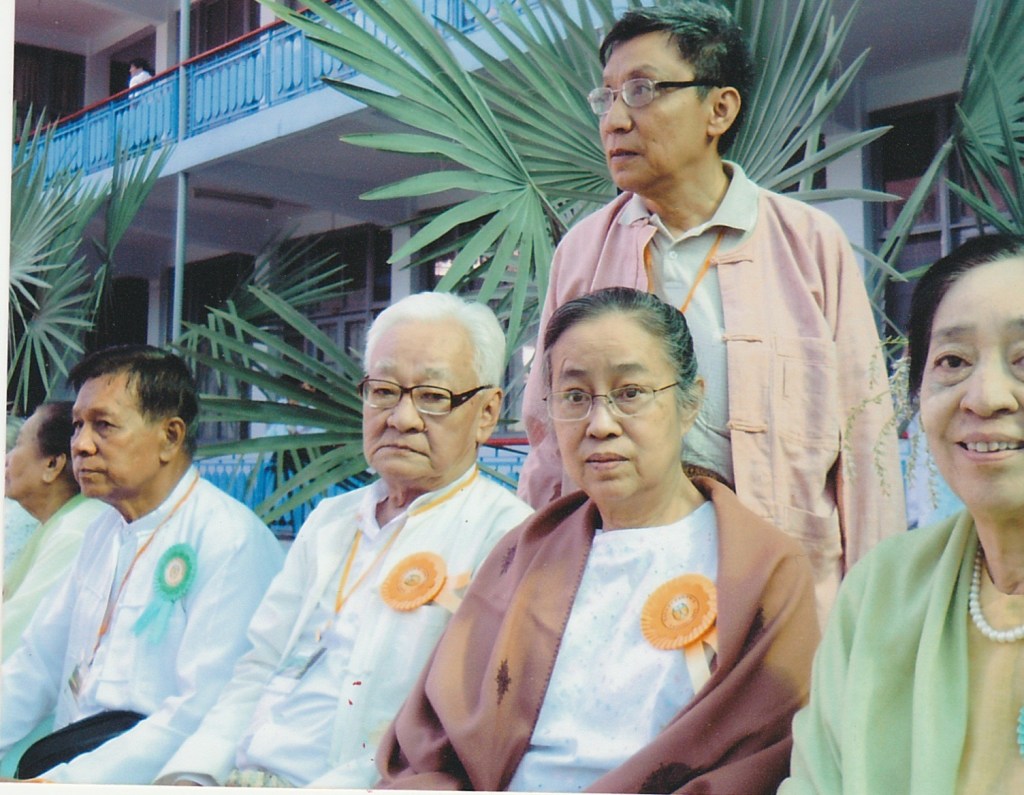
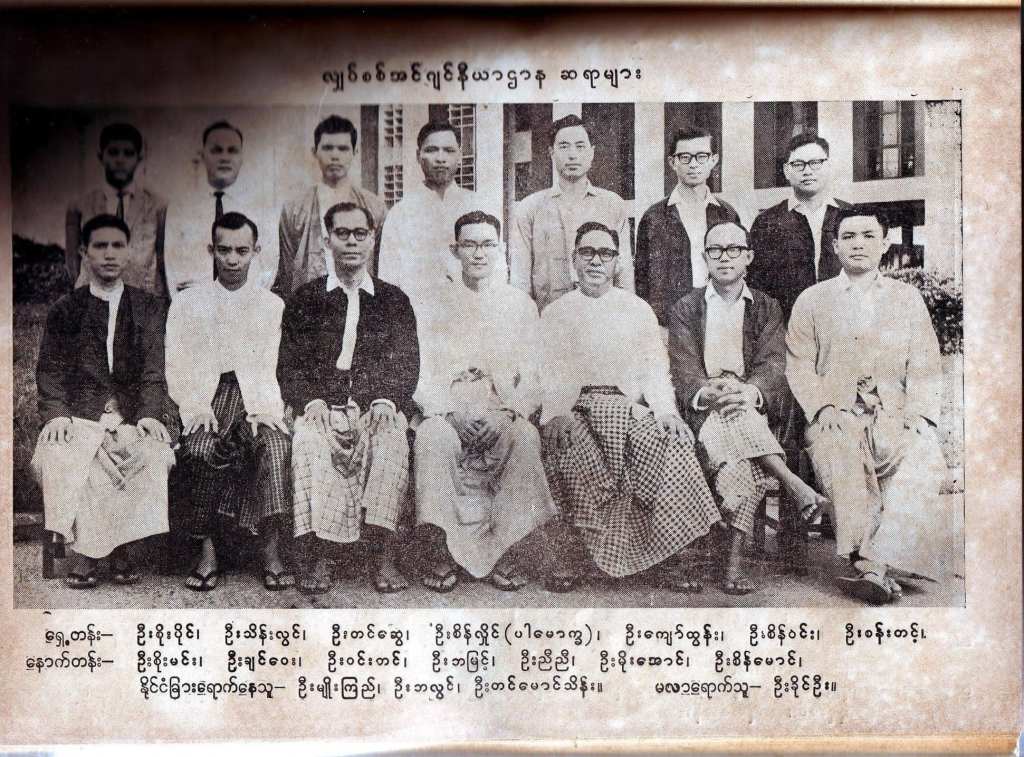
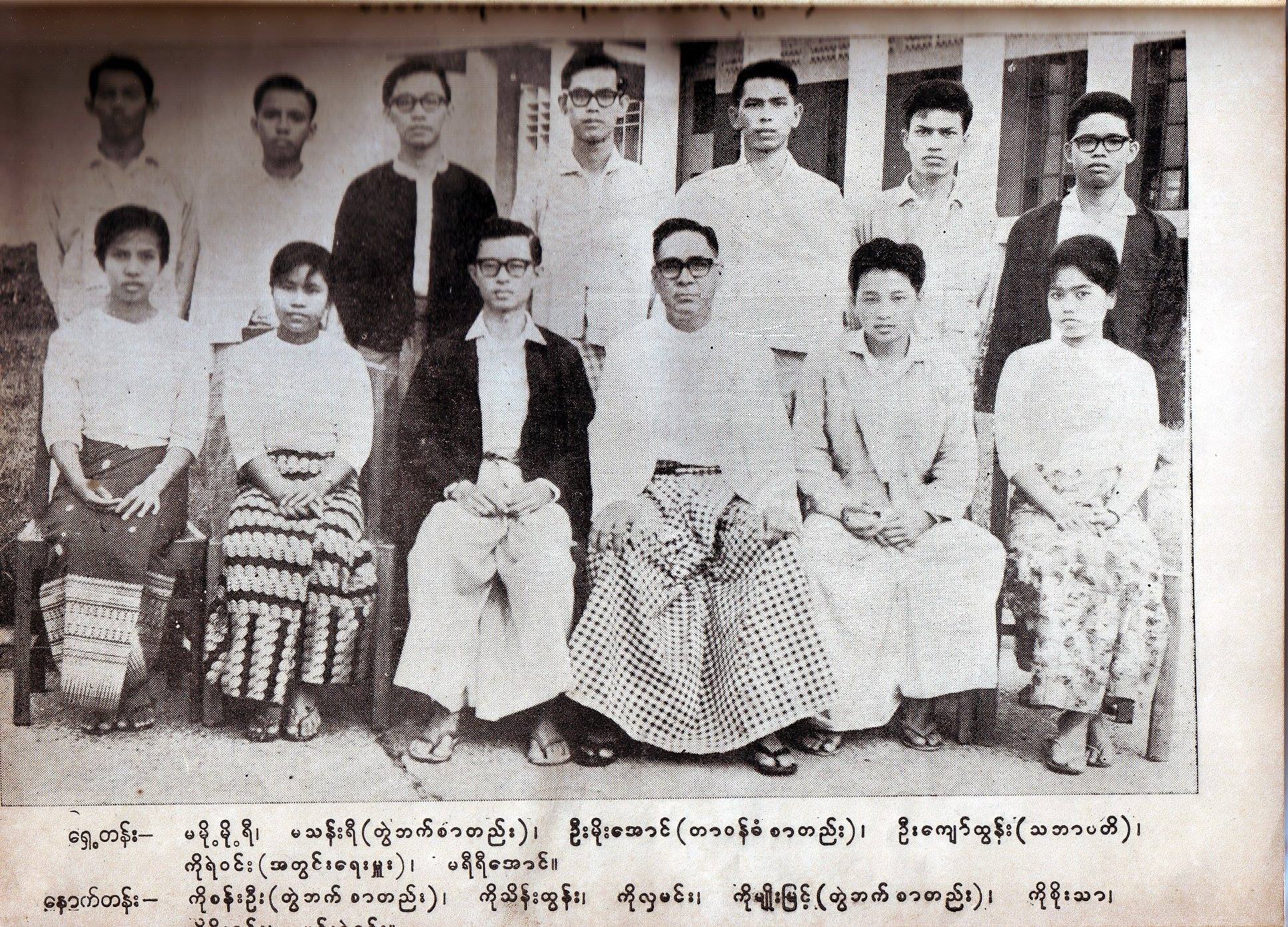
Seated : U Soe Paing, U Thein Lwin (GBNF), U Tin Swe (GBNF), U Sein Hlaing (Professor, GBNF), U Kyaw Tun (GBNF), U Sein Win (GBNF), U San Tint (GBNF)
Standing : U Soe Min (GBNF), U Chin Way (GBNF), U Win Tin, U Ba Myint, U Nyi Nyi (GBNF), U Moe Aung, U Sein Maung
Studying abroad : U Myo Kyi, U Ba Lwin (GBNF), U Tin Maung Thein
Absentee: U Khine Oo
U Myo KyiDr. Ba Lwin (GBNF)U Tin Mg Thein
Associated Article
I wrote “A short and sad clip : EE Sayas” for the commemorative issue of Swel Daw Yeik Sar Saung for SPZP-2010. Saya U Moe Aung suggested the title of my article.
Sayagyis & senior sayas
Source : Saya U Myo Kyi (EE59)
U Moe AungSPZP
1. U Kyaw Tun 1950 – 1971 (started teaching at BOC College)
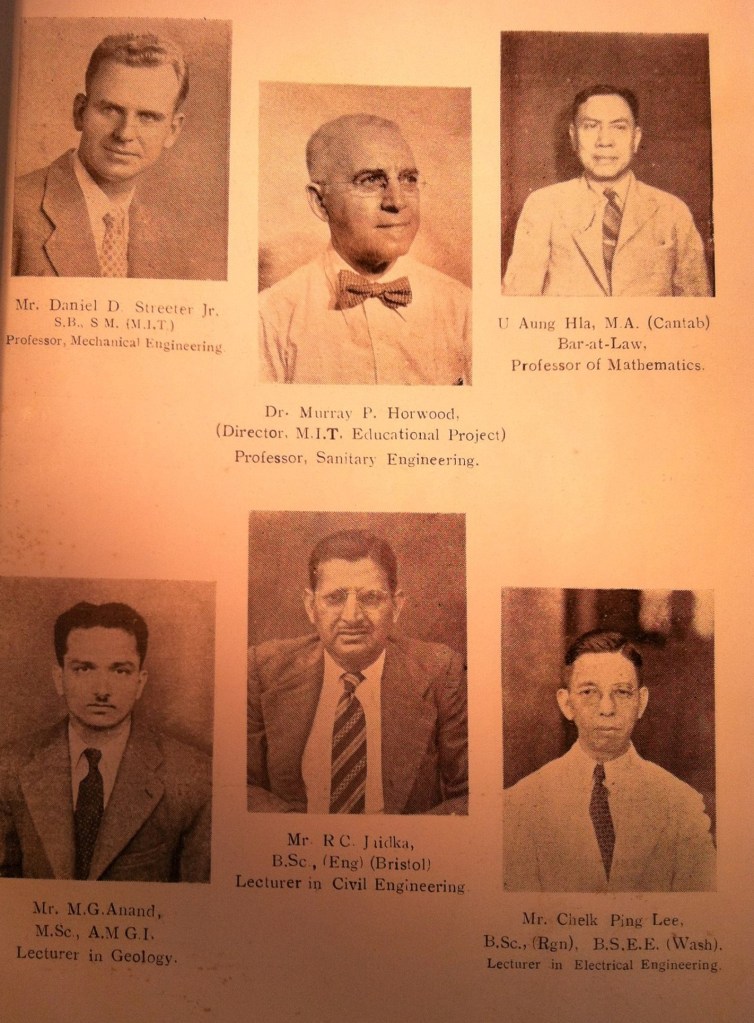
C Ping Lee
2. U C Ping Lee 1950 – 1952 3. U Sein Hlaing 1954 – 1986 4. U Tin Swe 1954 – 1998 5. Dr. Freddie Ba Hli (Part time) 1959 6. U Htin Paw 1958 – 1959 7. U Ba Nyunt 1958 – 1959 8. Dr. A. E. Guile (Colombo Plan) 1959 – 1960 9. U Myo Kyi 1959 – 2002 10. Dr. Ba Lwin 1959 – 1994 11. U L. Tin Htun 1959 – 1960 12. Teoh Chin Koon 1959 – 1960 13. U Sein Win 1960 – 1994 14. Dr. San Tint 1961 – 2002 15. Mr. Zagarosky (Russian) 1962 – 1963 16. Dr. Ba Myint 1963 – 2000 17. U Sein Maung 1963 – 1994 18. U Khine Oo 1963 – 1996 19. Dr. Win Tin 1963 – 1990 20. U Moe Aung 1963 – 1990 21. U Chin Way 1963 – 1968 22. U Soe Min 1963 – 1965 23. U Nyi Nyi 1963 – 1965 24. U Thein Lwin 1964 – 1972 25. U Soe Paing 1964 – 1971 26. U Tin Maung Thein 1965 – 1990 27. U Tin Shwe (Ashin Wi thu ta) 1966 – 1996 28. Daw Mya Mya Than 1968 – 2003 29. U Than Lwin 1970 – 1994 30. U Kyaw Lwin 1970 – 1991 31. U Tin Win 1972 – 1980 32. U Thein Dan 1973 – 1997 33. U Khin Soe 1973 – 1982 34. Daw Khin Aye Win 1973 – 2009 35. Daw Nyunt Nyunt Yee 1973 – 2000 36. U Kyaw Aung (U Kyin Phyuu) 1973 – 37. U Aung Than (U Ah Chun) 1973 – 2004 38. Daw Khin Swe Oo 1974 – 2002 39. U Clement Sadhana 1976 – 2010 40. Daw Than Than Win 1976 – 2012 41. Daw Khin Tint 1981 – 2008 42. U Myint Oo 1982 – 1990 43. Daw Khin Ma Ma Soe 1982 – 2008
U Sein MaungU Ba Myint U Khine OoU Soe PaingDaw Mya Mya ThanU Thein DanU Ko Ko KyiDaw Khin Aye Win
Editor’s Notes
U Kyaw Naing (Sin Gwan, EC70) is GBNF.
U Ko Ko Kyi (EC72) later worked in Malaysia and Canada.
More EE Sayas (Electronics and Power)
U Win Khaing Moe
U Maung Maung Latt
Daw Lei Lei Yee
Daw Khin Sandar Tun
Daw Khin Lay Wai
Daw Zin Mar Oo
Daw Khaing Khaing Kyaw
Daw Thazin Phyu
Daw Myint Myint Lwin
Daw Lei Lei Win
Daw Thidar Than (1)
Daw Mya Mya Aye
Daw Myint Myint Than
Daw Tin Tin Naing
Daw Sint Sint Win
Daw Thandar Naing
Daw Khin Swe Lwin
Daw Myint Myint Mon
Daw Nilar Aung
U Zaw Min Naing
Daw Moe Nilar
Daw Khin Moe Yee
Daw Kaythi Khaing
Daw Ah Tar Mon
Daw Ni Ni Thein Htay Pe
Daw Thidar Than (2)
U Thein Htay
U Tun Oo
Daw Aye Aye Mar
Daw Ni Ni Win
Daw San Myint Yee
U Aung Naing
Daw Naing Naing Maw
U Ananda
Daw Lei Lei Sein
Daw Min Min Myat
Daw Thi Thi Soe
Daw Mar Mar Lwin
Daw Su Myat Htut
Daw Win Lein Aye
Daw Han Thu Lwin
Daw Yin Yin Htwe
Daw Naing Naing Win
Daw Khin Kyu Kyu Win
Daw Cho Cho Aung
Daw Tin Tin Aye
Daw Ni Mar Nwe Aung
Daw Ei Ei Khin
Daw Kyaaw Khin
U Zaw Min Aung
Daw Aye Thinn Naing
Daw Nwe Ni Aye
U Soe Naing
Daw Phyu Phyu Moe
Daw Marlar Kyaw
Daw Aye Aye Thinn
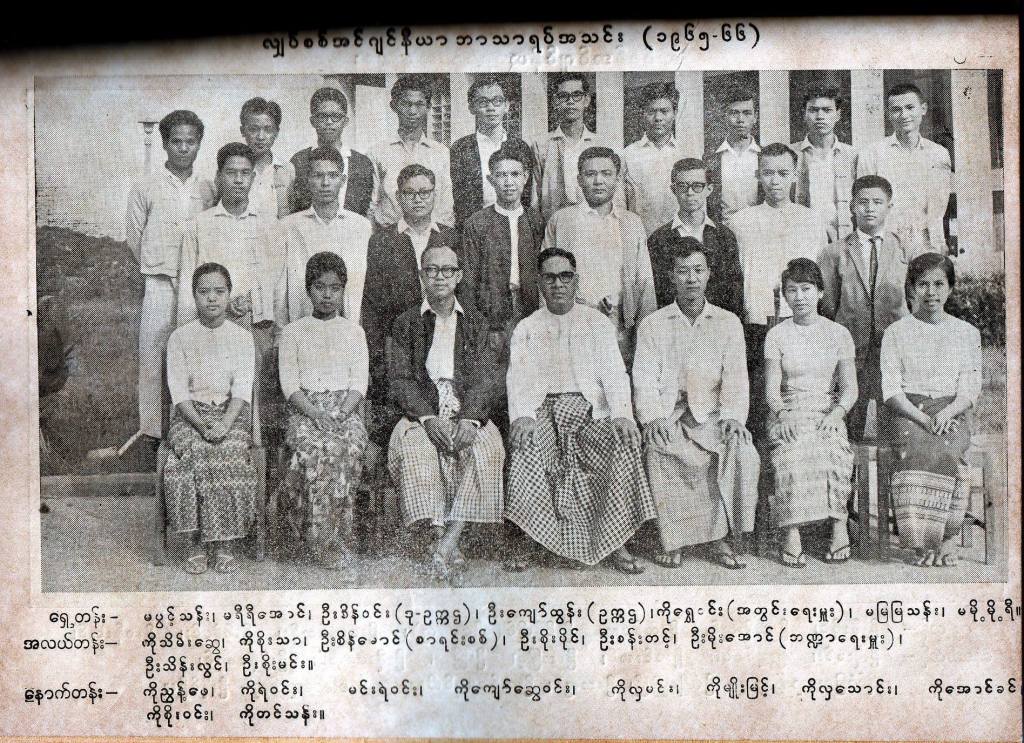
EE Association (1965 – 66)
EE Association for 1965-66
Seated : Ma Pwint Than, Ma Yi Yi Aung, U Sein Win (Vice President), U Kyaw Tun (President), Ko Shwe Win (Secretary), Ma Mya Mya Than, Ma Mo Mo Yi
Middle row : Ko Thein Swe, Ko Soe Than, U Sein Maung (Auditor), U Soe Paing, U San Tint, U Moe Aung (Treasurer), U Thein Lwin, U Soe Min
Last row : Ko Nyunt Pe, Ko Ye Win, Mehm Ye Win, Ko Kyaw Swe Win, Ko Hla Min, Ko Myo Myint, Ko Hla Thaung, Ko Aung Khin, Ko Soe Win, Ko Tin Than
I served as a EC member.
Hlyat Sit Sar Saung (1965 – 66)
Seated : Ma Mo Mo Yi, Ma Than Yi (Associate Editor), U Moe Aung (Chief Editor), U Kyaw Tun (Patron), Ko Ye Win (Secretary), Ma Yi Yi Aung
Standing : Ko Sann Oo (Associate Editor), Ko Thein Tun, Ko Hla Min, Ko Myo Myint (Associate Editor), Ko Soe Tha, Ko Soe Win, Mehm Ye Win
I served as a member.
Saya U Sein Win (GBNF)
Younger brother of Dr. Tin U (Medical Superintendent, Rangoon Children’s Hospital) and Dr. Saw Lwin.
Top student at the University of Michigan.
His friends called him “Khone Swa Khone Swa” referring to his brisk walking style.
Lecturer in the Department of Electrical Engineering.
When EE Department was reorganized, he served as Professor of EP.
Saya is an absent minded Professor. He married late. One day, he drove Sayagadaw to Bogyoke Market. He taught (or discussed with) his students for quite some time and almost forgot to pick up Sayagadaw. There are variations on this anecdote regarding the place (e.g. Hledan Zay).
He served as Technical Advisor for UCC. He worked closely with U Win Htein (Purdue University, EE at PWD, GBNF) for the design & maintenance of the Electrical Systems (including Motor Alternator, Diesel Generator, Air conditioning) at UCC.
Line Judge at the RUBC (Rangoon University Boat Club) Regattas.
President, RIT Swimming Association; He stays fit by swimming regularly (even when he was visiting Singapore on a business trip).
He has a vast knowledge. Saya Dr. San Hla Aung (C58) remembers Saya U Sein Win discussing about Civil Engineering and other subjects.
Update
Several senior sayas — U Kyaw Tun, C Ping Lee, U Sein Hlaing, U Tin Swe, U Sein Win, Dr. Ba Lwin, U Thein Lwin, Dr. San Tint, U Soe Min, U Chin Way, U Nyi Nyi, U Tin Shwe, Daw Mya Mya Than, U Kyaw Naing, U Kyaw Lwin, Daw Nyunt Nyunt Yee, U Khin Soe — are GBNF.
Some — U Moe Aung, U Tin Win, U Thein Dan — have medical problems.
Luyechun (လူရည်ချွန်) for 9th & 10th standards. Present at the first Luyechun Camp was Thinchar Chun (သင်္ချာချွန်) Kyaw Myint (later T72 grad, MARB President)
Metallurgical Engineering
Nyunt Htay 2
Graduated from RIT in 1973 with Metallurgical Engineering
Taught Metallurgical Engineering
Retired as Associate Professor
Wrote articles about the Department, Sayas & Students
Passion
Poetry, writing & editing
Pen name : Maung Nyunt Htay (Ah Htet Min Hla) မောင်ညွန့်ဌေး (အထက်မင်းလှ)
Nyunt Htay 3
Editor, RIT Annual Magazine
Chief Editor, Myanmar Mudita Sar Saung
Myanmar Mudita
Contributor, Poetic Art Series
Co-author, Collection of Swel Daw Yeik Poems
Book of Poems
Family members
Two daughters
Several “Myee” cats
Health
Had a brush with Covid-19 and received support from the alumni and/or SDYF.
Recovered fully
Some sayas, sayamas and 9 Metallurgy alumni (including Maung Tun, 69er) succumbed to Covid.
Memories
Book Presents
Gave me the Myanmar Mudita Sar Saung
Gave me an autographed copy of “Swel Daw Kabyar Collection” by him and four RIT Poets : Saya U Moe Aung, Saya U Aung Myaing, U Win Myint (M72) and U Toee Maung.
2015 RIT Alumni in Los Angeles
Attended the gathering with Metallurgy Saya U Win Kyaw (Met71),
Other Metallurgy attendees include Saya U Thein Aung (Met72), Sayama Dr. Naing Naing Aung (Met91) & Ko Thiri Nyunt (musician).
Gathering at iNapa Winery
At iNapa Winery
Metallurgy sayas and Ko Thiri Nyunt attended the Lunch, Dinner & Entertainment at iNapa winery hosted by Gordon Kaung (M83) and Lillian (EC83).
The attendees paid respect to Sayagyi Dr. Aung Gyi. On behalf of Bagyee Myat Myo Myint, U Nyunt Htay presented a Pon Tu to Sayagyi.
Micro-gathering in 2019
During my visit to Yangon in late 2019, U Nyunt Htay hosted a micro gathering at Shwe Bae.
U Win Kyaw picked me and Saya U Ye Myint (ChE70) to attend the gathering.
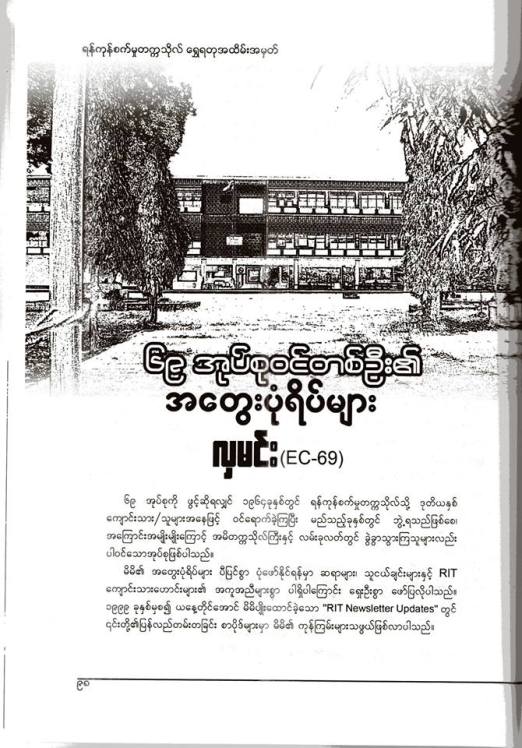
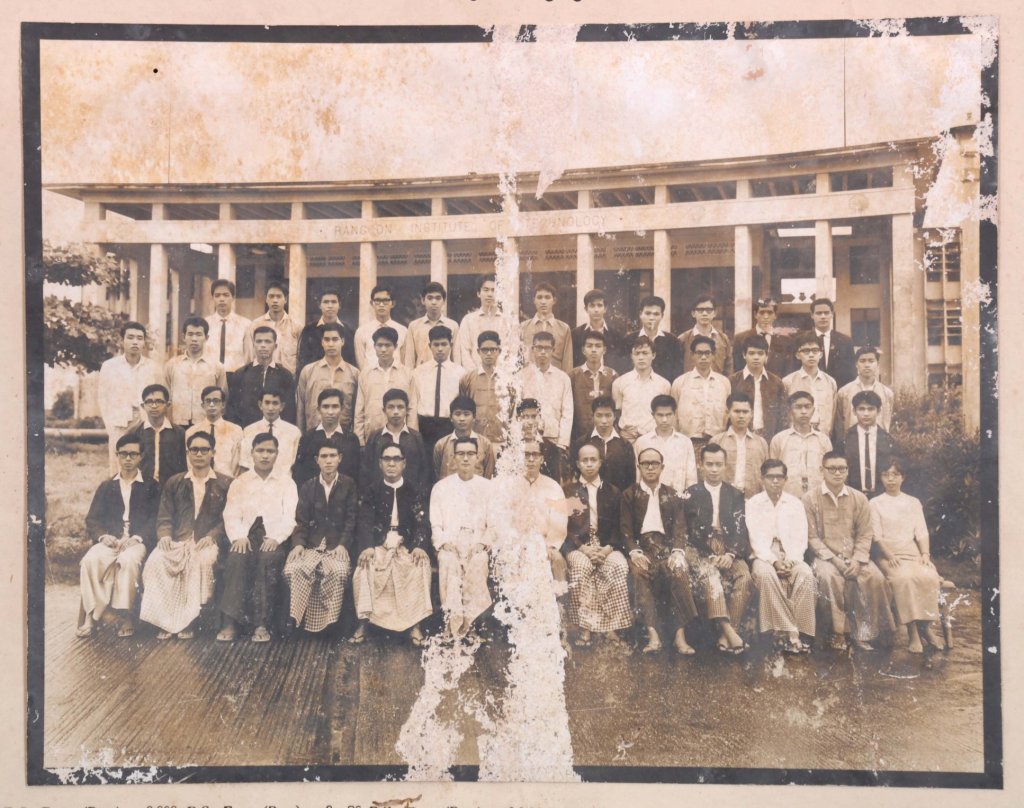
The 1969 RIT Graduates Reunion was held in Rangoon/Yangon, Burma/Myanmar on Saturday, 20 February 1999 at Sait-Teng-Kya Restaurant near Kandawgyi lake.
Idea
The idea was mooted three years ago when a few of us were having dinner together and thought of having a gathering in 1999. After that most of us have forgotten about the idea until around the end of November 1998 when a group of our friends led by Ko Yee Pinn (Tavoy), Ko Myint Maung (aka “Bu”, RIT Volleyball selected), Ko Shwe, Ko Win Lwin, etc. decided to have a grand re-union in February 1999. They also decided that to be more meaningful we should invite our Sayas to pay them respect as well and, hence, it became the reunion cum Saya-ga-daw-pwe.
Attendees
On that very day the guest trickled in starting from about 4.00 p.m at the restaurant. The guests were required to fill in their names and contact numbers. The organizers promised to compile the name list and send to everybody who attended. By 6.00 p.m. about 30 Sayas and about 120 of our graduates were in the restaurant. The master-of-ceremony, Ko Win Lwin, announced the start of the ceremony.
Speeches
The programme started off with a few speeches, led by Nyi Hla Nge, representing the graduates in Rangoon, followed by Danny, representing the graduates overseas, Sai Aung Win, representing graduates outside Rangoon and last but not the least, by Saya U Kyin Soe, representing all the Sayas.
Paying respect
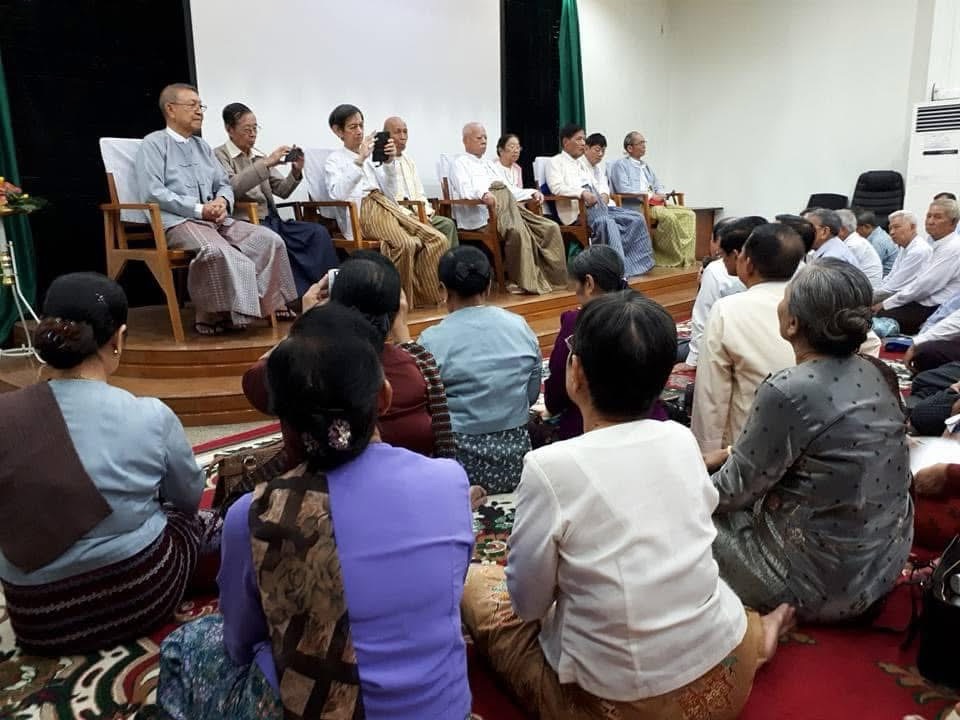
After that we gave respect to the Sayas. All the Sayas were seated on the stage and all of us sat on the floor. Some gifts were distributed to the Sayas followed by photo taking session and then the sumptuous dinner began.
Dinner & Entertainment
About 9 to 10 dishes were served but, most of us were too excited to notice what we were eating. Halfway through the dinner some of us went up the stage and sang some songs for entertainment. Even all the ladies, led by Alice and Naw Mu Mu Aye were on the stage as well. The crowd went wild.
Vow
The party ended at about 9.30 p.m. with some of the graduates not so sober. It was indeed a memorable gathering and we all vowed to meet again in December 2000 at place and date to be announced early next year. Three cheers to the organizers and those who have one way or the other help in making this event a great success.
1969
Updates
How time flies.
The Class of 69 celebrated the 30th anniversary reunion in 1999. The correspondence (Ko Daniel Tint Lwin, Ma Alice Saw Yu Tint, …) was partly responsible for the establishment of the “RIT Alumni International Newsletter” and the first ex-RIT web site.
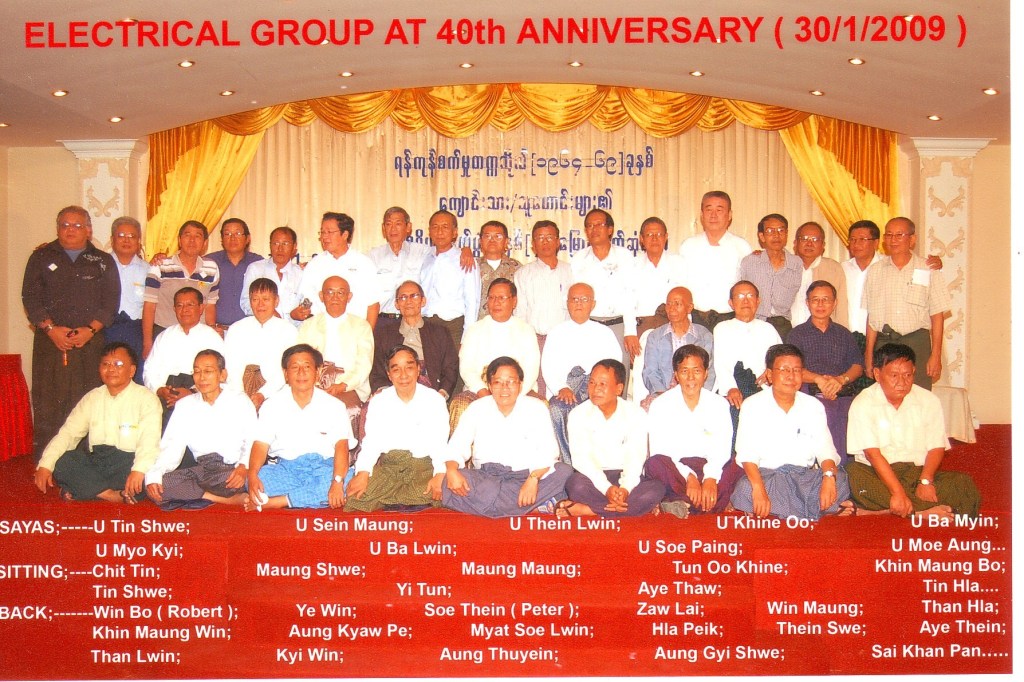
40th Anniversary Reunion in 2009
2009
Golden Jubilee of Admission in 2014
2014
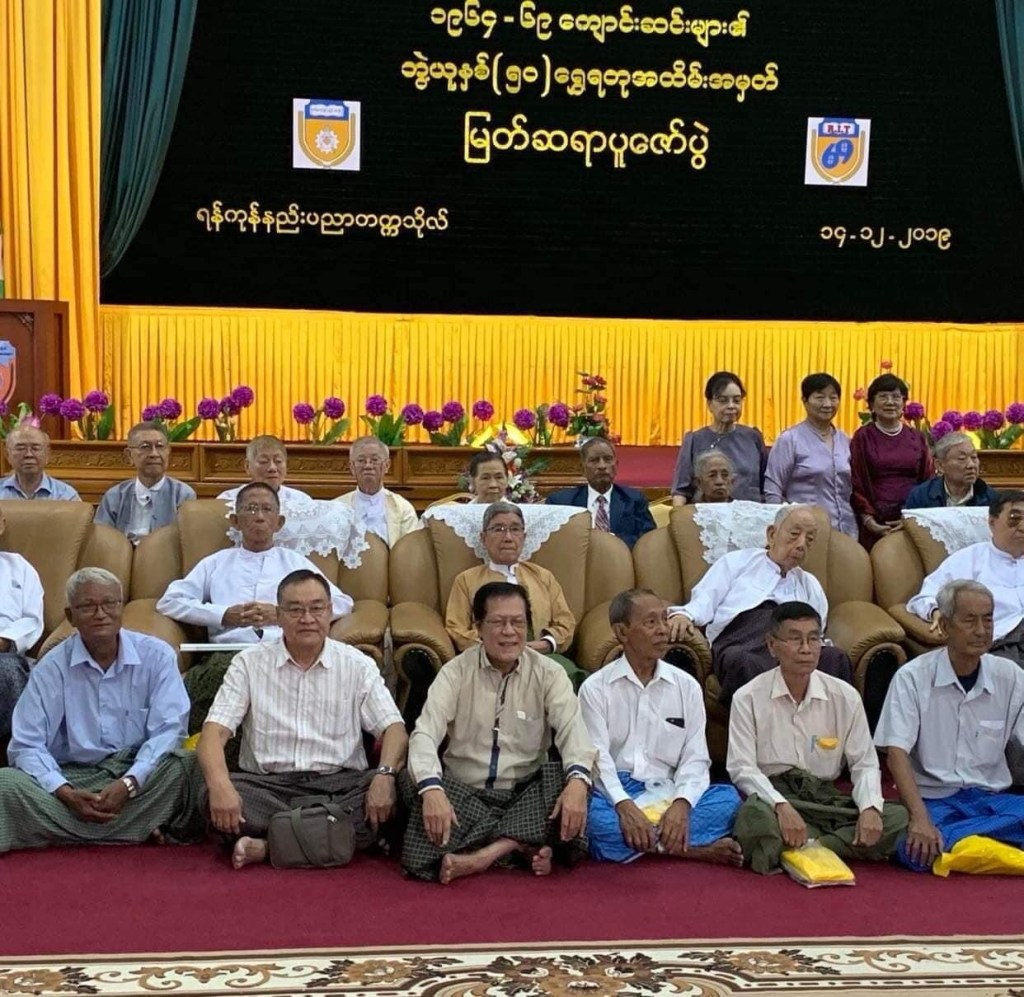
Golden Jubilee of Graduation in 2019
2019
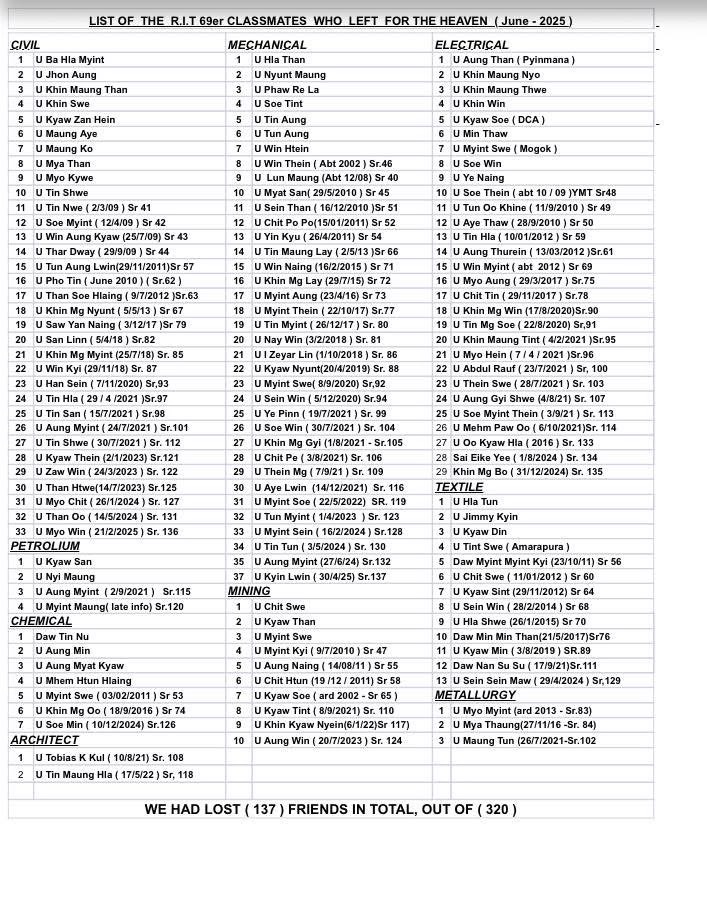
U Aung Min (M69) is Chair of 69er Health Care Fund. He and his team maintain the GBNF list.
GBNF
Several Octogenarians — U Tin Maung, Harry Tin Htut, Uzin Bobby, Uzin Aung Chaw, U Ngwe Tun, U Win Thein Zaw, U Ngwe Soe, Albert Kyaw Min, Mehm Aye Chan, U Kyaw Zin, Robert Win Boh, U Tin Aung Win …
U Ohn Khine (M70) took me to the meeting of the Combined 1st BE Intake of 64 and 65.
Relayed Steeve’s request for a special Acariya Pu Zaw Pwe.
Asked help to prepare material for the Gift package to be given at the PZP.
SPZP-2000 was recorded on a 3-hour tape. I had it converted to a set of two DVDs. U Win Htay & team copied the DVDs to be given to the sayas.
I was Chief Editor for the Commemorative Issue of RIT Alumni International Newsletter for SPZP-2000. Saya U Thein Aung (Met72) & Henry Lim (Alumnus, Editor of BAPS Newsletter) were Associate Editors. Maurice Chee (M75) was Publisher. U Win Htay & team printed copies of the Newsletter to be given to the sayas.
Female members of the Combined Intake (e.g. Mai Khin Nyunt) agreed to take care of preparing monetary gifts. Every saya and sayama will receive One Lakh Kyats. Selected sayagyis will receive Two Lakh Kyats.
Event
Speakers
U Hla Min & Benny spoke at the Special Acariya Pu Zaw Pwe hosted by Steeve
I was the key note speaker.
Benny spoke on behalf of the alumni.
U Win Mra spoke on behalf of the sayas and sayamas.
Attendees
Reserve tables had to be used to accommodate the large number of attendees
In addition to those from the Combined 1st BE Intake of 64 and 65, those who had volunteered for the “Steeve and Helen Kay Health Care Fund for RIT Sayas and Sayamas” were also invited
Key Note Address
Welcome to this gathering!
Today is a special gathering organized by the 64/65 intakes and sponsored by the “Steeve and Helen Kay Saya Health Fund”.
Today’s event complements last month’s 64/65 intake held an Acariya Pu Zaw Pwe and tomorrow’s seventh RIT Grad Reunion and Saya Pu Zaw Pwe.
In addition to paying our respect to the sayas and sayamas, today we would also like to present to Ko Thaung Sein (Steeve Kay, EC70) an appreciation award for his continued support.
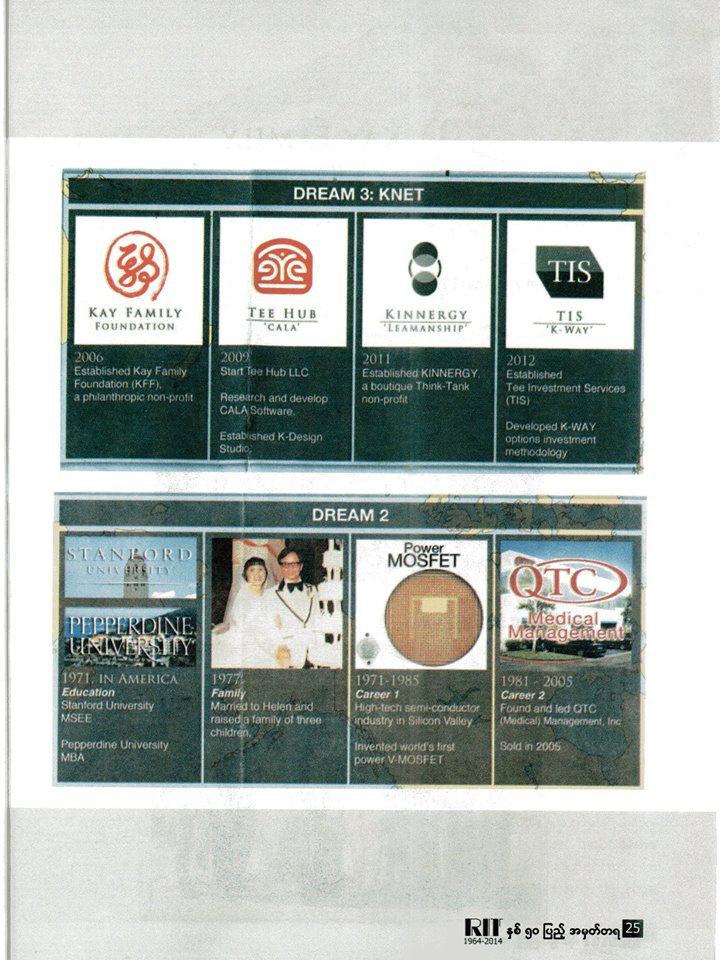
Although Steeve migrated to the US in 1971 to pursue his dreams, he never forgot his roots, his alma mater and his friends.
Over the past 17 years, Steeve has made various contributions totaling $200,000.
Highlights of those contributions are as follows:
SPZP-2000
As you recall, the first ever RIT Grad Reunion and Saya Pu Zaw Pwe was held in the year 2000.
It was started by a group of RIT students in San Francisco, among them Ko Benny Tan and me.
I remember when I sent out the invitation flyers, we received a $1,000 check from Ko Thaung Sein.
Later, he donated $3,000 as seed money to assist with fundraising efforts.
Throughout the years, Steeve has supported multiple world-wide reunions and SPZP as a Golden Sponsor.
Health Care Fund
In June 2005, Steeve set-up a $50,000 Saya Health Care Fund administered by U Win Khaing of MES and his administrative committee.
Many saya/sayamas attending today have benefited from that fund.
Steeve also helped to set-up a second fund, administered by the 64/65 intakes, as a supplemental retirement fund for the sayas and sayamas.
MoST Delegation to the US
In May 2013, Kay Family Foundation, a philanthropic foundation set-up by Steeve Kay, sponsored the Ministry of Science and Technology (MOST) delegation to visit Centers of Excellence in California.
The delegation was headed by the late Dr. Ko Ko Oo and Professor Nyi Hla Nge.
Alumni Reunion in Los Angeles in 2015
Last year, in October 2015, Steeve Kay donated $30,000 in matched funds to hold the RIT in Southern California, Los Angeles.
During the gathering, he sang a Burmese folk song ‘Shwe Me’ to express his feeling towards Myanmar, the land where he spent his youth growing up.
Health Concerns
This year, Steeve Kay’s own health fell ill.
We wish him good health. Instead of attending the RIT Grad Reunion himself, he asked Ko Benny to hold a gathering and Pu Zwe Pwe this year.
Ko Benny consulted with his classmates and decided that December 28, 2016 – the day preceding the Seventh RIT Grand Reunion and Saya Pu Zaw Pwe – seemed to be the right time.
The classmates, in turn, would like to honor their life-long friend and sponsor of numerous RIT-related activities.
The history of Steeve and his philanthropic work should be recorded and preserved for posterity.
Every saya and sayama will be presented with a gift package from Steeve.
Gift Package
Short biography of Steeve
Commemorative issue of RIT Alumni Newsletter for SPZP-2000
Two-set DVD of SPZP-2000
CD of photos and articles from SPZP and RIT-related activities
Monetary gift for each saya and sayama
Event in Three Parts
Today’s event covers three parts:
Paying respect to the sayas and sayamas who taught the Combined Intake of 64 and 65 students
Mini-gathering of the Combined Intake of 64 and 65 students
Appreciation award to be presented to Ko Thaung Sein (Steeve)
Ko Khin Maung Lay will be the emcee.
Selected sayas and alumni will recall Steeve’s work and their importance and impact to the RIT community.
2015 Reunion in Los AngelesHla Min, Steeve, Benny
Updates
Steeve had remission for some time.
He finally passed away.
He did not complete writing his experiences and thoughts.