Category: Memory

  • Life Long Learner

    Hla Min
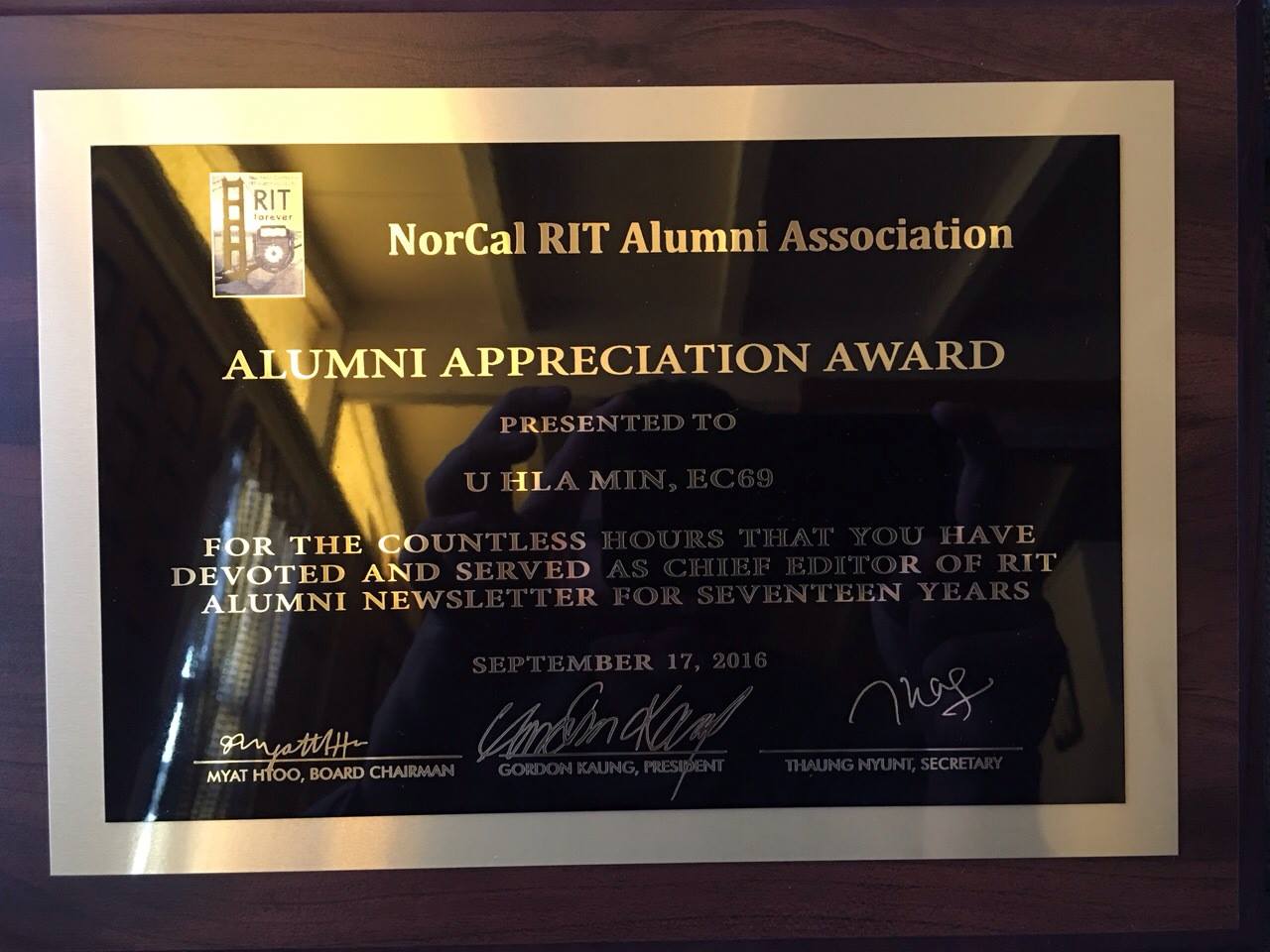
    This image has an empty alt attribute; its file name is ncritaa-award.jpg
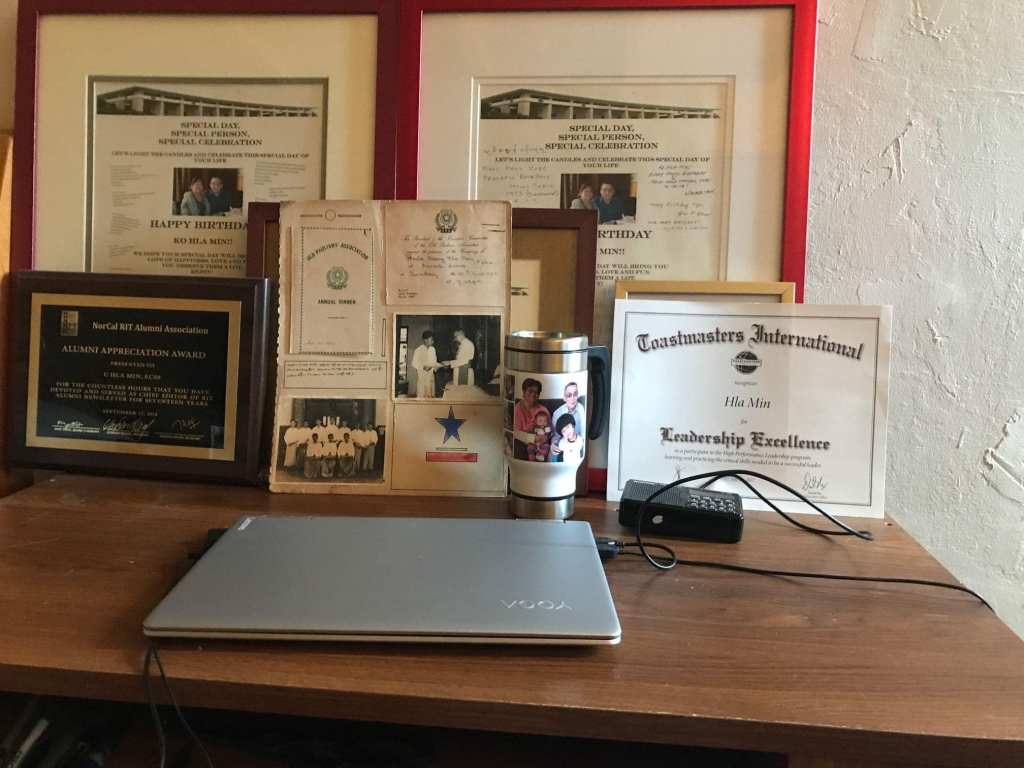
    NorCal RITAA Award

    Learning

    I believe and practice the Pillars of Learning:

    • Learning to know
    • Learning to do
    • Learning to be
    • Learning to live
    • (Finally) Learning to let go

    Objectives

    I have published about 3000 posts. I have revised them. You may search using an appropriate category.

    Primary Objective

    Pay back to my beloved land, my alma mater, my mentors and colleagues.

    Secondary Objective

    Provide topics of interest to scholars and historians about Burma / Myanmar

    Tertiary Objective

    Request Subject Matter Experts to join me in the dissemination of knowledge, experience & wisdom.

    My Background

    I am a

    • Jack of all trades and Master of some
    • Lifelong learner
    • Freelance author, editor, translator & interpreter
    • Distinguished Toastmaster
    • Amateur Historian
    • Editor of newsletters & books
    • Software engineer
    • Consultant

    I have studied and/or taught at

    • Private Primary Boundary Road School
    • St. Paul’s High School
    • Rangoon University
    • Rangoon Institute of Technology
    • Universities Computer Center
    • Department of Computer Science
    • Institute of Computer Science and Technology
    • ICL ETC in UK
    • Rice University in USA

    I wrote and/or reviewed articles, translations and poems for

    • National Foreign Language Center
    • Encyclopedia of Asian American Folklore and Folklife
    • RIT Alumni International Newsletter
    • Dhammananda Newsletter
    • Homage to Sayadaw U Silanandabhivamsa
    • BAPS Newsletter
    • Moe Ma Ka
    • Guardian Newspaper
    • Working People’s Daily
    • Forward Magazine
    • High School Mathematics Project
    • Team of System Specialists
    • Rangoon University Boat Club
    • Set Hmu Thadin Zin စက်မှုသတင်းစဉ်
    • Hlyat Sit Sar Saung လျှပ်စစ်စာစောင်
    • Veda Magazine ဝေဒမဂ္ဂဇင်း
    • Pan Magazine ပန်မဂ္ဂဇင်း
    • Swel Daw Yeik Sar Saung စွယ်တော်ရိပ်စာစောင်
    • Swel Daw Yeik Magazine စွယ်တော်ရိပ်မဂ္ဂဇင်း
    • Poetic Art Series
    • U Jotalankara ဦးဇောတကလင်္ကာရ၊ Masoyein Sayadaw မစိုးရိမ်ဆရာတော်၊ Dhammaberi Sayadaw ဓမ္မဘေရီဆရာတော်၊ Beelin Sayadaw ဘီးလင်းဆရာတော်၊ Oakland Sayadaw ဥက္ကလံဆရာတော် …
    • U Aung Zaw (UCC) ဦးအောင်ဇော်

    I have volunteered for

    • Computer History Museum (CHM)
    • San Francisco Bay Area ACM Chapter
    • Toastmasters International
    • RIT Alumni International
    • Saya Pu Zaw Pwe (SPZP)
    • NorCal RIT Alumni Association
    • Tathagata Meditation Center (TMC)
    • Theravada Buddhist Society of America (TBSA)
    • History of Myanmar Engineering Education (HMEE)
    • 2010 Census Count Committee
  • Memory

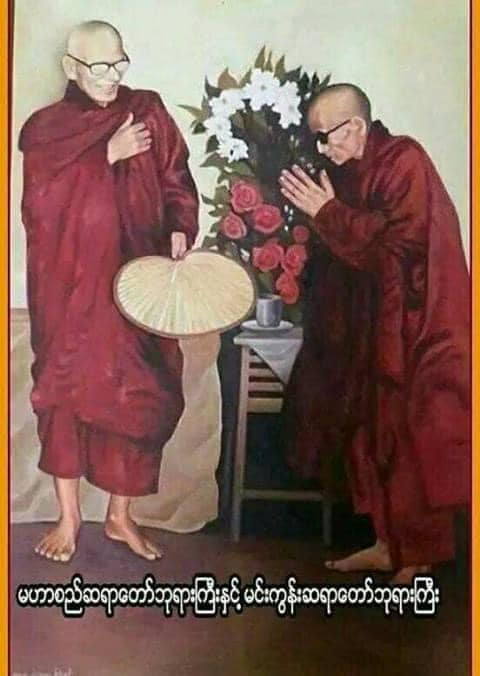
    Mingun Sayadaw
    U Vicittasarabhivamsa (GBNF)

    He was listed in the “Guinness Book of World Records” for his phenomenal memory. When Burma hosted the Sixth Buddhist Council in 1954 – 56 to commemorated the 2500th year of the “Sasana Calendar”, Sayadaw acted as the “Reciter” of the Tipitaka (Triple Basket : Vinaya (Monastic rules of conduct), Sutta (Discourses), and Abhidhamma (Ultimate Reality)) and selected Commentaries. According to the Kaba Aye Edition, the Tipitaka covers 8000+ pages.

    To prepare for the Buddhist Council, Sir U Thwin requested Mingun Sayadaw to take the Tipitaka examination. Sayadaw passed the Oral and Written tests for the Three Baskets with Distinction. He was the first Sayadaw to be conferred “Bearer of the Tipitaka & Treasurer of the Dhamma”. The Oral tests will fail a candidate if he needs five (or six) prompts. Sayadaw did not need a single prompt. The Written tests cover in-depth topics. During the recitation, Sayadaw amazed the examiners by pointing out the variations of the text and highlighted the preferred version.

    Sayadaw received requisites. He distributed them to the monks (in the town where he received them). To help ease the monks trying to pass one or more Baskets in the [later] Tipitaka examinations, Sayadaw set up a monastery in Mingun and accepted monks who had finished their Dhammacariya.

    Mahasi & Mingun Sayadaws

    Memory Types

    We have a short term memory and a long term memory.

    When people age, most retain their long term memory, but they often experience decline of their short term memory.

    My young cousin approached us and then uttered, “I forgot what I was about to say”.

    My high school classmate would abruptly stop in the middle of our walk and pondered, “Did I lock the door?”

    Ko Tun Aung’s uncle (GBNF) could recall his primary classmates but could not recognize his beloved grand kid.

    There are books and courses about memory.

    According to some authors, we could use “chunking”, “association”, “reinforced (non-blind) repetition”, … to move important and worthwhile items in the short term memory into long term memory.

    Memory is not static. It is elastic. There is restructuring (reorganizing, indexing, …) every time we use it.

    There are techniques (mnemonics, visualization, …) to train and improve our memory.

    Thanks to the sayas and colleagues who complimented for having a good memory. I was a mini-dictionary, a micro-encyclopedia, and a reliable proof-reader & spelling checker. May be it was partly because I was born before the pervasive use of Internet and on-line tools, and there was not too much diversion.

    There are a few who want to down play the importance of memory by saying, “I can Google …”

  • Sad Loss of Manuscripts

    by Dr. Thane Oke Kyaw Myint

    Before U E Maung [Professor of Burmese, University of Rangoon] died, he asked me to bring out exercise books with writings by [my paternal aunt] Daw Khin Mya Mu. In the books were transcript of many “Kyauk sar” and translation into Burmese of hundreds of stone scriptures from all over Burma. When I asked him why they were not published, he told me that no printing press [in those days] have fonts for the ancient writings. [Thus] they were all unpublished.

    The sad thing was when Dr. Htin Aung [Rector, University of Rangoon, Ba Dway] left Burma, he had also left not only his books but drafts of books he wanted to finish and publish, mainly in history.

    U E Maung donated his house and belongings to Tipitaka Sayadaw. When he passed away Dr. Tha Hla was given the task of selling the property and have as cash donation for Sayadaw. We were not informed but later on when I asked, I was told that except for some books, the handwritten documents were not saved anywhere. Felt very sad about losing the handwritten books.

    Only some books were chosen to be donated to the Burmese Department of Rangoon University.