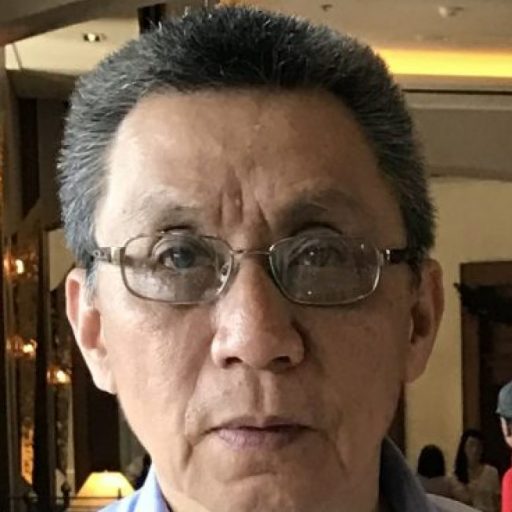
Ko Tin Maung Win (C86) is President of NorCal RITAA
Ko Yu Ket (EC85) is EC of NorCal RITAA. He provided various kinds of assistance to our family over the years.
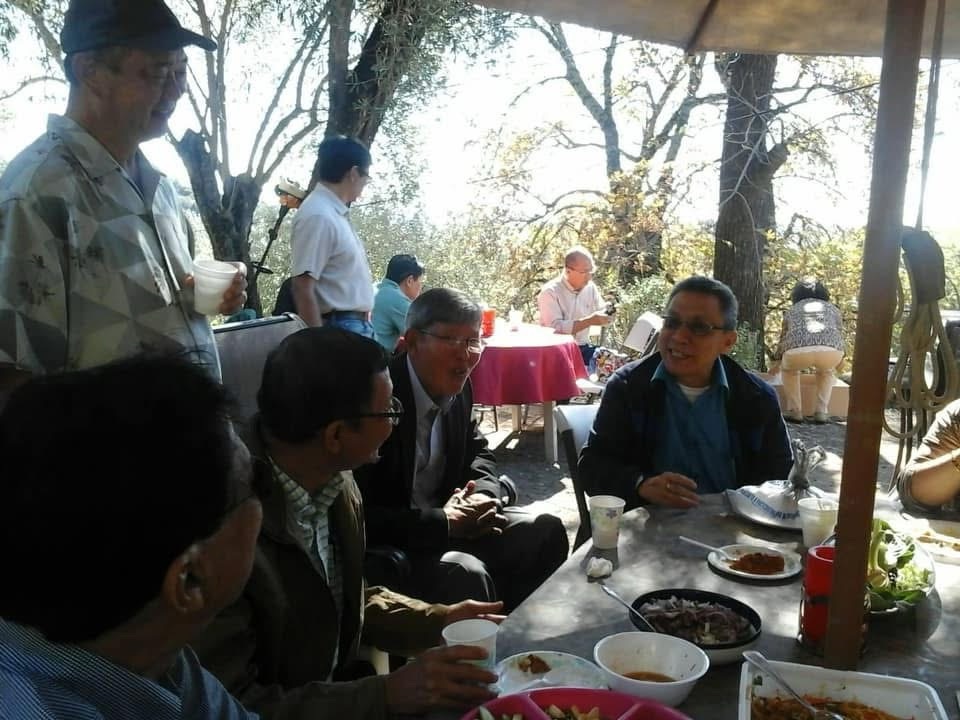
We had a Lunch gathering.
Ed 1Ed 2
Dana for Grace
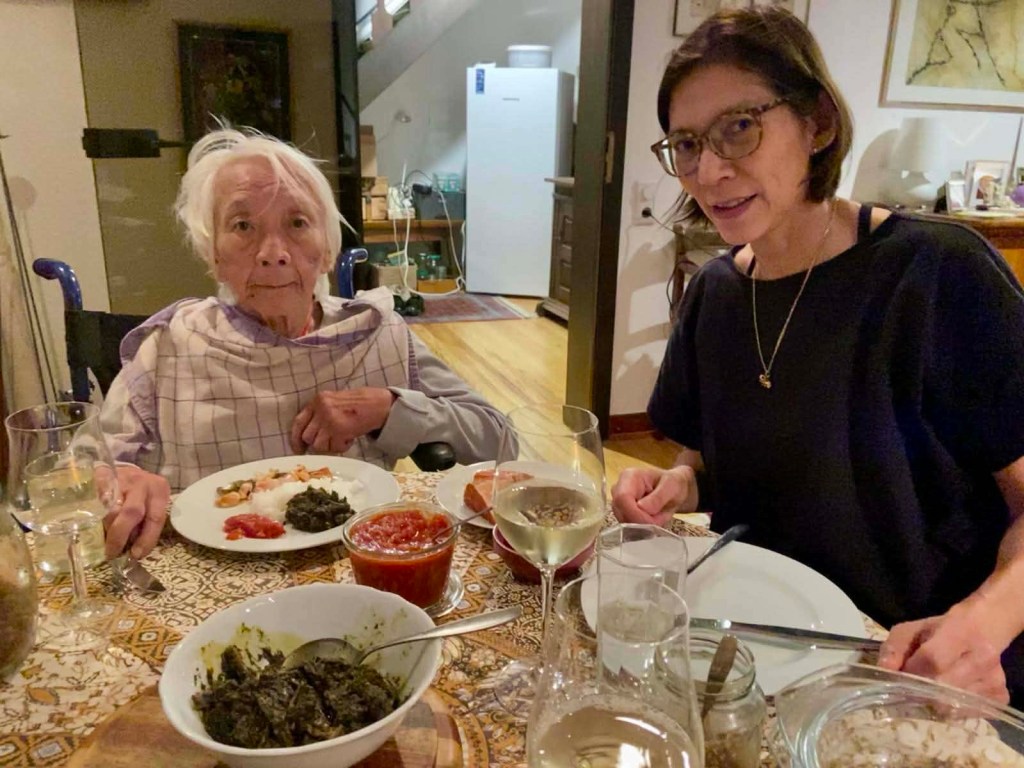
Grace passed away a year ago in Singapore. She succumbed to Cancer.
In her memory, Ko Tint Lwin / Daniel (M69) donated to Shwe Yaung Hnin Si Cancer Foundation.
DTL
Ma San San & Ko Myint Swe
Ma San San (EC74) and Ko Myint Swe (EP74) are super Chefs.
They enjoy Cooking and Entertaining Friends.
They hosted several gatherings.
SS MS 1SS MS 2SS MS 3Gathering at MS & SS
Ma Ma Ruby (GBNF)
She is my cousin.
On July 19, 2026, Dr. Win Hlaing / Ruby passed away at the age of 94.
She has two sons and a daughter.
Ma RubyMa Ruby & Kim
William Aung
Dentist / Specialist
Son of Ko Htay Aung / Victor (EC80, UCC) and Tin Tin Hlaing (UCC)
Received a Presentation Award
William
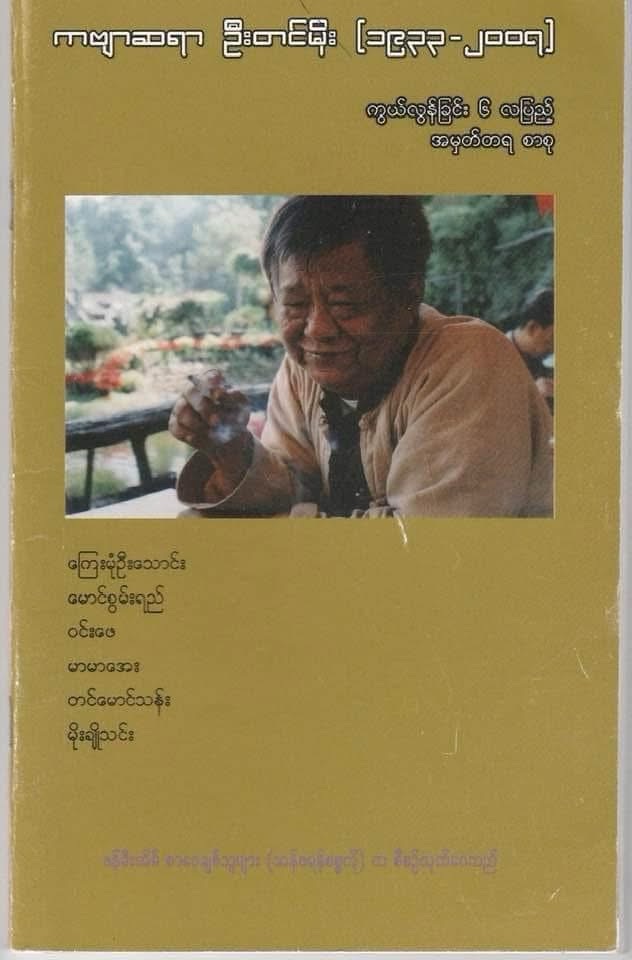
Uzin U Chan Min
Represented Institute of Economics in Chinlon and Rowing
Worked for EPC before moving to USA
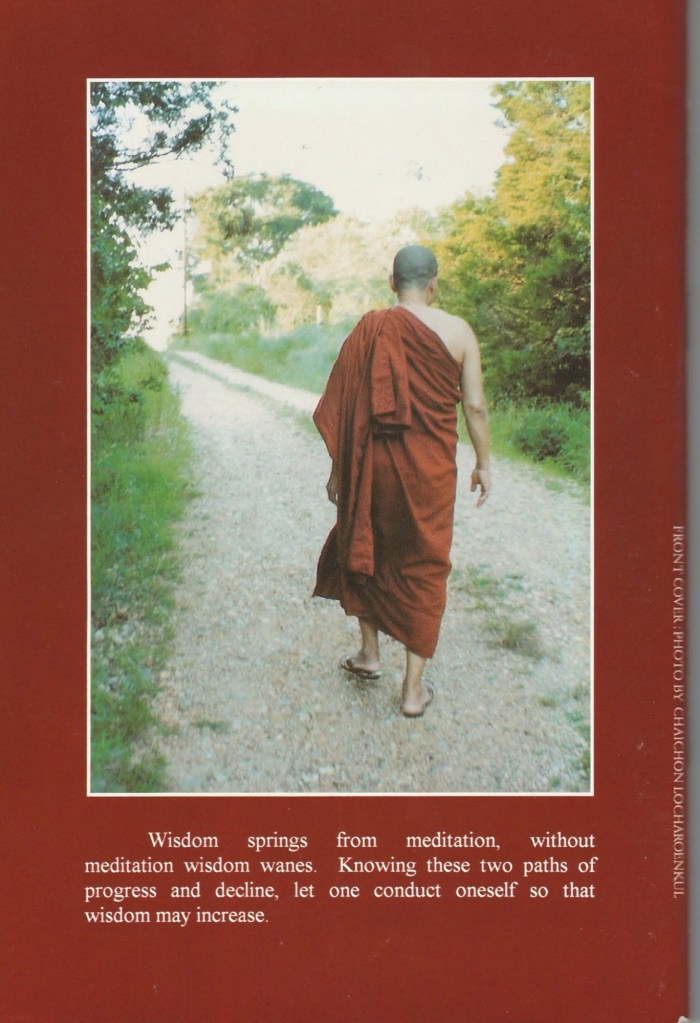
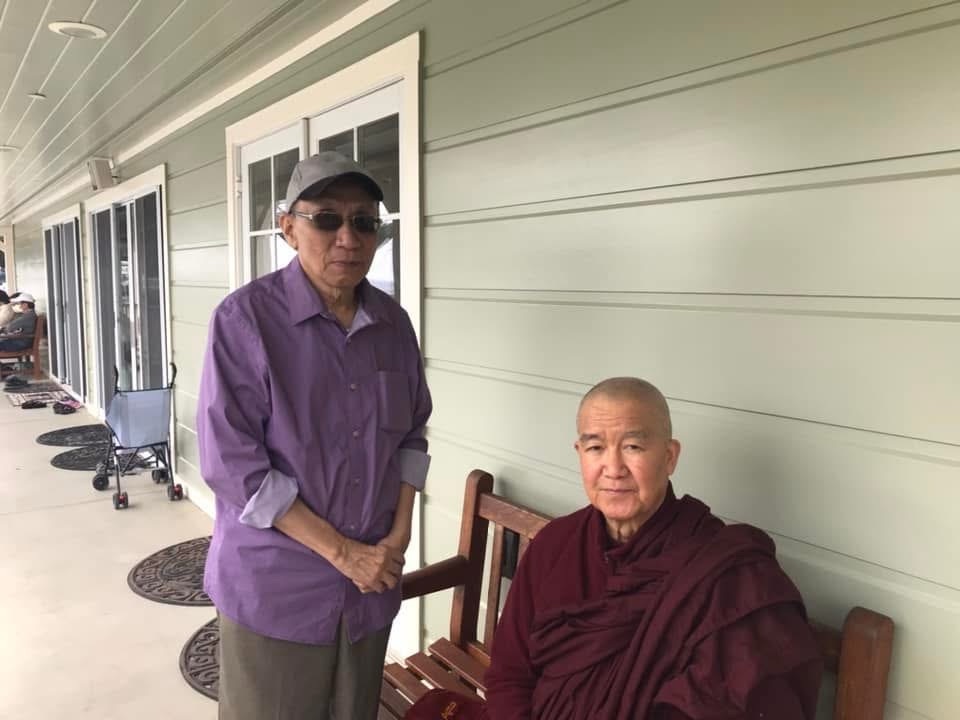
After retirement, he became a monk at Dhammananda Vihara, Half Moon Bay, California
Uzin Chan Min
Toastmasters
I am a DTM (Distinguished Toastmaster).
I completed CC, ACB, ACS, ACG, CL, ACL, ACG and activities (e.g Club Coach; Contests at Club, Area & Division; Ambassador)
The photo was taken at a Halloween-themed Toastmasters Meeting
Toastmasters
PSA Tour
I was invited to join the PSA (Professional Speakers Association) Tour to Upper Burma
The tour covered six cities
Professional Speakers Association
Saw Lin (C71, GBNF)
In 2012, I made two trips to Yangon to coordinate with the Organizers of SPZP-2012
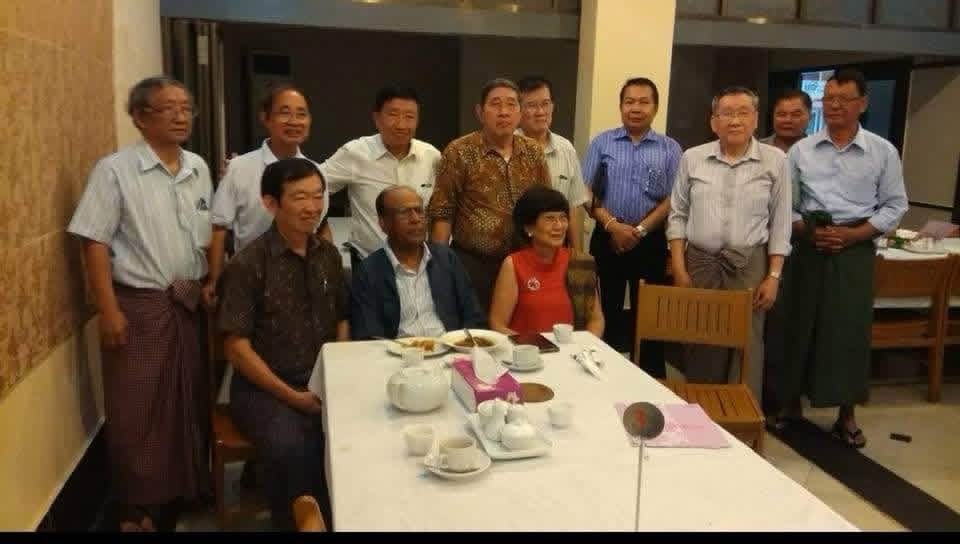
Ko Saw Lin hosted a Welcome Dinner. Attendees include Ko Ohn Khine (M70), Saya Ko Aung (C70), Ko Khin Maung Myint (ChE71) and Ma Mai Khin Nyunt / Rosie (ChE71)
Saw Lin
Texas
Ko San Lin / Robert (EC73) and Ma Hla Myint (EC73) hosted us in Dallas, Texas. They showed us around the Dallas area.
Dr. Ba Han (SPHS66, Psychiatrist) and Tin Tin Aye / Lillian (T72) hosted the rest of the Trip. He loves driving. He took us to Temple to see our common niece Dr. Khine Zin Oo and Myo.
Ma Khine and Maung Myo took us to Austin.
Ko Ba Han took us to Houston, San Antonio and a Texas border
With Dr. Ba Han
East Coast, USA
Ivan invited us to visit him in New Jersey. He hosted a gathering for RIT & UCC alumni. He also organized a whirlwind trip to Canada and East Coast. He provided his car and gas. Fred drove most of the trip and also took photos.
Massachusetts : Dr. Tun Aung Gyaw (EC69)
Connecticut : Ko Toung (EC69)
New Jersey & New York : Ivan Lee (M69)
Philadelphia & Maryland : Fred Thetgyi (M69)
Fred, Ivan Ivan, TAG
Steeve Kay (EC70, GBNF)
He is an entrepreneur and philanthropist.
He hosted several gatherings in Southern California.
The photo was taken at the party to celebrate 40th Anniversary of Steeve’s arrival in the USA.
Steeve’s party
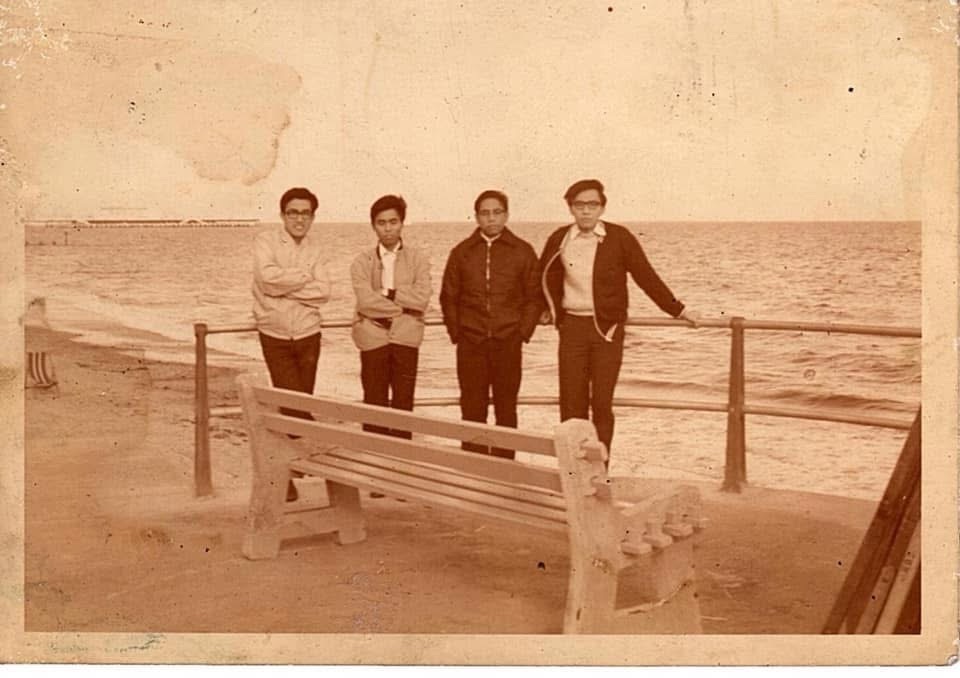
RIT 69ers
1999 : 30th Anniversary of Graduation
2009 : 40th Anniversary of Graduation
2014 : Golden Jubilee of Admission to RIT
2019 : Golden Jubilee of Graduation
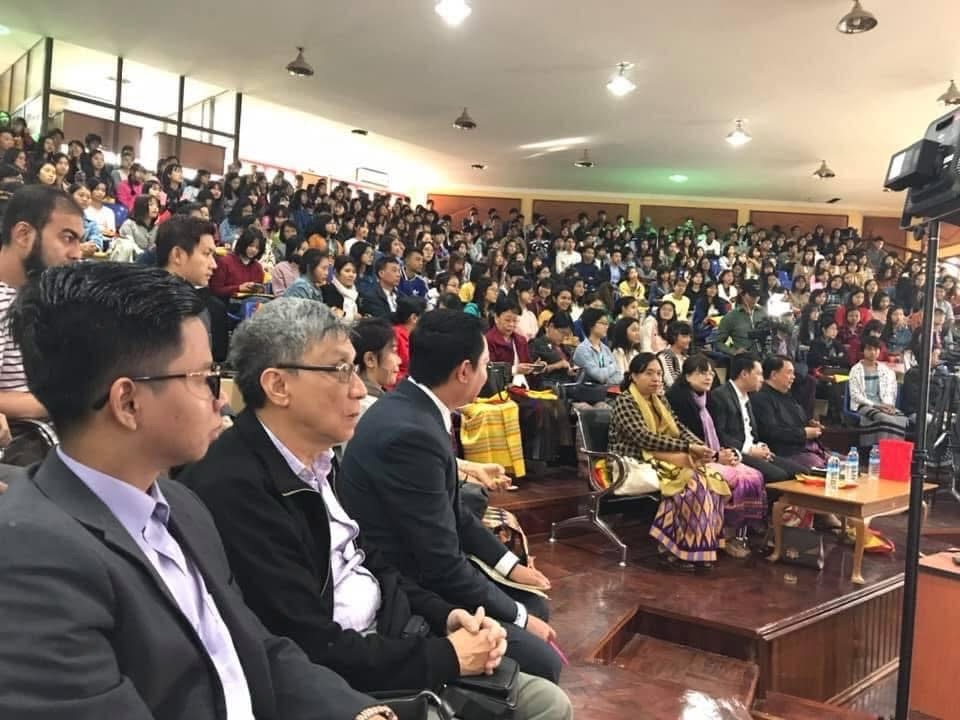
30th Anniversary
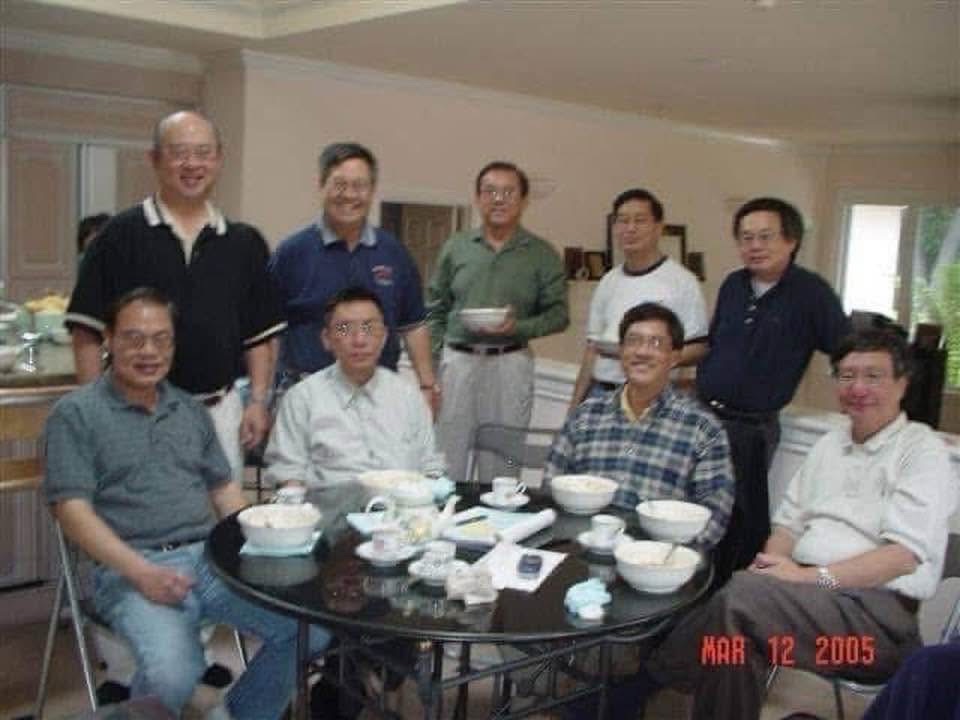
69ers had Monthly Breakfast Gathering (usually at Royal Rose Restaurant). There are hosts to celebrate Birthdays and Anniversaries
With U Maung Maung Win
Singapore
Danny (M69) and Emma (ChE70) hosted Htein Win / Chauk Pay (M70), who was visiting from Canada
Emma, Danny, Chauk Pay
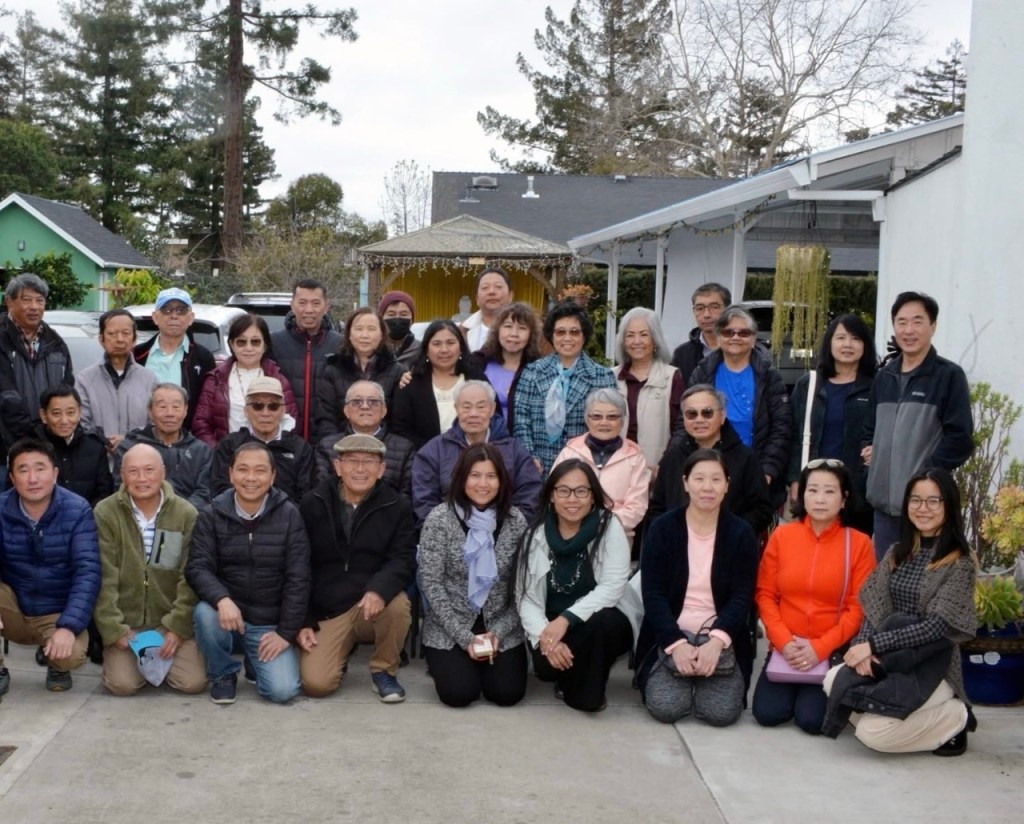
NorCal RITAA
NorCal RITAA
Interview
by Mandalay Gazette
Interview
Oldies
EP EC 85 Reunion in Bangkok
Bangkok
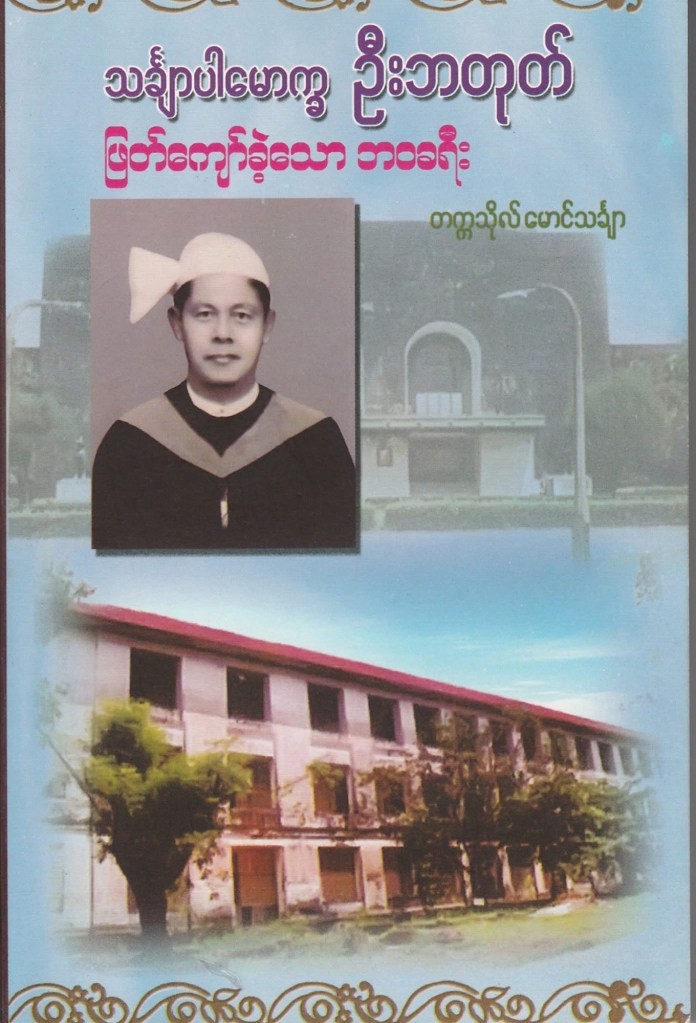
Saya U Tin Htut
With U Tin Htut
SF Bay Area Literary Talk
With Alice
SPZP-2000
Organizers
Embassy Suites Hotel near SFO International airport
October 2000
SPZP-2000
Dana Sri Lanka co-founder
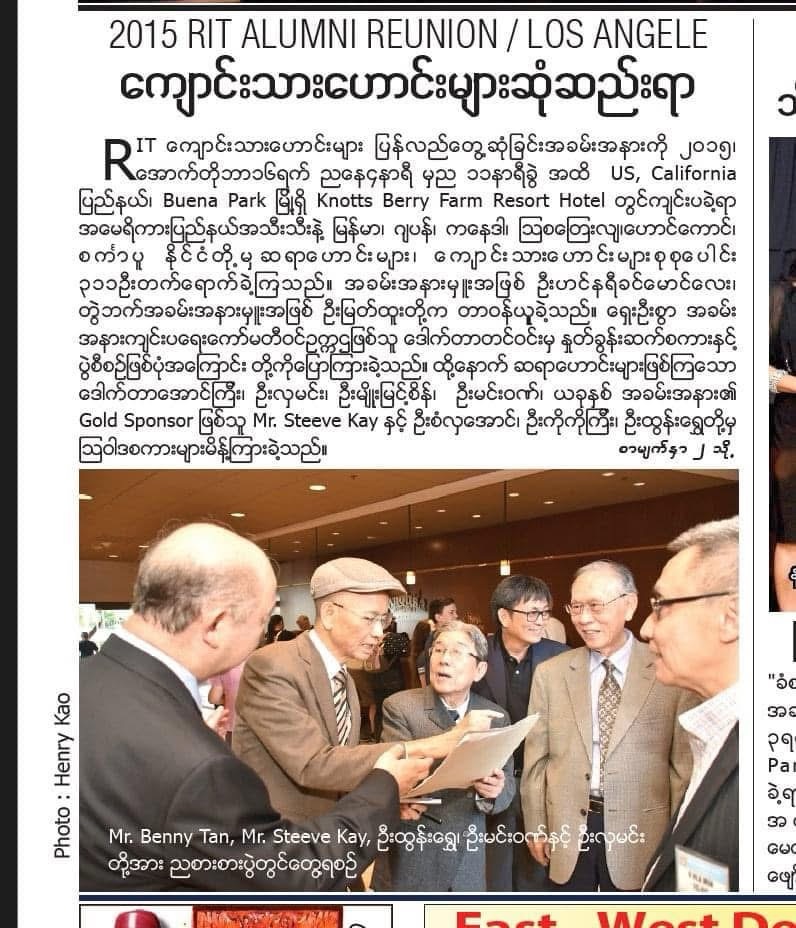
Emma MyintU San Tun With Benny 2015 LA Reunion iNapa WineryNote bookSF Bay Area Alumni AdvisoryEmbassy Suites 2000Welcome U Soe Paing
Books
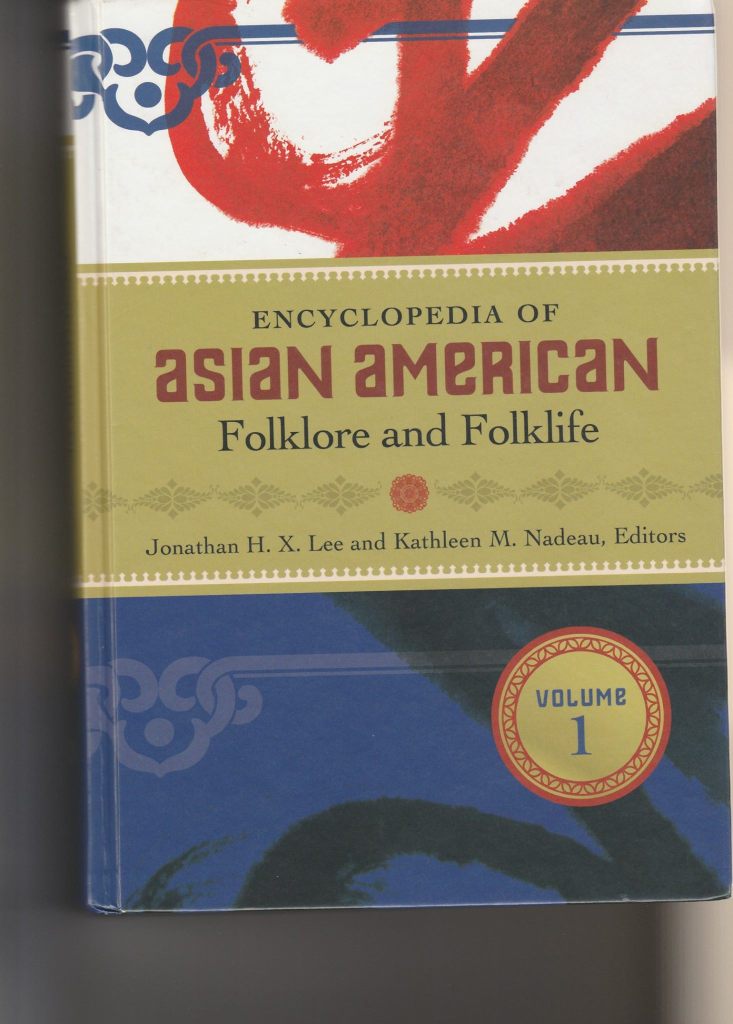
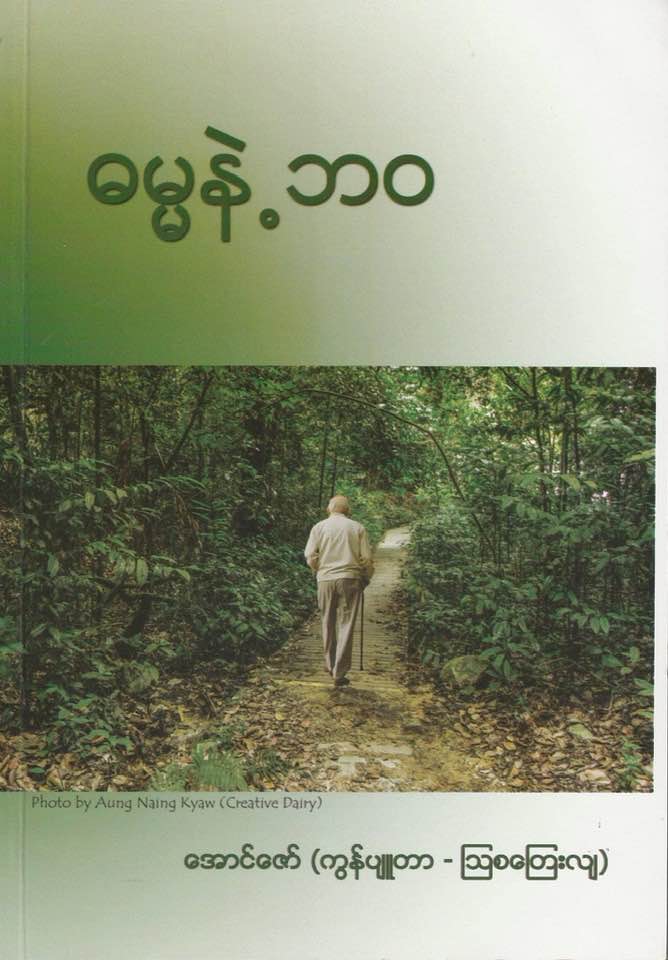
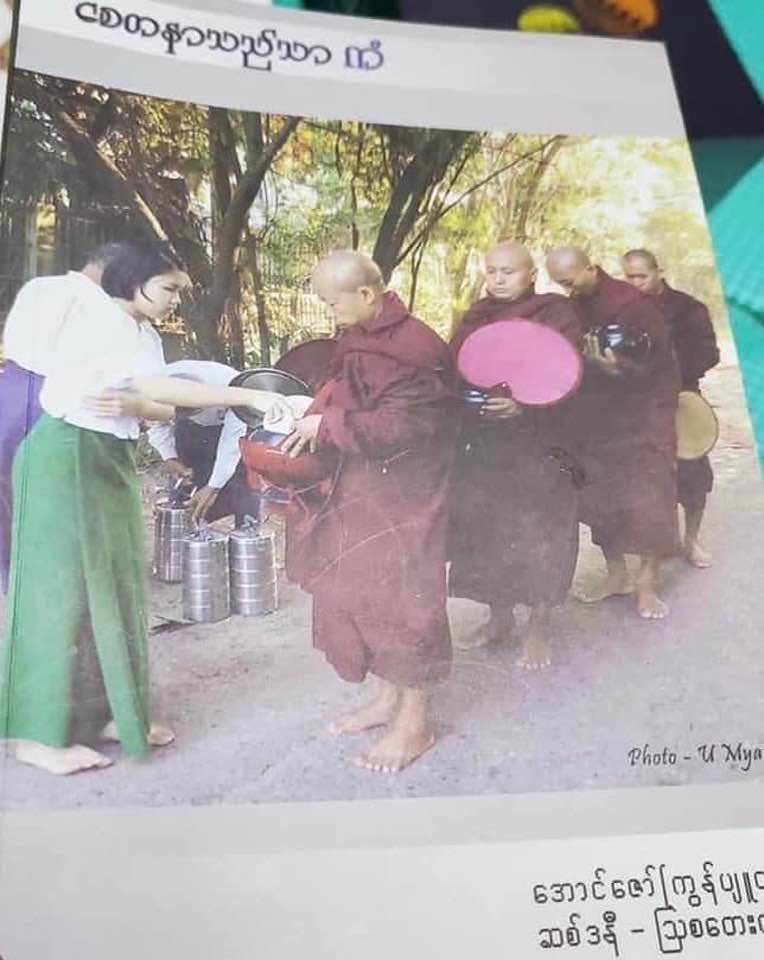
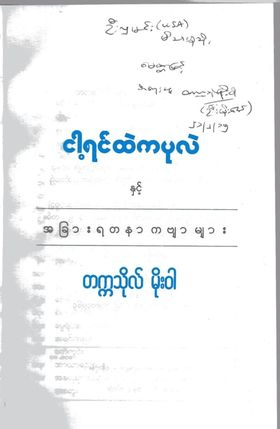
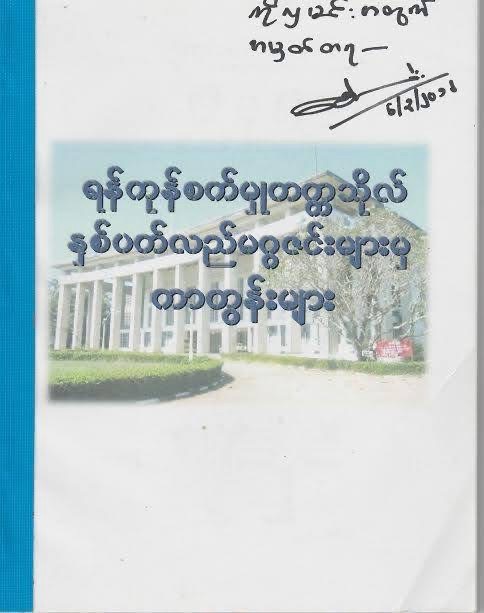
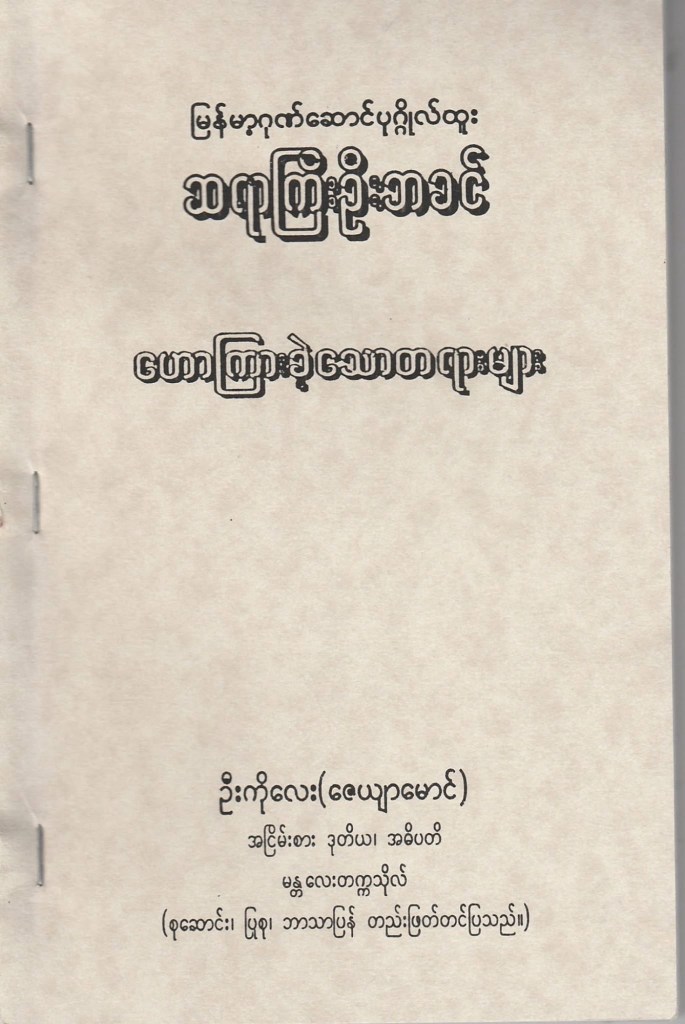
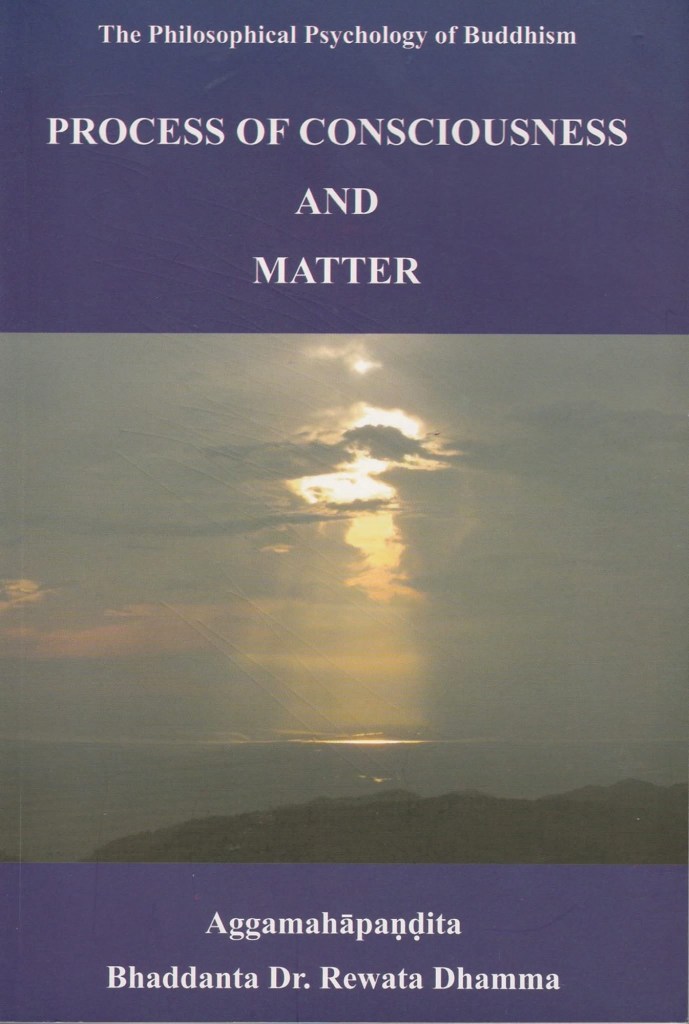
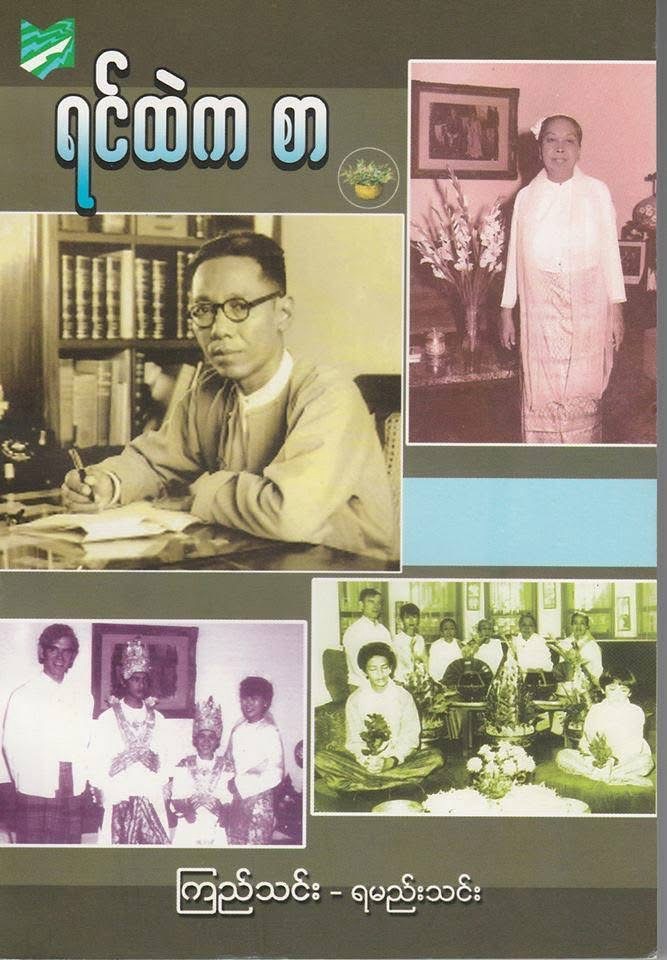
Kyi Thin Kyi Thin 2HMEE CDProcess of Consciousness and Matter
The Burmese Calendar is a luni-solar-socio-religious calendar.
The Burmese New Year falls on or around April 16. The three (or sometimes four) days preceding the New Year is celebrated as Thingyan (similar to Songkran festival in Thailand).
It is a lunar calendar with 12 lunar months in most years. An intercalary month called “Second Waso” is added every three years. There are 12 religious and/or social festivals (one for each Burmese month).
Most religious festivals are celebrated on the Full Moon Day.
The following is a brief description of the 12 Burmese months and the associated festivals.
1. Month of Tagu
Name of the auspicious event: Ushering in the Burmese New Year by the Buddhists
Associated festival: A Ta Thingyan Water Festival (generally held from April 13 – 15 or 16)
Details for the celebration: (a) Invite guests for special treat. (b) Take eight precepts and practice Sila (morality). (c) Listen attentively to the “38 Blessings” by the sangha. (d) Chant Paritta (protective verses) and Pathana (“relations”) (e) Pay homage to the elderly people as if they were one’s own parents (f) All the above are performed (by the Burmese Buddhist) to accumulate kusala (wholesome deeds) (g) Most younger people usher in the Burmese New Year by throwing water (h) Thingyan festival is the most prominent among the 12 (monthly) festivals.
Objectives: To cleanse akusala (unwholesome deeds) from the past year (a) symbolically by throwing water (b) practically by performing meritorious deeds such as dana (charity), sila (mrality), and bhavana (meditation)
2. Full Moon Day of Kason
Name of the auspicious event: Buddha’s Day. It is the most prominent day for the (Theravada) Buddhists celebrating four milestones (a) the proclamation that the Bodhisatta Sumeda would become Buddha in four incalculables and 100,000 worlds (b) birth of the Boddhisatta Sidartha (c) enlightenment of Gautama Buddha (d) Mahaparinibbna (final passing away of Buddha)
Associated festival: Kason Nyaung Ye Thun Pwe (pouring water on the Bodhi tree)
Details for the celebration: (a) Invite guests for special treat. (b) Invite sangha and offer requisites (c) Take (five or eight) precepts and practice Sila (morality) (d) Listen to the dhamma talks (e) Practice metta (loving kindness meditation) (f) Share merits (g) Pour water on the Bodhi tree
Objectives: (a) To acknowledge the practice of parami (perfection) for four incalculables in order to become a Buddha (b) To realize that Buddha’s teachings are for our own good (c) To make a determination that we should practice Buddha’s teachings to the fullest extent
3. Full Moon Day of Nayone
Name of the auspicious event: Mahasamaya (“Great Occasion”) A Kha Daw Nay (a) Commemorating truce between Kapilavutta and Koliya countries (b) Assembly of devas, brahmas, galons, nagas, and sanghas expressing their metta (unbounded love) (c) Ordination of 500 princes from the Sakya clan (d) In sum, distinguished and outstanding day of love and peace
Associated festival: Recitation of Mahasamaya Sutta
Details for the celebration: (a) Invite guests for special treat. (b) Invite sangha and offer requisites (c) Take (five or eight) precepts and practice Sila (morality) (d) Listen to the dhamma talks (e) Recite Mahasamaya Sutta (f) Practice metta (loving kindness meditation) (g) Share merits
Objectives: (a) To advocate love and peace among nations with diverse cultures and beliefs (b) To practice metta (unbounded love) not only for humans but for all beings
4. Month of Waso
Name of the auspicious event: (a) Offering of Waso robes (b) Recitation of Dhammacakkapavutna Sutta (“Turning the Wheel of Dhamma”)
Associated festival: There is no specific date for the offering of Waso robes to the sangha. Full Moon Day of Waso is a prominent day for (Theravada) Buddhists celebrating three milestones (a) the day when Boddhisatta was conceived in the womb of Queen Mahamaya (b) the day when Prince Sidharta renounced his worldly pleasures (c) the day when the First Sermon Dhammacakkapavutna Sutta was delivered to his five disciples
Details for the celebration: (a) Invite guests for special treat. (b) Invite sangha and offer requisites (c) Take (five or eight) precepts and practice Sila (morality) (d) Listen to the dhamma talks about Magga (Noble Eight-fold Path) (e) Collectively recite Dhammacakkapavutna Sutta (f) Practice metta (loving kindness meditation) (g) Share merits
Objectives: (a) To avoid the two extremes of sensual pleasure and self-mortification (b) To practice the Noble Eight-fold Path
5. Full Moon Day of Wa Khaung
Name of the auspicious event: Metta (“Unbounded Love”) A Kha Daw Nay 500 monks who were practicing meditation in the forest were intimidated by nats (guardian spirits) and returned to Buddha’s monastery. Buddha preached them Metta Sutta and exhorted them to practice loving kindness meditation to the nats before meditating. The monks returned to the forest and practiced per Buddha’s exhortation. The nats no longer obstructed the practice of the monks, thereby allowing them to progress and get enlightened. Thus, Metta A Kha Daw Nay came into being.
Associated festival: Recitation of Metta Sutta & Sar Ye Tan Mei (deciding the donation to a monk based on a “raffle” [letter written on a stick, in ancient times]
Details for the celebration: (a) Invite guests for special treat. (b) Invite sangha and offer requisites (c) Take (five or eight) precepts and practice Sila (morality) (d) Collectively recite Metta Sutta (e) Offer requisites to the monks based on the Sar Ye Tan Mei “raffle” (f) Dhamma talk on metta and the virtues of practicing metta (g) Share merits
Objectives: To practice metta (unbounded love), karuna (compassion), mudita (altruistic joy), & uppekha (equinamity)
6. Full Moon Day of Tawthalin
Name of the auspicious event: Garudhamma (“Five precepts”) A Kha Daw Nay A brief history is as follows. Bodhisatta was (once) born in Kuru Taing (province), where the king and his people practiced Garudhamma. They refrain from (a) killing (b) stealing (c) sexual misconduct (d) lying (e) taking intoxicants. So, the weather was fine and wealth was amassed. Kawlinga Taing (province) suffered from (a) war (b) famine (c) disease. Many perished. The king and people of Kawlinga Taing decided to emulate the king and people of Kuru Taing. Soon, the weather became fine and wealth was amassed. The three sufferings disappeared. The Full Moon Day of Tawthalin, which is part of the rainy season, was named Garudhamma (“Five precepts”) A Kha Daw Nay.
Associated festival: Competition for reciting poems about the merits of taking five precepts.
Details for the celebration: Host competitions for reciting poems about the merits of taking five precepts.
Objectives: (a) To make people aware of the merits of taking five precepts (b) To have a peaceful community (c) To promote world peace
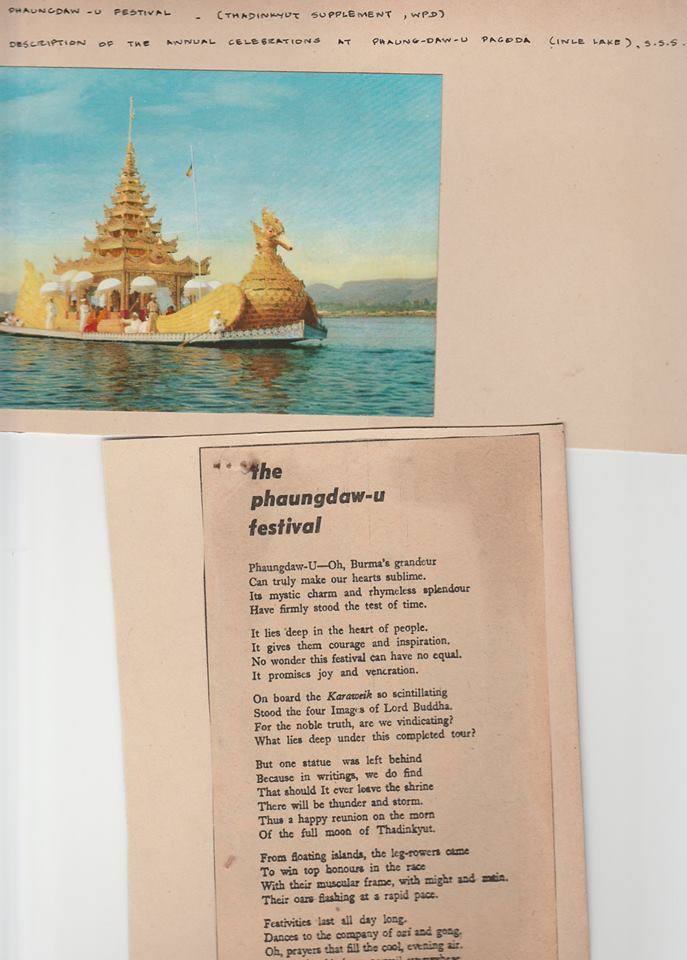
7. Full Moon Day of Thadinkyut
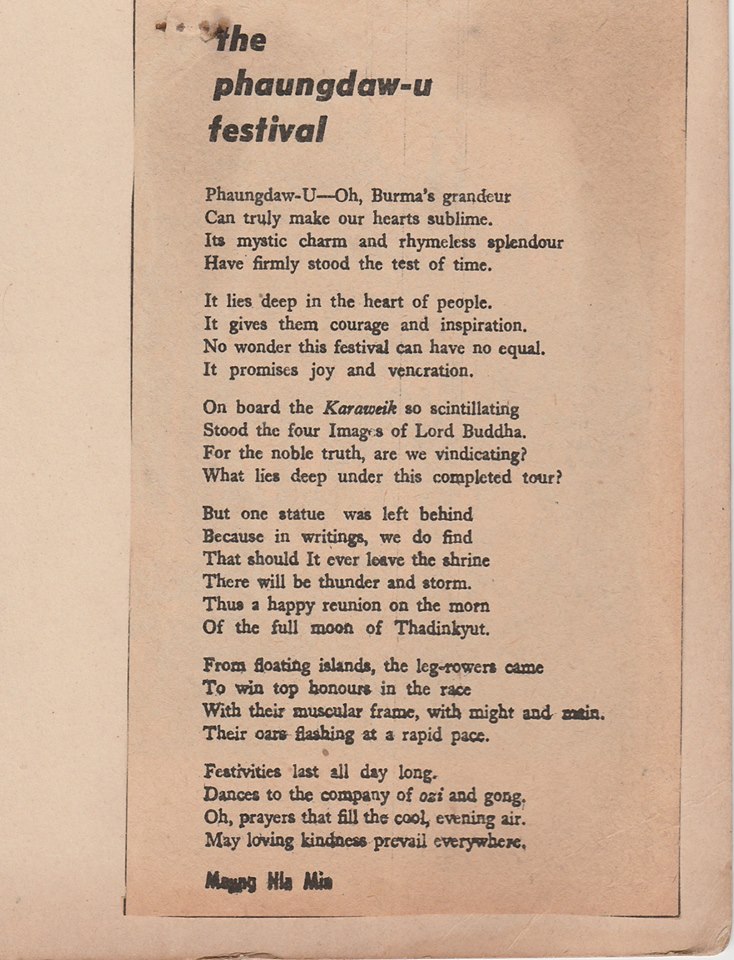
Phaungdaw-u Festival
Name of the auspicious event: Abhidhamma (“Ultimate Reality”) A Kha Daw Nay & Mahapavayana Nay Buddha taught Abhidhamma to the devas in Savateinsa (during the Buddhist Lent) and returned to earth on the Full Moon Day of Thadinkyut
Associated festival (1): Festival of Light
Details for the celebration: (a) Light candles (b) Light incandescent bulbs Objectives: Emulate the scene where the devas and the people paid homage with candles and lights to the Buddha upon his return from Savateinsa
Associated festival (2): Pavayana Pwe
Details for the celebration: (a) Monks assemble in a sima hall (b) Each monk invites other monks to give advice. He says, “If you have seen me commit a misdeed, you may reprimand me. If you hear that I have committed a misdeed, you may reprimand me. If you doubt me, you may reprimand me. I will try not to commit that misdeed in the future.” (c) Lay people might also invite their fellow people to give advice.
Objectives: (a) To practice Nivata Mangala — blessing where one displays humility (b) For monks to practice Sovacasatta Mangala — blessing where one takes constructive critism (c) For lay people to become good & wise people
8. Full Moon Day of Tazaungdaing
Name of the auspicious event: Samyannaphala (“Virtues of monkhood”) A Kha Daw Nay Buddha gave the sermon to King Ajjasathat on the Full Moon Day of Tazaungdaing
Associated festival: Tazaungdaing Festival
Details for the celebration: (a) Light candles (b) Take (eight) precepts and practice Sila (morality) (c) Dhamma talks based on Samyannaphala Sutta (d) Practice metta (loving kindness meditation) (e) Share merits
Objectives: (a) Make people aware of the virtues of monkhood and the qualities of sangha (b) If one has conducted misdeeds like King Ajjasathat, one should acknowledge the fact, but be determined to be good by doing meritorious deeds.
9. Full Moon Day of Nadaw
Name of the auspicious event: Dhamma Sarsodaw Myar Nay In Burmese History, Full Moon Day of Nadaw honors the literary giants (writers, poets). In modern days, the Department of Religious Affairs designated the day to honor writers for the dissemination of dhamma
Associated festival: Sar Pyan Pwe (Oral and written examination for the monks)
Details for the celebration: (a) Hold religious examinations (b) Written examination about Tipitaka (“Three Baskets”) : Vinaya (Monastic rules of conduct), Sutta (Discourses), Abhidhamma (Ultimate Reality) (c) Oral examination about Tipitaka (d) Lay people may visit libraries and borrow religious books (e) Lay people may hold discussions about dhamma
Objectives: (a) Preservation and propagation of Tipitaka (b) Encourage youths to be highly literate and have good moral character
10. Month of Pyatho
Name of the auspicious event: Shin Ta Htaung (1000 ascetics) A Kha Daw Nay During Buddha’s time, 1000 ascetics in Uruvela forest led by the Kassappa brothers renounced their wrong beliefs and become arahants.
Associated festival: Ordination of monks and novices
Details for the celebration: (a) Hold ceremonies for higher ordination of monks (b) Allow youths to become novices
Objectives: (a) To reinforce the importance of practicing morality (b) To familiarize people with religious ceremonies & the performing of meritorious deeds
11. Full Moon Day of Tabodwe
Name of the auspicious event: Ovada Patimauk (Buddha’s exhortation to avoid akusala, to perform kusala, and to purify one’s mind) A Kha Daw Nay
The Full Moon Day of Tabodwe is significant for several reasons. (a) Venerable Sariputta became an arahant (b) Both Venerable Sariputta and Venerable Mogallana were proclaimed by Buddha as the Best in their specialties (c) Without any explicit notice, Ehi Bhikkhu Calabinna Patisambidapatta arahants (elite monks who do not need explicit ordination, who possess six divine powers, and who easily became enlightened) convened for the Ovada Patimauk ceremony.
Associated festival: Ovadaha Partimauk & Htamane Pwe (Sticky rice) festival
Details for the celebration: (a) Collectively prepare Htamane (b) Offer htamane to monks and devotees (c) Listen to dhamma talks
Objectives: (a) Emphasize the strength of unity (b) Perform meritorious deeds collectively (c) Understand Buddha’s exhortation to avoid akusala, to perform kusala, and to purify one’s mind & practice accordingly
12. Full Moon Day of Tabaung
Name of the auspicious event: Myat Buddha Pyi Daw Win A Kha Daw Nay At the request of his father’s emissary Kaludayi, Buddha accompanied by 20000 arahants returned to Kapilavutta from Rajagaha. The return trip commenced on the 1st waning day of Tabaung in year 103 of Mahatheikarit (calendar used in Buddha’s time)
Associated festival: Buddha Pujaniya Tabaung Festival (paying homage to Buddha)
Details for the celebration: (a) Invite as many sangha as possible (b) Offer requisites to the sangha
Objectives: To remember the Triple Gems: Buddha , Dhamma, and Sangha
In our younger days, tears would not fall easily even when one is forsaken by a lover.
Later, even when one’s parents passed away (especially untimely), one sensed grief and might shed a few tears.
A few years back (in April, 2013) we told the workers (masons, carpenters, painters …) not to bring their lunch boxes the following day, since we would be offering requisites (robes, medicine, Nawakama, Soon) and that they would have Dan Bauk (Birayani).
The next day, the workers brought their lunch boxes as usual.
Asked “Why?”
They replied, “We want to take back Dan Bauk to feed our children, who have never eaten such delicacy.”
My heart ached (thinking of the hard lives of the workers and their families).
Tears were ready to roll down. (There were Tears of Sorrow followed by Tears of Joy – appreciating the metta and cetana of parents.)
Note for the revised article: Should we substitute Dan Bauk with Two Eggs?
Editor’s Notes
Due to the pandemic, the former Rice Bowl of Asia is facing food shortage.
Due to misdirected policies, the purchasing power of Burmese Currency has declined.
Thanks to Ko Htoo and Ko Hta, many starving families have temporary relief in the form of Food Coupons (e.g by Mg Mar Ga, Shwe Zin Ma and their supporters).
I earlier translated Saya’s article about the K1000 (gratitude gift) by his mother-in-law to purchase a bowl of Khauk Swe.
Feedback
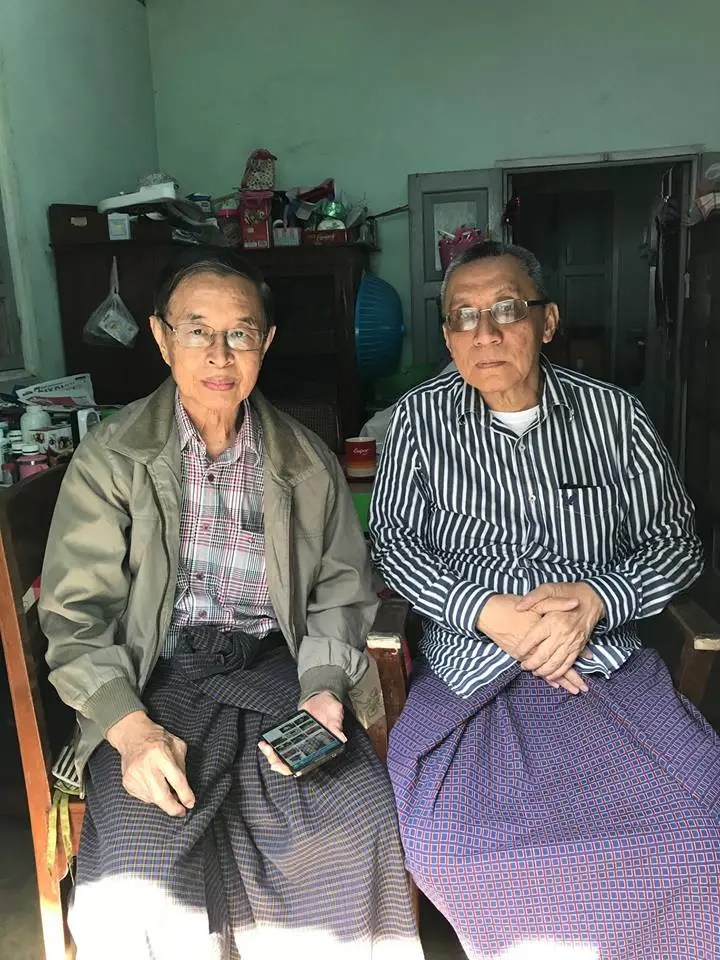
Saya U Moe Aung wrote :
Dear Ko Hla Min
As a matter of fact, I really cherished the article you’ve rendered into English recently. By the way, DanBauk is Briyani or, Birayani, as per your usage above?
When the Korean War erupted in 1950 with the USA and China as the main protagonists, I was a child [probably too young to comprehend the details], but the interest in the war and its impact intensified as I grew older. Imperial Japan ruled Korea from 1910 to 1945. At the end of the Second World War, USSR (Union of Soviet Socialist Republic) declared war on Japan [supposedly] with the aim of dividing Korea. With the approval of the US, the Soviet Union claimed North of the 38th Parallel. The USA took control of South Korea. Japan conceded defeat and left Korea.
The conflict between the Governments of North Korea and South Korea escalated into a full-scale war. With the backing of the Soviet Union and China, the North Korea army invaded South Korea in June, 1950. The United Nations Security Council (UNSC) condemned the invasion and passed a resolution to defend South Korea. Twenty one nations (including US) sent forces to defend South Korea.
About two months – in the early phase of the war – South Korean forces suffered losses and had to retreat. Then, the counter attacks of the UN forces were able to “severe” the connections of the North Korean fighting units. In the middle of 1951, China sent forces to aid the North Korean army. UN forces retreated.
I am not trying to describe the Korean War in detail. I want to emphasize the intensive use of man power to engage in traditional combat. Note that there were occasional uses of bombers. During the three years (June 25th 1950 to July 27th 1953), there was a huge number of dead, wounded, POW (prisoners of war), and MIA (missing in action). The following statistics show the ghastly nature of the war. Note that only South Koreans are accounted for “South Korea & the 21 nations sent by UN”.
South Korea 178,426 Dead 566,434 Wounded & POW
North Korea 300,000 (estimate) Dead 303,000 Wounded; 120,000 POW
China 400,000+ (estimate) Dead 486,000 Wounded; 21,000 POW
Civilian Casualty 2.5 million South Koreans 1.5 million North Koreans
(2)
From the list of casualties, we can clearly see the striking amount of dead and wounded for both soldiers and civilians. In particular, China – the most populated nation in the world – is estimated to have 900 thousand dead and wounded. Imagine, how many soldiers China must have sent to help North Korea. The News Media of that time coined the phrase “Sea of men” to describe the Chinese army battling the Korean War. One can envision the mass of fighters as an vast open sea.
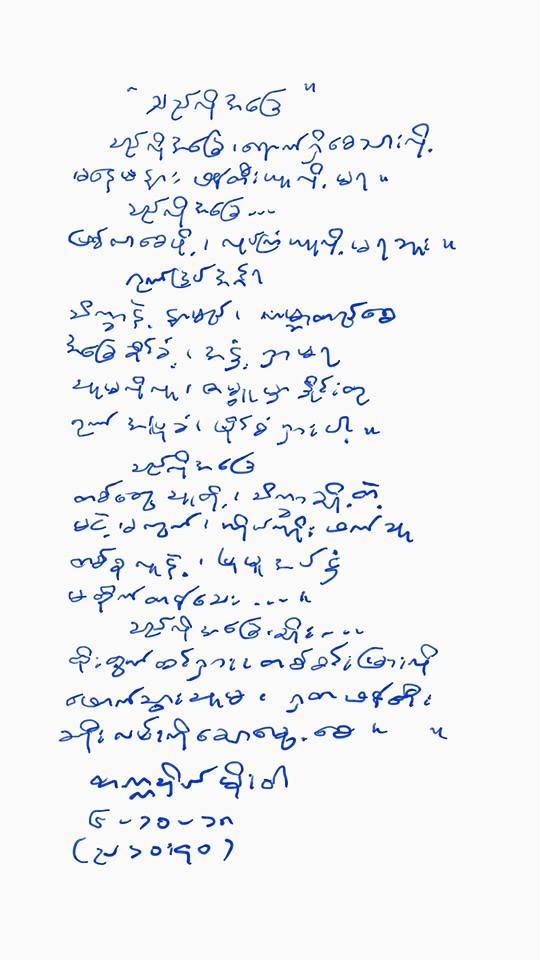
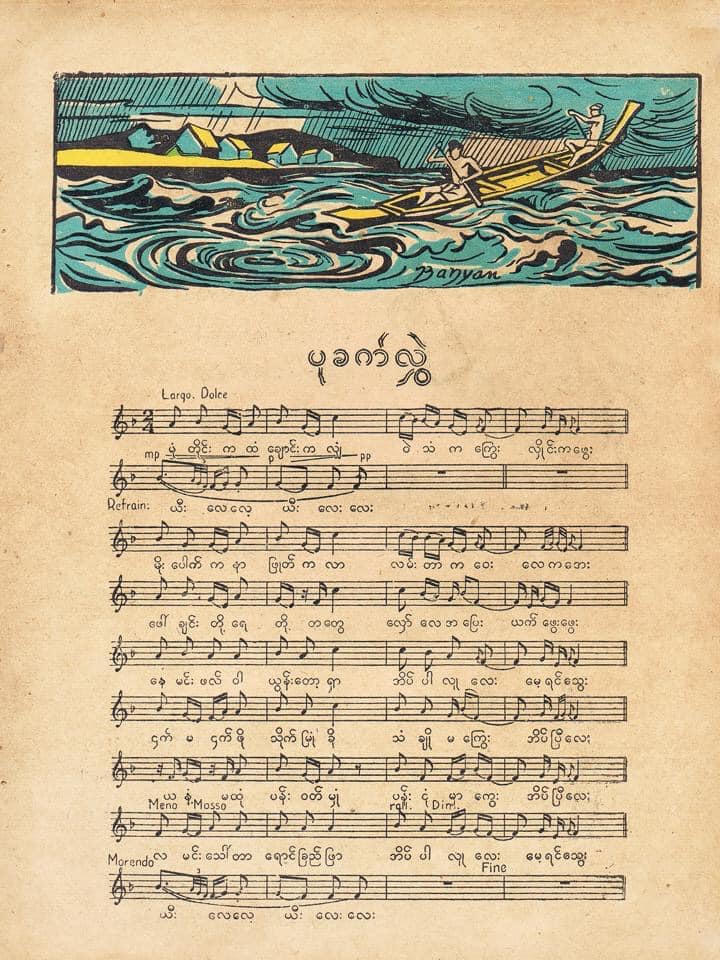
We have witnessed two “Sea of men” in our mother land. We saw the first Sea in 1988. We are seeing the second Sea now [in 2015]. The poem “Sea of men” was written in September 1988, but it was censored. One does not need to think twice to guess why I wrote the poem.
SEA OF MEN
Water – drop by drop
countless drops assemble
as a water flow
Water flows – collectively
rushing, hustling, bustling –
transforming into a stream
From streams
to twisting, turning and winding rivers
to the whorl of the sea
Very long and broad – vast expanse
waves – agitated by winds – rise high
with grudge and anger
to put down [intruders]
It’s SACCA (“Thitsar” – Truth of nature)
[Rower] holding an oar
thrusting into the water
hoping to harness the wave, but …
[Helmsman] on board a ship
with engine roaring
hoping to split the wave, but …
Only for a short while
the waves seem to loosen –
with sprinkles and sprouts
turn into vortex with immense power –
stronger than ever
One can never break up determined men
It’s SACCA (“Thitsar” – Truth of nature).
September 23rd, 1988
The current “Sea of men” is not for sending people to fight as in the Korean War. It is SACCA [“Thitsar” – Truth of nature] that people, who had to breathe for a long, long time polluted air and strive in an environment with degradation in economics, health, civics, ethics, and education, WOULD assemble VOLUNTARILY in the hope of breathing pure, clean air once again. Does not one like gentle breeze? Does not one want to enjoy fragrances that are carried by the breeze? Sad to note that some of the drains that are left uncleaned are making the air unfit to breathe. Worse still, the defamatory attacks by some have further degraded the air quality.
As the November, 2015 elections draw close, we see “Sea of men”. People truly want to understand and differentiate the ones who really care to upgrade the quality life of lay people, from those, who tend to ignore the people and care only for their own.
Updates
Saya Moe
Saya had medical problems, but he did not stop writing articles & kabyars.
Kabyar
Thanks Saya for your presents — books, magazines, sar saungs & pasoe