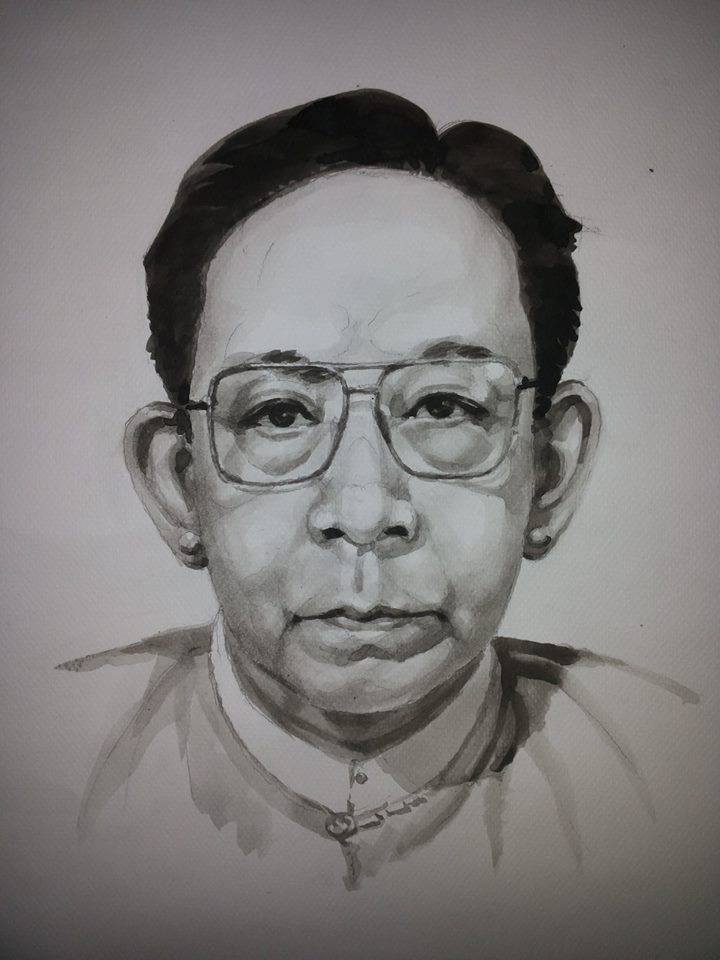
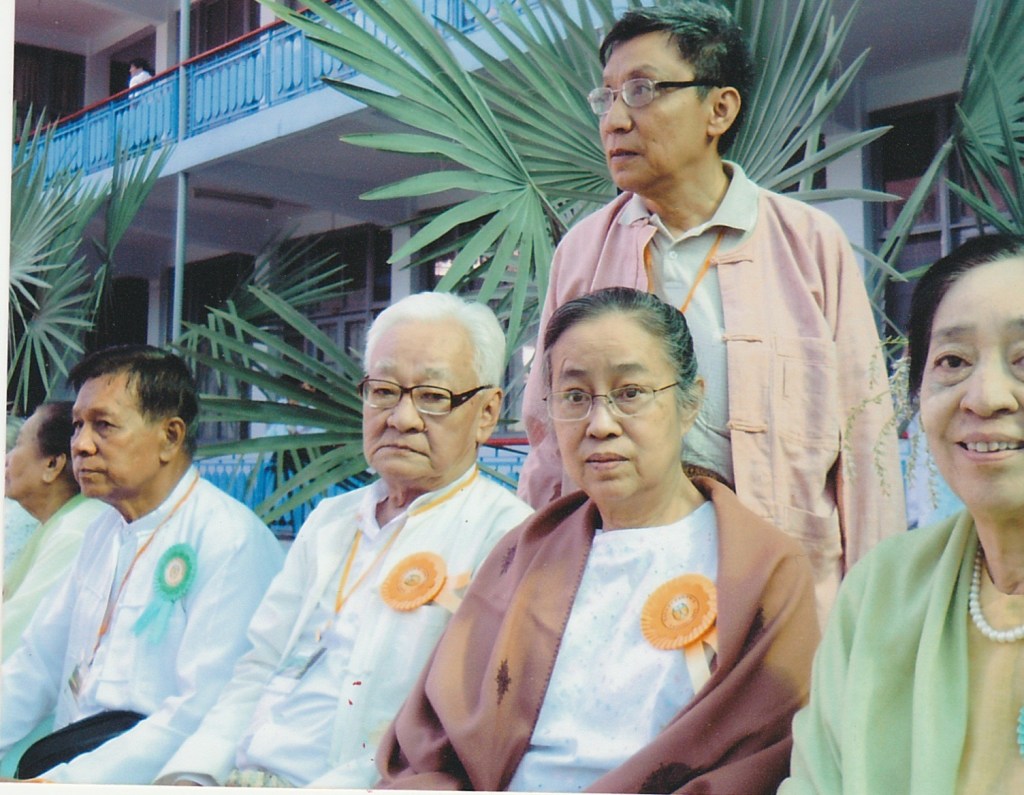
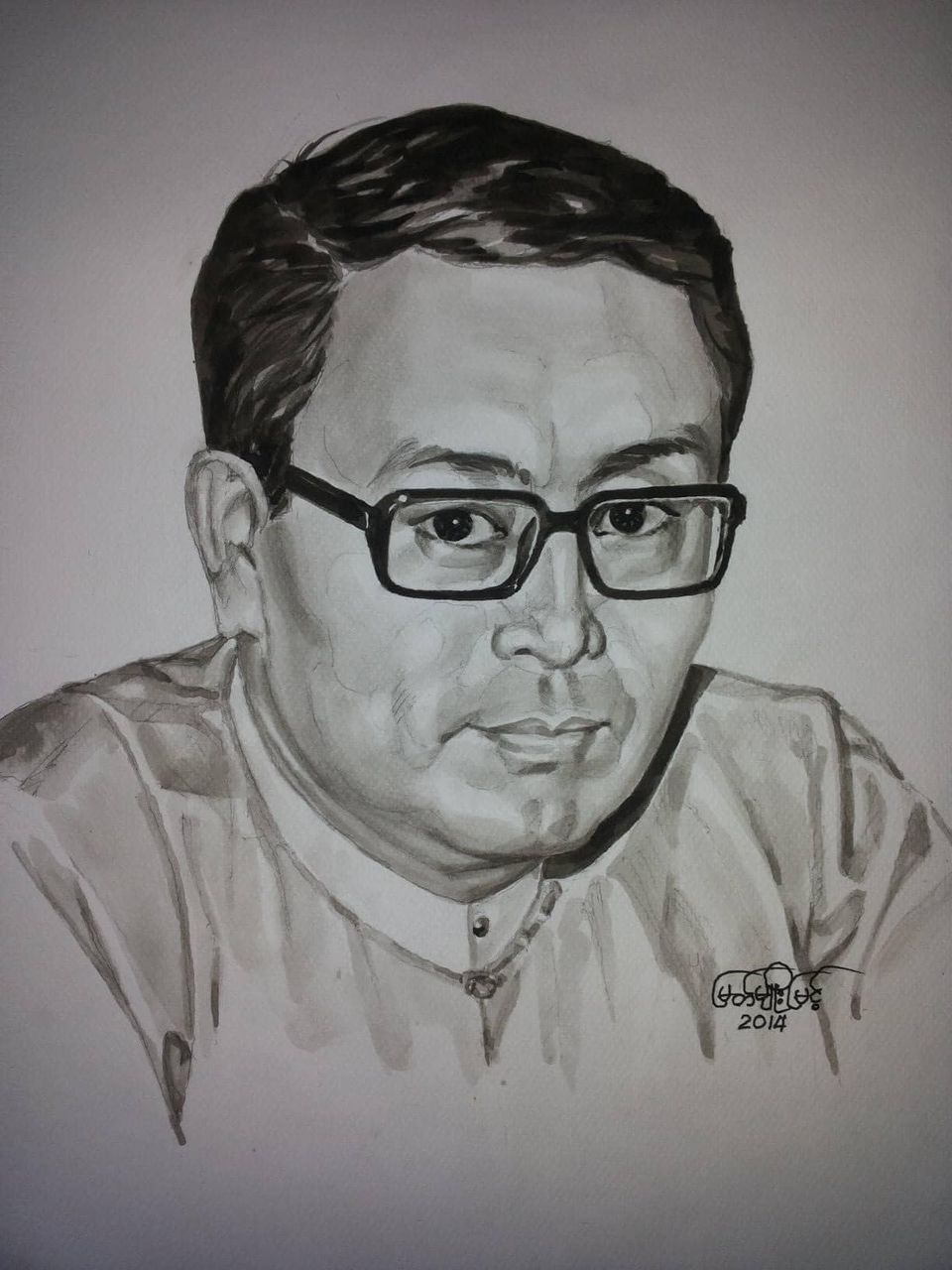
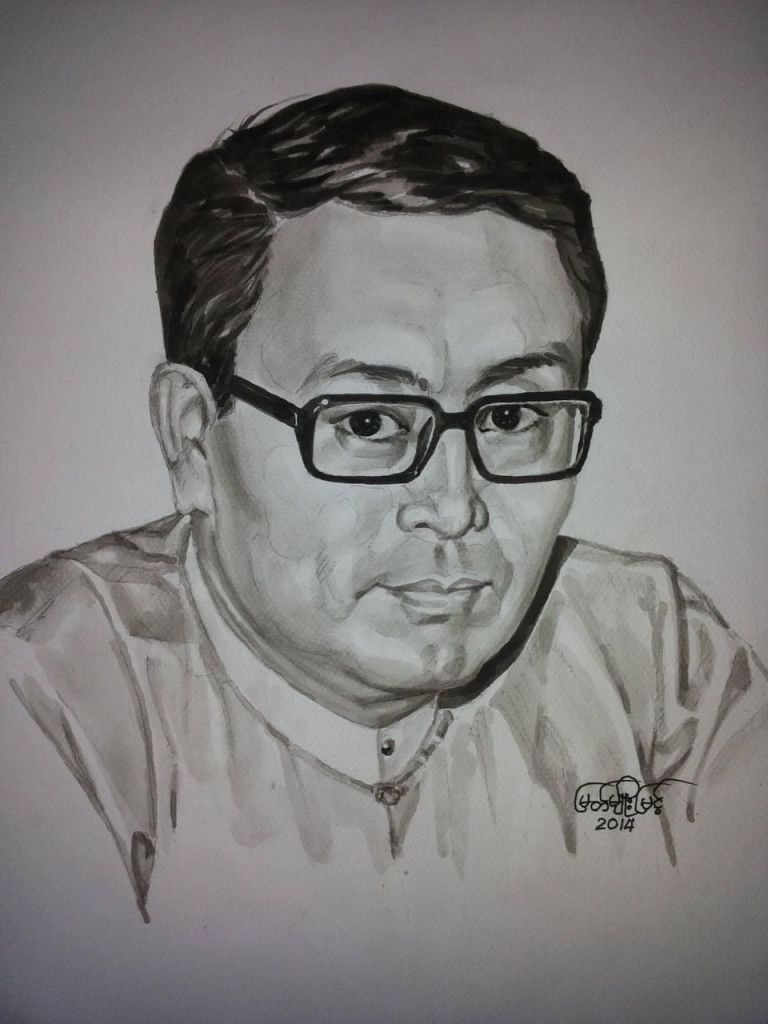
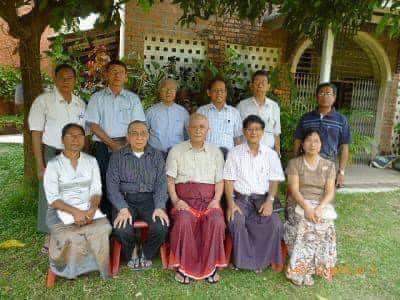
Matriculated from St. John’s Dio in 1947, and won Collegiate Scholarship.
In 1949, he won Gold Medal for scoring highest marks in the Intermediate of Science exam.
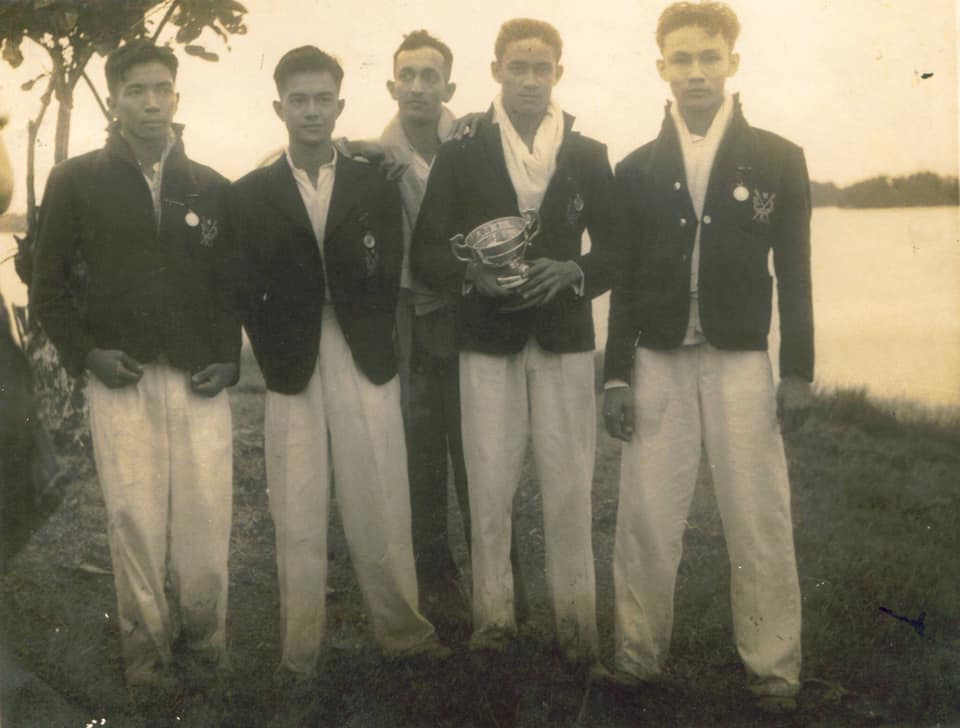
RUBC Full Green
Studied B.Sc (Special) in Mechanical Engineering at Imperial College, London University
Joined Faculty of Engineering as Assistant Lecturer
Per request from Dr. Maung Maung Kha (Interim Dean of Engineering), he helped build the Engineering Library
As a requirement for promotion, he did Masters at Imperial College
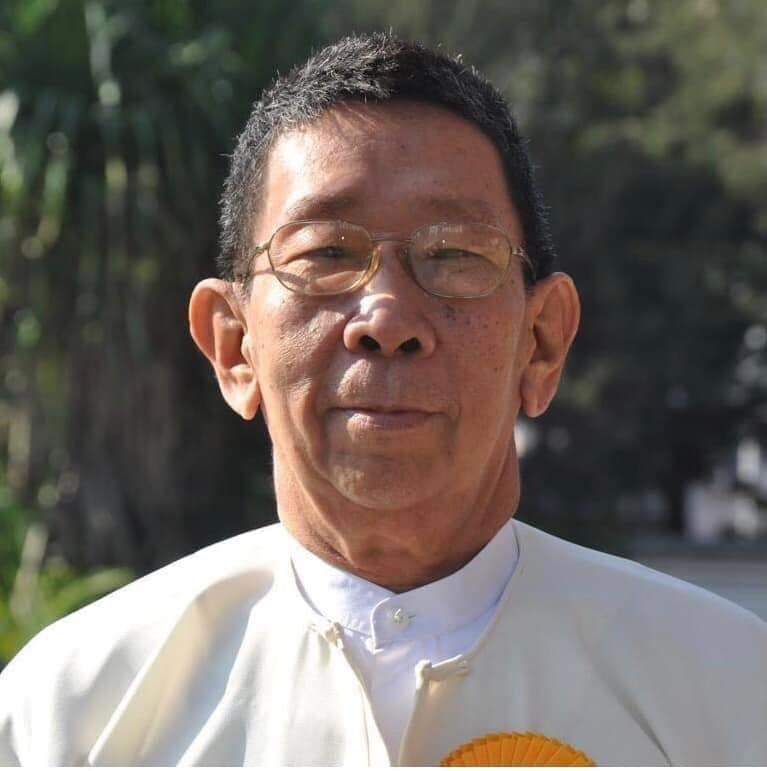
Retired as Professor of Mechanical Engineering
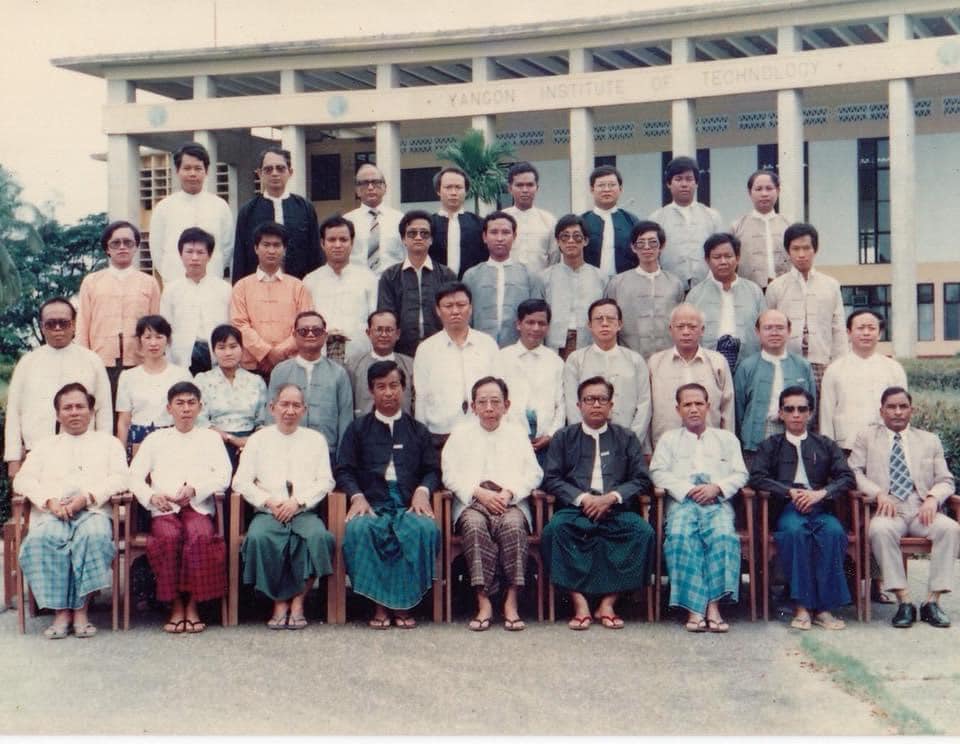
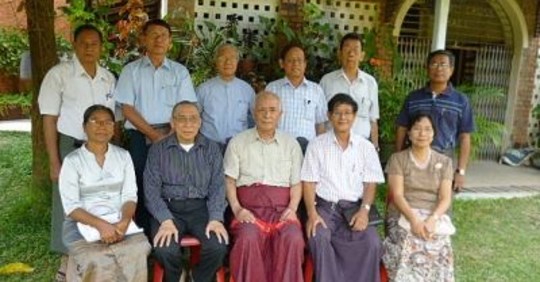
Mech Engg Sayas
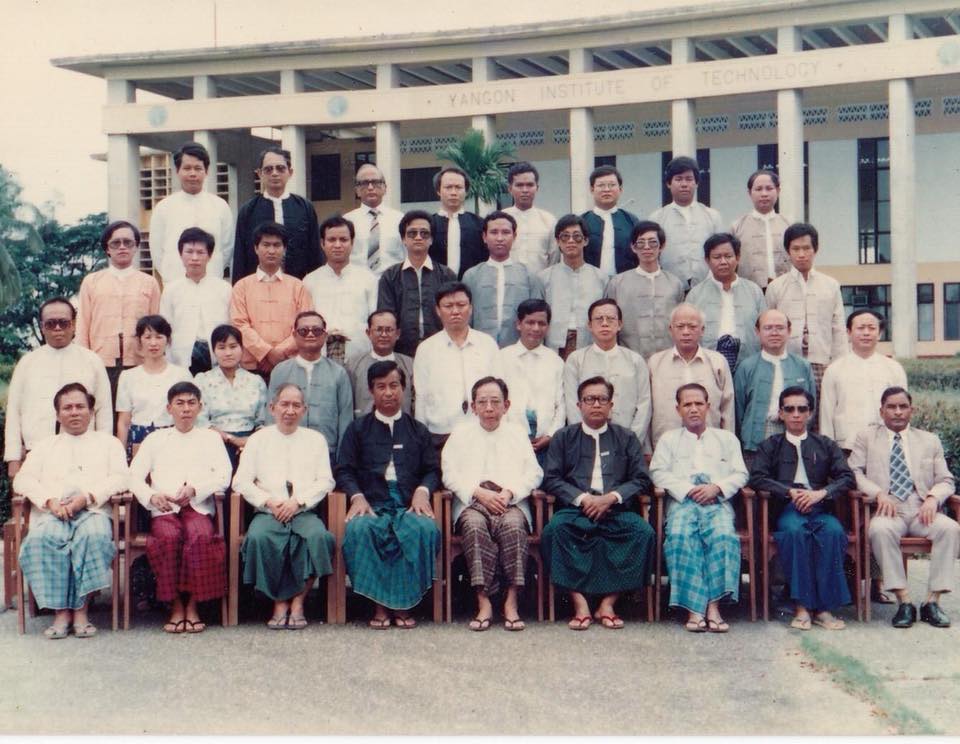
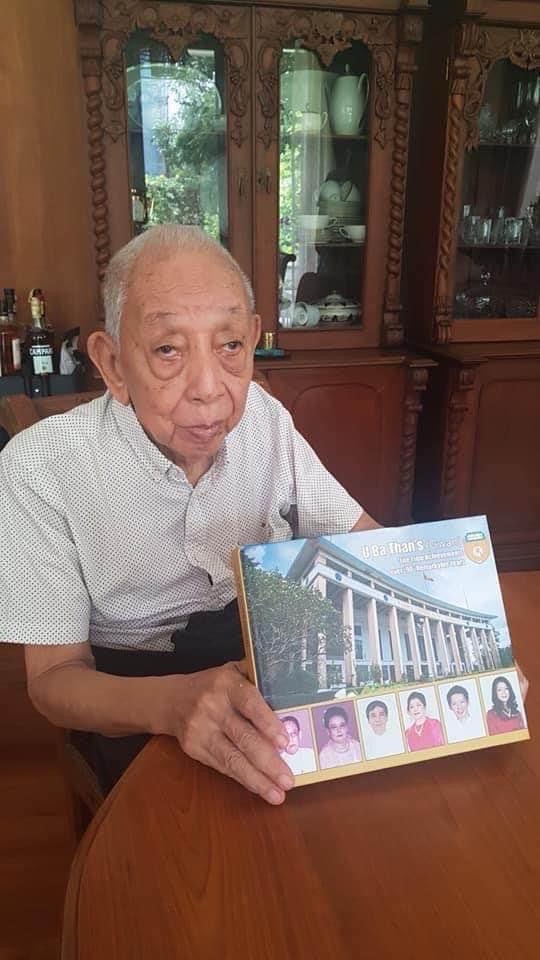
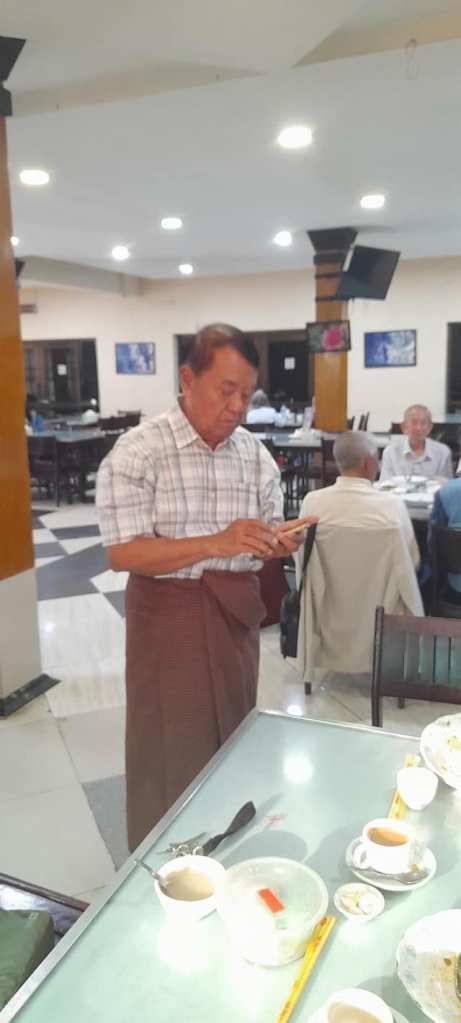
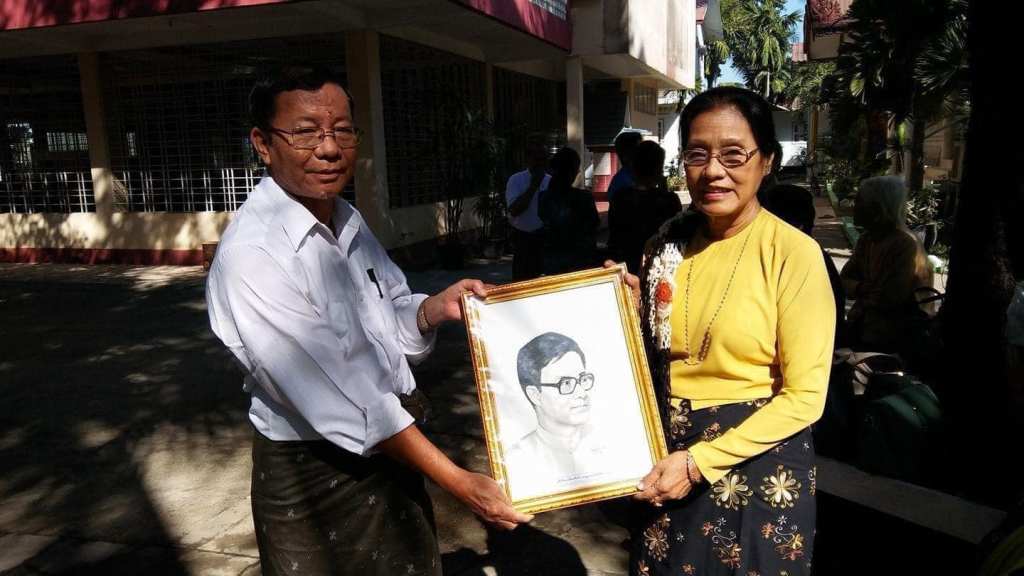
Saya is an early supporter of the HMEE (History of Myanmar Engineering Education) project. Donated his photo albums. Cooperated with U Thaw Kaung to allow U Soe Paing & team to access the archives of Rangoon University Central Library.
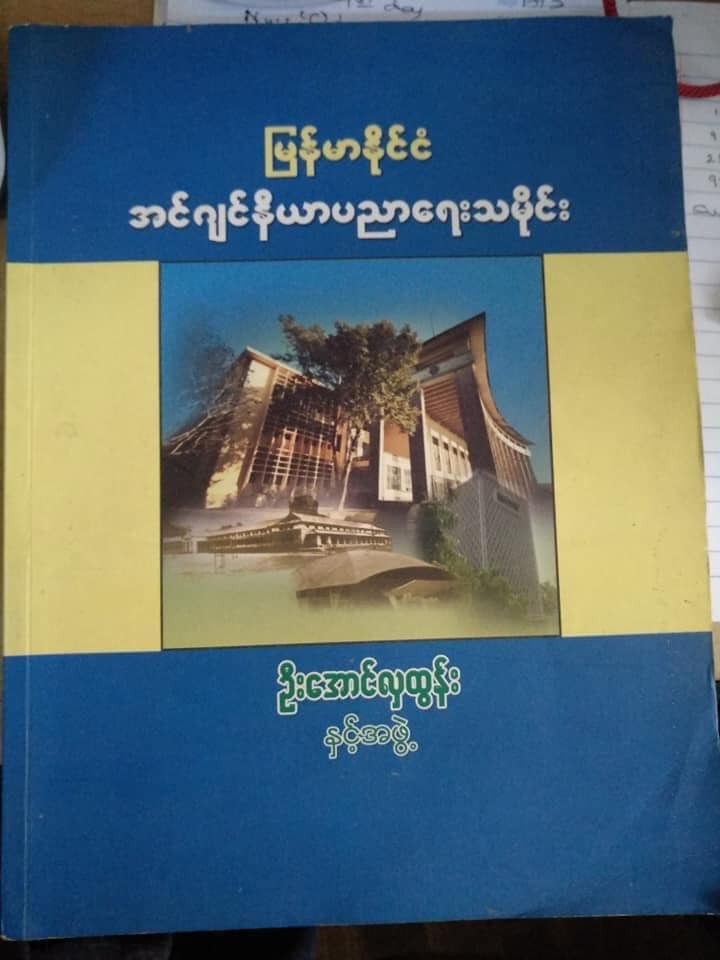
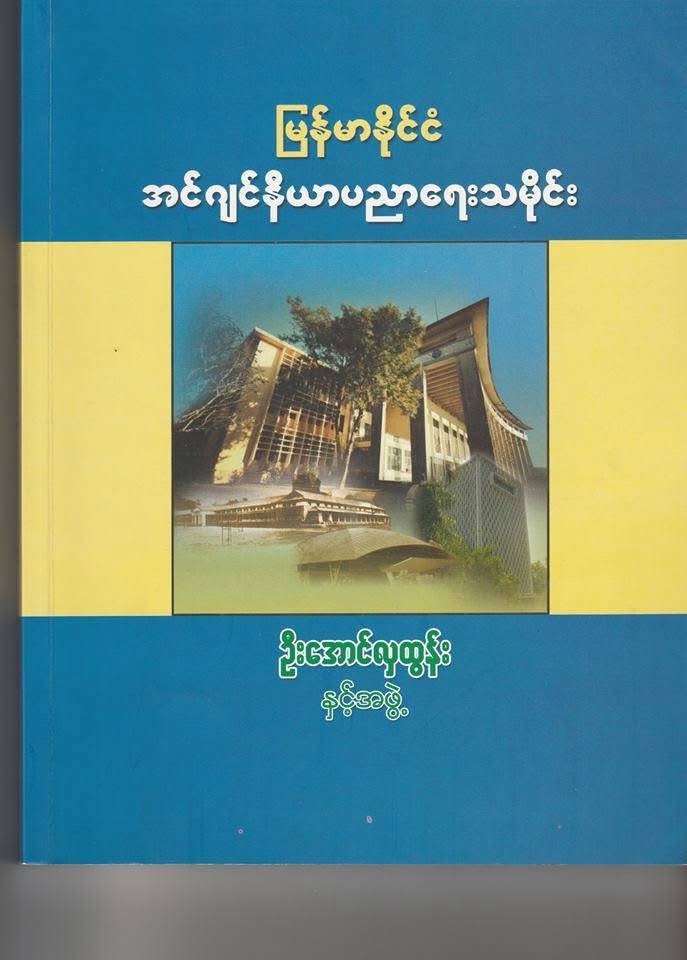
HMEE book (2012)
He also interviewed his elder brother U Tin U for HMEE project. U Tin U taught part-time at the Civil Engineering Department, and served as Treasurer of Burma Society of Civil Engineers.
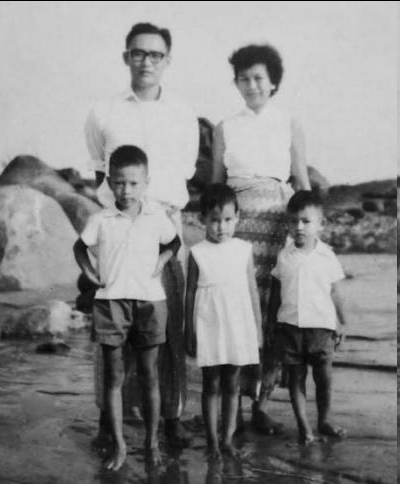
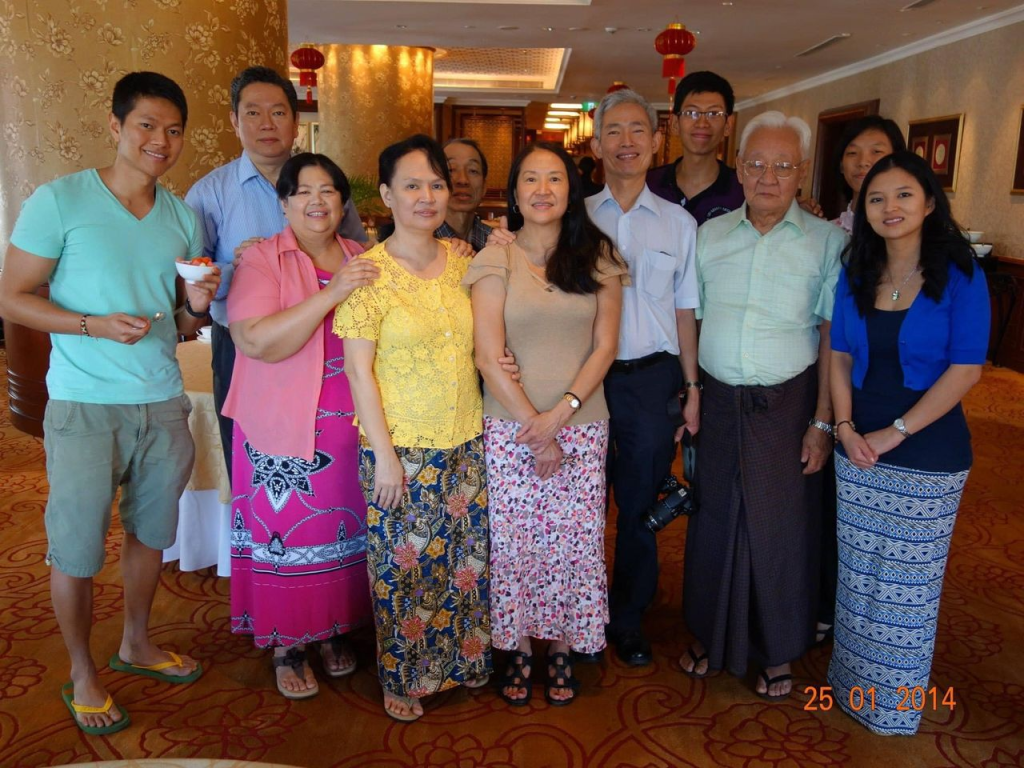
Family
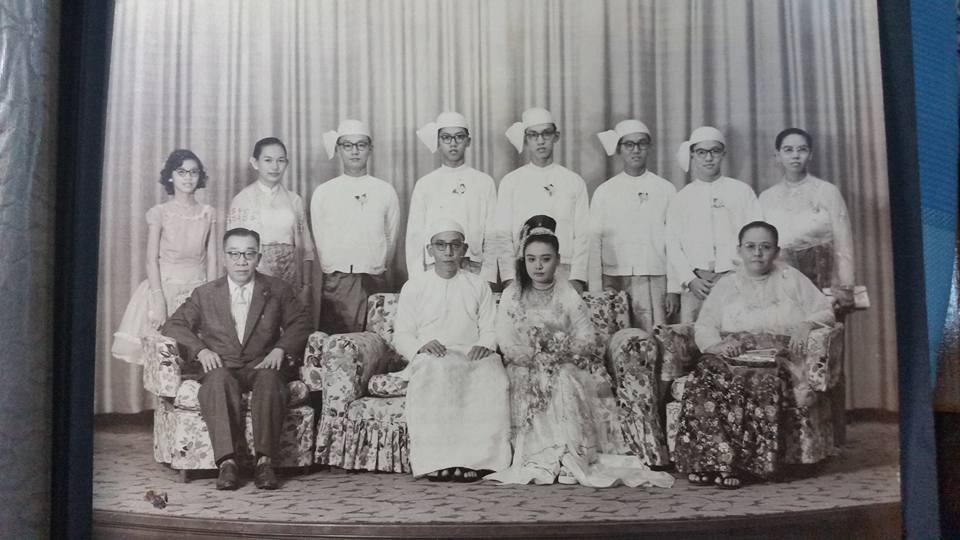
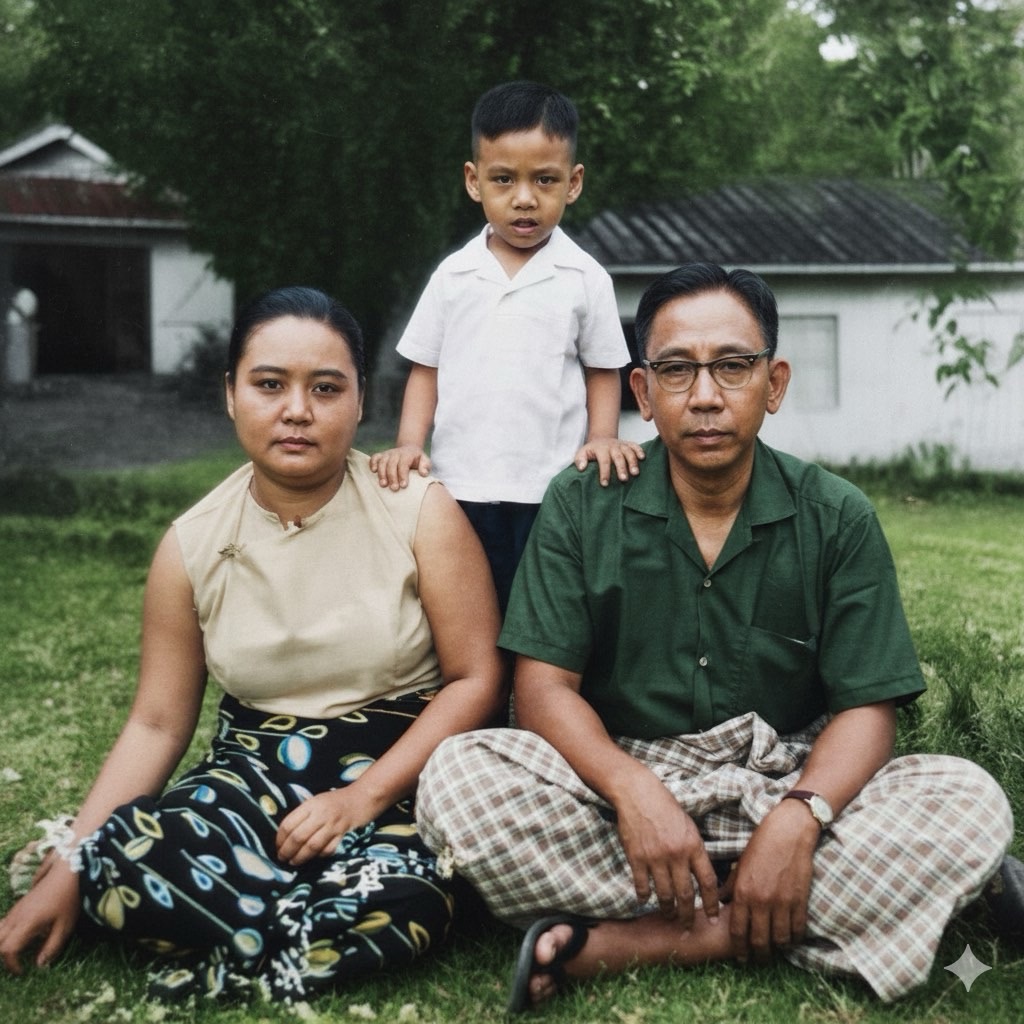
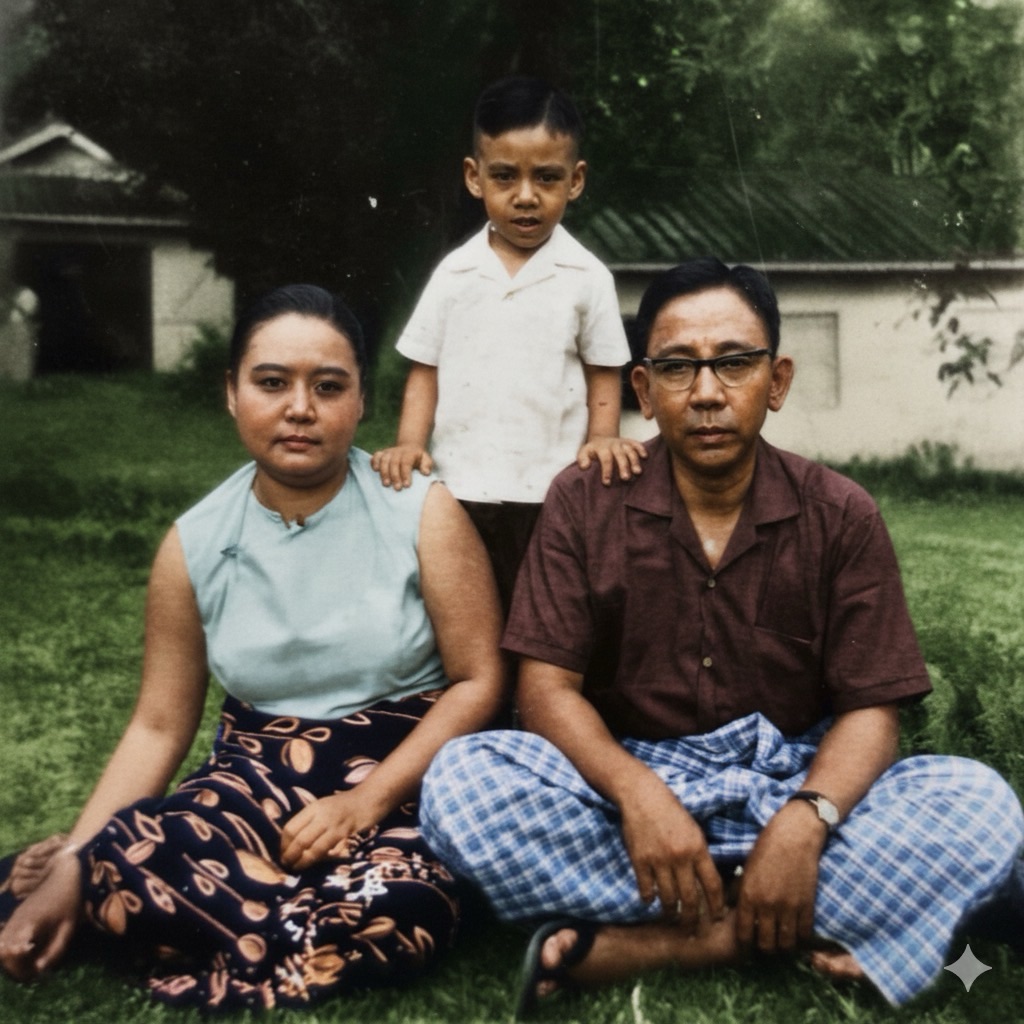
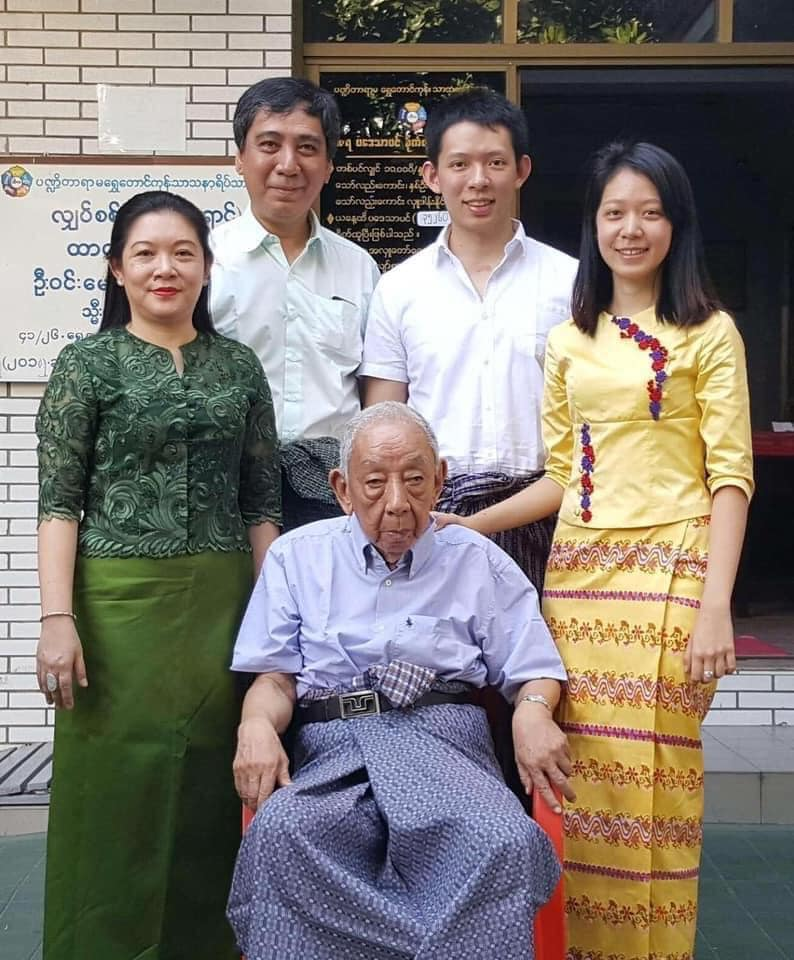
U Ba Than & Daw Mya Mya
He is the second son of U Chan Sein and Daw Cheng Kim.
Siblings : U Tin U, Dr. Daw Win Hlaing (Ruby), Daw Myint Thwe (Betty), Dr. Myo Tint, U Tin Htoon, U Myo Min, U Thaung Lwin, Daw Cho Cho Hlaing
Spouse : Daw Mya Mya
Son : U Ye Than
Daughter-in-law : Daw Lwin Mar Oo
Grand children : Aung Myo Myint, Ei Khine
U Ba Than 1U Ba Than 2
Winner Inn
U Ye Than and Daw Lwin Mar Oo ran “Winner Inn”.
Later, their children Aung Myo Myint and Ei Khin expanded the services provided by Winner Inn (notably W Bistro)
Winner Inn
Birthdays
Celebrations
Birthday Soon Kyway
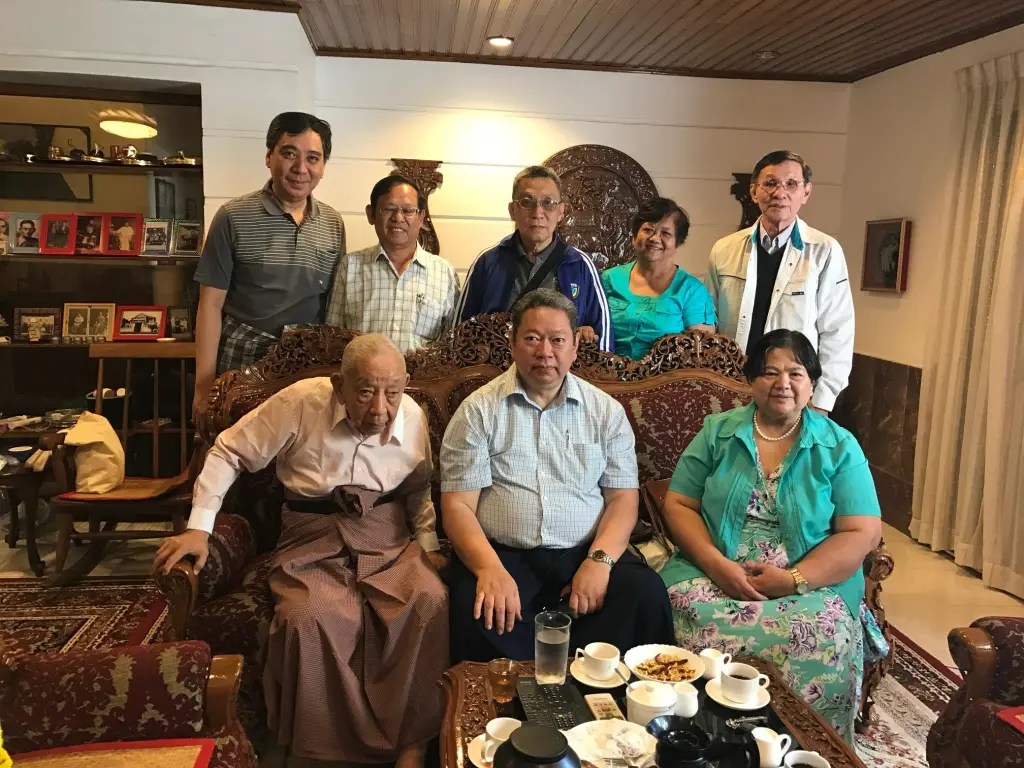
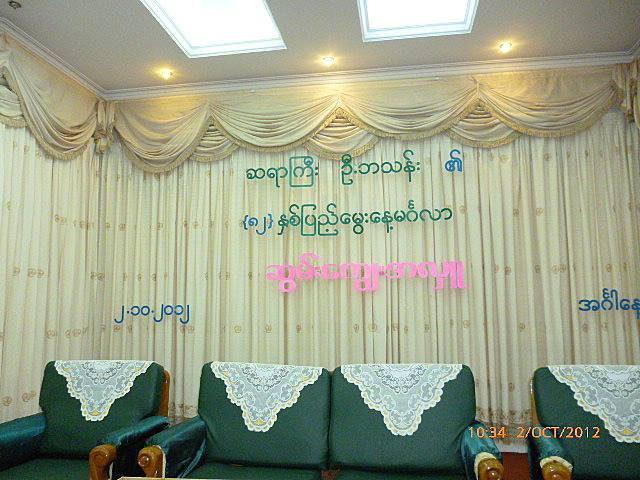
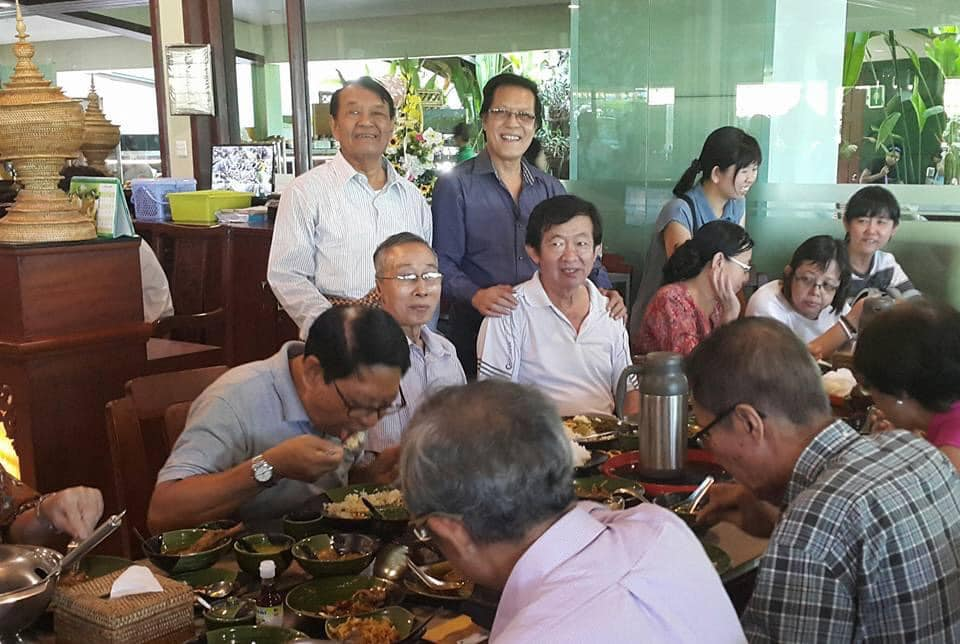
Before the pandemic, he invited colleagues and former students to his Birthday Soon Kyway at Yaw Sayadaw’s Monastery.
U Tin Htoon (A60, younger brother) compiled a Photo Album for Saya’s 90th Birthday
U Ba Than
Donated all of the Garawa Money to various social & religious associations.
Passed away peacefully after his 94th birthday.
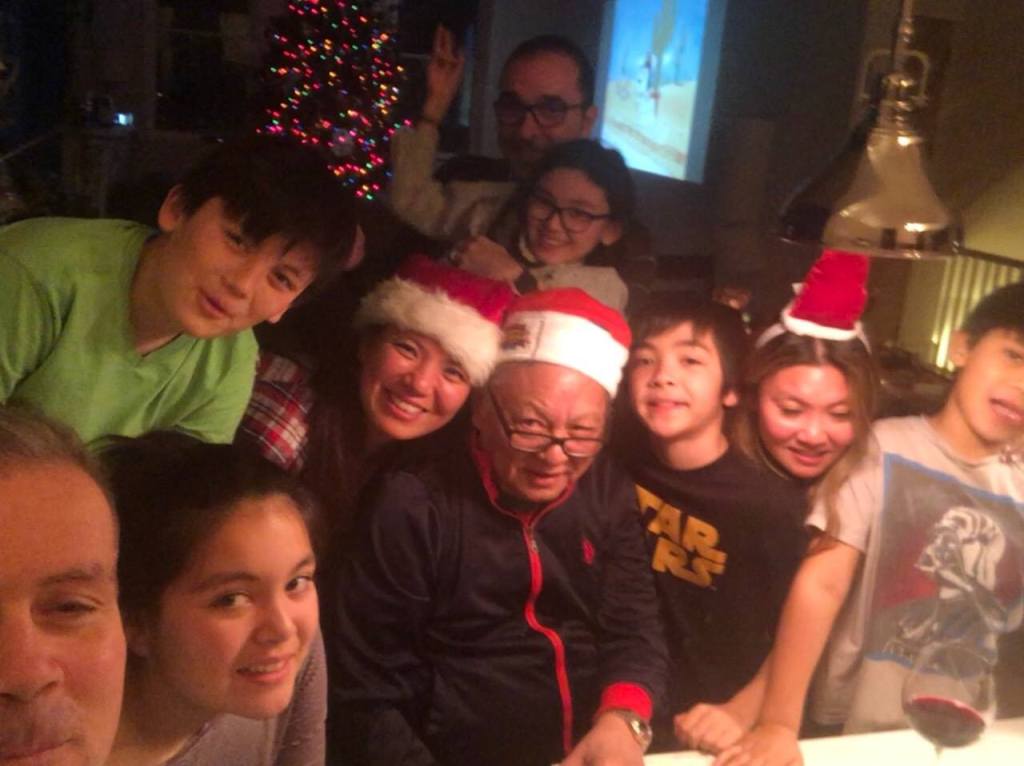
U Ba Than & Family
90+ Club Members
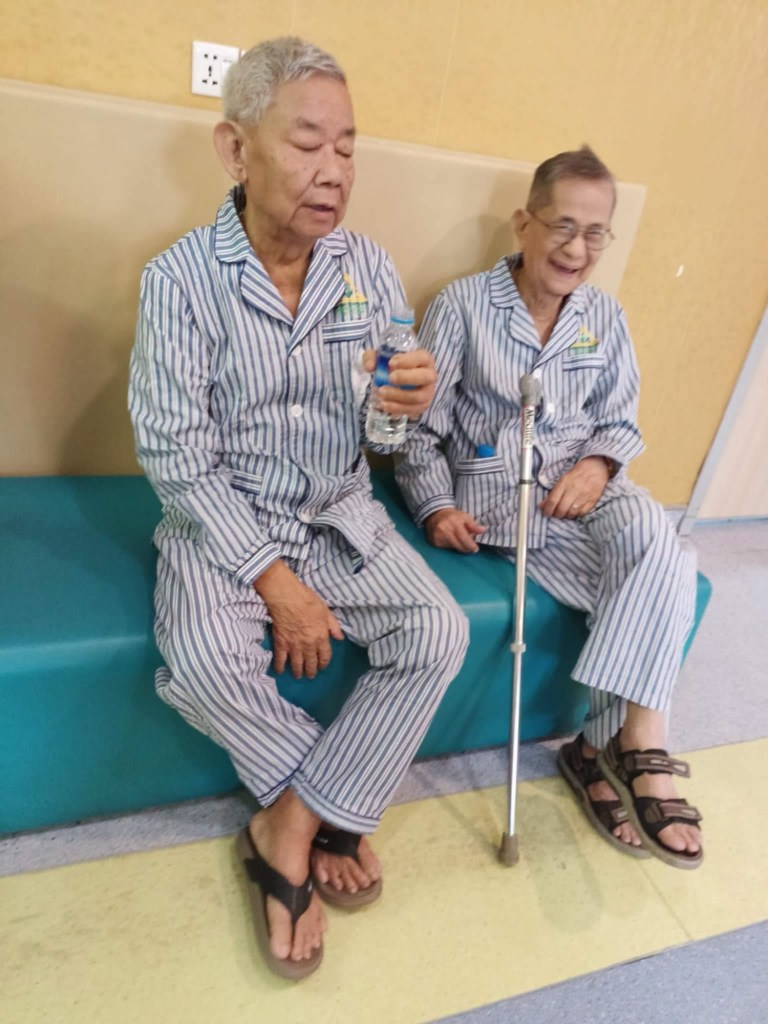
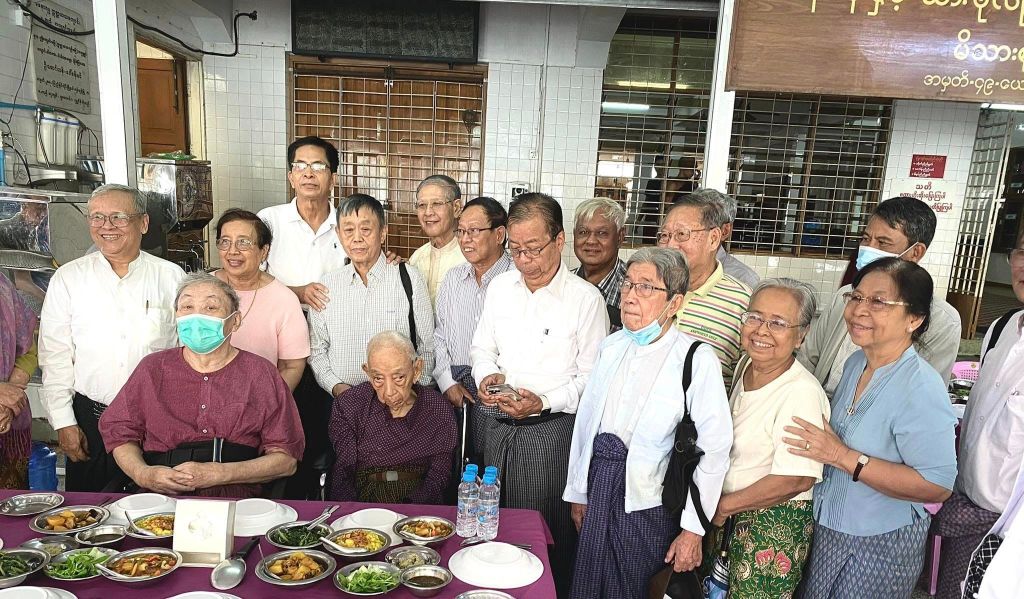
Four of the nine siblings are members of the 90+ Club like their mother.
U Tin U (eldest) passed away on Aug 19, 2025 — a few weeks after his 96th birthday. He was the most senior Past Captain of RUBC (Rangoon University Boat Club). He was Past Captain of RGC (Rangoon Golf Club). He was also the oldest Yale University alumni from Burma.
U Ba Than (2nd oldest) passed away after his 94th birthday.
Dr. Daw Win Hlaing (Ruby, 3rd) celebrated her 93rd birthday on Aug 31, 2025.
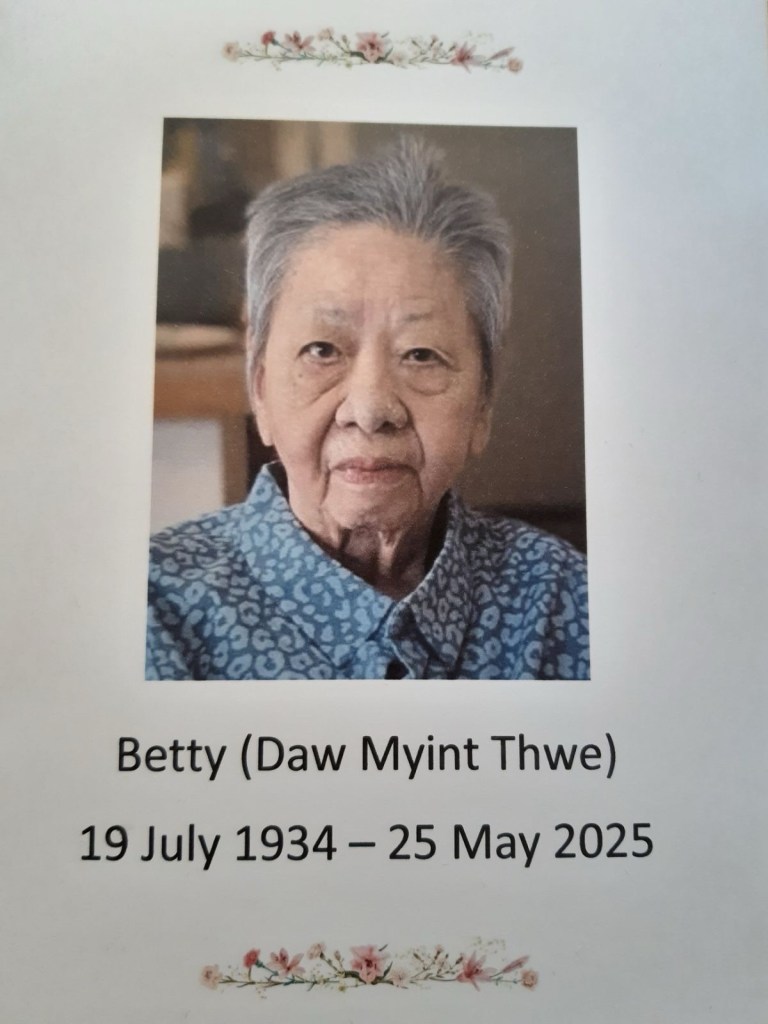
Daw Myint Thwe (Betty, 4th) passed away two months before her 91st birthday.
Colonel Hla Han ဗမက လှဟန်was the “Pyinnyar Ye Tar Wun Khan” (ပညာရေးတာဝန်ခံ later renamed Minister of Education ပညာရေးဝန်ကြီး).
He succeeded Commodore Than Pe ဗမခသန်းဖေ (RUBC President), who was the first Revolutionary Council member တော်လှန်ရေးကောင်စီဝင်to pass away.
Deputy Minister
Dr. Nyi Nyi ဒေါက်တာညီညီ was the “Pyinnyar Ye Ah Twin Wun” (ပညာရေးအတွင်းဝန် Secretary, later renamed Deputy Minister of Education).
RIT Management
U Yone Mo
U Yone Moe was Rector ပါချုပ်.
After retirement from Burma Railways, he managed BIT (Burma Institute of Technology) as “Dean of the Faculty of Engineering, Rangoon University”.
U Sein Hla (MIT Alum, Elder son of CJ U Bo Gyi) served as Registrar of BIT.
Under the new Education System, he became the first Rector of RIT (Rangoon Institute of Technology).
U Soe Thein, former Ta-ka-tha တကသ student leader, was Registrar မော်ကွန်းထိန်း of RIT. He received promotion and moved to DHE.
RIT Departments
There were eight Engineering Departments:
Architecture
Chemical Engineering
Civil Engineering
Electrical Engineering
Mechanical Engineering
Metallurgical Engineering
Mining Engineering
Textile Engineering
There were several supporting Departments:
Burmese
Chemistry
English
Mathematics
Physics
Admission to RIT
On 2nd November 1964, three batches of students were admitted to the first ever 1st BE, 2nd BE & 3rd BE Classes.
1st BE
450+ Matriculates were admitted to 1st BE using the ILA (Intelligence Level Aggregate).
The background ranges from Pure Science, Pure Arts and Hybrid (with some Science and some Arts subjects).
Note: In the old Education System, Matriculates had to attend Intermediate College for two years. Those aspiring to become engineers had to take Pure Science Option and need 50+ marks in Mathematics, Physics and Chemistry.
2nd BE
320+ students who had passed the last ever I. Sc. (A) exam were admitted to the first ever 2nd BE class.
They had attended the Intermediate Colleges (e.g. under Rangoon University or Mandalay University).
Note : Leik Khone was the Intermediate College for Rangoon University.
3rd BE
It is equivalent to the First Year Engineering Class in the old system.
About 200 students who had passed the last ever I.Sc.(B) exam were admitted to the first ever 3rd BE class.
They had attended the Intermediate Colleges.
There were a few who had taken sabbatical in the old 1st year of Engineering.
Fees, Scholarships and Stipends
The monthly tuition was 15 kyats.
Scholarship winners & stipend holders receive a monthly allowance of 75 kyats (60 kyats net after paying the tuition).
The Class of 69++
Disciplines
In the inaugural 2nd BE, the students had to study English, Mathematics (including Engineering Mechanics), Physics, Chemistry, Drawing, Materials & Processes, Sociology (taught by a visiting lecturer) and Workshop.
After passing 2nd BE, the students had to choose a Discipline.
There were 100+ students in Civil & Mechanical, 70+ students in Electrical, 20 or less students in Chemical, Textile, Mining, Metallurgy & Architecture.
Most graduated in 1969. A few left before graduation. Some took sabbatical and graduated later.
Membership
The Class of 69 (or 69++) consists of
(a) those who entered 2nd BE in 1964 (b) those who graduated in 1969 (c) those who studied a year or more with the above.
30th Anniversary
In 1999, Ko Tint Lwin (Daniel), Ko Sein Myint, Ko Sein Win (“Nar Yee”), and several 69ers organized the reunion for the “30th Anniversary of Graduation” and also a mini-SPZP.
Daniel e-mailed me a report.
Ma Saw Yu Tint (Alice) e-mailed me photos.
Saya U Soe Paing e-mailed me about several mini-gatherings in Yangon (e.g. with Sayagyi Dr. Aung Gyi).
RIT Newsletter
Newsletter
I started “RIT Alumni (Abroad) Newsletter” to share RIT-related news starting with those received from Daniel, Alice and Saya U Soe Paing.
I solicited contact information (in the form a spread sheet) from interested sayas & alumni.
I use “RIT” to stand not only for Rangoon Institute of Technology, but to all the engineering faculty, colleges and institutes that precede or succeed it.
The name was changed to “RIT Alumni International Newsletter” to include alumni in Burma and the rest of the world.
RIT Web Site
Ko Khin Maung Zaw / KMZ (EC76) designed and implemented the first RIT web site.
Ivan Lee (Ko Khin Maung Oo, M69), Ko Aung Myint (M69, Singapore) and the San Francisco Bay Area RIT Alumni Advisory Group led by Saya Allen Htay (C58) provided some financial help to operate the web site.
SF Bay Area RIT Alumni Advisory Group
The Group established “RIT Alumni International” with Saya Allen Htay as President and Ko Maurice Chee (M75) as Treasurer / Financial Controller.
SPZP-2000 Organizers
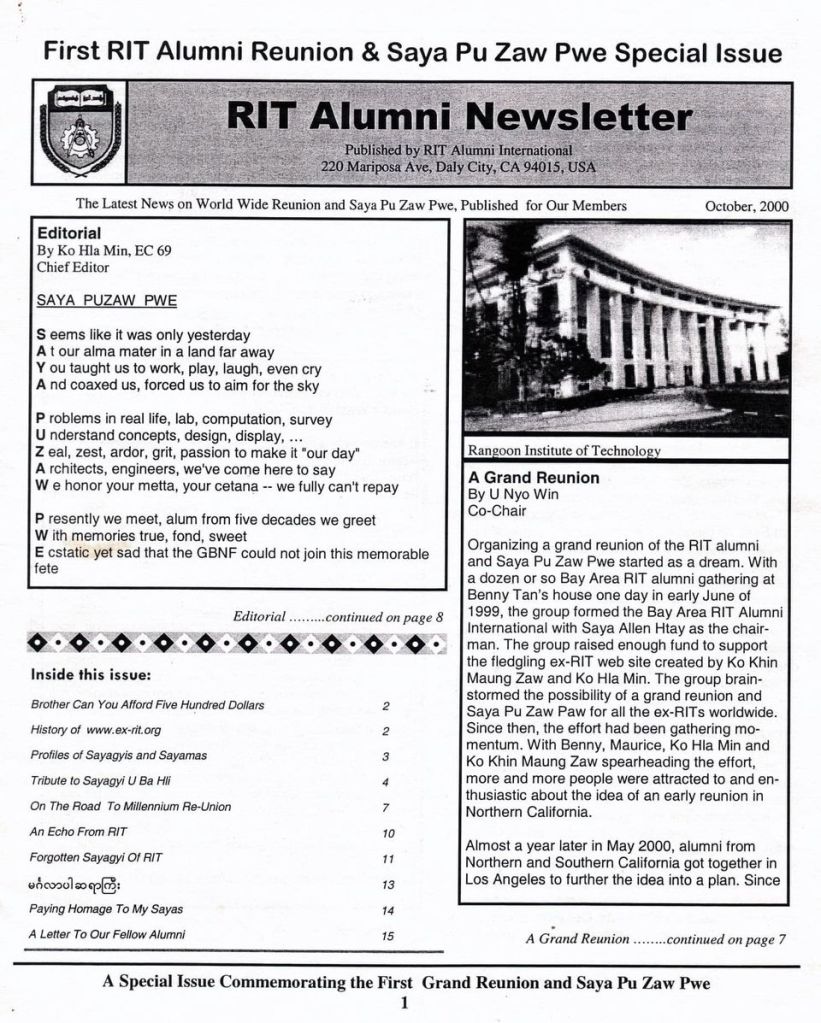
RIT Alumni International hosted the First RIT Grand Reunion and Saya Pu Zaw Pwe (SPZP-2000) in October 2000.
SPZP
There has been seven world wide SPZPs.
SPZP-2000 in USA
SPZP-2002, SPZP-2007 & SPZP-2010 in Singapore
SPZP-2004, SPZP-2012 & SPZP-2016 in Yangon
SPZP-2000 was cancelled due to pandemic
40th Anniversary
M69EE69C69
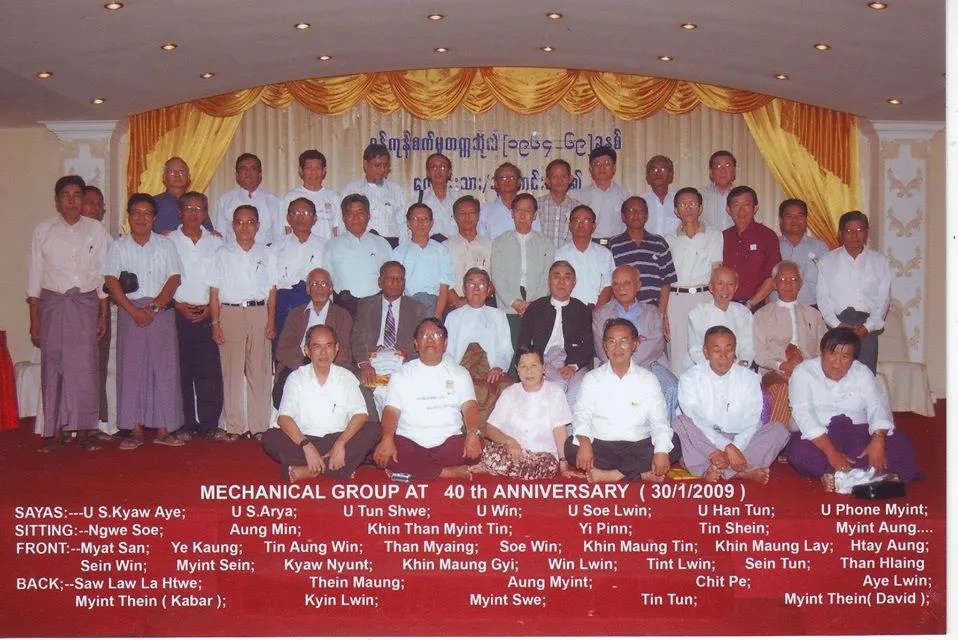
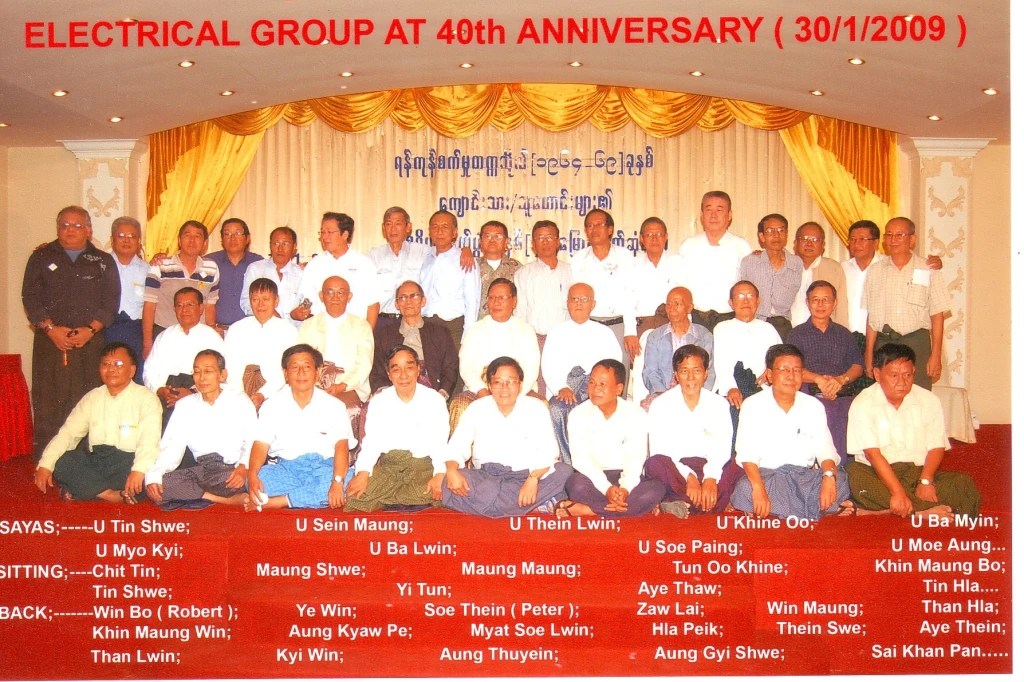
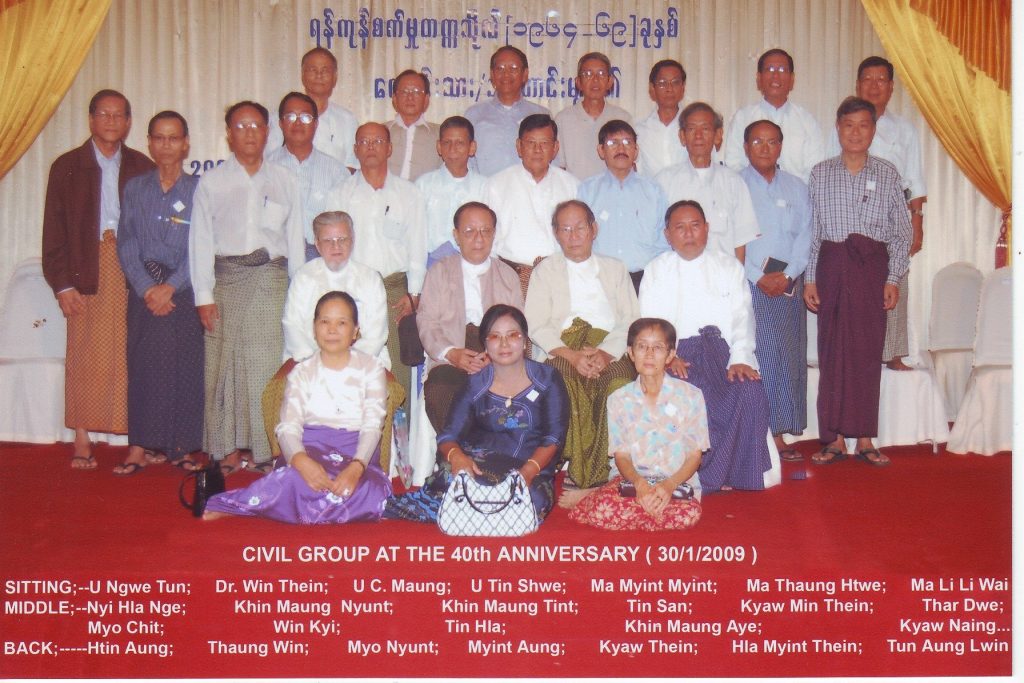
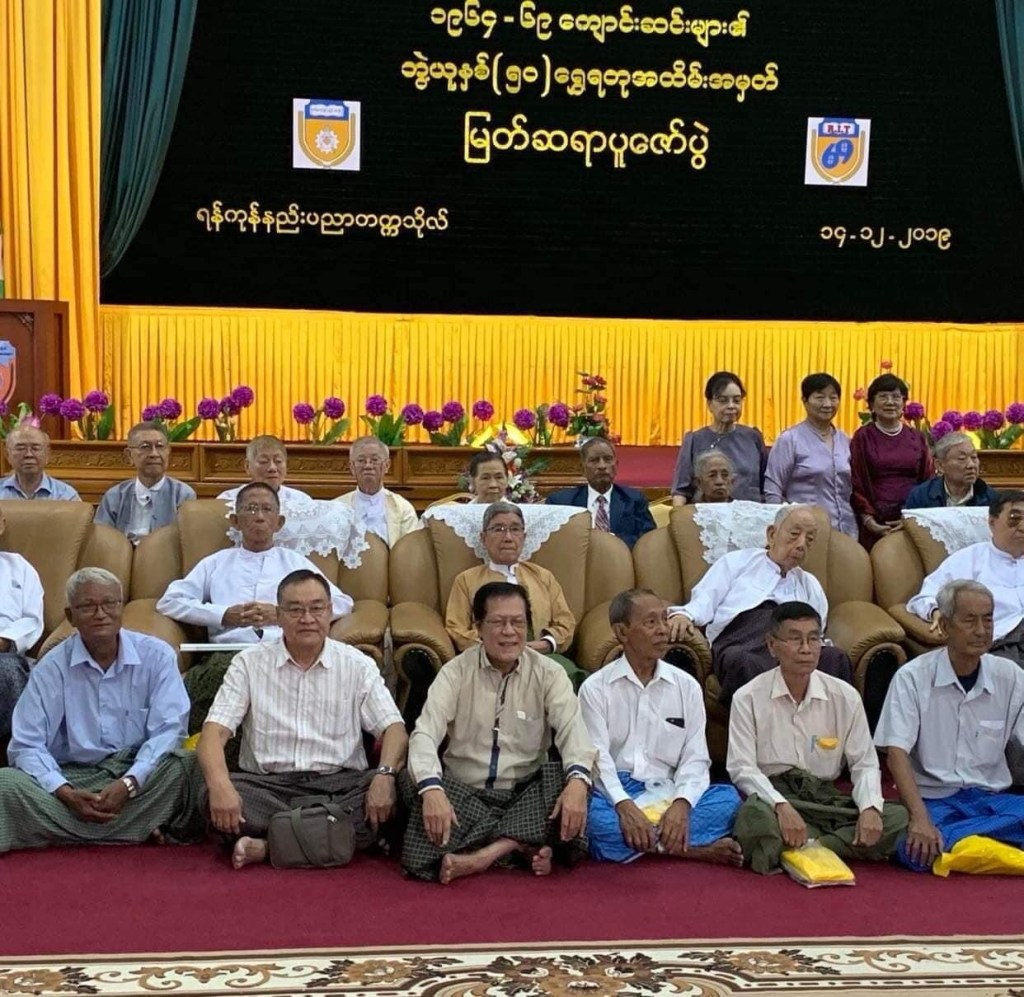
The Class of 69 organized the “40th Anniversary of the Graduation” on 30th January, 2009.
Golden Jubilee of Admission (2014)
Shwe YaDu
The “Golden Jubilee of the admission to 2nd BE” was held in 2014 because 69ers were concerned with the declining health of members and that some might not make it to the Golden Jubilee of graduation in 2019.
Declining Health of Members
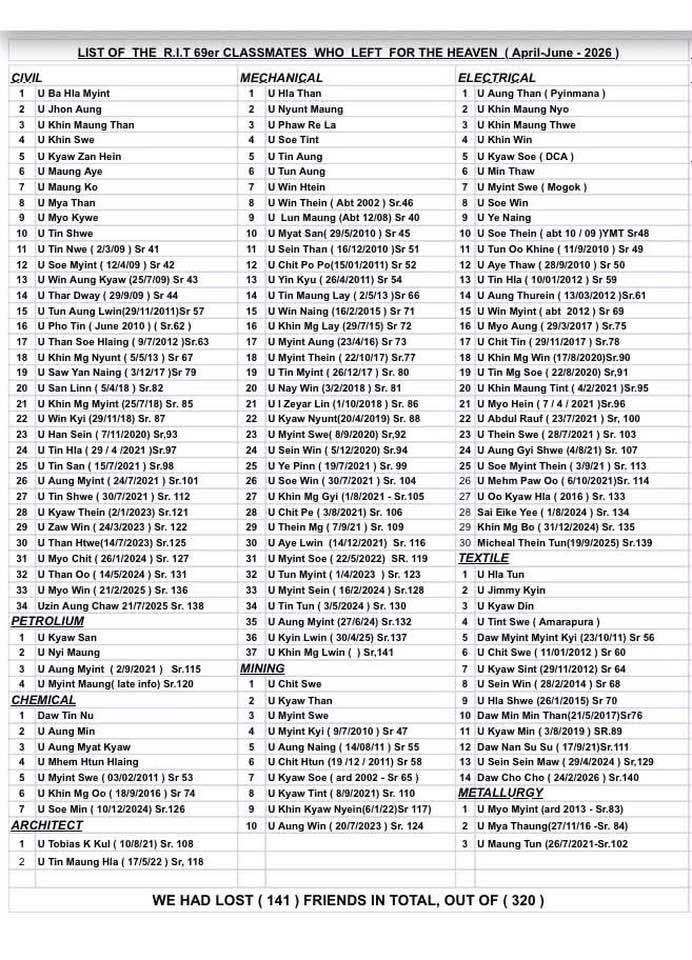
At one time, the Class of 69 had a median age of 69, and the GBNF list has 69 members.
The symmetry no longer holds. In 2026, the median age is around 80 and the GBNF list has 146 members.
Attendees at the mini-gatherings have decreased. Some could not drive, and had to ask their family members to take them to the gatherings. Some had operations, and need time to recover fully. Some had medical problems.
Most are retired or semi-retired. A few did not retire or did not have the chance to retire.
Ko Tin Maung Lay (M69)’s spouse wanted him to retire, but his boss requested him to perform a hand-over before retiring. He had daily work outs and had no known major health problems. We were sad to learn of his untimely demise in Dubai on a Friday (holiday in the country). His company & colleagues tried extra hard to make sure that Ko Tin Maung Lay’s body could be flown back to Southern California, USA.
Let’s hope for the best, and prepare for the worst.
Ko Aung Min (M69)
U Aung Min (M69), U Shwe (EP69) & team are the core volunteers for the 69er Health Care Fund.
Ko Shwe (EP69, Seated 2nd from Left)
Ivan Lee (U Khin Maung Oo, M69), U Sein Myint (EP69) & Daw Myint Myint (C69) are major donors to HCF.
Ivan Lee (M69)Ko Sein Myint (EP69) & Ma Myint Myint (C69)
Feedback
Ko Tint Lwin (Daniel, M69) wrote
Daniel
Thank you very much for your write-up about our 1999 “30th Anniversary of Graduation”. Actually. it all started in 1996 when I visited Burma and had dinner with a few of my close friends, including, Ko Shwe, Ko Win Mg, Ko Ye Pinn, Gabar Ko Myint Thein, etc. During dinner somebody mentioned that in 3 years time it would be 30 years since we graduated. Out of the blues I suggested to have a reunion in 1999. Everybody laughed as it was so far away. When I came back to Singapore and told Ko Sein Myint and Dickie they also laughed and told me that I must be crazy to think about so far away. However, time flies and in either late 1998 or early 1999 at Ko Win Htein’s funeral wake, some of our friends remembered the reunion proposal. They quickly formed a committee and organised the very first reunion at ‘Sait Taing Kya Restaurant. After the event I wrote you a report, Alice sent you a few photos and the rest is history.
Ko Ivan Lee (M69) wrote
Dear Classmates,
Recently rather than optimistic good news, we heard spreading pessimistic health concern news mostly.
It clearly indicates that we are aging higher and health is going down lower and lower.
I can imagine 5 years from now how many will be terribly survived.
I am kind of depressed that sooner or later we will be meeting THERE.
At this moment all I can express is to wish our classmates who are in sickness to recover ASAP.
Ivan Lee (M69)
Zau Lai (EP69) wrote
Zau Lai
Thank you, Ko Hla Min, for your writings. If it’s not for you there will be no records and history of RIT. I am reading interestingly all your writings all the time. When we all are gone your writing will live on.
Aung Min (M69) added
So thanks for your recordings.
Appreciations.
Golden Jubilee of Graduation (2019)
The Class of 69 celebrated the true Golden Jubilee (50th Anniversary of Graduation) in December 2019.
GJ in 2019Ma Tin Tin
Ma Tin Tin (EC69, lone female EE69) came back from San Diego, California for the “Homecoming”. She donated to the GJ and 69er HCF.
GJ Dinner and Entertainment
Ko Aung Min requested his former colleagues at PWC to help with the GJ Dinner and Entertainment.
GBNF
Gone But Not Forgotten
Ko Aung Min and team have compiled and maintained the GBNF list.
There are currently 146 members.
Recent GBNF include : Ko Win Thein Zaw / Wai Lu, Ko Tint Swe (Zigone) and Mehm Ye Win.
The Group later founded “RIT Alumni International” to host the First RIT Alumni Reunion and Saya Pu Zaw Pwe.
Founders
Group 1SPZP-2000 Organizers
Saya Allen Htay (C58, GBNF)
Saya Allen Htay
Leader of the group
Past President, RIT Photography Association
President, RIT Alumni International
Wrote “Brother, Can you spare $500 and more?” to raise awareness of SPZP-2000.
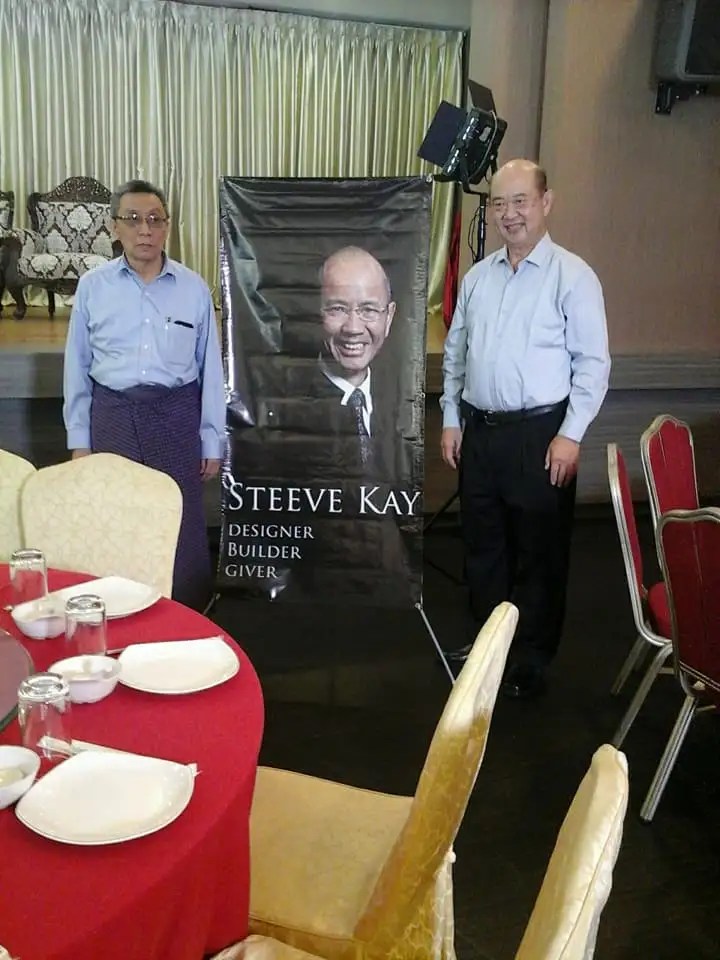
Five Golden Sponsors — Steeve Kay (U Thaung Sein, EC70, California, GBNF), Benny Tan (Tan Eu Beng, M70, California, David Ko (U Tin Myint, M67, California, GBNF), Ivan Lee (U Khin Maung Oo, M69, New Jersey) & Ko Maung Maung Than (M79, Texas) — and many other donors helped for the success of SPZP-2000.
Benny Tan (M70)
Benny Tan
Ko Cho Lin at RIT
Eu Beng (Yu Beng) at home
Past President, BAPS
Hosted several meetings for the sayas and alumni in the San Francisco Bay Area.
Co-chair, Working Committee for SPZP-2000
Multiple Golden Sponsor of SPZPs
Designed the SPZP-2000 Banner, Commemorative T-shirt, Mug & Calendar/Clock.
Maurice Chee (M75)
Maurice
Ko Hla Myint Thein at RIT
Past President, BAPS
Co-chair, Working Committee for SPZP-2000
Financial Controller
Publisher of commemorative RIT Alumni International Newsletter
Handled Logistics, Printing of Tickets & Badges, and Picnic
Saya U Nyo Win (M65)
U Nyo Win
K H Chen in High School
Worked for High Tech companies in the USA and Taiwan
Past President, BAPS
Steering Committee member for SPZP-2000
Founding member of NorCal RITAA and served for a term as Board of Director.
Saya K C Chiu (ChE63)
K C Chiu
Ko Tin Aung at RIT
Past President, BEA
Steering Committee member for SPZP-2000
He and his older brothers Saya Dr. Aung Soe (C) and U Soe Thein (EE) attended SPZP-2000.
After retirement, he moved to Southern California.
Saya George Chan (ChE66)
George Chan
Ko Maung Maung at RIT
Steering Committee member for SPZP-2000
Founding member of NorCal RITAA and served as the first President.
Organized fund raising for the Training part of YTU Library Modernization project. Donated $500 as seed money.
Saya U Myat Htoo (C68, GBNF)
U Myat Htoo
Emcee for SPZP-2000
Past President of BADA and TBSA
Founding member of NorCal RITAA
Chair of BOD (Board of Directors) since second term
Played “Lost Neikban (RIT version)” on the Ukelele at the Gatherings for 2015 RIT Alumni Reunion in Los Angeles & NorCal Annual Dinner.
U Hla Min (EC69)
U Hla Min
Started the RIT Alumni International Newsletter in April / May 1999.
Content Provider for the RIT web site.
Wrote 64 “Countdown to the Union” and 36 “Post Reunion” news and articles.
Composed “SAYA PU ZAW PWE” poem.
Member of the Working Committee & Chief Editor of the Commemorative Issue of the Newsletter.
Saya U Thein Aung (Met72)
U Thein Aung
James Wu at work
Co-Emcee for SPZP-2000
Mr. RIT စက်မှုမောင် in 1968
Associate Editor for the Commemorative Issue of RIT Alumni Newsletter. Complied brief bio of Sayas & Sayamas invited for SPZP-2000)
U Khin Maung Zaw / KMZ (EC76)
KMZ
Hiding behind the camera
Sole member outside of California
Lived in Seattle, Washington. Later moved to Kirkland.
Designed, implemented and hosted the first ex-RIT website
Webmaster
Promised at SPZP-2000 to develop a better version of the website
Joined Microsoft. Married a young doctor. Had a son. Valid reasons for breaking his promise.
Gordon Kaung (M83)
Gordon Kaung
Kaung Kaung Oo at RIT
Youngest member of the Group
Offered Transportation Service for SPZP-2000
Founding member of NorCal RITAA. President for two terms
He and his spouse Lillian Kaung (EC83) hosted several RIT events at iNapa Winery.
Son-in-law of Dr. Freddie Ba Hli (GBNF, Former Advisor of National Planning) & Daw Myint Thwe (GBNF)
Spouse : Tin Tin Hlaing (UCC)
Son & Daughter
He volunteered as an interpreter for the meditation courses conducted in Sydney Australia & Sasana Yeik Thar in Yangon.
Memories of Ko Htay Aung
Introduction
I was born without knowing that I would have to live my early life next to the big BIT facade and that I would also become an engineer.
I had played inside, outside, and on top of the BIT roof, but I was unaware of what the engineering students were learning inside.
Then, one day, I made a long hard decision to become an engineer instead of a medical doctor, because I like the noise, the smell, and the science of the machinery better than having to face the sobs, the sighs and the anguish of the sick and dying people at the hospital. (Over the years I’ve learnt that sickness, aging and death are part and parcel of life; so I don’t have much objection now.)
Besides, I had met too many engineers and had seen so many role models as I grew up in the BIT/RIT compound in Gyogon.
My late father is the elder brother of late Prof. U Sein Hlaing (Elec). My family moved to Gyogon and lived together with him in BIT compound when BIT was opened in 1961. My first neighbour in BIT was late Saya U Kyaw Tun and family.
When my family moved in to live in BIT compound, I was studying KG at St. Paul’s High School opposite the Secretariat Building. (SPHS later become No. 6 Botataung State High School). I survived the traveling between Gyogon and Botataung for the next decade to come until I finished the 10th standard. Catching the No.8 Hino bus to go to high school in the city became a daily routine.
Gyogon
Gyogon is about 9 miles (14.4 km) away from the Rangoon city center. It is rather very close to Insein town. BIT compound is surrounded by some living quarters and the Veterinary Institute in North, a huge suburb from Kyike-Kala (Aung-Theikdi) to Thamaing College (where other engineering student hostels were established from the 1969 SEAP Games Village) with the Shwedagon pagoda above the skyline in South, a vast open bush land with “9th mile” Chinese cemetery towards the Prome Road in the East, and the Insein Road, a small Agricultural Research Institute, the BPI factory, the Gyogon train station on the West.
The Rangoon Airport is not too far away in the North East corner so the entire air space above the compound is also occupied 24 hours a day. I got so much used to the roar of the turbo jet engines that they didn’t wake me up in the middle of the night. Fortunately, the planes never hit the huge BIT facade or the tall concrete water tank tower. The big sharp “thunder-bypass” discharge spikes on the roof top might have scared them away.
BIT to RIT
I remembered one day that a few people were working on the BIT facade. Then I realized they were removing the “Burma” stone scriptures from the facade and replacing with “Rangoon” so it became RIT from then on.
Tennis
During the summer holidays and any other holidays (if not raining), I used to play tennis in the RIT compound. There are several tennis courts (one provided for staff) in the compound. At night time, the Sayas tennis court would light up to play a few matches among Sayas and family members. Some Sayas who I remembered playing there regularly were Dr. Aung Gyi (Civil), U Aung Khin (Mech), U Myo Myint Sein (Arch), U Kyin Soe (Mech), U Tin Hlaing (Mech), Dr. Tin Hlaing (Mech), U Aung Than (Mining), U San Hla Aung (Civil), Dr. Aung Soe (Civil), Dr. Khin Maung Win (Petroleum), Dr. Saw Pyu (Metallurgy), U Win Kyine (Petroleum), Dr. Thaung Lay (Metallurgy), U Thein Lwin (Elec), U Tin Htut (Mech), Dr. Tin Win (Mech), U Tu Myint (Mech), etc. The tennis court was next to Saya Dr. Aung Gyi’s family house so we got all necessary supplies with their compliments. A Russian Saya who played there sometimes would also bring a nice Russian tea for every player to enjoy.
I also enjoyed riding bicycle inside the RIT compound as there were long and hard concrete roads connecting the staff residences and the main class room buildings. Some open big water drains (Myaung) ran along those roads too so it wasn’t very nice to fell into the drain and dragged the bicycle along the drain.
There were other sporting venues provided in the compound for all students and staff and family to play, including a weight-lifting room (next to the student dinning hall), a huge indoor badminton room with 2 courts, fields for basketball, volleyball, football, hockey, and also a 400 meter track and field ground. We would also use the hill top unoccupied Rector’s (green) residence as a Kids’ Karate Club. The main assembly hall in front of the RIT facade would be used to conduct indoor boxing, judo, karate, weight lifting competitions too. Sometimes, Burmese and English movies would be showed regularly in the hall too so the whole neighborhood could come along to watch the movies. I also enjoyed watching other arts events (A-Nyeint & Lu-Pyet shows) conducted by elder engineering students.
I had learned to swim at the very early age not because the RIT swimming pool was there (well almost) but because our family friend took us to the Inya lake for swimming lessons. Later on, I continued to swim at the Universities’ Swimming Pool at Thaton Road near University Ave. I still remembered one university student (might be from RIT) who brought along a “live” frog and put it in the swimming pool water just to learn “How to swim a frog swim (breaststroke)” from the real master! (The pool supervisor had to pour more chlorine immediately into the filter just to make sure no disease would spread from the frog.)
When it rains, it pours in Rangoon. So the lower land in the RIT compound would sometimes become a flooded paddy field. It was a blessing in disguise for Agricultural Engineering students; they have a chance to drive a tractor and cultivate the land. The land was so wild that I would easily find lots of leeches (or vice versa). Frogs and snails came out of nowhere. The bush would also grow very tall if not cleared up quickly. Of course, the snakes were there too all the year round. Snakes would find quiet dark places around (and even inside) the houses to shed their skin every year. Some people who lived around the RIT compound loved to eat them too.
Food
There were some food shops available in the compound. One can enjoy Burmese, Chinese, and Indian food. For students, the shops were there to spend their time sitting and chatting around the tea pot. For staff and families, they were very handy while living remotely inside the compound away from the usual amenities.
Landmark
Another interesting landmark in the RIT compound was the septic tank system where almost every medical student in Rangoon had to come to look at the system as part of their public health study. They were also told about the air pollution over the RIT compound, especially in the evenings, when the gas from the fermented-rice was released into the air from the BPI factory in order to produce methylated spirit (that’s what we were told anyway).
First twist of fate
It was in 1974 when I had to make that big and painful decision to become an engineer while many of my high school class mates went on to study medicine.
The first day of the first year at RIT was quite exciting for me although there’s nothing new for me to see the surrounding. I was very anxious to find out what it would take me to become an engineer in the next 6 years to come.
Second twist of fate
Since there were about 500 fresher students who came to RIT from all over the country, the students were grouped into 4 sections according to their alphabetically sorted names.
That was the second twist of fate for me as it determined who I would meet and make new friends in the section with similar sounding names, e.g. lining up with 3 other Htay Aung’s but luckily we didn’t look the same!
These 4 sections were maintained during the 1st and 2nd years while we learned basic engineering and related disciplines. The class rooms in which we took lectures were either inside the main building or in the extended bamboo-palm sheds on the West or in smaller buildings along the Eastern side of the main building.
My friends would sometimes pick me up at home before the class began to save me from walking to the class room. I was ridiculed sometimes that I couldn’t even take a bus or hire a taxi from my home to go to the class. During the lunch hours or longer breaks during the day or in the exam seasons, friends would follow me home to have a rest or finish assignments or go through together the “last minute what ever it means” memory juggling before the many exams.
Third twist of fate
The third twist of fate happened in the 3rd year when I needed to decide what kind of engineer I’d really like to become. I had decided to take the electrical engineering major (with obvious influence) and learned more specific disciplines for the next two years.
Fourth twist of fate
Another twist of fate was waiting for me in the 5th year to choose whether to specialize in Electronic or Electrical Power engineering fields. I had chosen the Electronic Engineering and finished the study by 1980.
Subjects
The subjects taught in RIT to make someone with a high school science background to become an Electronic Engineer in the 1970s were listed below. Not that I remembered all of it but for the sake of recollection. There was one industrial training session during the summer in the 5th year and a 6 months thesis work in the final year.
The subjects include English, Burmese, Mathematics, Physics, Chemistry, Political Science, Workshop Practice, Engineering Drawing, Engineering Mechanics, Electrical Circuits, Strength of Materials, Fields & Materials, Electrical Measurements, Engineering Thermodynamics, Electronics, Electromechanics, Computer Programming, Electrical Machines, Industrial Electronics, Networks, Lines & Antennas, Linear Systems, Control Systems, Microwave Techniques, Electrical Communications Systems, … and Thesis.
Graduation
Those who made it through these 6 long years or more were eventually commemorated in person or remotely (A-Way-Yauk) in the 16th RIT Convocation held on the Saturday, the 16th of January, 1982, in the Rangoon Arts & Science University (RASU) Convocation Hall. We missed a chance to proudly walk down the infamous “graduation” center lane right behind the RIT facade to be cheered. (Usually, at any other time, you’d be jeered if you braved to walk down that graduation lane!)
According to the 16th RIT Convocation Program, the number of graduates were:
1 M.E. (Civil, Water Resources & Development Engg)
Looking back now over these years at RIT, after twisting my fate at least four times, I always wondered whether I’d really changed my fate or it’s just my fate that had guided me to make sure that I’d be an engineer. I didn’t get much chance to apply most of the engineering knowledge except the Computer Programming and the industrial training at the Universities Computer Centre (UCC) from my 5th year study.
It spun me off to learn more Computer Science subjects at UCC in Hlaing Campus during the mid 1980s.
I’ve re-wired myself as a Master of Software Engineering engineer at the University of Technology, Sydney (UTS).
Do I need to re-wire or un-wire once more when I finally get retired? May be back in RIT? Only time will tell.
With this, I pay my respect and tribute to all Sayas and friends as well as neighbors from BIT/RIT, near and far, living or gone.
President : Sayagyi U Ba Hli (Dean of Engineering, University of Rangoon, GBNF)
Honorary Secretary : Saya U Soon Sein (Professor, Mining, GBNF)
Honorary Treasurer : Saya U Tin U (Part time Lecturer, Civil)
U Tin U
U Tin U at SPZP-2012
Highlights
Matriculated from St. John’s Dio in 1946.
Attended Rangoon University before going for studies in the USA.
Represented RUBC in the Independence Day Regatta at Kandawgyi in 1948 along with Dr. Pe Nyun, Dr. Pe Thein and Khin Maung Wint (Bobby).
1948 Independence Day Regatta
Received BCSE from the University of Oregon and MCSE from Yale University.
Upon his return to Burma, he worked in the industry and taught part-time at the Civil Engineering department.
Past Captain of Rangoon Golf Club
Oldest & Most Senior Past Captain of RUBC
Passed away after his 95th birthday in 2025
Three Losses
Lost his spouse Dr. Daw Khin Kyi Nyunt in November 2019
Lost his elder son Dr. Khin Tun (Peter) in April 2020
Lost his son-in-law U Tin Tun in May 2020
U Tin U & Family U Tin U 3
U Ba Than
U Ba Than
Highlights
Matriculated from St. John’s Dio in 1947, and won the Collegiate Scholarship.
In 1949, he won Gold Medal for scoring highest marks in the Intermediate of Science exam.
RUBC Full Green
Studied Mechanical Engineering at Imperial College, London University
Joined Faculty of Engineering as Assistant Lecturer
As a requirement for promotion, he did Masters at Imperial College.
Retired as Professor of Mechanical Engineering.
Mech Engg Sayas
Saya is an early supporter of the HMEE-2012 project. Donated his photo albums. Cooperated with U Thaw Kaung to allow U Soe Paing & team to access the archives of Rangoon University Central Library.
Birthdays
Celebrations
Birthday Soon Kyway
Before the pandemic, he invited colleagues and former students to his Birthday Soon Kyway at Yaw Sayadaw’s Monastery.
U Tin Htoon (A60, younger brother) compiled a Photo Album for Saya’s 90th Birthday
U Ba Than
Donated all of the Garawa Money to various social & religious associations.
Passed away peacefully after his 94th birthday.
U Ba Than & Daw Mya MyaU Ba Than & Family
Updates
Four of the nine siblings are members of the 90+ Club like their mother.
U Tin U (eldest) passed away on Aug 19, 2025 — a few weeks after his 96th birthday. He was the most senior Past Captain of RUBC. He was also the oldest Yale University alumni from Burma.
U Ba Than (2nd oldest) passed away after his 94th birthday.
Dr. Daw Win Hlaing (Ruby, 3rd) celebrated her 93rd birthday on Aug 31, 2025.
Daw Myint Thwe (Betty, 4th) passed away two months before her 91st birthday.
The Metallurgy Department was established in 1954 with the assistance of contract staff from India. Mr. H.S. Shastri was the first head of department and Mr. A.C. Agrawal was an assistant lecturer.
I was awarded a government scholarship to study Metallurgy at Lehigh University in 1954, when I was a second year student of Civil Engineering in Rangoon. (Incidentally, it was at Lehigh that I first met Sayas U Aung Khin and U Pu.) I returned home in 1957 after completing my bachelor’s degree and joined the department as assistant lecturer. Saya U Saw Pru joined the department as an assistant lecturer in 1958.
I was awarded a Colombo Plan Fellowship in 1959 for further studies at the University or Queensland, Australia, and came back in 1961 after finishing my master’s degree. I was promoted to lectureship in 1962.
Saya U Than Tin joined the department in 1960 and left for U.S. after a few years. There were visiting lecturers from U.S.S.R., namely, Mr. Charlichev from 1961 to 1963 and Mr. Chalpanov from 1963 to 1965.
Sayas U Aung Hla Tun, U Pe Win and Dr. Khin Maung Win joined the department in 1965, 1966 and 1967 respectively. There were also part-time teaching staff from time to time from UBARI, such as U Khin Maung and U Nyunt.
I left the department in 1968 to go to Australia.
The continuing history of the Metallurgy Department after 1968 can best be written by Saya U Aung Hla Tun.
Editor’s Notes
Saya U Thit taught Materials and Processes in our 2nd BE class in 1964.
He was Head of the Metallurgy Department
He wrote memories of Saya Allen Htay in “RIT Alumni International Newsletter”
He passed away in Melbourne, Australia
In response to my request, several sayas (Dr. Aung Gyi, U Min Wun, U Aung Khin, U Thit and U Myo Myint Sein) wrote about the history of their departments. The articles appear in the CD supplement of the HMEE-2012 book
I matriculated in 1949 and entered the University of Rangoon and stayed in Ava Hall and took the Intermediate of Science (ISc) courses. The courses were: English, Burmese, Physics, Chemistry, and Mathematics (Pure and Applied Maths). We needed to take these courses for two years in order to go to the engineering studies. I remember having a great time in the first year as we did not have to take the examination at the end of the first year for some unknown reason. But we had to take the examination at the end of the second year for all the subject matters that were taught to us for the whole two years. It was a tough examination at the end of the second year as we had to study a lot. We had physics and chemistry examination papers, two mathematics papers, English and Burmese papers, physics lab practical exam and chemistry lab practical exam within a period of 15 to 20 days in the hot month of March. Only about 60% of the students passed through the first time. The passing grade for each subject was 40%. Fortunately the University authorities in those days were understanding and kind enough to give the failed students what they called compartmental examination again in May/June for the failed subjects. Given a second chance like that, a lot of students passed the examination this time around. The Faculty of Engineering admitted the students, including the students who passed the ISc exam. under the compartmental system, with a passing grade of at least 40% for each of ISc subjects and the average passing grade for all the subjects combined of 50%.
I was quite fortunate to have good teachers in my ISc days. I remember that Saya U Than Tin gave good lectures in physics. Saya U Thein Nyunt was good as well in teaching us chemistry. Needless to say the experiments that I had to do in physics and chemistry labs were interesting as they were all new to me.The maths teachers I remember were Professor U Aung Hla, Sayagyi U Kar, Sayagyi U Ba Toke, two Indian lecturers with the same last name Chowdhury. I forgot their first names. One Chowdhury was bald headed and the other had a lot of hair.They were teaching, I think, under contract with the Rangoon University. These very good teachers, I had to say, gave me a good foundation in mathematics. The English teachers were very good too. They were Saya U Kan Gyi and Sayama E. Kan Gyi. The only Burmese teacher I remember was Saya U Hla Maung who could make a boring topic into an interesting lecture. I owe a lot of gratitude to these wonderful teachers.
I joined the first year engineering class in 1951-1952 academic year, having satisfied the entrance requirements of the Faculty of Engineering mentioned above. The academic year , I think was from June to February with about one month break in October. So far as I know there was a “new course engineering” at the Faculty of engineering right after the World War ll. I do not know what the entrance requirement for this new course was.
I stayed in Prome Hall like most of the other engineering students in those days, as it was situated close to the B.O.C. College of Engineering building where we had classrooms, laboratories, and workshop for our engineering courses. A few engineering students however stayed in Tagaung Hall which was in the same Prome road campus of the Rangoon University as Prome Hall. Both of these hostels were timber buildings and they could easily get burnt down; but I was happy to see that they are still standing there when I visited Yangon in 2010. These two Halls gave accommodations to all engineering students, even to some students from Rangoon at that time, as there were vacancies and as the total engineering student population was not that big. If my guess is correct, I think there were about 350 to 400 students for 4 years of all engineering disciplines, out of which there were about 75 1st year engineering students. The system in place at that time was in such a way that the students had to take common courses in the first 2 years and branched out into different disciplines of choice, starting from 3rd year.
I remember that as first year engineering students, we still had to take mathematics classes from 7:00 am to 9:00 am at the main campus where we had taken the Intermediate of Science courses. I remember getting up early in the morning in Prome Hall ,and taking a walk along the road, what we called as “Padaukpin lane” or “Thaton lane”, and through Thaton Hall and Ava Hall , for the mathematics classes at the main campus. All of us then rushed back to B.O.C. College of Engineering from the main campus after 9:00 am to take theengineering classes, which included lectures, practical laboratory work, workshop practice, and drawing classes, starting from 10:00 am. We normally finished our classes around 4:00 pm. The total contact hours of learning for engineering students were about 30 hours per week. If my memory is correct, it was difficult to get an engineering degree in 6 years after matriculation. Somewhere along the way some of us failed for one reason or the other, and had to repeat a class.The passing grade for each subject, which included workshop training at the Engineering Faculty was 40% and the average passing grade for all the subjects combined was 50%. When I passed my 1st year engineering in April/May 1952 I noticed that about 15% of my classmates were left behind to repeat the 1st year engineering.
I do not remember all of my teachers at that time. I can only recall that Saya Num Kock was in charge of 1st year engineering drawing, Saya Jaidka taught us ” building materials and construction”, Saya Ketrepal gave lectures and practical laboratory training in “heat engines”, Sayagyi U Kyaw Tun / Saya C. Ping Lee taught us “electrotechnology” in the classroom and in the laboratory. In addition to the lectures, laboratory work and drawing, all of us had to take workshop training in carpentry, blacksmith, welding, and in machine shop. The medium of teaching was English. We were also encouraged to take some practical training with some engineering organization during the summer vacation. I am not quite sure , but I think Ko Chit was an assistant at the blacksmith shop, and U Ba Sein was an assistant in the electrical lab. I think Mr P. Davis was the workshop superintendent. The classrooms , laboratory facilities, the workshop facilities that I had attended were good and adequate. The library I visited some time was full of good engineering books, magazines and journals. I could imagine that with its qualified teaching staff and good teaching facilities, the Faculty of Engineering was producing the qualified engineers needed by the country at that time.
I do not know what was the total number of teachers we had at the Faculty of Engineering at that time. I could guess that the student/teaching staff ratio was about 20:1 from the number of teachers and from the number of students I had seen. I noticed that there were few Burmese nationals teaching staff at the Faculty, and most of the teachers were from India and UK. It seems that, right after the World War II, there was shortage of qualified teaching staff from Burma at higher education/University level as a whole. Sayagyi Professor U Ba Hli was Dean of the Faculty of Engineering, and I believe he received his post graduate degree from a British University. He was quite far-sighted and tried to broaden and improve the engineering education by having some kind of twinning arrangements with not only a British University but also with Massachusetts Institute of Technology, USA (M.I.T). I remember as a student that there was a visiting Professor called Professor Horwood from M.I.T at the Faculty; and I think he gave us lectures on sanitary engineering. Sayagyi U Ba Hli must have planned to increase the number of engineering disciplines that were given at the Faculty from civil, mechanical and electrical engineering to other disciplines as well, such as Mining, Chemical, Metallurgy, Textile engineering and Architecture. I understood this plan came into fruition in 1954/1955. He must have also planned to send the Burmese nationals to UK, USA and as qualified teaching staff at the Faculty at a later date. I therefore take this opportunity to put on record that a big credit is due to the late Sayagyi U Ba Hli for his contribution to the improvement of engineering education in Myanmar.
The Metallurgy Department was established in 1954 with the assistance of contract staff from India. Mr. H.S. Shastri was the first head of department and Mr. A.C. Agrawal was an assistant lecturer.
I was awarded a government scholarship to study Metallurgy at Lehigh University in 1954, when I was a second year student of Civil Engineering in Rangoon. (Incidentally, it was at Lehigh that I first met Sayas U Aung Khin and U Pu.), I returned home in 1957 after completing my bachelor’s degree and joined the department as assistant lecturer. Saya U Saw Pru joined the department as an assistant lecturer in 1958.
I was awarded a Colombo Plan Fellowship in 1959 for further studies at the University or Queensland, Australia, and came back in 1961 after finishing my master’s degree. I was promoted to lectureship in 1962,
Saya U Than Tin joined the department in 1960 and left for U.S. after a few years. There were visiting lecturers from U.S.S.R., namely, Mr. Charlichev from 1961 to 1963 and Mr. Chalpanov from 1963 to 1965.
Sayas U Aung Hla Tun, U Pe Win and Dr. Khin Maung Win joined the department in 1965, 1966 and 1967 respectively. There were also part-time teaching staff from time to time from UBARI, such as U Khin Maung and U Nyunt.
I left the department in 1968 to go to Australia.
The continuing history of the Metallurgy Department after 1968 can best be written by Saya U Aung Hla Tun,
Notes (by Hla Min)
Saya taught “Materials and Processes” in our 2nd BE class in 1964. He attended some SPZPs & Metallury gatherings in Myanmar. He moved to Melbourne, Australia.
Saya’s successors include Dr. Saw Pru (GBNF), U Than Tin & Saya Dr. Khin Maung Win (GBNF).
Pon Tu of Dr. Khin Maung Win
Updates (by Hla Min)
Saya U Aung Hla Tun (GBNF) was the lead author for HMEE projects.
U Aung Hla Tun
Sayas U Win Kyaw (Met71, RUBC), U Thein Aung (Met72, Mr. RIT68) & U Nyunt Htay (Met73, Poet/Editor) had a micro-reunion in 2015 Alumni Reunion in Los Angeles and at the iNapa Winery in Northern California.
iNapa Winery
Metallurgy is taught as “Materials Science” in the US.
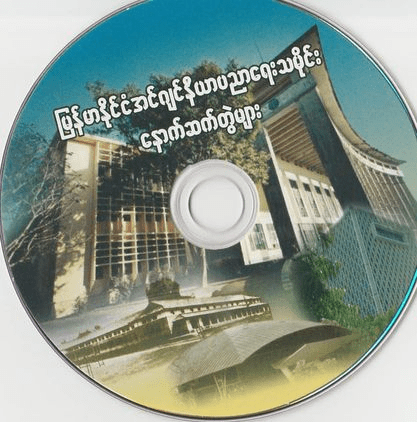
HMEE (History of Myanmar Engineering Education) Book was published in December 2012.
Due to resource constraints, the Book was published in Burmese.
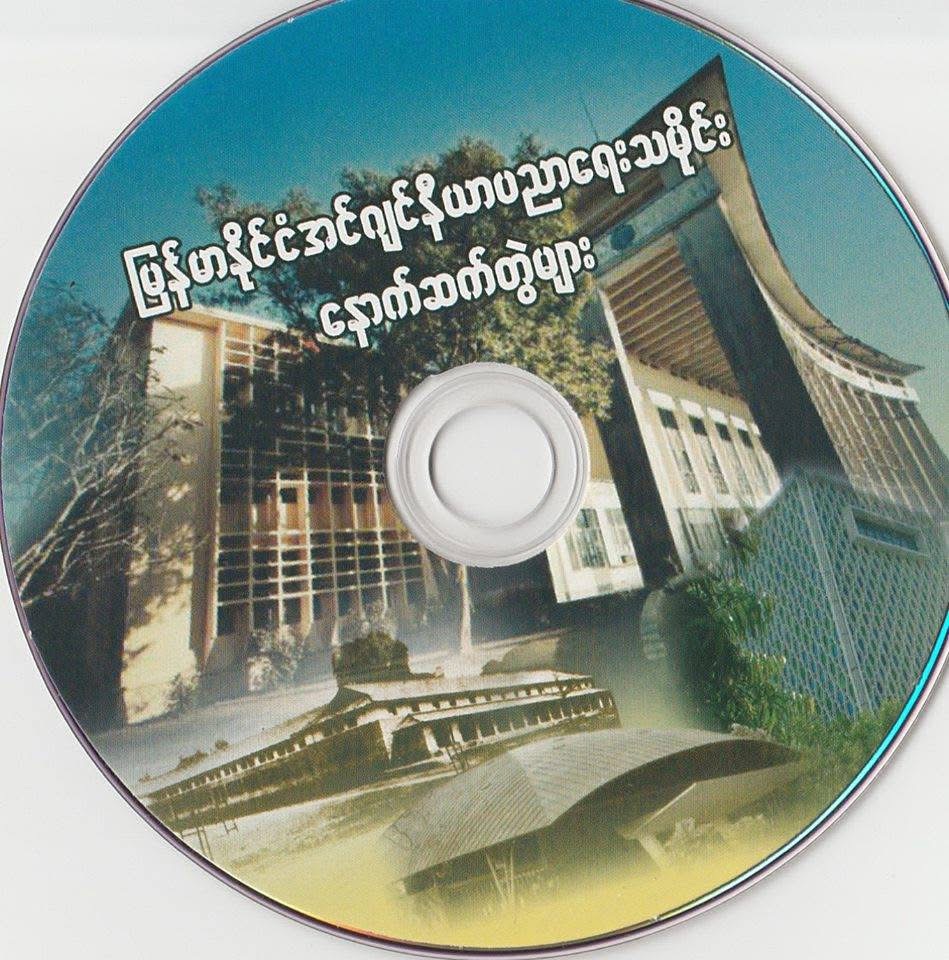
Ko Ohn Khine (M70) and Hla Min compiled the CD supplement for the HMEE Book.
Ko Ohn Khine translated Section 1 and summarized Section 2. They were revised by Saya U Soe Paing (EE, UCC).
Ohn KhineHMEE BookCD SupplementHMEE-2012 Group
Magazines and Periodicals published by the Faculty of Engineering (1946 to 1964)
Engineering students as well as teaching staff expressed their knowledge on Science and technical subjects and also their philosophies and narrative skills by writing technical articles, poems and short stories in the periodicals and magazines published by the faculty.
By going through these articles, one could clearly see the reflection of the activities of the students and staff of our Faculty of Engineering (later Institute of Technology). It was also one of the main source of information for this brief history of engineering education.
There were not many publications during the 1940 to 1964 period. Only five issues could be found. “Engineering Student Journal” was the first to be published in 1940-41 academic year. A proper magazine came out in 1951-52 academic year named “Rangoon University Engineering Students’ Union Annual Magazine”.
RUESU formed a magazine committee at the students’ annual mass meeting to be able to publish an annual magazine. Chief editor was Ko Maung Maung Aye (2nd year), secretary was Ko Ohn Ghine (2nd year). Teaching staffs were named as consultants. Mr. Cutter Pearl acted as consultant editor. See Appendix B for the list of magazine committee members.
RUESU took care of everything from financial matters up to the printing of the magazine. Motto of the magazine was “to shape knowledge with our hands”, and the main objective of publishing the magazine was to be able for the students to achieve the talent of expressing the significant features of the subject(s) that they regarded as interesting.
The magazine was bi-lingual (Burmese and English) and had 168 pages. It was printed at “Aung Meit Set” printing house.
The annual magazine came out in 1952-53 academic year also. Chief Editor was Ko Maung Maung Lay (3rd year), secretary was Ko Kyaw Win (2nd year), and consultant editor was Mr. C. Ping Lee [father of Dr. Win Aung (M 62)]. A contest for short story, poem and article was included in this magazine. It was bi-lingual and had 138 pages. It was printed at “Setkyarwalar (Universe)” printing house on Inya Road. See Appendix B for a list of committee members and winners of the contest.
In the foreword of the 1956-57 annual magazine, it was stated thus: “It was a sad thing that the annual magazine could not be published for three years after 1952-53 academic year. We had tried our utmost to overcome whatever difficulties we faced and finally we could hand the magazine to you”. To overcome the shortage of capital, advertisements had to be included in the magazine.
Ko Myo Aung was chairman of the magazine committee and Ko Kyaw Hoe was chief editor and publisher. The consultant editors were U Maung Maung Gyi (later professor of Burmese department) and U Ngwe Thein (later lecturer of Engineering Geology of Mining department) for Burmese and English sections respectively. The magazine was bi-lingual and had 108 pages. Photos of the newly opened Engineering College on Prome Road were included in the magazine.
There were no annual magazines after 1956-57 academic year. Only in 1960-61 academic year, the magazine could be published again. Publisher was Ko Ne Tun and editor in chief was Tetkatho Moe War (U Moe Aung, Electrical Engineering department). U Kyaw Tun (Lecturer, Electrical department), and U Aung Khin (Lecturer, Mechanical department) were consultant editors. See appendix B for a list of members.
The magazine was printed at Myo Nyunt Press House. It was a bi-lingual with 160 pages. It was the last magazine published with the name of “Rangoon University Engineering Students’ Union Annual Magazine”. After the publishing of 1960-61 annual magazine, there were no magazines up till 1965.
Engineering Education around the 1950 period
To get a clear picture of the engineering education at the faculty of engineering, Rangoon University, excerpts from an article written by Dr. Aung Gyi is included. Dr. Aung Gyi was an Inter Science and Engineering student from 1948 to 1952. He served as Rector of Rangoon Institute of Technology from 1971 to 1978. The following are excerpts from his article.
“I was an engineering student and then became one of the teaching staff at a later date. I matriculated in 1949 and entered the University of Rangoon and stayed in Ava Hall and took what we called in those days the Intermediate of Sciences (I. Sc.) courses. The courses were: English, Burmese, Physics, Chemistry and Maths (pure and applied maths). We needed to take these courses for two years in order to go to the engineering studies. I remember having a great time in the first year as we did not have to take the exam at the end of the first year for some unknown reason. But we had to take the exam at the end of the second year for all the subject matters that were taught to us for the whole two years. It was a tough examination at the end of the second year as we had to study a lot. We had physics and chemistry exam papers, two maths papers, English and Burmese papers, physics lab practical exam and chemistry lab practical exam within a period of 15 to 20 days in the hot month of March. Only about 60% of the students passed through the first time. The passing grade for each subject was 40%. Fortunately the University authorities in those days were understanding and kind enough to give the failed students what they called compartmental examination again in May/June for the failed subjects. Given a second chance like that, a lot of students passed the exam this time around. The Faculty of Engineering admitted the students, including the students who passed the ISc exam under the compartmental system, with a passing grade of at least 40% for each of I. Sc. subjects and the average grade for all the subjects combined of 50%.
I was quite fortunate to have good teachers in my I. Sc. days. I remember that Saya U Than Tin gave good lectures in physics. Saya U Thein Nyunt was good as well in teaching us chemistry. Needless to say the experiments that I had to do in physics and chemistry labs were interesting as they were all new to me. The maths teachers I remember were Professor U Aung Hla, Sayagyi U Kar, Sayagyi U Ba Toke, two Indian lecturers with the same last name Chowdhury, I forgot their first names. One Chowdhury was bald headed and the other had a lot of hair. They were teaching, I think, under contract with the Rangoon University. These very good teachers, I had to say, gave me a good foundation in maths. The English teachers were very good too. They were Saya U Kan Gyi and Sayama E. Kan Gyi. The only Burmese teacher I remember was Saya U Hla Maung who could make a boring topic into an interesting lecture. I owe a lot of gratitude to these wonderful teachers.
I joined the first year engineering class in 1951-52 academic year, having satisfied the entrance requirements of the Faculty of Engineering mentioned above. The academic year, I think, was from June to February with about one month break in October. So far as I know there was a “new course engineering” at the Faculty of Engineering right after the World War II. I do not know what the entrance requirement for this new course was.
I stayed in Prome Hall like most of the other engineering students in those days, as it was situated close to the B.O.C. College of Engineering building where we had classrooms, laboratories and workshop for our engineering courses. A few engineering students however stayed in Tagaung Hall which was in the same Prome road campus of the Rangoon University as Prome Hall. Both of these hostels were timber buildings and they could easily get burnt down, but I was happy to see that they are still standing there when I last visited Yangon in 2010. These two Halls gave accommodations to all engineering students, even to some students from Rangoon at that time, as there were vacancies and as the total engineering student population was not that big. If my guess is correct, I think there were about 350 to 400 students for 4 years of all engineering disciplines, out of which there were about 75 first year engineering students. The system in place at that time was in such a way that the students had to take common courses in the first two years and branched out into different disciplines of choice, starting from 3rd year.
I remember that as first year engineering students, we still had to take maths classes from 7:00 am to 9:00 am at the main campus where we had taken the I. Sc. courses. I remember getting up early in the morning in Prome Hall, and taking a walk along the road what we called as “Padaukpin Lane” or “Thaton Lane”, and through Thaton Hall and Ava Hall, for the mathematics classes at the main campus. All of us then rushed back to B.O.C. College of Engineering from the main campus after 9:00 am to take the engineering classes, which included lectures, practical laboratory work, workshop practice, and drawing classes, starting from 10:00 am. We normally finished our classes around 4:00 pm. The total contact hours of learning for engineering students were about 30 hours per week. If my memory is correct, it was difficult to get an engineering degree in 6 years after matriculation. Somewhere along the way some of us failed for one reason or the other, and had to repeat a class. The passing grade for each subject, which included workshop training at the engineering faculty was 40% and the average passing grade for all the subjects combined was 50%. When I passed my 1st year engineering in April/May 1952, I noticed that about 15% of my classmates were left behind to repeat the 1st year engineering.
I do not remember all of my teachers at that time. I can only recall that Saya U Num Kok was in charge of 1st year engineering drawing, Saya Jaidka taught us “building materials and construction”. Saya Ketrapal gave lectures and practical laboratory training in “ heat engines”. Sayagyi U Kyaw Tun and/or Saya C. Ping Lee taught us “electrotechnology” in the classroom and in the laboratory. In addition to the lectures, laboratory work and drawing, all of us had to take workshop trainings in carpentry, blacksmith, welding and in machine shop. The medium of teaching was English. We were also encouraged to take some practical training with some engineering organization during the summer vacation. I am not quite sure, but I think Ko Chit was an assistant at the blacksmith shop, and U Ba Sein was an assistant in the electrical lab. I think Mr. P Davies was the workshop superintendent. The classrooms, laboratory facilities, the workshop facilities that I attended were good and adequate. The library I visited some time was full of engineering books, magazines and journals. I could imagine that with its qualified teaching staff and good teaching facilities, the Faculty of Engineering was producing the qualified engineers needed by the country at that time.
I do not know what the total number of teachers we had at the Faculty of Engineering at that time. I could guess that the student/teacher ratio was about 20:1 from the number teachers and from the number of students I had seen. I noticed that there were few Burmese nationals teaching staff at the Faculty, and most of the teachers were from India and UK. It seems that right after the World War II, there was shortage of qualified teaching staff from Burma at higher education/University level as a whole. Sayagyi Professor U Ba Hli was Dean of the Faculty of Engineering, and I believe he received his post graduate degree from a British University. He was quite far-sighted and tried to broaden and improve the engineering education by having some kind of twinning arrangements with not only a British University but also with Massachusetts Institute of Technology USA (M.I.T.). I remember as a student hat there was a visiting Professor called Professor Horwood from M.I.T. at the Faculty, and I think he gave us lectures on sanitary engineering. Sayagyi U Ba Hli must have planned to increase the number of engineering disciplines that were given at the Faculty from civil, mechanical and electrical engineering to other disciplines as well, such as Mining, Chemical, Metallurgy, Textile engineering and Architecture. I understood that this plan came into fruition in 1954/55. He must have also planned to send the Burmese nationals to UK, USA, and other countries for further training so that they could be appointed as qualified teaching staff at the Faculty at a later date. I therefore take this opportunity to put on record that a big credit is due to the late Sayagyi U Ba Hli for his contribution to the improvement of engineering education in Myanmar.
After attending the 2nd year engineering class from June 1952 to September 1952, I went straight to MIT on a state scholarship to continue my studies. Saya U Min Wun and I went together to MIT and joined the academic session, starting from September 1952. We met Dr. Freddie Ba Hli at MIT, who was already studying for his Ph.D in electronics or electrical engineering. He was one of the nicest and helpful persons that I have ever met in my life. He gave us briefings and guidance so that we were able to assimilate into the American education system and American way of life without any difficulty. He also helped with our home works when we had some difficulties in the beginning. I am forever grateful to him for his kind help. I am sure U Min Wun feels the same. Saya U Khin Aung Kyi, Saya U Sein Hlaing, U Percy Lao, U Win Htein, U Kyaw Min, Robin Aw, U Kyaw Thein, U Aung Kywe, U Aung Myint and U Sein Hla came to MIT for further studies at a later date. U Percy Lao later became Rangoon City Engineer (water and sanitation). U Win Htein who is an architect became a Rangoon City Building Engineer. The late U Kyaw Min became a free lance architect (and also taught part-time at the architecture department for some time). All these three professionals taught some time at RIT. I do not know what happened to Robin Aw. The late U Kyaw Thein was an engineer at the Construction Corporation and later became a lecturer at the Civil Engineering department at RIT. U Aung Kywe was a Director (water and sanitation) at the Construction Corporation. U Aung Myint became the Chief Architect at the Construction Corporation. U Sein Hla was an engineer at the Construction Corporation and later became the Registrar at RIT under Rector U Yone Moe. Later more batches of Burmese students came to MIT when I was no longer there. I am describing all these things to point out the fact that the standard of engineering education in Burma at that time was quite good. None of us had to go through the entrance exam to get into MIT. They trusted our grades and our education standard. Maybe the visiting Professor Horwood from MIT was quite impressed with the Faculty of Engineering and put a good word for us to the MIT admission authorities.
Now I would like to touch upon the extra-curricular activities of the students from 1949 to 1952 when I was one of the University students in Rangoon. As mentioned in the beginning, all the extra-curricular activities were in sports; in artistic and literary related activities; in activities of various students’ associations, societies and clubs according to their respective aims. Good and adequate facilities were available for these activities at the Rangoon University campus, except for swimming. But Inya Lake was available for the students for swimming and rowing. There were competitions in sports such as soccer, tennis, table tennis, badminton, basket ball, volley ball, track and field, swimming, rowing, boxing, weight-lifting, and body building (Mr. University). There was University soccer team which was quite good and competing nationally at Aung San stadium. There were annual dinners of various hostels with anyeints and concerts participated by outside professional artists. There were separate annual concerts, stage shows and anyeints by the talented students also. There were students’ magazines published every year with articles and poems by the students.
I will not go into details of all the various students’ associations, societies and clubs, as there were so many of them. But I would like to mention briefly about the hostel life, that I had experienced at that time. Every hostel had what we called social and reading club. There was an adequate room reserved for this club at the ground floor of the hostel. In general, newspapers, popular magazines, a chess board, a carom board and a table tennis were provided so that the hostel students could read, play chess, play carom board, and play table tennis and socialize to get to know each other well. Even without the social and reading club, all the hostel students ended up knowing each other well sooner or later, as they met each other almost everyday at the hostel and at the dining hall. The hostel students were in general well behaved. I hardly saw the Warden or Hall Tutors at Ava Hall and Prome Hall, as there were very few student problems which needed attention of the Warden or Hall Tutors.
Based upon my experience, I feel that these extra-curricular activities and hostel life gave the opportunities to the students to broaden the knowledge of the different parts of Myanmar; and they also created a better understanding of the different culture, food, habit, dresses, dialects etc. of the country. Most of the students developed life-long friendships through these activities which contributed to well-beings of these students throughout their lives. Sports activities also taught the students about hard work, cooperation, team work, competition, winning and losing. The extra activities also triggered, developed, and enhanced the hidden talents of some of the students. These activities therefore formed part of the University education of the students, in addition to the education that they received from the classrooms. Another benefit of these activities was the bonding and a better understanding, which developed between the students and the teachers who were involved in these activities”.
Editor’s notes
With the support of Sayagyi U Ba Than & Saya U Thaw Kaung, Chief Librarian of the RU Central Library, Saya U Soe Paing compiled materials. Most articles and correspondences from the early periods were in English. Based on Saya U Soe Paing’s work, the editorial team headed by Saya U Aung Hla Tun, former Editor-in-chief of RIT Annual Magazines and also a National Literary Award winner, wrote the book in Myanmar/Burmese.
U Ohn Khine and I prepared the CD Supplement for the book. It included photos (too many to be incorporated into the book), bio of Sayas and sayamas, articles for the SPZPs, and excerpts from my Updates.