The RU Act of 1920 was passed on December 1, 1920 to establish the University of Rangoon with Rangoon College and Judson College as the constituent Colleges. There were only three Faculties: Science, Arts and Law
On December 5, 1920, some RU students staged a strike to protest the 1920 RU Act for not being overreaching. The first RU Students’ Strike was later celebrated as “Ah Myo Tha Aung Pwe Nay”. The Strike gave birth to National Schools and “Ah Myotha Kaw Leik (National College)”. The Strike also caused the higher authorities to amend the “RU Act of 1920”.
In 1924, some Faculties (Engineering, Forestry, Social Science and Medicine) were added.
Celebrations
Due to the war, the RU Silver Jubilee could not be celebrated in 1945. It was celebrated in the 1950s.
In 1970, the Golden Jubilee of the founding of RU was celebrated. A magazine was published to commemorate the event.
In Deember 2019, the pre-Celebration for the RU Centennial took place. In 2020, due to Covid, the RU Centennial was celebrated with restrictions.
Positions and Pay Scales
The list is not exhaustive.
The pay scales are samples for the early days.
Gazetted Officer
Those who earn 350 (and CLA) or higher
450 (Base Pay) in the newer system
Promotion, deputation, transfer, and leave are published in the [Burma] Gazette
Selection Grade
Those who earn 800+ Kyats
Entitled to buy 10% of salary at “Staff Shop”
Administrators
Chancellor : Prime Minister or his appointee; U Nu attended Convocations and gave speeches.
Vice-Chancellor : Chief Justice U Bo Gyi served for two terms at Rangoon University. U Ko Lay (Zeyar Maung) was the Vice Chancellor of Mandalay University.
Rector : Dr. Htin Aung was the first native Rector of Rangoon University. Dr. Hla Myint, Dr. Tha Hla, U Kar and Dr. Maung Maung Kha were the early Rectors.
Pro-Rector : introduced in the 80s. U Ba Than Haq was the first Pro-Rector of RASU.
Principal : in charge of a College; U Pe Maung Tin was the first native Principal of Rangoon College.
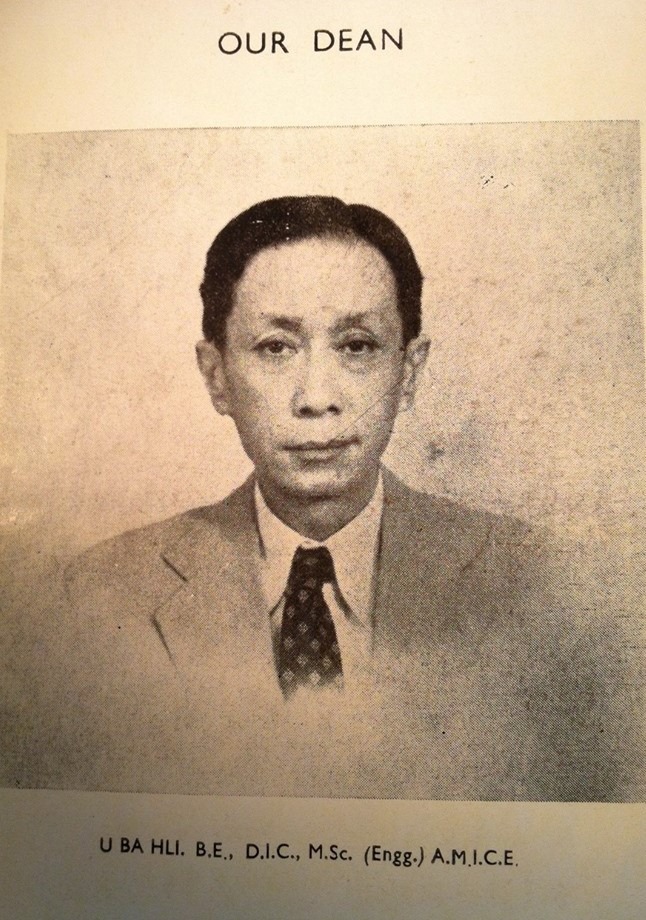
Dean : in charge of a Faculty; U Ba Hli was the first native Dean of Engineering.
Registrar : U Htin Si and U Yu Khin were the early Registrars of Rangoon University.
Head of Department : (e.g. at RIT in the 60s)
Large departments are headed by a Professor
Sub-departments are headed by a Lecturer
Supporting departments may be headed by an Assistant Lecturer.
Professor : 1300+ Kyats
Associate Professor : introduced in the 80s (1000 – 50 – 1200 Kyats) for minimum, annual increment and maximum
Lecturer : 800 – 50 – 1200 Kyats (for Lecturers before the 80s) 800 – 50 – 1000 Kyats (for Lecturers in the 80s)
Assistant Lecturer : 350 (and CLA) – 25 -700 Kyats and CLA (Cost of Living Allowance) was 89 Kyats (or so) The “adjusted” pay was 439 Kyats (or so) So, Assistant Lecturer : 450 – 25 – 700 Kyats (after the period when CLA was dropped)
Instructor : 450 – 25 – 700 Kyats (introduced for the Institutes in the 60s) The pay scale is the same as Assistant Lecturer. It takes longer to become a Lecturer.
Demonstrator : Early days : 200 (and CLA) => 297 Kyats (or so) Later : 320 Scale Supervises lab
Tutor : Early days : 200 (and CLA) => 297 Kyats (or so) Later : 320 Scale Supervises lab and/or tutorials
Lecturing Tutor : 100 Kyats additional
Ad hoc Tutor : Early days : 100+ Kyats
Editor’s Notes :
For better or for worse, there have been several changes to the Education System. Pro-Rector and Associate Professor were introduced in the 80s. Some departments now have several Professors. There are Universities with a single Institute of College. There are 30+ Technological Universities.
Due to the decline in the buying power of the money, it is difficult for most teaching staff to survive with the salaries (and occasional pay raises). In 2018, a Professor told me that she earned about K5 Lakhs, of which a sizable amount is spent on transportation.
Matriculated from St. John’s Dio in 1947, and won Collegiate Scholarship.
In 1949, he won Gold Medal for scoring highest marks in the Intermediate of Science exam.
RUBC Full Green
Studied B.Sc (Special) in Mechanical Engineering at Imperial College, London University
Joined Faculty of Engineering as Assistant Lecturer
Per request from Dr. Maung Maung Kha (Interim Dean of Engineering), he helped build the Engineering Library
As a requirement for promotion, he did Masters at Imperial College
Retired as Professor of Mechanical Engineering
Mech Engg Sayas
Saya is an early supporter of the HMEE (History of Myanmar Engineering Education) project. Donated his photo albums. Cooperated with U Thaw Kaung to allow U Soe Paing & team to access the archives of Rangoon University Central Library.
HMEE book (2012)
He also interviewed his elder brother U Tin U for HMEE project. U Tin U taught part-time at the Civil Engineering Department, and served as Treasurer of Burma Society of Civil Engineers.
Family
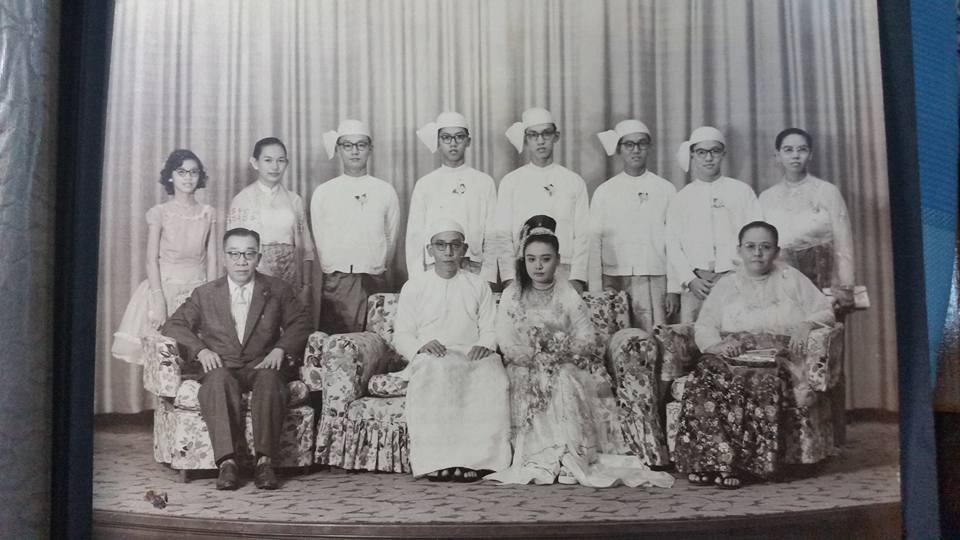
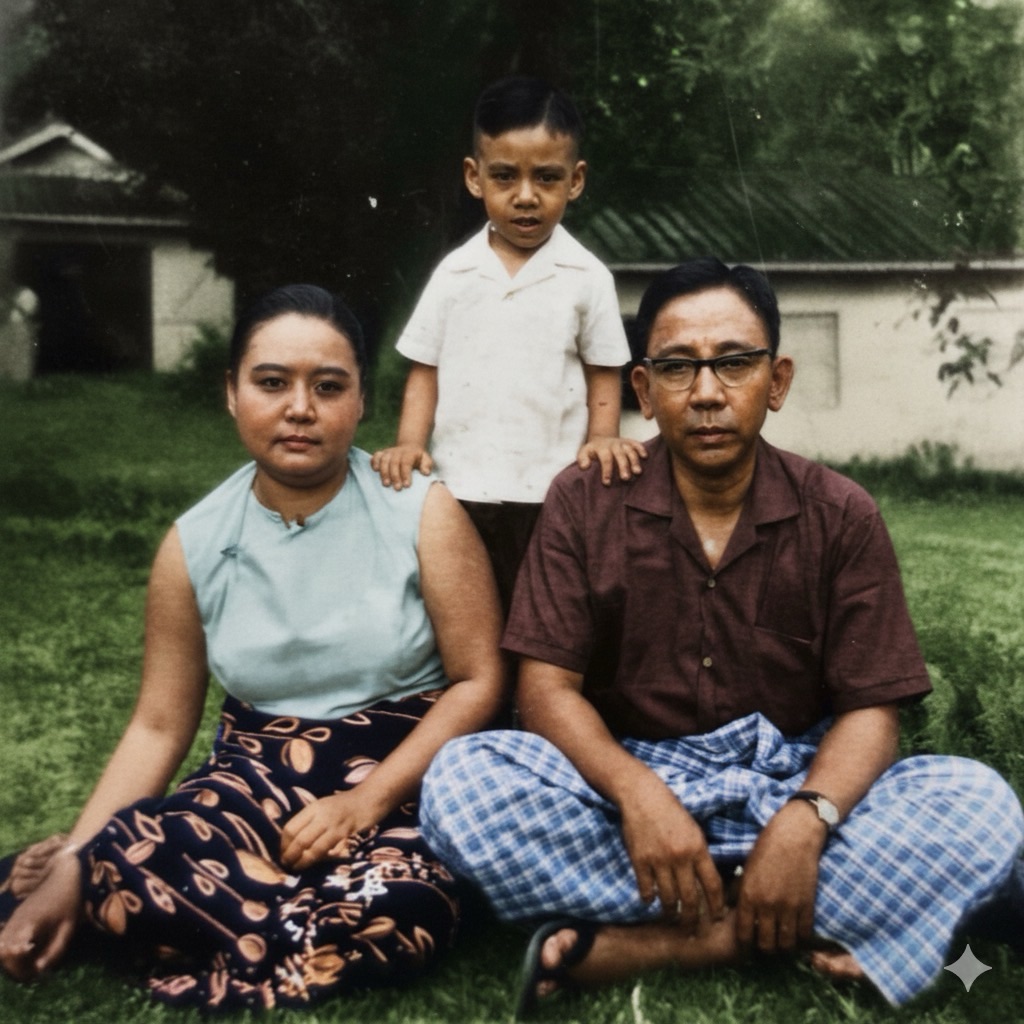
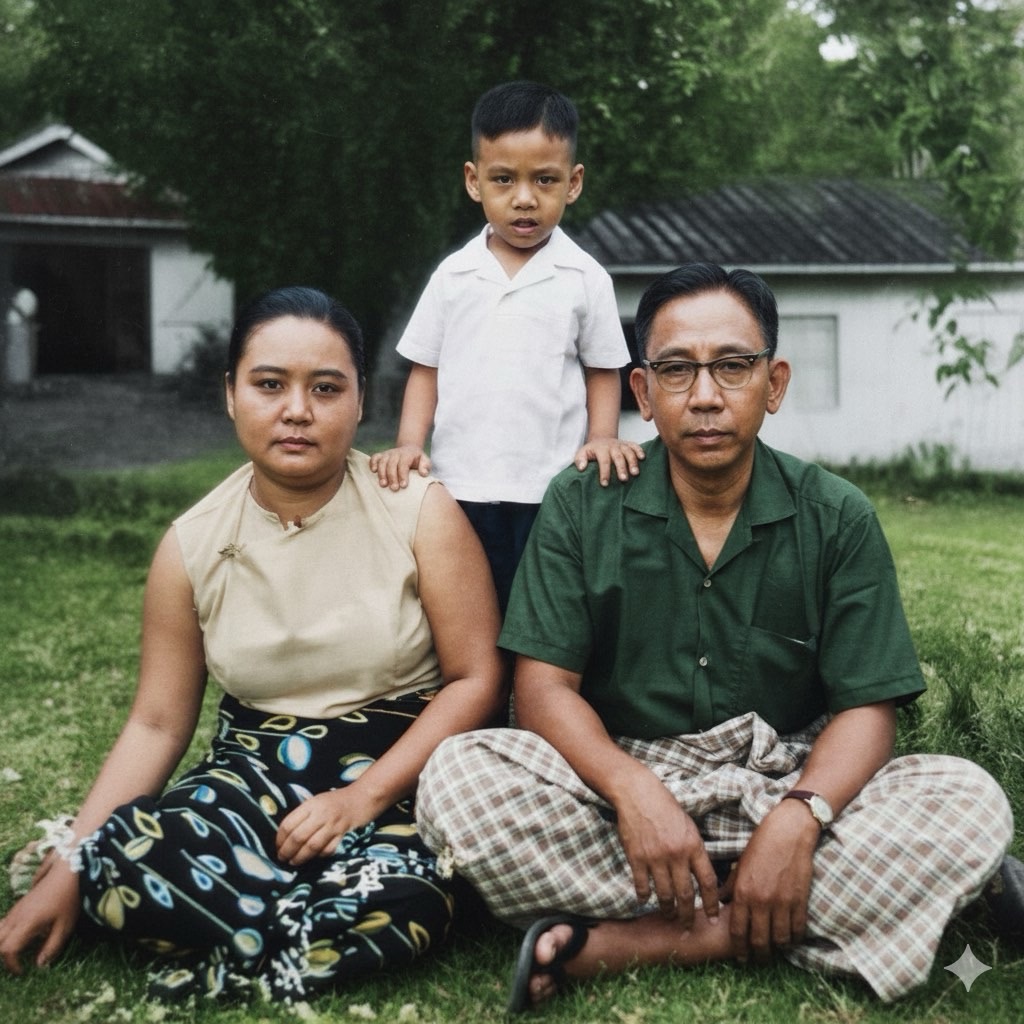
U Ba Than & Daw Mya Mya
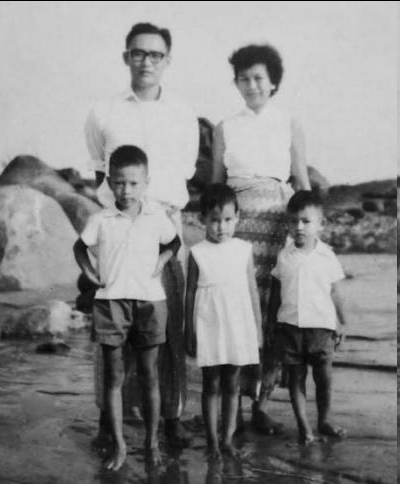
He is the second son of U Chan Sein and Daw Cheng Kim.
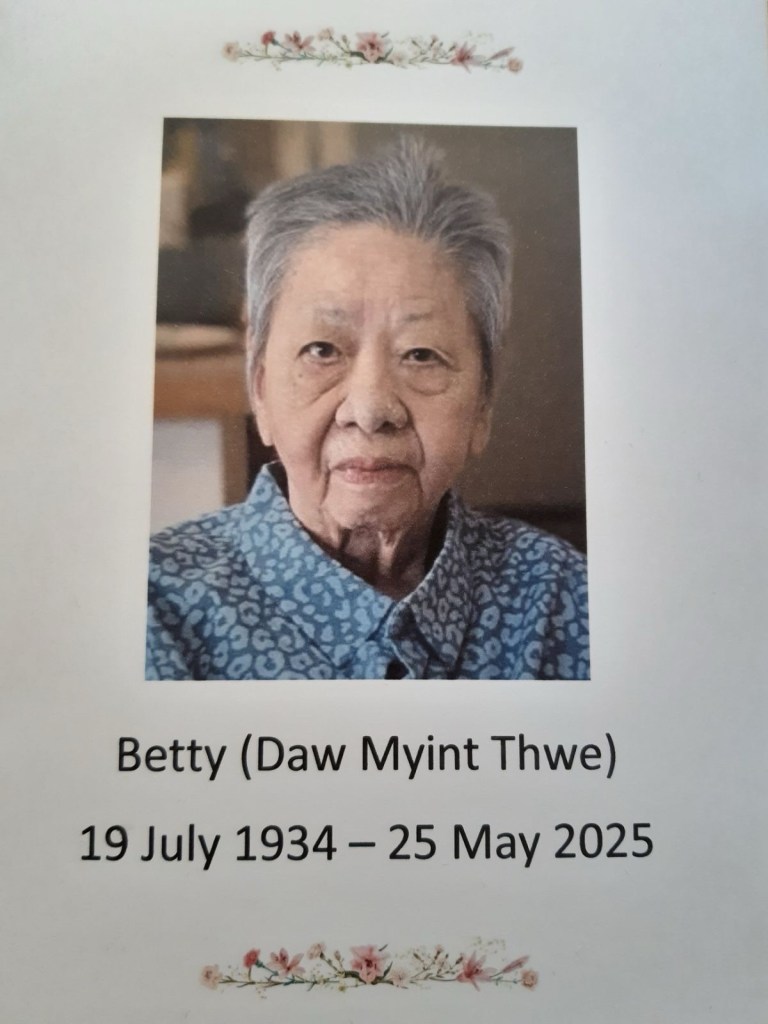
Siblings : U Tin U, Dr. Daw Win Hlaing (Ruby), Daw Myint Thwe (Betty), Dr. Myo Tint, U Tin Htoon, U Myo Min, U Thaung Lwin, Daw Cho Cho Hlaing
Spouse : Daw Mya Mya
Son : U Ye Than
Daughter-in-law : Daw Lwin Mar Oo
Grand children : Aung Myo Myint, Ei Khine
U Ba Than 2U Ba Than 1
Winner Inn
U Ye Than and Daw Lwin Mar Oo ran “Winner Inn”.
Later, their children Aung Myo Myint and Ei Khin expanded the services provided by Winner Inn (notably W Bistro)
Winner Inn
Birthdays
Celebrations
Birthday Soon Kyway
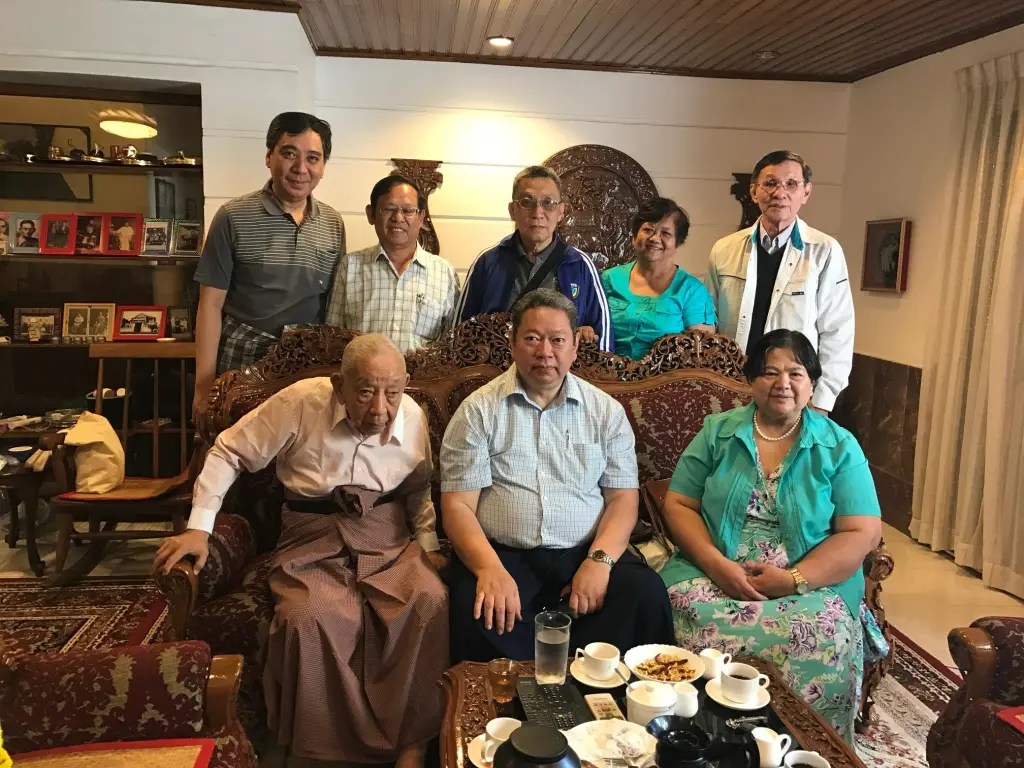
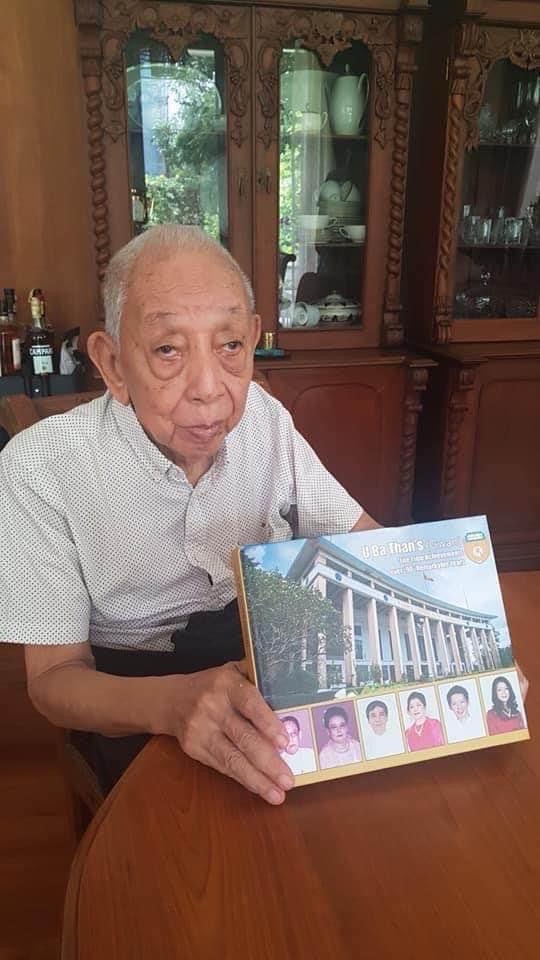
Before the pandemic, he invited colleagues and former students to his Birthday Soon Kyway at Yaw Sayadaw’s Monastery.
U Tin Htoon (A60, younger brother) compiled a Photo Album for Saya’s 90th Birthday
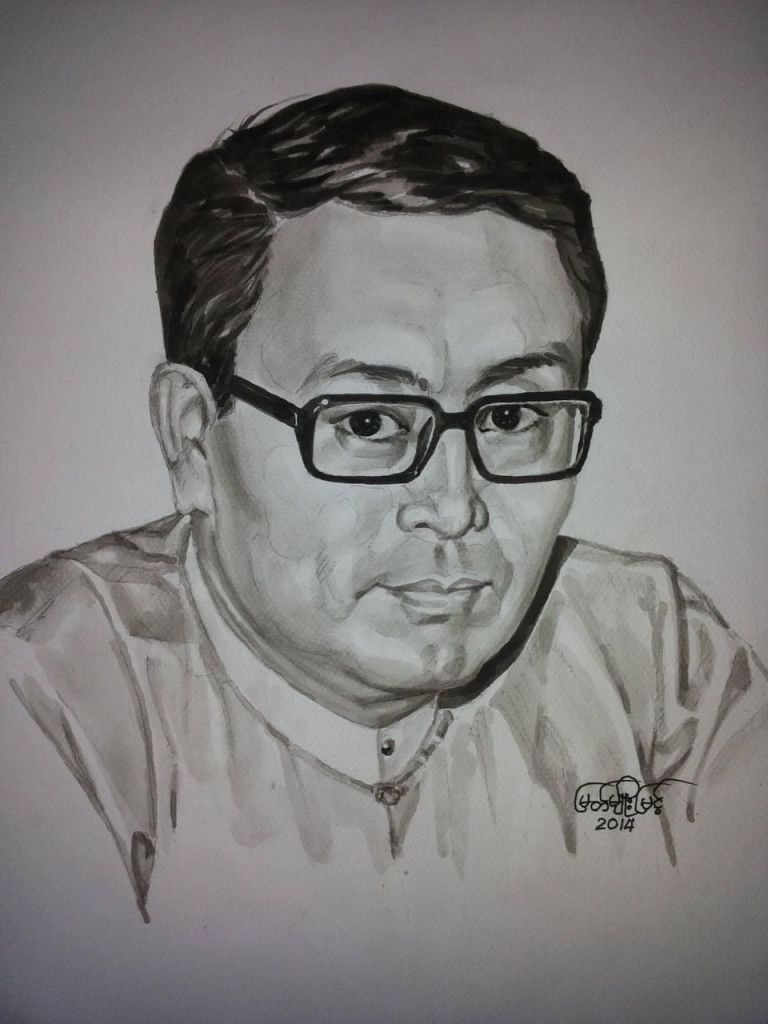
U Ba Than
Donated all of the Garawa Money to various social & religious associations.
Passed away peacefully after his 94th birthday.
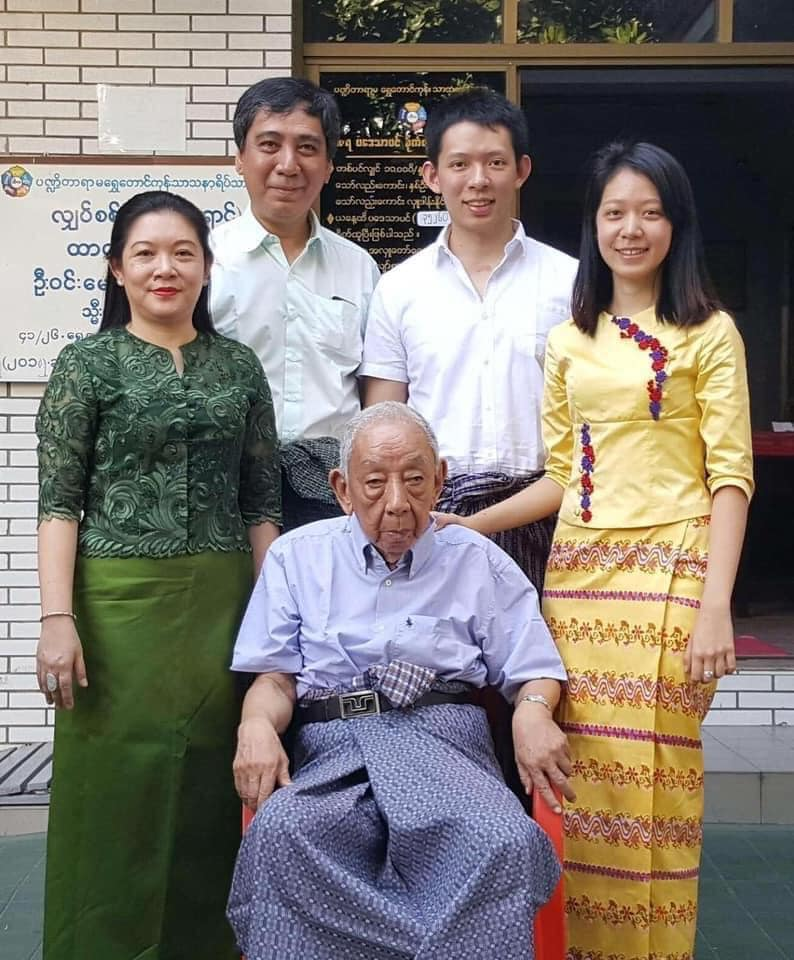
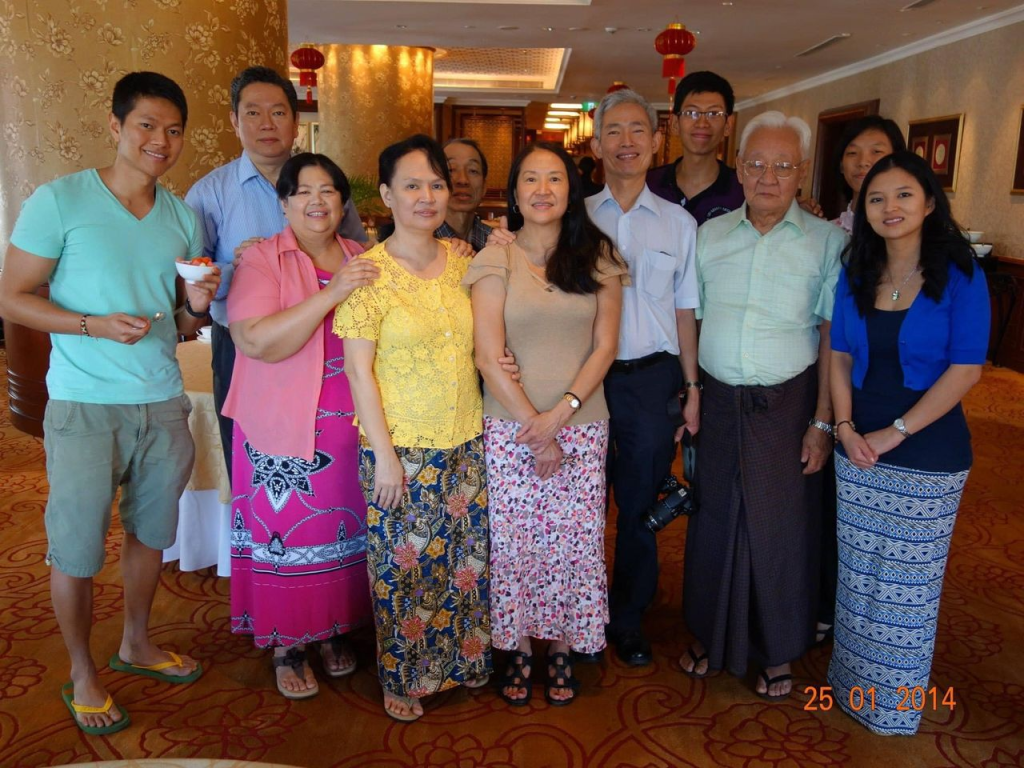
U Ba Than & Family
90+ Club Members
Four of the nine siblings are members of the 90+ Club like their mother.
U Tin U (eldest) passed away on Aug 19, 2025 — a few weeks after his 96th birthday. He was the most senior Past Captain of RUBC (Rangoon University Boat Club). He was Past Captain of RGC (Rangoon Golf Club). He was also the oldest Yale University alumni from Burma.
U Ba Than (2nd oldest) passed away after his 94th birthday.
Dr. Daw Win Hlaing (Ruby, 3rd) celebrated her 93rd birthday on Aug 31, 2025.
Daw Myint Thwe (Betty, 4th) passed away two months before her 91st birthday.
The Metallurgy Department was established in 1954 with the assistance of contract staff from India. Mr. H.S. Shastri was the first head of department and Mr. A.C. Agrawal was an assistant lecturer.
I was awarded a government scholarship to study Metallurgy at Lehigh University in 1954, when I was a second year student of Civil Engineering in Rangoon. (Incidentally, it was at Lehigh that I first met Sayas U Aung Khin and U Pu.) I returned home in 1957 after completing my bachelor’s degree and joined the department as assistant lecturer. Saya U Saw Pru joined the department as an assistant lecturer in 1958.
I was awarded a Colombo Plan Fellowship in 1959 for further studies at the University or Queensland, Australia, and came back in 1961 after finishing my master’s degree. I was promoted to lectureship in 1962.
Saya U Than Tin joined the department in 1960 and left for U.S. after a few years. There were visiting lecturers from U.S.S.R., namely, Mr. Charlichev from 1961 to 1963 and Mr. Chalpanov from 1963 to 1965.
Sayas U Aung Hla Tun, U Pe Win and Dr. Khin Maung Win joined the department in 1965, 1966 and 1967 respectively. There were also part-time teaching staff from time to time from UBARI, such as U Khin Maung and U Nyunt.
I left the department in 1968 to go to Australia.
The continuing history of the Metallurgy Department after 1968 can best be written by Saya U Aung Hla Tun.
Editor’s Notes in 2019 :
Taught Materials and Processes in our 2nd BE class in 1964.
Head of the Metallurgy Department
Wrote memories of Saya Allen Htay in “RIT Alumni International Newsletter”
GBNF
In response to my request, several sayas (Dr. Aung Gyi, U Min Wun, U Aung Khin, U Thit and U Myo Myint Sein) wrote about the history of their departments. The articles appear in the CD supplement of the HMEE-2012 book
President : Sayagyi U Ba Hli (Dean of Engineering, University of Rangoon, GBNF)
Honorary Secretary : Saya U Soon Sein (Professor, Mining, GBNF)
Honorary Treasurer : Saya U Tin U (Part time Lecturer, Civil)
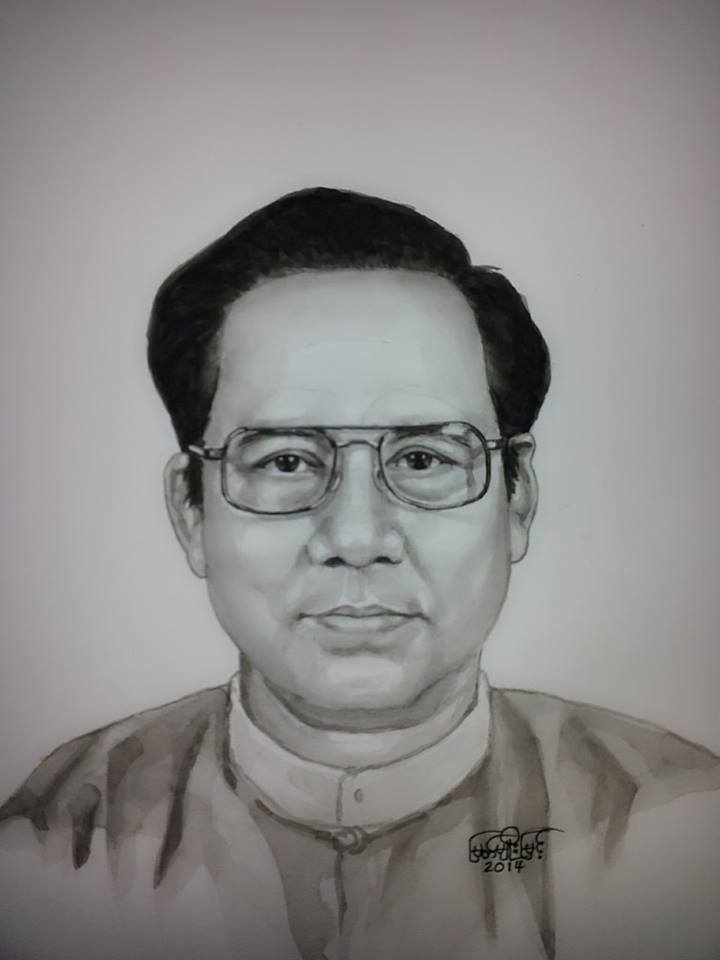
U Tin U
U Tin U at SPZP-2012
Highlights
Matriculated from St. John’s Dio in 1946.
Attended Rangoon University before going for studies in the USA.
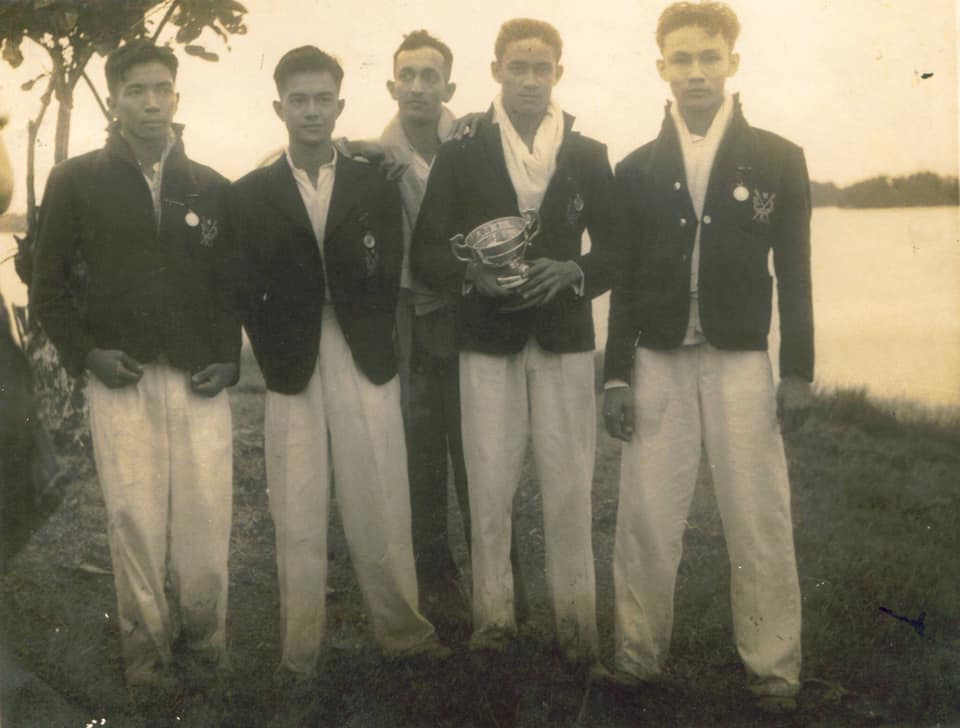
Represented RUBC in the Independence Day Regatta at Kandawgyi in 1948 along with Dr. Pe Nyun, Dr. Pe Thein and Khin Maung Wint (Bobby).
1948 Independence Day Regatta
Received BCSE from the University of Oregon and MCSE from Yale University.
Upon his return to Burma, he worked in the industry and taught part-time at the Civil Engineering department.
Past Captain of Rangoon Golf Club
Oldest & Most Senior Past Captain of RUBC
Three Losses
Lost his spouse Dr. Daw Khin Kyi Nyunt in November 2019
Lost his elder son Dr. Khin Tun (Peter) in April 2020
Lost his son-in-law U Tin Tun in May 2020
U Tin U & Family U Tin U 3
U Ba Than
U Ba Than
Highlights
Matriculated from St. John’s Dio in 1947, and won the Collegiate Scholarship.
In 1949, he won Gold Medal for scoring highest marks in the Intermediate of Science exam.
RUBC Full Green
Studied Mechanical Engineering at Imperial College, London University
Joined Faculty of Engineering as Assistant Lecturer
As a requirement for promotion, he did Masters at Imperial College.
Retired as Professor of Mechanical Engineering.
Mech Engg Sayas
Saya is an early supporter of the HMEE-2012 project. Donated his photo albums. Cooperated with U Thaw Kaung to allow U Soe Paing & team to access the archives of Rangoon University Central Library.
Birthdays
Celebrations
Birthday Soon Kyway
Before the pandemic, he invited colleagues and former students to his Birthday Soon Kyway at Yaw Sayadaw’s Monastery.
U Tin Htoon (A60, younger brother) compiled a Photo Album for Saya’s 90th Birthday
U Ba Than
Donated all of the Garawa Money to various social & religious associations.
Passed away peacefully after his 94th birthday.
U Ba Than & Daw Mya MyaU Ba Than & Family
Updates
Four of the nine siblings are members of the 90+ Club like their mother.
U Tin U (eldest) passed away on Aug 19, 2025 — a few weeks after his 96th birthday. He was the most senior Past Captain of RUBC. He was also the oldest Yale University alumni from Burma.
U Ba Than (2nd oldest) passed away after his 94th birthday.
Dr. Daw Win Hlaing (Ruby, 3rd) celebrated her 93rd birthday on Aug 31, 2025.
Daw Myint Thwe (Betty, 4th) passed away two months before her 91st birthday.
Attended Rangoon University before going for studies in the USA.
Represented RUBC (Rangoon University Boat Club) in the Independence Day Regatta at Kandawgyi in 1948. His crew mates were Pe Nyun (Dick San Pe, later Orthopedic Surgeon & Lead for operating Ma Nan Soe & Ma Nan San); Pe Thein (Tom San Pe, later Minister of Health & Education) and Khin Maung Wint (Bobby Tin, later Commander of Artillery).
1948 Independence Day Regatta
Received BSCE (Bachelor of Science in Civil Engineering) from Oregon State University.
Received MSCE (Master of Science in Civil Engineering) from Yale University.
Upon his return to Burma, he joined Clark & Greig (well-known Construction Company) and became a Director.
He taught part-time at the Civil Engineering department.
He later served as Advisor for Inter-kiln and PWD Architecture (2) Group.
Past Captain of Rangoon Golf Club
Oldest & Most Senior Past Captain of RUBC; He was invited to open the Centennial Celebrations of RUBC in 2023
Family
He is the oldest child of U Chan Sein and Daw Cheng Kim.
Nine Siblings
U Tin U, U Ba Than, Dr. Daw Win Hlaing (Ruby), Daw Myint Thwe (Betty), Dr. Myo Tint, U Tin Htoon, U Myo Min, U Thaung Lwin, Daw Cho Cho Hlaing
Spouse
Dr. Daw Khin Kyi Nyunt (Cherry Tin Gyi) — worked for Medical College and BMRI (Burma Medical Research Institute); passed away in November 2019
Elder son
Dr. Khin Tun (Peter) — MRCP; former Associate Dean of Oxford University); succumbed to Covid on April 13, 2020
Spouse : Daw Win Mar —survived Covid; was hospitalized for 2 weeks
Children : Min Ko (Michael), Ye Aung (William)
See : Chronicles of Peter Tun (Apr – May 2020)
Daughter
Daw Aye Aye Khin — B.Com, CPA; took care of her father till the final day
Spouse : U Tin Tun — passed away in May 2020
Children : Thin Thiri Tun, Dr. Khin Sandy Tun
Younger son
Dr. Ye Myint — Specialist in Intensive Care & ; flew to Yangon to take care of his ailing father
Spouse : Daw San San Aye
Child : Dr. Aye Sandar
U Tin U & Family U Tin U 3
Interviews
HMEE
Gave an Interview for HMEE Project about BSCE (Burma Society of Civil Engineers)
Recorded by Saya U Ba Than
The Association was re-instituted about 1955-56.
President : Sayagyi U Ba Hli (Dean of Engineering, University of Rangoon, GBNF)
Honorary Secretary : Saya U Soon Sein (Professor, Mining, GBNF)
Honorary Treasurer : Saya U Tin U (Part time Lecturer, Civil)
Rangoon Golf Club
As Past Captain of RGC, he gave an interview to the media (newspaper / magazine)
90+ Club
Four of the nine siblings are members of the 90+ Club like their mother.
U Tin U (eldest) passed away on Aug 19, 2025 — a few weeks after his 96th birthday. He was the most senior Past Captain of RUBC. He was also the oldest Yale University alumni from Burma.
U Ba Than (2nd oldest) passed away after his 94th birthday.
Dr. Daw Win Hlaing (Ruby, 3rd) celebrated her 93rd birthday on Aug 31, 2025.
Daw Myint Thwe (Betty, 4th) passed away two months before her 91st birthday.
Photo Albums
U Tin Htoon has compiled several photo albums for
his mother Daw Cheng Kim
U Tin U’s 90th birthday
U Ba Than’s 90th birthday
Dr. Daw “Ruby” Win Hlaing’s 90th birthday
Dr. “Peter” Khin Tun’s untimely demise
He sent out Photo Cards for the birthdays of older siblings and U Thein Han (Uncle Charlie).
I matriculated in 1949 and entered the University of Rangoon and stayed in Ava Hall and took the Intermediate of Science (ISc) courses. The courses were: English, Burmese, Physics, Chemistry, and Mathematics (Pure and Applied Maths). We needed to take these courses for two years in order to go to the engineering studies. I remember having a great time in the first year as we did not have to take the examination at the end of the first year for some unknown reason. But we had to take the examination at the end of the second year for all the subject matters that were taught to us for the whole two years. It was a tough examination at the end of the second year as we had to study a lot. We had physics and chemistry examination papers, two mathematics papers, English and Burmese papers, physics lab practical exam and chemistry lab practical exam within a period of 15 to 20 days in the hot month of March. Only about 60% of the students passed through the first time. The passing grade for each subject was 40%. Fortunately the University authorities in those days were understanding and kind enough to give the failed students what they called compartmental examination again in May/June for the failed subjects. Given a second chance like that, a lot of students passed the examination this time around. The Faculty of Engineering admitted the students, including the students who passed the ISc exam. under the compartmental system, with a passing grade of at least 40% for each of ISc subjects and the average passing grade for all the subjects combined of 50%.
I was quite fortunate to have good teachers in my ISc days. I remember that Saya U Than Tin gave good lectures in physics. Saya U Thein Nyunt was good as well in teaching us chemistry. Needless to say the experiments that I had to do in physics and chemistry labs were interesting as they were all new to me.The maths teachers I remember were Professor U Aung Hla, Sayagyi U Kar, Sayagyi U Ba Toke, two Indian lecturers with the same last name Chowdhury. I forgot their first names. One Chowdhury was bald headed and the other had a lot of hair.They were teaching, I think, under contract with the Rangoon University. These very good teachers, I had to say, gave me a good foundation in mathematics. The English teachers were very good too. They were Saya U Kan Gyi and Sayama E. Kan Gyi. The only Burmese teacher I remember was Saya U Hla Maung who could make a boring topic into an interesting lecture. I owe a lot of gratitude to these wonderful teachers.
I joined the first year engineering class in 1951-1952 academic year, having satisfied the entrance requirements of the Faculty of Engineering mentioned above. The academic year , I think was from June to February with about one month break in October. So far as I know there was a “new course engineering” at the Faculty of engineering right after the World War ll. I do not know what the entrance requirement for this new course was.
I stayed in Prome Hall like most of the other engineering students in those days, as it was situated close to the B.O.C. College of Engineering building where we had classrooms, laboratories, and workshop for our engineering courses. A few engineering students however stayed in Tagaung Hall which was in the same Prome road campus of the Rangoon University as Prome Hall. Both of these hostels were timber buildings and they could easily get burnt down; but I was happy to see that they are still standing there when I visited Yangon in 2010. These two Halls gave accommodations to all engineering students, even to some students from Rangoon at that time, as there were vacancies and as the total engineering student population was not that big. If my guess is correct, I think there were about 350 to 400 students for 4 years of all engineering disciplines, out of which there were about 75 1st year engineering students. The system in place at that time was in such a way that the students had to take common courses in the first 2 years and branched out into different disciplines of choice, starting from 3rd year.
I remember that as first year engineering students, we still had to take mathematics classes from 7:00 am to 9:00 am at the main campus where we had taken the Intermediate of Science courses. I remember getting up early in the morning in Prome Hall ,and taking a walk along the road, what we called as “Padaukpin lane” or “Thaton lane”, and through Thaton Hall and Ava Hall , for the mathematics classes at the main campus. All of us then rushed back to B.O.C. College of Engineering from the main campus after 9:00 am to take theengineering classes, which included lectures, practical laboratory work, workshop practice, and drawing classes, starting from 10:00 am. We normally finished our classes around 4:00 pm. The total contact hours of learning for engineering students were about 30 hours per week. If my memory is correct, it was difficult to get an engineering degree in 6 years after matriculation. Somewhere along the way some of us failed for one reason or the other, and had to repeat a class.The passing grade for each subject, which included workshop training at the Engineering Faculty was 40% and the average passing grade for all the subjects combined was 50%. When I passed my 1st year engineering in April/May 1952 I noticed that about 15% of my classmates were left behind to repeat the 1st year engineering.
I do not remember all of my teachers at that time. I can only recall that Saya Num Kock was in charge of 1st year engineering drawing, Saya Jaidka taught us ” building materials and construction”, Saya Ketrepal gave lectures and practical laboratory training in “heat engines”, Sayagyi U Kyaw Tun / Saya C. Ping Lee taught us “electrotechnology” in the classroom and in the laboratory. In addition to the lectures, laboratory work and drawing, all of us had to take workshop training in carpentry, blacksmith, welding, and in machine shop. The medium of teaching was English. We were also encouraged to take some practical training with some engineering organization during the summer vacation. I am not quite sure , but I think Ko Chit was an assistant at the blacksmith shop, and U Ba Sein was an assistant in the electrical lab. I think Mr P. Davis was the workshop superintendent. The classrooms , laboratory facilities, the workshop facilities that I had attended were good and adequate. The library I visited some time was full of good engineering books, magazines and journals. I could imagine that with its qualified teaching staff and good teaching facilities, the Faculty of Engineering was producing the qualified engineers needed by the country at that time.
I do not know what was the total number of teachers we had at the Faculty of Engineering at that time. I could guess that the student/teaching staff ratio was about 20:1 from the number of teachers and from the number of students I had seen. I noticed that there were few Burmese nationals teaching staff at the Faculty, and most of the teachers were from India and UK. It seems that, right after the World War II, there was shortage of qualified teaching staff from Burma at higher education/University level as a whole. Sayagyi Professor U Ba Hli was Dean of the Faculty of Engineering, and I believe he received his post graduate degree from a British University. He was quite far-sighted and tried to broaden and improve the engineering education by having some kind of twinning arrangements with not only a British University but also with Massachusetts Institute of Technology, USA (M.I.T). I remember as a student that there was a visiting Professor called Professor Horwood from M.I.T at the Faculty; and I think he gave us lectures on sanitary engineering. Sayagyi U Ba Hli must have planned to increase the number of engineering disciplines that were given at the Faculty from civil, mechanical and electrical engineering to other disciplines as well, such as Mining, Chemical, Metallurgy, Textile engineering and Architecture. I understood this plan came into fruition in 1954/1955. He must have also planned to send the Burmese nationals to UK, USA and as qualified teaching staff at the Faculty at a later date. I therefore take this opportunity to put on record that a big credit is due to the late Sayagyi U Ba Hli for his contribution to the improvement of engineering education in Myanmar.
I matriculated in 1949 and entered the University of Rangoon and stayed in Ava Hall and took the Intermediate of Science (ISc) courses. The courses were: English, Burmese, Physics, Chemistry, and Mathematics (Pure and Applied Maths). We needed to take these courses for two years in order to go to the engineering studies. I remember having a great time in the first year as we did not have to take the examination at the end of the first year for some unknown reason. But we had to take the examination at the end of the second year for all the subject matters that were taught to us for the whole two years. It was a tough examination at the end of the second year as we had to study a lot. We had physics and chemistry examination papers, two mathematics papers, English and Burmese papers, physics lab practical exam and chemistry lab practical exam within a period of 15 to 20 days in the hot month of March. Only about 60% of the students passed through the first time. The passing grade for each subject was 40%. Fortunately the University authorities in those days were understanding and kind enough to give the failed students what they called compartmental examination again in May/June for the failed subjects. Given a second chance like that, a lot of students passed the examination this time around. The Faculty of Engineering admitted the students, including the students who passed the ISc exam. under the compartmental system, with a passing grade of at least 40% for each of ISc subjects and the average passing grade for all the subjects combined of 50%.
I was quite fortunate to have good teachers in my ISc days. I remember that Saya U Than Tin gave good lectures in physics. Saya U Thein Nyunt was good as well in teaching us chemistry. Needless to say the experiments that I had to do in physics and chemistry labs were interesting as they were all new to me.The maths teachers I remember were Professor U Aung Hla, Sayagyi U Kar, Sayagyi U Ba Toke, two Indian lecturers with the same last name Chowdhury. I forgot their first names. One Chowdhury was bald headed and the other had a lot of hair.They were teaching, I think, under contract with the Rangoon University. These very good teachers, I had to say, gave me a good foundation in mathematics. The English teachers were very good too. They were Saya U Kan Gyi and Sayama E. Kan Gyi. The only Burmese teacher I remember was Saya U Hla Maung who could make a boring topic into an interesting lecture. I owe a lot of gratitude to these wonderful teachers.
I joined the first year engineering class in 1951-1952 academic year, having satisfied the entrance requirements of the Faculty of Engineering mentioned above. The academic year , I think was from June to February with about one month break in October. So far as I know there was a “new course engineering” at the Faculty of engineering right after the World War ll. I do not know what the entrance requirement for this new course was.
I stayed in Prome Hall like most of the other engineering students in those days, as it was situated close to the B.O.C. College of Engineering building where we had classrooms, laboratories, and workshop for our engineering courses. A few engineering students however stayed in Tagaung Hall which was in the same Prome road campus of the Rangoon University as Prome Hall. Both of these hostels were timber buildings and they could easily get burnt down; but I was happy to see that they are still standing there when I visited Yangon in 2010. These two Halls gave accommodations to all engineering students, even to some students from Rangoon at that time, as there were vacancies and as the total engineering student population was not that big. If my guess is correct, I think there were about 350 to 400 students for 4 years of all engineering disciplines, out of which there were about 75 1st year engineering students. The system in place at that time was in such a way that the students had to take common courses in the first 2 years and branched out into different disciplines of choice, starting from 3rd year.
I remember that as first year engineering students, we still had to take mathematics classes from 7:00 am to 9:00 am at the main campus where we had taken the Intermediate of Science courses. I remember getting up early in the morning in Prome Hall ,and taking a walk along the road, what we called as “Padaukpin lane” or “Thaton lane”, and through Thaton Hall and Ava Hall , for the mathematics classes at the main campus. All of us then rushed back to B.O.C. College of Engineering from the main campus after 9:00 am to take theengineering classes, which included lectures, practical laboratory work, workshop practice, and drawing classes, starting from 10:00 am. We normally finished our classes around 4:00 pm. The total contact hours of learning for engineering students were about 30 hours per week. If my memory is correct, it was difficult to get an engineering degree in 6 years after matriculation. Somewhere along the way some of us failed for one reason or the other, and had to repeat a class.The passing grade for each subject, which included workshop training at the Engineering Faculty was 40% and the average passing grade for all the subjects combined was 50%. When I passed my 1st year engineering in April/May 1952 I noticed that about 15% of my classmates were left behind to repeat the 1st year engineering.
I do not remember all of my teachers at that time. I can only recall that Saya Num Kock was in charge of 1st year engineering drawing, Saya Jaidka taught us ” building materials and construction”, Saya Ketrepal gave lectures and practical laboratory training in “heat engines”, Sayagyi U Kyaw Tun / Saya C. Ping Lee taught us “electrotechnology” in the classroom and in the laboratory. In addition to the lectures, laboratory work and drawing, all of us had to take workshop training in carpentry, blacksmith, welding, and in machine shop. The medium of teaching was English. We were also encouraged to take some practical training with some engineering organization during the summer vacation. I am not quite sure , but I think Ko Chit was an assistant at the blacksmith shop, and U Ba Sein was an assistant in the electrical lab. I think Mr P. Davis was the workshop superintendent. The classrooms , laboratory facilities, the workshop facilities that I had attended were good and adequate. The library I visited some time was full of good engineering books, magazines and journals. I could imagine that with its qualified teaching staff and good teaching facilities, the Faculty of Engineering was producing the qualified engineers needed by the country at that time.
I do not know what was the total number of teachers we had at the Faculty of Engineering at that time. I could guess that the student/teaching staff ratio was about 20:1 from the number of teachers and from the number of students I had seen. I noticed that there were few Burmese nationals teaching staff at the Faculty, and most of the teachers were from India and UK. It seems that, right after the World War II, there was shortage of qualified teaching staff from Burma at higher education/University level as a whole. Sayagyi Professor U Ba Hli was Dean of the Faculty of Engineering, and I believe he received his post graduate degree from a British University. He was quite far-sighted and tried to broaden and improve the engineering education by having some kind of twinning arrangements with not only a British University but also with Massachusetts Institute of Technology, USA (M.I.T). I remember as a student that there was a visiting Professor called Professor Horwood from M.I.T at the Faculty; and I think he gave us lectures on sanitary engineering. Sayagyi U Ba Hli must have planned to increase the number of engineering disciplines that were given at the Faculty from civil, mechanical and electrical engineering to other disciplines as well, such as Mining, Chemical, Metallurgy, Textile engineering and Architecture. I understood this plan came into fruition in 1954/1955. He must have also planned to send the Burmese nationals to UK, USA and as qualified teaching staff at the Faculty at a later date. I therefore take this opportunity to put on record that a big credit is due to the late Sayagyi U Ba Hli for his contribution to the improvement of engineering education in Myanmar.
He is a senior, but he is physically & mentally active.
Represented RIT in Swimming, Water Polo, Diving & Basketball.
In 1999, the 69ers organized a Reunion and mini-SPZP for the 30th Anniversary of Graduation. The organizers compiled an address / phone book for the 69ers and also listed GBNF. He was inadvertently listed as GBNF.
Only close friends knew that he was whisked away by Adhamma authorities and sentenced to 20 years in a kangaroo court for his involvement in 8-8-88 related activities. He was released after 17 years when “Lut Nyein Chan Thar Kwint လွတ်ငြိမ်းချမ်းသာခွင့်” was proclaimed.
He was a Tone Kyaw. He suffered losses & relations during and after his imprisonment.
He did not lose heart. He attended 69er gatherings regularly and served as photographer. He tried out camera tricks (e.g. creating twins) and posts the photos on the RIT69ers FB page.
He is active as Leader (“A Pho Gyi အဖိုးကြီး”) for the social & religious activities in the Latha လသာ area.
His birthday is on May 24.
He succumbed to Covid in 2020.
Dr. Tin Hlaing (M63)
Dr. Tin Hlaing
Joined Mechanical Engineering Department in 1963.
His friends called him “Byte” Tin Hlaing or “R” Tin Hlaing, since there was a senior Saya U Tin Hlaing (M59, GBNF) who headed the Agri Engineering sub-Department.
The elder saya passed away untimely because he could not get access to the two dialysis machines (reserved for VIP) and he could not get passport / visa in time to get medical treatment abroad. Those were the days.
Dr. Tin Hlaing moved to Singapore. He co-chaired SPZP-2002.
A few years ago, he became a Tone Kyaw. Another Dr. Tin Hlaing (Marine Technology) passed away in Singapore. A few alumni sent condolences to Saya.
Hla Min
U Hla Min
My name sake matriculated from St Paul’s High School in 1964 and graduated with EE in 1970. He was one year junior to me at SPHS and RIT. He joined UCC as Chief Operator (CO). He taught Programming at Worker’s College.
He appeared healthy and strong, but unfortunately he passed away at the tender age of 30+.
During his hospitalization, he was taken care of by his former classmate Dr. Min Lwin (SPHS64).
Many were not aware that there were two Hla Min (Old Paulian, RIT alumni, UCC employee/saya).
Two government departments — Coop သမဝါယမ Training School, Trade ကုန်သွယ်ရေး Training School, where I had given guest lectures — inquired UCC how they can send “Lwan Thuu Pann Khwe လွမ်းသူ့ပန်းခွေ wreath) for me.
We went to Kyandaw ကြံတော Cemetery for Ko Pauk Si’s Last Journey. He earned the nickname at SPHS, because he would eat Pauk Si ပေါက်စီ from the vendor who had borrowed money from his father and did not pay back in cash.
Moe Hein (Ajala, ChE69, who represented RIT in swimming & water polo) looked at me as if I was a Ghost. He said, “I had taken the day off to bid you farewell. I did not hear any news from your brother (who worked at DI/HIC) and felt sorry for you. If I don’t show up, there might not be people at your funeral.”
Those who are young might not have heard about the Nigerian rabble-rouser / trouble maker named Ajala. Moe Hein, with his loud voice, can overwhelm supporters from other teams in the Inter-Institute tournaments.
Tin Tun & Tin Htoon
This is not a case of Tone Kyaw. It caused some confusion.
A Burmese name may be spelled differently in English. e.g Tun, Htun & Htoon for ထွန်း
Ko Tin Tun, who married U Tin Htoon’s niece (Aye Aye Khin), passed away in Yangon on the morning of May 22, 2020.
Saya U Thein Tan (C64) and Ko Sann Tun Ni (Sushi owner) asked for clarification. They were relieved to find out that it was not U Tin Htoon (Past Captain and Gold of RUBC, Goenka’s devotee / organizer).
The account about the Association of Engineers in Burma after World War was told by Saya U Tin U and recorded by Saya U Ba Than.
The Association was re-instituted about 1955-56.
President : Sayagyi U Ba Hli (Dean of Engineering, University of Rangoon)
Honorary Secretary : Saya U Soon Sein (Professor, Mining)
Honorary Treasurer : Saya U Tin U (Part time Lecturer, Civil)
U Tin U
U Tin U
Matriculated from St. John’s Dio in 1946.
Attended Rangoon University before going for studies in the USA.
Captain & Gold of Rangoon University Boat Club in 1948. Represented RUBC in the Independence Day Regatta at Kandawgyi in 1948 along with Dr. Pe Nyun, Dr. Pe Thein and Khin Maung Wint (Bobby).
Received BCSE from the University of Oregon and MCSE from Yale University.
Upon his return to Burma, he worked in the industry and taught part-time at the Civil Engineering department.
Past Captain of Rangoon Golf Club
Oldest & Most Senior Past Captain of RUBC
Retired as Advisor of PWD Group.
U Ba Than
U Ba Than
1947 : Matriculated from St. John’s Dio and won Collegiate Scholarship.
1949 : Gold Medal for scoring highest marks in the Intermediate of Science exam
RUBC Full Green
Studied Mechanical Engineering at Imperial College, London University
Joined Faculty of Engineering as Assistant Lecturer
As a requirement for promotion, he did his Masters at Imperial College
Retired as Professor of Mechanical Engineering
Early supporter of HMEE-2012 project. Donated his photo albums. Requested U Thaw Kaung to allow U Soe Paing & team to access the archives of Rangoon University Central Library.
Before the pandemic, he invited former colleagues and students to his Birthday Soon Kyaw at Yaw Sayadaw’s Monastery.
He donated back all of the Garawa Money to various social and religious associations.
He is now GBNF.
Updates
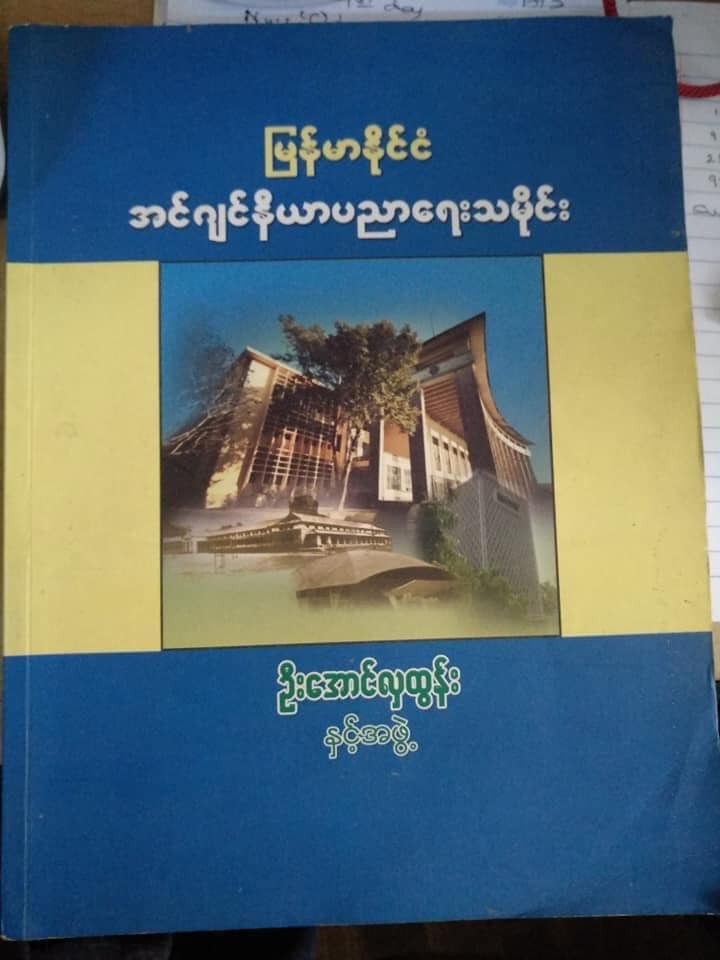
HMEE book was published in December 2012. Copies of the book were donated to Universities’ Central Library and YTU Library.
U Tin U lost his spouse Dr. Daw Khin Kyi Nyunt in November 2019, his elder son Dr. Peter Khin Tun in April 2020 and his son-in-law U Tin Tun in May 2030. He will celebrate his 96th birthday on August 3, 2025.
U Ba Than passed away after his 94th birthday in 2024.
Wrote the article “BOC College Student” for RIT Alumni International Newsletter
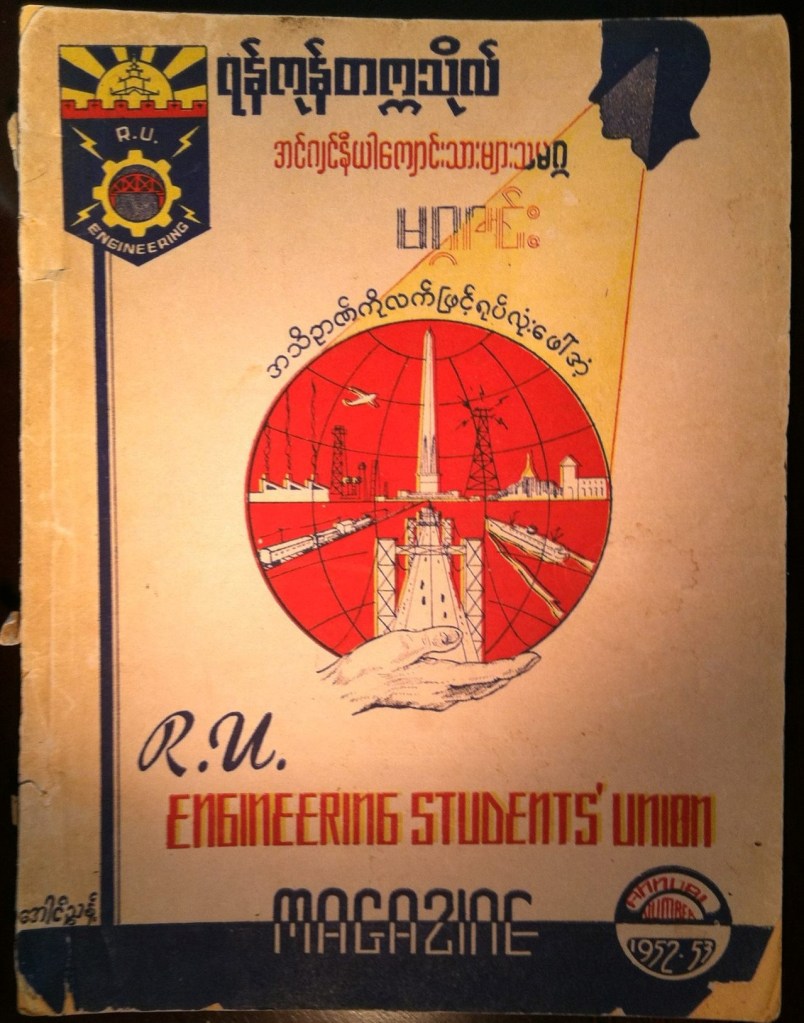
Business Manager for the publication of Rangoon University Engineering Students’ Union Annual Magazine in 1952-53.
Graduated in 1954 with Civil Engineering
MS from MIT as a recipient of the “Twinning Program” proposed by Saya U Ba Hli
Attended SPZP-2000 held in San Francisco. He requested to be seated with Sayagyis.
Letter in 2012
My dear Ko Aung Gyi:
I tried to e-mail you several times in the past few months but they didn’t get through. I was wondering where have you been and how were you doing.
By the way, as I am unable to attend the great Reunion myself, I have two important proposals for you to consider and, if you thought appropriate, present to the Reunion Organizing Committee:
(1) That at the start of the reunion the whole body of attendees should pay respects to Sayagyi U Ba Hli and Dr. Murray P. Horwood from MIT who were instrumental in getting scholarships and admissions for Burmese graduates and students to MIT, Harvard (San Tun Aung and Nelson Chin graduated from there), Cornell (Kyit In [Min Wun] and Kyaw Win), Michigan State, Ann Arbor & East Lansing, Lehigh, even UCLA (my R.U. College of Engineering classmate graduate Ohn Ghine went there) etc. As you know, Dr. Horwood headed the team of professors from MIT to RU Eng. College back in the 1950’s – – that’s how it got started for the Burmese boys like myself to come to the U.S. for further studies.
(2) I believe that this similar kind of arrangement with MIT or other institutions could and should be made with the Myanmar govt and RIT now for Myanmar to catch up with the world. If you have a chance to meet with Daw Aung San Suu Kyi, please tell her about this proposal. Education and higher education, esp. technical and medical, is extremely important for Myanmar students and graduates and for the country, and no one should overlook this.
Thank you very much for your time and consideration of the above.
My best wishes for a Happy, Healthy and Prosperous New Year to you and your family and all our Sayas, colleagues and friends at the Reunion, in Myanmar and overseas. Please take a lot of pictures at the reunion for me!
Aw Taik Moh
1954 B.Sc. Civil Engineering, R.U. Eng. College
M.C.P.(City Planning) M.I.T. 1957
P.S. Since I attended the last reunion in San Francisco many years ago the RIT Committee lost contact with me, otherwise I would have contributed something to the “Book” they are now publishing about the history of the university (which I heard of from Dr. Chris Lee). I want to let you and the Committee know that I have an original copy of the R.U. Engineering Students’ Union Magazine, published in 1953 – in both Burmese and English – for which I was a Business Manager when I was a 3rd year engineering student. It has the photos of Sayagyi U Ba Hli and the entire faculty and Dr. Horwood and all the students.
Updates
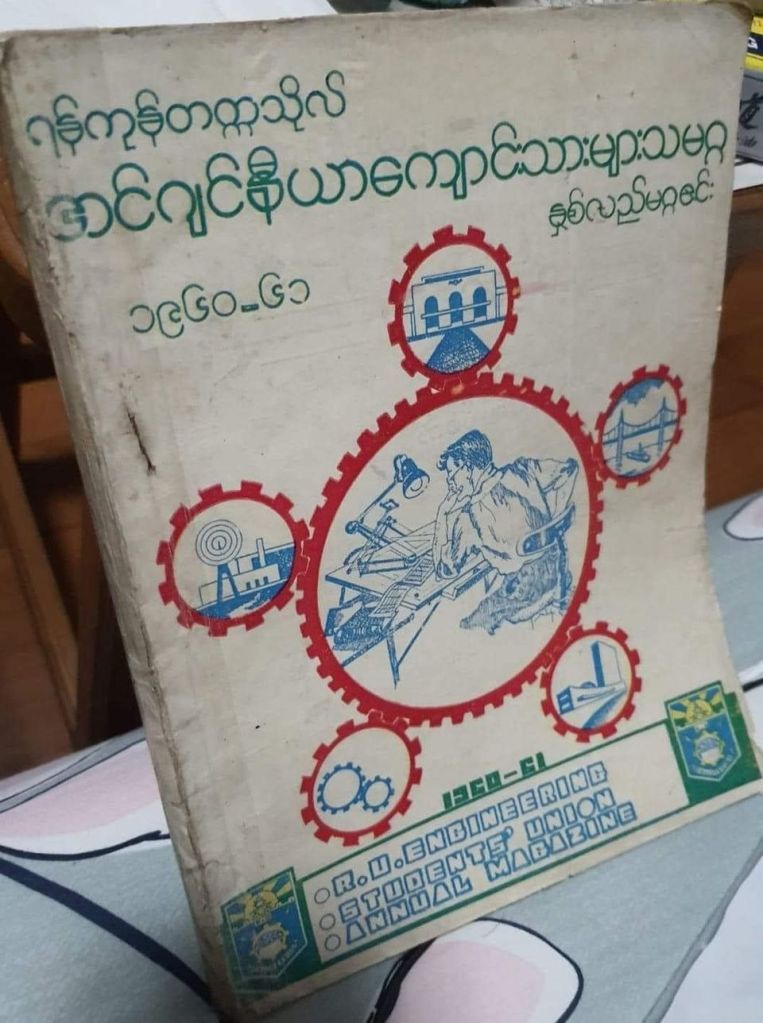
RUESU published six Annual Magazines
Saya U Moe Aung was Editor of the magazine for 1960 – 61




 HlaMin