Category: Concept

  • Rules

    Rule သည် Law ဥပဒေ မဟုတ်။

    လမ်းညွှန် ချက်၊ အကြံပေး ချက် … ပါနိုင်။

    —-

    ** 80/20 Rule

    အရေးကြီးတဲ့ 20 ရာခိုင်နှုန်း ကို ရှာပြီး လုပ်

    လုပ်ငန်း ရဲ့ 80 ရာခိုင်နှုန်း ပြီးစီး / အောင်မြင်နိုင်။

    ကုန်ထုတ်ပစ္စည်း product 20 % ဟာ

    ရောင်းရငွေ sales 80 % ဖြစ်နိုင်။

    Computer code 20 % ဟာ

    Execution time 80 % ကြာနိုင်။

    80/20 တိတိကျကျ ဖြစ်စရာ မလို

    75/25, 70/30 … ဖြစ်နိုင်။

    အရာရာ ကို equal priority မထား ဘို့ သတိထား။

    —-

    ** 90/90 Rule

    Project ရဲ့ 90 % ပြီး တယ် ဆိုပါစို့။

    ကျန်တဲ့ 10 % ကို ပြီးဘို့ အချိန် ကြာတတ်။

    အရင် 90 % ကြာသလောက်ကြာနိုင်။

    အရာတိုင်း ဟာ အခက်အခဲ မတူ တတ်။

    —-

    ** 5-4-3-2-1 Rule

    စိတ်ညစ်စရာ၊ ဒေါသထွက်စရာ၊ … ကြုံရင်

    ငါး၊ လေး၊ သုံး၊ နှစ်၊ တစ် လို့ ရေတွက် ကြည့်။

    အသက် မှန်မှန် ရှူ။

    —-

    ** SMART Goal

    Version အမျိုးမျိုး ရှိနိုင်

    Specific — သေချာ၊ ရေရာ

    Measurable — တိုင်းထွာ နိုင်

    Achievable — ရနိုင်၊ ပြီးမြောက်နိုင်

    Relevant — သက်ဆိုင်

    Time-bound — အချိန်ကန့်သတ်

    ** ဆက်နွယ်

    Conventional Wisdom

    Unconventional Wisdom

  • Horse Racing

    • In our younger days, Rangoon Turf Club held horse races probably every week end.
    • U Chit Khine, father of U Myint Khine (Norman, SPHS57, C63), served as Secretary of the Turf Club.
    • Per U Thein Han, four members of Rangoon Turf Club were invited in 1958 as Guests of Hong Kong Turf Club. They were entertained with a special cruise.
    • Several medical doctors and business men were Patrons.
    • Newspapers ran columns about the forthcoming horse races and their tips on which horses they think will win (take first place) or place (take second place).
    • The races are based on the class (e.g. age, height) of the horses.
      To give a fair chance to the competing horses, the past winners have to carry additional weight as handicap.

    [Per U Khin Maung Zaw (KMZ, EC76)] :
    In the 70s and early 80s, there was a running joke about Hong Kong, where the three most powerful people there were the viceroy, chairman or head of the Chamber of Commerce and the President of the Turf club.

    Treble Tote

    • Three specified races constitute the “Treble Tote”.
    • One has to bet all three winners to claim the Grand Prize.

    Lost time and money

    • Many lost time trying to guess the winners.
    • Lost money betting on the wrong horses.
    • U Ne Win declared that “Horse Racing would be banned [for the good of the people].”
      Grapevine says that U Ne Win did not attend the Martyrs’ Day celebrations, since he wanted to be in the UK for the Derby.

    Visit

    • We had never been to the racing ground.
    • Thein Wai (SPHS63) asked several classmates if they would like to visit the Rangoon Turf Club before it would be closed forever.
      His father (Dr. Ko Gyi) was a Patron of the Club.
    • We saw some “Nwa Pwe” (bullock cart races) that supplement the regular horse races.
  • Harmony

    In our younger days

    Our grand parents and parents had workers who were non-Buddhists. They gave us sweets (for Diwali), dan bauk (for Id) and presents (for Christmas).

    During our younger days, we had classmates who professed different religions and lived in perfect harmony.

    Christians

    Saya U Pe Maung Tin was a Christian, but he helped with the translation of Buddhist texts (e.g. Vissuddhi Magga). Saya also translated the two sermons (Dhammacakka and Anatta Lekkhana Sutta) into English at the request of U Tha Win (who published the two sermons in Pali, Burmese and English).

    Teacher Kywe (PPBRS) was a Karen Christian teacher who transformed me into a “life long learner”. My mother would ask me to visit her several years before she retired.

    Rev. Bernard Taylor (SPHS) retired as a Missionary in the Philippines.

    Rev. Edwin David (SPHS, GBNF) served as Priest of St. Mary’s Cathedral.

    Several RIT alumni (including a few Golden Sponsors) are Christians. They embrace SPZPs.

    The term Saya Pu Zaw Pwe was chosen over Saya Ga Daw Pwe (which had religious connotation) so that all students can pay back the metta and cetana of their mentors.

    Sikhs

    D. S. Saluja (SPHS, RIT) and A. S. Sonu (SPHS) are Sikhs.

    Several Singhs are RIT alumni. They include Meenu, Jagjit, Surinder, and Uttam.

    Muslims

    • Arzani U Razak
      Early Graduate of National College
      Principal of National School in Mandalay
      Was nominated by several Sayadaws to be Education Minister in Bogyoke Aung San’s Cabinet
    • U Raschid
      Student Leader for RUSU and Ba Ka Tha
      Minister
    • U Khin Maung Latt
      Minister
    • U Pe Khin
      Negotiator at Pin Lon Conference
    • Bohmu Ba Shin
      Burma Historical Commission
    • U Hla Kyi (Geologist, younger son of U Razak)
      Helped solve the “Foundation” problem at Shwe Dagon Pagoda
    • Edward Hla Shwe I and II (SPHS) were Muslims.
    • Several RIT alumni (including the organizers at RIT Alumni International and 69er gatherings) are Muslims.
    • U Thein Ngwe (Ko Thein Tokyo) sent a photo of RIT Muslim students in 1971.
    This image has an empty alt attribute; its file name is ritm-tn.jpg

    Men on the Moon

    For the last stanza of my poem “Men on the Moon”, I wrote

    “Are we not brothers here on earth?
    So let us all unite.
    There will be heaven here on earth
    If we all cease to fight”.

  • Opinion

    Everyone is entitled to an opinion. e.g. Social media is good for getting contact with lost friends, but not good for use in research papers.

    Some newspapers have Op-Ed (Opinion and Editorial). e.g. There may be two competing opinions of DST (Daylight Savings Time) : one for and one against.

    An opinion may not be true. It may have biases and unintentional errors.

    One should not react to an unfavorable opinion. e.g. Names may not be a hobby for everyone.

    One should take whatever is relevant in the opinion. Then, optionally, one should respond (e.g. which parts are relevant, and which parts are not).

    The following are examples of incorrect assessments by experts.

    • “Joe Montana cannot be an efficient Quarterback, because he does not have the structure, strength and finesse.” JHe went on to win four Superbowl, and entered the Football Hall of Fame.
    • “Apple Music and Apple Computers are two different fields. There need not be confusion with Apple in their names and products.” The judge for the Trade Mark suit could not see deep into the future. The Beatles songs (owned by Apple Music) are played in iPod (owned by Apple Computers).
    • “The Long Jump record at Mexico City Olympics will not be broken at other places (with lower altitudes).”
      Bob Beamon’s leap beat the existing Olympic and World Records by a wide margin, and was considered a “fluke” (partly aided by the rarefied atmosphere). The record was broken by Carl Lewis (who won the Long Jump at four Olympics).
  • Errors

    • “To err is human. To forgive divine.”
      I like another version. “To err is human. To really goof, use a computer.”
    • I am imperfectly perfect.
      I write most of the type straight on the keyboard relying on my reasonably good memory.
      I have made intentional and unintentional errors.
      Thanks to my colleagues, friends and readers for catching and correcting them.
    • Word processors also introduce some errors by correcting legal Burmese words and names. e.g. “Nwe” becomes “New” when auto-corrected.
      A work around is to add such words to a private dictionary for use by the word processor.
    • Without analysis of context, a program cannot decide whether you meant “goal” (objective) or “gaol” (alternative spelling for jail).
      Advances in Artificial Intelligence (AI) might help with such problems.
    • Inconsistencies are not easy to detect.
      If I write about Saya U Shwe Hlaing for two posts : “Names — Shwe” and “Names — Hlaing” [at different times], the contents may not be exactly the same.
      A solution is to open multiple pages and edit them at the same time.
    • I use FaceBook for convenience (e.g. getting rapid feedback), but it is not designed for cross-referencing posts.
    • When I am not sure about an alumnus’s year of graduation or discipline, I use X for “unknown or unsure”.
      Most of the time, I get corrected by the readers.
    • There is no “hard and fast” rule for including or excluding names in my posts. The coverage may not be uniform for the names mentioned. My posts are not complete for “Who’s who in Burma and Myanmar?”
    • Have minimized the use of tags.
      Earlier, I tag Subject Matter Experts for their review and feedback.
      Dr. Thane Oke Kyaw Myint, Dr. Khin Maung U and Dr. Nyunt Wai for topics that mention Medical doctors and pioneers.
      U Khin Maung Zaw (KMZ) and Dr. Kyaw Tint for their expertise in computers, and electronics.
      Saya U Moe Aung (Tekaktho Moe War), Saya U Aung Myaing (Okpo Maung Yin Maung) and Saya U Nyunt Htay (Maung Nyunt Htay — Ah Htet Min Hla) for their expertise in Kabyar.
    • Do not know of a good way to cover variants of names.

    U Khin Maung Zaw wrote :

    One of the issues with Burmese names, is that there are more than one way to spell it in English, like Tun vs Htun. We used to have two ထြန္းေအာင္ေက်ာ္ (I left U/Ko on purpose of clarity not for the lack of respect), one of them spell his name Tun Aung Gyaw, the other Htun Aung Kyaw. Hence they are been distinguished as TAG and HAK.

    I used to have a god-grandmother here in US in the early days – she passed some years back, may her soul RIP. We, myself and U Min Maung (EP68), jokingly told her to make sure she spelled our name MAUNG in her will. Khin Mg Zaw may not be the same as Khin Maung Zaw in legalese.

  • Concepts

    ** Education = ပညာ ရေး

    Formal Education

    Information Education

    Theory & Practice

    —-

    ** Teaching = သင်ကြား

    Teacher = ဆရာ

    သင်စရာ၊ မြင်စရာ၊ ကြားစရာ

    ဝါသနာ၊ စေတနာ၊ အနစ်နာ

    (ရှေး)

    Chalk & Talk

    (နောင်)

    Development of Skills

    —-

    *** Learning = လေ့လာ

    Effective Learning / Learning how to learn

    No rote learning

    Spaced review

    Critical Thinking

    Life Long Learning

    —-

    *** Terms

    Evaluation = အကဲဖြတ်

    Discussion = ဆွေးနွေး

    Collaboration = စုပေါင်း လုပ်ဆောင်

    SME / Subject Matter Expert = ဘာသာရပ်ကျွမ်းကျင်သူ

    Target Audience = ရည်မှန်း တဲ့ ပရိသတ်

    (ဒီ Group မှာ အသက် 80ကျော် တွေ၊ ကျောင်းဆရာ တွေ၊ လူလတ်၊ လူငယ် စုံ။)

    Span of Attention = စူးစိုက် ချိန်

    (For many, Less than a minute;

    For some, less than 10 seconds)

    TL;DR = Too Long; Don’t Read

    သိပ်ရှည် လို့ မဖတ်ချင်

    Overview = မိတ်ဆက်

    Summary / Digest = အကျဉ်းချုပ်၊ အနှစ်

    —-

    *** For detailed information,

    ဆက်နွယ် Posts

    ဆက်နွယ် စာအုပ်၊ စာတန်း၊ ကျမ်းကြီး / ငယ်

    ဆက်နွယ် Websites

    Encyclopedia = စွယ်စုံကျမ်း

    (e.g Burmese and English Wikipedia,

    မြန်မာ့ စွယ်စုံကျမ်း)

    တွေ ရှိပါတယ်။

    ***

  • League

    Measure

    • The league is a measure.
    • Jules Verne’s book “20000 Leagues under the sea” was made into a movie.

    Sports leagues

    • Soccer : English Premier League
    • NFL : National Football League
    • NHL : National Hockey League
    • MLB : Major League Baseball
    • MLS : Major League Soccer

    Organizations

    After the First World War, the League of Nations was formed.
    After the Second World War, the United Nations Organization was formed. U Thant served as the Third UNSG (United Nations Secretary General).

    Anti-Fascist People’s Freedom League (AFPFL) had a major role in the struggle for Burma’s Independence.
    National League for Democracy (NLD) has a major role in the restoration of Democracy in Myanmar.

  • Color

    • There is a spectrum of colors.
    • Selected points are given labels.
    • The mnemonics “VIBGYOR” stand for the colors of a rainbow : Violet, Indigo, Blue,Green, Yellow, Orange and Red.
    • Ultra-violet and Infra-red are extensions of the visible scope.
      Special equipment is needed to see and use them.

    Traffic Lights

    • Traffic lights use three colors : Red, Yellow (or Amber) and Red.
    • A friend, who is Color Blind, drives by recognizing which position is e being On.
    • One night, with the electricity cut off, the traffic police used two colored “Ye Khe Chaung” lights. He could not decide whether to stop or go.

    Color Coding

    • The early resistors were color coded.
    • Some engineers, who are Color Blind, had to use meters to determine the values.
    • “If there is a will, there is a way.”

    Color Models

    • Using over simplification, some say “White is the presence of all colors. Black is the absence. ”
    • The early TVs and cameras use the Additive (or Positive) Color Model (also known as RGB). Red, Green and Blue are known as the Primary colors. An arbitrary color can be derived from the three Primary colors.
    • The early printing presses use the Subtractive Color Model (also known as CYMB). Cyan, Yellow, Magenta and Black are the Primary colors.
    • There are alternative ways to model color. One technique uses Hue and Saturation.

    [Per Dr. Kyaw Tint] : We use RGB sub-pixels to form a tiny pixel of flat panel display. Pixel sizes that are unresolvable by naked eyes are in the so called Retina Display screens.

  • Meals

    Meal Types

    • Breakfast
    • Lunch
    • Dinner
    • Supper

    For various reasons (religious, health), some will practice

    • Fasting
    • Intermittent Fasting
    • Eating only one meal the whole day (especially by monks who practice ekāsanika dhutanga)
    • Eating two meals per day
      Most monks take “Ah Yone Soon” after sun rise and “Nei Soon” before noon
    • Eating Brunch (Breakfast and Lunch in one go)
    • Skipping Dinner every day or some days of the week

    Ah Wa Sar (All You Can Eat)

    • During our younger days, many food shops and food stalls offer “Ah Wa Sar”.
    • My father took his assistants to an “Ah Wa Sar” shop during a trip. It was for about one kyat per person. On the return trip, the shop had “Closed for today” sign. It appeared that the assistants ate four or more bowls of rice, several helpings of “Toe Sa Ya” before finishing one or more bowls with the meat.

    Most of my elderly friends have stopped going to “Ah Wa Sar” restaurants because of a seemingly Lose-Lose situation.

    • If you cannot eat a lot, then you lose your money.
    • If you eat a lot, you might not feel good for a few days. You may lose your health.

    Dhutanga

    There are 13 Dhutangas. Two of them are related to eating.

    Dr. Nyunt Wai wrote :

    My one and only temporary monk hood was also with Taung-pu-Lu Sayadaw while he was residing in AD road, Yangon. That time we had to eat one meal and had to mix everything in the bowl. This mixing, if I remember correctly Is called ဘတ္ဒပိုင္ (bud-da-pine) practice and may not be a dhutanga. We also had to stay and sleep under trees (not under roofs) in chairs (not beds) telling us these were dhutangas.

    Dr. Khin Maung U (SPHS63) wrote :

    I think the Dhutangas related to eating needs to be clarified further (about which I learned and practised at Taung-Pu-Lu where I became a temporary monk 5 times in Myanmar in the 1980s):

    (1) ekāsanika dhutanga : a single meal – means one eats at one sitting only once in that day. It does not matter whether there are more than one containers/plates. However, once that person changes position and/or stands up, or declines any more food that is offered (e.g., by a disciple), the person cannot continue eating anymore for that day or the dhutanga is broken.

    (2) pattapiṇḍika dhutanga: everything for eating must be within one bowl – means putting all that will be eaten in one bowl or plate (does not necessarily have to MIX them together before eating – a common misconception). In this case no second bowl or plate is allowed apart from a cup of water (NOT soup, juice, etc.) placed by the bowl. Here again, if that person reaches for food in another plate (e.g., when offered inadvertently by a disciple), this dhutanga is broken.

    A more serious and difficult dhutanga practice is to observe BOTH of these ekāsanika and pattapindika dhutangas together – i.e., eating a meal in one container at one sitting for that day.

    • Dhutangas are ascetic practices consisting of 13 types.
    • The two dhutangas related to eating are the only ones which lay persons can undertake to practice.
    • The other 11 dhutangas (as well as these two related to eating) are for bhikkhus or monks to practice.

    I learned and practised all 13 Dhutangas during the 5 episodes of becoming a monk at Taung-Pu-Lu, one of them at AD Road in Yangon. These include:
    1. paṃsukūla : using only abandoned robes
    2. tecīvarika : using only three robes
    3. piṇḍapāta : collecting food by means of one’s bowl
    4. sapadānacārika : food collection without skipping houses
    5. ekāsanika : a single meal at one sitting
    6. pattapiṇḍika : everything within a single bowl (sometimes confused as mixing everything whereas it is more important to restrict to one bowl or plate)
    7. khalupacchābhattika : no longer accepting any extra food after having started to take the meal
    8. āraññika : to reside in the forest or a kyaung in the forest
    9. rukkhamūla : to remain beneath a tree
    10. abbhokāsika : to remain on the bare earth without shelter
    11. susānika : to remain in a cemetery overnight
    12. yathāsantatika : to sleep or stay at the spot allotted to you
    13. nesajjika : to renounce supine posture (i.e., maintain sitting or standing posture without lying down to sleep; can sleep in chair)

  • Electrical Inspection & Safety

    Electrical Inspectorate (EI)

    U Htin Paw

    Saya U Htin Paw (EE58) taught at RIT. He studied his Masters at the University of Michigan under the UBARI scholarship. After working at UBARI, he joined the Electrical Inspectorate.

    The Chief Electrical Inspectors (e.g. U Aung Than) and Chief Engineers of ESB/EPC taught part-time (mostly on Electrical Safety Procedures) at RIT.

    U Moe Aung

    Saya U Moe Aung (Tekkatho Moe War) has given several refresher courses at EI on the various aspects of Electrical Power & Distribution. Saya had also wrote articles on electrical hazards (e.g. electrocution, downed power lines).

    Safety Risk

    110-120V systems (used in the US) pose less risk to users than 220-240V systems (used in Myanmar).

    To minimize tragedies

    • Main and auxiliary circuit breakers
    • Proper earth connections
    • Using electrical devices that are certified to conform to safety regulations
    • Replacing and repairing faulty electrical devices

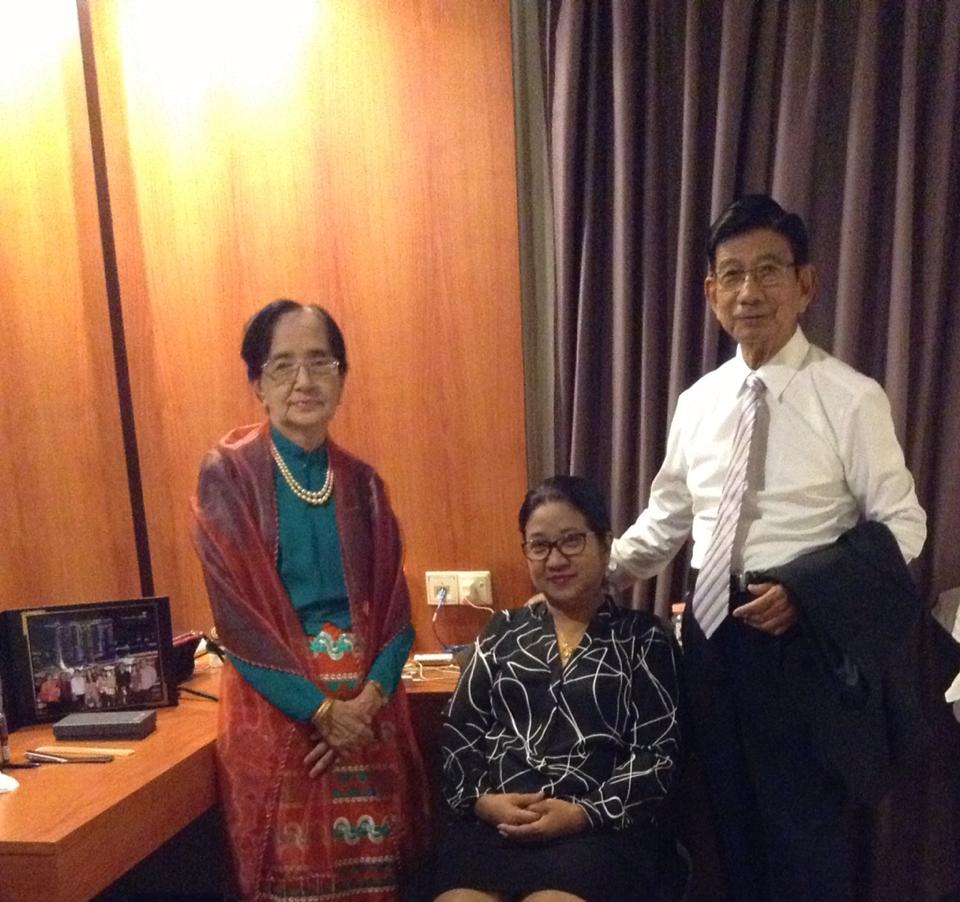
    U Aye Win Kyaw and Son

    U Aye Win Kyaw (in the middle)
    • Saya U Myat Htoo (C68) sent me a voice message.
    • Sad to hear the voice of Saya U Aye Win Kyaw recounting the “bad experience” that led to his son’s untimely death.
    • He pleaded to the clinics and the hospitals to prioritize safety for the patients and their caretakers.