Category: Concept

  • Color

    • There is a spectrum of colors.
    • Selected points are given labels.
    • The mnemonics “VIBGYOR” stand for the colors of a rainbow : Violet, Indigo, Blue,Green, Yellow, Orange and Red.
    • Ultra-violet and Infra-red are extensions of the visible scope.
      Special equipment is needed to see and use them.

    Traffic Lights

    • Traffic lights use three colors : Red, Yellow (or Amber) and Red.
    • A friend, who is Color Blind, drives by recognizing which position is e being On.
    • One night, with the electricity cut off, the traffic police used two colored “Ye Khe Chaung” lights. He could not decide whether to stop or go.

    Color Coding

    • The early resistors were color coded.
    • Some engineers, who are Color Blind, had to use meters to determine the values.
    • “If there is a will, there is a way.”

    Color Models

    • Using over simplification, some say “White is the presence of all colors. Black is the absence. ”
    • The early TVs and cameras use the Additive (or Positive) Color Model (also known as RGB). Red, Green and Blue are known as the Primary colors. An arbitrary color can be derived from the three Primary colors.
    • The early printing presses use the Subtractive Color Model (also known as CYMB). Cyan, Yellow, Magenta and Black are the Primary colors.
    • There are alternative ways to model color. One technique uses Hue and Saturation.

    [Per Dr. Kyaw Tint] : We use RGB sub-pixels to form a tiny pixel of flat panel display. Pixel sizes that are unresolvable by naked eyes are in the so called Retina Display screens.

  • Meals

    Meal Types

    • Breakfast
    • Lunch
    • Dinner
    • Supper

    For various reasons (religious, health), some will practice

    • Fasting
    • Intermittent Fasting
    • Eating only one meal the whole day (especially by monks who practice ekāsanika dhutanga)
    • Eating two meals per day
      Most monks take “Ah Yone Soon” after sun rise and “Nei Soon” before noon
    • Eating Brunch (Breakfast and Lunch in one go)
    • Skipping Dinner every day or some days of the week

    Ah Wa Sar (All You Can Eat)

    • During our younger days, many food shops and food stalls offer “Ah Wa Sar”.
    • My father took his assistants to an “Ah Wa Sar” shop during a trip. It was for about one kyat per person. On the return trip, the shop had “Closed for today” sign. It appeared that the assistants ate four or more bowls of rice, several helpings of “Toe Sa Ya” before finishing one or more bowls with the meat.

    Most of my elderly friends have stopped going to “Ah Wa Sar” restaurants because of a seemingly Lose-Lose situation.

    • If you cannot eat a lot, then you lose your money.
    • If you eat a lot, you might not feel good for a few days. You may lose your health.

    Dhutanga

    There are 13 Dhutangas. Two of them are related to eating.

    Dr. Nyunt Wai wrote :

    My one and only temporary monk hood was also with Taung-pu-Lu Sayadaw while he was residing in AD road, Yangon. That time we had to eat one meal and had to mix everything in the bowl. This mixing, if I remember correctly Is called ဘတ္ဒပိုင္ (bud-da-pine) practice and may not be a dhutanga. We also had to stay and sleep under trees (not under roofs) in chairs (not beds) telling us these were dhutangas.

    Dr. Khin Maung U (SPHS63) wrote :

    I think the Dhutangas related to eating needs to be clarified further (about which I learned and practised at Taung-Pu-Lu where I became a temporary monk 5 times in Myanmar in the 1980s):

    (1) ekāsanika dhutanga : a single meal – means one eats at one sitting only once in that day. It does not matter whether there are more than one containers/plates. However, once that person changes position and/or stands up, or declines any more food that is offered (e.g., by a disciple), the person cannot continue eating anymore for that day or the dhutanga is broken.

    (2) pattapiṇḍika dhutanga: everything for eating must be within one bowl – means putting all that will be eaten in one bowl or plate (does not necessarily have to MIX them together before eating – a common misconception). In this case no second bowl or plate is allowed apart from a cup of water (NOT soup, juice, etc.) placed by the bowl. Here again, if that person reaches for food in another plate (e.g., when offered inadvertently by a disciple), this dhutanga is broken.

    A more serious and difficult dhutanga practice is to observe BOTH of these ekāsanika and pattapindika dhutangas together – i.e., eating a meal in one container at one sitting for that day.

    • Dhutangas are ascetic practices consisting of 13 types.
    • The two dhutangas related to eating are the only ones which lay persons can undertake to practice.
    • The other 11 dhutangas (as well as these two related to eating) are for bhikkhus or monks to practice.

    I learned and practised all 13 Dhutangas during the 5 episodes of becoming a monk at Taung-Pu-Lu, one of them at AD Road in Yangon. These include:
    1. paṃsukūla : using only abandoned robes
    2. tecīvarika : using only three robes
    3. piṇḍapāta : collecting food by means of one’s bowl
    4. sapadānacārika : food collection without skipping houses
    5. ekāsanika : a single meal at one sitting
    6. pattapiṇḍika : everything within a single bowl (sometimes confused as mixing everything whereas it is more important to restrict to one bowl or plate)
    7. khalupacchābhattika : no longer accepting any extra food after having started to take the meal
    8. āraññika : to reside in the forest or a kyaung in the forest
    9. rukkhamūla : to remain beneath a tree
    10. abbhokāsika : to remain on the bare earth without shelter
    11. susānika : to remain in a cemetery overnight
    12. yathāsantatika : to sleep or stay at the spot allotted to you
    13. nesajjika : to renounce supine posture (i.e., maintain sitting or standing posture without lying down to sleep; can sleep in chair)

  • Electrical Inspection & Safety

    Electrical Inspectorate (EI)

    U Htin Paw

    Saya U Htin Paw (EE58) taught at RIT. He studied his Masters at the University of Michigan under the UBARI scholarship. After working at UBARI, he joined the Electrical Inspectorate.

    The Chief Electrical Inspectors (e.g. U Aung Than) and Chief Engineers of ESB/EPC taught part-time (mostly on Electrical Safety Procedures) at RIT.

    U Moe Aung

    Saya U Moe Aung (Tekkatho Moe War) has given several refresher courses at EI on the various aspects of Electrical Power & Distribution. Saya had also wrote articles on electrical hazards (e.g. electrocution, downed power lines).

    Safety Risk

    110-120V systems (used in the US) pose less risk to users than 220-240V systems (used in Myanmar).

    To minimize tragedies

    • Main and auxiliary circuit breakers
    • Proper earth connections
    • Using electrical devices that are certified to conform to safety regulations
    • Replacing and repairing faulty electrical devices

    U Aye Win Kyaw and Son

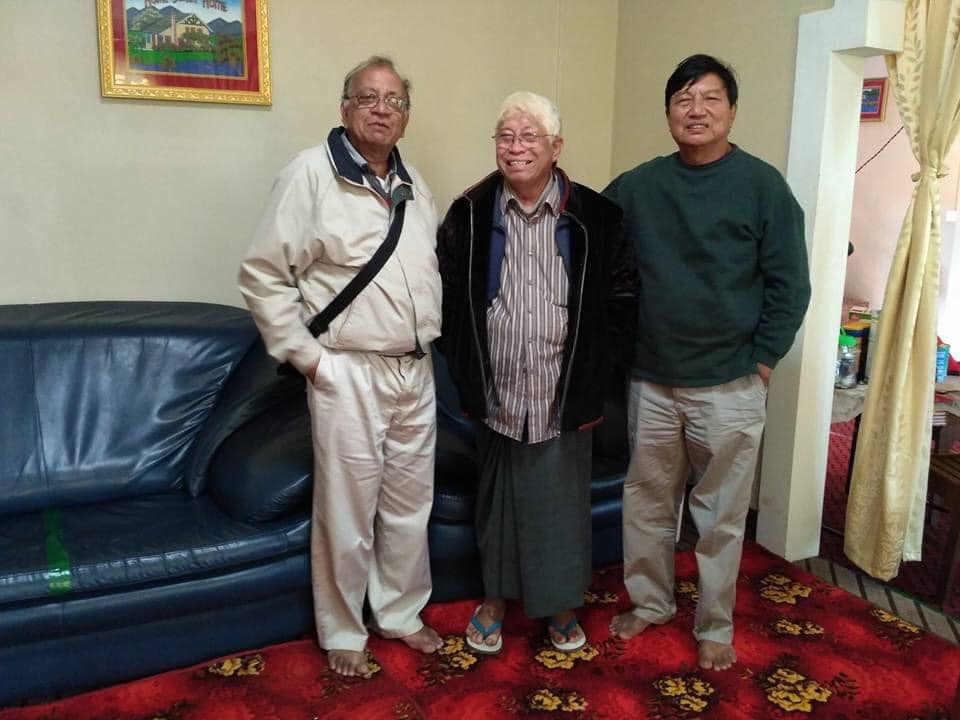
    U Aye Win Kyaw (in the middle)
    • Saya U Myat Htoo (C68) sent me a voice message.
    • Sad to hear the voice of Saya U Aye Win Kyaw recounting the “bad experience” that led to his son’s untimely death.
    • He pleaded to the clinics and the hospitals to prioritize safety for the patients and their caretakers.
  • Myee

    None of my four grandparents were around when I was born. So, I cannot directly relate to them.

    Thar ah chit. Myee ah hnit” goes an old saying.

    • Did not know much about the world when I was young
    • Modern day kids — whether they are born in Myanmar, USA, or else where — seem to be highly intelligent
    This image has an empty alt attribute; its file name is g-and-j-1.jpg
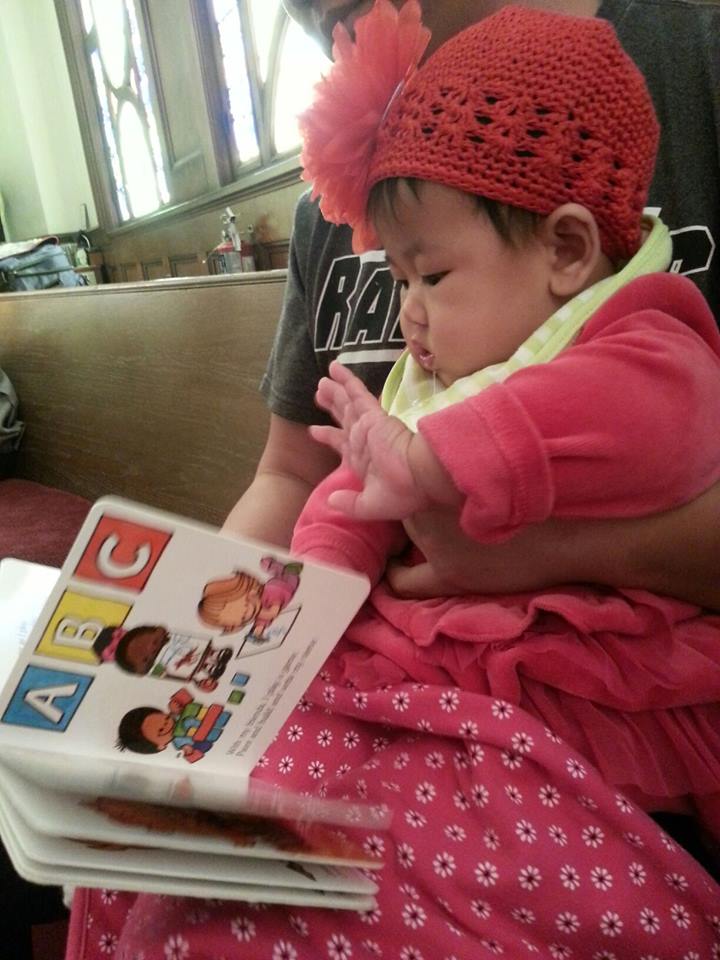
    Two Myees
    • My “Myee Ma” (granddaughter) would say, “I will take care of GP (Grand Pa) a lot. I will help him exercise. Have massage. … I have a doctor’s bag.”
      She is in Fourth Grade.
      Her hobbies include Reading, Writing, Painting, Riding Bike, Singing, Dancing, Swimming, Gymnastics and Taking photos.
    • My “Myee Htee” (grandson) understands both the spoken language and the body language (even when he was a toddler).
      When told to “Nann“, he will kiss my cheeks.
      He has a sense of when we are coming [to visit him] or when we are leaving. He will hug and give a flying kiss.
      He is in First Grade.
      His hobbies include Video Games, Kung Fu, Soccer, Swimming, Playing the Piano and Hiking.
      He is athletic : dribble a basketball for 30+ seconds, kick and shoot football, swing a baseball bat, and race with remote control cars.
    This image has an empty alt attribute; its file name is csn-a.jpg
    Myee Gyi
    This image has an empty alt attribute; its file name is g-and-j-2.jpg
    Myee Lay
    This image has an empty alt attribute; its file name is g-and-j.jpg
    My Myees
    • Perhaps the same can be said of “Myees” everywhere.
      
    • We are somewhat lucky that we don’t have to take care of our “Ah Hnits” 24 by 7.
      
    • As one alumni jokingly said, “Myees should just be Myee [tasted]”.

    Sayama Toni wrote :

    My myees were not around me much, only for visits, but now in their 20s, they care for me in their own way. Myee-ma lay Thitsa got a pay raise recently and ‘ka-dawk-dare’ me with money. She does that now and then. The recent one, I’m saving for grand father’s yearly donation of his death. The myee-yauk-kyar lay, Ye Htut, loves to cook and I used to complain abt my clean kitchen messed up. But, he washes everything and cleans the kitchen. So, I enjoy them in a way. Ye Htut will be here for a couple of months before he returns to college, so I let him do as he pleases.

  • Habit

    Good and Bad Habits

    • Good habits allow us to perform things in auto-pilot mode.
    • Bad habits (e.g. addiction) are easy to develop, but difficult to quit.
      With patience and practice, we can modify and substitute the bad components in the habit with good ones. The triggers may remain the same, but good actions can yield satisfactory results.

    My Experience

    Hla Min

    I spent a lot of time playing the Solitaire Card Games. I received a sense of gratification with the awards : Bronze, Silver, Gold, Diamond and Perfect.

    I stopped playing Solitaire and spent more time writing and sharing my knowledge and experience via my Posts. I now receive a sense of gratification with the “kind words” by my readers.

    Smoking

    • My uncle smoke two packs of cigarettes every day.
      He successfully quit smoking partly due to his doctor’s advice and partly due to his determination to live a long, healthy life.
      He lived to his 80s.
      It could have been more if he did not have a fall. There was no immediate signs of danger, but he passed away a few days later.
    • My teacher tried to quit smoking. His buddies and students offered him cigarettes to keep them company.
      He also tried the substitution method using Chewing Gums.
      He added one more addiction.
      It would take some time before he kicked both habits.

    Habitual Kamma

    • Habitual Kamma (e.g. meditating every day) is important.
    • U Po Sa would recite “Mora Sutta” (Daung Min Payeik) before going for a daily morning walk along Inya Road with his close friends. Knowing U Po Sa’s habit, the kidnappers waited in the early morning and kidnapped him. U Po Sa got free.
      Some attributed U Po Sa’s release to Habitual Kamma (e.g. recital of the Mora Sutta).

    Books

    • Seven Habits of Highly Effective People” by Stephen Covey is a Best Seller.
    • Covey also wrote another book on the Eighth Habit.
    • “The Power of Habit” by Charles Duhigg is another Best Seller.
      Duhigg points out where to “break” the cycle in a habit.
    • Many books are available as e-Book and Audio book.
    • If one just wants to have teasers or summaries before buying a book, one can subscribe to Blinkist.com
  • Childhood

    School

    I did not cherish going to school at an early age. It was not fun to use slate.
    All that changed when a caring Karen Christian Teacher named “Teacher Kywe” magically transformed me into a dutiful student with an inquiring mind.
    I later did well in academics. I won the Collegiate Scholarship in 1963.
    I was selected Luyechun (Outstanding Student) from the Rangoon Institute of Technology in the Summer of 1965.

    Kha Lay Ah Thinn

    Some time back, my cousin sister said, “I still have the paper with the song that you wrote for Kha Lay Ah Thinn.”
    When we were young, there was no Internet or TV. The Burma Broadcasting Service (BBS) would broadcast for specified hours in the morning, afternoon, evening and night.
    We spend a lot of time outdoors. One hangout was the corner in our uncle’s compound.
    Someone came up with the idea that we should form a “Kha Lay Ah Thinn”. I was chosen to be the “Okkahta” (President). I am not a composer, but that did not prevent me from trying out a “Theme Song”. The music and lyrics were not spectacular, but I would have earned a nod for moving out of my comfort zone.
    We did not have fund. Our uncles, aunts and elder cousins decided to help with the fund raiser. There was the renowned “Bu Thee Gyaw & Ah Chin”. It may be a sign that I would become an organizer.

    Myees

    With Myees

    The elder Myee is in Fourth Grade. Her hobbies include Reading, Writing, Swimming, Gymnastics and Music.
    The younger Myee is in First Grade. His hobbies include Video Games, Kung Fu, Soccer, Swimming and Music.
    They have lots of books, educational kits and toys. They enjoy their weekends by visiting libraries, zoos, play grounds, gyms, and children museums. They like TV, You Tube and taking photos.

  • Interesting Photos

    Old Receipt

    Less than 150 kyats for feeding 25 students at Saya U Myo Win’s farewell.

    Receipt

    RUBC in 1948 – 1949

    Sixth Buddhist Council Sayadaws

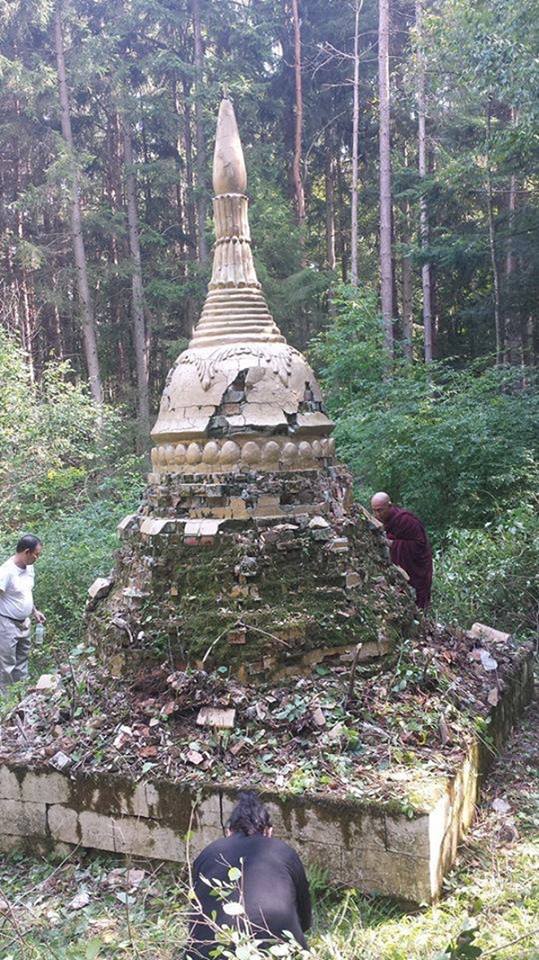
    Oldest Pagoda in the USA

    Built by U Thilawuntha (Mon Sayadaw, Dat Paung Zon)

    Allegheny, New York in the 50’s

    Pagan Road Residents in December 1958

    Children of RU Sayas (U Wun, U Thein Han, U Myo Min, U Yu Khin)

    Sama Duwa Sin Wa Naung

    The Coup D’etat in March 1962 detained President Mahn Win Maung.

    Sama Duwa had been designated to succeed Mahn Win Maung.

  • Fire

    Fire is a good servant but a bad master.

    Fire is one of man’s five enemies.

    There are several causes of fire. They include :

    • failure of power and gas lines
    • lightning
    • negligence
    • hate crimes
    • arson

    In 2018, three fires occurred in California almost at the same time and caused severe damage. It was a relief to learn that the Burmese in California are not affected by the fires.

    Camp Fire devastated Paradise in Northern California and transformed it into Hell.

    Smoke from the “worst fire in California” polluted air to cities near and fire. Several people wore masks. The term “worst” refers to the fact that the number of structures (buildings, garages, and barns) destroyed by Camp Fire is a new record.

    Some were trapped inside the cars while trying to flee. Some had to leave their cars behind. A few managed to walk to safety.

    Fire occurred in two places in Southern California.

    • Thousand Oaks had a double tragedy : fire following a senseless mass murder.
    • Malibu — home of selected actors and actresses — was also hit by fire.
  • Records

    Believe it or not

    Ripley’s “Believe it or not” named U Khanti Kyauksar (inscriptions) of the Fifth Buddhist Council (Synod) held in Mandalay as the “Largest Book” in the world.

    Guinness Book of World Records

    The Guinness Book of World Records listed Tipitakadara Sayadaw Ashin Vicittathara as having a phenomenal — the best at that time [in 1954].

    In the First Buddhist Council, Ashin Upali served as the Reciter of Vinaya (Rules of monastic conduct). Ashin Ananda served as the Reciter of Sutta (Buddha’s Discourses) and Abhidhamma (Ultimate Reality).

    In the Sixth Buddhist Council held at KabaAye (World Peace) Pagoda in Rangoon, Burma from 1954 – 1956 Ashin Vicittathara served as the Reciter of Vinaya, Sutta and Abhidhamma. He also recited the selected Commentaries.

    Sayadaw could memorize, recall, and give exposition on 8027 pages of the Buddhist Scriptures known as Tipitaka [“Three Baskets”] : Vinaya, Sutta and Abhidhamma at the second to fifth Tipitakadara examinations. He passed with distinction in both oral and written parts.

    Sayadaw served as an examiner for the first Tipikadara examination. Sir U Thwin requested Sayadaw to take the examination. The rest is history.

  • Traffic Safety

    Traffic accidents often result in injury and death.

    Types of accidents

    • Fender bender
    • Multi-car crash
    • Head-on collision
    • Tumble & roll-over
    • Car hitting pedestrians

    Causes

    Accidents can be caused by

    • Roads which are not designed properly
    • Roads which are not maintained
    • Inclement weather
    • Drivers not obeying traffic rules (e.g. texting while driving)
    • Sleep deprived drivers
    • DUI : Driving under the influence of alcohol
    • Road rage
    • Engine and mechanical failure
    • Vehicles that are not land-worthy
    • Unsafe tires
    • Medical emergency to the driver (e.g. heart attack)
    • Tail gating

    Practice

    • Many countries employ the “STOP” sign and the letters “STOP” printed on the road. The majority of drivers obey them. The minority are cautioned with citations.
    • Automobile associations and the volunteers for Public Safety give refresher courses for “Safe Driving”.
    • U Thein Tun Aung (Dennis) gave a seminar in Yangon on “Traffic control (e.g. how to design monitor and synchronize traffic lights).”