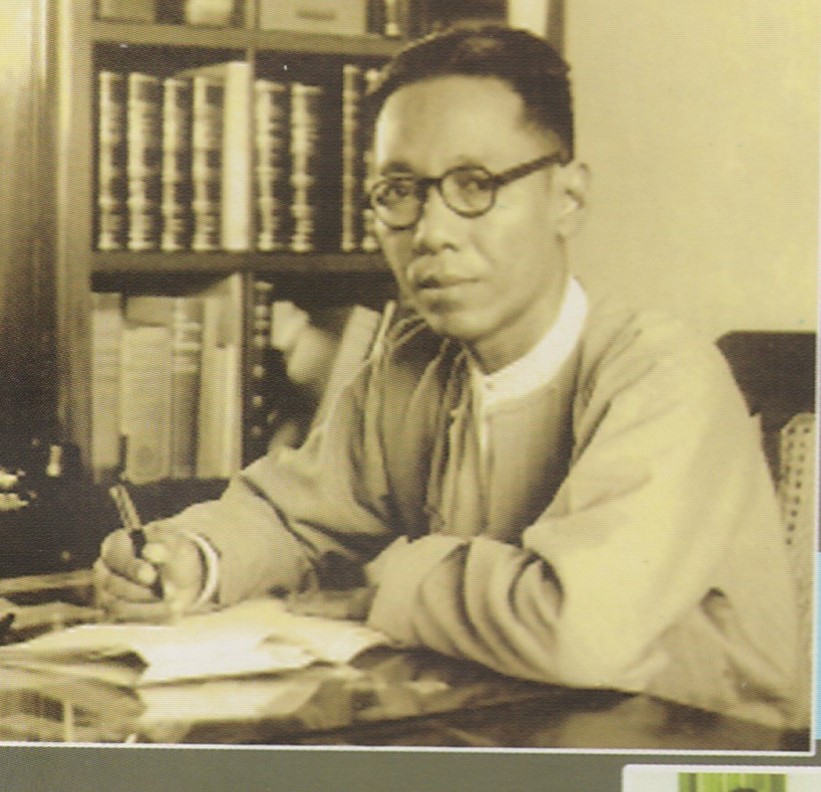
He is a scholar and a distinguished poet. His mentor is Saya U Pe Maung Tin, who successfully proposed to Rangoon University to establish the Burmese Department.
He studied at RU and Oxford University.
He headed the Translation Department, Rangoon University.
He served as Professor of Burmese, Rangoon University and as Visiting Professor, Osaka University, Japan.
He founded “Khit San Sar Pay” with Saya Zaw Gyi (U Thein Han) and Theikpan Maung Wa (ICS U Sein Tin). At one gathering, Sayagyi U Pe Maung Tin introduced the trio as “my three bright students, who are more talented than me.”
His friends include Saya Dr. Hla Pe, Professor at SOAS University of London and U Tet Tut, who persuaded the British Museum to return artifacts to Burma for display at the National Archives.
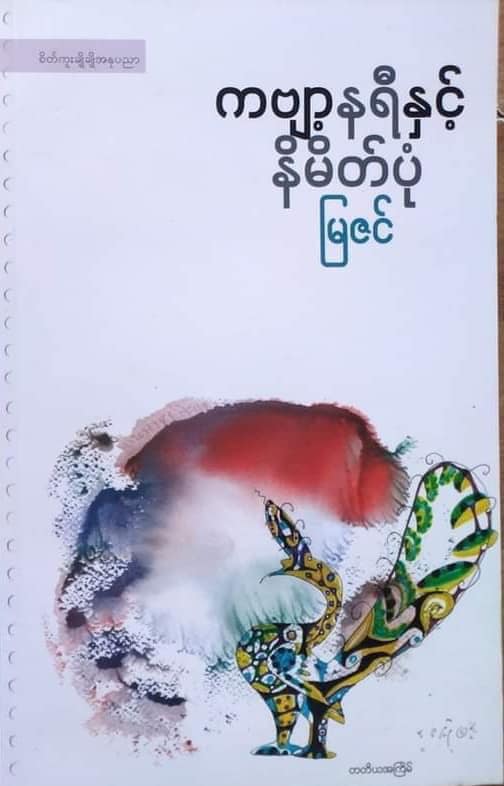
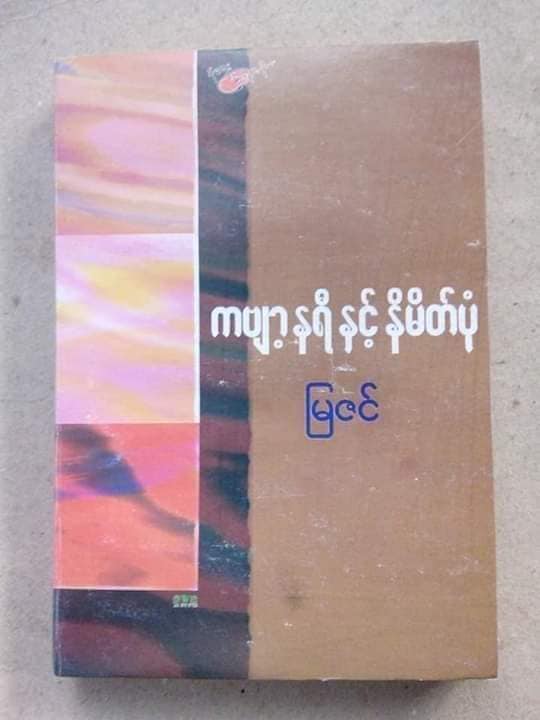
He is a Laureate Poet. Many aspiring poets learned from his poems (“Pyinma Ngoak Toe”, …) and books such as “Su Tu Pyu”. His literary friends led by “K” (BBS U Khin Zaw) and Tet Toe translated and published his poems and his classic short story “Bagyi Aung Nyar De”.
He is a linguist and a lexicographer. His passion was to compile a comprehensive Burmese dictionary. Due to resource constraints, he could only partially complete his pet project.
At the invitation of “Chit Mann Nwe” (Professor Harada, Osaka University), he taught and researched at Osaka University with Professor Harada and his team. His works include the Japanese – Burmese Dictionary and several research papers.
Professor Harada never forgot his roots and used “Mann” (Mandalay) in his pen name. He won a literary prize in Japan for translating “Thway” into Japanese.
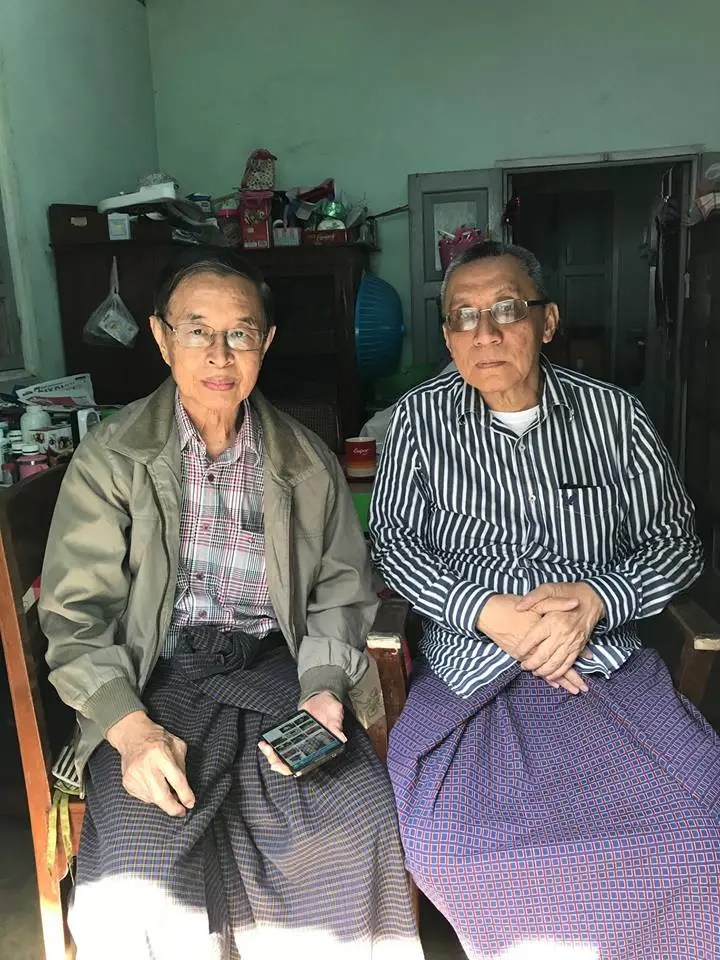
He has two sons U Nyan Soe & U Htin Kyaw and a daughter Daw Htar Cho.
U Htin Kyaw
He named his younger son as Htin Kyaw / Peter Wun / Maung Po / Dalaban. U Htin Kyaw wrote with the pen name “Dalaban”. He represented the Institute of Economics in Swimming, Water Polo and Rowing. He also played Tennis. He worked at the Institute of Economics, UCC, HIC and FERD. He helped run Daw Khin Kyi Foundation. He is a former President of Myanmar.
News may stand for the four directions : North, East, West and South
News may be formal or informal.
In the early days, News Agencies served as a source for newspapers and radio. Reuters, AP, UPI are some of the agencies.
In our younger days, there were Morning newspapers, Evening newspapers and Weekly newspapers.
The newspapers were printed in batches. The early batches were dispatched to other cities via car or rail. The later batches were usually given to distributors. Some newspapers reserve space on the front page to print “Breaking News”.
Newspapers employ reporters or correspondents for the Local and Regional News. There may be student reporters, sports reporters and ad-hoc reporters.
Newspapers usually print corrections the following day, but some people might not take time to read such corrections. Unethical journalists may rush to report news (without fact checking).
After the Coup d’etat, there were changes.
NAB (News Agency Burma) was established to control the dissemination of news. The English Section editors compile the news from the news agencies. The Burmese Section editors compile the local news. They selectively translate the foreign news into Burmese.
Four old newspapers were continued as government newspapers. Two new newspapers were established. “Loke Tha Pyithu Nay Zin” was headed by Shwe Oo Daung. “Working People’s Daily” (WPD) was headed by U Khin Maung Latt.
Censorship grew over the years.
CNN (Cable News Network) was one of the early TV stations with emphasis on news. Its sister station HLN (Headline News) ran 30-minute segments of the “current” news.
The Internet and smart devices forced the demise of several newspapers.
I translated some Kabyars by Saya U Moe Aung (Tekkatho Moe War, Laureate Poet)
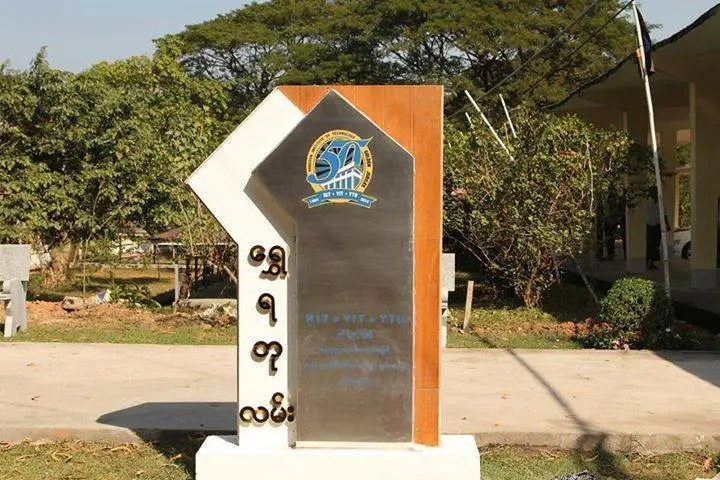
Shwe YaDu Lann Commemorating RIT Golden Jubilee in 2014
To The Shwe Duo In memory of Saya U Tin Shwe (EP66) and Saya U Hla Shwe (T69)
Computer In My Heart Old Kabyar written in Singapore
Shwe YaDu Lann (Kabyar) by Tekkatho Moe War
Shwe YaDu Lann Let it be rough [but it’s tough]. Flowers are blossoming again. Fear not the summer Care not the rain [drops] or the thick fogs & darkness or if winter’s not true to its form
Shwe YaDu Lann Let it be rough. No gentle stream flowing Fear not high winds Care not dense clouds Topsy turvy [come what may] Can paddle upstream With strong mind & conviction Place where heroes [Thu Ye Kaungs] are produced .
Swel Daw Myaing Dann Shwe YaDu Lann is a start [of a journey] To raise the Banner loftily to the skies, to the Zenith displaying our Thitsa (vow of truth and integrity)
Shwe YaDu Lann
To The Shwe Duo (Kabyar) by Tekkatho Moe War
SHWE duo Blossom in unison Disappear together Free from complaint Even with thin breath Showed mark [of courage and wisdom] Never ever wavered … Pressed by burden At the awaited turn [of journey’s end] Body — inheritance [from previous lives] Succumbs [to failing health] Yet, “Wei-nyin” is fresh, alive and hovering. [ Wei-nyin = ဝိညာဥ္ ]
To the Shwe DuoU Tin Shwe (EP66)U Hla Shwe (T69)
Computer In My Heart By Tekkatho Moe War
Desktops to select at will, computers [galore] encircle [me], obey my command in an AC room, touch keypad where finger tips lie, [work] and rest somewhere in a foreign land
Computers welcome data — texts, messages, numbers with open arms. Fabulous memory store forever, retrieve [compute & display]
Deep within my heart stored & preserved, [notable] events of my life love, hate, loss, gain [joy, pain] assessed & archived — in my heart’s computer. Shaking, pushing, … to close it’s door would be in vain. My dear beloved do you think I can ever forget?
ရန်ကုန်ကောလိပ် ကျောင်းအုပ်ကြီး Principal, Rangoon College
1918 ပညာရေးအဖွဲ့ ရဲ့ Vice Chairman
အားကစား / ဘော်လုံး — အားပေး Sports / Soccer
ကျောင်းသား များ က ချစ်ခင်လေးစား Appreciated by students 1920 သပိတ်မှောက် ကျောင်းသားများ က ကန်တော့ တောင်းပန် RU Strike Students sincerely told him that there was nothing personal about the boycott 1923 အင်္ဂလန် ပြန် — နှုတ်ဆက် မျက်ရည် ကျ He shed tears during the farewell to move back to England in 1923
1917 – 1922 ဥက္ကဌ၊ Burma Research Society — President
Matthew Hunter Gold Medal ရွှေတံဆိပ်
စည်းကမ်းကြီး Disciplinarian
ကိုဘသန်း (နောင် Dr. ဘသန်း) နဲ့ ကိုကျော်မြင့် (First in Burma; နောင် ဝတ်လုံတော်ရ ဦးကျော်မြင့်) တို့ကို Calcutta တက္ကသိုလ် က စစ် တဲ့ ဆေးပညာ သင်ခွင့် စာမေးပွဲကို ဖြေခိုင်း။ He chose Ko Ba Than and Ko Kyaw Myint to take the examination by Calcutta University to study medicine.
ကိုကျော်မြင့် က မိခင်စျာပန တက်ရောက်ခွင့်တောင်း။ ဆရာ က ခွင့်မပြု။ ကိုကျော်မြင့် က စျာပန တက် လို့ ကျောင်းထုတ်ခံရ။ Ko Kyaw Myint asked permission to attend his mother’s funeral. Saya refused. Ko Kyaw Myint attended the funeral. He was expelled.
—-
မာ့က် ဟန်တာ Mark Hunter
Sir John Mark Somers Hunter (1865 – 1932)
အင်္ဂလိပ်စာ / စာပေ ဆရာ & စာအုပ်ပြုစု သူ Author of Texts on English Literature
Director of Coimbatore College, Professor of Presidency College, Madras, India
1918 ပညာရေးအဖွဲ့ ရဲ့ Chairman
1918 -1920 Professor, Government College, Rangoon, Burma
ပညာမင်းကြီး Director of Public Instruction
1920 RU Act ရန်ကုန်တက္ကသိုလ် အက် ဥပဒေ ကိုအဆိုပြု
ကျောင်းသား များ နဲ့ ထိတ်တိုက်တွေ့ RU students staged a Strike to protest the 1920 RU Act