by Hla Min
Updated : October 2026
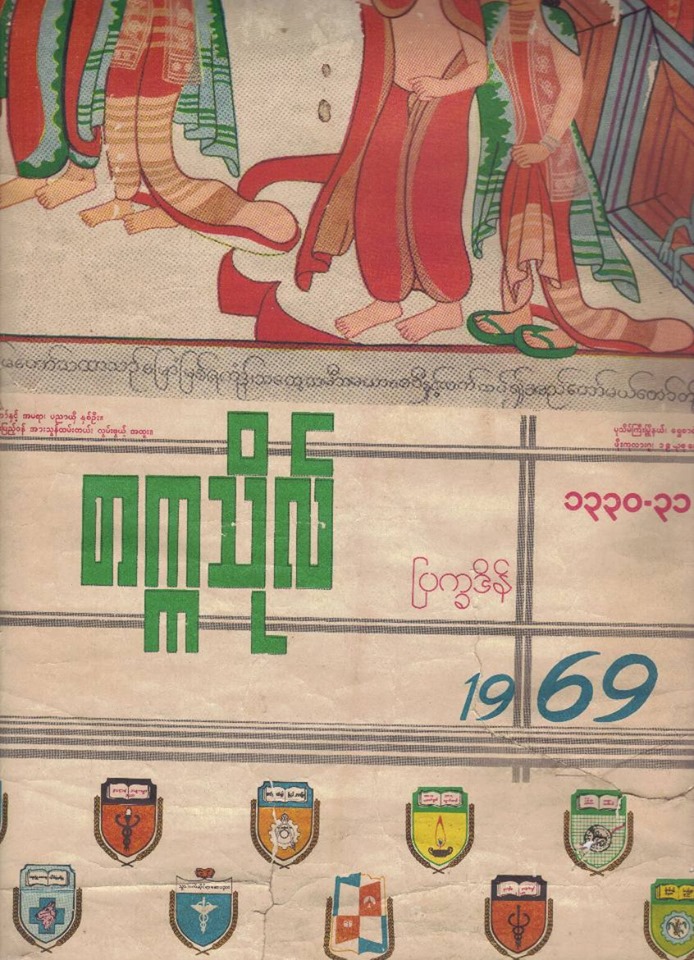
Academic calendar
It may span two years. For example, the Class of 1958 has to attend classes in 1957 and 1958.
Civil calendar
It is used for Civil or Administrative purposes. It is also used for general purpose by people and organizations.
Early Roman calendar
It covered only 10 months.
September, October, November and December were 7th, 8th, 9th and 10th months. Note that “Sept” stands for 7, “Oct” for 8, “Nov” for 9, and “Dec” for 10.
Fiscal calendar
Usually has four Quarters: Q1, Q2, Q3 and Q4
Gregorian calendar
Named after Pope Gregory. It has “leap year” correction for century years. A century year is considered a leap year if it is divisible by 400. e.g. 1900 is not a leap year, but 2000 is a leap year
Julian calendar
Named after Julius Caesar. It is a revised Roman calendar with 12 months. December is the 12th month.
Lunar calendar
It is based on the monthly cycles of the moon. A lunar year usually has 355 days. Some lunar calendars are pure (e.g. Islamic calendar). Some lunar calendars are luni-solar calendars.
Luni-solar calendar
It syncs up with the solar calendar by adding a month every three years.
Mayan calendar
It is a “long count” calendar used by the Mayan civilization. It is made up of 260 days (13 x 20 day group). nThe great cycle used by the calendar ended in December 2012 causing doomsday proponents to raise alarm about the “end of the world”.
Myanmar calendar
It is a luni-solar, socio-religious calendar. Many festivals are celebrated on the Full Moon day of selected months (e.g. Kason). The extra month used for synchronization is called “Second Waso”.
Religious calendar
It is used to celebrate religious events. The Islamic calendar is a purely lunar calendar. Hence, the holy month of Ramadan falls in different months of the Gregorian calendar.
Solar calendar
A solar year usually has 365 days. It takes about 365.2422 days for the earth to orbit the sun. The difference is adjusted by adding a day to February in a leap year.


Leave a Reply