by Hla Min
Updated : Sept 2025
Analog Photos
- Before the advent of digital cameras and smart phones, it was not simple and cheap to take photos (let alone process them).
Black & White Photos
- In my younger days, I had a Box Camera, and later Yashica Mat.
- Unlike my uncle and a cousin brother who are experts in developing films (in a dark room), I had to pay 25 to 50 pyas per print at a Studio (e.g. Ahuja).
Photographers
- Later, there emerged freelance & professional photographers (e.g. Maung Maung Nhyat & his brothers, Dat Pone San Aung, Dhatu Kyaw Lynn, Maung Maung Soe).
- Only those who won contracts had permission to take official photos at the Convocations. It was not compulsory to take and pay for the photos. Some, who did not order the photos, found their photos being displayed as examples of “Do not walk like this” and similar fun messages.
Captions
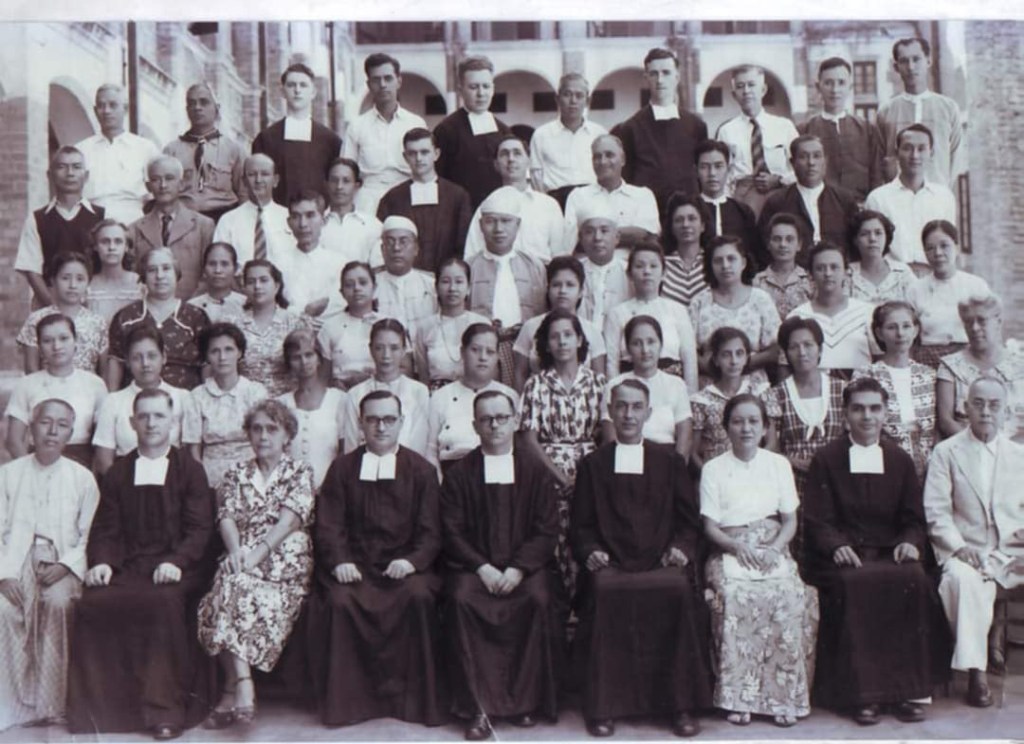
- During our younger days, SPHS had Annual Photo Shoots.
- A Group Photo cost One Kyat (without Captions) and K 1.50 (with Captions).
- It is not easy to identify people in photos without captions.
- In most FB Groups, there are individual photos and group photos (e.g. fresher welcome, farewell, graduation, newspaper clippings). Only a fraction has captions and dates.
- Some photos serve as a reminder of those that are Gone But Not Forgotten (GBNF).
Color Photos
- In the early days, Color photos had to be sent abroad for processing.
- Our wedding photos in 1973 were taken with the color film bought by my elder brother during his trip overseas. The film was sent (for processing ) to a friend who was studying in Australia.
- The color photos fade over time.
Advances in Technology
- Kodak (an Industry Leader in Film Technology) went bankrupt.
- Most phones have one or more cameras. Even children can take reasonably good photos. The photos can be edited (e.g. crop, color-adjusted).
- Warning : Some unscrupulous people have doctored photos and presented them as evidence of news.
Htein Win
It took a long time for him to publish books about the Dark Moments in Burma.
First Book
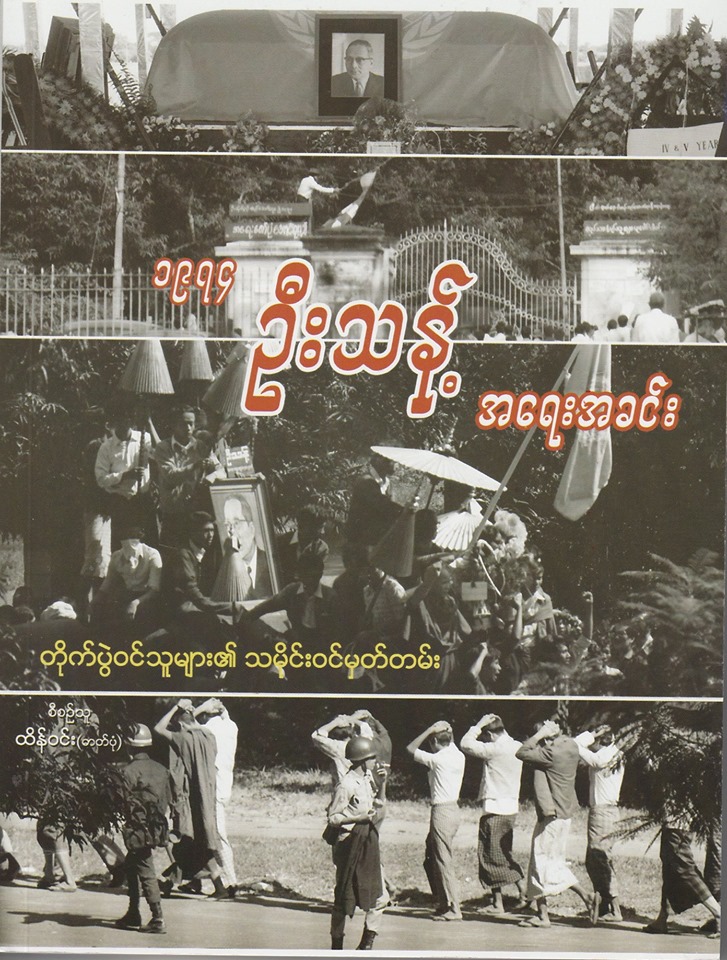
- Took photos of the U Thant Ah Yay Ah Khin mostly from a saya’s house in the Main Campus. Gave photos to some friends and to an organization overseas (for storage).
- With the Pwint Linn era, he was able to get back the archived photos from overseas. Managed to get articles from some of the participants in the Ah Yay Ah Khin. He published the book about the Ah Yay Ah Khin.
- Ko Khin Maung Zaw bought a copy of the book from Myanmar and then mailed it to me.
Second Book
- In November 2019. I was invited to attend the 5th Irrawaddy Literary Festival in Mandalay. Met Ko Htein Win who had a book stall at the Festival. He gave me an autographed copy of the book about 8-8-88.
 HlaMin