There are two forms of Myanmar / Burmese language.
Myanmar Sagar (Oral / spoken)
Myanmar Sar (Written)
Alphabet
The Alphabet has 33 Eik Khaya (letter or character).
Grouping
There are several groups (Wagga) of five letters.
Linguists and phonologists refer to the groups as
Gutturals (Ka group)
Palatels (Sa group)
Cerebrals (Ta-ta-lin-chaik group)
Dentals (Ta group)
Labials (Pa group)
The first group (known as “Ka” wag [or wagga]) consists of Ka (Ka gyi), Kha (Kha Gway), Ga (Ga Nge), Ga (Ga Gyi) and Nga. Note that the 3rd and 4th members have the same sound.
Basic Rules
There are some basic rules for “Pa Sint” (where one letter is placed on top of the other).
One rule says “Eik Khaya Tu, Wag Tu Sint”. It means the two letters forming a “Pa Sint” must be the same, or from the same group. So, it is a “No No” to have a Ka on top of Sa.
Another rule says, “Even for letters within a group, the ordering must be preserved”. So, Ka can be put on top of Kha, but not the other way. Also, Ga Nge can be put on top of Ga Gyi, but not the other way.
Byee and Thara
Ah is used as a Byee (Consonant) and sometimes as a Thara (Vowel).
A Burmese word can be formed with a Byee and one or more Thara.
Typewriter Keyboard
When the Burmese Keyboard was implemented for a typewriter (e.g. Olympia), the keys are labeled Red (keys that prevent the shifting of the carriage to type Thara) and Black (keys that signal the completion of the word and allows the carriage to advance).
Word Processing
The early Burmese word processing systems use
transliteration (e.g. on Apple Macintosh computers)
Thara before Byee (as in the typewriter)
Byee followed by Thara (which requires processing to delimit the words and to have a canonical ordering for representation).
Issues
The Myanmar Sar Ah Phwe မြန်မာစာအဖွဲ့ published two major revisions for spelling. It forced publishers to use “Tit” တစ် instead of “Ta” တ (without exception) with a fine of ten pyas for each violation. Scholars pointed out the ancient pagoda had “Bo Ta Htaung” ဗိုလ်တထောင် and not “Bo Tit Htaung” in its inscriptions, but the group who wanted to please Number One prevailed.
There was a rush to implement Burmese type faces and type fonts. The implementations did not have consensus and did not address compliance (e.g. with Unicode). They led to the incompatibility issues in the current computer systems, smart phones and devices.
Short Messaging Systems inadvertently degraded the spelling prowess.
မြန် မေ့လွယ် Dementia ဖြစ်လျှင် ပိုမေ့လွယ် Most people see the decline in function of the short term memory.
ခန့်မှန်း 4 Channel အရေးကြီးသောအကြောင်းအရာများ ကို chunking (စုဆည်း) ပြီး ရေရှည်မှတ်ဥာဏ်ထဲမှာသိမ်းပါ။ It is believed that there are about four memory channels. It is advisable to group items in the short term memory into chunks and then save in the long term memory.
ရေရှည် မှတ်ဥာဏ် Long term / Archive Memory
သိပ်မမြန် / နှေး လိုအပ်သလို reorganize လုပ် It may not provide quick access as the short term memory. As needed, the contents in the archive memory may be reorganized.
မေ့ခဲ (လူတယောက်သည် သူထိန်းခဲ့သောမြေးကိုမသိတော့ ။ သူငယ်တန်းက သူငယ်ချင်းများကို အမှတ်တရ တောင့်တ။ အံ့ဩစရာ) Someone could not recognize his grandkid, but he could recall events from his childhood days. He remembers his KG classmates,. It seems like he still have good long term memory, but a flawed short term memory.
ရေတိုမှတ်ဥာဏ် ကို ကူညီဖေးမ
ကင်မရာ မှတ်ဥာဏ်Photographic Memory
ခဏ ကြည့် / ချက်ခြင်းမှတ်မိ
ဆက်စပ် မှတ်ဥာဏ်Associative Memory
အကျိုး အကြာင်း ဆက်စပ် ၍ မှတ်တတ်
Related Topics
မှတ်ဥာဏ် အကူအချို့Memory Aids
Mnemonics
ဥပမာ VIBGYOR (သက်တန့်ရောင်) to remember the Colors of a Rainbow — Violet, Indigo, Blue, Green, Yellow, Orange, Red
ဥဩအော်မည် ကုန်းဘောင်တည် Konbaung Dynasty started in the Burmese Era 1115
ဆန်း – မြ – ချို – ခိုင် – ကြီး – ဝင်: – ဇာတ် – အုန်း – ထွေး (အာဇာနည်) The Martyrs : Aung San, Tahkin Mya, Deedok U Ba Cho, Mongpawn Sawbwagyi, U Ba Win, U Razak, U Ohn Maung, Yebaw Maung Htwe
There are several classifications. They are not mutually exclusive.
Natural Language
Native Language / Mother Tongue
Foreign Language
Spoken Language (e.g. Myanmar Sagar)
Written Language (e.g. Myanmar Sar)
Ideal / Universal Language (e.g. Esperanto)
Machine Language
Programming Language
Compiled Language
Interpreted Language
Assembly Language / Symbolic / Macro
Scientific & Technical Language
Business Language
Specialty Language (e.g English as a Specialty Language)
Domain Language
Meta Language (to describe a language)
Sign Language
Body Language
Dead Language
Major Languages
Chinese
English
Spanish
Arabic
Dialects
Some languages have dialects.
English (UK, USA, Australia …)
French (France, Canada …)
Spanish (Spain, Latin America …)
English
English is not our native language.
For studying abroad, we had to take TOEFL (Test of English as a Foreign Language) to prove that we had a reasonably good command of English. TOEFL covers (a) Reading Comprehension (b) Listening Comprehension (c) Essay
Several Community Centers in the USA offer ESL (English as a Second Language).
Saya Des Rodgers taught English at RIT. He did further studies in the UK. He taught “English as a Specialty Language” (aka ESLin Canada.)
Olympia was commissioned to produce typewriters for Burmese. It was not trivial to type Burmese and Pali characters. The red keys were used to type vowels; the carriage did not go forward. The black keys were used to type consonants. Back-spacing for half a step was necessary on the Standard Edition to type characters such as “tha gyee”. Manual dexterity was needed to type some “pa sint” characters. The Office edition had extra keys (e.g. tha gyee, common pa sint).
Producing Multiple Copies
Before the wide spread use of copiers (initiated by Xerox), special care is needed to print multiple copies. We miss the days when we had type perfectly or reasonably well on typewriters using messy carbons. Also, planning to cyclostyle double-sided printing (odd numbered pages first, then repeat with even-numbered pages).
Selectric
IBM produced Selectric typewriters. “Golf” ball-like character sets had to be installed/replaced.
Word Processing
Wang computers provided word processors for various languages. Ko Htay Aung (Victor, EC80) worked at Wang for a while on the Burmese language project.
Chinese characters are used by Chinese, Japanese, Korean. To input them to a computer, various techniques were used. They include (1) large tablets containing the most common characters (2) three corner method (based on the horizontal, vertical and diagonal strokes in the character (3) Romaji (mostly used by Japanese (4) human user to select if there are ambiguities (e.g. in the three corner method).
Transliteration
Burma Research Society (BRS) used transliteration for its journals. For example, “k-o-l” combination represents “ko”. The scheme was used inputting Burmese on Macintosh.
Universities’ Computer Center (UCC) had projects to do Burmese word processing. Saya U Myo Min supervised a project for Ma San Yu Hlaing for “collation” (needed for sorting). Saya U Tun Aung Gyaw and his team (Ko Htay Aung, Ko Soe Myint, …) worked on Cromenco System Three for printing and processing. U Soe Win and team worked on Calcomp graph plotter.
Difficulties imposed by Higher Authorities
Myanmar Sar Ah Phwe မြန်မာစာအဖွဲ့ Burmese Language Commission) bowed to higher authorities to revise the spelling at least two times.
Fines were imposed on authors and publishers spelling the established way. (e.g. “Ta” တ) instead of the preferred way (e.g. “Tit” တစ်) despite the scholars pointing out the old inscriptions at “Bo ta htaung ဗိုလ်တထောင်” not “Bo tit htaung” pagoda.
CTK (Children’s Treasury of Knowledge) project was delayed to correct the spellings.
It was not easy to write in those days without facing censorship. It was taboo to quote “Dhammata ဓမ္မတာ” poem (by Ananda Thuriya). It was a crime to mention the “setting sun နေ ဝင်”.
Dr. Thane Oke Kyaw Myint wrote a series of articles about his father U Kyaw Myint and his siblings.
U Kyaw Myint matriculated from “Government High School”. His elder brother U Tin Tut attended St. Paul’s.
U Kyaw Myint also helped with the education of his siblings : U Myint Thein, Daw Khin Myint Mu, Daw Khin Saw Mu & Daw Tin Saw Mu.
Ms. Hong Kong & Family
Ms. Amelia Kyi was known as “Miss Hong Kong” not because she was a Beauty Queen.
She was from Hong Kong. She married the maternal uncle of Dr. Tin Wa and came to Burma.
She taught English at St. Paul’s High School. She also gave private tuition to her relatives (e.g. Diana Tseng) and neighbors.
She was our English teacher in Standards VI (D) and VII(D) at St. Paul’s High School. She used “the Carrot and the Stick”.
She would give weekly tests and fine 50 pyas if one failed, but reward 50 pyas if one excelled in the tests. My daily pocket money was 25 pyas, so I had no choice but to study hard.
She had three sons. The eldest became a monk. U Win Kyi was RUBC Gold. He worked for Sports and Physical Education Department. U Min Kyi was RUBC Green. He was a pilot for UBA/BAC. I saw U Win Kyi & U Min Kyi at RUBC. They were contemporaries of my brother and cousins.
At the 2019 RUBC Annual Regatta, I met Naymyo Thura. He is RUBC Gold. He is the son of U Win Kyi and grandson of Ms Hong Kong. His mother taught at SPHS. He said that he would like to save the SPHS photos.
(2) Calendar
A solar calendar is based on the orbit of the earth around the sun. Typically, it takes 365.2422 solar days to complete the orbit.
A leap year attempts to adjust the calendar by adding an extra day every four years.
A lunar calendar is based on the orbit of the moon around the earth. Typically, it takes 29.6 days to complete a cycle.
A luni-solar calendar is a hybrid calendar that uses lunar month and solar year.
The Burmese use a Luni-Solar-Socio-Religious Calendar. It is used for social and religious events.
There are 12 lunar months with a total of 355 days in a Common Burmese Year.
There is a difference of 10 days with a Common Year in the Gregorian Calendar.
An inter-calary month named “Second Waso ဒုတိယဝါဆို” is usually added every three years to sync again with the Solar Calendar. It is known as “Wah Htutt ဝါထပ်”. If needed, an additional day is added to Nayon in “Wah Gyi Htutt ဝါကြီးထပ်”.
Some other Luni-Solar Calendars (e.g. used by the Chinese) also have 12 months in a year. They add an extra month in the year in which the Lunar and Solar Calendars are synchronized.
The Chinese New Year may therefore occur in late January or early February.
(3) October & Thadinkyut
“Oct” stands for 8. October was the 8th month in the old Roman Calendar.
In the Gregorian Calendar, October is the 10th month.
In the old Roman Calendar, September, October, November and December were the 7th, 8th, 9thand 10th months as indicated by the prefixes. In the Gregorian Calendar, they are 9th, 10th, 11th and 12th months of the year.
The Thadinkyut Festival often falls in October.
The Phaungdaw-u festival in Inlay Lake is held around the Full Moon of Thadinkyut. I wrote a poem “Phaungdaw-u Festival” for the Thadinkyut Supplement.
Four events related to Thadinkyut : Thadinkyut Lightning Festival, Abhidhamma Day, Pa Wa Ya Na (Monks ask for forgiveness of unintentional wrong doing), Soon San Sein Laung Pway (Mass offering of requisites to the monks)
(4) History
Dr. Kyaw Thet (GBNF)
Studied in UK
Taught in Burma and as Visiting Professor in the USA
Spouse : Daw Khin Khin Gyi (GBNF) taught History at Rangoon University and a US College
Children : Lyn Maung Thet (GBNF), Dr. Khin Nyo Thet (MEHS63, GBNF), Dr. Lyn Aung Thet (MEHS64), Khin Aye Thet (GBNF)
Dr. Khin Nyo Thet & spouse Dr. Lyn Swe Aye established the “Aye-Thet Scholarship” in Khin Aye Thet’e memory. Prizes are awarded to successful participants at the Summer Dhamma Camp at Dhammananda Vihara, Half Moon Bay. Sponsors from Theravada Buddhist Society of America (TBSA) and donors helped run the Camp.
Lyn Aung Thet and Cherry Hlaing were tied for the highest marks in the Matric exam of 1964. Cherry won the tie breaker with a perfect ILA score. Both were selected Tekkatho Luyechun from IM(1).
Lyn Aung Thet led the IM (1) Swimming & Water Polo team (which won Inter-Institute Trophy). He is also good at Tennis and Chess.
U Ba Nyunt (GBNF)
Known for his song “Chit Dukkha” ချစ်ဒုက္ခ
History Professor
Children : Win Nyunt, Tin Tin Oo, Win Oo, Aung Moe, Kyi Shwin
Ba Shin (GBNF)
Bohmu & later Colonel
Head of the Burma Historical Commission
Spouse : Sayama
Children : Dr. Nyan Htain (Texas), Daughter (Australia)
Dr. Than Tun
Dr. Than Tun
Professor at Mandalay & Rangoon University
Visiting Professor in Japan and Northern Illinois University (NIU)
Was a vocal critic of sayas being asked to do extra work not related to sudies and research
First met Saya as a Char Taik. My uncle Saya U Than Lwin (GBNF) introduced him at the Recreation Center.
His son-in-law attended classes at UCC.
Dr. Khin Maung Nyunt
He wanted to be a diplomat. While waiting to sit for the examinations, he joined the History Department. The Professor asked him — with full confidence — to be a relieving saya for him. The rest is history.
Even after retirement as Director General, he continued teaching.
The following post contains excerpts from my long article (posted on April 15, 2020 and updated daily through April 30, 2020). It also contains some additional material.
U Tin U & FamilyPeter, Win Mar & Min KoPeter & Ye MyintPeter & Win MarU Tin U, Dr. Daw Khin Kyi Nyunt & relativesRoyal Berkshire HospitalMin Ko’s weddingPeter, Win Mar & Min KoYoung PeterPeter, Aye Aye, Ye MyintU Tin U & family
The Beginning
January 1958
Peter (Dr. Khin Tun) became the first born child of U Tin U and Dr. Khin Kyi Nyunt (Cherry Tin Gyi).
Like his grandfather and father, Peter became the Eldest Son in his family.
Like his grand parents who won Prizes for the Horticulture Show, Peter would also enjoy gardening.
Peter would later have a younger sister Aye Aye Khin and a younger brother Dr. Ye Myint.
Snapshot of Peter’s Life
1973
After finishing 10th standard examination, Peter entered a meditation retreat at Chan Myei monastery.
Matriculated from St. Augustine’s High School with four distinctions. Stood 23rd in the whole of Burma. Received Collegiate Scholarship.
Admitted to the Institute of Medicine (1).
1980s
Received MBBS in 1981.
Worked for Rangoon Children Hospital and Dr. Thane Oke Kyaw Myint (Pediatrician).
Collected and analyzed data for UNICEF projects including Perinatal Survey with his colleagues (e.g. Dr. Pe Thet Khin)
Found Win Mar, a beautiful school teacher, as his love life.
Moved to Mezaligone and did private practice (often receiving little or no money from cash-strapped patients).
1990s
Some friends suggested Peter to study for MRCP in the UK.
Peter hosted nine friends for group study at his parent’s house.
With Ye Myint’s sponsorship, Peter moved to UK in 1994. (See Ye Myint’s speech for details).
2000s
Worked for Royal Berkeley Hospital
Promoted to Associate Specialist for Neuro and Rehabilitation
Served as Associate Dean of Oxford University
September 2017
In September 2017, he and Win Mar hosted us. Both cooked delicious meals every day. They showed us around. They drove us to Wales to see my high school friend Maung Maung Kyi.
2019
U Tin U (Peter’s father) celebrated his 90th Birthday.
Details of Peter’s life is recorded in the Photo Album for his father’s 90th Birthday Celebrations. The URL is provided by his uncle U Tin Htoon
Dr. Daw Khin Nyunt (Peter’s mother) passed away a few months before her 89th Birthday.
February 2020
Peter and family went to New Zealand to celebrate Min Ko’s birthday and wedding.
Ye Myint and family stopped over in Sydney, Australia to have gatherings with the relatives.
Peter skipped the visit to Australia, because he wanted to be back at the hospital and enable his junior staff members to take leave.
March 2020
On March 25, 2020, he said there were COVID-19 cases in London and Birmingham but not much in Reading. He showered twice daily as a precaution.
He said he was elated with his trip to NZ in February 2020. He enjoyed entertaining his aunt (Dr. Ruby) and his uncle (U Tin Htoon). He mentioned that his father (U Tin U) might finally have a Great Grandchild.
April 2020
Peter got infected with COVID-19 from one of his patients.
Five of his patients tested positive.
He was hospitalized.
His health deteriorated.
He passed away on April 13, 2020 (Easter Monday).
His Last Journey took place on April 30, 2020.
Peter’s Parents
U Tin U and Siblings
U Tin U
U Ba Than
Dr. Daw Win Hlaing (Ruby)
Daw Myint Thwe (Betty)
Dr. Myo Tint
U Tin Htoon
U Myo Min
U Thaung Lwin
Daw Cho Cho Hlaing
U Tin U
U Tin U is the eldest of nine siblings. He matriculated from St. John’s Diocesan in 1946 and attended Rangoon University. He joined Rangoon University Boat Club (RUBC) and became Captain and Gold in 1948.
He studied BSCE at Oregon State University and MSCE at Yale University. Upon his return he worked for Clark and Grieg (eventually becoming a Director) and also taught part-time at the Civil Engineering Department, Faculty of Engineering, Rangoon University. He later worked as Consultant for InterKiln and “Bogyi Kyu Kyaw’s Group of Architects and Engineers.” He served as Secretary of Burma Civil Engineers Society, and as Captain of Rangoon Golf Club (RGc). He stayed active by playing golf, doing gardening and have a daily dose of whiskey as medicine.
He celebrated his 90th birthday in August 2019. U Tin Htoon compiled U Tin U’s accomplishments and photos into a book as a birthday present. The book also contains photos and information about U Tin U’s children.
U Tin U also gave interviews
about his days as Captain of the Rangoon Golf Club
to Saya U Soe Paing for the HMEE (History of Myanmar Engineering Education) project
to Min Ko (Peter’s elder son) about his early days in Burma and in the US.
Dr. Daw Khin Kyi Nyunt (Cherry Tin Gyi) and Siblings
U Sway Tin
Laura
Sarah
Lynn
Icy
Margaret
U Myo Kyaw
Olga
Cherry
Min Ko also interviewed his grandmother, who recounted her early school days in India and the sad loss of her father U Tin Gyi. After the war, she returned to Burma and continued schooling until she graduated from the Medical School.
She worked as Demonstrator at the School, and later joined the Nutrition Research Division of BMRI. She did her postgraduate Diploma in the UK.
Peter inherited the joy of cooking and entertaining relatives and friends with gourmet food. Peter compiled the recipes of my father and several aunts.
She and Peter had birthdays in January. They would jointly offer dana / requisites usually at Chan Myei Monastery (where Peter learned meditation after he finished his 10th standard examination).
She passed away late last year (2019) a few months before she turned 89.
Peter would join her a few months later at the tender age of 62.
Peter and Siblings
Peter Spouse : Win Mar Sons : Min Ko (Michael Tun) and Ye Lay (Will Tun)
Aye Aye Khin Spouse : Tin Tun Daughters : Thin Thiri Tun (Honey) and Khin Sandy Tun
Ye Myint Spouse : San San Aye Daughter : Aye Sanda (Jess Myint)
Win Mar
Our host
During our visit to UK, Win Mar recounted the story of how she and Peter met, their life in Mezaligone, the brief period when Peter moved to study in the UK, and the days when the family reunited in UK.
Mezaligone
Win Mar hails from Mezaligone. She knows Htein Linn (Artist, Prisoner of Conscience) and family. She hosted Htein Linn’s sister Hla Hla Htay at her house in Reading.
Post by Vicky Bowman, former UK Ambassador to Myanmar
Another foreign born NHS worker died of CoViD yesterday, in Royal Berkshire Hospital in Reading, where he worked as a rehab specialist, adding to the toll.
But more importantly, Dr Peter Khin Tun was once the much loved doctor of the cooperative medical clinic in Mezaligon, Htein Lin’s village. He was particularly known for deworming any patient who crossed the threshold of the clinic for whatever reason.
Worms in Myanmar are ‘than’, သန်. Peter became known locally in Mezaligon as the than-amat သန်အမတ် (amat means high official, and than-amat is an Ambassador).
He married local school teacher-cum-nurse Ma Win Mar. We feel so sad for her and their two sons.
In the post I have shared you can see him and Win Mar showing my sister in law Hla Hla Htay, around Windsor. She was doubtless de-wormed at some point by him, before she followed in Win Mar’s footsteps and became a teacher in the village.
Win Mar got infected by COVID-19. She was hospitalized. She recovered and was discharged on April 29, 2020. She attended Peter’s Last Journey on April 30, 2020.
We managed to phone Win Mar before she was hospitalized. She and Peter hosted us during our visit to the UK a few years back. They cooked sumptuous meals daily. Peter drove us to Ogmore-by-the-sea in Wales to see my high school friend Maung Maung Kyi (who also was a Best Man at my wedding).
Min Ko (Michael Tun)
Contributions by Min Ko
Interview of U Tin U
Interview of Dr. Khin Kyi Nyunt
Phone conversation with Peter (about the days at Mezaligone)
Several posts about Peter
Providing Peter’s emails to the Media
Interviews with BBC and Newspapers
Caused Royal Berkshire Hospital to launch a formal inquiry about Peter’s demise
Handled legal and financial matters related to Peter
Video conferences for Peter’s final day and the Last Journey
Emotional farewell to Peter
Pru posted a message for Peter
Memories of Min Ko
Min Ko shared Dr. Peter’s wonderful, precious life in Meizaligone, a village in Henzada District, Irrawaddy Division.
Since the clinic was at the house, the family members were woken up early by villagers lining up to get water from the tube well.
Peter’s clinic opened from 6AM to late at night seven days a week.
Peter treated sick villagers with CETANA, some free of charge, and some were given cash assistance to go to Hospital in Big Towns.
Once a month Peter invited neighbors to have meals in the house.
Peter had an old car and learned how to do repairs.
Min Ko then read a letter written to his father and had to pause occasionally to wipe the tears. He promised to take care of the family.
Michael Tun’s sad thoughts (following Peter’s demise)
My dad Dr Peter Tun died from COVID19 because of the lack of PPE.
My hope in writing this is that it will save more doctors and nurses lives and avoid pain for their families. My dad would have wanted to speak up if he thought it would save lives.
I spoke to my dad the day that he found out there was someone who was positive for COVID19 in his ward. My dad told me that he had earlier complained to a manager because they took PPE away from his ward to take somewhere else. He was told that if there was a case, they would bring it back. He had replied that it would be TOO LATE. The last he told me, there were 4 more positive patients with no symptoms. 2 weeks later, my dad passed away and I couldn’t do anything.
Please do everything to protect the doctors and nurses. They go in scared for themselves and their families. They did not get into the profession to die a hero in battle. This is why he was a superhero to us. He was scared and still went in to help strangers completely knowing the risk. The pain for the families is unbearable. He was afraid that he would give this to my mum and now she is in hospital also waiting for her test results. The thought that if only he had had a proper protective mask, he might still have been able to enjoy his hard earned retirement after a lifetime of service just kills me.
I hope this won’t cause distress or take attention away from the need to help people but we need to also protect the people trying to protect us. We couldn’t protect my dad so I want to help protect everyone else who is in the same position that he was. Thank you for everything to all the heroes.
There will never be the right words but thank you for your kindness, good humour and your selfless acts of service. I will remember your great story telling, you telling me the recipes of your favourite dishes, planting flowers in your garden together In Reading and how beloved and respected you were by so many different people. Your spirit is already in both of your sons and it will continue to live on through them.
Here we are 8.5 weeks ago in NZ during our Buddhist wedding ceremony where you stood by our side and celebrated with us and now we will celebrate you and will ensure that your legacy lives on.
Note :
Min Ko and Prudence held their engagement party at Winner Inn in Yangon. Peter invited us to the party.
Their wedding was held in New Zealand.
Memories by Ye Lay (Will Tun)
“Pe Pe Ko Chit Tae“. [ I love you, Dad]
Ye Lay thanked his father Peter for the wonderful things that he had learned. In particular, the chanting “I take refuge in the Triple Gems”. He recited to Peter at the hospital.
He sang an old Scottish ballad “Loch Lomond“. He remembered Peter taking Chan Myei Sayadaw to Loch Lomond.
By yon bonnie banks and by yon bonnie braes Where the sun shines bright on Loch Lomond Where we two have passed so many blithesome days On the bonnie, bonnie banks of Loch Lomond
[Refrain] O ye’ll take the high road and I’ll take the low road And I’ll be in Scotland afore ye But me and my true love will never meet again On the bonnie, bonnie banks of Loch Lomond
I mind where we parted on yon shady glen On the steep, steep side o’ Ben Lomond Where in purple hue, the Heiland hills we view And the moon shinin’ out from the gloamin’
Ye Lay studied at St Andrew’s in Scotland for his second Masters. His parents attended his graduation.
He ended by reciting
“Buddham saranam gaccha mi. [I take refuge in the Buddha]. Dhammam saranan gaccha mi. [I take refuge in the Dhamma]. Sangham saranam gaccha mi. [I take refuge in the Sangha].
Contributions by Ye Lay
Posts and Farewell speech
Sang songs / ballads to Dr. Khin Kyi Nyunt
Sang “Loch Lomond” at Peter’s Last Journey
Was my guide to Oxford University
Dana by Aye Aye Khin (sister) and Dr. Ye Myint (brother)
On behalf of Peter’s family, Aye Aye Khin (sister) offered requisites to Sayadaw U Thawbita (Chan Myei) in Yangon.
Offerings were also made by U Ba Than (uncle) and Daw Mya Mya (GBNF), Ye Than (cousin) and family, U Myo Myint and Daw Tin Tin Win, Dr. Khin Win Myint, Aung Thu and Khin Myat Naing, Myo Tin and Dr. Khine Zin Oo.
Aye Aye Khin (Peter’s sister) wrote :
Listen to sayardaw u thaw bi ta’s Tayar. You can hear $ donation of Tina / Dr. Win Marla (Aunty Olga’s daughter); Kyi Kyi Han (Aunty Icy’s daughter) & Maung Maung Tin (Aunty Olga’s son).
and also Thingan and Nawkama by Cho Cho Hlaing (aunt) AyeAye Khin (sister), Ko Tin Tun and daughters
5 Thingun donate from (Ko Tin Tun’s cousin) Susi Sein; Ohnmar Sein & Sayarlay Nwe Ni Sein
Contributions by Aye Aye Khin and family
Took care of U Tin U and Dr. Daw Khin Kyi Nyunt
Organized dana for Peter Donations by relatives
Thin Thiri posted a video of Peter’s Last Journey
Memories by Dr. Ye Myint (Recording played at Peter’s Last Journey)
Firstly I would like to thank you all for being here.
Thanks to all those who shared their good memories of my beloved brother. The family appreciates your kind thoughts and prayers.
It is a great honour to be able to share my memories, and talk about my big brother Peter, who will forever remain in our hearts.
My kindhearted brother spent his life caring not only for patients, but relatives, friends and acquaintances. He gave up his life in the line of duty. He will be missed by all.
Peter, my sister and I were very privileged to grow up together in one large family estate. We were very close sharing the same room and being together daily.
He set a high bar for us intellectually and socially. Due to his high intellect, he got double promotion twice and skipped 2 years.
He matriculated with four distinctions. He stood 23rd in the whole of Burma and was awarded a University Scholarship. He was admitted to the Rangoon University of Medicine, which I also attended. He supported me to become a good compassionate doctor like himself.
He stayed fit by taking part in many sports : football, badminton, cycling and rowing. He was the university selected athlete for Shot put and Discus throwing.
He started cooking as a teenager and learnt many recipes from our mother and continued this lifelong hobby. He was a very good artist and created large paintings as well as water coloured Christmas cards. He was also a very keen gardener and read various books. He had great general knowledge and many called him a walking encyclopaedia.
After he qualified as a doctor, he worked as a UNICEF research officer for mother and child health in Hlegu where he met his future wife Ma Win Mar. After they fell in love he decided to move to Mezligone. I accompanied him on this trip there and helped to set up a new medical clinic. He worked there daily for 11 years where he was relied upon by his patients even out of hours.
I sponsored him to move to UK in 1994 to help progress his medical career. He lived with us until he got his first job in Burton-on-Trent. He got his second job in Pontefract and arranged for his family to relocate to the UK to join him. We were lucky to live only 20 minutes drive away so had nice weekly reunions which made our families even closer.
He then moved to London for rehabilitation medicine training after he passed his MRCP examinations and then moved to Reading 21 years ago working as an associate specialist. Peter has helped many Doctors coming to the UK for further studies where he gave valuable advice and treated them to his home cooking. He always enjoyed entertaining and cooking for family and friends.
We had regular family reunions and memorable family holidays together in Devon, Italy, Burma and most recently in New Zealand. We will cherish these lovely memories together. He had such a great sense of humour and always made those around him happy with his personality and big smiles. He was remarkable in many different ways. He lived an enjoyable successful life and treated all family members, relatives and friends with loving kindness. He touched so many people as evident by the countless tributes, messages, cards and donations.
I am sure you are in a much better place, Ko Ko, after doing so many good deeds throughout your life. We will miss you greatly and always remember you with love. Thank you so much for being a loving big brother, a great Uncle to Aye Sanda, a best friend, mentor and teacher.
Donations for Peter
We donated £100 to SHEFFIELD Monastery and £50 to Manchester Monastery (fund will be sent to Myanmar to fight against COVID).
Contributions by Ye Myint and family
Liaison with ICU Doctors (during Peter’s hospitalization)
Liasion with Medical Staff (during Win Mar’s hospitalization)
Interview with BBC (Burmese Program)
Interview with BBC (English Program)
Message for Peter’s Funeral
Per suggestion from San San Aye, appealed to relatives to help alleviate the financial burden of Peter’s family members
Jess wrote two posts : one during Peter’s hospitalization and another after Peter’s demise The FB page also has reference to “Remembering Peter Tun” by the Royal Berkshire Hospital (which had 80+ entries)
From Oxford Sayadaw U Dhammasami
Dakagyi Dr Peter Khin Tun,
From now on, it will not be my priority to remember that you lived 62 years, but rather how many thousands of life you have touched and nurtured. People are remembered for what they did for others, not how long they live. Ultimately, it is your exemplary selfless service to the many that will be inscribed in many hearts. Since we came to know each other in London in 1996, you have watched proudly your two boys grow up and achieve some standing of their own. As you always wished, I will take care of them spiritually so they can serve many souls as you have. Have a good rebirth.
With metta,
Oxford Sayadaw
Jess Myint’s post after Peter’s health deteriorated
My Uncle Peter has been on a ventilator for four days after testing positive for COVID-19 2 weeks ago. He seemed to be coping well in the first week and he kept sending me pictures as reassurance. But things rapidly progressed and he was unreachable not replying back or answering calls which was very unlike him for 2 days. He was admitted to ICU and was initially stable on the ventilator but his condition has unfortunately deteriorated last night. There are many pleas but it is scary what this virus has done to people and families worldwide so please everyone take things seriously and do whatever you can to help minimize the spread of this virus any further.
Think of the doctors, nurses and NHS workers, like my Uncle that have put their lives at risk to help others and do their duty of care, even when they have not had the appropriate PPE.
Healthcare workers and anyone showing any symptoms, even mild symptoms, please isolate and do not put others at risk as they may not recover from this.
Feel so sorry and helpless for my Uncle, Aunty and cousins, who are constantly in our thoughts. I’m hoping with everyone’s prayers, Uncle’s kindness, good deeds, and Uncle’s fighting spirit he will pull through. Please come back to us Uncle Peter.
I was nominated to lecturer-position by Sayagyi U Yone Mo within a month of my return from overseas. However, due to some hiccups, the promotion was delayed by 7 month. U Kyin Soe and I became lecturers with the pay scale 800-50-1200. Those who got promoted later as lecturers got only 800-40-1000 according to the revised pay scale. U Kyin Soe became Rector of RIT (after I left for Australia in 1980). I find that he is very honest and straight forward but a bit short-tempered because he is a man who always stands up for principle.
I was given added responsibility as Workshop Superintendent of RIT workshop when U Phone Myint and U Tin Maung Oo went to Japan on study leave for a couple of years. I did something regarding the workmen’s benefit for which they were really thankful to me. Our workshop consisted of machine shop (Saw Jimmy), carpentry (U Hla Maung), fitting, black smith (U Hla Maung and U Chit), welding. Every student had to do practical training in these shops for a couple months in rotation in their first and second year.
I also served as a member of all universities magazine committee. We had to read and pass all the articles, poems and cartoons; without our signatures nothing would/could be published.
I remember that we had in every department translation groups to translate technical terms aiming to publish a technical dictionary to which we all have to sit once a week in our respective department, arguing a lot to approve each and every word of technical term for suitable meaning in Burmese when the new system was introduced. I would not have a clue what happened to that effort and work whether it had been successfully compiled or discarded totally when I left for Australia in Oct 80.
I was also given another job with a very splendid name Dy. Director of UNDP project, constructing a new building near the Metallurgy Department, RIT. It was still being built unfinished when I left for Australia.
Overseas Employment Opened For Students
Many of our graduates especially Mechanical and Electrical find hard to find jobs within Burma. They were encouraged to form Shaysaung Cooperatives (ရှေ့ဆောင်သမဝါယမ) for Mechanical and Moe Gyo Cooperatives (မိုးကြိုးသမဝါယမ) for Electrical on the campus with a couple of sayars, who took control and oversee of necessary disciplines. I took charge of Shaysaung as president for a number of years. Later U Win, Dr Tin Hlaing and U Thein Tun Aung continued in that capacity.
Since 1970 many engineering graduates started leaving for overseas job because engineering jobs were scarce within the country. Many embarked to grab whatever job they could have their hands on especially in Singapore, Malaysia and USA etc. Thanks to the CETANA စေတနာ and genuine input of well trained qualified sayars and teachers that most of the graduates found suitable and well-paid jobs in many private and public sectors overseas. I met personally those Ex-RIT graduates in many of my travel to many countries and to my surprise many came and wished me all the best whenever they heard about any sayars visiting their place. Also they never stayed away but always show their sincerity and generosity, treating the visiting sayars with lunch or dinner in their honour. Personally I am really delighted and enjoyed their company and their love and respect even though we have been separated for more than 30-40 years since we left the Institute. That is to keep the ever beaconing of RIT torch and I would like to urge everyone connected to RIT to keep the RIT tradition undistinguished and undiminished so long as we live.
I had another yearning desire to become warden of the hostels. Later I was fortunate enough because the Rector Sayagyi Dr U Aung Gyi, who thought heads of departments were busy with office-work, stopped appointing heads of departments but appointed able and capable lecturers. Thereby I got the job with added financial remuneration, free accommodation and free telephone. I was appointed twice for the same position for two successive terms. I remember many worked under me as hall tutors like U Nyi Hla Nge, U Khin Maung Tint, U Maung Oo, U Khin Maung Win etc. All of them are very polite, cooperative and respectful. U Nyi Hla Nge later became Rector of the Institute but he still showed his respect when I met him in April 07 Ex-RIT Sayar Pu Zaw Pwe. U Shwe Yi, Dr San Tint, Dr Tin Hlaing and U Thein Tan also became wardens and I had the opportunity to work alongside with them.
We had a program introduced by the Revolutionary Government to promote and educate labourers and peasants with engineering knowledge. Many RIT staff took part to deliver through the Burmese Broadcasting Service, Kamayut. I took turns several times together with U Thit, Dr Tin Haling, U Aung Hla Tun etc.
When Sayagyi U Aung Khin left the department for Canada in ’78, U Ba Than became the head of department and as he lives outside the RIT campus I was given the responsibility to assume and officiate the duty of the head of department during his absence. Many Mechanical students who were looking for overseas jobs with many shipping companies came to me to sign and recommend their papers. I helped them immediately on the spot. Later they even came to my house when they needed help. That is the reason I made many students very happy and they never forget my assistance. They always show their love and respect because I made the door of the department always open for them.
I remember the time we went practical training during our summer holidays for two months in our second and third years to enhance and widen our theoretical knowledge. If we missed any one of them it had to be repeated as a prerequisite for degree. I got my practical training first time in the Moulmein Dockyard and second time in Alone Dockyard (Sin Ma Leik), Kyimyin Daing Rangoon. Many times the faculty members were sent to supervise the training. I remember the time we went Upper Burma, Thayetmyo and Syriam with Sayagyi U Aung Khin, U Tin Hlaing, U Tu Myint, Dr Tin Win etc. I found it was really enjoyable because we had a good social interaction with staff and students which really cemented our friendship until this day even though we left the Institute years and years ago by choice. Also I remember second year Civil engineering students went to Maymyo for their survey training under the supervision of enthusiastic and energetic teachers and leaders. Everyone knows that we are very fortunate to enjoy students-teachers relationship which is admirable and worthwhile to everyone because even though I left the Institute more than 30 years ago, I am surprised when I met many Ex-RIT students not only from Mechanical department but from other disciplines as well came and wished me with love and respect to which I felt greatly satisfied and honoured. I met many more than 30 with their spouses in LA on 3 Oct ’10 and also in San Francisco on Oct ’10 and also many students again in Feb. ’11 to Washington DC.
I must admit that my service with the Institute for more than 20 years, teaching and working in many walks of life I come to know many teachers, students, workmen and their families etc. the friendship with them gives me delight and pleasure until today. It seems to me that my mind is always there enjoying their true friendship and the glimpse of those familiar faces with me always wherever I go.
Most of the workmates, comrades and colleagues are very friendly showing their love and respect not only while we were back then in RIT but until today whenever and wherever we meet occasionally and accidentally at the time of gathering like the Sayar Pu Zaw Pwe sponsored by the Ex-RIT students all over the world and many times on our own private visit to different countries like New Zealand, America, Singapore, Thailand and also back in Burma etc. We all love our Institute and we honour it because not only we acquired sufficient knowledge very useful to find employment for our livelihood but also we learn to respect and love one another; many find life very nice and easy because many overseas companies in advanced countries recognised and employed most of the RIT graduates for their benefit as well as for our own who left home for better lives and new future for our off-springs. I attended more than three times the Ex-RIT Reunion where I met many old comrades and colleagues and old students who showed the same love and respect while we were back then in RIT. It is so wonderful and worth remembering for their warm responses. Every time I attended I was asked to deliver a speech as a sign of respect to which I appreciated very much.
SPORT AND OTHER SOCIAL ACTIVITY
While we were in RIT we played soccer in many friendly matches between Mechanical and Civil, Electrical and other minor departments and most of us enjoyed playing. Most of the time Sayagyi Dr U Aung Gyi, U Tin Hlaing, U Soe Paing, U Kyin Soe, Dr U Tin Hlaing, Saw Christopher Maung, Dr U San Tint, U Saw Pru, U Maung Maung Win were a few names as keen enthusiasts. (Note: As I cannot remember all the names I’d like to ask U Soe Paing to add a few more.)
Some also played tennis among who were Dr U Aung Gyi, Dr Khin Maung Win, Dr Tin Hlaing, U Tin Hlaing, U Tu Myint U Tin Htut etc as regulars. I remember Dr Tin Hlaing, U Myo Win and I played badminton regularly in the badminton court on the campus.
Many Russian staff came together with the gift of the building and they taught in some specialised fields and also acted as interpreters. They also taught Russian language to interested students in the evening where many attended to learn new language, is commendable.
Occasionally we had debates sponsored by the Burmese language association which invited some notable and well-known authors and sometimes I acted as chairman on the occasion in the hall fully filled to the capacity attended by most of the students who really enjoyed.
Musical entertainments with many famous entertainers and celebrities were invited for students’ enjoyment and entertainment by the same association and also the administration arranged movies shown in the hall during weekend in the evening for the students and employee dependents for their recreation. Most of the hall tutors and wardens, security officers kept vigil with their eyes opened to maintain law and order.
Sometimes in 1963 during summer holidays U Tin Hlaing (M-deceased) and two of his mates followed me to my home town Moulmein to see different places namely Amherst, Thambyuzayat, where the Military Cemetery for thousands of soldiers who died fighting the Japanese during WWII and also to one big island Belugyun just opposite Moulmein across the River Salween where my family spent many years during WWII.
When we were students the hostel and food cost us only K50 per month and the education was free for everybody. And the scholarship and stipend was also K50 and also we had stipend board in RIT comprising of heads of departments and other senior teachers including myself to listen to applicants’ life story so that our judgement and assessment would be fair and lenient in awarding and rewarding stipend to most deserving students.
The department encouraged students with excellent idea of invention and innovation of something new and I remember that our head of department took keen interest in those students and teachers who guided and supervised a certain group of students to experiment on hovercraft and I think the project was successful. Thanks to the valuable input of Sayagyi U Aung Khin, U Tin Hlaing, U Tu Myint.
Born on February 13, 1915. February 13 is also known as “Khalay Mya Nay” (Childrens’ Day).
Zartar name : Htain Lin
Preferred name : Aung San rhymes with Aung Than (his elder brother).
Alternate names : Thakin Aung San, Bo Teza
Spouse : Daw Khin Kyi
Children : Aung San Oo, Aung San Lin (GBNF), Aung San Suu Kyi
Received Bachelor of Arts (BA)
Secretary, Rangoon University Students Union
Editor, Oway Magazine; Translated “Invictus”
Expelled from RU for refusing to disclose the author of “Hell Hound At Large”
Quit studying for Bachelor of Law (BL) to concentrate on politics
Architect of Burma’s Independence
Assassinated on July 19, 1947.
Public Mourning at Jubilee Hall
Laid to rest at Mausoleum near Shwe Dagon Pagoda
I wrote the following for Bogyoke Aung San’s Centennial Celebration in the San Francisco Bay Area.
AUNG SAN (Feb 13, 1915 – July 19, 1947)
AUNG
A — Architect of Burma’s Independence; He signed the Aung San – Atlee Agreement. It led to the Nu — Atlee Agreement that gave Independence.
U — University Student Leader; He served as Chief Editor of the Oway Magazine. He refused to name the author of “Hell Hound Turned Loose”. He was expelled, resulting in the 1938 Universities Student Strike. He translated “Invictus“.
N — National Unity & Solidarity Proponent; He organized the Panlong (Pinlon) Agreement. The agreement was signed on February 12, 1947.
G — Gone but not forgotten; He was a General, but he promised to step down after Independence. He was gunned down at the tender age of 32.
SAN
S — Showed leadership & personal sacrifice; He wore torn uniforms. He ate Pebyoke and Nanbya.
A — Anti Fascist People’s Freedom League (AFPFL); He was a Co-founder.
N — National Planning Advocate; He displayed Nationalism and Patriotism by deeds and not words.
(2) Some Firsts in the History of Burma
Based partly on the compilation of Sayagyi Minthuwun
(1) Sao Shwe Thaik served as the first President of the Union of Burma. Burma gained Independence on January 4, 1948. He was succeeded by Dr. Ba U and Mahn Win Maung. Coup d’etat took place before Sama Duwa Sinwa Naung could take office. Sao Shwe Thaik’s son passed away during the Coup.
(2) U Nu served as the first Prime Minister of the Union of Burma. He was also the last Prime Minister before the fateful Coup d’etat on March 2, 1962.
Dawei U Ba Swe was Prime Minister for some time when U Nu took a break.
(3) Dr. Shaw Loo was the first doctor to study medicine in the West.
(4) Mekkhaya Mintha (Prince) & Mr. Lane translated Dr. Samuel Johnson’s Dictionary into Burmese.
(5) Yaw Mingyi U Pho Hlaing was the first Burmese author to write about Science and Technology.
(6) Arzani U Razak was one of the first to graduate from Ah Myo Tha Kaw Leik (National College). He served as Principal of the National School in Mandalay. He was Minister of Education in Bogyoke Aung San’s Cabinet. He was assassinated on July 19, 1947.
(7) Phan Chet Wun U Shwe Oh was the first Burmese engineer.
(8) Sayadaw U Ottama was the first Political Prisoner in Burma. “U Ottama Pan Chan ဦးဥုတ္တမ ပန်းခြံ” is a park named in his honor.
SayadawU Wisara was another famous Political Prisoner. “U Wisara Kyauk Taing ဦးဝိစာရကျောက်တိုင်” was erected in his honor.
(9) Phwa Oo Zun (Mandalay native) was the first Burmese female to perform Social Service for the public. She established the Home for the Aged. Details can be found in Ludu Daw Ah Mar’s book “Mandalay Thar & Mandalay Thu”.
(10) U Nyi Pu (brother of Daw Khin Myint, A1 U Tin Nwe, U Maung Maung Soe and A1 U Tin Maung) was the first leading male actor in a Burmese movie. The siblings and their extended families founded several film companies. U Nyi Pu founded Maha Weikzahto Film. The “Thamankyaw” movie was shot and produced at U Nyi Pu’s studio. The crew consisted of A1 Than Htut (Director), A1 Thein Htut (Cinematographer), Than Win (T70, Author), Toe Nyunt, Ko Myint (Min70), Sai Wunna, Win Hlaing, Myo Thant, Toe Chit, Bo Ba Ko, Min Naung & Nwe Nwe Mu.
(11) London Art U Ohn Maung founded a company to produce Burmese films and served as a Director.
(12) Kyaw Soe won the inaugural award for Best Male Actor.
Note: The awards are known as “Shwe Sin Yoke Su ရွှေစင်ရုပ်ဆု”. The winners prefix their names with “Academy”.
(13) Kyi Kyi Htay won the inaugural award for the Best Female Actor. She won the award several more times.
(14) Aung Tun Lay won the inaugural award for the Best Child Actor.
(15) U Kyauk Lone (U Aung Gyi) won the inaugural award for the Best Male Supporting Actor.
(16) Daw May Nwe won the inaugural award for the Best Female Supporting Actor.
(17) U Thu Kha won the inaugural award for the Best Director. He also wrote, acted and sang. My translation “Still So Young” of his short story was published in the Sunday Supplement of Working People’s Daily. I received K50 for the translation. U Thu Kha received an honorarium of K50 for his short story.
(18) Sein Beda was the first Saing Saya ဆိုင်းဆရာ to perform overseas.
(19) James Hla Kyaw wrote the first Burmese novel “Maung Yin Maung Ma Mae Ma မောင်ရင်မောင်မမယ်မ”.
(20) Independent Daw San was the first Burmese female Journalist.
(21) Dr. Ba Maw was the first Burmese lecturer at the Department of English at the University of Rangoon. He became Adhipati အဓိပတိ during the Japanese Occupation.
(22) Professor U Pe Maung Tin was the first Principal of the University of Rangoon. He was Professor of Oriental Studies (including Pali). He proposed to have a separate Department for Burmese. Three outstanding students — ICS U Sein Tin (Theikpan Maung Wa), U Thein Han (Zawgyi) and U Wun (Minthuwun) — founded the “Khit San Sar Pay ခေတ်စမ်းစာပေ” movement.
(23) Tekkatho Tun Naung (BDS, Luyechun) was the first vocalist of the Stereo Khit (Era). Others include Accordion Ohn Kyaw and Min Min Latt. Former performers of BBS Local Talent and Variety Show became professionals.
(24) Mee Bone Byan U Kyaw Yin was the first aerial acrobat to perform stunts from a Hot Air Balloon. He was featured in a text book that we studied in Middle School.
(25) U Kyi built the first robot.
(26) Great Po Sein founded the first Nei Hlei Zat Tha Bin (နယ်လှည့်ဇာတ်သဘင် roving troupe for performing plays). His sons Kenneth Sein and Thet Thet Sein also performed.
(27) Dr. / Sir Mya Bu, who studied in France and Germany, served as the first Burmese Chief Justice of High Court.
(28) U Ba Hli served as first native Dean of Engineering at Rangoon University.
(29) Dr. Tin Hlaing founded the Department of Atomic Energy and served as the first Director General.
(30) U Ba Galay (U Shwe Ta Lay) was the first Burmese Cartoonist.
(31) Sithu U Kaung served as the first President of Burmese History Commission. The History Commission was later merged with the Burmese Language Commission. He is the father of U Thaw Kaung, Dr. Daw Yee May Kaung and Daw Kyi May Kaung.
(32) Dr. Chit Swe is the Computer Pioneer in Burma. He founded the Universities’ Computer Center (UCC) with the help of Saya U Soe Paing, Saya U Myo Min and Saya U Ko Ko Lay (GBNF). He served as the Director of UCC in addition to the Maths Professorship. He established the academic and training courses at UCC with the help of Professor Dr. Harry D. Huskey (Past ACM President) and visiting professors from US, US and Europe. He enabled the academic courses at UCC to have degrees conferred by the Department of Mathematics at RASU. He became Rector of RASU. He never lost his passion about UCC and the dissemination of Computer Science and Applications.
(33) Dr. Tin Maung (son of Saya U Kar) succeeded Dr. Chit Swe as Director of UCC. During his tenure, DCS (Department of Computer Science) and ICST (Institute of Computer Science and Technology) were established. U Tun Aung Gyaw (EC69) and I were members of “Generation Zero” at UCC. We taught at UCC, DCS and ICST.
(34) U Raschid (also known as M. A. Raschid) served as the first President of Ba Ka Tha (ဗကသ All Burma Students’ Union). He was also President of Ta Ka Ta (တကသ RU Student Union). He served as a Minister in the AFPFL ဖဆပလ Government.
(35) Chit Oo Nyo, a prolific writer, wrote the first book to play “Kyar” (ကျား Checkers).
(36) Hajeema Pyinmana Daw Pu was the first female to win Lu Hmu Htoo Chun Su Pathama Sint (လူမှုထူးချွန်ပထမဆင့် First Class for Distinguished Social Service). She donated for the founding of some hospitals. She is the mother-in-law of Saya U Ba Than Haq (Retired Professor of Geology and Pro-Rector of RASU)
(37) Bohmu (Major) Daw Khin Ohn Mya (also known as writer Mya Marlar) was the first recipient of the Florence Nightingale Award for outstanding Nursing.
(38) U Win Myint (Mandalay) was the first Burmese to donate his body.
(39) U Thant succeeded Daj Hammerjold as UNSG (United Nations Secretary General). He was the Third UNSG and the first UNSG from Asia. He served two terms. “U Thant Ah Yay Ah Khin” is a sad event in the history of Burma.
(40) Daw Aung San Suu Kyi was the first Burmese to receive the prestigious Nobel Peace Prize.
MinthuwunMinthuwun and family
Saya Minthuwun (U Wun)
Retired Professor of Burmese at Rangoon University
Head of the Translation Department
Compiler of the Myanmar Abhidan (Burmese Dictionary)
Co-compiler of the Japanese-Burmese Dictionary
Visiting Professor of Burma at Osaka University at the invitation of Professor Harada (“Chit Mann Nwe ချစ်မန်းနွယ်”)
Co-founder of “Khit San Sar Pay”
Laureate Poet
Saya is the father of Edgar Wun (U Nyan Soe), Peter Wun (U Htin Kyaw, former President of Myanmar) and Rosalind Wun (Daw Htar Cho)
(3) Pioneers and/or record holders
Computer Ah Sa UCC Ga
I wrote 30+ posts on “Memories of UCC”. A summary was published in the Commemorative Magazine for the 30th Anniversary of the founding of ICST.
Sayagyi Dr. Chit Swe founded UCC (Universities’ Computer Center) with the help of Saya U Soe Paing, Saya U Myo Min, and Saya U Ko Ko Lay (GBNF). They also led TOSS (Team Of System Specialists), which helped the computerization of various government departments and organizations.
Dr. Tin Maung (GBNF) succeeded Dr. Chit Swee as Director of UCC. During his tenure, DCS (Department of Computer Science) and ICST (Institute of Computer Science and Technology) were opened. He served as the Rector of ICST.
U Soe Paing wrote “Computer Ah Sa UCC Ga” in a computer magazine in Myanmar. It was re-posted in “Mandalay Gazette”, a publication based in Los Angeles.
Burmese Movies
A1 U Tin Nwe is the eldest of the four brothers. He and his youngest brother U Tin Maung founded A1 Film. Several of his descendents are Directors and Actors. His grandchildren include A1 Than Htut, A1 Thein Htut, Thamankyar Ko Myint (Min71) and Sai Wunna.
U Nyi Pu, the second brother, founded his own film company called ” Maha Weikkzado Films”.
U Maung Maung Soe (U Tin Pe), the third brother, founded “Maung Maung Soe Film”. He is the grand father of Ma Pyi Aye (Rosalind, A66) and Ma Khin Than Nu (Glory, EC70).
U Kyaw Zaw (PPBRS) and U Nay Win (British Burma) studied cinematography in US.
U Tin Yu is the son of Daw Khin Myint (eldest daughter of Myanmar Ah Swe founders). For the Yoke Shin Centennial, he gave interviews about his uncles (notably A1 U Tin Maung) and his career (as a cinematographer, assistant director and full-fledged director). Than Win (T70, son-in-law) wrote the novel for Thamankyar.
U Mya Maung (brother in law of U Tin Yu) founded Mya Zaw Films. His children include Peggy Mya Maung, Winnie / Win Mar (Academy winner), Ted / Toe Nyunt (Shwe Gaung Byaung), Rosebelle / Sandar (Academy winner) and Mya Zaw.
Tipitaka Sayadaw
Sayadaw U Vicittacara is the first Burmese to appear in the “Guiness Book of World Records” for his phenomenal memory. Sayadaw recited 8000+ pages of Tipitaka : Vinaya (Monastic rules of conduct), Sutta (Discourses), and Abhidhamma (Ultimate Reality) at the Sixth Buddhist Council held at KabaAye from 1954 – 56.
Lexicographers
Reverend Judson and his team
U Tun Nyein
Dr. Ba Han
U Ohn Pe (Tet Toe)
U Hoke Sein (Pali, English, Burmese)
Minthuwun (Burmese, Japanes)
Sixth Buddhist Council Team (e.g. Sayadaw U Silananda)
Medical Research
BMRI (Burma Medical Research Institute) was founded by Dr. Mya Tu.
It later became DMR (Directorate of Medical Research)
His successors include Dr. Aung Than Ba Tu, Dr. Khin Maung Tin and Dr. Daw May May Yi.
Details of the early and/or prominent doctors/educators have been written by Saya Dr. Thane Oke Kyaw Myint (SPHS60) and Dr. Nyunt Wai (Victor, SPHS63).
U Ba Hi and his son Dr. Freddie Ba Hli
Sayagyi U Ba Hli was the first native Dean of the Faculty of Engineering, Rangoon University. He also taught Civil Engineering courses. He was the driving force (with the support of Professor Horwood of MIT) behind the “Twinning Program” with prestigious universities in US and UK.
Dr. Freddie Ba Hli (Sc.D from MIT) was the first Director General of UBARI (Union of Burma Applied Research Institute). He also taught part-time at the Electrical Engineering Department. Heblater served as a Board Member for UCC.
UN Delegation
Before becoming the 3rd Secretary General of United Nations, U Thant was the Permanent Representative of the Burmese Mission to the UN. He was preceded and succeeded by Mr. James Barrington (ICS and RUBC Gold).
U Thant was the unanimous choice following the Soviet Union’s veto of Dr. Ralph Bunche (prominent Black diplomat), and the USA’s veto of the “Trioka” (proposed by USSR). Burma was a co-founder of the “Non Aligned Movement” to balance the USSR and USA Blocs.
The Permanent Secretary post was later renamed as Ambassador to the United Nations.
Early NativeProfessors
Dr. Maung Maung Kha (Physics), Dr. Hla Myint (Economics) and Dr. Tha Hla (Geology) did their doctorates in the UK. Upon their return to Burma, they helped replace the non-Burmese (mostly British and some Indian) professors from Rangoon University. They also served as Rector of Rangoon University.
Cartoonists
Prominent cartoonists include U Ba Gyan, U Heng Soon, U Pe Thein, U Aung Shein, U Kyaw San, U Sein, and U Ba Htwe.
RIT Cartoon Box was established by U Myint Pe (M72) under the Patronage of Saya U Khin Maung Phone Ko (C64), Saya U Aung Myint (Pet69, GBNF). Four generations maintained the RIT Cartoon Box.
Cartoons were displayed along U Ba Gyan Street during the Tazaungdaing Festival.
Translation & Adaptation
There have been adaptations as well as “direct translation” of works from English to Burmese.
James Hla Kyaw’s novel was based on the Count of Monte Cristo.
Shwe Oo Daung’s U San Shar and U Thein Maung are the Burmese counterparts of Sherlock Holmes & Dr. Watson.
Mya Than Tint (BA, BL) & Thakin Ba Thaung are distinguished translators.
Sports
U Zaw Weik was the first Burmese to compete in Olympics as a member of the British Empire team (governing India and Burma). He co-founded the Burma Olympic Council.
U Aung Gyi (flyweight) was the first Burmese weight lifter to set/break an Olympic record.
Some Burmese Champions who competed in the Olympics include Maung Maung Lwin (Yatching), Tin Maung Ni (Swimming), Myee Tone Naw (Track and Field), Thein Myint (Boxing) and 1972 Munich Olympics Soccer Team.
Several students of Rangoon University represented Burma in the First SEAP Games in Bangkok in 1959, and the Second SEAP Games held in Rangoon in December 1961. I have posted a photo provided by Dr. Richard Yu Khin (MEHS61, GBNF) who won a Gold Medal in Yachting.
Tun Mra (4×100 meters relay), Kyaw Mra (hurdles, GBNF) and Soe Mra (Pole vault) won medals at the 2nd SEAP Games. Their younger brothers Win Mra, Maung Maung Mra and Aung Mra also also excellent Pole Vaulters. Kyaw Mra became National Coach for Track and Field.
Education
There have been several “New” Education Systems.
When the Universities which were forced to close following the Anniversary Celebrations in July 1963, the higher authorities decided to reorganize the Rangoon University as a number of autonomous Institutes.
The Faculty of Engineering underwent two name changes: first to BIT (Burma Institute of Technology) in 1961 and then to RIT (Rangoon Institute of Technology) in November 1964. The degrees conferred became B.E. and B.Arch under the then new Education System. U Yone Mo became the first Rector of RIT. U Soe Thein became the Registrar.
World wide Saya Pu Zaw Pwe
The first RIT Grand Reunion and Saya Pu Zaw Pwe was held in San Francisco, California, USA in October of 2000. I am honored to be a member of the RIT Alumni International that hosted SPZP-2000.
I founded the RIT Alumni International Newsletter and have served as its Editor and Content Provider for 26 years. I have repaid the metta and cetana of my mentors.
There have been seven RIT Grand Reunion and SPZPs (also known as World Wide SPZPs). They are
SPZP-2000 : USA in October 2000
SPZP-2002 : Singapore in December 2002
SPZP-2004 : Yangon in December 2004
SPZP-2007 : Singapore in April 2007
SPZP-2010 : Singapore in December 2010
SPZP-2012 : Yangon at the Gyogone Campus in December 2012 (True Home Coming). The Reunion dinner was held at MICT Park
SPZP-2016 : Yangon in December 2016. A free All Day Event at the Gyogone Campus with exhibitions, and two stages.
Note : SPZP-2020 was cancelled due to the COVID-19 pandemic.
For SPPZ-2000, I served as Chief Editor for the commemorative issue of “RIT Alumni International Newsletter”.
For SPZP-2002, SPZP-2007 and SPZP-2010, Saya U Moe Aung (Tekkatho Moe War) served as Chief Editor of the commemorative issue of “Swel Daw Yeik Sar Saung”. He also served as Chief Editor of the commemorative issue of “Swel Daw Yeik Magazine” for Shwe YaDu 2014 and SPZP-2016.
U Saw Lin (C71, GBNF) served as Chief Editor of “Swel Daw Yeik Magazine” for SPZP-2012.
Other special publications for SPZP-2012 are
HMEE-2012 (History of Myanmar Engineering Education) by Saya U Aung Hla Tun and team. I was a member. U Ohn Khine and I compiled a CD supplement for the book.
Selected RIT Cartoons by U Myint Pe (M72) and fellow cartoonists
Associations
The Student Unions and most associations were not allowed to function for five or so decades.
With the Pwint Linn Era, some progress was made.
Swel Daw Yeik Foundation
Swel Daw Yeik Foundation (SDYF) was founded in 2013 to help the sayas and students — past, present and future — of our beloved alma mater. U Khin Maung Tun is the President and main donor.
SDYF has provided
Annual Medical Check up of eligible sayas and sayamas
Limited financial assistance for sayas and sayamas needing (a) hospitalization (b) frequent visits to clinics (c) long term care
SDYF helped with Shwe YaDu Celebrations in December 2014.
RITAA
RIT-YIT-YTU Alumni Association (RITAA) was founded on March 13, 2016. Since there was a length limitation for naming, BIT (which was technically a renaming of the “Faculty of Engineering” of the University of Rangoon) was left out of the Association’s name.
RITAA became a major sponsor for SPZP-2016.
RITAA is a major force in the implementation of “YTU Library Modernization” Project.
U Myo Aye is the current President. U Tin Latt, who led the Association before the first AGM (Annual General Meeting), is the Vice President.
(4) Burmese Female Scholars
The list is partly based on a special broadcast by BBC, which covered the early Burmese female scholars that studied for their Masters and Doctorates (mostly in the UK and the US). Additional details are provided by friends and relatives (including Dr. Thane Oke Kyaw Myint, Dr. Yan Naing Lwin, Dr. Kyaw Tint, Dr. Richard Yu Khin and Uncle U Thein Han).
Masters
Daw Mya Sein (History)
Daw Ma Ma Khin (Nutrition)
Daw Khin Khin Gyi (Education)
Arts
Dr. Thinn Kyi (Geography) — aunt of Ko Theikdi
Dr. Thaung Blackmore (History) — aunt of Dr. Richard Yu Khin
Dr. Yi Yi (History)
Dr. Khin Hla Han (History) — daughter of Saya U Thein Han (Zawgyi)
Education
Dr. Khin Mya (Education)
Dr. Saw Yi (Education)
Dr. K Mya Yi (Education)
Social Science
Dr. Khin Nyo Nyo (Eco/Commerce)
Dr. Khin Ohn Thant (Eco/Commerce)
Dr. Yi Yi Chit Maung (Commerce) — sister of Saya U Tin Htut
Dr. Kyi May Kaung (Political Economics) — daughter of Sithu U Kaung
Dr. Khin San Yi (Eco/Commerce)
Political Science, Literature, Library Science & Journalism
Dr. Emma Ba Yoke Nyunt Han (Political Science)
Dr. Khin Mya Kyu (Literature)
Dr. Khin Lay Myint (Literature, French) — daughter of Journal Gyaw Ma Ma Lay
Dr. Khin Thet Htar (Library Science) — compiled magnum opus of Health Professionals in Burma (with her spouse Saya Dr. Mya Tu)
Dr. Marjarie Tin Nyo (Journalism) — daughter of Nation U Law Yone
Science
Dr. Linsday (Zoology)
Dr. Yi Yi (Botany)
Dr. Mya Mya Nu (Zoology, Ornithology)
Dr. Yin Yin Nwe (Geology, Earth Science)
Dr. Hla Hla Sein (Mathematics)
Dr. Mya Mya Than (Botany)
Dr. Khin Mya Mya (Physics)
Dr. Khin Sein (Botany)
Medicine
Dr. Khin Khin Kyi (1) (Pharmacology)
Dr. Khin Khin Kyi (2) (Microbiology)
Dr. Khin Ma Gyi (Pharmacology)
Dr. San Yi (Physiology)
Dr. Marlar Maung (Microbiology)
Some countries offer C.Sc. (Candidate of Science).
Dr. Thane Oke Kyaw Myint added :
Although not doctorates, first in their fields:
Dr. Daw Saw Hsa, FRCS, surgery Dr. Daw Yin May, FRCS, FRCOG, FRCP (only Burmese Doctor to be conferred fellowships from three different colleges).
Fields of study of medicine:
Dr. Daw Khin Kyi Kyi (pharmacology) Dr. Daw Khin Kyi Kyi 2 (microbiology) Dr. Khin Ma Gyi (pharmacology)
Dr. Daw San Yi (physiology)
Dr. Daw Marlar Maung (microbiology) younger sister of Alumnus Khin Maung Maung (Burma Navy) (SPHS 1960)
Prof. Daw Phae (Mrs. Yu Khin) microbiology
Prof. Daw Myint Myint Khin, BA English, FRCP Edin: Professor of Medicine writer and poet, Medical educationalist
Prof. Daw Hla Kyi, FRCOG, MMSA. She was the only OB-GYN with Master of Midwifery of the Society of Apothecaries.
Dr. Yan Naing Lwin wrote :
Daw Hla Hla Sein — who taught Mathematics at RIT and is a sister of Daw Myint Myint Sein (M70) — received M.A in math from University of Indiana, Bloomington, Ind . and Ph.D. in mathematics from University of Illinois , U-C. She passed away about 2 years ago in Pasadena, Ca.
Mimi Aung – received her BS & MS degrees in EE from University of Illinois, U-C. She has been the program manager for NASA Mars helicopter project at JPL – Pasadena.
Doris Chan – received her BS , MS & Ph.D. degrees in EE from University of Illinois, U-C. Currently at BAE systems.
Angel Chan – received her BS in Chemistry & Biology from Western Illinois University Ph.D. in Material Science & MD degrees from University of Illinois, U-C Currently at John Hopkins University
Dr. Kyaw Tint wrote :
Daw May Su, received Master of Science in Nuclear Physics. Based on my conversation with her, I noticed her University was in London, but could not recall the name. She passed away in Northern California several years ago.
There is also another lady named Dr. Khin Mya Mya, PhD in Physics, I think from Australia in 1970s.
Dr. Daw Khin Sein of Botany was my English teacher of proficiency course at IFL. Her high school was in Darjeeling and the PhD was most likely from Britain.
U Thein Han wrote :
Professor Daw Kyu Kyu Swe, MBBS, MRCOG, Mandalay Medical College (spouse of Professor Dr. Pe Thein).
(5) Dr. Chit Swe
Dr. Chit SweSaya Chit in 2006
Saya passed away in Sydney, Australia in 2019.
The following is one of several articles I wrote about Saya.
Still So Young And Passionate: Saya Chit
Saya Chit (Dr. Chit Swe) is 88 years young, but he still has an active mind and has a desire to payback to Myanmar.
Until a few years back, Saya was supervising Burmese students in Australia with their research and theses.
Saya studied at Mandalay University. His contemporaries include Saya Di (Dr. Maung Di) and Tekkatho Phone Naing (U Khin Maung Tint, who supposedly based his characters on his friends).
Saya did his studies at Imperial College (University of London) and the University of Liverpool in the UK.
During his studies at Imperial College, Saya U Ba Than (Retired Professor of Mechanical Engineering, RIT) was his room mate.
Saya was Head of Mathematics Department at the Institute of Economics when he proposed to the Ministry of Education to acquire a computer for research and teaching. Saya Nyi Nyi requested Saya Chit to extend the scope of his proposal to cover selected universities and institutes. The UCC project was born.
It would take several years before UNDP would approve to fund the UCC project. UNESCO would act as the Executing Agency.
Mandalay Hall
Saya Chit succeeded Saya U Ba Toke as Professor of Mathematics Department at RASU. Saya recruited volunteers to help plan for the implementation of UCC. Saya received permission to use Mandalay Hall as the temporary home for UCC.
Saya Chit, Saya Paing (U Soe Paing), Saya Myo (U Myo Min), Saya Lay (U Ko Ko Lay, GBNF) and several others conducted courses on Computer Fundamentals & Programming, Systems Analysis and Design, and Numerical Methods.
Thamaing College Campus
UCC moved over to Thamaing College Campus as a neighbor to RC2 (Regional College Two). Saya Chit became the Founder and Director of UCC. Saya Paing, Saya Myo and Saya Lay became Managers in charge of Systems Division, Applications Division, and Operations Division.
Note : After reorganization, Applications Division was split into Business Applications Division and Scientific Applications Division.
Saya’s Vision
Saya was a pioneer and an advocate of “Technology Transfer”, “Leapfrogging Technology”, “Knowledge Sharing”, and TOSS (Team of System Specialists).
Saya is modest. During a trip to Chauk Htat Yone (Six Storey Office), the admin would “ignore” Saya Chit and would pay respect to U Myint Oo (his student and volunteer assistant), who was well dressed and was carrying a suitcase.
Saya insisted a Component in the UCC Project Plan to invite the elite Computer Scientists and Practitioners including
(a) two Past Presidents of the prestigious ACM (Association of Computing Machinery) : Professor Harry Huskey (UCSC) and Professor Anthony Ralston (SUNY Buffalo),
(b) a future ACM Turing Award Winner (considered as the Nobel Prize for Computing) : Professor Michael Stonebraker (UCB) to UCC and jump start courses in Computer Science and Applications.
Misconception
Saya thought that I had served as an Editor for a newspaper. I had written articles, poems and translations for Guardian, WPD (Working People’s Daily) newspapers and Forward Magazine.
Upon learning that I was an RIT graduate volunteering for the UCC Project Maung Thaw Ka (Bohmu Ba Thaw, Chief Editor of Forward Magazine, GBNF) suggested that I should join his staff.
In my 3rd BE, editors from NAB (News Agency Burma) headed by Tet Toe (U Ohn Pe, Chief Editor) invited me to join their staff.
My parents supported my hobbies, but they wanted to make sure that I have a good education and a decent job.
I became a writer for Saya’s projects:
High School Mathematics Curriculum Development
Children’s Treasury of Knowledge (CTK)
Planning for computerization of Government Departments
Team of System Specialists (TOSS).
Saya believed in me and gave the opportunity to take challenges.
Life After UCC
After UCC, Saya served as Rector of RASU, but his passion for his “Dream Child” and his care for his former students never diminished.
After retirement, Saya taught at Assumption University — formerly known as ABAC (Assumption Business and Accounting College) — in Bangkok, Thailand.
Saya later relocated to Sydney, Australia. Several Burmese there completed their doctorates under his supervision.
Reunion With Saya In Australia
In June 2006, I visited Sydney, Australia to attend several gatherings:
RIT alumni gathering headed by Saya U Hla Myint (Charlie, M65) and Saya U Myo Win (Melvin, M65, GBNF)
UCC alumni gathering at Saya Zaw’s house where we paid homage to Saya Chit and Saya Dr. Freddie Ba Hli (National Planning Adviser & Board Member of UCC)
Old Paulians gathering at Olympic Park organized by Dr. Thann Naing (Bonnie Kywe, SPHS66, Geology70)
Saya’s Present
Saya asked me to give a lecture or seminar to interested young people in Sydney. He then presented me with his hat. I hope that Saya’s hat can “transfer” his brilliant thinking into my head.
Visits
In the past years, Saya visited Singapore and Myanmar and shared his wisdom, knowledge and experience.
He has minor health problems, but his mind is sharp as ever.
(6) U Tin Tut & his siblings
U Tin TutU Kyaw MyintDr. Htin Aung
Many know about the accomplishments of the four brothers :
ICS U Tin Tut (First ICS by invitation, former Foreign Minister, Brigadier General of Reserve Army, Journalist)
U Kyaw Myint (Barrister, former Judge & Dean of the Faculty of Law, Chair of the Tribunal that tried Galon U Saw)
U Myint Thein (Former Chief Justice of the Union of Burma, former Ambassador to China, author and translator)
Dr. Htin Aung (former Chancellor of Rangoon University, prolific writer)
Their three sisters had accomplishments of their own.
Daw Khin Mya Mu (Lecturer in Burmese, family court judge and decipher of stone inscriptions, spouse of Burmese Prof U E Maung)
Daw Khin Saw Mu (Poet, mother of Sayama Daw Khin Saw Tint & U Nay Oke Tint, featured in TEDx talk by U Nay Oke)
Daw Tin Saw Mu (Lecturer in English)
Sayama Daw Khin Saw Tint (bi-lingual author) wrote an article about her mother Daw Khin Saw Mu and her aunts.
Dr. Thane Oke Kyaw Myint wrote :
Before independence, Burma had only a High Court and the Supreme Court was in New Delhi. After independence, there was Supreme Court in Burma. My father was High Court Judge during the British rule but became one of the first Supreme Court Judges. Just as the Chief Justice of the Union is considered as equal to the Prime Minister, Supreme Court Judges were equal to cabinet ministers. Both my father and his brother had the Burmese flag on their cars, opened only when they are in the car. All Supreme Court judges and Chief Justice had “Honorable” in front of their names just like with cabinet ministers.
Dr. Htin Aung was the first Burmese to be appointed as Head of Rangoon College. When the College was changed to become a university he became the first Rector of Rangoon University.
U Tin Tut became the first ICS by nomination. After him, candidates had to take an exam to be eligible for ICS training in UK.
A list of ICS appears in the autobiography of U Ba Htay ICS.
(7) U Thant
U Thant succeeded Daj Hammerjold as the Secretary General of the United Nations.
At the Centennial Birthday Celebration for U Thant held in the San Francisco Bay Area, I was a guest speaker.
Ko Tin Maung Thant, U Thant’s son, was a couple of years senior at the Private Primary Boundary Road School. He left the school to join his father (then Permanent Secretary of the Burmese Delegation to the United Nations). Sadly, he passed away unexpectedly during his visit to Burma. His funeral service was grander than that of Commodore Than Pe (Minister of Health and Education), the first member of the Revolutionary Council.
U Thant’s mother told U Thant to study only for two years at the University of Rangoon and then come back and work. He became a Saya at the Pantanaw National School. For accreditation requirements of the school, he asked U Nu to be the Principal. Later, U Nu (leader of AFPFL and Prime Minister) asked U Thant to help the party and the government in various capacities.
U Thant won essay and translation competitions in his youth. He had excellent communication skills (reading, writing, speaking).
In finding a successor to Hammerjold, the two big powers USA and USSR could not agree. USSR refused to accept USA’s candidate. USA refused to accept USSR’s proposal of Troika.
As a compromise, they agreed to have U Thant (who hailed from Burma, a co-founder of the Non-Aligned Movement) as the Interim UNSG. The General Assembly later ratified him as the Third UNSG.
Sad for Burma, only U Aung Tun, Deputy Minister of Education, was at the Mingaladon airport to pay respect to U Thant’s body. He was dismissed.
What followed is another Dark Moment in the History of Burma.
(8) U Ba Kyi
He is an internationally renowned artist. He was a saya at the Institute of Education.
His painting was displayed on the then new Mingalardon International Airport.
He spent 49 days in Sabbath before drawing paintings for “Illustrated History of Buddhism” written by Mahagandayone Sayadaw Ashin Janakabhivamsa.
The book was published by YMBA (Young Men’s Buddhist Association). The English translation was published as a Supplement.
With permission from YMBA, Sayadaw U Silanandabhivamsa and his devotees (mostly from the Theravada Buddhist Society of America) printed the book with the contents in both Burmese and English.
An Arts Professor from Standford University wanted to use the book in his course, but unfortunately the book was published for Dhamma Dana (free distribution) and did not have an ISBN.
Saya’s talent was to translate selected Burmese songs into English such that the English version can be sung to the original tune.
He translated and sang “Hne Yauk Hte Nay Chin De နှစ်ယောက်ထဲနေချင်တယ်” composed by Saya Myoma Nyein and made famous by Mar Mar Aye) to the accompaniment on the violin by Saya Dr. Maung Maung Kha.
Saya also translated “Kaba Ma Kyei” (National Anthem of the Union of Burma).
Saya translated precisely the chorus of a famous song “Hna yauk hte nay gin de”.
Darling Only two we will live dear On the high crest Of the Mount Everest And the Sahara Desert Driest without water To the North Pole May be freezing cold Where the sun will never never grow With all my heart and soul Only two darling We will go
He translated the verse while was invigilating.
Dr. Maung Maung Kha used to accompany U Ba Kyi’s vocals with his violin at the functions (mostly at Rangoon University Ah Nu Pyinnya Ah Thin”).
(9) U Thittila
Sayadaw U Thittila (1896 – 1997) was Ovadacariyato Sangha Maya Nayaka, trustees of renowned pagodas.
He is an Outstanding teacher and writer.
He played an important role in reviving Buddhism in India and propagating the study of Abhidhamma.
He was very modest. He rarely talked about his many achievements.
Achievements
He was Patamagyaw scholar of all Burma in 1918. He stood first among the 5000+ candidates.
He was Panyattisasanahita in 1923. He was among the 4 out of 150 entrants who passed the toughest monastic exam.
He studied Sanskrit in India. He studied English in India and England.
He lectured in 25+ countries including US, UK, and France.
Translation
He translated Vibhanga (second of the seven Adbhidhamma texts) from Pali to English. It was published by the Pali Text Society (PTS) in 1969 with the title “The Book of Analysis”.
Essential Themes of Buddhist Lectures
Collection of unconnected individual talks given between 1938 and 1983.
Part 1 : Introductory articles or Talks of Buddhism (10 lectures)
Part 2 : Talks involving Sila in particular (5 lectures)
Part 3 : Talks involving Samadhi in particular (12 lectures)
Part 4 : Talks involving Panna in particular (4 lectures)
Part 5 : Talks dealing with Buddhism in general (12 lectures)
(10) Family of First in Burma in Matriculation
Four generations (with five members) stood First in Burma in Matriculation.
U Hoke Sein : Compiler of the Pali-English-Burmese Dictionary
U Saw Hlaing : Son of U Hoke Sein
Dr. Cherry Hlaing (Than Than Tin) : Daughter of U Saw Hlaing; Stood first in the Matriculation exam in 1964. She was Luyechun from IM(1).

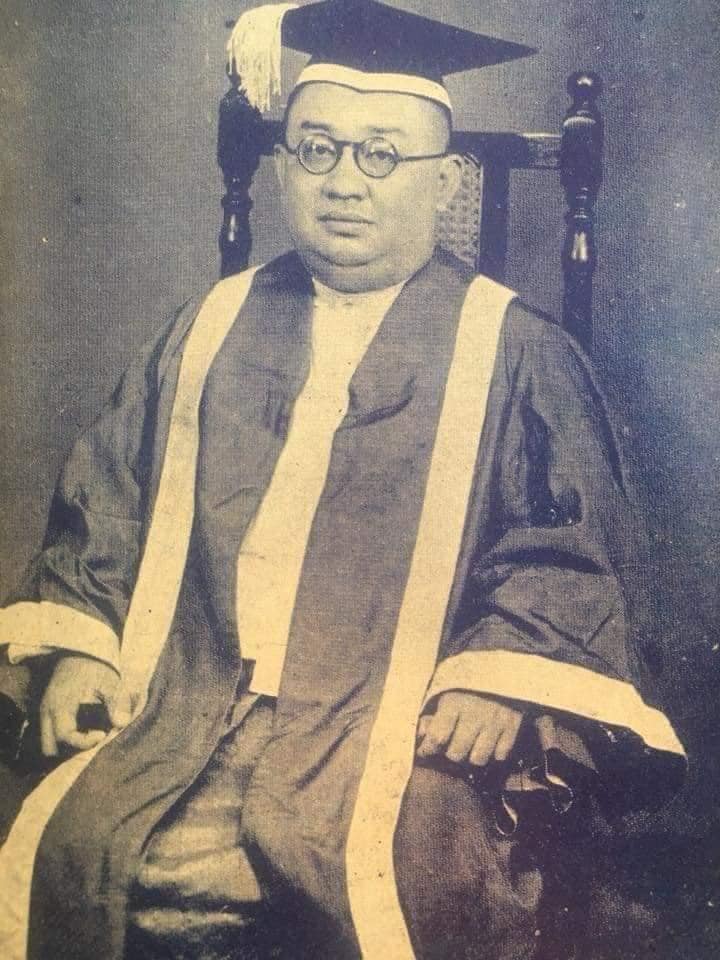

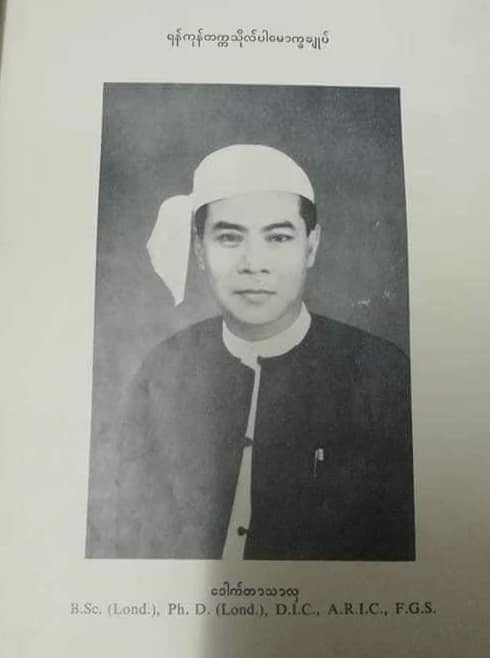


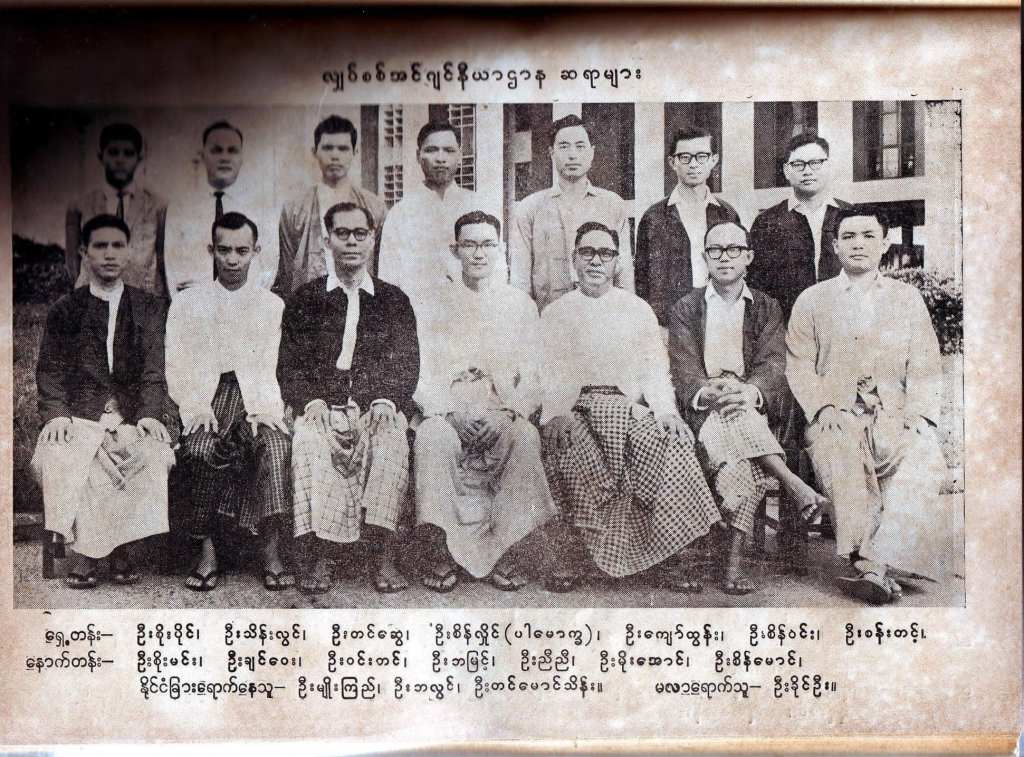
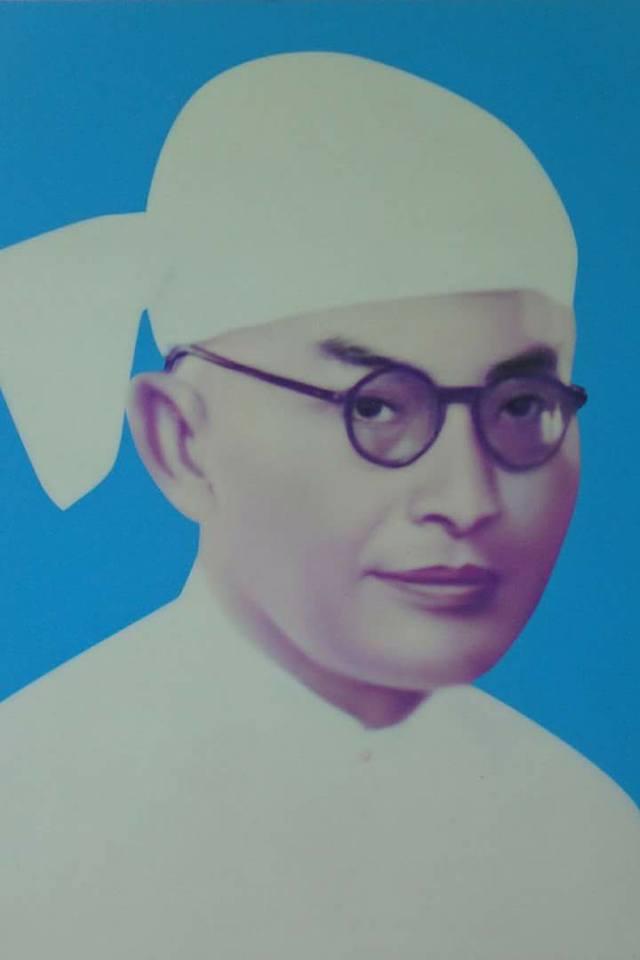
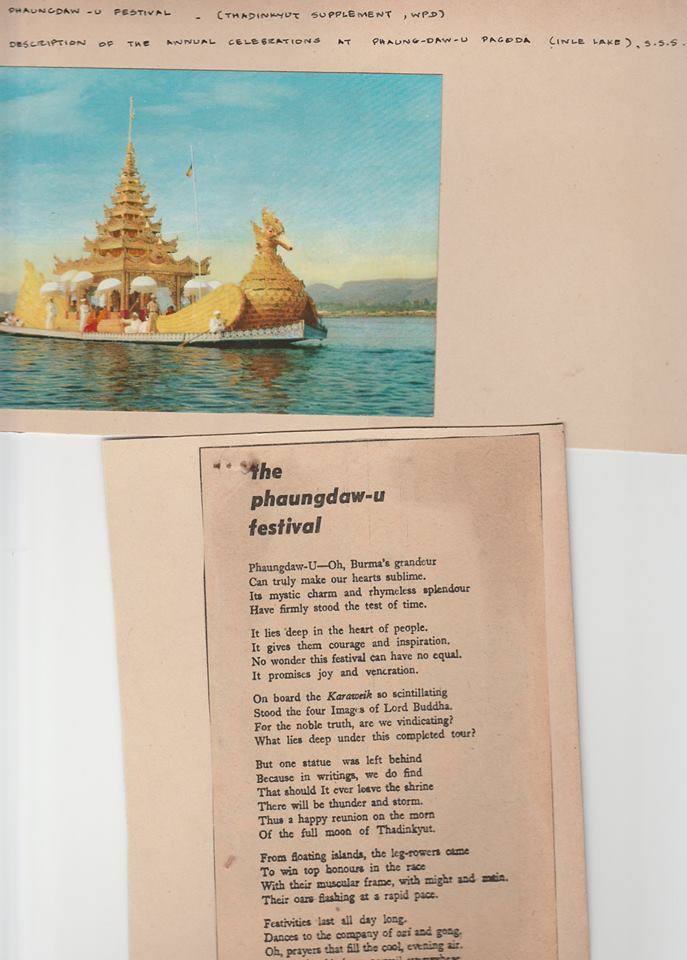

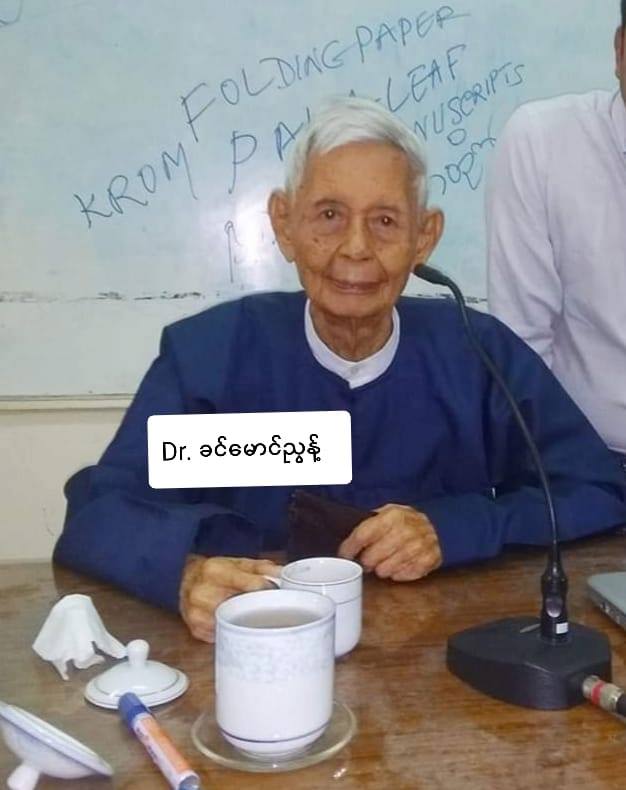
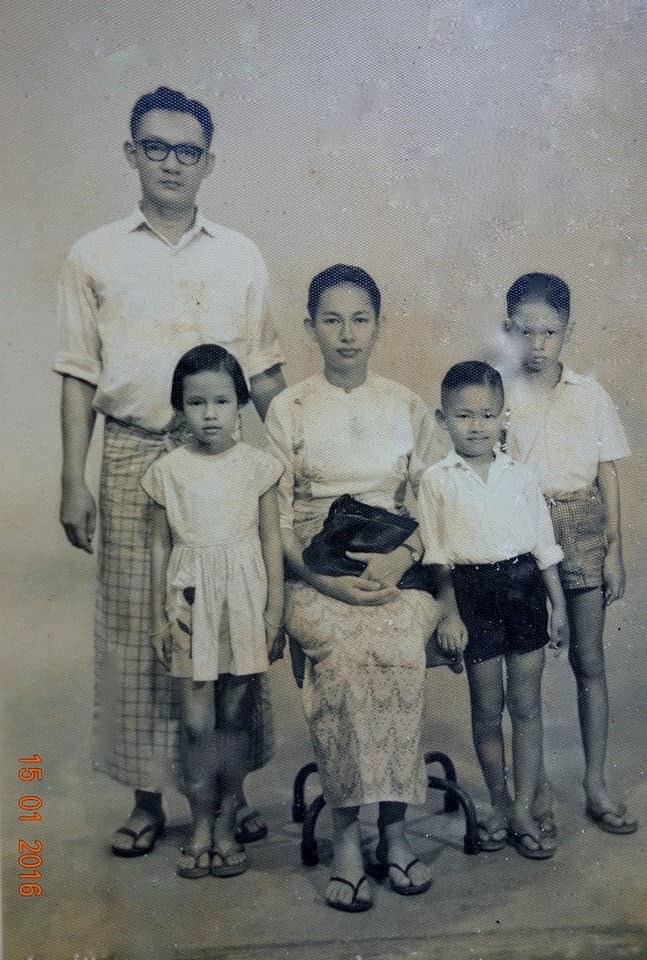
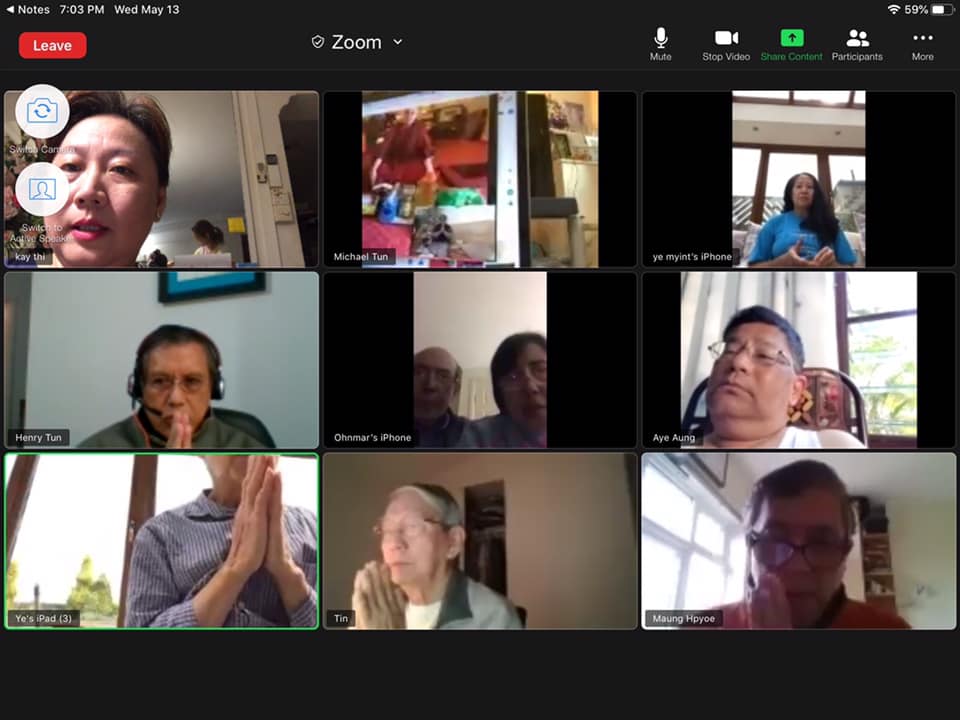


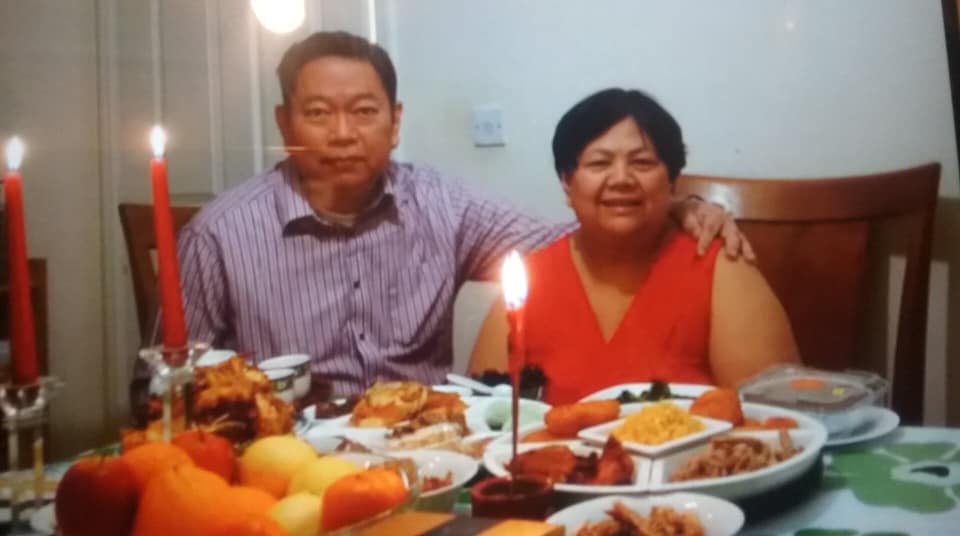

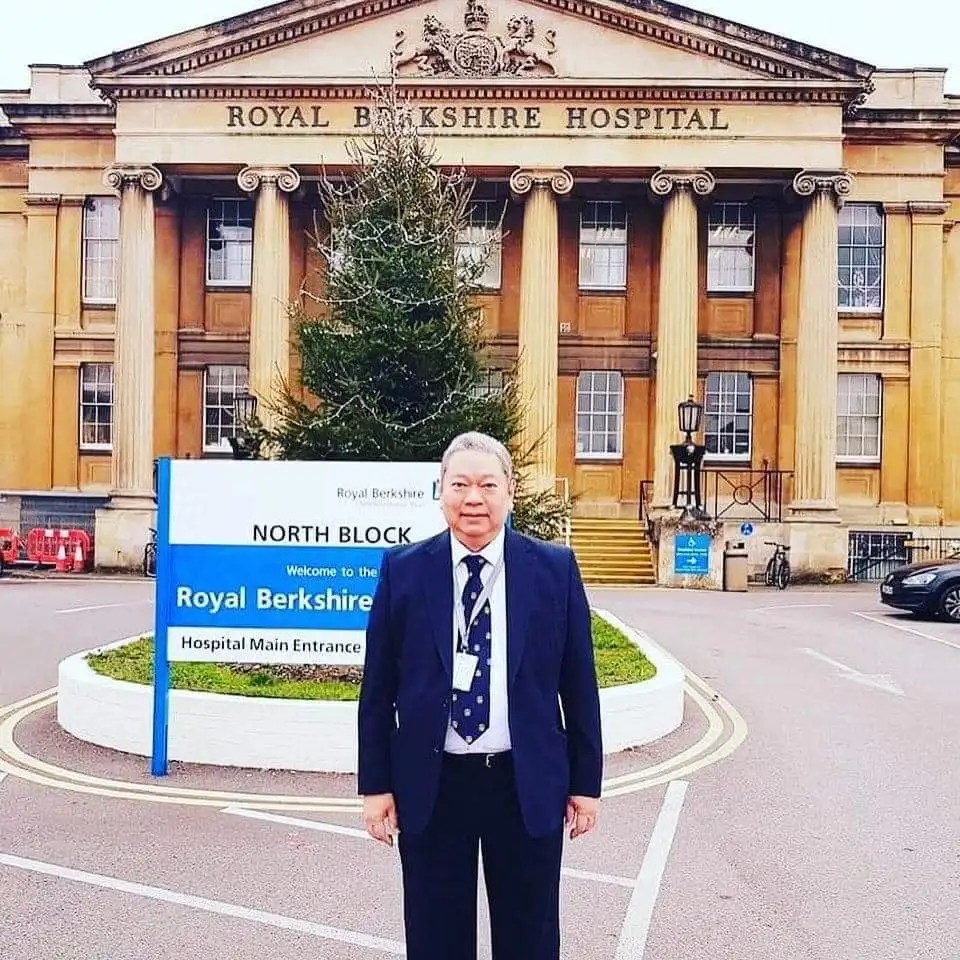


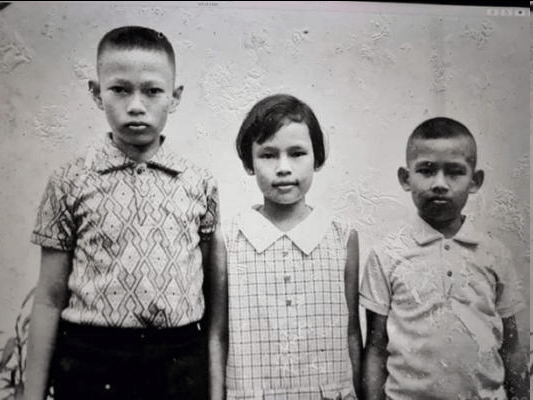
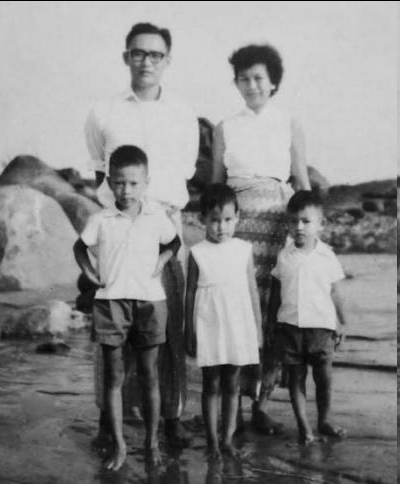
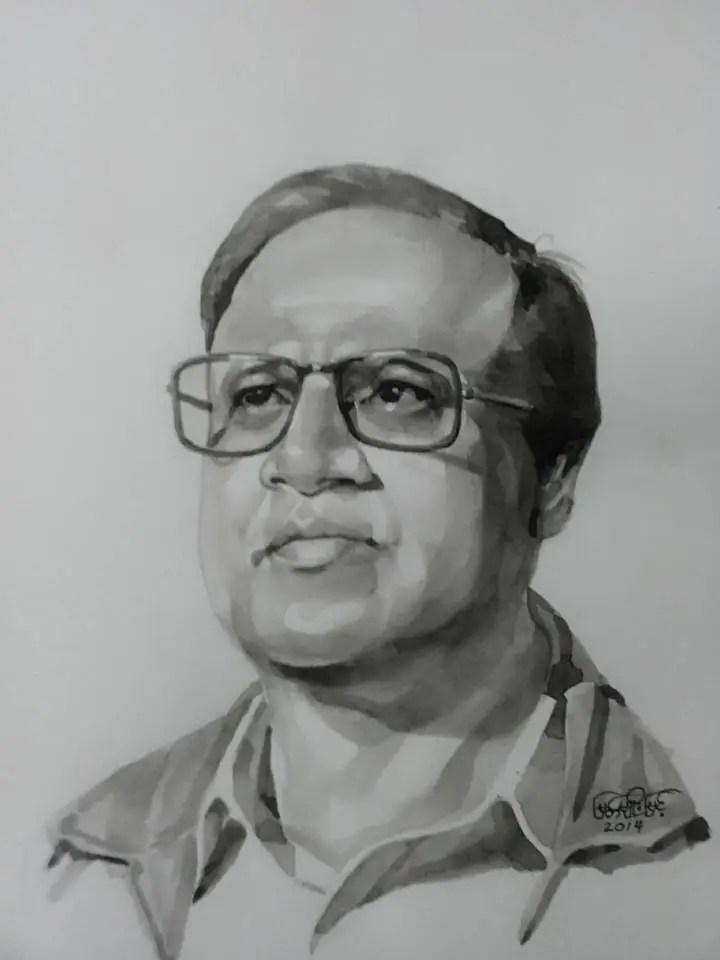
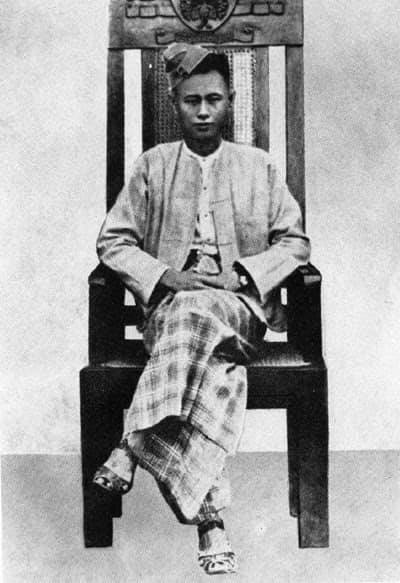

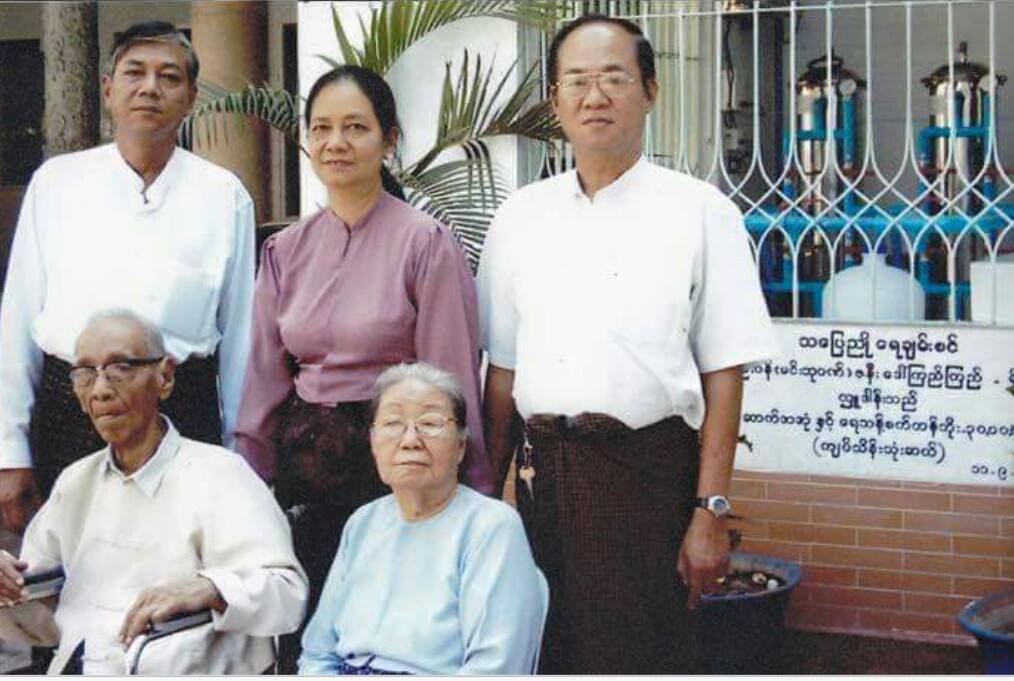
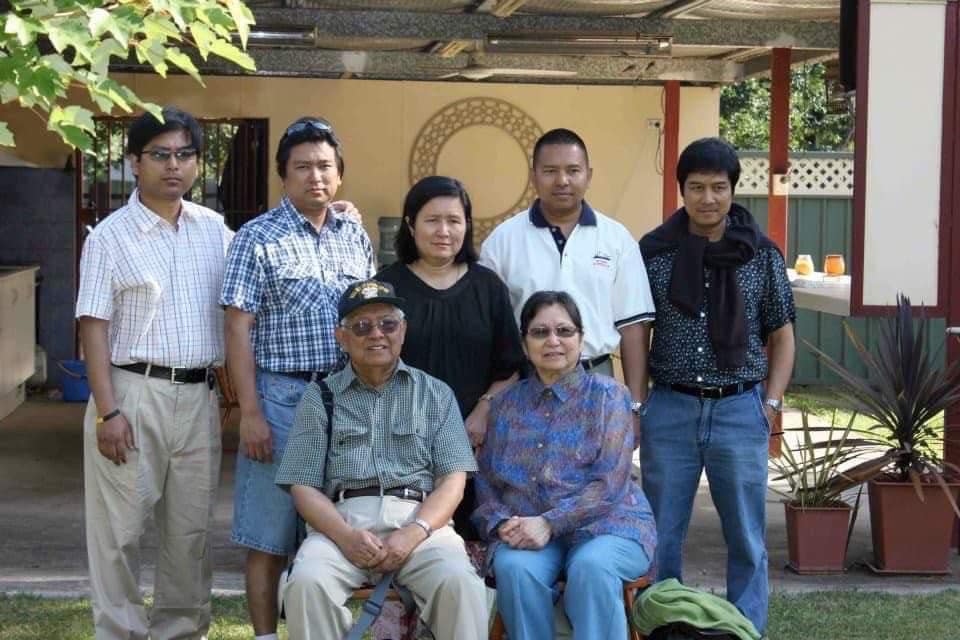
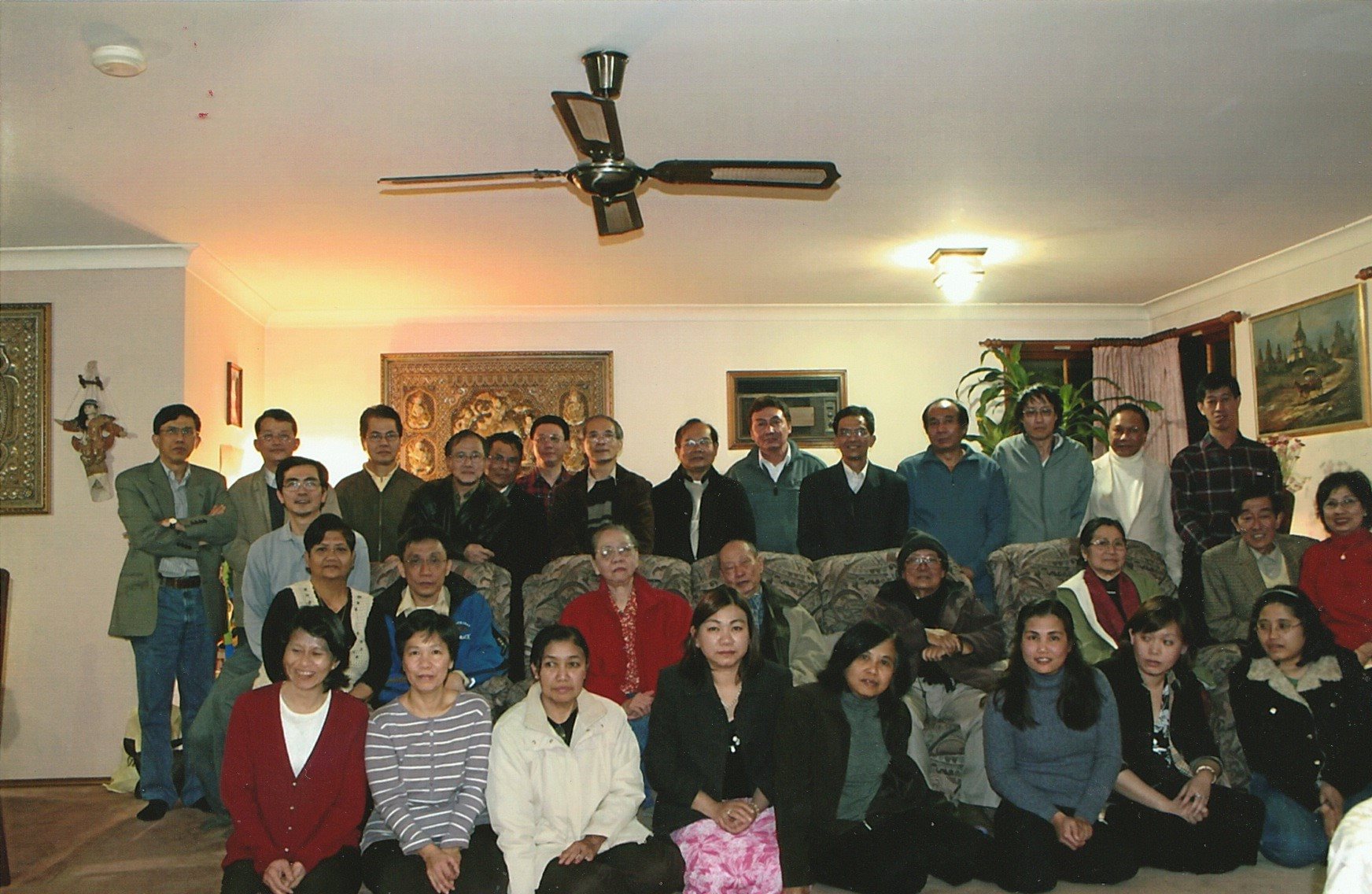
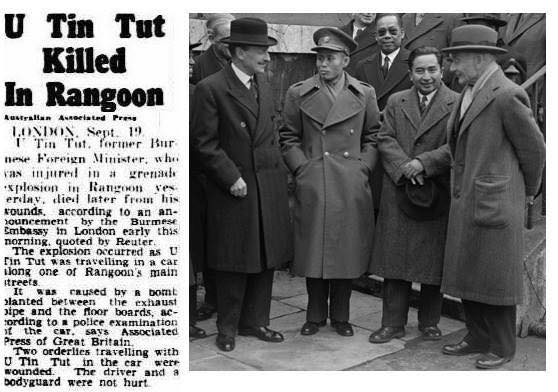
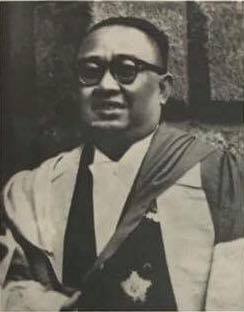

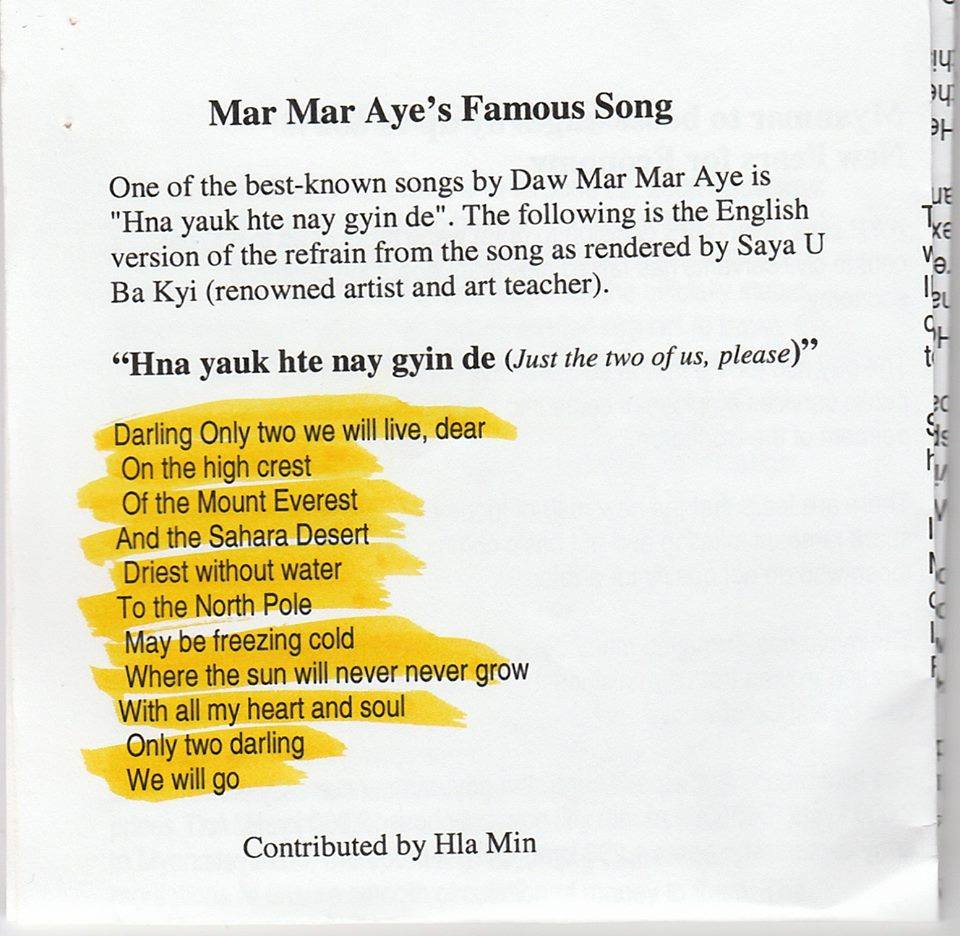
 HlaMin