Attended SPZPs, mini-PZPs and micro-PZPs in Canada, USA, Singapore & Myanmar.
Matriculated in 1949
First group of engineering students selected to study at prestigious universities in the USA under the Twinning Program
BS and MS from MIT
Upon return, he joined the Faculty of Engineering as Assistant Lecturer.
Promoted to Lecturer & Head of Civil Engineering
Doctorate from University of Alberta
Succeeded U Yone Mo as Rector of RIT in 1971
DAG
Left for UN assignment.
Later : moved to Canada
Fondly talks about “the best days of his life at RIT”
DAG 2DAG 3
Contributions
Brief bio for SPZP-2000
Keynote at SPZP-2000 : Talked about Health & Emotional Intelligence
Article covering (a) State Scholarship in the USA (b) experience as Professor and Rector (HMEE book has excerpts from the article)
Introduction to the History of Myanmar Engineering Education ( in Supplement CD of HMEE book)
Coconut Episode (Heard at Saya Allen Htay’s house before SPZP-2000. Transformation of a student from a Coconut thief into a respected 3R teacher. Printed version appeared in “Swel Daw Yeik Sar Saung” for a Singapore SPZP.)
Anecdotes on several occasions
Saya and I spent a few days together at Ivan’s house in New Jersey in 2015. Saya would tell us stories from his RIT days.
Ivan, Saya & me
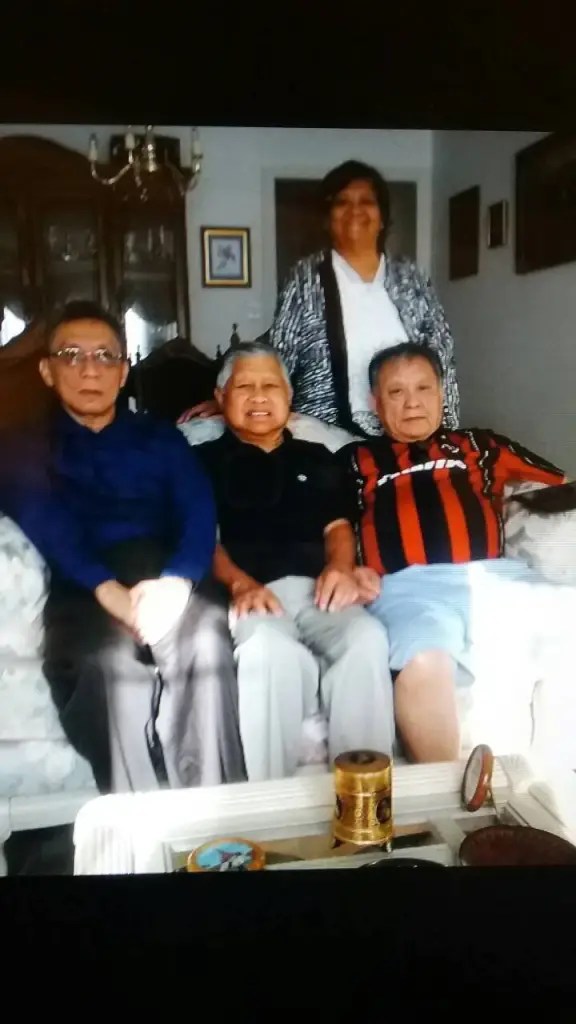
We spent two nights at Saya’s house in Canada during the whirlwind trip hosted by Ivanwith the help of Fred Thetgyi.
At Saya’s house
During my visits to Yangon, I was “Ei Hmyaung” at the gatherings — one for the birthday of Daw Emma and one for welcoming Sayagyis attending SPZP
World Wide SPZPs (SPZP-2000, SPZP-2002, SPZP-2004, SPZP-2007, SPZP-2010, SPZP-2012, SPZP-2016).
The following is a glimpse of some gatherings.
Welcoming Sayas
San Francisco Bay Area Alumni welcomed several sayas. They include
U Ba Toke (Myanmar)
U Num Kok (Oregon)
Dr. Aung Gyi (Napean, Canada)
U Aung Khin (Windsor, Canada)
U Khin Aung Kyi (then in Thailand)
U Soe Paing (then in Myanmar)
U Maung Maung Win (Australia)
Dr. Hla Myint (Mack, Australia)
U Hla Myint (Charlie, Australia)
U Kyaw Myint (then in Beijing)
Dr. San Hla Aung (then in New Orleans)
U Win Kyaw & U Nyunt Htay (after attending 2015 LA Reunion)
CD
2006
Attended the RIT Alumni Dinner in Sydney, Australia. Met Saya U Hla Myint (M65), Saya U Myo Win (M/Ag65), Daw Phyu Phyu Latt (Christine, A70), U Aye Win Hlaing (Abel, La La, EE7x), U Myo Lwin (Stanley Saw, M71), U Htun Aung Kyaw (EC73), U Kyaw Thu (Dennis Mackey, C73), George Peters (C73), U Thet Htun (Henry, M75), U Wint Khin Zaw (A79), U Htay Aung (EC80), U Sein Win (C80), and several alumni.
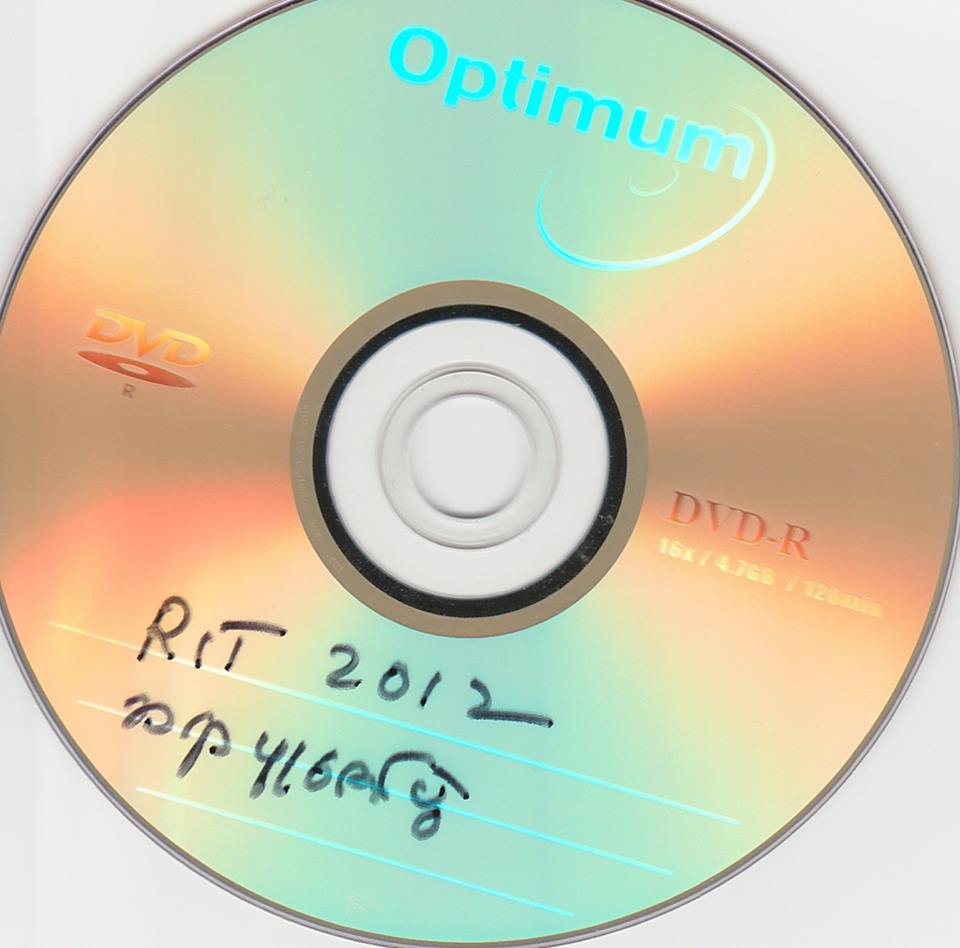
Reunion CD
2007
Due to time, resource, and delivery constraints, I do not always get the official CDs. I sometimes get (a) preview versions (b) copy of the “master gold” (c) alternate to the official. It’s better to have something rather than nothing.
Preview CDOfficial CD
2011
The Combined 1st BE Intake of 64 and 65 (aka Class of 70 & 71) had hosted Reunion & Acariya Pu Zaw Pwes for almost two decades.
The group usually published booklets at their main events.
Magazine 1Magazine 2
2012
Thanks to U Aye Myint (EP72), SPZP-2012 was a true Home Coming at the Gyogone Campus.
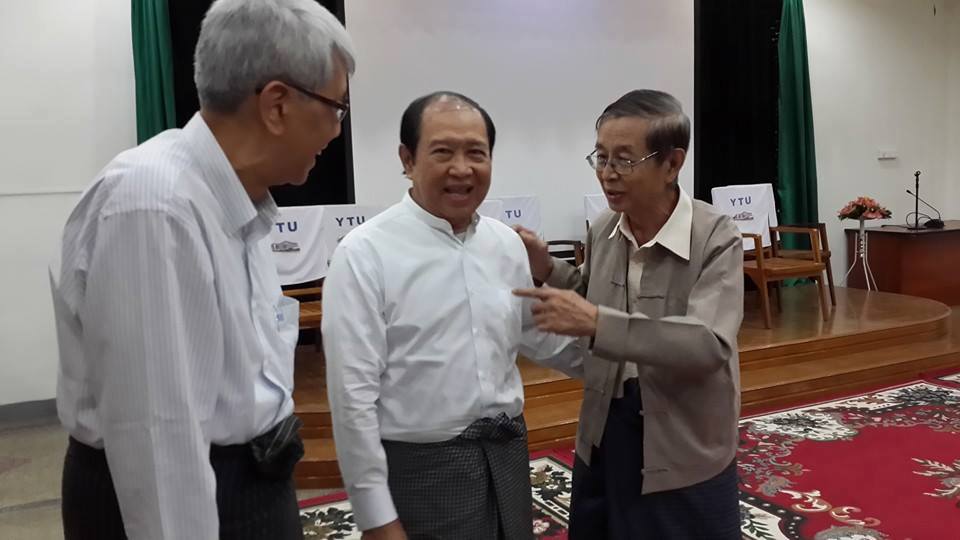
Pu Zaw Pwe was held at YTU.
Reunion Dinner was held at MICT Park.
PZPDinnerOfficial CD
2014
In November 1964, three batches of students were admitted to 1st BE, 2nd BE and 3rd BE classes.
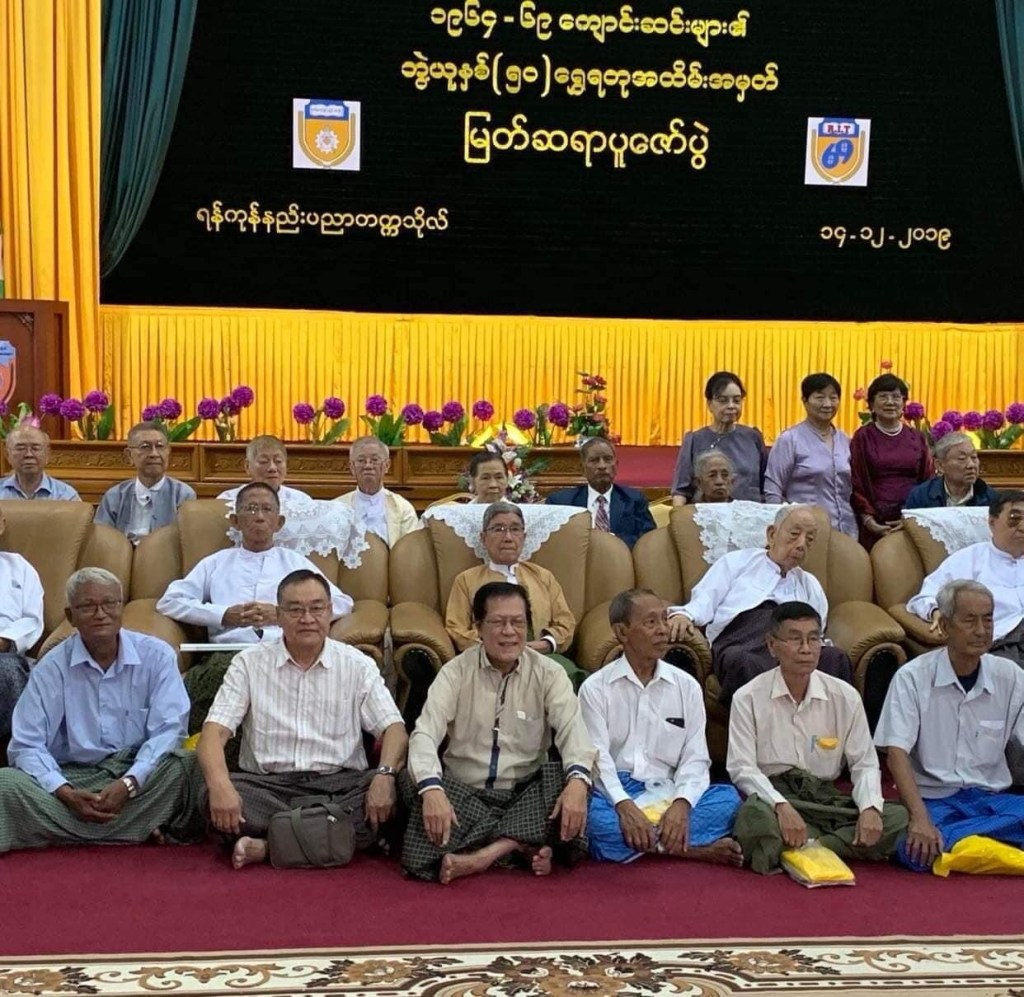
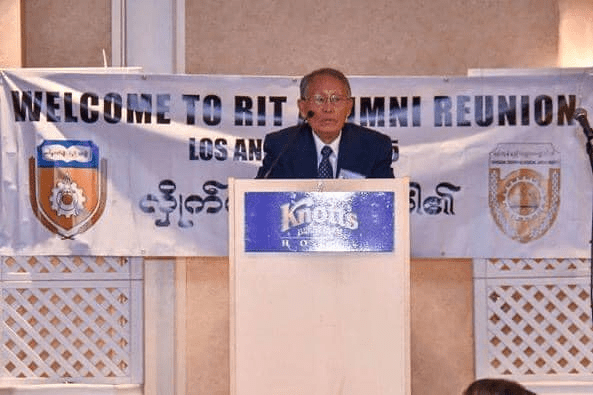
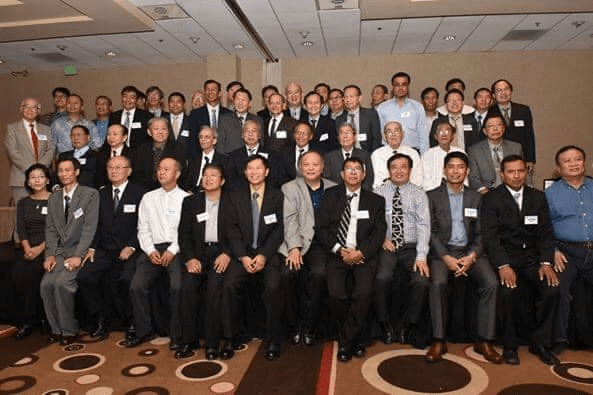
RIT 69ers celebrated the pseudo Golden Jubilee (50th Anniversary of the Admission to RIT) in 2014. Acariya Pu Zaw Pwe was held at the YTU Assembly Hall. Reunion Dinner was held at Panda.
CD 1CD 2
2016
SPZP-2016 : Full day event at Gyogone Campus; Free Breakfast, Lunch, Dinner & Entertainment
SPZP-2016
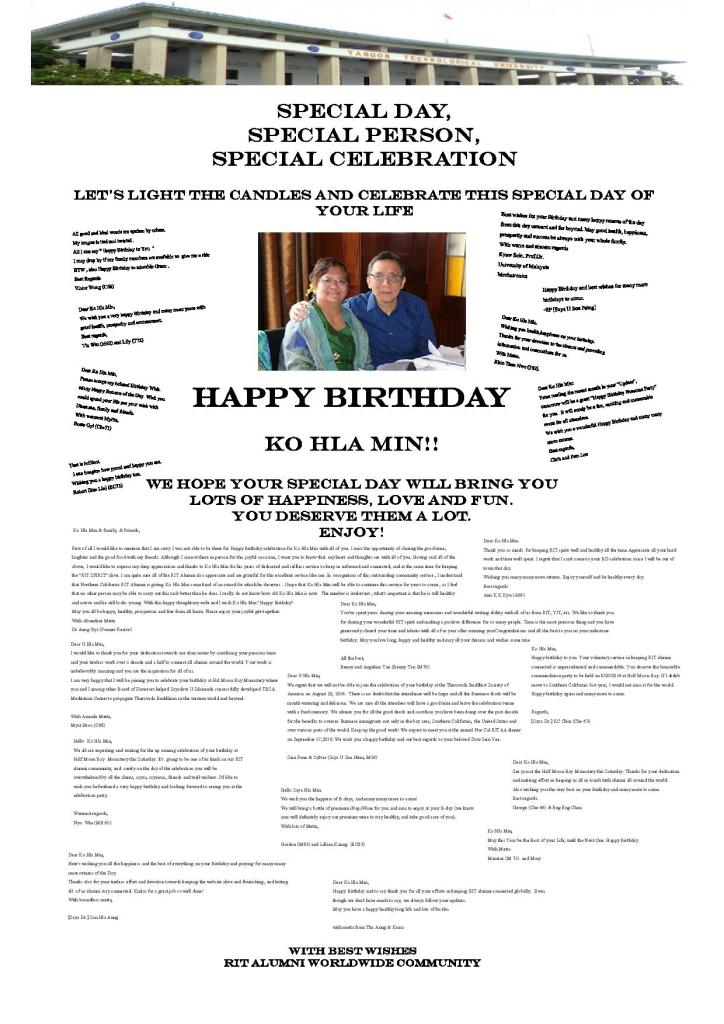
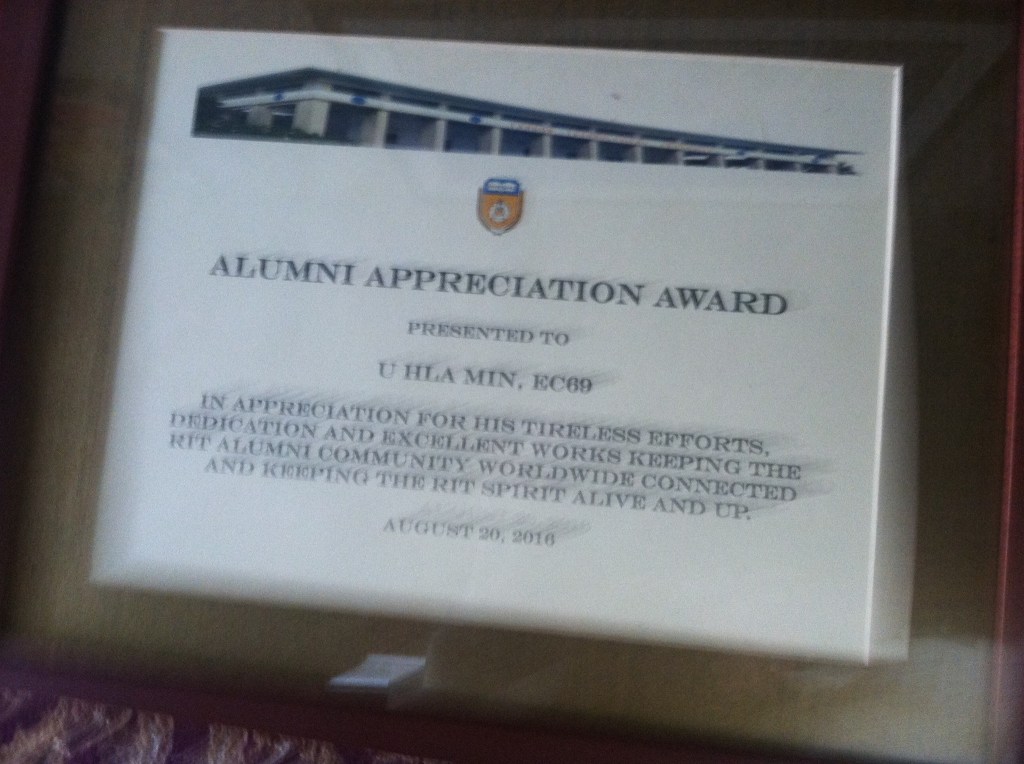
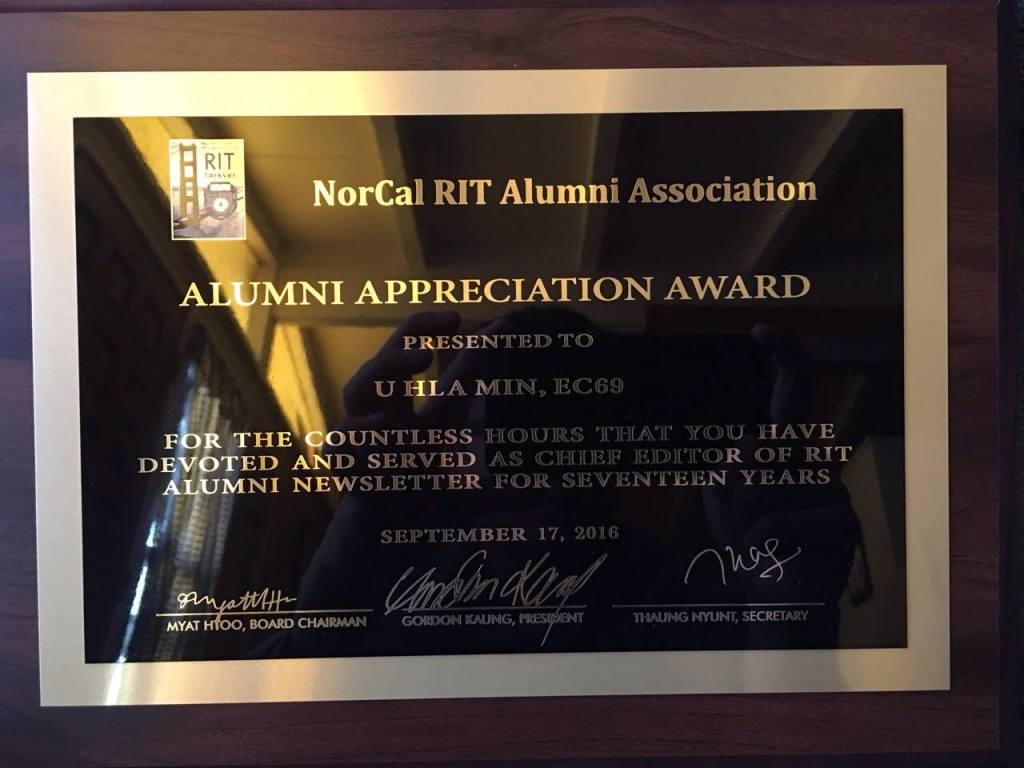
Aug 2016 : Birthday Soon Kyway at Dhammanda Vihara, Half Moon Bay; Received Alumni Appreciation Award
Birthday Soon KywayAward 1
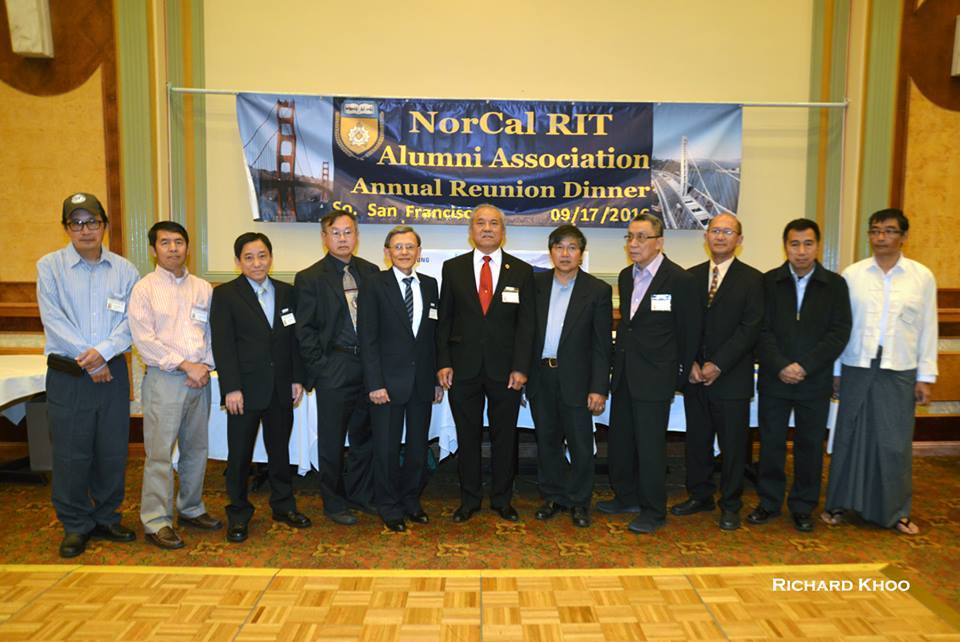
Sept 2016 : NorCal RITAA Annual Dinner; Received Alumni Appreciation Award
Most took Engineering courses after passing I.Sc.(B) in 1963 & graduated with BE in 1967.
Electrical
U Myo Myint (EC)
RUBC Gold
Member of Engineering Crew that won Inter-Institute Eights.
Retired from PPIC
Vice Chair of the Magazine Committee for RUBC 90th Anniversary Issue
Submitted Photos for HMEE Project
U Win Myint (EC)
Member of RIT Table Tennis team that won the Inter-Institute Trophy
Moved to California, USA
Daw Yi Yi Aung (EC)
RIT EE Association
Spouse : U Win Kyaing (M, GBNF)
Nancy Hla Aung (EC, GBNF)
Director, Ya Tha Cho
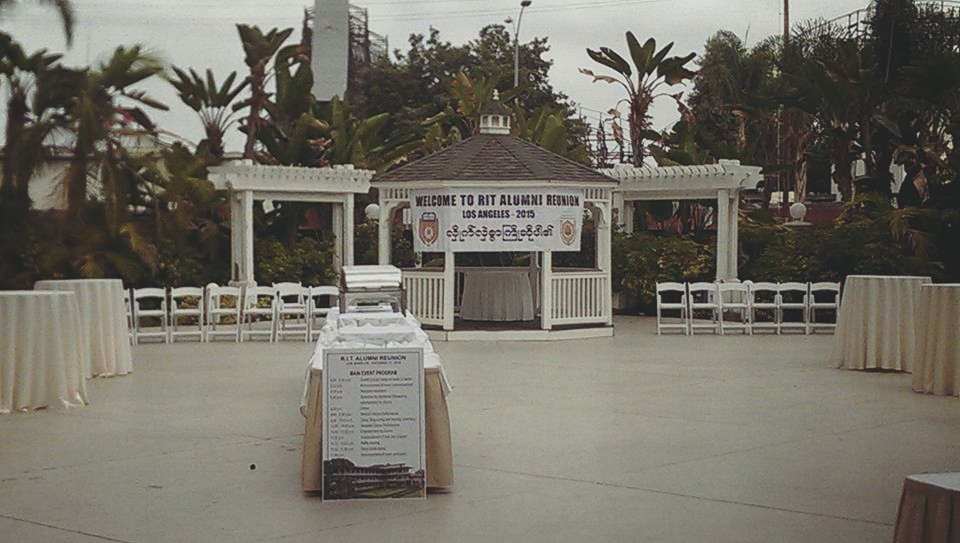
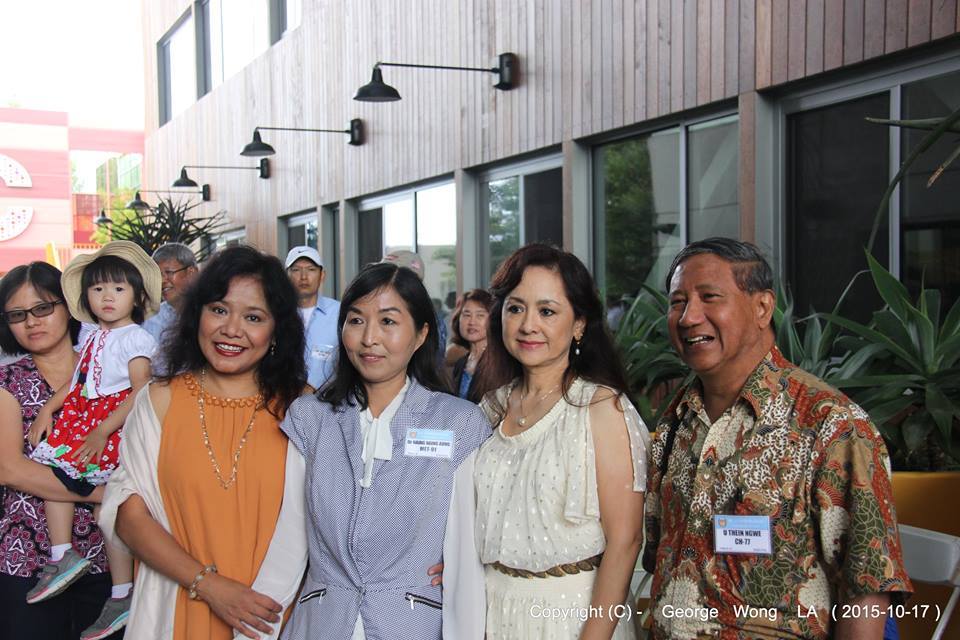
Attended 2015 RIT Alumni Reunion in Los Angeles
Maywaddy Tun Tun (EP)
Spouse : U Sein Shwe (M67)
Chein Hoke (EC)
Also known as Kyaw Naing
U Soe Tha (EC)
RIT Tennis
RIT EE Association
PTC
Minister
Dr. Sann Oo (EP)
Editor, Hlyat Sit Sar Saung
EPC
Owner, East and West Parami Hospital
Dr. Thein Tun (EP)
Old Paulian
EPC
U Ye Win (EP, GBNF)
Secretary, Hlyat Sit Sar Saung Publication
EE67
Photo : U Myo Myint (EC67)
Aung Than
Henry Khoo
Hla Aung
Khin Naing / Cheng Hoke
Ko Ko Gyi
Kyaw Win
Maung Maung
Myint Kyaw (GBNF)
Myint Myint Than / Nancy Hla Aung (GBNF)
Myo Myint
San Oo, Dr.
Soe Tha
Thein Tun, Dr.
Win Myint
Yi Yi Aung
Mechanical
U Win Thein (M, GBNF)
Founded Set Hmu Thadin Zin.
VP, RIT Mechanical Association
Co-founded Mechanical Magazine
Helped organize gatherings & trips (e.g for Ah Nu Pyinnya Shin).
Founder : Ya Tha Cho
U Than Htut (M)
Than Htut
RUBC Gold
Treasurer / Secretary at RUBC
Member of Engineering Crew that won Inter-Institute Eights
Retired from HIC
Provided a list of M67
Stan Liou (M)
Stan
Member of RIT Table Tennis team that won the Inter-Institute Trophy.
Moved to California, USA
Founding member, NorCal RITAA. Served as Chair, BOD
U Kyaw Oo (M, GBNF)
Pianist
Rowing
Moved to USA
U Win Kyaing (M, GBNF)
Rowing
Spouse : Daw Yi Yi Aung (EC67)
U Sein Shwe (M)
Sein Shwe (Standing 3rd from Right)
Old Paulian
RIT Luyechun in Summer 1965
Spouse : Maywaddy Tun Tun (EP67)
U Tun Kyi (M, GBNF)
RIT Tennis : Doubles with U Soe Tha (EC)
Dr. Chan Nyein (M, GBNF)
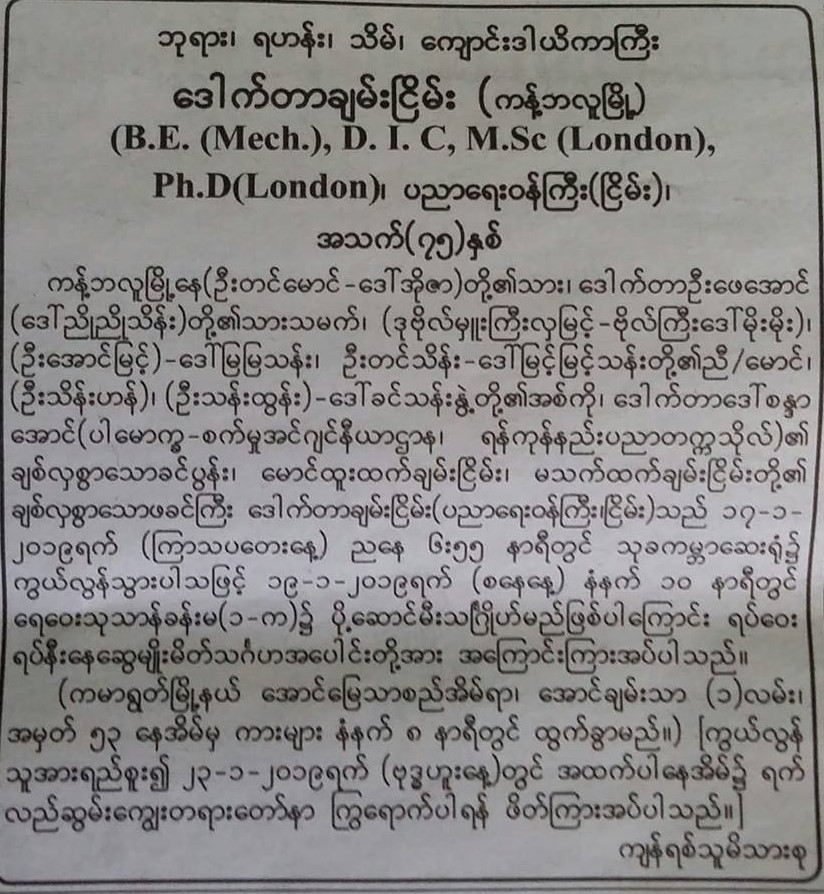
Obituary
Saya
Doctorate from Imperial College, London University
Minister
U Tin Myint (M, GBNF)
David
David Ko
Sittang Paper Mill
Moved to California, USA
Entrepreneur
Golden Sponsor of SPZP-2000
Sponsor for SPZP-2012
U Tin Maung Oo (M, GBNF)
Tin Mg Oo (Right)
Saya
Assistant Workshop Superintendent
Moved to California, USA
U Aung Myint (M, GBNF)
Helped U Win Thein with “Set Hmu Thadin Zin” & Mechanical Engineering Magazine.
Worked for UNICEF before moving to USA.
Passed away in November, 2017.
“Ah Yone Soon” in his memory was offered by the family members, relatives & friends to resident monks at Mudita Shwe Kyaung, Hayward, California on December 3, 2017.
U Sein Yaung (M)
Moved to California
Architecture
Dr. Koung Nyunt (A, GBNF)
Saya
Doctorate from Japan
Secretary, RIT Photography Association
Pen name: Kogyi Koung
Wrote articles for RIT Alumni Newsletter
Organizer, RIT Alumni in New Zealand
Daw Khin Khin Kyu (Ann, A)
Moved to California, USA
Brother : U Thein Han (Maths, Burma Selected in Basketball)
U Tun Thein (A)
Moved to California, USA
Brother : U Htin Paw (EE58, GBNF)
U Kyaw Thein (A)
Saya
U Win Myint (A)
Spouse: Daw Pyi Aye, A66)
Chemical
U Htun Aung Kyaw (ChE)
Old Paulian
Saya
Moved to Thailand & East Coast of USA
Provided ChE Class Photos
U Myat Lwin (ChE, GBNF)
Member of RIT Table Trnnis team that won the Inter-Institute Trophy
Civil
U Maung Maung (C)
Member of RIT Table Tennis team that won the Inter-Institute Trophy
Albert Kyaw Min wrote : The Oldies of RIT 64′ (Second BE) intake, 69’++ Luncheon Gathering at Feel Restaurant sponsored by Danny who arrived yesterday (November 28, 2015) from Singapore. Over 50 classmates gathered .
Emma (Tin Tin Myint) wrote : Good Friends, Good Food, Good Times
Albert, Danny & Robert are the Guitarists. Have not heard from Robert.
U Win Kyi (GBNF)
U Aung Min wrote : Funeral service of Ko Win Kyi (GBNF 87) from The Mirror 30/11/18
U Kyaw Oo wrote : U Win Kyi was my roommate in Delft, the Netherlands.
The Group photo shows the Staff and the 2nd, 3rd and Final Year students.
A60
Most of the 2nd Year students graduated in 1960.
U Tin Htoon (A60)
1960 ARAE Regatta
Past Captain & Gold, RUBC.
Won the Union of Burma President’s Challenge Cup for Inter-club Coxed Eights in 1956.
Won the Venables Bowl for Coxless Pairs at the 1958 ARAE Regatta in Calcutta with Dr. Harry Saing (GBNF).
Won the Willingdon Trophy for Coxed Fours at the 1960 ARAE Regatta in Colombo, with Dr. Harry Saing (GBNF), Sunny Teng, Victor Htun Shein (GBNF) and Sein Htoon (M63)
Won Silver medal for Yachting at SEAP Games in Bangkok with Hla Khin.
Founded Architects Incorporated with U Bo Gyi (A59, GBNF) & U Aung Kyee Myint (A60). They later joined PWD.
Designed Thiri Pyit Saya hotel in Bagan
Designed Burmese Buddhist Temple in Singapore
Board Member of Pariyatti Association
Fundraiser & organizer for selected Goenka projects
In 1963, he compiled the Souvenir Magazine for the RUBC 40th Anniversary with Sithu U Tin (President) and U Po Zon (Vice President).
In 2013, he chaired the subcommittee to publish the Souvenir Magazine for the RUBC 90th Anniversary. U Myo Myint (EC67, RUBC Gold) was Vice Chair. U Htaik San (Henry Kao, M81, RUBC Gold) was Secretary. U Hla Min (EC69) was Contributing Editor, who wrote Prelude for every section and three feature articles.
Retired after working in Myanmar, Singapore and California (USA)
Co-founder, Triple Gems Publication
Compiled Photo Albums with Htaik San (Henry) for his parents, two elder brothers (U Tin U & U Ba Than) and a nephew (Dr. Peter Tun, who passed away with COVID-19 in UK).
U Aung Kyee Myint (A60)
Founded Architects Incorporated with U Bo Gyi (A59, GBNF) & U Tin Htoon (A60)
Retired Chief Architect of PWD.
U Kin Maung Yin (A60, GBNF)
Part-time saya
Proponent of Modern Art
Movie Director
Koon Yin Chu (Phillip Chu, A60)
First in Burma in Matric exam of 1954 from SPHS
First in the Class of A60
Attended SPZP-2000
Restaurant owner; Good dancer
Chemical
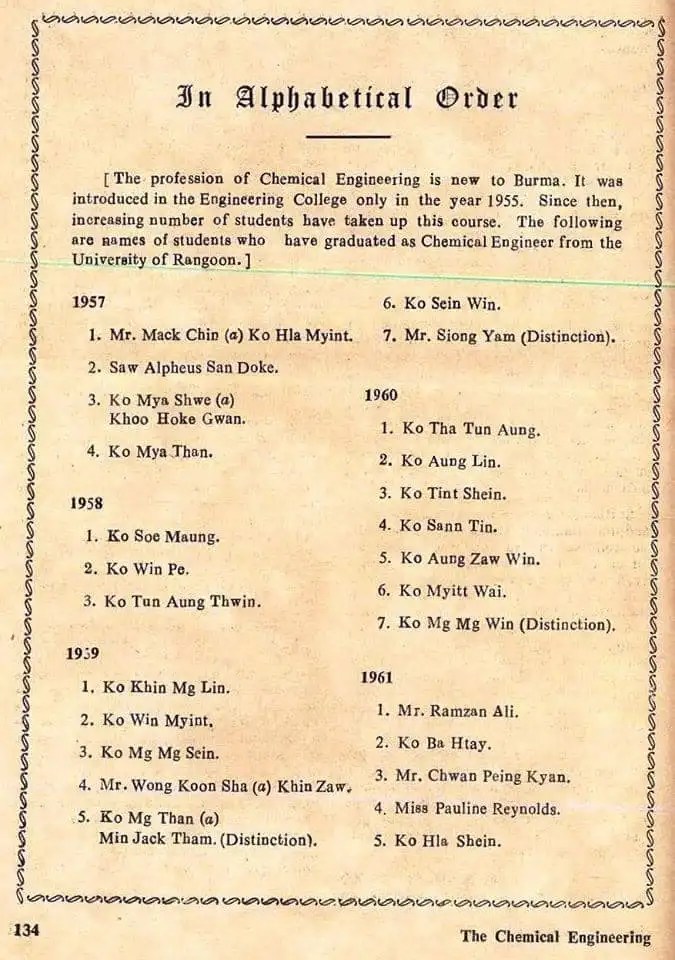
Seven ChE60 graduates
ChE
U Aung Zaw Win (Ch60)
Col. DI/HIC ( Retired)
U Tha Tun Aung (Ch60)
Maj. DI (Retired)
Director HIC (Retired)
Saya Dr. Maung Maung Win (ChE60, GBNF)
Dr. Maung Maung Win
Retired as Professor of Chemical Engineering
Masters from Kansas University and Doctorate from Purdue University
Civil
U Tun Aye (C60)
Amara Hall, volleyball player Captain
He was from Nyaungdon
U Tun Aung (C60)
Secretary of Prome Hall S&R (1958-59)
Prome Hall football team member
U Taik Lwin (C60)
Major, GE (Retired), GBNF
Director, HIC
U Lay Lwin (C60)
Major, GE (Retired)
Director, TSC
Ministry of Industry 2
U Khin Zaw (C60)
Major, GE (Retired)
U Soe Lin (C60)
Construction Corp. (Retired)
U Kan Aye (C60)
Director (Public Works) (Retired)
CC
He was from Moulmein
U Soe Kyaw (C60)
MOC (Retired)
He was from Thaton
U Than Ngwe (C60, GBNF)
CC (Retired)
He was from Mandalay and brother of the late U Than Shwe
U Ba Swe (C60)
Dy. Director ( Water/ Sanitation), Public Works
Per U Aye : Volleyball team mate Prome Hall selection in 1958-59
U Hla Thein (C60)
CC (Retired)
Prome Hall selected footballer.
U Kyaw Htin (C60)
Construction corporation
He was from St.Patrick’s HS, Mawlamyine
U Tin Ohn (C60)
Port Commissioners, Yangon.(Retired)
Went for further study in Australia.
He was from SHS No.1, Mawlamyine.
U Hla Tin (C60)
Irrigation (Retired)
A writer/poet (Kaytu Win Tint), my mentor, senior colleague from Prome Hall, he was in room no. 102, while I (U Aye N62) was in room 108.
He was from Toungoo.
U Hla Thein (C60)
From State HS No,1, Mawlamyine
Ramanya Hall basketball star
Yangon City Development (GNBF)
Electrical
U Mg Mg Myo Nyunt (EE60)
Major (DI) (Retired)
(also known as Ko Than Nyunt at Prome Hall)
President of SPARKS (1958-59)
U Htay Swe (EE60)
He was from St Patrick’s HS. Moulmein. He matriculated the same year with U Aung Tun (DI) .
U Than Htut (EE60)
ECC (Retired)
Passed away while on state scholarship to the US.
U Nyan Tun (EE60)
EPC
He was from SHS No.1, Mawlamyine
U Tun Yee (EE60)
Dy. Director (Electrical), Public Works
Per U Aye : He was from Prome Hall, known for body building, our instructor for body building in his room, 1958-59.
U Soe Thein (EE60)
Attended SPZP-2000 with his brothers Saya Dr. Aung Soe (C61) and Saya Dr. K C Chiu (ChE63)
Mechanical
U Aung Tun (M60)
Major(Retired), Defense Industries (DI)
St. Patrick’s HS, Mawlamyine
Prome Hall selection in football and basketball
U Hla Shwe (M60)
Lt Col (Retired), Defense Industries
U Khin Maung Win (M60)
EE, BPI (Retired)
He was from Morton Lane Judson HS, Moulmein
Nelson Khaing (M60)
Major (DI) (Retired)
Dy. Supdt No.4 HI
U Tun Aung Zaw (M60)
Ministry of Mines
Per U Aye : He was my senior neighbour at Prome Hall in 1958-59), room number 107, while I was in room number 108.
Saya U Tin Htut (M60)
Past Captain & Gold, RUBC
Taught Industrial Management (formerly taught by sayas from Social Science & Institute of Economics)
Co-founder & Past President, BASES
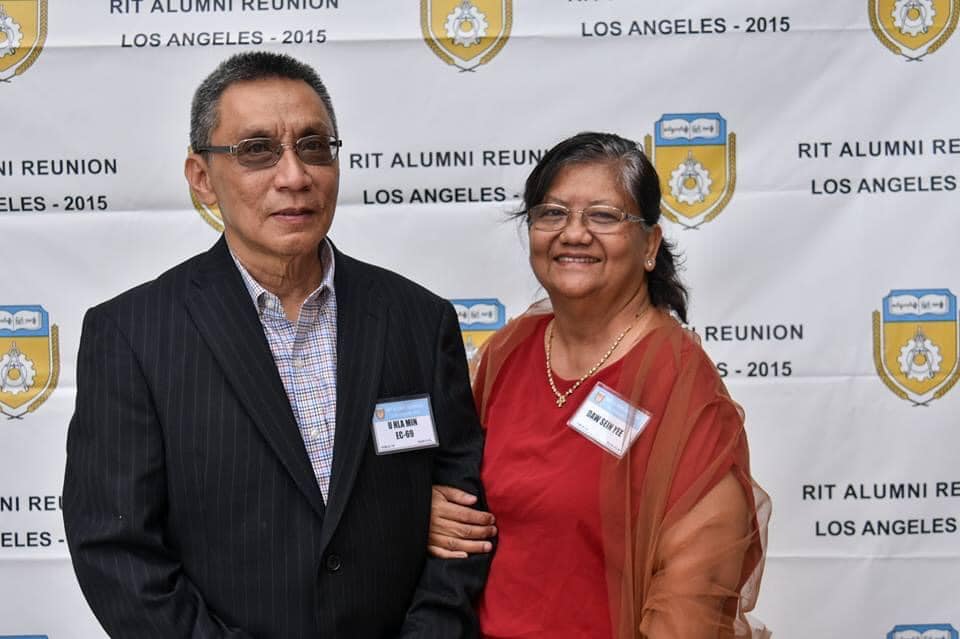
Financial Controller, 2015 RIT Alumni Reunion in Los Angeles
Donated to various RIT-related projects (e.g Library Modernization
Saya U Tin Maung Nyunt (M60)
U Tin Maung Nyunt
MS from Virginia Tech
Taught Agricultural Engineering at RIT
President of RIT Thaing
Worked in Thailand & USA.
Donated to Norcal RITAA & YTU Library Modernization Project.
U Than Tin (M60, GBNF)
U Tin Htut & U Than Tin
RUBC Gold
Won the Union of Burma President’s Challenge Cup for Inter-Club Coxed Eights in 1956
U Than Sein (M60)
Due to schedule conflict, he could not join the M60 Reunion lunch with U Tin Htut & U Than Tin.
Saya U Tun Shwe (M60)
U Tun Shwe
Patron of RITAA, SDYF and SPZP.
Attended 2015 RIT Alumni Reunion in Los Angeles. His host was his cousin U Win Htay (Walter Cheng Lyan, M70).
U Bo Lay (M 60)
EE Mechanical (Retired)
Irrigation Dept.
U Hla Shein (M60)
Asst Lecturer, 1960-61
Moved to CC
Manager, Insein Workshop
Part time lecturer on mechanized construction.
Metallurgy
U Than Shwe (Met60, GBNF)
Lt Col, Defense Industries
MD -Heavy Industries Corp.(HIC)
Minister for Industries
U Kyaw Win (Met60)
Lt Col (Retired), Defense Industries
Public Health
U Maung Maung (Public Health 60)
Major-GE(Retired)
UNICEF (Sierra Leone)
UNICEF(New York)
He was from Morton Lane Judson HS, Mawlamyine
During his assignment in FAO project in Sierra Leone, U Aye met U Maung Maung in Freetown
First classes offered in 1924 to two sets of students : B.Sc. graduates for a “compressed” 3-year course and eligible I.Sc. passed for a regular 4-year course. Details can be found in the article by U Hla Maung (1928 grad) for RU Golden Jubilee Magazine in 1970; and the History of Myanmar Engineering Education book published in 2012. The early sayas were British and Indian.
RIT Alumni Newsletter
RIT Alumni Newsletter and ex-rit.org published several articles by Civil alumni & sayas. They include articles by U Aw Taik Moh (C54), Dr. San Hla Aung (C58), Mr. Allen Htay (C58, GBNF), U Myint Khine (C63), Dr. Aung Gyi, U Min Wun, …
Civil Engineering Sayas
U Ba Hli
First native Dean of Engineering
Former Professor of Civil Engineering & Principal of GTI
Proposed “Twinning Program” between Faculty of Engineering and prestigious US Universities
U Mya Han
Professor before moving to industry
His company interned & hired Civil Engineers
Dr. Aung Gyi
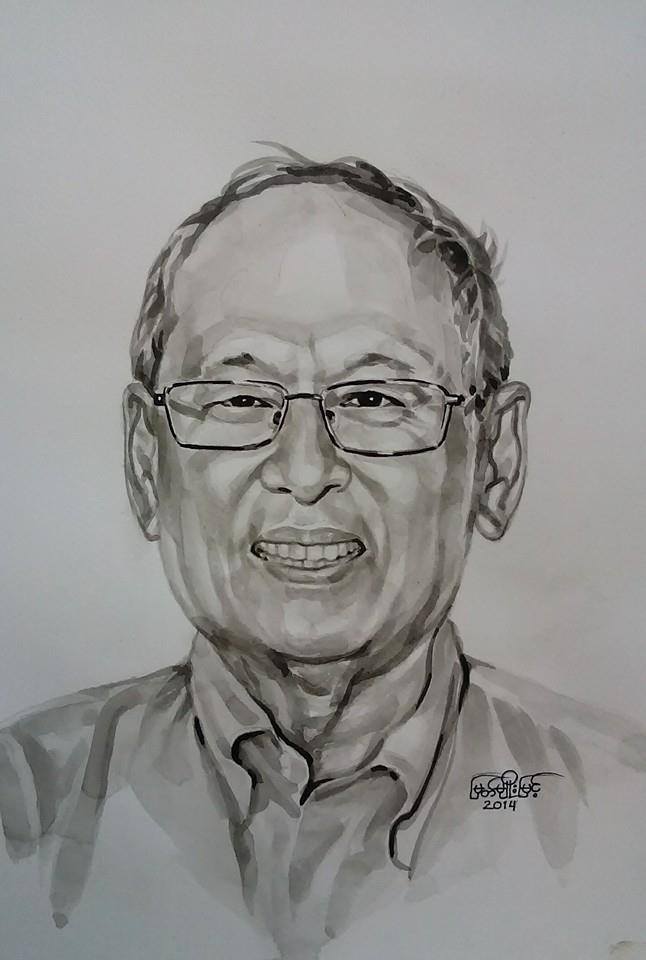
BS and MS from MIT, and his doctorate from University of Alberta.
Retired as Rector
Gave a key note speech at SPZP-2000 emphasizing the importance of Health and Emotional Intelligence.
I was an Ei Hmyaung at two dinner gatherings in Myanmar given to Saya and Daw Emma.
Hosted us during our visit to Canada.
U Min Wun
Taught Surveying in our 2nd BE class in 1964
Retired as Professor & Head of Civil
BS from MIT; MS from Cornell — Photogrammetry
Founding member & VP of BARB. His expertise include Astronomy and Astrology.
Early supporter of RIT Alumni Newsletter
C58
Saya Allen Htay (GBNF), Saya Dr. San Hla Aung and Saya Dr. Win Thein (GBNF) are C58
AllenHtay
MS from Harvard University
Leader, SF Bay Area Alumni Group
President, RIT Alumni International
Organizer, SPZP-2000)
His article “Brother, can you afford $500?” resulted in Golden Sponsors & Donors for SPZP-2000.
President, RIT Photography Association
Retired & unretired twice in the USA.
Dr. San Hla Aung
MS from MIT
Doctorate from Tulane University
Taught until the age of 80.
Line Judge at RUBC regattas.
President of RIT Rowing
President, RIT Swimming
Dr. Win Thein
Retired as Professor & Head
Several batches of students donated medical expenses for Saya
His sister donated most of the Garawa money to charities in Saya’s memory
C61
Dr. Aung Soe (C61)
Led Practical sessions for our 2nd BE Surveying
Saya soccer team
Attended SPZP-2000
U Myint Lwin (C61)
Younger brother of Saya H Num Kok
Rowed for Engineering
Attended SPZP-2000
C62 – C63
U Tauk Lin — moved to USA
U Kyi (C63) — moved to USA
Kyi Kong Tham (C63) — moved to USA
Christopher Maung
U Tin Maung
U Ngwe Tun (GBNF)
C64
U Thein Tan (C64)
Rowed for Engineering
Retired as Rector of MTU
U Khin Maung Phone Ko (C64)
Phone Ko — famous cartoonist
Patron of RIT Cartoon Box
Dr. Ohn Myint (C64)
Moved to Irrigation
Worked for World Bank
U Win Maung (C64, GBNF)
Organizer, Lanzin Lu Nge
C65 – C68
U Myint Soe (C68, GBNF)
U Myat Htoo (C68) — moved to USA
Organizers
Saya U Hla Myint Thein (C69), Saya Dr. Myo Khin (C70) and U Saw Lin (C71) served as Secretary of the RIT Civil Association.
U Hla Myint Thein entered family business. He is Advisor to Hse Mile Gone monastery.
Dr. Myo Khin and Daw Mya Nwe (C73) donated K100 lakhs for YTU Library Modernization.
U Saw Lin was a Core Organizer for SPZP-2012. He wore multiple hats : Head of Security & Logistics, Chief Editor of commemorative Swel Daw Yeik Magazine, Coordinator for Reprint of 23 RIT Annual Magazines …
Saya U Myat Htoo (C68) served as President of TBSA and BADA. He is a founding member of RIT Alumni international and served as emcee for SPZP-2000. He is also a founding member of Norcal RITAA and Chair of BOD. He wrote, played and sung a parody of “Lost Neikban” at 2015 Alumni Reunion in Los Angeles.
C69ers
Several C69ers joined the faculty. They include U Nyi Hla Nge, Dr. Htin Aung, Dr. Khin Maung Win, U Khin Maung Tint, U Hla Myint, U Hla Myint Thein …
U Nyi Hla Nge — Professor, Rector, Dy. Minister
Dr. Htin Aung — Chinlon selection; Played badminton and soccer; Retired as Professor
Dr. Khin Maung Win — Retired as Associate Professor; Taught in Malaysia
U Khin Maung Tint —- Secretary of RIT Ah Nu Pyinnya Ah Thin; Found a Minthamee as his soul mate
U Hla Myint and U Hla Myint Thein have successful business. They Consult selected monasteries
Daw Myint Myint — Major donor to 69er Health Care Fund & 69er activities; Donated K150 Lakhs to YTU Library Modernization proj
U Han Sein (GBNF) represented RIT in Swimming, Diving, Water Polo and Basketball; Sentenced to 20 years by Adhamma authorities; Served 17 years. Since most 69ers were unaware, he was listed as GBNF in the Group’s Address Book (for the 30th Anniversary of Graduation); Became a Tone Kyaw; Succumbed to Covid
GBNF List
GBNF list include Sayas :
Saya H Num Kok
H Num Kok
Allen Htay
Dr. Win Thein
U Ngwe Tun
U Win Maung
U Myint Soe
U Aye Win Kyaw
Madan Chand
U Khin Maung Maung
…
Miscellaneous
Part time sayas include U Tin U, Percy Lao, Dr. San Lin, U Kyaw San (GBNF) …
Burma selected include Kyaw Htin (soccer) …
U Aye Win Kyaw (C70, GBNF) was a founding member and EC of BARB.
U Aung (C70, Maung Aw) was involved in providing help to selected schools.
Madan Chand (C70) was wrongly assigned to G-hall.
Dr. Soe Thein (C75) was organizer and web master for SPZP-2007.
Saya U Ba HliDr. Aung GyiU Min WunSPZP-2000Saya U Tin USaya Allen HtayDr. San Hla Aung Dr. Win Thein
Won Gold medal in 1949 for highest score in I.Sc. exams
BS (Special) from Imperial College, London University
Joined Faculty of Engineering as Assistant Lecturer
Received scholarship to do MS at Imperial College
Promoted to Lecturer
Succeeded Saya U Aung Khin as Professor & Head of Mechanical
Wrote memoirs for his grand children and distributed to attendees at his 78th birthday celebrations.
Early supporter of HMEE project. Hosted a meeting for the project. Donated photos for use by the project. Requested Saya U Thaw Kaung to provide access of UCL archives to Saya U Soe Paing and team.
Offered Birthday Soon Kyway annually on Oct 2nd.
Passed away after his 94th birthday
U Aung Khin
U Aung Khin
Matriculated in 1948
Chem Prof U Po Tha advised him to study Engineering.
Received scholarship to study BS & MS at Lehigh University.
Joined Faculty as Assistant Lecturer
Promoted to Lecturer
Later became Professor and Head
Also has MS from Canada
Moved to Canada
During a visit to the SF Bay Area, he gave green light to the Bay Area RIT Alumni Group to host SPZP-2000.
Wrote several articles for RIT Alumni Newsletter.
In July 2925, Sayagyi allowed us to stay at his home in Windsor, Canada. He provided Mohinga & Ah Kyaw for breakfast, and souvenirs (e.g plaque for holding keys).
Sayagyi stays in shape by playing golf and tennis.
U Tin Hlaing (M59, GBNF)
U Tin Hlaing
Joined Faculty after graduation
MS from Purdue University
Became Lecturer & Head of Agricultural Engineering (sub-department of Mechanical)
Played soccer & tennis
Managed All-Universities Hockey team
He had kidney problem. Did not have access to dialysis machines (available only to VIPs). Did not receive passport in time to go abroad for treatment. Passed away.
U San Tun(M59)
U San Tun
Joined Faculty after graduation
MS from MIT
Became Lecturer & Head of Automobile Engineering (sub-department of Mechanical).
Moved to USA
President of BEA (Bay Area Burmese Engineers Association). BEA merged with BASTS to become BAPS.
Invited us on several occasions (e.g his birthday, his son’s wedding).
Attended most Alumni gatherings (e.g Retiree lunch).
Recuperating from a Stroke
U Kyin Soe
MS from University of Illinois.
Served as Professor & Rector
U Tin Htut (M60)
U Tin Htut
Joined Faculty twice : the first time after graduation, and the second time after “an unexpected Waso in Insein”.
Past Captain & Gold of RUBC.
Moved to USA
Co-founded BASES and served as President.
Financial Controller for 2015 RIT Alumni Reunion in Los Angeles.
Donated K100 lakhs for YTU Library Modernization.
Also donated to SDYF & Mechanical Group.
U Tun Shwe (M60)
U Tun Shwe
Patron, Alumni Association & SDYF
Ovada at PZPs
U Tin Maung Nyunt (M60)
U Tin Maung Nyunt
President of RIT Chinlon
Moved to USA
Donated $500 for YTU Library Modernization Project
More Sayas
Seniors
U Pu studied at Lehigh. He left the Faculty
U Ko Gyi (GBNF) studied in USA. He taught at the Faculty. Moved to USA. Attended SPZP-2000.
Sayas (1961 & later)
U Maung Maung Win (M61) : Managed RIT Automobile Club with Saya U Myo Win Moved to Australia Wrote series of articles for RIT Alumni International Newsletter
S. Arya (M62, GBNF) : Cute accent
S. Arya
Mao Toon Siong (M62) : Burma Champion & Coach in Table Tennis
Dr. Tin Win (M62) : Past President of BASES, Organizer for 2015 LA Reunion
U Khin Maung (M, GBNF)
U Phone Myint (M) : Workshop Superintendent
Dr. Tin Hlaing (M63) : Co-chair of SPZP-2002
U Soe Lwin (M63, GBNF)
U SoeLwin
U Han Tun (M63, GBNF)
S. Kyaw Aye (M63)
U Win (M63) : Transport provider for U Ba Than
U Kyaw Myint (M/Auto 64) : UN assignments in China; Patron of TDS (Theravada Dhamma Society)
U Myo Win (Melvyn, M/Ag65, GBNF) : RIT Automobile Association; Rowing; Moved to Australia ; Co-chair, Alumni Dinner Gathering in 2006
U Hla Myint (Charlie, M65) : RIT Swimming & Water Polo; Moved to Australia; Co-chair, Alumni Dinner Gathering in 2006
U Kyaw Sein (M65, GBNF) : Moderator of FB pages; Moved to Singapore
Dr. Kyaw Sein (M65) : Retired Professor at YTU & Malaysian University
Dr. Nyo Win (K H Chen, M65) : Retired Executive at High tech companies in US and Taiwan; Founding member of RIT Alumni International; SPZP-2000 Organizer
U Lin (M66) : Rowing; RIT Buddhist Association; Patron of Yangon SPZPs
Dr. Chan Nyein (M67, GBNF) : Minister
U Tin Maung Oo (M67, GBNF) Dep Workshop Superintendent
U Thein Tun Aung (M, GBNF)
U Than Myint (M) : Singapore Polytechnic
U Khin Maung Tin (M69) : Maritime Institute
U Aung Myint (M69) : Singapore Polytechnic
Mehm Aye Chan (M69) : Agency for seafarers
Senior Alumni
U Aye (M62) : BIT & RU Volleyball, HIC/FAO
U Sein Htoon (M63) : Captain & Gold of RUBC, 1960 ARAE Champion
U Than Soe (M63) : RUBC Gold
L Than Myint (M63) : RUBC Gold
U Shwe Kyaw (M63, GBNF) : RU Volleyball
U Win Thein (M67) : Set Hmu Tha Din Zin
U Than Htut (M67) : RUBC Gold
U Tin Myint (David, M67, GBNF) : Golden Sponsor for SPZP-2000 & SPZP-2012
U Htay Aung (M69) : Swimming and Water Polo
Ivan Lee (Khin Maung Oo, M69) : Golden Sponsor for SPZP-2000 & SPZP-2007, Patron of MASTAA, Major donor of 69er HCF
Benny Tan (M70) : Co-chair, SPZP-2000, Multiple Golden Sponsor of SPZP, RIT Alumni International
U Ohn Khine (M70) : Volunteer for HMEE, SDYF, SPZP
U Wynn Htain Oo (M72) : Super Fund Raiser
U Myint Pe (M72) : Cartoon Box
U Nyan Win Shwe (M72) : SPZP-2007
John Tint (Khin Maung Myint, M72, GBNF) : Soccer
U Myo Myint (M74) : Pon Tu Specialist
U Win Khaing (M75, GBNF) : SPZP-2004, Minister
Maurice Chee (Hla Myint Thein, M75) : SPZP-2000, RIT Alumni International, Norcal RITAA
U Hla Win (M73/75) : Ygn SPZPs, BARB/MARB
Maung Sein Win (Padeegone, M72/75) : Distinguished Author / Poet
Started school at an early age. I was not enthusiastic.
My mother said something magical happened one day She thanked Teacher Kywe, a Karen Christian with a warm soul & the skill to transform a normal kid like me into a life long learner.
For several years, my mother asked me to visit Teacher Kywe and pay respect to her. It was an early Micro-SPZP. Her eyes were filled with pride as she introduced her former student to her current students.
SPZP
Saya Pu Zaw Pwe (SPZP) transcends religion.
Some said that RIT was a dying breed, but there were several who wanted to keep the RIT Spirit alive & well. They wanted to have sayas & alumni get reconnected electronically via Internet, and physically via Pu Zaw Pwes.
SF Bay Area Alumni Group
RIT Alumni International was formed by the San Francisco Bay Area Group (and KMZ) with the objective to host the First RIT Alumni Reunion & SPZP in San Francisco, California, USA in October 2000.
The term SPZP was chosen over Saya Gadaw Pwe — which had religious connotation — to allow sponsors & alumni who profess different religions to pay back to their mentors for their metta and cetana.
I am honored to be a member of the team that organized SPZP-2000, and SPZPs in Singapore (2002, 2007 & 2010) and Myanmar (2004, 2012 & 2016).
Singapore has a large number of alumni. Its proximity to Myanmar eased the task of inviting sayas to attend SPZPs.
SPZP-2012 was the first true Home Coming. Thanks to U Aye Myint (EP72), who did not forget his alma mater.
U Aye Myint
SPZP-2016 was the first to have a full day event at the Gyogone Campus. RITAA, Sponsors and Donors provided free food & entertainment.
RITAA
The smiles from our beloved sayas and sayamas, and occasional “slap on my back” from my former colleagues, classmates and give me “second wind” even after being a volunteer messenger for 26 years.
KMZ (Right)
U Khin Maung Zaw (KMZ, EC76) wrote :
The official name of these “Reunions” was one of the many discussions at the very early days of first Reunion committee members under the leadership of Saya Allen Htay. All of us were aware that the “Saya Gadaw Pwe” could somehow be restrictive where you would have many intakes and graduation classes spanning several decades not to mention people transcending various religions.
SPZP, Saya Pu Zaw Pwe, was officially adopted. It turned out well, and was adopted by the consecutive Reunions.
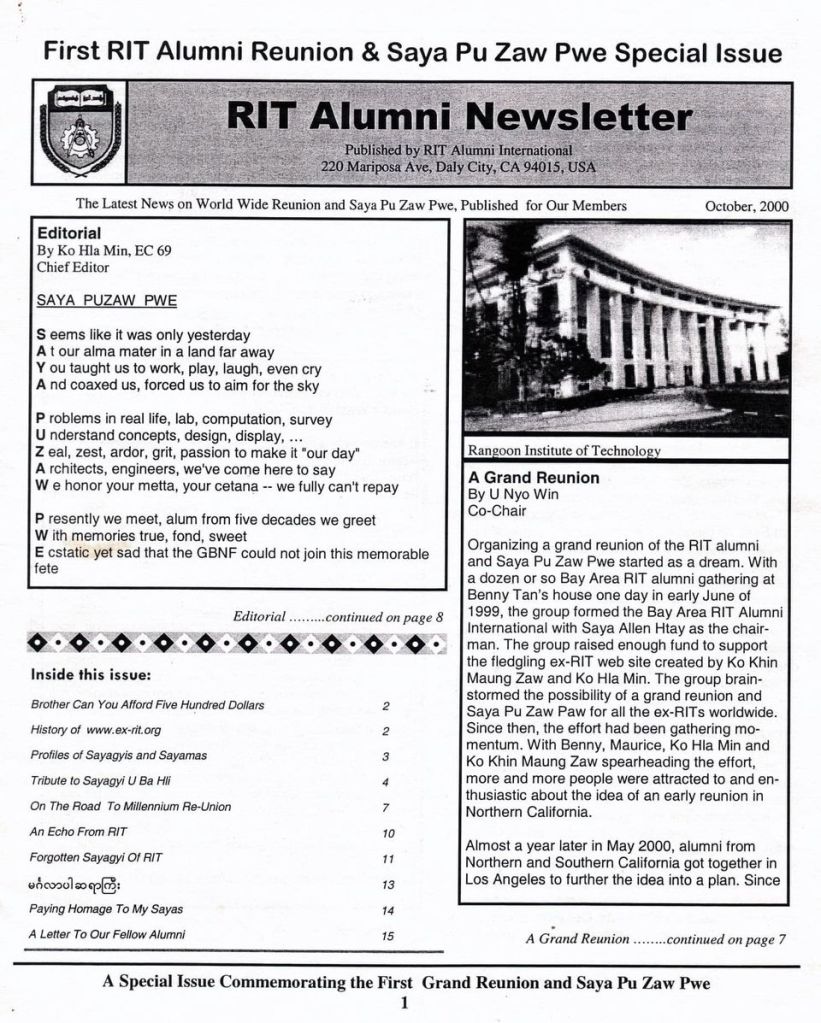
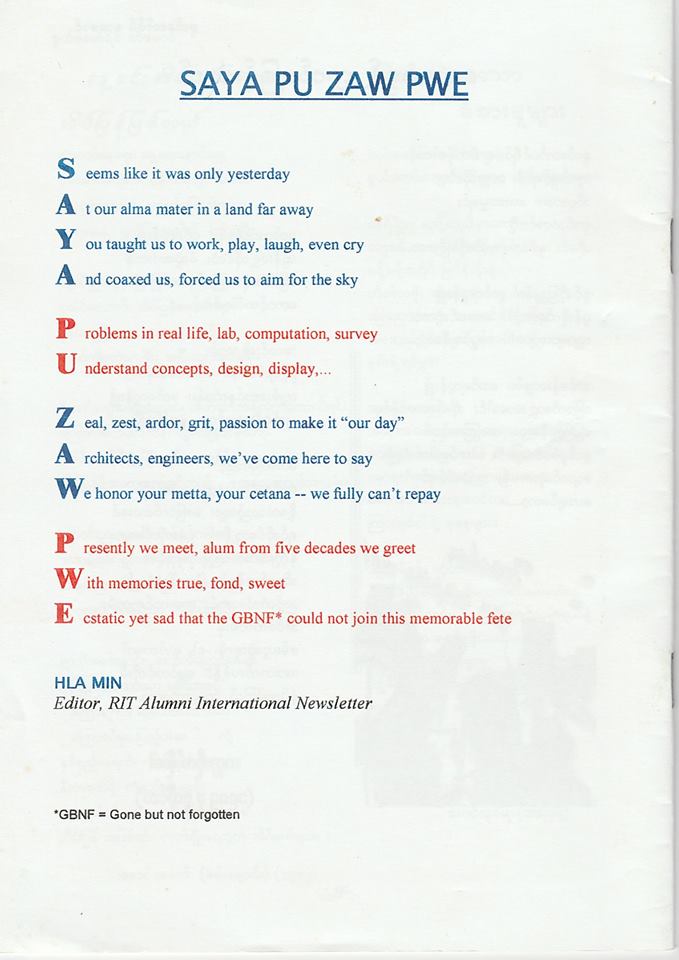
SAYA PU ZAW PWE (Poem)
Poem in Newsletter
S eems like it was only yesterday A t our alma mater in a land far away Y ou taught us to work, play, laugh, even cry A nd coaxed us, forced us to aim for the sky
P roblems in real life, lab, computation, survey U nderstand concepts, design, display, …
Z eal, zest, ardor, grit, passion to make it “our day” A rchitects, engineers, we’ve come here to say W e honor your metta, your cetana — we fully can’t repay
P resently we meet, alum from five decades we greet W ith memories true, fond, sweet E cstatic yet sad that the GBNF could not join this memorable fete
My poem was published on the front page of the commemorative issue of RIT Alumni Newsletter for SPZP-2000.
Saya U Moe Aung & team reprinted my poem on the back cover of Swel Daw Yeik Sar Saung for SPZP-2002 hosted by Singapore alumni.
SPZP-2000 in the USA
SPZP-2000 Organizers
Organizers
Ko Khin Maung Zaw (KMZ, EC76, web master) copied the names/tags from the very first posting from his album.
Sitting L-R: Saya U Mya Htoo (Civil 68), U Benny Tan (Mech 70), Saya KC Chiu (Chem 63), U Hla Min (EC 69) Editor Extraordinaire, Saya U Allen Htay (Civil 58) GNBF, Saya U Nyo Win (Mech 65), Saya U Tin Htut (Mech 60), Saya George Maung Maung (Chem 66), Daw San San Nyunt @ Mrs. Thein Aung (Mech 76)
Standing L-R: U Soe Aung (Mech 75), U Gordon Kaung (Mech 83), , U Myint Swe (EP 74), U Anthony Ng (Mech 76), U Phillip Mya Thwin (EP 75), U Maurice Chee (Mech 75), U Thura Thant Zin (Mech 76), Sayalay U Thein Aung (Met 72), U Myint Lwin @ Henry Chee (Civil 63), Ko Khin Maung Zaw (EC76), Daw Yi Yi Khaing @ Audrey Wong (Civil 84), Daw San San @ Mrs Myint Swe (EC74)
All of them, except KMZ, live in cities across Northern & Southern California. KMZ lives in a city near Seattle, Washington State.
Golden Sponsors
We appreciate the cetana of the following alumni who felt that the RIT Alumni International should have activities beyond the First ever RIT Grand Reunion and Saya Pu Zaw Pwe.
They are honored as “Golden Sponsors” of SPZP-2000.
Steeve Kay (U Thaung Sein, EC70, Southern California) : Donated $1000 initially and later gave an additional $1800.
Ivan Lee (U Khin Maung Oo, M69, New Jersey) : Donated $1200 for the General Fund of RIT Alumni International and for SPZP-2000. Earlier donated $360 for one year’s operating expense of the ex-rit.or web site
David Ko (U Tin Myint, M67, Northern California) : Donated $1000 for SPZP-2000
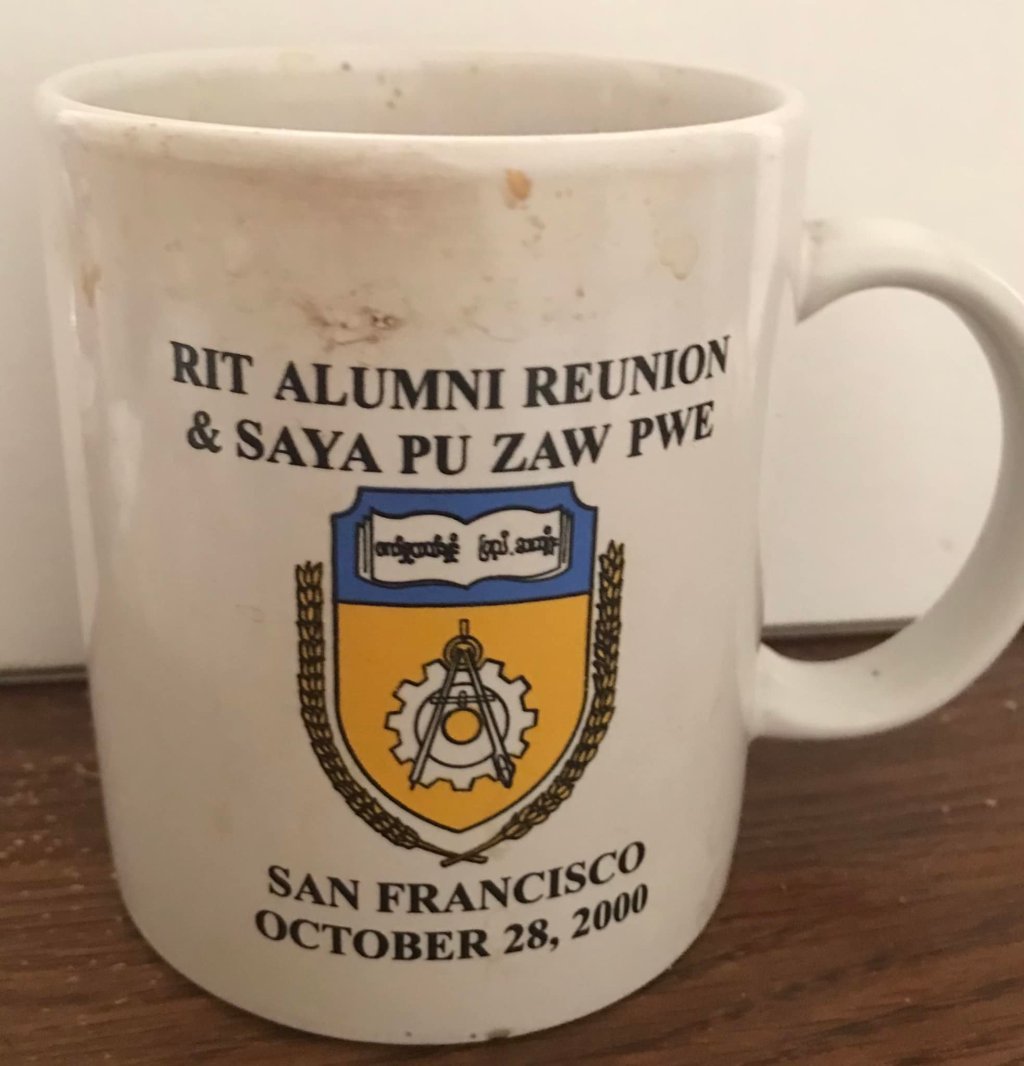
Benny Tan (Tan Eu Beng, M70, Northern California) : Donated in cash and kind. Designed the memorabilia (Banner, Mug, Calculator/Clock & Tee-shirt). Since he had gift shops, he obtained most memorabilia from his vendors at discount prices.
U Maung Maung Than (M79, Texas) : Donated a Round-trip ticket to Myanmar. By popular acclaim, the ticket was given to Sayagyi U Ba Toke.
Updates
Steeve Kay
Steeve 1Steeve 2
Multiple Golden Sponsor for SPZPs.
Established the “Steeve and Helen Kay Health Care Fund for RIT Sayas and Sayamas. In 2019, the balance of the Fund was handed over to Swel Daw Yeik Foundation.
Founded Kay Family Foundation. KFF sponsored a delegation from Myanmar to visit Universities & Research Institutions in California. KFF provided a matching fund of $30000 for 2015 RIT Alumni Reunion in Los Angeles.
LA 2015
Donated $200,000+ over the years to RIT-related activities.
Sponsored the Centennial Publication of Hwa Kyone School.
He is now GBNF
Ivan Lee
Ivan‘s house in NJWith Saya Dr. Aung GyiWith Saya U Aung Khin
Hosted the annual RIT-UCC Gathering in New Jersey
Sayas at NJ Gathering
Golden Sponsor for SPZP-2007 Sponsored Naw Mu Mu Aye to attend the SPZP
Co-founded MASTAA. Was CEO
David Ko
David
Donated US $3000 to SPZP-2012
DonationAppreciation
Sponsored Dinner Tables at NorCal RITAA Dinner
He is now GBNF
Benny Tan
Benny 1Benny 2Mug
Multiple Golden Sponsor for SPZPs
For SPZP-2000, he used Steeve’s donation as seed money to raise funds. He designed memorabilia to give to sayas, sayamas and selected organizers / volunteers. Some memorabilia were put on sale for attendees at SPZP-2000.
U Maung Maung Than
Could not attend SPZP-2000, but he comunicated with Saya Allen Htay
Supported Saya Dr. Tin Win’s “Run LA Marathon to raise fund for SPZP-2007”
Sponsors for Sayagyi U Ba Toke
U Ba Toke
U Maung Maung Than donated the round trip ticket
U Zaw Min Nawaday (EP70) hosted Sayagyi and son U Ye Myint (EP72) at his new house in Hayward, California.
Saya Allen Htay, Saya U Tin Htut, Saya Mao Toon Siong and several sayas and alumni took care of Sayagyi’s stay.
SPZP-2000 : By The Numbers
One
SPZP-2000 : First RIT Grand Reunion and SPZP
One round-trip ticket for a saya from Myanmar to attend SPZP-2000. By popular acclaim, Sayagyi U Ba Toke was invited.
Two
Sayas of our sayas
U Num Kok
U Ba Toke
Former RIT Rectors
Dr. Aung Gyi
U Khin Aung Kyi
Major events
Dinner/meeting on Oct 28, 2000
Lunch/picnic on Oct 29, 2000
Organizing Committees
Working Committee : Chaired by Benny Tan and Maurice Chee
Steering Committee (Mostly Sayas)
Three
Outstanding Member Awards
Ko Hla Min (EC69) for the pioneering work of RIT Alumni International website & Editor of RIT Alumni Newsletter
Ko Khin Maung Zaw (EC76) for the design, implementation, maintenance & enhancements to http://www.ex-rit.org
Ko Hla Myint Thein (Maurice Chee, M75) Treasurer, Financial Controller & Publisher of RIT Alumni Newsletter
Four
Four intensive months of preparation by the Organizing Committee
Five
Golden Sponsors for SPZP-2000
Steeve Kay (Ko Thaung Sein, EC 70)
Benny Tan (Tan Yu Beng, M70)
Ivan Lee (Ko Khin Maung Oo, M69)
Ko Maung Maung Than (M79, Texas)
David Ko (Ko Tin Myint, M67)
Six
Number of years spent at the engineering colleges & institutes by most attendees
Seven
Seven unforgettable hours (5 – 12 pm) at the Reunion and SPZP
Seven sleepless nights per week by Maurice, Benny, …
Eight
Countries represented by the attendees
United States
Canada
Myanmar
Thailand
Singapore
Japan
Australia
New Zealand
Major disciplines at RIT
Civil
Mechanical
Electrical
Mining
Textile
Chemical
Metallurgy
Architecture
36
Number of “Post-Reunion” articles written by Hla Min for SPZP-2000
64
Number of “Count down to the Reunion” articles written by Hla Min for SPZP-2000
100
Number of articles written by Hla Min for SPZP-2000
Singapore SPZPs
SPZP-2002, SPZP-2007 & SPZP-2012 hosted by the Singapore alums were grander with a huge turn out at main events, publication of the commemorative Swel Daw Yeik Sar Saungs by Saya U Moe Aung & teams, first-rate entertainment by the famous Swel Daw Yiek Ah Nyeint and the young-at-heart (“never grow old”) singers and dancers.
SPZP-2002
Saya Moe
Saya U Moe Aung (Tekkatho Moe War) was Chair. He was also Chief Editor of the Swel Daw Yeik Sar Saung.
Websites
Saya Dr. Soe Thein (C75) was a core organizer. He & his team maintained two web sites
One for alumni in Singapore
One for Civil Engineers in Singapore
Singapore Alumni web site contained info for SPZP-2002.
SINGAPORE-2002 Ex-RIT Reunion Dinner Program
7 December 2002 (Saturday)
The second web site contains info for resident and visiting Civil Engineering sayas. Some sayas would stay at the hotels provided by the SPZP-2000 Organizers. Some sayas might stay with their former colleagues or students. The contact info is helpful for arranging gatherings and tours.
Civil Sayas’ Address & Contact Number in Singapore
Organizers
The Second RIT Grand Reunion and Saya Pu Zaw Pwe was hosted by the sayas and alums in Singapore.
Saya U Moe Aung (Chair), Saya Dr. Tin Hlaing, Sayama Daw “Emma” Tin Tin Myint, Saya U Aung, Saya U Tin Lin, and Saya Dr. Dr. Soe Thein are some core members of SPZP-2002.
The RIT gathering at the Thingyan festival and musical gala at NTU helped with the planning and implementation of SPZP-2002.
Swel Daw Yeik Sar Saung
SWEL DAW YEIK SAR SAUNG for SPZP-2002 (Singapore).
Saya U Moe Aung (Tekkatho Moe War) & team published the commemorative issue.
They reprinted my poem (first published in the web pages of http://www.ex-rit and the commemorative newsletter). Thanks.
“Don Min” U Yu Swan, U Moe Myint, Daw Moh Moh Han, U Myint San (“Tet Lu”), U Aung Kyaw Myint (“ko Ba Kyaw”) and many other talented Geeta Ah Nu Pyinnar Shins helped with the entertainment for SPZP-2002.
SPZP-2007
U Nyan Win Shwe (Chair)
Saya U Moe Aung (Chief Editor of Swel Daw Yeik Sar Saung)
See “SPZP-2007 Diary”
SPZP-2010
Saya U Moe Aung (Chair; Chief Editor of Swel Daw Yeik Sar Saung)
Yangon SPZPs
SPZP-2004 was held in Yangon, but not at the Gyogone campus. The Tsuanami-related tremors did not deter the sayas and alums from attending SPZP-2004.
SPZP-2012 and SPZP-2016 were held at the Gyogone Campus.
SPZP-2012 was the first True Home Coming
SPZP-2016 was the Free All Day Event
SPZP-2004 in Yangon
The following appeared in the ReUnion 2004 Home Page
RIT Reunion & Saya Pu Zaw Pwe – 2004 Yangon, Myanmar 26th December 2004
Morning : Saya Pu Zaw Pwe
Date : Sunday, December 26, 2004 Time : 9:00 a.m. to 11:00 am Place : Myanmar Convention Center (MCC)
Evening : Dinner & Entertainment
Date : Sunday, December 26, 2004 Time : 6:00 p.m. to 10:00 p.m. Place : Dusit Inya Lake Hotel
Pu Zaw Pwe Office & Contact
Office : United Engineering Co Ltd Corner of Wayzayantar Road & Yadana Road Thingangyun Township 11071 Yangon MYANMAR
Contact : U Zaw Min (Mechanical 1975) U Hla Win (Mechanical 1975)
The Third RIT Grand Reunion and Saya Pu Zaw Pwe was hosted by the sayas and alums in Myanmar. U Win Khaing (M 75) & his team (U Zaw Min, U Hla Win) formed the core of the Yangon-2004 SPZP Organizers. An earthquake that morning did not deter the attendees.
SPZP-2012
Tears of Joy
SPZP-2012Attendees
When alums learned that SPZP-2012 will be held at their alma mater (which had been largely neglected and turned into dilapidated building with bushes around), tears of joy fell.
When alums learned that the Stage-3 cancer survivor “Seik Kyi” (Cartoon Myint Pe) and his fellow cartoonists will revive the Cartoon Box, and also publish a collection of “RIT cartoons” (at a modest price of K1500), they was laughter and echoes of “walking down memory lane”.
When alums learned that the multiple ICU visitor Ko Saw Lin (C71) would head not only the main preparation committee of SPZP-2012, but also publish the 350+ page commemorative SWEL DAW YEIK MAGAZINE, reprint limited copies of the 23 vintage RIT Annual magazines, their spirits became high.
When alums learned that Sayagyi U Ba Than, Saya U Soe Paing, Saya U Aung Hla Tun and team would take the first (scoped but important) step to compile the “History of University Engineering Education in Burma / Myanmar”, the importance and uniqueness of SPZP-2012 became evident.
Homage at SPZP-2012
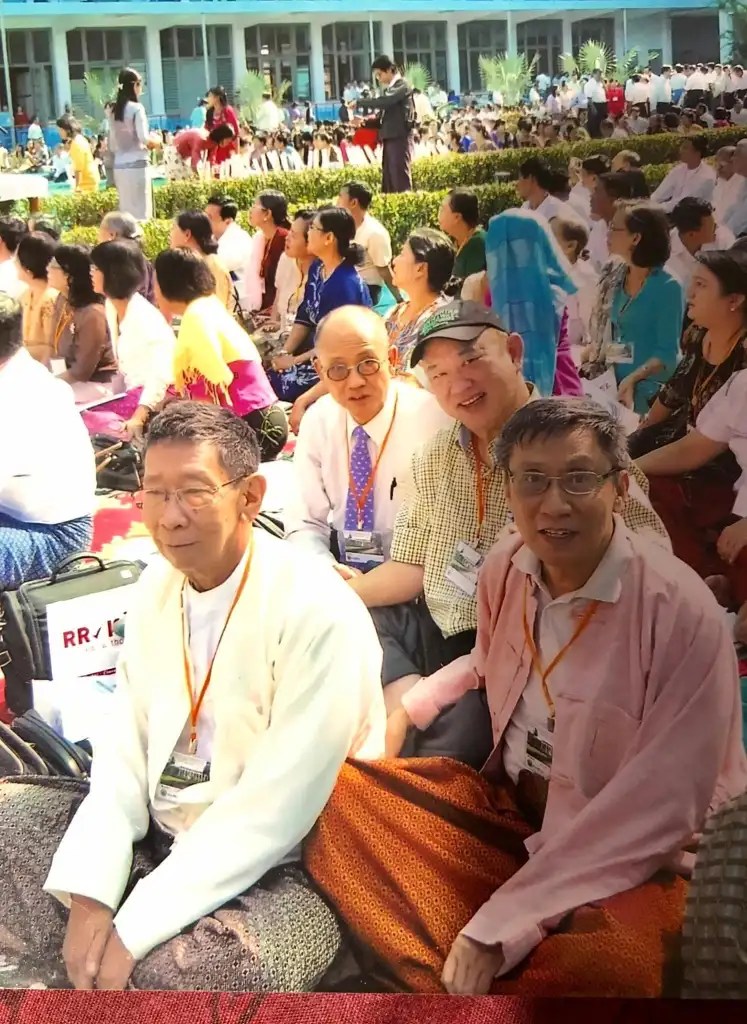
December 30, 2012 saw several Union ministers and deputy ministers sitting on the lawn alongside the alums and paying respect to the sayas and sayamas for their “Arcariya” virtues (irrespective of age and experience). That day saw sayas, sayamas, and alums endure the hot sun to bask in the glory and memories of the hey days. That day saw the re-emergence of RIT glory and the close bond of alums spanning five or more decades.
SPZP-2012 will go down in engineering history as one of the historic and memorable events (which many had feared would not see in their life time).
Thanks to the unsung heroes for carrying on the noble tradition.
SPZP-2016
SPZP-2016U LinBag for attendees
All-Day Free Event was held at the Gyogone Campus.
Free food for Breakfast, Lunch and Dinner.
Saya Pu Zaw Pwe was held in the morning.
Reunion Dinner & Entertainment took place in the evening.
Updates
Effects of Jara, Byadi & Marana are noticable
Several sayas — U Ba Toke, U Num Kok, U Ba Than, U Khin Aung Kyi, U Min Wun — are now GBNF
Some sponsors — Steeve Kay, David Ko — are now GBNF
Some organizers — Saya Allen Htay, U Win Khaing, U Saw Lin — are now GBNF
SPZP-2020 was canceled due to the pandemic
Some PZPs are conducted online
At some PZPs, attendees pay homage while standing. Sayas remain seated at their tables (do not have to go on stage).






































 HlaMin