Blog

  • Rowing Notes 2

    RUBC Executive Committee

    RUBC used to elect EC at the AGM (Annual General Meeting).

    Usually the election is for Treasurer.

    However, if there are vacant positions, they are also filled.

    RUBC Captain

    It usually takes four years to become a Captain.

    One gets elected as Treasurer at the AGM.

    He becomes Secretary, Vice Captain and Captain at the subsequent AGMs.

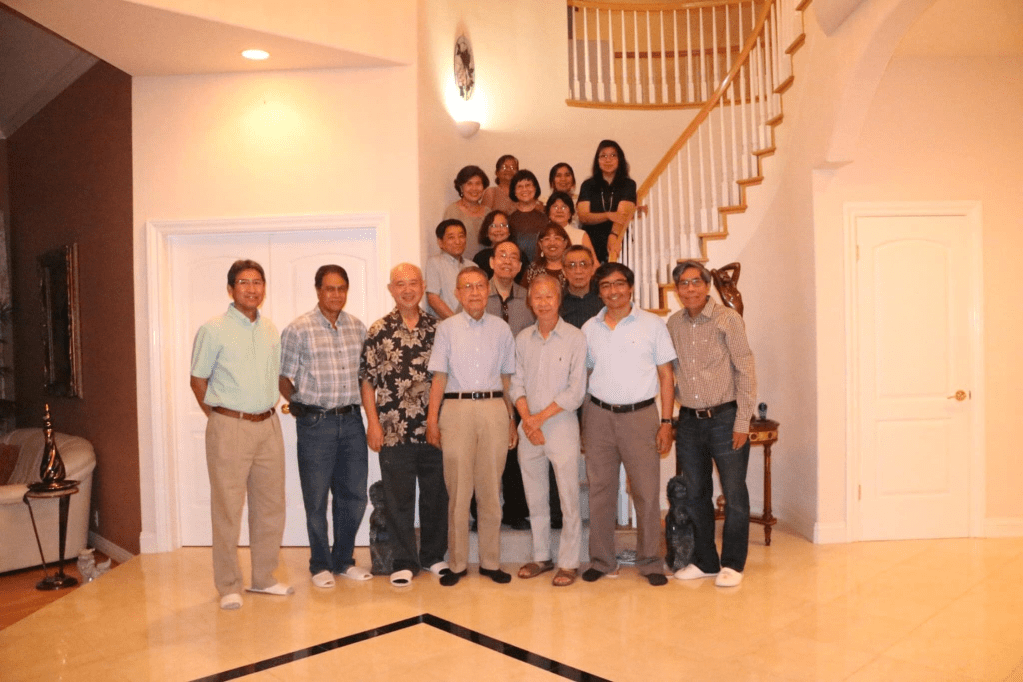
    Five RUBC Past Captains

    Executive Committee Members

    (who are not Past Captains)

    • U Myint Thein
      Secretary (1951)
      Vice Captain (1952)
    • Lawrence Sein Tun Aung
      Secretary (1954)
      Vice Captain (1955)
    • U Tha Din
      Treasurer (1957)
    • U San Maung (Gerald Sein)
      Secretary (1958)
    • U Tun Shein (Willie Saing)
      Secretary (1959)
    • U Hla Moe (Han Shein)
      Treasurer (1959)
    • U San Aung (Sonny)
      Secretary (1960)
      RU Boxing Champ for Pinweight
    • U Mya Maung
      Treasurer (1960)
    • L. Than Myint
      Secretary (1961)
    • U Than Htut
      Treasurer (1961)
      Secretary (1962)
    • U Tin Maung Lwin (1) : Brother of U Tin Maung Latt
      Secretary (1963)
    • U Tin Maung Lwin (2) : Kenneth Lwin
      Treasurer (1963)
    • U Htain Lin
      Vice Captain (1964)
    • U Hla Min
      Treasurer (1964)
      Vice Captain (1965)
      Denied Captaincy by “higher authorities” citing rule change

    Not So Good News

    For some period

    • RUBC Roll of Honor disappeared
      One lists the EC members
      Another lists the RUBC Selected
    • Sir Arthur Eggar’s bust disappeared
    • The Club House was taken over by a restaurant
    • RUBC/YUBC Members had to compete under the umbrella (of Rowing Federation)
    • Several universities and institutes do not have quick access to Rowing facilities
    • There was no coordination between YUBC and OMA.
  • RUESU Magazine 1951 – 52

    Feedback from U Aye (M62) : Class of some members

    Sitting L-R :
    Ko Maung Maung (M54), Ko Maung Maung Aye (C52), Mr. V. P. Khetrapal, Ko Hla Aye (ES52), Ko Win Maung (EE52)

    Standing L-R :
    Ko Ohn Kyaing, Ko Aung Ban, Ko Thaung Sein (M55), Ko Myint Wai, Ko Oak Soe

    U Aye (M62) wrote :

    Sitting, second from left- Ko Mg Maung Aye (C52)
    Sitting second from right, Ko Hla Aye (ES 52).

  • Souvenirs

    SPZP 2000

    • T-shirt (designed by Ko Benny Tan)
    • Mug (designed by Ko Benny Tan)
    • Calendar/clock (designed by Ko Benny Tan)
    • Kyauk Si Bagyee (designed by Ko Maurice Chee)
    • All four items are provided as Garawa to Sayagyis and Sayamagyi attending SPZP-2000. T-shirts were provided to all sayas, sayamas and volunteers. The rest were put on sale for fund raisi
    • Commemorative Issue of “RIT Alumni International Newsletter” for SPZP-2000 (I served as Chief Editor. Saya U Thein Aung and Ko Henry Lim were Associate Editors)
    • Appreciation award (from RIT Alumni International)
    • Pen from U Tun Aung (EC68)

    Diary for SPZP-2004

    The cover is worn out.

    Key Chain for Shwe YaDu 2014

    This image has an empty alt attribute; its file name is gj-keychain-1.jpg

    Received the Key Chain from Saya U Tin Htut (M60)

    Address Book for 69ers in 2009

    This image has an empty alt attribute; its file name is 69er-address-1.jpg

    U Aung Min (M69) has updated the address book. I do not have the latest version.

  • Saya Pu Zaw Pwe

    by Hla Min

    Updated : May 2025

    SPZP2000

    Formal and Informal Gatherings

    • USA hosted the First RIT Grand Reunion and Saya Pu Zaw Pwe in October 2000.
    • The Celebrations kicked off with an Informal “Welcome” Dinner / Gathering” at a Sea Food Restaurant.
      The Main event was the Reunion and SPZP at Embassy Suites Hotel near San Francisco International Airport.
      The Family event was the “Farewell” Lunch / Gathering at a High School.

    Donors

    • Saya Allen Htay‘s article, “Can you spare US$500 and more?” was a major factor for having Donors — large and small — for SPZP-2000.
    • In particular, there were Five Golden Sponsors.
      Steeve Kay (U Thaung Sein, EC70, Southern California)
      Benny Tan (Tan Yu Beng, M70, Northern California)
      Ivan Lee (U Khin Maung Oo, M69, New Jersey)
      David Ko (U Tin Myint, GBNF, M67, Northern California)
      U Maung Maung Than (M79, Texas)

    SPZP-2000 Organizers

    SPZP-2000

    U Khin Maung Zaw (KMZ, EC76, web master) copied the names/tags from the very first posting from his album.

    Sitting L-R: Saya U Mya Htoo (Civil 68), U Benny Tan (Yu Beng, Mech 70), Saya KC Chiu (Dr. Tin Aung, Chem 63), U Hla Min (EC 69) Editor Extraordinaire, Saya U Allen Htay (GBNF, Civil 58), Saya U Nyo Win (Dr. K H Chen, Mech 65), Saya U Tin Htut (Mech 60), Saya U Maung Maung (George, Chem 66), Daw San San Nyunt (Sandra, Mrs. Thein Aung, Mech 76)

    Standing L-R: U Soe Aung (Mech 75), U Gordan Kaung (Kaung Kaung Oo, Mech 83), U Myint Swe (EP 74), U Anthony Ng (Aye Tun, Mech 76), U Mya Thwin (Phillip, EP 75), U Maurice Chee (Hla Myint Thein, Mech 75), U Thura Thant Zin (Mech 76), Sayalay U Thein Aung (James, Met 72), U Myint Lwin (Henry Chee, GBNF, Civil 63), U Khin Maung Zaw (KMZ, EC76), Daw Yi Yi Khaing (Audrey Wong, Civil 84), Daw San San Swe (Mrs Myint Swe, EC74)

    All of them, except KMZ, live in various cities across Northern and Southern California. KMZ lives in a city near Seattle, Washington State.

    Publications

    • The Commemorative Issue of “RIT Alumni International Newsletter” was published for SPZP-2000.
      I served as Chief Editor.
      Henry Lim (U Aung Myint, BAPS) and U Thein Aung (Met72) volunteered as Associate Editors.
      Maurice Chee (M75) served as Publisher (in addition to being Co-Chair, Working Committee; Financial Controller; Logistics Head)
    • It featured articles by Sayas and Alumni.
    • My poem “SAYA PU ZAW PWE” was published in the Newsletter as well as in the ex-RIT website (designed and implemented by U Khin Maung Zaw). Several sayas and alumni contributed to the two series :
      64 “Countdown to the Reunion” articles
      and
      36 “Post-Reunion” articles

    SAYA PUZAW PWE
    Poem by Hla Min

    S eems like it was only yesterday
    A t our alma mater in a land far away
    Y ou taught us to work, play, laugh, even cry
    A nd coaxed us, forced us to aim for the sky

    P roblems in real life, lab, computation, survey
    U nderstand concepts, design, display, …
    Z eal, zest, ardor, grit, passion to make it “our day”
    A rchitects, engineers, we’ve come here to say
    W e honor your metta, your cetana — we fully can’t repay

    P resently we meet, alum from five decades we greet
    W ith memories true, fond, sweet
    E cstatic yet sad that the GBNF could not join this memorable fete

    Notes

    • The term “SAYA GADAW PWE” has religious connotations.
    • Since the SPZP-2000 organizers and attendees profess different religions, the term SAYA PUZAW PWE (meaning honoring the mentors and paying respect to them for their metta and cetana) was chosen.
    • GBNF means “Gone But Not Forgotten“.
    • As of November 1, 2021, the GBNF list for the Class of 69 is 115 (about a third).
    • Of the 20 (or so) EE sayas of our RIT days, almost half are GBNF.

    Singapore SPZPs

    • Singapore hosted SPZPs in December 2002, April 2007 and December 2010.
    • Saya U Moe Aung was Chair of SPZP-2002 and SPZP-2010.
    • U Nyan Win Shwe (William, M72) chaired SPZP-2007.
    • Commemorative Issue of “Swel Daw Yeik Sar Saung” was published for each SPZP.
      Saya U Moe Aung (Tekkatho Moe War) served as Chief Editor.
    • My poem “SAYA PU ZAW PWE” was reprinted on the Back Cover of SPZP-2002 Sar Saung.
    • My poem “SWE DAW YEIK” was printed in SPZP-2007 Sar Saung.
      In my later writings, I use SWEL DAW (following Saya’s usage) instead of SWE DAW.
    • My article “A Sad and Short Clip : EE Sayas” was published in SPZP-2010 Sar Saung”.

    Yangon SPZPs

    • Yangon hosted SPZPs in December 2004, December 2012 and December 2016.
    • There was a slight earthquake on the day of SPZP-2004.
    • A follow-up SPZP was scheduled for Yangon in December 2006, but changes in Political Climate dictated the SPZP to be rescheduled for Singapore in April 2007 (around Thingyan).
    • SPZP-2012 was the first to be held at the Gyogone Campus.
    • Thanks to H.E. U Aye Myint (EP72) for his initiative to bring back glory to our beloved alma mater, and to the sayas, sayamas, and alumni who made the “Home Coming Reunion” possible.
    • There were tears of joys.
    • On a sad note, the higher authorities transferred U Aye Myint to another Ministry before he could help the alma mater to the fullest extent.
    • SPZP-2012 led to the founding of Swel Daw Yeik Foundation (SDYF), the Shwe YaDu Celebrations (with the planting of 50 Swel Daw Bins), and the RIT-YIT-YTU Alumni Association (ARITA) — to name a few.
  • Souvenirs from SPZP-2016

    The souvenirs are from SPZP-2016.

    • The Saya Pu Zaw Pwe was held in the morning.
    • The Reunion Dinner and Entertainment Program took place in the evening.
    • Both events were held at the Gyogone Campus.
    • Thanks to sponsors and donors, “Free Food” was offered the whole day. Food sponsors include Real Coffee and Good Morning Snacks.

    Invitation

    • The invitation to attend SPZP-2016 is issued mainly to eligible sayas and sayamas.
    • It is also issued to selected guests.

    Registration

    • A sticker is provided to all attendees.
    • There was free food for breakfast, lunch and dinner.

    Dinner Buffet Ticket

  • Programming & Languages

    • There are many Programming Languages.
    • In the first conference on “History of Programming Languages”, thirteen languages were presented.
    • There are hundreds (and possibly thousands) of programming languages that have been proposed and/or implemented.
    • At a given time, there is a relatively small group of “preferred” programming languages.

    Background

    • In Computer Science and applications, a Programming Language is a language used to program (e.g. instruct) computers.
    • In the early days, computer engineers and selected programmers have to program in Machine Language (with strings of Zeroes and Ones). They are due partly to the choice of Binary Number System as the basis of designing Arithmetic and Logic Unit (ALU) of the computer.
    • On the ICL 1902S computer, we often had to use the 24 keys to enter short pieces of Machine Code. That is history.
    • To bridge the human users and the computers, the next step was to use Assembly Languages such as
      (a) Simple/Symbolic Assembly Language
      (b) Macro Assembly Language.
    • An Assembler translates a program in Assembly Language into Machine Language instructions.
    • A Macro Processor translates Macros (a well-defined group of Assembly Language instructions) into Machine Language instructions.
    • The development of the first dozen (or so) programming languages can be found in the Proceedings of the first HOPL (History of Programming Languages) Conference.
    • Currently, there are thousands of programming languages (some for academic purposes) and a limited number used for production.

    Evolution of Programming Style

    • Procedural programming (e.g. telling the computer system what to do, emphasis on the “verbs”)
    • Non-procedural programming (e.g. telling the computer system what one wants)
    • Object Oriented programming (e.g. emphasis on the “nouns”)
    • Functional programming (e.g. based on “functions”)
    • Logic programming (e.g. based on “Horn logic” and similar logic systems)
    • Top down step wise development
    • Bottom up & Middle out techniques
    • AI programming

    Within each paradigm, there are several programming languages with known advantages and limitations.

    Theoretical Model

    Alan Mathias Turing presented a theoretical model called “Turing Machine”, which is primitive but has the computational power of modern computers.

    The ACM Turing Award (named in honor of Alan Turing) is considered the “Nobel Prize in Computing”.

    Alan Perlis, a pioneer Computer Scientist and Programming Language Designer, defined a “Turing Tar Pit, where everything is possible [to compute], but nothing is easy.”

    Alan Perlis was an early recipient of the ACM Turing Award.

  • D

    Data

    • Clean data
    • Data Analytics
    • Data driven
    • Data model
    • Data processing / Data Processor
    • Data science
    • Database (DB)
    • Database Administrator (DBA)
    • Database Management System (DBMS)
      Hierarchical DBMS
      Network DBMS
      Relational DBMS
    • Raw data
    • Semi-structured data
    • Structured data
    • Unstructured data

    Dead

    • Dead heat : Tie
    • Dead language
      e.g Latin
    • Dead line vs. Life line

    Defense Language Institute (DLI)

    • Used to be at Fort Ord, Seaside, CA, USA
    • Bottom two floors of the eight-floor building
    • Upper six floors are for Defense Manpower Data Center (West)

    Department

    • DOD — Defense
    • DOE — Energy
    • DOJ — Justice
    • DMR — Medical Research
    Medical Researchers
  • Civil Engineering

    မြို့ပြ အင်ဂျင်နီယာ ဆရာ ဆရာမများ

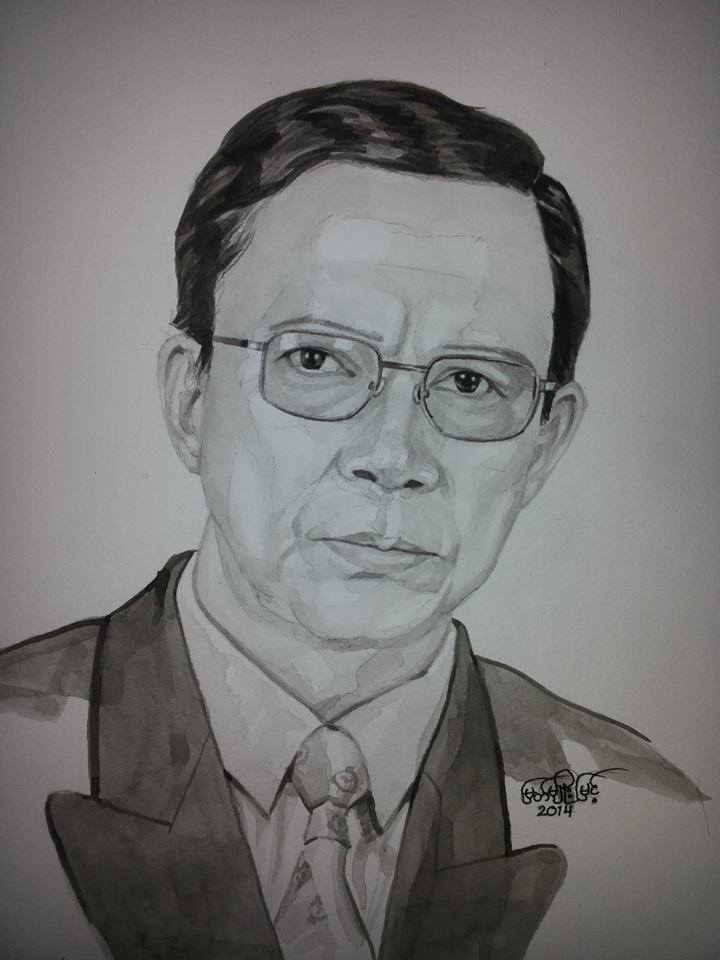
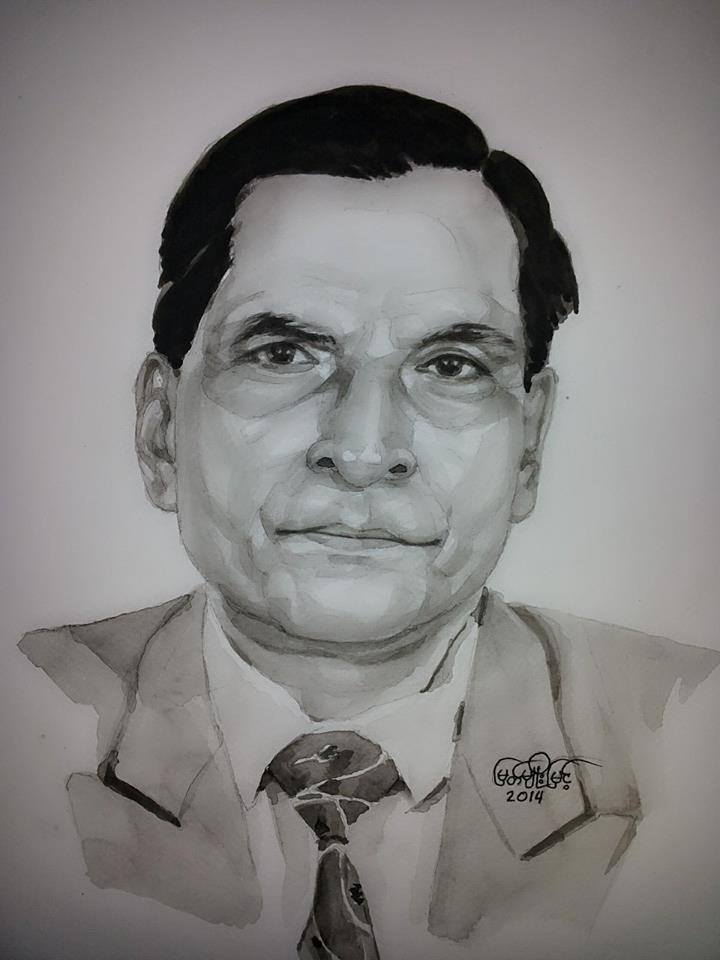
    U Ba Hli

    Dr. Aung Gyi

    U Min Wun (GBNF)

    Dr. Aung Gyi and U Min Wun in 2000


    Selected Civil Engineering Sayas

    မှတ်တမ်း — ဆရာ ဆရာမ 26 ယောက်

    Dr. San Hla Aung (C58)

    President, RIT Rowing

    Line Judge, RUBC Regattas

    Retired Professor, Tulane University,

    New Orleans

    Allen Htay (C58, GBNF)

    * Allen ဌေး (C58, ကွယ်လွန်) — ကထိက ငြိမ်း

    President, RIT Alumni International

    Organizer, SPZP-2000

    Dr. Win Thein (C58, GBNF)

    * Dr ဝင်းသိန်း (C58, ကွယ်လွန်) — ပါမောက္ခ ငြိမ်း

    H Num Kok (GBNF) — Saya of our sayas

    * H Num Kok (ကွယ်လွန်) — ဆရာကြီး

    President, RIT Track and Field

    Line Judge, RUBC Regattas

    Class of Civil Engineering in 1958

    Civil 1958

    * ကွယ်လွန် (တချို့) — Gone But Not Forgotten (GBNF)

    ဦးကျော်သိန်း

    ဦးတင်ဝင်း

    ဦးဝင်းမောင်

    ဦးမြင့်စိုး

    ဒေါ်သိန်းသိန်း

    ဦးငွေထွန်း

    ဦးအေးဝင်းကျော်

    ဦးခင်မောင်မောင်

    Madan Chand

  • HMEE

    • History of Myanmar Engineering Education (HMEE) was published in 2012.
    • Saya U Aung Hla Tun was the Lead for the project.
      Saya served as Chief Editor of the RIT Annual Magazines.
      He won the National Literary Award.
    • U Ohn Khine (M70) and I compiled the CD Supplement for the HMEE book.
    • Saya transferred the Copyright of the book to YTU and/or ARITA.

    HMEE 2018

  • Sunn Win

    Caricature

    RIT မှာကတည်းက အတော်သံယောဇဥ်ကြီးခဲ့တဲ့
    ကာတွန်းဆရာများထဲက တစ်ယောက်.. ဆန်းဝင်း
    ကာတွန်းအုပ်စုထဲကို လိုလို မလိုလို ဝင်ဝင်ရှုပ်တတ်တာ
    ကိုယ့်ရဲ့ ​အကျင့်ဖြစ်နေပြီလေ။
    ဆန်းဝင်း ဆိုတဲ့ကောင်ဟာ အတော်တော်တာပဲ။

    ကယ်ရီကေးချား ရေးတာ လွယ်မှတ်လို့…

    caricature = လူတစ်ယောက်ရဲ့ဓာတ်ပုံ
    ထဲက သိသာထိုးထွက်နေတဲ့ သွင်ပြင်လက္ခဏာရပ်တွေကို
    အပြောင်အပြက်လုပ် ပြီး ချဲ့ကား ရေးဆွဲ ခြင်း၊
    ဒါမှမဟုတ် ထိတ်လန့်စရာဖြစ်စေဖို့ ရေးဆွဲခြင်း လက်ရာ…။

    Tekkatho Moe War

    ကောင်းကင်ပြာကိုပဲ ဝါစေချင်တာလား..
    မိုးရေစက်အဝါတွေကို တမ်းတတာလား…
    ကဗျာဆရာ တက္ကသိုလ် မိုးဝါ..

    ကျွန်တော်တို့ RIT ကာတွန်းဆရာတွေထဲ..
    ဝင်ပါနေတတ်တဲ့ဆရာဦးမိုးအောင်..
    သက်ရှည်ကျန်းမာ စိတ်ချမ်းသာပါစေ ဆရာ…

    Sun Win

    Saya With RIT Cartoonists
    Saya Advising Cartoonists