- U Ba Toke (Mathematics, GBNF)
Served as Professor of Mathematics at RU and RIT; Rector at MASU
Associate Dean at Assumption University - U San Tha Aung (Physics, GBNF)
Served as Director General, DHE - Saw William Paw (MBA)
Served as Professor and Head of Commerce Department - U Nyunt We (MBA, GBNF)
Banking
NLD EC - U Win Pe (MPA, GBNF)
National Planning
Distinguished Author, Translator - U Allen Htay (Civil Engineering, GBNF)
Served as Lecturer, RIT Civil Department
Moved to USA
President, RIT Alumni International - Dr. Khin Maung Kywe (MBA)
Chair, BERB - Sao Hmut Tun Win (Divinity)
Religious Affairs
Blog
-
Harvard Alumni
-
I
IBM
- International Business Machines
- Early Systems : IBM 360, IBM 370
- Deep Blue beat Gary Kasparov (World Chess Champion)
- Watson beat Jennings (Jeopardy Chsmpion)

IBM Punched Card 
IBM Unit Record Machine
Industrial Revolution
- First Industrial Revolution
1765
Steam Engine
… - Second Industrial Revolution
1870
Factory
Automobiles
Air planes
… - Third Industrial Revolution
1969
Pervasive use of computers
… - Fourth Industrial Revolution
Ongoing
Artificial Intelligence
Machine Learning
Internet of things
…
Initialism
- ACM — Association of Computing Machinery
- UN / UNO — United Nations Organization
- URL — Uniform Resource Locator
- WHO — World Health organization
-
Std. VI (D), St. Paul’s High School
ဆဌမတန်း (ဃ)၊ စိန့်ပေါလ်အထက်တန်းကျောင်း
1958 – 59 စာသင်နှစ် Academic Year
ဆရာဦးဖေတင် U Pe Tin
- အတန်းပိုင်ဆရာ Class teacher for Std. VI D
- ဆု များ ချီးမြင့်။ Awarded prizes
- စာတော် ဆု။ Academic achievement
- စာရိတ္တကောင်း ဆု။ Moral / character
- လက်ရေးလှ ဆု။ Good handwriting
- Std. V (D) မှာ Subject teacher
Brother Anthony
- သင်္ချာ ဆရာ Subject teacher
- Brother Joseph ရဲ့ညီ။ Younger brother of Brother Joseph (later Father Joseph after SPHS was nationalized
- Std. VIII (A) မှာ Class teacher
Ms. Amelia Kyi (Miss Hong Kong)
- အင်္ဂလိပ်စာ ဆရာမ။ English teacher
- ဆုပေး ဒဏ်ပေး။ Used the Carrot and the Stick
- လစဉ် စာမေးပွဲ စစ်။ Monthly tests
- ကျ ရင် ဒဏ်ငွေ 50 ပြား ဆောင် ရ။ Fined 50 pyas for failing a test
- ဂုဏ်ထူး ရ ရရင် ဆု 50 ပြား ပေး။ Reward of 50 pyas for acing a test
- မုန့်ဖိုး 25 ပြား ဘဲ ရတော့ စာကျက် ရ။ Had to study hard since I received only 25 pyas for pocket money
- Std. VII (D) မှာ Class teacher။ Also taught us English in Std. VII D
အတန်းသား တချို့ ကွယ်လွန်။ Some classmates are Gone But Not Forgotten
- Sydney ခန့် / Sydney Khant (nephew of U Thant)
- မောင်မောင်သောင်း / Maung Maung Thaung
- မောင်မောင်အေး / Maung Maung Aye
- ဆန်နီ Yone Sein / Sonny Yone Sein
- Donald Gyi / မြဟန်
- Victor ကျော်ဖြိုး / ကျော်ဘုန်းမြင့်
- တင်ထွန်း / Tin Tun
Sections တန်းခွဲ
- Five or Six sections for a Class
A, B, C, D, E … - Class teacher had admin duties
အတန်းပိုင်ဆရာ - A Subject Teacher teaches several Sections and/or Classes
ဘာသာရပ်ဆရာ
-
Multiple Sports Athletes from Rangoon University
စွယ်စုံရ တက္ကသိုလ် အားကစား ချန်ပီယန် များ
ဦးချမ်းသာ U Chan Tha

- Captain & Gold, RUBC / Rowing
Seen with Prime Minister U Nu, Chancellor of Rangoon University
- Captain, Prome Hall Soccer Team
Most members were Engineering Students.
The team won the Inter-Hall Soccer Tournament for two consecutive years

ဦးတင်စီ U Tin Si
- Soccer — RU Inter-Hall Champion
- Burma Tennis Champion
with younger brother Khin Si

- Badminton Champion
ဦးခင်စီ U Khin Si
- Soccer — RU Inter-Hall Champion
- Burma Tennis Champion
with older brother Tin Si
ဦးတိတ်အိန် U Taik Ain

- Soccer – RU Inter-Hall Champion
Twice with Prome Hall
Once with Dagon Hall - RU Tennis Champion
in Singles and Doubles - Swimming and Water Polo
- Volleyball
- Rowing
Dr. ထွဋ်ဆိုင် Dr. Harry Saing


- Captain & Gold, RUBC
Later, Coach of RUBC Selected - ARAE Champion in 1958 and 1960
- Burma Selected in Hockey
- Burma Selected in Cricket
- Soccer
- Track and field
- Pediatric Surgeon at Rangoon Children’s Hospital;
Co-lead for the operation on Ma Nan Soe and Ma Nan San (conjoined twins); - Well known Pediatric Surgeon in Hong Kong;
- Patron of HK Rowing and Sailing Club
- His ashes were scattered into the waters near the Club.
ဦးတင်ထွန်း U Tin Htoon

- Captain & Gold, RUBC
Later, Co-compiler, RUBC 40th Anniversary Souvenir Magazine
Chair, RUBC 90th Anniversary Souvenir Magazine
Contributor, RUBC Centennial Souvenir Magazine - Venables Bowl for Coxless Pairs
1958 ARAE Regatta in Calcutta with Dr. Harry Saing (Bow) - Willingdon Trophy for Coxed Fours
1960 ARAE Regatta in Colombo with Dr. Harry Saing (Bow), Victor Htun Shein (2), Sunny Teng (3) and Sein Htoon (Cox) - Silver Medal for Yatching
1965 SEAP Games with Hla Khin - Co-founder, Architects Incorporated with Bo Gyi (A59) and Aung Kyee Myint (A60)
- Architect, Thiri Pyit Saya Hotel, Bagan
- Architect, Burmese Buddhist Temple, Singapore
Union of Burma President’s Challenge Cup for Inter-Club Eights
- Donald Chan (Bow)
- San Maung / Gerald (2)
- M. Hla Min (3)
- Than Tin (4)
- George Singh / Tun Aung (5)
- Tin Htoon (6)
- Harry Saing / Htut Saing (7)
- Jimmy Saw Lwin (Stroke)
- Aun Kyi (Cox)
- Captain & Gold, RUBC / Rowing
-
RUBC 90th Anniversary

Souvenir Magazine Rangoon University Boat Club (RUBC) was founded by Sir Arthur Eggar (Law Professor) in 1923. He rowed at Cambridge University and popularized the Egg-Bairn rowing style. He was impressed with the prowess of the Burmese Laung rowers and wanted to introduce the Western rowing style to RU students. He pledged a third of his Professor’s salary for running the Boat Club.
In the mid 1950s, Sir Arthur Eggar wrote an autobiography for the Guardian Magazine and was published in three issues.
The early RUBC crews competed against RBC (Rangoon Boat Club), Burmese Laung rowers and the Inlay Leg-rowers.
Sir Arthur was elected Life President of RUBC. A bronze bust was displayed on the Club Promontory (before the Adhamma Era).
His successors include Commodore Than Pe. U Tun Thoung, Sithu U Tin and Saya William Paw.
1963
The 40th Anniversary Regatta was cancelled due to “disturbances” and “security concerns” in 1963.
Sithu U Tin (President) decided NOT to cancel the 40th Anniversary Dinner at Kandawgyi.
Sithu U Tin, U Po Zon and U Tin Htoon compiled the history of RUBC and published in the souvenir program.
2013
To celebrate the 40th Anniversary, U Tin Htoon and several Old Members compiled a Souvenir Magazine.
U Tin Htoon chaired the Souvenir Magazine Sub-Committee.
U Myo Myint was Vice-Chair.
U Htaik San (Henry Kao) was Secretary.I was a Contributing Editor. I wrote Prelude for every section. I also wrote three articles.
In addition, the group donated towards the cost of reprinting Sir Arthur’s Autobiography (which would be of interest not only to rowing enthusiasts but law students and staff).
-
Matriculation
Except for a few years during the Second World War, there have been Matriculation examinations.
Two early Matriculates
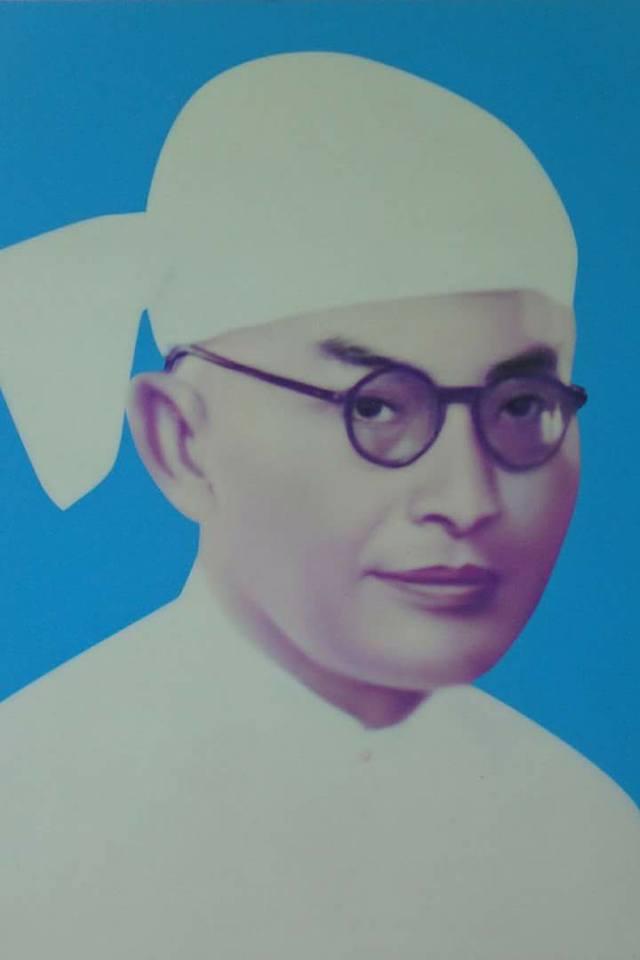
U Kyaw Myint U Kyaw Myint (Bar-at-law) stood First in Burma with distinction in all subjects. He matriculated from “Government High School”.
Justice of Supreme Court, Head of Tribunal that tried Galon U Saw, Dean of Law
(See posts by Dr. Thane Oke Kyaw Myint)
U Ba Khin U Ba Khin (Vipassana Teacher, Auditor General, SPHS) stood First in Burma.
Lineage of Ledi SayadawMatriculation (1951 – 1965)
I had posted early versions of this post in “RIT Alumni International Newsletter” and in the “RU Centennial Facebook Group”.
This version is made possible by the sayas and alumni who provided feedback (corrections and additional information).
- Thit Yine
mentioned that Boon Chiong (Dr. Hla Shwe, Yegyaw Methodist) stood First in Burma in the Matriculation of 1953. - Several Peterites provided the names of the Top Three Peterites in the Matriculation of 1956.
- Sayama Daw Tin Tin Maw (MEHS57)
mentioned that her elder sister Lily Hwang (MEHS55) stood First in Burma in the Matriculation of 1955.
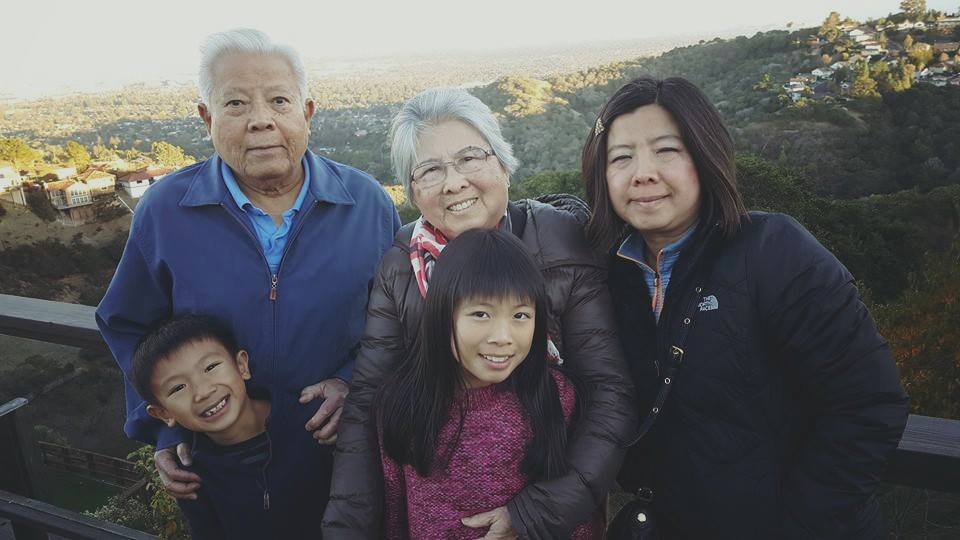
Daw Tin Tin Maw - Sayama Daw May Saw Lwin (MEHS57)
mentioned that Dr. Htin Kyaw (Sacred Heart57) stood first and that his elder twin brother Dr. Htin Aung (Sacred Heart57, GBNF) stood sixth in the Matriculation of 1957. Nellie Liu (MEHS57) stood Second.
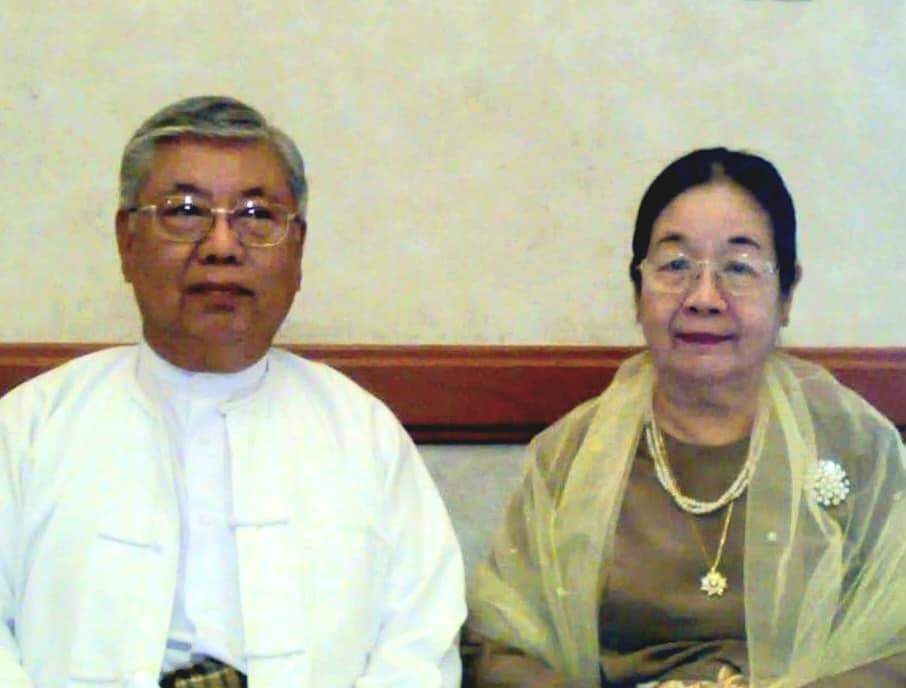
Dr. Soe Win & Daw May Saw Lwin - Dr. Tin Wa (SPHS57)
added the names of the four top Matriculates in 1959 led by his younger brother Dr. Frankie Ohn
Dr. Tin Wa - Saya Dr. Soe Win (SPHS58)
mentioned that Daw Myint Myint Tin (Pearl Ba Tin, MEHS58) stood Third in the Matriculation of 1958. - Dr. Thane Oke Kyaw Myint (SPHS60)
mentioned several top students in the Matriculation of 1960.
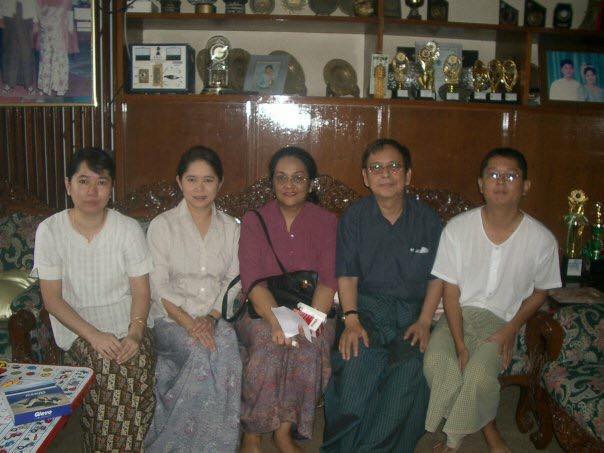
Dr. Thane Oke Kyaw Myint (2nd from right) - Dr. Swe Khin Tun
mentioned that her father Dr. Khin Tun (St. John’s Diocesan) stood 12th in the Matriculation of 1963.
- Dr. Aung Win and Dr. Min Lwin (both SPHS64)
mentioned the use of raw marks and ILA in the Matriculation of 1964. - Dr. Kyaw Min (SPHS65)
mentioned that several Paulians were Top Matriculates in 1965. Bernard Khaw, Maung Aye, Winston Sein Maung (GBNF) had the Three highest marks. According to ILA scores, Yi Thway (Edwin Ba Hein, GBNF) and Paing Soe (Freddie San Shwe) were admitted as Roll Number 1 & 2 to IM(1).
Top Matriculates
- MEHS : Methodist English High School
- SH : Sacred Heart
- SJC :St. John’s Convent
- SJDBHS : St. John’s Diocesan Boys’ high School
- SPHS : St. Paul’s High School
- SPM : St. Peter’s High School, Mandalay
- TTC : Teachers’ Training College Practicing School
- YM : Yegyaw Methodist
1951 :
George Chapman (SPHS) : First in Burma / Son of Saya Chapman (SPHS)
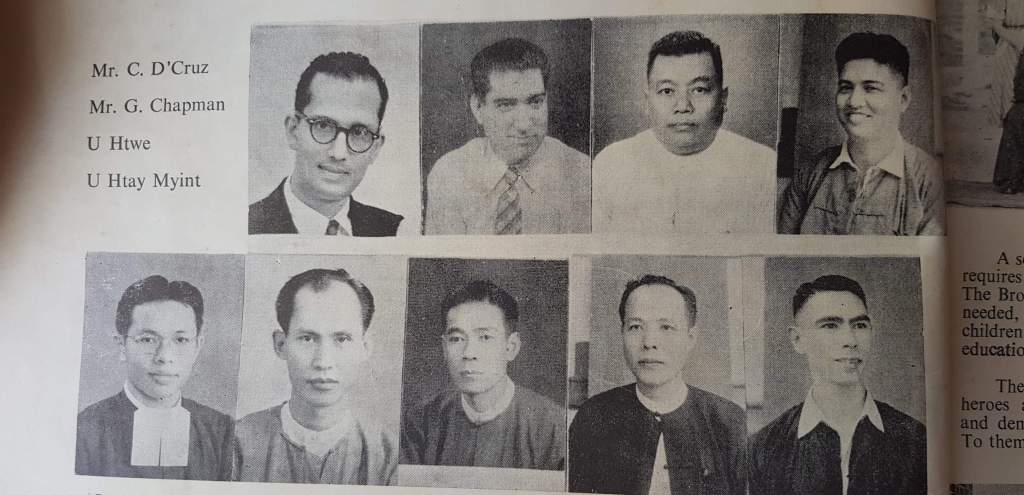
Saya Chapman (2nd in Top row) 1952 :
Dr. Nyunt Tin (SPHS) : First in Burma / FRCP / GBNF
Dr. Myo Tint (TTC) : Third / MBBS / Retired MS of Hospital / GBNF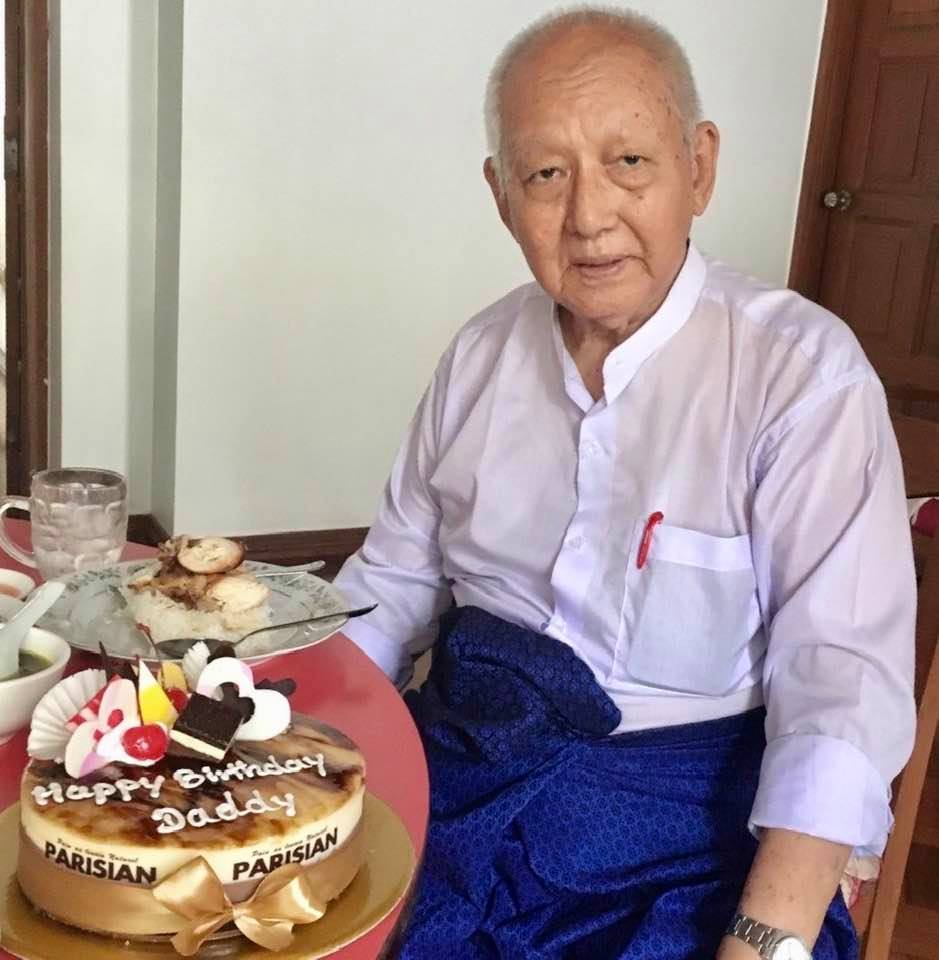
Dr. Myo Tint
1953 :Dr. Hla Shwe (Boon Chiong, YM) : First in Burma / Physics / Moved to USA
U Ohn Khin (YM) : Second
1954 :Koon Yin Chu (Phillip Chu, SPHS) : First / Architect / Moved to USA
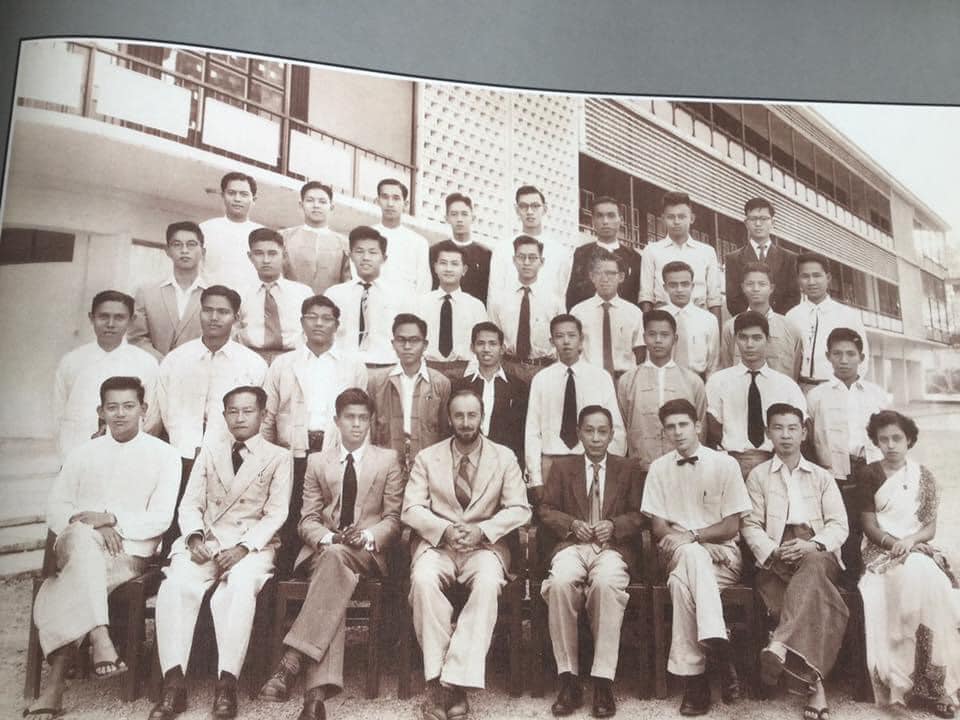
Architecture (First three batches)
Dr. Tin Myo Than (TTC) : Second / Psychiatrist / GBNF
1955 :Lily Hwang (MEHS) : First in Burma
1956 :Ye Myint (SPM) : First in Burma
Thaung Tin (SPM) : Second
Khin Maung Than (SPM) : Joint Third
Dr. Than Myint (SPHS) : Joint Third / Physics Honors / moved to USA
1957 :Dr. Htin Kyaw (Hein Kyu, SH) : First in Burma / Physics Honors
Dr. Nellie Liu (MEHS) : Second
Dr. Htin Aung (Hein Pu, SH) : Sixth / Physics Honors / GBNF
1958 :Dr. Soe Win (SPHS) : First in Burma / Chemistry Honors / Retired Rector of YUFL
Robert Sein (SPHS) : Second / Physics Honors
Myint Myint Tin (Pearl Ba Tin, MEHS) : ThirdDr. Soe Win (SPHS58)
1959 :Dr. Hla Ngwe Tin (Frankie Ohn, SPHS) : First in Burma/ Physics Honors
Dr. Shewan Lee (SPHS) : Second / Chemistry / California Institute of Technology
Dr. Than Nwe Aung (SPHS) : Third / MBBS
“Rocky” Koon Yin Chu’s younger brother : Tie 4th / Doctor
Oo Oo Tha : Tie 4th / Mathematics Honors / well known tuition teacher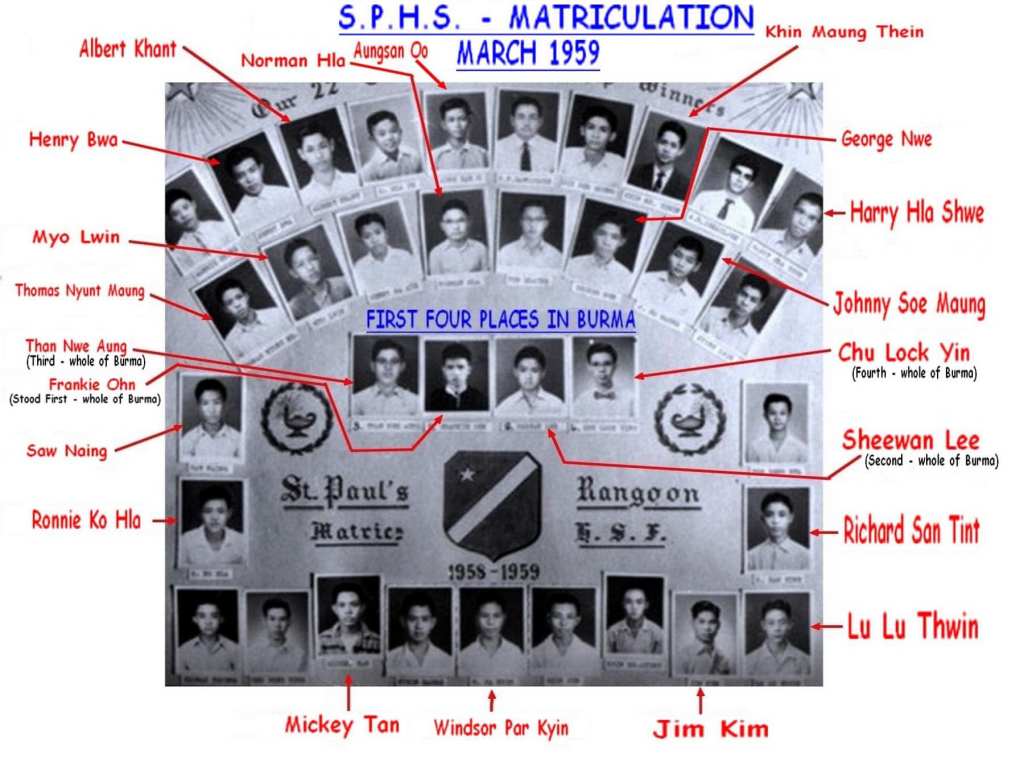
SPHS59
1960 :Austin Kyan (MEHS) : First in Burma
Dr. Nyan Win : Second
Arthur Hla Maung : Third / GBNF
Marie Nyun : Fourth
Indian lady : Fifth
Dr. Thane Oke Kyaw Myint (SPHS) : Sixth / Retired from UN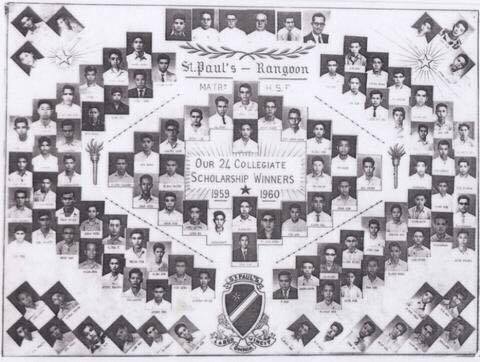
SPHS60
1961 :Lina Ong (MEHS) : First in Burma
Dr. Robin Ban (Kyaw Win, SPHS) : Second
1962 :
In the previous years, the combined High School Final and Matriculation examination was held.
1963 :
Due to changes in the Education system, the following students had to take the first ever High School Final ONLY examination in 1962.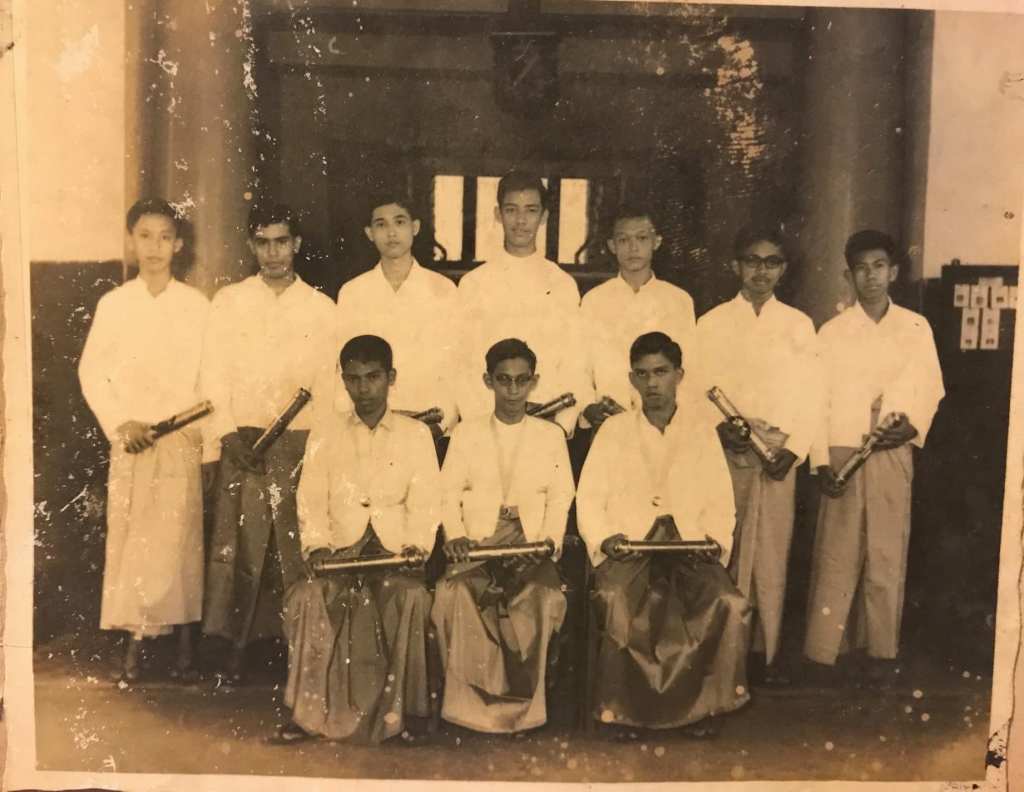
SPHS63 Dr. Khin Maung U (SPHS) : First in Burma / MD / Retired from FDA
Dr. Min Oo (SPHS) : Second / Retired Mathematics Professor from Canada
Dr. Myo San (Freddie Ba San) : Third / GBNF
Dr. Nyunt Wai (Victor Nyunt) : Fourth / Retired after teaching in Malaysia
Dr. Thein Wai (SPHS) : Fifth / Moved to USA
Kenny Wong (MEHS) : Sixth / Mechanical / Moved to USA
Hla Min (SPHS) : Seventh / Computer Science
Dr. Winnie Aung (Branch Convent) : Eighth
Dr. Johnny Maung Maung (Aung Kyaw Zaw, SPHS) : Ninth
Maung Maung Kyi (SPHS) : Eleventh / Chemical / Moved to Wales, UK
Dr. Khin Tun (SJDBS – St. John’s Diocesan) : Twelfth
Aung Thu Yein (Brownie Way, SPHS) : Thirteenth / Electrical / GBNF
Dr. Frank Gale (Khin Maung Zaw, SPHS) : Seventeenth / Moved to UK
1964 :Dr. Cherry Hlaing (St. John’s Convent) : First in Burma
Dr. Lyn Aung Thet (MEHS) : Lost tie breaker with ILA / Moved to USA
Dr. Aung Win Chiong (SPHS) : Third (in raw marks) / Moved to USA
Indian Lady : Fourth
Dr. Min Lwin (Maurice Hla Kyi, SPHS) : Fifth (in raw marks) / Practice in UK and Myanmar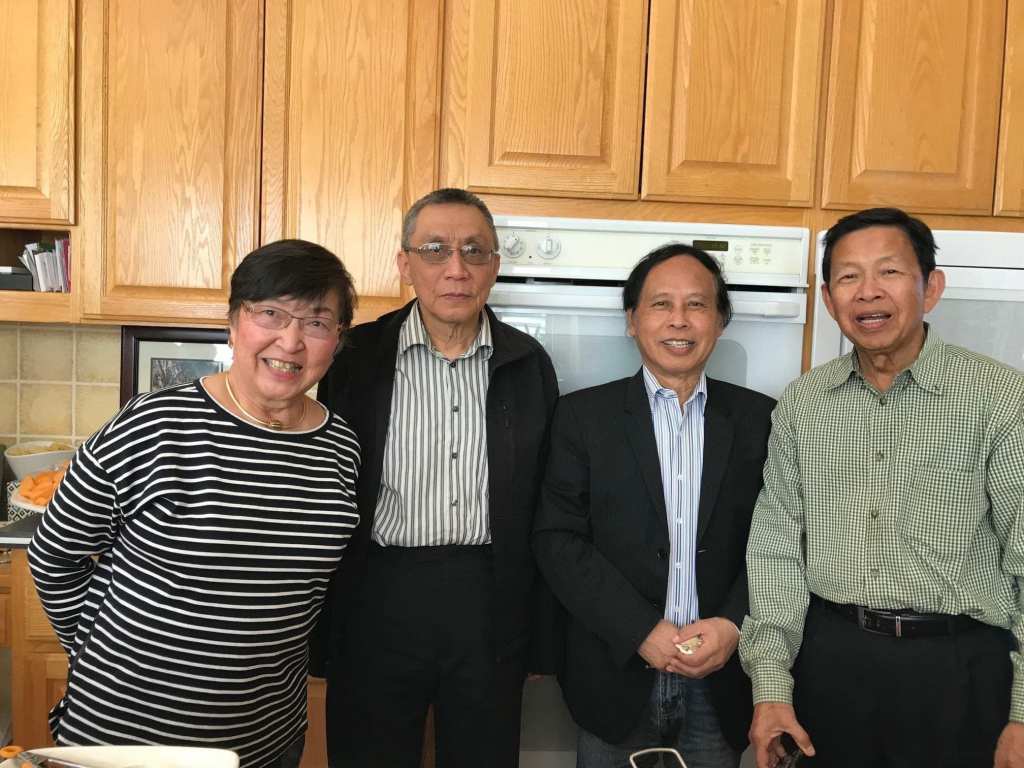
Dr. Min Lwin & Dr. Aung Win Chiong (Two rightmost)
1965 :
Bernard Khaw (SPHS) : First in Burma / Moved to USA
Bernard Khaw, Yi Thway & friends Maung Aye (SPHS, younger twin) : Second / Both twins completed Doctorate in the USA
Winston Sein Maung (SPHS) : Third/ GBNF
Dr. Yi Thwe (Edwin Ba Hein, SPHS) : Admitted to MC as Roll No (1) / Specialist Doctor in the UK
Dr. Freddie San Shwe (Paing Soe, SPHS) :Admitted to MC as Roll No (2) / Retired Deputy Minister of Health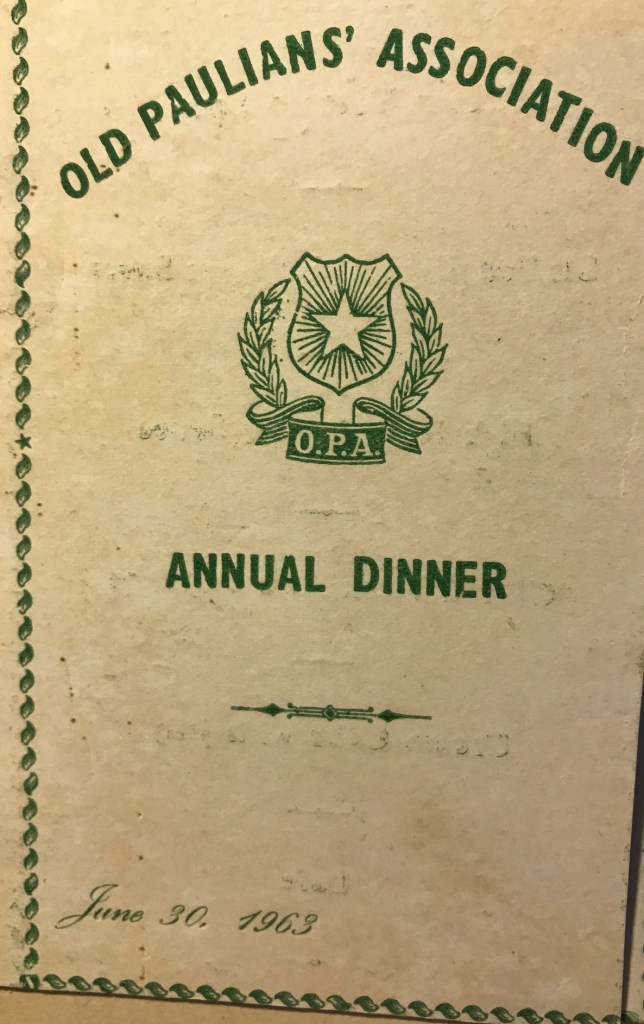
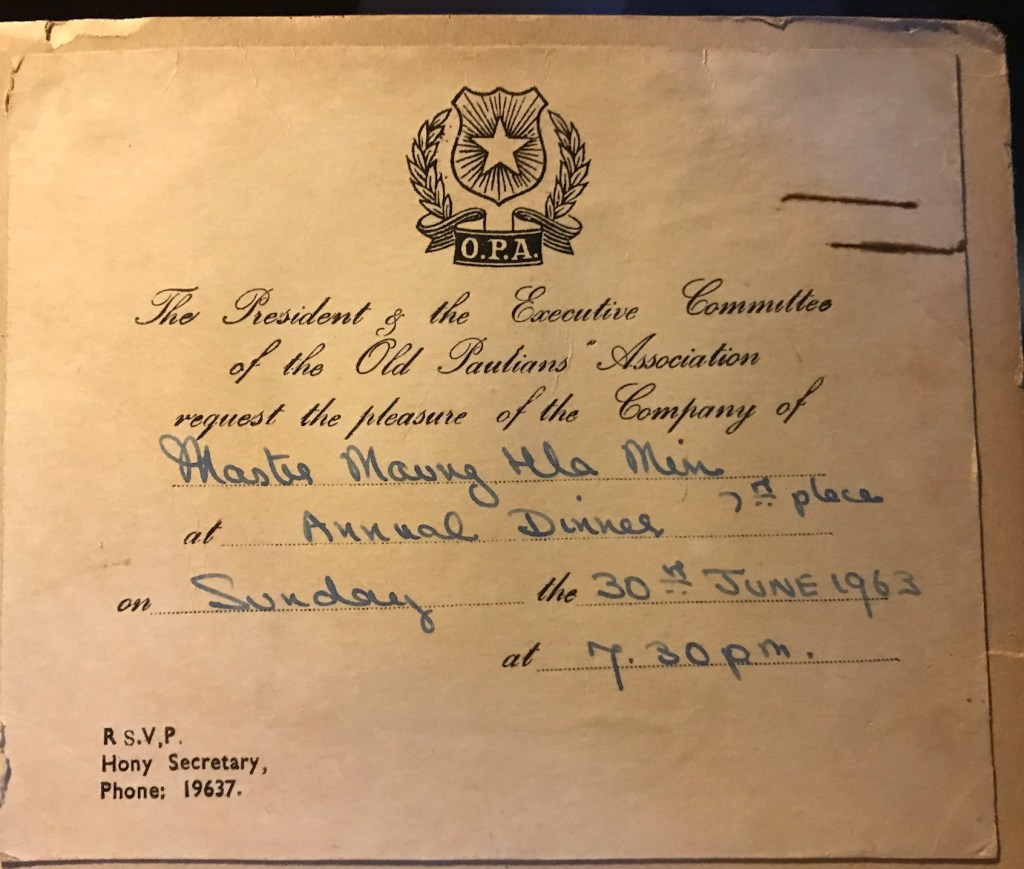
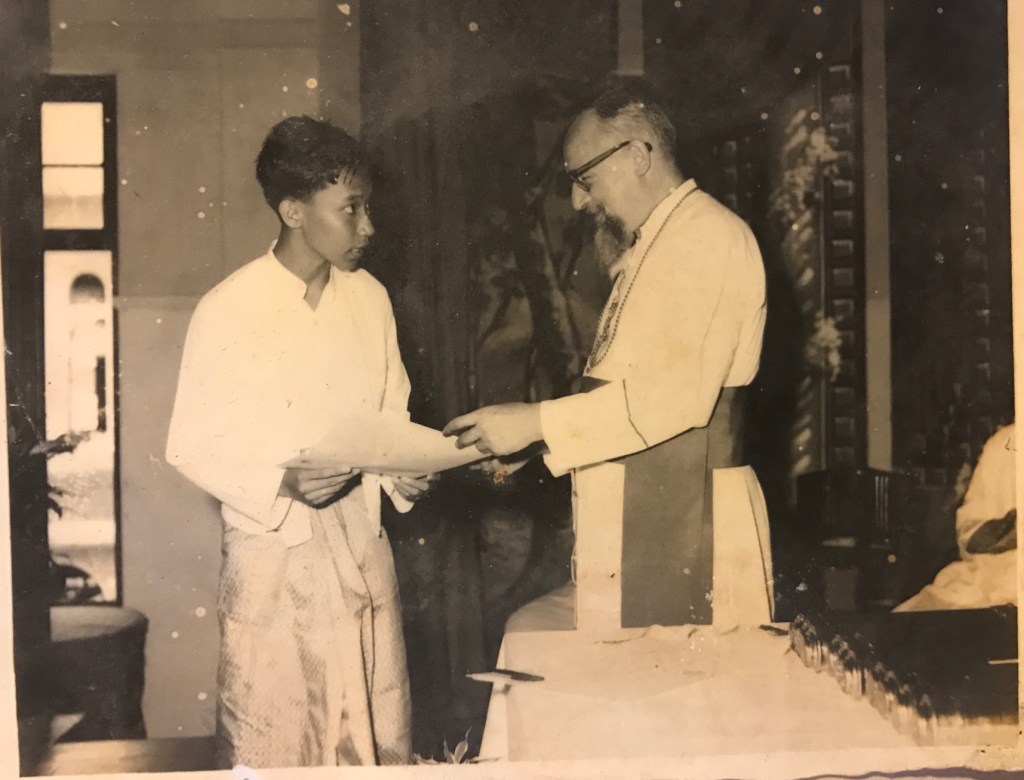
Hla Min (SPHS63) Family of First in Burma
Four Generations and Five Members (headed by U Hoke Sein) stood First in Burma (which is literally unbeatable).
U Hoke Sein (Compiler of Pali-English-Burmese Dictionary)
Son : U Saw Hlaing
Grand daughter : Dr. Cherry Hlaing
Two Great Grand Children - Thit Yine
-
Dr. San Tint (EE61, GBNF)
Dr. San Tint - He taught at RIT for more than four decades
- One of most loved sayas from the various engineering colleges and institutes in Myanmar
- Well versed in theory and practice
- Mentored and motivated students
- Believed that “Education is a perpetual learning process”.
- Served as a faculty member of the EE department : Assistant Lecturer, Lecturer, Professor & Head of the EC Department, Director of the UNIDO project (for the establishment/extension of workshops at RIT).
- Served as External Examiner for UCC/DCS/ICST, and as liaison to NTU and NUS for the Engineering Graduate Programs (notably Electrical and Computer Engineering).
- Attended SPZP-2000 in the San Francisco Bay Area.In 2000, Visited Seattle to meet U Min Maung (EC68) and KMZ.

Dr. San Tint in Seattle - Took care of his health
- Played soccer for the RIT Sayas team and enjoyed playing tennis
- Donated many times to the “Jivitadana Hospital”. Upon his return from SPZP-2000, he made a donation for “his students outside of Myanmar (Singapore, USA, …)”. Due to the political climate, the acknowledgement of the receipt appeared in the Myanmar newspaper six months later (the default would be a week or two).
- Led numerous “Book Drives” for the RIT Library. Ko Aung Lin helped transport the donated books from Singapore.
- Wanted to attend Singapore-2002, but his life was cut short. He was paralyzed. He tried to write with his left hand in the hope of resuming teaching. His nephew U Hlaing Myint (UCC) flew back from Australia to be beside Saya.
- U Khin Maung Zaw (EC76) set up Memorial Web Pages on http://www.ex-rit.org for Saya Dr. San Tint.
- Saya’s deeds were remembered not only at the funeral services, but are still remembered daily by his former students in the form of meritorious deeds, notably helping schools and students in Myanmar.
_________________________________________________
In Memory of Dr. San Tint
On 5th May 2002 (Sunday), the 1980-2000 batch students contributed for Soon Kyway at BDMS (Buddha Dhama Mandala Society) Temple, Singapore and 2 lots of land at Burmese Buddhist Temple (Singapore).
For Saya U San Tint, Donations (Stationery, Text Books, etc. worth Kyat 500,000/- by Ko Zaw Aung – 84 EC) to four schools in Myanmar were done on behalf of the students by Pyinnya Dana Foundation (PDF) volunteers.
Next contribution “Dr. San Tint A Saung [Building] (48th donation of PDF)” is as follows. Estimated cost is Kyats 1.4 million.
The construction of a building (dedicated to Saya Dr. San Tint), measuring 50 Ft x 30 Ft, for third grade and fourth grade students at Primary School in Kyaik Paw (Bago) has begun under the supervision of PDF (Ko Thein Hteik Oo M96 and Volunteers).
The Primary school there has 240 students, but there is only one “extremely crowded” school building with not-so-good walls and a roof (one quarter of which is not covered with Zinc sheets). All students from Thu-nge-tan (KG) to fourth grade study in the building with NO partitions.
PDF Volunteers will take full responsibility on this project, making sure that the new building meets the typical primary school requirements. The building is BN type. For details, see the RIT Burma Group postings and/or contact us for details.
Ko Hla Kyi – 77 EC
Ko Aung Lin – 85 EC
Ko Aye Thwin – 92 Ep
Ko Thein Htike Oo – 96 Mech
Ko Aung Mon – 96 ECWe are still in need of funds for the above project. The estimates may need to be revised as construction proceeds, but we all will make it happen because the benefit for the poor kids is enormous.
Together, we all will make “the good job, aims and inspirations of our late beloved Sayagyi” happen.
Thanks again all for your patience.
Thanks to Ko Thein Hteik Oo & PDF VolunteersOn behalf of the late Sayagyi U San Tint’s well-wishers
Hla Kyi (77 EC)———————————————————————-
Dear RIT Burma Family,
Let’s support “Dr. San Tint Hall” and to the school children of Burma [Myanmar].
Our country indeed needs the public volunteer support from all the Burmese [Myanmar] country men, bred, fed and taught by the various schools around the country.
We need to turn our head and look back at our Burmese schools and Burmese school children.
We have been bred, fed and taught by the schools of Burma. Now we are obliged [or at least start thinking] for the next generation of Burmese School Children.
You may have read about some/several Burmese School Children being bred, fed and taught under the tree near the paddy fields.
Let us support the Burmese School Children.
best regards
maung yit
93 EC1Editor’s Note:
The projects and donations have been completed successfully.
___________________________________________________________________________
Book Drive in 2000
Saya Dr. San Tint (EE) attended SPZP-2000 in the US. Saya also met his students in Singapore, who initiated a “Book Drive” for YTU Library.
The following list is extracted from Ko Myint Thwin’s spreadsheet. Personal details and the amount contributed are not reprinted here (for privacy reasons).
- Dr. San Tint
- Aung Aung & Myo Myat Thi (92 EC)
- Aung Aung & Khin Mya (both, ex-UCC)
- Aung Cho Oo (95-2 EC)
- Aung Htoo (95-2 EC)
- Aung Khine Cho (85 EC)
- Aung Kyaw Moe (95 EC)
- Aung Kyaw Oo (98 EC)
- Aung Lin (85 EC)
- Aung Mon (96 EC)
- Aung Myo Naing (91 EC)
- Aung Soe (92 EC)
- Aung Than Myint & Thida Nyein (93, 94 EC)
- Aung Thant Naing (95-1 EC)
- Aung Thura & Phyu Phyu Win (92, 93 EC)
- Aung Win (83 EC)
- Aung Zaw Myint (85 EC)
- Aye Aye Tin (Australia) (95-2 EC)
- Han Win Aung (91 EC)
- Hla Min (USA) (69 EC)
- Hlaing Tun (93 EC)
- Nyan Lin Thein (Australia) (95-2 EC)
- Htun Htun Naing (87 EC)
- Htwe Htwe Hlaing (93 EC)
- Htwe Win (95 EC)
- Kathy Khaing (95-1 EC)
- Khaing Khaing Win (95-1 EC)
- Khin Lay Wai (91 EC)
- Khin Zaw (83 EP)
- Ko Ko & Maw Maw (92 EC)
- Ko Paw @ Aung Naing Moe (96 EC)
- Kyaw Htet (85 EC)
- Kyaw Sin Maung & Thida Khine (94 EC)
- Lei Lei Yi (91 EC)
- Maung Maung Thet (93 EC)
- Me Me Thant Zin (94 EC)
- Min Lwin (94 EC)
- Min Thein (96 EC)
- Myat Myitzu Soe (98 EC)
- Myint Htwe & Myint Myint Yi (81 EC)
- Myint Myint Aung (95-1 EC)
- Myint Shein (80 EC)
- Myint Thwin (85 EP)
- Myo Swe (82 EC)
- Myo Swe (83 EC)
- Myo Tin Shein (Australia) (95-1 EC)
- Nyunt Zaw (85 EP)
- Ohn Myaing & Aye Aye Thet (92 EC)
- Phone Naing (95 EC)
- Sai Khan Ywat (96 EC)
- San Ko Ko Win (76 EC)
- San Oo (85 EC)
- San Win & Khin Yi (77 EC)
- Sein Lin
- Shein Soe Myint (83 EC)
- Soe Min Oo & Kathy (93 EC)
- Soe Win (94 EC)
- Thein Naing (91 EC)
- Thein Po (91 EC)
- Thein Zaw (94 EC)
- Thet Naing Oo (94 EC)
- Thet Naung (95 EC)
- Thin Soe Win (Australia) (95-1 EC)
- Tin Aung Kyaw (91 EC)
- Tin Kyaw Oo (80 EP)
- Tin Kyaw Oo, Min Zaw & Myint Shain (80 EP/EC)
- Tin Lay Nwe (94 EC)
- Tin Tun 85 EC
- Tun Min (93 EC)
- Wai Lwin (83 EC)
- Win Aung (95-2 EC)
- Win Aung (96 EC
- Win Cho (91 EC)
- Win Myat Soe (93 EC)
- Win Myint Khaing (95 EC)
- Win Myint Oo (83 EC)
- Win Naing & Soi Lan Khaing (93 EC)
- Zaw Htoo (95 EC)
- Zaw Lwin Oo (93 EC)
- Zaw Shwe (96 EP)
Note :
I am reprinting old records. Some donors are GBNF.
______________________________________________________________________
-
U Soe Win

U Soe Win (Leftmost) UCC
- U Soe Win (EC70) joined Systems Division at UCC.
- He had training at ICL ETC in UK and worked on the ICL1902S Computer System.
- He and his team implemented Burmese characters for the CalComp Graph Plotter.
- He also had training at DEC in USA and worked on the PDP11/70 Minicomputer System.
PTC & Post-retirement
- He transferred to PTC.
- After retirement, he moved to Mawlamyine (Moulmein) where his spouse has a family business.
Siblings
- His elder brother U Soe Myint (GBNF, Chief Editor of several newspapers) is the father-in-law of KMZ. I wrote poems and articles for the Guardian during U Soe Myint’s tenure.
- His elder sister is a medical doctor. She is GBNF).
- His younger brother U Kyaw Zaw (EC72, TTC Luyechun, DCA) is GBNF.
- His youngest brother U Khin Zaw (Physics, UCC) worked for Systems Division before moving to Singapore and USA.
Visit to USA
During his visit to U Khin Zaw (UCC) in Cupertino, Northern California there was a mini-gathering of
- UCC alumni
- RIT alumni
- friends of U Khin Zaw and Daw Wai Wai Tun.

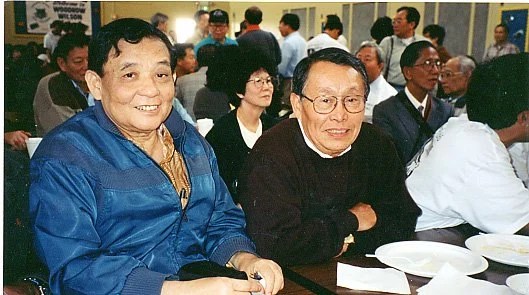
Gathering of UCC & RIT alumni The attendees include
- Saya U Myo Min (UCC)
- U Hla Min (EC69, UCC) and Daw Sein Yi
- U and Mrs. Soe Win (EC70, UCC)
- Benny Tan (M70) and Angelina Tan
- Charlie Tseng (EC70) and Diana Tseng (ChE71)
- U Myint Swe (EP74) and Daw San San (EC74)
- U Hla Kyi (EC77, Met/Hydro Computer)
- U Aung Zaw Maung (Pet78, UCC)
- U Aung Myint Oo (EC84, UCC) and Daw Thida Khin (UCC)
- Dr. Rafiul Ahad (UCC) and Frances Ahad
- U Khin Zaw (UCC) and Daw Wai Wai Tun (Physics)
- Dr. Kyaw Tint (Physics)
- U Thein Naing (Patrick, Physics) and Daw Mi Mi Aung (Physics)
Comments
- U Khin Zaw and Dr. Rafiul Ahad had hosted several UCC mini-gatherings to welcome UCC sayas (notably U Soe Paing) and alumni from Myanmar & Singapore such as U Aung Myint (GBNF), U Ngwe Soe (Singapore), U Thein Oo (Ace) and U Thaung Tin (KMD).
-
Rowing Notes 3
Record
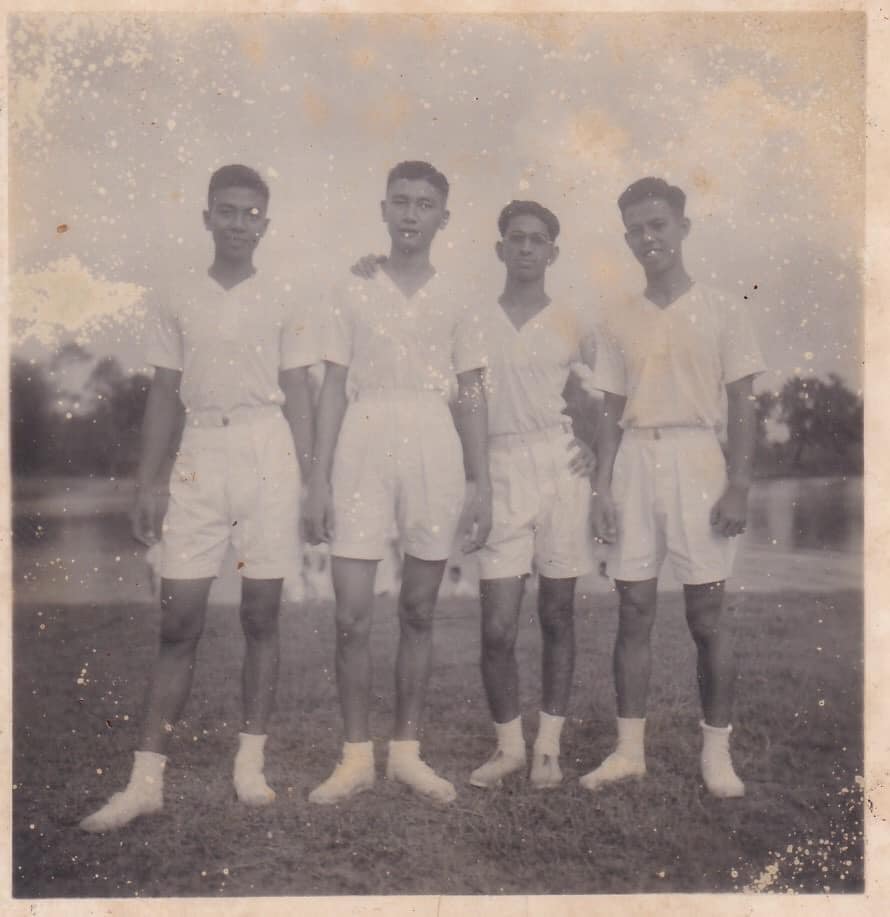
U Maung Maung Than Tun - U Maung Maung Than Tun (GBNF) and Aung Khine are the first Father & Son to be Past Captain and Golf Past Captain of RUBC.
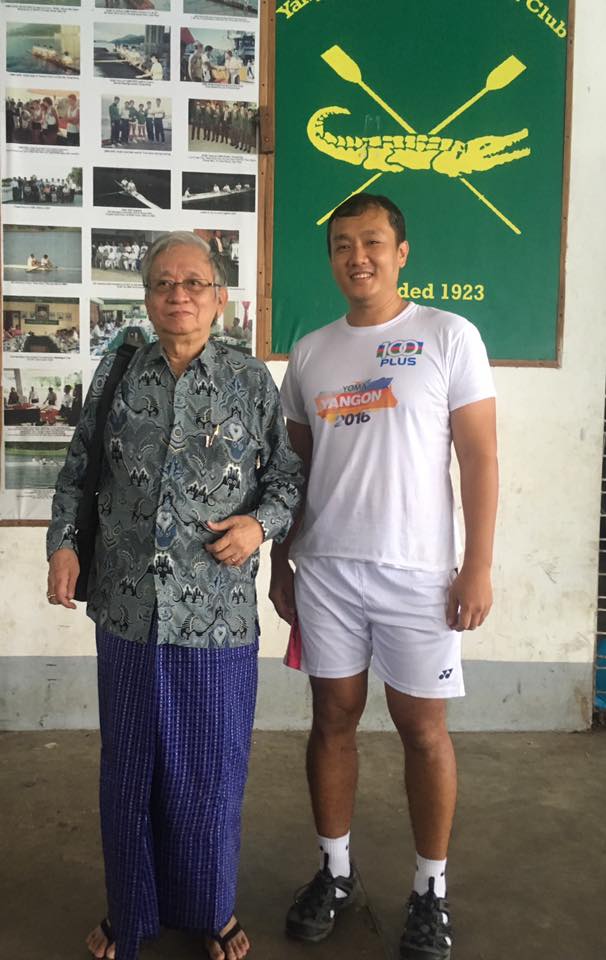
U Sein Htoon & Zeyar Linn - U Sein Htoon & Zeyar Linn are the second Father & Son to be Past Captain and Gold of RUBC).
Zeyar Linn


- He received B.E. (Mech) in 2002.
- He is Past Captain and Gold of RUBC.
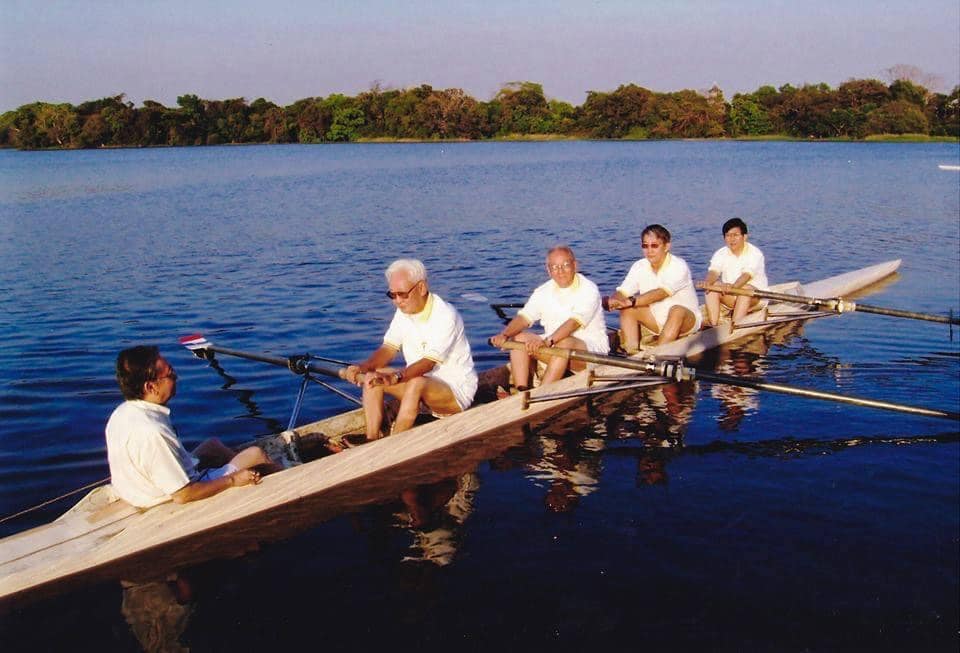
- His father U Sein Htoon (M63) is Past Captain (1962 – 63) and Gold of RUBC. He is Past President of Burma Rowing Federation. He coxed the RUBC crew — U Tin Htoon, Dr. Harry Saing (GBNF), U Victor Htun Shein (GBNF) and U Sunny Teng — which won the Willingdon Trophy for Coxed Fours at the ARAE Regatta at Colombo in 1960.
- His father-in-law Saya U Phone Myint (M) is Retired Superintendent of Workshop at RIT.
- He posted photos of his rowing buddies.
U Sein Htoon


-
Book Presents
စာအုပ် လက်ဆောင်
I received books from selected authors, sayas, colleagues, relatives and friends.
ဆရာကြီး ဦးဘတုတ် U Ba Toke

- RU နဲ့ RIT မှာ သင်္ချာ ပါမောက္ခ Mathematics Professor
- MASU မှာ ပါချုပ် Rector
- Assumption University မှာ Dean
- ပြုစု —တက္ကသိုလ် မောင်သင်္ချာ (Dr. ခင်မောင်ဆွေ) Dr. Khin Maung Swe
Dr. သိန်းအုပ်ကျော်မြင့် U Thane Oke Kyaw Myint

- ကလေး အထူးကု ဆရာဝန် Pediatrician
- UN projects
- ထုတ်ဝေ — ကျောင်းသားဟောင်း & Colleagues
Published for 70th Birthday
ကေ K (BBS ဦးခင်ဇော်) U Khin Zaw

- RU Chief Librarian
- Founder & Director, BBS
- ပြန်ထုတ်ဝေ — မိသားစု
Reprint by Family members
စွယ်တော်ရိပ် RIT ကဗျာဆရာများ နဲ့ ပန်းချီဆရာ Poets & Illustrator

- တက္ကသိုလ်မိုးဝါ / ဦးမိုးအောင်
U Moe Aung - အုတ်ဖိုမောင်ရင်မောင် / ဦးအောင်မြိုင်
U Aung Myaing - ဦးဝင်းမြင့် (စက်မှု)
U Win Myint - ကိုတိုး မြစ်ခြေ / ဦးတိုးအောင်
U Toee Aung - မောင်ညွန့်ဌေး အထက်မင်းလှ / ဦးညွန့်ဌေး
U Nyunt Htay - ပန်းချီမြတ်မျိူမြင့် / ဦးမျိုးမြင့်
U Myo Myint
ဦးအောင်ဇော် (ကွန်ပျူတာ) U Aung Zaw


- RASU Maths, UCC, CSO
- Assumption University
- Sydney က တက္ကသိုလ်
- ထုတ်ဝေ — အမ
Published by Elder sister - ကျွန်တော် Contributing Editor & Reviewer အဖြစ် ကူညီခဲ့
 HlaMin