Blog

  • Saya Moe ဆရာမိုး

    Saya Moe ဆရာမိုး

    by Hla Min

    Updated : 10th October 2026

    U Moe Aung

    Brief Bio

    • Matriculated from St. John’s Dio
    • Enjoyed playing soccer (mostly as goalkeeper)
    • Attended Yankin College, RU Faculty of Engineering and BIT
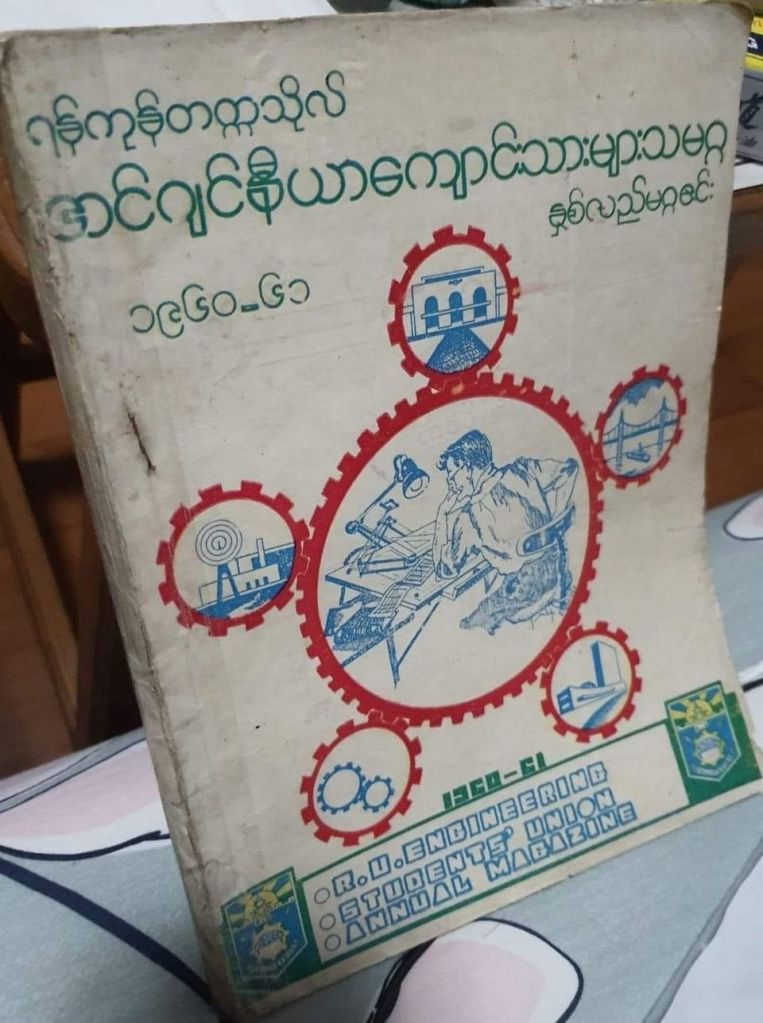
    • EC of RU Literary Committee & RUESU Magazine Editor
    • Joined Electrical Engineering Department after graduation
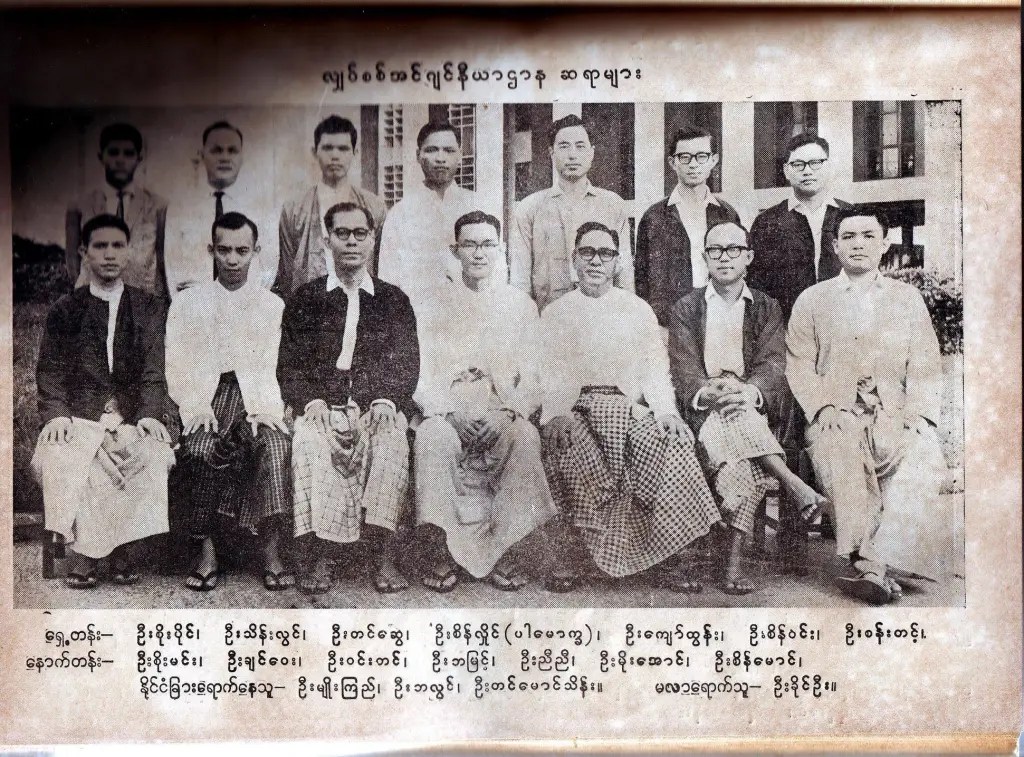
    EE Sayas
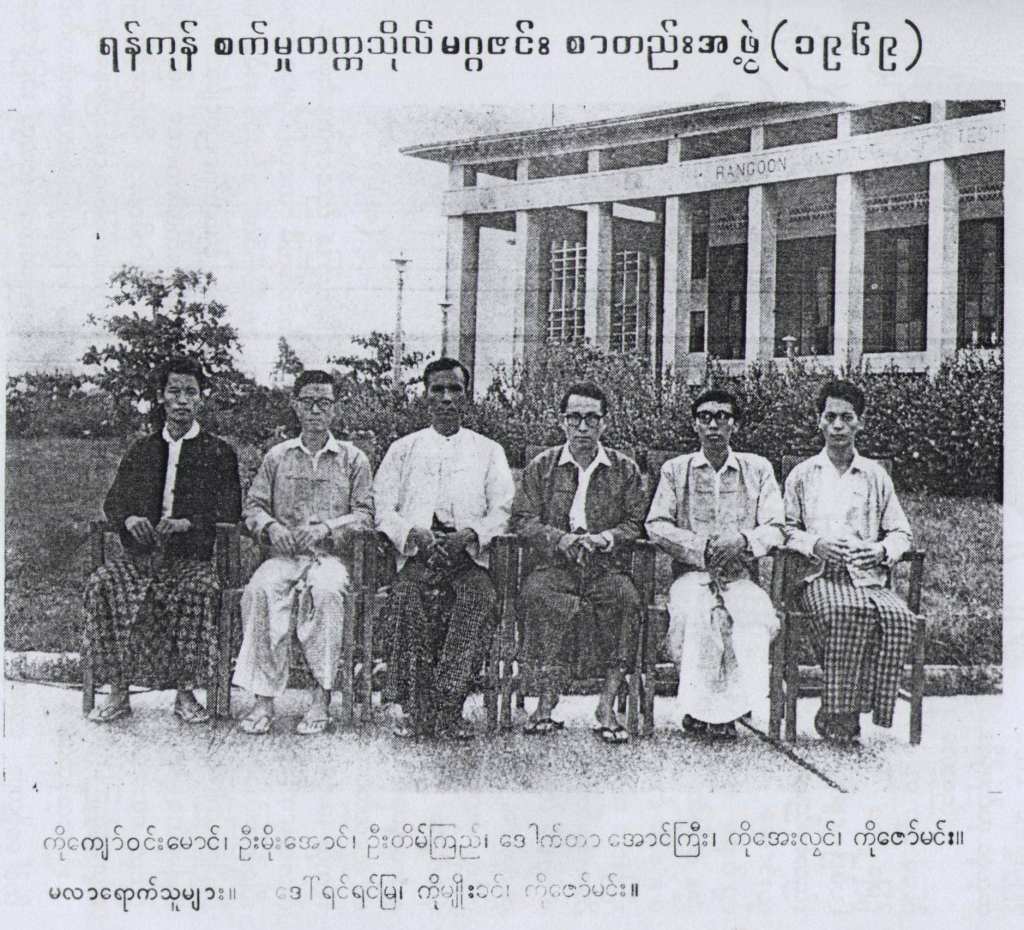
    • EC of RIT EE Association; Editor of Hlyat Sit Sar Saung
    • Editor. (and later Chief Editor) of RIT Annual Magazine
    • Worked in Singapore
      Organized Alumni events (e.g Thingyan, SPZP)
    Gathering in Singapore
    • After retirement, moved back to Yangon
      Writing articles & poems
      Courses at Electrical Inspectorate
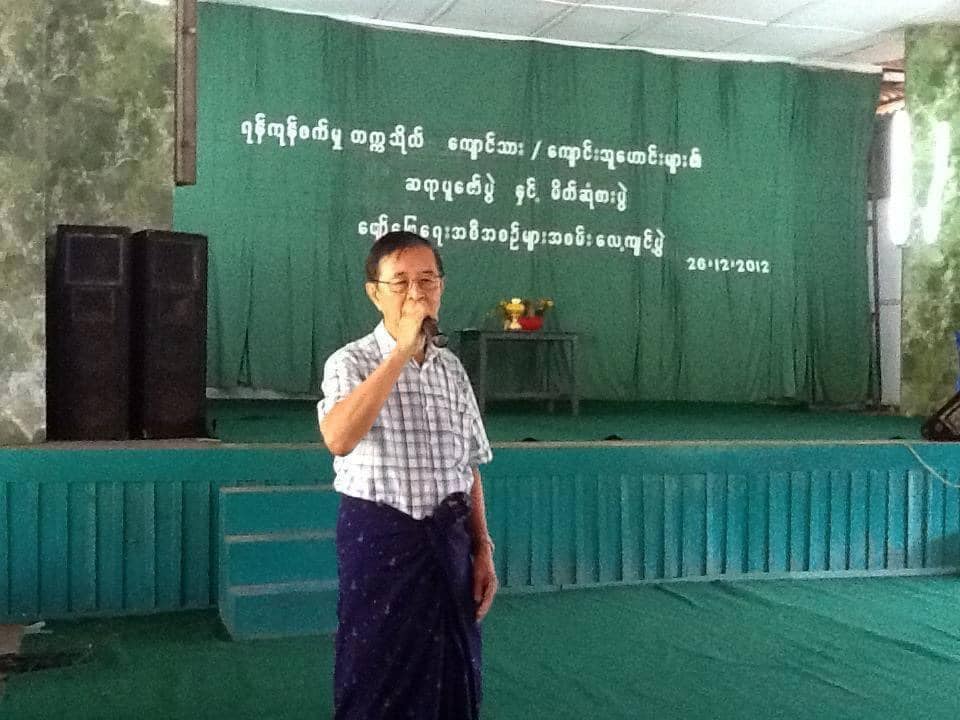
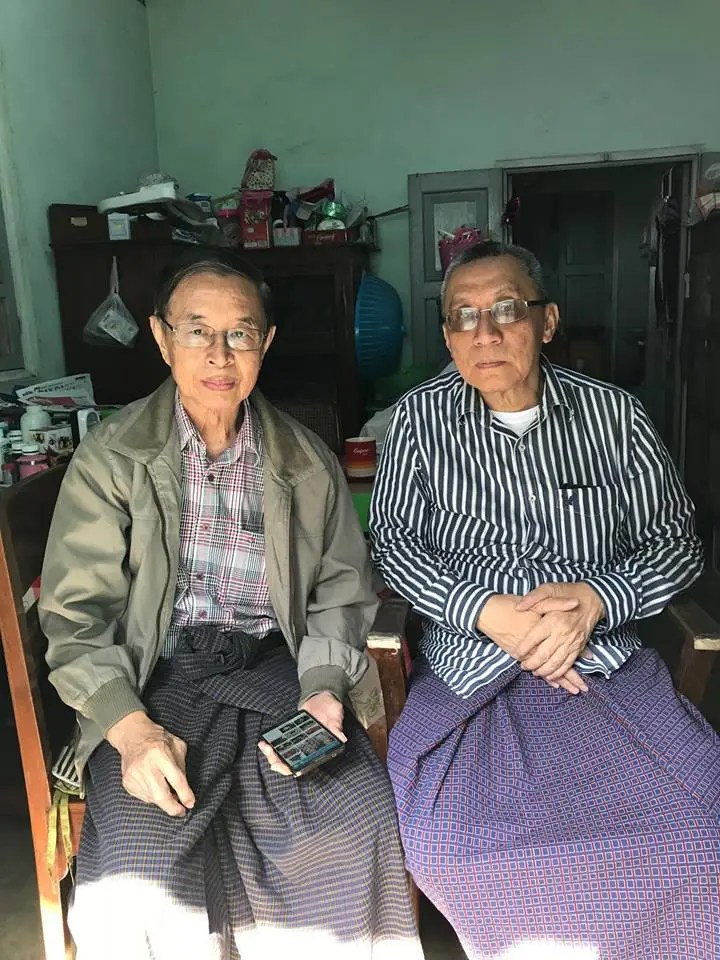
    U Moe Aung & U Thet Lwin

    Activities & Accomplishments

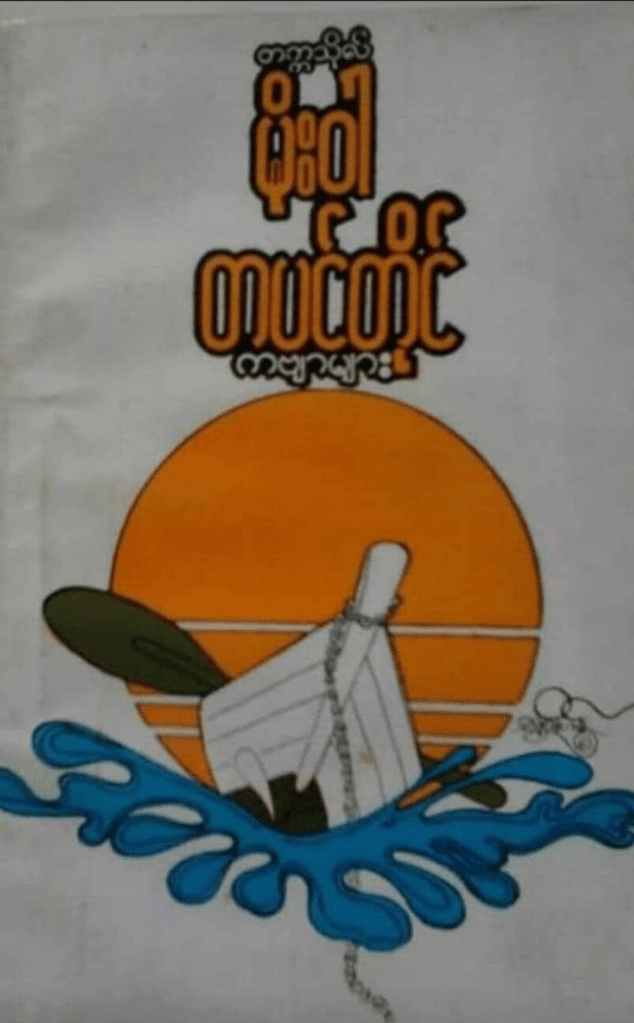
    • Pen name : Tekkatho Moe War
    • Mentor : Daung Nwe Swe
    • Editor, RUESU Annual Magazine
    RUESU Magazine
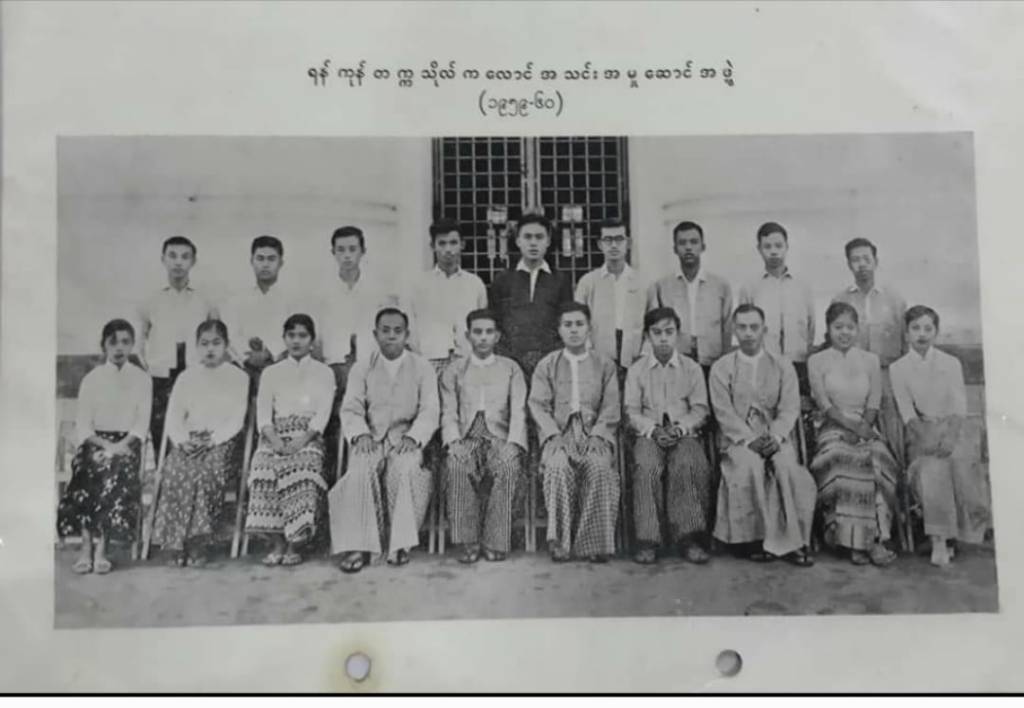
    • Member, RU Ka Laung Ah Phwe
    RU Literary Association
    • Chief Editor, RIT Annual Magazine
    RIT Magazine
    • Chief Editor, Hlyat Sit Sar Saung
    • Chief Editor, Swel Daw Yeik Sar Saung for SPZP-2002, SPZP-2007 & SPZP-2010
    • Chief Editor, Swel Daw Yeik Magazine for ShweYaDu-2014 & SPZP-2016
    Editors for Swel Daw Yeik Magazine
    • Author of Books, Articles & Poems
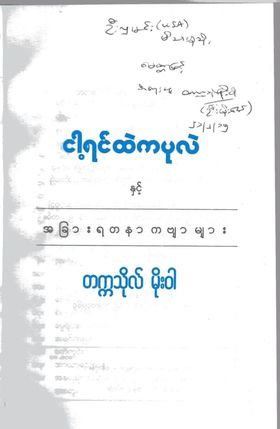
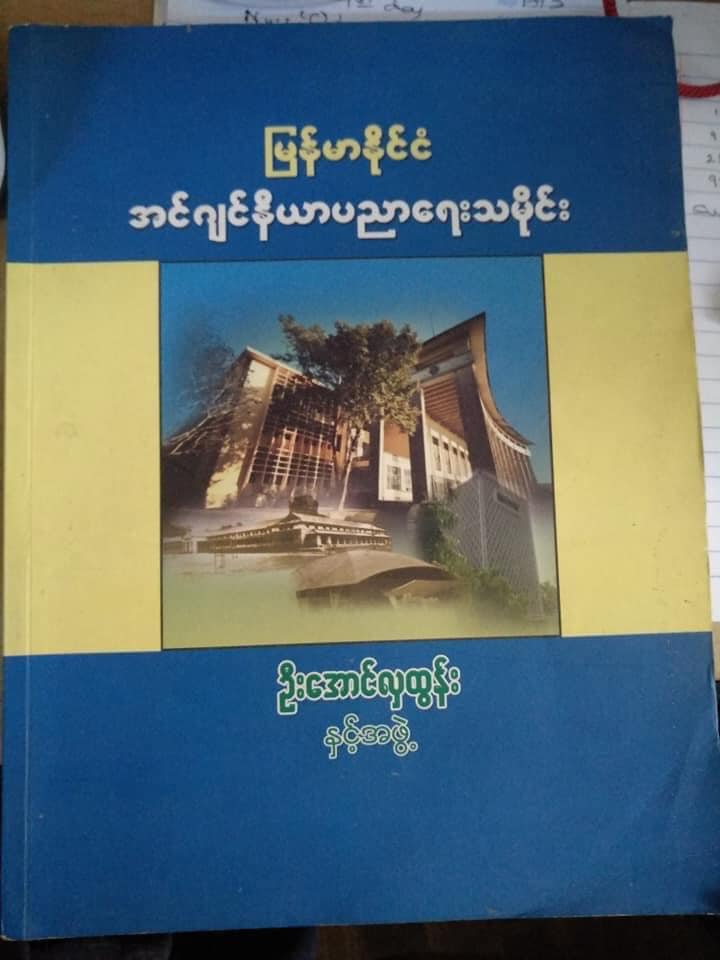
    Book of poems by U Moe Aung
    • Contributor, Poetic Art Series
    • Zat Saya & Manager, RIT Ah Nu Pyinnya Ah Thin
    • Chair, SPZP-2002
    SPZP-2002
    • SPZP-2007
    Sayas U Moe Aung, U Kyaw Sein (GBNF) and U Ohn Maung
    • Chair, SPZP-2010
    • SPZP-2012
    • Entertainment, SPZP-2016
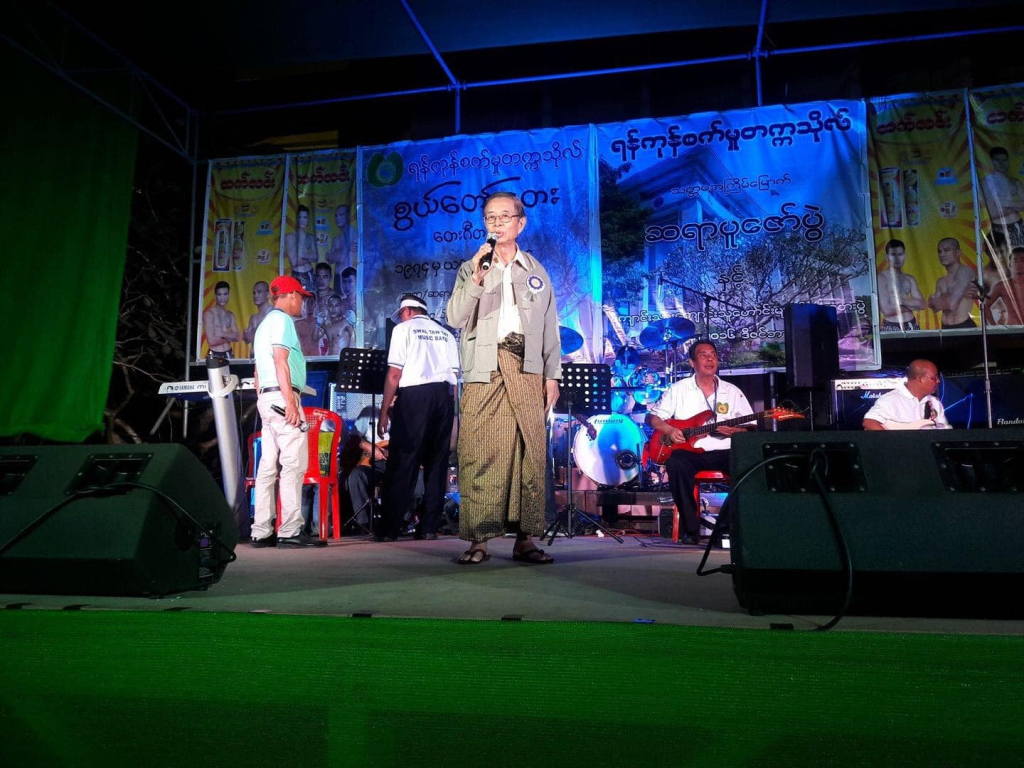
    Entertainment Program for SPZP-2016
    • Patron, Swel Daw Yeik Foundation
    • Patron, Alumni Association
    • SDYF Song
      Composed with U Than Po (GBNF, M75)

    Memories

    • Birthday
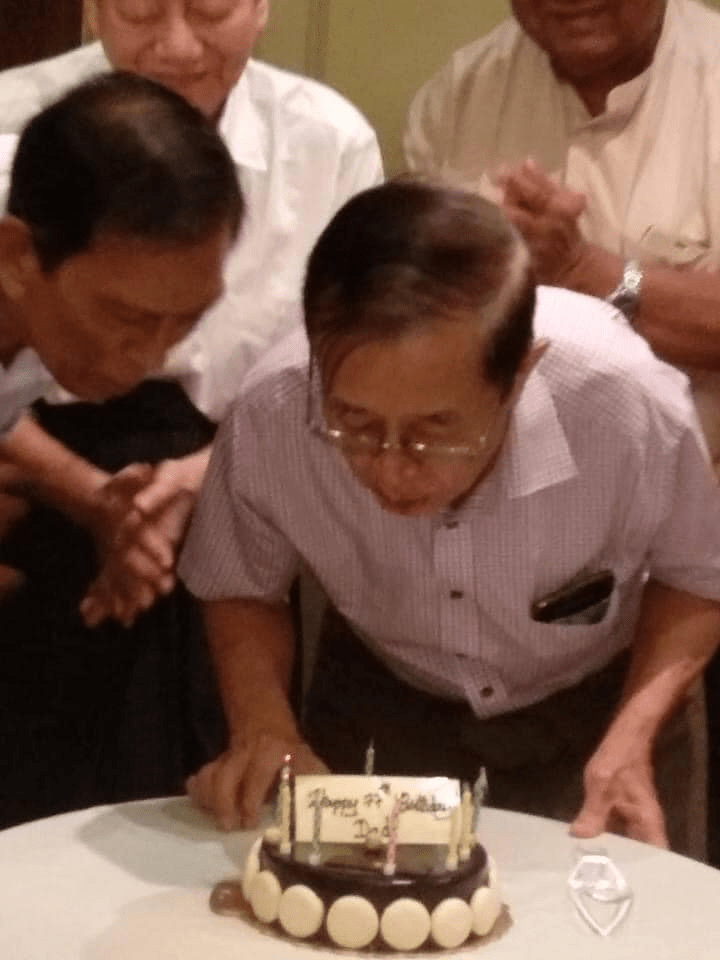
    Birthday Celebration
    • Pu Zaw Pwes
    Pu Zaw Pwe
    • Discussion
    U Moe Aung and Maung Sein Win (Padeegone)

    Presents

    Saya & me
    With Saya
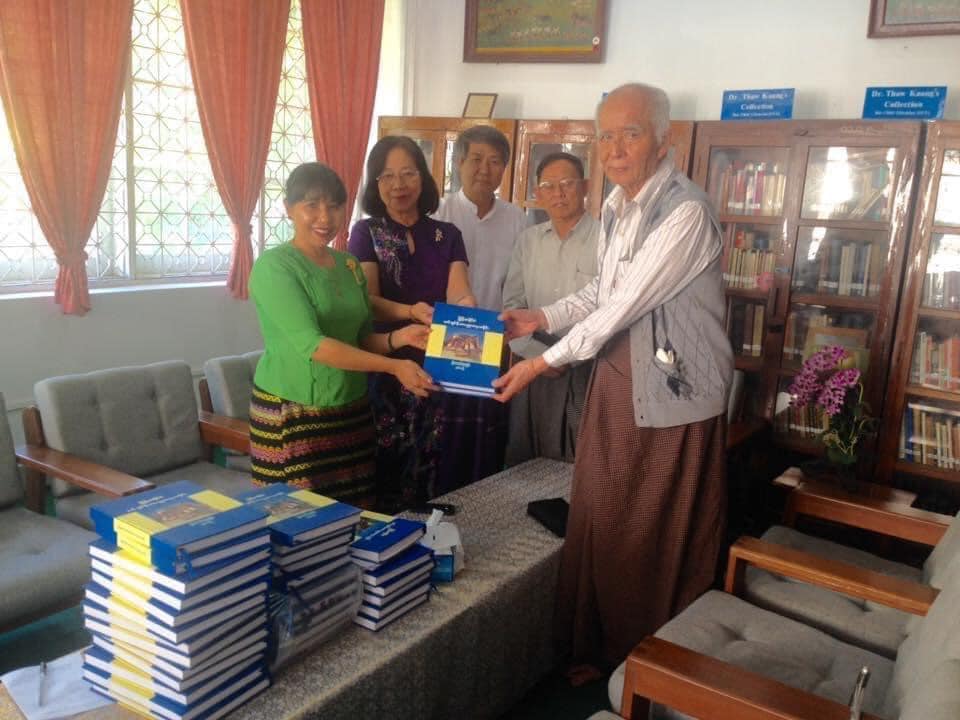
    • Saya gave me Magazines, Books and a Pasoe (from his daughter’s company)
    Book Present

    My Translation

    Saya’s Poems

    • Shwe YaDu Lann
    Shwe YaDu Lann
    • Poem Gift
    • The Power of Poem
    • Computer in my heart
    • Search for beauty
    • Heritage of Bagan
    • To the Shwe Duo
      …

    Saya’s Articles

    • Sea of Men
    • History told by a Thousand Kyat Note
    • My heart aches & Tears well in my eyes

    Feedback

    Saya U Moe Aung wrote :

    Thanks, Ko Hla Min, for your endeavours, not to mention that they wouldn’t be possible otherwise. Realistically speaking, archiving is not as easy as one thinks.

    My reply to Saya Moe Aung :

    • I am paying back to my alma mater, mentors, alumni and benefactors.
    • I have completed 25 years as a messenger, organizer, archivist and disseminator for the RIT Community.
    • The smiles on my sayas and colleagues give me Second Wind to keep me going the extra mile.
    • I hope and pray that we will be able to have some publications to celebrate the Centennial of Engineering Education in Burma / Myanmar & the Silver Jubilee of my RIT Volunteer work.
    • My dream of getting the sayas and alumni get connected electronically and physically was materialized in 1999 and 2000 with RIT Alumni Newsletter & Website and SPZP-2000.
    • My dream of compiling the Oral and Written History of our alma mater and alumni has only been partially completed. I was a member of HMEE project and compiled a CD Supplement for the book with U Ohn Khine (M70). I have 2500+ articles in my website hlamin.com. I broadcast 220 short talks between August 2020 and January 2021.
    • It needs Passion and Perseverance to maintain Projects. Several of my early Collaborators and Supporters no longer have time and resources to help me.

    U Aung Min (M69) wrote :
    Be healthy and long live Saya.
    Please keep going on with your pen.

    Saya’s reply :
    Yes, Ko Aung Min.
    And thanks for all your encouragements which will definitely be a driving force for me, especially for my longevity.

  • Talk — SPZP ဆရာပူဇော်ပွဲ

    Talk — SPZP ဆရာပူဇော်ပွဲ

    by Hla Min

    Updated : 10th October 2026

    Video Broadcast

    • Saya Pu Zaw Pwe (SPZP) is a noble tradition
    • There have been seven RIT Grand Reunion and Saya Pu Zaw Pwes.

    SAYA PUZAW PWE

    Background

    Invitation
    SPZP-2000 Organizers
    SPZP-2000 Video
    • In April 1999, I started the “RIT Alumni International Newsletter”.
    • At the request of Saya U Soe Paing, U Khin Maung Zaw (KMZ, EC76) designed and implemented the first RIT web site : http://www.ex-rit.org. I served as the Content Provider and Editor.
    • Saya Allen Htay and several alumni — Benny Tan (m70), Maurice Chee (M75) … — decided to support our noble task.
    • At one of the meetings at Ko Benny’s house, the San Francisco Bay Area Alumni Group decided to establish “RIT Alumni International” with Saya Allen as President and Ko Maurice as Treasurer.
    • At another meeting, Saya U Aung Khin (who was visiting the San Francisco Bay Area from Canada) gave the Go-ahead for planning the First RIT Grand Reunion and Saya Pu Zaw Pwe.
    • Since the sayas and alumni profess different religions, we chose the term “Saya Pu Zaw Pwe” over “Saya Ga Daw Pwe” (which has a religious connotation).
    • The primary objective of the Saya Pu Zaw Pwe is to repay the metta and cetana of our mentors.
    • It allows several core sponsors and organizers to safely participate in SPZP-2000.

    SPZP-2000

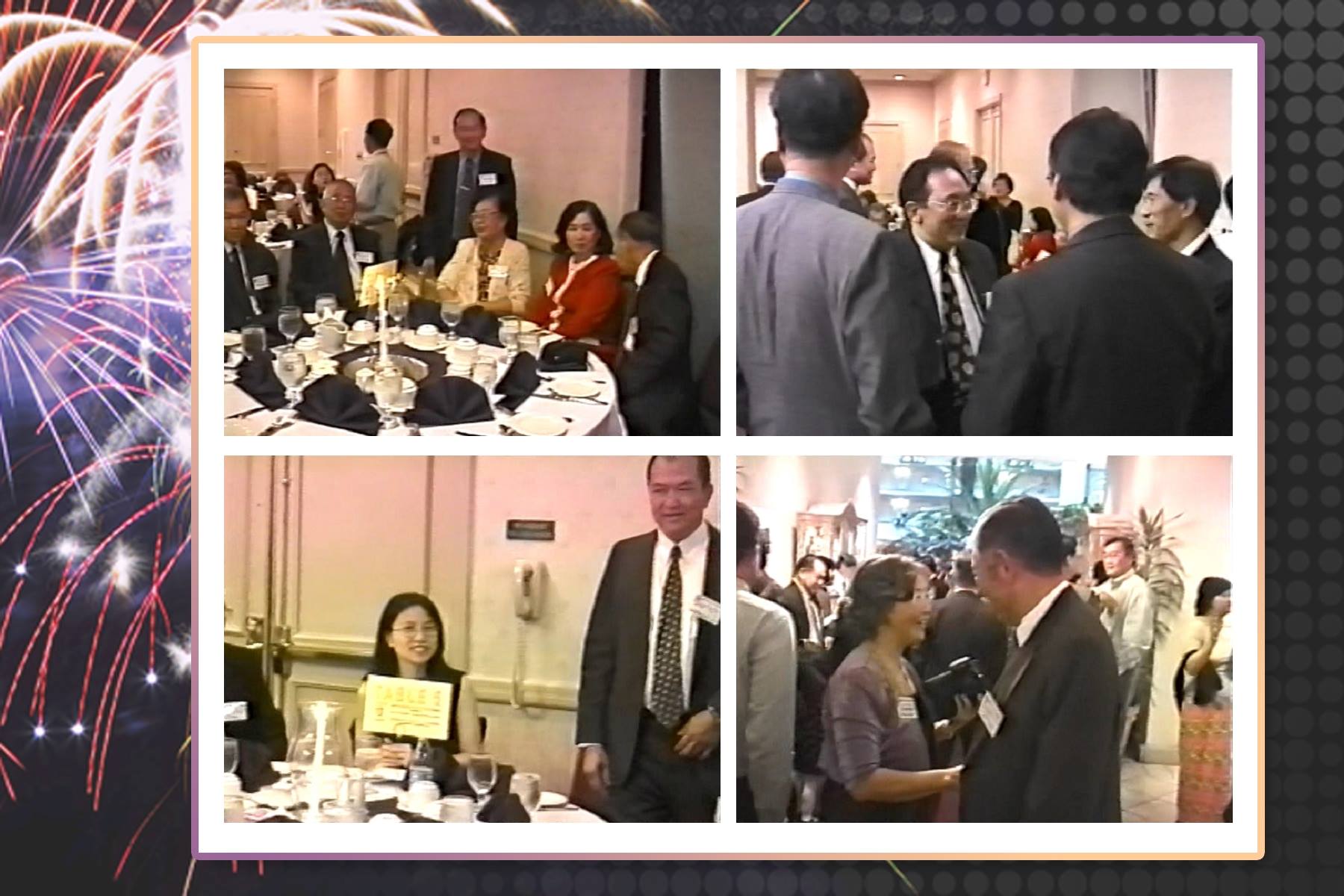
    • The First RIT Grand Reunion and SPZP (SPZP-2000) was held in San Francisco in October 2000.
    • It was a two-day event.
    • The main event was held at the Embassy Suites Hotel. There was a nominal fee to attend the Reunion Dinner and SPZP.
    • The follow-up event was an optional Brunch Gathering (where the sayas and alumni can bring their families and friends).
    • There were official and volunteer videographers and photographers.
    • A three-hour VHS tape was offered for a nominal fee to interested sayas and alumni. A few years back, the VHS tape was converted into a two-set DVD.

    Organizers and Sponsors

    • The core volunteers were willing to hold the event at all costs.
    • “U Nyo Win Act” said that the core volunteers will have to chip in if there are not enough paid attendees.
    • Saya Allen Htay wrote an article, “Brother, can you afford US$500 and more?” for my Newsletter and the web site.
    • A young alumni Sarina Tan (Htay Htay Than) relayed the news to U Thaung Sein (Steeve Kay, EC70). Steeve is a close friend of Sarina’s father. Steeve has also provided help while Sarina was pursuing her graduate studies.
    • Steeve contacted Ko Benny and also sent checks for SPZP-2000.
    • Ko Benny used Steeve’s seed money to design and order commemorative T-shirts, mugs and calendar clocks. Some mementos were offered to the attending sayas and the core volunteers. The rest were put on sale for “Fund Raising”.
    • Ko Benny later visited Yangon to organize a mini-SPZP for the sayas and sayamas who could not attend SPZP-2000.
    • Thanks in part to Saya Allen’s article, five Golden Sponsors and Donors — large and small — U Nyo Win’s Act was not enacted.

    RIT Spirit

    We thank the Golden Sponsors

    • U Thaung Sein (Steeve Kay, EC70, GBNF)
    • Tan Yu Beng (Benny Tan, M70)
    • U Tin Myint (David Ko, M67, GBNF)
    • U Khin Maung Oo (Ivan Lee, M69)
    • U Maung Maung Than (M79)

    and donors — large and small, young and old, near and far .

    SPZP-2000 proved that the RIT Spirit was alive and well all over the world. SPZP-2000 defied the belief that RIT was a dying breed.

    My poem “SAYA PUZAW PWE”

    S eems like it was only yesterday
    A t our alma mater in a land far away
    Y ou taught us to work, play, laugh, even cry
    A nd coaxed us, forced us to aim for the sky

    P roblems in real life, lab, computation, survey
    U nderstand concepts, design, display, …
    Z eal, zest, ardor, grit, passion to make it “our day”
    A rchitects, engineers, we’ve come here to say
    W e honor your metta, your cetana — we fully can’t repay

    P resently we meet, alum from five decades we greet
    W ith memories true, fond, sweet
    E cstatic yet sad that the GBNF could not join this memorable fete

    • My poem was published in the commemorative issue of RIT Alumni International Newsletter and on the web site http://www.ex-rit.org
    • The poem was reprinted on the back cover of the commemorative issue of Swel Daw Yeik Sar Saung for SPZP-2002 hosted by the Singapore alumni and chaired by Saya U Moe Aung (Tekkatho Moe War).
    • The poem has been reprinted in several RIT-related magazines.

    Seven world wide SPZPs

    They include

    • SPZP-2000 (California, USA)
    • SPZP-2002 (Singapore)
    • SPZP-2004 (Yangon)
    • SPZP-2007 (Singapore)
    • SPZP-2010 (Singapore)
    • SPZP-2012 (Yangon) : first true Home Coming
    • SPZP-2016 (Yangon) : hosted by RITAA; free food and entertainment

    USA SPZP

    The First RIT Grand Reunion and Saya Pu Zaw Pwe was held in the USA in October 2000.

    See “Commemorative Issue of RIT Alumni International Newsletter for SPZP-2000”.

    Singapore SPZP

    Singapore sayas and alumni hosted

    • SPZP-2002 in December 2002
    • SPZP-2007 in April 2007
    • SPZP-2010 in December 2010

    See “Commemorative Issues of Swel Daw Yeik Sar Saung for SPZP-2002. SPZP-2007 and SPZP-2010”.

    Yangon SPZP

    Yangon hosted SPZP-2004, SPZP-2012 and SPZP-2016.

    Notes :

    • Yangon could not host SPZP-2006 due to the political climate and so requested Singapore to host SPZP-2007.
    • SPZP-2020 was canceled due to the pandemic.
    This image has an empty alt attribute; its file name is SPZP-2012.jpg

    SPZP-2012 : True Home Coming

    It brought tears of joy. Many have given up the hope of seeing their beloved alma mater rise again from the trampling of the Adhamma Regime. HE U Aye Myint (EP72) paved the way to have the True Home Coming (Reunion & SPZP) at the Gyogone Campus.

    SPZP-2016 : Free all-day event at Gyogone Campus

    It was the first SPZP to be held all day at the Gyogone Campus.

    Thanks to sponsors and donors of SPZP-2016, free food (breakfast, lunch and dinner) was offered to all attendees.

    Thanks

    • Kudos to the sayas and colleagues for keeping the RIT spirit alive and well.
    • Thanks to my wonderful family for letting me spend 26 years as a volunteer Editor of “RIT Alumni International Newsletter”.
    • @hmin3664
    YouTube channel for my videos
  • RIT — Sayas and Alumni

    RIT — Sayas and Alumni

    by Hla Min

    Updated : 10th October 2026

    U Moe Aung, U Kyaw Sein, U Ohn Maung

    U Kyaw Sein, U Moe Aung, U Ohn Maung
    • U Moe Aung (EE63) †lost mobility for a while, but has recovered. He is active writing articles & poems, and giving lectures at Electrical Inspectorate.
    • U Kyaw Sein (M65, GBNF) ††was active with RIT-related Facebook pages. He passed away in Singapore.
    • ††U Ohn Maung (ChE68, GBNF) has a medical condition (e.g. memory loss). He passed away in Singapore.
    • Swel Daw Yeik Foundation provided annual Garawa money to Sayas U Kyaw Sein & U Ohn Maung for health care.

    U Khin Maung Tun (T78, SDYF)

    U Khin Maung Tun (Right)
    • He is President of Swel Daw Yeik Foundation
    • Donated K2000+ Lakhs to SDYF and RIT-related activities
    • Hosted lunch meetings for SDYF
    • During his visit to the 2015 RIT Alumni Reunion in Los Angeles, he gave me an MP3 player loaded with dhamma talks

    U Myo Myint (Bagyee, M73)

    • He is retired Dy GM of Burma Railways.
    • Drew cover designs for the RIT Annual Magazines and the commemorative Swel Daw Yeik Magazines.
    • Drew Pon Tus of many sayas and sayamas, and selected friends.
    • Donated proceeds of the paintings from his Gallery at the SPZP to Swel Daw Yeik Foundation and RIT Alumni Association.

    U Myint Swe (EP74)

    • He worked in Singapore and USA.
    • Founding member of NorCal RITAA.
    • Served as Secretary & Vice President

    U Aung Myint Oo (EC84) & U Tin Maung Win (C86)

    • U Aung Myint Oo is a founding member and Past President of NorCal RITAA.
    • U Tin Maung Win is a founding member and President of NorCal RITAA. He and his spouse sponsored scholarship for an eligible YTU student

    U Tin Maung Aye Htoo

    • He and fellow alumni in Nay Pyi Taw raised fund for Alumni Association in general and the YTU Library Project in particular
    • Handed over the donations to Nan Khin Nwe

    U Thant Zin (M82), U Ohn Khine (M70) & U Zaw Winn (Min71)

    • U Thant Zin is the son of Saya U Sein Shan (GBNF). Volunteer for SPZP, RITAA, HMEE and All-Mechanical. He passed away in a car accident.
    • U Ohn Khine is the founder / moderator of the Google group for “Combined 1st BE Intake of 64 and 65”. During my visits, he provided rides to attend SPZP & HMEE meetings and to selected gatherings. Translated Section One of the HMEE-2012 Book, and summarized Section Two of the book. He and I compiled the CD Supplement for the HMEE-2012 Book.
    • U Zaw Winn (Zinyaw gyi, Min71) is an organizer for the “Combined 1st BE Intake of 64 and 65”.
    • Photo was taken at the special Reunion and Acariya Pu Zaw Pwe hosted by U Thaung Sein (Steeve Kay, EC70)

    U Tin Myint (M75, GBNF)

    He is seen handing over his donation to Nan Khin Nwe.

    Daw Than Yi (EP70)

    • Pen name : Maubin Ma Shwe Than)
    • She is an author and publisher
    • Editor of “Hlyat Sit Sar Saung” published by RIT EE Association along
    • Blogged about her days at RIT and EPC
    • She and Dr. San Oo (EP67) reprinted a science fiction by Journal Kyaw Tint Swe (Dr. San Oo’s father). They published a book by William (eldest Myee).

    U Myo Aye (M92) & U Tin Latt (M85)

    U Myo Oo, U Wynn Htain Oo, U Tin Latt
    • U Tin Latt headed the Executive Committee of RITAA for the initial period
    • The torch was passed to U Myo Aye after the First Annual General Meeting and Election
    • U Wynn Htain Oo is Patron and Fund raiser of RITAA

    U Hla Kyi (M62)

    Visit 1
    Visit /
    • He is a class mate of Saya Dr. Tin Win
    • His daughter’s spouse is the son of Saya U Hlwan Moe (GBNF) and Sayama Daw Khin Swe Aye (Emily).
    • Photo (taken during his visit to Southern California) was provided by Saya U Tin Htut (M60).

    U Thaung Lwin (EC66)

    U Thaung Lwin
    • He is the younger brother of Saya U Tin U, Saya U Ba Than (GBNF), Dr. Myo Tint (GBNF), U Tin Htoon (A60) & Saya U Myo Min (UCC)
    • Past Captain and Gold of RUBC like U Tin U, Dr. Myo Tint & U Tin Htoon. U Ba Than & U Myo Min are RUBC Full Green.
    • Classmates : Aung Min, Soe Lwin, Khin Maung Oo (Robert Gale)
    • Worked for IBM Burma and Chartered Semiconductors in Singapore

    69ers

    RIT days
    Breakfast Gathering
    • 69ers have monthly breakfast gathering (usually at Taw Win Hnin Si)
    • Also have ad hoc meetings (e.g. Annual Dinner at M3)
    • Pay homage to Saya U Ba Than on or around October 2nd
    • U Tin Shein (“Phone Gyi”, Chinlon) and U Pe Han Tun are Khamee Khamet
    • One photo shows Tin Aung Win (Oscar), Tin Maung Aye, Aye Thein, David Myint Thein, Aye Lwin
    • U Tun Tin handed over the donation of his friends (some in Australia) to Daw Khin Kyi Foundation
    • Celebrated the 30th Anniversary of Graduation in 1999, 40th Anniversary of Graduation in 2009, 50th Anniversary of Admission to RIT in 2014, and the True Golden Jubilee (50th Anniversary of Graduation) on December 14, 2019
    • 88 members including Shastri are GBNF
    Khamee Khamets
    Tun Tin
    BFF
    T69 in 2009

    U Than Tun (A65, GBNF)

    • He is the elder brother of U San Maung (A71) and a nephew of Sayadaw U Silananda.
    • He read the biography of Saya U Tha Tun (pioneer Burmese architect) and co-authored the article with Saya Dr. Koung Nyunt (A67, GBNF).
    • He visited Saya U Myat Htoo (C68) in Northern California.
    • U Myat Htoo took him on a lightning trip to Southern California to meet U Tin Htoon (A60) & back to Dhammananda Vihara, Half Moon Bay, Northern California.

    U Thar Htay, Benny, U Thant Zin, U Hla Win & U Myint Toe

    Steeve’s gathering

    Steeve Kay (EC70) requested Benny Tan (M70) to host — on his behalf — a special Reunion & Acariya Pu Zaw Pwe in December 2016.

    U Khin Maung Lay (Mutu) served as Master of Ceremonies.

    I recounted Steeve’s philanthropy in general and to his alma mater and alumni in general. With the help of U Win Htay, we compiled a booklet including the commemorative issue of “RIT Alumni International Newsletter” for SPZP-2000, and selected news and articles about the “Combined 1st BE Intake of 64 and 65”.

    Benny spoke on behalf of the alumni.

    Saya U Win Mra (RIT English) spoke on behalf of the sayas.

    On behalf of Steeve, the committee members (such as Rosie Mai Khin Nyunt) offered Garawa money of K2 Lakhs to the sayagyis and sayamagyis, and K1 Lakh to the sayas and sayamas.

    The attendees include

    • U Thar Htay (M70) : major donor to the Aariya Pu Zaw Pwes held by the group
    • Benny Tan (M70) : multiple Golden Sponsor of SPZPs and the class PZPs along with Steeve
    • U Hla Min (EC69) : Guest speaker at the PZP
    • U Hla Win (M73) and U Thant Zin (M82) : volunteers with the Steeve and Helen Kay Health Care Fund
    • U Myint Toe (M71)

    U Thein Kyaing (T72)

    U Thein Kyaing
    • He (George, T72) is a classmate of Daw Khin Htar Yee (Lily).
    • He and his spouse Daw Tin Tin Hlaing (MBBS) gave away their daughter Eileen (MD)

    U Tin Oo (M87) & U Kyaw Hlaing (M86)

    Tin Oo
    Tin Oo
    • U Tin Oo (Richard, M87) donated to SPZPs, SDYF and RITAA. His company sponsored gift bags for SPZP-2012 and SPZP-2016. He also sponsored Technical and Management Talks. During my visit, he hosted a lunch gathering for me, and he gave me a ride on another occasion to attend a family gathering.
    • U Kyaw Hlaing (M86) served as Treasurer for SDYF. His group helped the eligible and needy students (who did not receive “full” stipend from NorCal RITAA).

    Tazaungdaing

    T 1
    T 2
    T 3
    T 4
    • Daw Myint Myint Than (C71, GBNF) and Daw Tin Aye (C73)!published photos of some Tazaungdaing events.
    • One event took place in the Gyogone Campus.
    • One event took place at the Shwe Dagon Pagoda.

    Belles in the ’70s

    • Min Thet Mon (Pamela Myo Min)
    • Phyu Phyu Latt (Christine)
    • Than Than Yi (GBNF)
    • Tin Tin Myint (Emma Myint)
    • Aye Aye Than (Pauk Pauk)
    • Aye Aye Tun
    • Jessie Htwe
    • Nilar Mya Aung
    • Mai Khin Nyunt (Rosie)
    • Sandi Hlaing

    Still Belles

    At Panda
    • Rosie
    • Emma
    • Christine
    • Mar Mar Yee

    Sayas & Alumni in Singapore

    S 1
    • Saya U Thein Lwin (EE, GBNF) was President of RIT Badminton. He is an alumni of Lehigh University. He retired after teaching at RIT and Singapore Polytechnic. He is the elder brother of U Myo Myint (ChE from US), U Kyi Lwin (George, C67), U Tint Lwin (Daniel, M69) and U Thet Lwin (Henry, EE72).
    • Sayama Daw May Than Nwe (Joyce, GBNF) stood first in the Physics Honors class in 1962. Her classmates include Dr. Sein Tun, Sayama Daw Emile Ba Aye and Sayama Daw Khin Than Nwe.
    • Saya and Sayama passed away within a few months of each other. Their daughter is a Professor and a former swimming champion.
    • Saya U Kyaw Sein (M65, GBNF) was active in RIT-related Facebook pages.
    • Saya U Tu Myint (Winston) supervised the “Hovercraft” project for the M73 students.
    • U Nyan Win Shwe (William, M72) chaired SPZP-2007.
    • U Myint Thin (Peter, M71, GBNF) was a Luyechun. He rowed for RIT.
    • U Tin Aung Win (M73) is one of the members to greet Saya U Ba Than and send off
    Singapore
    • U Win Naing (Dicky Tan, M69, GBNF) passed away in Singapore.
    • U Thein Swe (EP69, GBNF) was then working in Singapore.
    • U Myint Thein (Kabar, M69, GBNF) was then visiting Singapore.
    • U Tin Swe (ChE66) & Daw Yi Yi Khaing (Vilma, ChE69)

    Seniors at MES

    • MES holds “Thet Kyee Pu Zaw Pwe” for engineers and architects who are 75+ years old.
    • Sayadaw Dr. Lwin Aung (A59, retired Pro-Rector)
    • Sayadaw U Bo Gyi (A59, talented pianist, architect for Daw Khin Kyi Mausoleum)
    Thet Kyee PZZp

    Senior Metallurgists

    Sr. Met

    Aung Khin & Myo Nyunt

    AK & MN
    • U Aung Khin (A69) & Daw Tin Tin Hla (A70) retired from Botwana and moved to Seattle to be near their daughters and grandchildren.
    • U Myo Nyunt (C69) & spouse visited their second son (working in Seattle) almost every year. They also made side trips.

    Aung Myint

    • U Aung Myint (Min71) is the younger brother of A1 Than Htut and A1 Thein Htut (twin brothers who won prizes at the Myawadday Photo Contest, and later became movie directors).
    • He became known as Thamankyar Ko Myint.
    • He is a good guitarist and vocalist.

    Some attendees at SPZP-2000

    SPZP-2000
    • Sai Tun Aye : Canada
    • Dr. Myo Khin : Japan
    • U Tin Myint (John) and Lyo : California
    • Maung Toung (Tom) and Ma Khin Myint (Kim) : Connecticut
    • U Tint Lwin (Daniel) : Singapore

    U Soe Myint Lwin (EP68, GBNF)

    Soe Myint Lwin
    Obituary of Soe Myint Lwin
    • He served as and Executive Committee Member of RIT EE Association.
    • He played soccer for the Universities, EPC & Burma.
    • After retirement, he was active with the Myanmar Soccer Federation.
    • He received an award for his social work and leadership.

    Tin Aung Win (Oscar)

    Tin Aung Win

    Aung Min

    Aung Min
    • U Aung Min (M69) is Chair of 69er Health Care Fund.
    • He is a Pho Pho.

    Than Htaik & Aung Win

    TH & AW
    • U Than Htike (M70)
    • U Aung Win (Owen, M71)

    Sann Naing’s Soon Kyway at HMB

    • U San Naing (M83) owns Burma Kitchen.
    • He and his siblings celebrated their mother’s birthday with a Soon Kyway at Dhammanda Vihara, Hlaf Moon Bay.

    Soe Aung & Zaw Win

    • U Soe Aung (M/Auto70) served as Secretary of RIT Ah Nu Pyinnya Ah Thin. He is seen at a Conference.
    • U Zaw Win (Zin Yaw, Min71) and U Soe Aung are organizers of the “Combined 1st BE Intake of 64 amd 65”. They love writing and giving lectures.
    Soe Aung 1
    Soe Aung 2
    Soe Aung 3
    Zaw Win

    Shwe Zin Ma

    • She is a musician, a Zat sayama and Minthamee
    SZM

    Soon Kyway for Kabar

    Stan Liou (M67, UTC)

    • He was a member of the RIT Table Tennis Team that won the Inter-Institute Trophy along with Maung Maung (“Sin Gyi”) and Win Myint.
      Saya Mao Toon Siong (M62, Burma Champion, National Coach) managed the team.
    • He joined UTC
    • Founding member & Past BOD Chair of NorCal RITAA
  • Hla Min လှမင်း

    Hla Min လှမင်း

    by Hla Min

    Updated : 10th October 2026

    Awards

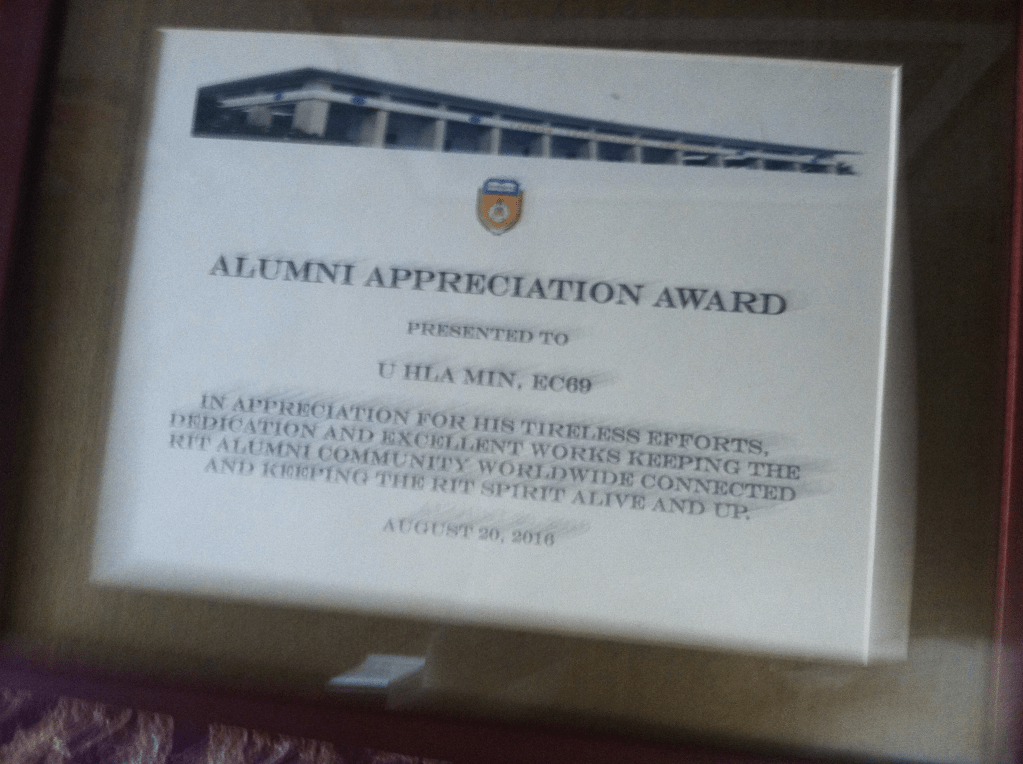
    • I have three Appreciation Award.
    • The first was given to me at SPZP-2000 (First RIT Grand Reunion & Saya Pu Zaw) for founding the RIT Alumni Newsletter in 1999, and serving as Content Provider & Editor for ex-rit website and as Core Organizer for SPZP.
    SPZP-2000
    • I received the second one at the Birthday Soon Kyway Gathering at Dhammanda Vihara in Half Moon Bay, California in August 2016.
    Award
    • I received the third one at the Annual Dinner of NorCal RIT Alumni Association.
    NorCal RITAA dinner in 2016

    HMEE

    HMEE team
    • In 2012, the HMEE (History of Myanmar Engineering Education) team led by Saya U Aung Hla Tun published the HMEE book.
    HMEE Book
    • U Ohn Khine (M70) and I compiled the CD supplement. The books were sold at SPZP-2012 (Sixth RIT Reunion & Saya Pu Zaw Pwe).
    CD Supplement for HMEE book
    • Several copies were donated to Universities’ Central Library and YTU (Yangon Technological University).
    Donation to RUCL

    SPZP-2016

    • Bagyee Myat Myo Myint (U Myo Myint) had an exhibition booth at SPZP-2016. He sold several paintings and donated some earnings to SPZP Organizing Committee.
    • U Myo Aung and I took a photo at the booth.
    Exhibition booth at SPZP-2016

    Weekly Routine

    • Ride a stationary bike for 30 minutes daily.
    • Learn new things.
    • Listen to Dhamma CDs, Blinkist, “Word of the Day” from Merriam Webster and selected “Language courses”.
    • Write articles for RIT Updates and my Facebook Groups
    • Revise old posts on my website hlamin.com

    Memory

    • Have an excellent Associative Memory.
    • Know thousands of names and words.
    • Do not use notes to write articles, poems & translations. My readers point out typos, errors & inconsistencies. They provide information and suggestions for improvement.

    My Nicknames

    • “Jack of all Trades and Master of some”
    • “Walking Dictionary”
    • “Spelling Checker”
    • Mini-Encyclopedia”
    • “Pre-Google Search Engine”
    • “Tone Kyaw”

    History

    • A teacher told me, “You cannot make money by studying History”.
    • There are Social & Intellectual Currencies.
    • Learned interesting stories from a former student leader, Say Saya ဆေးဆရာ (who lost his wife to his Political Boss), elders who experienced WWII, barbers and cab drivers.
    • Docent at Computer History Museum for two years
    • Member of “History of Myanmar Engineering Education” project. U Ohn Khine (M70) and I compiled the CD Supplement for HMEE book.
    • Moderator for Rangoon University Centennial FB Group
    • Speaker for “U Thant Centennial” in SF Bay Area.
    • I have honored Mentors, Benefactors and Pioneers in my posts.

    Utility

    • A manager said, “What’s the use of learning about your colleagues’ hobbies?”
    • I know only a fraction of sayas & colleagues, but I appreciate their achievements & expertise.

    Some Thoughts

    • A Veda Saya (who has passed away) predicted that my works will be appreciated.
    • Wrote many articles over five decades. 2500+ posts can be read from my website hlamin.com. They might help researchers, educators, folklorists & historians.
    • Edited articles and books for selected Sayadaws & friends.
    • Translated poems & articles.
    • Volunteered as translator / interpreter at Dhamma Lectures & Meditation Retreats.
    • Saya Dr. Aung Gyi (former Rector of Rangoon Institute of Technology) said, “I cannot reply to all your mails with links to your posts. I appreciate what you have done for the RIT Community.”
    • I have served as volunteer for the RIT Community for 27 years. The smiles of our sayas and colleagues give me Second Wind.
    • I still have good physical and mental health.
    • 45% of our Class of 69 are GBNF. Several succumbed to Covid. I had six doses of Covid vaccine. I also had RSV.
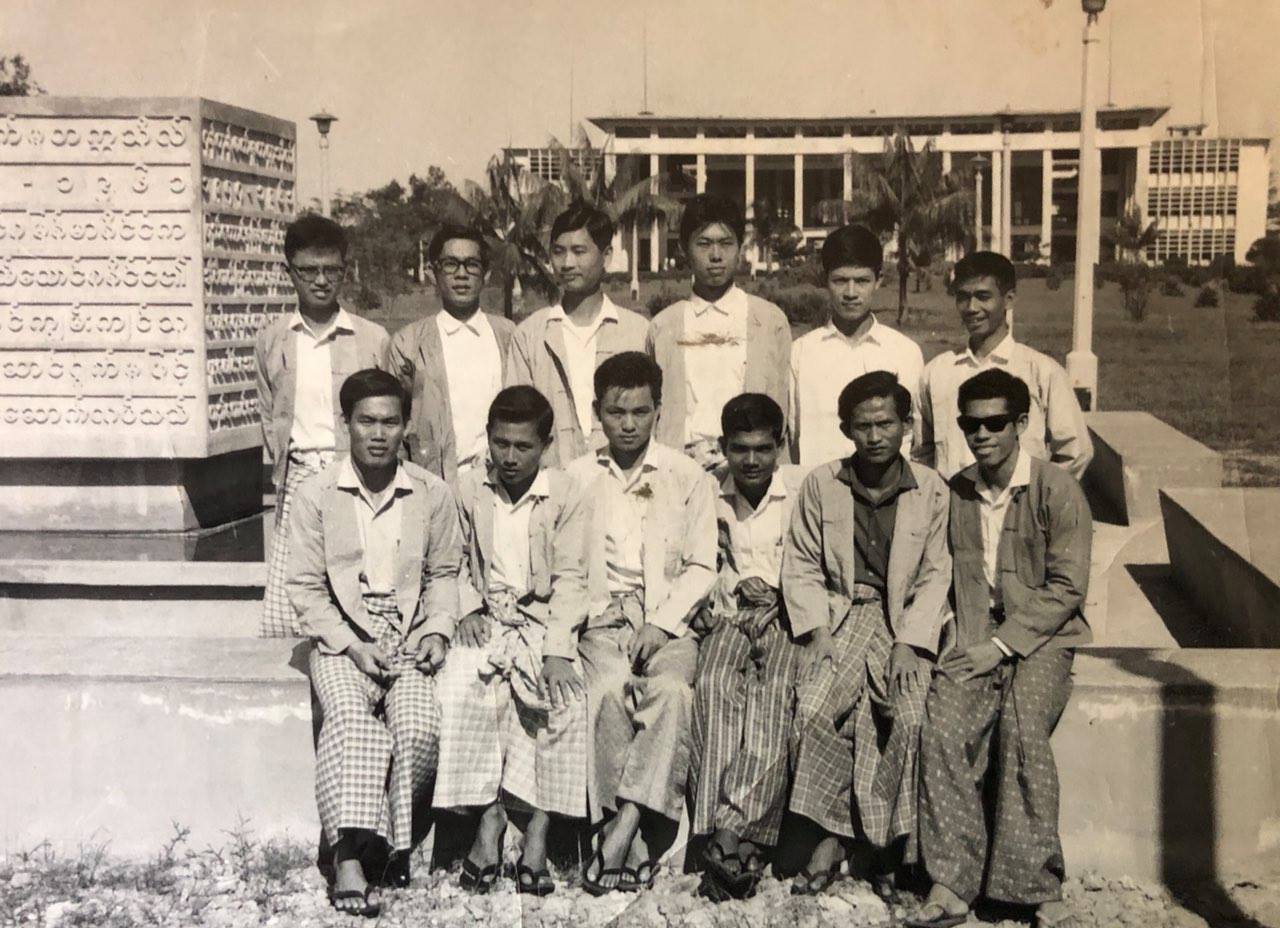
    • U Zaw Min Nawaday (EP70) said, “I hope to die before you, so that our friends can read about me in your posts.” Hope he will live to 100.

    Related Posts

    • Memories of 69er, PBRS, RUBC, SPHS, UCC
    • My Beliefs
    • My Dream
    • My Passion
    • My Writings
  • U Jotalankara ဦးဇောတလင်္ကာရ

    U Jotalankara ဦးဇောတလင်္ကာရ

    by Hla Min

    Updated : 10th October 2026

    Highlights

    U Jotalankara
    • Received higher ordination as a monk at the Neikbeinda Monastery in Pyay / Prome.
    • Completed one part of the Tipitaka Examination.
    • Dhamma Duta missions in Japan, US, Jamaica, Canada, Taiwan …
    • Joined U Silananda at the Dhammanada Vihara (then in Daly City, California).
    • In 2007, he succeeded U Silananda as Chief Resident Monk of Dhammananda Vihara, Half Moon Bay, California.

    Publications

    He has published books in

    • Myanmar
      e.g. Book for Chanting/Recitation
    • English
      e.g. The Basic Teachings of Theravada of Buddhism (edited by Hla Min and Don Johnson)
    • Japanese
      e.g. Translation of selected works of U Silananda

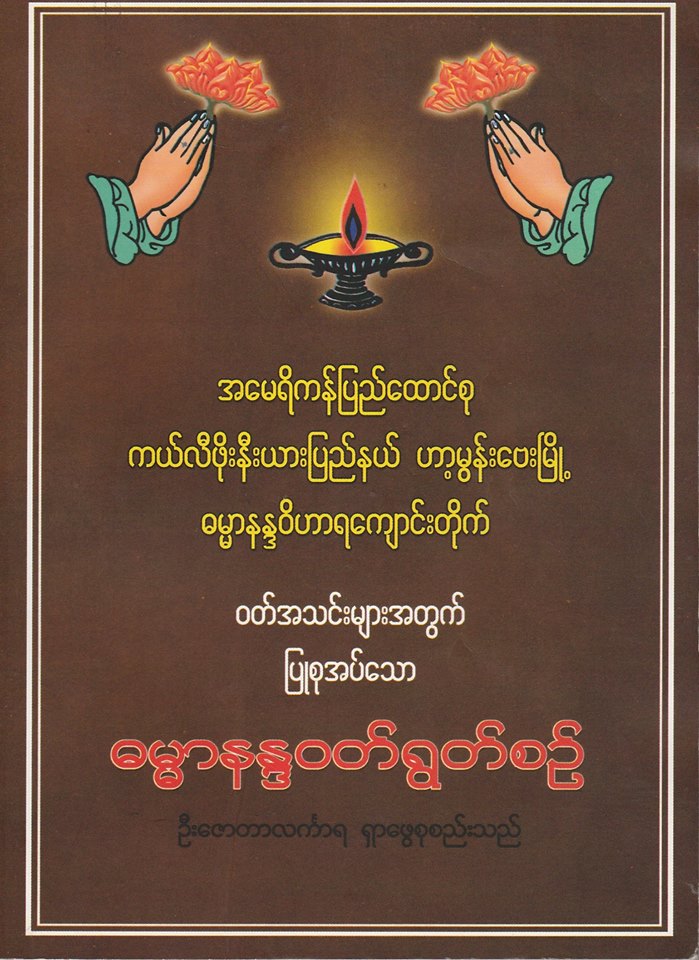
    Book for Dhamma Chanting

    This image has an empty alt attribute; its file name is dhamma-chanting-1.jpg
    Chanting

    The Basic Teachings Of Theravada Buddhism

    • Author: U Jotalankara (Dhammananda Vihara, Half Moon Bay, California, USA)
    • Editors: Hla Min and Don Johnson
    • First edition : June 2004
    • Foreword by Ven. Sayadaw U Silanandabhivamsa
    • Fifteen chapters
    • 1. Program of worshiping
    • 2. Explanation of words
    • 3. Benefits and stories of taking refuges and precepts, and offering food, flowers, etc.
    • 4. The discipline or duties of laypersons (Gihi-vinaya)
    • 5. What is the teaching of the Buddhas?
    • 6. Cultivating Good
    • 7. Purifying One’s Mind
    • 8. The For Divine Abodes (Brahama-viharas)
    • 9. Vipassa-bhavana, Insight or Mindfulness Meditation
    • 10. The Four Noble Truths & Four Noble Persons
    • 11. The Teaching to the Kalamas
    • 12. The Pali Alphabet in Roman Characters
    • 13. Program of Chanting (Paritta — Eleven Protective Suttas — and other Suttas)
    • 14. First two sermons of the Buddha & the Program of Chanting to Consecrate a Buddha Image & Ovada-patimokha
    • 15. Program of Novice Ordination
    • This book has been used in the Summer Dhamma Camps at Dhammananda Vihara
    • He has written Dhamma books in Myanmar, English, and Japanese. Some books were compiled from his articles in the Dhammananda Newsletter published by the Theravada Buddhist Society of America (TBSA).
    Book 2

    Theravada Buddhist Novice Ordination and Monk Ordination

    • Author : U Jotalankara
    • Editor : James Rives, Ph.D.
    • First Edition : August, 2008

    Two kinds of ordination

    • Pabbajja : to become a novice (samanera)
    • Upasambada : to become a monk (bhikkhu)

    Novice Ordination

    Three steps of novice ordination

    1. shaving off the hair of the head
    2. putting on robes
    3. giving the Three Refuges

    The procedures for the second and third steps of novice ordination

    1. Paying homage to the Three Gems
    2. Handing robes to the teacher
    3. Asking for the robes from the teacher and putting them on
    4. Requesting a novice ordination
    5. Requesting the Ten Novice-precepts with the Three Refuges
    6. Paying homage to the Buddha
    7. Taking the Three Refuges
    8. Taking the Ten Precepts of a Novice
    9. Choosing a teacher to be the candidate’s preceptor
    10. Reply of the preceptor
    11. Reflecting on the use of the Four Requisites
    12. Reflecting on the repulsiveness of the body

    Ten conditions for expulsion from Novice-hood

    Ten punishments

    Monk Ordination

    Five fulfilling conditions for becoming a monk

    1. Perfections of a person
      Eleven categories of disqualified persons
    2. Perfection of an assembly
    3. Perfection of the Sima (“Thane”)
      Two kinds of Sima
    4. Perfection of the Motion
    5. Perfection of the Kammavaca

    The procedure of monk ordination

    • 1. Choosing the candidate’s preceptor
    • 2. Stating the ownership of alms-bowl and robes
    • 3. Giving temporary names
    • 4. Ordering the candidate to go and stand outsie the Sangha
    • …
    • 10. Reciting the Natti and Kammacvaca
    • …
    • 15. The new monk’s special request

    The procedure of monk ordination for two candidates

    …

    The 227 Training Rules

    …

  • Mahasi Sayadaw U Sobhana မဟာစည်ဆရာတော်ဦးသောဘန

    Mahasi Sayadaw U Sobhana မဟာစည်ဆရာတော်ဦးသောဘန

    by Hla Min

    Updated : 10th October 2026

    Mahasi Sayadaw မဟာစည်ဆရာတော်

    • U Sobhana ဦးသောဘန
    • Renowned Meditation Master and author
    • Questioner at the Sixth Buddhist Council ဆဌသံဂါယနာ held at Kaba Aye, Rangoon, Burma
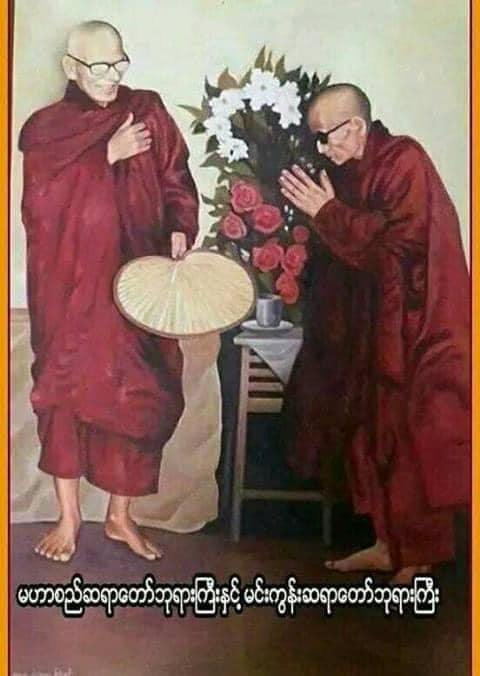
    Mahasi (2nd from Right) & Mingun (Right)
    Mahasi & Mingun Sayadaws
    • Chief Resident Monk of Mahasi Sasana Yeiktha မဟာစည်သာသနာ့ရိပ်သာ
    • Mentees : Sayadaws U Pandita, U Kundala, U Janabhivamsa and many meditation teachers

    Practical Vipassana Meditation Exercises

    • by The Venerable Mahasi Sayadaw
    • Talk given to his disciples on their induction into Vipassana Mediation at Sasana Yeikhta Meditation Center, Yangon, Myanmar
    • Translated from the Myanmar language by U Nyi Nyi
    • Original Publisher : The Buddhasasanuggaha Association, Yangon, Myanmar
    • Dhamma dana distribution : Tathagata Meditation Center, San Jose, California
    • 22 pages
    • Vipassana (Insight Meditation)
    • understand correctly the nature of the psycho-physical phenomena taking place in the body
    • rupa : material qualities
    • nama : acts of consciousness or awareness
    • breathing : vayodhatu (the element of motion)
    • …
    • yogi should behave as if he were a weak invalid
    • noting (at all times)
    • physical object of attention and the mental act of noting occur as a pair
    • relaize all phenomena are anicca, dukkha, and anatta
    • experience nana (knowledge) : path, fruit, liberation
    • INITIAL DOUBT

    Dhammacakkappavatttana Sutta

    • The Great Discourse on the Wheel of Dhamma
    • Teacher : The Venerable Mahasi Sayadaw
    • Translator : U Ko Lay
    • Sukhi Hotu Dhamma Publication 1998
    • PART I
    • Preface to the Discourse
    • The Date of the Discourse
    • Three Kids of Introduction
    • …
    • PART II
    • Sensuous gratification is base and vulgar
    • Dittadhamma Nibbana Vada
    • A low, common practice
    • …
    • PART III
    • Elaboration of the Eightfold Path
    • …
    • PART IV
    • Truth of Suffering (Dukks Sacca)
    • …
    • PART V
    • Samudaya Sacca
    • …
    • PART VI
    • Nirodha Sacca
    • …
    • PART VII
    • Sacca Nana with regard to Dukka Sacca
    • Kicca Nana with regard to Dukka Sacca
    • Kata Nana with regard to Dukka Sacca
    • …
    • PART VIII
    • When the Buddha did not admit Enlightenment
    • Acknowledgement of Buddhahood
    • Concluding statement
    • …

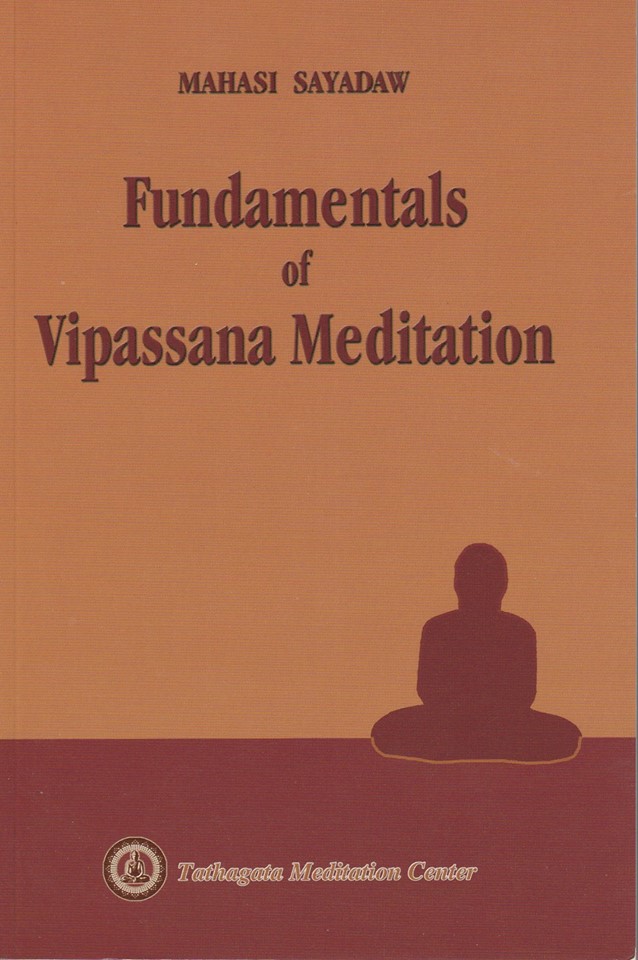
    Fundamentals of Vipassana Meditation

    Book by Mahasi Sayadaw

    Primary Author : Mahasi Sayadaw
    Translator : Maung Tha Noe
    Editor: Sayadaw U Silananda
    Original Publisher : Dhammachakka Meditation Center, 1991
    Republished with other sources : Tathagata Meditation Center

    Other sources included the book
    “Instructions to Meditation Practice” by Mahasi Sayadaw
    “Benefits of Walking Meditation” by Sayadaw U Silananda
    “Guidance for Yogis at Interview” by Sayadaw U Pandita
    “An Interview with Mahasi Sayadaw” by Thamanaykyaw, translated by U Hla Myint

  • News and Newspapers

    News and Newspapers

    by Hla Min

    Updated : 10th October 2026

    News

    Before the Internet, we get international, national and local news from the newspapers. Most papers were printed at night in batches. The early batches were dispatched by road and rail to other cities. The later batches have a “STOP PRESS” section to cover the “latest” news.

    Most newspapers get the international and/or national news from news agencies such as Reuters, AP, and UPI. They get local news from their reporters and from other people willing to submit or share the news.

    For example, I would write reports of the Rag Regatta, Monsoon Regatta and Annual Regatta and give it to selected newspapers.

    Later, I would type reports of the golf tournaments at RGC (Rangoon Golf Club) and/or BGC (Burma Golf Club) provided by Saya U Soe Paing.

    Newspapers

    There were ten (or more) newspapers in our younger days. Most households will subscribe two (or more) newspapers. One can sell old newspaper (by weight).

    In the early days, most were morning newspapers. A few were evening newspapers.

    The English newspapers include Nation (by U Law Yone and team), and Guardian (by U Sein Win and team).

    The Burmese/Myanmar newspapers include Kyemon (modeled after the Daily Mirror), Yangon, Tun, Hanthawaddy, Oway, Bama Khit (and later Moe Gyo), Myanmar Ah Lin, Man Daing, Ah Htauk Taw (known for gossip), Tagun (“Banner” known for sports) and Ludu (in Mandalay).

    Some papers have political affiliations. They had roles during the AFPFL split.

    The papers have columnists such as Zawana and Thagadoe.

    Some carry information about the horse races in general and their picks for the “Treble Tote” .

    Some carry cartoons, serial novels and daily horoscope.

    Each paper has a signature.

    After Coup d’etat

    Things changed after the coup d’etat on March 2, 1962.

    Several newspapers were shit down or nationalized. Censorship with varying degrees was introduced.

    NAB (News Agency Burma) was formed to

    • compile news from the news agencies
    • select news
    • translate the selected news
    • distribute the news and translations to the six national newspapers (four in Burmese/Myanmar and two in English).

    Two new papers were established with Sayagyi Shwe Oo Daung as Chief Editor of the “Loke Tha Pyithu Nay Zin” and Saya U Khin Maung Latt as Chief Editor of the “Working People’s Daily” (WPD). Grapevine says that the then Number One promised “full authority” to the two Chief Editors.

    The promise did not last long. U Khin Maung Latt was asked if he wanted to be an Ambassador. Daw Khin Myo Chit stepped in and replied that “Ko Latt would go back to teaching”.

    U Khin Maung Latt

    My Writings

    I wrote articles (mostly on computers), poems and translations (including a short story by U Thu Kha) for the Guardian and WPD. I received fifteen kyats for most of them. U Thu Kha and I got fifty kyats each for the short story and its translation.

    I was requested to write for the Sarsodaw Nay Supplement. I was shown the type set copy of my writing about Ananda Thuriya (“A Man of Infinite Valor”). The higher authorities did not want the readers to appreciate “Dhammata“; so it did not appear in the newspaper on Sarsodaw Nay.

    The six Chief Editors were formed into two groups. Each group (with one English and two Burmese Chief Editors) would be penalized if an item published in one of their newspaper was found to be sensitive.

    U Soe Myint (GBNF, Chief Editor of Guardian and later father-in-law of KMZ) approved my writings (mostly about Computer Applications).

  • Responsibilities

    Responsibilities

    by Maung Maung Win

    Updated : 10th October 2026

    U Maung Maung Win

    by Maung Maung Win (M61)

    I was nominated to lecturer-position by Sayagyi U Yone Mo within a month of my return from overseas. However, due to some hiccups, the promotion was delayed by 7 month. U Kyin Soe and I became lecturers with the pay scale 800-50-1200. Those who got promoted later as lecturers got only 800-40-1000 according to the revised pay scale. U Kyin Soe became Rector of RIT (after I left for Australia in 1980). I find that he is very honest and straight forward but a bit short-tempered because he is a man who always stands up for principle.

    I was given added responsibility as Workshop Superintendent of RIT workshop when U Phone Myint and U Tin Maung Oo went to Japan on study leave for a couple of years. I did something regarding the workmen’s benefit for which they were really thankful to me. Our workshop consisted of machine shop (Saw Jimmy), carpentry (U Hla Maung), fitting, black smith (U Hla Maung and U Chit), welding. Every student had to do practical training in these shops for a couple months in rotation in their first and second year.

    I also served as a member of all universities magazine committee. We had to read and pass all the articles, poems and cartoons; without our signatures nothing would/could be published.

    I remember that we had in every department translation groups to translate technical terms aiming to publish a technical dictionary to which we all have to sit once a week in our respective department, arguing a lot to approve each and every word of technical term for suitable meaning in Burmese when the new system was introduced. I would not have a clue what happened to that effort and work whether it had been successfully compiled or discarded totally when I left for Australia in Oct 80.

    I was also given another job with a very splendid name Dy. Director of UNDP project, constructing a new building near the Metallurgy Department, RIT. It was still being built unfinished when I left for Australia.

    Overseas Employment Opened For Students

    Many of our graduates especially Mechanical and Electrical find hard to find jobs within Burma. They were encouraged to form Shaysaung Cooperatives (ရှေ့ဆောင်သမဝါယမ) for Mechanical and Moe Gyo Cooperatives (မိုးကြိုးသမဝါယမ) for Electrical on the campus with a couple of sayars, who took control and oversee of necessary disciplines. I took charge of Shaysaung as president for a number of years. Later U Win, Dr Tin Hlaing and U Thein Tun Aung continued in that capacity.

    Since 1970 many engineering graduates started leaving for overseas job because engineering jobs were scarce within the country. Many embarked to grab whatever job they could have their hands on especially in Singapore, Malaysia and USA etc. Thanks to the CETANA စေတနာ and genuine input of well trained qualified sayars and teachers that most of the graduates found suitable and well-paid jobs in many private and public sectors overseas. I met personally those Ex-RIT graduates in many of my travel to many countries and to my surprise many came and wished me all the best whenever they heard about any sayars visiting their place. Also they never stayed away but always show their sincerity and generosity, treating the visiting sayars with lunch or dinner in their honour. Personally I am really delighted and enjoyed their company and their love and respect even though we have been separated for more than 30-40 years since we left the Institute. That is to keep the ever beaconing of RIT torch and I would like to urge everyone connected to RIT to keep the RIT tradition undistinguished and undiminished so long as we live.

    I had another yearning desire to become warden of the hostels. Later I was fortunate enough because the Rector Sayagyi Dr U Aung Gyi, who thought heads of departments were busy with office-work, stopped appointing heads of departments but appointed able and capable lecturers. Thereby I got the job with added financial remuneration, free accommodation and free telephone. I was appointed twice for the same position for two successive terms. I remember many worked under me as hall tutors like U Nyi Hla Nge, U Khin Maung Tint, U Maung Oo, U Khin Maung Win etc. All of them are very polite, cooperative and respectful. U Nyi Hla Nge later became Rector of the Institute but he still showed his respect when I met him in April 07 Ex-RIT Sayar Pu Zaw Pwe. U Shwe Yi, Dr San Tint, Dr Tin Hlaing and U Thein Tan also became wardens and I had the opportunity to work alongside with them.

    We had a program introduced by the Revolutionary Government to promote and educate labourers and peasants with engineering knowledge. Many RIT staff took part to deliver through the Burmese Broadcasting Service, Kamayut. I took turns several times together with U Thit, Dr Tin Haling, U Aung Hla Tun etc.

    When Sayagyi U Aung Khin left the department for Canada in ’78, U Ba Than became the head of department and as he lives outside the RIT campus I was given the responsibility to assume and officiate the duty of the head of department during his absence. Many Mechanical students who were looking for overseas jobs with many shipping companies came to me to sign and recommend their papers. I helped them immediately on the spot. Later they even came to my house when they needed help. That is the reason I made many students very happy and they never forget my assistance. They always show their love and respect because I made the door of the department always open for them.

    I remember the time we went practical training during our summer holidays for two months in our second and third years to enhance and widen our theoretical knowledge. If we missed any one of them it had to be repeated as a prerequisite for degree. I got my practical training first time in the Moulmein Dockyard and second time in Alone Dockyard (Sin Ma Leik), Kyimyin Daing Rangoon. Many times the faculty members were sent to supervise the training. I remember the time we went Upper Burma, Thayetmyo and Syriam with Sayagyi U Aung Khin, U Tin Hlaing, U Tu Myint, Dr Tin Win etc. I found it was really enjoyable because we had a good social interaction with staff and students which really cemented our friendship until this day even though we left the Institute years and years ago by choice. Also I remember second year Civil engineering students went to Maymyo for their survey training under the supervision of enthusiastic and energetic teachers and leaders. Everyone knows that we are very fortunate to enjoy students-teachers relationship which is admirable and worthwhile to everyone because even though I left the Institute more than 30 years ago, I am surprised when I met many Ex-RIT students not only from Mechanical department but from other disciplines as well came and wished me with love and respect to which I felt greatly satisfied and honoured. I met many more than 30 with their spouses in LA on 3 Oct ’10 and also in San Francisco on Oct ’10 and also many students again in Feb. ’11 to Washington DC.

    I must admit that my service with the Institute for more than 20 years, teaching and working in many walks of life I come to know many teachers, students, workmen and their families etc. the friendship with them gives me delight and pleasure until today. It seems to me that my mind is always there enjoying their true friendship and the glimpse of those familiar faces with me always wherever I go.

    Most of the workmates, comrades and colleagues are very friendly showing their love and respect not only while we were back then in RIT but until today whenever and wherever we meet occasionally and accidentally at the time of gathering like the Sayar Pu Zaw Pwe sponsored by the Ex-RIT students all over the world and many times on our own private visit to different countries like New Zealand, America, Singapore, Thailand and also back in Burma etc. We all love our Institute and we honour it because not only we acquired sufficient knowledge very useful to find employment for our livelihood but also we learn to respect and love one another; many find life very nice and easy because many overseas companies in advanced countries recognised and employed most of the RIT graduates for their benefit as well as for our own who left home for better lives and new future for our off-springs. I attended more than three times the Ex-RIT Reunion where I met many old comrades and colleagues and old students who showed the same love and respect while we were back then in RIT. It is so wonderful and worth remembering for their warm responses. Every time I attended I was asked to deliver a speech as a sign of respect to which I appreciated very much.

    SPORT AND OTHER SOCIAL ACTIVITY

    While we were in RIT we played soccer in many friendly matches between Mechanical and Civil, Electrical and other minor departments and most of us enjoyed playing. Most of the time Sayagyi Dr U Aung Gyi, U Tin Hlaing, U Soe Paing, U Kyin Soe, Dr U Tin Hlaing, Saw Christopher Maung, Dr U San Tint, U Saw Pru, U Maung Maung Win were a few names as keen enthusiasts. (Note: As I cannot remember all the names I’d like to ask U Soe Paing to add a few more.)

    Some also played tennis among who were Dr U Aung Gyi, Dr Khin Maung Win, Dr Tin Hlaing, U Tin Hlaing, U Tu Myint U Tin Htut etc as regulars. I remember Dr Tin Hlaing, U Myo Win and I played badminton regularly in the badminton court on the campus.

    Many Russian staff came together with the gift of the building and they taught in some specialised fields and also acted as interpreters. They also taught Russian language to interested students in the evening where many attended to learn new language, is commendable.

    Occasionally we had debates sponsored by the Burmese language association which invited some notable and well-known authors and sometimes I acted as chairman on the occasion in the hall fully filled to the capacity attended by most of the students who really enjoyed.

    Musical entertainments with many famous entertainers and celebrities were invited for students’ enjoyment and entertainment by the same association and also the administration arranged movies shown in the hall during weekend in the evening for the students and employee dependents for their recreation. Most of the hall tutors and wardens, security officers kept vigil with their eyes opened to maintain law and order.

    Sometimes in 1963 during summer holidays U Tin Hlaing (M-deceased) and two of his mates followed me to my home town Moulmein to see different places namely Amherst, Thambyuzayat, where the Military Cemetery for thousands of soldiers who died fighting the Japanese during WWII and also to one big island Belugyun just opposite Moulmein across the River Salween where my family spent many years during WWII.

    When we were students the hostel and food cost us only K50 per month and the education was free for everybody. And the scholarship and stipend was also K50 and also we had stipend board in RIT comprising of heads of departments and other senior teachers including myself to listen to applicants’ life story so that our judgement and assessment would be fair and lenient in awarding and rewarding stipend to most deserving students.

    The department encouraged students with excellent idea of invention and innovation of something new and I remember that our head of department took keen interest in those students and teachers who guided and supervised a certain group of students to experiment on hovercraft and I think the project was successful. Thanks to the valuable input of Sayagyi U Aung Khin, U Tin Hlaing, U Tu Myint.

  • 69er — Zau Lai (EP69) ဇော်လိုင်း

    69er — Zau Lai (EP69) ဇော်လိုင်း

    by Hla Min

    Updated : 10th October 2026

    Zau Lai 1
    Zaw Lai 2
    Zau Lai 3
    Zau Lai 4
    • His friends call him “Duwa”.
      They also appreciate his mastery of the Myanmar Language as illustrated in his blogs.
    • He shares his time in Yangon and Myitkyina. He hosted a mini-gathering (Aung Thu Yein (GBNF), Thein Swe (GBNF), …, me and my spouse) at his house in Yangon. He took some 69ers (e.g. Win Maung) to visit his house in Myitkyina.
    • He tries to attend the 69er gatherings even he has to drive a long way from Myitkyina.
    • He is from the elite company of Proud Great Grandparents.
      Bo Lwin Swe (EE61) is another member of the elite Group.
      Saya U Ba Toke (GBNF) and Sayama Daw Khin Saw Tint (GBNF) were also from the elite Group.
    • He is also a proud grandfather.
      Zau Ding Aung ( Danny Zau Mun), one of his twin grand sons won gold in the Myanmar Taekwando Federation President Cup Championship (Tournament ) held on 30 Nov. 2018.
  • My Experience As a Medical Officer in Eastern Shan State

    By Dr Maung Maung Nyo

    Preamble

    I arrived in Mongton (Different spellings: Mongtong, Mongtung, Mai Tone, Maing Ton) safe and sound, though weary from the long day’s journey at the end of August or in September 1962. MA Mr Mahmood and Warrant Officer Nyunt Maung came to 5th Buregt Officers Mess at Mongton and welcomed me. They said, ”Tat-Hmu (Commanding Officer), your house is ready for you in the hospital compound. We have even spread the bed sheet over the bed and everything is ready. Please move to your house today.” “OK, then. Ask your Yebaws (Soldiers) to carry my suitcases to my house “, I said and saluted Major Tin Shwe saying, “Thank you, Major. I won’t be staying in your Mess, but I’ll come back for the company.” I then followed my two Assistants to my house in the hospital compound. It was just about 5 minutes walk. I was thus settled in No. 7 Field Hospital as the Officer Commanding and General Duty Medical Officer (GDMO) for the Mongton Station, both for the army as well as for the civilians.

    Mongton

    It was a small Shan town in the Eastern Shan State situated east of the Salween River in the Kengtung District in our times, now part of the Mongsat (Monghsat) District. It was composed of about a few hundred households, maybe about 300 to 500 in the 1960s. It’s about 50 to 60 miles from the Thai-Burma Border Boundary Post No. 1. A fair-weather road led from Mongton to Ponparkyin (Poongparkheng) about 40 or 50 miles away. The latter was only 9 miles away from the border post (Stone Pillar) and a road led directly to Chiang Mai in Thailand. There was a small village called Monghan (Monywang) on the way. There were two or three old Buddhist Cedi (Pagodas) to mark the march of Burmese troops to Siam(Thailand) during the reign of King Sinbyushin in the 18th century.Mongton is situated on flat land beside a stream called Nam Yin Stream. There were water mills on the stream and scores of paddy fields fed by the stream beside it. High mountains walled the city almost on three sides except the southeast. It’s a valley and it was very hot during summer from March to June. It also rained very heavily during the rainy season from June to October. Winter was not so cold.During my time in Mongton, about 200 Thais came to work for the timber mill to build a multimillion-dollar project of military barracks and offices. Brigadier-General Aung Gyi used to visit Mongton to see the development there. A civilian hospital and a primary school were already built-in Mongton for the people of Mongton although no civilian doctor was posted yet. The people were mostly Shan plus a few Lahu. Affordable people from Mongton sent their children to schools in Mongpan, Mongnai and Loilem, mostly to Loilem as there was a Saint Anne Convent High School in Liolem. Captain Ko Lay who welcomed me at Mongsat and escorted me to Mongton married a belle from Mongton. She was a school teacher there.

    No. 7 Field Hospital

    It was established to look after the health of army personnel in the Mongton, Mongsat region after repulsing the KMT forces from the area in the early 1950s. Captain Maung Thin or Captain Eddie Miller was the first to serve there alone. Maung Thin looked after the army personnel as well as the civilians there for over three years alone away from his family that was left behind in Burmaproper. He asked for transfer back to Burma, but there was no one to take his place. He was so depressed that he shot himself and got injured in the abdomen. Only then he was airlifted to Maymyo BMH and transferred. “Was his wound serious?” I asked Major Kyaw Nyunt who told me about him. “Of course No. It was a self-inflicted wound and I had to replace him”, Major Kyaw Nyunt told me. He was also left for about two years after which he was replaced by Captain Aung Khine who was again replaced after 3 years by Captain Mya Thaw. He was now in Mandalay on temporary duty and I was replacing him. Captain Mya Thaw had been here for more than 3 years. He used to visit his wife in Mandalay once every year on his own order as he was the Officer Commanding the No. 7 Field Hospital. I was to inherit this hospital from him to be transferred to the No. 232 Medical Battalion. I remember he wrote Dr Gordon Seagrave’s words in his office as follows:“In a hospital as in an army, orders must be explained and they must be followed to the letter. Only then would the hospital discipline and functions be properly performed…”(This may not be the exact words, but it carries this sense or meaning.)The No. 7 Field Hospital had a medical Commanding Officer with one medical assistant (MA) under him. There was a Staff Nurse and midwife for women patients attached from the civil hospital. There were male nursing assistants altogether numbering about a dozen or so. On the administrative side there were a Warrant Officer (WO II) and a Sergeant-Clerk (SC), the WO looked after the soldiers guarding the hospital and doing the regimental duties whereas the SC did the office works with a few assistants. There were about 32 or 33 people, sometimes up to 40 for special occasions, serving the whole hospital. It was well equipped for emergency medical and surgical needs in the front line, but there was no provision for women and children’s health. It’s up to the medical officer to decide and deliver. There were about 25 beds for in-patients, an operating theatre, a mortuary, a medical store and a mess or common room for all. It was not bad for a front line hospital to work. I was the boss of everything there; just that I must work 24 hours a day, 7 days a week; no company, no colleagues, no club, no girlfriend or wife.

    Former medical officers in charge of the No. 7 Field Hospital in Mongton:

    (1) Captain, later Major Tin Oo M.B., B.S. (Rgn), DTM&H (London), ZeyakyawHtin, Thiripyanchi, Mentioned in Dispatches under Brigadier Kyaw Zaw

    (2) Captain Maung Maung Thin LMP, Movie Actor Maung Thin, National Literary Prize Winner for Short Stories

    (3) Captain, later Lt-Colonel Eddie Miller M.B.,B.S.(Rgn), DTCD (Wales)

    (4) Captain, later Colonel Kyaw Nyunt M.B.,B.S.(Rgn) Director of Medical Services, Burma Army

    (5) Captain later Colonel Aung Khaing M.B., B.S. (Rgn) C No.131 Medical Battalion Mandalay

    (6) Captain Mya Thaw later Colonel,M.B.,B.S.(Rgn)

    (7) Captain later Major Professor Maung Maung Nyo M.B., B.S.(Rgn), Ph.D.(London), M.A.(Michigan State), M.D., FOMERAD (USA)

    My Routines at the Hospital

    I always woke up at about 6.00 AM and did the morning exercise mostly skipping and push-ups for about half an hour. Then I took a shower and breakfast prepared by a batman, mostly fried rice or Mohinga and coffee. Sometimes I ate Shan noodle or Htamin-Chin (Shan Sour Rice), but I avoided eating uncooked food like Shan Pickled Pork.(Once, the Thai contractors hosted the Burmese military officers to enjoy Ranong Dance and drinks. They fed us with foods that included Wet-Tha-Chin (Pickled Pork) to be eaten raw. Many people suffered from diarrhea the next day and I had to treat them, some with intravenous drips and chloramphenicol. I was fortunate that I did not eat it.)Then, I changed into military uniform, took my stethoscope and went to the hospital OPD ( Called Medical Inspection Room, MI Room in the Army Parlance). I would see the patients from 8.00 AM to 10.00 AM. I would admit serious cases, mostly high fevers or injuries and gunshot wounds. Then, I would see the patients already admitted to the hospital, mostly medical ones. Only a few surgical cases were there. Then I would go to the adjacent Hospital Office to look after the numbers or accounts- admissions, discharges, rations, pays, expenditure, soldiers’ leaves and so on. I would write necessary report that ranged from daily to yearly reports etc. Or I may have to write emergency report asked by the higher authorities and Eastern Command.From 12.00 noon or so I went back to my house, took lunch prepared by my batman. It included the hospital food to check and my own personal meal cooked by the Hospital Kitchen. We were provided with 4 cooks capable of cooking first-class European Food or Byriani (Dan-Pauk). Then I would walk to the 5th Buregt Officers Mess and had a game of billiards. Sometimes they asked me to join them for lunch if I had not already eaten. At about 2.00 PM I did minor operations in the operating theatre like draining of abscess, setting a fracture, removing the cyst, removing a bullet from the gunshot wounds etc. I also made a detailed examination and history writing of the patients admitted in the morning. New patients were seen at all times.I came back from the hospital at about 4.00 PM, rested for about half an hour, changed for shorts and canvas shoes and then played volleyball with Yebaws in the hospital compound. I usually gave a bottle of lime juice about 2.50 Kyat per bottle to share with all the players after the game. Then, I would take a shower, walked in the town with infantry officers if they were going or rested in my house and had dinner. I did not drink at that time. At night I read or went to the 5th Buregt Officers Mess and played billiards. I would stop my game and went to the hospital for any patient coming as I was on 24 hours duty a day. I was fully occupied throughout the day until I went to sleep at 10.00 PM or later. The hospital had its own generator for electrical supply from 6.00 PM to 10.00 PM every night regularly. The generator started again if there was any patient or operation at night. The whole town had no electrical supply. All the town refrigerators were run by kerosene oil until I left in 1963. But, they made ice creams to sell!Visit to Thai-Burma BorderOne day, Major Tin Shwe asked me,” Saya, do you like to see the Thai-Burma Boundary near Pon Par Kyin? We’re going there.” “Yes, I wish to. But who would look after the hospital?” I answered.” Don’t worry. It’s only for a week. Your MA can look after it very well. He was looking after it before you were here. Captain Mya Thaw used to leave like this. Come along. It’s a rare opportunity.” Thus I happened to visit the Thai-Burma Boundary Marker near Pon Par Kyin. I followed the footsteps of the old Burmese soldiers from Anyar (Upper Burma) marching to Chiang Mai and Ayutthaya in the 18thcentury.It was the end of Monsoon and we’re marching south from Mongton. As usual, we rode the Dodge Jeep that was sturdy and roadworthy. We had a company of troops to escort us. I was wearing the beret cap with bright insignia and my epaulets bore bright copper bars indicating my rank. “Saya, take off your beret cap and wear this one. And remove your brass bars from your epaulets”, so saying Major Tin Shwe gave me a field hat without any bright emblems, and I changed my cap. I loosened the epaulets and let them fall over my shoulders. Suddenly there were no more shining objects visible on me.“That’s better. Those shining objects attract attention from the snipers. We also will disembark from the Dodge and walk on foot for now to prevent ambush. Don’t worry. I have sent scouts ahead of our convoy”, Major Tin Shwe told me. He was a valiant soldier fighting the insurgents in Arakan, Tavoy and Pegu Yoma before being sent here. He was awarded a Thura Title (Military Cross for Valour) for defeating the Karen insurgents in the Tenasserim Division. He led a company of 100 soldiers in attacking the Karen stronghold well protected by big guns and hundreds of soldiers. He conquered them with a loss of one soldier and a few injuries to the dozen deaths and many wounded of the enemy. The KNDO retreated in this battle. He was an Arakanese having joined the Burma Army since the Japanese Occupation of Burma.Near Monghan, we met some UMP (Union Military Police) troops going from Monghan to Mongton. A UMP Captain saluted us and said,” We had a fight with SSA (Shan State Army) troops just now. No one was injured and they fled. That’s why we are walking. Don’t worry Bohmu, we have just cleared the area of Shan rebels. I salute you”. We acknowledged his report by smiling and waving our hands. The UMP troops were an independent paramilitary unit at the time and soon to be absorbed into the Burma Army.We stopped near a Cedi (Pagoda) marking the march of old Burmese troops to Chiang Mai. This cedi was of the Konbaung type and it was ruined, but we could easily discern all its marks, paintings and writings. There was a stream near by and Major Tin Shwe said,” Look! Saya. The old Burmese Army was full of wisdom. They camped near the stream where water was easily available. In our times we camped straddling the stream. See it at Monghan camp.” It’s true the Monghan Army Camp was built over the Monghan stream, fencing a large area on either side of the stream, building necessary bunkers and huts to accommodate about 30 soldiers (a Platoon). The Monghan platoon commander welcomed us warmly by saluting Major Tin Shwe and me. He fed us with steamed glutinous rice, fried vegetables and chicken. I examined his troops and gave the necessary treatment. I injected all of them with TAB vaccine, Tetanus Toxoid or DTPP vaccine. I distributed multivitamin tablets as a morale booster. The BPI’s green multivitamin tablets were sent to me in thousands at the time. I also deliver choloroquine and Pyrimethamine or Fansidar tablets to prevent and treat malaria that was rampant in the region. I incised two soldiers who had septic abscess from hunting. The whole camp was happy with our visit.We moved on after about two hours in Monghan to Pon Par Kyin. Captain Kyin Saing came to us at the half way to welcome us. Major Tin Shwe was well liked by his officers and men in the 5th Buregt having spent his life with the battalion for over a decade. Captain Kyin Saing was a small chap about 55 Kilograms by weight and 5 foot 3 or 4 inches in height. But, he was very brave. He would defend his camp for over 5 to 7 days against the constant firing of the more numerous rebels without seeing any reinforcement or food. Ultimately he broke through the encircling insurgents with ten or fifteen men and attacked them from the camp’s outside while soldiers inside also fired. Only then the insurgents left leaving behind several of them dead. He was awarded a Thura title later.We arrived in the Pon Par Kyin military camp at about 2 or 2.30 PM. Captain Kyin Saing reserved two bunkers for us to sleep safely. Major Tin Shwe and I had two beds (Camp cots) arranged parallel in the bunker with plenty of food and drinks. He and his officers joined us until we slept. Other visitors were also well looked after. We visited the Pon Par Kyin market the next day, as it was the market day. In Shan State, each town or village had a market day on every 5th day. Only then we could see the sellers of all sorts and buyers. There would not be any people in the market on other days of the week.We saw plenty of Thai and local Shan goods and foods in the market. The Shan here could speak Thai. We saw the portrait of the Thai King adoringly kept in Shan houses.We went to the Thai-Burmese borders the next morning. It was only 9 miles away and so we took breakfast only at the border as a kind of picnic. The boundary pillar was well preserved and we took photographs. Captain Kyin Saing talked about with pride how the Burmese Military Attache in Bangkok Colonel Thein Doke saluted the Burmese Flag flying on the pole of the Boundary Pillar and at his camp in Pon Par Kyin when the latter led the Thai delegation into Burma. He led the troop in welcoming the military attaché and delegates into Pon Par Kyin and how they were impressed with his military parade. Captain Kyin Saing was half Chinese having been born and brought up in Lanmadaw in Rangoon, but he joined the Burma Army when it tried to repel the KMT troops in 1955.He was a high school graduate of the Central State High School of Lanmadaw District.I did my medical duties well in Pon Par Kyin too.

    Interesting Cases and Events at Mongton

    1. One day, a Lahu male about 25 years of age was brought to my OPD with a bloated face covering both eyes. He had a fever and was delirious. It had been for about 3 days now since he fell from his horse about 1 week ago. They ha paid respects to the Spirits and had taken medicine from the indigenous Shan healer without any improvement. They thought he was punished by the earth goddess (Myay Kaing) as he became incoherent and blind. I examined him thoroughly and found him to be suffering from cellulitis of the face and possible septicemia as the face was red, swollen with blepharitis (inflammation of the eyelids). I found a few inflamed bruises on the shoulders and back possibly from the fall from the horse. The cervical (neck) lymph glands were also enlarged and tender. His pupils reacted to light and deep tendon reflexes were a bit brisk indicating increased neuronal reaction. I told Maung Lu, interpreter for Lahu and Shan, to tell the patient and his relatives,” It’s due to severe infection, not due to the wrath of earth goddess. I’ll give all necessary treatment now and admit the patient in the hospital for further investigation and treatment. I’ll say tomorrow if he will live that I believe.” I gave him crystalline penicillin injection immediately, applied tetracycline ointment to his eyes, cleaned and dressed the wounds, gave Piriton injection and analgesics. I repeated the treatment every 4 hours and his swelling and fever subsided in about 12 hours. By the next morning he was feeling better, able to see and speak. He was discharged after 5 days. He came back to me after one month, not for any treatment, but to present me with a leg of deer he shot. I said to him” Thank you”, but did not take the leg, I gave it to the hospital kitchen to cook for patients. In Mongton, the antibiotics were very powerful as it was virgin land for those potent drugs. The people had never been exposed to the drugs.2. One day, Captain Ko Lay told me whether I could see his aunt-in-law as she was suffering from Hton-Na Kyin-Na after menopause. I asked him to take her to my hospital and examined her. She was about 40 years of age, very fair, good looking, about 5 foot 4 inches in height and weighed about 100 pounds. She complained of tingling and numbness in all limbs and she was afraid that she might be suffering from leprosy. She was a religious vegetarian and ate only the white glutinous rice and mustard pickle with few soy beans salts. Naturally she was suffering from Vitamin B 1 deficiency and all 4 limbs were showing signs of peripheral neuritis. Her heart might also be affected as it was weak. I therefore told Captain Ko Lay,” It’s not leprosy. It’s due to severe Vitamin B 1 deficiency,. I’ll treat her effectively starting from now. It’ll be cured soon.” Then I gave her Aneurine Injection prepared by the Takeda Pharmaceutical Company. I got them as samples. I also gave all other supportive measures like minerals and good nutrition. I dared not use B 1 Injection of BPI as it produced shock and death. Professor U Aye told us not to use it. He wrote it in the Burma Medical Journal that I kept with me. I fed her more soybeans preparation and ground nuts and to eat eggs as it’s still vegetarian. She improved in about a week. I urged her to eat meat and nuts too. She became so attractive again that a bachelor old major visited her frequently (to court her?) before I left.4. Actually, Captain Ko Lay’s first daughter was partly born (Delivered) by me. I gave Khin Than Myint a few prenatal capsules during her pregnancy and I remember doing some prenatal examination, but she did not come to me regularly, She called a traditional midwife to her home for delivery that night, but at about midnight I was informed that the labor was difficult and the baby did not come out, so requested me whether I could help. I went to their home that was only about a few minutes’ walk, found her exhausted and pale. So I gave a drip of glucose saline and examined her. The presentation was normal vertex , cervix was open, but there was no episiostomy (Incision of the birth canal). So, I did episiostomy and managed to deliver. Her first daughter came out nicely.e was the first child of Captain Ko Lay and his wife Teacher Nang Khin Than Myint of Mongton.4. Actually, Captain Ko Lay’s first daughter was partly born (Delivered) by me. I gave Khin Than Myint a few prenatal capsules during her pregnancy and I remember doing some prenatal examination, but she did not come to me regularly, She called a traditional midwife to her home for delivery that night, but at about midnight I was informed that the labour was difficult and the baby did not come out, so requested me whether I could help. I went to their home that was only about a few minutes’ walk, found her exhausted and pale. So I gave a drip of glucose saline and examined her. The presentation was normal vertex , cervix was open, but there was no episiostomy (Incision of the birth canal). So, I did episiostomy and managed to deliver. Her first daughter came out nicely.5. Another woman was not so lucky. It was about 4.00 AM in the morning and the Staff Nurse told me there was a case of difficult labor in the Naung Par Yin village close to Mongton. In fact both are continuous, Mongton was on the south side of our hospital and Naung Par Yin village was on the north side, both on the north bank of the Nang Yin Stream. I told her,” Bring her and admit her.” I then asked the corporal in charge of the generator to start the engine for lights. I examined the pregnant lady on the operating table, but I could not hear any foetal heart sounds. I asked her whether she was really pregnant, her husband vouched for it. So I put an intravenous glucose saline drip and waited. I asked my Staff Nurse to take BP and pulse every 15 minutes and to report me for anything unusual. I was reading about stillbirths and the management of difficult labor. She came to me at about 6.00AM and said, “ Bogyi, this thing came out from her.” It was a desiccated (dry) foetus (Lu Chauk). “Oh, this is a case of stillbirth, a desiccated foetus.” I walked to the operating theatre, called the husband and wife that they had good luck and would be rich as her pregnancy had terminated by delivering a Lu-Chauk to be respected and taken care of. They were happy and went away with that dry foetus. I knew how people were superstitious in Burma and Shan State.6. One afternoon I was playing billiards at the 5thBuregt Officers Mess and my MA came to inform me of the arrival of a severe case of paralysis from the Thai-Burma border, not from Pon Par Kyin, but from Mongyawn or Mekyin (?). It took about 3 days to reach Mongton. I followed him to my hospital and saw the patient on the examining couch in the OPD. He was a sergeant, about 40 years of age, single, 5 foot 8 inches in height, about 150 pounds weight and he could not move both legs. He looked a bit wasted and thin for his body. There was mild fever, the regular pulse at about 80 per minute, pale yellowish skin. He could not move right leg totally but could move left leg a little bit. I found his right buttock warm, tender and full. There were no deep reflexes on the right side. “What happened to you Saya?”, I asked. In the army, non-commissioned officers were addressed as Saya. It may mean Sergeant or Corporal. Sayagyi means a Warrant Officer. “Nothing serious happened to me. I just slipped on climbing back to the barrack one night and then I could not move the whole limbs, both sides. Are the bones broken?” “No, but I’m not sure yet. Have you got weight loss, chronic cough and night sweats before?” I asked. “No, Bogyi”, he replied. “Are you married?” “No, Bogyi.”“We don’t have an X-Ray machine here to determine bone injury. But I’ll try examining you under general anaethesia to determine the exact cause. My hunches include bone fracture, joint dislocation, TB, muscle paralysis, a septic abscess. I’m more in favor of acute abscess becoming subacute due to low-grade fever and fall. Did you take any injection in here?” “ Yes, about a few days before I fell.” I therefore put him under Pentothal (Barbiturate) drip adjusting the dosage by his body weight. I found his right buttock full of pus that I drained. I gave a lot of antibiotics to him, strepto-penicillin injection and EUSOL dressing and drainage daily. He recovered from abscess after a week, but he could not move his right leg. I, therefore, sent him to BMH, Maymyo for physiotherapy treatment and he completely recovered after two or three months. I later found out that he took intramuscular penicillin injection from his platoon medical corporal that was not aseptic. He took it as a preventive measure after visiting the Thai brothel near the Thai-Burma border. He got injection abscess after all. I had a hunch for it as my friend Dr Muriel Yi Yi Myint got it in 2ndMB class after she was injected by a friend in Mandalay.7. Once, a mother from 5th Buregt took her son to me complaining of his falling from her house Veranda while playing and now unable to move his left shoulder. He was about ten years of age, grimacing and holding his left hand with his right hand. “Are you feeling pain?” I asked him. “Yes, Bogyi”, he replied. I examined him gently but thoroughly and found the left clavicle fractured neatly. I told his mother,” He has a fractured left clavicle. There is no X-Ray to confirm it, but I’m sure of it. I can set the fracture in POP (Plaster of Paris) and he must remain in it for two months. I’ll remove the POP and check again then. Do you agree for setting the fracture by me?” She said “Yes” and I applied the POP in the figure of eight fashion after a reduction of the fracture and realignment. He could go on doing daily chores including attending the classes albeit his left upper limb was bent at elbow joint and slung from the neck by a bandaged. I removed the POP after 8 weeks and I found it to be completely healed. I met both the son and mother in DSGH again in 1969 and they said the fracture site did not give any problem and her son had been admitted to the Defence Services Academy. I was sure his clavicle had united well.8. One day a mother from the 5th Buregt took her 7 years old son to me complaining for him of difficulty in breathing and fever. I found him suffering from enlarged tonsils and also saw a white mucous patch on the tonsils. I gave antibiotics, throat gurgle and expectorants to clear his throat. I was suspecting acute tonsillitis with diphtheria, as 2 or 3 school children complained of similar symptoms in a few days. Many followed. I gave them Pencillin injection and DTPP vaccine. But the vaccine ran out and I asked for more from Rangoon Army Medical Store. It did not send more vaccines and fortunately, there was no fatality and the disease took a natural decline. I thought it was diphtheria as I saw the white or bluish membrane covering the tonsils and children cyanotic, I just gave DTPP injection and penicillin. Maybe it was just penicillin-sensitive sever acute tonsillitis. Major Saw Lwin who was in charge of the Army Medical Store at the time said later that they did not have enough DTPP vaccine and that it was the duty of the civilian Health Department to take responsibility. They informed it dutifully.9. Then, after some time in Mongton I came across cases of children having slight fever for 3 or 4 days and later they had paralysis of either upper limb or lower limb. I suspected acute poliomyelitis as it was clean cut motor paralysis involving one or two limbs after a slight fever or malaise. But I was told by Professor Dr U Myint Soe and Public Health teachers that Burmadid not have overt clinical poliomyelitis cases due to constant sub-clinical infections giving permanent immunity to the disease. Any way I treated them as cases of poliomyelitis and referred them as such to Rangoon and Mandalay. Later it was confirmed that acute monoplegic poliomyelitis did occur especially in the Shan State. I thus learned that one must always have an open mind about occurrence of common or rare diseases irrespective of what the textbooks or teachers say.10. One day at about 6.00 PM while I was going to exercise my MA came to me and said,” Bogyi, There is a patient badly injured just now. Would you please come and see?” I said “Yes” and followed him to the OPD. He was the Burmese superintendent of the Thai Timber Mill. He was bleeding profusely from the right hand covered with a blood stained cloth. He was moaning and could not answer me. “Saya Mahmood, put a dextrose saline drip now and I will examine.” So saying, I examined him. He was about 25 years of age, well built and about 5.5 feet in height. He was conscious, but suffering from severe pain. An old man of about 50 said,” Doctor, he went to the lake for fishing. We heard an explosion and he fell unconscious from it. We just carried him here immediately.” I found his blood pressure low, but the bleeding had stopped as we tied a tourniquet above the elbow. He had some blast injury on the chest and face, but not serious. I gave him an injection of Omnapon (Morphine) for pain and examined him.They used dynamite to explode in the lake and this explosion stunned the fish in the water. They caught (Netted) the fish while floating on the water. Now, his explosive compound detonated in his hand and he was injured seriously having partially cut all his five fingers of the right hand. All the fingers were dangling. “What can you do, Doctor?” the Thai-Burmese interpreter from the Thai Timber Mill asked me.” Normally, this type of injury should be treated by a hand surgeon to maintain his hand’s usefulness. For now, I will do the initial treatment by cleaning and dressing, then tying all the torn muscles. Then when they heal we could send him to Sao San Htun Hospital in Taunggyi for further treatment and appraisal. You may take him to Chiang Mai or Bangkok if you like”, I replied. “Please treat here, our company will pay for the cost”, he said. “OK”, I assured him.I cleaned and dressed him under Pentothal anesthetic drip. I tied the torn tendons and muscles taking care to be correct to perform their normal functions. I also stitched the torn blood vessels and nerves. He was given broad-spectrum antibiotic in the saline drip. Blood was given later. He recovered from injury in about two weeks, but he could not move the fingers of his right hand freely. I, therefore, suggested him to go to Sao San Htun Hospital. I wrote a reference letter to it. I asked Drs Thein Nyunt and Zaw Win to tell me what they did. The patient came back after about a month able to use his right hand. He said nothing big was done. When I passed through Taunggyi on leave Dr Thein Nyunt told me the patient’s right hand was well- healed and they just gave physiotherapy hand exercises. Dr Zaw Win congratulated me for tying the torn tendons and muscles immediately as it enhanced healing and normal functions. Dr Win Maung, the Consultant Anaesthetist, however, warned me not to use Pentothal drip for anaesthesia as it may make patient sleep forever. He advised me to use cocktail anaesthesia (A mixture of largactil, pethidine, atropine and ephedrine in dextrose saline drip) or ether in the future that I did. I was glad for the patient and for my self as being able to save a patient’s right hand. I did not take any money for treating him.

    Tazaungdaing Lighting Festival

    In November at the end of rainy season, people in Mongton celebrated the Tazaungdaing lighting festival. They went to the monastery and pagodas to pay homage to Buddha and submitted Swoon (Meal) to the Sanghas. At night they lighted their homes and streets. There was a public gathering in the town’s square and traditional Shan dances like legendary Keinari Keinara and Toenaya Dances were performed. Many teenagers and young adults sent Mee-Bone-Pyan (Fire balloons) to the sky. A few vendors sold Shan snacks like steamed rice, Shan noodles and fried vegetables to be taken with plain Shan tea. It’s a feast for the local people. The Shan people celebrate Tazaungdaing more than Thadingyut, more so in Taunggyi.

    Good Fortune

    One day in February or March 1963 Colonels Maung Maung Aung and Kyaw Sein Tun flew into Mongton airstrip that was newly built to take patients to BMH, Maymyo. They were visiting my hospital as they heard that I was doing fine and people were talking about me treating all kinds of patients. They were pleased to see the hospital, outpatients as well as inpatients. They said my hospital was comparable to any good district hospital in Burma with Civil Surgeons and more doctors and nurses. I gave them a good lunch in both English and Burmese dishes cooked by my excellent cooks. They praised the meals too. Colonel Kyaw Sein Tun looked after the transfer of non-medical staff and soldiers.Then, Colonel Maung Maung Aung told me, “Ko Nyo, I know you are popular and happy here. But I have to transfer you now to Lashio as there are some problems between the Major and Captain MO (Medical Officer) serving with him. You can fly with us in the Otter Plane after this meal.” I said, “It’s OK by me, but I’m worried for the patients and hospital.” Colonel Mya Din who had just come to command the 5th Buregt and Station Commander said,” Please leave him here for the time being as our Regiment is in the process of reorganizing amid increased enemy activities. Send his replacement first and I’ll send him to Lashio by the first flight.”

    Post-amble / Envoi

    I lived and worked in Mongton for about 9 or 10 months only, but I thought I was there. I gained a lot during my stay there. I remember the following:

    (1) I managed a hospital on my own as an independent unit looking after all kinds of patients and diseases.

    (2) I became very friendly with the infantry officers of the Burma Army and I understand their behaviors and antics due to their background, training and complexes. But they are basically good patriotic people.

    (3) I have self-discipline to control my thinking and activities and I never deviate from my established goal that I to go abroad for further study. That made me indifferent to money and sex.

    (4) I was promoted to Captain a few months in Mongton and people thought I was very smart. It gave me a good image among the officers. (In fact, my promotion was based on a time scale. If no crime or misdemeanor is committed you would be promoted.)

    (5) I learned a lot of medicine outside the curricular teaching and I had to depend on my common sense and reading the medical literature.

    (6) Captain, later Colonel Kyaw Nyunt M.B.,B.S.(Rgn) Director of Medical Services, Burma Army was a literary medic.

    (7) I had self-confidence more than before for my future. That made me always cheerful.

    Dr Maung Maung Nyo

    12. 02 .2009