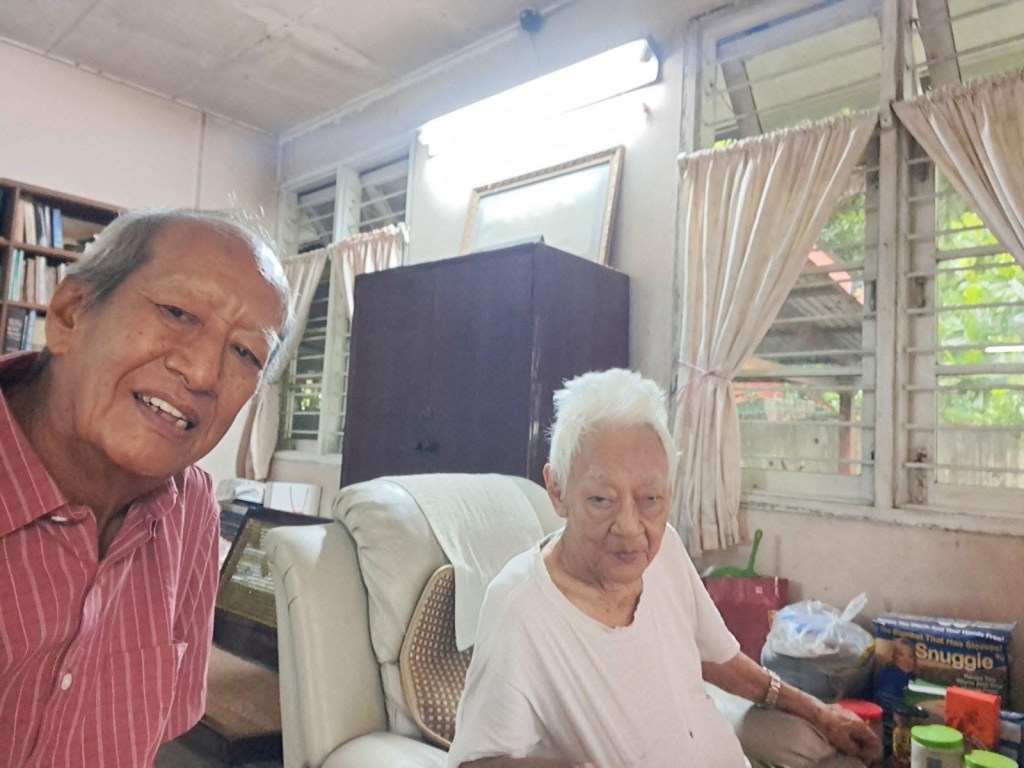
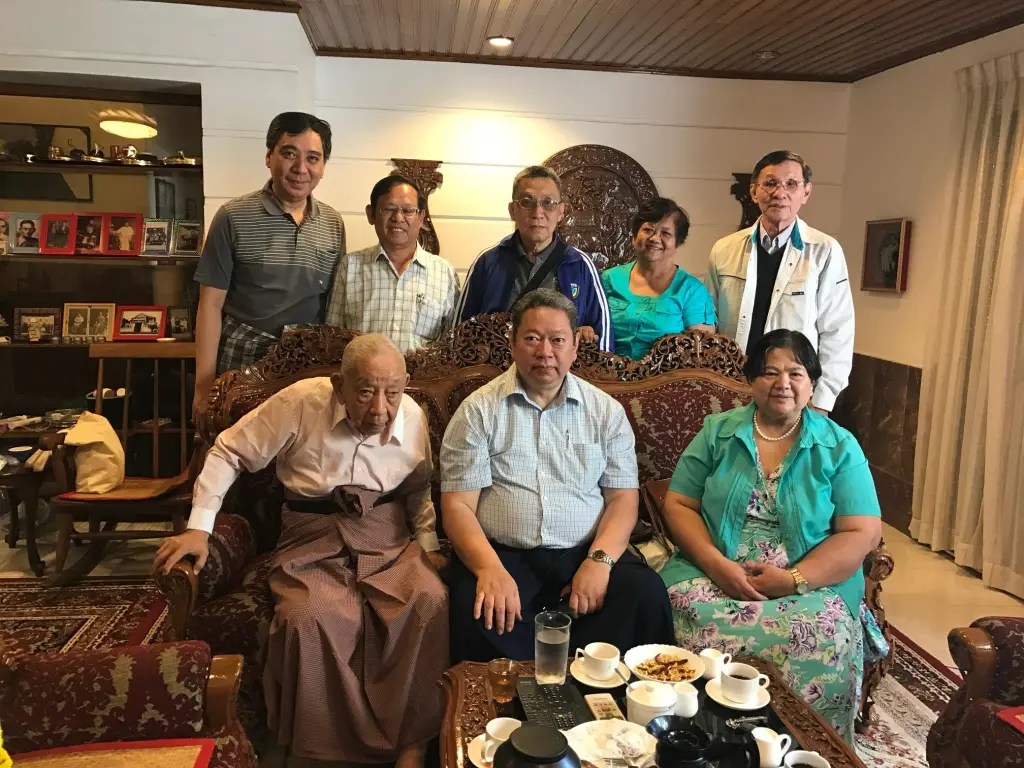
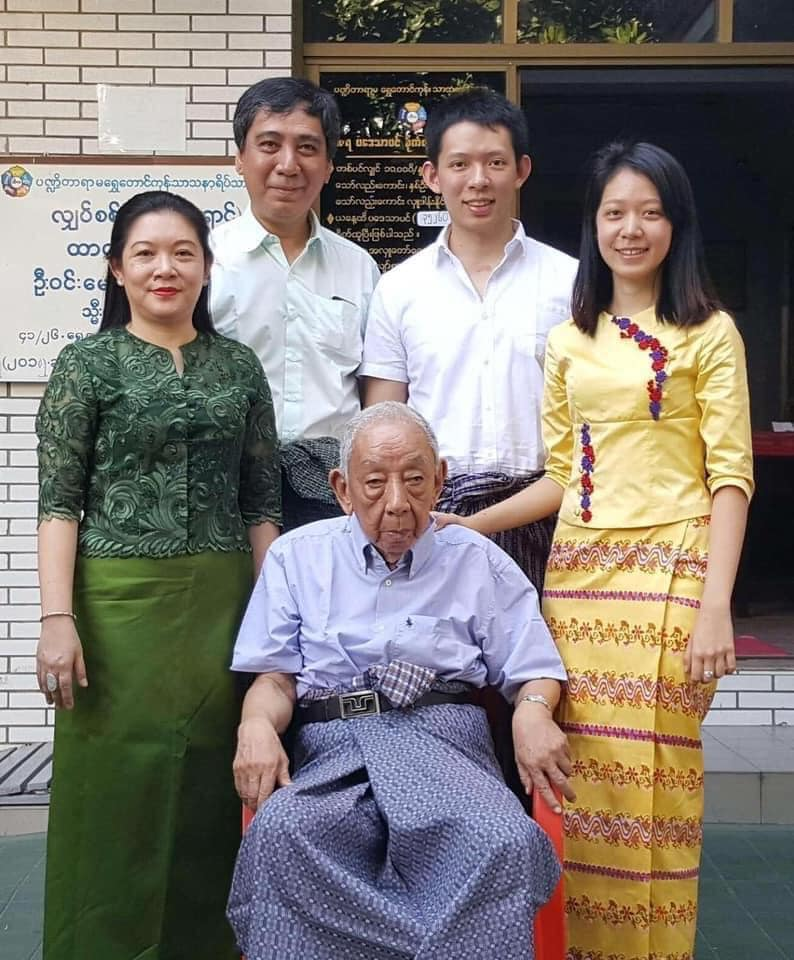
Dr. Yan Naing Lwin wrote : Ko Sein Shan was at University of Illinois, U-C in 1959-60. His room mate was Ko Hla Tun (Peter, now in San Jose). He received his MS in Theoretical & Applied Mechanics (TAM) & returned to Burma.
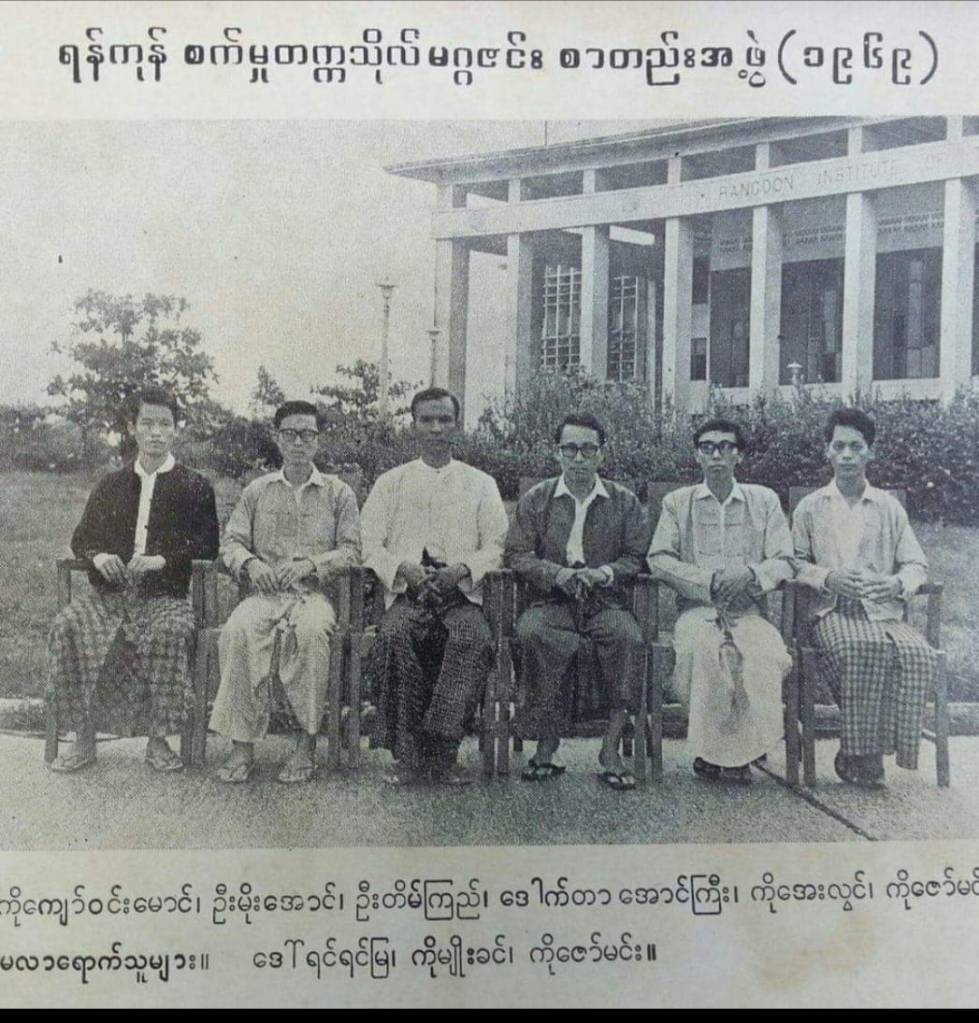
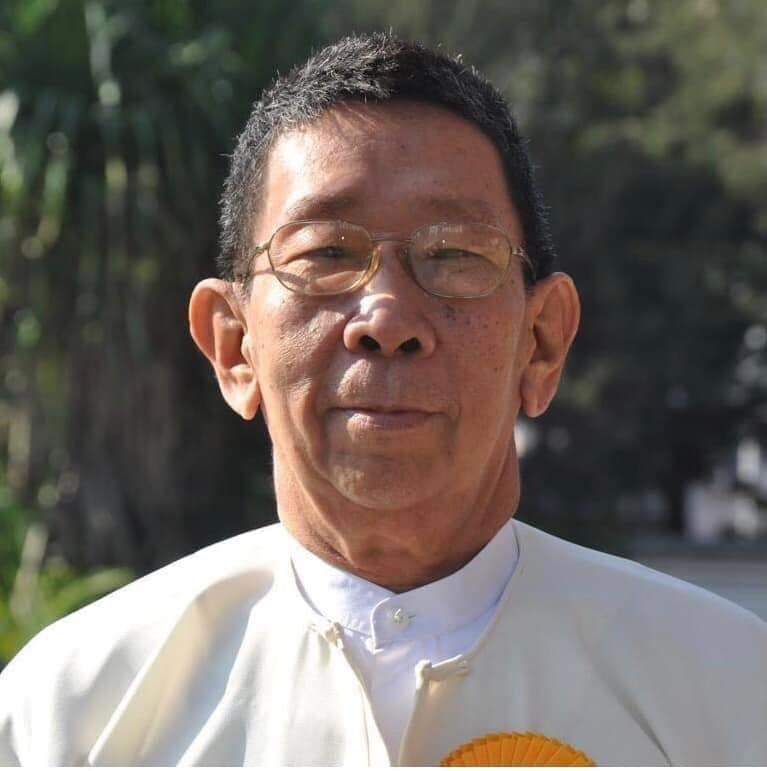
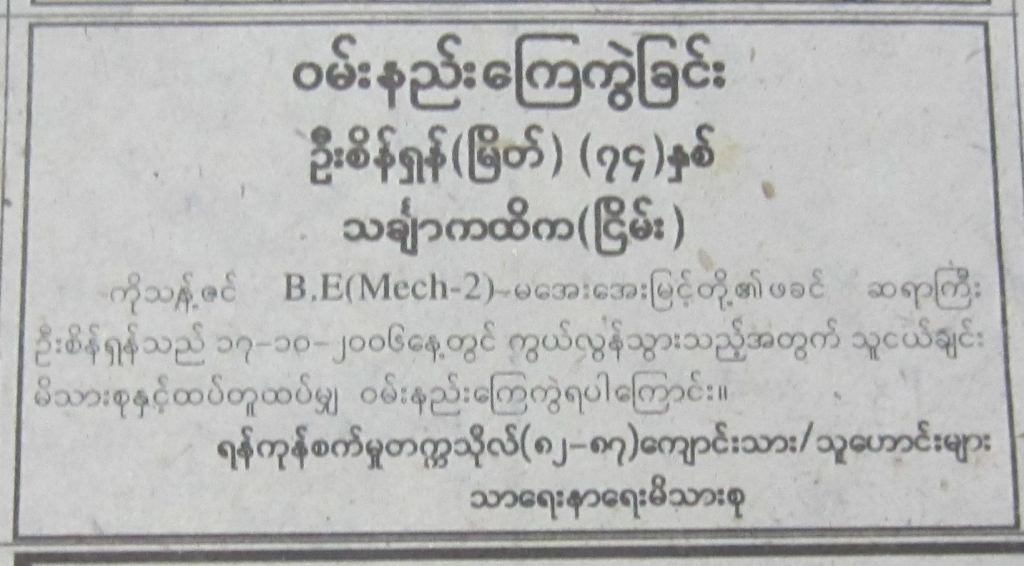
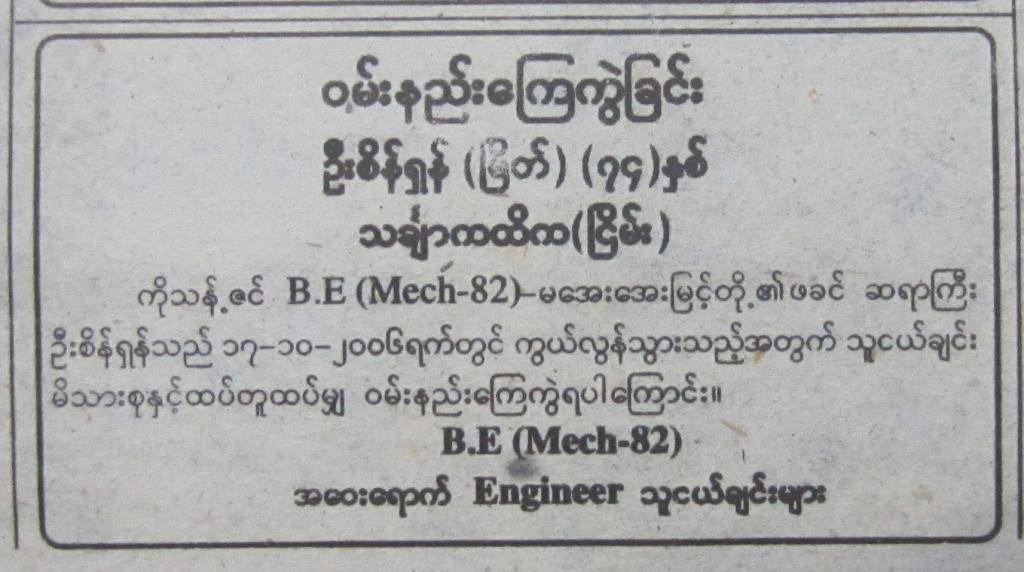
Yan Gyi Aung wrote : – Saya U Sein Shan was my most familiar Maths Saya since BIT period 1961-62. At that time engineering students were only about over 100. Female students were only two, one each at Textile and Chemical Department. He was the President of Point 22-Rifle Club of BIT & I was the Secretary. We usually went to South Okkalapa Shooting Range and practiced. While he was suffering from heart disease at his home in about 1999 in Mayangone, I frequently went to his house and encouraged him. Also when taking treatment at RGH hospital, at Cardiac Hall No 19/20, I went to him carrying boiled rice and some eatables as breakfast. Very remarkable and historic event he did was while Major Subjects (Lines, such as Civil, Chemical, etc) performed paying respect ceremonies to the respective department Sayas, Maths Department had no such ceremony. Maths Department always had no ceremony at that time. So Saya invited all the engineering students in the Daily Newspaper that he would celebrate a friendship dinner to serve all engineering students with Danbauk rice at the Nawarat Hotel in 2000, I think. Very peculiar Saya was!
Upon graduation, U Aye Win Kyaw joined the Civil Engineering Department at RIT with his classmates Madan Chand (GBNF) and U Aung (Maung Aw).
Veda
EC member at Burma Astro Research Bureau (BARB).
Taught Astronomy and Astrology at BARB & MARB.
Post-retirement
After retirement, he lived in Pyin Oo Lwin.
He had medical treatment at a clinic.
His son visited him at the clinic. He passed away unexpectedly (due to electrical leakage) in the shower room.
Saya pleaded for “safety at the medical facilities”.
He also passed away — a Double Tragedy for the family.
GBNF list for the Class of 70
Dear Friends,
Got sad news from Ko Aung (C70) that Aye Win Kyaw (C70) passed away last night at Pyin Oo Lwin. GBNF list now is 94.
With Metta Ohn Khine (M70)
Condolences
Sayagyi Dr. Aung Gyi wrote : I am sad to learn that Aye Win Kyaw has passed away. I met him in Pyin Oo Lwin the last time I visited Myanmar in 2015-16. He seemed to be in good health at that time. Quite a few people told me that he was a good astrologer. I remember him as a nice and quiet person. May he pass into a better life. I send my deep condolences to his family.
Saya Madan Chand (C70) wrote : Very sad day for me and Saya Aung as we three are very close friends. Studied and worked together In Civil Dept., RIT. Field trip, Special survey assignment, Three R summer 1971 at Monywa district, and so many activities together. May Buddha bless the family. Arranged and signed as witness for the marriage of Ko Aye and Ma Lay.
Nyunt Tin wrote : Very sorry for our C-70 friend U Aye Win Kyaw.
Htay Aung wrote : Very sad to me. I remember we were working together in Nawin Project before he moved to RIT. Convey my sincere condolence to his family.
Update
Madan Chand
Madan Chand was 2nd in C70. He is now GBNF. He passed away in Illinois, USA.
U Aung
U Aung was Joint 3rd in C70. He published some books. He shared some excerpts in “Once upon a time at RIT”. He is currently in Arizona, USA.
Executive Committee member of the RIT Electrical Engineering Association
Graduated from RIT in 1968 with B.E (EP)
Joined EPC (Electric Power Corporation) and retired as DyCE (Deputy Chief Engineer)
Played soccer for RIT, All Universities & Institutes, Electric Power Corporation (EPC) and Burma
Passed away at the age of 72
Cousin of Daw Thuzar (actress & spouse of Jeffery Tun Aung)
U Khin Maung Zaw (KMZ, EP76) wrote :
I believe he left EPC as DyCE. Upon retirement he was active in football [soccer], became Technical Director/Team Leader with the Football federation. For all his efforts, he was awarded “Excellent Performance in Social Field (Third Class)” in January 2008.
Taught part-time at Civil Engg, Rangoon University
Experience
Structures and Construction
Director, Clark & Greig
Director, Inter kiln
Advisor, PWD Architect 2 Group
Survived a Kidnapping (by a former employee with intent to kill him)
Health
Played Golf to his early 80s
Had good memory and strong hands until his final days
Demise
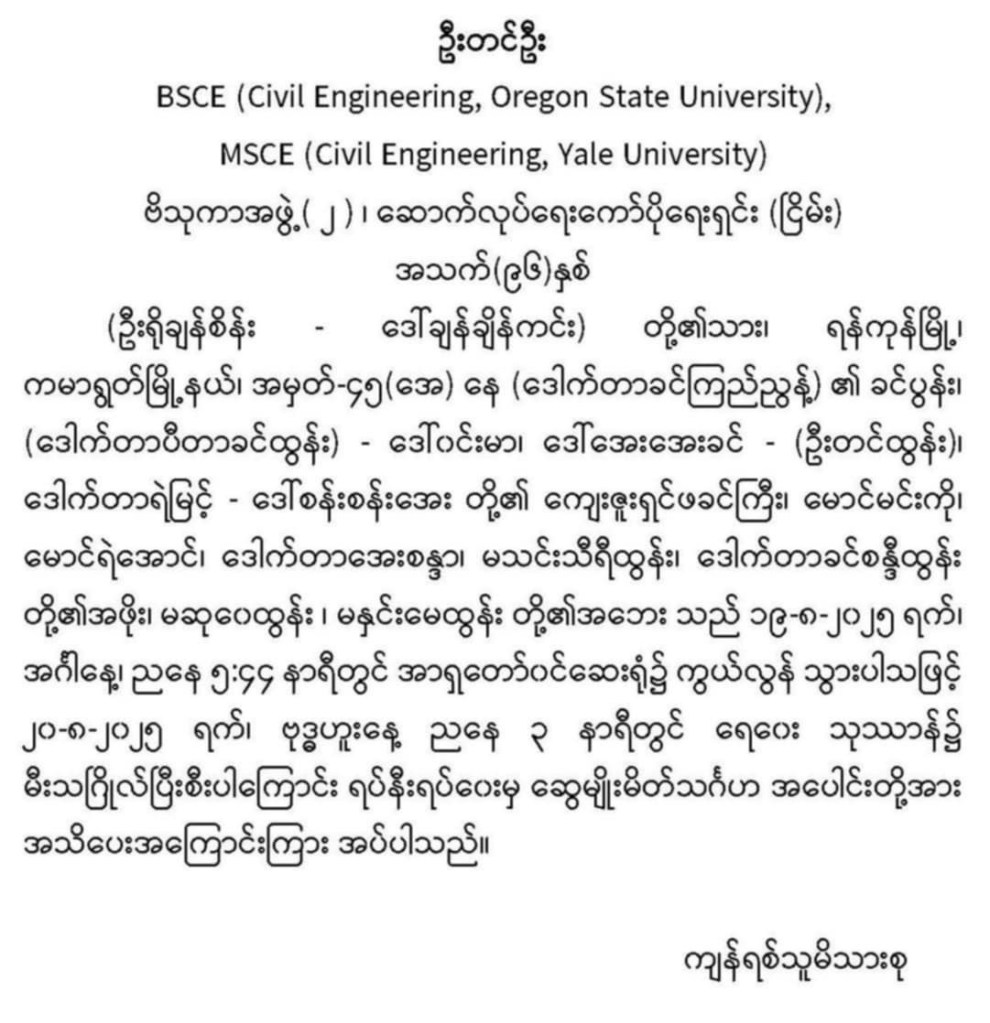
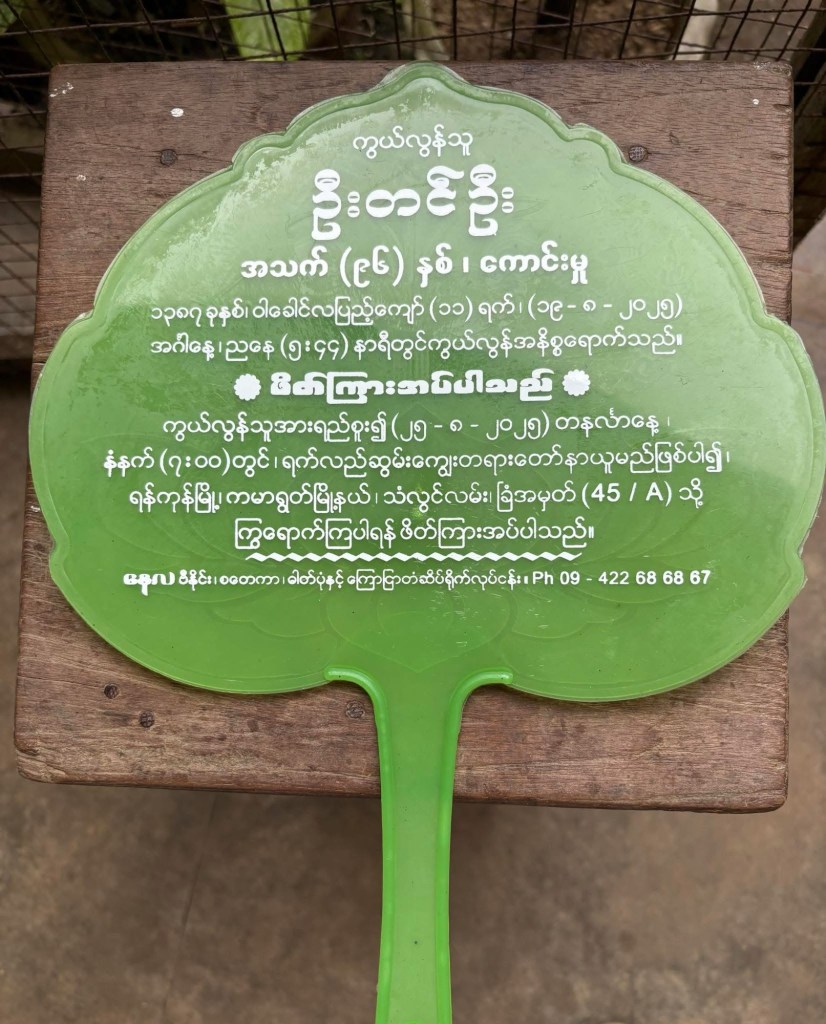
Passed away in Yangon on August 19, 2025
He was 96 years young.
He is a member of the Elite 90+ Club founded by his mother who lived to 94. His younger brother U Ba Than passed away after his 94th Birthday. His younger sister Daw Myint Thwe passed away before her 92nd Birthday.
Obituary
Obituary
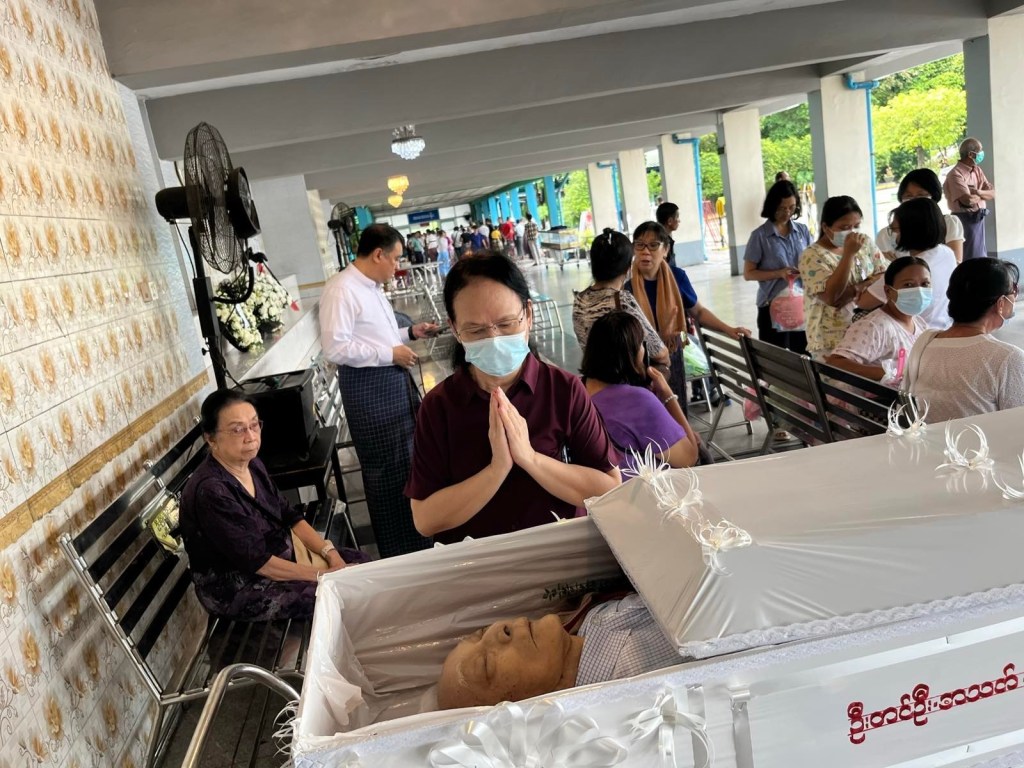
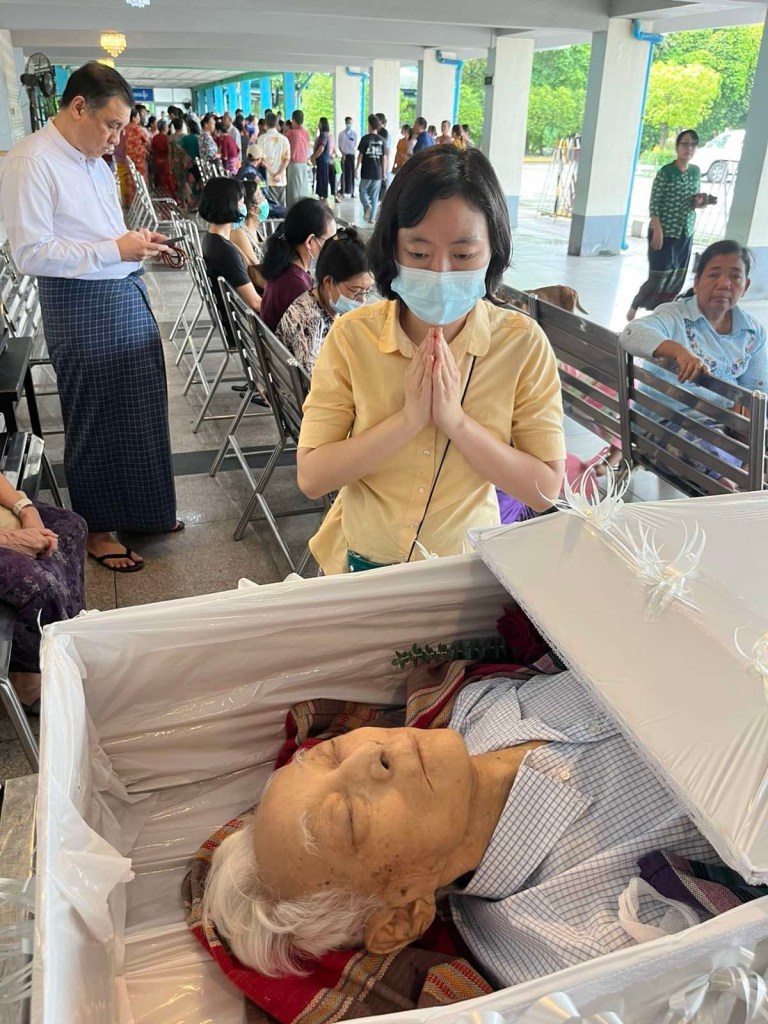
Final Journey
Attended by Family members, relatives and friends
Invitation for Yet Le Soon KywayAye Aye Khin (Daughter)Thin Thiri Tun (Granddaughter)
Academic & Experience
BSCE (Oregon State University)
MSCE (Yale University)
Former Part-time Lecturer, Civil
Former Director, Clark & Grieg
Former Advisor, InterKiln
Former Advisor, PWD Architect Group 2
Oldest & Most Senior Past Captain, Rangoon University Boat Club
Past Captain, Rangoon Golf Club
Former Treasurer, Burma Society of Civil Engineers
Family
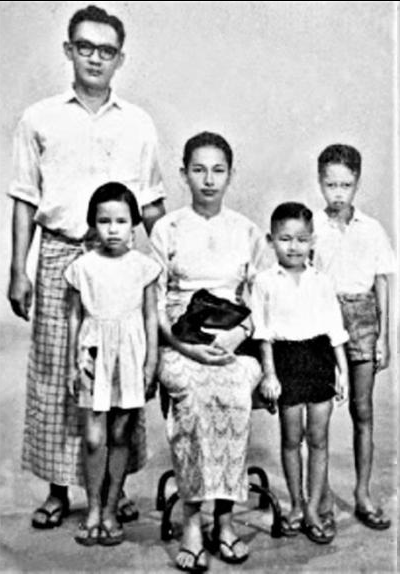
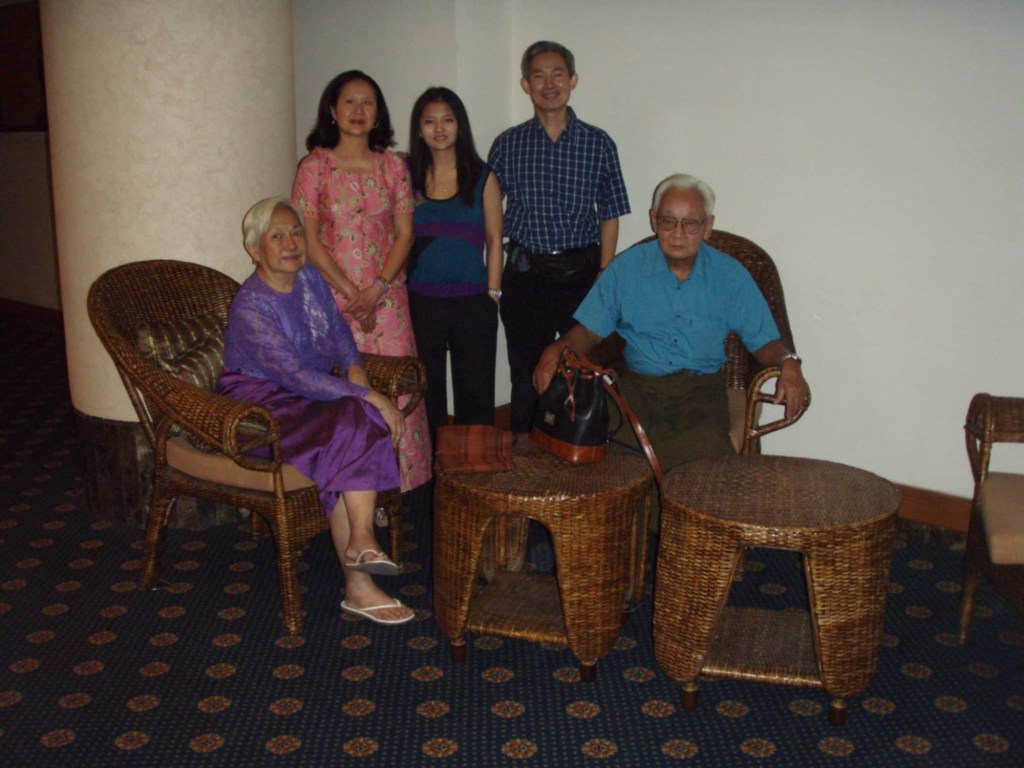
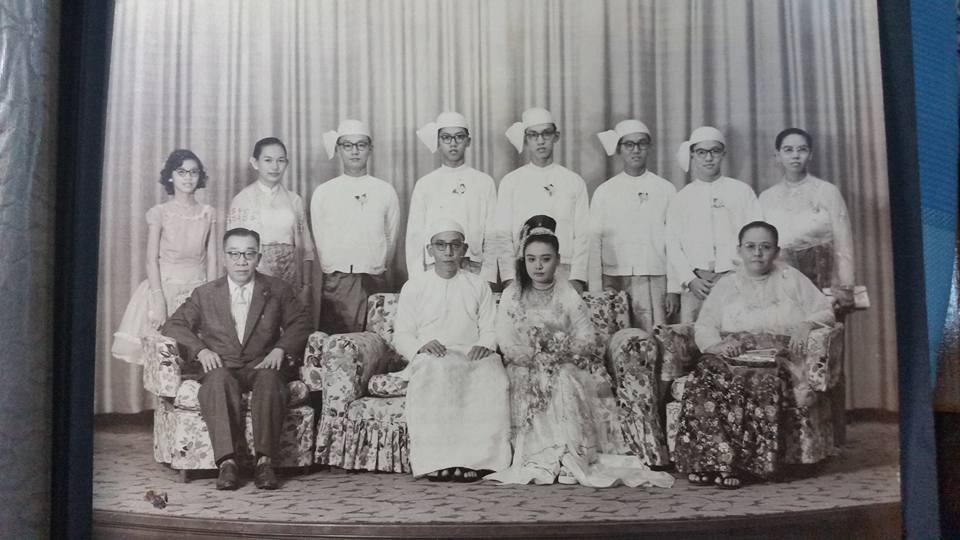
U Tin U, Aye Aye Khin, Daw Cherry, Ye Myint, Peter
Spouse
Dr. Cherry 1
Dr. Khin Kyi Nyunt (Cherry) — passed away in November 2019
She did Nutrition Research at BMRI.
Children
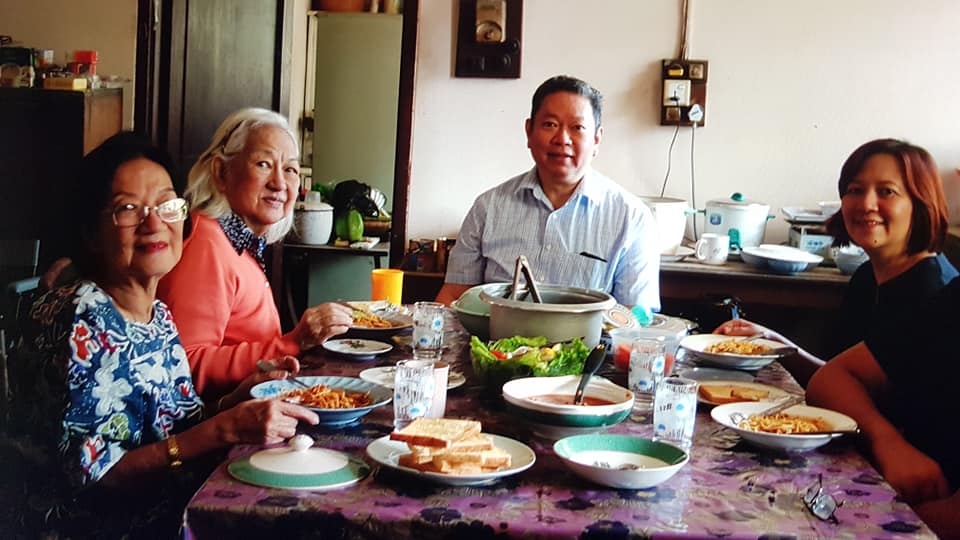
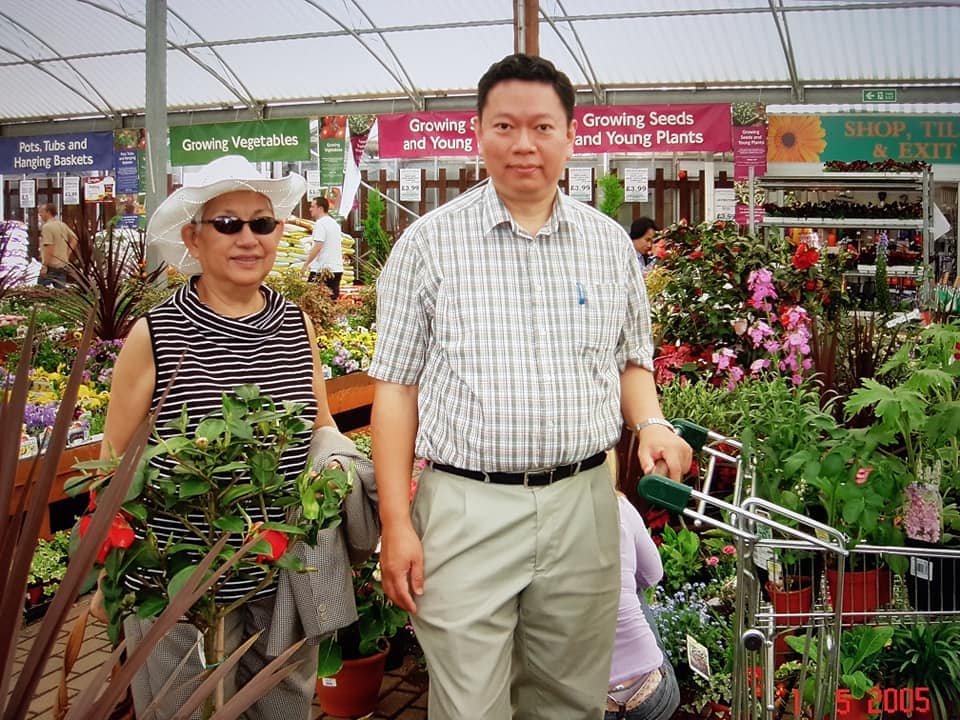
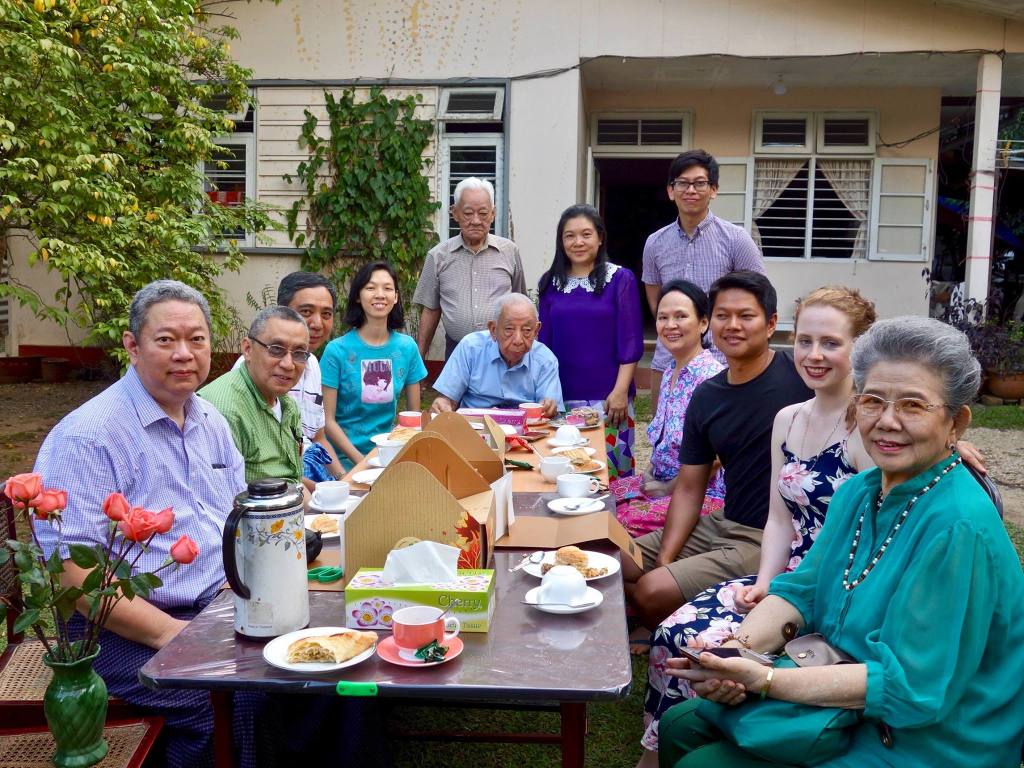
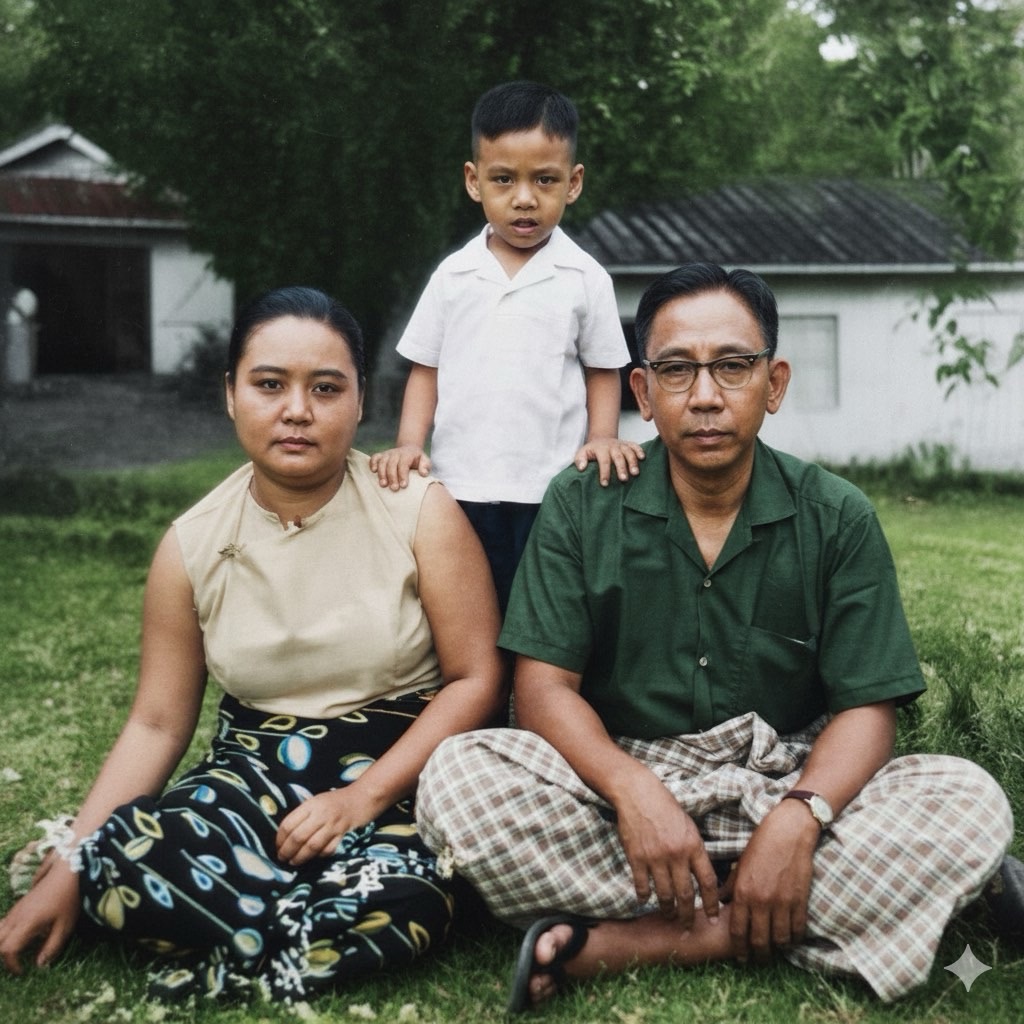
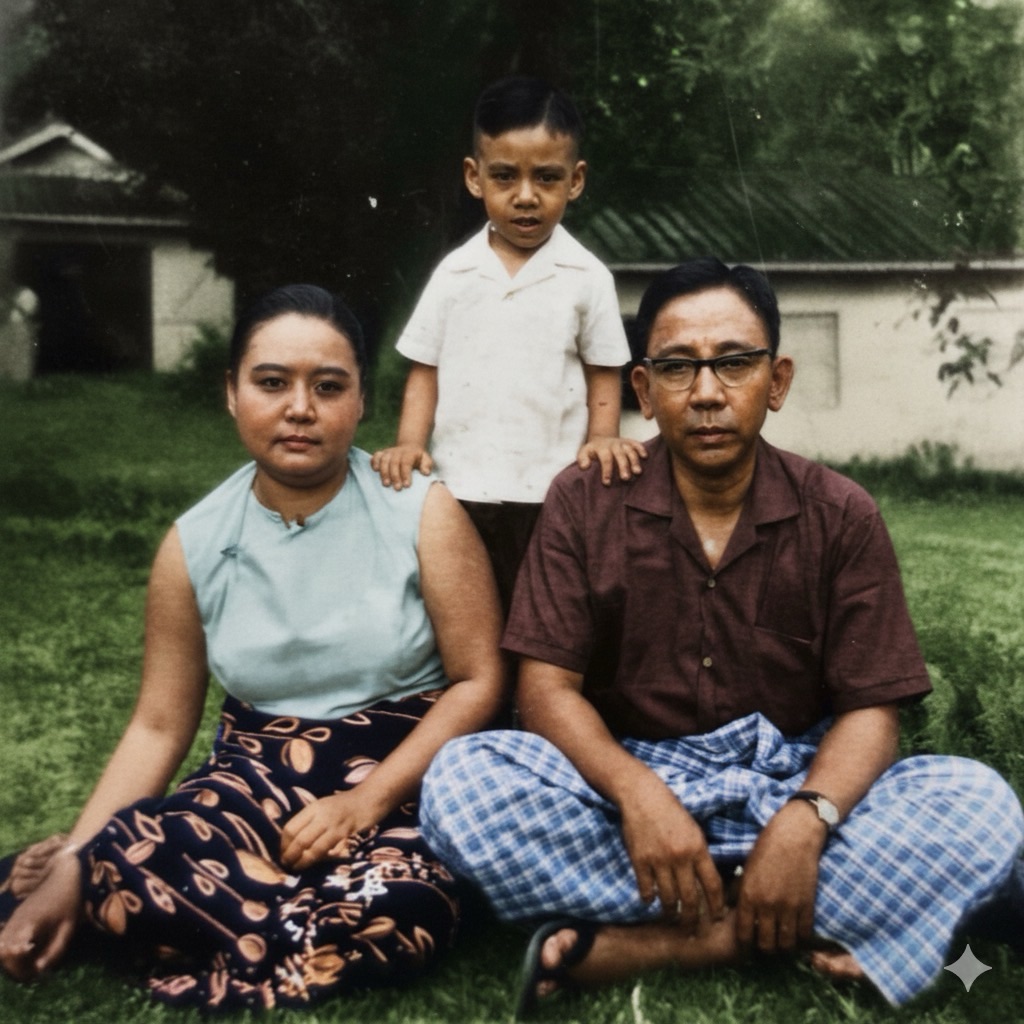
Peter & his mom Dr. Cherry Family & RelativesAye Aye. Dr. Cherry, Dr. Peter, U Tin UFamily & Relatives 2Daw San San Aye, U Tin U, Dr. Ye Myint& Dr. Aye Sandar
Dr. Khin Tun (Peter, MRCP, Former Associate Dean of Oxford University, passed away in April 2020) & Daw Winmar
Daw Aye Aye Khin (B.Com, CPA) & U Tin Tun (passed away in May 2020)
Dr. Ye Myint (Fellowship training in Intensive Care and Anesthesia, Took care of his father’s health in the final days) & Daw San San Aye
YM 1 YM 2 YM 3
Grandchildren
Min Ko & Prudence
Ye Aung
Dr. Aye Sandar
Thin Thiri Tun
Dr. Khin Sandy Tun
Great Grandchildren
Su Wai Tun
Hnin Wai Tun
Peter, Winmar, Ye Aung, Min Ko
Siblings
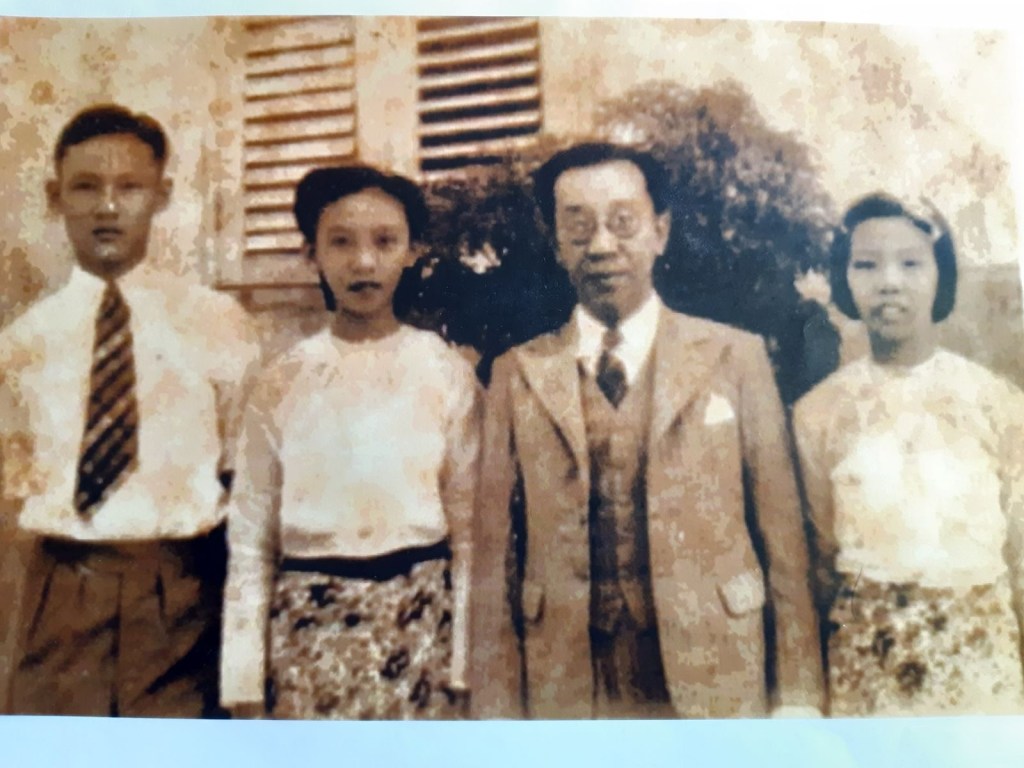
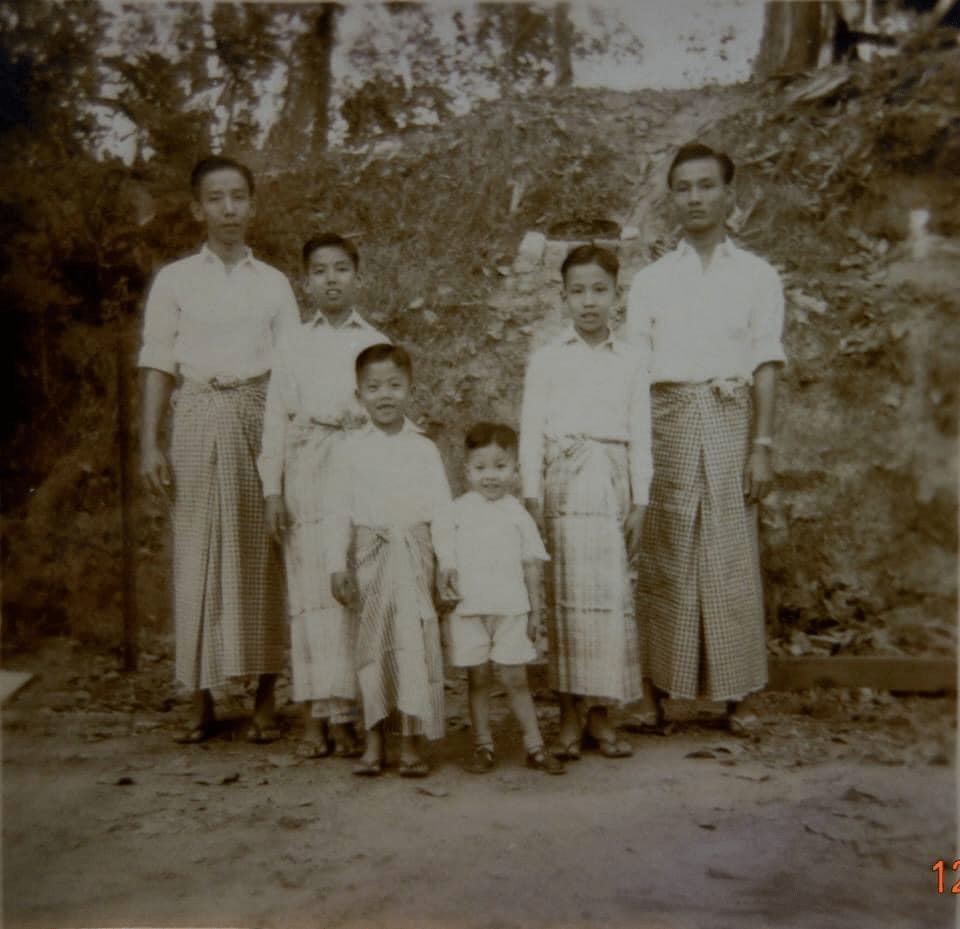
U Tin U, Ruby, Father U Chan Sein, BettyBa Than, Myo Tint, Myo Min, Thaung Lwin, Tin Htoon, Tin U U Tin Htoon, U Tin U, U Ba Than, U Thaung Lwin, Dr. Myo TintSix Siblings
U Ba Than (Scholarship Winner in 1947, Gold Medalist for I.Sc in 1949, Alumnus of Imperial College, Retd. Prof. of Mech. Engg) — GBNF
Dr. Daw Win Hlaing (Ruby)
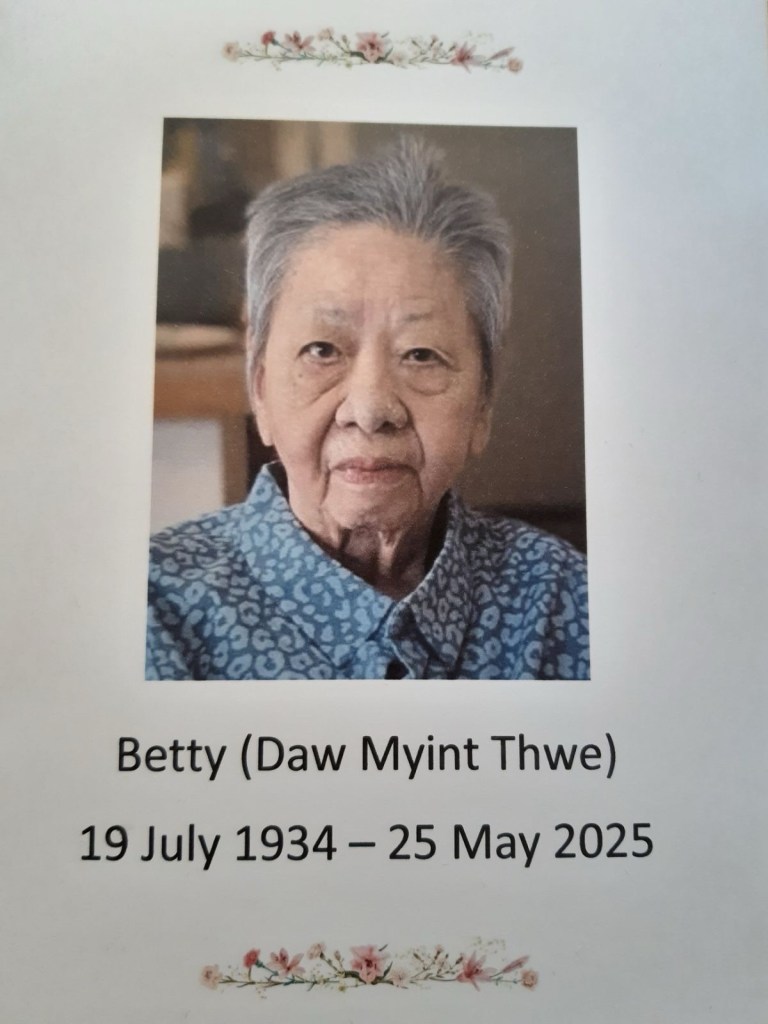
Daw Myint Thwe (Betty, B.Com, Spouse of Dr. F Ba Hli) — GBNF
Dr. Myo Tint (3rd in Burma in 1952, RUBC Captain) — GBNF
U Tin Htoon (A60, RUBC Captain, ARAE Champion, SEAP Silver Medalist in Yachting)
U Myo Min (1st in I.Com & B.Com, Chartered Acct, UCC Co-founder)
U Thaung Lwin (Scholarship Winner in 1960, First in EC66, RUBC Captain)
Daw Cho Cho Hlaing (CRO, German Diploma)
Highlights
Matriculated from St. John’s Dio in 1946
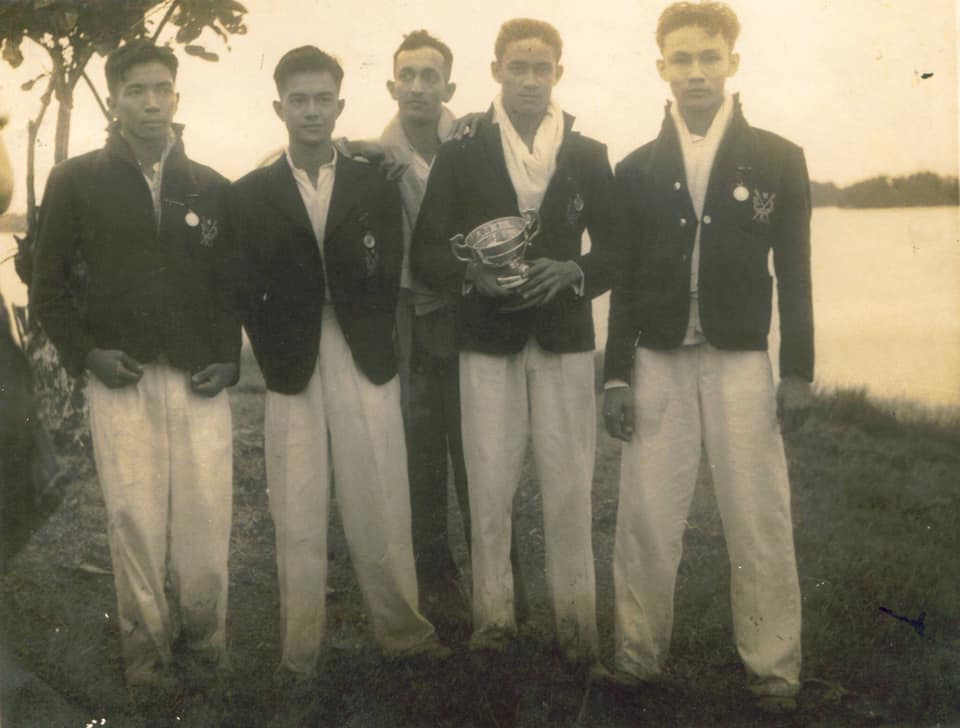
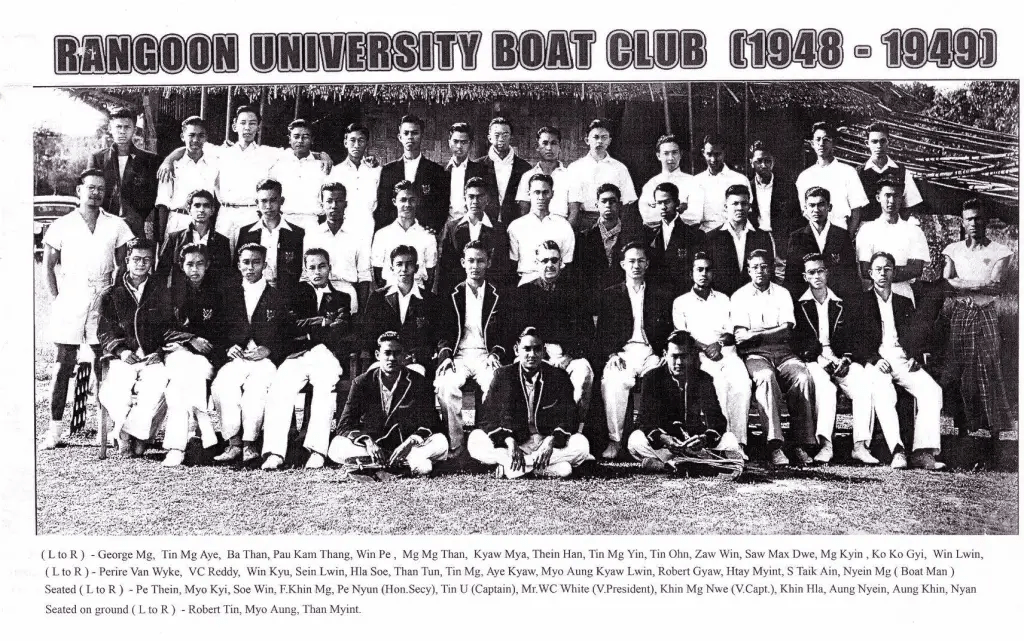
Represented RUBC at the 1948 Independence Day Regatta at Kandawgyi with Pe Nyun, Pe Thein and Khin Maung Wint
1948 Independence Day Regatta
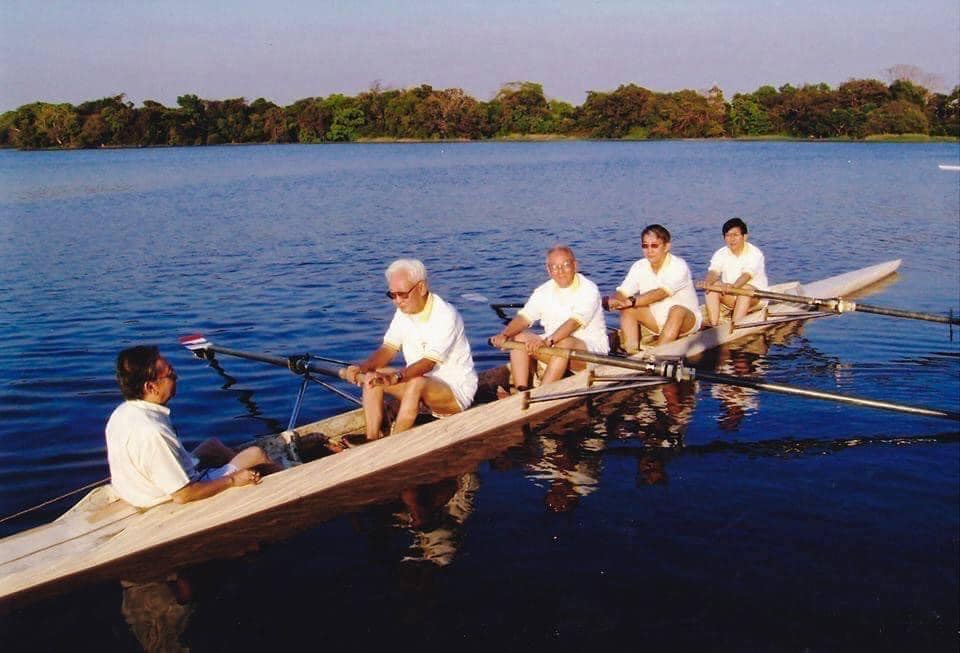
Rowing
Four brothers — Tin U, Myo Tint, Tin Htoon & Thaung Lwin — are RUBC Captain & Gold
Two other brothers — Ba Than and Myo Min — are RUBC Green
Tin U & Thaung LwinRUBC Captains
Photo shows Five RUBC Captains. Sein Htoon (Cox) is a cousin; he is 1960 ARAE Champion
Most Senior Past Captain
Captain of Rangoon University Boat Club (1948 – 49)
RUBC
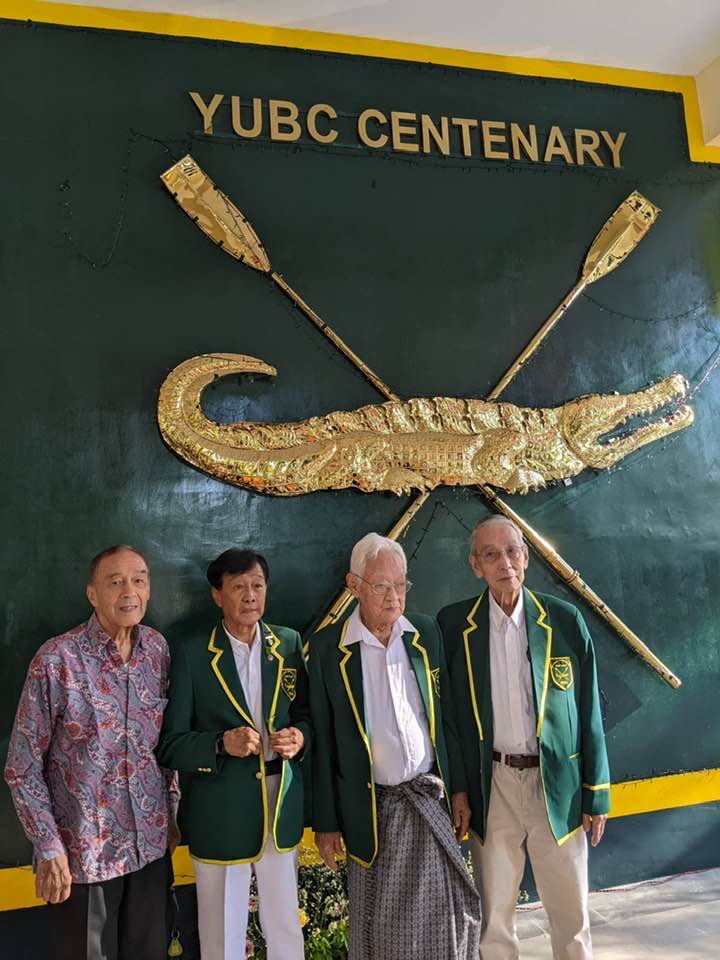
As the Most Senior and Oldest Past Captain of RUBC, U Tin U was invited to open the RUBC Centennial Celebration in 2023
RUBC Centennial
Bridge
Played with friends (e.g Richard Po Ohn)
Played with Uncle and two cousins
Golf
Past Captain, RGC
Played with senior (e.g U Yaw Hlaing) & junior (e.g U Soe Paing) partners until his early 80s
Memories
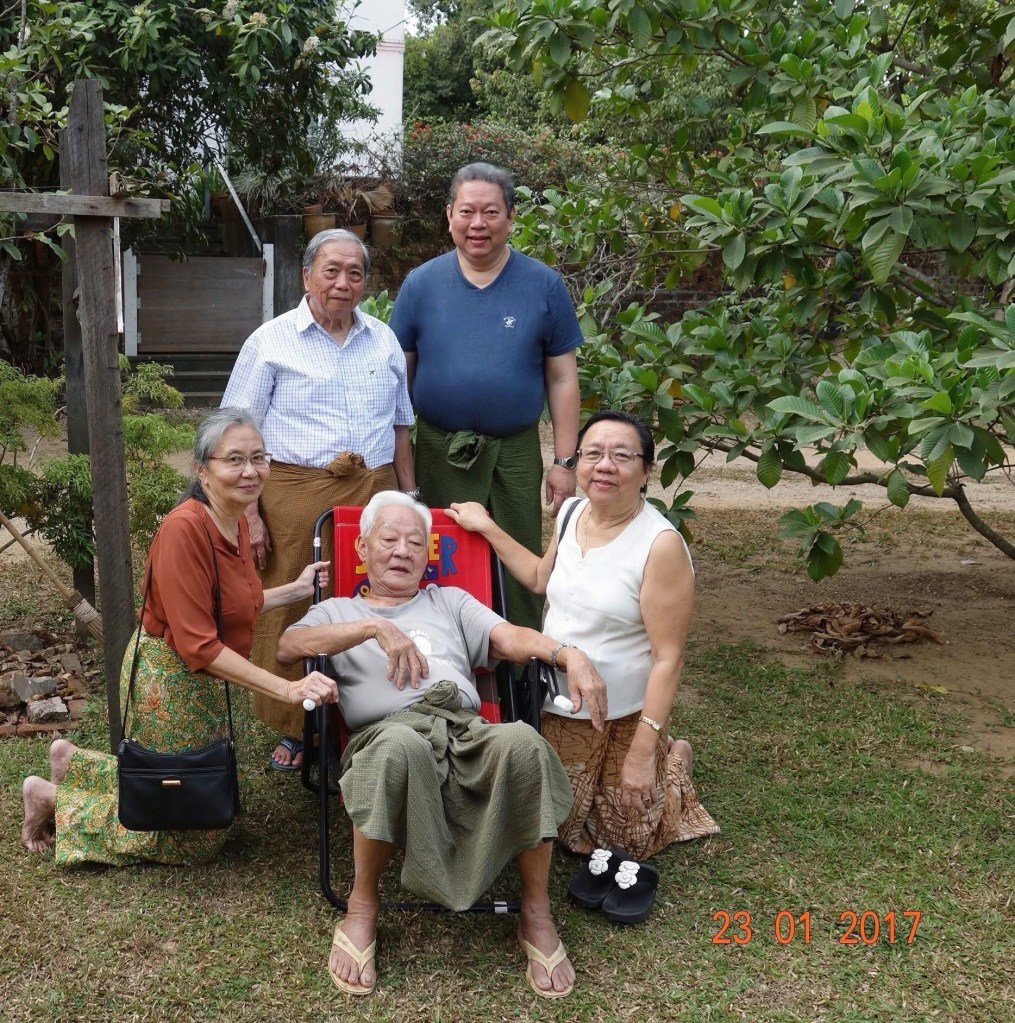
Relaxing in the garden
Tin U
Visit
With Than Htut
Interviews
For RGC (Rangoon Golf Club)
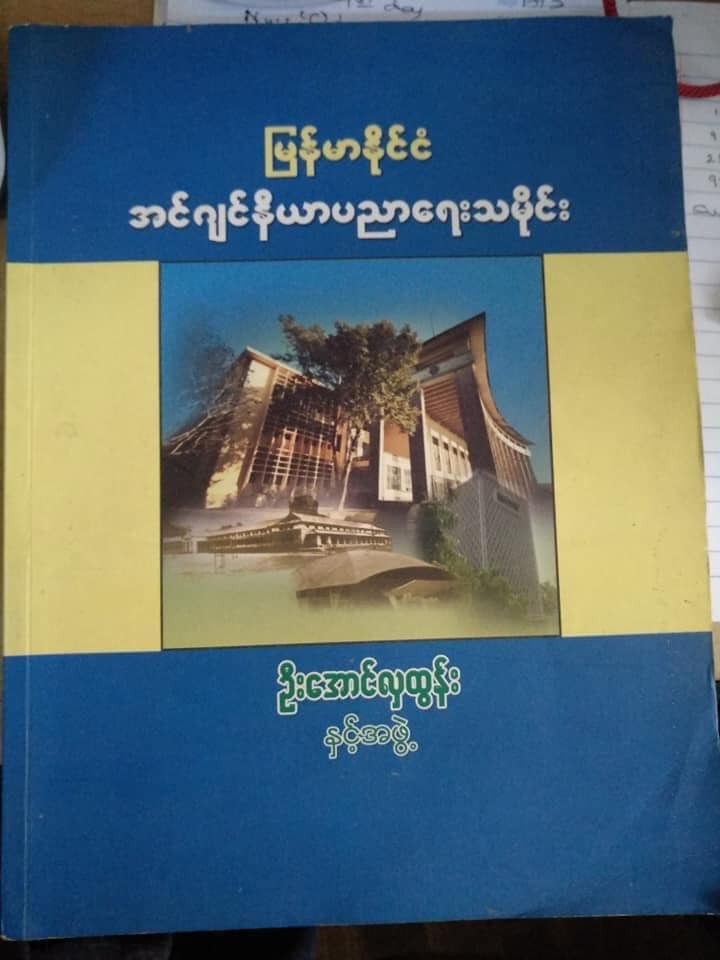
For HMEE (History of Myanmar Engineering Education)
For his grandson Min Ko
Kidnap Survivor
See account by his son Dr. Khin Tun (Peter)
Yahan Khan
Yahan Khan
Garawa
SPZP-2012
SPZP-2012
PWD Architect 2 Group
PWD 1PWD 2PWD 3
Birthday Presents
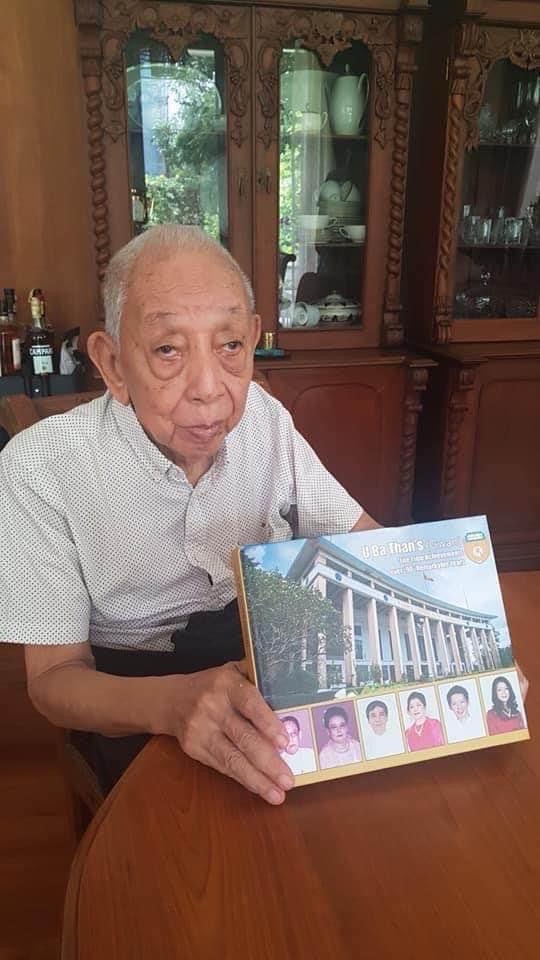
Photo Album for 90th birthday by Tin Htoon & Htaik San
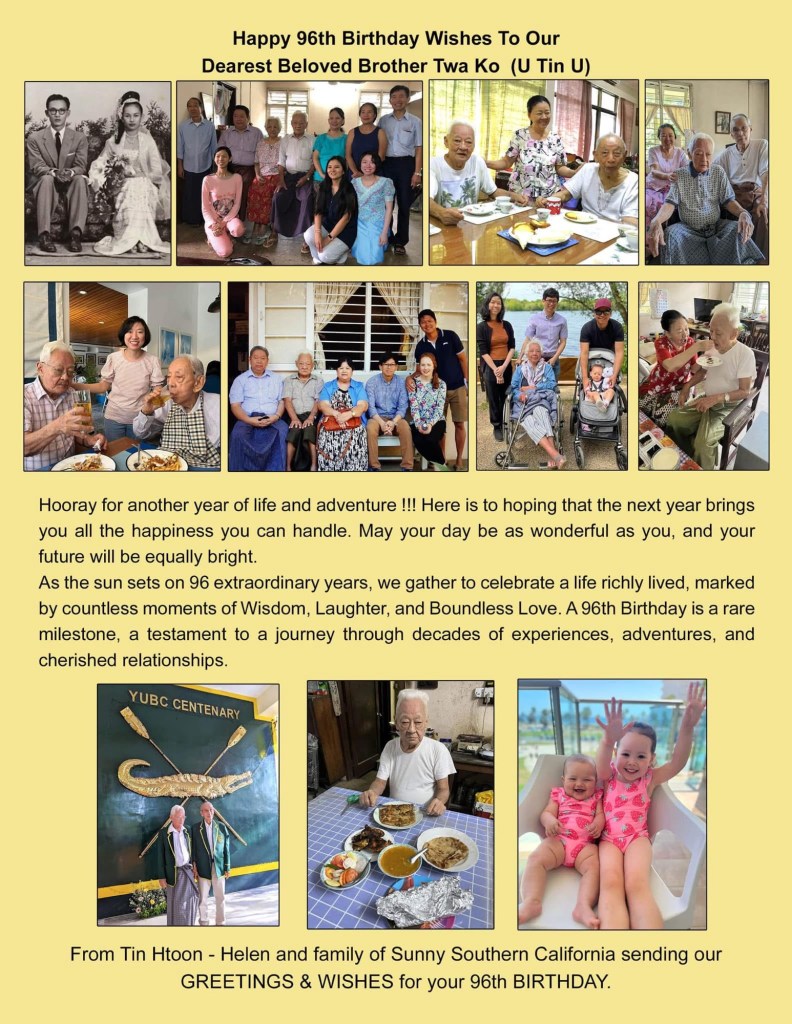
Photo Cards for several birthdays by Tin Htoon & family
Matriculated from St. John’s Dio in 1947, and won Collegiate Scholarship.
In 1949, he won Gold Medal for scoring highest marks in the Intermediate of Science exam.
RUBC Full Green
Studied B.Sc (Special) in Mechanical Engineering at Imperial College, London University
Joined Faculty of Engineering as Assistant Lecturer
Per request from Dr. Maung Maung Kha (Interim Dean of Engineering), he helped build the Engineering Library
As a requirement for promotion, he did Masters at Imperial College
Retired as Professor of Mechanical Engineering
Mech Engg Sayas
Saya is an early supporter of the HMEE (History of Myanmar Engineering Education) project. Donated his photo albums. Cooperated with U Thaw Kaung to allow U Soe Paing & team to access the archives of Rangoon University Central Library.
HMEE book (2012)
He also interviewed his elder brother U Tin U for HMEE project. U Tin U taught part-time at the Civil Engineering Department, and served as Treasurer of Burma Society of Civil Engineers.
Family
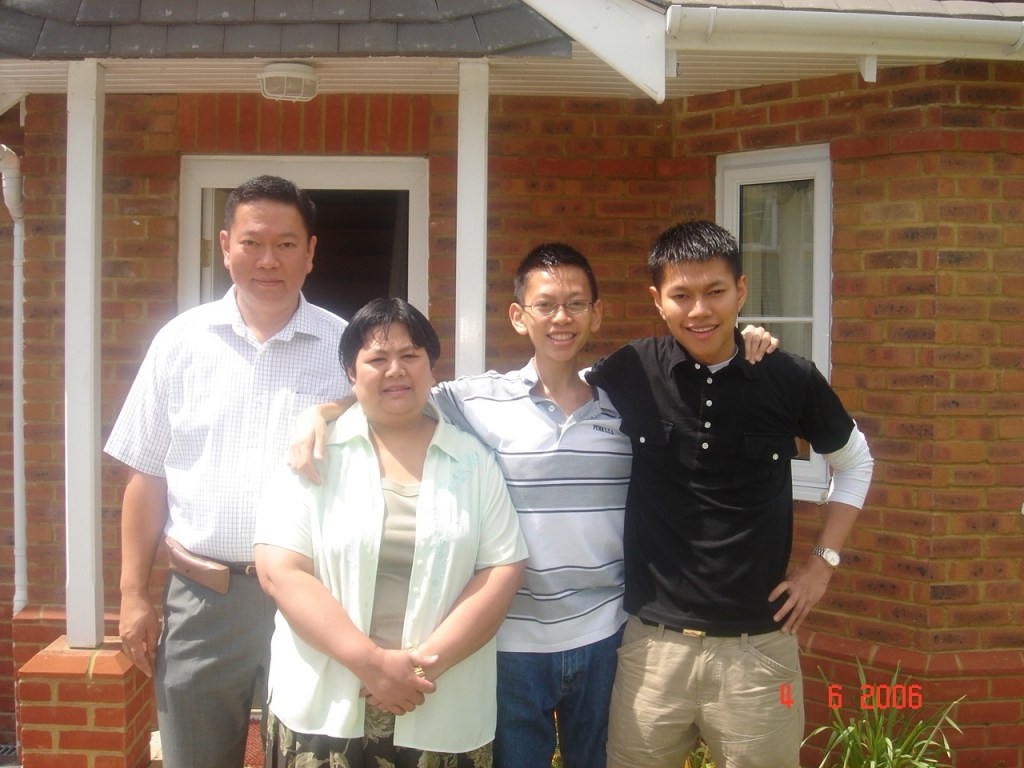
U Ba Than & Daw Mya Mya
He is the second son of U Chan Sein and Daw Cheng Kim.
Siblings : U Tin U, Dr. Daw Win Hlaing (Ruby), Daw Myint Thwe (Betty), Dr. Myo Tint, U Tin Htoon, U Myo Min, U Thaung Lwin, Daw Cho Cho Hlaing
Spouse : Daw Mya Mya
Son : U Ye Than
Daughter-in-law : Daw Lwin Mar Oo
Grand children : Aung Myo Myint, Ei Khine
U Ba Than 1U Ba Than 2
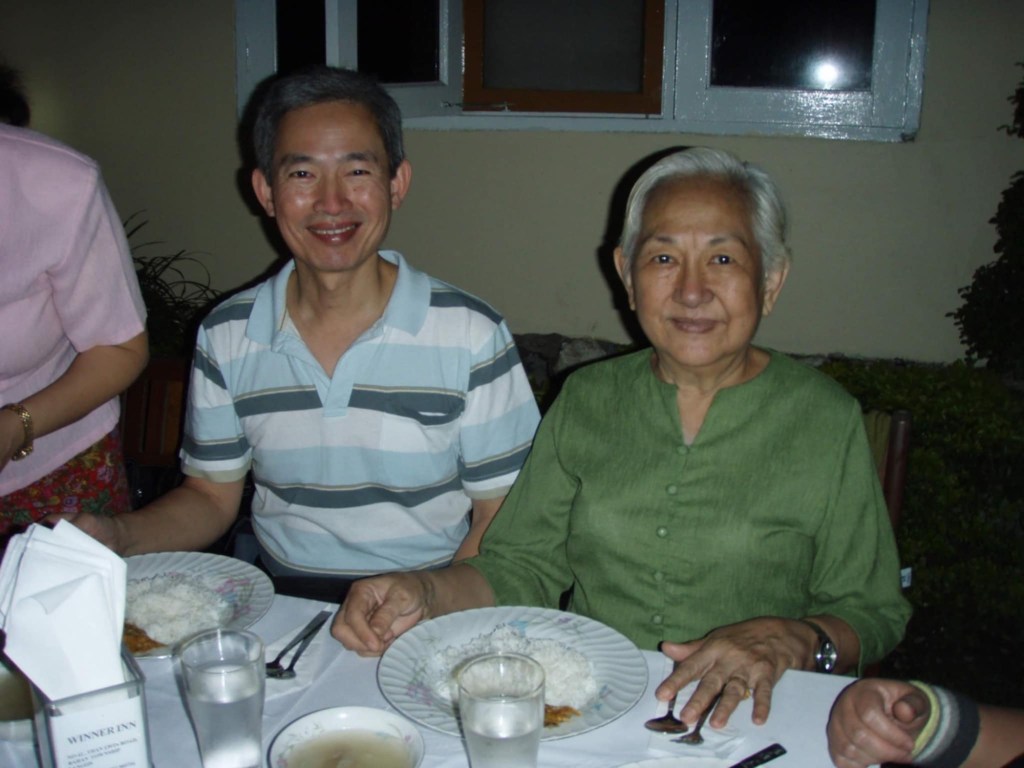
Winner Inn
U Ye Than and Daw Lwin Mar Oo ran “Winner Inn”.
Later, their children Aung Myo Myint and Ei Khin expanded the services provided by Winner Inn (notably W Bistro)
Winner Inn
Birthdays
Celebrations
Birthday Soon Kyway
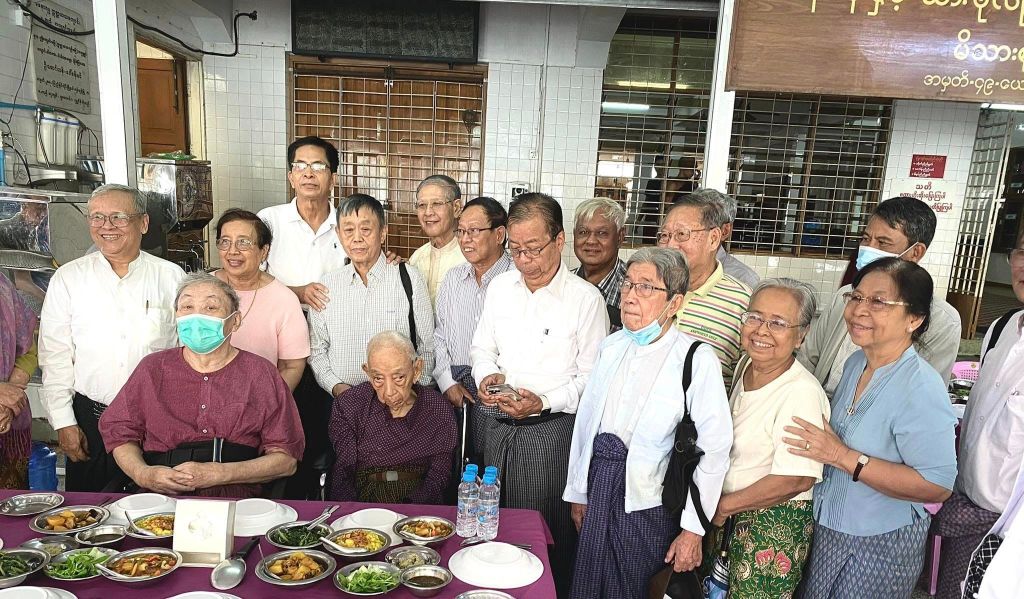
Before the pandemic, he invited colleagues and former students to his Birthday Soon Kyway at Yaw Sayadaw’s Monastery.
U Tin Htoon (A60, younger brother) compiled a Photo Album for Saya’s 90th Birthday
U Ba Than
Donated all of the Garawa Money to various social & religious associations.
Passed away peacefully after his 94th birthday.
U Ba Than & Family
90+ Club Members
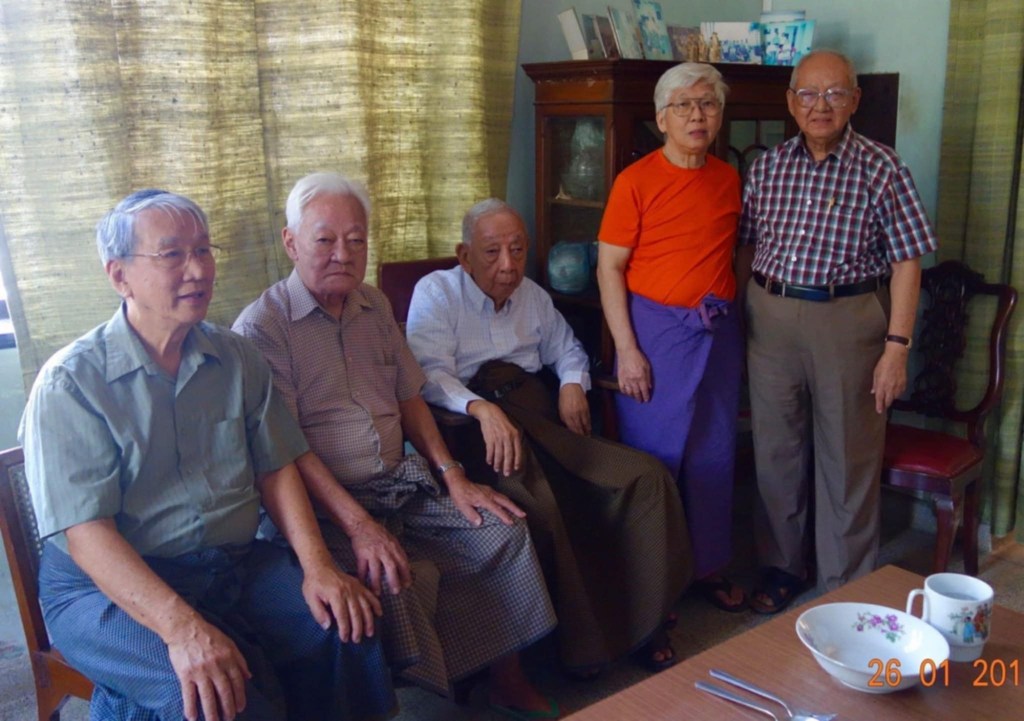
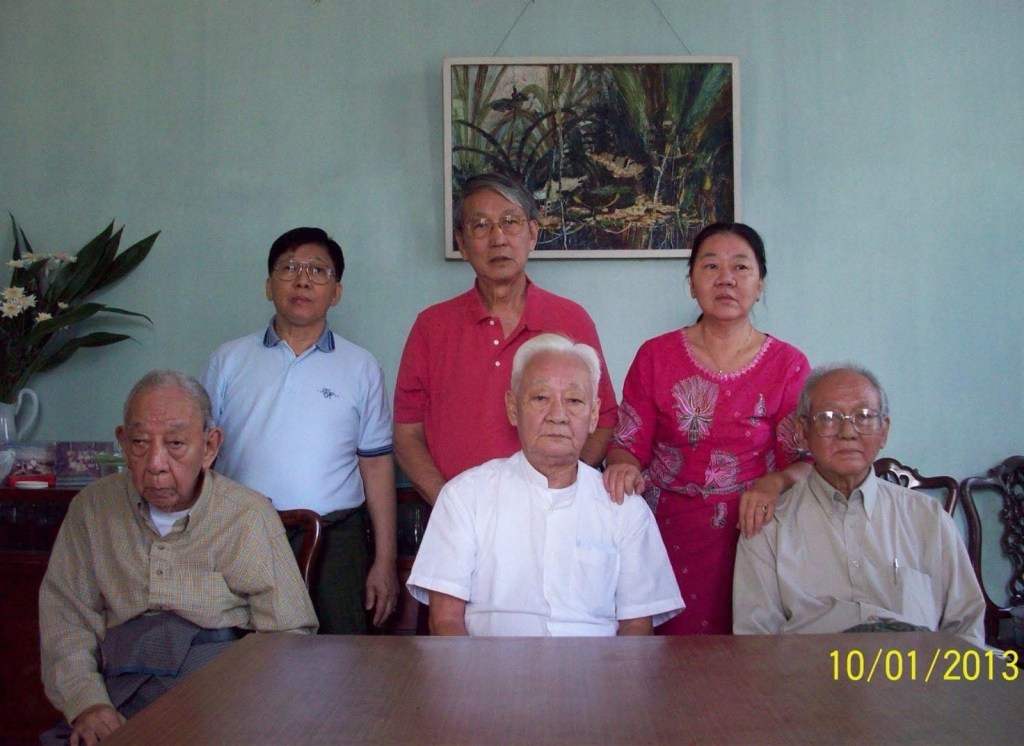
Four of the nine siblings are members of the 90+ Club like their mother.
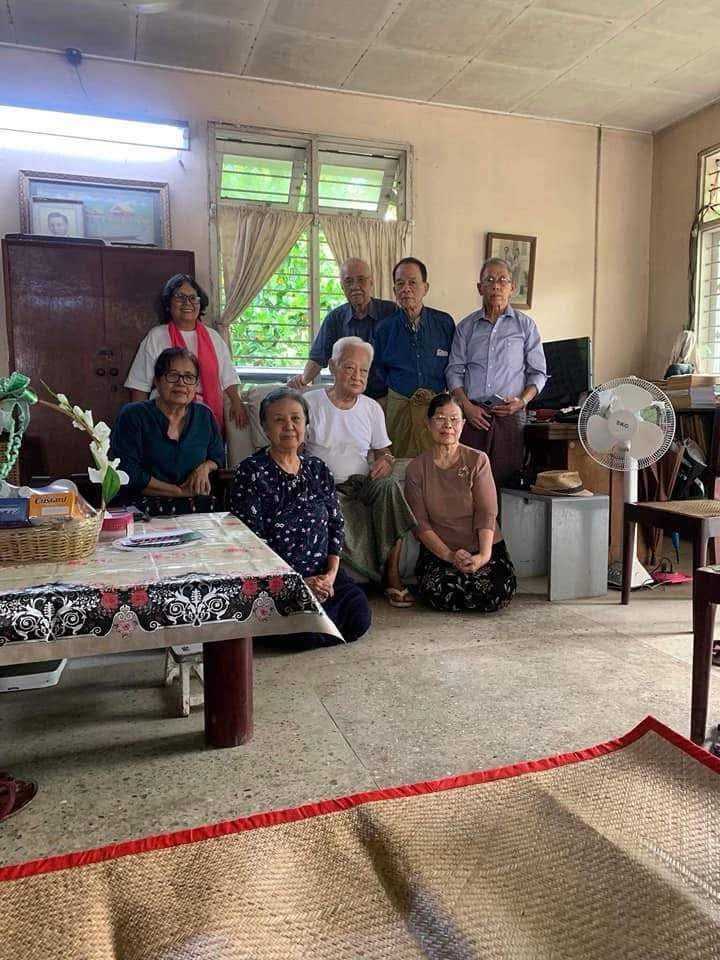
U Tin U (eldest) passed away on Aug 19, 2025 — a few weeks after his 96th birthday. He was the most senior Past Captain of RUBC (Rangoon University Boat Club). He was Past Captain of RGC (Rangoon Golf Club). He was also the oldest Yale University alumni from Burma.
U Ba Than (2nd oldest) passed away after his 94th birthday.
Dr. Daw Win Hlaing (Ruby, 3rd) celebrated her 93rd birthday on Aug 31, 2025.
Daw Myint Thwe (Betty, 4th) passed away two months before her 91st birthday.
Please allow me to use your forum to express my great sorrow on learning of Saya U Myo Win’s demise.
We certainly lost a valuable person while engaged in his professional life. His exuberance and optimism knew no bounds. I had the privilege of enjoying U & Mrs Myo Win’s hospitality at Wagga Wagga on my tour of Australia.
My deepest condolences to Noreen and family.
[Sayagyi U] Aung Khin
Canada
From the Teoh family
On behalf of the Teoh family, and the rest of MEHS schoolmates, we offer our sincere condolences to Melvin’s family.
Melvin and Pearl Ba Tin are fellow graduates of the original Methodist English High School (MEHS) of Rangoon.
In 1972, when I was leaving for the U.S., my mother-in-law recommended/sponsored me to be a monk at Mahasi Sayadaw’s Sasana Yeiktha, Rangoon for 10 days.
Started meditating there, I was surprised to meet Melvin who was also in monkhood. The two of us, the evil two, caused much consternation with some senior monks, because we presented them with provocative and/or audacious (Western style) questions.
We were summoned to the presence of the Mahasi Sayadawgyi himself. We explained that as young engineers, we were naturally precocious (and suspicious) of any assumptions and beliefs unless backed up by solid proof research data. We could not design machinery, without knowing the qualities and of steel, etc.
The Sayadawgyi advised us to attain wisdom and the truth of Nirvana for ourselves thru further meditation. He gave us the example of a tortoise trying to explain to the rest of the fishes, the phenomena of a desert dry land. Seek further and ye shall find.
I really remember and thankful for that my life changing 10 day retreat and Melvin was part of that.
Melvin, my friend, I miss you. May you attain Nirvana soon.
Edward Teoh (M 64) & Khin Thein Yi (Chem 65), Houston, Texas
From Saya Dr. San Hla Aung
Dear U Hla Min,
I am so saddened by the unexpected news of Saya Melvin U Myo Win’s passing away. I met and talked with him briefly during the 2016 SPZP in Yangon and he was looking just fine then. I have known Melvin’s family for a long time and am now joining them in their sorrow.
Kindly convey my heartfelt condolences to Melvin’s wife Noreen, sister Pearl, and their families on the recent loss of a beloved husband, brother, and head of the family.
My prayers also for Melvin to reach a higher abode in his next existence.
Thanking you,
[Saya Dr.] San Hla Aung [C58]
From Saya Dr. Nyo Win
I’m saddened to learn about Melvin’s passing away. Melvin and I were from the class of 65 ME. We both joined the faculty after graduation. He taught in the Agri Dept and I in the ME. I remembered well his smile and friendly chats wherever we got together. I want to extend my deepest sympathy and condolences to Melvin’s family. May you Rest In Peace.
[Saya Dr.] Nyo Win [M65]
From Saya Dr. Tin Win
Dear Ko Hla Min,
I am very sad to learn that U Myo Win had left us. I was away visiting my eldest sister who is in Hospital in Houston, TX, and was very much surprised to see the sad news when I got home last night.
I spent over a year sharing an apartment with Ko Myo Win, Ko Aung Soe (Math), and Dr. Ko Lay (Mandalay MC) in 1968-9 while he studied for M.Sc. at Melbourne University, Australia. We also worked together in the ME Department at RIT until 1976. He then pursued a successful academic career in Australia. He put in a lot of effort to help bring/apply Australian Technology to Agricultural practices in Myanmar while he was working, and after retiring.
He was always optimistic, had a very good nature, and was liked by everyone. He was a good husband and father, and a very proud grandfather. He was also very friendly and always ready to help anyone. I remember him always enjoying tinkering with his cars as well as those of his friends.
He will be missed by all who had the good fortune to know him.
My deepest condolences to Noreen and family.
[Saya Dr.] Tin Win [M62]
From Maurice Chee
We are saddened to learn the passing away of saya U Myo Win.
He was our saya for the fluid mechanics lab.
Please convey my deepest condolences and sympathy to sayakadaw and family.
May saya rest in peace.
Maurice Chee, M75
From Saya Charlie Hla Myint
Ko Tin Aung Win,
Can you please pass our heartfelt condolences to Saya U Myo Win’s family?
The sad news came in yesterday from an early morning call from Ko Henry Thet Tun.
It came in as a shock because I never heard of U Myo Win’s condition prior.
Melvin, Dr Kyaw Sein, U Kyaw Sein et al are class mates of mine & we graduated in 1965 and our group joined Mechanical Engineering Dept same day.
Our prayers for a transition to a higher plane of existence to U Myo Win’s soul.
Saya (Charlie) Hla Myint (M65)
Sydney
From Stanley Saw
I am deeply saddened to learn of Saya U Myo Win passing away.
We remember the several RIT functions in Sydney where we discussed interesting developmental projects.
Our heartfelt condolences to Ma Ma Nu and family, Ko Tin Aung Win and Dorothy.
Stanley [Saw, M71] and Sandra
(Auckland. New Zealand)
From Saya Dr. Kyaw Sein
I am very much surprised and shocked to learn that my best friend Melvin Ba Tin had passed away so suddenly. When I last met him at SPZP 2016 he seemed to be in very good health alert and energetic.
We were together and very intimate since the time we started studying at Yankin College. He is two months younger than me.
I just called Noreen Aung Kyaw (Nu Nu Yee) and felt so sorry with an aching heart.
I wish to extend my heartfelt sympathy and most deepest condolences to Noreen and family.
May his soul rest in peace.
From U Hla Oo
Saya U Myo Win taught us a couple of subjects in our third and fourth year mechanical classes. He was the patron of our Automobile Club at RIT Mechanical Engineering Dept and he left RIT for FIJI in 1978. The attached was the group photo taken at his farewell party given by our Automobile Club.
I still remember when we asked him if he would be coming back to RIT and Burma he showed us the visible star sign on the success line on his left palm and said he was going to achieve better future overseas. We were all surprised that we did not know he knew Palmistry well too. Later I found out he became a lecturer or a professor at Charles Sturt University in Waga Waga of Australia.
I ended up in Australia in late 1980s but I never had a chance to meet him again as he was in Waga Waga at 700 km away from Sydney where I used to live. When I had to visit Charles Sturt in late 2000s I didn’t meet him there as he was already retired and living in Canberra by then.
Rest in Peace Saya,
Hla Oo (Mech 1980)
Updates (by Hla Min)
Saya U Kyaw Sein is now GBNF.
The receipt from Saya U Myo Win’s farewell has been shared by readers of various FB groups.
Alumnus of PPBRS (Private Primary Boundary Road School), PHS (St. Paul’s High School) and IE (Institute of Economics);
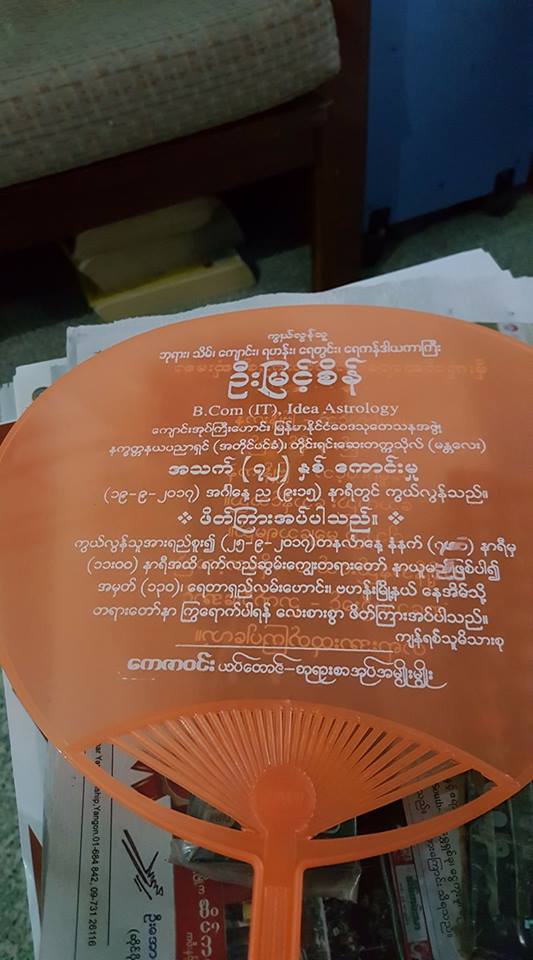
Principal of BARB (Burma Astro Research Bureau). He requested me to write programs for use in Veda. I supervised U Win Latt and U Zaw Tun to develop Veda programs.
Taught Medical Astrology at the School of Indigenous Medicine (Taing Yin Saya Pyinnya) in Mandalay.
He later founded “Idea Astrology”.
He is now GBNF.
Myint Sein (M69)
Badminton 1Badminton 2
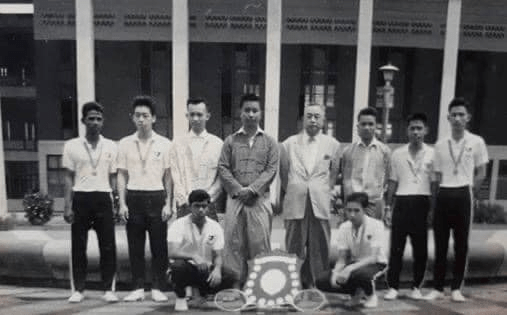
He represented RIT in Badminton.
He is an organizer of 69er Health Care Fund.
He is now GBNF.
Myint Sein (M69) — RIT Badminton; 69er Health Care Fund