During our school days we had to learn World History (Feudal system, Renaissance, …) and Burmese History (called “Yazawin”and renamed as “Thamaing”).
Later, after hearing from the Thin sayas, Myin sayas, and Kyar sayas, I became interested in some aspects of history :
- History of computers and computing
- History of Myanmar Engineering Education
- “Truth or fiction?” about historical events
- …
The British annexed Burma in three phases :
- Rakhine (Arakan) and Tennasserim (Taninthayee)
after the first Anglo-Burmese war - Lower Burma
after the second Anglo-Burmese war - Upper Burma
after the third Anglo-Burmese war
For some time, the British Governors would base their office in India and rule both India and Burma.
ICS (Indian Civil Service) examinations were held in India and UK.
BCS (Burma Civil Service) succeeded ICS.
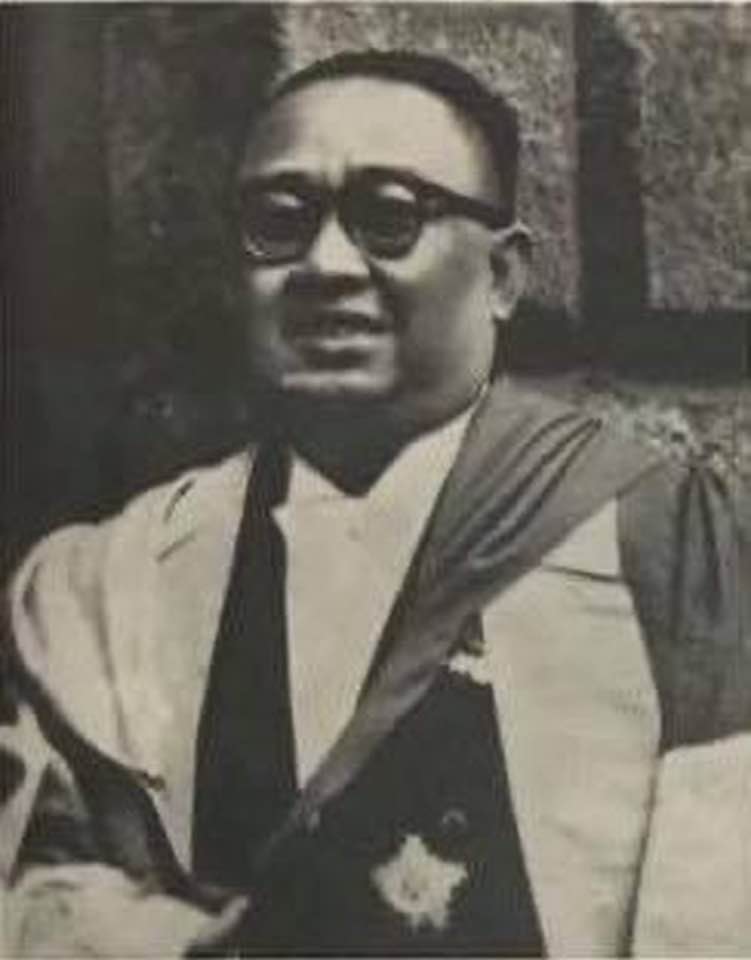
Formal history of Burma has been written by British scholars (e.g. Harvey, Luce) and later by native scholars (e.g. Dr. Kyaw Thet, Bohmu Ba Shin, Dr. Than Tun).
Informal accounts of Burma can be found in the works by Indians (e.g. Tagore), British (e.g. Maurice Collis, George Orwell) and Burmese (e.g. Dr. Htin Aung, U Po Kyar).
The conventional wisdom is that our neighbors entered the country in three phases.
Burmese archeologists and geologists found ancient sites and quite old fossils and bones to indicate that there were early inhabitants, but they could not completely counter the “migration theory” proposed by the British historians.
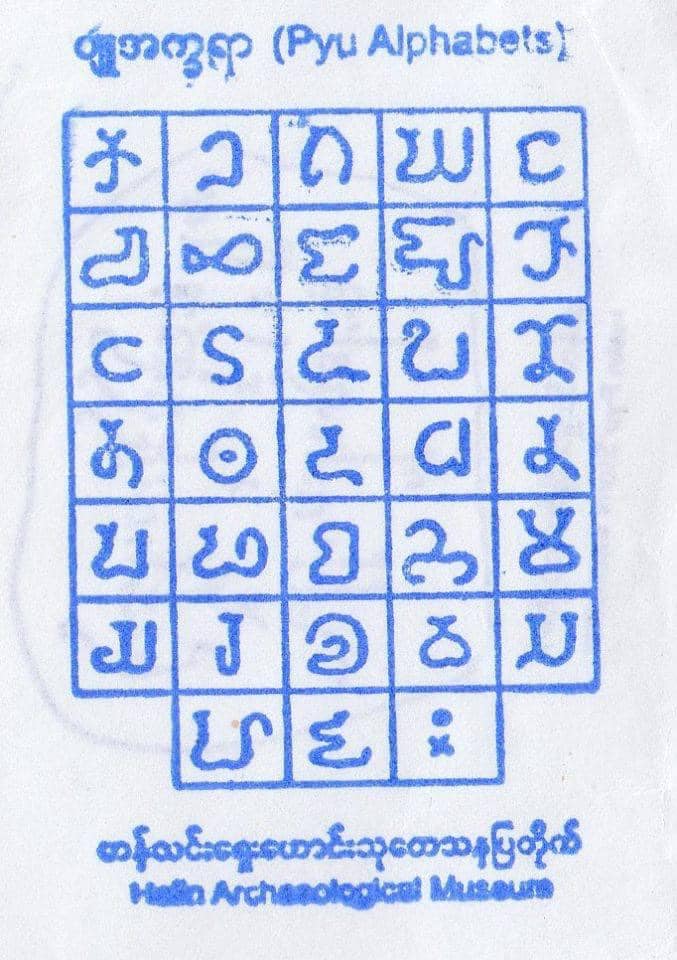
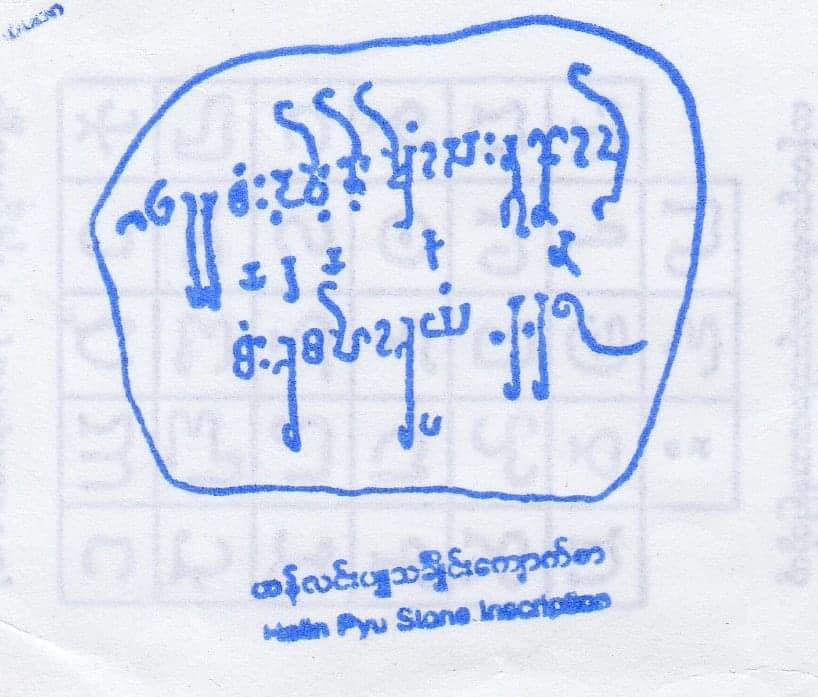
Pyu is an ancient civilization, and some Pyu sites are named as UNESCO Cultural Heritage Sites.
Some sayings
- History repeats itself.
- We should learn history so that we may not be stupid or dumb.
- There is usually no single correct history.
Often there are parallel, competing histories. - “Pazat Yazawin” and “theories” should be evaluated with the help of kyauk sar (stone inscriptions) …
- Even in the peer-to-peer refereed papers, there are discrepancies and [unintentional] errors.
- National Archive, Burmese History Commission, and Burma Research Society used to hold artifacts about Burmese History.

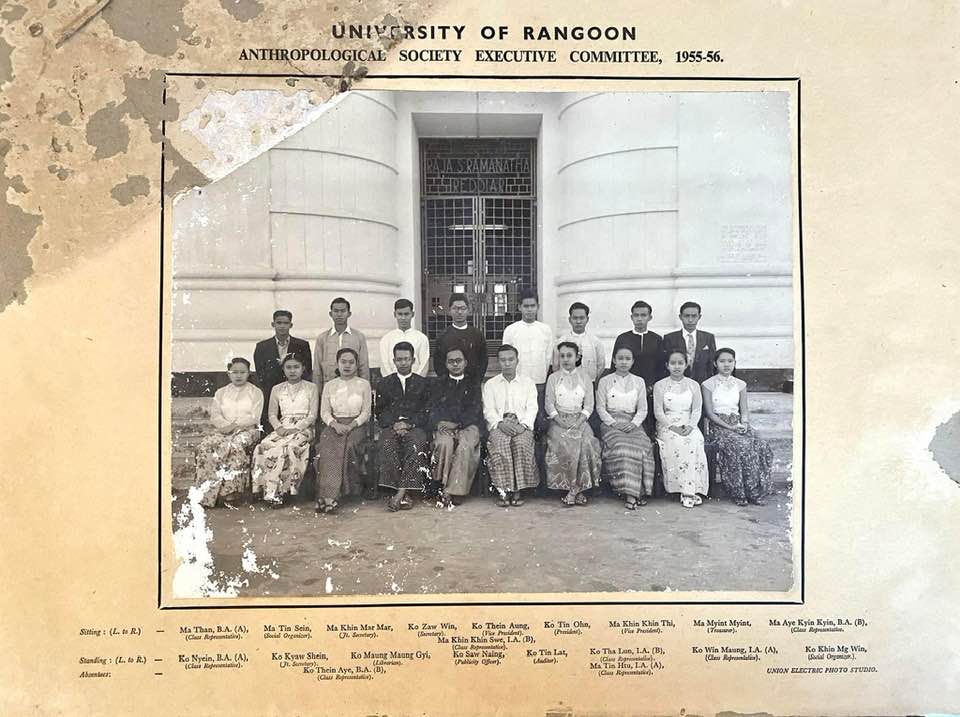

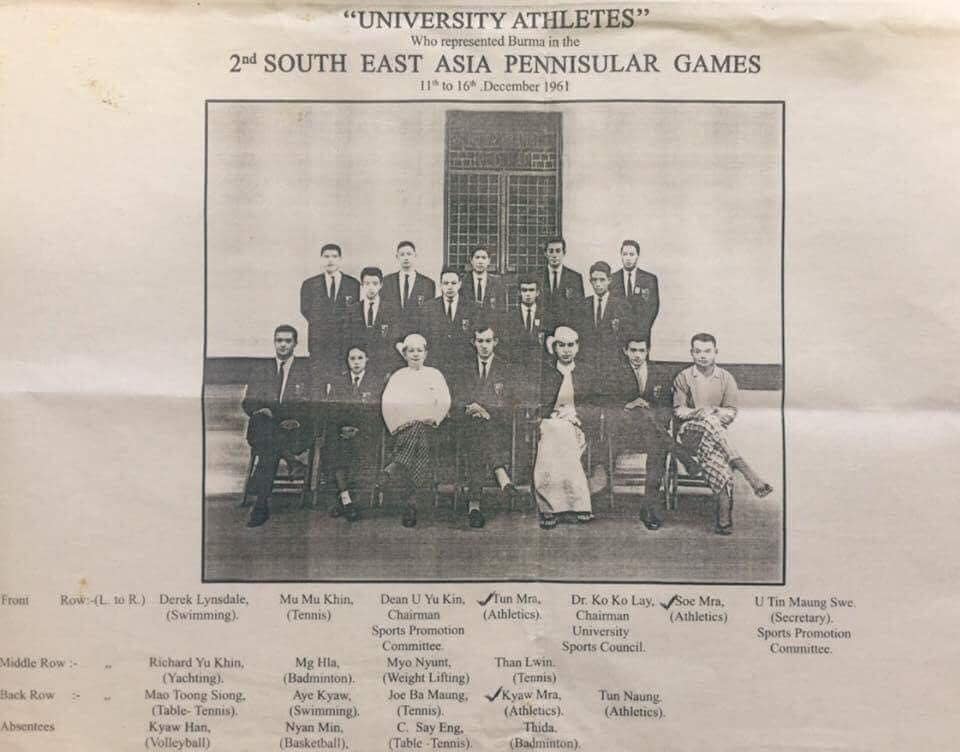



 HlaMin