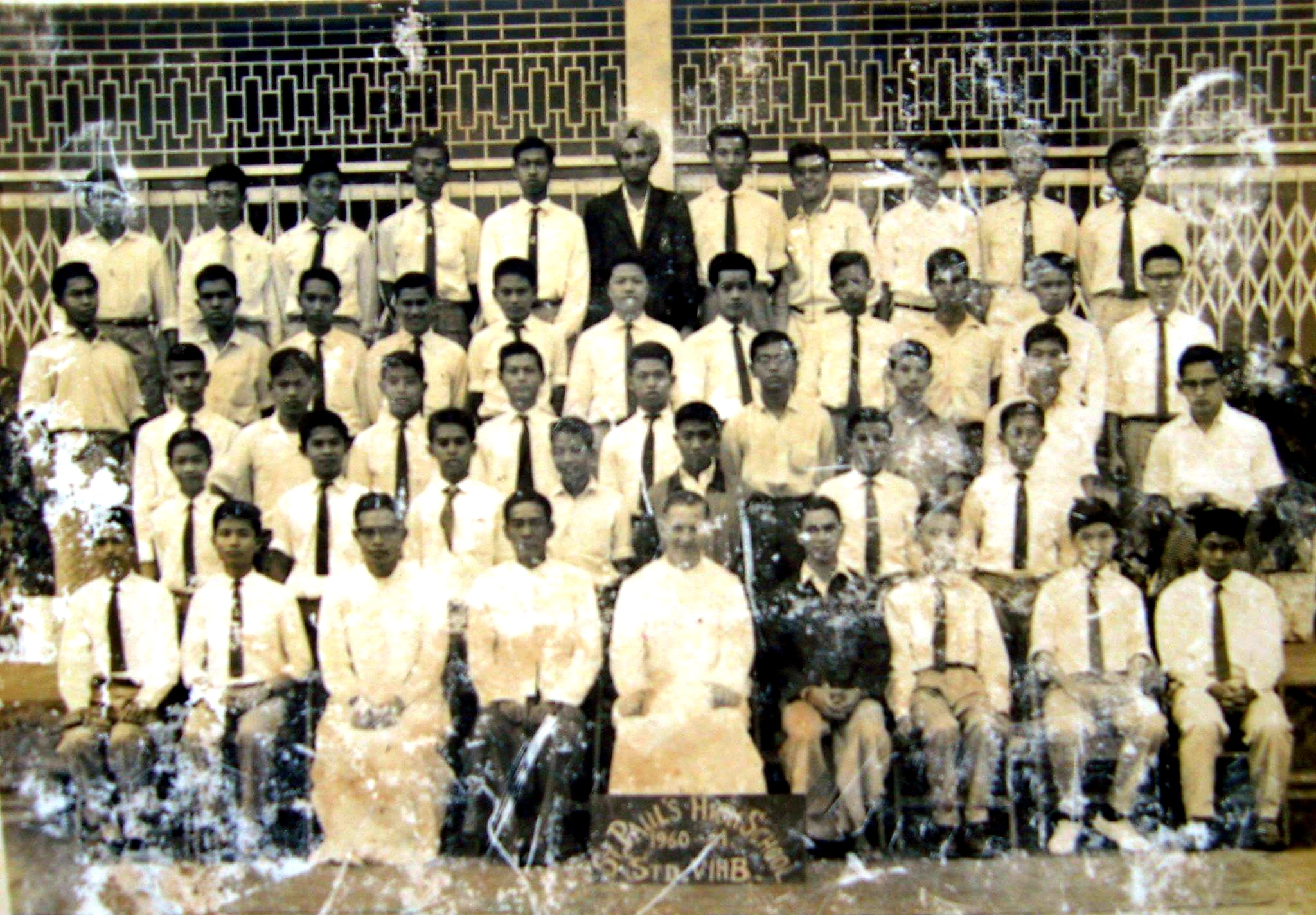
Centennial Celebrations at Aung San Stadium in 1960
Nationalized in 1965
Sesqui Centennial in 2010
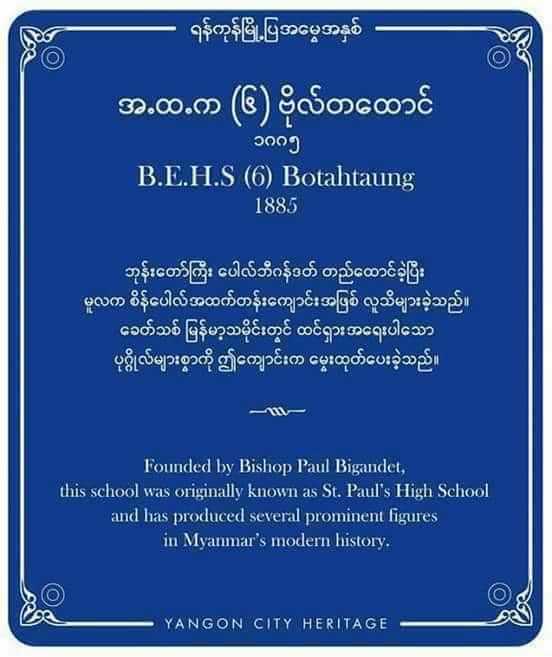
Blue Plaque — Yangon City Heritage Site
St. Paul’s Museum
SPHS 1SPHS 2SPHS Badge SPHS Coat PlaqueSPHS Roll of Honor
Staff
Bro Director
Bro Sub-director
Brothers
Class and/or Subject Teachers
KG
Primary School
Middle School
High School
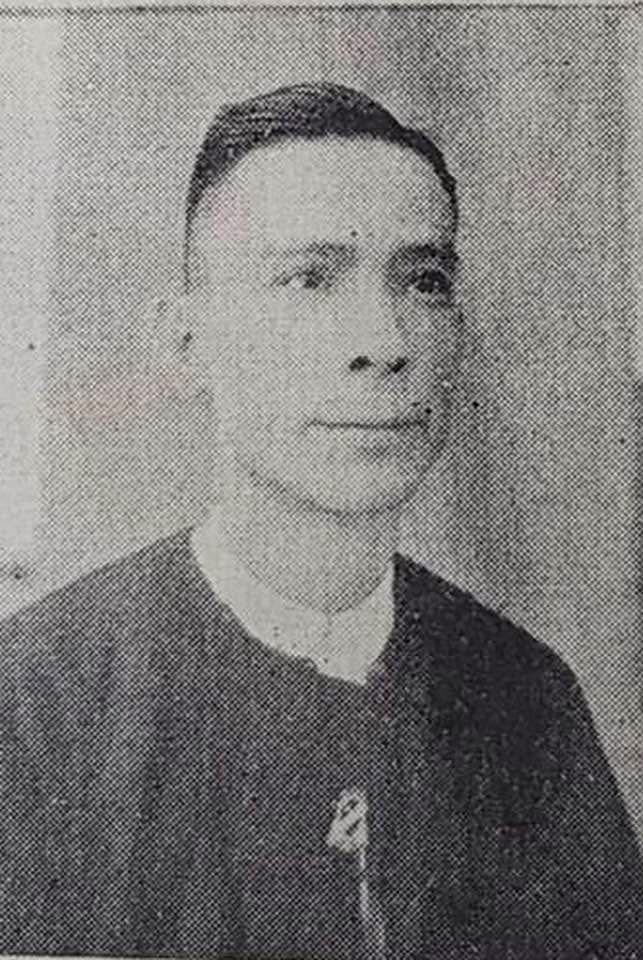
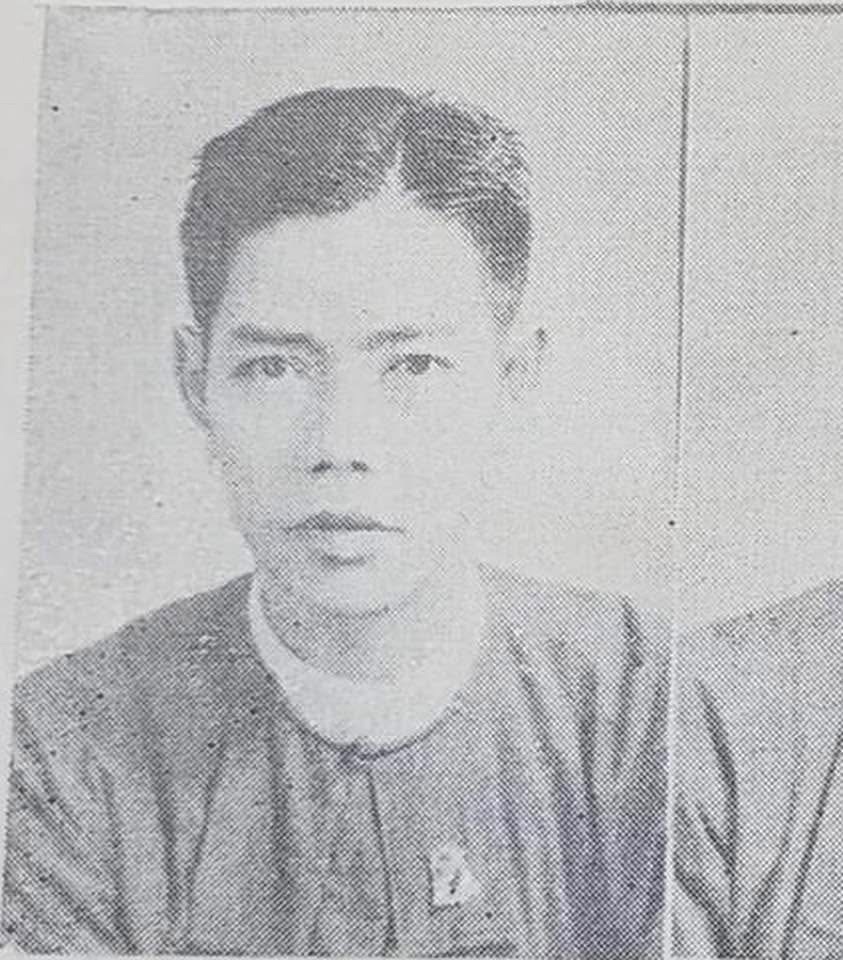
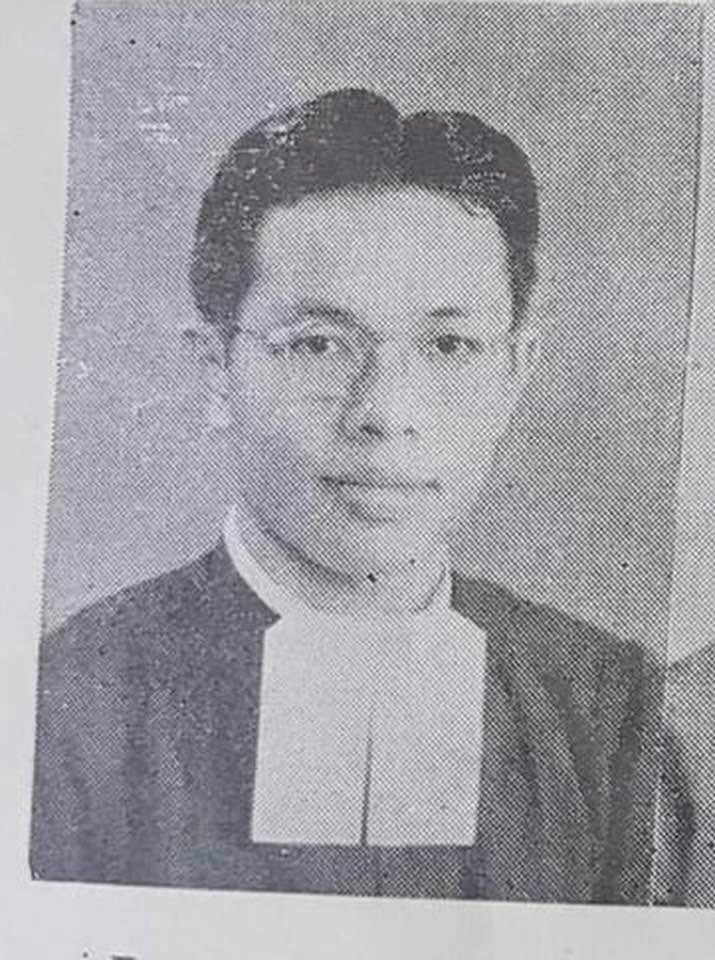
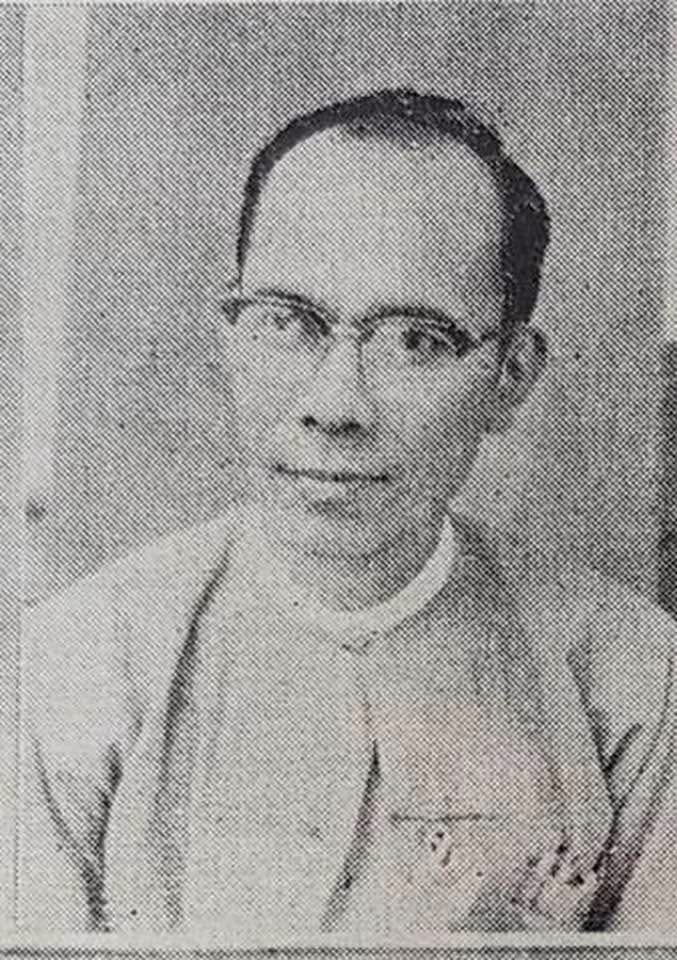
SPHS Sayas and SayamasBro Hubert, Bro Urban & Sayas Saya Beatson Bro Henry PeterSaya TimsSaya George Chapman Saya U San TheinSaya U Nyunt Maung Saya U Nge Saya U AyeBro AnthonySaya U Kyaw OoSaya Cecil D’CruzSaya U Pe TinSaya Johnny MyoSaya U Htay Myint Saya U Kyaw SeinSaya U Htwe
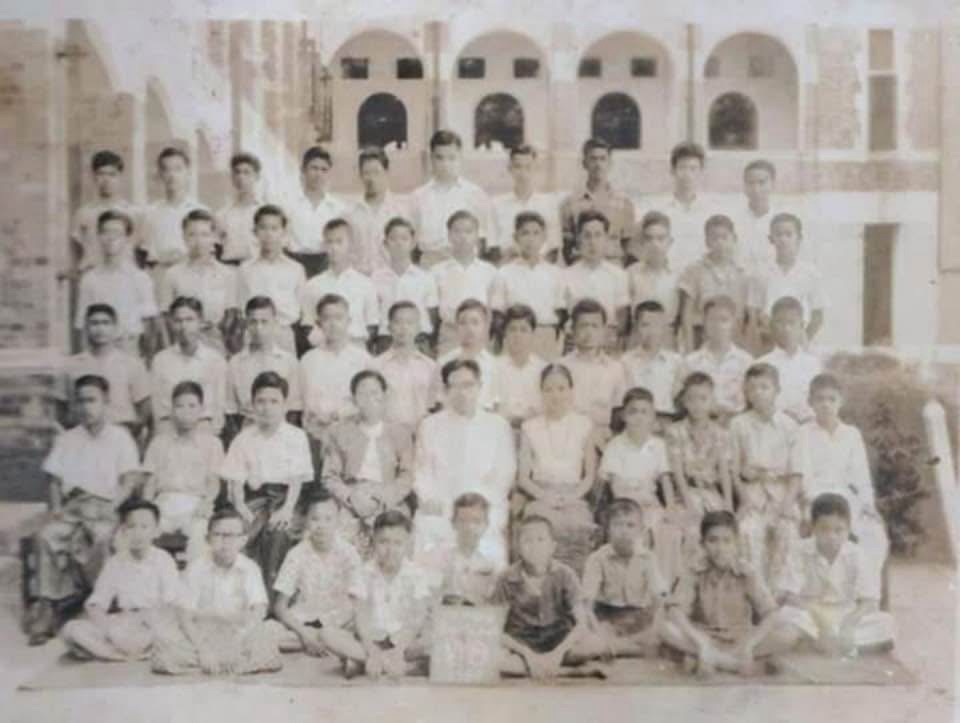
Some Classes
19541959196019631965
Gone But Not Forgotten
SPHS63
Allan Saw Mg / Khin Mg Bo (EP69)
Aung Khin — DSA
Aung Kyi / Arthur
Dr. Aung Thwin / Alfred — OG
Uzin Aung Chaw / Victor (C69)
Aung Thu Yein / Brownie (EC69) — 13th in Burma
Aye Ngwe / Edwin
Edwin David — St. Mary’s Cathedral
Dr. Freddie Ba San / Myo San — Surgeon, 3rd in Burma
Dr. Freddie Sein
Gilbert Thaw / Min Thaw (EP)
Uzin Patrick Ba Maung
Dr. Maung Maung Aye
Maung Maung Kyi — ChE (Pulp & Paper) from Dresden; 11th in Burma
Shwe Zan Aung — OTS; Seafarer
Sydney Khant
Tin Tun (M69) — Naval Architect
Willie Soe Maung / Myint Soe — BDS 1st Batch
Other Classes
Allan Khoo / Than Win (54)
Alfred Saw Maung / Khin Maung Maung (64)
Arthur Lwin / Myo Min (55)
Aung Kyi Gwan (58?)
Aung Myint (64)
Eddie Khoo / Kyi Win (57)
Han Kyu Pe (64)
Han Shein / Hla Moe (56)
Han Tun Maung (61)
Henry Saw Naing (60)
Hla Min / Tommy Aung (64)
Htay Lwin Nyo (68)
Khin Maung Aye (6x)
Khin Maung Htun (58)
Khin Maung Lay (6x)
Ko Ko Lay (56)
Kyaw Phone Myint / Victor (64)
Kyaw Sein Hla (65)
Kyi Swan (58)
L Shark Moon (60)
Maung Maung Gyi (64)
Maung Maung Khant (67)
Maung Maung Myint Kyaw (65)
Maung Maung Thaung (6x)
Mya Maung (5x)
Myint Sein (64)
Myint Soe (62)
Myint Thein (62)
Myint Thin (65)
Nyunt Tin (52)
Oo Thwin / Michael (54)
Pauk Si / L T Gwan / Hla Min (64)
San Maung / Gerald (54)
Sein Tin (5x)
Soe Nyunt (6x)
Sonny Yone Sein (6x)
Than Toe (60)
Thet Tun (58)
Win Paing / U Wara (64)
Yi Thway / Edwin (65)
Some Classmates
Kyaw Wynn
Birthday
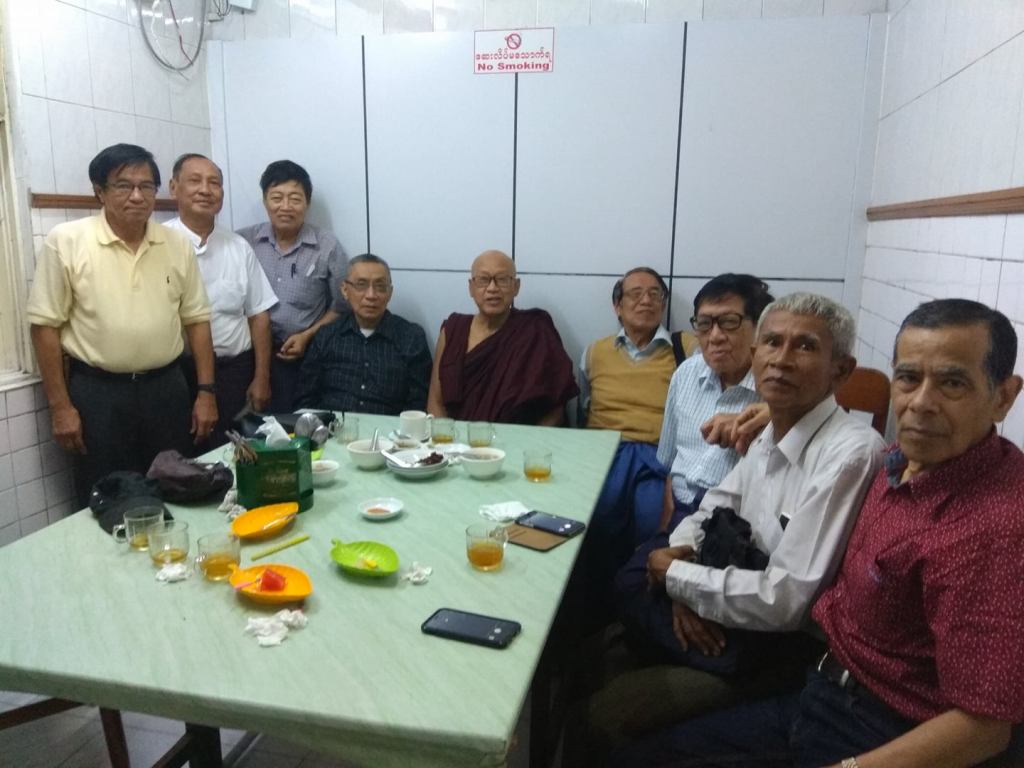
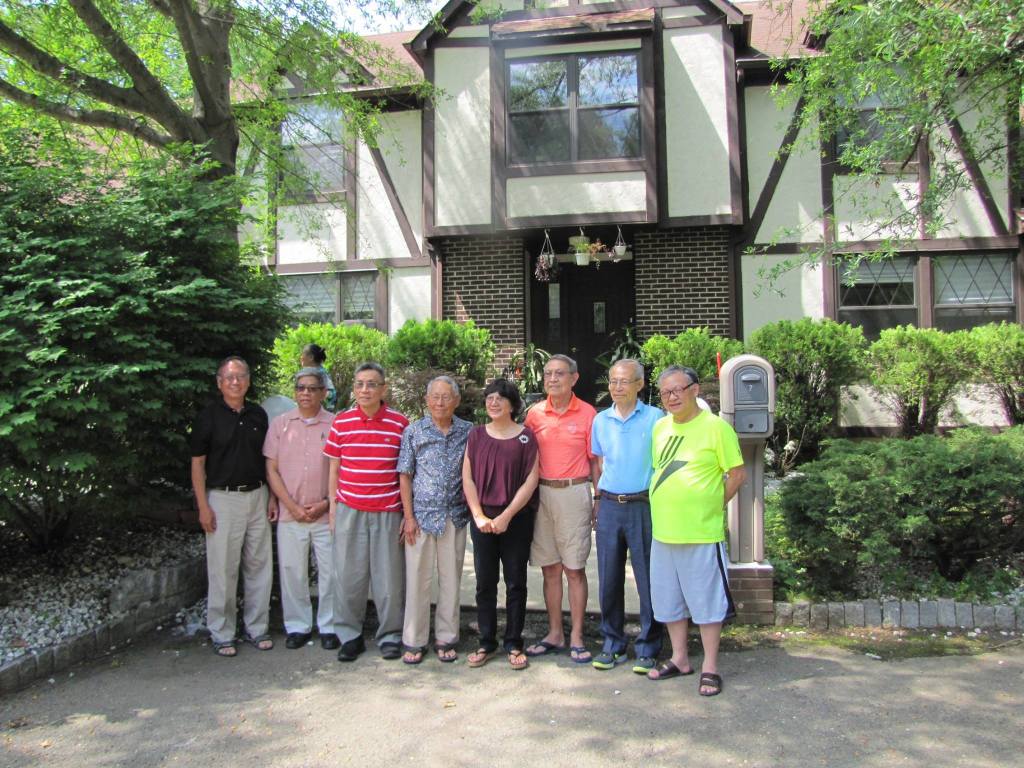
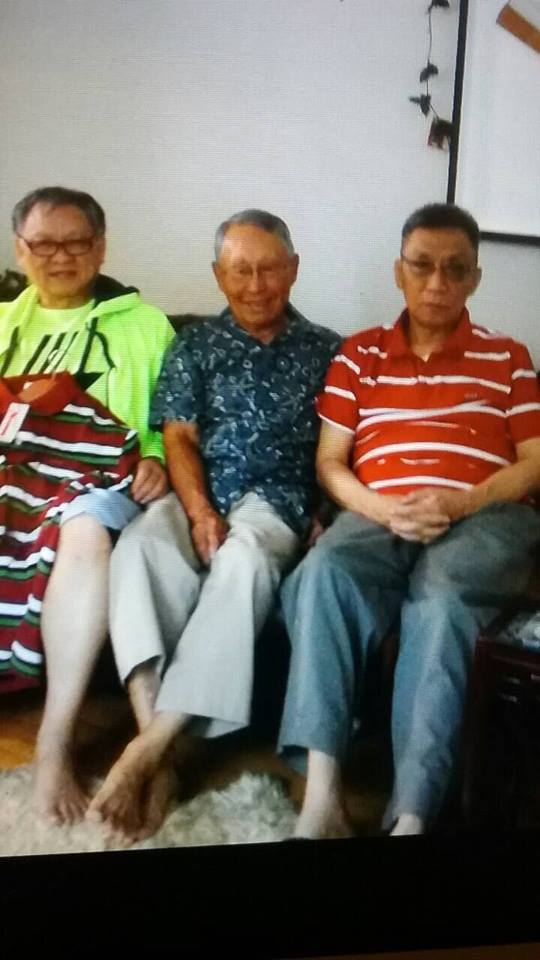
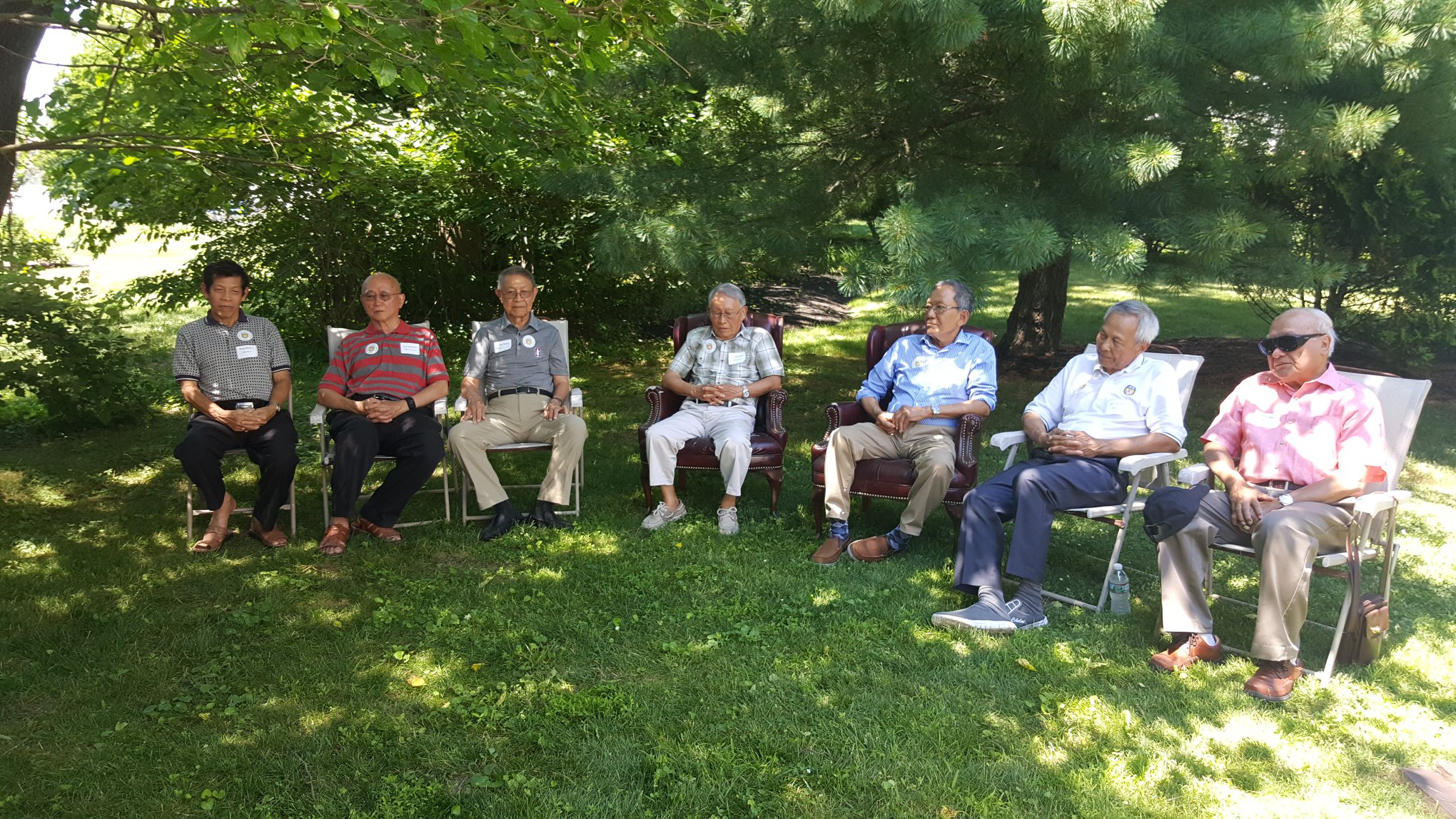
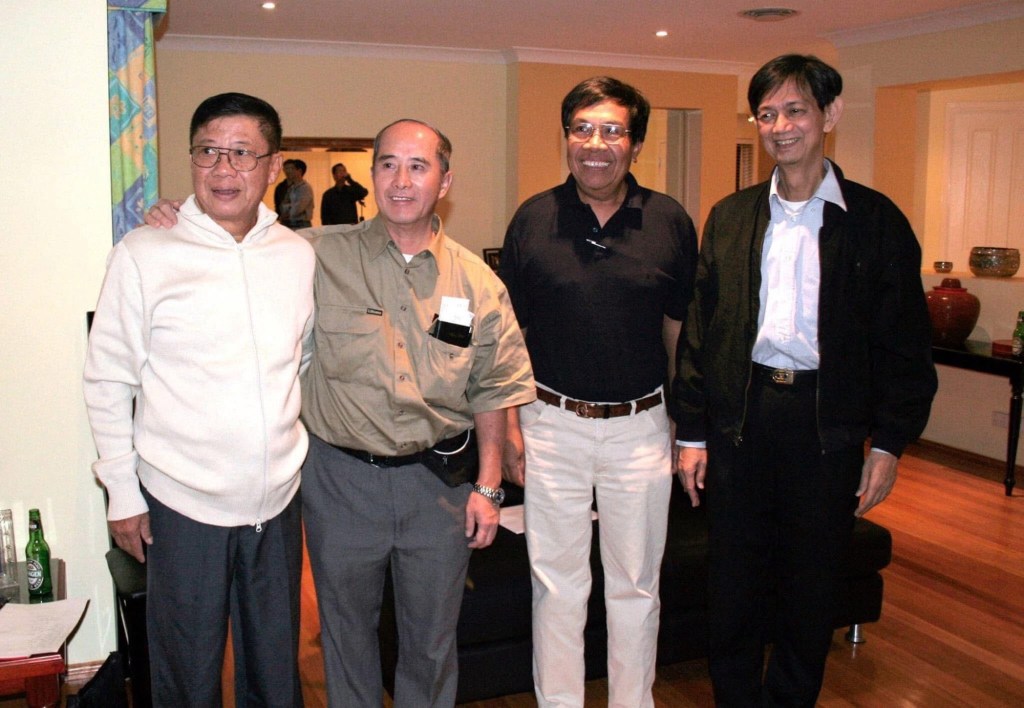
He offered birthday soon kyway to Uzin Okkantha (Victor, Aung Chaw) and treated his former classmates (some of whom have not seen each other for a long time). The attendees include :
Aye Ngwe (Edwin)
Kyaw Win (“Birthday Boy”)
Khin Maung Bo (Alan, EP69)
Hla Min (EC69)
Uzin Okkantha (Aung Chaw, Victor, C69)
Than Win (M69)
Aung Kyi (Arthur)
Tin Tun (M69)
Khin Maung Zaw (Frank Gale, IM1 70, UK)
SPHS Novice Crew at RUBC
Maung Maung Kyi (Bow, GBNF)
Hla Min (No. 2)
Kyaw Win (No. 3, EE)
Willie Soe Mg (Stroke, GBNF)
Myint Thein (Cox, SPHS 62, B.Com 66, GBNF)
We were all awarded Full Green.
When the schools were closed following the first Anniversary of 7th July, Kyaw Win and Maung Maung Kyi applied for scholarships to study in Germany.
Maung Maung Kyi received Dip Ing in ChE. He worked at Sittaung Paper Mill and PPIC before moving to Wales, UK.
Kyaw Win had a higher calling. He and his friends protested in front of the Burmese Embassy. The higher authorities were alarmed at their movement and recalled back to Burma. Fortunately, he was able to complete his EE in Rangoon.
He offered birthday soon kyway to Uzin Okkantha (Victor, Aung Chaw) and treated his former SPHS63 classmates (some of whom have not seen each other for a long time). The attendees include :
Aye Ngwe (Edwin)
Kyaw Win (“Birthday Boy”)
Khin Maung Bo (Alan Saw Maung, EP69)
Hla Min (EC69)
Uzin Okkantha (Aung Chaw, Victor, C69)
Than Win (M69)
Aung Kyi (Arthur Kyi)
Tin Tun (M69)
Khin Maung Zaw (Frank Gale, IM1 70, UK)
SPHS Novice Crew at RUBC
Maung Maung Kyi (Bow)
Hla Min (No. 2)
Kyaw Win (No. 3, EE)
Willie Soe Mg (Stroke)
Myint Thein (Cox, SPHS 62, B.Com 66)
We were all awarded Full Green.
When the schools were closed following the first Anniversary of 7th July, Kyaw Win and Maung Maung Kyi applied for scholarships to study in Germany.
Maung Maung Kyi received Dip Ing in ChE with Specislization in Pulp and Paper. He worked at Sittaung Paper Mill and PPIC before moving to Wales, UK.
Kyaw Win had a higher calling. He and his friends protested in front of the Burmese Embassy. The higher authorities were alarmed at their movement and recalled back to Burma. Fortunately, he was able to complete his EE in Rangoon.
Maung Maung Kyi, Willie Soe Maung and Myint Thein are now GBNF.
Kamma is a Pali word meaning action or doing. In its general sense kamma means all good and bad intentional actions whether mental, verbal or physical (thoughts, words and deeds). In the Buddhist teachings, all physical (kãrya kamma), verbal (vacî kamma) and mental (mano kamma) actions are known as the three kammas. All beings perform these three kammas at all waking hours. All their work, great or small, is performed by means of these three kammas. These three kammas become inert when a person is asleep. In the case of a dead person, the three kammas cease to function as far as that body is concerned.
In its ultimate sense, kamma means all moral and immoral volition. The Buddha says: “O Bhikkhus, I declare that volition (cetanã) is kamma. Having volition, one acts by body, speech and thought” (Aînguttara Nikãya).
When any action of thought, word or body takes place, volition determines or causes its concomitants to perform their respective functions simultaneously. For this reason, volition is predominant in all actions. Involuntary, unintentional or unconscious actions, though technically deeds, do not constitute kamma, because volition, the most important factor in determining kamma, is absent. Thus, the real nature of action (kamma) of man is mental.
According to Abhidhammã, 29 types of consciousness (Citta) consisting of (i) 12 types of immoral consciousness (akusala citta) and (ii) 8 types of moral consciousness (kusala citta) from among the 54 types of mundane consciousness (kãmãvacara citta) pertaining to the sentient realm, (iii) 5 types of moral consciousness (kusala citta) pertaining to the realms of form (rüpãvacara citta or jhãnas), and (iv) 4 types of moral consciousness (kusala citta) pertaining to the formless realms (arüpãvacara citta or jhãnas), are called kamma because they have the power to produce their due effects quite automatically, independent of any external agency.
The eight types of supramundane consciousness (lokuttarã citta) are not regarded as kamma because they tend to eradicate the roots of kamma; in them, the predominant factor is wisdom (paññã) while in the mundane, it is volition (cetanã).
Inherent in kamma is the potential of producing its due effect.
Every volitional action is inevitably accompanied by its due effect just as every object is accompanied by its shadow. Kamma is action and vipãka, fruit or result, is its effect. If kamma is likened to a seed, then the fruit, arising from the tree, is vipãka, effect or result. As kamma may be good or bad, so may vipãka be good or bad. As kamma is mental, so vipãka, too, is mental; it is experienced as happiness or misery, according to the nature of the kamma seed. The concomitant material conditions may be advantageous (ãnisamsa) such as prosperity, health and longevity, or disadvantageous (ãdinava) such as poverty, ugliness, disease, short life-span, etc.
As surely as water seeks its own level, so does kamma, given opportunity, produce its inevitable result not as reward or punishment, but as an innate sequence. From a Buddhist standpoint, happiness and misery are not rewards and punishments assigned by a supernatural, omniscient power to one that has done good or evil. The sequence of action and effect is a natural law of kamma.
There are inequalities and many different destinies of human beings in the world. For example, one perishes in infancy and another lives to the age of eighty or more, one is sick and infirm and another healthy and strong, one is a millionaire and another a pauper, one is handsome and another ugly, one is brought up in luxury and another in misery, one is a genius and another a half-wit.
What is the cause of these inequalities? The Buddha’s reply is: “All living beings have actions (kamma) as their own, their inheritance, their congenital cause, their kinsman, their refuge. It is kamma that differentiates beings into low and high states” (Majjhima Nikãya).
According to Buddhism, the disparities that exist in the world are not due to blind chance. They are due, to some extent, to heredity and environment, and, to a greater extent, to kamma which includes not only the present kamma, but also the proximate or remote past kamma. While Buddhism teaches that kamma is the chief cause of inequalities in the world, it does not teach fatalism or the doctrine of pre-destination.
In the Aînguttara Nikãya, the Buddha states: “If anyone says that one must reap according to his deeds, in that case there is no religious life nor is an opportunity afforded for the entire extinction of sorrow. But if anyone says that which one reaps accords with one’s deeds, in that case there is a religious life and an opportunity afforded for the entire extinction of sorrow.”
Thus, Buddhism does not hold the view that everything is due to past kamma. Kamma is not fate. Kamma is not irrevocable destiny imposed upon us by some unknown power to which we must helplessly submit ourselves. The past influences the present but does not entirely control it, for kamma of the past as well as the present are in effect in the present. The past and present influence the future. One’s action (kamma) of a later day may modify the effects of one’s action (kamma) of a former day.
One may at any moment change for the better or for the worse. In Buddhism, therefore, man has a certain amount of free will, and there is almost every possibility to mould one’s kamma. If this were not so, what possibility would there ever be of a man’s getting free from all kamma forever. It would be perpetually self-continuing energy that could never come to an end.
What is the cause of kamma? Ignorance (avijjã), not knowing things as they truly are, is the chief cause of kamma. Dependent on ignorance arise kammic activities. Associated with ignorance is its ally, craving (tanhã), the other root cause of kamma. Evil actions are conditioned by these two causes. All good deeds of a worldling, though associated with the three wholesome roots of generosity (alobha), goodwill (adosa) and knowledge (amoha), are nevertheless regarded as kamma because the two roots of ignorance (avijjã) and craving (tanhã) are dormant in him.
Who is the doer of kamma? Who experiences the effects? Volition (cetanã) is itself the doer. Feeling (vedanã) is itself the reaper of the fruits of action. Apart from these pure mental states there is none to sow and none to reap.
Venerable Buddhaghosa writes in Visuddhimagga: “No doer is there who does the deed, Nor is there one who feels the fruit, Constituent parts alone roll on, This indeed is right discernment.”
Where is kamma? Kamma is not stored anywhere within or without the body. It is not stored somewhere in this fleeting consciousness or in any other part of the mind or the body. But dependent on mind and matter kamma rests, manifesting itself at the opportune moment. Thus, kamma is an individual force, and is transmitted from one existence to another.
Buddhism teaches that there is no permanent soul, no eternal, immortal soul that directs one’s action. So, if there is no soul, what is it that is reborn? The answer is kammic energy: the actions we have done. These actions do not disappear unless or until they have produced their effects. So each being has body and mind as a result of actions they did in the past or in the present, and thus this kammic action goes on and on.
Kamma may be classified in many ways. Kamma is classified into four kinds according to the time at which results are produced: 1. kamma that produces results in the same life-time (Ditthadhammavedaniya kamma); 2. kamma that produces results in the next life (Upapajjavedaniya kamma); 3. kamma that produces results in any one (or more) of successive births and is indefintely effective (Aparãpariyavedaniya kamma); (These first three types require auxiliary causes such as circumstances, surroundings, etc., to produce an effect.) 4. and, kamma that does not produce any result (Ahosi kamma).
The timing of the results of kamma depends upon which thought-moment is associated with the thought-processes (cittavîthi) of volition (cetanã). According to Abhidhammã one thought-process is completed at the expiration of seventeen thought-moments, consisting of seven initial thought-moments followed by seven javana states (at which point an action is judged whether it be moral or immoral, and kamma is performed) and subsequently by votthapana (determining consciousness) and two Tadãlambana (registering consciousness).
Of the seven javana thought-moments, the effect of the first javana thought-moment is the weakest in potentiality, and is manifested in this life (Ditthadhammavedaniya kamma). If it does not operate in this life, it becomes ineffective (Ahosi kamma).
The next weakest is the seventh javana thought-moment; its effect is reaped in the subsequent birth (Upapajjavedaniya kamma). This, too, becomes ineffective (Ahosi kamma) if it does not operate in the next rebirth.
The effect of the five intermediate javana thought-moments (Aparãpariyavedaniya kamma) may take place at any time in the course of one’s wanderings in life continua (Samsãrã) until the final emancipation. No person – not even the Buddha and Arahants – is exempt from this kamma.
Kamma is also classified into four kinds according to its particular function (kicca): 1. Janaka (Reproductive) kamma which conditions the next rebirth; 2. Upatthambhaka (Supportive) kamma which assists or maintains the results of already-existing kamma; 3. Upapilaka (Counteractive) kamma which suppresses or modifies the result of the reproductive kamma; and 4. Upaghãtaka (Destructive) kamma which destroys the force of existing kamma and substitutes its own resultants.
Again, it is the last (seventh) javana thought-process – Janaka (Reproductive) kamma – that determines the state of a person in his/her subsequent birth. As a rule, the last javana thought-process depends on the general conduct of a person. In exceptional cases, perhaps due to favorable or unfavorable circumstances, at the moment of death a good person may experience a bad last javana thought and a bad person a good one. The subsequent birth will be determined by this last javana thought-process, irrespective of the general conduct. This does not mean that the effects of the past actions are obliterated. They will, in turn, produce their inevitable results at the appropriate moment.
o assist and maintain or to weaken and obstruct the fruition of this reproductive (Janaka) kamma, another past kamma may intervene, being supportive (Upatthambhaka kamma) or counteractive (Upapilaka kamma), respectively.
The reproductive (Janaka) kamma can be totally annulled by Upaghãtaka (Destructive) kamma which is a more powerful opposing past kamma, that, seeking an opportunity, may quite unexpectedly operate; it is more powerful than the above two in that it not only obstructs but also destroys the whole force of existing kamma.
There is another classification of kamma according to the priority of effect: 1. Garuka (Weighty or serious) kamma which produces its effects for certain in the present life or in the next (On the moral side, these weighty actions are the jhanas, while on the immoral side, they are heinous crimes (ãnantariya kamma) namely, matricide, parricide, the murder of an Arahant, the wounding of the Buddha, and the creation of a schism in the Sangha); 2. Ãsanna (death proximate) kamma which is the action that one does or recollects – mentally or physically – immediately before the moment of death and it determines the conditions of the next birth; 3. Ãcinna (habitual) kamma which is action that one performs and recollects constantly, and in the absence of death-proximate kamma, produces and determines the next birth; and 4. Katattã kamma which is the last in priority of results and is the unexpended kamma of a particular being that has followed him/her through the continua of kappas (Samsãrã), and it conditions the next birth if there is none of the above kammas to operate.
Kamma is further classified according to the place in which the results are produced: (1) Immoral (akusala) kamma that produces its effects in the plane of misery: Immoral (akusala) kamma is rooted in greed (Lobha), anger (Dosa) and delusion (Moha). There are ten immoral (akusala) actions (kamma): • killing (pãnãtipãtã), • stealing (adinnãdãnã), • sexual misconduct (kãmesu micchãcãrã) {these three are committed by deed}, • lying (musãvãdã), • slandering (pisunãvãcã), • harsh language (pharusãvãcã), • frivolous talk (samphappalãpa) {these four are committed by word}, • covetousness (abhijjhã), • ill will (vyãpãda), and • false view (micchãditthi) {these three are committed by mind}. (2) Moral (kusala) kamma which produces its effects in the plane of the world of desires: There are ten moral (kusala) actions (kamma): • alms-giving (dãna), • observance of five or eight precepts (sîla), • practicing meditation (bhãvanã), • reverence (apacãyana), • service (veyyãvacca), • sharing of merit (pattidãna), • rejoicing in others’ good actions (pattãnumodanã), • hearing the doctrine (dhammasavana), • expounding the doctrine (dhammadesanã), • and, forming correct views (ditthijukamma). (3) Moral (kusala) kamma that produces its effects in the realms of form (Rupa): It is of five types, which are purely mental actions (meditation) leading to the five states of rüpa jhãna. (4) Moral (kusala) kamma which produces its effect in the formless realms: These are four types of purely mental actions (meditation) leading to four types of moral consciousness (arüpa jhãna).
Kammasakatã Sammã-ditthi: Right understanding of the truth about the fact that in the case of beings only the two things – namely, good and bad actions done by them – are their own possessions that always accompany them throughout their life continua, wherever they may wander in Samsãrã.
1. Sabbe sattã kammasakã: Only the volitional good or bad actions done by all sentient beings are their own possessions that always accompany them wherever they may wander in Samsãrã.
2. Sabbe sattã Kamma dãyãdã: All beings are the heirs of their own kamma (good or bad actions). The kamma performed by beings are always theirs in their future existences. Only Kamma is inherited by beings. The effects of one’s kamma always accompany one in many existences yielding good or bad results at the opportune moments. One can never get rid of that kamma, but one has to enjoy or suffer its results under appropriate circumstances.
3. Sabbe sattã Kamma yoni: All beings are the descendants of their own kamma. With regard to the present good and evil results, one’s own kamma performed in the present existence with wisdom and knowledge or otherwise as well as one’s own wholesome kamma such as alms-giving, morality, etc., and unwholesome kamma such as killing beings, etc., performed in past existences are the primary causes (parents) of good and evil results.
4. Sabbe sattã Kamma bandhü: Kamma alone is the real relative that all beings can rely on through their life continua in Samsãrã. Parents, brothers, relatives, etc, whom we love and rely upon, can be loved and relied upon for only a short period, i.e., before our death. One’s own physical, verbal and mental kamma are one’s constant companions who accompany one in future existences, wholesome kamma giving happiness and prosperity. Thus, one’s wholesome kamma alone is one’s real relative who should be esteemed and relied upon.
5. Sabbe sattã Kamma patisaranã: Kamma alone is the real refuge of all beings. Here, refuge means reliance upon or taking shelter for protection against troubles and dangers. Unwholesome kamma will lead one to be reborn to the lower world where one has to suffer grievously. Performing wholesome kamma will lead one to be reborn as a man or deva, and save him from the lower worlds in the future existences.
In Buddhism, there are four kinds of taking refuge for the future: (i) taking refuge in the Buddha, (ii) taking refuge in the Dhamma, (iii) taking refuge in the Sangha, and (iv) taking refuge in one’s own wholesome kamma.
This is explained by the following example. All worldlings who indulge in sensual pleasures resemble sick persons who, to be cured, would take refuge in the chief physician (the Buddha), in good medicines (the Dhamma), in the assistant physicians (the Sangha) and in following the physician’s directions (physical, verbal and mental wholesome kamma).
The three refuges, Buddha, Dhamma and Sangha, exist only during the Buddhasãsana. They do not exist outside the Buddhasãsana.
The refuge of wholesome kamma exists both within and outside the Buddhasãsana. We can never be free from kamma that is operating all the time in this universe as well as in other innumerable universes. For this reason, kamma is our refuge throughout our life-continua in Samsãrã.
6. Yam kammam karissanti kilayãnam vã pãpakam vã tassa kammassa dãyãdã bhavissanti: Whatever good or bad actions are done by beings bodily, verbally or mentally, they become the heirs of their kamma.
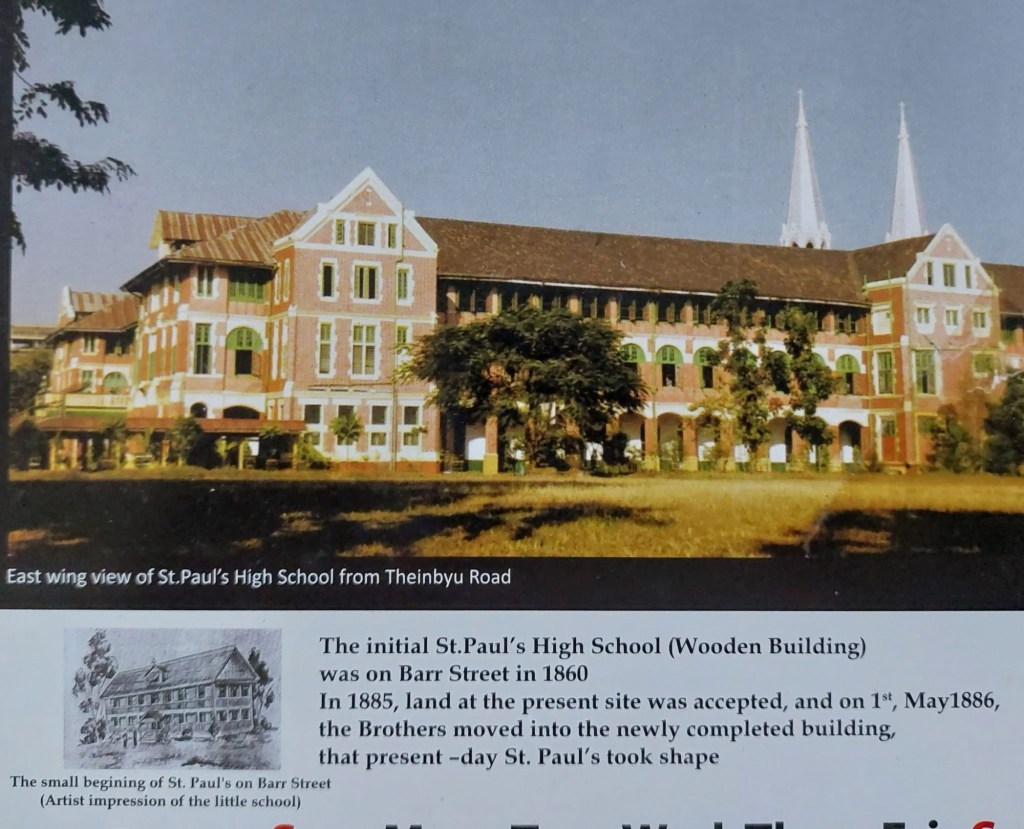
St. Paul’s High School, Rangoon is the Second De La Salle School.
SPHS ran from 1860 – 1965.
It was nationalized on April 1, 1965. Non-native Brothers had to leave Burma.
It was renamed No. 6 State High School, Botathaung.
စိန့်ပေါလ် အထက်တန်းကျောင်း
1860
De La Salle Brothers ရန်ကုန် မှာ ကျောင်းဖွင့် Opened St. Paul’s English High School in Rangoon.
1885
ကျောင်း ကို နေရာသစ် ပြောင်းရွှေ့ Moved the school to a new location
1960
* ရာပြည့် Centennial
1965
ပြည်သူပိုင်သိမ်း Nationalized on April 1st; Non-native Brothers left Burma
အမည် ပြောင်း — SHS(6) ဗိုလ်တထောင် Renamed as No. 6 Botathaung State High School
2010
နှစ် 150 ပြည့် Sesquicentennial
မှတ်တမ်း များ
SPHS Badge နဲ့ Motto
Badge
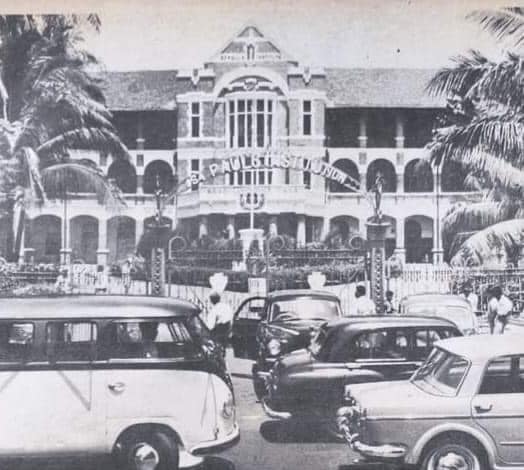
SPHS ရှေ့ ကျောင်းကြို ဖို့ စောင့်နေကြ
Cars waiting to pick up students
Yangon Heritage Society — Blue Plaque
Blue Plaque
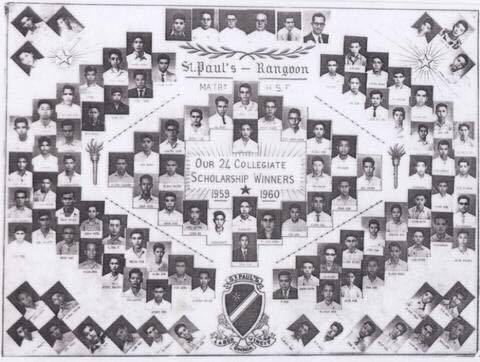
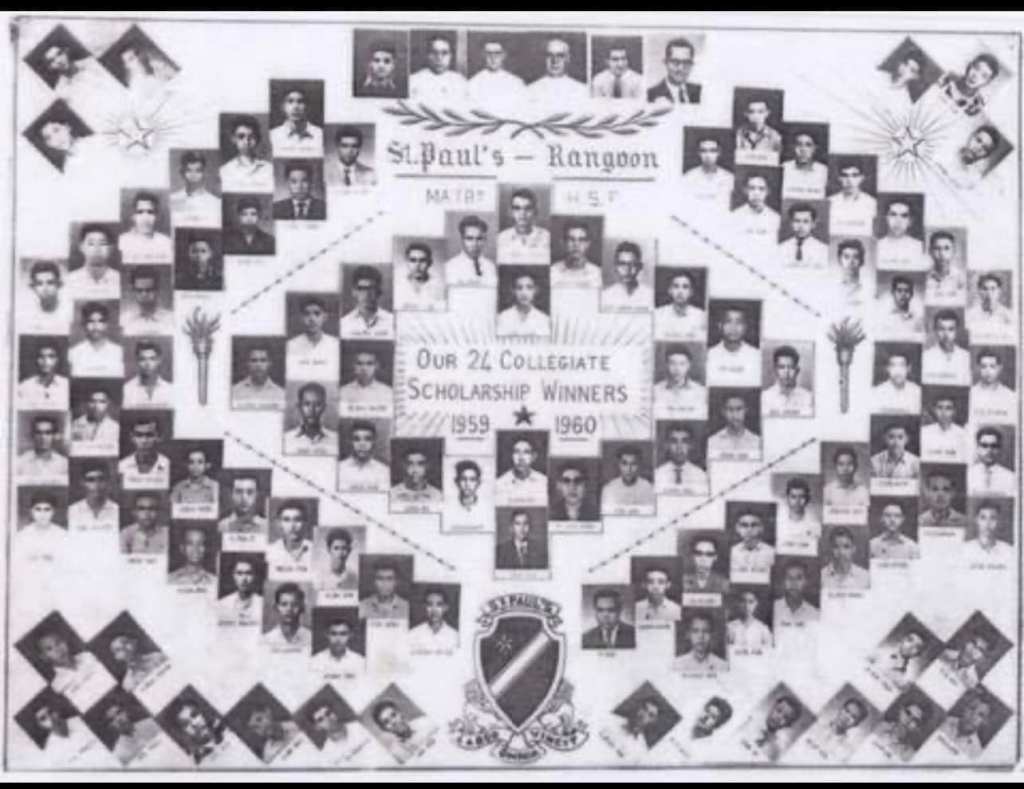
1959 Matriculates / Scholarship Winners
SPHS59
1960 Matriculates / Scholarship Winners
SPHS60
1951 – 1963 Top Matriculates Roll of Honor
Top Matriculates
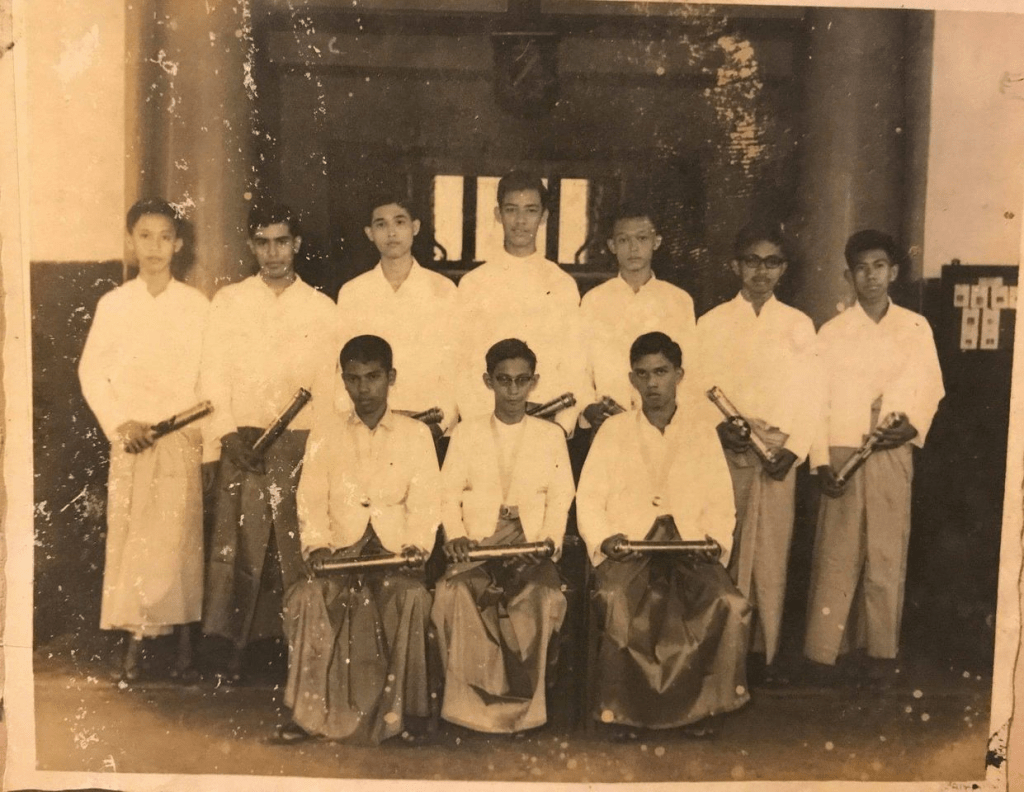
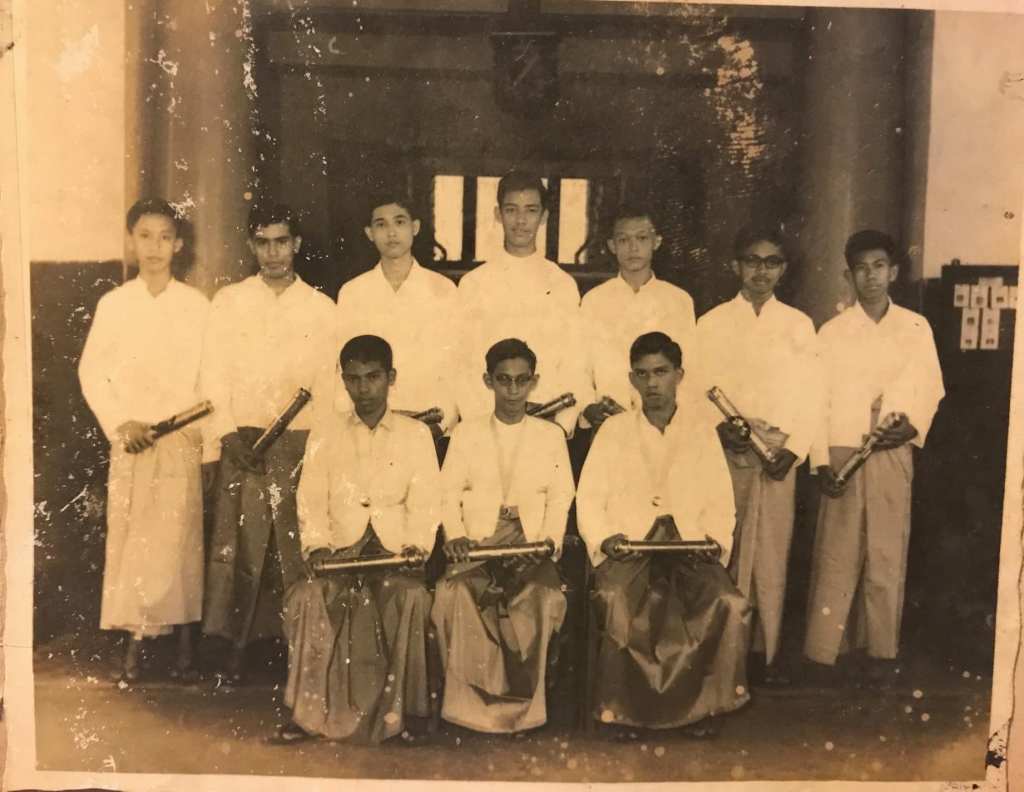
1963 Scholarship Winners
SPHS63
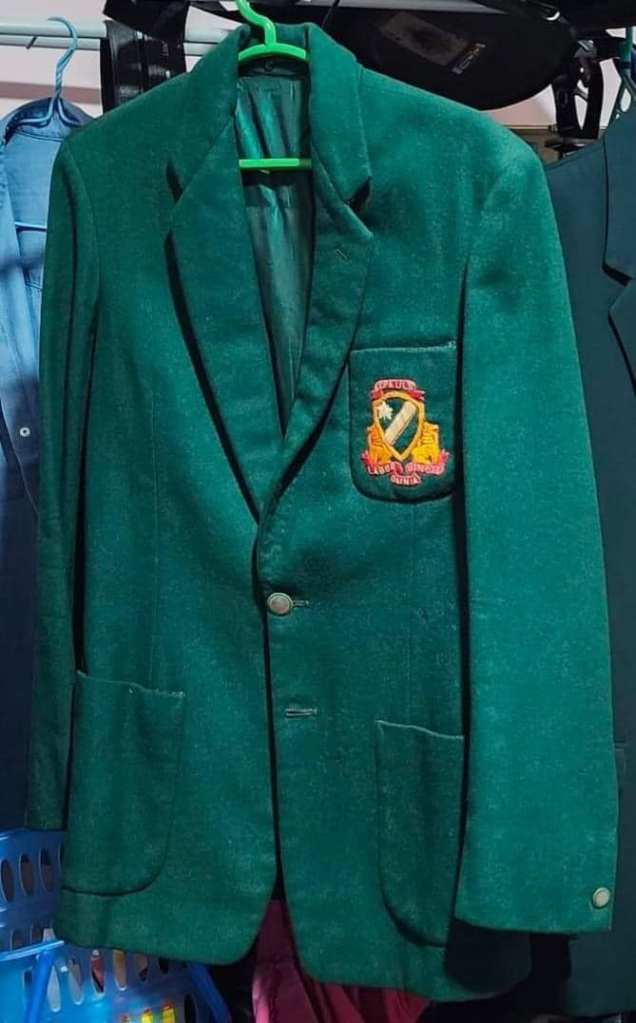
SPHS Blazer Coat & Badge
SPHS Blazer Coat & Badge
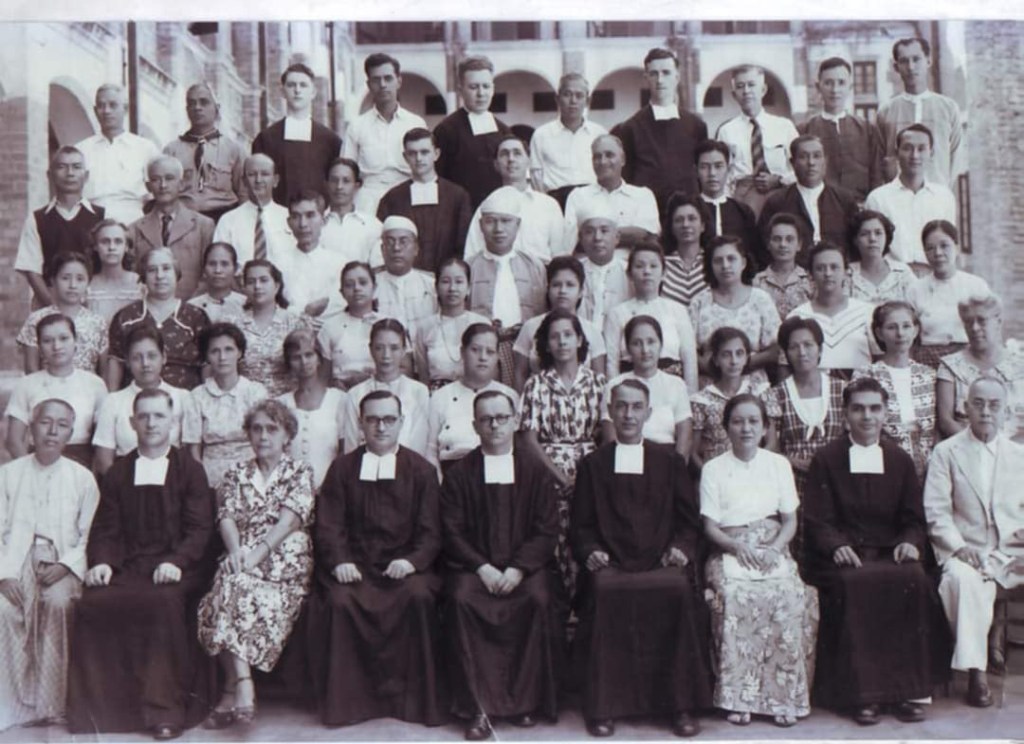
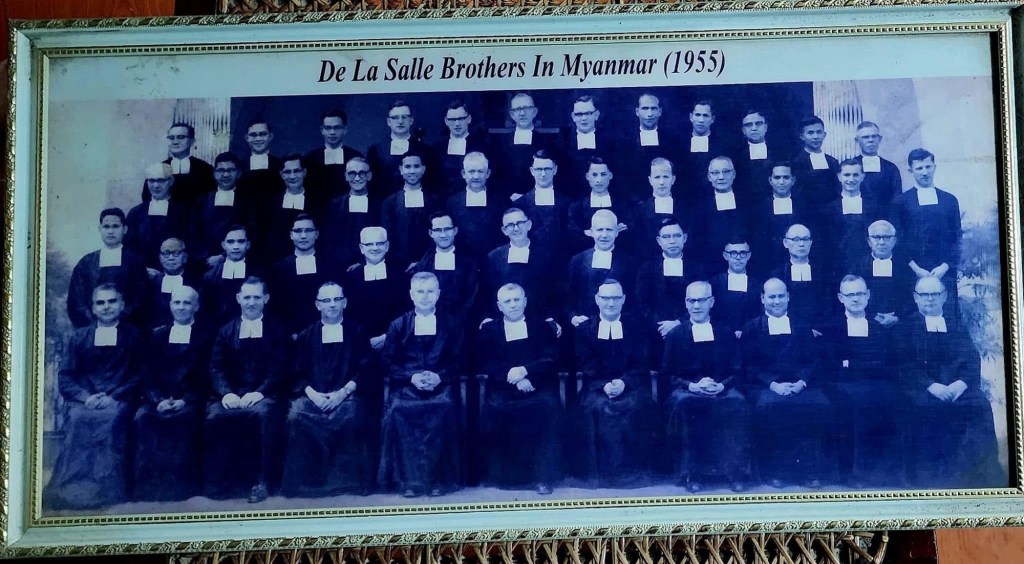
De La Salle Brothers
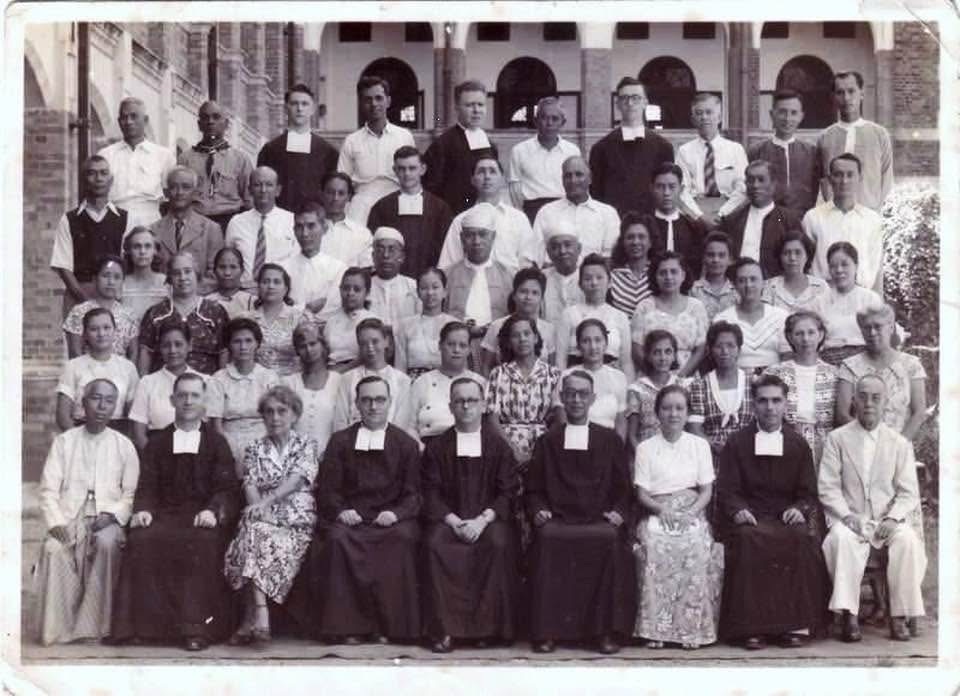
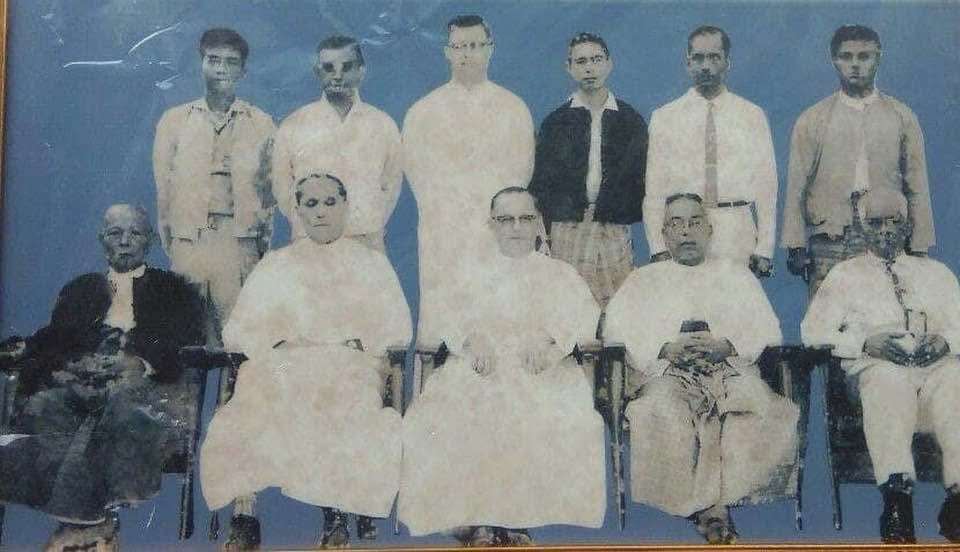
De La Salle Brothers in Burma (1955)
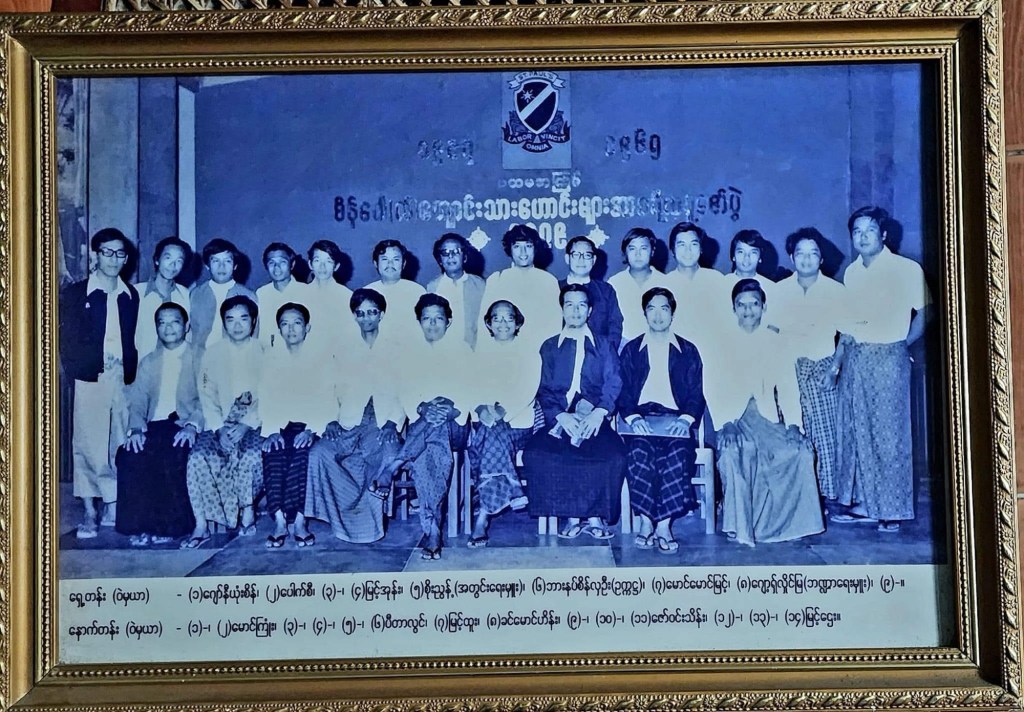
OPA (Old Paulians’ Association) Pu Zaw Pwe Organizers
OPA
Gallery
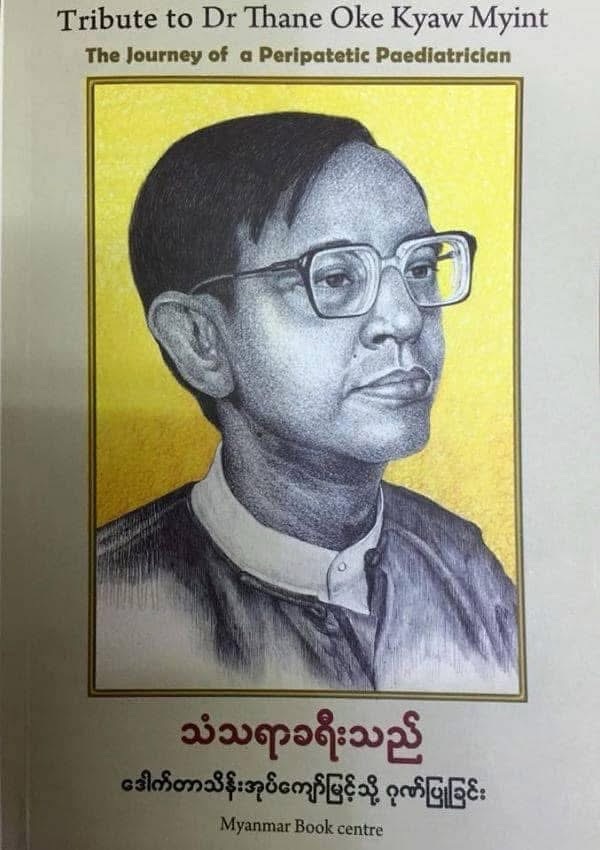
Mao Toon Siong (SPHS55, Table Tennis)U Soe Paing (SPHS56, UCC cofounder)Ko Ko Lay (SPHS56, UCC cofounder)Myo Min (SPHS58, UCC cofounder)Dr. Soe Win (SPHS58) and Family Charlie Hla Myint (SPHS59, Swimming & Water Polo)Dr. Thane Oke Kyaw Myint (SPHS60, Medical Institute Historian)SPHS60 GatheringThan Htut (SPHS60, Rowing)Nay Oke (SPHS61, OPA President)Htun Aung Kyaw & Aung Khin (SPHS61)Hla Min (SPHS63)SPHS63
Update
Old Paulians’ Association opened SPHS Museum on St. Paul’s Day (June 30) in 2025
Three of the 1963 Scholarship Winners — Myo San / Freddie Ba San, Aung Thu Yein / Brownie Way and Maung Maung Kyi — have passed away.
Thanks to Saya U Soe Paing for his great endeavour in visiting the UCL (Universities’ Central Library) numerous times [in January 2012] to gather and record invaluable information relating to RIT (and BOC college of Engineering as well). And thanks to you for archiving all through your emails and keeping all RITians gelled together.
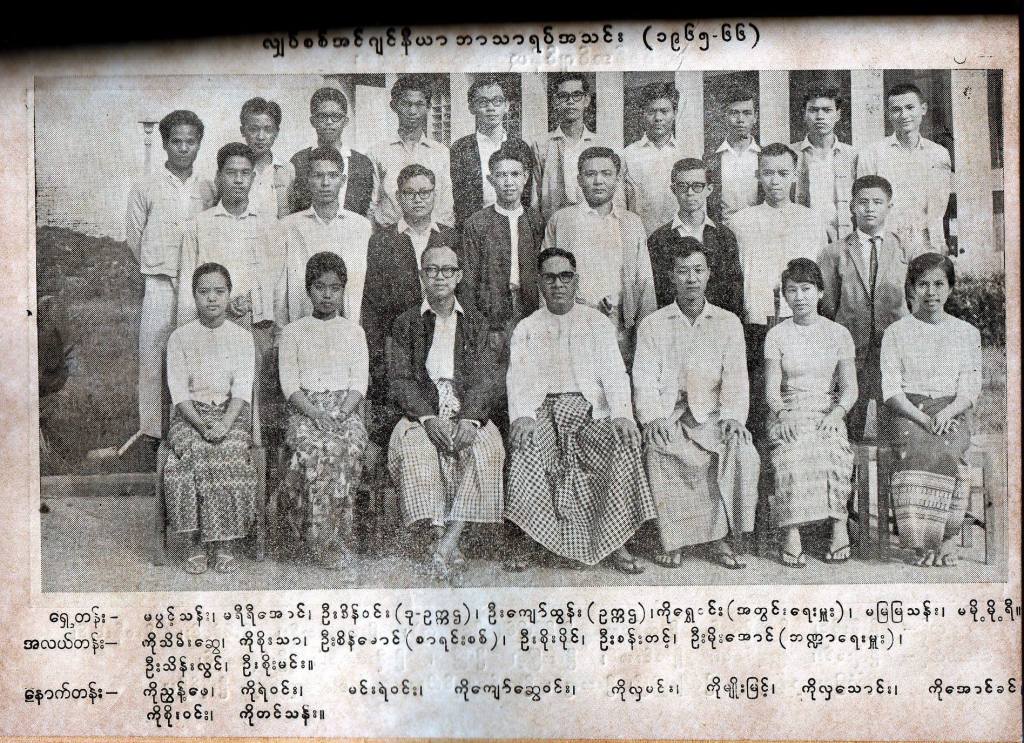
Only when did Saya U Soe Paing mention Engineering Students’ Magazines, that I happen to recall one Engineering Students’ Magazine in which I was part of it. That was in Academic Year 1960-1961. I was still an Electrical Engineering Student at that time (2nd year, or, by the present calling, 4th year). At Rangoon University (Main University) they had a University Students’ Union (in Burmese, Thud Meg-ga is translated as Union), and we had correspondingly an Engineering Students’ Union as well at our Faculty of Engineering at Leik-Khone (Dome), Prome Road.
At that time I met one Ko Hla Tin (Civil) who was my senior and several years older than me, staying at Prome Hall which was adjacent to Leik Khone, only separated by a fence. He was an avid poet (pen name Kay-tu Win Tint, from Taunggoo) and I used to visit his room at Prome Hall to talk about poems and literature during lunch or break times. I also met one senior (can’t recall his name, I think Ko Sein Hlaing) who was the Secretary of the Students’ Union. After some lively discussions, we decided to issue an Engineering Students’ Union Annual Magazine and they made me the Chief Editor. The Magazine consisted of two sections, Burmese and English, of which Saya U Aung Khin (Mech) was the English Editor.
I still have the 1960-61 issue neatly tucked in a cupboard in Yangon.
Now I remember that Ko Sein Hlaing (EE?) is still in Yangon, helping to look after his grand children, but not in good health. Ko Sein Hlaing’s daughter was my daughter’s very close friend since their childhood days. We met once in Singapore about 12 years back.
Dear Ko Hla Min, this is the time to reminisce and be happy about the good old days and try to fly back with whatever time machine we could get hold of. Time really flies and we should realize that our days are numbered.
Publications
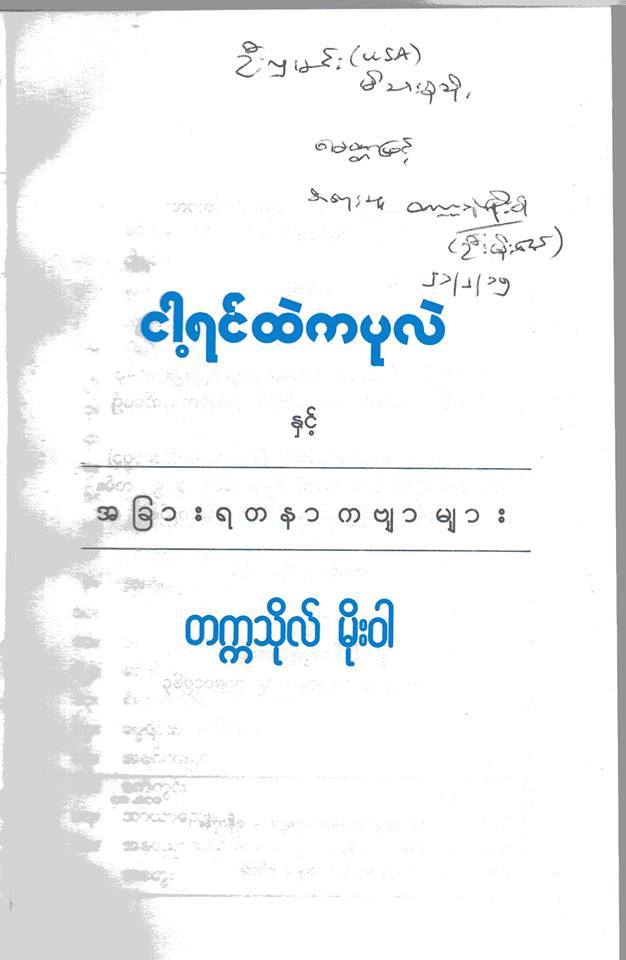
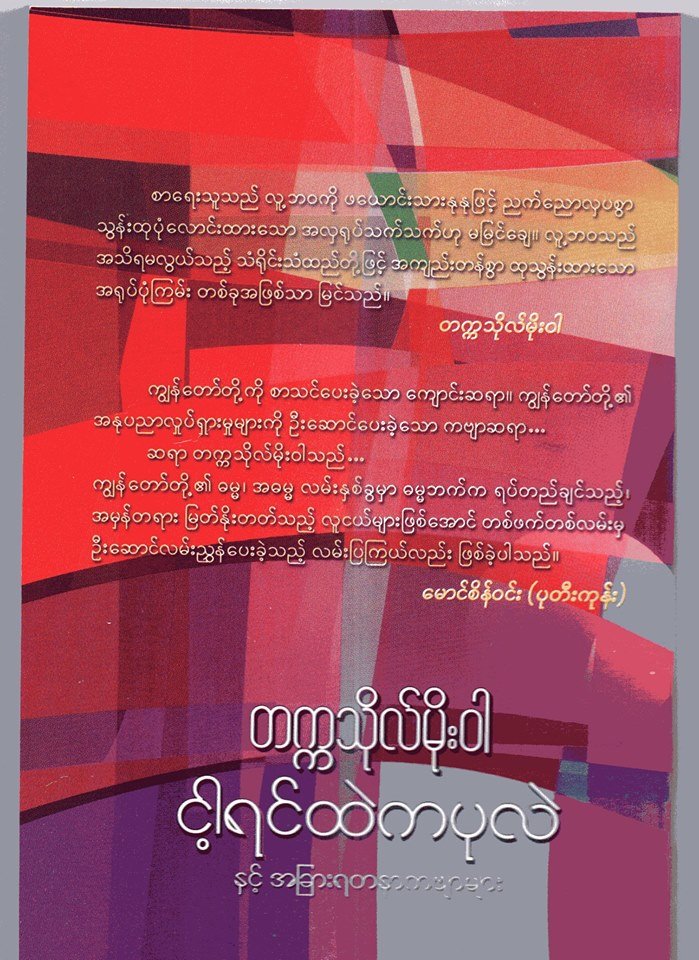
Saya published “Collection of Poems” : some books by himself (e.g. Pearl in My Heart) and some with collaborators (e.g. Swel Daw Poems).
He also published a collection of articles (e.g. Sea of Men & selected articles)
During one of my visits to Rangoon, he gave me an autographed copy of his book.
Autographed copyCoverMusings by Tekkatho Moe War and Maung Sein Win (Padeegone)
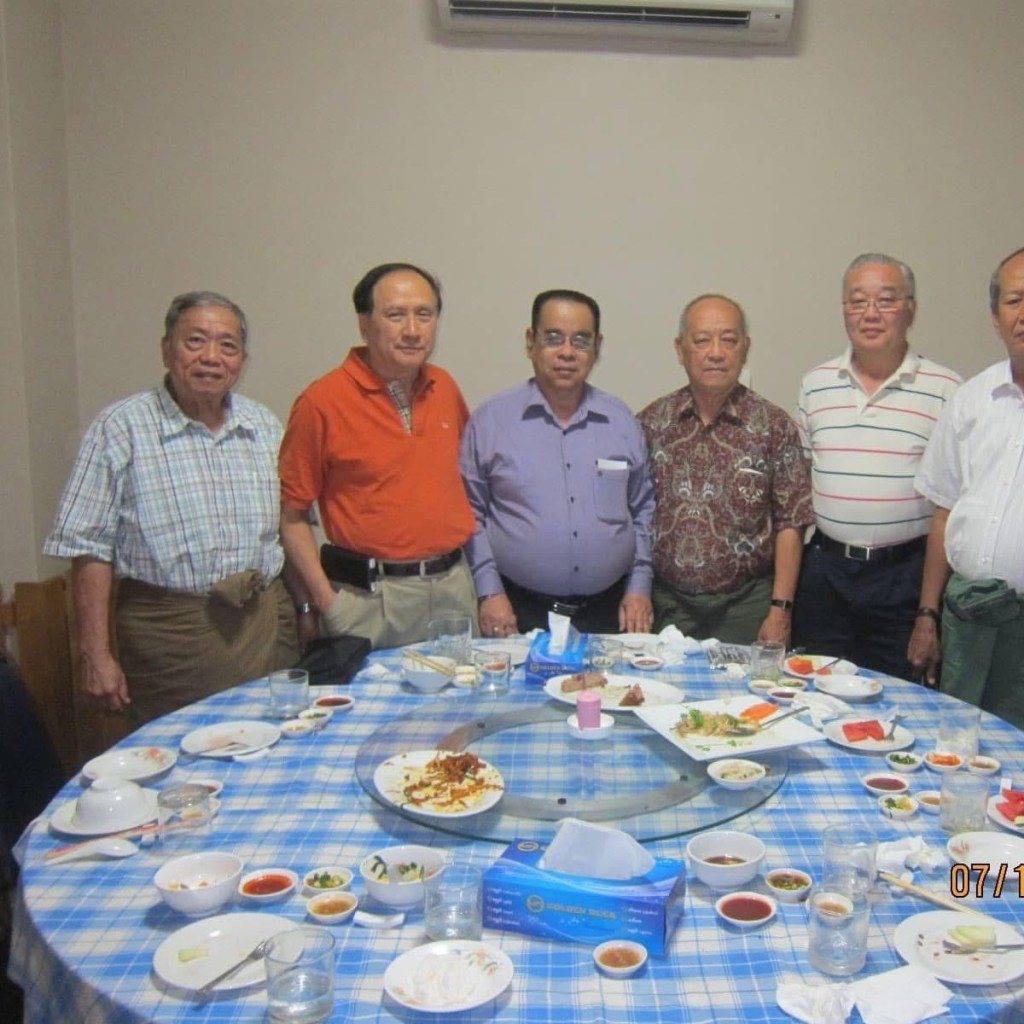
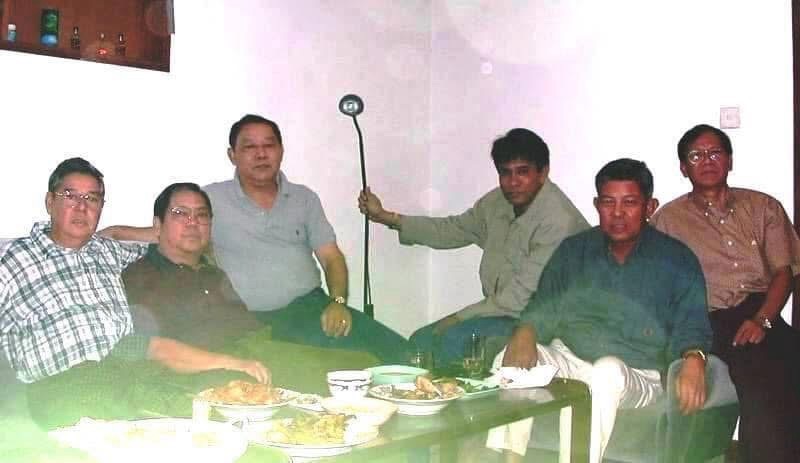
Kyaw Win offered birthday soon kyway to Uzin Okkantha (Victor, Aung Chaw) and treated his former SPHS63 classmates (some of whom have not seen each other for a long time). The attendees include :
Aye Ngwe (Edwin, GBNF)
Kyaw Win (“Birthday Boy”)
Khin Maung Bo (Alan Saw Maung, EP69, GBNF)
Hla Min (EC69)
Uzin Okkantha (Aung Chaw, Victor, C69, GBNF)
Than Win (M69)
Aung Kyi (Arthur Kyi, GBNF)
Tin Tun (M69, GBNF)
Khin Maung Zaw (Frank Gale, IM1 70, UK)
SPHS Novice Crew at RUBC
Maung Maung Kyi (Bow)
Hla Min (No. 2)
Kyaw Win (No. 3, EE)
Willie Soe Mg (Stroke)
Myint Thein (Cox, SPHS 62, B.Com 66)
We were all awarded Full Green.
When the schools were closed following the first Anniversary of 7th July, Kyaw Win and Maung Maung Kyi applied for scholarships to study in Germany.
Maung Maung Kyi received Dip Ing in ChE with Specislization in Pulp and Paper. He worked at Sittaung Paper Mill and PPIC before moving to Wales, UK.
Kyaw Win had a higher calling. He and his friends protested in front of the Burmese Embassy. The higher authorities were alarmed at their movement and recalled back to Burma. Fortunately, he was able to complete his EE in Rangoon.
GBNF
Willie Soe Maung was from the first batch of BDS. He passed away quite early.
Myint Thein passed away after having medical problems for a long time.
Attended PPBRS (Private Primary Boundary Road School) from Infant / KG to Third Standard.
Attended SPHS (St. Paul’s High School) from Std. IV to Std. X
Matriculated from SPHS in 1963. Stood 7th in Burma and won Collegiate Scholarship.
Attended I. Sc (A) at Leik Khone — then Intermediate College of Rangoon University. Stood 1st among students taking Pure Science Option.
Admitted as Top Student to the first ever 2nd BE in November 1964.
Studied five years at RIT from 1964 to 1969
Graduated with B.E (EC) in 1969
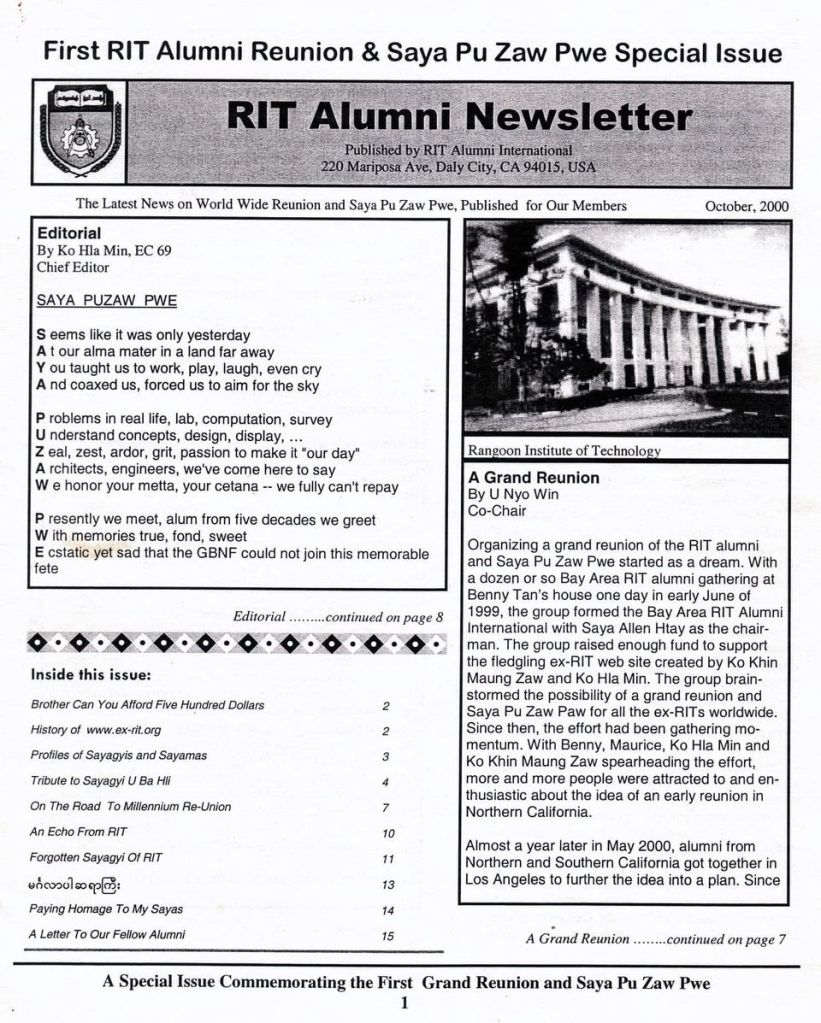
Have spent 27 years (from 1999) paying back to my alma mater & my mentors
Thanks to my family members for their support.
1963
SPHS63
Received award given by SPHS for passing Matriculation (7th in Burma) Won Collegiate Scholarship
7th in Matriculation examination of 1963
Attended the last ever I.Sc.(A) at Leik Khone
Senior Novices Runner-up at RUBC Monsoon Regatta with Willie Soe Maung (Stroke, GBNF), Kyaw Wynn (3), Maung Maung Kyi (Bow, GBNF) & Myint Thein (Cox, GBNF)
Attended RUBC 40th Anniversary Dinner hosted by Sithu U Tin (President, GBNF) at Kandawgyi
Received Full Green
1964 – 1969
Admitted to the first ever 2nd BE in November 1964 as the Top Student
2nd BE
Selected RIT Luyechun in the Summer of 1965 and attended the LYC Camp at Inlay Khaung Daing.
Luyechun
Joint Secretary, Secretary & Magazine Committee, RIT EE Association
RIT EE
Treasurer and Vice Captain, RUBC
Editor, Newsletter published by RIT English Association
Started free lance writing (article, poem, translation …)
My poem “Men on the Moon” was published in the Guardian in July 1969
Poem
1970 – 1998
Generation Zero member of UCC (Universities’ Comouter Center)
Hardware & Software Engineer
Senior Systems Programmer
Manager, Business Applications
UCC
Senior Lecturer, Computer Science, DCS (Department of Computer Science)
Associate Professor, Software Technology, ICST (Institute of Computer Science and Technology)
Worked for several high tech companies in Silicon Valley
1999
NewsletterChief Editor, RIT Alumni Newsletter
Started “RIT Alumni International Newsletter”
It started with the news and photos of some gatherings back in Burma. (a) 30th Anniversary of the Graduation of the Class of 69 [reported by Ko Daniel Tint Lwin and Ma Saw Yu Tint (Alice). (b) Mini-gathering with Sayagyi Dr. Aung Gyi and other sayas and senior alumni (reported by Saya U Soe Paing)
2000
SPZP-2000
SPZP-2000 First RIT Grand Reunion and SPZP in San Francisco, USA Core Organizer
Content Provider & Editor for the First RIT Web Site designed and implemented y KMZ / Khin Maung Zaw (EC76)
Special Web Pages for SPZP-2000
Commemorative Issue of the Newsletter for SPZP-2000 Chief Editor) Composed “SAYA PUZAW PWE” poem
64 Countdown to the Reunion posts
36 Post-Reunion posts
2002
SPZP-2002 Second RIT Grand Reunion and SPZP in Singapore
Commemorative Issue of “Swel Daw Yeik Sar Saung” by Saya U Moe Aung and team Reprinted my “SAYA PUZAW PWE” poem as Back Cover
2004
SPZP-2004 Third RIT Grand Reunion and SPZP in Yangon
Mild earthquake did not rattle the attendees
2007
SPZP-2007 Fourth RIT Grand Reunion and SPZP in Singapore
Commemorative Issue of “Swel Daw Yeik Sar Saung” by Saya U Moe Aung and team Contributed a poem “SWE DAW YEIK”
2010
SPZP-2010 Fifth RIT Grand Reunion and SPZP in Singapore
Commemorative Issue of “Swel Daw Yeik Sar Saung” by Saya U Moe Aung and team Contributed an article “Sad and short clip — EE sayas”
2012
SPZP-2012 Sixth RIT Grand Reunion and SPZP in Yangon Traveled twice (in March and December) to help with the SPZP
True “Home Coming” in the Gyogone Campus
With Steeve Kay (Multiple Golden Sponsor of SPZPs)
Special publication : History of University Engineering Education in Burma/Myanmar by Saya U Aung Hla Tun and team. Ko Ohn Khine (M70) and I prepared the supplemental CD for the book.
Special publication: Selected RIT Cartoons
Commemorative Issue of “Swel Daw Yeik Magazine” by U Saw Lin and team
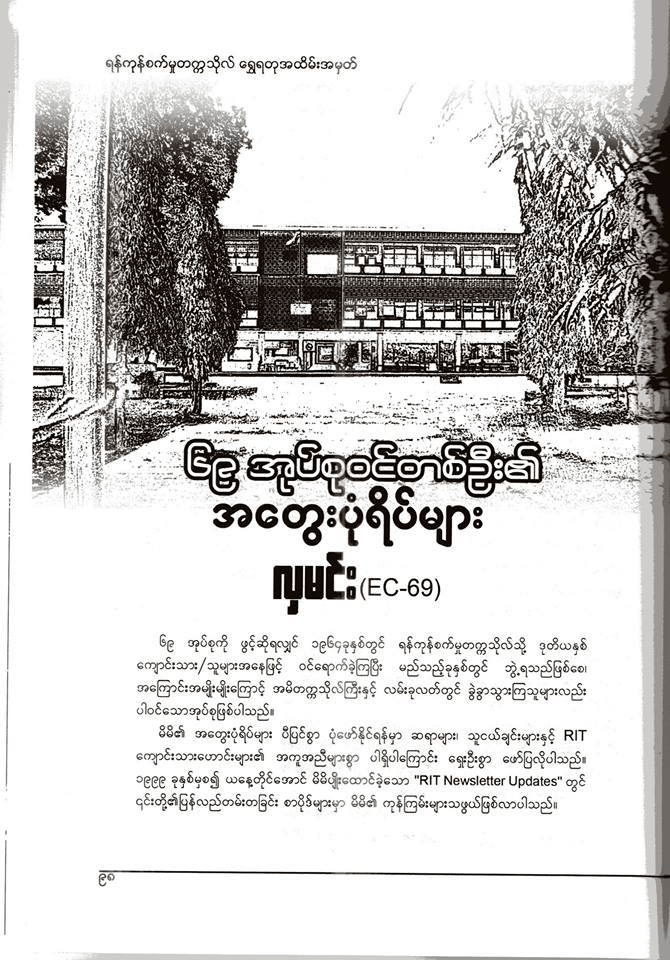
Commemorative Issue of “Swel Daw Yeik Magazine” by Saya U Moe Aung and team; I wrote an article “Recollections of a 69er”
Memories of a 69er (published in Swel Daw Yeik Magazine in 2014)
Paved Shwe YaDu lane and set up Swel Daw Yeik benches
Translated Saya U Moe Aung’s Shwe YaDu poem
2016
RIT/YIT/YTU Alumni Association Life Member
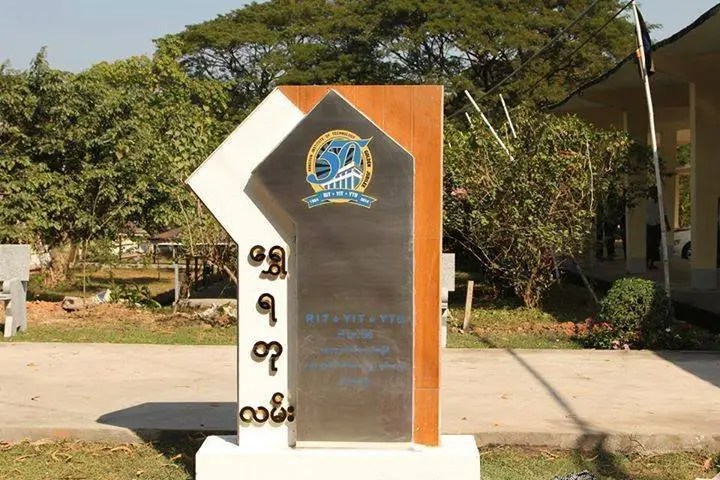
SPZP-2016 Seventh RIT Grand Reunion and SPZP in Yangon
10000+ attendees
Free food and fun (all day and all night long)
Platinum Jubilee for the Class of 69 Hosted by some 69ers for their friends (in their sunset)
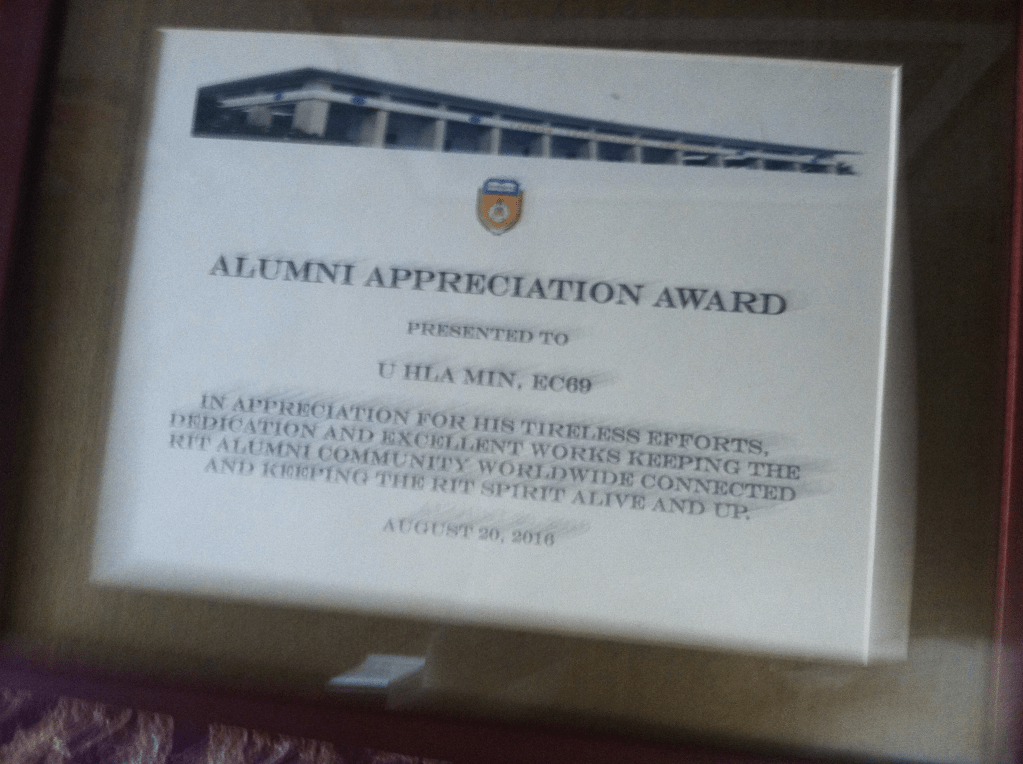
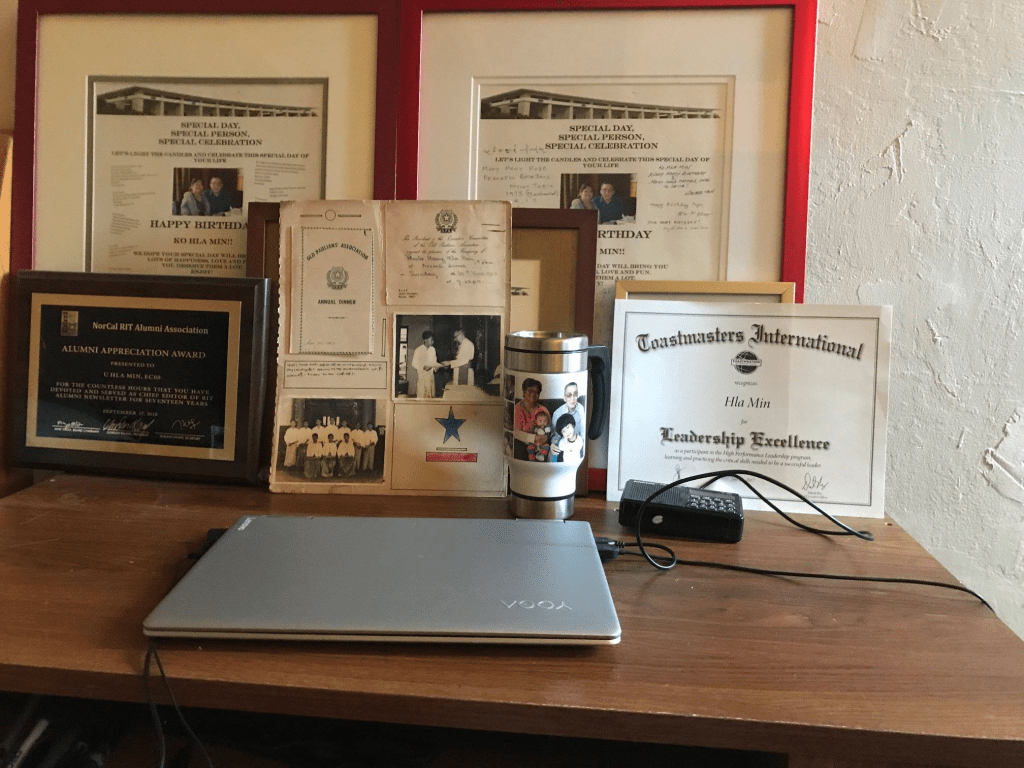
Alumni Appreciation Award (received for the second time)
Soonkway at Half Moon Bay Monastery (organized by U Maurice Chee) Received Alumni Appreciation Award from alumni worldwide
Annual Dinner by Northern California RIT Alumni Association Received plaque signed by Saya U Myat Htoo (Chair, BOD), U Kaung Kaung Oo (Gordon, President), and U Thaung Nyunt (Secretary)
Alumni Appreciation Award(received for the third time)
Attended SPZP-2016 and Platinum Jubilee of the Class of 69
SPZP-2016
2017
Attended Post-SPZP2016 Gatherings
Award Distinguished Toastmaster
DTM
2018
Memories of UCC 40+ posts
Trivia : 1000+ posts (on going) Several readers said that the posts are more than Trivia
Archived newsletters and posts in my website hlamin.com
2019
Panelist, 5th Irrawaddy Literary Festival
ILF
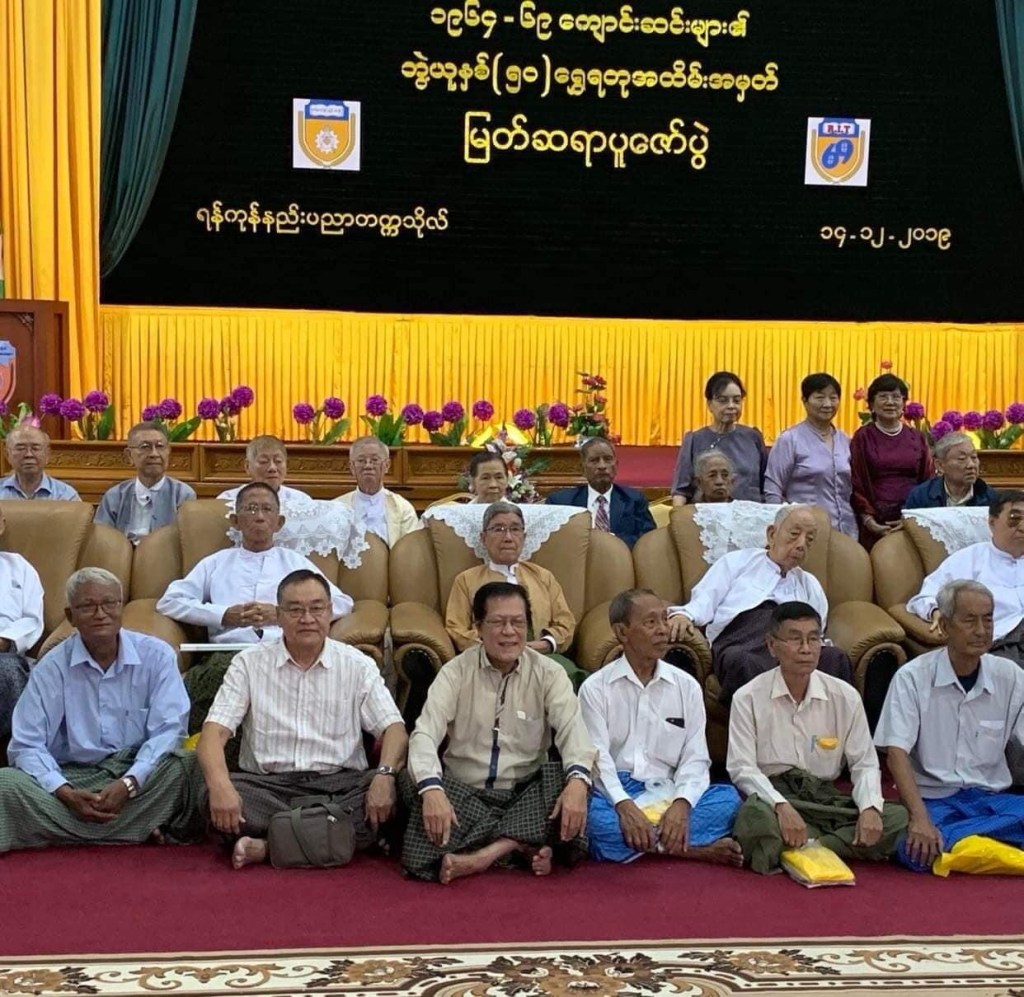
Golden Jubilee, RIT 69ers
GJ
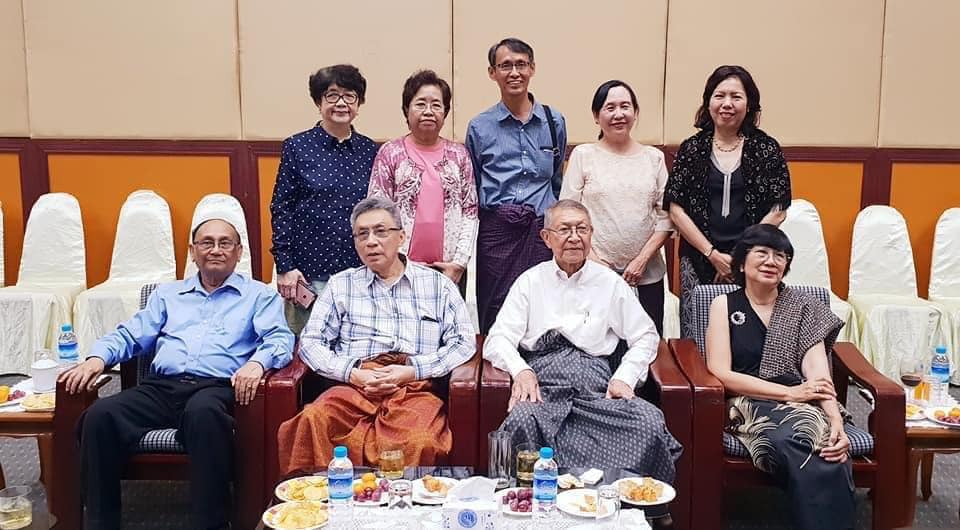
Attended several gatherings and Acariya Pu Zaw Pwes
2020
Invited to join the PSA 2020 Tour to Upper Burma
Broadcast Short talks (Videos) Archived in Facebook and Youtube
Moderator & Contributor RU Centennial Facebook Group
YouTube Channel
2021 – 2023
Due to pandemic, outdoor activities were put on hold
Overseas travel required certificate of Covid vaccine
Revise articles
Write new articles
Short Trips to Singapore, Thailand & Laos
Shared Memories of PPBRS, SPHS, RIT and UCC
Posted new and revised articles in my web site hlamin.com
My educational videos can be accessed from YouTube. Search for @hmin3664
2024 – present
In 2024, we celebrated (a) Centennial of Engineering Education in Burma / Myanmar (b) 60th Anniversary of RIT (c) Silver Jubilee of RIT Alumni Newsletter
Still practicing as Lifelong Learner and Knowledge Sharer
U Shwe Kyaw (BIT Volleyball Selected)Daw Khin Toe Myint
Graduated in 1963 with Mechanical Engineering
He and U Aye (M62) played together in Ramanya Hall volleyball team during 1959-60 season.
Represented BIT and RU in Volleyball (along with U Aye M62)
Joined the Air Force and became a Pilot.
He was Air Force Captain (Officiating Major) when he perished in a plane crash.
Survived by Sayama Daw Khin Toe Myint (Zoology) and two children. Sayama is a dhamma friend. Her son U Thet Win Kyaw played the Drums at SPZP-2000.
U Shwe Zan Aung (SPHS63)
Std VIII B in SPHS
Matriculated from SPHS in 1963
Joined the Army and went to the front several times
His grandfather was afraid of losing another grandson prematurely. He requested SZA to leave the army and promised to provide financial support in exchange for peace of mind. His grandfather supported SZA’s family for a long time.
Finally joined a ship as a radio operator
Perished at sea when the ship sunk
Dr. Shwe Tun Kyaw
He and his spouse took early retirement from their medical practice in UK.
They volunteered as Assistant Teachers in several bi-lingual (Burmese and English) Goenka Center retreats.
He is a classmate of my younger sister. I met him at the house of Audrey Wong (C84), a volunteer for the Northern California Goenka Center.