- Fourth letter of the English Alphabet
- Roman Numeral with the value of 500
- Diploma, e.g. DAC
- Directorate, e.g. DHE
- Distinction
- District, e.g. D4TM
- Grade, usually 1.0
- DC — District Commissioner; Direct current; District of Columbia
- DD — Doctor of Divinity; Double Density
- DNA — Deoxyribonucleic acid
- DND — Do Not Disturb
- DPI — Dots Per Inch
- DPU — Dual Processing Unit
- DQ — Disqualification
- DS — Double Sided; Data Science
- DST — Daylight Savings Time
- DVD — Digital Versatile Disc
Author: Hla Min (Lifelong Learner)
-
D (Symbol)
-
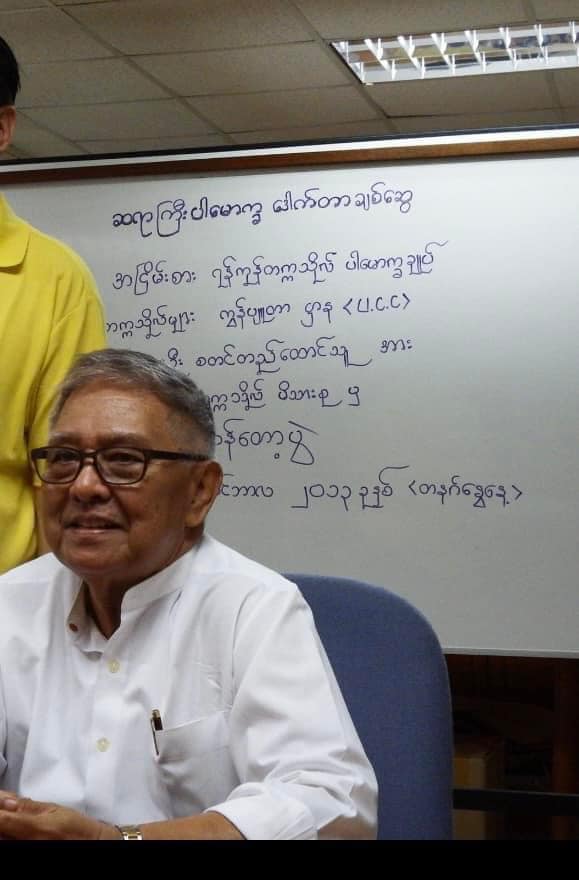
GBNF from UCC
by Hla Min
Updated : May 2025
- Dr. Chit Swe — Founder & Director of UCC
There are several posts about Saya.
Dr. Chit Swe - U Ko Ko Lay — Co-founder
He served as Operations Manager, Scientific Applications Manager, Professor at DCS and ICST - Dr. Tin Maung
He succeeded Saya Chit as Director of UCC. During his tenure, Department of Computer Science (DCS) and Institute of Computer Science and Technology (ICST) were established. He served as the inaugural Rector of ICST - CO U Hla Min — Operations
Joined UCC as Chief Operator. He attended a post-graduate course in UK, where he met his beloved one. He is an early casualty (passing away at the tender age of 30+). - U Aung Zaw — Systems Programmer, Systems Division
Taught at UCC, CSO, Assumption University and in Sydney. Wrote two books “Bawa and Dhamma” and “Cetana Thi Thar Kan” - U Mya Thein — Business Applications
Joined the Department of Commerce, Institute of Economics. Transferred to UCC as Business Applications Programmer. Retired as Business Applications Manager. Taught at UCC, DCS, ICST, and ITBMU (International Theravada Buddhist Missionary University). - Daw Nge Ma Ma Than — Business Applications
Taught at UCC,DCS, ICST - U Kyaw Nyein — Scientific Applications
Joined UCC as Scientific Applications Programmer. Taught Numerical Methods. Joined UNV. - U Win Naing — Scientific Applications
Science Scholar for Mathematics. Attended the 1st batch of M.Sc. (CS) with the Systems Option. Scientific Applications Programmer. - U Soe Myint — Operations; Retired as Pro-Rector of ICST.
- U Maung Maung Gyi — Operations
- U Maung Maung Lay — Operations
- Daw Hla Hla Win — Operations
- Daw Kyu Kyu Lwin — Operations; Moved to Social Security Board
- Daw Win May Thaung — Operations
- U Aung Myint — Engineer, Systems Division
- U Shein Soe Myint (EC83) — Systems Division
Passed away in Singapore while doing his doctorate - U Aung Aung Thein — Systems Division; Colleague of U Kyaw Zwar Soe
- U Myint Aung — Admin Department
- Daw Khin Lay Myint — Admin Department
- U Khin Maung Aye (M73) — 1st batch of M.Sc. (CS) with Applications Option
- Daw Khin Mya Swe — Attended M.Sc. (CS)
- Daw Khin Toe Nyein — Attended M.Sc. (CS)
- U Thein Tan — Attended M.Sc. (CS)
- Daw Thida Aung — M.Sc. (CS); Classmate of Daw Thida Khin
- Daw Khin San Hlaing (Cynthia) — She joined UCC as Librarian. She attended M.Sc. (CS) She worked at (or attended) AIT (Asian Institute of Technology) She migrated to Australia
- Dr. Chit Swe — Founder & Director of UCC
-
Hazards of PPIs
By Dr. Kyaw Nyunt (Robert Koe, Florida, USA)
Proton pump inhibitors (PPIs) which suppress stomach acid is used long term by many without knowing the detrimental side effects.
The only condition that needs long term is Barrett’s esophagus proven by biopsy.
Omeprazole, Esomeprazole, Pantoprazole are some of those drugs.
The popular ones are Prilosec and Nexium and people can buy without prescription.
Doctors don’t discuss about side effects.
Hazards
1. Pneumonia.
2. Clostridium difficile colitis because stomach acid is needed for protection.
3. Kidney failure. Interstitial nephritis.
4. Heart. Patients taking Clopidogrel after the heart attack will have risk of another one because PPIs reduce the effects of Clopidogrel.
5. Gut bacteria overgrowth leading to irritable bowel.
6. Hip fracture due to interference of calcium absorption.
7. Malabsorption. Iron, B12, Calcium, Magnesium, Zinc and will lead to iron and B12 deficiency anemia.
8. Bacterial Gastroenteritis caused by Campylobacter and Salmonella.
So you learn about PPIs side effects.
You might not know that reflux is usually caused by esophageal motility problem and incompetent valve at the lower end of esophagus.
Stomach acid production reduces as you grow older and you don’t want to worsen it.
Take care. Thanks.
-
The Great Gandhiji
- Born as Mohandas K. Gandhi.
- Indian lawyer.
- Returned from overseas to lead non-violent boycotts.
- Subsequently known as Mahatma, Gandhiji and the Apostle of Non-violence.
- Assassinated by a Hindu Extremist, who did not like Gandhi’s tolerance for non-Hindus.
- The movie “Nine Hours to Rama” did not fare well in the Box Office.
- The movie “Gandhi” won an Oscar for Ben Kingsley for his portrayal as Gandhi.
- I wrote a poem for the Centennial of his birthday.
- The poem was published in the Working People’s Daily (WPD) on October 1, 1969.
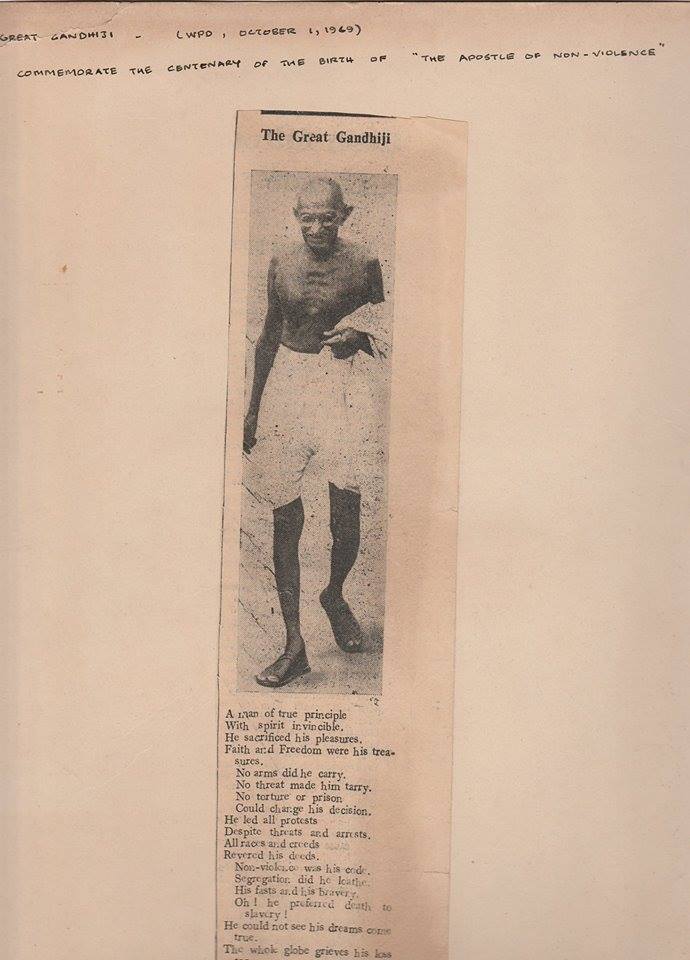
Poem The Great Gandhiji
A man of true principle
With spirit invincible
He sacrificed his pleasures
Faith and freedom were his treasuresNo arms did he carry
No threats made him tarry
No torture or prison
Could change his decisionHe led all protests
Despite threats and arrests
All races and creeds
Revered his deedsHe could not see his dreams come true
The whole world grieves his loss too
Though he cared not for fame
His name will indeed remain
In history, O Great Gandhiji -
Best Friends Forever 69ers
Health Care Funds
U Aung Min (M69) is Chair of the 69er HCF (Health Care Fund). He regularly sends out monthly and quarterly reports including the list of GBNF.
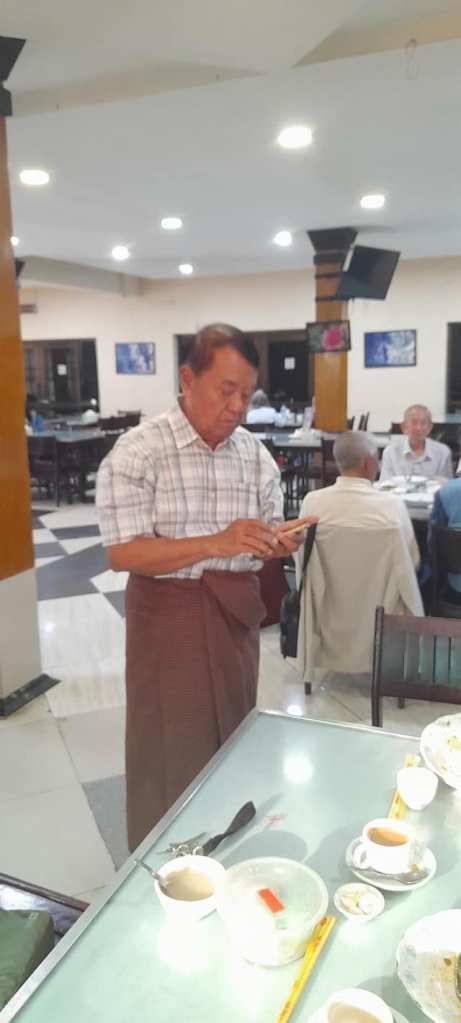
U Aung Min The major donors of the 69er HCF include
- Ivan Lee (U Khin Maung Oo (M69, New Jersey)
- U Sein Myint (EP69, Singapore)
- Daw Myint Myint (C69)
There is also EE69er HCF. U Sein Myint is a major donor of the fund. The donors’ list is maintained by Sa Maung Maung (EP69) with the help of U Shwe (EP69).
Gatherings
There are gatherings mostly for breakfast, but occasionally for lunch and dinner.
69ers (mostly M69ers but also friends from other disciplines) usually have a Monthly Breakfast Gathering at Taw Win Hnin Si (Royal Rose). The gatherings also celebrate Birthdays and Anniversaries.
EE69ers tried to meet once every two months.
Lunch Gatherings have been held at
- Crystal Jade
- Shwe Bei
- Westin Royal
Breakfast Gatherings include
- All Disciplines
- M69ers
- EE69ers
Ad hoc Gatherings include
- Welcoming 69ers from overseas
- Hosted by visiting 69ers
- Garawa to Sayagyi U Ba Than (around his birthday : October 2)
-
Philosophy
Dr. Hla Bu
- He was Professor of Philosophy and Psychology at Rangoon University.
- Later, RU established Philosophy and Psychology as separate departments.
Origin
- Philosophy is derived from “Phil” (Love of) and “sophy” (wisdom).
Usage
- Advanced degrees often have “Philosophy” (to mean “Love of wisdom”).
- Ph.D (Doctorate in Philosophy)
- M.Phil (Master of Philosophy)
Disrespect
- Under the then new Education System (starting in 1964), some students with low ILA (Intelligence Level Aggregate) were assigned to study Philosophy.
- The Education System led to the end of well-rounded / liberal education in Burma.
- Ko Win Myint, who was a High School Luyechun from Myeik (Mergui), was assigned to study Philosophy, but he did not lose heart and eventually became a computer professional.
Dr. Khin Maung Win
- Professor of Philosophy
- Later : Minister of Education in the BSPP era.
U San Lwin
- Lecturer
- He was also known as author (e.g. famous Philosophers), hypnotist, movie director, and monk (discussing comparative religion)
Nanda Thein Zan
- Professor
- Well known author
Acariya Pu Zaw Pwe
- Workers’ College
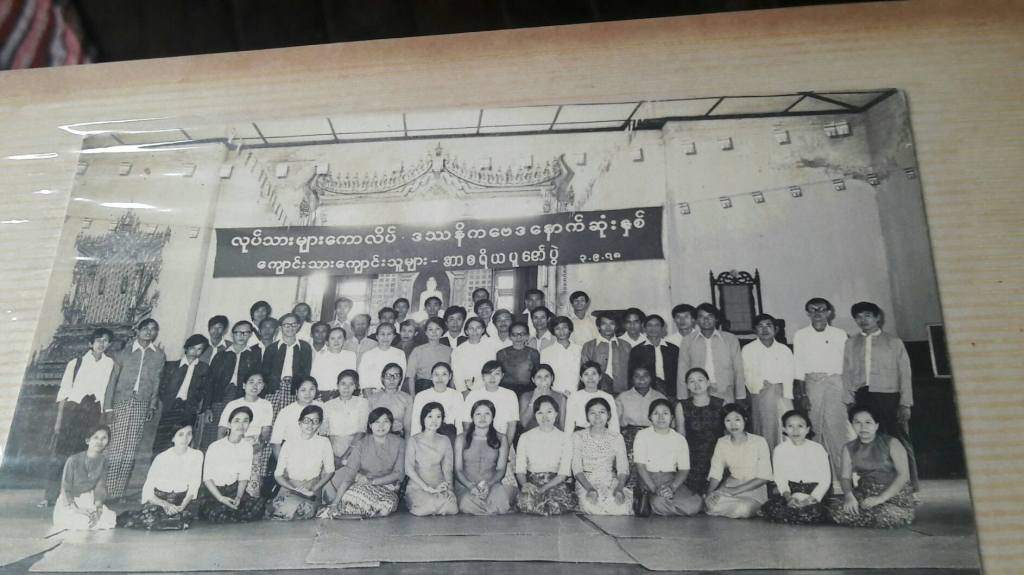
PZP -
Psychology
Dr. Hla Bu
- Professor of Philosophy and Psychology at Rangoon University.
- Later : RU established Philosophy and Psychology as separate departments.
Origin
- Psychology is derived from “Psycho” (meaning Mind) and “logy” (meaning study of).
Dr. Hla Thwin

Dr. Hla Thwin - Professor of Psychology
- He was active in RU Sports Council & RU Soccer.
Dr. Kyaw Sein
- Professor of Psychology
- Later, Minister of Education in the BSPP era.
U Khin Maung Tint
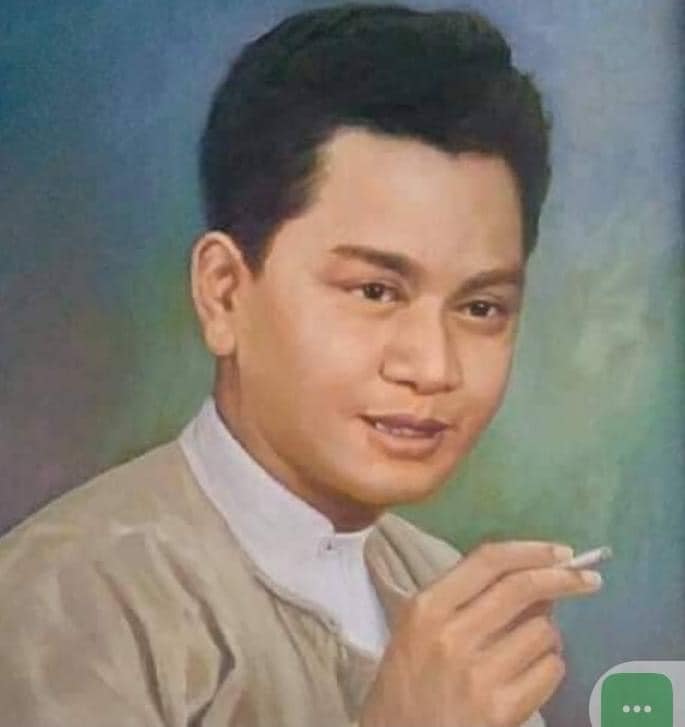
Tekkatho Phone Naing - Well-known author
- Pen name : Tekkatho Phone Naing
- Principal, Taunggyi College
- Later : Rector, Institute of Education
Daw Elsie Po Sa
- Professor of Psychology
- Passed away
- Daughter of U Po Sa, first Burmese to open a Bank
Daw Khin Khin Htwe
(Flora San Pe)

U Thein Han & Daw Khin Khin Htwe - Retired as Librarian in charge of the Burmese section at the Library of Congress
- Sister of Dr. Pe Nyun and Dr. Pe Thein
Usage
- The term Psychology appears in some computer books.
- The Psychology of Programming (by Gerald Weinberg)
- The Psychology of Computer Vision (by Patrick Henry Winston)
-
Sayas and Colleagues
by Hla Min
Updated : May 2025
There is a related post “GBNF : Sayas” with details of selected sayas.
Deans and Rectors
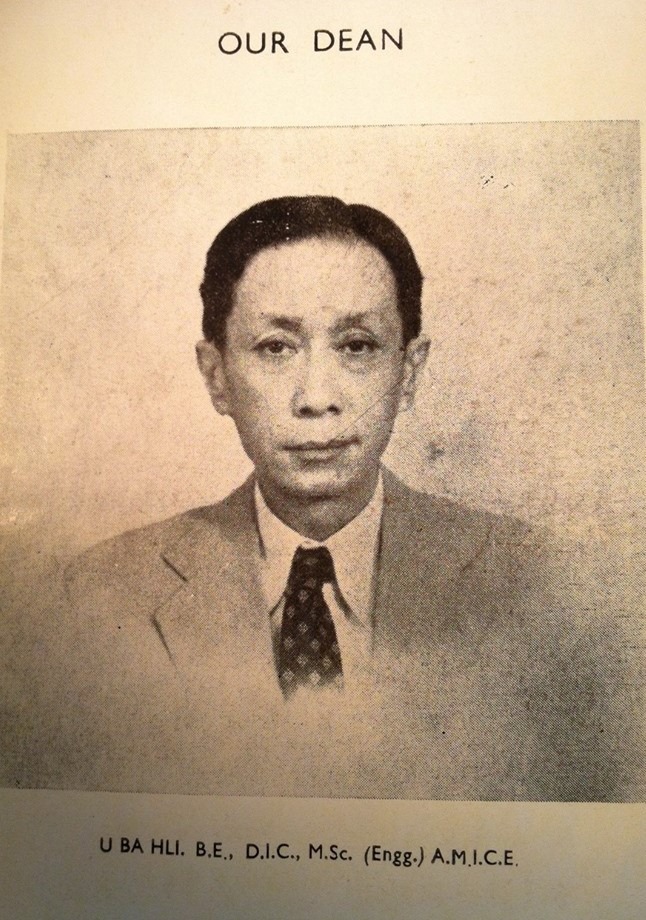
- U Ba Hli (Dean)
U Ba Hli - Dr. Htin Aung (Interim Dean)
- Dr. Maung Maung Kha (Interim Dean)
- U Po Tha (Interim Dean)
- U Yone Moe (RIT Rector, BIT Dean)
- U Khin Aung Kyi (RIT Rector)
- U Maung Maung Than (RIT Rector)
Architecture
- U Tha Tun (A, Part-time)
Passed away on 13th Sept. 1974 - U Kyaw Min (A, Part-time)
- Sai Yee Leik (A)
- Dr. Koung Nyunt (A)
- U Shwe (A)
Civil
- H Num Kok (C)
- U Min Wun (C)
- Allen Htay (C)
- U Aye Win Kyaw (C)
- Madan Chand (C)
- U Kyaw San (C, Part-time)
Chemical and Chemistry
- U Khin Aung Kyi (ChE)
- U Kyaw Tun (ChE, Chem)
- Dr. Maung Maung Win (ChE)
- U Ohn Maung (ChE)
- Daw Than Than (Chem)
Electrical
- Dr. F Ba Hi (EE, Part-time)
- U Kyaw Tun (EE)
- C. Ping Lee (EE)
- U Sein Hlaing (EE)
- U Tin Swe (EE)
- U Sein Win (EE)
- U Thein Lwin (EE)
- Dr. San Tint (EE)
- U Soe Min (EE)
- U Chin Way (EE)
- U Nyi Nyi (EE)
- U Tin Shwe (EE)
- U Kyaw Naing (Sin Gwan, EE)
- Daw Nyunt Nyunt Yee (EE)
English
- Sao Kan Gyi (Eng)
- Joe Ba Maung (Eng)
Mechanical
- U Ba Than (M)
- U Tin Hlaing (M)
- U Khin Maung (M)
- U Myo Win (M)
- U Han Tun (M)
- U Soe Lwin (M)
- S Arya (M)
- S Kyaw Aye (M)
- Dr. Chan Nyein (M)
- U Thein Tun Aung (M)
- U Tin Maung Oo
Metallurgy
- U Thit (Met)
- Dr. Saw Pru (Met)
- Dr. Khin Maung Win (Met)
- U Aung Hla Tun (Met)
Mining
- U Soe Khaw (Min, Part-time)
- U Soon Sein (Min)
- U Win Kyaing (Min / Pet)
- U Chit Htun (Min)
- U Kyaw Tint (Min)
- U Aung Myint (Pet)
Physics
- Daw Nyein (Phy)
- U Hlwan Moe (Phy)
- U Saw Hlaing (Phy)
- Daw May Than Nwe (Phy)
Textile
- U Maung Maung Than (T)
- U Shwe Yi (T)
- Julie Han (T)
- Daw Tin Tin Ohn (T)
- U Hla Shwe (T)
UCC
- Dr. Tin Maung (UCC)
- U Ko Ko Lay (UCC)
- U Hla Min (CO, UCC)
- U Aung Zaw (UCC)
- U Mya Thein (UCC)
- U Kyaw Nyein (UCC)
- U Soe Myint (UCC)
- U Shein Soe Myint (UCC)
- U Aung Aung Thein (UCC)
- U Ba Than Aye (Myo Myint Lay, UCC)
- U Myint Aung (UCC)
- Daw Aye Aye Kyi (UCC)
- Daw Win May Thoung (UCC)
- Daw Khin Lay Myint (UCC)
- Daw Hla Hla Win (UCC)
- Daw Khin Toe Nyein (UCC)
- Daw Kyu Kyu Lwin (UCC)
- U Win Htein (PWD) : managed EE systems at UCC
- Dr. Kyaw Thein (ICST)
PBRS
- U Kyaw Zaw (PBRS)
- Daw Khin Khin Aye (PBRS)
- U Tin Maung Thant (PBRS)
SPHS
- Saya U Sein (SPHS)
- Saya D’Cruz (SPHS, Australia)
- Brother Clementian (SPHS)
- Ms. A Benjamin (SPHS)
- Mrs. V. Boudville (SPHS)
- Miss Hong Kong (Ameilia Kyi, SPHS)
- Saya U Pe Tin (SPHS)
- Saya U Nge (SPHS)
- Saya U Kyaw Sein (SPHS)
Doctors
- Dr. Mohan
- Dr. Daw Khin Than Nu
- Dr. Mya Tu
- Dr. Thein Toe
- Dr. Htut Saing (Harry)
- Dr. Kyaw Win
- Dr. Min Aung
- Dr. Byron Law Yone
- Dr. Nyunt Win (Eddie)
- Dr. Aung Thwin
- Dr. Myo San
- Dr. Yi Thway
- Dr. Htut Kyaw Win
-
U Po Kyaw Myint (Bur)
- He taught Burmese at Rangoon University.
- He wrote books / articles with the pen name မြန်စာဂုဏ် ကျော်မြင့်
- He was a Thaing Saya.
- A bus caught his rain coat. He passed away.
-
Ko Soe Paing (C, Singapore)
- I met him at the houses of Ko Kyaw Kyaw Moe / Ma Pale & Ko Zaw Tun / Ma Kyu.
- He passed away unexpectedly during a Company Trip to Indonesia. He did not show up at a meeting.
- He caught Covid, but the cause of his demise was not confirmed (at the time of this writing).
- He had plans to retire and spend some time practicing Vipassana meditation.
- Death is certain, but most people do not know where and when they will rest in peace.
 HlaMin